බෞද්ධ ජනරජ ප්‍රවාදය – 52 වැනි කොටස- ‍සංස්කෘතියෙන් නීතිය

January 10th, 2022

ආචාර්ය වරුණ චන්ද්‍රකීර්ති

ශ්‍රී ලංකාවේ වර්තමාන නීති ක්‍රමය ප්‍රධාන වශයෙන් සැකැසී ඇත්තේ යටත්විජිත උරුමය ඇසුරිනි. 17 වැනි සහ 18 වැනි සියවස්වල නෙදර්ලන්තයේ (ඕලන්දයේ) ක්‍රියාත්මක වූ රෝමානු නීතිය ඇසුරින් අපගේ පොදු නීතිය සැකැසී තිබේ. එහෙත්, නෙදර්ලන්තය විසින් මෙම නීති ක්‍රමය බැහැර කර මේ වන විට වසර දෙසීයකට වැඩි කාලයක් ගත වී තිබේ. ඉංග්‍රීසි යටත්විජිත උරුමය මත අප රටෙහි අපරාධ නීතිය සැකැසී තිබේ. විවාහ, දික්කසාද සහ දේපොළ උරුමයට අදාළ කරුණු කීපයක් වෙනුවෙන් පමණක් උඩරට නීතිය භාවිත කෙරෙයි. මෙයට අමතරව, ලන්දේසී යටත්විජිත ස්වාමියාගේ මූලිකත්වයෙන් හඳුන්වා දුන් තේසවලාමේ නීතිය ද මෙ රට බලපැවැත්වෙයි. මුස්ලිම් නීතියට ද විශේෂ පිළිගැනීමක් ලබා දී තිබේ.

උඩරට නීතියට ලබා දී ඇත්තේ ප්‍රමුඛ ස්ථානයක් නොවේ. ඒ සම්බන්ධයෙන් ගැටලු ඇති වූ විට තීරකවනුයේ රෝම – ලන්දේසී නීතිය ය. තව ද, උඩරට නීතිය යනු සියලු සිංහලයන්ට අදාළවන්නක් නොවේ. 1952 උඩරට විවාහ හා දික්කසාද පනතට අනුව උඩරට ප්‍රදේශ ලෙස සැළැකෙනුයේ මධ්‍යම, උතුරු මැද, සබරගමුව සහ ඌව පළාත් පමණකි. උඩරට පදිංචි පහතරට පුද්ගලයන්ට උඩරට නීතිය අදාළ නොවන බව විලියම් එදිරිව රොබට්සන් නඩුවේ දී තීරණය කෙරිණි. පහතරට පුද්ගලයෙක් උඩරට පුද්ගලයකු සමග විවාහ වී උඩරට ප්‍රදේශයක පදිංචිව සිටිය ද ඔවුනට උඩරට නීතිය අදාළ නොවන බව විජේසිංහ එදිරිව විජේසිංහ නඩුවේ දී තීරණය කෙරිණි. උඩරට ප්‍රදේශවල වාසය කරන සංක්‍රමණික දෙමළ ජනතාවට උඩරට නීතිය අදාළ නොවන බව නාරයනි එදිරිව මුතුසාමි නඩුවේ දී තීරණය කෙරිණි.

මෙ රට ක්‍රියාත්මක දේශීය උරුමයක් ඇති එක ම නීතිය වන උඩරට නීතියට හිමි තැන උක්ත කරුණුවලින් පැහැදිළි වේ. එ මෙන් ම, මේ වන විට මෙ රට ක්‍රියාත්මක නීතිය ප්‍රධාන වශයෙන් ම ලන්දේසි සහ ඉංග්‍රීසි යටත්විජිත ස්වාමීන් තම අභිමතය සහ අවශ්‍යතා අනුව හඳුන්වාදුන් එකක් බව ද අපි සැවොම දනිමු.

නීතිය යනු සංස්කෘතික ඇගැයීම් මත පදනම් වී තීරණයවන්නකි. හොඳ – නරක, යෝග්‍ය – අයෝග්‍ය බව යන කාරණාවලට අදාළ සංස්කෘතික ඇගැයීම් මේ සඳහා උපස්තම්භක වෙයි. ඕනෑ ම නීති පද්ධතියක ප්‍රායෝගිකභාවය හඳුනාගත යුත්තේ මෙම මූලධර්මය මත පදනම්වීමෙනි. මෙ රටින් ඉතා ඈත පිහිටි බටහිර යුරෝපයේ ක්‍රිස්තියානි සංස්කෘතික ඇගැයීම් මත පදනම් වී සැකැසුණු නීති මෙ රට ක්‍රියාත්මක කිරීම එම මූලධර්මයට පටහැනි ය.

මෙ රට පවත්නේ සාමූහිකත්වයට මුල්තැන දෙන සංස්කෘතියකි. තව ද, යම් යම් පොදු කරුණු සම්බන්ධයෙන් පුද්ගලයින් අතර පවත්නා සමානත්වයක් අප පිළිගත්ත ද ගිහි – පැවිදි, වැඩිහිටි – බාල, ගුරු – සිසු ආදි වෙනස්කම්වලට ද අපි මුල් තැනක් දෙන්නෙමු. කාන්තාවන් සඳහා අපගේ සංස්කෘතිය තුළ පිරිනැමී තිබෙන විශේෂ ස්ථානයක් ද වෙයි. එහෙයින් මෙවැනි සංස්කෘතික අවශ්‍යතාවලට සහ ඇගැයීම්වලට ගැලැපෙන අයුරින් මෙ රට නීතිය ද ක්‍රියාත්මක විය යුතු වෙයි.

ගිහි – පැවිදි වෙනස අර්ථවත් වන ඇගැයීම් විශාල ප්‍රමාණයක් බෞද්ධ සංස්කෘතික පසුබිම තුළින් නිර්මාණය වී තිබේ. බෞද්ධ සංස්කෘතිය තුළ භික්‍ෂූන්වහන්සේලාට පිරිනැමෙන ප්‍රමුඛතාව නීතිය තුළින් ද පිළිබිඹු විය යුත්තේ එහෙයිනි. ශාසනික කරුණක් සම්බන්ධයෙන් විනිශ්චයක් ලබාදීමේ දී විවාදාධිකරණ, අනුවාදාධිකරණ, ආපත්තාධිකරණ සහ කිච්චාධිකරණ යනාදී බෞද්ධ අධිරකරණ ක්‍රමවලට ද මුල් තැනක් දිය යුතු ය. ශාසනික විෂයයට අදාළ පැවිදි චූදිතයකු සම්බන්ධයෙන් පොදු නීතිය ක්‍රියාත්මක කළ යුත්තේ අදාළ ගිහි – පැවිදි පාර්ශ්ව අතර ඇති කරගන්නා එකඟතාවකට යටත්ව ය.

වැඩිහිටියකු විසින් තම දරුවන්ට, ගුරුවරයකු විසින් තම ශිෂ්‍යයන්ට දඬුවම්කිරීම වැනි කරුණු සළකා බැලිය යුත්තේ එයට අදාළ ඇගැයීම් සහ ආචාර ධර්ම සීමා ඇතුළත ය. අදාළ ආචාර ධර්ම සීමා ඉක්මවා යෑම වැළැක්වීම, ඒ සඳහා අවශ්‍ය අධ්‍යාපනික වැඩපිළිවෙළ ප්‍රමාණවත් අයුරින් ක්‍රියාත්මක කිරීම, චූදිතයන්ගේ සමාජ ගෞරවයට හානියක් නොවන පරිද්දෙන් කටයුතුකිරීම, වැරැදිකරුවන් විශේෂිත ක්‍රම තුළින් පුනරුත්ථාපනය වැනි ක්‍රම ද මේ තුළට අන්තර්ග්‍රහණය කළ යුතු වේ.

ගෙදර බුදුන් වශයෙන් අම්මාට සැළැකීම, ජනගහනයෙන් බහුතරයක් කාන්තාවන් වීම, පවුලකට උපදින ගැහැණු දරුවන් සම්බන්ධයෙන් දක්වන සුබවාදී ආකල්පය, නිවෙස තුළ කාන්තාවට හිමි වී තිබෙන මූලිකත්වය වැනි කරුණු තුළින් ප්‍රකටවනුයේ කාන්තාවන් හට අපගේ සංස්කෘතිය තුළ පිරිනමා තිබෙන විශේෂ ස්ථානය ය. ජනරජය තුළ ක්‍රියාත්මක වන කිසිදු නීතියකින් මෙම ප්‍රමුඛතාව බැහැර කළ නො හැකි විය යුත්තේ ය.

නිදසුන් වශයෙන් උක්ත ඇගැයීම් කිහිපය පමණක් හුවා දැක්වුව ද අපට ගැලපෙන පරිපූර්ණ නීති පද්ධතියක් සම්පාදනය කරගැනීමේ දී සැළැකිය යුතු තවත් කරුණු පවතින බව අපි දනිමු. එ්වා සළකන තරමට නීතිය අර්ථවත් වේ.

ආචාර්ය වරුණ චන්ද්‍රකීර්ති

The missionary position: When perpetrator pretends to be victim

January 10th, 2022

Utpal Kumar Courtesy First Post

The missionary position: When perpetrator pretends to be victim

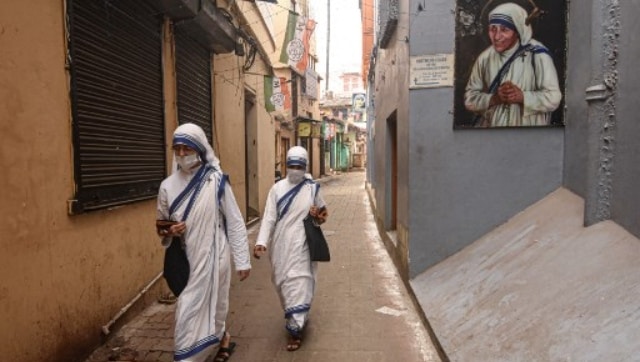
Nuns and others pray beside the tomb of Saint Teresa, the founder of the Missionaries of Charity at its headquarter in Kolkata. AP

The New York Times recently came out with a scathing report on Narendra Modi’s India. In the article, ‘Arrests, Beatings and Secret Prayers: Inside the Persecution of India’s Christians’, it made serious charges that there has been rise in attacks on Christians in India, and these attacks are part of a broader shift in the country, in which minorities feel less safe.

Anti-Christian vigilantes are sweeping through villages, storming Churches, burning Christian literature, attacking schools and assaulting worshippers. In many cases, the police and members of India’s governing party are helping them, government documents and dozens of interviews revealed. In church after church, the very act of worship has become dangerous despite constitutional protections for freedom of religion,” said the NYT report.

This sort of narrative is not new, especially in the last seven years of the Narendra Modi regime. Last year, the United States Commission on International Religious Freedom (USCIRF) in its annual report recommended India’s listing under countries of particular concern” along with Pakistan, China, North Korea and Saudi Arabia. Only in the Orwellian world order can the world’s largest democracy be clubbed with some of the most dangerous, fundamentalist and secretive nations.

There’s no denying that there are instances of hate crimes in India. But to loosely use terms like ‘storming Churches’, ‘burning Christian literature’ and ‘assaulting worshippers’ seems a clear case of sensationalisation. For, the India I know is overly sensitive towards minority rights, so much so that even fake Church attacks could very well initiate an intolerance debate, as was seen in Modi’s first term as prime minister.

What the report fails to mention is that these are more of exceptions rather than rules. The charges seem to be based on presumptions that the minorities are unsafe, especially in the wake of the Modi government’s Citizenship Amendment Act (CAA). As per the USCIRF report, with the CAA in place, Muslims alone would bear the indignities and consequences of potential statelessness”. To validate these assumptions, there’s a readymade evidence in the 2020 Delhi riots (disregarding the fact that the violence was first orchestrated by Islamists and ‘Break-India’ forces to paint the country black at a time when then US President Donald Trump would be in Delhi) and of course a few hate crimes against minorities and Dalits, howsoever sporadic they might be.

The CAA has nothing against Indian Muslims. It’s about the aggrieved minorities of the neighbourhood. In fact, the CAA was the Modi government’s attempt to fulfil the pledge made by the Indian Union to the minorities of East and West Pakistan at the time of Partition. India was divided in the name of religion. But to dissuade the Hindus of Pakistan from migrating into India, our national leaders led by Mahatma Gandhi and Jawaharlal Nehru assured of safety. Citing the presence of a large number of Muslims in India, they said it would guarantee their wellbeing in the land of the pure”. But when it didn’t happen, wasn’t it the duty of the Indian state to come to their rescue? The CAA was India’s moral obligation towards Hindus, mostly Dalits, who couldn’t migrate to India during and post Partition. Ironically, most anti-CAA protest sites across the country had BR Ambedkar’s life-size photos looming large in the background!

Without wasting time on casting aspersions on NYT’s liberal standing — historically, the newspaper, as Ashley Rindsberg exposes in The Gray Lady Winked, not only sided with Hitler, Stalin and Fidel Castro but also underplayed the scale of the Jewish Holocaust — one needs to look at the accusation of the shrinking liberal space and the persecution of Christians in India. There’s no denying that space has shrunk — but for traditional liberal elites who called the shots in India till 2014. As writer and novelist Amish Tripathi once told me, matter of factly, that the entire intolerance debate in India was nothing but a power struggle between the old elite and the new, aspirational one! As for the growing animosity against Christians, the real issue is conversion, often forceful, deceitful and distasteful, that is bringing Hindus into confrontation with the missionaries.

Conversion is the real issue, especially the manner in which people are being converted in India. As Arun Shourie writes in Missionaries in India: Continuities, Changes, Dilemmas, the methods used by the missionaries were a combination of manipulations, monetary temptations, medical assistance, and the target groups are Dalits, tribals, poverty-stricken populations, and children — all those who could be lured, coerced and manipulated easily! As the Christian Missions Enquiry Committee, headed by Justice MB Rege, which submitted its report to the erstwhile Madhya Bharat (today’s Madhya Pradesh) in 1956, observed: We cannot call conversions for pure material gain fraudulent in the strict sense of the word; but in our view the preaching of any religion must be based on very strong spiritual and pure ethical foundations and conversions without strong faith must be deprecated as being unspiritual and unethical.”

It’s this nature of conversion that explains why missionaries publish literatures like Spiritual Advantages of Famine and Cholera, and an Archdiocese of Pondicherry tells his superiors in Europe: The famine has wrought miracles. The catechumenates are filling, baptismal water flow in streams, and starving little tots fly in masses to heaven.” It is this nature of conversion that made Mahatma Gandhi regard the missionaries as the vendors of goods” and oppose them tooth and nail. But dare you call names, and you would be branded intolerant, fascist, fundamentalist, and what not! Such has been the hold of the missionaries over Western governments, media and even academia.

The nexus between missionaries, governments and academia is an old one. British historian Niall Fergusson pointed out how evangelical activities overseas have been something the British Empire and today’s American empire have in common”, because even small numbers of evangelical missionaries can achieve a good deal furnished as they are with substantial funds from congregations at home”. Fergusson is right. For, we know how Max Mueller came in the garb of a Sanskritist but in his letter to his wife in 1866, he claimed how his translation of the Rig Veda would help uproot the Indic civilisation.

It is this missionary scholarship, aided and abetted by Max Mueller, that propounded the Aryan invasion theory, which aimed at negating the idea of a colony having a sublime civilisation of its own, especially at a time the colonial masters themselves were barbarians. Later when a few Harappan sites suddenly emerged, they revised the theory to present the Aryans as the horse-riding, war-loving white pastoral community that attacked the civilisationally advanced but non-martial, black Dravidians in Harappa and after their subjugation pushed them down south. Our ‘secular’ historians of the Nehruvian fold took to this theory as fish take to water and gave legitimacy to not just Aryan invasion/migration theory but also the Aryan-Dravidian divide.

In Breaking India: Western Interventions in Dravidian and Dalit Faultlines, Rajiv Malhotra and Aravindan Neelakandan expose a similar missionary toolkit being used for the Rawanda genocide in Africa. They quote Neels Kastfelt as saying, Although the Church did not always legitimise the genocide explicitly, they formed a close alliance with the Hutu groups that carried it out and thus shared an institutional responsibility for it”.

Elaborating it further, Malhotra and Neelakandan explain that the missionaries first sided with the Tutsi, projecting them as racially elevated”, and when political fortunes changed, they switched sides and joined hands with Hutus”. They write, The parallels this process shares with the development of a racial myth in India are striking, and issues a warning we cannot ignore. In India, first the colonial scholars fabricated an Aryan myth and boosted the pride of the so-called Aryans of India, seeing them as their own distant relatives who were now being ‘civilised’ once again. Then they switched sides to build up the so-called Dravidian identity by claiming them to be separate and victims of the Aryans.”

Over the centuries, not much has changed in the manner in which Hindus are being projected by missionary intellectuals. So, if Max Mueller then saw Shiva as a three-eyed monster” riding naked on a bull, Paul Courtright today calls Ganesh the first God with an Oedipus complex”, and Gordon Robertson refers to the Ganga river as Shiva’s sperm! Even Sheldon Pollock, an American Sanskritist seen by many as sympathetic towards the Indic civilisation, saw the Ramayana as a weapon for inflicting violence by Hindus against Muslims. He even blamed Brahmin elitism” for shaping the ideologies of British colonialism and German Nazism. Ironically, these abhorrent images of Hindus and Hinduism are being made in the US where Indians are a minuscule minority. Shouldn’t it be classified as hate literature? What if such intellectual stuff were created against Christians in India? And dare you raise your voice against such outrageous statements, and you would be charged with assault, aggression and even persecution!

This, however, isn’t just a modern phenomenon. Even in the early centuries of the Common Era (CE), there’s enough literature bemoaning persecution, violence and killings of Christians. The most defining image was the crucifixion of Jesus at the hands of Roman governor Pontius Pilate. And all oppression ceased when Christianity became the state religion of the Roman empire. Just like the NYT report on India, truth was the biggest casualty here too, as the oppressor pretended to be the oppressed, and vice-versa.

We are made to believe that the Romans were waiting to be converted and at the first given opportunity jumped the pagan ship. As British writer Samuel Johnson once said, The heathens were easily converted, because they had nothing to give up.” The fact is many Roman converted happily to Christianity. But many did not either. Many Romans and Greeks did not smile as they saw their religious liberties removed, their books burned, their temples destroyed and their ancient statues shattered by thugs with hammers,” writes Catherine Nixey in The Darkening Age: The Christian Destruction of the Classical World, a beautiful book that recounts the tragedies behind the ‘triumph’ of Christianity.

Just as the NYT claims on intolerance and persecution in modern-day India, Christians in the early Roman times talked about large-scale killings and persecution. But very few, if any, of these tales were based on historical fact. There were simply not that many years of imperially ordered persecution in the Roman Empire. Fewer than thirteen — in three whole centuries of Roman rule,” writes Nixey. We know of no government-led persecution for the first 250 years of Christianity with the exception of Nero’s — and Nero, with even-handed lunacy, persecuted everyone,” she adds.

The persecution, in reality, and unlike what’s projected in the Church literature, was mostly directed from the Christian side. Nixey eloquently shows in her book how the scale and intensity of persecution of non-Christians gained momentum with each passing year. So much so that in 423 CE, the Christian government announced that any pagans who still survived were to be suppressed. It, however, added with a sense of buoyancy: We now believe that there are none.”

Christians would often be astonished to see their counterparts being extremely tolerant and compromising even at the height of tensions. Augustine found it hard to believe that the pagans were able to worship many different gods without discord, while the Christians, who worshipped just the one, splintered into countless warring factions. Yet, this didn’t encourage him to extend this courtesy to non-Christians. It was, he concluded, the duty of a good Christian to convert heretics — by force, if necessary. Christian writers applauded such destruction — and egged their rulers on to greater acts of violence. No wonder Augastine saw these acts of terror as salvation… Oh, merciful savagery,” he would often be heard saying.

Just like the NYT and other prominent Western media houses refuse to see the excesses of the missionaries and are often seen to be siding with them, with the likes of Augastine being defended with terms like ‘zealous’, ‘pious’, or, at worst, ‘over-zealous’ for acts which would make the Taliban look a shade fairer. It seems their idea of liberalism doesn’t come in the way of conversion. They don’t see the two — liberalism and conversion — as diabolically antithesis to each other. Just like the American way of secularism never forbids a President from taking oath on the Bible. But do that in India on the Bhagavad Gita and all hell would break loose. The UK allows 26 bishops of the Church of England to sit in the Parliament. They not only have voting rights on legislation, but also lead prayers at the start of work. If we were to do anything like that, India would become a land of Hindu supremacists with no place for minorities! And thanks to missionaries and their intellectual sidekicks, Dalits and women would find themselves clubbed with minorities!

වැටුප් විෂමතා දුරලන වැටුප් වැඩිවීම පිරිවෙන් ගුරුවරුන් වෙත ලබා නොදීම.

January 10th, 2022

වකමුල්ලේ උදිත හිමි ගරු සභාපති,ලංකා පිරිවෙන් ගුරුසේවා සංගමය

අධ්‍යාපන ලේකම්,
අධ්‍යාපන අමාත්‍යාංශය,
ඉසුරුපාය,
බත්තරමුල්ල.

ලේකම්තුමනි,

රාජ්‍ය සේවා,පළාත් පාලන හා පළාත් සභා අමාත්‍යාංශයේ ලේකම් ජේ.ෙජ්. රත්නසිරි මහතාගේ චක්‍ර ලේඛන අංක 03/2016 (සඩ) යටතේ රාජ්‍ය සේවයේ වැටුප් සංශෝධනය – 2016 යටතේ ලබාදී ඇති වැටුප් වැඩිවීම පිරිවෙන් ගුරුවරයාට ලබා නොදෙන තත්ත්වයක් උදාකර ඇත.

ඉහත චක්‍ර ලේඛනය ප්‍රකාරව දැනට කලාප කාර්යාල නිලධාරීහු ගුරු වැටුප් සකස් කරමින් සිටිති. එනමුත් ඔවුන්ට එවා ඇති චක්‍ර ලේඛනය මගින් පිරිවෙන් ගුරුවරුන්ට වැටුප් සකසන ලෙස උපදෙස් ලබා නොදීම නිසා ජනවාරි වැටුපට වැටුප් වැඩිවීම් නොකරන බව අප වෙත වාර්තා වෙයි.

ඉහත කරුණු එසේ හෙයින් අදාළ අඩුපාඩුකම් වහා සකසා අරගලකොට දිනාගත් වැටුප ජනවාරි මස සිට පිරිවෙන් ගුරුවරයාට ලැඛෙන පරිදි අදාළ චක්‍ර ලේඛන නිකුත් කරවන ලෙස ඉතා ඕනෑකමෙන් ඉල්ලා සිටිමු.

පන් කර්මාන්තකරුවන් නගා සිටුවීමට ආධාර උපකාර

January 10th, 2022

තිසර සමල් – අනුරාධපුර 

අනුරාධපුර දිස්ත්‍රික්කයේ මිහින්තලය ප්‍රාදේශීය ලේකම් කොට්ඨාශයේ පන් හා තල් කොළ ආශ්‍රයෙන් නිර්මාණයන් සිදු කරන කුණුරාගම ගම්මානයේ කර්මාන්තකරුවන් නගා සිටුවීම වෙනුවෙන්  රාජ්‍යය අමාත්‍යය දුමින්ද දිසානායක මහතාගේ මැදිහත් වීමෙන් ආධාර උපකාර රැසක් ලබා දීම සිදු කෙරිණි.

එහිදී අදාළ කර්මාන්තකරුවන්ගේ ඉල්ලීම මත  පන් හා තල් කොළ ආශ්‍රිත නිර්මාණ සිදු කිරීමට අවශ්‍යය වැඩ මඩුවක් සකස් කර ගැනීම සඳහා සිමෙන්ති, ගල්,වැලි හා ඇස්බැස්ටෝ ෂීට් මෙන්ම මූල්‍ය ආධාරයන්ද, පන් ආශ්‍රිත නිෂ්පාදනය සිදු කිරීම සඳහා අවශ්‍යය වන පන් බෑග් අච්චු ලබා දීම, පන් වර්ග ගැන්වීම සඳහා අවශ්‍යය උපකරණ කට්ටල හා  පන් තැලීමට යොදා ගන්නා යන්ත්‍ර කීපයක්ද කර්මාන්තකරුවන් වෙත ප්‍රදානය කෙරිණි.

 ගම සමඟ පිළිසඳරක්- වැඩ සමඟ යළි ගමට” නම් වත්මන් රජයේ වැඩසටහනකදී මිහින්තලය කුනුරාගම ගම්මානයේ පන් කර්මාන්තය නගා සිටුවීමට අවශ්‍ය කටයුතු කරන ලෙස එම ගම්වාසීන්ගෙන් ලැබුණු ඉල්ලීමක් අනුව කුණුරාගම ගම්මානය මිහින්තලය ප්‍රාදේශීය සම්බන්ධීකරණ කමිටු සභාපති රාජ්‍යය අමාත්‍යය දුමින්ද දිසානායක මහතාගේ නිරීක්ෂණයට ලක් විය.

අමාත්‍යයතුමන් එම ගම්මානයේ පන් ආශ්‍රිත නිර්මාණයන්ගේ නියැළෙන්නන් හමුවට ගොස් ඔවුන්ට පවතින ගැටලු  එම අවස්ථාවේදී විමසා සිටියහ.එහිදී ඔවුන් කියා සිටියේ තම නිර්මාණයන් සඳහා නිසි වෙළඳපලක් නොමැති බවයි.ඒ හේතුවෙන් තම දුවා දරුවන්ද පන් කර්මාන්තයේ නියැළීමට මැලිකමක් දක්වන බව කර්මාන්තකරුවන් පැවසීය.පන් කර්මාන්තයේ නියැළෙන කාන්තාවන්ගේ නිර්මාණයන්ද නිරීක්ෂණය කළ අමාත්‍යයතුමන්, අදාළ නිර්මාණයන්ගේ නිමාව තව තවත් වැඩි දියුණු කිරීම සහ නව නිර්මාණයන් කිරිමට නිර්මාණකරුවන් යොමු කිරීම සඳහා පුහුණුවක් ලබා දීමට මෙන්ම අදාළ නිර්මාණ සඳහා වෙළඳපලක් නිර්මාණය කර දීමටද පොරොන්දු විය.ඒ අනුව රාජ්‍යය අමාත්‍යය දුමින්ද දිසානායක මහතා  වේවැල්, පිත්තල, මැටි, ලී බඩු සහ ග්‍රාමීය කර්මාන්ත ප්‍රවර්ධන රාජ්‍ය අමාත්‍ය ප්‍රසන්න රණවීර මැතිතුමන්ගෙන් කළ ඉල්ලීමකට අනුව කුණුරාගම ගම්මානයේ කර්මාන්තකරුවන් නගා සිටුවීම සඳහා අවශ්‍යය කටයුතු මෙලෙස මාස කීපයක් තුළ සිදු කෙරිණි.

පන් ගසින් පැදුරු, මාගල්,කළාල, බිත්ති සැරසිලි, කූඩ,පාපිසි,මුදල් පසුමිබි,වට්ටි, පෙට්ටි,අතුල්පත්, ගමන්බෑග්, හැදි දින ආනල, කුණු කූඩ, වතුර බෝතල් සඳහා බෑග්, තල් කොළ ආශයෙන් කුළු හා බෑග් වර්ග හා ප්ලාස්ටික් පටි යොදා ගෙන බෑග් වර්ග ආදී නිර්මාණ රැසක් මෙම ගම්මානයේ කර්මාන්තකරුවන් නිෂ්පාදනය කරති.එම නිෂ්පාදන සාර්ථකව කර ගෙන යාම සඳහා මෙන්ම, ඒවායේ ගුණාත්මක බව වැඩි කරමින්, වෙළඳපල අවශ්‍යතාව සපුරාලීම සඳහා වැඩි වැඩියෙන් නිෂ්පාදන සිදු කිරීම සඳහා මෙන්ම නිසි වෙළඳපලක් සකස් කිරීම වෙනුවෙන් හා කර්මාන්තකරුවන් නගා සිටුවීම වෙනුවෙන් රාජ්‍යය අමාත්‍යය දුමින්ද දිසානායක මහතා ලබා දුන් පොරොන්දුව සඵල කරමින් කර්මාන්තකරුවන් වෙත මෙලෙස ආධාර උපකාර ලබා දීම සිදු විය.

එහිදී අදහස් දැක්වූ  ශ්‍රී.ල.නි.ප අනුරාධපුර නැගෙනහිර ආසන සංවිධායක, අනුරාධපුර හිටපු නියෝජ්‍යය නගරාධිපති ප්‍රේමසිරි හෙට්ටිආරච්චි මහතා,

දුමින්ද දිසානායක ඇමතිතුමා මේ ගමට ඇවිත් මේ නිෂ්පාදන දැක්කා, දැකලා මොනවද අවශ්‍යතාව කියලා තොරතුරු බලලා, එතුමා ගිහින් ප්‍රසන්න රණවීර ඇමතිතුමා හරහා මේ සාම්ප්‍රදායික නිෂ්පාදනයේ යෙදෙන ගම්මානය පිළිබඳ දැනුම්වත් කරලා මේ ගම්මානයට අවශ්‍යය පහසුකම් ලබා දෙන්න කියලා ඉල්ලීමක් කළා.ඒ අනුව මේ ගම්මානයට අවශ්‍යය පහසුකම් ලබා දීම සිදු වෙලා තියෙනවා. යැයි පැවසීය.

එහිදී අදහස් දැක්වූ රාජ්‍යය අමාත්‍යය දුමින්ද දිසානායක මහතා,

ගම්මානයක් හැටියට කොහොමද මේ කර්මාන්තය දියුණු කර ගන්නේ,ගම්මානයේ ඉන්න සියලුම පවුල් ටිකකට මේ ආදායම බෙදිලා යන විදිහට කණ්ඩායම් හැගීමක් තිබුණොත් හොඳ ගමනක්, දුර ගමනක් යන්න පුලුවන්කම තියෙනවා.අද මේ ලබා දෙන සහයෝගයත් එක්ක නව නිර්මාණ බිහි කරන්න, වැඩි වැඩියෙන් නිර්මාණ කරන්න,ඒක තමයි රජයේ බලාපොරොත්තුව වෙන්නේ යැයි පැවසීය.

එහිදී අදහස් දැක්වූ කර්මාන්තකරුවන් කියා සිටියේ,

දුමින්ද දිසානායක මැතිතුමන්ගේ සහයෝගය මත ගම්මානයේ කර්මාන්තකරුවන් නගා සිටුවීම වෙනුවෙන් විශාල සහයෝගයක් ලබා දුන්නා.වැඩ මඩු නිර්මාණය කර ගැනීම වෙනුවෙන් අවශ්‍යය ද්‍රව්‍ය ලබා දී තිබෙනවා, නිර්මාණයන් සිදු කර ගැනීම සඳහා අවශ්‍යය ද්‍රව්‍යත් ලබා දී තිබෙනවා,ඒ ලබා දුන් සහය වෙනුවෙන් ස්තූතිවන්ත වෙනවා යනුවෙනි.

මෙම අවස්ථාවට මිහින්තලය ප්‍රාදේශීය සභා සභාපති ලාල් සෙනවිරත්න, ශ්‍රී.ල.නි.ප අනුරාධපුර නැගෙනහිර ආසන සංවිධායක, අනුරාධපුර හිටපු නියෝජ්‍යය නගරාධිපති ප්‍රේමසිරි හෙට්ටිආරච්චි මහතා ඇතුළු දේශපාලන නියෝජිතයන්, රාජ්‍යය නිළධාරීන් ඇතුළු ප්‍රදේශවාසීන් විශාල පිරිසක් සහභාගී වූහ.

චීනය අපේ කල්‍යාණ මිත්‍රයෙක්. ඉතිහාසයේ කොතැනකවත් අපි අතරේ සිත් පළුඳු වීම් වෙලා නැහැ – අග්‍රාමාත්‍ය මහින්ද රාජපක්ෂ මහතා

January 10th, 2022

අග්‍රාමාත්‍ය මාධ්‍ය අංශය

චීනය අපේ කල්‍යාණ මිත්‍රයෙක්. ඉතිහාසයේ කොතැනකවත් අපි අතරේ සිත් පළුඳු වීම් වෙලා නෑ” යැයි අග්‍රාමාත්‍ය මහින්ද රාජපක්ෂ මහතා පැවසීය.

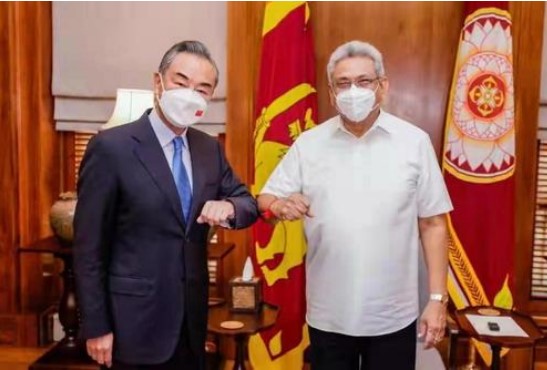
ශ්‍රී ලංකාව සහ චීනය අතර රාජ්‍ය තාන්ත්‍රික සම්බන්ධතා වලට වසර 65ක් පිරීම සහ සුප්‍රකට රබර් සහල් ගිවිසුමට වසර 70ක් පිරීම නිමිත්තෙන් චීන විදේශ අමාත්‍ය වැන්ග් යී මහතාගේ සහභාගීත්වයෙන් යුතුව කොළඹ වරාය නගරයේ පැවැති උත්සව අවස්ථාවට එක්වෙමින් අග්‍රාමාත්‍යතුමා අද (09) මේ බව සඳහන් කළේය.

ජනාධිපති ගෝඨාභය රාජපක්ෂ, අග්‍රාමාත්‍ය මහින්ද රාජපක්ෂ සහ චීන විදේශ අමාත්‍ය වැන්ග් යී මහත්වරු මෙහි දී කොළඹ වරාය නගරයේ සැහැල්ලු යාත්‍රාංගණය ඉදිරිපස පිහිටි පදික මං තීරුව මහජනතාව සඳහා විවෘත කළහ.

මෙම පදික  මංතීරුව වෙත පාගමනින් පැමිණීමට මහජනතාවට අවස්ථාව හිමිවන අතර ගාලු මුවදොර පිටිය කෙළවර ජනාධිපති ලේකම් කාර්යාලය ඉදිරිපිට මේ සඳහා තාවකාලික පිවිසුම් දොරටුවක් ඉදිකර ඇත.

පදික මංතීරුව අවසානයේ ඉදිකර ඇති ආරුක්කු හැඩති ලෝහමය එල්ලෙන පාලම දක්වා මහජනතාවට ගමන් කළ හැකි අතර දිනපතා පෙරවරු 9.00  සිට පස්වරු 6.00 දක්වා එහි රැදී සිටීමට ද අවස්ථාව හිමි වේ.

තරුණ හා ක්‍රීඩා අමාත්‍ය නාමල් රාජපක්ෂ මහතාගේ සංකල්පයකට අනුව ශ්‍රී ලංකාව සහ චීනය අතර රාජ්‍ය තාන්ත්‍රික සම්බන්ධතා වලට වසර 65ක් සපිරීම වෙනුවෙන් ශ්‍රී ලංකා-චීන මිත්‍රත්ව රුවල් ඔරු ශූරතාවලිය” ආරම්භ කිරීම ද මෙයට සමඟාමීව සිදුවිය.

ශ්‍රී ලංකාවේ චීන තානාපති කාර්යාලය හා එක්ව ඇරඹි මෙම ශූරතාවලියේ ශූරතා කුසලානය චීන විදේශ අමාත්‍ය වැන්ග් යී මහතා විසින් මෙහි දී තරුණ හා ක්‍රීඩා අමාත්‍ය නාමල් රාජපක්ෂ මහතාට පිරිනැමුවේය.

අමාත්‍ය නාමල් රාජපක්ෂ මහතා විසින් මෙහි දී 65 සළකුණු කළ ශ්‍රී ලංකා-චීන මිත්‍රත්ව රුවල් ඔරු ශූරතාවලිය”ට අදාළ සමරු ටී ෂර්ටයක් චීන විදේශ අමාත්‍ය වැන්ග් යී මහතාට තිලිණ කළේය.

කොළඹ වරාය නගරයේ පැවැති මෙම උත්සවයට ක්‍රීඩාශීලීත්වය එක්වීම දෙරටේම නියෝජිතයන්ගේ පැසසුමට ලක්විය.

අග්‍රාමාත්‍ය මහින්ද රාජපක්ෂ මහතා මෙහි දී කළ සම්පූර්ණ කතාව මෙසේය.

චීන රජයේ විදේශ ඇමැතිතුමාව මම ඉතා ගෞරවයෙන් පිළිගන්නවා. අපි එතුමාව පිළිගන්නේ අපේ ඉතාම හිතවත් වගේම සමීප මිත්‍රයෙක් හැටියට. ඒ වාගේම ඉතාම ඓතිහාසික ව ලාංකිකයන් සමඟ සමීපව කටයුතු කරන රාජ්‍යයක නියෝජිතයෙක් හැටියටත් එතුමාව අපි පිළිගන්නවා.

අපිත් චීනයත් අතරේ මේ සම්බන්ධතාවයට ඇත්තේ දීර්ඝ ඉතිහාසයක්. චීන රාජ්‍ය ලෝකය පුරා වෙළඳාම ආරම්භ කළ මුල්ම කාලේ ඉඳන්ම ලංකාවට ඇවිත් ගනුදෙනු කළ බවට වාර්තා තියෙනවා. ඔබගේ රටේ ඉඳන් වන්දනාවේ ආව පාහියන් හාමුදුරුවෝ තබපු වාර්තා අදත් අපේ ඉතිහාසයේ වර්ණවත් කොටසක්. පාහියන් හිමියන් එදා ඉතාම සතුටින් ගෞරවයෙන් අපේ රටට ආවා වාගේම තාමත් චීන ජනතාව ලංකාවට එන්නේ බොහෝම සතුටින්.

චීනය අපේ කල්‍යාණ මිත්‍රයෙක්. ඉතිහාසයේ කොතැනකවත් අපි අතරේ සිත් පළුඳු වීම් වෙලා නෑ. ඒ නිසාම අපේ රටවල්වලට ඉතාම හිතකර ගනුදෙනු කරගන්න හැමදාම පුළුවන් වෙලා තියෙනවා. එදා මැතිනියගෙ කාලෙ ඇති කරගත්ත රබර් – සහල් ගිවිසුම තාමත් අපේ ජනතාවට මතකයි. අපේ රබර් ඔබගෙන් සහල්”. ඒ වාගේම ලංකාවේ ආහාර හිඟයක් ඇති වුණ වෙලාවක එදා හිටපු අගමැති චෞඑන්ලායි ලංකාවට වුවමනා ආහාර එවලා ඉතා වටිනා පණිවුඩයකුත් එව්වා.

‘‘ඔබට අවශ්‍ය ආහාර ඔබගේ රටේ නිපදවා ගන්න. එය ස්වාධීනත්වයට මගකි.’’

අපි ඒ මාර්ගයට අවතීර්ණ වුණා. ඔබගේ රටත් මුළු ලෝකයමත් අද පිළිගන්නා ජෛව ගොවිතැන අපි ආරම්භ කළා. කොරෝනා වසංගතය නිසා එය අඩපණ වුණත් අපි උත්සාහ කළේ ලෝකයට වැදගත් ආදර්ශයක් දෙන්න.           

චෞඑන්ලායි ආරම්භ කල නොබැඳි පිළිවෙත අපි ඉතා සාදරයෙන් පිලිගත්තා.  ඒ පිළිවෙත අපි වාගෙ රට වලට විශාල ශක්තියක් වුණා.

ඒ වාගේම මට මතකයි 2013 එක්සත් ජාතීන්ගේ සම්මේලනයේ ජිනීවා මානව හිමිකම් කොමිසම ලංකාවට එරෙහිව යෝජනාවක් ඉදිරිපත් කළ අවස්ථාව. චීන රාජ්‍යය මහා බලවතෙක් විදියට අපි වෙනුවෙන් දැඩි සේ පෙනී සිටියා. ඒක අපේ රටේ වගේම ආසියාතික රටවල ස්වාධීනත්වය වෙනුවෙන් චීනය කළ විශිෂ්ට කැප කිරීමක් බව මම කියන්න ඕනේ.

ගරු ඇමැතිතුමනි,

කොරෝනා වසංගතයෙන් ඔබේ රට දැඩි පීඩාවකට ලක් වුණ බව මට මතකයි. ඒ මොහොතේ කොරෝනා රෝගය බෝවුණ චීන දියණියක් අපේ රටේ රෝහල් ගත කෙරුණා. ඇය සුවපත්ව යනතුරු අපේ රටේ ජනතාව ඉතාම මිත්‍රත්වයෙන් යුතුව ඇයට සුවය ප්‍රාර්ථනා කළා. අපේ රටේ ජනතාව ඔබගේ රට ගැන තියෙන හැඟීම ඉතාම හොඳට පෙනුණ අවස්ථාවක් ඒක. ඒ වාගේම කොරෝනා වසංගතය ඉතාම හොඳින් පාලනය කරලා ඔබගේ රට ලෝකයට ආදර්ශයක් දුන්නා. ඉතාම ඉක්මනින් එන්නත් නිපදවලා ලෝකයට ධෛර්යයක් දුන්නා. පළමු වටයේදීම අපි ඔබගේ චීන එන්නත ගැන විශ්වාසය තැබුවා.

ඒ මොහොතේ අපේ ජනාධිපතිතුමාගේ ඉල්ලීමට සවන්දීලා අපි වෙනුවෙන් කළ පරිත්‍යාගය අපේ ජනතාවට විශාල ශක්තියක් වුණ බව මම කියන්න ඕනෑ.

එබඳු මිත්‍රයකුගේ අනාගත දියුණුව දිහා අපි ඉතා සතුටින් බලා සිටිනවා. චීන රජය අපිට වාගේම ලෝකයටත් උදව් කරන්නෙ ඒ රටවල් වල ස්වාධීනත්වයට ගරු කරමින්. කොන්දේසි දාල, ඇඟිලි ගහලා උදව් කරන ප්‍රතිපත්තිය චීනයට නෑ. අපි වාගෙ රටවල් අපේක්ෂා කරන්නෙ ඒ වාගෙ ප්‍රතිපත්තියක්.

ඒ නිසා චීන කොමියුනිස්ට් පක්ෂයට සිය වසරක් සපිරුණ මොහොතේ  අපි ඉතාම ආඩම්බරයෙන් සුබ පැතුවා. Belt and road” සංකල්පය අපේ මිත්‍රත්වය තවත් වැඩි දියුණු කරාවි.

එක තීරයක් එක මාවතක් කියන සංකල්පය අපි බාර ගන්නෙ නව සේද මාවත හැටියටයි.  මොකද අපි බොහොම අතීත සේද මාවතේ හිටපු මිත්‍රයො නිසා. එය ආසියාතික රටවල් වලට අප්‍රිකානු රටවල් සමග මිත්‍රත්වයටත්, දියුණුවටත් මාර්ගය විවර කරන බව අපේ විශ්වාසයයි. 

විදේශ ඇමතිතුමනි, චීන ශ්‍රී ලංකා රාජතාන්ත්‍රික සබඳතා වලට වසර 65ක් පිරීම නිමිත්තෙන් පසුගියදා අපි සමරු කාසියකුත් නිකුත් කිරීමට කටයුතු කළ බව මා සිහිපත් කරන්න ඕනෑ. එය අපි කළේ අපගේ මිත්‍රත්වයේ සංකේතයක් ලෙසයි.

ඒ වගේම, අපි වරාය නගරයක් ඉදි කිරීමට අපේක්ෂා කළේ ශ්‍රී ලංකාව ආර්ථික කේන්ද්‍රස්ථානයක් ලෙස සංවර්ධනය කිරීමටයි.

මේ සඳහා චීන රජයෙන් අපට ලැබුණු සහය මම සිහිපත් කරන අතර චීන රජයත් සමඟ තිබෙන මිත්‍රත්වය තවත් දැඩි කරන සංචාරයක් හැටියට ඔබගේ පැමිණීම අපි භාර ගන්නවා.ඔබ සැමට තෙරුවන් සරණයි!යැයි අග්‍රාමාත්‍යතුමා පැවසීය.

කථානායක මහින්ද යාපා අබේවර්ධන, අමාත්‍යවරුවන්වන නාමල් රාජපක්ෂ, බන්දුල ගුණවර්ධන, ජොන්ස්ටන් ප්‍රනාන්දු, රාජ්‍ය අමාත්‍යවරුන්වන පියල් නිශාන්ත, තාරක බාලසූරිය, පාර්ලිමේන්තු මන්ත්‍රී ප්‍රේමනාත් සී දොලවත්ත,හිටපු කථානායක කරු ජයසූරිය, හිටපු අග්‍රාමාත්‍ය රනිල් වික්‍රමසිංහ, චීන වාණිජ කටයුතු උප අමාත්‍ය ක්වාන් කෙමින්, සහකාර විදේශ අමාත්‍ය වු ජින්හොං, ශ්‍රී ලංකාවේ චීන තානාපති කී සෙන් හොං,මහ බැංකු අධිපති අජිත් නිවාඩ් කබ්රාල්, අග්‍රාමාත්‍ය ලේකම් ගාමිණී සෙනරත් මහත්වරු ඇතුළු චීන නියෝජිත පිරිසක් මෙම අවස්ථාවට සහභාගී වී සිටියහ.

China to Work with Sri Lanka to Facilitate Return of Sri Lankan Medical Students Studying in China

January 10th, 2022

Prime Minister’s Media Unit

Following a special request by Prime Minister Mahinda Rajapaksa on behalf of Sri Lankan medical students awaiting to return to China to complete their studies, State Councillor and Foreign Minister WANG Yi immediately instructed the Ambassador of China in Sri Lanka to work closely with the Foreign Ministry to facilitate the return of Sri Lankan medical students.

The matter was discussed during the bilateral meeting between Prime Minister Rajapaksa and the visiting Foreign Minister at Temple Trees this morning. Currently, approximately 1,200 medical students, including 400 final-year students, who were studying at Chinese medical institutions, are waiting to return to China to complete their studies. They have been unable to return due to restrictions imposed as a result of the pandemic. In response to the Prime Minister’s special request, Foreign Minister Yi assured that Sri Lankan students will be given highest priority.

During the bilateral discussions between the two delegations, a host of other matters were also discussed, including further support for the vaccine program, attracting investments to the Port City and the Hambantota Industrial Zone, increasing tourism from China to Sri Lanka, increasing Sri Lankan exports to China and enhancing cultural cooperation, especially in the area of Buddhist ties.

Following the discussions, the delegations signed the following agreements:

  • Agreement on Economic and Technical Cooperation
  • Letter of Exchange on the Project of Subsidized Housing for Low Income Category in Colombo
  • Handover Certificate of the Technical Cooperation Project for BMICH
  • Handover Certificate of the Technical Cooperation Project for the Kidney Disease Mobile Screening Ambulance Vehicles

Foreign Minister Yi is on a one-day visit to Sri Lanka to launch the celebrations marking the 65th anniversary of Sri Lanka—China bilateral relations. Last year the Central Bank of Sri Lanka issued a commemorative coin to mark the 65th anniversary as well as the 100th anniversary of the founding of the Communist Party of China. A set of the coins were gifted to the visiting Foreign Minister by the Prime Minister. Conveying best wishes from the President and Premier of China to Prime Minister Rajapaksa, Foreign Minister Yi said, China will continue to do its best to provide all the necessary help and support [to Sri Lanka].”

Prime Minister Mahinda Rajapaksa’s Opening Remarks

Good morning, Your Excellency and welcome once again to Sri Lanka. Your last visit to Sri Lanka was exactly two years ago, and I’m happy to see you return. I believe these regular high-level visits help reaffirm our strong and friendly relations.

This year is an important year for our two countries. It marks the 65th anniversary of establishing diplomatic relations and 70 years of signing the Rubber-Rice Pact. Allow me to also congratulate the Communist Party of China on its 100th anniversary. As you know, the Central Bank of Sri Lanka issued a commemorative coin to mark these important milestones.

Excellency, I want to thank the Government and the friendly people of China for the generous support towards fighting the COVID-19 pandemic. The consistent supply of the Sinopharm vaccines made a significant contribution to our successful vaccine program.

As you know, similar to many other countries, Sri Lanka’s economy was also greatly impacted by the pandemic. We appreciate China’s assistance towards our economic revival and financial stability. There is still a long way to go in establishing normalcy, but we’re confident that with support from friendly countries like China, we will be able to overcome these challenges soon. I look forward to continue working closely with you and the Government of China in addressing common challenges.

China to help Sri Lanka build “Made in Sri Lanka” brand

January 10th, 2022

By P.K.Balachandran Courtesy NewsIn.Asia

China to help Sri Lanka build “Made in Sri Lanka” brand

Colombo, January 10 (newsin.asia): China proposes to help Sri Lanka become a manufacturing nation and to help build the Made in Sri Lanka” brand. This was revealed to the Sri Lankan Prime Minister Mahinda Rajapaksa by the visiting Chinese Foreign Minister Wang Yi during his visit to the island nation on January 8 and 9.

China will continue to assist Sri Lanka in overcoming temporary difficulties within our capacity. We are convinced that Sri Lanka’s economy will walk out of the current predicament and achieve new and greater progress. Colombo Port City and Hambantota Port are the flagship projects of bilateral cooperation in building the Marine Silk Road, and two engines of Sri Lanka’s economic development. China supports Chinese enterprises in investing and developing in Sri Lanka and combining Chinese capital and experience with Sri Lanka’s human resources advantages to help Sri Lanka improve the ability of self-development, accelerate industrialization, and build the brand of Made in Sri Lanka,” Wang said.

Wang said that the friendly relationship between China and Sri Lanka benefits the development of both countries and serves the fundamental interest of the two peoples. In a thinly veiled reference to India, which had stopped a Chinese project in the energy sector in North Sri Lanka on security grounds, Wang said that Sino-Lankan cooperation does not target any third party and should not be interfered with by any third party.”

The Lankan PM Mahinda Rajapaksa said that his country appreciates China’s policy of never interfering in its domestic affairs and thanked China for its long-term and enormous support” for the country’s economic and social development. China always lends a helping hand when Sri Lanka is in urgent need of assistance to help it tide over difficulties and keep moving forward,” the Lankan PM said.

Calls for China-Lanka FTA

In his talks with President Gotabaya Rajapaksa, Wang stressed the need to conclude a China-Sri Lanka Free Trade Agreement which has run into opposition from Lankan nationalists.

Sri Lanka and China should make good use of the two engines, Colombo Port City and Hambantota Port flagship projects, tap the opportunities of the enforcement of the Regional Comprehensive Economic Partnership and China’s vast market, and discuss the restart of talks on a free trade agreement between China and Sri Lanka to send more positive signals to the world and contribute to Sri Lanka’s economic recovery and development. China encourages competent Chinese enterprises to invest and develop in Sri Lanka,” Wang said.

Forum on Indian Ocean Islands

Wang told his Sri Lankan counterpart, G.L.Peries, that China proposes to hold a forum on the development of the islands in the Indian Ocean.

China proposes that a forum on the development of Indian Ocean island countries should be held at an appropriate time to build consensus and synergy, and promote common development. Sri Lanka can play an important role in this regard,” Wang said according to a Chinese embassy release.     

Explaining the need for such a forum, Wang said that during his visit to several Indian Ocean island countries this time, he felt that all island countries share similar experiences and common needs, with similar natural endowment and development goals, and have favorable conditions and full potential for strengthening mutually beneficial cooperation.”

In his first visit outside the borders of China in 2022, Wang visited Eritrea, Kenya, the Comoros, the Maldives and Sri Lanka between January 4 and 9.

Comrades in Fight Against Hegemonic Forces

Wang told Lankan President Gotabaya Rajapaksa, that 70 years ago, China and Sri Lanka, two newly born countries, overcame difficulties and obstacles and signed the Rubber-Rice Pact, opening the door for friendly exchanges, demonstrating their national spirit in the fight against hegemony and power politics, and breaking the Cold War isolation imposed by the West based on ideology.

He further said: The spirit of the pact characterized by independence, self-reliance, unity and mutual support is deeply rooted in the hearts of the two peoples and reflected in the entire process of the development of bilateral relations. It is still of great practical significance and worth our further inheritance and promotion.”

Who Insults Our War Heroes the Most?

January 10th, 2022

By Shivanthi Ranasinghe Courtesy Ceylon Today

Who Insults Our War Heroes the Most?

A defence analyst, in his column of 5 January 2022, in a national newspaper, highlighted the ignominy Major General Udaya Perera underwent, recently, at the hands of US foreign policy and Sri Lanka’s insufferable silence over such conduct. Despite the enormous service rendered to the country, as observed by him, neither the Sri Lankan authorities nor the people blinked as the war veteran was treated as a criminal – even before he left the shores of his country. 

Major General Perera is a professional and a highly-qualified soldier. He was awarded the esteemed United States Army War College Alumni Award at the US Army War College graduation ceremony for his academic performances and in recognition of his services as the International Fellow Class President. This grants him a life time membership of the US Army War College Alumni Foundation. 

In 2019, the US gave him a multiple entry visa with five-year validity. Yet, in December 2021 he was barred at the BIA from boarding the plane bound for America. The retired soldier was accompanied by his wife and son on his way to visit his granddaughter in the US. He was unaware that he had been categorised by the US as a war criminal until he was prevented from boarding the flight. 

This categorisation comes 12 years after the conclusion of the war against terrorism. The reasons that precipitated this denouncement are unclear. Neither the Foreign Ministry nor the Defence Ministry sought clarification from the US authorities about this matter nor have they shown any solidarity with Major General Perera. 

The Targeted List – so far 

The Defence Secretary General Kamal Gunaratne is unofficially a persona non grata with Australia. When he sought to get a tourist visa to Australia to witness his only daughter’s graduation, the embassy warned him that he risked arrest if on Australian soil. The Chief of Staff and Army Commander General Shavendra Silva including his family are also denied entry into the US. Sri Lanka’s most successful Army Commander Field Marshal Sarath Fonseka has also been denied entry into America.  In 2010, the Obama Regime was angered over the Mahinda Rajapaksa Administration’s refusal, to halt the war and hand over Prabhakaran to US authorities. Ironically in the 2010, Election, Field Marshal Sarath Fonseka was the common Presidential Candidate, when the Obama Regime placed a lot of emphasis in trying to oust President Mahinda Rajapaksa from being elected and install him in his stead. Outspoken Major General Chagi Gallage is also included in the US debarred list. 

The basis on which War Heroes have become War Criminals

To date, none of their accusers – mainly the UNHRC, Amnesty International, Human Rights Watch or Yasmin Louise Sooka, the Executive Director of the Foundation for Human Rights in South Africa had been able to specifically pinpoint a war crime. Their allegations are hinged on a mere guesstimate of civilians that might have had perished during the final onslaught. Interestingly, none of these accusers had been able to even agree on this statistic.

Conversely, evidence showed the Sri Lankan military were both professional and humane in their operations. Most of this supporting evidence has surfaced from communication between western diplomats as revealed by Wikileaks and Lord Naseby’s findings from the British Home Office. Yet, none of the Sri Lankan Governments had utilised these to defend its military. 

This is in stark contrast to India’s reaction when one of its diplomats was arrested by the US authorities and strip searched. Both the Indian Government and the people reacted sternly. The Indian Government rattled their US counterparts with an almost tit-for-tat reaction. When the Indian diplomat was eventually allowed to return home, she received a heroine’s welcome. 

MI’s Mission to save the Tamil youth

Major General Perera played a much more critical role than this Indian diplomat, especially in the international circuit, both during the war and thereafter. It was he, as the deputy High Commissioner in Malaysia (from 2009 April to 2011), who was responsible for the extradition of Kumaran Pathmanathan, alias KP – the chief procurer of arms for the LTTE, who ran a global network of LTTE offices handling the procurement and logistics of weapons and the money laundering operations for the terrorists. 

When the LTTE’s ground operations were crushed, KP was tipped to be Prabhakaran’s successor. However, before the disarrayed LTTE could reorganise themselves, the Military Intelligence (MI) in a clandestine operation managed to nab KP, who was hiding in Malaysia. Instead of the execution KP expected or any form of legal persecution, the authorities led by then Defence Secretary Gotabaya Rajapaksa worked with him to redress the issues suffered by the Tamils in the war-torn areas. Full kudos go to Sri Lanka for having rehabilitated the top terrorist mastermind to give up violence. With the full support of the then Government, KP embarked on social services to help those who were deeply affected by the war. Despite the enemy he was to the State of Sri Lanka and its people, KP did not spend even one day behind bars. KP was not the only to escape western-style justice. Many of the LTTE cadre ended working hand in hand with the MI to ensure that Tamil youth would never again be misled to their own destruction. 

The ‘Double Edged’ Operation was one such strategy. Forming a shadow organisation, the former LTTE cadres worked with the MI to identify persons and organisations attempting to revive the LTTE. Shamefully, the so-called Tamil Diaspora would pay the Sri Lankan Tamil youth a paltry sum of Rs 10,000-15,000 for a subterfuge activity as blasting bombs. Capitalising on those images, they would then collect thousands of USD in the name of the Tamil Homeland. The attempts by the LTTE international network to brainwash the new generations of Tamil expatriates domiciled in the West in the guise of teaching culture and language was also uncovered by this operation.

The West-backed persecution of the MI

After the Yahapalana Government came to power with the West’s support, the entire MI team that was behind this double edged operation was detained by the CID over the un-established disappearance of tabloid journalist Prageeth Eknaligoda. To this date, it is unknown whether his sudden disappearance was voluntary or enforced. Only Eknaligoda’s links with the LTTE and his dubious lifestyle came to light. However, his importance to the MI or MI’s need for him to disappear was never founded – especially when the MI spared the lives of those cadres who played a more pivotal role in the LTTE. However, the identity of this MI team was exposed and the CID detained them. Though these valiant men were cuffed and dragged in and out of courts in regular succession the CID was unable to even file a B-report. Eventually, these officers and men were released without a single charge filed against them. 

Since then, the chief investigator the then CID Director Shani Abeysekara’s political agenda behind these arrests as well as other arrests made during the Yahapalana Government has unwittingly come to light. The entire telephone conversations with former MP Ranjan Ramanayake, now serving a four-year prison sentence for contempt of court, exposed Shani Abeysekera’s repugnant role. The ongoing investigations into Shani’s conduct, misuse and abuse of power and position is being deliberately misconstrued by the West as State sponsored intimidation. As such, the Government is receiving much flak from the UNHRC and the EU.

The position taken by the West must be taken in conjunction with the over-the-counter asylum received by Shani’s deputy IP Nishantha Silva – just days after President Gotabaya Rajapaksa was elected into Office. Despite his connection to an ongoing murder investigation, the Swiss Authorities granted asylum to him and his immediate family.

This is a grave injustice to those victimised by him as well as the country as a whole. For instance, by exposing the identity of the double edge MI operators, not only that operation was sabotaged but the military careers of these diligent officers and men were also destroyed. At the same time, the indoctrination of LTTE ideology into the new generations of Tamil expatriates now continues unabated. 

Sri Lanka’s apathy

The analyst observes the hypocrisy of the US to denounce Major General Perera as a war criminal and labeling our war heroes with war crimes. Iraq, Syria, Libya and Palestine are just few of the countries that have fallen victim to US’s war mongering in recent history – especially over ‘red flag operations like the one staged on entirely staged weapons of mass destruction that supposedly Saddam Hussein had.’ It is true the US hegemony is the biggest threat before global peace. However, before we fault the US or the West it is important that we examine our own attitude. We had a war against terrorism for over 30 years. Until 2005, the successive Governments and political forces failed. During the Mahinda Rajapaksa’s Administration when the war was conducted in earnest, the Opposition then who are the current Opposition, were determined to halt the military intervention underscored the extent the war had got politicised. 

Despite this great obstacle it was the Security Forces that held the fort. For a long time, the LTTE held superior war technology and sympathy from the West. Time and again, due to various peace packages brokered by India and the West, our military was repeatedly humiliated and even confined behind barracks while the terrorists continued unabated to drag the country into an abyss. Yet, we survived intact because of the military’s determination and fortitude. 

During the war’s final phase, with defeat imminent, the world witnessed the worst of the LTTE. While trying to smuggle their own families out of the Island, the LTTE held over 300,000 civilians as hostages against the advancing armies. The hostages, included  pregnant women who were enslaved into strengthening bunkers and other defences. They were not only allowed to move into the Government designated No Fire Zones (NFZ), but increased child conscription to force families’ support, installed military hardware and discarded their uniforms to blur distinction. These are all war crimes. Adapting a zero civilian casualty policy, rescuing the hostages became the foremost priority to the military. Thus, after breaching the LTTE’s defences, the soldiers stood between the terrorists and the civilians as a human parapet wall, allowing these Tamil civilians to escape without being gunned down by the LTTE’s. These bullets were absorbed by the soldiers of the Sri Lankan Army. 

Most unfortunately, it is not only the successive Governments that ignored this act of heroism but the Media and entertainment industry as well. At the very least, there is not even a proper documentary about these incidents. School curricula do not discuss the sacrifices made by our people for our future. 

Recently, the a Sinhala newspaper editorial, compared the Madagascar Minister of Police and Security with the Sri Lankan counterpart. This editorial highlighted a misadventure faced by the Madagascar Minister when the helicopter he was travelling had a mechanical fault. The Minister had jumped to the seas below and had swum for 12 hours before reaching ashore. This editorial was extremely skeptical that if Rear Admiral Sarath Weerasekera had to face a similar misadventure, would he have been able to meet the challenge without a luxury boat or security personnel to swim with him. 

Rear Admiral Sarath Weerasekera – A true son of the soil

Maybe it might have escaped this editorial’s writer, but Rear Admiral Weerasekera is a valiant war hero and played a significant role in the Navy to combat terrorism. He has even accompanied the Red Cross to the thicket of LTTE infested areas to bring back the bodies of Sri Lankan soldiers who were captured and tortured to death by the terrorists. It was under his leadership that the ragtag Civil Defence Force (CDF) was transformed into a formidable strength. Before, town dwellers derisively called these poorly dressed, trained and armed men Gambatta’s. After they were transformed into a professional unit, no one dared insult them again. 

With their dedicated services, villagers finally received the much needed protection from the marauding terrorist gangs who brought their young recruits into an exercise known as ‘blooding’. This was when innocent villagers were indiscriminately chopped and hacked to death. Living in fear for years, these villagers sought shelter in the jungles in the night. This was ended by the CDF and that credit belongs to Rear Admiral Weerasekera. 

Even after he fully retired from the services, he continued to defend our country. After the Yahapalana Government cosponsored the UNHRC Resolution 31/1 against Sri Lanka he was the first Sri Lankan and the only military officer to travel with all the necessary documents to Geneva to present the true facts concerning the war to the UNHRC and the international audience. There, he confronted accusers as Sooka who was unable to substantiate her own accusations against the Sri Lankan military. 

Not a single Government official nor Sri Lankan had been able to engineer such a showdown. He did this with his own funds. He travelled extensively – in and out of the country, defending our military and our sovereignty. He even directed a film highlighting the experience of infringed villages and the transformation of the CDF. 

Today, he is the Cabinet Minister of Public Security and is one of the few lawmakers who is not playing politics with national issues. Instead of recognising the services he rendered and continues to give to the Nation, this editorial has sought to degrade and humiliate him. When we treat our own war heroes in such a despicable manner, the behaviour of the West is not surprising.  To put matters in perspective, when America lost the Vietnam War, the American film industry created cardboard heroes as Rambo. In Sri Lanka we have real heroes. Tragically, at best we ignore them and at worst we humiliate them. Where do we stand as a Nation and what values we hold is a serious question before us. 

Prez scraps state ministry held by Susil

January 10th, 2022

Courtesy Adaderana

President Gotabaya Rajapaksa has brought about changes in ministerial subjects in an extraordinary gazette notification.

In this exercise , the subjects and the institutions held by sacked State Minister Susil Premajayantha  has been brought under the purview of Education Minister Dinesh Gunawardane. They are the National Education Commission and the National Institute of Education .

The president also scrapped the State Ministry of Prison Management and Prisoners’ Rehabilitation . The institutions and functions of that ministry have been assigned to the Justice Ministry . Mr. Lohan Ratwatte was the State Minister earlier .However, he resigned from it following allegation that he forced to kneel down some prisoners held under the Prevention of Terrorism Act.

The Central Cultural Fund that remained under the purview of the Ministry of Economic Policies and Plan Implementation has been brought under Buddha Sasana Ministry. (Kelum Bandara) 

Four govt aid agreements including Rs 25.5 billion grant signed during Chinese FM’s visit

January 10th, 2022

Courtesy Adaderana

The Chinese Embassy in Colombo says that four government aid agreements were signed during the visit of the Chinese State Councilor and Foreign Minister Wang Yi, to support the Sri Lankan people.  

In a twitter message posted today, the embassy said that the agreements signed are for an RMB 800 Million (LKR 25.5 Billion) Grant, BMICH Refurbishment, Kidney Disease Screening Ambulances and 1,996 Housing Units for Low-Income Families at Colombo.

COVID: 461 fresh cases detected and 15 more coronavirus deaths reports in Sri Lanka

January 10th, 2022

Courtesy Adaderana

The Health Ministry reported that another 461 persons have tested positive for the novel coronavirus today (10).

This figure includes 05 persons who have arrived from overseas while the remainder are community cases within the country. 

This brings the tally of Covid-19 cases in the country to 592,128 while presently a total of 9,471 infected patients are undergoing treatment island-wide. 

The Director General of Health Services has confirmed another 15 coronavirus related deaths for January 09, increasing the country’s death toll due to the virus to 15,134.

Maithripala says a new alliance ‘most likely’ as old ones have reached ‘expiry’

January 10th, 2022

Courtesy Adaderana

Leader of the SLFP and former President Maithripala Sirisena said that they are against the postponing of elections and that they want elections to be held without delay. 

Responding to questions from reporters today regarding reports that a gazette is to be issued postponing provincial council elections by a year, he said: We are against the postponing of the election. What we want are elections.”

He said that within the next couple of months, the Sri Lanka Freedom Party (SLFP) will be shaped into the most prominent and strongest political party.

Sirisena added that they will present a comprehensive national programme to the country urging everyone to join with that national programme. 

He said that in the future they will form a government with whoever joins that movement.

Asked whether this means they will be forming a new political alliance, the former President said that most probably they would have to form a new alliance as the old ones have reached expiry.”

New day has dawned for traditional potters (Video)

January 10th, 2022

Courtesy – Hiru News

It is no secret that a large number of people in this country have been severely inconvenienced due to gas-related explosions. However, there are reports of people benefiting from the crisis.

The areas of Kurunegala, Ibbagamuwa and Tittawella have been famous for their traditional pottery industry for a long time.

These industrialists, who make a living from the sale of clay-based products, have been facing severe hardships in the past due to the inability to properly market their products in the face of conditions including the spread of COVID-19.

Govt has created a hell for people in Sri Lanka” (Video)

January 10th, 2022

Courtesy Hiru News

Opposition Leader Sajith Premadasa says that the government has created another era of queues for the people of the country.

The Leader of the Opposition expressed these views during his visit to the Northern Province in Jaffna.

ERASING THE EELAM VICTORY Part 25D2

January 9th, 2022

KAMALIKA PIERIS

Instead of keeping the UN as a skeleton organization servicing the needs of member states and acting as a meeting place for them, the western powers have piled more and more tasks on the UN system and then funded these activities, creating a great dependency on them to keep the system going.

The UN now depends on ten to 15 western countries for funds and these countries have turned this dependency to a handle to make the UN further their foreign policies, said analysts.  They use their money to make the UN system do as they wish. There is at least one document that admits that this distorts the priorities of the UN system.

While all member states in the UN rank equally in the UN, the money contribution to the UN varies. Some countries pay large amounts. The dominant country in the UN is at present the USA. It is the largest donor to the United Nations, contributing USD10 billion in 2018, slightly less than one-fifth of the total budget.

USA does not want a strong independent Secretary-General. Boutros Boutros Ghali, Secretary-General from 1992 to December 1996 was denied a second term due to a US veto. He had 14 of 15 votes. Ghali wrote a book where he gave an insider’s view of how the UN and it s Secretary-General were manipulated by the USA. He said US Secretary of State, Madeline Albright demolished Ghali’s authority in the UN and tarnished his image with a smiling face and expressing admiration.

 Sashi Tharoor ran for the post of Secretary-General in 2006 against Ban Ki Moon of South Korea. In the final round, Ban emerged as the only candidate not to be vetoed by the Security Council, while Tharoor received one veto from the United States. U.S. Ambassador was instructed by Secretary of State “We don’t want a strong Secretary-General.” Tharoor was a protégé of the independent minded Kofi Annan and the US was determined to have “No more Kofis.”

In order to retain their jobs the UN officials, starting from the UN Secretary General, have to please these donors. The Secretary General plays a subservient role to the big powers, but asserts his authority to the rest of the member states, said Thalif Deen.

The post of Secretary General is not as   powerful as people seem to think it is, he said. The Secretary General of the UN is not equal in rank to a Head of State. He is subservient to the Heads of state and ambassadors accredited to the UN, said Thalif Deen.   He is simply the CEO of the UN.

When told that the Secretary General had banned smoking in the UN building, Russia’s foreign minister Lavrov lit a cigarette and replied that this building does not belong to the Secretary General it belongs to the member states.  The Nigerian ambassador said the Secretary General is not my boss, I am his boss, reported Thalif Deen. 

Critics point out that the Secretary General of the UN cannot intervene in the internal affairs of   member countries. The UN Charter says that the UN shall not intervene in matters that  were within the domestic jurisdiction except upon a  Security Council finding that       there is a threat to peace, breach o peace or act of aggression.

It is the Security Council, not Secretary General that is granted powers of intervention under Chapter VII of the Charter.   This Chapter too, supports the right of a country to protect itself. Article 51 speaks of the inherent right of self-defense of a member state.

Article 100 of the UN Charter says  in the performance of their duties the Secretary-General and the staff shall not seek or receive instructions from any government or from any other authority external to the Organization. But today, it  is difficult for the Secretary General to follow this, observed analysts.

 Ban Ki Moon, Secretary General showed an interest in  Eelam . In 1995,   he had had publicly expressed his concern for a potential humanitarian crisis in Jaffna, and the need for a relief operation. This resulted in a sharp reply from the Minister of Foreign Affairs. The government  was able to provide the humanitarian assistance needed, the Minister said, and made it clear that Sri Lanka  did not want a large UN presence, let alone direct UN intervention in the matter. The conflict was an internal affair, to be managed by the  Sri Lanka government .

However,  Bank Ki Moon visited Sri Lanka soon after the Eelam War IV ended and issue a joint statement with President Mahinda Rajapaksa .Rajiva Wijesinha and Dayan  Jayatilleka were concerned about the content of this statement. It seemed to allow for future criticism and interference.  Palitha Kohona has also been concerned, but Prasad Kariyawasam said it was ok, reported Rajiva Wijesinha.

thereafter, Ban Ki-moon  appointed a panel of experts to advise him on the issue of accountability with regard to any alleged violations of international human rights and humanitarian law during the final stages of the Sri Lankan Civil War.[1] The report, issue in 2011, is  known as Darusman Report.

The Secretary General’s action in appointing this  inquiry  is highly illegitimate and in fact illegal under the UN Charter, specifically, Articles 2(7), 99 and 100, said Darshan Weerasekera. The Darusman Report was not authorized or requested by the General Assembly, the Security Council, the HRC, or any other such body and the report has not been filed officially before these bodies.

Critics observed that the Secretary General would  not have taken this  step unless he was instructed to do so  .he was violating UN regulations. The  aim of this ‘inquiry’ was to legitimize the  accusations against Sri Lanka made by interested parties. This report would serve as the groundwork for the next phase. That phase is unlikely to be through the Security Council, because some of the Security Council members will not support it. So they will probably go thought the Human Rights Council in Geneva, predicted analysts.

Ban KI Moon  visited Sri Lanka again in  September 2016. He spoke of a ‘new union’ for Sri Lanka. But he dodged questions at the press meeting. He uttered platitudes and fled when the awkward question started coming in, reported Chandraprema.

The Darusman Report  had also pointed out that that   there was a need for the UN to review its actions in the Eelam War IV. UN had failed in its task of manipulating the Eelam war. Sri Lanka had won the Eelam war.

The International Resource Panel of the UN found a systemic failure” in the UN response during the final months of Sri Lanka’s conflict, evoking comparisons to UN failures in Rwanda in 1996 and Srebrenica in 1995.

UN Secretary-General then established an Internal Review Panel under Charles Petrie, to review UN actions in Sri Lanka during the final stages of the war in Sri Lanka and after. The Petrie report was asked to find out why the UN failed to stop the Eelam victory, why it failed to create the state of Eelam.

Petrie report said that the UN office in Colombo had insufficient political expertise and experience in armed conflicts, human rights and humanitarian law issues to deal with the extraordinary challenge” that Sri Lanka presented.

 UN action in Sri Lanka was not supported by Member states, said Petrie Report. In the absence of clear Security Council backing, the UN’s actions lacked adequate purpose and direction. Member States failed to provide the Secretariat and UN Country Team in Colombo with the necessary support.

Government of Sri Lanka did not trust the UN and there was friction between the government and the UN.  16 ICRC ships came to the conflict zone to take   people away from the conflict zone at the end of  Eelam War IV in 2009. The Government did not allow United Nations staff on the ships.

The UN’s relationship with the Government was difficult, said Petrie Report, due to the Government stratagem of UN intimidation.” Government of Sri Lanka had used visas to control UN staff critical of the government. The Government declared several Resident Coordinators persona non grata, or made them understand that their visas were at risk of being withdrawn, while also rejecting proposed replacements with previous experience in crisis situations.  The Government refused to give visas when UN tried to send in more staff to deal with the humanitarian aspect of the War, continued Petrie Report.

UN Office for the coordination of humanitarian operations (OCHA) asked for visa for a Britisher, Holdsworth, who was  to  report on matters which  came under the Competent Authority.  This visa was not recommended by the Ministry of Defence.  This Holdsworth was  an employee of the British government who had been released to OCHA.  The next Britisher recommended, was not in humanitarian assistance at all, but was experienced in conflict analysis, security and crisis management, said Rajiva Wijesinha.

In 1995 UNDP had to send back two medical doctors, from UN Volunteers, when the government refused permission for their radios which the UN Volunteers said were essential for their work in the north. The government had also formally complained when the director of UNESCO in Paris, on the basis of an MSF-France press release, condemned the death of schoolchildren in an air raid on the Jaffna peninsula.

Relations between the UN agencies and the government were never rosy. Government of Sri Lanka placed restrictions on UNHCR’s operations in LTTE-controlled areas, including on the passage of fuel and communications equipment.

The events in Sri Lanka highlight the urgent need for the UN to update its strategy for engagement with Member States in situations where civilian populations caught up in the midst of armed conflicts are not protected in accordance with international human rights and humanitarian law, said Petrie Report.

The Petrie report was presented to the Secretary General in November 2012, and led to a new policy within the UN called Rights-up-Front. In 2013, in direct response to the Petrie Report, the Secretary-General launched the Human Rights Up Front initiative. He issued a Human Rights Up Front Detailed Action Plan (updated March 2014). This called on the UN system to play a strong role to prevent human rights crises [1] and elevated the role of the Resident Coordinator from mere Head of UNDP to Head of UN operations in Sri Lanka. ( Continued)


[1] Guidance Note on HUMAN RIGHTSfor Resident Coordinators &UN Country Teams  https://unsdg.un.org/sites/default/files/UNDG-Guidance-Note-on-Human-Rights-for-RCs-and-UNCTs-final.pdf

Role of Bangladesh’s RAB In Maintaining Peace, Harmony, Law, and Counter-terrorism In Bangladesh

January 9th, 2022

Jubeda Chowdhury from Dhaka, Bangladesh

Bangladesh is a developing country. Its economy is booming day by day. The pattern of crime is changing. Technological advancement has also changed the tendency of crime. One of the major obstacles to Bangladesh’s progress is the volatile law and order situation. In such a situation when every member of the society was suffering from uncertainty, the government planned to form an elite force to make the activities of the police force more dynamic and effective. The Rapid Action Battalion (RAB) has started its journey on March 26, 2004, by participating in the National Independence Day Parade. On 21st June 2004, RAB forces started full operational activities. Soon after birth, it has started to maintain peace, harmony in society. Since its inception, RAB has been working at the risk of its life. The RAB has been fighting terrorism and terrorists and has brought those involved in drug trafficking under the law. Which is one of the goals of the US administration. The United States also aims to curb illegal human trafficking and criminal activity. In fact, RAB is implementing the US policy in Bangladesh.

After the verdict in the seven murder cases in Narayanganj on January 19, 2017, the United States commented that the government of Bangladesh should abolish ‘RAB’. They called the RAB an “in-house death squad” and criticized the government’s role in its involvement in extrajudicial killings, torture, and disappearances. However, 25 members of this force have been convicted for seven murders in Narayanganj. Of them, 16 have been sentenced to death and nine members have been sentenced to various terms of imprisonment. As a result, there was a tendency to underestimate the various achievements of the RAB achieved in the last 12 years. But the success of this organization is more than just a measure of failure. That is why RAB is an important organization.

RAB’s role in suppressing traditional crimes

Apart from suppressing militants and terrorists, Elite Force RAB is also playing a special role in suppressing traditional crimes. The organization has cracked down on members of the terrorist forces in different parts of the capital. They still maintain that continuity.

According to various media reports, RAB has so far arrested more than 1,200 criminals and rescued more than 1,000 victims in a crackdown on human trafficking. More than 16,000 firearms and more than 2.5 million rounds of ammunition were seized from the area-based terrorists and arms dealers. About 13,000 armed terrorists have been arrested.

More than 500 Sundarbans-centric pirates and bandits have been arrested in the southern part of the country and about 2,000 firearms have been recovered.

A top RAB official said that besides special operations, RAB has been conducting regular operations to unravel the mystery of clue-less murder and catch the fugitive accused. Apart from this, the mobile court of RAB has collected more than two and a half billion rupees in fines of Tk.

Role in Anti-Narcotics drive

According to the information of various law enforcement agencies, drugs are behind many crimes including theft, robbery, smuggling, and use of illegal weapons all over the country including the capital Dhaka. For this reason, RAB has been working in the light of a zero-tolerance policy against drugs since its inception.

On May 3, 2016, on the occasion of the 14th founding anniversary of RAB, Prime Minister Sheikh Hasina directed to intensify zero tolerance for drug eradication. Following this, RAB launched a massive campaign across the country with the slogan ‘Let’s go to war, against drugs’.

According to RAB statistics, they have arrested about 55,000 drug dealers since May 3, 2016. About 1.5 lakh drug dealers have been arrested since its inception. Seized drugs worth three thousand crore rupees.

The company has recovered more than six and a half crore yaba tablets since its inception. In addition, about 800 kg of heroin and more than 3.8 million phencidyl were seized.

RAB officials say that Yaba is now the most used drug in Bangladesh. They are coming to the country by sea from Myanmar. In addition, yaba is constantly entering through the deep areas of the hilly region. RAB is working closely with various law enforcement agencies to close the routes of Yaba entry. At the same time, regular operations are being carried out by listing Yaba traders in and around Cox’s Bazar. The militant attack on the Holey Artisan Bakery (Spanish restaurant) in Gulshan, an elite area of ​​the capital, has brought Bangladesh to the forefront of global discussions. Twenty people, including 17 foreigners, were hacked and shot dead in the attack. Among the dead were nine Italians, six Japanese, and one Indian.

After that hellish attack, the government sat motionlessly. Prime Minister Sheikh Hasina sat in meetings with the chiefs of all the forces of the country from time to time. Discussions are going on about how to free the country from the curse of militancy.

After lengthy discussions and consultations, Prime Minister Sheikh Hasina announced the policy of ‘Zero Tolerance’ against militancy and extremism. After the Prime Minister’s announcement, the law enforcement forces took to the field to fight militancy and extremism.

The Rapid Action Battalion (RAB) has been seen playing the most effective role in the campaign against militancy since the Holy Artisan attack.

According to RAB sources, the organization has conducted 241 anti-militant operations since the Holy Artisan attack. In these operations, RAB has arrested a total of 809 militants. Twenty-five militants were killed in the gun battle. In addition, 7 militants have so far surrendered to the RAB, which is rare in the history of the world.

It is also learned that since the Holey Artisan attack, there has been one anti-militancy cell in each battalion of RAB. All the activities of the militants are monitored through that cell. RAB also has an anti-militancy app to raise awareness about militancy and extremism.

RAB’s anti-militant campaign:

According to various media reports, On July 17, 2016, RAB raided a militant hideout in Ashulia, Savar. The RAB forced four militants to surrender during the operation.

On September 6, 2016, RAB conducted an operation in the Darussalam area of ​​the capital Mirpur on suspicion of being a militant hideout. At one stage of the operation, the militants in the dormitory exploded. The blast killed six people, including militant Abdullah and his associates.

On April 29 in 2019, RAB raided a house suspected to be a militant hideout in Mohammadpur Basila of the capital. Two militants were killed on the spot in the operation.

RAB raided a suspected militant hideout in the Sonapahar area of ​​Jorarganj in Mirsarai Upazila of Chittagong. Two militants were killed in the blast.

Regarding the RAB’s campaign against militancy, RAB Director General (DG) Benazir Ahmed said, “Not only the campaign, but we are also constantly carrying out various activities with the militants. So far, eight militants have surrendered. But we have shown the way that the militants can also surrender.

“We are trying to prevent the militants from trying to incite people to extremism by misinterpreting the Holy Qur’an and its verses, but we are trying to convey the correct interpretation of various verses of the Holy Qur’an to the people,” he said.

Referring to the people of Bangladesh as peace-loving, Benazir Ahmed said, “People of our country do not like bloody bloodshed. Militancy will never be able to rise fully in our country. Because the people of our country do not like them.

According to the media reports, A 9,000-member RAB force is working to protect human rights. Former RAB intelligence chief Lt. to protect human rights. 27 RAB members including Colonel Azad were martyred. More than a thousand members have been maimed in maintaining law and order and protecting human rights. At different times, more than two thousand members were injured while trying to maintain law and order.

The RAB has been established in the light of some mandates as a lit force. RAB has been established to suppress militancy, drugs, and terrorism. Today, due to the success of RAB’s campaign, militancy and terrorism have come down to zero in the whole country including the North or the South. The Sundarbans has been freed from piracy due to the RAB’s campaign. We have celebrated the third anniversary of the Sundarbans free of pirates this time. No other country in the world has been free of such pirates?

327 members of the 32 bandits had surrendered in the Sundarbans. RAB has also played a humanitarian role in their rehabilitation. In addition to government grants, RAB has provided houses and cows, and goats to bring them back to normal life. The pirates of Banshkhali have also been brought back to normal life. RAB was working to bring the surrendered militants back to normalcy. In very few countries in the world, law enforcement agencies like RAB have shown humanity.

Today, the contribution of ‘RAB’ in the socio-economic development of the country and in maintaining law and order in times of crisis is undeniable. Because the unstable law and order situation is one of the obstacles to our progress. This includes maintaining law and order, recovering illegal weapons, ammunition, explosives, and other such harmful substances, arresting armed terrorists, assisting other law enforcement agencies in maintaining law and order, providing intelligence on any crime and criminals, according to government orders. RAB is always engaged in performing other government duties.

In fact, RAB has received many accolades, including the Freedom Award for its bravery, heroic role, and public service in maintaining law and order. RAB officials have received various medals. Bangladesh today is on the highway of development. Therefore, the biggest need is to maintain the overall law and order situation in the country. Thus, we can say that RAB has been playing a significant role in maintaining peace law, harmony in our society in Bangladesh.

Response to Anura Kumara’s Anti-Sinhala Rhetoric – Part II

January 9th, 2022

By : A.A.M.NIZAM – MATARA.

 Q   If we study the democratic political history of the Janatha Vimukthi Peramuna we don’t see a major change in the voter turnout for your party. The only time your party was successful was in 2004 with the Chandrika Bandaranaike government. There you proved that your party could work without corruption. Don’t you think that it is better for you to form an alliance with other parties. 

A:We don’t believe we could find solution to the existing issues by forming a government with any of these major parties. If you consider constitutionally and traditionally you think that the power is vested with the President, Cabinet, Parliament and the judiciary. But they don’t have the power. What this Executive Presidential system created is that the power is outside the real power. Under Chandrika Bandaranaike it was she, Mano Tittawella, Tara de Mel and Balapatabendi and under Mahinda’s regime it was Mahinda, Lalith Weeratunga, Basil Rajapaksa and Gotabaya Rajapaksa. Then came Ranil Wickremesinghe’s regime and even President Maithripala was not there. Ranil, Malik, Paskaralingam and Charitha Ratwatte. And during the present regime it is Gotabaya, Basil and the others. So, there is no power in the traditional system. These ministers even don’t know what is happening within the cabinet. The ministers themselves say that cabinet papers have been passed without signing them. We hear the cry of ministers. So, we don’t want to be a part of this government. We need to start a new political culture for this country and we need to start a new journey. 

(These hooligans were subordinates of all the above referenced governments except the present government.  He is ridiculing the Ministers of these government but he had been such a silly Minister in the Chandrika government blindly consenting to all her illogical and illegal activities) 

  We saw some MPs have openely praised your political party and your political journey. Do you think there will be other politicians in these two main camps joining you?

A:We are open about our political journey and our activities. Our journey is open to anyone who is ready to join. At the moment our main target is to strengthen the Jathika Janabalawegaya. 

(That means he has shrugged off even his party of birth JVP and now wants to strengthen the outfit called Jathika Jana Balawegaya, the policies of which no one knows)

 Q   We saw that one of the main reasons for you to leave the Chandrika Bandarnaike’s government was your stance on the ethnic problem. Thereafter you openly supported the war against the LTTE and defeating it militarily. But the ethnic problem has not been solved. What is your solution to the ethnic issue in Sri Lanka.?

A: We believe that all citizens with the religion they believe in, language they speak and the culture they represent should be treated equally. There are no second citizens. And if they believe that they want to be a part of this government they should be equal stakeholders of the governance. We believe that both Tamils and Muslims have been deceived promising them many things. We really believe that they are equal and we believe that there should be freedom for every religion and respect every culture and guaranteeing the ability to communicate with your own language in administration and accept them equally and they should be able to go forward in the development of their respective areas and  be stakeholders of power. We believe that they should not be deceived. 

(Sheer humbug.  It was Somawansa/Weerawansa JVP that supported the efforts to rid the country from LTTE atrocities.  This braggart and his clan following the revisionist path of Bopage has become intensively Tamil servile, which was clearly evident through the banners, and speeches of their 2018 joint May Day rally held in Jaffna.  Don’t con about your support for Muslims and Christians.  When you were shamelessly whitewashing Sirisena/Ranil destructive government (SRDG), and when riots against Muslims were unleashed evidently by a powerful Minister of that government, the ultra-racist, pseudo-Buddhist, chauvinist Champika Ranawaka in places like Gintota, Amparas, Digana, Katugastota, Akurana etc, you and your coterie remained in stoic silence for reasons you only knows,  It was alleged that the outfit called Mahason Balawegaya which was active in Digana was created and sustained by racist Ranawaka. 

As regards  the Easter Sunday Carnage you never condemned that horrendous incident though more than 250 innocent Christians were killed, and several hundred were injured.  It may because two of the suicide bombers were sons of your National List nominee, the business tycoon and your financier Ibrahim Mohamed)

 Q   When you say sharing power are you talking about a power sharing through a federal system?

A: We don’t believe in a federal system, but we should guarantee their equal political rights and rights to hold power. Without that we cannot solve this problem through a federal system.

(If that is so, why you did not oppose moves of Ranil/Sumanthiran/Jayampathy trio to adopt a new federal and secular constitution?  Was it because that you considered anything and everything done by Ranil as perfect and flawless?) 

“We proposed a common mechanism. But the rulers didn’t do that because within a common mechanism they would not have been able to rob from the antigen tests, bringing down Sri Lankans from abroad, or even buying necessary medicine and medical equipment. So there is no use in talking about a common mechanism with these leaders”

 (This was an indirect criticism of the Corona Control Programme.  It seems that you and all your coterie has taken proper precaution and protection against the pandemic and that was why you none of your coterie got affected by the pandemic when members of all other political parties got infected and some even died. )

 Q   What about the Provincial Council system?

A Provincial Council system is now in the Constitutional system. PC system is a failed system of administration and it is a failure in the national crisis also. But if those people believe that it is their right, hence the PC system has to exist. 

(Shame! Now shamelessly state that the PC system has to exist.  It was your original party JVP that was highly critical about PC system, boycotted the first PC elections, killed candidates of other parties who submitted nominations for the first PC election, organized anti-PC demonstrations throughout the country, and even mustered students to boycott their class and participate in demonstrations to shout the slogan Palaath Saba Apita Epa” which many students unknowing the meaning of the slogan shouted as Palaa Baba Apita Epa”.  More than all these things your party killed the popular politician Vijaya Kumaratunga because he was an ardent supporter of PCs)

 Q   Regarding the war there are allegations that a large number of human lives were lost. As a result every year the country is facing a challenge from UN Human Rights Council in Geneva. Do you think the decision the JVP took to support the war was right? 

A:During the war we should have thought more seriously about the difficulties faced by the ordinary Tamil civilians. As a Left-wing political movement, we failed in our responsibilities. We have a self-analysis on that. 

(Here, he clearly exposes his Tamil servile policies.  Why he is only concerned about Tamil victims alleged to have been killed by the security forces when his much adored LTTE too killed Tamils.  It is said that the Tamils killed by the LTTE was more than the Tamils happened to get killed by the security forces.  Why he and his hooligans are least concerned about the destitute family members Sinhalese and Muslims inhumanly killed by the LTTE barbarians at Habarana, Kattankudy, Polonnaruwa, Aranthalawa,Anuradhapura and other numerous places and family members of 600 Police officers who surrendered to them on the instructions stupid President R.Premadasa?)

 Q   Do you think that you should make a public aplogy for what happened?

A:We are an active political movement. During a war the military and the government are working as one unit. In a war ordinary civilians get caught in the crossfires and there are loss of lives. As a left-wing orgnisation we should have thought about this more seriously and we should have been more cautious. We admit that our failure to concentrate on these issues were shortcomings on our part.

(Again, yanne koheda, Malle pol response.  Even thousand apologies will not erase the atrocities caused by them to the educated youth, other people and the state properties of this country)

 Q   Will set aside the two major parties. But if the political parties representing the minorities want to join with you then what is your view?

A:We are open. We believe that we should be united not only with the Sinhala leaders, but Tamils and Muslims too. We need a power comprising all leaders. We want to build a power that we share equally with the Tamils and the Muslims. It is not only the traditional leaders, but there could be new leaders from these communities. It is not a power that forces them from above. So, we are openly inviting the Tamils and the Muslims.


We don’t believe in a Sinhala only power and administration. Our admiration will be a one that represents all communities.

(It seems that you envisage that through an anti-Sinhala rhetoric you can attract other communities to your fold.  That will never happen.  Everyone knows who you are and what you are for.)

 Q   Anyway there is a belief among the people that the JVP is a Sinhala Buddhist organization? Or is this the impression that some of your former leaders who left you portrayed?

A:We cannot take responsibility of those who left us. But there could be a justifiable suspicion about our orgnaization, but we stood on the side of the truth when attacks on Muslim minorities took place in Aluthgama, Digana and other places and even during the Easter Sunday attacks.

(Don’t keep on thinking that y ou can change your colours from time to time like a chameleon and with your double-tomhued talks you can fool the people.  No need to elaborate further as a detailed response has been given in response to an earlier Q&A in this same article)

We stood by justice. We know many leaders stood based on their votes, but we were not worried about votes. We would stand by any ethnic community which is being suppressed. 
We don’t get involved in racist politics, but we hold the flag of ethnic harmony. We are a party against racial disharmony. 

(Even after cause massive destructions to the country you and your hooligans claimed that you stood by justice.  Even after carrying out foreign and NGO servile activities to oust Mr. Mahinda Rajapaksa due to your Mahinda phobiua you said you stood by justice, and then after carrying all shameless dhobi work for SRDG you said you stood by justice and you still proudly commemorate April 5th November 112th as Great Heroes Days without denouncing the colossal harm caused to this country by those events.  This is how you claim to stand by justice)

 Q   If you take the numbers it is the Tamil National Alliance (TNA) that has the third most seats in the parliament. Are you ready to work with a political alliance like that? 

 A:Our doors are open. We are ready to work with the political parties that represent the North and East of Sri Lanka.

Don’t have unrealistic day dreams.  No party in this country will come forward to affiliate with you or enter into an alliance with you, including the parties in the North with separatist and self-rule agendas.  Everyone knows that this is the last time you will be in the parliament and by next election there will be no JVP/JJB OR NPP.  You have also realized this fact and that was why you are in a haste and you advocated at the beginning of this article the need to change the government through street demonstrations without waiting for the next election)

Meanwhile, after shamelessly making anti-Sinhala rhetoric this braggart has told the Meera Srinivasan, the Colombo correspondent of the Indian daily the Hindu that

JVP and must fight together and UPDATED: NOVEMBER 22, 2018 09:44 IST

apart from working with the TNA on key manoeuvres in the parliament they have potential for long-term collaboration. He has said that both parties have a duty to fight together and protect their rights.  Dissanayake has said that the he is proposing a novel partnership between the two parties representing the country’s two main ethnic groups.

He has further stated that the JVP and the TNA represent sections in the country’s south and north that have suffered most due to the actions of the repressive State. Commenting further, her has disclosed that as a political party, the JVP has undergone major ideological shifts in the five decades since its founding and two groups had broken away and formed away new parties. Since 2014, under his leadership the JVP is giving renewed vigour, visibility and expression.

Commenting on the 2015 presidential elections, he has said that the JVP was at the forefront of opposition to Mr. Rajapaksa and has described Mr. Mashinda Rajapaksa as a racist, and has explained that the JVP, with its six MPs and along with the TNA that has 14 MPs now, proved a formidable force in the 225-member Parliament. He has further stated that people in the north and east have been suffering the most since the end of the war, and both parties need a united struggle by the people of the south and north on the basis of democracy and equality and has added that they are working for social transformation in this country and the Northern Province must also be part of that transformation as they have a common cause and they are committed to working together.

Speaking about economic matters, Dissanayake has said the neither Mr. Rajapaksa nor Mr. Wickremesinghe worked with the TNA with integrity” but exploited the TNA and its engagement for their own interests”

Based on the above statements time is now ripe to Sinhala people together with other communities to rise against this formidable enemy of theirs and Sri Lanka)

හෙට පත්කෙරෙන අලුත් ඇමති මංඩලය.

January 9th, 2022

ආචාර්ය සුදත් ගුණසේකර, මහනුවර

ආණ්ඩුකරම විවස්ථාවේ කුමක් සඳහන් උනත් අද රටේ පවතින ආර්තික අමාරුකම් නිසා ජනාධිපති වරයා වශයෙන් ඔබම වරෙක ජාතියට පොරුන්දුවූ පරිදි අමාත්යවරුන් 15 දෙනකුගේ ඇමති මන්ඩලයක් පත්කිරීමේ පොරුන්දුව ඉටුකිරීමට දැන් හොදම අවස්තාව උදාවී අත.හැබෙයි එම ඇමති මන්ඩලයට සින්හලයාගේ ප්‍රධාන ආහාරය බත බවවත් නොදන්නා අලුත්ගමගේ කෘශිකර්ම ඇමති වශයෙන් පත් නොකෙරීමටද එසේම සීන්හල බෞධ්දයෙකුපමණක්  අධිකරණ ඇමති වශයෙන් පත් කිරීමටද වගබලාගනු ඇතැයි මම සිතමි.
 එසේ කළ විට ජනාධිපති වරයාට සහ අගමැතිවරයාට නියෝජ්ය ඇමතිවරුන් නැති නිසා නියෝජ්ය ඇමතිවරුන් පත්කල යුත්තේ 13 ක් පමණි. එසේ කලහොත් මුලු ඇමතිසන්ක්යාව 28 කට සීමා කලහැක
එසේ වූ විට දැනට විවිධ නම්වලින් සිටින ඇමතිවරුන් සන්ක්යාවෙන් 42 ක්ම අඩුවෙයි. එසේ වූවිට ඇමතිවරුන් 42 ක් වෙනුවෙන් සහ එම අමාත්යාන්ශ වෙනුවෙන් නාස්තිකරන  කෝටි ගානක් මහජන මුදල්ද ඉතිරිවෙනවා නේද.
අනෙක් අතින් ඇමතිවරුන් 70 ක් සිටියා කියල,  ඒ ඒ අය සැපසම්පත් විදිම, ඔවුන්ගේ පසුම්බි පිරීම හැර ඔවුන්ගෙන් මේ රටට හා ජනතාවට සිදුවෙලා තියෙන සේවය මොකක්ද?

 ජනාධිපති තුමනි 73 වසරක් පුරා බලලෝබී ආත්මාර්තකාමී දේශපාලුවන් විසින් විනාශ කොට හපයක් බවට පත් කොට ඇති  මේ රටේ යලිත් ගොඩගෙන අලුත් දේශපාලන සන්ස්කෘතියක් ආරම්ඹ්හ කිරීමට තියෙන හොන්දම අවස්ථාව දැන් උදාවී ඇත. ඔබතුමාගේ තනතුර පාර්ලිමේන්තුව හරහා ලැබුණු එකක් නොවේ. 2019 වසරේදී ජනාධිපතිවරනයෙන් 69 ලක්ශයක් මේ රටේ සින්හල බෞධ්දයින්ගේ චන්දයෙන් මේ රටේ ජනාධිපති වශයෙන් පත්වුණු  දුටුගැමුනු රජුන්ගේ සෙන්පතියෙකු වශයෙන් සිටි   මේ රට හා සින්හල ජාතියත්  බුදු සසුනත් ආරක්ශා කිරීම සන්දහා  පැමිනි ගෝටඉම්බර මිස, 1948 න් පසු සුද්දන් විසින් ඔවුන්ගේ ඊනියා පාර්ලිමේන්තු ක්‍රමය නමති  මලපුඩුවෙන් උපන් දේශපාලකයකු නොවේ කියා මේ සින්හල ජාතියට පෙන්වා දීමට ඇති ස්වර්ණමය අවස්ථාවයි මේ.2025 වසරේදී පැවැත්වෙන ජනාධිපති වරනයේදිද ඔබතුමාගේ ජයග්‍රහානය සහතික කිරීම සදහා මේ තිරණයම  සෑහෙනු ඇත

WR on Chinese Debt Warning

January 9th, 2022

Dilrook Kannangara

Complete bunkum! W R is a pro-Indian. He is distracting people from the Indian takeover of SL’s petroleum sector (IOC), Trinco oil tank farm and the land, Colombo Port East terminal, etc. None of these bring dollars but takes out SL’s dollars.

There is no foreign loan on Hambantota port. Colombo south port terminal and coal power plant make profit and earn foreign currency/save foreign currency. The total of other loans is very small.

The debt trap is not due to any Chinese debt. It is due to International Sovereign Bonds and SL Development Bonds. For instance, total amount of bilateral loans (China, India, Japan, USA, etc.) to be repaid in 2022 is about $0.8 billion whereas total bonds and their interest to be repaid is $5.5 billion.

Indian RAW agent WR is doing what his master wants.

The context of John Kotelawala’s speech (he was called the ass of Bandung – Bandung Booruwa) thereafter is he was seen pro-China after the 1952 rubber-rice deal. This was his foolish attempt to be seen otherwise. He was knighted for a reason – to serve the British monarch! That’s what the fool did.

ණය හා වැටුප් ගෙවන්නට ජාතික ආදායම මෙන් සියයට එකසිහැටක් වෙන් කරන්නට සිදුවී ඇති බවට පාත්ෆයින්ඩර් නිවේදනයක්

January 9th, 2022

පාත්ෆයින්ඩර්

රුපියල සහ ඩොලර් හි`ගය ගැන ආණ්ඩුව කතා කරන නමුත් මෙම ගැටළු වල බරපතලකම තේරුම් ගත යුතු අතර මෙරට ජාතික ආදායම අනුව සලකනවිට එයින් සියයට එකසිය හැට ගුණයකප්‍රමාණයක් ණය පොලිය හා රාජ්‍ය සේවක වැටුප් ස`දහා පමණක් ගෙවන්නට සිදුවී අති බව දැනට ප්‍රකාශ වී තිඛෙන විස්මිත දත්ත වලින් පිලිබිඹු කරන බව දේශීය බුද්ධි පර්යේෂණ ආයතයක් වන පාත්ෆයින්ඩර් පදනම නිවේදනයක් නිකුත් කරමින් කියා සිටී.

රජයේ ණය සේවා පොලී ගෙවීම් රජයේ වාර්ෂික ආදායමෙන් සියයට 70 කි. මෙය ලෝකයේ ඉහළම අගය විය හැකිය. රජයේ සේවක වැටුප් සහ විශ්‍රාම වැටුප් ස`දහා පිරිවැය රජයේ සමස්ථ ආදායමෙන් සියයට 90 ඉක්මවා තිබේ. රජය ගෙවිය යුතු ණය පොලිය සහ වැටුප්/විශ්‍රාම වැටුප් යන අංශවල වියදම  මෙරට ජාතික ආදායමෙන් සියයට 160 කට වඩා වැඩි මට්ටමකට පැමිණ ඇති අතරඑය ඉතාම තීරණාත්මක බව පාත්ෆයින්ඩර් පදනම පෙන්වා දෙයි. මෙම තත්ත්වයට මුහුණදීම ස`දහා රජයට ලබා ගෙන ඇති දේශීය ශ=ද්ධ ණය ප්‍රමාණය 2021 නොවැම්බර් වන විට රැපියල් ටිලියන 1.1 කි. මෙම විශාල ණය ආපසු පියවන විට කරන මුදල් මුද්‍රණය අනිවාර්යයෙන්ම උද්ධමනය ඉහළ නංවන බරපතල හේතුවක් වන බව ද පාත්ෆයින්ඩර් පදනම නිකුත් කළ නිවේදනයෙහි දැක්වේ.

දැනට පවතින විදේශ විනිමය හි`ගය අනුව ආනයන ඉහළ නැංවීමක් කළහොත්  ගෙවුම් ශේෂයට බලපෑම් කරන අතර විනිමය අනුපාතයෙහි ස්ථායීතාවය අඩාල කරනු ඇත. ඇමරිකානු ඩොලර් සම්බන්ධයෙන් ගත් කල, 2021 නොවැම්බර් මාසය අවසන් වන විට මහ බැංකුවේ ශුද්ධ විදේශ වත්කම් ඩොලර් බිලියන 1.6 ක හි`ගයක් වාර්තා කර තිබුණි. සමස්ත බැංකු පද්ධතියේ ශුද්ධ විදේශ වත්කම් ඩොලර් බිලියන 4.1 ක රින අගයක පවතින බව ද ස`දහන් කරයි. මෙම තත්ත්වය ම`ගහැරවීම සඳහා ණය ප්‍රතිව්‍යුහගත කිරීමක් සහ විදේශ මුදල් ආකර්ෂණය කර ගැනීම සඳහා තීරණාත්මක, විප්ලවීය ක්‍රියාමාර්ග වලට අවතීර්ණවීම වැදගත් වනු ඇති බව ද පාත්ෆයින්ඩර් පදනම කියා සිටී. අභ්‍යන්තර ණය හා විදේශ විනිමය හි`ගය යන මෙම ද්විත්ව ගැටළු වල ප්‍රතිවිපාක දැනටමත් දරුණු වී ඇත. උද්ධමනය ඉහළ නැග තිබේ. අත්‍යවශ්‍ය ආහාර ද්‍රව්‍ය මිල වැඩිවීම තියුණුය. කිරි ආහාර ඇතුළු එදිනෙදා ආහාර ද්‍රව්‍යවල හි`ගයක් ඇති වී තිබේ. ඉන්ධන, ගෑස්, සහ ඖෂධ ඇතුළු දේ ආනයනයට ද බාධා ඇත. විදේශ මුදල් සම්බන්ධ නීති විරෝධී  වෙළඳපොලක් ද පවතී. ව්‍යාපාර කඩා වැටී ජීවනෝපාය අහිමි වී ඇත.


බාහිර ණය ප්‍රතිව්‍යුහගත කිරීම, තාවකාලික සංචිත ස`දහා ජාත්‍යන්තර මූල්‍ය අරමුදල සමග සාකච්ඡා කිරීම සහ විදේශ විනිමය පරතරය සපුරාලීම සඳහා වහාම හවුල්කාර මූල්‍ය පහසුකම් බලමුලු ගැන්වීම අවශ්‍ය බව මෙහි දී පෙන්වා දී ඇත. එය ණය ප්‍රතිව්‍යුහගත කිරීමක් සහ ආර්ථිකය ස්ථාවර කිරීමට අවශ්‍ය හුස්ම ගැනීමේ අවකාශයක් ලබා දෙනු ඇත. බහුපාර්ශ්වික ආයතනවලින් සහ සමහර ද්විපාර්ශ්වික පරිත්‍යාගශීලීන්ගෙන් සෘජුවම විනිමය සංචිත උපයා ගැනීම මගින් තාවකාලිකඋත්ප්‍රේරණ වැඩපිළිවෙළකට හැකි වනු ඇති අතර සහ ආයෝජකයින් සහ ණය හිමියන් අතර විශ්වාසය වැඩි කිරීමේ අවශ්‍යතාවයක් ද ඇති බව නිවේදනය අවධාරණය කරයි.

 
ඉන්දියාවෙන් ලැඛෙන සහන පැකේජය දිරිගන්වන සුළු ආරම්භයකි. කෙසේ වෙතත්, එය මාස දෙකක කාලයක ආනයන ස`දහා ප්‍රමාණවත්ය. ණය ප්‍රතිව්‍යුහගත කිරීමක් සහ ජාත්‍යන්තර මූල්‍යඅරමුදලේ වැඩසටහනක්  සාකච්ඡා කිරීමට ගතවන කාලය තුළ අවශ්‍ය වන සහාය මූල්‍ය ලබා ගැනීම සඳහා ජපානය ඇතුළු අනෙකුත් මිත්‍ර රටවල සහාය රට තුළ පවතින අර්බුදකාරී තත්ත්වය පාලනය කරන්නට ඉවහල් වනු ඇති බව ද පාත්ෆයින්ඩර් පදනම දක්වයි.

Lanka asks China to restructure debt repayment

January 9th, 2022

Courtesy NewsIn.Asia

Colombo, January 9: The Sri Lankan President, Gotabaya Rajapaksa, on Sunday sought from the visiting Chinese Foreign Minister, Wang Yi, a restructuring of the repayment of Sri Lanka’s debts to China and also a concessional trade-credit scheme to enable the island nation to import goods from China to make industries here operate smoothly.

The rescheduling of the repayment of loans would provide great relief” to Sri Lanka, which had been badly hit by the  COVID-19 pandemic, the President said.  

China accounts for a little over 10 per cent of Sri Lanka’s foreign debts.

Since Sri Lanka had reopened to foreign tourists, the Lankan President requested Wang to assist in attracting Chinese tourists to Sri Lanka under the bio-bubble concept.

Wang, on a two-day visit to Sri Lanka which ended on Sunday, had called on the Sri Lankan President at the Presidential Secretariat.

The Presidential press release did not indicate what Wang said about the President’s specific requests. But Wang did say that he was pleased to be back in Sri Lanka and that China would always support Sri Lanka as a close friend.”

It is significant that Wan’s delegation had the Vice Chairman of China International Development Cooperation Agency, Zhang Maoyu.

Minister Wang Yi extended an invitation to the President to visit China and expressed confidence that the visit would take place in the near future.   

The press release further said that while warmly welcoming the Chinese Foreign Minister, President Rajapaksa recalled the historic close ties between the two countries. He extended his sincere gratitude on behalf of the Government of Sri Lanka and its people to the Chinese Foreign Minister for the material and financial assistance received from China in the face of the COVID-19 pandemic.

The Lankan President also expressed his gratitude to the Chinese Government for its continued support in providing Sinopharm vaccines to Sri Lanka in order to successfully implement the COVID-19 vaccination program.

Chinese Ambassador Qi Zhenhong, Vice Minister of Commerce Qian Keming, Assistant Foreign Minister Wu Jianghao, Vice Chairman of China International Development Cooperation Agency Zhang Maoyu, Foreign Minister Prof. G.L. Peiris, Secretary to the President P.B. Jayasundera, Principal Advisor to Secretary to the President Lalith Weeratunga and Foreign Secretary Admiral Prof. Jayanath Colombage were also present.

The Chinese Foreign Minister called on Prime Minister Mahinda Rajapaksa and visited the Colombo Port City Marina with the Lankan President. The Colombo Port City has been constructed by a Chinese company.

Indian Origin Tamils and Muslims refused to ink Tamils’ joint letter to Indian PM

January 9th, 2022

By P.K.Balachandran Courtesy NewsIn.Asia

Colombo, January 8 (newsin.asia): A long and determined effort by the political parties of the Tamil-speaking communities in Sri Lanka to jointly write  to the Indian Prime Minister Narendra Modi seeking his good offices to persuade Colombo to address the political grievances of the Tamils and the Muslims, has failed.

The Indian Origin Tamil (IOT) parties led by Mano Ganeshan and the Sri Lanka Muslim Congress (SLMC) led by Rauff Hakeem, had objected to certain demands and references in the draft saying that these were inimical to their political interests.

Subscribe to our Telegram channel for the latest updates from around the world

The IOT parties said that the demand for federalism could not be put forward by them because such a demand would alienate the majority Sinhalese, among whom they have to live and seek their political fortune. The IOT parties also have a tradition of becoming part of the government of the day and, therefore, they cannot take very antagonistic positions.  

IOT leader Mano Ganeshan said that the majority Sinhalese community would dub the demand for federalism as anti-national and use it to oppose all the demands of the Tamils. The IOT parties wanted the letter to the Indian PM to focus on the retention and full implementation of the 13th. Amendment (13A) of the Sri Lankan constitution. The 13A appears to be headed for repeal or a severe pruning if the Gotabaya Rajapaksa government goes ahead with its plan to draft a new constitution for Sri Lanka. The 13A gives the Sri Lankan Provinces a modicum of powers under a Unitary constitution. Even these limited powers might be taken away. 

READ: One Country, One Law”: The Sri Lankan State’s hostility toward Muslims grows deeper

The IOT believe that India’s help could be legitimately sought only for the retention and full implementation of the 13 A because it flowed from the India-Sri Lanka Accord of 1987 signed by the then Indian Prime Minister Rajiv Gandhi and the then Sri Lankan President J.R.Jayewardene in July 1987.

However, the reference to the Indo-Sri Lanka Accord in the letter irked the SLMC leader Rauff Hakeem who said that the Accord had manifestly neglected the Muslims. Also, the Muslims of the Eastern Province would not support the merger of the Northern and Eastern Province (as the Tamils have been demanding) because merger would make the Muslims a minority in a united province and further exacerbate their minority status in Sri Lanka as a whole.

READ: China reaches out to Lankan Tamil fishermen in a bid to upstage India

Not wanting to dilute the draft letter to the Indian PM as per the  wishes of the IOT and the SLMC, the parties of the Northern and Eastern Sri Lanka, the home of the Sri Lankan Tamils, decided to sign the letter dated December 29, 2021. These parties plan to hand it over to the Indian High Commissioner Gopal Baglay next Tuesday or Wednesday.

The North-East parties that signed the letter are: the Ilankai Tamil Arasu Katchi (ITAK), which is the largest and the oldest Tamil party, the Tamil Eelam Liberation Organization (TELO) led by Selvam Adaikalanathan, the Tamil National Liberation Alliance (TNLA) led by N.Srikantha; the Peoples’ Liberation Organization of Tamil Eelam (PLOTE) led by D.Siddharthan;  the Eelam Peoples’ Revolutionary Liberation Front (EPRLF) led by Suresh Premachandran; and the Tamil Peoples’ National Alliance (TPNA) led by C.V.Wigneswaran.

The Tamil National Peoples’ Front (TNPF) led by Gajendrakumar Ponnambalam kept out of the entire exercise because it felt that the 13A has no place even as a temporary arrangement or as the first step towards a federal structure. The only solution the Tamils should fight seek is full federalism, according to the TNPF.

READ: The many facets of the Tamil festival Thai Pongal

ITAK leader M.A.Sumanthiran said that the IOT parties could pursue their case separately with the Indian Prime Minister. Mano Ganeshan said that the IOT will lend outside support” for the North Eastern Tamils’ cause but will not sign the letter.

Explaining his position, IOT leader Mao Ganeshan said that the original idea was to present a common front with a common set of demands, in other words a Common Minimum Program” (CMP) to the Indian PM. The CMP could not include divisive issues, he said. He also felt that the letter to the PM should be short and not 13 pages. There is no need to recall the past in detail as these are known to the Indian Establishment very well, Ganeshan added.  

He was at pains to stress that at the moment, there is a crisis situation as regards the 13A and this has to be met urgently with the good offices of the Indian Prime Minister. Therefore, the one and only focus of the letter should have been the 13A.

READ: In Sri Lanka, the Tamil link with Buddhism is brushed under the carpet

On the contrary, the ITAK strongly felt that the demands of the Tamils could not be confined to the 13A, which, in any case, could only be a starting point. The case of federalism could not be lost sight of at any point of time.

Therefore, the letter said that the Tamil-speaking people remain committed to a political solution based on a federal structure that recognizes their legitimate aspirations.”

Calling for the unification of the Tamil Homeland, the letter pointed out that the Tamil speaking peoples have always been the majority in the North and East of Sri Lanka, thereby calling for a merger of the Northern and Eastern provinces.

On the 13A, the letter said that it was introduced into a Unitary constitution making the exercise one of decentralization instead of devolution.” It pointed out that since 1987, the North-Eastern Tamil parties have been moving towards a federal structure in their campaigns.

Giving the landmarks, the letter said that at the Oslo peace conference between the Sri Lankan government and the LTTE, the Sri Lankan delegate, G.L.Peiris, had said that the two parties had agreed to explore a solution founded on the principle of internal self-determination in areas of historical habitation of the Tamil-speaking people, based on a federal structure within a united Sri Lanka.” When Mahinda Rajapaksa was President, he told the visiting Indian Foreign Minister S.M.Krishna, that Sri Lanka would go beyond the 13A”. And in an address to the Sri Lankan parliament, Indian Prime Minister Modi had said that he was a firm believer in cooperative federalism.”

READ: What’s Touted As Tamil King Elara’s Tomb Is A Fable, Says Historian

It was against this background the letter to the Indian PM, finalized by the North Eastern Tamil parties, sought Indian help to make the Sri Lankan government fully implement the provisions of the 13A and implement the clear commitments made by all sections of government from 1987 onwards.”

A leader of one of the North Eastern Tamil parties said that the IOT parties had agreed” to the draft letter initially and that it was the North-East-based Ilankai Tamil Arasu Katchi (ITAK) that was putting spokes in the wheel. The ITAK did not want the credit for getting the various parties together to go to the Tamil Elam Liberation Organization (TELO) leader Selvam Adaikalanathan.

The source also said that Mano Ganeshan finally opted out because of the insults hurled at the IOT community by an ITAK leader, S.Sritharan.  The source also alleged that ITAK leader M.A.Sumanthiran had continuously worked to scuttle the bid to write to the Indian PM because he felt that the Indians would not help the Sri Lankan Tamils to achieve their goals and that it would be better to seek American help.

But IOT leaders said that their information was that the US would concentrate on wartime accountability and human rights issues, and leave the other political issues to India, the regional power.           

END

ඉන්දියාවෙන් ඩොලර් මිලියන 500ක ණයක්.. එම මුදලින් ජීප් 750ක්.. කුඩා බස් 500ක්..

January 9th, 2022

උපුටා ගැන්ම ලංකා සී නිව්ස්

වත්මන් රජය ගෙන යන දුර්වල ආර්ථික ප්‍රතිපත්තීන් හේතුවෙන් යම් හෙයකින් රට බංකොලොත් භාවයට පත් වුවහොත්රටේ ආයෝජනය කොට ඇති විදේශිකයන් ඔවුන්ගේ එම ආයෝජන රැගෙන වෙනත් රටවලට යාමේ අවදානමක් මතුව තිබෙන බවත් එසේ වුවහොත් රටේ ආර්ථිකයට එයත් මරු පහරක් වනු ඇති බව පේරාදෙණිය විශ්ව විශ්වවිද්‍යාලයේ ආර්ථික විද්‍යා අධ්‍යයන අංශයේ මහාචාර්ය ආනන්ද මහතා පවසයි.

ජනතාවාදී බුද්ධි මණ්ඩපය මැයින් මහනුවර ඩෙවෝන් හෝටලයේ දී පැවති ප්‍රවෘත්ති සාකච්ඡාවක දී ඒ බව අවධාරණය කළ මහාචාර්යවරයා වැඩිදුරටත් මෙසේ පැවසීය .

මේ වර්ෂයේ දී සමස්ත ණය ඩොලර් මිලියන 7000ක් ගෙවන්න තිබෙනවා . ජනවාරි මාසයේ පමණක් ඩොලර් මිලියන 699 ක්ගෙවන්න තිබෙනවා. මේ ණය ගෙවීම කල් දාන්න බැහැ . ඒකයි බොහෝ අය යෝජනා කර ජාත්‍යන්තර මූල්‍ය අරමුදලට යන්න කියලා. නමුත් රජය අදටත් චීනයෙන් ණය ගන්නවා.

එසේ ණය දුන් විට ඔවුන්ගෙන් භාණ්ඩ මිලදී ගන්නත් වෙනවා .එසේ නොමැතිනම් දේපොලක් ලියලා දෙන්නත් වෙනවා.

ඉන්දියාවෙන් ගන්න යනවා තවත් ඩොලර් මිලියන 500 ක ණයක්. ඒ මුදලින් ගෙන්වන්න යනවා කුඩා බස් රථ 500 ක්.තවත් ගන්න යනවා පොලීසියට ජීප්රථ 750ක් . මේවා ද දැන් රටට අවශ්‍ය ?මේ වෙලාව රටේ ජනතාව ජීවත් කරවන්න ඕන වෙලාවක් .දැන් මේ රට වෙන්දේසි පොළක් වගෙයි. මේ වෙලාවේ අපට විකල්ප කිහිපයක් තිබෙනවා. මේ බැඳුම්කර ණය තියෙන ආයතන සමඟ සාකච්ඡා කොට එම ණය ගෙවීම කෙටිකලකට කල් දමා ගැනීමඒ සඳහා ප්‍රවේශයක් තිබිය යුතුයි.

අපගේ හිතවත් රටවල් එසේත් නොමැති නම් ලෝක බැංකුව, ආසියානු සංවර්ධන බැංකුවහෝ වෙනත් ජාත්‍යන්තර මූල්‍ය ආයතන සමඟ සාකච්ඡා කොට සහනදායි ක්‍රමයකට ණය ලබා ගත යුතුයි. නමුත් එම ආයතන සියල්ලක්ම කියන්නේ ජාත්‍යන්තර මූල්‍ය අරමුදලට යන්න කියලයි .

මේ රජය ජාත්‍යන්තර මූල්‍ය අරමුදලට මෙතරම් බය ඇයි කියලා අපි දන්නැහ . එම ආයතනය ණය දෙනු ලබන්නේ රටක ආර්ථික ස්ථායි භාවය ඇති කර ගැනීමටයි. හංගගෙන ඉන්න ඩොලර් ඔක්කොම නැවත එළියට දානවා . අද වන විට ලංකාවෙන් එළියට ගොස් සිටින ශ්‍රමිකයන් ඔවුන්ගේඩොලර් එළියට දාන්නේ නැහැ .ඒ තුළින් මසකට රටට එන ඩොලර් මිලියන 500 කින් පමණ අඩු වී තිබෙනවා . රටේ මුදල් වල තිබෙන අවිනිශ්චිත බව ඊට හේතුවයි .

ජාත්‍යන්තර මූල්‍ය අරමුදලෙන් ණය දෙන විට ඔවුන්ගේ නිර්දේශවලට ණය ගන්නා රට එකඟ විය යුතුයි. චීනයෙන් ඉන්දියාවෙන් ගන්නා ණය මෙන් ජාත්‍යන්තර මූල්‍ය අරමුදලෙන් ගන්නා ණය භාවිතා කළ නොහැකියි. මුදල් විනිවිදභාවයෙන් යුතුව භාවිතා කළ යුතුයි . එම මුදල් කොමිස් ගහන්න අවභාවිතා කරන්න නොහැකියි . ණය ලබා දුන් පසු ඒ පිළිබඳව ඔවුන්ගේ පූර්ණ අධීක්ෂණයක් කරනවා .

තමන්ගෙ කෙටිකාලීන ලාභය උදෙසා සම්පූර්ණ විකෘති ආර්ථික ප්‍රතිපත්තියක් අනුගමනය කිරීමයි අද වන විට මේ රජයෙන් අපිට දකින්න තිබෙන්නේ . මුදල් ඇමතිවරයා යෝජනා කරනවාඅස්වැන්න අහිමිවීම නිසා වන්දියක් විදිහට රුපියල් 75 කට මිලදී ගන්නවා කියලා . නමුත්මෙවර මහ කන්නයේ අස්වනු එන විට 50% කට වඩා අස්වැන්න අඩුවෙනවා. එසේ වුවහොත් වී කිලෝව රුපියල් 150 කට වඩා ඉහළ යනවා. රුපියල් 120 ට තිබුහාල් කිලෝ එක අද වන විට රුපියල් 160- 170යි . මේකෙ අවසානය රට ආර්ථික භංගත්වයට පත් වීමයි’.

ෂේන් සෙනෙවිරත්න
– ADA

Lanza asks not to underestimate criticism from within Government

January 9th, 2022

By Buddhika Samaraweera Courtesy The Morning

Pointing out that it is the voice of the people that emerges from all quarters, including those who represent the Government and criticise certain government policies, State Minister of Rural Roads and Other Infrastructure Nimal Lanza said that such criticisms should not be underestimated.

Speaking to the media yesterday (9), he said that it is the responsibility of the people’s representatives to speak about the hardships of the people, even if they represent the Government. He said that as people’s representatives, they are saddened to see people queuing up to buy goods these days and that people should not have to wait in queues like that.

Everyone has the right to express their ideas. However, all these are the voices of the people that emerge through them. So we should not underestimate it. Instead, such issues should be discussed at length with the Government. As people’s representatives we cannot be like blind and deaf people, especially when people are waiting in queues. I am ready to talk about those issues and even resign from the posts,” he said.

Lanza also said that in the current economic climate, his personal opinion is that the Government should go to the International Monetary Fund (IMF) or some other organisation and seek some relief. What I say is we have to go to the IMF and we need to bring more investments into the country. If we do not do these things this year, we will not be able to get into the streets in the future.”

Emphasising that the country is facing a major crisis at the moment, he said that the Government should address those issues. Therefore, he said that they would work with President Gotabaya Rajapaksa and Prime Minister Mahinda Rajapaksa to resolve these issues within this year.

Especially, people are queuing up to buy things like milk powder and gas. Recently when I was returning from a trip, my sister texted me to bring a can of milk powder. So we see and hear the hardships of the people. We as a Government need to address these issues,” Lanza stated.

Claiming that most of the issues in the country at present are due to the deficit of US dollars in the country, Lanza said that a temporary solution should therefore be sought with the help of the IMF or another organisation.

Meanwhile, he said that the gazette notification issued to take over the lands in the Muthurajawela area by the Urban Development Authority (UDA) should be withdrawn immediately and if some” parties do not listen to that request, he is ready to take to the streets against it with the people in the future.

The gazette notification for the Muthurajawela land acquisition should be revoked immediately, but it has not happened yet. We are not the ones working to protect these posts. We are ready to leave the posts. We are making this request on behalf of the people, religious leaders, and the country. If some parties are not ready to listen to it, we are ready to rally with the people against them and even leave our posts to drive them out,” warned Lanza.

Chinese Foreign Minister urges resumption of FTA talks

January 9th, 2022

By Mandana Ismail Abeywickrema Courtesy The Morning

  • Says SL would benefit immensely from FTA with China
  • Says willing to discuss any concerns of SL
  • Negotiations stalled since 2017 due to sticking points

During Foreign Minister Yi’s visit, Sri Lanka and China signed four agreements; namely an agreement on Economic and Technical Co-operation, the Letter of Exchange on the project of 2,000 subsidised housing units for the low-income category in Colombo, the Handover Certificate of the Technical Co-operation Project for the Bandaranaike Memorial International Conference Hall (BMICH), and the Handover Certificate of the Technical Co-operation Project for the Kidney Disease Mobile Screening Ambulance Vehicles. The financing for the agreement on Economic and Technical Co-operation is ¥ 800, which is equivalent to Rs. 25 billion.

People’s Republic of China Minister of Foreign Affairs and Member of the State Council Wang Yi has urged the leadership of Sri Lanka to restart the stalled negotiations on the proposed Free Trade Agreement (FTA) between China and Sri Lanka, stating that smaller nations have benefitted immensely from similar FTAs with China.

This had been communicated by Yi during his meetings with government leaders yesterday (9), Chinese Ambassador to Sri Lanka Qi Zhenhong revealed during a meeting with a select group of newspaper editors last evening.

Yi had proposed to the government leaders that the experts and professionals study the FTA and resume discussions, and that China was open to discuss any concerns of Sri Lanka in order to facilitate a resumption of negotiations.

Yi left Sri Lanka yesterday after an official two-day visit where he launched the celebrations marking the 65th anniversary of Sri Lanka-China bilateral relations and held meetings with both President Gotabaya Rajapaksa and Prime Minister Mahinda Rajapaksa.

Zhenhong explained that Yi had discussed a comprehensive economic and technical co-operation framework with Sri Lanka leaders, in addition to the discussion on the FTA.

Free trade now is a global trend and Sri Lanka has a very unique, strategic advantage in geopolitics. I think if we reach a FTA, Sri Lanka can gain access to a market of 1.4 billion for its exports. Sri Lanka will also take advantage of China’s development,” the Chinese envoy noted.

The Ambassador further stated that Sri Lanka could become the distribution hub for products in the region.

Focusing on the concerns of Sri Lanka about entering a FTA with an economic giant such as China, he explained that it was understood that Sri Lanka had been taken advantage of by other nations through FTAs in the past, but assured that it would not be the case with the China FTA.

I can say that other medium and small economies that have entered into FTAs with China have benefitted,” he said.

When asked why negotiations on the FTA with China had come to a standstill after six rounds of negotiations, the envoy said even he could not understand why they had been halted.

The Government of Sri Lanka needs to say what happened,” he commented.

Echoing the Foreign Minister’s message, Zhenhong added that China was open to discuss concerns over the FTA and address them during negotiations.

A FTA between Sri Lanka and China was first proposed in 2014 under the Mahinda Rajapaksa Government, with three rounds of negotiations being held between September and December of the same year. However, the negotiations stalled for nearly two years following the government change in Sri Lanka, and resumed only in 2016 under the Yahapalana Government, but after three more rounds of negotiations between August 2016 and January 2017, the talks came to a virtual standstill. The main reasons are believed to be Sri Lanka’s insistence on reviewing the agreement every 10 years, to which China was strongly opposed due to its willingness to have a longer term agreement, and a number of disagreements on trade liberalisation, especially when China requested a 90% of the goods to be tariff free.

In August 2021, then State Minister of Foreign Affairs Tharaka Balasuriya was appointed as the Chief Negotiator for the China FTA. A year prior, in October 2020, Balasuriya said that Sri Lankan authorities are reviewing the provisions of the proposed FTA with China to ensure it would not turn out to be another Singapore FTA”.

Disregarding the opposition from professional associations and other entities, Sri Lanka entered into a FTA with Singapore in 2018 after holding negotiations over 18 months. Professionals and experts opposed this FTA, claiming that the agreement would endanger local jobs, as it would allow skilled labour and professionals from Singapore to enter while also opening the floodgates for the imports of nuclear waste and clinical waste, thereby converting Sri Lanka into a dumping ground for Singapore.

Meanwhile, when inquired as to any possibilities of China restructuring Sri Lanka’s debt, the Ambassador was evasive, stating only that China would continuously support Sri Lanka’s economy as it has in the past.

Amidst warnings of Sri Lanka being in danger of defaulting on its external debt obligations due to a severe foreign currency reserves shortage, Zhenhong offered a vote of confidence in the country’s ability to service its debt on schedule as it has never suffered a debt default in its history. He also expressed optimism that Sri Lanka would be able to overcome the current economic problems it is facing.

The Sunday Morning reported yesterday that Cabinet paper number 49 that was presented by Finance Minister Basil Rajapaksa on 3 January has noted that the Government of Sri Lanka should look at seeking a financial package from China and Japan similar to that negotiated with India, since 20% of Sri Lanka’s foreign debt is to these two countries. The cabinet paper has noted that debt repayment for 2022 stands at $ 6.9 billion while $ 1,300 million is required for debt servicing in January 2022 and $ 3,100 million for the first quarter for this year.

”ගම්මන්පිලගේ මොළය පරීක්ෂා කරන්න ඕනේ” – තිස්ස අත්තනායක

January 9th, 2022

අම්රා ලියාකත් මව්බිම දැන්

2022 වසරේදී සම්පූර්ණයෙන් ම අයිති වීමට තිබූ ත්‍රිකුණාමල තෙල් ටැංකි 101කින් තෙල් ටැංකි 14ක් බලශක්ති අමාත්‍ය උදය ගම්මන්පිල මහතා ඉන්දියානු IOC සමාගමට අවුරුදු 50කට බදු දුන් බව පාර්ලිමේන්තු මන්ත්‍රී තිස්ස අත්තනායක මහතා පවසයි.

මෙහිදී මන්ත්‍රීවරයා සඳහන් කළේ, උදය ගම්මන්පිල්ල මහතාගේ ”මොළය පරීක්ෂා කළ යුතු” බව ය.

එමෙන් ම මෙමගින් ත්‍රිකුණාමල තෙල් ටැංකි තිබෙන ත්‍රිකුණාමල වරාය ආසන්නයේ ඇති ඉඩම් කොටස ද ඉන්දීය තෙල් සංස්ථාවට පැවරෙන බව තිස්ස අත්තනායක මහතා පැවසීය.

“වක්‍රාකාරව ත්‍රිකුණාමලය වරාය ත් ඉන්දියාවට දුන්නා හා සමාන එකඟතාවකට ඇති කර ගෙන තිබෙනවා,” යනුවෙන් ඔහු වැඩිදුරට ත් සඳහන් කළේ ය.

 අම්රා ලියාකත්

The international plot to force Sri Lanka into the USA’s trap is thickening

January 9th, 2022

by PROF.TISSA VITARANA Courtesy The Island

With the dawn of the Year 2022 I wish you all happiness, good health, and fulfillment of your needs and targets. But I cannot wish you prosperity, because only the rich are enjoying that privilege. The maximum tax on the rich including multi billionaires still remains at 14%. The average maximum in Europe is 40% while that in Scandinavian country is over 50%. Thus it is clear that the burden of the present economic crisis is being placed on all the people including the poor, but not on the rich.

The economic crisis according to MRI reports has forced over 50% of family incomes to drop below the poverty line. The malnutrition rate has gone up to 18.3% (which means that one in five children under five years of age will be thin, stunted and mentally deficient, while the others too will be adversely affected to various degrees). While hunger and starvation is the immediate impact, the future generations too will suffer badly. Therefore my wish for the New Year is that the Government will identify all those who are hungry and ensure that these families get free dry rations to prevent the spectre of starvation. This must be the priority. Highways and some development projects can wait.

This was the change that the people expected after this new Government was put into power with a huge majority, in Parliament. Daily the people are getting more and more angry in the face of their plight due to the steeply rising price of goods and gross mismanagement of the economy. While we welcome the package of relief measures provided by the Finance Minister to usher in the New Year, we regret that it has been given only to a small section of the population (for instance the government servants, but here too it is not clear even whether this will be confined to permanent employees alone or whether it will be inclusive of all temporary employees as well).

This type of uncertainty also applies to other recipients of the package. The large majority of the people employed in the private sector are not benefited. Even the Samurdhi recipients who are really the needy group are only getting an increase of Rs.1,000/-. Sixty percent of the employees are in the informal sector and they too are left out. Majority of those working in the plantation sector are yet to receive the Rs.1,000/- pay rise, thus flouting agreements arrived between the Government and the companies, together with the unions. But the basic cause of the economic difficulties faced by the people, the steep rise in the prices of all goods including essentials, has not been addressed.

The international plot that I referred to in an earlier article seems to be getting implemented with the rapid explosion of the forex (dollar) crisis. The Foreign Reserve has fallen to USD 1.6 billion from its normal value of around USD eight billion. The import through Letters of Credit (LCs) has now become impossible, specially after Fitch Rating dowgraded us to CC. This low rating has convinced the world that we are a poor risk country for Foreign Direct Investments (FDI). There is even a danger that there may be a shortage of essentials, like medicines and food items.

The poor state of the country and the people which is due to the economic crisis and the pandemic, is exerting a huge pressure on the economy and its hope of revival. The pressure to return to the post 1977 neoliberal policies which led to our economy facing the danger of an American takeover with its conversion into a military base during the period of the Yahapalanaya Government rule has now emerged with greater force. The dollar crisis and the collapse of the economy is forcing Sri Lanka to go on bended knee to the IMF and accept their neoliberal terms. In this context the present Government which resisted going to the IMF as well as the pressure to sign the disastrous MCC and SOFA agreements may be forced to give in. This must not be allowed to happen.

During the most severe economic crisis that occurred in 1972-73 the above problems which are mainly due to the uncontrolled profiteering by unscrupulous traders and others such as big mill owners was tackled by the SLFP/LSSP/CP coalition by expanding and strengthening the cooperative movement. Direct dealings between the producer via multi-purpose cooperatives, inclusive of the small farmers, and the consumers, through the consumer cooperatives minimized profiteering by the middleman. This not only ensured low prices to the consumer, specially of essentials, but also a fair farm gate price to the cultivator.

The LSSP again appeals to the Government to revive the cooperative movement and other Government agencies like the Marketing Department and Paddy Marketing Board. The other major factor responsible for the price rise is the problem of inflation. Inflation which had increased to 9.9% in November 2021 rose steeply in one month to 12.1% in December. This is largely due to the printing of currency notes which has reached massive proportions. For instance in October 2021 the Central Bank printed Rs.130 Billion (equal to USD 65,000,000 ) but this is only the tip of the iceberg. From December 2019 to August 2021 Sri Lanka’s debt increased by Rs.2.8 Trillion – a massive 42%. The claim that this was to maintain a low interest rate is advanced but whether it is correct is questionable. If correct it may help the entrepreneur but it is a severe blow to those who depend on interest from their saving deposits to survive, like government pensioners and other retired persons in the private sector.

Another factor is the drop in the availability of vegetables, fruits and rice mainly due to the lack of chemical inputs. The latter will really be an important factor after the February/March harvest. Which is likely to be, according to some estimate, 30% below the normal average. But the price of vegetables and fruits which are generally harvested at two monthly intervals has been badly affected by the lack of chemical fertilizers and other inputs. This in turn has led to the middleman seeking to retain his profits in the context of the drop in the supply of vegetables and fruits. There is a chain of exploitation by traders which spreads from the farmer to the Dambulla market, then the Manning market and from there to the economic zones and finally to the boutiques.

During the 1970’s crisis this chain of exploitation was eliminated through the Marketing Department, which should be restored and strengthened.

The gradual shift to organic agriculture is both the short term and the long term answer. This process requires time and a planned scientific approach. The seed varieties which were suitable for chemical agriculture must be replaced by indigenous natural varieties improved through further research. It is necessary to ensure that all the inputs like Nitrogen, Phosphate, Potassium, Calcium and Magnesium etc. are freely available for organic farming. Nano particles with 43% Nitrogen have been developed by the SLINTEC Nano Technology Centre. Pilot studies have been successful with both rice and tea.

The large scale production requires considerable investment and a private-public partnership should be achieved. The phosphorous should be converted into triple phosphate by establishing a long felt need – a sulphuric acid plant which must be set up soon. This would also lead to the chemical industrialization of the country. Potassium can be a local product at village level as well as provided by a larger scale industry utilizing plantain trees and leaves once the fruits are plucked. The promotion of the poultry industry will increase production of egg shells which could be the source of Calcium. Few items like Magnesium may need to be imported. Once these inputs are available organic farming can take off with practically no dependence on imports.

While the above measures should help Sri Lanka attain self-sufficiency in food a major weakness is the lack of industrial development. Well before States like Andra Pradesh in India captured the digital software market, Sri Lanka had the opportunity to go ahead of India, but this opportunity was unfortunately missed (a loss of USD 7-8 Billion) due to bureaucratic bungling. Nevertheless local players like Virtusa and HCL Technologies have grown and could be followed by others. The Vidatha movement which I happened to initiate can be developed to a greater extent to provide the science and technology required by the SME sector.

I am happy to learn, that beside finding a wide local market, over a thousand products are now being exported. The hi-tech institutes like SLINTEC and SLIBTEC which I initiated as centers of research and development have unfortunately veered towards playing an educational role. It is important that they should be the source of research for hi-tech industries that can effectively compete in foreign markets. In this way Sri Lanka can become not only self-sufficient in agriculture for food, as well as a centre for commercial agriculture, but it can also become a developed economy with greatly expanded export capability. This is the way out of the present sinister” crisis which threatens our future. We can remain a truly independent sovereign nation which is no longer a poor country, but become a developed industrialized nation.

රටේ ආර්ථික ප්‍රශ්නවලට සජිත්ගෙන් උත්තරයක්

January 9th, 2022

උපුටාගැණීම අද දෙරණ

රටේ ආර්ථික ප්‍රශ්නවලට පිළිතුර වන්නේ දේශපාලන කණ්ඩායම් එකතු වී නව සංවිධාන බිහිකිරීම නොව, පාලකයින් කැපකිරීම්වලට යොමුවීම බව විපක්ෂ නායක සජිත් ප්‍රේමදාස මහතා පවසයි.

ඔහු මේ බව සඳහන් කළේ සිය උතුරු පළාත් සංචාරය අතරතුර යාපනයේදී අද (09) ප්‍රවෘත්ති සාකච්ඡාවකට එක්වෙමිනි.

“තෙල්, බෙහෙත්, ආහාර ගෙන්වන්න ඩොලර් නැහැ. කර්මාන්තවලට අමුද්‍රව්‍ය නැහැ. නිෂ්පාදනය කඩා වැටෙනවා. ඉතා භයානක තැනකට ඇවිත් තියෙන්නේ. ගත්තු වැරදි තීන්දුවලට රටම විඳවනවා. රටේ තියෙන්නේ නාමික ආණ්ඩුවක්. ආණ්ඩුවක් නෙමේ පාණ්ඩුවක්. සොරකම ඉහවහා ගිහින්. දූෂණත් වෙද්දි කොහොමද රට ගොඩගන්නේ. ගොඩදාන්න පුළුවන්. හැබැයි නිවැරදි ගමනක් යන්න ඕනේ. පාලකයන් කැපකිරීම් කරන්න ඕනේ.”

පාස්කු ප්‍රහාර සිද්ධිය ගැන කාදිනල් හිමිට මතුවූ සැකය

January 9th, 2022

උපුටාගැණීම අද දෙරණ

ජනතා ඡන්දය ලබාගැනීම ඉලක්ක කරගනිමින් පාස්කු ඉරුදින ත්‍රස්ත ප්‍රහාරය සිදුවීමට ඉඩහැරියේ දැයි සැක සහිත බව අගරදගුරු අතිඋතුම් මැල්කම් කාදිනල් රංජිත් හිමිපාණන් පවසයි.

උන්වහන්සේ මේ බව සඳහන් කළේ පාස්කු ඉරුදින ත්‍රස්ත ප්‍රහාරයේ විමර්ශන පිළිබඳව සූම් තාක්ෂණය ඔස්සේ ඊයේ පැවති සම්මන්ත්‍රණයකට එක්වෙමිනි.

පාස්කු ඉරුදින ත්‍රස්ත ප්‍රහාරයේ විමර්ශනවල වත්මන් ප්‍රගතිය පිළිබඳ යුරෝපයේ වෙසෙන ශ්‍රී ලාංකිකයන් දැනුවත් කිරීමේ සූම් තාක්ෂණික සම්මන්ත්‍රණයක් ඊයේ පැවැත්වුණේ අගරදගුරු අතිඋතුම් මැල්කම් කාදිනල් රංජිත් හිමිපාණන්ගේ ප්‍රධානත්වයෙනි.

එහිදී අදහස් දැක්වූ අගරදගුරු, අතිඋතුම් මැල්කම් කාදිනල් රංජිත් හිමිපාණන්,

“DIG නාලක ද සිල්වා ව අත්අඩංගුවට ගත්තේ සහරාන්ව අත්අඩංගුවට ගන්න වරෙන්තුවක් අරන් තියෙද්දි. පාර්ලිමේන්තු තේරීම් කාරක සභා වාර්තාව. ඒකෙ තියෙනවා, ජනාධිපතිවරණය ඉලක්ක කරගෙන රට තුළ බියක් හා අවිනිශ්චිතතාවයක් ඇති කරන්න අරමුණු කරගෙන ලැබුණු බුද්ධි තොරතුරු මත කටයුතු නොකළා දැයි සොයා බලන්න වැඩිදුර පරීක්ෂණ සිදුකළ යුතුයැයිද නිරීක්ෂණය කරයි කියලා. මුස්ලිම් අන්තවාදින් මේක සුදානම් කළ බව ඇත්ත. නමුත් ඒකෙ තොරතුරු දැන දැන වසන් කරමින් ජනතා ඡන්දය ලබාගන්න ප්‍රහාරය වෙන්න ඉඩ දුන්නා කියා පේන්න තියෙනවා. ප්‍රහාරය සම්බන්ධයෙන් 60%ක වගකීම තියෙන්නේ ඔන්න ඔය නිලධාරීන් සහ දේශපාලකයින් අතේ. මෙහෙ පාලනතන්ත්‍රයේ ඉන්න අය මේක යට ගහන්නමයි හදන්නේ. මේවා  විමර්ශනයකින් තොරතුරු එළියට ගන්න මේ අය කැමති නැහැ.”

අවුරුදු දෙකකට පසු මෛත්‍රී හෙළිකළ අවුල

January 9th, 2022

උපුටාගැණීම අද දෙරණ

ජනමත විචාරණයක් මගින් වත්මන් ආණ්ඩුවේ කාලය දිර්ඝ කරගැනීමට සුදානම් නොවන්නැයි හිටපු ජනාධිපති මෛත්‍රීපාල සිරිසේන මහතා පවසයි.

ඔහු මේ බව සඳහන් කළේ ශ්‍රී ලංකා නිදහස් පක්ෂ මාතර දිස්ත්‍රික් සමුළුවට අද (09) එක්වෙමිනි.

ශ්‍රී ලංකා නිදහස් පක්ෂ මාතර දිස්ත්‍රික් සමුළුව පක්ෂ සභාපති හිටපු ජනාධිපති මෛත්‍රීපාල සිරිසේන මහතාගේ ප්‍රධානත්වයෙන් අද මෙලෙස පැවැත්වුණි.

ශ්‍රී ලංකා නිදහස් පක්ෂයේ සභාපති, හිටපු ජනාධිපති මෛත්‍රීපාල සිරිසේන මහතා,

“රටම අවුල්. මේ ලෝකෙ දෙයක් දන්නේ නැති අය කියනවා.. මැතිනියගේ කාලේ වගේලු දැනුත් කන්න නෑ. පෝලිම් කියලා. මම මැතිනියගේ කාලේ සතොසෙන් බඩු බෙදාහැරිය සැපයීම් නිලධාරියෙක්. මෙහෙම අහේනියක් තිබුණේ නෑ. මෙහෙම පෝලිම්වල කවුරුත් කුණුහරුප කිව්වේ නෑ. තනියෙන් රටක් කරන්න පුළුවන් කියලා හිතන්න එපා. හොඳ කණ්ඩායමක් ඉන්න ඕනේ. අවුරුදු 5ක් මම තනියම ආණ්ඩු කරපු කෙනෙක්. මං වෙනුවෙන් කතා කරන්න පාර්ලිමේන්තුවේ මන්ත්‍රිවරයෙක් හිටියේ නෑ. ආණ්ඩුවෙත් නෑ. විපක්ෂයෙත් නෑ. එහෙම අගමැති, ඇමති මණ්ඩලයක් නැතුවත් මම අද තියෙන අර්බුදයට රට දැම්මේ නෑ. 2015ටත් වඩා අඩුවෙන් බඩු මිල තිබුණේ අපේ කාලේ. අමාරුවෙන් රුපියල් 2කින් තෙල් මිල වැඩි කළාම, පොහොට්ටුවේ නායකයෝ බයිසිකල් පැද්දා. ඒ අතර දන්නවානේ…පොල් බෑය, ලූනු ගෙඩිය පෙන්නලා අහපුවා. දැන් සනීපද.. සැපද.. ඇහුවා. දැන් රටම අසනීපයි. ජනාධිපති ඡන්දයට කලින් ශ්‍රීලනිපය ගැන පුදුම වටිනාකමක් තිබ්බේ. පොදු ජන පෙරමුණේ ඉහළම නායකයෝ මාව කීසැරයක් හමුවුණා ද?. වන් ටූ ත්‍රී තුන්දෙනා වෙනවෙනම මාව හමුවුණා. ශ්‍රීලනිපය නැතිව දිනන්න බෑ කියපු අය ඡන්දෙන් පසු පළමු සතියේම සන්ධාන ගිවිසුම කඩකළා. ගිවිසුමේ කිසිම කාරණයක් අද වෙනකල් ඉටු කරලා නෑ. කරපිංචා වගේ අරගෙන විසි කෙරුවා. ජනාධිපති ඡන්දයක් ළඟදි එන්නේ නෑ. ජාතික මැතිවරණයකට එන්නේ පාර්ලිමේන්තු මැතිවරණය. සමහරු කියනවා ජනමත විචාරණයක් ගැන. ජනමත විචාරණ තියලා කල් දිග් කරගන්න ලෑස්ති වෙන්න එපා. ඒක කවදාවත් කෙරෙන්නේ නැති වැඩක්.”


Copyright © 2026 LankaWeb.com. All Rights Reserved. Powered by Wordpress