කොවිඩ් එන්නත ලබාගැනීමේ පහසුව සඳහා මාර්ගගත (online registation) ලියාපදිංචි ක්‍රමවේදයක් හඳුන්වාදෙයි – අමාත්‍ය නාමල් රාජපක්ෂ මහතා –

July 12th, 2021

තරුණ හා ක්‍රීඩා අමාත්‍යංශය, ඩිජිටල් තාක්ෂණ හා ව්‍යවසාය සංවර්ධන රාජ්‍ය අමාත්‍යංශය

කොවිඩ් – 19 වෛරස ව්‍යාප්තියට එරෙහිව රජය විසින් සෞඛ්‍ය අංශ සමග එක්ව සිදුකරන එන්නත්කරණ ක්‍රියාවලිය වඩාත් කාර්යක්ෂම හා ක්‍රමවත්ව සිදු කිරීමේ අරමුණ ඇතිව අමාත්‍ය නාමල් රාජපක්ෂ මහතාගේ මෙහෙයවීමෙන් කොවිඩ් එන්නත් ලබාගැනීම සඳහා මාර්ගගතව (Online) ලියාපදිංචි වීමේ අවස්ථාව ජනතාවට ලබාදීම අද (12) දින සිදුවිය.

ඒ අනුව, බස්නාහිර පළාතේ පදිංචි (කොළඹ, කළුතර,ගම්පහ) කොවිඩ් – 19  එන්නත ලබාගත හැකි බවට සෞඛ්‍ය අංශ විසින් නිර්දේශ කරන සියලුදෙනාට මාර්ගගත (Online) ක්‍රමවේදය ඔස්සේ  https://vaccine.covid19.gov.lk මෙම වෙබ් අඩවියෙහි ලියාපදංචි වී දිනයක් හා වේලාවක් ලබාගත හැකියි.

බස්නාහිර පළාත තුළ පදිංචි අයට තම ජාතික හැදුනුම්පතෙහි සඳහන් ලිපිනය අනුව අදාළ සෞඛ්‍ය වෛද්‍ය නිලධාරි කාර්යාලය මගින් එන්නත් ලබාදෙන මධ්‍යස්ථානවල ලියාපදංචි විය හැකියි.

ජතික හැදුනුම්පතෙහි සඳහන් ලිපිනය බස්නාහිර පළාතේ නොවූවත් බස්නාහිර පළාත තුළ පදිංචි අයට දැනට පදිංචි ග්‍රාම නිලධාරි ප්‍රදේශය සනාථ කළ හැකි බිල්පතක් හෝ ඉදිරිපත් කර මෙම මාර්ගගත ක්‍රමවේදය  ඔස්සේ ලියාපංදිචි වී එන්නත් ලබාගත හැක.

සෞඛ්‍ය අමාත්‍යංශයේ බස්නාහිර පළාත් සෞඛ්‍ය අධ්‍යක්ෂ කාර්යාලය සහ ශ්‍රී ලංකා තොරතුරු තාක්ෂණ නියෝජිතායතනය (ICTA)  එක්ව කොවිඩ් -19  එන්නත් ලබාගැනීමේ දී ජනතාවට ඇතිවන ගැටළු මගහරවා ගැනීම සඳහාත් ජනතාවගේ පහසුව සඳහාත් මෙම නව මාර්ගගත ක්‍රමවේදය (Online) හඳුන්වා දී තිබේ.

එසේම මාර්ගගත ලියාපදිංචි ක්‍රමවේදය (Online registration) ඔස්සේ අනෙකුත් පළාත්වල ජනතාවට  එන්නත් ලබාගැනීම සඳහා ලියාපදිංචි වීමට කඩිනමින් අවස්ථාව සලසන අතර, බස්නාහිර පළාතේ පළමු මාත්‍රාව පමණක් ලබාගත් අයට ද දෙවන මාත්‍රාව ලබාගැනීමේදී මාර්ගගත ක්‍රමවේදය (Online) ඔස්සේ ලියාපදිංචි වී එන්නත ලබාගැනීමේ පහසුකම් ද සැලසීමට නියමිතය.

ගෝලීය වශයෙන් අභියෝගත්මක කාලසීමාවක පසුකරමින් සිටින අප පවතින වසංගත තත්ත්වය හමුවේ සෞඛ්‍යාරක්ෂිත ක්‍රමවේද අනුගමනය කරමින් දෛනික කටයුතුවල නියැලීය යුතුව ඇත.  

එහිදී ජනතාවට කාර්යක්ෂමව හා කඩිනම්ව මාර්ගගත ක්‍රමවේදය (Online) ඔස්සේ දිනයක් වේලාවක් වෙන් කරගැනීමෙන් එන්නත ලබාගැනීමට හැකිවීමෙන් කාලය ඉතිරි කරගෙන තදබදයකින් තොරව එන්නත ලබාගැනීමේ හැකියාව ලැබෙන බවට මෙම එන්නත්කරණ ක්‍රියාවලියට සක්‍රීය දායකත්වය සපයන අමාත්‍ය නාමල් රාජපක්ෂ මහතා විශ්වාසය පළ කළේය.

මාධ්‍ය ඒකකය,

තරුණ හා ක්‍රීඩා අමාත්‍යංශය, ඩිජිටල් තාක්ෂණ හා ව්‍යවසාය සංවර්ධන රාජ්‍ය අමාත්‍යංශය

Pagnalankara Thera lodges complaint regarding false accusations shared on social media (Video).

July 12th, 2021

Courtesy Hiru News

Ven. Attaragama Pagnalankara Thera visited the CID today to lodge a complaint regarding an incident that was being shared on social media in connection to the exploitation of a 15-year-old-girl.

Ven. Attaragama Pagnalankara Thero expressed views addressing the media.

හිරුණිකා මහාධිකරණයෙන්ද පරාදයි.. ගම්මන්පිලට කෝටි 50ක් ගෙවන්න වෙයි.. නොගෙවුවොත් දේපල වෙන්දේසියේ..

July 12th, 2021

උපුටා ගැන්ම ලංකා සී නිව්ස්

හිරුනිකා ප්‍රේමචන්ද්‍ර මහත්මිය විසින් තමන් සම්බන්ධයෙන් සිදුකළ අපහාසාත්මක ප්‍රකාශ මත තමන් විසින් පැවරු නඩුවෙන් රුපියල් මිලියන 500ක් වන්දි වශයෙන් ගෙවීමට කොළඹ දිසා අධිකරණය ඇයට නියම කළ බවත් කොළඹ සිවිල් මහාධිකරණය දිසා අධිකරණයේ තීන්දුව තහවුරු කර ඇති බවත් පිවිතුරු හෙළ උරුමයේ නායක බලශක්ති අමාත්‍ය නීතිඥ උදය ගම්මන්පිල මහතා ප්‍රකාශකර සිටියේය.

ඒ මහතා මේ බව සදහන් කර සිටියේ පිටකෝට්ටේ පිහිටි පිවිතුරු හෙළ උරුමය පක්ෂ මූලස්ථානයේ පැවති මාධ්‍ය හමුව හා එක්වෙමිනි. එහිදී වැඩි දුරටත් අදහස් දැක්වූ අමාත්‍යවරයා මෙසේ ප්‍රකාශකර සිටියේය.

හිරුනිකා ප්‍රේමචන්ද්‍ර මැතිණිය විසින් 2015 ජූලි 2 දින මා පිළිබඳ අපහාසාත්මක ප්‍රකාශයක් කළා. මම ඒ ප්‍රකාශයෙන් මට සිදු වුණු හානියට රුපියල් මිලියන 500ක් වන්දි ඉල්ලා කොළඹ දිසා අධිකරණයේ 42/2016 මුදල් යන අංක දරණ නඩුව පැවරුවා. මට රුපියල් මිලියන 500ක් වන්දි ගෙවන්න කොළඹ දිසා අධිකරණය නියම කළාම හිරුනිකා මැතිණිය ඒ තීන්දුවට එරෙහිව කොළඹ සිවිල් මහාධිකරණයේ එල්ඒ 112/2018 අංකය යටතේ අභියාචනාවක් ගොනු කලා. 2020 නොවැම්බර් 25 දින මහාධිකරණය සිය තීන්දුව ප්‍රකාශ කරමින් දිසා අධිකරණයේ තීන්දුව තහවුරු කළා. හරි නම් දැන් හිරුනිකා මැතිණිය මට මිලියන 500ක් ගෙවන්න ඕනෑ. එසේ නොකරනවා නම් ඇයගේ දේපල වෙන්දේසි කර මගේ මුදල අය කර ගන්න මට පුළුවන්. ඇය මට පහර දීම නතර කර ඇති නිසා මම දේපල වෙන්දේසියකට ගියේ නෑ. මේ නඩුව සඳහා නොමිලේම පෙනී සිටි ජනාධිපති නීතිඥ රොමේෂ් ද සිල්වා මැතිතුමා ඇතුළු නීතිඥ කණ්ඩායමට මගේ ප්‍රණාමය පුද කරන්න මේක අවස්ථාවක් කර ගන්නවා.

අපහාසයට රුපියල් මිලියන 500ක් ඉල්ලා කබීර්ටත් නඩු

දැන් හිරුනිකා මැතිනියගේ භූමිකාව රගපාන්න කබීර් හසීම් මන්ත්‍රිතුමා ඇවිත් ඉන්නවා. කබීර් මන්ත්‍රිතුමා බොහෝවිට මා ගැන බොරු කියන්නේ පාර්ලිමේන්තුවේ වරප්‍රසාද වලට මුවා වෙලා නිසා එතුමා කියන්නේ බොරු බව පෙන්වලා දෙනවා මිස ඊට එරෙහිව නීතිමය ක්‍රියාමාර්ග ගන්න මට අවස්ථාවක් තිබුණේ නෑ. නමුත් මගේ වාසනාවට සහ එතුමාගේ අවාසනාවට 2021 ජූනි 18 දින එතුමා මා ගැන බොරු වැලක් මාධ්‍ය හමුවක දී ප්‍රකාශ කළා. මම අපේ අනන්‍යතාවය චීන සමාගමකට දීලාලු. කෝටි 1,000ක තෙල් ටැංකි හදන්න යනවාලු. තෙල් පිරිපහදුවේ අයිතිය විදේශිකයින්ට දෙන්න කැබිනට් පත්‍රිකාවක් දැම්මාලු. තෙල් ගේන්න සල්ලි නෑ කියලා බොරු කියනවාලු. ඔය වගේ බොරු එකක් දෙකක් නොවේ, බොරු වැලක්ම කිව්වා.

එක්කෝ තමන් කියූ දේ ඇත්ත කියලා ඔප්පු කරන්න. නැතිනම් රුපියල් මිලියන 500ක් සති දෙකක් ඇතුලත මට ගෙවන්න කියලා මම කබීර් හසීම් මන්ත්‍රිතුමාට එන්තරවාසියක් යැව්වා. 2021 ජූනි 29 දින එන්තරවාසිය යැව්වේ මිනෝලි ජයවර්ධන නීතිඥතුමියයි. හෙටට සති දෙක සම්පූර්ණයි. ගරු කබීර් මන්ත්‍රිතුමනි, ඔබට මට රුපියල් මිලියන 500ක් ගෙවීමට ඇත්තේ හෙට දවස පමණි. හෙට දවස ඇතුලත රුපියල් මිලියන 500 නොගෙව්වොත් හිරුනිකා මැතිණියට වගේම ඔබටත් දිසා අධිකරණයේ නඩු පැවරීමට සිදු වෙනවා. මිලියන 500 අරගෙන මාව හම්බෙන්න ආවේ නැති උනොත් කබීර් හසීම් මැතිතුමනි අපි කොළඹ දිසා අධිකරණයේ දී හමුවෙමු කියලයි මට එතුමාට කියන්න වෙන්නේ.

ප්‍රශ්න

ඇතැමුන් කියන්නේ ගම්මන්පිල ආණ්ඩුවෙන් එළියට දමයි වගේ කියලා. ඔබතුමා මොකක්ද ඒ ගැන කියන්නේ ?

පිළිතුර

එළියට දැම්මොත් මම වැටෙන්නේ ජනතාවගේ ඔඩොක්කුවටයි. මම ජනතාවට ඇත්ත ඇත්ත සහ ඇත්ත පමණක්ම කීමෙන් ජනතාවට මා පිළිබඳ විශ්වාසයක් තියෙනවා. මෙම විශ්වාසය තමයි මගේ ලොකුම ශක්තිය. ආණ්ඩුව තුළදීත් ඉන් පිටතදීත් මගේ ශක්තිය මා පිළිබඳ විශ්වාසය තැබූ ජනතාවයි. මොනවා පලුදු කරගත්තත් ඒ විශ්වාසය පළුදු කර ගන්න මම සූදානම් නෑ. ඒ නිසා තමයි මම ජුනි මාසයේ 13 වෙනිදා ඇවිල්ලා රටේ විදේශ විනිමය අර්බුදයක් තියෙනවා කියලා ඇත්ත කතාව ජනතාවට කිව්වේ. ජනතාවට බොරු කරලා ජනතාව අන්දලා ජනතාව සුරංගනා ලෝකයක අතරමං කරලා ආණ්ඩුවකට පැවැත්මක් හිටින්නෙ නෑ. ජනතාවගේ විශ්වාසය දිනා ගන්නා ප්‍රමාණයටයි ආණ්ඩුවේත් දේශපාලකයාගේත් පැවැත්ම තීරණය වෙන්නේ. ඒ නිසා මගේ ශක්තිය මගේ ජනතාවයි.

ප්‍රශ්නය

තෙල් මිල වැඩි කිරීම සම්බන්ධයෙන් ඔබතුමා වැරදී කියා තමයි රජයට සම්බන්ධ ඇතැම් අයත් කියන්නේ. ඔබතුමා ඒ ගැන මොකක්ද කියන්නේ ?

පිළිතුර

මේ රටේ රාජ්‍ය නායකයා, ආණ්ඩුවේ ප්‍රධානියා, අමාත්‍යමණ්ඩලයේ ප්‍රධානියා, සේනාධි නායකයා, කියන තනතුරු හතරම දරණ ගෝඨාභය රාජපක්ෂ මැතිතුමා නිවේදන අංක 21 / 146 කියන්න නිවේදනය ජුනි මාසයේ 13 වැනිදා නිකුත් කරලා මිල වැඩි කලේ ජනාධිපතිතුමාගේ ප්‍රධානත්වයෙන් අගමැතිතුමන් ද සහභාගි වුණු ජීවන වියදම් අමාත්‍ය අනුකමිටුවේ දී කියන එක ලිඛිතවම රටට ප්‍රකාශ කරලා තියෙනවා. රාජ්‍ය නායකයා එවැනි ප්‍රකාශයක් කළාට පස්සේ ඊට යටින් ඉන්න අයගෙන් ඒක ඇත්තද කියලා අහන්න අවශ්‍ය තාවයන් නෑ.

රටේ රාජ්‍ය නායකයා ආණ්ඩුවේ ප්‍රධානියා ලිඛිතවම නිවේදනයක් නිකුත් කරලා කොහොමද තෙල් මිල වැඩි උනේ කියලා කියද්දී ඉන් එහාට කවුරුහරි ඒ පිළිබඳව ප්‍රශ්න කරනවා නම් ඒ පුද්ගලයා කියන්නේ ජනාධිපතිතුමා බොරු කියනවා කියන එකද ?

ප්‍රශ්නය

ඉන්ධන මිල ඉහළ යාමට වෙනත් විකල්ප යමෙක්ට ඉදිරිපත් කරන්න පුළුවන් වෙයිද ?

පිළිතුර

අප මිල වැඩි කිරීම කළේ ඉතාම අකමැත්තෙන්. ජනතාවට පීඩනයක් බව දනිමින් ඒ බව ද ප්‍රකාශ කරමින් තමයි මම තෙල් මිල වැඩි කිරීම ප්‍රකාශයට පත් කළේ. ජනතාවට පීඩාවක් බව දනිමින් අප මේක කරන්නේ අපට වෙනත් විකල්පයක් නැති නිසා බව මම එදා කිව්වා. කවුරුන් හෝ ජනතාවට සහන දිය හැකි වෙනත් විකල්පයක් ඉදිරිපත් කරනවා නම් අපි ලෑස්තියි ඒ විකල්පය පිළිගන්න.

– media unit

EXPORT BACKLOG IN ICDs Colombo-bound ships to get priority in berthing

July 12th, 2021

Dwaipayan Barua Courtesy The Daily Star

The Chittagong Port Authority (CPA) yesterday took some decisions, including prioritising berthing for Colombo-bound feeder vessels, aiming at clearing out exports piling up at private inland container depots (ICD).

It will also give priority berthing to feeder vessels carrying export-laden containers.

It also decided to permit two feeder operators to ply three new feeder vessels on the Chattogram-Colombo route.

The CPA proposed that the Bangladesh Garment Manufacturers and Exporters Association (BGMEA) should convince their international buyers to not nominate a few selective shipping companies for carrying their export cargoes.

They should rather nominate more shipping companies to avoid a monopoly situation, they said.

It also proposed that Bangladesh’s ambassador to Sri Lanka could talk to authorities there for taking steps so that export containers can get speedy access to mother vessels from the Colombo port.

The decisions came at a meeting between the CPA and stakeholders, including representatives of foreign shipping companies or main-line operators (MLOs) and freight forwarders.

CPA Chairman Rear Admiral M Shahjahan chaired the meeting at the CPA conference room.

As of yesterday, 15,533 twenty-feet equivalent units (TEUs) of export-laden containers were waiting at 17 ICDs to be shifted to the Chattogram port for shipment, according to the Bangladesh Inland Container Depots Association (Bicda).

Shipment of these export containers are getting delayed due to a global shortage of empty containers and space shortages in mother vessels from transhipment ports.

A good number of these export containers are designated to be transported through Colombo.

The CPA in the meeting also decided to allocate more berths for container vessels as well as to immediately shift a portion of empty containers, not useable to carry export cargoes, from the ICDs to the port for forced shipments aiming at creating space in the ICDs for storing more export-laden containers.

In the meeting, CPA Director (Traffic) Enamul Karim said currently 5,326 TEUs of export-laden containers, a major portion of the stockpiled export containers in the ICDs, were owned by one shipping company, Maersk Line, said sources that attended the meeting.

A representative of Maersk Line Bangladesh at the meeting said 75 per cent of their export-laden containers were sent via transhipment to the port of Colombo while the rest through Singapore and Tanjung Pelepas.

These export-laden containers cannot be shipped timely as the feeder vessels are facing delays in transporting those to the transhipment ports due to acute vessel congestion there, he informed the meeting.

The CPA chairman in the meeting said they very often allocate 11 berths instead of the existing 10 for container vessels and would also consider allocating an additional berth if required.

Mediterranean Shipping Company (MSC) Deputy General Manager Ajmir Hossain Chowdhury mentioned that they had earlier applied for the CPA’s permission for operating two more feeder vessels on the Chattogram-Colombo route in addition to its current five.

Chowdhury said the CPA chairman verbally assured approving their application. 

The CPA chairman urged the MLOs to implement a common carrier agreement (CCA) with other feeder vessel operators not nominated to carry their export-laden containers so that export shipments can be made quicker.

He also requested the MLOs to implement a direct interchange (DI) with each other so that alternative MLOs that were not facing a shortage of empty containers can be nominated to carry exports.

The CPA also decided to carry out forced shipment of 20-feet empty containers currently lying idle in the port yards.

It also decided to immediately shift a good portion of 20-feet empty containers, which were not required for carrying exports, and 40-feet empty containers owned by the MLOs that do not provide shipping services towards US and European ports and have service in regional ports only, the export destinations of Bangladesh, from the ICDs to the port for forced shipment.

This was to enable the ICDs to create some space to receive more export cargoes that were waiting on trucks and trailers in queues in front of the ICDs.

BSAA Chairman Syed Md Arif, Bangladesh Freight Forwarders Association Director Khairul Alam Sujan, Maersk Line Country Head Angshuman Mustafi, CMA CGM Head of Operations Enamul Haque, feeder operator and Head of Operations at GBX Logistics Muntasir Rubayat, and Secretary to Bicda Ruhul Amin Sikder were present among others.

The return of the Rajapaksa regime

July 12th, 2021

Ahilan Kadirgamar courtesy The Hindu

Sri Lanka’s great liberal democratic experiment has now been overcome by authoritarian populism.

THE 2019 presidential election will be a watershed in Sri Lankan history. The Rajapaksa regime was decisively defeated in both the 2015 presidential and parliamentary elections. Since then, remnants of the regime have persevered to rebuild. Rejected nationally and isolated internationally, their crafty politics, ideological consolidation and political mobilisation ensured a powerful political base among the Sinhala constituencies. While the minorities, worried about their future, voted overwhelmingly against presidential candidate and former defence secretary Gotabaya Rajapaksa, the Sinhala political base, built by the Rajapaksas, has brought them back to power.

Road to power

THE Rajapaksa camp took the risk of forming their own party, the Sri Lanka Podujana Peramuna, which has now engulfed the Sri Lanka Freedom Party. They built a base in their Sinhala constituencies by engaging the rural population and lower middle classes. They spoke to the discontent with a long-neglected drought and deteriorating economic situation. They turned the corruption discourse that had damaged them in power back onto the incumbent government, as the Central Bank bond scandal exposed the newly appointed Central Bank governor and provided an irredeemable blow to the promise of ‘good governance’.

They tested their strength and gained confidence with the local government elections of 2018, where their newly constructed party machine made a landslide victory in the Southern constituencies. They kept the parliament at boiling point with no-confidence motions, and even attempted a parliamentary coup, with president Maithripala Sirisena appointing Mahinda Rajapaksa as prime minister. They capitalised on the Easter attacks, and claimed to be the only actors who can address national security, even as the president and prime minister pointed fingers about the security lapses that could have averted the disaster. Not only did they miss no opportunity to attack the government over the last four years, but also worked incessantly on the ground to build up their base, whether with the disgruntled Sinhala rural masses, the bureaucrats comfortable with their politics of patronage, the business classes that sought to gain from their economic policies or the chauvinist social movements that thrived on their backing for majoritarian and xenophobic politics. With the presidential election victory, the Rajapaksa juggernaut now looks well poised to consolidate power for the long haul.

Each of the gains of the Rajapaksas was in fact a failure of the Sirisena-Wickremesinghe government. The coalition government was rocked by infighting, and its aloof leadership with grand projects of trade liberalisation and foreign investment neglected people’s everyday concerns. With the global Islamophobic discourse on the rise, the government did little to confront the chauvinist forces that ideologically mobilised the Sinhala constituencies by constructing the Muslims as the new enemies. Amid acute joblessness, soaring living costs, mounting household debt and people’s still rural livelihoods, coupled with fear since the Easter terror attacks, the people turned to a ‘strong leader’ for relief from gripping insecurity. These are the grounds on which Sri Lanka’s great liberal democratic experiment of 2015 has now been overcome by authoritarian populism.

If the neoliberals under Ranil Wickremesinghe lost the plot on the economy, there was nevertheless liberal progress with state and social institutions. Militarisation and surveillance in the country, in the north and east in particular, was considerably reversed with democratic space providing room for freedom of expression and protests. Military-held lands in the north were released to their private owners. The judiciary regained independence. The media and social movements gained the confidence to critique the state. The excessive powers of the executive presidency were clipped and independent commissions for human rights and right to information were strengthened.

In this context, the normalisation away from an excessive security mindset hung over from the war years were undone by the Easter attacks, and the room for scrutiny of the security apparatuses are now shutting down. Independence of institutions is also now at risk: either through legislative moves with consolidation of power in the parliament or through crass politicisation. These are blows to the democratic space gained over the last five years.

It is those concerns that brought the loose set of actors opposing the return of a Rajapaksa regime. What was necessary, however, was a strong coalition that also addressed fundamental political-economic concerns, but that was not to be with the Janatha Vimukthi Peramuna seeking to build a third force and United National Party leader Wickremesinghe seeking to undermine his party’s candidacy to ensure his own leadership of the party.

Electoral outcomes

IN THIS context, the electoral map reveals certain divisions. The Tamil- and Muslim-heavy regions of the north and east, the UNP and up-country Tamil strongholds of the central highlands, and the minority-heavy and UNP strongholds around Colombo voted for Sajith Premadasa, while the vast majority of the other electorates voted for Rajapaksa.

The electoral map may immediately hint at a polarised country along ethno-nationalist lines, but a deeper look into the politics of each region may reveal different dynamics. The voter turnouts in the northern constituencies were much higher than in the past, despite neither candidate addressing their aspirations and a crass call from the Tamil nationalist fringe for boycott of the elections. In voting overwhelmingly for Premadasa, the northern constituencies have entered the realm of national politics seeking to shape it as opposed to the decades-long approach of exclusionary politics that refused to even consider national changes. Similarly, while the simplistic narrative of the Sinhala voter supporting a majoritarian regime may be tempting, in reality it is perhaps the lower and middle class economic disenchantment and youth disillusionment that ensured a mass vote for Rajapaksa.

While the responsibility for the defeat of the liberal democratic experiment of 2015 falls squarely on Wickremesinghe and Sirisena, salvaging what is left of that democratic space now becomes the task of the dispersed actors and forces that have to regroup ahead of the imminent parliamentary elections. The Muslim and Tamil minority parties that sought to keep the Rajapaksas at bay, the failed third force experiment of the JVP with allied left forces and the various social movements now have the unenviable task of defending the democratic space from an authoritarian populist regime about to consolidate power.

Sri Lanka quells debt concerns

July 12th, 2021

Courtesy Capital Global Asia

Sri Lanka’s dollar bonds bounced back at the end of last week, following news that the country’s central bank is ready to repay debt set to mature this month.

Sri Lanka reports 31 more COVID-19 deaths

July 12th, 2021

Courtesy Adaderana

The Director-General of Health Services has confirmed 31 more COVID-19 related fatalities that have occurred yesterday (July 12).

The new development has pushed the official death toll due to the virus in Sri Lanka to 3,533.

According to the data released by the Department of Government Information, the new victims confirmed today include 15 females and 16 males.

None of them are aged below 30 years, five victims are between 30-59 years and the remaining 26 are aged 60 and above.

Daily coronavirus case tally at 1,488

July 12th, 2021

Courtesy Adaderana

The Epidemiology Unit of the Health Ministry reports that another 568 persons have tested positive for COVID-19 in Sri Lanka, moving the daily total of new cases to 1,488.

This brings the total number of confirmed cases of coronavirus reported in the country to 276,026.

As many as 246,241 recoveries and 3,533 deaths have been confirmed in Sri Lanka since the outbreak of the pandemic.

The Epidemiology Unit’s data showed that 25,715 active cases are currently under medical care.

Duminda Silva pardon affair mishandled! Has the President been led up the garden path?

July 11th, 2021

By Rohana R. Wasala

The cue for writing this piece came from The Island editorial of (Saturday) June 26, 2021 entitled Presidency should be straitjacketed”, which is about the current controversy over the presidential pardon given to former SLFP MP Duminda Silva who had been convicted and sentenced to death for his alleged involvement in the murder of four persons in 2011. The Island editorial reflects the prevalent negative take on the Duminda Silva pardon.There is reason for it. The editor notes, incidentally, with qualified approval, the fact that the US ambassador has also expressed her displeasure at the presidential pardon granted to the former MP, but in the same breath he asks her whether the US respects the Sri Lankan judiciary, recalling how it tried to save Prabhakaran who had been tried in absentia and sentenced to jail for masterminding the 1996 Central Bank bombing which left 91 innocent people dead and dozens grievously injured, and caused much material damage to the nation.  The editorial concludes with the sensible suggestion that The constitutional provision that enables the Executive President to pardon convicts will continue to be abused, and what needs to be done, we repeat, is to prune it down. Before the ongoing protests peter out, a campaign should be launched to achieve that end.” 

(The following is a personal opinion of mine apropos the matter in question. I am articulating it as a senior Sri Lankan domiciled abroad who is a layperson where legal problems are discussed; it is offered to the interested readers for what it is worth. I would like to state here that, according to my lights as an ordinary person relying on expert opinion and common sense, the President is beyond reproach in this connection. Granting the pardon is his constitutional prerogative, and so it can’t be called in question. And he cannot be accused of having interfered with the judiciary, because he hasn’t. He has pardoned Duminda Silva while he still remains convicted of the crime for which he was punished; by asking for and receiving a pardon, the latter has accepted the guilty verdict. So, that remains intact. The President has done no wrong, but had his and Duminda’s advisors done right (neither side had done so, apparently, for some mysterious reason), he could have been saved the necessity to grant a pardon in this instance, because the exposure, via the shocking Ramanayake tapes, of a pre-verdict conspiracy to convict the accused Duminda Silva willy nilly provided fair grounds for him to successfully appeal, as he could and should have done, for a seven member bench of supreme court judges to consider his acquittal on the basis that he didn’t get a fair trial (as argued by a well known legal luminary named in this article). Let me take this opportunity to say a word of consolation to the two families caught up in this tragic flow of events. As a compatriot and a fellow human, I deeply empathise with them, understand their suffering and share their pain. I am also aware of the similar suffering of the other three bereaved families. Metta to all!)

I, for one, endorse the idea of subjecting the institution of presidential pardon to some kind of accountability guarantor in order to prevent its possible abuse, but with the important reservation that this ‘pruning’ or ‘straitjacketing’ should not undermine the efficacy of the executive pardon as ‘an act of grace’ which the term denotes (thelawdictionary.org). An executive/royal/presidential pardon can be used to provide relief for a convicted person who is subsequently deemed to deserve it: for example, a death raw prisoner like Duminda Silva himself who came to be seen by the public as an unsuspecting victim of a miscarriage of justice in terms of evidence that emerged at least  four years after sentencing. The Island editor’s forthright observation that Ranjan Ramanayake’s telephone recordings that contain his conversations with judges and senior police officers on criminal investigations and court cases, during the yahapalana days, have not only revealed how politicians exert influence on some members of the judiciary and the police but also caused an erosion of public confidence in the judiciary and the police” has been directly prompted by the revelation of a conspiracy that had been plotted to pervert the course of justice against Duminda Silva. The clear case of a breach of natural justice had to be remedied. But the grant of a presidential pardon to him in order to provide a remedy seems to have been effected in an extremely problematic manner.

It is appropriate, before proceeding, to briefly outline the background to the Duminda Silva pardon episode, which is regrettably entangled with the underhand politics of certain adversaries with an anti-Buddhist religious quirk according to a prominent monk, who are exploiting it to score political gains. Duminda Silva, popular among his supporters as a benefactor of the poor, who hails from a philanthropist business family, was first elected to the Western Provincial Council in July 2004 as a member of the United National Party (UNP). It was in 2005 that the first term of the United People’s Freedom Alliance (UPFA)’s  Mahinda Rajapaksa as president started. Duminda Silva defected to the Sri Lanka Freedom Party (SLFP), the principal partner of the UPFA, in 2007. The UNP charged that he did so in the hope of escaping justice in respect of some criminal cases pending against him, in addition to getting the Asia Broadcasting Corporation (ABC)’s licence restored. (The ABC is today listed under Rayynor Silva Pvt Ltd which runs five radio channels and the Hiru TV. Rayynor is Duminda’s brother.) Duminda was re-elected as a provincial councillor in April 2009. Then, in the April 2010 parliamentary election, he was elected as a Colombo district MP under the UPFA.

It appeared that MP Duminda Silva was involved in a fierce personal rivalry with MP Bharatha Laksman Premachandra, a fellow member of the SLFP/UPFA. During the relatively unimportant local government election of 2011, the two of them, while leading their respective groups of supporters during canvassing, came face to face, and apparently, there was a violent clash between them. A shooting took place in which both got injured, Premachandra fatally. Silva suffered serious head injuries. Three others from Premachandra’s group also died. This happened on October 8, 2011. The latter was hospitalized in Singapore. A magistrate’s court issued an arrest warrant on Silva on November 15, 2011. 

On September 8, 2016, a High Court Trial-at-Bar found Duminda Silva and four others guilty of murdering four people including Premachandra. But the decision of the court was not unanimous since Judges Padmini Ranawake and Charith Morais decided on a guilty verdict on five of the suspects, while Judge Shiran Gunaratne acquitted all suspects of all charges. However, before the verdict was announced, there were allegations that Judge Gooneratne was involved in a conspiracy to acquit the main accused Duminda Silva. The Wikipedia claims that Sri Lankan media carried details of this alleged involvement of Judge Gooneratne. The High Court decision was appealed against at the Supreme Court. A five-judge bench of the Supreme Court unanimously upheld the the three-judge High Court verdict, and its ruling was announced on October 11, 2018.  

What is given above was mostly derived from the Wikipedia. The particular page was last edited on June 28, 2021. However, it should be remembered that the entries about Sri Lanka, as usual, cannot be regarded as free from bias (in favour of the previous markedly pro-west yahapalanaya and against the more independent current administration that replaced it). There is no reference to the Ramanayake tapes (a fact, not a rumour) to countervail the negative comment on Judge Shiran Gunaratne. The Wikipedia should not be blamed for this, because interested fair-minded and knowledgeable citizens can appropriately update these pages if they want to set the record straight in the national interest. Regrettably, there is no foolproof remedy for the relentless misinformation against Sri Lanka spread through the Wikipedia and other international media such as the CNN, Al Jazeera, and the BBC. But this is a different matter, and should be dealt with separately. However, it needs to be explained how the Duminda affair has been mishandled by both the parties concerned (i.e., the two groups of advisors separately representing the pardoner and the pardoned). 

On the day of Poson (June 24, 2021) President Gotabaya Rajapaksa pardoned 93 prisoners including 16 Tamil prisoners convicted of terrorist crimes. This is in accordance with Article 34 (1) of the existing Sri Lankan constitution, which invests the President with the power of  granting a pardon either free or subject to lawful conditions” to any offender convicted of any offence in any court within the Republic. Article 34 (1) runs as follows:

The President may in the case of any offender convicted of any offence in any court within the Republic of Sri Lanka-

  1. grant a pardon, either free or subject to lawful conditions
  2. grant any respite, either indefinite for such period as the President may think fit, of the execution of any sentence passed on such offender
  3. substitute a less severe form of punishment for any punishment imposed on such offender; or
  4. remit the whole or any part of any punishment imposed or of any penalty or forfeiture otherwise due to Republic on account of such offence: 

Provided that where any offender shall have been condemned to suffer death by the sentence of any court, the President shall cause a report to be made to him by the Judge who tried the case and forward such report to the Attorney-General with instructions that after the Attorney-General has advised thereupon, the report shall be sent together with the Attorney-General’s advice to the Minister in charge of the subject of Justice, who shall forward the report with his recommendation to the President.”

The gratuitous dragging in of the Poson as a symbol of Buddhist compassion and mental serenity into the graceful act of releasing long suffering prisoners was rendered suspicious because its sincerity was somewhat compromised by the inclusion of the special case of the controversial Duminda pardon. Undoubtedly, it was not meant to reflect positively on the President, whoever (among his advisors) contrived it.  The release of the Tamil prisoners was hailed as a long overdue positive step towards so-called reconciliation by the agents of certain hegemonic interventionist powers who are pursuing their respective geopolitical agendas at the expense of hapless ordinary Sri Lankans’ human rights, democracy, national security, independence, political stability, and economic wellbeing.  They raised a howl of protest when the imprisoned whistle-blowing BBS leader monk (the neglect of whose prior warnings led to the Easter bombings that killed over 270 and injured some 500) was given a well deserved pardon by the previous president. Amidst the hardly grateful accolades over release of convicted terrorist offenders, not unexpectedly, alarm bells started ringing among Sri Lanka’s critics when, shortly after that, a special presidential pardon was granted to Duminda Silva, ex-SLFP MP who had been convicted of murder and sentenced to death by a three judge bench in 2016, later confirmed by a five judge supreme court bench in 2018. 

The informed legal opinion at present seems to be that Duminda Silva could have easily secured quite lawful  exoneration on the basis that he had been denied a fair trial. This would have been better for Duminda Silva because a mere presidential pardon does not absolve him of guilt proven in a court of law ‘beyond reasonable doubt’; now the guilty verdict will remain for life. If he enters parliament (the path towards which has now been cleared of all impediments by the free pardon), he will be an embarrassment not only to that august body, but to the whole government and the country. I am not a lawyer, but only a layman using common sense; I am repeating here what well known defence lawyer Tirantha Walaliyadda PC recently explained, which I hope I have understood correctly (Please see below). As far as I know he has a reputation as a senior lawyer who has shown active concern over a long period of time for upholding and preserving the independence of the judiciary and the integrity of the law enforcement authorities and lawyers. He once wrote: The Judiciary, law enforcement, and the Bar comprise the backbone of the democratic system” (‘Murder of the Judiciary’/Colombo Telegraph/September 1, 2012).

Incontrovertible evidence to prove that Duminda Silva did not get a fair trial came to light relatively recently when  MP Ranjan Ramanayake’s privately and arbitrarily recorded secret telephone exchanges, which had taken place before the announcement of the 2016 three-judge High Court Trial-at-Bar decision, between him, High Court Judge Padmini Ranawake, and former CID director SSP Shani Abeysekera, together conspiring to get a guilty verdict, meaning a death sentence, passed on Duminda Silva. (By the way, Shani Abeysekera has been described as a ‘Sherlock Holmes’ by the Sri Lanka bashing press!) These tapes were freely broadcast over the local electronic media, and widely bruited about by the print- and online-based press. For the  commonsensical Sri Lankan public, any refusal to grant Duminda Silva a presidential pardon would have been incomprehensible, the possible legal ramifications of such a pardon being generally beyond their ken. Duminda Silva’s popularity among the common people of his constituency was bound to turn his further incarceration into a cause of public outrage. In this connection, the President cannot be accused of having interfered in matters of the judiciary; he has only exercised his presidential prerogative to free a convicted prisoner.  He must have thought about the public perception that prevailed that Silva had been subjected to a miscarriage of justice as revealed by the Ramanayake tapes. 

As the law now stands (See Article 34.1 quoted above), the President’s pardoning of Duminda Silva cannot be questioned. The executive pardon is a useful institution when applied in the manner and spirit intended. Shouldn’t the presidential pardon prerogative be taken as an effective check on the power of the judiciary (which itself is open to manipulation by corrupt elements among the law enforcement authorities, i.e., investigating police officers and prosecuting and defending lawyers); in other words, the constitutional provision for granting  presidential pardons is a legitimate means of bringing about a balance between the judiciary and the executive in the interest of the public weal. Like the other branch of government, namely, the legislature,  these two are manned by humans, but humans are not infallible. An act of grace is a useful way to restore fairness where it seems to have been denied to an accused person due to human fallibility. To preclude the possibility of misapplying the  presidential pardon prerogative ( which is nothing if not an an act of grace) to help politically important offenders to evade justice (the pardon of convicted rapist Gonawala Sunil by JRJ, that the Island editorial mentions, is a case in point), the fallible human being who wields executive power as president on behalf of the people can be made accountable to them through a  simple amendment to the existing constitution according to the aforementioned lawyer Tirantha Walaliyadda PC. 

This needs reference to a ‘Colombo Today’ video uploaded to the You Tube (2021-07-02) of a press conference called by Mrs Sumana Premachandra (widow of murdered Bharatha Lakshman) to protest against the grant of a presidential pardon to Duminda Silva, who had murdered her husband and three others in cold blood” (‘amu amuwe’ as she put it). She declared that she will  hold the President responsible for any harm done or threat posed in the future to the lives of herself, her daughter, and any other members of her family as a result of this act of his. She also warned about the likely deleterious national and international consequences of the move. Mrs  Premachandra stated that the Bar Association of Sri Lanka (BASL) and her daughter former MP Hirunika Premachandra had written to the President about the matter and were awaiting a reply. She thanked the US ambassador and the UNHRC for expressing concern about the pardoning of Duminda Silva. Mrs Premachandra said that she would, however, desist from taking it to Geneva as the ultimate sufferers of the consequences of such a move would be the poor people of Sri Lanka. Then she invited PC Tirantha Walaliyadda to connect via zoom, who, she said, had done a lot to bring Duminda Silva to book when the latter was abroad after the crime. It is apparent that Walaliyadda addressed them from his office. 

In his terse remarks, the normally outspoken veteran lawyer stressed three points:  (1) By asking for and receiving the pardon, Duminda Silva accepted his guilt over the four murders, thereby condemning himself to a lifelong status of convicted murderer. He thus unnecessarily forfeited the valuable chance he had to successfully appeal for a seven-judge supreme court bench to consider his acquittal on the ground of having been denied a fair trial, which would have been good him personally and saved the President the embarrassment of a presidential pardon that potentially set the outside world laughing (though he didn’t violate the constitution by granting the pardon). (2) The President did not interfere with the judiciary as charged in certain quarters. He just used his lawful presidential power to pardon him, while leaving the guilty verdict that had been passed on the pardoned intact. However, Duminda Silva, though permanently stigmatized for a heinous crime, can become an MP and participate in law making, or even get a ministerial post and perform executive duties! Will the people be ready to accept laws passed by such a parliament? What will happen if this sort of thing goes on without being checked? (3) The matter is grave, but there is a simple solution. Just introduce a minor amendment to the constitution which would require the president to present to Parliament the day following the grant of a pardon a written explanation setting out the reason/s why it was granted. The document must go to the Hansard. Its effect will be felt at the next election. No parliamentary debate is possible or required, because a presidential pardon cannot be set aside by parliament. This will stop any future abuse of the presidential pardon institution. 

PC Walaliyadda expressed dismay that the President who is not a lawyer has not been properly guided by his advisors. My concern, like that of any fair-minded Sri Lankan, is about how the President could stick to a course of action with single-minded doggedness, while trustfully relying on the recommendations of such advisors, particularly at this critical juncture. 

If Germany accounted for their crimes why can’t US/UK & EU?

July 11th, 2021

Shenali D Waduge

The EU/US & UK believe themselves to be & demands us to believe, they are paragons of virtue & models of human rights. This supremacy-mindset created Hitler who told the Jews how to behave & annihilated those that refused to do so. Germans and Germany were held collectively accountable for the crimes of Hitler & to this day Germany continues to pay reparations. A similar supremacist policy was adopted during EU/US & British colonial rule which continues in neocolonial form. However, these nations without atoning for their sins, have no right to be pointing fingers.

European colonizers committed grave acts against humanity that come nowhere near the UN-defined war crimes & crimes against humanity terminology. Without accounting for these crimes how can the European Bloc/ UK & US present themselves as paragons of virtue championing human rights?

Papal Bulls divided the world initially between Spain & Portugal in 1492 and from there onwards till 19thcentury the Europeans colonized Americas, Asia & Africa and built their nations plundering territories already inhabited. These war criminals were glorified & celebrated with annual national holidays – Christopher Columbus Day! None of the former colonizers wish to revisit their colonial imperial past. Their schoolbooks do not feature any of its nefarious acts overseas. Why? Whatever is spoken is only to show off how they ruled with iron fist.

The white man speaks with a forked tongue

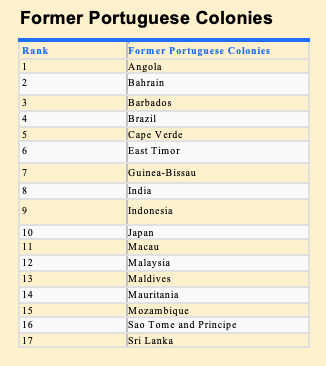
Spain held control over 35 colonies across the world. Portugal’s empire extended across 50 countries for trade, to spread Catholicism & ‘civilize’ natives and influence the political, economic & social systems of countries they colonized. Even by 2013, France controlled 2.7million people in former colonies that began from 1605.

Civilizing Mission”

Completely ignoring that the lands and territories the Europeans descended upon had rich and ancient cultures of their own, the Europeans set out to ‘civilize’ these natives by replacing native traditions/customs/cultures with European language, laws etc. This is nothing but cultural genocide. The natives had to give up their religion & embrace Catholicism/Christianity in order to receive education/jobs or be ‘accepted’ by the Europeans. How many in the West think like Jules Ferry higher races have a right over the lower races, they have a duty to civilize the inferior races”. How did the whites become a ‘higher race’ – what makes whites think they are a ‘higher race’ and who gave them th right to ‘civilize’ people?

The white rulers annihilated the spirituality of the natives simply because they didn’t pray to the white God”.

https://thisisafrica.me/african-identities/africa-colonisation/– Africa before Colonization

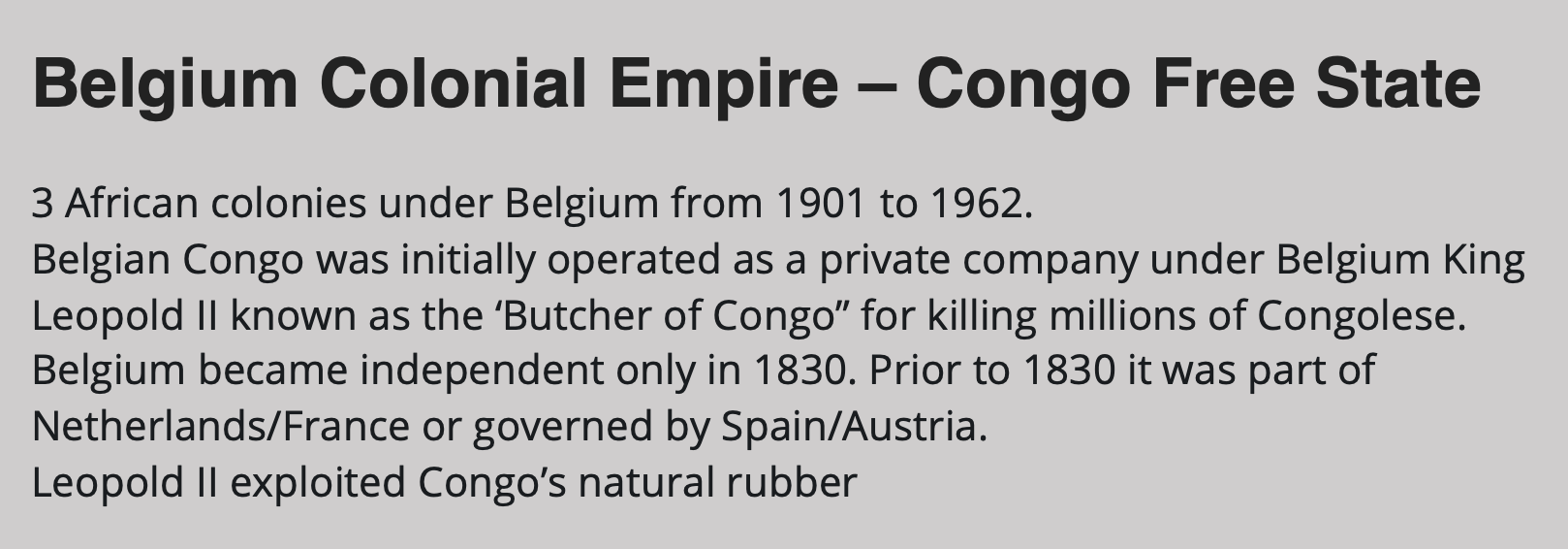
The Butcher of Congo – Leopold II of Belgium killed millions of Congolese. Where is the accountability for these crimes? These were state-sponsored religiously approved mass murder!

Belgium’s Bloody Congo Rule

https://www.bbc.com/news/world-europe-53017188

Descendants of Europeans

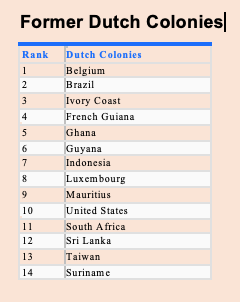
The colonials left a legacy of ethnic groups created by cohabitating with natives. The Dutch departed the colonies creating ethnic groups of Dutch ancestry – Boers in South Africa (Afrikaaners 10million), Burghers in Si Lanka, Indo people in Indonesia, Creoles in Suriname where Dutch remains the official language. US Presidents Theodore & Franklin Roosevelts were of Dutch origin.

What West did and is doing to Africa 

Cannon Fodder

Natives became used for sepoy armies that were set out to crush their own people who rebelled against the Europeans. Many natives were made to fight during the World Wars.

When US/UK & EU preach to the world against modern day crimes – where is their accountability for Rape/Mass Murder/Torture & Disease during colonial rule

Arms, legs and hands were cut off natives that did not listen to white rule or pay taxes. 14 countries continue to pay France colonial taxes!

Women, children & elderly were given small pox-infected blankets & faced death.

When US/UK & EU preach to the world against human rights – where is their accountability for Slavery, Apartheid and racism that still exists.  

Millions of Africans were transported as slaves. Cape Verde under Portugal became an entreport for human cargo & shipped as goods. Can Portugal preach about modern day human trafficking? How many are given lesser salaries & positions because of their color even today?

These white nations even held HUMAN ZOOS!  https://www.youtube.com/watch?v=_WFTSM8JppE

When UN & Western Nations draft resolutions on Cultural Genocide – they suffer amnesia over their crimes some of which still continues. 

Ancient structures were bulldozed and replaced with European churches. The gold & other valuable crystals, minerals etc were stolen to build Europe while ancient heritage and artefacts adorn European museums where they earn from tourists and not a penny is given to the nations from whom they stole these artefacts.

When UN & West draft resolutions on Protection of Ancient languages they ignore their crimes upon ancient languages

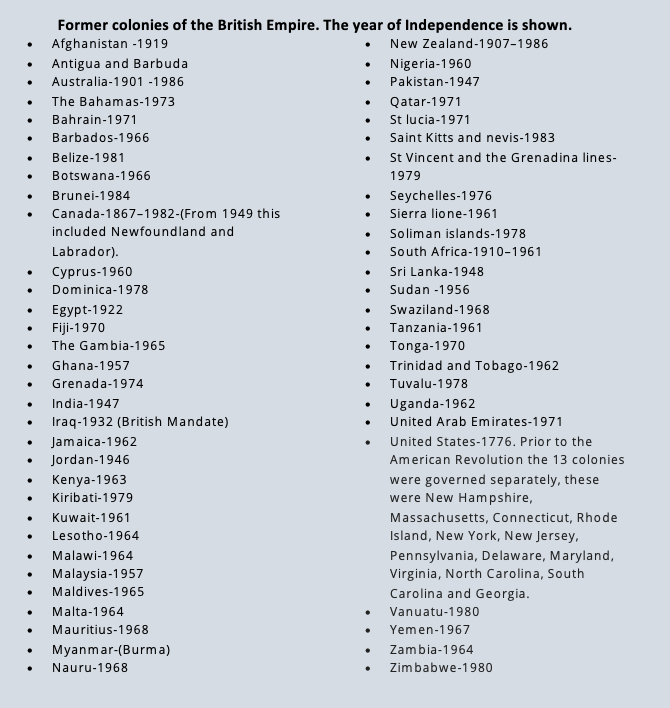
How many of the ancient people (Incas Mayans, Aztecs) languages have been annihilated and in turn the official languages of some former colonies remain colonial. Some of Spain’s former colonies continue to use Spanish as official language. Jamaica, Philippines (late 1500s to 1898), Belize & Trinidad opted not to continue with Spanish.

Education was given to those who forfeited their mother tongues, adopted European education/language and attire. To only these colonial jobs were offered.

When US/UK & EU demand media /freedom of speech–what are they doing against Julian Assange, Edward Snowden & Chelsea Manning & scores of others they want mummed.

When US/UK & EU preach democracy– have they counted the number of democratically elected leaders they have ousted & replaced with despots & dictators or the number of rebel groups, insurgents & terrorists they not only train and fund but covertly arm as well?

It is time the world knew about the uncensored versions of the history committed by EU/US & UK. A history that they wish to brush aside by pushing their crimes under the carpet or diverting attention to other countries & deceitfully presenting themselves as champions of human rights.

EU/US & UK cannot demand accountability from any nation before they voluntarily apologize and compensate for their crimes during colonial rule & under international systems they control & govern today.

Over 500 years of crimes can only be remembered and prevented but take a good look at all of the conflicts around the world today. What are the countries fueling these conflicts? What are the countries supplying the arms/ammunition & training? What are the countries that are illegally occupying countries? Surprise, surprise, – they are the very EU, British & US that committed crimes then and are continuing the crimes even now while pretending to be angels.

Canada loves to accuse countries of ‘genocide’ while hiding its genocidal past with a simple ‘sorry’ while daily graves of murdered children emerge. EU & Western nations shy from referring to Spain killing over 50million natives of Peru to less than 2million as not genocide but take pains to cry ‘genocide’ by Hitler or Milosevic (though only 2500 bodies were found against hyped up genocide claims)

The need for EU, Britain and US to stop presenting themselves as ‘saviors’ & start owning up for their crimes against the world’s peoples and environment is not simply to hold them accountable for colonial crimes but to make the world realize that over 500 years of colonialism & imperialism has resulted in unimaginable and irreversible outcomes – fertile lands & ecosystems destroyed (today EU & Co preaches about climate change), ancient languages and cultures annihilated, ancient cultures, customs and traditions buried, people’s identities and spirituality stolen, turning simple people & their simple lives upside down, brainwashing their minds and remoulding them through education, nature raped for cosmetic gain, animals hunted for sport and to add to injury public memory replaced by glorifying the perpetrators with bogus history. Not only has Britain admitted to burning & hiding colonial crimes committed by them, the Europeans did the same. King Leopold burnt all documents related to his rule I will give them my Congo, but they have no right to know what I did there”.

https://theconversation.com/european-colonisation-of-the-americas-killed-10-of-world-population-and-caused-global-cooling-110549

Europe, Britain & US are built on the riches stolen from the colonies. Colonialism dramatically changed land & marine ecosystems and transformed economic growth & who would dictate its future growth.

Colonialism turned everything and everyone into commodities with a price. Humanity & compassion was just for the coffee table.

The stolen metals, slaves, plantation commodities built European economies and bankrolled the industrial revolution. The international systems created by them ensured that their will ruled. To make the non-whites happy, they made room for non-whites who thought, acted & spoke like the white-man to hold global positions amongst them. You hardly find an outspoken non-white amongst the whites but plenty of non-whites who think they are white and take pride in looking down on their own!

Notice how West embraces India that bows down to Western dictates but vilifies China because China is dictating how China rises & shines on global stage on China’s terms & not the Wests!

EU US & UK must account for their sins before pretending to be angels & demanding we treat them like angels.

Shenali D Waduge

ERASING THE EELAM VICTORY Part 21C

July 11th, 2021

KAMALIKA PIERIS

The Eelam war is not the noble war it is made out to be. It is treason. Treason is considered to be “the highest of all crimes”. Treason” means criminal disloyalty to the state. When war is waged against the state, it is known as High Treason. War is considered the most serious offense that can be committed against a government. The punishment for those charged with treason is death or imprisonment, including life imprisonment.  A person who commits treason is known in law as a traitor. Another word used for traitor is Quisling.

Most countries have laws against high treason. In the USA attempting to overthrow the government through waging war against the state is considered high treason.  It carries a sentence of death or imprisonment, also fines. Treason trials were held during the American Civil War.    Britain has a separate Treason Act.

In Vietnam, any Vietnamese citizen acting in collusion with a foreign country with a view to causing harm to the independence, sovereignty, unity and territorial integrity of the Fatherland, the national defense forces, the socialist regime or the State of the Socialist Republic of Vietnam shall be sentenced to capital punishment, life imprisonment of between twelve and twenty years of imprisonment.

Sri Lanka’s Constitution   prohibits waging war against the state. Chapter 20 and 21 of the Constitution of Sri Lanka (updated to 2021) says:

  • 157A. (1) No person shall, directly or indirectly, in or outside Sri Lanka, support, espouse, promote, finance, encourage or advocate the establishment of a separate State within the territory of Sri Lanka.
  • 157A. (2) No political party or other association or organization shall have as one of its aims or objects the establishment of a separate State within the territory of Sri Lanka.
  • 157A (4) Where any political party or other association or organization has as one of its aims or objects the establishment of a separate State within the territory of Sri Lanka, any person may make an application to the Supreme Court for a declaration that such political party or other association or organization has as one of its aims or objects the establishment of a separate State within the territory of Sri Lanka.
  • 161(4) where a Member directly or indirectly, in or outside Sri Lanka, supports, espouses, promotes, finances, encourages or advocates the establishment of a separate State within the territory of Sri Lanka, any person may make an application to the Court of Appeal for a declaration that such member has directly or indirectly, in or outside Sri Lanka, supported, espoused, promoted, financed, encouraged or advocated the establishment of a separate State within the territory of Sri Lanka.

Waging war against the state is a criminal offence under the Penal Code of Sri Lanka. Chapter VI of the Penal code deals with ‘Offences against the state’.

  • Section 114 says, Whoever wages war against the Republic, or attempts to wage such war, or abets the waging of such war, shall be punished with death, or imprisonment of either description, which may be extended to twenty years, and shall forfeit all his property.”
  • Section 115 says Whoever conspires to deprive the People of the Republic of Sri Lanka of their Sovereignty in Sri Lanka or any part thereof, or conspires to overawe, by means of criminal force, any of the organs of Government, shall be punished with imprisonment and shall also be liable to a fine.”

LTTE committed high treason in the Eelam Wars. LTTE took arms against a sovereign state.  They conducted a protracted civil war, lasting over 30 years. Such treason would lead to severe punishment in any other country, said. Rohan Gunaratne . Analysts observed that elsewhere in the world, High Treason is punishable by death. Also  nowhere in the world would   a group like the LTTE, be allowed to   hold regular memorial services and erect monuments  as they are doing today in Jaffna.

The call for Eelam  is also a treasonable activity said critics. Ven. Keppetiyagoda Siriwimala of Rajopawanaramaya, Getambe, Peradeniya, said   C.V.Wigneswaran, former Supreme Court judge, should be arrested for calling for a separate government for the North and East. (2016) Jayantha Gunasekera said any call for separation should be cause for high treason with penal sanctions.

 In addition to Treason, there is also the charge of Sedition. Sedition is defined as “conduct or speech inciting people to rebel against the authority of the state.” Any attempt to   conduct civil war, arm citizens against any other part of the country, is Sedition.

 Sedition is limited to the offense of organizing or encouraging opposition to government through speech and writing. The publication of seditious writing (seditious libel”) or the utterance of seditious speech (seditious words”) are considered crimes.  Today , even the display of a flag of separatist movement is also considered sedition.

There is now a call in Sri Lanka for a law against ‘sedition’. There is no such law against sedition at present. The government should pass a sedition act to charge and prosecute anyone supporting separatism    said Rohan Gunaratne.

We must introduce a new ‘Sedition Act’, said K Godage. It is also absolutely important to have a Sedition Act. Malaysia and Singapore have Sedition Acts.Any word or action which is deemed to encourage Separatism must be made a criminal offence and any political party deemed to support Separatism should be banned. The encouragement of Seditious tendencies must be made punishable with a minimum of ten years rigorous imprisonment, Godage said.

In 1976,TUF leader A Amirthalingam, together with other leading Tamil politicians M. Sivasithamparam, V. N. Navaratnam, K. P. Ratnam and K. Thurairatnam were  distributing leaflets   in Jaffna giving the Vaddukoddai Resolution passed by the   TULF in that year  and saying that  they intended to work towards a separate state. They were arrested under the Emergency Regulations, taken to Colombo and tried for sedition. At the trial at bar case 72 Tamil lawyers including S. J. V. Chelvanayakam and G. G. Ponnambalam spoke for the defence.

The action was of course, clearly seditious, therefore the defence focused on a ‘point of law’, the way the Emergency was proclaimed. The Tamil lawyers also   used the opportunity, to make a case for Tamil self determination. The High Court at Bar, on September 10, 1976, upheld the objection of the defence on the validity of the Emergency Regulations. Appapillai Amirthalingam, the Secretary General of TULF, was discharged of charges of possessing and distributing seditious literature.

The State challenged this decision before the Supreme Court. Attorney General Siva Pasupati appealed for a revision of the High Court-at-Bar order in the case against Amirthalingam. On December 10, 1976, the five-judge Bench, by a unanimous verdict, held that the proclamation of the state of Emergency was valid. Soon after the Attorney General announced that the Government will not be preceding the case against the four ITAK leaders relating to the possession and distribution of seditious literature. (High Court Trial-at-Bar No. 1 of 1976, S.C. Application No.658 of 1976 and S.C. Application No. 650 of 1976)

Nallaratnam Singarasa was convicted by the High Court on five charges that he, between 1 May 1990 and 31 December 1991 together with LTTE leaders like Sornam and Pottu Amman, conspired to overthrow the lawfully elected government and attacked Army camps in Jaffna Fort, Palaly and Kankesanthurai. The charges against him had been brought under the Emergency Regulations and the Prevention of Terrorism Act. He was sentenced to 50 years rigorous imprisonment.

Singarasa appealed against his conviction to the Court of Appeal, which dismissed his case on 6 July 1999, but they reduced his sentence to 35 years RI. Singarasa then sought special leave to appeal from the judgment of the Court of Appeal. A Bench of the Supreme Court comprising of Justices Mark Fernando, Wadugodapitiya, and Wijetunga refused special leave to appeal on 28 January 2000.

 Sinharaja then went to UNHRC in Geneva, obtained support for his case and returned to Supreme Court, where his appeal was once again rejected. In doing so, Supreme Court was rejecting both Sinharasa’s defense and also the advice sent to them from UNHRC  on how to look at this case. Sinharasa was a test case for the Tamil Separatist Movement. (Continued)

ඉංගිරිස් පාරුව කරට ගැනීම – III

July 11th, 2021

චන්ද්‍රසිරි විජයවික්‍රම, LL.B., Ph .D

(රක්ෂා නැතිව හා දුකෙන්, අසහනයෙන් හා අශීලාචාර ලෙස කාලය මරණ ලංකා ජනතාවට ඇති ගැලවීමේ මඟ යළි ඉන්ගිරිසිය රජකරවීම යයි දෙසන කළුසුද්ද්න්ගේ නියම යටි අරමුණ රට කැබලිකිරීමය යන බව පැහැදිලි කිරීම මෙම ලිපි මාලාවේ උත්සාහයය.)

හිනායන සිංහල (English with a Smile)

*1.  “…එක බිලියන…දෙක බිලියන…හත මිලියන” -රෝසි සේනානායක සිංහලෙන් කල කොළඹ නගර සභාවේ අයවැය කතාවෙන්

*2. අණ්ඩර දෙමළ නොහොත් රවි කරුණානායක සිංහලෙන් කල අයවැය කතාව

*3. ජනාධිපති සිරිසේන විසින් කටුනායකදී පෝප් ඉදිරියේ කියවූ, කවුදෝ ලියාදුන්, අසා සිටින අයට නොතේරුණ ඉන්ගිරිස් කතාව

*4. සමහර විට දයාන් ජයතිලක විසින් ලියාදෙන, ශේක්ස්පියර්ගේ කාලයට අයත් සජිත් ප්‍රේමදාසගේ පොල්පරාල ඉංග්ලිස් කතා

ඉහත සඳහන් සිද්ධි හතරම හීනමාන  හැසිරීම් හතරකට උදාහරණ මිසක් ඒවායේ කිසිදු වැදගැම්මක් නැත. මේ සිද්ධි හතරෙන්ම කාටවත් ලැබුණ ප්‍රයෝජනයක් නැත. ඉන් එලිවන්නේ පංචස්කන්ධ හතරක අනාථවූ වංක මනස්ය. මීට හාත්පසින්ම වෙනස් සිදුවීමක් ඇමෙරිකාවේ පන්සලක උත්සවයකදී මම දුටුවෙමි. එහිදී කොරියාවෙන් ආ සිංහල තරුණ හාමුදුරුනමක් කොරියාවේ සිය දායකයින්ට ගෙනගොස් පෙන්වීම සඳහා කොරියන් භාෂාවෙන් කතාවක් කර එය වීඩියෝ කරගත්තේය. ඉන් පසු ඔහු ඉංග්‍රීසියෙන්ද කතාකලේය. මුල සිට අගටම එය රජා මැරීමක්” වුවත්, කිසිවෙක් ඊට හිනාවුනේ නැත. ඔහුගේ නිර්භීතකම හැමදෙනාම අගය කලේය. එක වරක් හෝ දියේ නොගිලී හෝ බොහෝ වරක් පාරේ නොවැටී හෝ පීනන්නටවත්, බයිසිකල් පදින්නටවත්, ඉගෙනගත නොහැකිය. ඊට කලකට පෙර ඇමෙරිකාවේදී හමුවුන හාමුදුරුනමක් ලංකාවෙන් බුද්ධර්මය පිළිඹඳව ප්‍රථම පන්තියේ උපාධියක් ලබා, ජපානයට ගොස් ආචාර්ය උපාධියක් ලබාගත් අයෙකි. ඔහු ජපානයේ ජපන් ශිෂ්‍යයින් පරදා ජපන් භාෂාවෙන් තිබූ වාද තරඟ ජයගත් අයෙක් විය. එහෙත් ඔහුගේ ඉංග්‍රීසි දුර්වල නිසා මා ඔහුගෙන් ඒ ගැන විමසූ විට ඔහු කිව්වේ, ලංකාවේදී ඉංග්‍රීසි කතාකරන්න හදන විට අනිත් අය (අනිත් හාමුදුරුවරු?) හිනාවෙන නිසා ඒ ගැන පසුබට වූ බවය.

1962 දී පේරාදෙණි සරසවියේ දෙමළ උගන්වන පන්තියක් ආරම්භකල විට ශාලාව පිරී ඉතිරී ගියේය. එහෙත් හදිසියේම කවුදෝ එය අත්හිටුවූයේය. ද්‍රවිඩ ශිෂ්‍යයෙක් සමඟ එක කාමරයක සිටීමට මා තැත්කලේ මගේ ඉංග්‍රීසි කතාව වැඩිදියුණු කරගන්නටය. 1966 දී එයට අවස්ථාවක් මට ලැබුණි. (අවුරුද්දක්ම මා සමඟ සිටි දෙමළ මිතුරා පසුව මහ තොන්ඩමන්ගේ පුද්ගලික ලේකම් විය). අපේ කාමරයේ දොරේ රටහුණු වලින් “ඉන්ග්ලිස් විත් අ ස්මයිල්” යයි ලියා සෙසු සිංහල ශිෂ්‍යයින් විනෝදයක් ලබුවේය. ඒ කාලයේ ජනප්‍රිය ඉංග්‍රීසි  පොත් පෙලේ නම එයය. අවුරුදු කීපයකට පසු මා සිමෙන්ති සංස්ථාවේ විධායක නිලධාරියෙකුව සිටියදී නුවර එළියේ රාජකාරියකට ගියවිටකදී  එසේ විනෝදවු අයෙක් මට අහම්බෙන් හමුවිය. ඔහු මොන්ටි ගොපල්ලවගේ තනියට ඔහුගේ ස්කූටර් එකේ පිටිපස්සේ ඉඳගෙන ගිය කෙනෙකි.  මට හමුවෙද්දී ඔහු පාසැල් ගුරුවරයෙකි. මොන්ටිලා බලයේ සිටිද්දී ඔහුට වෙනත් ලොකු රක්ෂාවක් දෙන්න කතාකලත් කඩුව බැරි නිසා එය භාර නොගත්තා යැයි ඔහු මට කීවේය.

සජිත්ගේ උපදේශක දයාන් ජයතිලකගේ එක් උපක්‍රමයක් නම් ඔහු ලියන දේට විරුද්ධව ගේන තර්ක වලට ඔහුට උත්තර දෙන්නට බැරිවූ විට අනෙකාට ඉංග්‍රීසි ඉගෙන ගන්නයයි අවඥාවෙන් ලිවීමය. වරක් ඔහු මටද මේ ඉංග්‍රීසි සූත්‍රය ඇදබෑවේය. ඔහුට මා යැවූ දීර්ග රචනාවේ (පිළිතුරේ) මාතෘකාව වූයේ ඉන්ග්ලිස් විත් අ ස්මයිල් යන්නය. එය ඔහුගේ අධිමානයට දුන් බේතය. ඔහු ඉන් පසු ඒ උපක්‍රමය අත්හැර දැම්මේය.දැන් ඔහු ලියන්නේ කලම්බු ටෙලිග්‍රාෆ් වල ඔහුගේ එහෙයියන් පිරිස උදෙසා බව පෙනේ. මගේ තවත් යාළුවෙක් අලෙවි කොමසාරිස් විය. වරක් ලංකාවට ගිය විට ඔහුගේ කාර්යාලයට ගියෙමි. ඔහු තව කාන්තා සහකාර කොමසාරිස් කෙනෙක්ව මට හඳුන්වා දෙමින් කිව්වේ “මෙයා තමයි මගේ වැඩටික ඉංග්‍රීසියෙන් කරලා දෙන්නේ” යනුවෙනි. අනාගාරික ධර්මපාලතුමා ඔහුගේ ඩයරිය (දිනපොත ) ලිව්වේ ඉංග්‍රීසියෙන් යයි අමරදාස ප්‍රනාන්දු නම් මාක්ස්වාදියා ඔච්චම් කලේ (අයිලන්ඩ්, ජූනි/ජූලි 1999) එතුමා පිටට සිංහලයෙක් වුනත් ගෙදරට සුද්දෙක් යන මතයක් ගොඩනගන්නට සිතා විය යුතුය. මෑතකදී යූටියුබ් සාකච්චාවකදී උවිඳු කුමාරතුංගට තෙම්පරාදු මාක්ස්වාදියෙක් වන ශිරාල් ලක්තිලක කල චෝදනාව නම් ඔහුගේ සීයා හෙල හවුල කරණ ගමන් රාජකීය විද්‍යාලයේ ඉංග්‍රීසියෙන් (සිංහල භාෂාව?) ඉගැන්වූවා යන්නය.

රාජ්‍ය මන්ත්‍රණ සභාවේදී ඩී. බී. ජයතිලකට “ඇබිත්තයා” යයි කී මාක්ස්වාදීන්, ඩී. එස් ට “කැලෑ ජෝන්” යයි කියන්නට එක්කෝ බය විය. නැත්නම් ඔහුගේ කැඩිච්ච සිංහල වලට ඔවුන් කැමතිවිය. සිංහල හා ඉංග්‍රීසි දෙකම හොඳට දන්නා අයට සුද්දෝත්, කළු සුද්දෝත් දෙකොටසම අකමැතිවිය. අදටත් ඉන්දියාවෙන් සහතික අරන් එන අයට රක්ෂා දීමට කොම්පැනි කැමති ඔවුන්ගේ දේශාණුරාගය යම් තරමකට හෝ ඔද්දල්වී ඇතැයි යන විශ්වාසයද නිසාය. ඩොනමෝර් යුගයේදී ගම්වල චන්ද ලබාගැනීමට ඩොනමෝර් බෞද්ධයින් බවට පෙරළුණු සිංහල කළුසුද්දෝ, තම කැඩිච්ච සිංහල අඩුව පිරිමසා ගත්තේ පන්සල්වල හාමුදුරුවරුන් රවටා ගෙන ඔවුන් හරහාය. එහෙත් 1956 වනතුරු මේ අය සිංහල ගැන කතාකලේ නැත. ඉන් පසුව ඔවුන් කලේ සිංහල භාෂාවේ පිරිහීමට මඟ පෑදීමය.

ඉහතින් ලියූ පැරග්‍රාෆ් වල අරමුණ පාඨකයාගේ හුදු විනෝදාශ්වාදය පිණිස නොවේ. මෙම සිංහල-ඉංග්‍රීසි ඝට්ටනයේ, හුටපටයේ, ඇති සංකීර්ණකම හඳුනා ගැනීමටය. 1551 දී දොන් ජුවන් ධර්මපාල රටේ එකම හා අන්තිම ක්‍රිස්තියානි රජු වීමත් සමඟ බිහිවූ පරගැති කල්ලිය අන්තිමේදී 1920-30 ස් ගණන් වන විට ලංකාවේ කළුසුදු ගෝත්‍රය විය. සිංහල භාෂාව වෙනුවට ඉංග්‍රීසිය දිගටම තබා ගැනීම හා සෙසු මහජනයාට ඉංග්‍රීසි ඉගෙන ගැනීමට ඉඩප්‍රස්ථා නොසැලසීම සඳහා කල හැකි හැම උපක්‍රමයක්ම ඔවුන් භාවිතා කලේය. ඉංග්‍රීසි භාෂාව ඉගැන්වීම වෙනුවට ඉංග්‍රීසි මාධ්‍යයෙන් ඉගැන්වීම යන්න සිංහල ජාතිය විනාශ කිරීමේ, රට දෙකට තුනට කැඩීමේ සියුම් ව්‍යාපාරයක එක් අංගයක් විය. සංඝ සමාජය විනාශ එවැනි තවත් පැත්තකි.  මෙම යටි අරමුණ සැඟවීම සඳහා ඔවුන් ඉදිරියට දමන්නේ ලෝකයේ ඩිජිටල් මාවත, ඔන්ලයින්, ඉන්ටර්නෙට්, ගූගල් බැලුන් යන කතාය.

ටාරා දි මෙල්ගේ ආගමනය  (පිස්සුකෙළින ලන්ඩන් කුමාරිලා)

මෙම ලිපිය ලියමින් සිටියදී ටාරා දි මැල් මහත්මිය  විසින් ලියන ලද ලිපියක් (අයිලන්ඩ්, ජූනි 25) හා ඊට පිළිතුරක් වශයෙන්  ගුණදාස අමරසේකර මහතා විසින් ලියූ ලිපියක්ද (අයිලන්ඩ්, ජූලි 7) කියවීමට ලැබීම අතිශයින්ම වැදගත් වන්නේ, මෙම ඉංග්‍රීසි  පිස්සුව, රට කැඩීමේ කළුසුද්දන්ගේ ව්‍යාපාරයේම කොටසක්ය යන මගේ මතය ටාරා විසින් සනාථකර තිබීම නිසාය. ලන්ඩන්වල සිටි දොස්තර කෙනෙක් හිටිහැටියේම අධ්‍යාපන අමාත්‍යාංශයේ ලේකම් පුටුවට ආගමනයවීම මිසිස් චන්ද්‍රිකා කල විශ්මිත වැඩවලින් එකකි. සිය පණ බේරා ගැණීමට ලන්ඩන් ගිය ඇයට නොයෙක් අයුරින් උදව්කලේ ටාරා යයි අප අසා ඇත. මේ යුද්ධය නම් කවදාවත්ම දිණන්න බෑ යයි කෑගැසු අය හවුල් කරගෙන රට කෑලි 9 කට හෝ 11 කට බෙදා මකබෑ කරන්නට චන්ද්‍රිකා ගෙන ගිය  ශූක්ෂම ව්‍යාපාරය බකල් වුනේ රනිල් වික්‍රමසිංහගේ විධායක අගමැතිවීමට තිබූ කෑදරකම නිසාය. ඇගේ තවත් සගයෙක්වූයේ හාමුදුරුවරුන්ගේ ගිලන් පසට හැලි අරක්කු දැමූ රූපවාහිනිය භාරදුන් වසන්ත රාජාය (මෙම කතාව කොලට් සේනානායක හා නාරද කරුණාතිලක විසින් ලියූ පොතක විස්තරකර තිබේ). නීලන් තිරුචෙල්වම් හා දැන් ජීනීවා වල සැඟවී සිටින ජයම්පති  වික්‍රමරත්න රට කැඩීමේ රහස් ප්ලෑන සැදීමට ඇය යොදාගත්  දෙන්නාය.

ටාරාගේ ලියුම ඇගේ දෙවන ආගමනයක් වැනිය. එහි දක්වා ඇති ගොන් තර්ක අමරසේකර මහතා විසින් නිශ්ප්‍රභා කර ඇත. ඉන්ගිරිස් හරහා ලංකාව සිංගප්පූරුවක් කිරීම කෙසේවෙතත්, ඇගේ ලියුමෙන් පෙන්වන ඇගේ ආශාව, එනම්,  1956 සිංහල රාජ්‍ය භාෂාව (දෙමළට සාධාරණ භාවිතය සමඟ ) කිරීමේ තීරණය වෙනස් කිරීම,  ජේ ආර් හා ආර් ප්‍රේමදාස විසින් චන්ද්‍රිකා බලයට ඒමට පෙරම වෙනස් කල බව ටාරාට අමතකවී ඇත. චන්ද්‍රිකා ඇගේ 1995-2000 රට කැඩීමේ පැකේජ් ඩීල් අතරතුර, 1998 දී ටාරා-චන්ද්‍රිකා “අධ්‍යාපන ප්‍රතිසංස්කරණ” පලහිලව්ව එලියට දමන ලදී. එහෙත් තම දෙවන හිස එසවීමෙන්  හෙවත් අමරසේකර මහතා පිළිතුරු සැපයූ ඇගේ ලිපියෙන්, ටාරා මහත්මිය, ලන්ඩන් හෝ කොළඹ හෝ සිට, මහීම් මෙන්දිස් නම් පුද්ගලයෙකුගේ වචන හරහා මිසිස් චන්ද්‍රිකාට ඇගේ ප්‍රණාමය පුද කරන්නේ සිංහල රාජ්‍ය භාෂාව කර  චන්ද්‍රිකා තම පියා විසින් 1956 දී කල වරද නිවැරදි කිරීම සම්බන්ධයෙන්ය. ටාරාගේ නියම අරමුණ වැසියාට ඉන්ගිරිස් කැවීමද නැත්නම් සිංහල මරා දැමීමද?

බණ්ඩාරනායක යුගය

මිසිස් චන්ද්‍රිකා විසින් ඇගේ පියා කල වරද නිවැරදි කලා යන කතාවේ අප නොසිතන, බොහෝ අය නොදන්නා පැත්තක් ඇත. එක්කෙනෙක්, දෙන්නෙක් හැර,  ලංකාවේ අගමැතිලා හා ජනාධිපතිලා කළු සුද්දන් මිස රට ජාතිය ආගම කෙරෙහි ලැදියාවක් තිබූ අය නොවේ. සිය ආත්මාර්ථකාමි කම නිසා ඔවුන්ම හැදූ ප්‍රශ්ණ වලට ඔවුන්ම ආත්මාර්ථකාමි විසඳුම් සපයා රට විනාශ කලේය. සිදුකල හානිය, සිදුවූ යම් සේවයකට වඩා දැඩිය. කේරලයේ සිට පැමිණි පන්ඩාරනායකලා කෝවිල් පූසාරි කමෙන් පටන්ගෙන භාෂා පරිවර්තක රක්ෂාවට හැරී, සුදු ආණ්ඩුකාරයින්ට පන්දම් අල්ලා මුදලි, මහමුදලි පට්ටම් ලබාගත්තේය.  ඉතිහාසය විසින් ඔප්පුකර ඇත්තේ මේ කළුසුද්දන්ගේ ලේ පරම්පරා ඉතා ශීග්‍රයෙන් වඳවී ගිය ආකාරයය. 1931 සිට ඇමතිකෙනෙක්ව සිටි බණ්ඩාරනායක රටට කල සේවය කුමක්ද? පලාත් පාලන ඇමති වශයෙන් ඔහුත්, ඩී. බී. ජයතිලක හා ඩී. එස්. සේනානායකලාත්, අනාගාරික ධර්මපාලතුමාට සුද්දන් සමඟ එකතුවී කෙනහිලිකම් කලේය. ඔවුන් තිදෙනා කළුකොඳයාවේ ප්‍රඥාශෙඛර හිමියන්ගේ අපරාධමර්දන හා ග්‍රාම ප්‍රතිසංස්කරණ ව්‍යාපාරය බකල් කලේය. මාක්ස්වාදී බරව කකුල තිබුණත්, විද්‍යාලංකාර ප්‍රකාශනය, වල්පොල රාහුල හිමියන්ගේ භික්ෂුවකගේ උරුමය යනාදියෙන් පිළිඹිඹුවූයේ 1815 දී නැතිවූ සිංහල බෞද්ධ අයිතීන් නැවත ලබා ගැනීමේ සටනය.

ඩී ඇස්, ඩඩ්ලි හා සර් ජෝන්ගේ කෙරුවාවලින් හෙම්බත්ව සිටි සිංහල බෞද්ධ ගිහියන් හා හාමුදුරුවරුන් සරණපතා ආපසු ගියේ ඩඩ්ලි ලඟටය. සුද්දන් සමඟ එකතුව ඩී. බී ජයතිලක රටින් එලවාගෙන, පසුව බණ්ඩාරනායකව ආණ්ඩුවෙන් එලවාගෙන පුතාට අගමැතිකම දුන්නත් ඩී එස්ගේ ප්ලෑන අසාර්ථක විය. ඊට හේතුව ඩඩිලි එක්තරා අන්දමක අහිංසක මිනිසෙක් වීමය. හර්තාල් පාඩමෙන් පසු දේශපාලනයෙන් ඈත්වී සිටි ඩඩ්ලි කියා සිටියේ, තමන්ට ඔවුන්ගේ න්‍යාය පත්‍රය පිළිගත නොහැකි බවත්, බණ්ඩාරනායකට කියා බලන ලෙසත්ය. සිංහල මහ සභාව පිහිටුවා ගෙන සිටියත්, 1930 ස් ගණන් වල සිට ගොඩනැඟුණ ජාතික බලවේගය සඳහා බණ්ඩාරනායක මහතා ප්‍රථම සුදුස්සා නොවීය. ඔහු එම බලවේගයට උපත දුන් වින්නඹුවා යයි කියන්නේ මේ නිසා විය යුතුය.  කළුකොඳයාවේ හාමුදුරුවන්ගේ ස්වයංලිඛිත චරිතාපදානයේ බණ්ඩාරනායක චරිතයට දක්වන්නේ භක්ති ප්‍රණාම කෘතඥතාවයකි. ඇමෙරිකාවේ ජෝන් කෙනඩිගේ කෙටි පාලනකාලයේදී මෙන්, බණ්ඩාරනායක කෙටි පාලන කාලය වැදගත් වෙනසක් රටේ ඇතිකරන්නට යම් යම් පියවර ගන්නට සැදූ අවස්ථාවක් විය. සමසමාජකාරයින්, කළුසුද්දන් හා ක්‍රිස්තියානි බලවේග ඔහුට හතුරුකම් කලේය. සිංහල රාජ්‍ය භාෂාව කිරීම බෞද්ධ මධ්‍යම ප්‍රතිපදාව අනුව සිදුනොවීය. 1956 දී පැය 24 න් සිංහල රාජ්‍ය භාෂාව කලත් දැන් 2021 දීත් සුප්‍රිම් උසාවියේ නඩුතීන්දු දෙන්නේ පාර්ලිමේන්තු මන්ත්‍රීලාට නොතේරෙන ඉංග්‍රීසියෙනි!

ටාරා විසින් චන්ද්‍රිකා සිය පියාට පටහැනිවයාමේ නිර්භීතකමක්  ගැන වර්ණනා කලත්, සිංහල රාජ්‍ය භාෂා පණත මරා දැමීම ජේආර් හා ප්‍රේමදාස විසින්  ඇය බලයට ඒමට කලින්ම කර අවසානය. උතුරේ හා නැඟෙනහිර සිංහල ජනයාට, දෙමළ හා මුස්ලිම් ග්‍රාම සේවකයින්ගේ මට්ටමේ සිටම සිදුවන්නේ දෙමළ භාෂා ආක්‍රමණයය. වෙන කිසිවෙක් නැතිව, ස්ටැන්ලි ද සොයිසාව පමණක් හවුල් කරගෙන, බණ්ඩාරනායක විසින් 1958 දී හොරගොල්ලේදී, හිතුවක්කාර ලෙස චෙල්වනායගම් සමඟ ගිවිසුමක් අත්සන් කලේය.  එය ඔහු විසින් පසුව ඉරා දැමුවත්, දෙමළ බෙදුම්වාදීන් විසින් ඒ ගිවිසුම සළකන්නේ ඊළම සඳහා ලැබුණ ප්‍රථම ජයග්‍රහණය ලෙසය. 1987 ජේආර් විසිනුත්, 1995-2000 දී චන්ද්‍රිකාත්, 2018 දී රනිල් වික්‍රමසිංහත් මේ දෙමළ නිජබිම් මිථ්‍යාව පෝෂණය කලේය. දැන් 2021 දී ඇමෙරිකන් කොන්ග්‍රස්  එකේ කැරකෙන්නේ අපේ බොරු නායකයින් කල පාවාදීම්වල අවතාරයය. අවසාන වශයෙන් ටාරාට කිවයුතුවන්නේ, උතුර-නැඟෙනහිරට ගොස් එහි දෙමළ ජනායට ඉන්ගිරිස් උගන්නන ලෙසය. එසේ කලොත් සිංගප්පූරුවේ ලීක්වාන්  සතුටු වෙනු ඇත. දැන් තිබෙන විධියට එහි සිංහල ජනයාට දෙමළ ඉගෙන ගන්නට මිස දෙමළ නිලධාරීන් සිංහල ඉගෙන ගන්නේ නැත.

පියා කෙසේ වෙතත් මවගේ සෙනෙහස, ආශිර්වාදය දරුවෙකුට ලබාගත හැකි ජීවන තෘප්තියය. ටාරා හෝ චන්ද්‍රිකා උම්මග්ග ජාතකය, සැළලිහිණි සංදේශය, සුභාෂිතය දැකලාවත් තිබේදැයි මට සැකය. මා රටහැර එනවිට මා බදාගත් මගේ අම්මා පැතුවේ නැවත නැවතත් ඇගේම පුතා ලෙස උපදින ලෙසය. චන්ද්‍රිකාගේ අම්මා, ඇගේ පුද්ගලික ලේකම් සුදත් ගුණසේකරට කිව්වේ, “චන්ද්‍රිකා පිස්සු කෙළිනවා” යනුවෙනි. ටාරා ද ඊට හවුල්වූ තැනත්තියකි. බෞද්ධ කාන්තාවක්වූ මවගේ මිණිය නිල්පාට සාරියකින් වැසීමට තරම් චන්ද්‍රිකා සිය මවට ද්‍රෝහී වූවාය.

සිංහල භාෂාව, ඊළම හා මිලේනියම් ට්‍රෝජන් අශ්වයා

වඩා පුළුල් ලෙස සිතා බලනවිට මේ ඉන්ගිරිස් පිස්සුව, පිස්සුවක් නොව රටකැඩීමේ ව්‍යාපාරයේම කොටසක් බව අපට පැහැදිලි වියයුතුය. බාලා තම්පෝලා ද්‍රවිඩ රජයේ සේවකයින්ට නොමිලේ සිංහල ඉගැන්වීමට  විරුද්ධවුයේ සමතැනක් නිසා නොවේ. සරණාගතයින් ලෙස පිටරටවලට ගොස් කම්කරු ශ්‍රේණීයේ රැකියා කරණ මෙම ද්‍රවිඩ ජනයා ඉතා කෙටිකාලයකින් ඒ රටේ භාෂාව කතාකරන්නට ඉගෙන ගන්නේ භාෂාව ජීවත්වීමේ මෙවලමක් නිසාය. ලංකාවේ සිදුවූයේ භාෂාව රටකැඩීමේ ආයුධයක් කර ගැනීම හා සිංහල කළුසුද්දන් එයට අනුබල දීමය. දෙවන ලෝක යුද්ධකාලයේදී ස්ටාලින්, චර්චිල් හා රුසවේල්ට ඇඟවූයේ තමන්ට ඉංග්‍රීසි නොතේරෙන ලෙසය. මේ මඟින් ඔහු කපටි උත්තර දීමට සිතාගැනීමට කාලය ලබාගත්තේය. කැබිනට් පත්‍රිකා ඉන්ගිරිස් වලින් ලියා, ඉන්ගිරිස් වලින් කතාකල නිසා ඒවායේ තොරතුරු සිරිසේන ජනාධිපති දැනගත්තේ පසුදා පත්තරවලින් යයි කටකතාවක් පැවතීමද මෙවැනිම  කැත හැසිරීමක් නොවේද? 1815 දී සිංහලේ උඩරට දෙමළ රජු අල්ලා ගන්නා අවස්ථාවේදී චන්ද්‍රිකාගේ හා ජේ ආර් ගේ මී මුත්තන් හා යාපනේ කුමාරසූරියර් මුදලිගේ නෑයෙක් එහි සිටියේ භාෂා පරිවර්තකයින් ලෙස විය යුතුය.

මේ වනවිට ඇමෙරිකාවේ දෙමව්පියෝ තම දරුවන්ට ඉගෙන ගන්නට කියන්නේ ජපන්, චීන, රුසියන්, කොරියන් වැනි භාෂාය. ප්‍රංශ, ජර්මන් භාෂා පාසැල්වල  දැන් නැත. එපමණක් නොව ඇමෙරිකාවේ කාලයක සිටම ඉංග්‍රීසිවත් හරියට ඉගෙනගන්නේ නැත. රජයේ පාසැල්වලින් (public schools) 12 ශ්‍රේණියෙන් පසු දෙන ඩිප්ලොමා සහතිකය නැති අයට, ඊට සමාන (G.E.D.  ජෙනරල් එඩියුකේෂන් ඩිප්ලොමා නම්)  සහතිකයක් ලබාදීමට පන්ති හා විභාග රජයෙන්ම පවත්වන්නේය. 12 ශ්‍රේණිය සහතිකය ලබා (අතරමඟ ගෙදර නොනැවතී පාසැල් ගිය හැමෝටමවගේ මේ හයි ස්කූල් ඩිප්ලොමා සහතිකය ලැබේ) විශ්ව විද්‍යාල, කොමියුනිටි කොලේජ් වලට එන බොහෝ අයට මුල් අවුරුද්ද පුරාම ඉගෙනගන්නට වෙන්නේ රෙමෙඩියල් (remedial courses) විෂයයන්ය. මේ නම පසුව ඩිවෙලොප්මන්ටල් (developmental) යනුවෙන් වෙනස් කලේ රෙමෙඩියල් යන්න අවමානයක් ලෙස සැළකෙන නිසාය.  මේ විෂයයන් නම් ඉංග්‍රීසි කියවීම, ලිවීම හා ගණිතය (මැත්) (reading, writing and Math) ය. විෂය තුනටම නිපුණ්තා මට්ටම් තුනක් බැගින් තිබේ. ආරම්භයේදී පවත්වන විභාගයකින් ශිෂ්‍යයා කුමණ මට්ටමේ සිටීදැයි තීරණය වේ.

කතාව දෝලාවෙන්, ගමන පයින්

මේ අනුව පෙනීයන්නේ ඉංග්‍රීසි දුර්වලකම ඇමෙරිකාවේද ප්‍රශ්ණයක් බව නොවේද? මෙහිදී ලංකාවට වඩා ඇති  වෙනස්කම් දෙකකි. (1) දෙවන භාෂාවක් ලෙස ඉංග්‍රීසි උගන්වන්නේ ඒ සඳහා විශේෂ  පුහුණුවක් හා සහතික ලබාගත් ගුරුවරු පමණය (2) මේ ගුරුවරු තමන්ගේ රාජකාරිය හරිහැටි ඉෂ්ට කරනවාද යන්න සාධක සහිතව ඔප්පුකල යුතුය (Are you doing what you say you are doing?). පන්තියේ ගුරුවරයා/ගුරුවරිය ආරම්භයේදී ස්වේච්චාවෙන්ම සාධාරණ ඉලක්කයක් සටහන් කර, වාරය අවසානයේදී ඒ ඉලක්ක ලබාගත්තාද නැද්ද යන්න වාර්තා කරයි. ලබාගත් ප්‍රතිපල ගැන ඔවුන්ට වගකීමක් හා වගවීමක් පැටවේ. ඇමෙරිකාවේ ගුරු වෘත්තිය එවැනි කාර්යක්ෂමතා (effectiveness) අගැයීමකට යටත්ය. විශ්ව විද්‍යාලවල නම්, ශිෂ්‍යයයෝ තම ගුරුවරුන් ගැන වාරාවසානයේ එවැනි අගැයීමක් අනිවාර්ය ලෙසම කරන්නේ නිර්ණාමිකවය. ඒවා ගුරුවරයාට දකින්නට ලැබෙන්නේ විභාගවල ප්‍රතිපල නිකුත්  කලාට පසුවය.  පන්තියට ප්‍රමාදව එන, කලින් පිටව යන ගුරුවරු, කම්මැලි ගුරුවරු, අදක්ෂ අය, ශිෂ්‍යයින්ගේ විමර්ශණයට ලක්වේ.

ඉගැන්වීමට සුදුසු ගුරුවරු  සම්බන්ධයෙන් කතාකරණවා නම් 1956 ට පෙරත් පසුත් මට සිටි ඉංග්‍රීසි ගුරුවරු මොට්ටයෝය. ඉංග්‍රීසි කතාකරන්න දන්නවා හැර ඔවුන් සුදුසුවූයේ කන්තෝරුවල ලිපිකාර වැඩටය. 1960 දශකයෙන් පසු තිලෝකසුන්දරී කාරියවසම් වාර්තාකල පරිදි 1972 දී සිටි ඉංග්‍රීසි ගුරුවරු 40,000 න් 19,000 ක් ම අ.පො. සාමාන්‍ය පෙල  විභාගයෙන් ඉංග්‍රීසි විෂයෙන් ක්‍රඩිට් පාස් එකක් ගත් අයය. අද වනවිට නොයෙක් නැටුම් නටා, පුදුම විධියට ඩොලර් ගිල දමා විශ්ව විද්‍යාලවල වෙනම ඉංග්‍රීසි පුහුණු කිරීමේ දෙපාර්තමේන්තු පවා පිහිටුවා ඇත. රට පුරාමත් නොයෙක් ආයතන ඇත. ටියුෂන් මාෆියාව මාසෙකට රුපියල් 4000-5000 හේ ඉංග්‍රීසි පන්ති පවත්වති. මේවායින් ඉගෙනගත් අයට වෙන්නේ කුමක්ද?  ඉංග්‍රීසි උගන්වන රජයෙන් පඩිලබන අයගේ කාර්යක්ෂ්මතාවය පරීක්ෂා කිරීමක් සිදුවේද? ඇමෙරිකාවේදී දැන් ඉංග්‍රීසි ඉගෙනගන්නට උත්සාහකරණ හාමුදුරුනමක් මට කිව් කතාවකට අනුව, ලංකාවේදී, විශ්ව විද්‍යාලයේ ඔහුට යාමට අනිවාර්යවූ ඉංග්‍රීසි පන්තියේ ගුරුවරයා හිස් අතින්  පන්තියට පැමිණ ශිෂ්‍යයෙකුගේ පොතක් ඉල්ලාගෙන උගන්වයි. ළමයි එක්කෙනා, එක්කෙනා පන්තිකාමරයෙන් පිටව යයි.  අන්තිමේදී එක ළමයෙක් ඉතිරිවූ විට, ගුරුවරයා ඒ ළමයාගෙන් ඇසුවේ ඇයි ඔබත් නොයන්නේ යනුය! මගේ පොත සර් ලඟ නිසා මට යන්නට බෑ යයි ශිෂ්‍යයා කීවේය. මෙම උදාහරණය මෙම ඉංග්‍රීසි ජාවාරමේ යථාර්ථය එලිකරයි.

1984 දී ඇන්ටන් ප්‍රනාන්දු විසින් ලියනලද, ඉංග්‍රීසියට පදනම යන පොත දැනට අවුරුදු දෙකකට පමණ පෙර මට අහම්බෙන් ලැබුණි. ඔහු කියන්නේ ඒ පොතෙන් මාස තුනකින් හොඳ ඉංග්‍රීසි  දැණුමක් ලබාගත හැකි බවය. මේ පොත මුල් සිට අගටම කියැවූ මට සිතෙන්නේ ලංකාවේ රජයෙන් පඩි ලබන ඉංග්‍රීසි උගන්වන අය එය ඔවුන්ගේ අත්පොත කරගත යුතුය කියාය. ලොකු උපාධි සහිත ආචාර්ය, මහාචාර්ය වරුන්ට අභියෝගයක් ඒ සරල පොතෙන් කරයි.  එසේ නැත්නම් ඉංග්‍රීසි විකුණා ගෙන ජීවත්වන මේ අය හා අධ්‍යාපනයට සම්බන්ධ නිලධාරීන් දවස් 45 කින් ඉංග්‍රීසි කතාකරවන අවුරුදු 24 තරුණයින් දෙන්නාට මේ වැඩේ භාර දිය යුතුය. ලක්ෂ ගණනින් ඔවුන්ගේ ඔන්ලයින් ඇකඩමියට  සහභාගී වන ශිෂ්‍යයින්ගෙන් අය කරන්නේ  රුපියල් 5,175 ක් පමණය.

මුළු රටම දන් ටියුෂන් ලංකාවක්වී ඇති නිසා බොහෝ පාසැල්වල 11-12 ශ්‍රේණිවල පන්ති හිස්ය. මෙය විශාල ධන නාස්තියකි. මේ පාසැල්වල එම පන්ති වසා දැමිය යුතුය. එසේ නැත්නම් රජයෙන් මේ ශිෂ්‍යයින්ගේ ටියුෂන් ගාස්තු ගෙවිය යුතුය. එය රජයට ලාභය. ඔඩිටර් ජෙනරාල් (නොවැම්බර් 18, 2020 වාර්තාව) කලා උපාධිධාරීන්ට රක්ෂා නැතිකම ගැන කරණ විමර්ශනය, ඉංග්‍රීසි දැණුමක් නැතිකම හා සම්බන්ධ කලේ, රට කඩන ව්‍යාපරයේ අය විය යුතුය. ඇමෙරිකාවේ හා එංගලන්තයේ රක්ෂා නැති ප්‍රශ්ණය ඉංග්‍රීසි මඟින් විසඳන්නට ඒ රටවල් කතාකරන්නේ නැත. ලංකාවට ඇත්තේ ඉංග්‍රීසි මාධ්‍ය ප්‍රශ්ණයක් නොව රටේ පාලකයින් විසින් මුළු රටම අවකළමනාකරණය කිරීමේ අර්බුදයය. 1960 ගණන් වලදී ලතින් ඇමෙරිකානු රටවල ණය උඟුල ගැන අපි ඉගෙන ගත්තෙමු. දැන් 2021 දී ලංකාව මුහුණ පා සිටින්නේද දේශපාලක කළුසුද්දන් කල අඥාන ක්‍රියාවල විපාක වලටය. උසස් පෙළ විද්‍යා විෂයයන් උගන්වා ඔවුන්ව ලිපිකාර රක්ෂාවලට යෙදවීමත්, එසේ උපාධි ගත් අයට, රටට අවම වශයෙන් වසර 5 ක වත් විෂයට අදාල ක්ෂේත්‍ර සේවයක්වත් ලබා නොදී රටින් පිටව යාමට ඉඩදීමත් ගැන ඔඩිටර් ජෙනරාල්ට අමතකව ඇත. රට මුහුණ පා ඇත්තේ තවදුරටහ් පැලැස්තර දැමීමට නොහැකි පවතින කළුසුද්දන්ගේ පාලන ක්‍රමය, බෞද්ධ මධ්‍යම ප්‍රතිපදා රාජ්‍ය ප්‍රතිපත්ති මත උඩු-යටිකුරු කලයුතු අවස්ථාවකටය.

දැනට පවතින බොරු නියෝජිත ප්‍රජාතන්ත්‍රවාදය වෙනුවට පක්ෂ දේශපාලනයෙන් තොර ජනමූල සභා මට්ටමින් ජනතාවට බලය පැවරෙන පාලන ක්‍රමයකට රට යායුතුය. ගාන්ධි හා මාවෝ සේතුං යන දෙන්නා විසින් මාර්ග දෙකකින් මෙම ක්‍රමය යෝජනා කලේය  (The renewal of Chinese and Indian technology and culture, pages 200-205, Homo-faber: Technology and Culture in India, China and the West from 1500-to the present day, C. A. Alvares, 1980). මාවෝ සාර්ථක විය. ගාන්ධිගේ වියෝව නිසා නේරුගේ අසාර්ථක ක්‍රමය ක්‍රියාවට නැඟුණි. මේ වන විට ඉන්දියාව ඇමෙරිකන් ග්‍රහණයට නතුවෙමින් සිටී. ජනතා කොමිටි වශයෙන් මෙම මාවෝ-ගාන්ධි සංකල්පය 1970 දශකයේදී ලංකාවටද හඳුන්වා දුන්නත් දේශපාලකයින් විසින් ගම්වල නුසුදුසු පංචස්කන්ධ එආවට පත්කිරීම නිසා එය හිටි තැනම ලොප් විය. රටවැසියා-පන්සල-යුද හමුදාව යන ත්‍රිත්වය මඟින් දැනට පවතින පක්ෂ දේශපාලකයා-නිලධාරියා-බිස්නස්කාරයා යන දුෂ්ඨ  ත්‍රිකෝණය මෙල්ල කල යුතුය.

සිංහල භාෂාව ලෝකයේ ඇති විද්‍යත්මක භාෂාවකි. පරිගණකය ගමට ගෙනයාම සිංහලෙන් හා ඉංග්‍රීසියෙන් යන භාෂා දෙකෙන්ම කල හැකිය. මෙම ලිපිය දිග වැඩිවෙන නිසා එය මීලඟ කොටසෙන් සළකා බලමු.

Goblin Mangala’s self humiliation – Part II

July 11th, 2021

By : A.A.M.NIZAM – MATARA

Reuters reported that Samaraweera pledged that the new Government would welcome Chinese investors. President Maithripala Sirisena has unnerved China with his re-examination of certain projects that China has invested in, including a $1.5 billion ‘Port City project in Colombo.

Reuters said that India, which lost out to China in infrastructure development on the Indian Ocean island, was in particular worried about the security threat posed by Chinese ownership of land, aggravated by the docking of Chinese submarines in Colombo last year. Last week, Sri Lanka said it would reconsider the outright transfer of a parcel of land to China under the port city deal signed by the previous Government, amid concern it could be used for by the Chinese navy.

Speaking in Beijing after meeting his Chinese counterpart, Mangala Samaraweera said he did not discuss the port issue directly, and the Government was not only looking into Chinese projects. Anything relating to Chinese investment will be shared and discussed with the Government of China before we take any final decision,” Samaraweera told a news conference, citing what he told his Chinese counterpart. Sri Lanka will always welcome Chinese investment and it would now be an even safer place in which to invest, he said.

We are trying to ensure that there is a level playing field for all investors and a conducive environment for investment based on the restoration of the rule of law, democracy, good governance and transparency,” Samaraweera said. All proposals in future will be considered totally on merit.”

Samaraweera is in China to prepare for an expected visit by Sirisena next month. Chinese Foreign Minister Wang Yi said China remained a good partner of Sri Lanka. China is willing to continue being a trustworthy and reliable development partner… and will also keep doing its best to provide assistance for Sri Lanka’s social and economic development,” Wang said. India had grown increasingly wary of former President Mahinda Rajapaksa’s pursuit of closer ties with China, which became a key supporter of the island’s economy after its 26-year-civil war ended in 2009.

Reuters ststed thast China has built a seaport and airport in the south of the country, raising fears it is seeking influence in a country with which India has traditionally had deep ties. India’s concern grew after the Rajapaksa Government allowed the Chinese submarines to dock in thje Colombo port.

China moots trilateral cooperation with India and Sri Lanka

China has proposed trilateral cooperation involving India and Sri Lanka for regional stability as the new government in Colombo sought to re-balance its ties with China, preferring to follow a “non-aligned” policy. “China is open-minded about trilateral cooperation between China, India (and) Sri Lanka,” Chinese Foreign Minister Wang Yi said during a joint press conference with Sri Lankan counterpart Mangala Samaraweera. “I want to say both India and Sri Lanka are China’s cooperative partners in South Asia,” Wang said.

Samaraweera is the first Sri Lankan official to visit Beijing since president Mahinda Rajapaksa’s defeat in polls this January bhy a western, Indian terrorist diaspora steered conspiravy. China made significant investments in Sri Lanka during Rajapaksa’s tenure, raising concerns in India.

The two ministers had a lengthy talk focussed on the new political alignment in Sri Lanka following the fall of the Rajapaksa government. Samwarweera, however, did not comment on the trilateral proposal by China.

Wang said China wants progress in relations between all three countries, including ties between New Delhi and Colombo. “The relevant parties may continue to explore discussions about such cooperation in future to think about what are practical ways and means in pursing such cooperation,” Wang said. “We believe that China and India may leverage their respective strength in playing a positive role in helping Sri Lanka advance its social development,” he said. “I believe sounder interaction and pursuit of common interests among the three countries is in the best interest of the three countries and also in best interest of regional peace, stability and prosperity,” Wang replied to a question. He also said China and India stay in contact over a large number of regional and global issues. “We would certainly like to have consultations with the Indian side regarding pursing trilateral cooperation in future or cooperation involving more parties,” Wang said. Describing India as a neighbour and a relative, and China a close friend, Samaraweera said his government prefers to follow a “non-aligned policy with good relations with all the countries in the interest of the Sri Lankan people.” Wang, for his part, spoke about the support extended by the Rajapaksa government for the revival of the multi billion dollar ancient Maritime Silk Road (MSR) proposed by Chinese President Xi Jinping.

Mangala organises a visit to China by Sirisena

Jubilant over ousting the former President Mr. Mahinds Rajapaksa through Ranil Chandrika guidance from 2013, starting with TNA/Diaspora/UNP Singapore meetingh in 2013 and ending with a massive western/hegemonic Indianc and diasdpora conspiracy floated with hitherto never seen in thew world feake news and smear campaign Mangala Samaraweera visited China early February, a few days after getting installed backstabber Sirisena as the President of Sri Lanka, made a two dahy visit to China mainly to pave the way for Sirisena to undertake a visit to China.  Followimg boot lickings and groundwork done buy this Goblin, Sirisena made an official visit to Chima from 25th March to 29th March, 2015.

Durimng this visit, Sirisena held bilateral talks witn Chinese President Xi Jinping and also attended the Bo Ao Forum in Hainan on 28-29 March.

In the bilateral talks, President Xi Jinping emphasized that Sri Lanka is a close neighbor and China has always regarded Sri Lanka as important in its neighbourhood policy. He said China’s cooperation with Sri Lanka is based on mutual benefit and China does not attach any political conditions. China and Sri Lanka understand and support each other on matters of territory and sovereignty. Xi Jinping pointed out that China wants to deepen economic cooperation and infrastructure investment in Sri Lanka through Chinese enterprises; that China wants to expand military cooperation through exercises; and, coordinate in international as well as regional affairs. China hoped that Sri Lanka will increase its collaboration with China in SAARC.

Sirisena affirmed that his government will carry forward the friendly relations and will adopt more effective measures to promote friendship and cooperation between the two countries. He said that the Maritime Silk Road (MSR) had established relations between two countries in ancient times and that the 21st century MSR will further strengthen ties between China and Sri Lanka. On the recently suspended Colombo Port project, he said the project has been suspended temporarily and there was no fault with the Chinese side. He expressed his gratitude towards China for their help in building Hambantota port and welcomed more investment from Chinese enterprises.

The two sides signed the following MoUs:

  • Settling of FTA negotiations.
  • (President Sirisena showed his country’s interest in genuine progress” on the FTA. Two sides will be soon convening the third round of FTA negotiations.)
  • Chinese grant assistance to establish a hospital, a special laboratory and a modern pharmaceutical laboratory, institute for research and treatment of chronic kidney disease which is an acute health problem in Sri Lanka.
  • Five MoUs were signed in the areas of public health, trade and commerce, agriculture and human resource development.
  • Development of coconut industry.
  • Refurbishing of the Superior Courts complex in Colombo
  • Cooperation on tourism industry.
  • China’s offer of  2000 training opportunities for young scientists from Sri Lanka in the next five years.

China – Sri Lanka bilateral trade exceeded $3 billion in 2013. China is Sri Lanka’s second largest source of imports after India and is Sri Lanka’s biggest source of foreign direct investment (FDI). It has provided development loans for projects such as the Hambantota Port, Sri Lka’s first four-lane expressways , and for a new National Theatre.

In a media briefing by accompanying Ministers, it was stated that:

China will provide a grant worth more than US$ 300 million to the health sector in Sri Lanka and a grant of Sri Lanka Rs.4 billion to refurbish the Courts complex;

President Xi Jin Ping has conveyed to President Sirisena the idea of setting up a Silk Route Fund through which Sri Lanka would benefit.

Separately, press report said that China had agreed to write off US $30 million from the construction of Outer Circular road negotiated during Rajapaksa’s regime.


Mangala invites Chinese FM for 3 days visit to Sri Lanka.

Managala Samaraweera, addressing the joint media conference at the conclusion the Chinese Foreign Minister Wanfg Yi’s 3c day visit to Sri Lanka which had been undertaken on an invitation extended by Mangala Samaraweerra said that Sri Lanka valued the long-standing friendship and cooperation with China, dating to ancient times.

He said Discussions were held regarding the Silk Road initiative put forward by China. Sri Lanka reiterated its participation in this initiative, as it is in line with the government’s initiative to make Sri Lanka the hub of the Indian Ocean trade,”

He also said Sri Lanka and China had agreed to further enhance cooperation in trade, ..which we hope will be achieved with the early conclusion of the FTA between our two countries.”

Sri Lanka also welcomes the active support from Chinese enterprises to the development of Sri Lanka’s economy,” Minister Samaraweera said.

Samanraweera called for the settlement of South China Sea disputes through constructive dialogue, consultation and cooperation, in accordance with international laws and practices,” and said that Sri Lanka was appreciative of China’s efforts to promote such dialogue, to maintain peace and security in the region, while upholding the rule of law in interstate affairs.”

In response, Chinese Foreign Minister Wang Yi said China looked forward to follow through with strategic planning on bilateral relations made by the leaders of the two countries during previous visits.

No matter what changes to the international situation and domestic agenda, our strategic and cooperative partnership will continue to develop,” he emphasised.

He said China intended to make the 21 Century Maritime Silk Road a priority, and would work with Sri Lanka …to better align our development strategies to include your 5-year development plan, so that we can come up with a comprehensive blueprint for our future path of cooperation, and help Sri Lanka build itself into a shipping centre in the Indian Ocean…”

The Foreign Minister said that Sri Lanka and China would continue work towards mutual benefit, and that China would focus its aid on ports, highways, railways, airports and other mega projects,” and work towards a common development and shared prosperity.”

He disclosed that Sri Lanka and China had agreed to resolve the South China Seas issue through dialogue, and would work closely on marine cooperation.  Foreign Minister Wang Yi also promised more frequent high-level contact between the two countries.  

Statemenmt issued by Mangala on Chinese FM’s visit

It has been an honour and a great privilege to welcome to Sri Lanka the Minister of Foreign Affairs of the People’s Republic of China, H.E. Wang Yi. The visit is significant as it was the first high level visit and the first visit by a Foreign Minister of China, following the formation of the National Unity Government in Sri Lanka.

Sri Lanka has also made several high level visits to China in the recent past, with H.E. President Maithripala Sirisena making a State Visit to China in March 2015, a mere three months after being elected  and then it was followed by the Visit by Prime Minister Ranil Wickremesinghe to Beijing.  I myself had the pleasure of visiting China four times in one year, and the last being to the CICA Conference (Conference on Interaction and Capacity Building Measures in Asia) held a few months ago.

I am confident that the visit by the Foreign Minister will further enhance the warm and friendly bilateral relations between our two countries and pave the way for stronger ties in all spheres of cooperation between Sri Lanka and China.

We have just concluded a very productive discussion regarding the consensus reached by the leadership of our two countries during the recent high level bilateral visits and also on issues of mutual interest. I extended Sri Lanka’s appreciation for the assistance given by China for several infrastructure and other mega projects in Sri Lanka. This is consistent with the Strategic Cooperation Partnership between our two countries.

Sri Lanka deeply values the long -standing friendship and cooperation with China, dating back from ancient times. 

Discussions were also held regarding the Belt and Road initiative put forward by China. Sri Lanka reiterated its participation in this initiative, as it is in line with the Government’s initiatives to make Sri Lanka the hub of the Indian Ocean trade, a position it occupied in the ancient past.  We discussed the 21st Century Maritime Silk Road for greater economic cooperation, which is viewed as a road of friendship, economic cooperation, socio and cultural exchange and connectivity.

We also agreed to further enhance cooperation in the field of trade, which we hope will be achieved with the early conclusion of the FTA between our two countries.  Sri Lanka also welcomes the active support from Chinese enterprises towards the development of Sri Lanka’s economy.

While recognizing the need to maintain peace and security in the region, we also agreed on the importance of maintaining peace and stability in the South China Sea. In this regard, Sri Lanka calls for the settlement of disputes and differences through constructive dialogue, consultation and cooperation by the parties concerned in accordance with international laws and practices.

Sri Lanka also appreciates China’s efforts and readiness to promote such dialogue in order to maintain peace and security in the region while upholding the rule of law in inter-state affairs.

We agreed that regular high level interactions at all levels will pave the way for a stronger relationship, which will benefit our countries and our peoples.

To be continued …………………..

නීතිඥ සංගමයේ කිහිප දෙනෙකු සහ අධිකරණ ඇමති අතර ඇති වැරදි සම්බන්ධතා පාලනය කරමු…!

July 11th, 2021

වෛද්‍ය තිලක පද්මා සුබසිංහ අනුස්මරණ නීති අධ්‍යයන වැඩසටහන.

1) නීතිඥ සංගමයේ කිහිප දෙනෙකු අධිකරණ ඇමති සමග ඇති පෞද්ගලික සම්බන්ධතාවය නිසා වගන්ති 7ක්ම ආණ්ඩුක්‍රම ව්‍යවස්ථාවට පටහැනි අධිකරණ ඇමතිගේ කොරෝනා පනත් කෙටුම්පත නොදැක්කා වාගේ හිටියාද?

2) නීතිඥ සංගමයේ සභාපති වීමට සහාය දුන් නිසා අධිකරණ ඇමතිගේ ව්‍යවස්ථා විරෝධී කොරෝනා පනත් කෙටුම්පත නීතිඥ සංගමයේ අවධානයට යොමු කළේ නැද්ද?

3) ආණ්ඩුක්‍රම ව්‍යවස්ථාව උල්ලංඝන කරන වගන්ති 7ක් තිබූ 2021.06.08 දින අධිකරණ ඇමති විසින් පාර්ලිමේන්තුවට ඉදිරිපත් කළ කොරෝනා පනතට නීතීඥ සංගමයේ ඇතැම් නිලධාරීන් එරෙහි නොවුණේ අධිකරණ අමාත්‍යාංශයේ වැටුප් ගන්නා නීතීඥවරුන්ගේ බලපෑම් නිසාද?

4) අධිකරණ ඇමති සහ නීතිඥ සංගමයේ කිහිප දෙනෙකු අතර ඇති ආණ්ඩුක්‍රම ව්‍යවස්ථාව බිඳ වට්ටන සම්බන්ධතාවය අනුමත කරනවාද?

5) අපක්ෂපාතීව කොරෝනා පනත අධ්‍යයනය නොකිරීමේ වගකීම බාරගෙන ශ්‍රී ලංකා නීතිඥ සංගමයේ සභාපති සහ ලේකම් ඉල්ලා අස්වෙයිද?

6) විදෙස් ගිවිසුම් මගින් සූම් නඩු විභාග වලට යොමු කිරීමේදී අධිකරණයේ ස්වාධීනත්වයට වන අයුතු බලපෑම නීතිඥ සංගමය සැළකිල්ලට යොමු නොකළේ ඇයි?

7)  20 වන ආණ්ඩුක්‍රම ව්‍යවස්ථා සංශෝධනයේ 53 වගන්තියට අනුව, අමාත්‍ය මණ්ඩලය
ආණ්ඩුක්‍රම ව්‍යවස්ථාවේ හතරවන සහ හත්වන උපලේඛනවල දිව්රුම නොදීම සම්බන්ධයෙන් නීතිඥ සංගමය නිහඩ, අධිකරණ ඇමතිගේ බලපෑම නිසාද? මාධ්‍ය අංශය,
වෛද්‍ය තිලක පද්මා සුබසිංහ අනුස්මරණ නීති අධ්‍යයන වැඩසටහන.
දුරකථන 0342256066, 0712063394

AN OPEN LETTER TO ALL MUSLIM POLITICIANS, POLITICAL ACTVISTS AND COMMUNITY LEADERS.

July 11th, 2021

By Noor Nizam – Peace and Political Activist, Political Communication Researcher, SLFP/SLPP Stalwart, Convener “The Muslim Voice” and Member “Viyathmaga”, July 11th., 2021.

The Muslim community, especially the younger generation should not miss this great opportunity to intergrate with the government in power, Insha Allah.

The Advent of Basil to parliament begins a “New Era” of Politics. Will follow with Socio-Economic, Agricultural development, prosperity, peace and harmony.

“The Muslim Voice” always believed that Basil was able and will do these, Insha Allah. 

“The Muslim Voice” always propogated this move forward because “the Musim Voice” has worked very closely with Basil for many years in politics and we have confidence in him. 

The Muslim community in Sri Lanka cannot have a better friend in the government than Basil. 

The Muslim community, especially the younger generation should not miss this great opportunity to intergrate with the government in power. 

“The Muslim Voice” calls upon all Muslim politicians, Political activists and Community leaders to forget the differences and start to intergrate with the government in power, support and work with Basil, not expecting positions and perks, but keeping in mind the political gains the Muslim community can benefit from such a relationship in the future and the contributions the Muslims can make towards making Sri Lanka a better place to live for all communities with dignity and equality, Insha Allah.

Maybe God AllMighty Allah has blessed Basil to become the next president of Sri Lanka in 2024, if Gotabaya Rajapaksa will not contest, Insha Allah.

මොකක්ද මේ රාජ්‍යට සිදුවෙමින් පවතින්නේ?

July 11th, 2021

චන්ද්‍රසේන පණ්ඩිතගේ විසිනි.

“අපි ගෝඨාභය රාජපක්ෂ මහතා ගැන ලොකු බලාපොරොත්තුවක් තබාගෙන එතුමාව මෙරට ජනාධිපති බවට පත්කලා, දැන් මොකද මේ රජයට වෙලා තියෙන්නේ?”

අපිට මුණ ගැසෙන අපේම මිනිස්සු අපෙන් අහන ප්‍රශ්නයක් මේක. මේ ප්‍රශ්නය අපෙන් අසන මිනිස්සු ඉතා පැහැදිලි පිළිතුරක් අප තුලින් බලාපොරොත්තු වෙනවා. අපි අපේ දේශපාලන දැනුම උපයෝගීකරගෙන ප්‍රශ්නයට උත්තර දීමට බැදී සිටිනවා.

පළමුව කිව යුත්තේ ගෝඨාභය රාජපක්ෂ මහතා බලයට පත්වූ 2019 නොවැම්බර මස 19 වෙනිදා සිට මේ දක්වා තවම මෙරට රාජ්‍යක් බිහිව නැති බවයි. රාජ්‍යක් බිහිවීමට නම්,
1. විධායකය
2. ව්‍යවස්ථාදායකය
3. අධිකරණය

යන ආයතන තුනම එකට බැදී නිර්මාණය වූ රාජ්‍යන්ත්රයක්, රාජ්‍ය ප්‍රතිපත්ති ක්‍රියාවට නැංවීමට කටයුතු කල යුතුය. එවන්නක් තවම ගෝඨාභය රාජපක්ෂ ජනාධිපතිවරයාට උරුමව නැති බව කිව යුතුය. එතුමාගේ ජනාධිපති තනතුර ආරම්භයේදීම, මේ ආයතන තුන තුන් පැත්තකට අදිමින් සිටින බවක් මෙරට ජනතාවට ඉතා පැහැදිලිව දක්නට ලැබිණි. යම් කිසි ලක්ෂයක ඇති වස්තුවක් සමමිතිකව බල තුනකින් තුන් පැත්තකට අදින විට සිදුවෙන මෙරට පාලනයට එදා සිට අද දක්වාම සිදුවිය. ඊට අමතරව කොවිඩ් වසංගතයකට මුහුණ දීමට සිදුවීමත් සමග ජනාධිපතිතුමාට අපේක්ෂිත ඉලක්කයන් කරා යාමේ අපහසුවක් පැහැදිලිවම නිර්මාණය විය.

විධායකයට අවැසි ආකාරයේ ව්‍යාවස්ථාදායකයක් ජනාධිපතිවරයාට අවශ්‍ය විය. ඒ සමග එතුමාට පවතින නිතිය හා ආණ්ඩු ක්‍රමයද වෙනස් කිරීමට අවශ්‍ය බලයක්ද අවැසි විය. මහා මැතිවරණය තුලින් ජනතාව 2/3ක බලයක්ද එතුමාට ලබාදෙන ලදී. ඒ 2/3 බලය නාමික බලයක් වන අතර, පොහොට්ටුව තුලින් බලය අල්ලා ගත්තේ මහින්ද රාජපක්ෂයන්ට හා ගෝඨාභය රාජපක්ෂයන්ට එරෙහි ප්‍රතිගාමී කොටස් බව අපි මැතිවරණ ප්‍රතිපල තුලින් දුටුවෙමු.

අපි අපේ පැත්තෙන් පොහොට්ටුවෙන් ශ්‍රී ලංකා නිදහස් පක්ෂයේ කිසිවෙකුටත් නාම යෝජනාදීම අනුමත කලේ නැත. මෙරට දේශප්‍රේමී ජනතාවගේ එකාවන්වූ නාදය වුයේ, ශ්‍රී ලංකා නිදහස් පක්ෂයට තමන්ගේ බලය උරගා බැලීමට වෙනම තරඟ කිරීමට ඉඩදිය යුතු බවය. මේ ශ්‍රී ලංකා නිදහස් පක්ෂයේ එකද මන්ත්‍රී වරක්වත ජනාධිපතිවරනයේදී, ගෝඨාභය රාජපක්ෂයන්ට චන්දය දුන් අය නම් නොවේ. ඔවුන්ගේ රජයන් පවතින යුගයේදී හිරගෙදරට දක්කා ඔහු හිර ගෙදර දුක් විදිනවා බැලීමට  මහත් ආශාවකින් පසුවූ අය එතුමා ජනාධිපති කිරීම සඳහා චන්දය පාවිච්චි කාලයයි පිළිගැනීමට තරම් මෙරට ජනතාව මුග්ධයින් නොවේ.

ඊට අමතරව ශ්‍රී ලංකා නිදහස් පක්ෂයේ ගරා වැටීම දුටු යහපාලන නියෝජිතයින්ද මැතිවරණයට පෙර පොහොට්ටුවේ සෙවනට විත් යලි පාර්ලිමේන්තුවට රිංගා ගැනීමට වරම් ලබා ගත්හ. දැන් මේ ආණ්ඩු පක්ෂයේ, අභ්‍යන්තරයේ ඇත්තේ ගෝඨාභයට සහය දෙන්නන් ලෙස පෙනී සිටින, නමුත් ගෝඨාභය විරෝධින්ගෙන් සැදුම් ලත් ආණ්ඩුවකි. ඇත්ත වශයෙන්ම නව ආණ්ඩු ක්‍රම ව්යාව්ස්තාවක් ගෙනවිත් 2/3 වැඩි චන්දයෙන් සම්මත කර ගත හැකි තත්වයක් මෙහි නැත. දැන් මේ ආණ්ඩුව ශක්තිමත් කරන ගෝඨාභය රාජපක්ෂයන්ට ඉතා දැඩිව ආදරය කරන ඔහුව සුරකින දේශපාලන කණ්ඩායම් වලට පහරදීම, ආරම්භ කොට ඇත. උදාහරණයක් වශයෙන යහපාලනයේ සිටි නිමල් ලන්සා උදය ගම්මන්පිලට පහර ගසන්නේ ඔහු පොහොට්ටුවේ නිර්මාතෘ වරයෙක් ලෙස කටයුතු කරමිනි. මේ ආකාරයට පහරදීමෙන් ආණ්ඩුව තුල සිටින දේශප්‍රේමී කණ්ඩායම්, අකර්මන්‍ය කිරීමෙන් ගරා වැටෙන්නේ, මෙරට ජනතාවගේ අපේක්ෂාවන්ය. දැනට සිදුවෙමින් පවතින්නේ එය බැවින්ද එය ජනතාවට සංවේදනය වෙන බැවින්ද ඔවුන් අපෙන්ද විමසා සිටින්නේ ඔවුන්ට සංවේදී වෙන කරුණු සත්‍යද යන්නයි.

ඇත්ත වශයෙන්ම,එදා,
1.පුරවැසිකම් පනත තුලින් මෙරටට කුලී වැඩ සඳහා ඉන්දියාවෙන් ගෙන ආ කුලිකරුවන්ට මෙරට ආණ්ඩුවක් පිහිටුවීම සඳහා චන්දය භාවිතා කිරීමට ලබාදී තිබු වරම අහෝසිකළ එක්සත් ජාතික පක්ෂය නොවේ. සිරිමා ශාස්ත්‍රී ගිවිසුම මගින් ඉන්දියාවට යැවීමට සැලසුම් කර තිබු ඒ ඉන්දීය කුලිකරුවන්ව ඉන්දියාවට පිටත් කිරීම නවතා, ඔවුන් සියලු දෙනාටම පුරවැසිකම් හා චන්ද අයිතියද ලබාදුන් එක්සත් ජාතික පක්ෂයකි. එය මේ වනවිට ජනතාව අහෝසිකර දමා ඇත. ඒ එම පක්ෂය මෙරට බටහිර තානාපති සේවාවන් විසින් හසුරවන පක්ෂයක් බව තේරුම් ගත විටය.

2.එස්.ඩබ්ලිව්.ආර්.ඩී.බණ්ඩාරනායක මහතා මහෝ සිරිමා බණ්ඩාරනායක මැතිනිය මෙහෙයවපු, ශ්‍රී ලංකා නිදහස් පක්ෂයක්ද අද නැත.එයද අධිරාජ්‍යවාදීන්ට අවැසි විදියට හැසිරවීමට මෛත්‍රිපාල සිරිසේන මහතා හා චන්ද්‍රිකා කුමාරතුංග මහත්මිය ක්‍රියා කිරීමත් සමගම එයටද මෙරට ජනතාව අතර තිබු වලංගු බාවය අහෝසි විය.

3. ආරම්භයේදී මෙරට තිබු ජනතා විමුක්ති පෙරමුණ 2005 නොවැම්බර මස 18 වෙනිදා මහින්ද රාජපක්ෂ මහතා ජනාධිපති වීමත් සමග අධිරාජ්‍යවාදීන් විසින් මිලක් නියම කිර්මත් සමග අධිරාජ්‍ය විරෝධී භාවයෙන් ඈත්වී, රුසියන් හා චීන විරෝධී පෙරමුණක් බවට පත්වීමත් සමගම, ජනතාව පිළිකුලින් පලවා හරින ලදී.

මේ පක්ෂ සියල්ලක්ම අධිරාජ්‍යවාදීන්ගේ රුකඩ බව වටහා ගත ජනතාව නව දේශපාලන පක්ෂයක් පිහිටවීම ආරම්භ කරන ලෙස ඉල්ලා සිටි අතර එහි පලයක් වශයෙන්,පොහොට්ටුව හෙවත් පොදුජන පෙරමුණ බිහිවිය. මෙතෙක් කල් අධිරාජ්‍ය විරෝධිව සිටි එම පෙරමුණද මේ වනවිට අධිරාජ්‍යවාදීන් විසින් හසුරවන තවත් දේශපාලන පක්ෂයක් බවට එය පත්ව ඇති බව මෙරට ජනතාව තේරුම් ගත යුතුය. නමුත් ඒ පක්ෂය බෝට්ටුවක් බවට පත්කරගෙන එතරව මේ වන විට ගෝඨාභය රාජපක්ෂ මහතා ජනාධිපති ධුරයේ වැඩ කරමින් සිටි. ගෝඨාභය රාජපක්ෂ මහතා අනිවාර්යෙන්ම තමාගේ ඉලක්කයන් හඹා යන චරිතයක් බැවින් අප සියලු දෙනාම මේ උදාවී ඇති තත්වයන් තේරුම් ගෙන  මේ පවතින අභ්‍යන්තර යුද්ධයෙන් හා සෞභාග්යේ දැක්ම යතාර්ථයක් බවට පත් කොට ජය ගැනීමට එතුමාට උදව් කල යුතුය.

එපමණක්ද නොවේ, ඉදිරි ගමන සඳහා අපට අපේම වූ තවත් දේශපාලන පක්ෂයක් අවශ්‍යතාවය නිර්මානයව ඇත. එය ගොඩ නැංවීමටද ප්‍රමුඛතාවය දිය යුතය.ඉතිහාසයේ ගමන් මගේ ස්වරුපය මෙය බැවින්, මේවා දැක කලකිරෙන්න එපා ධෛර්යමත් වන්න.ජයග්‍රහණය උරුමවන්නේ, සත්‍යට මිස අසත්‍ය වපුරන්නන්ට නොවේ.

BAMBOO VILLAGES IN SRI LANKA

July 11th, 2021

Sarath Wijesinghe President’s Counsel, former Ambassador to UAE and Israel President Ambassador’s Forum

Bamboo

Bamboo is found and known in Sri Lanka as a tree belongs to the grass family, mainly grown in the forest and in private, which is used in housing industry and craftsmanship in some parts of the country. It has not been utilized in larger scale in multi purposes such as in China, Indonesia, India and many parts of African, Asian and Latin American counties as an alternative for wood, housing, food, adhesive, pulp, paper industry clothes, leaves as food in different forms, medicine, preparation of fertilizer, shoots a delicacy, flooring, furniture, and many other purposes in small and large scale. It is a hidden treasure to be unearthed unknown to Sri Lanka, despite the excellent conditions in the country for the growth of this plant. It grows comfortably in Sri Lankan soil with minimum or no fertilizer and grows as a faster growing plant much faster than any other tree used for wood which takes long years to grow when the bamboo will be grown in few months. Multi use of this wonder plant us so useful in China they call it the friend of the poor man and the saviour of the common man. In Indonesia bamboo bicycles are made strong and easy riding and houses in many stands with bamboo plantations. India too is a bamboo country with large bamboo plantations and productive to the community and especially to the poor to be independent with a substantial source of income. It is grown easily with a quick return which can be used as an interplant with other plantations and other sources of income. It grows in villages with no disturbances and leaving ample room to be independent. Bamboo is an ideal plantation for the villager to be self-sufficient in craftsmanship as the products have a great demand local and otherwise. Bamboo furniture is durable, convenient to make, not heavy to transport with a beautiful appearance. Craftsmen produces are varied and numerous, and attractive. Bamboo houses and flooring is strong, beautiful and affordable which is found in many Bamboo countries. It is healthy, environmental friendly and not heavy as any other wood. Growing and developing Bamboo will prevent deforestation and felling of expensive wood illegally inviting global warming and climatic changes which is a threat to the world today.

Bamboo Villages and ‘Kubbuths’ Concept

‘Kubbuths’ are community clusters set up in Israel at the inception of the new nation with most difficult hardships with less or no water and many other facilities except the human resources. ‘Kubbiths’ is a self-sufficient unit consisting families and individuals living together sharing everything among each other a concept partially imported from Russia with new modifications, with a trade, developments and innovations attached. For example some ‘Kubbits’ may be attached to mainly diary on a leased or a state land where everything including, food education, expenditure are shared and the accounts are to be shown to the community completely independent from the State, with tacit approval and acceptance of the state monitoring and encouraging the concept spread right round the country somewhat akin to the typical Sri Lankan traditional village which Is self-sufficient and helps each other in every step. For example for harvesting of the paddy field, other difficult agricultural work and putting up the ‘Kadjan’ – coconut roof , where lot of labour is needed, entire or a part of the village would contribute in labour and other means  which goes round the village on turns. Villages does it to the community as a duty and a custom for the development of the village which is still found in some traditional areas, which is excellent and exemplary may be not found in anywhere in the world. In traditional ‘’Kubbuths’’ now developed with most modern trends, had school, surgery, factor or the trade and entire infrastructure to be an independent unit. For example the diary started at the incubation period in 1948, have now transformed into major companies converting the ‘Kubbuths’ too as companies and changing hands of the ‘Kubbith’ to  another generation. It is noted that today  Israel is  a nuclear world power, self-sufficient in water food having changed themselves according to the changing world, which started with ‘Kubbiths’ concept and hard work with a vision led by visionaries who directed the successful voyage of/for success. When Israeli started the journey they had no water except some water in ‘Galali’ river. They spent a fortune to the desalination process of converting sea water to be used in agricultures and domestic use, with very many innovations by innovators and scientists. The incubators of many Israeli innovations took place in ‘Kubbuths’ and many leading personalities including a President has been a product of ‘Kubbith’.  Once Bamboo villages are set up in Sri Lanka it could be expended worldwide in thousands of HA available for bamboo craftsmanship and plantations in Asia Africa and Latin America awaiting and expecting to share the knowledge knowhow and the land. Needless to state that promotion and initiation should come from the state and bamboo states worldwide.

‘Kubbiths’, Traditional Village and Bamboo Villages

It is ideal to combine all these situations on setting bamboo villages separately or next to a large bamboo plantation so that the bamboo villagers could be a part of the Bamboo plantation and the craftsmen village may be with sale outlets such as traditional ‘Kaju Gama’ or a similar concept could be adopted with state private partnership as the state has the monopoly and power on Bamboo cultivation with ample land available. It is the duty of the State and the private sector to import the expert knowledge and practices from China, Indonesia and other Bamboo countries for knowledge, knowhow and experience of the growers and craftsmen to train the local citizen. This is a simple process/project with moderately minimal investments preferable backed and participated by the State with innovative youth to start with, using all the concepts abovementioned and the experiences of others worldwide. It is suggested the Bamboo leaders to set up a network of bamboo help themselves and the common man awaiting for assistance and ever prepared to assist .

අග්‍රාමාත්‍යතුමා රුහුණු කතරගම මහා දේවාලයේ ඇසළ පෙරහර මංගල්‍යය නරඹයි

July 11th, 2021

අග්‍රාමාත්‍ය මාධ්‍ය අංශය

ඓතිහාසික රුහුණු කතරගම මහා දේවාලයේ ඇසළ පෙරහර මංගල්‍යය-2021ආරම්භක දිනය වූ ඊයේ (10) රාත්‍රියේ “මංගල පෙරහර” නැරඹීම සඳහා ගරු අග්‍රාමාත්‍ය  මහින්ද රාජපක්ෂ මහතා එක්ව සිටියේය.

කතරගම ඇසළ මංගල්‍යයේ ප්‍රධාන අංගයක් ලෙස වාර්ෂිකව පවත්වන පෙරහර මංගල්‍යය සුවිශේෂී සම්ප්‍රදායන් හා චාරිත්‍රවලට ප්‍රමුඛත්වය ලබාදෙමින් සංවිධානය වෙයි.

කොවිඩ්-19 වසංගත තත්ත්වය හේතුවෙන් මෙවර ඇසළ මහා පෙරහර මංගල්‍යය සෞඛ්‍ය මාර්ගෝපදේශයන්ට යටත්ව මහජන සහභාගීත්වයකින් තොරව සංවිධානය වේ.

මංගල පෙරහර පැවැත්වෙන අවස්ථාවට රුහුණු මාගම් පත්තුවේ ප්‍රධාන සංඝනායක කිරිවෙහෙර රජ මහ විහාරාධිපති ආචාර්ය කොබවක ධම්මින්ද නාහිමි සහ රුහුණු මාගම්පත්තුවේ ප්‍රධාන අධිකරණ සංඝනායක කපුගම සරණතිස්ස නාහිමි ඇතුළු මහා සංඝරත්නය ද වැඩම කළ වදාළහ.

මෙම අවස්ථාවට අග්‍රාමාත්‍ය ආර්යා ශිරන්ති රාජපක්ෂ මහත්මිය, රාජ්‍ය අමාත්‍ය ශෂීන්ද්‍ර රාජපක්ෂ, රුහුණු මහා කතරගම දේවාලයේ බස්නායක නිලමේ ඩිශාන් වික්‍රමරත්න ගුණසේකර, කතරගම ප්‍රාදේශිය සභාවේ සභාපති චානක අමිල් රංගන මහත්වරු ඇතුළු පිරිසක් එක්ව සිටියහ.

Two million Sinopharm vaccines arrive in SL

July 11th, 2021

Courtesy The Daily Mirror

Another two million doses of China’s Sinopharm vaccine has arrived in Sri Lanka from Beijing this morning.

Accordingly, two SriLankan charter flight carrying the consignment of one million each doses of Sinopharm vaccines arrived at the Bandaranaike International Airport (BIA) in Katunayake.

Daily coronavirus cases count moves to 1,507

July 11th, 2021

Courtesy Adaderana

A total of 521 more people tested positive for COVID-19 today (July 12), raising the daily count of positive cases reached 1,507.

According to the Government Information Department, 1492 of the new cases reported today have been associated with the New Year cluster, which has recorded a total of 266,643 virus infections since mid-April this year.

The remaining 15 were identified as arrivals from foreign countries, who are currently under quarantine.

The new development has brought Sri Lanka’s confirmed coronavirus cases tally to 274,538.

Epidemiology Unit’s data showed that as many as 244,437 patients who were infected with the virus have regained health so far. Meanwhile, the death toll now stands at 3,502.

More than 26,000 are currently under medical care at selected hospitals and treatment centres across the country.

Sri Lanka’s coronavirus death toll crosses 3,500

July 11th, 2021

Courtesy Adaderana

The Director-General of Health Services has confirmed 35 more COVID-19 related fatalities that have occurred yesterday (July 10).

The new development has pushed the official death toll due to the virus in Sri Lanka to 3,502.

According to the data released by the Department of Government Information, the new victims confirmed today include 18 females and 17 males.

None of them are aged below 30 years, ten victims are between 30-59 years and the remaining 25 are aged 60 and above.

‘’BAMBOO – THE MIRACULOUS GRASS USED AS WOOD’’

July 10th, 2021

Sarath Wijesinghe President’s Counsel former Ambassador to UAE and Israel President Ambassador’s forum

Bamboo is a grass-grown effortless

Bamboo is a grass grown worldwide with the least effort that is widely used as wood, timber, furniture, housing and other various methods in various parts of the world in China, Indonesia India, and in many African and Latin American countries. In some countries, the actual value of bamboo is not identified and it grows freely and widely in many parts of the world naturally in the wood and in the recent past as a commercial and agricultural crop to a smaller extent. It is a plant easy to grow with no fertilizer with the leaves that drop from the tree covering the outer soil maintaining the wetness and creating fertilizer from out of the leaves dropped. When other trees take 20 years to it takes only 3 months for Bamboo to grow up to 60 ft. at the rate of 2 inches per hour. Is it not a miraculous plant indeed! What more – it protects O2 and Co2 known as the friend of the people and wood of the poor and brother in China? It is a poorly unearthed treasure sparingly used until the real value was discovered in the recent past by China, Indonesia, India, and many other Bamboo growing clubs of nations. The world is faced with major threats on climatic changes and global warming mainly due to the drastic consequences of deforestation at a  terrible rate worldwide, mainly in poor countries where wood is exploited by the state and the private sector as a very valuable item in the market. Bamboo is available in all parts of the thick forests to be used as an alternative to wood and saves exploited forests with no plans of reforestation by ruthless rulers and the selfish private sectors. Deforestation was taking place at an uncontrollable terrible rate until the warning by the scientists and environmentalists on the imminent danger to global warming and drastic consequences. (And 1992 Kyoto Protocol made substantial changes on climatic change on carbon conversion. It is used in fuel and biomass frequently in all parts of bamboo areas. (‘UNFCCC’) Bamboo thickly grows in the middle of the jungle when the grown plants are harvested from the outer layer which is transported to factories and other areas for construction, development and industrial purposes that helps the economy of the poor man the plant naming the poor man’s plant in some parts of the world. Though grown fast the tree trunk of the bamboo tree is strong when all other parts of the tress is productive. Tender leaves are used for food and mature and dried and powdered leaves also use as food. UN Georgica survey has shown bamboo as a non-wood alternative anti-deforestation mechanism, that is available in many parts of the world growing free in forests and grown commercially due to the demand and the usage for commercial and industrial purposes. It is used the world over as a valuable substitute for food to replace wood as a non-durable resource which is used as food, charcoal, fuel absorbent, housing, gloater, in paper manufacture, flooring weaving, carpets with 2.5 billion dependent on bamboo related products food and industries. It is a primitive grass with 35 million HA cover with a unique Rhizome which is used as a natural protector to the soil especially on river banks, with diverse plants in the grass family that prevents water runoff on sand erosions. World Bamboo day earlier was helpful in Thailand but the prospects in the future are bleak due to ongoing corona until it is completely eradicated.

Bamboo is the best alternative for wood

Bamboo which is easy to grow and freely available has come to the rescue of the forest in danger to lay down a plan for systemic growth of bamboo in place of timber and control the growth of forests in a certain pattern. In 1992 Kyoto Protocol (UNFCCC) was initiated as a protective mechanism for the danger of the gradual destruction of the globe to save the world on precautionary and preventive measures mainly on deforestation, sand mining, and wilful environmental destructions with wonton and drastic destructive efforts due to manmade disasters. Bamboo is a main and ideal substitute for wood which is in short supply in the world helping reforestation with least effort and be a replacement for wood. Charcoal is required in industries and bamboo is the best and most convenient source. Fuel shortage is rampant and expensive and bamboo has come forward as a viable substitute. Housing industry bamboo is a cheap and readily available component as it is utilized in many steps of the housing and related industries. Pulp is needed in paper and other industries and in the clothing industry, it is used as convenient row material. It issued in weaving, flooring, weaving, crafts, furniture, and shoots are used a delicious food. It is a multipurpose grass like the coconut tree where all the parts of the tree give maximum use in many respects. The leaf of the coconut is used to make roofs in villages and the thin strong mid-portion of the leaf is issued in industry. Coconut water when young and grown is a drink, and the husk is used for coir and many other industries. Coconut is the main ingredient in foo in various forms and the seed is used in dried and natural form for food and many other purposed. Coconut trees and used in housing and construction and the making of furniture.

FAO and INBR initiated 22 research centers

FAO and INBR initiated research in 22 countries’ when 2.5 billion export value countries’ are depending on bamboo as an industry and a livelihood. Global database is computed and today it is converted to a fully-fledged industry well organized and established. In Brazil (many Latin American countries’) 9 million HA is grown which is ever increasing due to the productivity and expansion of the growth and trade. Chile has 899935 HA grown Bamboo with Ecuador and small countries. In Latin American countries’ Bamboo is easy to grow and people need it for livelihood though the growth and industry is not well organised as in other parts of the world. Nigeria, Kenya, Tanzania, and Zimbabwe are in the bamboo club Tanzania taking a further step in using bamboo on water distribution- a revolutionary step. In Latin America and Africa bamboo is integrated with the life of the citizen involved in every step of the livelihood. Leading companies have invested on growth giving a lifeline to the peasants awaiting for resources and some employment opportunity. Given the opportunity and proper training the craftsmanship will be a good source of income for the peasants awaiting for external assistance. Same trend spreads to Asia in a different way but same economic and industrial benefits. Frost cover mapping is common to all the regions and in China it is 10% and Asia, Bangladesh, Cambodia, Indonesia, Myanmar, Laos, Japan, Papua new Gunny, Philippines, Sri Lanka and Thailand the growth in over 5 million with Ethiopia 849000.

Global Forests and-on Bamboo

Bamboo is an integrated part of global forest grown freely as a productive plant to be a part of environmental protective partner. It is a non-wood used as wood with multi purposes. Joint studies were made with UNEP that is United Nations Convention Programs joint studies with UNFF UN Environmental programme. Bamboo is 1% global forests which are productive to the mankind. Latin America has 10 million HA, and five African countries’ has 25Milllion HA. 16 other countries’ has 24 million HA showing that there is no proper and authentic collection of data, though the research was done with FAO and INBAR jointly. There are 1200 kinds of bamboo which is an economic asset to many bamboo growing countries’. FAO and INBAR conducts regular researches and surveys on bamboo  and found the existence of 1200 of species, in 13 countries as an economic assert, 24 million HA in 16 countires,28 million in five African countries, 10 million in Latin American Countries’ with 1% of the global forest area, which is utilized by the world as a wood substitute. UN environments progress (UNEF) has done joint studies with world conservative monitoring centres (CNEP-WCME and INBAR) for deals with remote sensing inventing on bamboo resources. Forest cover mapping was done in India which has a large bamboo coverage and dependent community with forest mapping in Asia of 10% which includes Bangladesh, Cambodia, Indonesia, Myanmar, Pakistan, Papa   New Gunny, Philippines, turkey, Thailand, and Vietnam.

Africa/Indonodia

Africa too is thickly populated on bamboo as in Ethiopia 849000Ha, Kenya 124000HA, Nigeria 849000HA Uganda, Tanzania, and Zimbabwe which are substantial. Latin America has 9 million Ha in Chile, Peru, has substantial number with bamboo dependency of the poor in large number. China is the global centre for bamboo with over 200000 plants and thickly bamboo populated areas is the leading bamboo community abundant in bamboo and the community dependent on bamboo for the lively hoods. China the bamboo is called the friend of people and wood of the people with global trade of 10 billion which is used for the day to day and other livelihood of the poor.In Indonesia bamboo is used in day to day life and modern developments such as making of bamboo bicycles, of high strength and other remnants and productive goods for the livelihoods. Timber of the poor is used in weaving, medicine, food, and many other purposes as the most productive strong grass available for the common man. Indonesia has 17000 islands full of bamboo treasure widely used chic grows well due to climatic conditions and the situation in the islands. Due to over use of bamboo in Indonesia preventive measures have been made of clear the bamboo in large scale. China is the richest country in bamboo and Indonesia a dandier too are rich in bamboo china being the richest on bamboo.

Bamboo reawakening and way forward in Sri Lanka

Bamboo is not prevalent in Sri Lanka as many other bamboo countries. It is grown in deep forest protected by the wildlife department permitted to harvest with permission in addition to bamboo plantations in private sector which is minimal. While many countries obtain the maximum use of this powerful wonder grass that we use in place of wood and many other constructive way, we were lagging behind for unknown unfortunate reason. Bamboo in Sri Lanka is mainly used in constructions and a portion by craftsmen especially in ‘Gampaha’ area where furniture of highest quality is manufactured. Attempted were used by ‘Mahaweli’ with the assistance of the UNDP a  subsidiary body of UN  by planting over 30,000 plants, but unfortunately the project was abruptly ended with a natural death. It is a pity that it is ended in a disaster and it is not too late to reactivate in Sri Lanka with the State intervention as it is a necessity due to the monopoly of any government worldwide including China, Indonesia and India the leading bamboo giants. Mr Ram of ‘Akash’ Group and Mr Jeff ‘Goonawardena’ of ‘Thilanka’ – leading personalities have started reactivating the process with the blessings of the State have launched a programme to introduce the miracle grass to Sri Lanka in a modern way with many modifications and new introductions having studied the development in the world over. Sri Lanka tough a small island has all the necessary ingredients, to be a bamboo nation given the state assistance  as it is  the monopoly of the state in  in cultivation in forests and granting permission to use. It is the duty of the state to explore the potential of this miraculous grass use it for the benefit of the nation with the experiences and guidance’s of other bamboo countries to uplift the economy lifestyle of the poor awaiting for avenues. Bamboo is globalized and established in many countries with the advantages and we too can follow suit with the environmental and other advantages on the bamboo growth with less or minimal investment and an attractive return. What is required today is a little bit of research, study, dedication and hardware with q vision of the learned and committed in the area with state private partnership.

ශ්‍රී ලංකා බොක්සිං ක්‍රීඩාවේ ප්‍රවර්ධනයට අමාත්‍ය නාමල් රාජපක්ෂ මහතාගෙන් අතහිත

July 10th, 2021

තරුණ හා ක්‍රීඩා අමාත්‍යංශය,ඩිජිටල් තාක්ෂණ හා ව්‍යවසාය සංවර්ධන රාජ්‍ය අමාත්‍යංශය

බොක්සිං ක්‍රීඩාවෙන් ජාතික හා ජාත්‍යන්තර ජයග්‍රහණ හිමිකර ගැනීමේ අරමුණ ඇතිව ක්‍රීඩික ක්‍රීඩිකාවන්ගේ දක්ෂතා ඔප්නැංවීම සඳහා තරුණ හා ක්‍රීඩා අමාත්‍ය නාමල් රාජපක්ෂ මහතා අද (09) දින ශ්‍රී ලංකා බොක්සිං සංගමය සමඟ ගිවිසුම්ගතවෙමින් ඔවුන්ට මූල්‍යමය ප්‍රදානයක් ලබා දුන්නේය.

තරුණ හා ක්‍රීඩා අමාත්‍යංශය වෙනුවෙන් ක්‍රීඩා සංවර්ධන දෙපාර්තමේන්තුවේ අධ්‍යක්ෂ ජනරාල් අමල් එදිරිසූරිය මහතා සහ  ශ්‍රී ලංකා බොක්සිං සංගමයේ සභාපති ඩයන් ගෝමස් මහතා අදාළ ගිවිසුමට අත්සන් තැබූහ.

මහේල ජයවර්ධන මහතාගේ සභාපතිත්වයෙන් යුතු ජාතික ක්‍රීඩා සභාව සහ උසස් දක්ෂතා කමිටුව විසින් ජාතික හා ජාත්‍යන්තර ජයග්‍රහණ ලබාගත හැකි බවට නිර්දේශ කරමින් ප්‍රමුඛත්වය දිය යුතු බවට නිර්දේශ කළ ක්‍රීඩාවන් අතරට බොක්සිං ක්‍රීඩාව ද ඇතුළත්ය.

බොක්සිං ක්‍රීඩාවේ නිරත ක්‍රීඩක ක්‍රීඩිකාවන්ගේ දක්ෂතා වැඩිදියුණු කරමින් ඔවුන්ව දිරි ගැන්වීමේ අරමුණ ඇතිව රුපියල් 50,124,540/-ක මුදලක් ශ්‍රී ලංකා බොක්සිං සංගමය වෙත මෙම ගිවිසුමට සමගාමීව ප්‍රදානය කෙරිණි.

එහිදී අමාත්‍යවරයා මෙසේද කීය.

බොක්සිං ක්‍රීඩාව අපේ රටට ජාත්‍යන්තර ජයග්‍රහණ ලබා ගත හැකි ක්‍රීඩාවක් ලෙස අපි හදුනාගෙන තිබෙනවා.

බොක්සිං ක්‍රීඩාව අපේ රටේ ඉතා ප්‍රචලිත ක්‍රීඩාවක්. ඉදිරියටත් රට තුළ ප්‍රචලිත කළ හැකි ක්‍රීඩාවක්.

ජාතික ක්‍රීඩා කවුන්සිලය ඒ හැකියාවන් හදුනාගෙන මේ වන විට  දිගුකාලීන සැළැස්මක් එක්ක බොක්සිං ක්‍රීඩාව සමඟ එකමුතුව වැඩ කරන්න තීරණය කර තිබෙනවා.

දීර්ඝ කාලයක් තිස්සේ අනුග්‍රාහකයින්ගේ හා දානපතියන්ගේ මුදල් මත තමයි බොක්සිං ක්‍රීඩාව කරගෙන ආවේ. රාජ්‍ය මැදිහත්වීම ඉතා අවම වශයෙන් තිබුණේ.

කණිෂ්ඨ සංචිතයේ සිට ජාතික සංචිතය දක්වාත්, ආසියානු තරගාවලිය හා පොදු රාජ්‍ය මණ්ඩලීය තරගාවලිය දක්වාත්, පසුගිය ඔලිම්පික් ලෝක ශ්‍රේණිගතකිරීම් අනුව ඒ මට්ටම්වලටත් යන්න පුලුවන් ආකාරයේ දිගු කාලීන සැළැස්මක් එහි සභාපති ඩයන් ගෝමස් මහතා සමඟ  එකතුවෙලා අපි සකස් කරලා තිබෙනවා.

ක්‍රීඩා සංවර්ධන දෙපාර්තමේන්තුව ජාතික ක්‍රීඩා කවුන්සිලයේ උපදෙස් මත ඔවුන්ට අවශ්‍ය මූල්‍ය සහාය ලබා දෙන්නත්, එය අධීක්ෂණය කිරීමටත්, ඉදිරියේදී බොක්සිං ක්‍රීඩාව ලංකාවේ ඉතාම ප්‍රචලිත ප්‍රමුඛ පෙළේ ක්‍රීඩාවක් බවට පත් කිරීමටත් අපි කටයුතු කරනවා.

බොක්සිං ක්‍රීඩාව හරහා සංචාරක ව්‍යාපාරයට ලැබෙන දායකත්වය වර්ධනය කරන්න බලාපොරොත්තු වෙනවා. ඒ තුළ  ක්‍රීඩා ආර්ථිකයට ලැබෙන දායකත්වය අපි ගොඩනගනවා.

උසස් දක්ෂතා දක්වන ක්‍රීඩකයින් හට පුහුණු කටයුතු කරගෙන යන්න සෞඛ්‍ය අමාත්‍යාංශයේ නිර්දේශවලට අනුකූලව අපි අවසර අරගෙන තිබෙනවා.

කොවිඩි 19 එන්නත්කරණය ඉතා සාර්ථකව සිදු කරගෙන යන නිසා නොවැම්බර් මාසයේ සිට සාමාන්‍ය විදියට ක්‍රීඩා කටයුතු ආරම්භ කරන්න අපි බලාපොරොත්තු වෙනවා.

ක්‍රීඩා කණ්ඩායම්වල ක්‍රීඩක ක්‍රීඩිකාවන්ට මේ වන විට එන්නත්කරණය සිදු කරගෙන යනවා.

ක්‍රීඩා සංගම් සදහා එන්නත්කරණ වැඩපිළිවෙල ක්‍රියාත්මක කරන්න අතිගරු ජනාධිපතිතුමා සමග සාකච්ඡා කර අවසර ලබාගෙන තිබෙනවා.

බයෝ බබල් එකක් තුළ ක්‍රීඩා කරන්න රග්බි ක්‍රීඩා සමාජවලට අපි ආරාධනා කළා.

මේ වන විටත් ශ්‍රී ලංකා ගුවන් හමුදාවත්, C.H. කණ්ඩායමත් රග්බි තරගාවලියක් පවත්වන්න අවසර ඉල්ලලා තිබෙනවා.

ඉදිරි කාල සීමාවේදී සෞඛ්‍ය අමාත්‍යංශ නිර්දේශ අනුව තරගාවලි ආරම්භ කිරීමට කටයුතු කරන බවත් අමාත්‍යවරයා පැවසීය.

මෙම අවස්ථාව සඳහා තරුණ හා ක්‍රීඩා අමාත්‍යංශයේ, ක්‍රීඩා සංවර්ධන දෙපාර්තමේන්තුවේ සහ ජාතික ක්‍රීඩා සභාවේ නිලධාරින් සහ ශ්‍රී ලංකා බොක්සිං සංගමයේ නිලධාරී මහත්ම මහත්මීහු  පිරිසක් සහභාගි වූහ.

මාධ්‍ය ඒකකය

තරුණ හා ක්‍රීඩා අමාත්‍යංශය,ඩිජිටල් තාක්ෂණ හා ව්‍යවසාය සංවර්ධන රාජ්‍ය අමාත්‍යංශය

අන්තර්ජාතික වශයෙන් පිළිගන්නා කොවිඩ් එන්නත්කරණ ඩිජිටල් කාඩ්පත (Smart Digital Vaccine Certificate) හඳුන්වාදෙයි – අමාත්‍ය නාමල් රාජපක්ෂ මහතා –

July 10th, 2021

තරුණ හා ක්‍රීඩා අමාත්‍යංශය,ඩිජිටල් තාක්ෂණ හා ව්‍යවසාය සංවර්ධණ රාජ්‍ය අමාත්‍යංශය.   

කොවිඩ් 19 වෛරසයට එරෙහිව ලබාදෙන එන්නත් මාත්‍රා දෙකම ලබාගත් මෙරට ජනතාව වෙනුවෙන් අන්තර්ජාතික වශයෙන් පිළිගන්නා කොවිඩ් එන්නත්කරණ ඩිජිටල් කාඩ්පත (Smart Digital Vaccine Certificate) හදුන්වාදීම ඊයේ (09) දින සෞඛ්‍ය අමාත්‍යංශයේ දී අමාත්‍ය නාමල් රාජපක්ෂ මහතාගේ ප්‍රධානත්වයෙන් සිදුවිය.

ඒ අනුව එහි පළමු අදියර වශයෙන් මෙම මස ජපානයේ ටෝකියෝ නුවර ඔලිම්පික් උළෙල සඳහා පිටත්ව යාමට නියමිත ශ්‍රී ලාංකික කණ්ඩායම වෙනුවෙන් ශ්‍රී ලංකා ජිම්නාස්ටික් සංගමයේ ලේකම් කපිල ජීවන්ත මහතා වෙත පළමු කොවිඩ් එන්නත්කරණ ඩිජිටල් කාඩ්පත ලබාදීම අමාත්‍යතුමන් විසින් සිදු කළේය.

කොවිඩ් – 19 වසංගත තත්ත්වය ව්‍යාප්තිය පාලනයට නොයෙකුත් සෞඛ්‍යාරක්ෂිත ක්‍රමවේදයන් අනුගමනය කරමින් සෞඛ්‍ය අංශ සමග එක්ව එන්නත්කරණ වැඩසටහන් දිවයින පුරා සාර්ථකව ක්‍රියාත්මක වෙමින් පවතී.

සෞඛ්‍ය අමාත්‍යංශය සහ ඩිජිටල් තාක්ෂණ හා ව්‍යවසායකත්ව සංවර්ධන රාජ්‍ය අමාත්‍යංශය යටතේ ඇති ශ්‍රී ලංකා තොරතුරු හා සන්නිවේදන තාක්ෂණ නියෝජිතායතනය (ICTA) එක්ව සකස් කොට ඇති අන්තර්ජාතික වශයෙන් පිළිගන්නා මෙම කොවිඩ් එන්නත්කරණ ඩිජිටල් කාඩ්පත (Smart Digital Vaccine Certificate) සඳහා වූ අයදුම් පත්‍රය එන්නත් මාත්‍රා 02ම ලබාගත් සියලුම ශ්‍රී ලාංකිකයන්ට නුදුරේදී ම සෞඛ්‍ය අමාත්‍යංශයේ වෙබ් අඩවියෙන්  බාගත කරගත හැකියි.

මෙම එන්නත්කරණ ඩිජිටල් කාඩ්පතෙහි එන්නත් ලබාගත් පුද්ගලයාගේ නම, වයස, හැදුනුම්පත් අංකය, එන්නත ලබාගත් දිනය, ලබාගත් එන්නත් වර්ගය සහ කාණ්ඩ අංකය ඇතුළත් වේ.

මෙම කොවිඩ් එන්නත්කරණ ඩිජිටල් කාඩ්පත ශ්‍රී ලංකා රජයෙන් නිකුත් කරන අතර, මෙහි ඇති සුවිශේෂිත්වය නම් කේත ක්‍රමය (QR Code) හරහා ලෝකයේ ඕනෑම තැනක සිට නිරවද්‍යතාවය තහවුරු කරගත හැකිවීමයි.

කොවිඩ් වසංගත තත්ත්වය හමුවේ උද්ගතව ඇති අභියෝගයන්ට මුහුණදෙමින් පිළිපැදිය යුතු සෞඛ්‍යාරක්ෂිත ක්‍රමවේදයන්ට අනුගතවීමේදී ජාතික සහ ජාත්‍යන්තර  වශයෙන් දෛනික කටයුතුවල නියැලෙන  ශ්‍රී ලාංකිකයන්ට අන්තර්ජාතික වශයෙන් පිළිගන්නා මෙම කොවිඩ් එන්නත්කරණ ඩිජිටල් කාඩ්පත (Smart Vaccine Certificate) සෞඛ්‍යමය කටයුතුවලදි මනා පහසුවක් ගෙනදෙයි.

මෙම අවස්ථාවට සෞඛ්‍ය අමාත්‍ය පවිත්‍රා දේවි වන්නිආරච්චි මහත්මිය, සෞඛ්‍ය අමාත්‍යංශ ලේකම් වෛද්‍ය එස්.එච්. මුණසිංහ, සෞඛ්‍ය අධ්‍යක්ෂ ජනරාල් අසේල ගුණවර්ධන, ක්‍රීඩා සංවර්ධන දෙපාර්තමේන්තුවේ අධ්‍යක්ෂ ජනරාල් අමල් එදිරිසූරිය, ICTA ආයතනයේ සභාපති මහාචාර්ය ලලිත් ගමගේ, ජාතික ක්‍රීඩා සභාවේ සාමාජික යෂ්වන්ත් මුත්තෙට්ටුවගම යන මහත්වරුන්  ඇතුළු නිලධාරී පිරිසක් සහභාගි වූහ.

මාධ්‍ය ඒකකය,

තරුණ හා ක්‍රීඩා අමාත්‍යංශය,ඩිජිටල් තාක්ෂණ හා ව්‍යවසාය සංවර්ධණ රාජ්‍ය අමාත්‍යංශය.    

Goblin Mangala’s self humiliation – Part I

July 10th, 2021

By : A.A.M.NIZAM – MATARA

The pratfallen, poloitically discarded, isolated, secluded and the worst quisling of Sri Lanka Mangala Samaraweera who has now become a staunch anti-Chinese than the well known and dedicated China bashers in the former slave traders’ western countries has circulated a lengthy article on 1st July, 2021 to medoia institutions, extensively criticising China citing various epochs of its history, which he says were eras of oppression, plagiarisinmg from anti-China history books. This lingerie designer who was shamelessly genuflecting and licking the feet of Chinese leaders from 2004. Starting from the time of Chandrika’s presidency onwards serving as Foreign Minister in Mahinda Rajapaksa Government until he was kicked out and then in the calamitous foreign and terrorist servile Sirisena/Ranil government was liocking the feet of Chinese leaders and even bowing down to Chinese construction workers especially during the horrendous Sirisena/Ranil era.

He starts his ghost-written article, blaming the Central Bank for the commendable gesture it made by issuing a commemorative coin for the centenary of the Communist Party of China which is a country that has extensively helped Sri Lanka for the last several decades and yet volunteer to help our country.

 
Suffering from an acute paranoia of despising any economic, social or cultural progress being made or envisaged by this government, this shameless crony of the west who used to widely criticise the Sirasa TV channel with various names in the past, has suddenly become a darling of Sirasa and commends it for telecasting a story about some Chinese personnel dredging a historic lake in the deep south Walawe (where youth unemployment is at its highest he claims) and says it was for many Sri Lankans a shocking exposé by ‘Sirasa,’ and  unashamedly dedscribes Sirasa as the only truly independent TV station in this country today. He adds that this dredging was carried out under the patronage of a senior Cabinet Minister of the ruling family. This Goblin seerms to be unaware or deliberately rrfraining from making reference to shortcoming and misdeeds being shown by Derana, Hioru and Swarvahini channels in their news telecasts because those incidents relate to his own government.

Before proceeding further to comment on this stupid goblin’s ghost written article, titled Sri Lanka’s Century of Humiliation” let us wake him up from his deep stupor and acute dementia and remind him many incidents of his licking the feet of Chinese leaders from 2004 onwards, though he now attempts to project Chinese leaders as monsters of the world. 

Joint Press Communiqué of the Foreign Ministers of China and Sri Lanka
Dated 16th July, 2006
At the invitation of Foreign Minister Li Zhaoxing of the People’s Republic of China, Foreign Minister Mangala Samaraweera of the Democratic Socialist Republic of Sri Lanka paid an official visit to the People’s Republic of China from 12 to 16 July 2006.   Foreign Minister Samaraweera called on Premier Wen Jiabao of the State Council of China. Foreign Minister Li Zhaoxing held in-depth talks with Foreign Minister Samaraweera. Foreign Minister Samaraweera also met with Mr. Li Shenglin, Minister of Communications, Mr. Yu Guangzhou, Vice Minister of Commerce, Mr. Shao Qiwei, Chairman of China National Tourism Administration, Mr. Li Ruogu, President of the Export-Import Bank of China and Mr. Yuan Xingpei, Chairman of China-Sri Lanka Friendship Group of China’s National People’s Congress.   Foreign Minister Samaraweera delivered a speech entitled “Future Orientations in China-Sri Lanka Relations in the Context of the Evolving Political and Economic Development of China” at China Institute of International Studies.   2. During the meetings, the two sides exchanged views on bilateral relations as well as regional and international issues of mutual interest. The two sides re-affirmed that China-Sri Lanka relations have enjoyed healthy and smooth growth on the basis of the Five Principles of Peaceful Coexistence since the establishment of diplomatic relations 49 years ago. The two countries have steadily increased mutual political trust, carried out fruitful economic and trade cooperation, and exchanged frequent visits at various levels. In April 2005, Chinese Premier Wen Jiabao visited Sri Lanka. The two countries proclaimed the establishment of an All-round Cooperative Partnership featuring sincere mutual support and everlasting friendship. It marked a new stage of growth in China-Sri Lanka relations. Former President Chandrika Bandaranaike Kumaratunga also visited China in August 2005. The two sides reviewed with satisfaction the progress made in bilateral exchanges and cooperation in political affairs, economy and trade, culture, tourism and other areas as well as their good cooperation in regional and international affairs. The two sides agreed to keep the momentum of high-level visits. The Chinese side welcomed a visit to China by H.E. Mahinda Rajapaksa, President of Sri Lanka, in 2007. The specific time of the visit would be decided upon through diplomatic channels, bearing in mind that diplomatic relations were formally established on February 7 of 1957.   The two sides decided that, as the year 2007 marks the 50th anniversary of the establishment of diplomatic ties between the two countries, it will be declared the Year of China-Sri Lanka Friendship. The two sides agreed to hold a number of commemorative activities in each other’s country to promote mutual understanding between the two peoples and strengthen their traditional friendship, details of which would be discussed between the Foreign Ministries and Embassies concerned.   The two sides emphasized that expanded economic and trade cooperation would be conducive to the common progress and prosperity of the people of the two countries and that bilateral economic cooperation including cooperation in trade and investment should be further strengthened. The two sides expressed readiness to enhance friendly exchanges in technical development and training, energy exploration, tourism, education, cultural and religious affairs, youth exchanges and in the academic field, and to seek new ways to deepen cooperation in these fields, based on Agreements already signed. The two sides welcomed increased participation by Chinese enterprises in infrastructure and development projects in Sri Lanka.   Consultations were held to work out mutually acceptable facilities for financing of such projects on favorable terms and expediting their implementation. The priority projects are the coal power project in Puttalam, the airport – city of Colombo highway, and the Harbor and Oil Storage bunkering port of Hambantota.   Foreign Minister Samaraweera thanked the Chinese side for providing assistance for tsunami relief to Sri Lanka. The Chinese side expressed readiness to provide aid for Sri Lanka’s economic and social development to the best of its ability. Sri Lanka allocated an exploration block in the Mannar Basin to China for exploration of petroleum resources which was appreciated.   The two sides emphasized that China and Sri Lanka shared extensive common interests in regional and international affairs, and agreed to consult one another and enhance coordination in this regard. The Sri Lankan side welcomed China’s status as an observer of the South Asian Association for Regional Cooperation (SAARC), and would continue to promote cooperation between China and SAARC. The Chinese side appreciated Sri Lanka’s stand, and reiterated its readiness to conduct exchanges and cooperation with SAARC on the basis of equality and mutual benefit. The Chinese side expressed support for Sri Lanka’s participation in regional and sub-regional cooperation.   The two sides agreed to continue coordinate their positions on the reform of the United Nations and the Security Council. Both sides maintained that Asian countries should deepen mutual understanding, strengthen solidarity and enhance cooperation in order to ensure that the next Secretary-General of the United Nations will be from Asia.   3. The Sri Lankan side reiterated that there is but one China, that the Government of the People’s Republic of China is the sole legal government representing the whole of China and that Taiwan is an inalienable part of the Chinese territory. Sri Lanka reiterated that it opposes “Taiwan independence” in whatever form, and will not have any official contacts with Taiwan. Sri Lanka stressed for all efforts made by the Chinese Government to safeguard China’s sovereignty and territorial integrity, and China’s early reunification. The Chinese side highly appreciated this position of Sri Lanka.   Foreign Minister Samaraweera briefed the Chinese side on the peace process of Sri Lanka. The Chinese side reaffirmed that it would continue to support Sri Lanka in its efforts to defeat terrorism, and to safeguard the sovereignty, national unity and territorial integrity of the country.   The two sides reaffirmed their opposition to the three evil forces of Terrorism, Separatism and Extremism and discussed measures to increase their consultation and coordination in regional and international anti-terrorism activities.   4. Foreign Minister Samaraweera thanked the Chinese side for the warm hospitality accorded him during his visit and extended an invitation to Foreign Minister Li Zhaoxing to visit Sri Lanka at a mutually convenient time. Foreign Minister Li accepted the invitation with pleasure.   Mangala held discussions with China’s special envoy

On February 5, 2015, Special Envoy of the Chinese Government and Assistant Foreign Minister Liu Jianchao met with Foreign Minister Mangala Samaraweera in Colombo.

Liu Jianchao expressed that the Chinese side attaches importance to China-Sri Lanka relations as part of China’s neighborhood diplomacy and regards Sri Lanka as a significant cooperative partner in South Asia and to advance the construction of the “One Belt One Road” initiative. The traditional friendship between China and Sri Lanka has emerged stronger over time and should be cherished by both sides. The Chinese side believes, he said, that the new government of Sri Lanka will continuously stay firmly committed to its friendly policy towards China and his  country is willing to work with Sri Lanka to fully implement the outcomes of President Xi Jinping’s visit to Sri Lanka, constantly enhance political mutual trust, deepen cooperation in the fields of economy and trade as well as people’s livelihood, expand exchanges in people-to-people and cultural engagement, science and technology, oceans and other fields, and strengthen bilateral coordination and cooperation in international and regional affairs so as to push forward bilateral strategic cooperative partnership for constant development.

Liu Jianchao expressed that major cooperation projects such as the Hambantota port and Colombo port city jointly conducted by China and Sri Lanka meet the need of national economy and the people’s livelihood in Sri Lanka and can bring tangible benefits to the Sri Lankan people. He said that it is believed that the new Sri Lankan government will proceed from the overall development of China-Sri Lanka friendly relations as well as the fundamental interests of its national development, and ensure that the major cooperation projects between both countries will not be disrupted by political changes of Sri Lanka.

Samaraweera welcomed Liu Jianchao’s visit to Sri Lanka as the Special Envoy of the Chinese Government and expressed that Sri Lanka-China friendly relations have withstood the test of times and both countries can be called all-weather friends. He stressed that for a long time, the Chinese side has stood together with Sri Lanka, offered valuable assistance to Sri Lanka’s economic and social development and become Sri Lanka’s largest development partner, for which Sri Lanka is deeply grateful. The new Sri Lankan government is willing to establish full contact with the Chinese government, welcomes China’s investment in and assistance to Sri Lnka and expects to strengthen practical cooperation with the Chinese side in various fields.

Liu Jianchao expressed that major cooperation projects such as the Hambantota port and Colombo port city jointly conducted by China and Sri Lanka meet the need of national economy and the people’s livelihood in Sri Lanka and can bring tangible benefits to the Sri Lankan people. He said that it is believed that the new Sri Lankan government will proceed from the overall development of China-Sri Lanka friendly relations as well as the fundamental interests of its national development, and ensure that the major cooperation projects between both countries will not be disrupted by political changes of Sri Lanka.

Samaraweera welcomed Liu Jianchao’s visit to Sri Lanka as the Special Envoy of the Chinese Government and expressed that Sri Lanka-China friendly relations have withstood the test of times and both countries can be called all-weather friends. He stressed that for a long time, the Chinese side has stood together with Sri Lanka, offered valuable assistance to Sri Lanka’s economic and social development and become Sri Lanka’s largest development partner, for which Sri Lanka is deeply grateful. The new Sri Lankan government is willing to establish full contact with the Chinese government, welcomes China’s investment in and assistance to Sri Lnka and expects to strengthen practical cooperation with the Chinese side in various fields.

As events have shown, however, Sirisena’s strategy does not involve cutting ties with Beijing completely. As The Diplomat reported earlier, Sirisena’s government has promised to move forward with the Chinese-funded Colombo Port City project in order to avoid any misunderstanding” with the Chinese government.

China, for its part, exudes confidence that it will continue to enjoy a strong relationship with Colombo no matter who is in charge China and Sri Lanka are neighbors of long-lasting amity. The two countries have forged a strategic partnership of cooperation based on sincere mutual assistance and generations of friendship over recent years,” a Foreign Ministry spokesman said upon the news of Sirisena’s election.

In a congratulatory message to Sirisena, Chinese President Xi Jinping said, I am willing to make concerted efforts with the Sri Lankan side to keep lifting the China-Sri Lanka strategic cooperative partnership to higher levels.” On February 4, in a message congratulating Sri Lanka upon its National Day, Xi called the China-Sri Lanka relationship unshakeable.”

As a sign of China’s eagerness to continue working with Sirisena’s government, Assistant Foreign Minister Liu Jianchao visited Sri Lanka on February 5 (not coincidentally, the same day that Colombo announced it would allow China’s port project to go ahead). In a meeting with Foreign Minister Samaraweera, Liu defended China’s investment in Sri Lanka. Such projects meet the international and domestic demand of Sri Lanka and can bring tangible benefits to the Sri Lankan people,” Liu said, expressing China’s hope that the projects will be allowed to continue. Liu also told Samaraweera that the Chinese side believes that the new government of Sri Lanka will stay firmly committed to its friendly policy towards China.”


For his part, Samaraweera expressed Sri Lanka’s appreciation for the priceless assistance” China has provided for Sri Lanka’s economic and social development. He added that the Sirisena government welcomes China’s investment and assistance.”

Contacts with China are continuing apace under Sirisena’s administration. Sirisena is in India right now, but he will visit China in the near future; Samaraweera’s upcoming trip to Beijing will help lay the groundwork. With that in mind, China isn’t overly worried about Sirisena’s travels in India this week.

Mangala assures China to consult them on any project re-thinking

Mangala Samaraweera during his meeting with China’s Premier Li Keqiang at the Zhongnanhai Leadership Compound in Beijing, 9n 27th February strongly assured that Sri Lanka will not make any decision on Chinese projects it is reviewing until it consults China,

To be Continued ………….

සූම් අධිකරණ‍ය සහ ඉස්මතු කරගත යුතු අපේ කම

July 10th, 2021

ෂම්මි උයනගේ (පරිගණක විද්‍යා විශේෂවේදී – කොළඹ විශ්ව විද්‍යාලය) පරිගණක මෘදුකාංග ඉංජිනේරු

කොරෝනා වසංගත තත්වය හමුවේ අධිකරණ කටයුතු ඉදිරියට පවත්වාගෙනයාම සඳහා සූම් තාක්ෂණය භාවිතා කිරීම සම්බන්ධව මතුගම සෙනෙවිරුවන් මහතා විසින් ලියන ලද ලිපියක් ලංකා වෙබ් අඩවියෙහි පළ වී තිබුණි (එම ලිපිය සඳහා මෙතනින් පිවිසෙන්න).

සූම් ආයතනයේ අයිතිකරු වන චීනයේ උපත ලද අවුරුදු 50ක් වයසැති එරික් යුආන්, 8 වාරයක් උත්සාහ කිරීමෙන් අනතුරුව 1997 දී ඇමෙරිකානු පුරවැසිභාවය ලබා ගන්නා ලදී. දුර ඈතක වාසය කළ පෙම්වතිය සමග කතාබහ කිරීම සඳහා ඔහු විසින් කරන ලද උත්සාහයක ප්‍රතිඵලයකි සූම් පරිගණක වැඩසටහන. කෝවිඩ් වසංගතය හමුවේ අනෙකුත් ව්‍යාපාරවලට කොපමණ දුෂ්කරතා ඇති වුවද 2020 වසරේදී සිය ව්‍යාපාර කටයුතු 300% කින් පමණ ඉහළ නංවමින් ඩොලර් බිලියන 2.6 වාර්තාගත ආදායමක් ලැබුවේය. 2019 වර්ෂයේදී දෛනික රැස්වීම් ප්‍රමාණය මිලියන 10 වූ සූම් මෙහෙයුම් පද්ධතිය තුළ, 2020 වන විට දෛනික රැස්වීම් ප්‍රමාණය මිලියන 350 දක්වා වැඩි විය.

විවිධ ස්ථානවල සිටින පුද්ගලයන් සමග සම්බන්ධ වෙමින් ඔවුන් සමග සාකච්ඡා කිරීම සඳහා සූම් භාවිතා කළ හැක. යම් පුද්ගලයකු එසේ සූම් පද්ධතිය භාවිතා කරන්නේ නම් සූම් ආයතනයේ වෙබ් අඩවියේ දක්වා ඇති පරිදි පලමුව ඔවුන්ගේ සියලුම කොන්දේසි සහ නීති රීති වලට සම්පූර්ණයෙන්ම එකඟ විය යුතුයි.

ඔවුන්ගේ වෙබ් අඩවියේ දක්වා ඇති නියමයන් සහ කොන්දේසි, නීති රීති යනාදිය ඔවුන්ට ඕනෑම අවස්ථාවක වෙනස් කල හැකි බව ද ඔවුන්ගේම කොන්දේසි වල දක්වා ඇත. එය සාමාන්‍ය තත්ත්වයකි.  එසේම ලෝකයේ විවිධ ප්‍රදේශවල ජීවත්වන පුද්ගලයන් සඳහා ඔවුන්ගේ කොන්දේසි සහ නියමයන් වෙනස් වන ආකාරය පිළිබඳවද ඔවුන්ගේ රෙගුලාසිවල පැහැදිලි කර ඇත. කැලිෆෝනියා ප්‍රාන්තය, එංගලන්තය, ස්විට්සර්ලන්තය, යුරෝපා සංගමය වැනි ප්‍රදේශ එහි දක්වා තිබුණ ද ශ්‍රී ලංකාව පිළිබඳව කිසිදු සටහනක් දක්වා නැත.

අවුරුදු 16 ට වඩා අඩු ළමයින්ට සූම් ගිණුමක් විවෘත කළ නොහැකි බවට නියමයක්  (6) පැවතුනද අවුරුදු 16 ට අඩු ළමයින්ට සූම් තාක්ෂණය භාවිතා කළ නොහැකියැයි ඔවුන්ගේ කොන්දේසි වල දක්වා නැත. සූම් රැස්වීම් පටිගත කරන අවස්ථාවලදී ඒවා ගබඩා වන්නේ සූම් ආයතනයේ පරිගණක පද්ධති තුළ බව ඔවුන්ගේ කොන්දේසි සහ නියමයන්හි සඳහන් කර ඇත (3-c).

සූම් මාධ්‍ය තුළ සාකච්ඡා සංවිධානය කරන අයගේ මෙන්ම ඒවට සම්බන්ධ වන පුද්ගලයින්යන්ගේ පෞද්ගලික තොරතුරු, සම්බන්ධිත පරිගණක වල තොරතුරු ද සූම්  ආයතනය විසින් එකතු කරන බව දක්වා ඇත. ඔවුන් එම තොරතුරු ඔවුන්ගේ වෙළඳ සහ ප්‍රචාරණ කටයුතු සඳහා පමණක් භාවිතා කරන බව පවසයි. කරුණු එසේ නම් අපට විහිළුවට මෙන් පැවසිය හැක්කේ යම් දවසක පාස්කු ඉරිදා බෝම්බ ප්‍රහාරය පිළිබඳව නඩුව සූම් තාක්ෂණය ඔස්සේ විමසන අවස්ථාවකදීම මෙම නඩුවට සම්බන්ධ පාර්ශවයන්ට බෝම්බ සකස් කිරීම් පිළිබඳව වෙළඳ දැන්වීම් ඇත්නම්, ඒවා දර්ශනය විය හැක.

සූම් ආයතනය කැලිෆෝනියා ප්‍රාන්තයේ නීති රීතිවලට යටත්ව ක්‍රියාත්මක වන බව දක්වා ඇති අතර (20.1) යම් කිසි ගැටලුවක් ඇති වුවහොත්  ඇමරිකානු බේරුම්කරණ ආයතනයේ (AAA) නියමයන් සහ කොන්දේසි වලට පමණක් වගකියන බවද සඳහන් වේ (Exhibit A – C).

මා දන්නා පරිදි ළමා සහ කාන්තා අපචාර, ජාතිවාදී ක්‍රියා, ආගමික අන්තවාදී කටයුතු සම්බන්ධ සාකච්ඡා හෝ ඒවා සම්බන්ධ ලිපි ලේඛන හෝ ඡායාරූප, සූම් පද්ධතිය තුල සංචරණය විය නොහැක. කිසිම දැනුම්දීමකින් තොරව එවැනි සාකච්ඡා සහ ගිණුම් අත්හිටුවීමේ බලය සූම් ආයතනය සතුව ඇත (3 b). රනිල්, හම්බන්තොට වරාය විකුණා ලබාගත් චෙක් පත ලොවට පෙන්වූ නිසා තමාගේ ෆේස්බුක් ගිණුම මාස දෙකක පමණ කාලයකට අවහිර කර තිබූ බව රේඛා කහඳගම නම් මහත්මිය විසින් සිය ෆේස්බුක් පිටුවේ සටහනක් දමා තිබෙනවා දුටුවෙමි. කරුණු කාරණා එසේ නම් පාස්කු ඉරිදා බෝම්බ ප්‍රහාරය පිළිබඳව සහ තවත් බොහෝ නඩු කටයුතු සූම් තාක්ෂණය ඔස්සේ විභාග කළ හැකිදැයි ගැටළුවක් මතු වේ.

ඉහත සංක්ෂිප්තව දක්වා ඇති තොරතුරු සහ සූම් ආයතනයේ නියමයන් සහ කොන්දේසි, ප්‍රතිපත්ති ගැඹුරින් අධ්‍යයනය කිරීමේදී, ශ්‍රී ලංකා ආණ්ඩුක්‍රම ව්‍යවස්ථාවට යටත්ව යුක්තිය පසදලීම සඳහා විකල්ප ක්‍රමයක් වශයෙන් සූම් තාක්ෂණය භාවිතා කිරීම සඳහා ශ්‍රී ලංකා ආණ්ඩුව හෝ අධිකරණ අමාත්‍යාංශය, ඇමරිකාවේ කැලිෆෝනියා ප්‍රාන්තයේ පිහිටි සූම් ආයතනය සමඟ ඇතිකරගන්නා ලද ගිවිසුම් රටට ඉදිරිපත් කරන ලෙස නීතිඥ අරුණ උණවටුන මහතා කරන ලද ඉල්ලීම පිළිබඳව අප පුදුම විය යුතු නැත.

සූම් පිළිබඳව මගේ සිතේ ඇතිව තිබූ කහට තීව්‍ර වූයේ කැබිනට් රැස්වීම් එම තාක්ෂණය ඔස්සේ පැවැත්වෙන බව දැනගන්නට ලැබුණු අවස්ථාවේදීය. ලංකාවේ කැබිනට් මණ්ඩලයේ රැස්වීමකට මටද ඔබටද සහභාගි විය නොහැක. එනමුත් එය සූම් තාක්ෂණය ඔස්සේ පැවැත්වීමෙන් සූම් ආයතනයට හෝ එම ආයතනය ගිවිසුම්ගතව පිහිටුවා ඇති රටක රහස් ඔත්තු සේවාවන්ට අපගේ කැබිනට් මණ්ඩලයේ රැස්වීම් පිළිබඳව තොරතුරු ලබාගත හැකිය.

එදිනෙදා භාවිතා කරනු ලබන පරිගණක මෙවලම් ආශ්‍රිතව පරිශීලකයන්ගේ තොරතුරු ඒ ඒ ආයතන විධිමත්ව සහ අවිධිමත්ව ලබා ගන්නා ආකාර පිළිබඳව ඕනෑතරම් නිදසුන් ඇත.

ශ්‍රී ලංකාවේ පරිගණක මෘදුකාංග විද්‍යාව වැඩිදුරටත් උගන්වන කොළඹ විශ්වවිද්‍යාලය, මොරටුව විශ්වවිද්‍යාලය වැනි  ආයතන වල වෙබ් අඩවි පරීක්ෂා කිරීමෙන්ද පෙනී යන්නේ ඔවුන්ද සූම් තාක්ෂණය භාවිතා කරවන බවයි. සූම් වැනි  පරිගණක වැඩසටහන් සකස් කිරීම සඳහා ආචාර්ය, මහාචාර්යවරුන්ට හැකියාවක් නැත. නමුත් සූම් වැනි පරිගණක වැඩසටහන් නිර්මාණය කළ හැකි පරිගණක මෘදුකාංග ඉංජිනේරුවන් සකස් කිරීමේ උත්කෘෂ්ට හැකියාව ඔවුන්ට ඇත. එලෙස පිටවන විද්‍යාර්ථයන්ට ජාතික හිසක් (plug-in) සවි කිරීමේ කාර්යය සිදුකළ හැක්කේ දුටුගැමුණු රජතුමා ඉදිරියේ දිවුරුම් දුන් ජනාධිපතිවරයෙකුට පමණි. නොඑසේ නම් ඔවුන් සිතනු ඇත්තේ හැකි ඉක්මනින් සූම් වැනි ආයතනයක රැකියාව සඳහා රට හැරදමා යාමටයි.

සූම් හෝ එවැනි පරිගණක පද්ධතීන් නිර්මාණය කරන ආයතන හෝ වෙනත් මෙවැනි දස දහස් ගණනින් පවතින විද්‍යුත්, ඉලෙක්ට්‍රොනික, පරිගණක, උපාංග, වැඩසටහන් සමඟ කිසිම තරහක් හෝ ඉරිසියාවක් මෙම ලියුම්කරුට නැත. ප්‍රශ්නය වන්නේ ඔවැනි අවශ්‍යතාවයක් මතු වන සැම අවස්ථාවකදී එය හැකි පමණ ශ්‍රී ලංකාව තුළින් ලබා ගැනීම හෝ නිෂ්පාදනය කර ගැනීම කළ යුතුයැයි, අවශ්‍යතාවය ඇතිවූ අයවලුන්ට නොසිතීමයි. රටේ මුදල් ඉතිරි කර ගැනීම සඳහා කහ පමණක් පිටරටින් ගෙන්වීම නැවැත්වීමෙන් ඵලක් නැත.

ජනාධිපතිතුමා කළ යුත්තේ තොරතුරු තාක්ෂණය, පරිගණක විද්‍යාව පිළිබඳ ආචාර්ය මහාචාර්යවරු ජනාධිපති මන්දිරයට කැඳවා සූම් වැනි මෙවලමක් සකස් කරන්නේ කෙසේදැයි සාකච්ඡා කිරීම නොව, සිය නිලධාරීන් සහ බලතල යොදවා ලංකාවේ සතර දිග් භාගයේ විසිරී සිටින පරිගණක මෘදුකාංග ඉංජිනේරුවරුන්, තාක්ෂණවේදීන් කීපදෙනෙක්  රැගෙනවිත් ඔවුනට අවශ්‍ය මූලික පහසුකම් සහ අනෙකුත් අවශ්‍යතා ඇතුළු යටිතල පහසුකම්ද ලබා දී මාස දෙක තුනක් ඇතුළත මාර්ගගත සන්නිවේදන මෙවලමක් සකස් කොට ලබා දෙන ලෙස දන්වා සිටීමයි.

ලංකාවේ පද්ධති කණපිට හැරවිය (system change) යුතුව ඇත. එය පරිගණක තාක්ෂණයට පමණක් අදාල කතාන්දරයක් නොවේ. මිනිස්සු සිතන පතන විදිහ, කන බොන විදිහ, හැසිරෙන විදිහ, කණපිට හැර විය යුතුව ඇත.  රටේ ජීවත්වන මහජනතාව පමණක් නොව, ජනාධිපති, අගමැති, මැති ඇමැති, මන්ත්‍රී, පක්ෂ, විපක්ෂ, නායක, සභාපති, ලේකම්, එකී මෙකී නොකී සියලුදෙනාම එක පෙළට පෙළ ගැස්වීම විනා වෙනත් කිසිම ක්‍රමයක්, අවුරුදු දහස් ගණනක ප්‍රෞඩ ඉතිහාසයක් ඇති ශ්‍රී ලංකාව නැවත ගොඩනැංවීම සඳහා නැත!

ෂම්මි උයනගේ

(පරිගණක විද්‍යා විශේෂවේදී – කොළඹ විශ්ව විද්‍යාලය) පරිගණක මෘදුකාංග ඉංජිනේරු

shammie@email.com

අග්‍රාමාත්‍යතුමා රුහුණු මහා කතගරගම දේවාලය වැඳපුදා ගනී

July 10th, 2021

අග්‍රාමාත්‍ය මාධ්‍ය අංශය

කතරගම ඇසළ පෙරහර මංගල්‍යය ඇරඹෙන අද (10) දින පෙරවරුවේ ගරු අග්‍රාමාත්‍ය මහින්ද රාජපක්ෂ මහතා ඓතිහාසික රුහුණු මහා කතරගම දේවාලය වැඳ පුදාගෙන ආශිර්වාද ලබා ගත්තේය.

අග්‍රාමාත්‍යතුමා පළමුව කතරගම අෂ්ඨ ඵල බෝධිය අසල ආගමික වතාවත්වලට එක් විය.

රුහුණු මාගම් පත්තුවේ ප්‍රධාන සංඝනායක කිරිවෙහෙර රජ මහ විහාරාධිපති ආචාර්ය කොබවක ධම්මින්ද නාහිමි සහ රුහුණු මාගම්පත්තුවේ ප්‍රධාන අධිකරණ සංඝනායක කපුගම සරණතිස්ස නාහිමි ඇතුළු මහා සංඝරත්නය එහි දී සෙත් පිරිත් සජ්ජායනා කරමින් අග්‍රාමාත්‍යතුමා ඇතුළු රට වැසියන්ට නිරෝගී සුව පතා ආශිර්වාද කළහ.

අග්‍රාමාත්‍යතුමා සහ අග්‍රාමාත්‍ය ආර්යා ශිරන්ති රාජපක්ෂ මහත්මිය ඇතුළු පවුලේ සාමාජිකයෝ  අනතුරුව ඓතිහාසික රුහුණු මහා කතරගම දේවාලය වැඳ ආශිර්වාද ලබා ගත්හ.

අතිගරු ජනාධිපති ගෝඨාභය රාජපක්ෂ මහතාගේ ප්‍රධානත්වයෙන් පැවැත්වෙන පොල් පැල ලක්ෂ 40ක් සිටුවීමේ දොරින් දොරට කප්රුක ජාතික වැඩසටහනට කතරගම සිට එක්වූ අග්‍රාමාත්‍ය මහින්ද රාජපක්ෂ මහතා සහ රාජ්‍ය අමාත්‍ය ශෂීන්ද්‍ර රාජපක්ෂ මහතා කතරගම පූජා භුමියේ පොල් පැල දෙකක් රෝපණය කළහ.

අනතුරුව නාගරික සංවර්ධන අධිකාරියේ නිලධාරින් සමඟ පැවති විශේෂ සාකච්ඡාවකට එක්වූ අග්‍රාමාත්‍ය මහින්ද රාජපක්ෂ මහතා, කතරගම පූජා නගරයේ පිවිසුම්, රථගාල් සහ මාර්ග පද්ධතිය කඩිනමින් සංවර්ධනය කරන්නැයි ඔවුන්ට උපදෙස් දුන්නේය.

එම සාකච්ඡාවට නාගරික සංවර්ධන අධිකාරියේ අධ්‍යක්ෂ ජනරාල් ප්‍රසාද් රණවීර මහතා ඇතුළු නිලධාරීහු පිරිසක් එක්ව සිටියහ.

අග්‍රාමාත්‍යතුමාගේ සහභාගීත්වයෙන් කතරගම පුදබිමේ පැවති ආගමික වතාවත් සඳහා රාජ්‍ය අමාත්‍ය ශෂීන්ද්‍ර රාජපක්ෂ, රුහුණු මහා කතරගම දේවාලයේ බස්නායක නිලමේ ඩිශාන් වික්‍රමරත්න ගුණසේකර, කතරගම ප්‍රාදේශිය සභාවේ සභාපති චානක අමිල් රංගන මහත්වරු ඇතුළු ප්‍රාදේශිය දේශපාලඥයෝ පිරිසක් එක්ව සිටියහ.

සම්පූර්ණ ඇමති සංශෝධනයක් කරන්නේ අගමැති සහ ඇමතිවරු 20 යටතේ දිව්රුම් දීමට සළස්වා 2020 ඔක් 29 සිට 20වන සංශෝධනයට පටහැනිව යන රාජ්‍ය සේවය නීතියට ගැනීමටද?

July 10th, 2021

ලක්සිරි උණවටුන (සමායෝජක) වෛද්‍ය තිලක පද්මා සුබසිංහ අනුස්මරණ නීති අධ්‍යයන වැඩසටහන.

ගෝඨාභය රාජපක්ෂ ජනාධිපතිවරයා 19 වන ආණ්ඩුක්‍රම ව්‍යවස්ථා සංශෝධනය බලාත්මක වූ සමයේ තේරීපත් වී ජනාධිපති ධූරයේ දිව්රුම් දෙන ලදී. එසේම 2020.08.05 දින පවත්වන ලද පාර්ලිමේන්තු මැතිවරණය පවත්වන ලද්දේත් 19 ව්‍යවස්ථා සංශෝධනයේ ප්‍රතිපාදන යටතේ වන අතර එමෙන්ම මහනුවරදී 2020 අගෝස්තු 12 දින දිවුරුම් දෙන ලදී. ඒ 19 වන ව්‍යවස්ථා සංශෝධනය යටතේය.

ඉන් පසු 20 වන ආණ්ඩුක්‍රම ව්‍යවස්ථා සංශෝධනය පාර්ලිමේන්තුවේ සම්මත කරගනිමින් 2020 ඔක්තෝබර් මස 29 දින කථානායක සහතිකය යොදා ඇත.

ඒ අනුව 2020 ඔක්තෝබර් 29 දින සිට 19 ව්‍යවස්ථා සංශෝධනයේ බොහෝ කොටස්වල ක්‍රියාකාරීත්වය 20 වන සංශෝධනයෙන් වෙනස් විය. ආණ්ඩුක්‍රම ව්‍යවස්ථාවේ VIII පරිච්චේදයත් එසේ සංශෝධනය වූ පරිච්චේදයකි. එනම් අමාත්‍ය මණ්ඩලයට අදාල ආණ්ඩුක්‍රම ව්‍යවස්ථාවේ VIII වන පරිච්චේදය සම්පූර්ණයෙන්ම ඉවත් කර අලුත් පරිච්චේදයක් ඇතුලත් කිරීමට 20 වන ආණ්ඩුක්‍රම ව්‍යවස්ථා සංශෝධනයේ 7 වන වගන්තිය මගින් සිදුකර ඇත. ඒ අනුව වර්තමානයේ ක්‍රියාත්මක වන්නේ 20 වන ආණ්ඩුක්‍රම ව්‍යවස්ථා සංශෝධනය මගින් අලුත් වූ ආණ්ඩුක්‍රම ව්‍යවස්ථාවේ VIII වන පරිච්චේදයයි.

දැන් පැන නගින ගැටලුව වන්නේ මහනුවරදී 2020 අගෝස්තු 12 දින දිවුරුම් දුන් ඇමතිවරුන් එනම් 19 වන ආණ්ඩුක්‍රම ව්‍යවස්ථා සංශෝධනය යටතේ දිව්රුම් දුන් ඇමතිවරුන් ස්ව්‍යංක්‍රීයවම 2020 ඔක්තෝබර් 29 දින සිට එනම් 20 වන ආණ්ඩුක්‍රම ව්‍යවස්ථා සංශෝධනයේ ඇමතිවරුන් වන්නේද යන්නයි. එය එසේ නොවේ මන්ද යත් 20 වන සංශෝධනයෙන් ඇතුළත් වූ 53 වගන්තිය නිසා නැවත ඇමතිවරු දිව්රුම් දීම කළ යුතු වේ.

20 වන ආණ්ඩුක්‍රම ව්‍යවස්ථා සංශෝධනයේ අන්තර්කාලීන විධිවිධානවලින් විනිසුරුවරුන්ගේ සහ ස්වාධීන කොමිෂන් සභාවල සාමාජිකයන්ගේ ධූර ආරක්ෂා කර තිබුණත් 19වන ආණ්ඩුක්‍රම ව්‍යවස්ථා සංශෝධනයෙන් පත්වූ ඇමතිවරුන්ගේ ධූර 20 වන ආණ්ඩුක්‍රම ව්‍යවස්ථා සාංශෝධනයේ අන්තර්කාලීන විධිවිධානය මගින් ආරක්ෂාකර නැති බවත් 20 වන සංශෝධනයේ 58 වගන්තිය අධ්‍යයනය කිරීමේදී පැහැදිලි වේ.

1978 ආණ්ඩුක්‍රම ව්‍යවස්ථාවේ 161 ව්‍යවස්ථාව අනුව ජාතික රාජ්‍ය සභාවේ මන්ත්‍රීවරුන් 1978 ආණ්ඩුක්‍රම ව්‍යවස්ථාවේ පාර්ලිමේන්තු මන්ත්‍රීවරුන් ලෙස තෝරාපත් කරගත් ලෙස සැළකිය යුතු බව දක්වා තිබුණත් 20 වන ආණ්ඩුක්‍රම ව්‍යවස්ථා සංශෝධනයෙන් ආණ්ඩුක්‍රම ව්‍යවස්ථාවේ අමාත්‍ය මණ්ඩලය” පරිච්ඡේදයම සංශෝධනය කර අලුතින් ඇතුල්කර ඇති හෙයින්, ඊට පෙර සිටි 19වන ආණ්ඩුක්‍රම ව්‍යවස්ථා සංශෝධනයෙන් පත් වූ සහ දිව්රුම් දුන් ඇමතිවරුන් 20 වන ආණ්ඩුක්‍රම ව්‍යවස්ථා සංශෝධනයෙන් පසුත් ඇමතිවරුන් ලෙසම සැළකීමට අන්තර්කාලීන වීධිවිධානයක් 20වන ආණ්ඩුක්‍රම ව්‍යවස්ථා සංශෝධනයේ 58 වන වගන්තියේ නොදැක්වෙයි.

ඒ අනුව පැහැදිලි වන්නේ 20 වන ආණ්ඩුක්‍රම ව්‍යවස්ථා සංශෝධනය යටතේ දිව්රුම් දුන් ඇමතිවරු හැර 19 ව්‍යවස්ථා සංශෝධනය මගින් පමණක් දිව්රුම් දුන් ඇමතිවරු සහ අගමැතිවරයා සම්බන්ධයෙන් බලවත් නීතිමය දෝෂයක් පවතින බවයි.

වර්තමානයේ සම්පූර්ණ ඇමති සංශෝධනයක් ගැන පුවත් පළ වෙන්නේ 20වන සංශෝධනයෙන් පත් නොවූ, 19 යේ අගමැති සහ ඇමතිවරු තවමත් ඉන්නා නිසාද? යන්න ඉදිරියේදී සමාජයට නිරාවරණය වෙනු ඇත. නීතිඥ අරුණ ලක්සිරි උණවටුන
(සමායෝජක)
වෛද්‍ය තිලක පද්මා සුබසිංහ අනුස්මරණ නීති අධ්‍යයන වැඩසටහන.

අග්‍රාමාත්‍යතුමා කතරගම කිරිවෙහෙර ආගමික වතාවත්වල නිරතවෙයි

July 10th, 2021

අග්‍රාමාත්‍ය මාධ්‍ය අංශය

කතරගම කිරිවෙහෙර වැඳ පුදා ගත් ගරු අග්‍රාමාත්‍ය මහින්ද රාජපක්ෂ මහතා ඊයේ (09) පස්වරුවේ එහි ආගමික වතාවත්වල නිරත වූයේය.

රුහුණු මාගම් පත්තුවේ ප්‍රධාන සංඝනායක කිරිවෙහෙර රජ මහ විහාරාධිපති ආචාර්ය කොබවක ධම්මින්ද නාහිමියන්ගේ සුව දුක් විමසා බැලූ අග්‍රාමාත්‍යතුමා පළමුව උන්වහන්සේගෙන් ආශිර්වාද ලබා ගත්තේය.

අග්‍රාමාත්‍යතුමා සහ අග්‍රාමාත්‍ය ආර්යා ශිරන්ති රාජපක්ෂ මහත්මිය ඇතුළු පිරිස කිරිවෙහෙර ආගමික වතාවත්වල නිරතවූයේ ඉන් අනතුරුවය.

කොබවක ධම්මින්ද නාහිමියන් ඇතුළු මහා සංඝරත්නය කිරිවෙහෙර අභියස දී සෙත් පිරිත් සජ්ජායනා කරමින් අග්‍රාමාත්‍යතුමාට ආශිර්වාද පළ කළහ.

මෙම ආගමික වතාවත් සඳහා රාජ්‍ය අමාත්‍ය ශෂීන්ද්‍ර රාජපක්ෂ, රුහුණු මහා කතරගම දේවාලයේ බස්නායක නිලමේ ඩිශාන් වික්‍රමරත්න ගුණසේකර, හිටපු ඌව පළාත් සභා මන්ත්‍රී විමල් ගලගම ආරච්චි, කතරගම ප්‍රාදේශිය සභාවේ සභාපති චානක අමිල් රංගන මහත්වරු ඇතුළු ප්‍රාදේශිය දේශපාලඥයෝ පිරිසක් එක්ව සිටියහ.

Wrong verdict rectified – Part V

July 10th, 2021

By : A.A.M.NIZAM – ,MATARA

Freedom to Duminda Silva : Presidential Commission dismisses a seven-judge ruling

The Presidential Commission to Investigate incidents of Political Revenge has recommended to President Gotabaya Rajapaksa that former parliamentarian Duminda Silva, who was sentenced to death in connection with the assassination of former parliamentarian Bharatha Lakshman Premachandra, should have been acquitted and released.

The Commission decided that Duminda Silva should have been acquitted of all charges in the indictment filed against him in the Colombo High Court, the report said. The three-member Presidential Commission, chaired by retired Supreme Court Judge Upali Abeyratne, was appointed by the President on January 9, 2020. Retired Court of Appeal Judge Daya Chandrasiri Jayatilake and retired IGP Chandra Fernando the other members of this commission.

The Commission and its purpose

This Presidential Commission to Investigate incidents of Political Revenge had been assigned to look into the politically revenged personnel and the background to those incidents, due to the investigations carried out by the Commission to Investigate Allegations of Bribery or Corruption, the Financial Crimes Division of the Police, the Criminal Investigation Department and the Special Investigation Unit of the Police, from 08th January 2015 to 16th November 2019.

The final report was handed over to the President by the Chairman of the Commission Upali Abeyratne at the Presidential Secretariat.The report also includes recommendations regarding a complaint lodged with the Commission by Duminda Silva’s father, Arumadura Vincent Primalal Silva. The commission report further states that it is appropriate to grant some relief to the complainant due to the damage caused to Duminda Silva due to his imprisonment, a victim of political revenge.The Commission further recommended that police officers be prosecuted under the Police Disciplinary Rules for lying, perjury and for defamation of the police service.

The report mentions that after examining the evidence presented in this case, the Commission concluded unanimously that it has been convinced through strong evidence that the respondents MP Ranjan Ramanayake, Padmini Ranawaka and Shani Abeysekara have fabricated evidence to convict the plaintiff, Arumadura Lawrence Romelo Duminda Silva of wrongdoing, to imprison him and sentence him to death.

Who is Bharatha Lakshman?

 Bharatha Lakshman Premachandra, who entered politics with his father’s political affiliation, began his political career as a Member of the Kolonnawa Municipal Council. That was in 1979. In 1983 he became the Leader of the Opposition in the Kolonnawa Municipal Council. He later joined the Sri Lanka People’s Party and was the Kolonnawa organizer of the party.Mr. Premachandra, who contested the first Provincial Council election in Sri Lanka in 1988, was elected to the Provincial Council from the United Socialist Alliance representing the People’s Party. He was again elected as a Member of the Provincial Council in the 1993 Provincial Council Elections.

Subsequently, Bharatha Lakshman Premachandra, who contested the 1994 General Elections, was elected to Parliament with 63,421 preferential votes. Mr. Premachandra, who won the general elections in 2000 and 2001, was elected to Parliament for the second and third time and his parliamentary career ended in 2004. He was later appointed by the President as President Mahinda Rajapaksa’s Trade Union Adviser.

Duminda Silva’s rising

Arumadura Lawrence Romelo Duminda Silva has been in power in Mr. Bharatha’s jurisdiction since 2010. He started his political career with the UNP, as a member of the Provincial Council. He was elected to the Provincial Council in 2004 and 2009 with the highest number of preferential votes from Colombo.

He later became a member of the UPFA. He was nominated under UPFA in the 2010 General Elections and contested the General Elections from the Colombo District and was elected to Parliament as the second candidate on the Colombo District Preferential List. He received 146,333 preferential votes.

Local Council Election

At the time of this incident, in 2011, Mr. Premachandra was the President’s Trade Union Adviser, while Mr. Silva was a Member of Parliament and the UPFA organizer for the Kolonnawa electorate. According to media reports at the time, he was also appointed as the Monitoring Member of the Ministry of Defense.

Kotikawatta-Mulleriyawa Local Council is located in the Kolonnawa Electorate. Its chairman was Prasanna Solangarachchi. Mr. Solangarachchi again contested for the Kotikawatta-Mulleriyawa Local Council representing the UPFA in the local government elections held on October 8, 2011.

Mr. Premachandra worked for Mr. Solangarachchi’s victory and participated in his election campaign rallies.

Sumudu Rukshan also contested for the Local Council representing the United People’s Freedom Alliance and had a fierce battle with Mr. Solangarachchi. Mr. Silva supported Sumudu Rukshan. There was a heated battle between the two to get the highest number of preferential votes on the list to become chairman of the Council.

It was a battle that went beyond these two that tested the power of Mr. Silva and Mr. Premachandra.

Election law violations since 06.30 am

As revealed in Court, Kolonnawa UPFA organizer Mr. Silva left home at 6.30 am to go to the polls in Tamil Nadu Watta on October 8, 2011, when the local government elections were held. When Duminda Silva arrived there, his ministerial security superintendent Priyantha Dissanayake had gone there with a group of other officers.

Mr. Silva, who was sitting on a chair near the road at the time, was asking voters who they were going to vote for. He has told those who come to vote for the UNP not to do so. Mr. Silva and his group had come to the house of a man named Ramesh for lunch at around 11.30 am and had been drinking there.

Chaminda Ravi Jayanath had also arrived in Tamilnadu Watta at around 12 noon and some of them had left at 2.45 pm as a group. They had left to go to the house of a candidate named Sumudu Rukshan.

On his way to Mr. Rukshan’s house, Mr. Silva had instructed to stop at Kanda Viharaya. Mr. Silva’s defender was in front and the Security Forces (MSD) vehicle was behind it and the pajero carrying his personal bodyguards at the tail.

Anura Thushara de Mel handed over a T-56 firearm to Chaminda Ravi Jayanath on the orders of Mr. Silva after stopping near the Kanda Vihara. It is an illegal firearm. After the exchange of firearms, the group left and stopped near Rajasinghe College on their way to Ambatale. There, Mr. Silva had assaulted a young man who was supporting Mr. Solangarachchi.

The group left again and stopped next to Rahula College. Mr. Solangarachchi’s wife had also come to the polling station and Mr. Silva had scolded her. He had asked who she had voted for and she had said that she had voted for her husband Mr. Solangarachchi. When Mr. Silva approached her, a woman named ‘Pinky Akka’ had taken her to a shop called ‘Anura Kade.’

Mr. Silva’s accomplices were seen displaying T-56 assault rifles near the polling station. The group had stayed there for a while and then proceeded towards Himbutana Junction.

Duminda blocks the road and attacks Bharatha

As Mr. Silva and his group were advancing, Mr. Premachandra’s vehicle had come from the opposite direction near Himbutana Junction. At the same time, his vehicle stopped blocking his vehicle. An argument broke out between Mr. Silva and his opponent. Beyond the exchange of words, Mr. Silva has hit Mr. Premachandra.

Following the assault, Rajapurage Gamini, Mr. Premachandra’s bodyguard, fired at Mr. Silva with his firearm to save his employer.

At the same time, Priyantha Janaka Bandara Galaboda alias Galaboda Priyantha, a personal bodyguard of Mr. Silva, had shot Mr. Gamini severely injuring him. Mr. Silva’s group then shot Mr. Premachandra and several others at the scene with an illegal T-56 assault rifle.

Mr. Premachandra, Damitha Dharshana Jayatilake, Mohamed Ashim and Manivel Kumaraswamy were killed in the shooting. The illegal firearm used in the shooting was later found by the CID on a revelation by Chaminda. The department later told the court that it was a firearm used by the LTTE.

Mr. Silva was also shot in the incident and was taken to Mount Elizabeth Hospital in Singapore for treatment.

Shani Abeysekara 

This was an event that caused a great deal of controversy in the political arena. Therefore, the investigation was handed over to the CID. The then director of the department ordered its Special Investigation Unit to investigate the incident. However, the then Director appointed ASP Shani Abeysekara to overlook the Special Investigations Unit as the Assistant Superintendent of Police in charge of that investigation unit was not present on the relevant day.

The Special Investigation Unit of the CID conducted the investigation under the supervision of Mr. Abeysekera and the OIC in charge of the investigation was Inspector Meryl Ranjan Lamahewa. Several suspects were arrested during the investigation. However, Mr. Silva who played the lead role in the case was not arrested. The reason was that he was receiving treatment in Singapore outside Sri Lanka at that time.

The aggrieved party constantly blamed the CID for not taking action to arrest Mr. Silva and not obtaining a warrant against him during the investigation.

Allegations on partiality

Hirunika Premachandra, daughter of Mr. Premachandra, alleged that the CID did not arrest Mr.Silva because they were acting in a partisan manner. MP Ranjan Ramanayake also made similar statements against the CID in those days. Later, Mr. Ramanayake had stated that he had made such a statement because Inspector Meryl Ranjan Lamahewa had stated that Mr. Abeysekera was conducting the investigation in a partisan manner to Mr. Silva.

Inspector Merrill met with the deceased family members and stated that Mr. Abeysekera was investigating Mr. Silva in a biased manner.

Meanwhile, there was a need to obtain a statement from Mr. Silva and at that time his lawyer informed that he was in a position where he could not obtain a statement. Inspector Meryl Ranjan Lamahewa went to Singapore on behalf of the CID to obtain a statement from Duminda Silva.

His statement stated that Mr. Silva had no recollection of the incident. At the same time, Mr. Premachandra’s party again accused the CID of conducting biased investigations.

Former IGP N.K. Illangakoon summoned Mr. Abeysekera for questioning over his failure to arrest Mr. Silva and the failure to obtain a warrant against him. At the time, Mr. Abeysekera had said that a warrant was not required for the arrest as he had committed a crime under the Criminal Procedure Code. Mr. Abeysekera has informed the IGP that Mr. Silva could be arrested without a warrant.

Why was Duminda Silva not arrested?

When questioned by the aggrieved parties in court as to why he was not arrested in Singapore, Mr. Abeysekera had said that he could not be arrested as he was unconscious. He also said that according to the Constitution, a suspect should be arrested after being charged and that a person who is not properly conscious cannot be charged and therefore, he cannot be arrested until he regains consciousness.

However, Mr. Silva, who had recovered, was arrested by the CID after his return to Sri Lanka. He remained in Nawaloka Hospital during his remand. He was released on bail while in Nawaloka Hospital, and returned home the next day.

During the hearing of this case in the Magistrate’s Court, Inspector Meryl Ranjan Lamahewa, who was supposed to represent the CID before the court, was severely reprimanded by the court for not appearing in the case. He was later removed from the relevant investigation on the ground that he had acted in a manner prejudicial to the case.

Suspects charged

After the CID investigation, High Court Judge Shiran Gunaratne referred the investigation file to the Attorney General. The Attorney General who supervised the file, filed indictments against 13 accused including Duminda Silva in the High Court. The defendants were charged with 17 counts, including being a member of an illegal mob and murder.

The Supreme Court appointed a three-judge High Court to hear the case, considering a request by the Attorney General to appoint a three-judge panel as this is a special court case. Its presiding judge was High Court Judge Shiran Gunaratne. The other two judges were Padmini M. Ranawaka and M.C.B.S. Morais.

High Court Judge Padmini M. Ranawaka

During the High Court hearing, 118 witnesses were called to testify in the case. After a lengthy trial, the High Court decision was announced.

Judge Gunaratne, the presiding judge of the bench, passed one judgment and Padmini M. Ranawaka announced another verdict. Mr. Gunaratne ordered that all suspects including Duminda Silva in this case be acquitted and released. Ms. Ranawaka ordered that eight of the 13 suspects be acquitted of all charges and that Mr. Silva and five others were sentenced to death, including life imprisonment.

The other judge of the tribunal, M.B.S. Morais, agreed with Ms. Ranawaka. Accordingly, Mr. Silva and others were sentenced according to the opinion of the majority of the three judges.

Moving Supreme Court against the High Court decision

Mr. Silva and several other defendants appealed to the Supreme Court against the sentencing. The appeal was heard before a five-judge panel. The five-judge bench comprised Chief Justice Priyasath Depp, Buwaneka Aluvihare, Priyantha Jayawardena, H.N.J. Perera and Vijith Kumara Malalgoda.

Defendants continued to argue that the judgment of the High Court Judge and Judge Morais in this case was erroneous. Mr. Silva and other defendants also stated that Mr. Abeysekara had not conducted the investigation properly. After a lengthy deliberation, the bench ruled in favor of High Court Judges Ms. Ranawaka and Mr. Morais.

The Court ruled that according to the Sections 81A, 82C (1) of the Local Government Elections Act No. 53 of 1946, it is not permissible to intimidate voters on a local government election day and it is illegal for a group to go to the polls with firearms and such group is an illicit gathering.

Liability for the crime

The Supreme Court ruled that Article 146 of the Penal Code makes it clear that all members of an illegal gathering are responsible for an offense committed by any member of that illegal population.

Mr. Silva has been held responsible for the crime by the Supreme Court and it is mentioned in the court decision that,

The 11th accused (Mr. Silva) led the illegal assembly until the moment he (Mr. Silva) was shot in the head. This suggests that there may be only a millisecond difference in time between the first shot and the counterattack.

If there was a significant difference between the time and space between the parties and the crime, or if the shooting was carried out by a fundamentally different person, it could be argued that the 11th accused (Mr. Silva) had left the illegal assembly and separated from those acts.

But as I have discussed earlier, the death toll from firearms is a predictable consequence of their criminal agenda. It is true that the 11th accused (Mr. Silva) was a member of the mob at the beginning of the incident which lasted only 60 seconds or so.

At the same time, there is no evidence that the 11th accused (Mr. Silva) acted with the intention of separating from the meeting at any time before that. The 11th accused (Mr. Silva) was injured almost as soon as the deceased was fatally wounded.

He (Mr. Silva) has always been involved in and supporting illegal assembly activities. Therefore, criminal charges can be filed on the basis of unlawful assembly. Therefore, it aligns with the law to convict and punish him.”

Wimal Weerawansha’s argument

Wimal Weerawansa accused Judge Ranawaka claiming she had acted impartially in Mr. Silva’s case. But she was the only one judge to hear the case. Judge Morais has also ordered Mr. Silva to be convicted in the High Court. In addition, when Mr. Silva and his party went to the Supreme Court against the High Court decision, all five judges upheld the verdict and sentence against him.

That is, eight judges of the High Court and the Supreme Court have heard Silva’s case, and all but one of the High Court judges have convicted and sentenced him. When even Judge Ranawaka, who is accused of being biased, is excluded, six judges convicted Mr. Silva and ordered his sentencing.

Are orders from 3 courts mistaken?

The Commission to inquire Political Revenge appointed by President Gotabaya Rajapaksa has unanimously recommended the acquittal and release of Duminda Silva, dismissing a seven-judge ruling out of 8 judges. It was revealed that there is evidence to file indictments against Duminda in the Magistrate’s Court. Duminda was convicted and sentenced in the High Court. The sentence was upheld again in the Supreme Court.

Correction of a verdict given by a regime influencing & politicizing the Judiciary

Courtesy Hiru News

Former Colombo District Parliamentarian Duminda Silva, who was imprisoned for the murder of former Parliamentarian Bharatha Lakshman Premachandra was released on a Presidential pardon.

Former Member of Parliament Duminda Silva played a significant role in uplifting the living standards of low-income earners in the Colombo District.

An exchange of gunfire between United People’s Freedom Alliance (UPFA) former parliamentarians Duminda Silva and Bharatha Lakshman Premachandra took place at Walpola Junction in Kolonnawa on the day of the 2011 local government elections.

Former Member of Parliament Bharatha Lakshman Premachandra and three of his bodyguards were killed during this shootout. Former MP Duminda Silva who was shot in the head on October 8, 2011, at around 3.30 pm, sustained major injuries and was taken to the Sri Jayewardenepura General Hospital for treatment.

Following the initial treatment, he was admitted to a hospital in Singapore for further medical treatment.

Duminda Silva who was treated at the Mount Elizabeth Hospital in Singapore for a long time returned to Sri Lanka after recovering and resumed his usual social service to the public.

The Attorney General filed Seventeen (17) charges in the Colombo High Court including criminal charges against 13 individuals including former MP Duminda Silva over the incident that occurred on 08 October 2011 naming them as defendants.

The trial in this regard commenced on 22 May 2015.

Forty-two eyewitnesses (42) were called to court and cross-examined during the lengthy trial which lasted for more than a year.

In addition, 126 various reports, including Judicial medical reports, were submitted for this trial.

It also included the reports of the Government Analysts’ who conducted investigations into the incident.

After nearly 14 months, the case, which was heard before a three-judge bench concluded on 14 July 2016. The verdict on the case was announced on 08 September 2016.

The verdict was announced as a divided decision referred to as a majority decision of the three-judge bench which was headed by High Court Judge Shiran Gunaratne.

The Presiding Judge acquitted all the accused of all charges, while Judges Padmini N. Ranawaka and M.C.B.S Moraes announced their verdict convicting former parliamentarian Duminda Silva and four others and sentencing them to death.

Former MP Duminda Silva filed an appeal in the Supreme Court against the decision given by the Colombo High Court.The appeal was heard by a five-judge bench headed by the Chief Justice of the time, Justice Priyasath Dep.

Following the hearing, the Supreme Court five-judge Bench delivered a unanimous decision affirming the verdict of the High Court as correct. Accordingly, former MP Duminda Silva and the others were imprisoned.

However, a wider discussion developed in society as to how former MP Duminda Silva who was the first injured in the gunfire and had fallen down, could be the killer of former MP Bharatha Lakshman.

Meanwhile, the discussion of the verdict of former MP Duminda Silva takes the centre stage again following the leaked audio tapes of secretly recorded phone calls made by Ranjan Ramanayake who was a parliamentarian at the time.

Among the audiotapes were conversations between former MP Ranjan Ramanayake and Superintendent of Police Shani Abeysekara who conducted investigations. These conversations revealed to the public how the verdict in the trial of former MP Duminda Silva was influenced by MP Ranjan Ramanayake by giving calls to SP Shani Abeysekara.

The tapes also revealed the manner in which former MP Ranjan Ramanayake influences and exerts pressure by calling Judge Padmini N. Ranawaka who was a member of the Trial-at-Bar that heard the case against former MP Duminda Silva.

Thus, there was a wider debate in the society and in the political arena that the former Member of Parliament had been unjustly treated and imprisoned.With these controversial audio tapes being broadcasted on mainstream media channels as well as on social media, a strong voice emerged from civil society activists and even political activists calling for the release of former MP Duminda Silva.

Even in Parliament, there was a call for the release of the former Member of Parliament who was unjustly imprisoned. The main argument of all those who raised their voices against the injustice done to Duminda Silva was that this was the result of a sinister scheme orchestrated by SP Shani Abeysekara of the Criminal Investigation Department who was investigating the murder of Bharatha Lakshman Premachandra.

Sufficient new information and evidence emerged through the leaked audiotapes which were secretly recorded by former MP Ranjan Ramanayake to prove that it was a deliberate and well-planned setup to trap former MP Duminda Silva.

President Gotabaya Rajapaksa decided to refer the verdict of the case to the Special Presidential Commission appointed to probe alleged incidents of political victimization in the wake of strong voices from social activists alleging that the former parliamentarian had been subjected to serious injustice.

It was revealed before the Presidential Commission of Inquiry, which considered the verdict and the compiled evidence, that SP Shani Abeysekara had deliberately acted to convict former MP Duminda Silva. It was also revealed at the Presidential Commission that former MP Ranjan Ramanayake has also exerted pressure on the Judges to influence the verdict of the case against former MP Duminda Silva.

Following a lengthy inquiry, the Presidential Commission of Inquiry concluded that former MP Duminda Silva had been treated unfairly. Accordingly, former Parliamentarian Duminda Silva was released under a special presidential pardon in accordance with the powers vested in President Gotabaya Rajapaksa by the Constitution.

This is how former Parliamentarian Duminda Silva who was imprisoned in the Welikada Prison for over five years over an offence that he did not commit was released


Copyright © 2026 LankaWeb.com. All Rights Reserved. Powered by Wordpress