THE POHOTTUWA GOVERNMENT OF SRI LANKA Part 2 C6

December 2nd, 2020

KAMALIKA PIERIS

USA  made its future military plans clear to those listening in Sri Lanka. At the Galle Dialogue 2017, Admiral Scott Swift,  Pacific Fleet Commander  said they look forward to the expansion of our military to military relations. It was necessary to build trust and cooperation to address multilateral challenges. With  [certain] realities creeping into the Indian Ocean, maintaining the Indian Ocean as a sea of tranquility seems increasingly problematic.

Addressing the 3rd Annual Colombo Air Symposium, October 2017, United States Air Force Major General James Eifet called for increased partnership and information sharing among nations in the Indo-Pacific region in the face of a nuclear threat from North Korea. It was not only USA, the Republic of Korea and Japan who were at risk from a possible missile attack but also  other countries in the region. Sri Lanka was also  within  the range of an attack by ballistic missiles from North Korea, he said.

IN 2017, President  Sirisena  thanked the US for resuming training of Sri Lankan armed force members, and urged the US to increase  technical training to naval officials. The Institute of National Security Studies Sri Lanka (INSSSL) briefed a delegation from the Young Alakai Warriors of the U.S. Army Pacific on Security Challenges of Sri Lanka in the Next Decade” in 2017. 

The US Army’s Pacific Region Head Gen. Robert B.Brown made an official visit to the Island in July   2018. He met Chief of Defence Staff. Gen. Brown’s visit was aimed at strengthening military cooperation and mutual friendship and thus deepening the US-South Asia understanding. Lengthy discussions took place on how the US Army can assist the Sri Lankan Army on disaster management activities and as to whether the Sri Lankan Peace Keeping Mission can get international training. Gen Brown also admired the professional competency of the Sri Lankan Army on demining.

A 17-member delegation of the United States Land Forces in the Pacific Command arrived in Sri Lanka for participation in ‘Land Forces Pacific Programme’ sessions In April 2018. There were preliminary discussions which addressed issues related to matters of interest to the US such as security cooperation. They also exchanged views on current developments in the region and other matters of mutual interest and concern.

Dr. Geoffrey F. Gresh, Department Head of International Security Studies – National Defense University in Washington, D.C and Associate Professor at the College of International Security Affairs (CISA), paid a courtesy call on Chief of Defence Staff (CDS) Admiral Ravindra C. Wijegunaratne in June 2018.  He was accompanied by LTC Douglas Hess, Defence attache, US Embassy. A cordial discussion was held between the delegates on matters of mutual interest and cooperation. The two officials also discussed matters related to Indian Ocean Security dynamics and maritime security cooperation in the region.

Army Commander Lieutenant General Mahesh Senanayake attended the US Army’s ‘LANPAC Symposium and Exposition’, organized by the Institute of Land Warfare in Honolulu, Hawaii, in  June 2018. This annual world-class international forum of military intellectuals highlighted this year, the role, and contribution of land forces in the Indo-Pacific theatre. The theme was ‘The Future of Land Force Integration; Multilateral Approaches across the Indo-Pacific’.

Lieutenant General Senanayake also called on US Army Commanding General, Pacific Command, General Robert B. Brown and discussed several issues of concern as well as matters relating to continuing defence cooperation. Senanayake was also among the invitees to a special banquet, hosted by General Brown. Lieutenant General Senanayake’s retinue to Hawaii included Military Assistant to the Army Commander Colonel K.A.A. Udaya Kumara and Regimental Sergeant Major (RSM) Warrant Officer I.W.M.S.P. Wijesinghe, perhaps for the first time in the Army history in a Commander’s entourage”.

United States will provide nearly $300 million in security assistance to improve security relationships across the Indo-Pacific region, including Sri Lanka, Secretary of State, Mike Pompeo announced at the ASEAN Regional Forum in August 2018. The security assistance funding will cover projects in Bangladesh, Indonesia, Mongolia, Nepal, the Pacific Islands, the Philippines, Sri Lanka, Vietnam and others, in the areas of Maritime Security, Humanitarian Assistance and Disaster Relief (HA/DR), Peacekeeping Operations and Countering Transnational Crime..

As part of the maritime security theme, we launched the Bay of Bengal Initiative to help enhance the capacity of civilian and military maritime actors in this vital region, which is home to important sea lanes linking the Indian Ocean to East Asia. Under the Bay of Bengal Initiative,  the United States will ‘work with other partners in the Bay of Bengal, including Bangladesh and Sri Lanka to enhance the capacity of civilian and military maritime actors in the Indian Ocean Region to improve the target areas of detection, information-sharing, and response to emerging threats.’

In August 2018 the U.S. Department of State announced that it would provide approximately $39 million in Foreign Military Financing for Sri Lanka, pending Congressional approval.”We look forward to discussing with the Government of Sri Lanka how this contribution can support our Bay of Bengal initiative and Sri Lanka’s humanitarian assistance and disaster response priorities”, it said in a statement.

In May 2018, a delegation from the House Armed Services Committee of the U.S. Congress visited Sri Lanka. The House Armed Services Committee, a standing committee of the United States House of Representatives, is a powerful Committee, responsible for the supervision of armed forces and the Department of Defence. The delegation was led by its Chairman Mac Thornberry.   

The visit was to find out ways of strengthening defence cooperation between Sri Lanka and USA.   President Sirisena told the delegation that he greatly appreciated the defense training provided by the US, such as the joint military exercises carried out by US and Sri Lanka. Such programmes should continue for security purposes.

United States Air Force Airmen from across the Indo-Pacific met with their Sri Lanka Air Force (SLAF) counterparts at the SLAF Headquarters in Colombo IN 2018 for ‘Airman to Airman’ talks. The two groups focused on enhancing regional security, future training opportunities and exercises geared toward strengthening interoperability and professional military education opportunities for both SLAF and USAF airmen.

According to Maj. Gen. Eifert the engagement was very successful. At the two-day meeting both sides gained valuable information to share with key decision makers. The information would help both forces strengthen their bonds and bolster interoperability. “The SLAF did an outstanding job of communicating their needs and priorities which we are able to take back to HQ PACAF. It was a great opportunity to be here and improve the Sri Lanka, U.S. relationship,” Eifert said.

The US paid much attention to the navy.A Sri Lanka Marine Corps was  set up with US help  in 2017. The U.S. Coast Guard handed over a high endurance cutter, formerly the USCGC Sherman, to the Sri Lankan Navy in August 2018 at Honolulu. The cutter, a gift from the people of the United States, will be the largest ship in the Sri Lankan fleet. It measures 115 meters long and when fully staffed carries a crew of 167 The ship will increase Sri Lanka’s ability to patrol its Exclusive Economic Zone, providing additional security for ships from all nations that transit the busy sea lanes of the Indian Ocean.

For seven decades from the end of the World War II, the US Seventh fleet dominated the Pacific area . After Yahapalana victory, ships of the   7th Fleet,   visited Sri Lanka regularly.

 The first US navy ship to arrive was Blue Ridge’, in March 2016. When Blue Ridge came, the  US ambassador said that this would be the first of many to come. They would like to bring more of their Seventh Fleet to Sri Lanka.

The USNS ‘Fall River’,  a transport ship of  U.S. Pacific Fleet  arrived at the Port of Hambantota in March 2017  to engage in the first Pacific Partnership goodwill mission. Chief of US Pacific Fleet, Rear Admiral Gabrielson was present at the launch.

Admiral Gabrielson said Sri Lanka was selected as the first of four nations for the 2017 Pacific Partnership programme because Sri Lanka government had made the request. Hambantota area was selected out of about 48 areas proposed.  It takes a lot of effort to build trust and credibility. This exercise will make it easier for us to help each other when the unthinkable happens,” said Gabrielson.

100 US, Japanese and Australian marines  including 60 air borne US marines and navy personnel  participated.  SLNS Samudura (formerly of the US Coast Guard) joined the 10-day exercise.

The Pacific Partnership medical teams will join Sri Lankan doctors and nurses for training at the General Hospital and Nurses Training School in Hambantota, the Tissamaharama Base Hospital and other local clinics and hospitals. Free public medical and dental clinics in select cities will also be conducted by mission doctors and nurses, said the press release.

The activities would include free community health clinics, school and hospital renovations, learning exchanges for medical and disaster-relief responders, seminars to promote women’s roles in peace and security and public performances by the U.S. 7th Fleet Band. Local organizations, working together with U.S. Navy civil engineers,   will complete renovations of the Ambalantota Divisional Hospital, Wishaka Mahila Preschool, Sri Gunananda Preschool and multiple Maternity and Child Clinic Centres.

The U.S. 7th Fleet Band  held joint public concerts at the Galle Fort, Tangalle City Centre, Hambantota Beach Park , Bata Atha Agro Park, Matara Beach Park and several schools in the area. Television news showed the Pacific Partnership team attending a pinkama at Ambalantota  Sunadararamaya.

Thereafter,  US  guided missile destroyer USS Hopper arrived on   a goodwill visit in January 2017.   It  conducted training  for the Sri Lanka navy and also played cricket, baseball, volley ball and basketball with them.

USS ‘Comstock’ arrived  for a four day training workshop at Colombo harbour in March 2017. ‘USS Comstock’ is part of the 7th  fleet.  The training will be to enhance skill sets and strengthen relations between the two militaries. This is the third such military-to-military exchange between U.S. Sailors and Marines and their Sri Lankan counterparts in the past 12 months, the authorities observed, ‘and this will form the basis of further cooperation between our militaries.’

Approximately 325 U.S. sailors and marines joined 175 participants from the Sri Lankan Navy and Marine Corps as part of this exchange.  Training focused on  the movement and logistics support needed to successfully conduct humanitarian assistance and disaster relief operations.

  US marines showed the Sri Lanka Marine Corps, procedures for life-saving skills, convoy operations, humanitarian assistance, disaster relief training and amphibious vehicle familiarization. Thereafter members of the U.S. Embassy, including U.S. Ambassador joined this group in donating toys and renovating children’s dormitories at the  School for the Deaf and Blind in Ratmalana.

Amphibious transport dock USS Anchorage (LPD 23), and the 13th Marine Expeditionary Unit (MEU) arrived at Trincomalee Port in August 2018. Anchorage, is part of the Essex Amphibious Ready Group (ARG), and is deployed to the 7th fleet area of operations to support regional stability, reassure partners and allies and maintain a presence postured to respond to any crisis from humanitarian assistance to contingency operations.

The US  was interested in  trying out the air logistics hub concept which utilizes Sri Lanka’s strategic location in the Indian Ocean to ensure the quick availability of relief supplies, equipment and other material when needed by the US and partner militaries and humanitarian organizations. “The Sri Lankan navy, host nation support team and the U.S. Embassy have provided tremendous assistance and cooperation in developing the first temporary air logistics hub concept in Sri Lanka, said Anchorage officials.

Anchorage aims not only to enhance security cooperation, but to build understanding of the HADR (humanitarian assistance, disaster relief) capability that contributes to disaster, along with sharing of best practices and enabling more efficient joint relief efforts in the event of a future disaster.

Additionally, sailors and marines will conduct training in visit, board, search and seizure, security force reaction techniques with the Sri Lankan Navy and Marines. There will also be damage control training. The US Navy damage control program is the best. The visit is also an opportunity for US Seventh Fleet to explore local logistics support services for visiting naval forces operating throughout the Indo-Pacific region.

During the visit, sailors and marines will have opportunities to meet with their counterparts during exercises with the Sri Lankan Navy and marines. Approximately 300 Sri Lankan naval academy midshipmen and 40 distinguished visitors, will tour Anchorage to learn about the ship’s amphibious capabilities.

The visit offers US sailors and marines the opportunity to explore the local area and meet their counterparts during exercises with the Sri Lankan Navy and Marines, the statement said. “In addition to the professional exchanges, Sailors and Marines will take part in sporting events, including baseball, soccer, basketball and volleyball.

 “Our Navy and Marine Corps team is deeply committed to continuing to strengthen our partnership with the Sri Lankan armed forces,” Sailors and Marines are focused on completing a successful mission and representing America in Sri Lanka. “These ship visits help demonstrate the value of the growing U.S.-Sri Lanka partnership,”

The USS Anchorage also joined the Sri Lankan naval ship Suranimila to conduct an exercise at sea.  The exercise allowed the ships to improve crews knowledge and strengthen a wide variety of seamanship skills critical to operating throughout a free and open Indo-Pacific region. During the exercise, multiple ships sailed information to practice communications and maneuvering procedures.  In addition to the Anchorage and Suranimila, two landing craft air cushions (LCACs), one AH-1Z Cobra helicopter, and one UH-1Y Huey helicopter participated. .”

“The Anchorage team and I had an incredible time in Trincomalee and we are proud to be serving alongside the Sri Lankan Navy,” said Captain Dennis Jacko, Commanding Officer of the USS Anchorage.  “Not only do we increase our proficiency in communications, but we continue to build on a strong and lasting partnership with the Sri Lankan Navy.” This was part of a growing U.S.-Sri Lanka naval partnership.

USA’s  Nimitz Carrier Strike Group  visited Colombo  in October 2017. These carriers are used for offensive operations. The Group included the USS Nimitz, the cruiser USS Princeton,  destroyers USS Howard, USS Shoup, USS Pinckney, and USS Kidd. USS Nimitz is a super carrier of the United States Navy, and the lead ship of her class. It is  one of the largest warships in the world. It is more than 23 stories high from the keel to the top of the mast and is approximately 333 meters long.  It can accommodate more than 5,000 personnel . This was the first aircraft carrier to visit since1985. It was parked 150  nautical miles  off Colombo. It was too large to enter Colombo port.

The visit was given a PR  look. I’m delighted that U.S. sailors will have the chance to visit Sri Lanka, meet with its wonderful people, and take part in public service activities at schools, hospitals, and rest homes that will improve the lives of Sri Lankans of all ages,”  said the U.S. Ambassador to Sri Lanka. While in port, sailors will also work with local non-profit organizations to support community service events at a local hospital, an orphanage, and other sites.

The local media   kept very quiet  about this visit. Foreign  newspapers did not.   Asia Times  had a paragraph on the event, starting with the headline ,‘US sends super carrier USS Nimitz to Sri Lanka in flag-showing visit aimed at China’ . This is what Asia Times said.

 ‘The US Navy, against a backdrop of quickening relations between Sri Lanka and China, is sending the USS Nimitz to make the first port call by a US aircraft carrier to the Indian Ocean nation in more than 30 years. The huge carrier will dock in Sri Lanka’s port of Colombo on Saturday for three days , in the first such visit since the mid-1980s. USS Nimitz and its escorting warships are currently one of three US carrier strike groups operating in the western Pacific. The show of force is a US response to continuing tensions with North Korea over its nuclear weapons program. The Nimitz’s flag-showing exercise in Sri Lanka also seems designed to counter a growing Chinese presence in the strategic nation’.

The U.S. Navy hospital ship USNS “Mercy” arrived in Trincomalee on April 25 to conduct the 2018 Pacific Partnership mission.” Pacific Partnership is the largest annual multilateral Humanitarian Assistance and Disaster Relief (HA/DR) preparedness mission conducted in the Indo-Asia-Pacific. It aims to enhance regional coordination in areas such as medical readiness and preparedness for disaster situations. Personnel from the United States, Canada, the United Kingdom, Australia, France, Peru, and Japan took part in this year’s programme working side-by-side with Sri Lankan medical professionals.

This year’s Sri Lanka stop was similar to 2017’s mission. U.S. and partner nation service members  joined their Sri Lankan counterparts in civil engineering projects, humanitarian assistance and disaster relief (HA/DR) readiness training, and public outreach throughout the local community. ” they conducted a range of  activities for schools, hospitals, community centres and locals in and around the Trincomalee district.

The USNS Mercy” contains 12 fully-equipped operating rooms, a 1,000 bed hospital facility, digital radiological services, a medical laboratory, a pharmacy, an optometry lab, a CAT-scan and two oxygen producing plants. The ship is equipped with a helicopter deck capable of landing large military helicopters.

US and Sri Lankan surgeons conducted the world’s first ever robot-assisted surgery aboard the USNS Mercy. The team successfully completed a cholecystectomy, or gall bladder removal, on a Sri Lankan citizen using a Da Vinci XI Robot Surgical System. This was the first time I have ever operated aboard a ship,” said Dr. Vyramuthu Varanitharan, a general surgeon at the Muttur Base Hospital.

During the ship’s stay, USN doctors along with Lankan doctors performed 24 varying surgeries onboard, out of which the robotic surgery performed onboard was the 1st in the world.  They also treated over 5,500 patients conducting medical clinics at various locations in and around Trincomalee in addition to over 500 veterinary surgeries and vaccinations.

There were also special musical performances presented by the US 7th Fleet Band partnering with the Sri Lanka Navy in a blend of US-Sri Lankan music genres.​ From medical clinics to free public concerts, our sailors will bring the best of America to local communities.

In august 2018 a joint humanitarian assistance mission called Pacific Angel, sponsored by the US Pacific Command (USPACOM) concluded at the Alagalla School in Vavuniya, The mission operated in Vavuniya, Anuradhapura and Sigiriya. The purpose was to provide humanitarian civic assistance and carry out civil-military operations in the Pacific region.

Medical treatment was provided by Pacific Air Forces doctors, including representatives from the Bangladesh Air Force, Maldivian Defence Force, Nepal Army, and Sri Lanka Air Force (SLAF) Medical/Dental officers and nurses. Medical teams treated 3,000 patients the services included primary health care, physical therapy, optometry and dentistry. Vavuniya Nursing School students and Red Cross officials participated. A forum highlighting topics such as modern engineering practices in disaster management and renovation was also held for SLAF civil engineers and technicians. School buildings were also renovated.

The U.S. Navy and Marines and Sri Lankan Navy and Marines launched the annual Cooperation Afloat Readiness and Training (CARAT) exercise in Trincomalee in October 2107.  US navy    added Sri Lanka to the list of CARAT partners  for the first time in 2017,  as part of ‘our larger efforts to expand both bilateral and multilateral maritime security engagement across the Indo-Pacific region’. CARAT is entering its twenty-third year, and Sri Lanka is among the newest CARAT partner nations, demonstrating a shared commitment to maritime security in the Indian Ocean.’ 

CARAT Sri Lanka 2017 is part of a series of bilateral CARAT military exercises between the U.S. Navy and the armed forces of Bangladesh, Brunei, Indonesia, Malaysia, Singapore, Sri Lanka, the Philippines and Thailand.  U.S. Navy  participation in CARAT Sri Lanka 2017 included Commander Task Group 75.5, Coastal Riverine Group 1, Underwater Construction Team 2 and U.S. Marines with Fleet Antiterrorism Security Team Pacific.

The week-long exercise  focused on maritime security skills and operational cohesiveness among participating forces.  CARAT training encompasses small boat operations, evidence collection, diving procedures, and anti-terrorism security.  It also builds relationships between military participants through community development projects, sports, and social events. 

There were several joint navy exercises.  I will list them chronologically. The world’s largest international maritime warfare exercise (Rim of the Pacific – RIMPAC) took place in the Hawaiian Islands and Southern California in June/August 2018.

.Sri Lanka took part in the biennial Rim of the Pacific (RIMPAC) maritime exercise  2018  held in  Hawaii and Southern California in June 2018. This was  the first time Sri Lanka   was participating in this exercise. RIMPAC 2018 was an American led combined live field training exercise that included operational and tactical level training. The Sri Lanka team also had a week of Field Training Exercise and similar training engagements with Royal Australian Navy Marines and US Marines in Townville, Australia.

The many exercises conducted during RIMPAC included the training on the operations of an assault ship USS Bonhomme Richard. Participants gained firsthand knowledge on how rescue operation are conducted, how victims are brought to the ship and transferred to the ICU. A Sri Lanka media team joined other international media in documenting the exercise.

In July 2018 The Joint Combined Exchange Training (JCET) exercise between US Naval Special Warfare Forces personnel and Sri Lanka naval personnel from the 4th Fast Attack Flotilla (4FAF) and Special Boat Squadron (SBS) was inaugurated at the Special Boat Squadron Training School (SBSTS) in Trincomalee. The programme is held annually as part of a mutual understanding and agreements for the training and support requirements of both countries. The four – week course focused on developing professional skills and exchange of knowledge among naval personnel of US Naval Special Warfare Forces and Sri Lanka Navy.

The third KDU-CNA Track 1.5 Dialogue on Naval cooperation was held in July 2018 at the Faculty of Graduate Studies, General Sir John Kotelawala Defence University (KDU).The two-day dialogue was a collaborative initiative between KDU and the Center for Naval Analysis (CNA), USA. The KDU-CNA Track 1.5 Dialogue is a one-of-a-kind discussion that we organize at KDU, facilitating interaction between the navies of Sri Lanka and the United States, along with the participation of relevant academics.

 This year’s Track 1.5 Dialogue focused on how bilateral relations between Sri Lanka and the USA could be further improved in a variety of spheres and how the global security concerns are influencing the relations between the two countries.

 Track 1.5 diplomacy is an initiative to bring together government and non-governmental actors to discuss on a variety of topics that could improve the bilateral relations of countries. As such, this two-day deliberation witnessed the participation of analysts and academics along with naval officials from the navies of both participating countries for a discussion. Held under the Chatham House Rule, this year’s Dialogue included four main sessions, with the 5th and final session being a wrap-up session with the speakers providing forward-looking, implementable suggestions for Sri Lanka and the United States. ( continued)

THE POHOTTUWA GOVERNMENT OF SRI LANKA Part 2 C7e

December 2nd, 2020

KAMALIKA PIERIS

Sri Lanka’s strategic military location in the Indian Ocean    and the value of Trincomalee to the USA was well understood by the Sri Lanka intelligentsia in the 1950s.  The intelligentsia knew that Trincomalee harbor could comfortably hold the 7th Fleet of the US Navy. This was mentioned regularly in drawing rooms in the 1950s. I recall hearing such conversations as a child. But the possibility of America actually doing so was glossed over. That was not discussed and the general public was not told.  

American power is based on alliances not colonies. US has some 60 treaty allies today. In the 20th century, US was mainly interested in the Pacific Ocean, Atlantic Ocean and South East Asia.   Five of the seven US security alliances were with Asia-Pacific partners.  US also had defense pacts with sixty nine countries. Sri Lanka was not one of them.

The US was always    deeply interested in Sri Lanka, because of Sri Lanka’s strategic position in the Indian Ocean but America was not in a hurry to capture Sri Lanka. However,   when China started its rise as a superpower, US decided to project a more powerful image of itself.

Wiswa Warnapala says in his autobiography that in 1985 Wiswa was invited to visit USA on an International visitor programme.  The aim was to brief us on the superior US war   weaponry. The focus was on military hardware. The tour included the military complexes and the industrial centers engaged in the production of armaments. The tour gave us a good glimpse of the arsenal in the US .All aspects of their military superiority was shown to us to make sure that we understood the military might of the US.

With the rise of China, in the 1980s, the western focus changed. The Indian Ocean was a part of China’s new Maritime Silk Route so the Indian Ocean became vitally important. Sri Lanka’s strategic position in the Indian Ocean which had always been important now became urgently important, said K. Godage. 

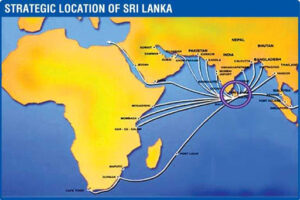
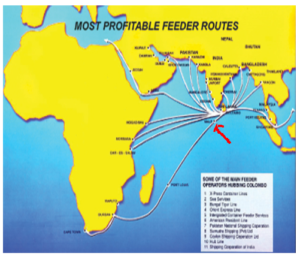
In 2010 US Senate was told that Sri Lanka is strategically positioned along key shipping lanes. ‘Sri Lanka is strategically located at the nexus of maritime trading routes connecting Europe and the Middle East to China and the rest of Asia.

All of China’s and Japan’s energy resource from the Persian Gulf transits Sri Lanka and the island has the potential to control or impede the free flow these resources to China. Half the world’s container traffic also passes through Sri Lanka and the island has the potential to block this as well.   

In view of strategic importance of Sri Lanka to the US, an alliance should be maintained with Sri Lanka.  US foreign policy should be recast for the purpose.’ Sri Lanka could be used to further US interests in the Indian Ocean, said US advisors. 

For US policy makers and military planners Sri Lanka   became a top geopolitical priority. White House and Pentagon are trying urgently to figure out how ‘not to lose Sri Lanka ‘. And also how we can use Sri Lanka to further US national security interest in the Indian Ocean, said analysts.    

It is best to go carefully with Sri Lanka, said advisors. US should adopt a less confrontational approach.  It should follow a subtle and a sophisticated approach, since the political game had changed in Sri Lanka.  The formulas which were used in the past 20 years are now dead.

In early 2012 US officials in  Colombo met 15 or so business executives representing companies that were  importing from or exporting to US . The US embassy wanted regular feedback about security related matters in this country. The meeting was sponsored by the Overseas Security Advisory Council of the US State Department which looked after US business interest.

There was some urgency. It was observed in 2014 thatIf Sri Lanka has this same stability for the next five years then it will be difficult to   achieve US ambitions.  A weaker Sri Lanka is easy to dominate’.  

Mahinda Rajapaksa, President from 2005-2015 was not prepared to give in to the US. He had refused to bow down to US pressure to stop the war on LTTE.  Also he had established links with China   and was   planning a big military deal with Russia, which had offered a credit line for arms, ammunition, helicopters and land mine clearing. Rajapakse was becoming a serious obstacle to US interests in the Indian Ocean region.  He had to go.    Rajapakse gave them the opportunity by calling for elections in 2015. 

US had tried and failed to introduce a puppet leader at the Presidential election of 2010, but at the 2015 election, US succeeded. A puppet leader was elected as ‘common candidate’ and US took control of Sri Lanka. The Yahapalana government was a puppet government controlled by the USA.

Sri Lanka had a highly publicized, triumphant visit from US Secretary of State, John Kerry, In May 2015. The Secretary of State is the highest ranking member of the US Cabinet. Other officials followed.

Nisha Biswal, Assistant Secretary of State for South and Central Asian Affairs, had visited Sri Lanka six times by July 2016.  Alice Wells, who replaced her, was in Sri Lanka in August 2017, Thomas Shannon, [US Deputy Secretary Defense], Tom Malinowski [US assistant Secretary for democracy and Human rights] and US Secretary of the Navy, Ray Mabus, also visited Sri Lanka. There is a photograph of Foreign Minister Mangala Samaraweera holding hands with Biswal and Malinowski.

Samantha Power, US ambassador to the UN, visited in November 2015. She said USA was deeply committed to supporting Sri Lanka’s efforts at peace, reconciliation and accountability.    She feels a strong sense of responsibility towards the beleaguered people of all communities of Sri Lanka. She considered Neelan Thiruchelvam her friend. She said that Mahinda Rajapakse, when President, had brusquely brushed aside her overtures to initiate a meaningful dialogue. Gotabhaya and Basil Rajapakse had been even worse. They had been brazenly unpleasant.

US supporters in Sri Lanka were pleased about the arrival of the USA. America is very important to us, said Minister Harsha de Silva. 25% of our exports go to US and 70% of that is garments. Changes in US trade policy have a large repercussion on Sri Lanka, because of our dependency on the US economy, he added. Within months of Yahapalana government coming to power, the application form for a fixed deposit in a state bank asked ‘are you a US person’.

Others were not pleased. They saw the Yahapalana government as a puppet government of the USA. They spoke of the ‘USA led conspiracy that installed the present government’.  ‘The government is pursuing a Western agenda  and is hell bent on destabilizing post-war Sri Lanka’, said A.J.M. Mussamil.

Yahapalana  government is following a course of action that is likely to result in a foreign dominated, bankrupt, dependent economy that places enormous burdens on the people, and destroys Sri Lanka’s independence and sovereignty, making us a semi-colony of the USA and its allies,   said Tissa Vitarana.

The current government appears to be highly dependent on the West for its political survival, said critics.  Yahapalana government is   a ‘fully pro-Washington regime’ said Tamara Kunanayagam. Tissa Vitarana said that Ranil Wickremesinghe was going to make Sri Lanka a puppet of the USA like the Philippines. Mangala Samaraweera is America’s poodle and the West’s darling, said Rajeewa Jayaweera.

After the 2015 election, USA planned to entrench itself comfortably in Sri Lanka. US immediately started to convert Sri Lanka‘s economy, administration and society to suit the needs of the USA.

USA had a new Constitution drafted and ready. Keheliya Rambukwella said in 2017. A new constitution has been prepared by the US and given to the   Yahapalana government .Almost everybody had accepted the draft except a bunch led by Mahinda Rajapaksa, complained US.

From 2015 to 2019 the US started many projects in Sri Lanka which were intended to entrench US thinking. Two batches of senior judges visited US in August 2018 and April 2019. The US State Department made provision for a Resident Legal Advisor in Colombo to provide anti-corruption and asset recovery training and also support the Commission to Investigate Allegations of Bribery and Corruption (CIABOC).

The Yahapalana government was given three instructions (a) weaken the state, (b) ruin the economy and (c) crush the people. Then a dissatisfied, angry, restless society will be created, which will be encouraged to protest. A state of chaos will result. The west will then be able to move in, probably using Right to Protect” (R2P). 

Yahapalana accordingly, tried to destroy every important segment of the public life of the country. Sampur power plant was cancelled, to precipitate an energy shortage. Train transport was disrupted by strikes.  The economy was to be drastically changed. Yahapalana planned to revise the Customs Ordinance, Inland Revenue Act, Audit Act and reduce the powers of the Central Bank.

 An economic programme was prepared by a team led by Ricardo Haussmann of Harvard University, funded by the Open Society Foundation of George Soros. This was unveiled at Sri Lanka Economic Forum of 2016, with Joseph Stieglitz of Harvard participating. Local economists criticized the plan and wanted it dismissed. They said it was infantile.

In agriculture, State refused to buy paddy from the local farmers. Their paddy was stored at Mattala airport. Rice was imported. Villagers at Moragahakanda complained that all they needed was just one more round of water and their harvest would be ok. The engineers had sent water, but an order had come from high up, to close the sluice.

The local pepper and onion industry faced drastic fall in prices since onions and low grade pepper were imported. Yahapalana planned to sell the Maha Illuppalama seed farm to a Bangladesh firm. The acreage owned by the Regional Tea plantations was to be limited to 5000 acres.  Glyphostate and Paraquat vitally important chemicals were banned.

Ministry of Rural Economic Development imported pregnant milch cows, carrying highly contagious and deadly diseases, which were new to Sri Lanka. The dairy farmers were thenadvised to get rid of the Sri Lankan animals they already had.

The free health service was to be replaced by an insurance based service. Eye surgeons in government hospitals could operate only on patients who get lenses from the Health   service. Also, they could not use equipment loaned by the private sector. The number of cataract surgeries per day at the National Eye Hospital, Colombo, dropped from 80-100 surgeries to 23 per day.

 A useless Russian drug   for terminal cancer was imported but a drug which would help cure breast cancer at the early stage was not. Doctors transfer list was delayed. Their vehicle permit was not given, schools were not provided for their children when doctors went on transfer.

The regulations governing cosmetic products were removed.   Skin whitening creams containing mercury amounts very harmful to the users came in. “There is one cream which has 10,000 times more mercury than the permitted amount, said critics.

Education was affected in several ways. Principals due to for promotion were not given their appointment letters. Salary arrears of principals and teachers were not paid. Vouchers were given instead of free school uniform material. External degrees could not exceed the number passing internally.

The Elevated Highway Project from Rajagiriya to Athurugiriya was to be built over a lake and paddy fields avoiding settlements. Yahapalana   chose another route which went over750 land lots, affected 1,010 families and would demolish 120 shops and business places. Residents wanted to know why the RDA chose such a highly residential area for a highway.

There was a clear anti Buddhist slant. Buddhism was to be suppressed.  I do not think this was in the Washington agenda. It would have been introduced by the anti –Buddhist NGOs in Sri Lanka.

Bhikkhus were imprisoned and elephants were impounded, so that temples and peraheras would be affected. The best teachers of Dharmaraja and Mahamaya were transferred out.  Dharmaraja and Mahamaya are the two leading Buddhist schools in Kandy. This anti Buddhist activity resulted in angering the Maha Sangha who then emerged as a formidable anti Yahapalana force.

USA was not that admired and welcomed in Sri Lanka as the US thought.  There was always considerable anti-USA feeling in Sri Lanka. Critics seem to outnumber admirers. A NGO attitude survey done   in the year 2004, found that the Sri Lanka respondents were suspicious of America. America was searching for a centre to block China, they said.    It would be a mistake for Sri Lanka to rely too much on USA. Other countries that sought Washington assistance found that they were invaded and occupied.

 America always creates problems in any country it involves itself in, said Shenali Waduge in 2011.  USA has been directly and indirectly involved in coups, invasions, regime changes from Iran in 1953 onwards, she added. USA supported   dictators like Pinochet, Marcos, Suharto, Somoza, and Pol Pot. Saddam Hussein was initially a CIA agent. Osama Bin Laden was initially nurtured by the US and had financial interests in the US.

The US was the world’s worst offender when it came to human rights, critics continued. Look at the enormous number of persons the US army has killed in its wars. The chemical Agent Orange in Vietnam resulted in severely disabled children. ‘Island’ editorial in 2016 said ‘If the US solves its own problems without being a problem to other countries, it will help solve most of the problems the world is facing’.

Yahapalana government rapidly became unpopular. It was seen as the run up to yet another bout of foreign rule. When Yahapalana took power in 2015, there was an immediate comparison with 1815. Sri Lanka is definite that it does not want another bout of foreign rule. They think that three rounds of it, Portuguese, Dutch and British is more than enough. They do not want to be under the USA.

Therefore, things did not so as smoothly and easily in Yahapalana as US thought it would. The Yahapalana administration did not crush the public into silence as the US hoped. Instead it infuriated the public and acted as a wakeup call. Wait till the next election comes” the public said.

From a triumphant, highly visible start in 2015, with prominent visits by Secretary of State John Kerry and other high ranking officials, the USA went into low profile.  Departments like USAID continued working and US officials   came in, but without much publicity.

The public reaction to the Yahapalana victory was immediate. The electorate realized what had happened as soon as the 2015 election results were announced and the next day, they flocked to the private residence of Mahinda Rajapaksa, whom they had rejected at the polls. They insisted that Yahapalana must go and Rajapaksa should take over.

There were huge meetings, demonstrations and parades in support of Mahinda Rajapaksa such as May Day gatherings and Pada Yathra. When they found that Mahinda Rajapaksa was not eligible to contest the next election, the public then turned to brother Gotabaya. They greeted Gotabaya royally when he returned from USA. They yelled, garlanded and cheered him. They insisted that he must come forward and defeat Yahapalana in the 2019 election, which he did.  (Continued)

නැවුම් උපාය මාර්ග යොදමින් රටේ ආර්ථිකය ශක්තිමත් කිරීමේ අභියෝගය භාර ගන්නවා – ගරු අග්‍රාමාත්‍ය මහින්ද රාජපක්ෂ මහතා

December 2nd, 2020

අග්‍රාමාත්‍ය මාධ්‍ය අංශය

නැවුම් උපාය මාර්ග යොදමින් රටේ ආර්ථිකය ශක්තිමත් කිරීමේ වගකීම සහ අභියෝගය භාර ගැනීමට රජය සූදානම් බව ශ්‍රී ලංකා වාණිජ මණ්ඩලය සංවිධානය කළ ශ්‍රි ලංකා ආර්ථික සමුළුව -2020 ට අන්තර්ජාල වීඩියෝ තාක්ෂණය ඔස්සේ එක්වෙමින් අග්‍රාමාත්‍යතුමා අද 2020.12.02 දින අවධාරණය කළේය.

අප රටට තීරණාත්මක ඉදිරි වසර කිහිපයේ ආර්ථිකය ශක්තිමත් කර ගැනීම උදෙසා රාජ්‍ය හා පෞද්ගලික අංශය එක්ව අභියෝග කළමනාකරණය කර ගත යුතුව ඇතැයි ද ගරු අග්‍රාමාත්‍ය මහින්ද රාජපක්ෂ මහතා මෙහිදී පෙන්වා දුන්නේය.

ශ්‍රි ලංකා ආර්ථික සමුළුව -2020 අමතා අග්‍රාමාත්‍ය මහින්ද රාජපක්ෂ මැතිතුමා කළ සම්පූර්ණ කතාව මෙසේය.

මිත්‍රවරුනි, ශ්‍රී ලංකා වාණිජ මණ්ඩලය විසින් සංවිධානය කර ඇති වාර්ෂික ආර්ථික සම්මේලනයට සහභාගී වී වචන කිපයක් කථා කිරීමට අපට ආරාධනා කිරීම පිළිබඳව මුලින්ම අප එම මණ්ඩලයේ සභාපති ඇතුළු කළමනාකරණ මණ්ඩලයට ස්තූතිවන්ත වෙනවා.

ලෝකයේ බොහෝ රටවලට වඩා හොඳින් කොවිඩ් වසංගතය ශ්‍රී ලංකාව පාලනය කර තිබෙන බව බොහෝ දෙනා අද පිළිගන්නවා. ඒ සමඟම, අප රටේ  ආර්ථිකයද ක්‍රමවත්ව කළමනාකරණය කරගෙන ඉදිරියට යන්නට හැකි වී තිබෙන බවත් බොහෝ දෙනා පිළිගන්නවා.

එපමණක් නොව, අද වන විට අප රටෙහි වසංගතයේ පාලනය ලෝකයේ රටවල් අතරින් ඉහළම මට්ටමක පවතින අතර, ක්ෂේත්‍ර රාශියක් ඔස්සේ ආර්ථික ප්‍රගතියද සාර්ථක ලෙස සටහන්  කර ගැනීමට අප හැකිවී තිබෙනවා.

මිත්‍රවරුනි, අප රට දැන් මුහුණ පා ඇති මුලික අභියෝගය නම් ජනාධිපති ගෝඨාභය රාජපක්ෂ මැතිතුමා රටට ලබා දී ඇති පොරොන්දුව අනුව, ජනතා-කේන්ද්‍රීය” ආර්ථික පුනර්ජීවනයක් උදා කර ගැනීමයි.

ඒ අතරම, කොවිඩ් වසංගතය ඉදිරියේ පුරෝකතනය කරන ලද දරුණු ආර්ථික අවපාතය, එම උත්සහයට දැඩි බාධාවක් පැනවිම හැකි බවද බොහො දෙනා අනාවැකි කොට තිබුණ ද එය අවම කර ගනිමින්, ආර්ථිකයේ පුනර්ජිවනයක් ඇති කර ගැනීමත් අප ඉදිරියේ ඇති තවත් දැවැන්ත අභියෝගයකි.

මේ අරමුණු සාක්ෂාත් කර ගැනීමට, රජය නැවුම් ක්‍රමවේද අනුගමනය කල බව ඔබ දන්නවා. රටේ ව්‍යාපාරිකයින් රැකගැනීම සඳහා ඒ අයට ණය විරාම” ලබා දෙන ලෙස රජය  බැංකු හා මූල්‍ය ආයතන වලට උපදෙස් දුන්නා.

රටේ බාහිර ගිණුම මනා ලෙස කළමනාකරණය කිරීම තුළින් රුපියල රැක ගැනීමෙන්, රාජ්‍ය ණය පීඩනය අවම කරන්නට කටයුතු කළා.

පවුල් දසලක්ෂ පහකට අධික ගණනකට කොවිඩ් වසංගතයට මුහුණ දිමට සෘජු මුදල් ප්‍රතිපාදන ලබා දීම තුළින් ජීවන පීඩනයට සහන ලබා දෙන්නටත් අප සමත් වුණා.

සුළු හා මධ්‍යම පරිමාණයේ  ව්‍යාපාර කඩා නොවැටී පවත්වා ගෙන යෑම සඳහා බදු සහ පොලී සහන ලබා දුන්නා. ජලය, විදුලිය, බලපත්‍ර ගාස්තු, යනාදිය ගෙවීමට කාලය ලබා දුන්නා. ලීසිං වාරික සහ පොලී ගෙවිම් සඳහා සහන ලබා දීමට  කටයුතු කළා.

මේ සියලුම කටයුතු සඳහා රාජ්‍ය සේවකයින් සම්බන්ධ කර ගනිමින් ඔවුන්ගේ කාර්යක්ෂමතාවයද ඉහළ මට්ටමකට පවත්වා ගැනීමට කටයුතු කළා. රේගුව, ආදායම් බදු, සුරාබදු, ආයෝජන මණ්ඩලය, විදුලිය, ඉන්ධන, වරාය, ගුවන්තොටුපොළ, බැංකු, සමාගම් රෙජිස්ටාර් වැනි ආයතන සහ දෙපාර්තමේන්තු ඇතුළු අදාළ රජයේ ආයතන රාශියක් විසින් පෞද්ගලික ආයතන වලට ලබාදිය යුතු සේවාවන් දැවැන්ත අභියෝග මධ්‍යයේද ලබා දීමට රාජ්‍ය සේවය මැදිහත් වුණා.

මුලික වශයෙන්, වසංගතය පාලනය කිරීම සඳහා සෞඛ්‍ය ක්ෂේත්‍රය, ත්‍රිවිධ හමුදාව, පොලීසිය සහ ග්‍රාමීය පාලන යාන්ත්‍රණය ඇතුළු සියලු රාජ්‍ය සේවකයින්ගේ දැඩි කැපවීම ඔස්සේ ඉටුවිය යුතු සියලු ‍සේවාවන් ලබා දෙන්නටත් රජයට හැකිවුණා. 

මේ සියලුම කටයුතු වල අරමුණ වුයේ ජන ජිවිතය සහ රටේ ව්‍යාපාර අඛණ්ඩව ඔසවා තැබීමයි. අප එසේ නොකළා නම්, රටේ විහිදි ඇති ව්‍යාපාර දැඩි දුෂ්කරතාවයට සහ අපහසුතාවයට පත් වීමට ඉඩ තිබුණා. එසේ වුවා නම්, මුළු රටේම ආර්ථිකය කඩා වැටෙන්නටත් අවදානමක් තිබුණා. ඒ හරහා, රාජ්‍ය ණය ගෙවා ගන්නට බැරි වන්නටත්  ඉඩ තිබුණා.

එසේ වුනා නම්, විශාල අර්බුධයකට රට ගොදුරු වන්නටත් ඉඩ තිබුණා. එවන් තත්ත්වයක් හරහා, රැකියා ලක්ෂ ගණන් අහිමි වන්නටත්, මුළු ජනතාවම දැඩි කම්පාවකට  සහ අසහනයකට පත් වන්නටත් ඉඩ තිබුණා. ආර්ථික කටයුතු කඩා වැටීම නිසා, රටේ බහුතර ජනතාව අන්ත අසරණභාවයකට පත් වෙන්නටත් අවදානමක් තිබුණා. සමහර විට, සමහරු එසේ වෙන තෙක් බලා සිටින්නටත් ඇතැයි කියා අපට සැක කරන්නටත් ඉඩ තිබෙන්නට ඇති.

එහෙත්, මෙම ප්‍රශ්න සියල්ලම මධ්‍යයේ, මෙම අභියෝග වලට සෘජුවම මුහුණ දෙමින් අද වන විට, රටේ ආර්ථීකය ස්ථායිභාවයකට පත් කර ගැනීමට අප රජයට හැකි වී තිබෙනවා. මේ බව ආර්ථික කටයුතු වල නිරත වී සිටින ඔබ සියලු දෙනාම හොඳින් අවබෝධ කරගෙන ඇතැයිද මා සිතනවා. 

කෙසේ වුවත්, මෙම තත්ත්වය පිළිබඳව අපි මුලික සෑහීමකට පත්වනවාත් සමඟම, මෙම අඩිතාලම මත අපේ රටේ ආර්ථිකය හා ජන ජීවිතය තව දුරටත් ශක්තිමත් කරමින් ඉදිරියට යෑමට අපි සෑම උත්සහයක්ම දැරිය යුතු බවත් අප මතක් කර දිය යුතු යයි සිතනවා.

මිත්‍රවරුනි, අප දකින ආකාරයට, තව වැඩි කලක් යන්නට පෙර, මුළු රටම නැවත වර්ධන මාර්ගයකට යොමු විය යුතුයි. මුළු රටම නැවත එකම වැඩ බිමක් බවට පත් විය යුතුයි. එවැන්නක් කිරීම ඔබගේ සම්මේලනයේ එක් අරමුණක්  බවද අපට පෙනෙනවා.ඒ පිළිබඳව, අපි විශේෂයෙන් සතුටු වන අතර, එම කර්තව්‍යය වෙනුවෙන් රජයේ ප්‍රධානීන් සහ පෞද්ගලික ආයතනවල ප්‍රධානීන් එකට එක් වී, සැළසුම්, තොරතුරු සහ උපායමාර්ග බෙදා හදා ගැනීම ඉතා වටිනා ප්‍රයත්නයක් හැටියට අපි දකිනවා.

පසුගිය මාස කිපය තුළදීත් එවන් ප්‍රයත්න වල එක් වැදගත් ප්‍රතිඵලයක් වශයෙන්, මේ වන විටත්, රටට ගලා එන අපනයන ආදායම සහ විදේශ සේවා ප්‍රේෂණ, වසංගතයට පෙර තිබුණු මට්ටම්  වලටත් වඩා ඉහළ මට්ටමකට පිවිසී තිබෙනවා. රජය විසින් කාලෝචිත ලෙස පනවන ලද ආනයන සීමා නිසා, අපගේ බාහිර ගිණුමට යම් සහනයක් ලැබී ඇති අතර, එම වාසීන් හරහා බාහිර අංශයේ අතිරික්තයද වැඩි වී තිබෙනවා.

එහෙත්, රටට ගලා එන සෘජු විදේශ ආයෝජන තවමත් අපට සතුටු විය හැකි මට්ටමකට පිවිසී නැති බවත් අප කිය යුතුයි. එම ආයෝජන වර්ධන කරන්නට නම්, පෞද්ගලික අංශයද තව දුරටත් උත්සහවන්ත විය යුතු බවත් අප මතක් කර දිය යුතුය. ඔබත්, එම ප්‍රයත්නයට නොමසුරු ලෙස සහයෝගය ලබා දෙමින්, අප ආර්ථිකය නැවත වරක් ඔසවා තැබීමට කටයුතු කරන ලෙසට අපි ආරාධනා කරනවා.

මිත්‍රවරුනි, ඊයේ, ඔබ ආර්ථීක සම්මේලනයේ පළමු දිනයේදී, ආර්ථික පුනර්ජීවනය සඳහා  ගෝලීයව සහ දේශීයව දියත් කළ යුතු උපායමාර්ග  පිළිබඳව ඔබ සාකච්ඡා කළ බව අපට පෙනී ගියා. එමෙන්ම, රට ගොඩ ගැනීමේ ප්‍රයත්නය වෙනුවෙන් පෞද්ගලික අංශයේ කාර්යභාරය පිළිබඳවත් ඔබ සාකච්ජා කර තිබුණා. අප  රට සතු සම්පත්, තවදුරටත් උපයෝගී කර ගනිමින් රටෙහි ආර්ථීක ක්‍රියාදාමය තවදුරටත් වර්ධනය කර ගන්නේ කෙසේද යන්න පිළිබඳවත් ඔබ ගැඹුරින්ම සාකච්ඡා කර තිබුණා.

එපමණක් නොව, තාක්ෂණය යොදා ගනිමින් ආර්ථික පුනර්ජීවනයක් ලඟා කර ගන්නේ කෙසේද යන්න ගැනත් ඔබ අධ්‍යයනය කළා. මේවායින් පෙනී යන්නේ, අප රට නැවතත් සීඝ්‍ර වර්ධන මාවතකට යොමු කිරීමට ඔබද දැවැන්ත උත්සාහයක යෙදී සිටින බවයි.

එපමණක් නොව, අද දින තුළ අප මේ සහභාගී වන සැසිවාරයෙන් පසුව, රජයේ ආයතන තවදුරටත් කාර්යක්ෂම පාලනය කිරීම පිළිබඳවත් අදහස් හුවමාරු කර ගැනීමට ඔබ බලාපොරොත්තු වන බව අපට පෙනී යනවා. අපි හැමෝම අවිවාදයෙන් පිලිගන්නා ආකාරයට, රජයේ ආයතන රටේ විශේෂ කාර්යභාරයක් ඉටු කරන අතර,  ඒවා තවදුරටත් ජනතා-කේන්ද්‍රීයව” සහ ජනතාවගේ අභිලාශයන් ඉටු කරන පරිදි, සංවිධානය කර ගැනීම අත්‍යාවශ්‍යයි.

මිත්‍රවරුනි, අද වන විට රුපියල් බිලියන පන් දහසකට (රු.බි.5000) අධික සාමුහික වටිනාකමක් ඇති මහ පරිමාණයේ ව්‍යාපෘති 289ක් රජයේ අමාත්‍යාංශ සහ දෙපාර්තමේන්තු විසින් ක්‍රියාත්මක වෙනවා. ඒවා නිසි වේලාවට සහ මුලින්ම යෝජිත අගයන් වලට නිම කිරීම ඉතා වැදගත්ය. (on time” and on budget”).

එපමණක් නොව, රජයට අයත් ආයතන 400ට අධික සංඛ්‍යාවක් විවිධ සේවාවන් සහ ආර්ථික කටයුතු වල අද නිරතවී සිටිනවා. රාජ්‍ය සේවකයන් ලක්ෂ 18ක පමණ සංඛ්‍යාවක් රාජ්‍ය අංශයේ සේවය කරනවා. එසේ නම්, මෙම දැවැන්ත භෞතික සහ මිනිස් සම්පත කාර්යක්ෂමව, ජනතා හීතවාදීව සහ මුළු රටටම ශක්තියක් සහ යහපතක් වන ලෙස ක්‍රියාවේ යෙදවීම, අප රටේ දැවැන්ත ප්‍රමුඛතාවයක් ලෙස අප දකිනවා. ඒ අරමුණ ඉෂ්ට කර ගැනීම වෙනුවෙන්, ඉදිරියේදී, ඔබ ලබා දෙන්නා වු සහයෝගය සහ කැපවීම අප උනන්දුවෙන් අපේක්ෂා කරනවා.

මිත්‍රවරුනි, කෘෂිකර්මය පිළිබඳවත් ඔබ වාණිජ මණ්ඩලය විශේෂ සැලකිල්ලක් දක්වන බව අප සතුටින් නිරීක්ෂණය කළා. ඕනෑම රටක ආහාර සුරක්ෂිතභාවය (Food Security) රැක ගැනීම එම රටේ ආණ්ඩුවේ විශේෂ වගකීමක් වන අතර,  ඒ සඳහා ජනතාවගේ කැපවීමද අත්‍යවශ්‍යයි.

කොවිඩ් වසංගතයේදි අපි රටක් වශයෙන් ඉගෙන ගත් එක් විශේෂ පාඩමක් නම්, ගෝලීය  උවදුරක් හේතුකොටගෙන යම් කම්පනයක් සිදු වන විට, රටට අවශ්‍ය වන ආහාර එම රටේම නිෂ්පාදනය කර ගැනීම ඉතා වැදගත් බවයි. අතිතයේදී, අපට ඕනෑම බෝගයක් හෝ භාණ්ඩයක් හෝ සේවාවක් හෝ ආනයනය කළ හැකියි යන මානසිකත්වයකින් සමහර රජයන් කටයුතු කළ ආකාරය අප දුටුවා. එවැනි ප්‍රතිපත්තියක් අනුගමනය කළහොත් රටකට විය හැකි හානිය කොතරම් භායානක යන්න අද පැහැදිලි වී ඇතැයි, අප සිතනවා.

මිත්‍රවරුනි, කොවිඩ් වසංගතයෙන් අපේ රටට සිදු වු පාඩු සහ හානි  වලින් මුල් තැනක් ගත් තවත් එක් ක්ෂේත්‍රයක් නම් සංචාරක ක්ෂේත්‍රයයි. ගුවන්තොටුපළ සහ වරායන් හරහා අප රටට සංචාරකයන්ට පිවිසෙන්නට අවකාශය අහිමි වු නිසා, අප ආර්ථිකයට දැවැන්ත පහරක් එල්ල වු බව අපි දන්නවා. එයින් ජීවන උපායන් රාශියකට සැලකිය යුතු අවහිරයක් ඇති වු බවත් අප දන්නවා. එසේ වුවද, එම හානිය හා අවාසිය අවම කර ගැනීම සඳහා එම ක්ෂේත්‍රයේ නිරත වී සිටින පුද්ගලයන්ට සහ ආයතනයන්ට ණය සහ පොලී විරාමයන් ලබා දෙමින්, යම් සහනයක් ලබා දීමට රජය කටයුතු කර ඇති බවත් ඔබ දන්නවා. ඒ ආකාරයට, මෙම සංචාරක ක්ෂේත්‍රයේ සම්පත් අරක්ෂා කරමින්, අනාගතයේදී මෙම ක්ෂේත්‍රය නැවත නැගී සිටුවීමට අප සුදානම් විය යුතුයි. ඒ නිසා, මේ ප්‍රශ්නය පිළිබඳවත් ඔබ සැලකිලිමත් වීම ගැන අප සතුටු වෙනවා.

මිත්‍රවරුනි, 2020 වසර තුළඳී අප රජයට මුහුණ දීමට සිදුවු අභියෝගයන් ඉතා දැවැන්ත ඒවාය. එම අභියෝග තියුණු වුයේ කොවිඩ් නිසා පමණක් නොවේ. 2015 සිට 2019 දක්වා අප ආර්ථිකයේ සිදු වු සැලකිය යුතු පසුබෑමත් එයට හේතු වු බව අපි සියලු දෙනාම දන්නවා. එහෙත්, එම අභියෝග ඉදිරියේ, අප පසුබට වුයේ නැහැ. අප කෙඳිරි ගැවේත් නැහැ. අපි විපක්ෂයට චෝදනා කරමින් කාලය නාස්ති කළෙත් නැහැ. එසේ නොකර, ජනතාව අපගෙත් බලාපොරොත්තුව වූ කාර්ය භාරයේ යෙදෙමින් අපගේ වගකීම් අපි ඉෂ්ට කළා.

ඒ අනුව, පසුගිය මාසයේ මැඳ භාගයේදී, ජනාධිපති ගෝඨාභය රාජපක්ෂ මැතිතුමා ඉදිරිපත් කර ඇති සෞභාග්‍යයේ දැක්ම” සැලැස්ම සාක්ෂාත් කර ගැනීමේ මුලික පියවර වශයෙන්, අප නව රජයේ පළමු අයවැය අපි ඉදිරිපත් කළා. ඒ හරහා, 2021 වෙනුවෙන් ආර්ථිකයේ සියයට 5.5 ක වර්ධනයක් ඇති කර ගැනීමටත්, සාර්ව ආර්ථික සාධක යහපත් මට්ටමකට පත් කර ගැනීමටත්, බදු ප්‍රතිපත්තිය නොවෙනස්ව පවත්වාගෙන යාමටත්, ආර්ථිකයට නව ජවයක් ලබා දීමටත්, අප අවශ්‍ය යෝජනා ඉදිරිපත් කළා. මේවා ක්‍රියාත්මක කිරීමට අප රජයේ සියලු මැති ඇමතිවරුන් සහ පරිපාලන ක්ෂේත්‍රයේ නිලධාරින් බලාපොරොත්තුවෙන් සිටිනවා.

මිත්‍රවරුනි, රාජ්‍ය සේවය එසේ කරද්දී, අප රටේ ආර්ථිකයේ පුනර්ජිවනයක් ඇති කර ගැනීමට ඔබගේ වාණිජ මණ්ඩලයේ සාමාජිකයන්ද උනන්දුවෙන් සිටින බව අපට පෙනී යනවා. ඒ පිළිබඳවත් අප සතුටු වන අතර, එයින් තහවුරු වන්නේ ආර්ථික පුනර්ජීවනය, රජය සතු වගකීමක් පමණක් නොව, ඔබ සේවය කරන පෞද්ගලික ආයතනවල වගකීමක් ලෙසත්, ඔබ පිළිගෙන ඇති බවයි. මෙය ඉතා වැදගත් ප්‍රවණතාවයකි. මේ පිළිබඳව අපි ඔබ සියලු දෙනාට අප රජය වෙනුවෙන් ස්තූති කරන්නට කැමැතියි.

මිත්‍රවරුනි, එළඹෙන වසර කිහිපය, අප රටට තීරණාත්මක වසර කිහිපයකි. අප රටේ ආර්ථිකමය ඉදිරි ගමන ශක්තිමත් කෙරෙන වකවානුවකි. එළඹෙන මෙම වකවානුව සාර්ථක වන්නට නම්, අප සියලු දෙනා එක්ව මෙම අභියෝග කළමණාකරනය කර ගත යුතුයි. ඒ සඳහා, අපි නැවුම් උපාය මාර්ග ක්‍රියාත්මක කළ යුතුයි. මේ වන විටත්, ඔබ දක්වා ඇති ප්‍රතිචාර වලින් අපට පෙනී යන්නේ එවැනි අභියෝගයක් භාර ගන්නට ඔබ සාමාජිකයින් සුදානම්ව සිටින බවයි.

රජයක් හැටියටත්, අප ද එම වගකීම් සහ අභියෝග භාර ගැනීමට සුදානම්ය. එසේ නම්, අප සමඟම එක්වී, අප රට ආර්ථිකමය පිබිඳීමක් කරා යොමු  කිරීමට අප ඔබ සියලු දෙනාටම ආරාධනා කරනවා. එමෙන්ම, ඔබ මණ්ඩලයේ සභාපති හාන්ස් විජේසූරිය මහතා ඇතුළු සියලු දෙනාටම අප ස්තූතිවන්ත වෙනවා.

ඔබ සැමට තෙරුවන් සරණයි.

සෞඛ්‍ය ඇමතිනිය කොරෝනාවෙන් බේරෙයි.. දේශීය ඖෂධව පලමුව ඇය බොයි..

December 2nd, 2020

උපුටා ගැන්ම ලංකා සී නිව්ස්

සෞඛ්‍ය ඇමතිනිය කොරෝනාවෙන් බේරෙයි.. දේශීය ඖෂධව පලමුව ඇය බොයි..

කොහොම වෛරසය ශරීරයෙන් ඉවත් කිරීම සඳහා නිෂ්පාදනය කර ඇති දේශීය ඖෂධය සෞඛ්‍ය ඇමතිනී පවිත්‍රා වන්නිආරච්චි මහත්මිය විසින්ද භාවිතා කළාය.

සෞඛ්‍ය අමාත්‍ංශයේදී පැවති මාධ්‍ය හමුවකදී ඇය මෙම ඖෂධය භාවිතා කරන ලදී.

අදාළ ඖෂධය සම්බන්ධයෙන් ඉදිරි පරීක්ෂණ කටයුතු සඳහා විශේෂඥ කමිටුවක් පත් කරන ලද බවත් එහි නිගමන අනුව ඉදිරි ක්‍රියාමාර්ග ගන්නා බවත් එහිදී කියා සිටියහ.

මෙය නිෂ්පාදනය කල වෛද්‍යවරයා සදහන් කරන්නේ මෙම ඖෂධය පානය කිරීම මගින් ආසාදිතයන්ගේ ශරීරයෙන් කොරෝනා වෛරසය ඉවත් කරන බවත් ආසාදිත නොවන අයෙකු පානය කලහොත් ඔහුට වෛරසය ආසාදනය නොවන බවත්ය.

COVID-19 was likely in the US in mid-December 2019, weeks before the virus was first identified in China.

December 2nd, 2020

Courtesy NewsIn.Asia

Being the first to report the virus does not mean that the virus had its origin in the Chinese city of Wuhan

BEIJING/WASHINGTON, Dec. 2 (Xinhua) — A newly released study by the U.S. Centers for Disease Control and Prevention (CDC) found that COVID-19 was likely in the United States as early as mid-December 2019, weeks before the virus was first identified in China, boosting evidence suggesting that the coronavirus was spreading around the world earlier than previously known.

COVID-19 infections may have been present in the U.S. in December 2019,” about a month earlier than the first case was officially confirmed in the United States, the CDC scientists wrote after finding evidence of infection in 106 of 7,389 blood donations from residents in nine states across the country, according to a study published Monday online in the journal Clinical Infectious Diseases.

COVID-hit Italy.Photo: Xinhua

EARLIER IN U.S.

In the study, the CDC researchers found antibodies specific to the novel coronavirus in 39 samples from California, Oregon and Washington State collected between Dec. 13 and Dec. 16, and in 67 samples in Massachusetts, Michigan, Wisconsin or Iowa, and Connecticut or Rhode Island collected between Dec. 30 and Jan. 17.

The study also highlighted the value of screening routinely collected blood samples for evidence of viruses spreading in a population, said the researchers, adding the CDC is continuing to conduct ongoing surveillance using blood donations and clinical laboratory samples for COVID-19 infection in multiple sites across the country.

Before this latest report, the earliest case of the novel coronavirus in the United States was reported on Jan. 19 this year, two days after domestic testing was initiated, according to the CDC.

Yet, some reports have suggested the entry of the virus into the United States may have occurred earlier than initially recognized, though widespread community transmission was not likely until late February, the study authors said.

Also, Michael Melham, mayor of Belleville in the U.S. state of New Jersey, said in late April that he had tested positive for COVID-19 antibodies and believed he had contracted the virus in November last year, despite a doctor’s reported assumption that what Melham went through was just flu.

My fear is that there are many who dismissed a potentially positive coronavirus diagnosis as a bad flu,” the mayor said in his statement.Video Player00:0004:19

EVIDENCE WORLDWIDE

Not merely in the United States, more researches have added to growing evidence that COVID-19 was circulating outside of China earlier than previously thought.

In Spain, researchers at the University of Barcelona, one of the European country’s most prestigious universities, had detected the presence of the virus genome in waste water samples collected on March 12, 2019, the university said in a statement in June.

These results suggest the infection was present before knowing about any case of COVID-19 in any part of the world,” the statement said.

Although COVID-19 is a respiratory disease, researchers proved there are large quantities of the coronavirus genome in the excrements that reach waste waters. This situation made the waste water-based epidemiology a potential tool for early detection of the circulation of the virus among the population,” the statement said.

In France, scientists found a man was infected with COVID-19 in December last year, roughly a month before the country confirmed its first cases.

Citing a doctor at Avicenne and Jean-Verdier hospitals near Paris, BBC News reported that the patient must have been infected between 14 and 22 December, as coronavirus symptoms take between five and 14 days to appear.”

Meanwhile, in Italy, a recent research by the National Cancer Institute in Milan showed that 11.6 percent of the 959 healthy volunteers who participated in a lung cancer screening trial between September 2019 to March 2020 had developed COVID-19 antibodies well before February when the first official case was recorded in the country, with four cases from the study dated to the first week in October last year, which means those people had been infected in September.

CIVID hit New Yorkers. Photo: Xinhua

SCIENTIFIC EXAMINATION

Regarding the new findings, Michael Ryan, executive director of the World Health Organization (WHO)’s Health Emergencies Program, said at a press conference on Friday that the WHO is working with scientists all over the world.”

The organization will take every detection in France, in Spain, in Italy very seriously, and we will examine each and every one of them,” he said.

Indeed, virus source tracing is a serious scientific matter, which should be based on science and studied by scientists and medical experts. As far as COVID-19 is concerned, being the first to report the virus does not mean that the virus had its origin in the Chinese city of Wuhan.

Historically, the place where a virus was first reported has not often been that of its origin. The HIV infection, for instance, was first reported by the United States, yet it might also be possible that the virus did not owe its origin to the United States. And more and more evidence proves that the Spanish Flu did not originate from Spain.

As WHO Director-General Tedros Adhanom Ghebreyesus has said, the WHO is committed to doing everything it can based on science and solutions to find the origin and that’s the basics.”

We need to do the basics and we will not stop from knowing the truth on the origin of the virus but based on science, without politicizing it or trying to create tension in the process,” the WHO head observed.

(Photos by Xinhua. Video reporters: Hu Yousong, Ji Li, Yu Guoqing, Tan Yixiao; Video editors: Gao Shang, Ma Ruxuan, Wu Yao)■

Mahara prison riot: How pills meant for mental patients triggered violence

December 2nd, 2020

By Shamindra Ferdinando Courtesy The Island

* Over 2,400 inmates on their own within complex

* Death toll reachers 11, could rise further

* Clashes among prisoners injure 80

* Doctor under investigation

* Rioters popped more than 21,000 pills

A high-level investigation into the Mahara Prison riot took an unexpected turn yesterday (1) following the revelation that the prison dispensary had stored over 21,000 tablets prescribed for mental disorders and sleeping pills.

Police spokesperson DIG Ajith Rohana told a joint media briefing called by the Police Headquarters and the Prisons Department, in Colombo, that they were quite surprised that such a large stock of tablets was maintained. He said it had to be found out who had ordered the stock, how inmates got addicted to such substances, and whether a doctor attached to the Mahara Prison hospital had instigated prisoners to demand PCR tests.

DIG Rohana said that on the directions of the IGP C.D. Wickremaratne as per the instructions received from Defence Secretary Maj. Gen. Kamal Gunaratne, a 12 -member team from the Criminal Investigation Department (CID) was inquiring into the riot.

DIG Rohana said those who had been addicted to heroin and cocaine were believed to have used tablets prescribed to mental patients.

Prisons Commissioner Chandana Ekanayake (Administration) said that those who popped the tablets had turned on each other. Quoting officers who had been at the scene last Sunday (29) Ekanayake said they had never witnessed such scenes of violent behaviour among prisoners before.

Responding to a media query, Ekanayake emphasised that the Mahara Prison riot had erupted suddenly whereas they received intelligence warning of possible trouble at some other prisons.

National Freedom Front (NFF) leader Wimal Weerawansa told Parliament, on Monday, that the prison riot was part of a sinister plan to bring President Gotabaya Rajapaksa’s government into disrepute.

The media was told that at the time of the riot there had been 2,782 inmates at the Mahara Prisons complex. 585 were convicts and others suspects, DIG Rohana said, alleging that they had initiated Sunday’s violence. What initially started as common demand for all of them to be subjected to RT-PCR tests quickly had led to a riot, the DIG said.

DIG Rohana, who is also the head of the Police Legal Division, said that a section of those rioters had made repeated attempts to escape. Having failed, they had set fire to buildings within the complex. Among those destroyed were the Registry and the offices of top officials in charge of the prison.

The media was told one more inmate admitted to the Ragama Teaching Hospital had succumbed to his injuries yesterday. With that the total number of dead increased to nine, while 105 continued to receive treatment.
Besides, two Prison officers taken hostage and badly assaulted by the rioters were receiving treatment at the same hospital. Several hours after the conclusion of the media briefing Police headquarters said that two more persons had succumbed to their injuries.

At the beginning of the briefing Ekanayake said that of over 2,700 prisoners, approximately 1,600 had gone on the rampage. Trouble erupted while they were being served food in line with health guidelines. They broke out from where they were held and swiftly gathered close to the main gate. They demanded immediate PCR tests on them.”

Ekanayake said 187 inmates had tested positive by then.

The rioters had attacked the main gate, Ekanayake said. Officers opened fire having failed to bring the situation under control by shooting rubber bullets.” He said the situation had taken a turn for the worse after inmates took tablets meant for mental patients.

DIG Rohana said that of the 106 who had received injuries, 80 suffered as a result of violence among the prison community. Of the injured, only 26 were believed to have received gunshot injuries, DIG Rohana said.

Commissioner Ekanayake alleged that both the dead and the wounded were those in custody on narcotic charges.

Seventy eight coronavirus positive inmates had since been moved to a quarantine facility at Adalachchenai in the Akkaraipattu police area, DIG Rohana said.

DIG Rohana said those who had been granted bail couldn’t be immediately released as the Director General of Health Services (DGHS) had issued specific instructions on subjecting inmates to two weeks quarantine before release.

DIG Rohana said that following the removal of the injured and the dead to the Ragama hospital, those granted bail and infected inmates had been moved to a special section within the Welikada Prison complex and about 2,400 remained in the Mahara Prison.

Rohana said that among them were a large number of inmates who hadn’t been involved in violence. Acknowledging that the prisons complex wasn’t yet under the control of the jailers, the DIG said that the Police, including the Special Task Force (STF) and the Prison security were making plans to carry out an operation to restore normalcy. He said they would implement a special plan while the police backed by the STF maintained its presence outside the prison.

The police deployment consisted of 400 police and 200 STF personnel.

Both Police and Prisons officers couldn’t confirm whether at least some inmates had managed to escape though they believed such attempts were thwarted.

DIG Rohana said that the rioting inmates had been prevented from seizing the armoury.

The Parliamentary Consultative Committee on Defence, too, discussed the availability of three varieties of pills totalling 21,000 meant for mental patients at the Prison. Defence Secretary Maj. Gen. Gunaratne briefed the CC on the matter and steps taken by authorities to bring the situation under control.

DIG. Rohana told the media that he had requested Justice Minister Ali Sabry, PC, to leave him out of a special committee headed by retired HC judge Kusala Sarojini Weerawardena tasked with inquiring into the riot due to conflict of interests as his duties and responsibilities as the Police Spokesperson clashed with the probe undertaken by the committee.

What happened at Mahara: Conspiracy OR sudden unrest ?

December 2nd, 2020

Courtesy The Daily Mirror

The death toll has been increased to 11 inmates. Autopsies of the bodies will be conducted in due course after the magisterial inquest.

  • Inmates accused of fighting among themselves, in drug-induced frenzy
  • Over 21,000 hypnotic drug tablets stored at prison hospital
  • Investigation into conduct of medical officer attached to prison hospital
  • 26 inmates believed to have suffered gunshot injuries
  • DIG Ajith Rohana seeks release from Committee, cites conflict of interest
  • International rights group condemns repeated use of lethal force in prisons
  • Prison coronavirus cluster crosses 1,000 mark
  • Prison overcrowding raises serious concerns

A violent protest erupted in one of the country’s largest high security prisons on Sunday, as gunfire rang out and some parts of the prison set ablaze. The Mahara prison housing more than 2,000 convicts jailed and suspects remanded for various offences became the nation’s hotbed of violence, with the gunfight between security personnel and inmates resulting in the death of eleven inmates.

By Tuesday, the number of persons admitted to the Colombo North Teaching Hospital as a result of the Mahara Prison riots rose to 109. DIG Rohana said 80 of the inmates were injured following clashes among themselves.   Twenty six of the inmates are believed to have suffered gunshot injuries, though the number has not been confirmed by Judicial Medical Examinations. Nine inmates were reportedly killed while two prison officers were among those injured in the incident. Authorities have denied reports of inmates breaking out of the prison, following the incident.


At a joint media briefing on the Mahara Prison unrest, Prison Department and Police spokespersons condemned the conduct of the inmates, saying it was the first time an incident of this nature had been reported in the country. 
Prisons Department Commissioner (Administration) and Spokesperson Chandana Ekanayake said there had been fighting among the prisoners. They fought and inflicted wounds on each other with weapons and sharp objects. They entered the main building of the prison, the kitchen, the stores and the prison hospital and set them on fire,” he told the media, while giving details on the extent of the property damaged at the site. 
They have demanded in the past and continue to demand bail. This is what they are demanding as of now while their concerns about Covid-19 seem to have taken a backseat,” 
Mr. Ekanayake said. 


He said two prison officers were taken hostage and one of them brutally assaulted. We negotiated their release with the greatest difficulty. The officers were admitted to the Ragama Teaching Hospital. Meanwhile, the inmates had attempted escape by digging through the prison walls and they continued to do so even on Monday night,” 
Mr. Ekanayake said. 

Initial theories paint drug conspiracy

Prison officials said the inmates involved in drug-related crimes have been identified as those responsible for this incident. Responding to a question asked by a journalist as to why the intelligence agencies in the country had failed to indicate the possibility of such an event at the Mahara Prison, Mr. Ekanayake said intelligence reports had indicated the possibility of a riot, but in other prisons. What happened here was described as something that cropped up unexpectedly. It is the first time where inmates were found fighting with each other, especially as they were in a drugged state,” he said. 


At the time of the riot, Mahara prison statistics indicate there were 2,782 inmates at the premises, out of which 585 were convicted prisoners while 2,197 suspects were in remand custody over various offences. According to the authorities, the fighting had initially broken out among the remand prisoners, demanded that they be granted access to PCR testing facilities. 
Their initial request was to conduct PCR tests. This developed into a riot and then they attempted to breakout of the prison,” Police Media Spokesman DIG Ajith Rohana said the preliminary investigations had revealed that the prison hospital had been severely damaged.  

“More than 21,000 pills including drugs prescribed to mental patients, along with hypnotic drugs, had been in the prison hospital store. These are often used by addicts and consumers as substitutes for drugs.”

More than 21,000 pills including drugs prescribed to mental patients, along with hypnotic drugs, had been in the prison hospital store. These are often used by addicts and consumers as substitutes for drugs.  Investigators are probing into this, especially into the conduct of a certain medical officer attached to the prison hospital,” he said. Initial investigations looked into why such a large quantity of hypnotic drugs was available at the premises.” 
The DIG said the Investigators would also probe into how these inmates had access to these drugs and also how a Covid-19 protest escalated into a drug-induced riot. 


When asked by journalists as to why authorities were unable to prevent the unrest, he said the inmates at this prison, who were mainly convicted of grievous crimes, were responsible for situations such as this and accused the inmates of using Covid-19 as a pretext to break away from the prison. 
The overcrowded and poorly ventilated environment in the prison makes it difficult to observe the general hygienic rules. During a pandemic like Coronavirus, unsolved problems inherent to the prison system could get aggravated.  

Underworld plan or longstanding crisis in Mahara?

Minister Wimal Weerawansa told Parliament the Mahara Prison riot was not the result of congestion or overcrowding. He said according to an intelligence report, an underworld figure known as Chathuranga, a close associate of the slain underworld king-pin Samayan, held at the Welikada Prison and several other prisons had smuggled a drug known as ‘Sarath’ or ‘Reverse’ and carried out a trial run using several prisoners.


On the receipt of the intelligence report, ‘Chathuranga’ was transferred to another prison and several other prisoners were moved around. But unfortunately, the back-up plan of the Welikada Master Plan was orchestrated at the Mahara Prison,” the minister said. He said the riot was a pre-planned event to cause murder inside a prison during the term of President Gotabaya Rajapaksa and discredit him internationally.


Meanwhile, Anura Kumara Dissanayake disputing these claims said over-crowding of remand prisoners due to the non-functioning of courts and the fear of contracting COVID-19 had precipitated the riots. 
Speaking to the Daily Mirror, prisoners’ rights activist Senaka Perera said the prisoners at Mahara had been facing several issues, which he himself and other rights groups had been voicing. However, he said until several lives of inmates were lost, the government paid no attention to the issues at Mahara.


The detainees constitute a group particularly vulnerable to the spread of an infectious disease because they have an average level of health lower than that of the general population. They have higher rates of underlying health conditions that make them vulnerable to COVID-19 infections. On November 23, an 82-year-old inmate of the Mahara prison died from Covid-19. The patient is reported to have received treatment for cancer at the Welikada prisons hospital. Other inmates are scared about their lives which is totally understandable,” Mr. Perera said.
He also said oovercrowding has worsened the safety and health risks of prisoners during the pandemic. 


Despite the Colombo Welikada Prison having facilities for 800 inmates, the current number of inmates has gone beyond 5,000. The Prison Hospital too has so many problems when considering its facilities to treat COVID patients or any other patients for that matter. In a letter last month, we requested the government to release prisoners who have been jailed for minor offences and also initiate a review process for other prisoners. We also requested the government to release the elderly prisoners who are physically weak and unable to fight disease,” Mr. Perera said.

Is it a replay of Welikada?

The failure to bring those responsible for the killing of 27 inmates in the Welikada prison during a riot some time ago and its aftermath on November 9 and 10 of 2012 was a frequent topic on political platforms. Despite having strong evidence and testimonials from a number of witnesses to the shooting incident, no formal inquiry was held during the tenure of the then government. This is currently the government in power. 
However, rights groups said they suspect the deaths of inmates at Mahara Prison to be a replay of what happened in Welikada in 2012 under the same government. Those who died in Welikada and Mahara might have been on the wrong side of the track, when the prison riots occurred and when they committed punishable offenses. But, they too have a right to life,” President of the Committee for Protecting the Rights of Prisoners, Attorney at law Senaka Perera said.

Prison COVID cluster exceeds 1,000

The Prisons Department said several days ago, the prison coronavirus cluster had crossed the 1,000 mark. The coronavirus prison cluster consists of infected inmates from the Welikada, Bogambara, Boossa, Kuruwita, and Mahara prisons. Meanwhile, the government is struggling to set up separate facilities for prisoners, who need be treated separately from the normal patients because of security reasons. According to the Ministry of Prison Reforms and Prisoner Rehabilitation, several hospitals have been made available to provide treatment for COVID-19 infected prisoners, from prisons across the country and these hospitals are located in Gallella – Polonnaruwa, the Kandakadu Treatment Centre, 
and Welikanda. 

Rights groups raise concern

A large number of documents containing inmates’ registration numbers and photographs have been destroyed during the unrest.

The international human rights group, Amnesty International asked Sri Lanka to conduct an impartial investigation into the prison unrest and the use of live ammunition by guards resulting in the death of eleven inmates and injuries to 107 others. Amnesty International said authorities should examine the underlying causes of the unrest at the Mahara prison which began on Sunday evening and continued 
into Monday.


David Griffiths, Director of the Office of the Secretary General at Amnesty International, said: In the immediate term, there must be a thorough and impartial investigation into this incident and the use of lethal force – including firing live ammunition – by prison authorities.  The investigation must also address the underlying causes. Sunday’s incident reflects the anxiety among prisoners about the threat of COVID-19 within severely overcrowded prisons and the inadequate measures in place to protect them. There are already a swelling number of inmates across the country who have tested positive for COVID-19. 
The Sri Lankan authorities must implement their commitments to release hundreds of detainees to ease overcrowding and improve prison conditions. A failure to do so could see more infections, more prisoner unrest, and a greater likelihood of further violence.” 

“On November 23, an 82-year-old inmate of the Mahara prison died from Covid-19. Other inmates are scared about their lives which is totally understandable.”

Amnesty International (AI) is urging the Sri Lankan authorities to immediately and unconditionally release all prisoners detained solely for the peaceful exercise of their human rights and to decongest prisons to reduce the risk of COVID-19 spreading, consider all alternatives to custody, such as parole or early release, especially of detainees who do not pose a significant threat to the public. The authorities should ensure that all prisoners enjoy the same standards of health care that are available in the community, including testing, prevention and treatment for COVID-19. 
It said the authorities must also provide inmates with opportunities to communicate with their families since visits are restricted due to the pandemic, and provide opportunities for independent observers to monitor 
their wellbeing. 


The incident at Mahara Prison Complex is the third time this year that lethal force has been used against prison inmates in Sri Lanka since the outbreak of COVID-19 in the country. In March, two prisoners were killed and several others injured in Anuradhapura prison in North Central Province, following a protest related to COVID-19. On 18 November, a prisoner was shot dead while trying to escape from Bogambara Prison in Central Province, where more than 100 inmates had tested positive for COVID-19.” AI said.
The rights group emphasized that Prison authorities must ensure an end to the use of unlawful and excessive force against prisoners agitating against their detention conditions during the outbreak of COVID-19 within prisons and ensure that force is only used against prisoners where it is strictly necessary and proportionate to a legitimate objective.

A committee appointed

Justice Minister Ali Sabry appointed a five-member committee on Monday (Nov 30) to investigate the violent riots that erupted at the Mahara prison on Sunday evening. According to a statement from the ministry, the committee is chaired by retired High Court Judge Sarojini Kusala Weerawardena and includes Chief Legal Advisor to the Ministry of Justice U R De Silva, Justice Ministry Additional Secretary Rohana Hapugaswatte, Police Media Spokesman DIG Ajith Rohana and former Prisons Commissioner Gamini Jayasinghe. The committee is expected to submit an interim report within one week and another in a month with recommendations for short and long-term action, the ministry said.


DIG Ajith Rohana who has also been named as a member of this committee however, has sought his release, citing a conflict of interest, as DIG Rohana also functions as Police Spokesperson. In a letter written to Justice Minister Ali Sabry, DIG has requested that he be replaced for reasons of conflict of interest. 
Earlier, Defence Secretary Rtd. Maj. Gen Kamal Gunaratne directed the Inspector General of Police (IGP) who in turn instructed the Criminal Investigation Department (CID) to carry out a separate investigation into the incident. As such, a 12-member team of CID personnel have been dispatched to investigate the case. 

Covid-19 update: Two more deaths today – total increases to 124

December 2nd, 2020

Courtesy Hiru News

Two more covid-19 related deaths have been reported in Sri Lanka. The overall death count in the country due to Covid-19 has increased to 124.

The two deaths reported today were;
1. A 66-year-old female from Chilaw, has died on admission to the hospital.
2. A 67-year-old male from Colombo -13 died at home.

528 test positive for covid – Sri Lanka coronavirus count exceeds 25,000 patients

December 2nd, 2020

Courtesy Hiru News

Another 528 tested positive for Covid-19 including the Covid positive prison inmates. 

With the 350 reported earlier the daily total has now reached 878.

Meanwhile the total number of covid cases increased to 25,410

Sri Lanka is in 97 position below Finland who is 96th in the list with 25,887 according to the worldometer tracking of country covid totals.

Sri Lanks recorded the 49th highest daily coronavirus patient count in the world today with 878 cases reported. Finland reported 420 cases today. 

1,423 patients have been reported from the two days in the month of December. Yesterday the highest number of cases were reported from Colombo District. 

No description available.

Former PM Ranil Wickremesinghe influenced the judiciary through Ranjan – Arundika (Video)

December 2nd, 2020

Courtesy Hiru News

State Minister Arundika Fernando said that former Prime Minister Ranil Wickremesinghe influenced the judiciary through MP Ranjan Ramanayake during the last yahapalanaya government.

The Minister expressed these views at a press conference held by the Sri Lanka Podujana Peramuna today (02).

Economic challenges need to be managed through fresh strategies – PM (Video)

December 2nd, 2020

Courtesy Hiru News

Prime Minister Mahinda Rajapaksa says that challenges need to be managed through fresh strategies to strengthen the country’s economy in the next few years.

The Prime Minister was addressing the Sri Lanka Economic Forum organized by the Sri Lanka Chamber of Commerce via video technology.

The challenges facing our government in 2020 are enormous. Those challenges are not only due to Covid.

We all know that the significant downturn in our economy from 2015 to 2019 also contributed to this. But we will not hesitate to face those challenges. I will not hesitate before a challenge. No complaining. We did not waste time blaming the opposition. Instead, we fulfilled our responsibility by playing the role that the people expected of us. Accordingly, we presented the first budget of the new government. Through this we put forward the necessary proposals to achieve 5.5% growth in the economy by 2021, to maintain the tax policy unchanged and to give a new life to the economy.

We look forward to implementing these with all Government Ministers, MPs and officials in the field of administration.

The next few years will be crucial for our country. It is a time to strengthen the economic progress of our country. If we are to succeed in the coming period, we must all work together to manage these challenges. For that, we need to implement fresh strategies.”

Inquiry into the local medicine developed against COVID-19 (Video)

December 1st, 2020

Courtesy Hiru News

President Gotabaya Rajapaksa has instructed State Minister Channa Jayasumana to conduct a formal investigation into the drug developed by a local Ayurvedic doctor in Kegalle to control the COVID-19 virus.

The directives were issued at the meeting of the COVID-19 Task Force which held today (01).

Ayurvedic doctor Dhammika Bandara, a resident of Kegalle, was able to develop a local medicine to control the COVID-19 virus and a preliminary investigation was carried out with the intervention of a team of Western doctors.

The medicine was administered to volunteers from the COVID-19 Treatment Centers in the estate areas. As Hiru News reported, the doctors observed that the condition of the COVID patients who were given the medicine get better.

State Minister of Indigenous Medicine Promotion Sisira Jayakody speaking in Parliament yesterday (30) stated that his attention has been drawn to this medicine.

Meanwhile, this medicine has been a subject of discussion at the COVID-19 Task Force that convened under the patronage of President Gotabaya Rajapaksa today.

State Minister of Drug Production, Supply and Regulation Channa Jayasumana who participated in the event expressed his views to our news team. The State Minister also commented on the manner in which further research is being carried out on this drug.

කොවිඩ් හෙළ ඔසුව ගැන පරීක්ෂණ සඳහා රාජ්‍ය අනුග්‍රහය

December 1st, 2020

උපුටාගැණීම අද දෙරණ

කොවිඩ් -19 වෛරසයට එරෙහිව දේශීය ව නිෂ්පාදනය කළ ඖෂධය පිළිබඳ වැඩිදුර පරික්ෂණය රාජ්‍ය අනුග්‍රහයෙන් සිදුකිරීමට ජනාධිපති ගෝඨාභය රාජපක්ෂ මහතා අනුමැතිය ලබා දී තිබේ.

කොවිඩ් මර්දනය පිළිබඳ ජනාධිපති කාර්යය සාධක බළකාය අද (01) රැස්වූ අවස්ථාවේ දී දේශීය ඖෂධය පිළිබඳ සායනික පර්යේෂණ කටයුතු සිදු කිරීම ඖෂධ නිෂ්පාදන රාජ්‍ය අමාත්‍ය මහාචාර්ය චන්න ජයසුමන මහතා යටතට පවරා තිබේ.

කොවිඩ් -19 වෛරසය රෝගීන්ගේ ශරීරයෙන් ඉවත් කළ හැකි බවට කෑගල්ල ප්‍රදේශයේ වෙද මහතෙකු වන ධම්මික බණ්ඩාර මහතා විසින් නිර්මාණය කළ ඖෂධයක් අත්හදා බැලීමට වතුපිටිවල කොවිඩ් ප්‍රතිකාර මධ්‍යස්ථානයේ වෛද්‍ය කණ්ඩායමත් සමත්වූ බව පසුගිය 29 වැනිදා අද දෙරණ රටට අනාවරණය කළේය.

දින තුනක් ඖෂධ ලබා දීමෙන් පසු සිදුකළ පීසීආර් පරික්ෂණවලින් අනතුරුව රෝගීන්ගේ සිරුරෙන් කොවිඩ් වෛරසය විනාශ වන බව පළමු සහ දෙවන පරීක්ෂණ වලින් තහවුරු කර ගැනීමට එම වෛද්‍යවරුන්ට හැකි වුණි.

එවැනි පසුබිමක කොව්ඩ් මර්දනය සඳහා දේශීය වෙද මහතුන් විසින් සිදුකළ පර්යේෂණ පිළිබඳව සොයාබැලීමට නාවින්න ආයුරුවේද පර්යේෂණ ආයතනය අද පියවර ගත් අතර එම අවස්ථාවටද ධම්මික බණ්ඩාර මහතා සහභාගී වුණි.

අද දෙරණ BIG FOCUS වැඩසටහන සහභාගි වෙමින් අදහස් දැක් වූ කොවිඩ් මර්ධනය සඳහා දේශීය ඖෂධයක් සොයාගත් කෑගල්ලේ ධම්මික බණ්ඩාර වෙද මහතා, මම හිතන්නේ, මම මාර්තු මාසේ ඉඳලා ඖෂධ හදලා දුන්නා මේ බෙහෙත බීලා කිසිම කිසි කෙනෙකුට වෙනත් ආසාදනයක් හැදෙන්නේ නැහැ කියලා. ඔබතුමා මේ බෙහෙත බොන්න ඔබතුමාට ජීවිත කාලයටම ආයෙත් මේ වෛරසය හැදෙන්නේ නැහැ. සාමන්‍ය අයෙකුට මේස හැඳි එකක් උදේ සවස දින දෙකක් බොන්න. ඒ වාගේම රෝගය හැදුණ කෙනෙකුට ඒයාට මේස හැන්ඳෙන් එක ගානේ උදේ හවස දවස් තුනක්. 

ප්‍රශ්නය  – එතකොට ඕකට බෙහෙත් ජාති කීයක් දැම්මා ද ?

ධම්මික බණ්ඩාර වෙද මහතා – බෙහෙත් ජාති මම විශේෂයෙන් දෙකයි ගත්තේ. තවත් බෙහෙත් වර්ග දෙකක් සමඟ භාවිතා කළා. 

ප්‍රශ්නය  – සම්පූර්ණ ඖෂධ 4යි ?

ධම්මික බණ්ඩාර වෙද මහතා – හතරයි.

ප්‍රශ්නය  – එතකොට එක බෙහෙත් බෝතලයක සාමාන්‍යයෙන් වාටිනාකම කොච්චරක් විතර වෙනවාද ?

ධම්මික බණ්ඩාර වෙද මහතා –  ශ්‍රමය නොමැතිව මුදල විතරක් රු 6,500ක් වැය වෙනවා.

ප්‍රශ්නය  – එතකොට බෝතලයක් කී දෙනෙකුට බොන්න පුළුවන්ද ?

ධම්මික බණ්ඩාර වෙද මහතා – ලෙඩේ හැදුණු 15 දෙනෙකුට බොන්න පුළුවන්.

ප්‍රශ්නය  – ඔබතුමා ප්‍රවෘත්ති විකාශයේ දී කිව්වා මී පැණියි, සාදික්කයි තියෙනවා කියලා

ධම්මික බණ්ඩාර වෙද මහතා – ඔව් ඒ දෙක තමයි තියෙන්නේ.

ප්‍රශ්නය  – තව දෙකක් තිබෙනවා ඒ දෙක කියන්නේ නැහැ ?

ධම්මික බණ්ඩාර වෙද මහතා – ඒ දෙක දැනට නොකියා ඉමු අපි.

මේ අතර අද දෙරණ BIG FOCUS වැඩසටහන සහභාගි වෙමින් අදහස් දැක් වූ දේශීය වෙදකම් ප්‍රවර්ධන, ග්‍රාමීය හා ආයුරුවේද රෝහල් සංවර්ධන හා ප්‍රාජා සෞඛ්‍ය රාජ්‍ය අමාත්‍ය සිසිර ජයකොඩ් මහතා මෙසේ පැවසීය. 

ප්‍රශ්නය – සායනික පරික්ෂාවට ගියත් කරපු ප්‍රමාණය මදි, එතකොට මීට වඩා වැඩිපුර මේක ලබාදිය යුතුයි ඊළඟ අදියරට යන්නට ඕනේ, එහෙමනම් කොහොමද දෙන තල්ලුව රජයක් විදිහට?

රාජ්‍ය අමාත්‍ය සිසිර ජයකොඩ් මහතා – අනිවාර්යෙන් හෙට හවසට 2කට සෞඛ්‍ය අමාත්‍යතුමියගේ ප්‍රධානත්වයෙන් අදාළ අංශවල බලධාරීන් සමඟ සකච්ඡාවක් මේ ඖෂධ වර්ගය පිළිබඳව සාකච්ඡා කරන්න වෙලාව වෙන් කරගෙන තියෙන්නේ.

ධම්මික බණ්ඩාර වෙද මහතා – මම ඉල්ලීමක් කරනවා සියලුම බලධාරීන්ගෙන් මේ සඳහා තෙවැනි පරීක්ෂණයකට යන්න.  එයටත් මම එකගයි. ඒ පරීක්ෂණ කරලා හැකිඉක්මනින් මේ වසංගතය තුරන් කරන්න. මේ බෙහෙත හදලා හැමෝටම දෙන්න පිහිට වෙන්න කියලා මම ඉල්ලන්නේ.  

එවැනි පසුබිමක මෙම පර්යේෂණය පිළිබඳව අද කොවිඩ් මර්ධනය පිළිබඳ ජනාධිපති කාර්යය සාධක බලකාය රැස් වූ අවස්ථාවේදි ජනාධිපති ගෝඨාභය රාජපක්ෂ මහතාගේ අවධානය යොමු වී තිබේ.

එහිදී ජනාධිපතිවරයා මෙම දේශීය ඖෂධය පිළිබඳ ව ඉදිරි පර්යේෂණ කටයුතු ඖෂධ නිෂ්පාදන, නියාමනය සහ සැපයුම් රාජ්‍ය අමාත්‍ය මහාචාර්ය චන්න ජයසුමන මහතාගේ ප්‍රධානත්වයෙන් රාජ්‍ය මට්ටමින් සිදුකරන ලෙස උපදෙස් ලබා දුනි.

ඊට සෞඛ්‍ය අමාත්‍යංශය ඇතුළු අනෙකුත් රාජ්‍ය ආයතනවල සහය දක්වන ලෙසද ජනාධිපතිවරයා මෙහිදී අවධාරණය කර සිටියේය.

Gotabaya urges developing economies to exploit COVID-triggered opportunities

December 1st, 2020

By P.K.Balachandran Courtesy NewsIn.Asia

If these opportunities are exploited with new technologies and business models, they can lead to fortune, the Sri Lankan President told the Sri Lanka virtual economic summit on Tuesday.

Colombo, December 1: The Sri Lankan President, Gotabaya Rajapaksa, told the Sri Lanka Economic Virtual Summit 2020 on Tuesday, that the new normal” brought about by the COVID-19 pandemic has created new opportunities and if these are exploited with new technologies and business models, they can lead to fortune.

The pandemic has forced the adoption of many new work practices. Working from home has been normalized for most knowledge workers. Offices, where the physical presence of staff remains necessary, are devising means to improve efficiency so that work can be carried out even by a skeletal staff. Innovative technology driven solutions have been adopted to solve logistical problems. Consumers have become more familiar with using online platforms for day-to-day activities, whether in accessing financial services or for shopping.”

Such changes can potentially transform how economies operate even after this pandemic is a thing of the past. If our institutions are agile and adapt quickly, we will see gains in productivity resulting from these changes,” the President said and added: I therefore strongly encourage the development of new business models, adoption of new technologies and platforms, and improvement of infrastructure needed to support this productivity enhancing transformation. Investment is also needed in human resource development to enable our workers to make the most of these changes.”

It must be admitted, however, that some government institutions may lag behind in this regard at the moment. This is due to legacy problems including lack of infrastructure, process engineering, and training. Changing this is one of my key priorities,” the President said.

Need To Digitalize

Referring to the very recent establishment of a separate Ministry of Technology under his direct purview, the President said that it is an important step in our overall drive towards digitization.

By converging four prominent technologies—social, mobile, analytics, and cloud—we have the potential to transform the way governance works. The recent introduction of the Staysafe.gov.lk website to ease COVID19 contact tracing is a case in point. More broadly, the fostering of citizen-centric digital governance will ensure that services such as obtaining National Identity Cards, Passports, Birth Certificates, Death Certificates, Driving Licenses, Land Deeds etc., is made faster and more convenient to the public.”

The digitization of the National Persons’ Registry in particular will enable a more streamlined and secure process for identity verification. This will in turn build the foundation for improved online service delivery in many other areas, including financial services and ecommerce. It will also greatly enhance the Government’s ability to effectively widen the tax base, which will be one of the key factors in improving our fiscal position.”

Debt Burden

Since a significant issue in Sri Lanka’s current economic context is the extremely high debt burden” that Sri Lanka is faced with, the President said: The large volume of pending debt repayments is a matter of concern. It is important to stress, however, that Sri Lanka has always met its debt obligations on time and in full, and that we will continue to do so. Nevertheless, our overreliance on loans must come to an end. That is why the focus of the government is on fostering investments. We must attract more Foreign Direct Investment and encourage more local investment to drive our economic growth. With this in view, the Government is bringing in new laws to fully protect investments. We are also committed to enhancing the ease of doing business in Sri Lanka so that returns on investment can be generated faster.”

Delayed Projects

The President noted that there have been several instances of projects, including some funded by foreign governments, that have stalled due to various reasons.

Such delays are deeply problematic because they inhibit the benefits of these projects from reaching the people. They also create a negative picture about the way the country operates. The government is keen on addressing such problems that discourage investors,” he said.

India: Closest Friend And Partner”

In this context, he referred to India, our closest friend and partner” is in the process of setting up a digital unified single-window clearance system so that access to regulators, policymakers and facilitators will all be available at one point for investors.

Such mechanisms improve the speed and ease of doing business. They also enhance transparency and reduce corruption. Mechanisms to monitor project implementation and enable intervention when required are also important. Means of introducing these are being assessed.”

Look For High End Tourists

The theme of this year’s Economic Summit—Roadmap for Take Off: Driving a People-Centric Economic Revival—is very appropriate, the President said and talked about the hard hit tourism sector.

The worst hit has been Tourism, which usually contributes so much to our economy. Leaders in this industry together with the medical community must set out a plan to restart tourism as soon as possible. This plan must adhere to all health protocols and ensure tourists have an enjoyable stay in Sri Lanka while remaining isolated from the wider public. By imposing minimum lengths of stay and attracting high-spending tourists, it should maximise earnings from tourism so that the economy benefits overall.

Especially since the number of tourist arrivals may need to be limited early on, we should first reopen to the highest spending tourists we can attract. This can also reposition Sri Lanka as a destination for higher end tourists, resulting in higher revenue generated by the industry in the long term.”

New Openings

The President said that the COVID pandemic has created new industrial openings.

Despite its overall negative impact on the economy, the current situation has nonetheless provided an impetus for improvements in certain sectors including manufacturing. Increased global demand for Personal Protective Equipment has encouraged many of our strong, well established companies in the apparels sector to pivot to manufacturing these products.”

I am in fact glad to note that Sri Lanka’s export revenue in 2020 overall has fared considerably better than the ongoing pandemic would have initially led us to anticipate. This is largely due to such commendable efforts by our private sector.”

We must also understand that the disruption of global value chains and supply chains, and constraints on traditional manufacturing hubs, create space for countries like Sri Lanka to innovate, produce new things, and enter new markets.”

Our rising entrepreneurs as well as established companies must seek out new opportunities, moving beyond their comfort zones to explore new ways to deploy their talent and capital. Instead of relying on our geostrategic position and traditional industries alone, we must seek new frontiers for our resources.”

Many companies in Sri Lanka have proven their ability to tackle complex manufacturing in some industries. Their capital, management expertise, and well-trained, experienced human resources should be deployed in new areas.”

Private Sector’s Role

With the Government as an enabler, the private sector must expand its role in the economy, the President said.

It has often been pointed out that the private sector is the engine of growth. However, for the private sector to truly live up to this reputation, it must make bold investments that can potentially realise outstanding returns, instead of continually adopting conservative, low-risk strategies. The Government will play its part to unleash the full potential of the private sector so that the interests of our people will be best served. The Budget for 2021 contains a range of initiatives designed with this in mind.”

The Agriculture, Fisheries and Poultry sectors will be exempted from income tax for the next five years. Improving productivity and enhancing earnings from these sectors is critical. The private sector must introduce new technologies that enable farmers to produce more, and to target lucrative new export markets.”

Encouraging wider adoption of organic farming and traceability mechanisms will help increase the price of our produce internationally. Finding new markets and investing in better processing, storage, packaging, and transportation is important, together with increasing value addition through agricultural product processing.”

Government Support

As regards government’s support, the President said: Tax concessions will be granted for strategic investments larger than ten million US dollars in value for agricultural product processing, IT, dairy, fabric, tourism and export industries. Exports are being strongly encouraged through the removal of import taxes on required raw materials, machinery, and equipment used by direct and indirect exporters.”

New investment into digital infrastructure is being strongly encouraged. Companies in the Information Technology space must make full use of these incentives to expand and seek new markets for Sri Lankan talent. Companies must also invest more in IT education and training.”

Need For Training

Given the fast-changing nature of the industry and its high earnings potential, companies can gain enormous returns by training large numbers of young people in this field themselves, without over-relying on government-funded institutions for new recruits, the President said.

Vocational and technical education in general can benefit from much greater private sector investment, for which the Budget also provides incentives. The forced migration of education to digital platforms has shown that there are opportunities to be exploited in online education too. This is an area to which more attention can be paid by established companies as well as by Start Ups and individual entrepreneurs.”

Small and Medium Enterprises and Start Ups are being encouraged through concessionary funding schemes and the establishment of a stronger Development Bank that should lend based on assessments of project viability instead of collateral.”

Nascent domestic industries will be supported through cess that will be selectively imposed. Other initiatives including simplifying Customs Duty and related streamlining will facilitate functional economic improvements. A range of capital market incentives are also being introduced to encourage investment.”

Public-Private Partnership

Speaking about public-private sector partnership, the President said: Setting the platform for a robust economic revival requires both the public sector and the private sector to work in partnership. We must ensure that all our initiatives in various sectors are guided by a shared central vision and driven by clear objectives and actionable plans. All initiatives undertaken by both the public and the private sector must contribute to uplifting our growth trajectory. ‘

In this context, I am aware that the Ceylon Chamber of Commerce has prepared an Economic Acceleration Framework with the participation of over 70 industry professionals for the consideration of the Government. I appreciate this initiative and look forward to perusing this document. Value generating proposals will certainly receive the Government’s serious attention,” he promised.

Nirmala Sitharaman, Minister of Finance and Corporate Affairs of India gave the keynote speech. Other participants were: Ajith Nivard Cabraal, State Minister of Money, Capital Markets & State Enterprise Reforms and Dr. Hans Wijayasuriya, Chairman of the Ceylon Chamber of Commerce.

Tamils vs LTTE: Prabakaran vs Wijeweera

December 1st, 2020

By Shivanthi Ranasinghe  Courtesy Ceylon Today

Tamils vs LTTE: Prabakaran vs Wijeweera

By Shivanthi Ranasinghe

Recently TNA spokesmen and Parliamentarian MA Sumanthiran stated that while the JVP were allowed to commemorate Rohana Wijeweera’s death, the Tamils are forbidden to remember their dead. Very mischievously, Sumanthiran was not referring to the Tamil civilians who were taken hostage by the LTTE (of which the TNA was the then political proxy). By ‘Tamils’, he was actually talking about the hardcore LTTE terrorists who died during the last battles in 2009.

This distinction is very important and should never be allowed to be blurred. During the last months of the war, according to the computations of local and international bodies, almost eight thousand Tamils died. Three quarters of this number were Tamil civilians. Though principles of proportionality would not fault with this number, it must be noted that this number could have been further reduced had civilians been allowed to move out of the war zone. 

Combat and civilian distinction 

Instead over 300,000 Tamil civilians were forced by the LTTE into a human shield against the advancing military. The No Fire Zones (NFZ) declared by the Military were promptly infiltrated by the LTTE. They set up their military hardware in these zones. Even when international observers asked the LTTE to remove their hardware from its location in the NFZ, they immediately complied, but only to relocate it to an equally unacceptable location. Furthermore, discarding their uniforms they engaged in the offensive from among the civilians in the NFZ. This attempt to blur distinction between combat and civilian is a serious war crime. 

The LTTE were deliberately attempting to make the NFZ areas also legitimate targets for the Military. The LTTE was fast losing ground to the military and were rapidly getting confined to a progressively decreasing square kilometer area. 

As a terrorist organisation, the LTTE was not party to any law, treaty or obligation. Hence their despicable strategy was to create the gravest humanitarian crisis possible. Then allow international furor over the increasing civilian casualties to pressurise the Sri Lankan Government to halt its military progress.

In late March 2009, then President Mahinda Rajapaksa invited the TNA for another round of talks to end the conflict. Even though the LTTE’s defeat was imminent, the TNA refused. The TNA demanded that the Government resolved the humanitarian crisis faced by civilians trapped in the fighting. 

Civilian blackmail 

On 22 April 2009, LTTE media co-ordinator Velayuthan Thayanithi, alias Daya Master along with Kumar Pancharathnam, alias George – a top interpreter for the LTTE surrendered to the military. They revealed that the LTTE were forcibly keeping the civilians from escaping and were indiscriminately shooting at those who were attempting to flee. They also disclosed the LTTE was forcing underaged young teenagers to be in active combat. 

The message was very clear. The LTTE would not negotiate nor lay down arms. They would continue to forcibly hold on to the civilians and then highlight the civilians’ plight. They, as throughout its macabre past, would continue to hold the civilians to blackmail the Government to withdraw. This was an armed conflict that had deteriorated over the decades into a fully-fledged war. Since its first assassination of the Jaffna Mayor Alfred Dururaippah in 1975 as he emerged from a Kovil, the LTTE had used civilians as its bargaining chip. If the Sri Lankan Military withdrew – yet again, the LTTE would simply continue to harass and harm all civilians of all ethnicities across the Island. 

Even if the LTTE was allowed their goal to form an exclusive homeland for Tamils in the North and East, the situation would not have normalised. The civilians would have continued to be under grave threat. The simple truth, many that frown over the North Korean situation, but sympathetic to the LTTE cause, have not realised is that Prabakaran openly denounced democracy, and was an unapologetic fascist. 

He was a law unto himself and did not tolerate political space, difference of opinion or challenge to his position. He used people for his benefit and did not hesitate to eliminate them afterwards. Outstanding examples would be the former Indian Prime Minister Rajiv Gandhi’s assassination whilst at an election rally in 1991, President Ranasinghe Premadasa in 1993 during a May Day rally and his own long term friend, comrade and LTTE’s second in command Mahaththaya in 1994 on the suspicion that he was collaborating with RAW. 

LTTE mouthpiece

After numerous attempts of failed negotiations with many international mediators, Sri Lanka was forced to factor that Prabakaran was not reasonable. He was the LTTE’s sole authority. He owned the TNA, who could not function as any other but as LTTE’s mouthpiece. While Prabakaran was allowed to continue along his chosen path, he would be a grave danger to all. 

Prabakaran’s destructiveness was not confined only to Sri Lanka. The LTTE terrorist cells that spanned from south India to beyond Malaysia and Indonesia challenged the entire region’s security. The logistics and technology the LTTE provided other terrorist groups, especially the Islamic terrorist groups threatened the whole world. The LTTE enabled these terrorist groups to connect with their far flung targets with greater ease and agility. Even the West was not spared as the LTTE money-making machinery pumped the streets with narcotics, illegal immigrants and smuggled contraband. 

A military operation was the only way forward to return to peace. Yet, the matter was made complicated by the presence of the civilians, deliberately placed by the LTTE before the advancing Military with the cruel intention of creating a humanitarian catastrophe. 

Ambassador Williamson’s communiqué  

At this juncture, the exchange then between Geneva-based US Ambassador, Clint Williamson and ICRC head of operations for South Asia, Jacque de Maio on 9 July 2009 is noteworthy. As per the communiqué sent by Ambassador Williamson to the US State Department in 15 July 2009, the leaked cable noted that, The army was determined not to let the LTTE escape from its shrinking territory, even though this meant the civilians being kept hostage by the LTTE were at an increasing risk. So, de Maio said, while one could safely say that there were ‘serious, widespread violations of international humanitarian law,’ by the Sri Lankan forces, it didn’t amount to genocide. He (Maio) could cite examples of where the army had stopped shelling when the ICRC informed them it was killing civilians. In fact, the army actually could have won the military battle faster with higher civilian casualties, yet chose a slower approach which led to a greater number of Sri Lankan military deaths.”

On the fateful last days increasingly desperate civilians made daring attempts to escape to safety. Many used nighttime as a shield to cross the lagoon, but still had to dodge the LTTE bullets. In the process, toddlers fell to the lagoon or drowned even whilst been held by the parents. By the time Prabakaran was eliminated many children’s and young adults’s lives had been sacrificed to save his own skin. Some died in LTTE uniforms and some in their parents arms. 

Families have the right to remember

Their surviving families have the right to remember their loved ones who did not survive. Therefore, Sumanthiran’s statement  the Tamils are not allowed to remember their dead is erroneous and deliberately misleading. It is the celebration of the LTTE along with its paraphernalia that is banned. 

Despite the LTTE’s demise, its ideology still continues. It is most unfortunate that many agents support this ideology in numerous ways for very different agendas. This makes the banning of any LTTE-related celebration significant and a threat to the country’s peace. 

Wijeweera should not be celebrated

However, Sumanthiran’s observation on Rohana Wijeweera cannot be faulted. Wijeweera too created absolute havoc in this country and caused many senseless deaths. He too terrorised civilians through extremely depraved acts and disrupted the education of many. If one computes less atrocities from the JVP than from the LTTE, it is because of the lack of opportunities the JVP had than principle. 

JVP might have now renounced violence. Yet they continue to be a dark energy that continues to drag Sri Lanka’s potential. JVP’s inability to support the incumbent Administration’s efforts to revive rural economy or at least applaud the Government’s structure with line ministries specifically designed to uplift traditional economies is a case in point. The Government’s focus on job creation for the poorest of the poor and capacity building to increase tertiary education opportunities is looked upon with derision by the JVP.

They claim to be fighting for the oppressed. Yet their disinterest in supporting the Administration to meet its challenging goals but instead delighting over every hiccough exposes their insincerity to their stated ideology. 

Sri Lanka regained its peace at bitter costs. Both Wijeweera and Prabakaran had to be eliminated to end terrorism in the Island. Yet, their ideologies continue to provide the space to create instability within the country. Therefore, even Wijeweera’s life, just like Prabakaran’s and their respective minions’ lives should not be celebrated by any Sri Lankan. 

For the benefit of Dr Dayan Jayatilleka: 

These are the views of the writer alone and do not reflect on any organisation that the writer may be attached to  ranasingheshivanthi@gmail.com

Mahara prison riot: How pills meant for mental patients triggered violence

December 1st, 2020

By Shamindra Ferdinando Courtesy Island

* Over 2,400 inmates on their own within complex

* Death toll reachers 11, could rise further

* Clashes among prisoners injure 80

* Doctor under investigation

* Rioters popped more than 21,000 pills

A high-level investigation into the Mahara Prison riot took an unexpected turn yesterday (1) following the revelation that the prison dispensary had stored over 21,000 tablets prescribed for mental disorders and sleeping pills.

Police spokesperson DIG Ajith Rohana told a joint media briefing called by the Police Headquarters and the Prisons Department, in Colombo, that they were quite surprised that such a large stock of tablets was maintained. He said it had to be found out who had ordered the stock, how inmates got addicted to such substances, and whether a doctor attached to the Mahara Prison hospital had instigated prisoners to demand PCR tests.

DIG Rohana said that on the directions of the IGP C.D. Wickremaratne as per the instructions received from Defence Secretary Maj. Gen. Kamal Gunaratne, a 12 -member team from the Criminal Investigation Department (CID) was inquiring into the riot.

DIG Rohana said those who had been addicted to heroin and cocaine were believed to have used tablets prescribed to mental patients.

Prisons Commissioner Chandana Ekanayake (Administration) said that those who popped the tablets had turned on each other. Quoting officers who had been at the scene last Sunday (29) Ekanayake said they had never witnessed such scenes of violent behaviour among prisoners before.

Responding to a media query, Ekanayake emphasised that the Mahara Prison riot had erupted suddenly whereas they received intelligence warning of possible trouble at some other prisons.

National Freedom Front (NFF) leader Wimal Weerawansa told Parliament, on Monday, that the prison riot was part of a sinister plan to bring President Gotabaya Rajapaksa’s government into disrepute.

The media was told that at the time of the riot there had been 2,782 inmates at the Mahara Prisons complex. 585 were convicts and others suspects, DIG Rohana said, alleging that they had initiated Sunday’s violence. What initially started as common demand for all of them to be subjected to RT-PCR tests quickly had led to a riot, the DIG said.

DIG Rohana, who is also the head of the Police Legal Division, said that a section of those rioters had made repeated attempts to escape. Having failed, they had set fire to buildings within the complex. Among those destroyed were the Registry and the offices of top officials in charge of the prison.

The media was told one more inmate admitted to the Ragama Teaching Hospital had succumbed to his injuries yesterday. With that the total number of dead increased to nine, while 105 continued to receive treatment.
Besides, two Prison officers taken hostage and badly assaulted by the rioters were receiving treatment at the same hospital. Several hours after the conclusion of the media briefing Police headquarters said that two more persons had succumbed to their injuries.

At the beginning of the briefing Ekanayake said that of over 2,700 prisoners, approximately 1,600 had gone on the rampage. Trouble erupted while they were being served food in line with health guidelines. They broke out from where they were held and swiftly gathered close to the main gate. They demanded immediate PCR tests on them.”

Ekanayake said 187 inmates had tested positive by then.

The rioters had attacked the main gate, Ekanayake said. Officers opened fire having failed to bring the situation under control by shooting rubber bullets.” He said the situation had taken a turn for the worse after inmates took tablets meant for mental patients.

DIG Rohana said that of the 106 who had received injuries, 80 suffered as a result of violence among the prison community. Of the injured, only 26 were believed to have received gunshot injuries, DIG Rohana said.

Commissioner Ekanayake alleged that both the dead and the wounded were those in custody on narcotic charges.

Seventy eight coronavirus positive inmates had since been moved to a quarantine facility at Adalachchenai in the Akkaraipattu police area, DIG Rohana said.

DIG Rohana said those who had been granted bail couldn’t be immediately released as the Director General of Health Services (DGHS) had issued specific instructions on subjecting inmates to two weeks quarantine before release.

DIG Rohana said that following the removal of the injured and the dead to the Ragama hospital, those granted bail and infected inmates had been moved to a special section within the Welikada Prison complex and about 2,400 remained in the Mahara Prison.

Rohana said that among them were a large number of inmates who hadn’t been involved in violence. Acknowledging that the prisons complex wasn’t yet under the control of the jailers, the DIG said that the Police, including the Special Task Force (STF) and the Prison security were making plans to carry out an operation to restore normalcy. He said they would implement a special plan while the police backed by the STF maintained its presence outside the prison.

The police deployment consisted of 400 police and 200 STF personnel.

Both Police and Prisons officers couldn’t confirm whether at least some inmates had managed to escape though they believed such attempts were thwarted.

DIG Rohana said that the rioting inmates had been prevented from seizing the armoury.

The Parliamentary Consultative Committee on Defence, too, discussed the availability of three varieties of pills totalling 21,000 meant for mental patients at the Prison. Defence Secretary Maj. Gen. Gunaratne briefed the CC on the matter and steps taken by authorities to bring the situation under control.

DIG. Rohana told the media that he had requested Justice Minister Ali Sabry, PC, to leave him out of a special committee headed by retired HC judge Kusala Sarojini Weerawardena tasked with inquiring into the riot due to conflict of interests as his duties and responsibilities as the Police Spokesperson clashed with the probe undertaken by the committee.

Sri Lanka confirms 04 more fatalities from Covid-19

December 1st, 2020

Courtesy Adaderana

Sri Lanka’s Covid-19 death toll escalated to 122 today (December 01), the Director-General of Health Services announced a short while ago.

The new development came after the confirmation of 04 virus-related fatalities from Kolonnawa, Rajagiriya, Colombo 10 and Colombo 12 areas.

The details of the victims are as follows:

A 74-year-old male who was residing in Colombo 12 has passed away at his home on Sunday (29). The cause of death was cited as shock lethal caused by a germ infection while he was positive for Covid-19.

A woman from Rajagiriya, aged 93, has died of Covid-19 infection, blood poisoning and skin infection. This fatality has been recorded as home death. Reports revealed that she died on the 28th of November.

In the meantime, another 74-year-old fell victim to the virus on Sunday (29). This woman, who was residing in Kolonnawa area, had died of brain hemorrhage and Covid-19 infection.

Another male, an 81-year-old from Colombo 10 area, has died on Monday (30). He had been transferred from a private hospital to Mulleriyawa Base Hospital, after testing positive for the virus. The cause of death was determined as a chronic lung disease exacerbated by Covid-19 infection.

Covid-19: 277 more test positive for the virus

December 1st, 2020

Courtesy Adaderana

Sri Lanka’s Covid-19 figures saw another surge today (01), as 277 more persons were tested positive for the virus.

The Government Information Department stated that 273 of the newly-identified patients are close contacts of earlier cases linked to the Peliyagoda fish market.  Following the new development in Covid-19 figures, Minuwangoda-Peliyagoda dual cluster’s infections tally has reached 20,983.

In addition, 04 arrivals from foreign countries – two each from Japan and UAE – were also tested positive for the virus.

Accordingly, the country has registered a total of 545 active cases within the day.

As per Epidemiology Unit data, the total number of Covid-19 infections confirmed in the country to date now stands at 24,532.

Recoveries from the virus meanwhile climbed to 17,817 earlier today, as 257 more patients regained health.

However, 6,593 active cases are still under medical care at selected hospitals and treatment centres located across the island.

Sri Lanka has also witnessed 122 deaths related to Covid-19.

Mahara Prison riot: Death toll rises to 11

December 1st, 2020

Courtesy Adaderana

The death toll following the Mahara Prison riot has hiked 11, stated Police Media Spokesperson DIG Ajith Rohana.

A total of 107 persons injured in the incident are currently receiving treatment at the Ragama Hospital, he added.

Unrest at the Mahara Prison broke out on Sunday evening (29) when a group of inmates attempted to escape the facility following a conflict with prison officials.

Prison authorities had opened fire to control the situation and a team of Police Special Task Force (STF) personnel was deployed to assist prison authorities.

Subsequently, a massive fire had broken out at the prison after several inmates set fire to the health office, a storage area, and several other places within the prison.

The fire had raged on until 3.00 am yesterday (30) and was later completely extinguished with help of 06 fire trucks.

Two prison officials who were held hostage by prison inmates were also rescued.

Meanwhile, Rapid Antigen Tests carried out on the hospitalized inmates confirmed that a total of 38 hospitalized inmates are positive for Covid-19.

It was later revealed that the rioting inmates had also broken into the prison’s medical section and consumed the stored pharmaceuticals including the ones used to treat mental illnesses resulting them being more violent.

AG directs IGP to take immediate steps to release prisoners on bail

December 1st, 2020

Courtesy Adaderana

The Attorney General has instructed the IGP to take immediate steps due to Covid-19 to develop an action plan and implement directions to release prisoners on bail by Monday, in order to reduce prison overcrowding.

The AG’s coordinating officer State Counsel Nishara Jayaratne stated that the Attorney General had issued instructions to the IGP on filing cases pertaining to drug-related offences on November 09 and 16.

As there is an urgent need to reduce the number of prison inmates immediately due to the prevailing COVID-19 pandemic situation, the Justice Minister had today requested the Attorney General to take suitable actions in this regard.

A special discussion on this was held today between the Attorney General, the Chief Legal advisor to the Ministry of Justice President’s Counsel U. R. De Silva, Director (Legal Range) DIG Ajith Rohana and SSP Ruwan Gunasekara.

It was revealed that the process of releasing prisoners on bail was not being practically implemented as the recommendations of the Attorney General were still not being properly carried out with regard to filing cases for drug offences. 

Therefore the AG instructed the IGP in writing today to develop a proper action plan before December 03 (Wednesday) with regard to all prisoners across the island and to implement it next Monday (07).

President appoints new judges to Supreme Court and Appeals Court

December 1st, 2020

Courtesy Adaderana

President Gotabaya Rajapaksa has appointed Justice Arjuna Obeysekara as new the President of the Court of Appeal.

Marking a new milestone in the judicial system of the country, 21 new Judges to superior courts were sworn in before President Gotabaya Rajapaksa.

Six new Judges to the Supreme Court and 14 new Judges to the Court of Appeal took oaths before President Rajapaksa at the Presidential Secretariat today (1).

Judges appointed to the Supreme Court

1. Hon. Justice A. H. M. Dilip Nawaz

2. Hon. Justice Kumudini Wickremasinghe

3. Hon. Justice Anthony Lalith Shiran Gooneratne

4. Hon. Justice Janak de Silva

5. Hon. Justice Arachchige Achala Uthpalavarna Wengappuli

6. Hon. Justice Mahinda Abeysinghe Samayawardhena

Justice Arjuna Obeysekara was sworn in as the President of the Court of Appeal.

Judges appointed to the Court of Appeal

1. Ms Menaka Wijesundera

2. Mr  D. N. Samarakoon

3. Mr M Prasantha de Silva

4. Mr M. T. M. Laffar

5. Mr C. Pradeep Keerthisinghe

6. Mr Sampath B Abayakoon

7. Mr M. S. K. B. Wijeratne

8. Mr S. U. B. Karalliyadde

9. Mr R. Gurusinghe

10. Mr G. A. D. Ganepola

11. Mrs K. K. A. V. Swarnadhipathi

12. Mr Mayadunne Corea

13. Mr Prabaharan Kumararatnam

14. Mr W. N. N. P. Iddawala

President Gotabaya Rajapaksa addressing the gathering pledged to support independence of the judiciary and ensured its functioning is free of politicization and other forms of interference.

The judicial cadre of both the Supreme Court and the Court of Appeal has remained static since 1978. Although the necessity of increasing the number of judges in the superior courts has been mooted several times in the past, the number of judges in both courts has remained the same for over forty years. There have been many advancements in the law and litigation has increased exponentially in this time. However, there has not been a corresponding increase in the number of judges”.

The efficient administration of justice is not only important in terms of upholding the rule of law, it is also vital to the economic development of this nation, the President said adding that  reliable, efficient and effective dispute resolution through the justice system will foster the nation’s progress.

Chief Justice Jayantha C Jayasooriya, Secretary to the President P. B. Jayasundera, Principal Advisor to the President Lalith Weeratunga were also present.

Full text of the speech at the swearing in of judges:
 
Honourable Chief Justice of Sri Lanka
Honourable Justices of the Supreme Court
Honourable President of the Court of Appeal
Honourable Justices of the Court of Appeal
Ladies and gentlemen

It gives me great pleasure to address Your Lordships on the occasion of your elevation to the superior courts of our country.  First of all, let me wish your Lordships a very successful tenure. In my view, this is the first time in judicial history that a mass swearing in of this magnitude has taken place. I consider it a signal honour to administer oaths to such a galaxy of men and women so learned in the law.

The judicial cadre of both the Supreme Court and the Court of Appeal has remained static since 1978. Although the necessity of increasing the number of judges in the superior courts has been mooted several times in the past, the number of judges in both courts has remained the same for over forty years. There have been many advancements in the law and litigation has increased exponentially in this time. However, there has not been a corresponding increase in the number of judges.

It is therefore a matter of pride that our Government has redressed this long felt need through the 20th Amendment to the Constitution. Amongst the many reasons that prompted this change is the perennial problem of the law’s delays.

There is a popular saying that Justice delayed is Justice denied”. Unfortunately, it is clear that while more and more cases were being instituted in the superior courts, there was insufficient judicial manpower to hear them fast and dispense justice. This was not a situation conducive to public confidence, nor to the proper functioning of the republic.

The efficient administration of justice is not only important in terms of upholding the rule of law, it is also vital to the economic development of this nation. Reliable, efficient and effective dispute resolution through the justice system will foster the nation’s progress.

At present, it takes a long time to enforce a contract in Sri Lanka. We have been ranked 161st out of 189 countries for the enforcement of contracts, and the Sri Lankan legal system is ranked 5th out of 8 in South Asia. These indicators must improve.

The Government understands the importance of a strong, efficient and independent justice system, and it is deeply aware of the need to enhance its capacity. Today’s solemn swearing in ceremony took place against this backdrop, and as a key step taken by the Government to redress this issue.

Access to justice today is a fundamental right. It is the sacred duty and obligation of the state to provide an enabling environment to make that right real and not imaginary. Access to justice must be transparent if the people are to have confidence and faith in the judicial system.

Whether we perform our role within the Executive, the Legislature or the Judiciary, we are all custodians of that faith. We hold our office in trust for the people. As judges, the people look to you to uphold the immense dignities of your high office, to discharge your duties with integrity and independence, and to ensure that justice is dispensed equitably to all.

In this context, it is a matter of some concern that there has been an onslaught on the dignity and independence of legal systems. I am deeply committed to supporting the independence of the judiciary and ensuring that its functioning is free of politicization and other forms of interference. The judiciary must also rise and use its powers to fight this menace. Freedom of speech is not a license to defame and malign anyone, least of all judges.

We as a Government stand prepared to support you in every way necessary to achieve the objective of administering an efficient, equitable and independent judicial system. This commitment applies to the uplifting of the dilapidated courtrooms throughout the country, assistance in digitising laborious manual processes to enhance efficiency, and providing greater funding for training of personnel in the judicial system, together with other identified requirements.

Through this, and through your efficient and judicious discharging of your grave responsibilities, I am confident that we will be able to achieve a lasting beneficial transformation of the judicial system in Sri Lanka.

Sri Lanka decides not to obtain foreign loans for projects

December 1st, 2020

Courtesy Adaderana

The Cabinet and the government have decided that Sri Lanka will no longer obtain foreign loans to implement projects, says Co-Cabinet Spokesman Minister Keheliya Rambukwella.

He mentioned during the online press conference held to inform Cabinet decisions, earlier today (01).

The Minister said that in the future, the government will use Build–operate–transfer (BOT), Build Own Operate (BOO), and Public-Private Partnership (PPP) approaches or foreign investments for projects.

Rambukwella added that if Sri Lanka continues to obtain more loans, it will exceed the country’s Gross Domestic Product (GDP).

President says Sri Lanka’s over-reliance on loans must end

December 1st, 2020

Courtesy Adaderana

President Gotabaya Rajapaksa, addressing the Sri Lanka Economic Summit 2020 today (01), said Sri Lanka’s over-reliance on loans must come to an end and insisted on attracting more foreign direct investments while encouraging local investment to drive the country’s economic growth.

Sri Lanka Economic Summit 2020, themed Roadmap for Take-off: Driving a People-Centric Economic Revival”, kicked off this morning with the patronage of President Rajapaksa.

The Inaugural session featured addresses by Minister of Finance and Corporate Affairs of the Republic of India Shrimathi Nirmala Sitharaman, State Minister of Money, Capital Markets & State Enterprise Reforms Ajith Nivard Cabraal and Chairman of the Ceylon Chamber of Commerce Hans Wijayasuriya.

Addressing the Summit, the President noted that the focus of the Government is on fostering investments, adding that new laws will be brought in to fully protect investments. We are also committed to enhancing the ease of doing business in Sri Lanka so that returns on investment can be generated faster.”

He further highlighted that leaders in the pandemic-hit tourism industry, together with the medical community, must set out a plan to restart tourism as soon as possible.

The President pointed out that the number of tourist arrivals may need to be limited early on, hence, the country should first reopen to the highest spending tourists. This can also reposition Sri Lanka as a destination for higher-end tourists, resulting in higher revenue generated by the industry in the long term.”

Following the outbreak of Covid-19 pandemic, innovative, technology-driven solutions have been adopted to solve logistical problems, the President said adding that consumers have become more familiar with using online platforms for day-to-day activities, whether in accessing financial services or for shopping.

He, therefore, encouraged the development of new business models, adoption of new technologies and platforms, and improvement of infrastructure needed to support this productivity-enhancing transformation. Investment is also needed in human resource development to enable the workers to make the most of these changes, the President pointed out.

He went on to note that fostering the creation of a Technology-Based Society” that improves services available to citizens whilst enabling our industries to compete globally is a key pillar of the Vision he articulated before his election as President.

Full text of the speech delivered by President Gotabaya Rajapaksa is as follows:

– Shrimathi Nirmala Sitharaman, Honourable Minister of Finance and Corporate Affairs of the Republic of India
– Ajith Nivard Cabraal, State Minister of Money, Capital Markets & State Enterprise Reforms
– Hans Wijayasuriya, Chairman of the Ceylon Chamber of Commerce
– Distinguished Invitees
– Ladies and Gentlemen.

It gives me great pleasure to address you this morning at the inaugural session of the Sri Lanka Economic Summit 2020. I take this opportunity to express my sincere appreciation to Shrimathi Nirmala Sitharaman, Honourable Minister of Finance & Corporate Affairs of the Republic of India for gracing this session as its Keynote Speaker.

This year, with the prevailing global pandemic, the Ceylon Chamber of Commerce has taken the commendable step of hosting this Summit on a virtual platform.

During the past six weeks, the Government has focused intensively on containing the threat posed by the second wave of the virus. However, unlike in the early stages of the pandemic, a lot more is known about it now. This allows us to better balance the twin imperatives of containing the virus on the one hand and ensuring continued economic activity on the other. We must all adapt to this new normal.

In some ways, this new normal has had beneficial consequences. It has forced the adoption of many new work practices. Working from home has been normalised for most knowledge workers. Offices, where the physical presence of staff remains necessary, are devising means to improve efficiency so that work can be carried out even by a skeletal staff. Innovative technology-driven solutions have been adopted to solve logistical problems. Consumers have become more familiar with using online platforms for day-to-day activities, whether in accessing financial services or for shopping.

Such changes can potentially transform how economies operate even after this pandemic is a thing of the past. If our institutions are agile and adapt quickly, we will see gains in productivity resulting from these changes.

I therefore strongly encourage the development of new business models, adoption of new technologies and platforms, and improvement of infrastructure needed to support this productivity-enhancing transformation. Investment is also needed in human resource development to enable our workers to make the most of these changes.

It must be admitted, however, that some Government institutions may lag behind in this regard at the moment. This is due to legacy problems including lack of infrastructure, process engineering, and training. Changing this is one of my key priorities.

The very recent establishment of a separate Ministry of Technology under my direct purview is an important step in our overall drive towards digitization. Fostering the creation of a Technology-Based Society” that improves services available to citizens whilst enabling our industries to compete globally is a key pillar of the Vision I articulated before my election as President.

By converging four prominent technologies—social, mobile, analytics, and cloud—we have the potential to transform the way governance works. The recent introduction of the Staysafe.gov.lk website to ease COVID19 contact tracing is a case in point.

More broadly, the fostering of citizen-centric digital governance will ensure that services such as obtaining National Identity Cards, Passports, Birth Certificates, Death Certificates, Driving Licenses, Land Deeds etc., is made faster and more convenient to the public.

The digitisation of the National Persons’ Registry, in particular, will enable a more streamlined and secure process for identity verification. This will in turn build the foundation for improved online service delivery in many other areas, including financial services and ecommerce. It will also greatly enhance the Government’s ability to effectively widen the tax base, which will be one of the key factors in improving our fiscal position.

A significant issue in Sri Lanka’s current economic context is the extremely high debt burden we are faced with. The large volume of pending debt repayments is a matter of concern. It is important to stress, however, that Sri Lanka has always met its debt obligations on time and in full, and that we will continue to do so.

Nevertheless, our overreliance on loans must come to an end. That is why the focus of the Government is on fostering investments. We must attract more Foreign Direct Investment and encourage more local investment to drive our economic growth. With this in view, the Government is bringing in new laws to fully protect investments. We are also committed to enhancing the ease of doing business in Sri Lanka so that returns on investment can be generated faster.

In this context, I must also note there have been several instances of projects, including some funded by foreign Governments, that have stalled due to various reasons. Such delays are deeply problematic because they inhibit the benefits of these projects from reaching the people. They also create a negative picture about the way the country operates.

The Government is keen on addressing such problems that discourage investors. I note with interest that our closest friend and partner India is in the process of setting up a digital unified single-window clearance system so that access to regulators, policymakers and facilitators will all be available at one point for investors.

Such mechanisms improve the speed and ease of doing business. They also enhance transparency and reduce corruption. Mechanisms to monitor project implementation and enable intervention when required are also important.  Means of introducing these are being assessed.

The theme of this year’s Economic Summit—Roadmap for Take Off: Driving a People-Centric Economic Revival—is very appropriate for our present circumstances. Several key economic areas have been badly affected.

The worst hit has been Tourism, which usually contributes so much to our economy. Leaders in this industry together with the medical community must set out a plan to restart tourism as soon as possible. This plan must adhere to all health protocols and ensure tourists have an enjoyable stay in Sri Lanka while remaining isolated from the wider public. By imposing minimum lengths of stay and attracting high-spending tourists, it should maximise earnings from tourism so that the economy benefits overall.

Especially since the number of tourist arrivals may need to be limited early on, we should first reopen to the highest spending tourists we can attract. This can also reposition Sri Lanka as a destination for higher end tourists, resulting in higher revenue generated by the industry in the long term.

Despite its overall negative impact on the economy, the current situation has nonetheless provided an impetus for improvements in certain sectors including manufacturing. Increased global demand for Personal Protective Equipment has encouraged many of our strong, well-established companies in the apparels sector to pivot to manufacturing these products.

I am in fact glad to note that Sri Lanka’s export revenue in 2020 overall has fared considerably better than the ongoing pandemic would have initially led us to anticipate. This is largely due to such commendable efforts by our private sector.

We must also understand that the disruption of global value chains and supply chains, and constraints on traditional manufacturing hubs, create space for countries like Sri Lanka to innovate, produce new things, and enter new markets.

Our rising entrepreneurs as well as established companies must seek out new opportunities, moving beyond their comfort zones to explore new ways to deploy their talent and capital. Instead of relying on our geostrategic position and traditional industries alone, we must seek new frontiers for our resources.

Many companies in Sri Lanka have proven their ability to tackle complex manufacturing in some industries. Their capital, management expertise, and well-trained, experienced human resources should be deployed in new areas.

With the Government as an enabler, the private sector must expand its role in the economy. It has often been pointed out that the private sector is the engine of growth. However, for the private sector to truly live up to this reputation, it must make bold investments that can potentially realise outstanding returns, instead of continually adopting conservative, low-risk strategies.

The Government will play its part to unleash the full potential of the private sector so that the interests of our people will be best served. The Budget for 2021 contains a range of initiatives designed with this in mind.

The Agriculture, Fisheries and Poultry sectors will be exempted from income tax for the next five years. Improving productivity and enhancing earnings from these sectors is critical. The private sector must introduce new technologies that enable farmers to produce more, and to target lucrative new export markets.

Encouraging wider adoption of organic farming and traceability mechanisms will help increase the price of our produce internationally. Finding new markets and investing in better processing, storage, packaging, and transportation is important, together with increasing value addition through agricultural product processing.

Tax concessions will be granted for strategic investments larger than ten million US dollars in value for agricultural product processing, IT, dairy, fabric, tourism and export industries. Exports are being strongly encouraged through the removal of import taxes on required raw materials, machinery, and equipment used by direct and indirect exporters.

New investment into digital infrastructure is being strongly encouraged. Companies in the Information Technology space must make full use of these incentives to expand and seek new markets for Sri Lankan talent. Companies must also invest more in IT education and training.

Given the fast-changing nature of the industry and its high earnings potential, companies can gain enormous returns by training large numbers of young people in this field themselves, without over-relying on Government-funded institutions for new recruits.

Vocational and technical education, in general, can benefit from much greater private sector investment, for which the Budget also provides incentives. The forced migration of education to digital platforms has shown that there are opportunities to be exploited in online education too. This is an area to which more attention can be paid by established companies as well as by Start-Ups and individual entrepreneurs.

Small and Medium Enterprises and Start-Ups are being encouraged through concessionary funding schemes and the establishment of a stronger Development Bank that should lend based on assessments of project viability instead of collateral.

Nascent domestic industries will be supported through cess that will be selectively imposed. Other initiatives including simplifying Customs Duty and related streamlining will facilitate functional economic improvements. A range of capital market incentives are also being introduced to encourage investment.

Setting the platform for a robust economic revival requires both the public sector and the private sector to work in partnership. We must ensure that all our initiatives in various sectors are guided by a shared central vision and driven by clear objectives and actionable plans. All initiatives undertaken by both the public and the private sector must contribute to uplifting our growth trajectory.

In this context, I am aware that the Ceylon Chamber of Commerce has prepared an Economic Acceleration Framework with the participation of over 70 industry professionals for the consideration of the Government. I appreciate this initiative and look forward to perusing this document. Value generating proposals will certainly receive the Government’s serious attention.

I trust that over these two days, the speakers, panellists and the leading luminaries from the public and the private sector participating in this Summit will give considered thought to innovative ways and means of fostering a truly people-centric economic revival.

Together, we have the opportunity to make a transformative and beneficial difference to Sri Lanka’s future.

In concluding these remarks, I wish to reassure you of my great and sincere confidence that together, we shall.

SC rejects petitions against gazette on cremation of COVID-19 victims

December 1st, 2020

Courtesy Adaderana

The Supreme Court has rejected the petitions filed challenging the gazette notification on the cremation of bodies of COVID-19 victims.

Eleven petitions were filed seeking a court order invalidating the gazette notification declaring cremation of COVID-19 victims compulsory.

The petitions were heard before a three-judge bench comprising Chief Justice Jayantha Jayasuriya, and Justices Murdu Fernando and Preethi Padman Surasena yesterday (30) and today (01).

Declaring the verdict after considering the petitions, Chief Justice Jayantha Jayasuriya stated that all the petitions are rejected with the majority consensus of the Judge Bench.

When the petitions were considered yesterday, the legal team representing the petitioners, including President’s Counsels M. A. Sumanthiran, Faizer Mustapha, Saliya Peiris, and Nisham Kariyapper, pointed out to the court that there is no scientific evidence has been found that the virus spreads from the bodies of COVID-19 victims.

WERE RELIGIOUS DIFFERENCES CONTRIBUTED TO THE DISUNITY OF SRI LANKANS?

December 1st, 2020

BY EDWARD THEOPHILUS

It considers the unity among different community groups in a country will be an essential condition and ingredient for prosperity and strength, either in economic achievements or political stability. When critically tests the era of King Parakramabahu the Great, the idea is confirmed with much evidence.  The archetype had in mind of people in history as no challenging forces against the unity of communities, and people lived consistently maintaining unity. Before convincing Buddhism in Sri Lanka, had primitive religious beliefs, and they were not a concrete factor for dividing people, and people associated with primitive beliefs to gain mental relief when they discomfort with mental stress in day-to-day life. Before coming to the country Buddhist religious preachers and the organised religions, it seemed people enjoyed the spirit and purposes of religions and responded to religious messages as they were beneficial to mentally well-balanced and living together in a harmonious society. 

In social media, many self-designated experts about the history of Sri Lanka asseverate a contradictory opinion about historical findings on the civilization or affability aspects of people who lived in the country.  The idea has less probability or negative probability to acceptance, and self-designated experts describe and preach, and attempt to make exaggerated views to populate despite right confirmation for arguments. This situation may have created as social media allows to express independent views without authenticity. Who gives the right direction for these experts is a difficult task to determine, but a point that could agree with them is that people had lived in the country before arriving Vijaya with a group from India who influenced and contributed to change the culture of people in history, and have no evidence to prove that historical community in the country were different people who had a distinct culture that deviated from the Indian culture.  To prove the cultural aspects of ancient inhabitants of Sri Lanka need clear evidence from archaeological findings, and the gratifying truth was they were a part of the Indian culture and practiced the heritage of knowledge and skills gained from Indian society.

Culture means rules and regulations of society that inflicted to respect and discipline the behavior of people, and supported to build civilization. I noticed that all those so-called historians agree with an idea that homo sapiens lived in Sri Lanka who did not divide on an ethnic or religious basis. The culture of homo sapiens may have homogeneous nature all over the world or deviated from one place to another. The vital aspect of the dispute connecting society believed existed in Sri Lanka might be valued to conclude homo sapiens converted to modern humans, with deviated culture arrived from other parts of the world, so-called history teachers or adroit have not specifically disclosed, interpreted, and viewed on behavioural aspects of homo sapiens and historical people, therefore, it is logical to express people lived in historical Sri Lankan society had a unique association with humans who lived in India. This was the reason to designate humans who lived in Sri Lanka were anthropological Indians.        

Buddhist religion arrived in Sri Lanka with an organised spiritual structure, and its non-violence policy attracted people, and gradually, it became an organised religious institution working along with the political administration of the kings and queens. Buddhism did not want to collide with Hinduism as the origin of Buddhism was through Hinduism, and many concepts such as God, reincarnation, worshiping Gods, and many practical aspects of both religions related to each other. The origin of Hinduism also has evidenced its cradled ancient religious beliefs such as Greek and other cultures.

Buddhism strongly supported the unity of people, and the third time visit of Lord Buddha to Sri Lanka reported it purposed to settle a conflict among two community leaders of the country, and people accepted the role played Buddha and the religion, and the political administration of the country did not want to clash with Buddhism, and people agreed to go forward with Buddhist policies. From the point of view of many scholars, Buddhism attempted to maintain the unity of people despite the philosophical differences of a variety of religions.

Christianity and Islam arrived in Sri Lanka with a unique style of beliefs and strategies.  Both religions were originated in the middle eastern culture, which had obvious historical conflicts with each other, and the philosophy and religious beliefs of Hinduism and Buddhism contradicted with Christianity and Islam. The concept of a sovereign God in both religions, Christianity and Islam is analogous, but practitioners attempt to show that they were distinct. No religious scholar has shown that both religions, Christianity and Islam are philosophically not assailed from specific points, and it seems both religions are philosophically similar, and historical experience also shows despite attempts to deviate both religions, philosophically they are identical.  The concept of God in Islam shows the belief either gained from Judaism or Christianity, and the historical disunity of communities wanted to maintain separate religions, and why they want to maintain disjoined religions, could only answer by God.

The great reformists such as Martin Luther described certain features and worships in the Catholic Church disinclination to give priority to the concept of God, and religious leaders in Judaism, Christianity, and Islam failed logically thinking on the concept and beliefs, and accept the uniqueness of God in three religions than any other worships such as saints. Most probably the conflicts or divisions may have incurred as an error of human thinking, and attempt to interpret the religions making strange additions than to the originators. A religious belief that is supreme or false could be seen after the death of a person, and the intractable situation is when a person passed away the ability of vision of the person destroyed.  In such a situation, how could a person see the supreme truth of religion? Despite this, many people agree religions contributed massively to human civilization. 

Many Buddhist scholars are of opinion that Christianity arrived in Sri Lanka as an invader with the political and armed power of a Western country.  If Christianity arrived in Sri Lanka in the way other religions (Hinduism, Buddhism, and Islam) arrived, Christianity will be a religion like other religions and will not subject to divide the united country. The actions taken to spread Christianity in Sri Lanka by Portuguese invaders were unacceptable and displayed cruelty, and in modern terms of international interpretation were war crimes.  There are historical findings that Christianity was in Sri Lanka in the Anuradhapura era, but it was not recognised by neither Sinhala nor Tamil people.

As long as Islam became a peaceful religion, Buddhists did not consider Islam was a threat to the unity of the country and allowed to breathe in the country. Buddhist scholars were reluctant to make religious hate because of the fundamental teaching of Buddhism to educate hate is a vicious quality of humans, however, after the oil crisis in the early 1970s, Buddhist and Christian scholars suspected the role of Islam and its practical aspect. As Robert Knox stated, people who lived in Sri Lanka including the King, Rajasinha 2 of Kandy suspected the role played by Islam. The converting people of Maldives to Islam further suspected the role.  

The roles have been played by religions in the country since arriving in Christianity mutated, and the unity of communities challenged, and religious leaders of the country did not consider that the disunity of the society will be a problem for a future generation when dealing with various issues.  However, religious differences indirectly promoted disunity, and neither the political administration nor the religious administration promoted strategies to educate the vicious aspects of the differences. The behaviour of religions in Sri Lanka should have the religions worked in society before arrived Buddhism and religious leaders should have canvassed this matter and get together to maintain the unity among communities.  In this situation, Christian churches would have contributed to eradicating religious hate with the Carbrooke Cameron Reforms. As Professor K. M. de Silva interpreted (The Island Story- A brief history of Sri Lanka Chapter 16), the behavior of the British rulers and religious leaders of Christianity may have contributed to the disunity of the country.

The Catholic church in Sri Lanka attempted to change religious hate as the Second Vatican Council started by Pope John 23RD directed talk between religions, and the catholic church had listened to the modernization within the church, and many policies secretly maintained disrespecting the modernization of the church. The catholic secretly maintained a political alliance with capitalist political parties against socialist views and promoted disunity within the society of Sri Lanka using the provision of education that indirectly promoted division and reconciliation and association with Buddhists. 

Since invading the country by Europeans Christian churches began expanding education that helps the progress of society. After political independence in 1948, local leaders of Christian churches have used education to make money and abet rich by vicious practices such as insisting entrance fees for Christian schools  (contributions) besides monthly school fees. Major Christian schools refused to admit poor Christian kids though they are living very closer to the school, charging a large or accepting a large sum of fees or donations from Non-Christians admitted to Christian schools. For this purpose, past pupil associations have been used to cover the cases. The entire behavior of Christian church leaders was contradictory to the philosophy of Christianity and promoted the disunity of society. If it happened in the colonial period the practice of the church would have rejected the colonial rule. This dirty policy is still intact in Sri Lanka and a Catholic-bishop who designated himself as the in-charge of Catholic Education in Colombo archdiocese reluctant to give an answer when I inquired about anti-christ policy in 2019 when he visited Australia seeking donations from Sri Lankan and avoided talking with me. Education is a human right and Christian churches overseas are never supposed to provide Christian education based on a wealth of people, in holy scripts, Jesus Christ explained, but church leaders in Sri Lanka have rejected Christ and loved wealthy people. This is how Christian churches promoted disunity in Sri Lanka.    

THE POHOTTUWA GOVERNMENT OF SRI LANKA Part 2 C7d

December 1st, 2020

KAMALIKA PIERIS

For seven decades from the end of the World War II in 1945, the US Seventh fleet dominated the Pacific area and provided much of its security said TIME.     US was  supported in this task, by the ‘Five Eyes’ a highly secretive  intelligence alliance of Australia, Canada, New ZealandUnited Kingdom and the United States. According to Wikipedia, this expanded to Nine Eyes with Denmark, France, Netherlands, Norway and then Fourteen Eyes with Germany, Belgium, Italy, Spain and Sweden joining in.

Some of these countries, it appears cannot stand on their own.  They need a protector. New Zealand said they like US being in the region, but if the US is not there the void has to be filled and it will be filled by China.   NATO also said it could not do without the USA.

However, USA is not a global superpower anymore said TIME. The US does not carry as much weight in the world economy as it used to. Earlier it was the US which was the single largest contributor to world growth.  But now the Chinese economy has overtaken it.  When the US share of the world economy falls, its ability to wield influence will become less, said analysts.

When the 21 century began, US found that it was not as strong as it used to be. USA was no longer able to fight wars by itself.  U.S. Army was ranked “weak”   in the Heritage Foundation’s 2017 Index of U.S. Military Power

US Air force consists of ‘old models’, in stark contrast to its rivals. US Navy maintains a moderate global presence, but has little ability to meet wartime demands.  Naval air power, which since World War II has been the main weapon in the U.S. arsenal, is no longer effective.USA can no longer scare away countries, by dispatching carriers or guided missile cruisers to loiter menacingly offshore.

Analysts observed in October 2019, that the U.S. Navy isn’t ready to take on even Iran.  Iran has a domestically produced Noor antiship missile (a reverse-engineered copy of a Chinese cruise missile) which was dangerous at over 100 miles. In 2016, the USS Mason, a destroyer ship, discovered this when it was targeted by several Noor missiles. The combination of these missiles and Iran’s fleet of fast and cheap patrol boats has been enough to keep the USS Lincoln out of the Persian Gulf in 2019.

China’s army, on the other hand was getting stronger. Robert D Kaplan said in   2009 that in the next decade, China’s navy will have more warships than the United States’. China is producing and acquiring submarines five times as fast as is the United States. In addition to submarines, the Chinese have wisely focused on buying naval mines, ballistic missiles that can hit moving targets at sea, and technology that blocks signals from GPS satellites, on which the U.S. Navy depends.

Regardless of this, US is getting ready for war against China, and plans to fight  China, not only in South China Sea, but also in the Indian Ocean.US wishes to prevent the rise of China as a superpower.

 Head of the US Indo-Pacific command, Davidson, made a statement to the Senate Armed Services Committee in February 2019, where    he identified China as the enemy  and Indo Pacific as USA’s ‘priority theater’ of war. He called for ‘combat-ready deterrence’ to ‘win before fighting’ and, if necessary, ‘be ready to fight and win.’ The armed forces are to be ‘forward-postured in the region.’

But US alone cannot stand up to China, other countries must also come in, US said. The challenges we face in the Indo-Pacific extend beyond what any single country can address alone, admitted USA. USA is therefore seeking alliances and partnerships, with like-minded countries  to fight in the war.

US has set up an anti-Chinese axis using India and Japan. This became the Quadrilateral Security Dialogue (Quad) a military alliance between the United States, Japan, Australia and India . This has become QUAD plus”, with UK and France added said analysts in 2019. The QUAD is essentially a military strategic alliance to counter emerging threats from China in the Indo-Pacific region. Warships of the Quad- were to meet in November 2020 in Malabar naval exercise off the Goa coast.

It appears that the Quad alone is not enough to contain China. USA needs a further Joint Force that can act as an effective deterrent and also win in a conflict. In November 2020 Secretary of the US Navy announced that he wants to set up a new   fleet,” ‘in the crossroads’ between Indian & Pacific Oceans, where it could act as a deterrent. We can’t just rely on the Seventh Fleet.

US has also concocted a new international region, the ‘Indo-Asia-Pacific Region’, which includes the Indian Ocean and the Pacific Ocean. US president Barrack Obama identified Indo-Pacific as the Centre of its international security strategy. The Indo –Pacific region has now become important, said the US Defence Department in 2019. However, there is no such thing as an ‘Indo-Pacific’, said Tamara Kunanayagam.

USA admits that it is not located in the Indian Ocean. USA is located in the Pacific Ocean. However, USA says it is linked to its Indo-Pacific neighbors through unbreakable bonds of shared history, culture, commerce, and values.” It   therefore has an enduring commitment to uphold a free and open Indo-Pacific in which all nations, regardless of size, are able to exercise their sovereignty free from coercion by other countries. 

USA wishes to promote a rules-based free and open Indo-Pacific.    The US wants to see a rules-based order in the Indo-Pacific that respects principles such as peaceful resolution of disputes, freedom of navigation, open and transparent investment environments, and strong and responsible governing institutions.

Germany’ also said it wishes to see rules-based orderinthe Indo-Pacific region. While Germany is not an Indo-Pacific nation, many European states are joining the Indo-Pacific axis for the enormous trade potential in Asia, Germany said. The shape of tomorrow’s international order will be decided in the Indo-Pacific.  Germany should play an active role in this.

Kevin Rudd, former Prime Minister of Australia was very encouraging towards USA. It’s important for Americans to understand that they are still in an extraordinarily powerful position in relation to both China and the rest of the world, Rudd said, in September 2020. 

America remains a powerful country in economic terms, in technological terms and in military terms, and against all three measures still today more powerful than China. In the case of the military, significantly more powerful than China, said Rudd., America’s military remains formidable.

Americans shouldn’t talk themselves out of global leadership in the future. Of course, the gap is beginning to narrow, but this will take a long period of time, and there are a number of potential mishaps for China, concluded Rudd.

Former United States Secretary of State, Henry Kissinger is not so optimistic.  He does not think USA will win and he does not think it a good idea for US to start a war.  He thinks US warmongering should stop immediately.

America and China are now drifting increasingly toward confrontation, and they’re conducting their diplomacy in a confrontational way,” said Kissinger. The danger is that this could lead to actual military conflict.”

Kissinger said US should move quickly to restore lines of communication with China or risk a crisis that could escalate into military conflict. If that happens, the world will slide into an experience comparable to World War I, and go into   a war which would be far worse than World War II.

US and China should jointly create a negotiating group where some leader that the US President trusts and some Chinese leader that President Xi trusts remain in contact with each other on behalf of their Presidents,” he said. (Continued)

DISGRACEFUL – UK commemorates dead LTTE terrorists by lighting UK Parliament

November 30th, 2020

LTTE was banned by UK in 2001 though UK was LTTE’s international headquarters from 1980s.

While Lord Naseby remains the only sane Britisher to realize who a terrorist is, scores of UK Parliamentarians chose to flirt with LTTE lobbies living in UK for votes and other perks coming their way. They regularly shed crocodile tears attending LTTE events and inspite of ban, unashamedly deliver pro-LTTE statements too. All this is nothing the British government is not unaware of. In fact, the woman who trained Tamil children as young as 7 to shoot & kill as well as to commit suicide biting the cyanide capsule is also happily living in UK enjoying the illegal blood money. There is obviously much that LTTE and the UK Government have in common. LTTE’s murderous past is known by all. Colonial Britain has much to be ashamed for its colonial criminal past. Not stopping there, the Iraq war and supplying arms and training to tyrants, despots and dictators makes it natural that UK finds comradery with LTTE easier than with an elected democratic government. Be that as it may, it is absolutely shocking that UK allows its Parliament to be lit for LTTE’s commemoration of its leader’s birthday while even cut outs of the brute murderer is also allowed until complaints are filed forcing removal. If LTTE is banned by UK – shouldn’t UK police be taking action instead of waiting for complaints to be filed?

LTTE took to gun by not attacking Sinhalese but by killing Tamils. The Tamil mayor was killed in 1975 and thereafter Tamil police and public servants were killed to scare them from joining government service. After scaring Tamils from joining state service, the LTTE begin complaining to the world, that Tamils were not employed by the State.

The third victims of LTTE became innocent Sinhala villagers who were attacked and killed including pregnant mothers and babies in the most horrific manner. Today, the same LTTE is complaining about human rights not given to these same killers. Who knows how many innocent Tamils LTTE killed when they didn’t tow their line? How many Tamil children were kidnapped and turned into child soldiers? How many Tamil families have had to weep the loss of their child after learning they had been kidnapped when going to school and turned into LTTE child soldiers. Who is going to cry for these sins of LTTE? Are these not crimes? What does the UK have to say about these criminal acts by LTTE?

It is absolutely shocking that UK Government and MPs apart from a handful like Lord Naseby, are more concerned about how LTTE terrorists got killed than what these terrorists did to society. LTTE even killed an Indian Prime Minister on Indian soil. These UK MPs seem not to care about the suicide bombings, assassinations, bus/train bombs carried out by LTTE. LTTE did not attack only the Sri Lankan Armed Forces, LTTE attacked unarmed civilians traveling to work, to school, visiting the temples etc. What harm did these people do to the LTTE to be killed? How many British MPs have seen fit to even think about these LTTE crimes?

As for the LTTE Diaspora, many who have hardly any intent to return to live in Sri Lanka, speaking in heavy British accents about an Eelam, which is only a campaign slogan are simply organizing grand tamashas as every tamasha affords a commercial means to make money. How much have they made from printing key tags, car stickers – today Prabakaran is nothing but an ornament to sell and make money. This terrorist leader must be turning in his grave at the number of commercial items printed and manufactured with his face with a price tag to sell and enlarge the LTTE kitty. Of course, the recipients of the profits are not the LTTE combatants who are alive or their families in Sri Lanka or the families of the deceased LTTE, but the foreign living LTTE diaspora who must be laughing all the way to the bank after the tamasha is finished and giving each other a thumbs up for their acting performances!

Making money from a banned dead terrorist Leader and his eliminated terrorist outfit is the only means by which the LTTE diaspora can generate a handsome income. Of course the others knowing the lucrative nature of this business must be getting a share for their silence.

Go after the LTTE money trail – GOSL

If LTTE is banned, anything denoting LTTE must also be banned. Declare these insignia as banned and officially inform countries that have banned LTTE to also ban these insignia and emblems. If there is no law in place to do so, write the law and immediately initiate action.

It is obvious that the US has passed the baton to UK to take on Sri Lanka at the UNHRC. If UK can be obnoxious to demand accountability from Sri Lanka, what stops Sri Lanka from slapping UK for colonial crime accountability. At least the world must know the atrocities that the British committed with impunity, is far more horrendous than what they accuse Sri Lanka of by listening to tell tales of their terrorist LTTE friends.

Here are some examples – it is shocking how British can have the audacity to point fingers at any country without atoning for these crimes first:

  • 1817 –  Maclaine given authority to kill anyone without trial.Lt. Maclaine is infamously known for having breakfast while watching Sinhalese men being hung!
  • John Davey British Army surgeon We didn’t manage to kill the enemy. But we killed a lot of villagers. We must have killed at least 10,000 men in the villagers.” 
  • John Davey of British Army declares that by 1821 there were no children of patriotic families in the hill country/Uva-Wellassa. John Davey estimated at least 7% of the population in the entire Central province was killed by the British
  • Campbells’ memo We were under orders to destroy all coconut trees, all fruit trees and paddy fields. We were also ordered to destroy the bunds of the water reservoirs. This water was essential to them for cultivation. We wondered how long it must have taken for them to build these giant reservoirs and how long it would take them now, without having any engineers or the equipment, to rebuild or repair them.”
  • 1818 diary of Sergeant Calladine Not a single day passed without burning a village and killing the Chingalese men. We didn’t take prisoners.”

Will UK remember IRA killed by UK troops and allow We Remember IRA” to be lit across UK Parliament?

Will UK remember Osama bin Laden and allow We Remember Osama” to be lit across UK Parliament?

https://www.newindianexpress.com/world/2020/nov/27/we-remember-homage-to-fallen-sri-lankan-tamils-projected-on-uk-houses-of-parliament-2228783.html
https://www.tamilguardian.com/content/uk-houses-parliament-lit-karthigaipoo-mark-maaveerar-naal

The karma or nemesis of UK’s international policy of favoritism to separatists, terrorists and extremists have finally brought the chickens home and Scotland is now asking to separate from UK.

Its not enough that Brexit has isolated UK from EU, now Scotland desiring to leave UK means UK is left with only the extremist & separatist LTTE lobby and the Islamic terrorists as friends. What fine company for the UK Government!

With a crippling economy, imagine the position of the UK if all Commonwealth Nations also decide to say cherio to the Queen!

Sovereign countries do not require to continue honoring the Queen!

What if UK’s divide and rule came home to roost and UK finds itself splitting up?  https://youtu.be/yClCaOqliSw

What if Scotland does leave UK – how powerful would UK be? Would UK still be pointing fingers aided by LTTE Diaspora?

Just as UK goes splitting up nations and takes sides of separatists, extremists and even terrorists – the world must also help Scotland obtain their separatism from UK. Then only UK will realize what countries go through when nosy-parker nations try to lobby rebels and fund them to split nations for geopolitical gains. This is karma coming to UK. https://youtu.be/ug8hH9UK6Lw

Over in Sri Lanka, the people want to move on. Who wants to commemorate a dead terrorist except those that thrive on commercializing the terrorist. In Sri Lanka, LTTE or Prabakaran has no commercial value!

Over in Sri Lanka, even TNA leaders have to travel to the North with the Sinhala” security to safeguard their safety! It is that hilarious! Of course hypocrisy of Tamil leaders is nothing new – it comes naturally. But, the Tamil people have rejected them by vote and that says much. The Tamil people wish to move on and the rest of the country wish to have them join to not live in the past but to move forward. UK-EU-US-Canada & India may care to continue to hen peck and showcase their double standards, but people are not fools and they can’t be fooled any more.

UK-US-EU-Canada & India are welcome to flog the dead LTTE and hold any amount of tamashas in their countries. We hope that while they are doing so they spare some time to think about all of the credit card scams, social welfare scams, money laundering, human smuggling, illegal immigrants – LTTE diaspora are involved in are fleecing their citizens and not ours. Best of luck in pussy footing the LTTE Diaspora – who are only fooling your citizens and not ours!

Shenali D Waduge

PARADISE RESTORED – End the kakistocracy and make this resplendent isle great again

November 30th, 2020

Stanley Gunaratne

From 1948-72, the island of Ceylon (the English phonetic transliteration of our native name of Sinhale/Sinhaledeepa) was a FULLY SOVEREIGN realm/kingdom.

A realm was a sovereign state which had Elizabeth II as its monarch and head of state. Each realm functioned (and still function today) as an independent co-equal kingdom from the other realms. Thus we had:

– full sovereignty

– a Queen of Ceylon, above politics

– a democratically elected government of the People (extremely lean and efficient) with a Parliament of honest gentlemen

– a ceremonial Governor General, above politics and non partisan, nominated by the democratically elected Prime Minister, as the de facto head of state

– a lean Senate composed of eminent and honourable members of society acting as a revising chamber/checks and balances

– a fully independent judiciary with the Privy Council (used by Singapore until the 1990s) acting strictly according to the Ceylon Constitution and laws enacted by Ceylon’s Parliament

– a fully independent and lean Civil Service, based on a meritocracy and an Independent Commission for public appointments and promotions, totally apolitical, resulting in what was perhaps the best Civil Service in all of Asia.

– a country whose system Singapore later emulated (and perfected and overtook us)

– the rule of law applying to all citizens of Ceylon with ONE law prevailing over all

In addition, Ceylon had a beneficial Anglo Ceylon Defence Agreement with Great Britain providing a guarantee of defence from foreign attack and training/equipment for our armed forces. This protected us from the India. To prove our independent foreign policy and sovereignty, our leaders subsequently also entered the Rubber Rice Pact with China.

We must regain the spirit, integrity, efficiency and charm that we had in that early period. History must not be politicised, nor should revisionist history be propagated by politicians and India.

What happened at various points in history, aside from economic stupidity, from 1972 in particular was disastrous. We lost our sovereignty to politicians. We lost the actual name of the country. We lost a clean system and an apolitical Civil Service. We lost our defence guarantees in 1957. No government armed the country, or introduced national service to compensate. The 1972 and 1978 constitutions were not constitutions for the people, by the people and of the people, but instead for the politicians, by the politicians and of the politicians! They were both done ostensibly to give full weight to the nation’s culture, but a few symbolic clauses that could have been added were instead used as a ruse to dupe the people and engage in a wholesale corruption of the system at large. Marxism that would make the Soviets balk, was even argued by some to be part of our national culture!

The major flaws of both systems that exist to this day are listed below:

1. Making a particular ideology a constitutional principle, and thereby depriving the people of the right to determine economic policies from time to time at periodic elections (first socialism, and later democratic socialism!)

2. Including a truncated list of fundamental rights and almost nullifying their effect by making them subject to excessive restrictions and numerous principles of so-called state policy

3. Departing from the practice of all existing republics of directly or indirectly electing the Head of State, and providing instead for nomination by a political migratory figure

4. Introducing control by the Cabinet of Ministers over the subordinate judiciary,

5. Depriving the judiciary of the power to determine the constitutional propriety of laws, and

6. Abandoning the principle of the neutrality of the public service.

7. Renamed the country after the name of a political party and solidified an artificial flag instead of the unifying national Lion flag used since ancient times re-raised in 1948.

8. Changed the systems of this country WITHOUT a national referendum. The party that won power to enact the 1972 constitution did not even win over 50% of the national vote at the General Election of 1970.

9. In 1987, India – which had already created, trained and financed a terrorist group in the early 1970s to destroy our country and all her people, now inserted artificial and illegal clauses to effectively give us an even more corrupt third constitution that bares no relevance to our culture, society, common sense and only encourages artificial, highly parochial and deeply damaging governance, promoting only corruption and making us a virtual vassal state of India. Our sovereignty and independence has been further stripped away by the ILLEGAL Indo Lanka Accord (which is to this day illegal under international law and makes the MCC agreement look like a tea party with cake).

10. Uses inappropriate, confusing and contradictory Indian jargon (like “link language” and “except in xyz Province” etc) making a pig’s breakfast of the official language laws, administration and educational systems of this country and promotes multiple ethnic laws and jurisdictions

11. Encourages no rule of law, no accountability and no cohesion as a nation

12. Made us a nation of slaves ruled by local slavemasters – politicians (meant to be servants of the people) presiding over us with total ineptitude and incompetence.

The country has been made such a mess by the corrupt, the Indians and Indian bootlickers, that a nation that should be more akin to Singapore, South Korea, and Japan – and which started out far ahead of these economies – is instead languishing in this sorry, sad and frankly pathetic state today.

Look at a picture of 1950s Ceylon’s streets, transport, people, business and look at a picture of us today. The once clean and magnificent countryside and towns have been flooded with Indian junk and lorry buses. Trincomalee, which Nelson referred to as “the finest party in all the world” sits idle and barren. Our people are sent as menial labour to other countries. Corruption is everywhere. The Rupee has been printed to such an extent to finance auctions of non existent resources that it is beyond worthless. Compare us to the East Asian nations.

If we get the BASICS of this country right – the RULE OF LAW, ZERO TOLERANCE for corruption, and a MERITOCRACY, then the whole nation may be developed to have the same world class infrastructure, opportunities and stature of the upcoming Port City in Colombo (which aspires to be a first world hub benchmarked against the world). In short, we can become much more like Singapore and South Korea virtually overnight.

We need a new constitution and total system reset. The starting point should be the 1948 Constitution. From there we can decide upon whether we wish to have an executive Prime Minister, President, Chancellor, or even a High Priestess. But this current mess of a constitution has got to go! The symbols of Buddhist philosophy, and codifying the official languages are simple things that can be added (this would have been only two, or three amendments to the original Soulsbury Constitution of 1948). A great example would be to virtually copy and paste (adjusting for our situation) Articles 153 and 154 of the Singapore Constitution. If the PEOPLE wish to be a Republic, that is again one simple amendment. Such changes should be conducted via a National Referendum so the People decide upon how they wish to be governed as a nation. We must be a nation of laws, not of politicians.

We must rediscover that golden era of policies, leadership integrity and honesty (with gentleman like Dudley) and robust and clean system that will be the ultimate fortress for a sovereign, free and successful Ceylon/Sinhaledeepa. There must be a TOTAL cleanup of the Augean stables.

Let us expel Indian nonsense, Indian bootlicking, corruption, inefficiency, endless mediocrity, and the squandering of opportunity from our country once and for all.

If this GETS DONE, then this nation will blossom and boom overnight. It is my firm belief that the kind, intelligent and noble people of this island nation have extraordinary potential. We have survived through difficult times, survived the abhorrent creation of our neighbour, we have endured hardship and even after all that, there is nothing like the warmth, smiles and hospitality of our people.

May we once again become a resplendent island nation in which no one is left out, where there is honour to all and favour to none. And where we the People live in one nation, with one law, as one people, with one indomitable destiny, where we win several World Cups, where opportunity is high and where potential is reached and where brand Ceylon stands proudly up with head held high in the world.

Long live our beautiful island nation. Ask not for whom the bell tolls, it tolls for thee oh resplendent Ceylonese!

නව ආණ්ඩුක්රම විවස්ථාවට යෝජනා

November 30th, 2020

ආචාර්ය සුදත් ගුණසේකර. මහනුවර

කුමන රජයක් බලයට පත්වුවද මෙම කරුණු 17 සිංහලේ රාජධානියේ අනුල්ලන්ඝනීය හා වෙනස්කළ නොහැකි රාජ්ය ප්රත්පත්ති වශයෙන් සදාකාළිකවම පැවැතිය යුතුය.

1 මේ රට යලිත් සිංහලේ රාජධානිය වශයෙන් නම්කළයුතුය

ක්රිස්තු පූර්ව 543 සිට ක්රි. ව. 1972 දක්වා වසර 2515 තිස්සේ අඛණ්ඩව පැවති පරිදි යළිත් මේ රට සිංහලේ   රාජධානිය වශයෙන් නම් කළයුතු. එසේම මේ රට සිංහල ජාතියේ අයිතිහාසික මාතෲභූමිය ලෙසද ප්රකාශයට පත් කළ යුතු අතර මේ රටේ සිටින සියලුම සුළුජන කොටස් හෝ වෙන කිසිවෙකුට එය විවාදයට භාජනය නොකළ යුතු හා සාකච්ඡා කළ නොහැකි කරුණක් වශයෙන්ද ප්රකාශ කොට විවස්ථා ගතකළ යුතුය.

(සියලුම අයිතිහාසික හා සාහිත්ය මූලාශ්රයන් මේ රට හඳුන්වා ඇත්තේ සිංහලේ, සිංහලද්වීප, සීහල දීප, ත්රි සිංහලේ,  ලක්දිව හෝ ලංකාව ලෙසය. දකුණු ඉන්දියාවේ පුරාණ මලයාලම් ජනයා පමණක් එය ඊලම් ලෙස හඳුන්වා ඇත. ඉන් ඔවුන් අදහස්කළේ සින්හලයින්ගේ රට යන්නමය. 1815 මාර්තු 2 වන දින උඩරට ගිවිසුම මගින් ඉන්ග්රීසීන්ට භාරදුන්නේද සිංහලේය. ඔවුන් Ceylon ලෙස එය පරිවර්තනය කරන ලදි, එහි අර්ථයද සිංහල ජනයාගේ භූමිය යන්නමය. එබැවින් රටේ මුල් නම නොපමාව යථා තත්වයට පත් කළ යුතුය. සින්හළේ හා ලංකාව යන දෙකම ඉතා අතීතයේ සිටම මේ රට හැඳින්වීමට භාවිතා කර ඇත. 1972 ආණ්ඩුක්රම ව්යවස්ථාව ශ්රී ලංකාව ජනරජයක් ලෙස නම් කරන ලද අතර අද එය ජාත්යන්තරව ශ්රී ලංකාව ලෙස හැඳින්වෙයි. මහජන එකඟතාවයකින් පසුව අවශ්ය නම් එය සිංහලේ හෝ ශ්රී ලංකාව ලෙස හැඳින්විය හැකිය. (කෙසේ වුවද එසේ කරන්නේනම් සින්හලේ යන නාමය වරහන් තුල යෙදිය යුතුය. මන්ද එය මේ රටේ ජාතිය හා බැදුණු අනන්ය නාමය බැවිණි . ලන්කා යන්න මද්යයේ පිහිටි, ලස්සණ රට  යන තෙරුම් ඇති විශේෂණ පදයක් පමණක් වන බැවිණී එවිට මේ රට සියලුම භාෂාවලින් සිංහලේ හෝ ශ්රී ලංකාව ලෙස හැඳින්විය යුතුය. ඊලාම්, ඉලන්කෙයි හෝ කලිස්තාන් වැනි වෙනත් අපබ්රන්ශ නම්වලින් එය හැඳින්වීම රාජද්රෝහී ක්රියාවක් ලෙස ප්රකාශයට පත් කළ යුතුය).

2 ජාතියේනම සිංහල” වියයුතුය

ක්රිස්තු පූර්ව 543 සිට 1972 දක්වාම මෙම රටේ ජාතියේ නම සිංහල විය. 1815 වනතුරුම මේ රටේ ජාතිය හදින්වූයේද සින්හල වශයෙනි. ද්රවිඩයන් හා මුස්ලිම්වරුන් මේ රටේ එවකටත් සිටියද කිසිදිනක ඔවුන් ජාතීන් වශයෙන් කිසිම තැනක හන්දුන්වා නැත. එමනිසා මින් පසුවද ඔවුන් සුළු ජන කොටස් ලෙස මිස කිසිවෙකු විසින් ජාතීන් වසයෙන් නොහැඳිවිය යුතුය. ඔවුන් සුළු ජන කොටස් මිස ජාතීන් නොවේ. ඔවුන් සුළුජාතීන් වශයෙන් පරිවර්තනය කොට  තිබීම මෙම අර්බුධයට හේතුවන්නට ඇත. තවද දෙමළ මිනිසුන්ට දකුණු ඉන්දියාවේ අවශ්යනම් ජාතියක් වසයෙන් හඳුවාගත හැකි අතර මුස්ලිම් කියා ජාතියක් ලෝකයේ කිසිම රටක නැති බවද මෙහිදී පෙන්වා දිය යුතුව ඇත. එසේ තිබියදී මේ රටේ පමණක් මුස්ලිම් ජාතියක් සිටින්නේ කෙසේද? තව දුරටත් ලෝකයේ ඔනෑම රටක සිටින්නේ එක් ජාතියක් පමණක් බවද මෙහිදී පෙන්වාදිය යුතුව ඇත.එමනිසා මේ රටේ පමණක් කිසේත්ම ජාතීන් කීපයක් සිටිය නොහැක.

මේ නිසා මින් පසු මේ රටේ සියළුම ජාතියකටම, සෑම ජාතියකටම සියළුම හා සෑම ජාතින්ට වැනි වචන දේශපාලකයින් ඇතුළු සියළුදෙනාම ප්රකාශ කිරිම සහ භාවිතය වහාම නතර කළයුතුය. මන්ද එසේ කිරීමෙන් මේ  රටේ ජාතින් කීපයක් සිටින බව ගම්යවන  නිසාය.

3 මේ  රටේ රටවැසියන් (පුරවැසියන්) සිංහලවිය යුතුය. ඒ සිංහලේ වැසියන් යන අරුතිනි.

ඉතිහාසය පුරාම මේ රටේ රටවැසියන් (පුරවැසියන්) හඳුන්වා ඇත්තේ සිංහල ලෙසය. සිංහලේ පුරවැසියන් වීමට කැමති අය සිංහල භාෂාව ඉගෙන ගත යුතුය, සිංහල නම් ගත යුතුය, ඔවුන්ගේ මුල් රටට ඇති පක්ෂපාතිත්වය අතහැර දමා 1947 දී බුරුමය කළාක් මෙන් ස්වදේශික සිංහල නම් ගත යුතුය. සිංහල සමාජය සමඟ සම්පුර්ණයෙන්ම අන්තග්රහණය විය යුතුය. මෙම අවශ්යතාවයන්ට අනුකූල නොවන අයට සිංහලේ පුරවැසිභාවය ලබා නොදීය යුතුය.

 රටවැසියන් දෙයාකාර වියයුතුය

 අ) පරම්පරාවෙන් රටැවැසියෝ (භූමිපුත්රයෝ) 1815 ට පෙර සිංහලේ පදින්චිව සිටි අයගෙන් පැවත එන්නන්

ආ) ලියාපදිංචි වීමෙන් රටවැසියෝ.රටවැසිභාවය සම්බන්ධව මහනුවර ප්රඥප්තියේ (2019) අන්ක 7 හි දක්වා ඇති කොන්දේසි වලට යටත්ව, මෙහි ඇතුළත් කර ඇති ඇමුණුම 1 සහ 11 හි සඳහන් කොන්දේසි පිළිගෙන ලියාපදිංචි වූ  අයද මේ ගණයට ඇතුළත් ය.

4 බුද්ධාගම මේ රටේ රාජ්ය ආගමලෙස නැවතත් ප්රකාශ කළයුතුය

ක්රිස් පූර්ව 307 සිට 1815 දක්වාම මේ රටේ රාජ්ය ආගම වූයේ බුද්ධාගමය. එමනිසා බුද්ධාගම රාජ්ය ආගම ලෙස ප්රකාශයට පත්කළ යුතුය. අනෙකුත් සියළු ආගම් ඇදහිමෙ පූර්ණ නිදහස තහවුරුකළ යුතුය. එසේ උවද ඒවා ප්රසිද්ධියේ ප්රකාශයට පත් කිරීමට, ඉගැන්වීමට හෝ ප්රචාරය කිරීමට කිසිදු අයිතියක් නොමැත. මේ රටේ ඉතිහාසයේ ආරම්භයේ සිට 1815 දක්වා පැවතියේ එම තතවයය. අතීතයේ දී මෙන්ම  සමකාලීන කාලවලදී පවා ‘අනෙක් සියලුම ආගම්  කුඩා ශාඛා පමණක් බවද බුද්ධාගම  ප්රධාන ගස ලෙස පිළිගෙන ඇති බව අගරදගුරු මැල්කම් ප්රනාන්දු රදගුරුමන් ද ප්රකාසකළේය.,මේ අනුව බුද්ධාගම මේ රටේ රාජ්ය ආගම ලෙස නීතිගත කිරීමට කිසිදු භාදාවක් නැත. 1987 ආණ්ඩුක්රම විවස්ථාවේ 10. සහ 14 (E) මේ අනුව පරිච්චින්න කළයුතුය.  

එසේම මේ රටේ අයිතිහාසික සන්ස්කෘතික අනන්යතාව ආරක්ශා කිරීම සඳහා රටපුරා සෑමතැනකම තිබෙන පවුරානික සින්හල බෞද්ධ පුරාවස්තු සන්රක්ශනයකොට ආරක්ශා කළයුතු අතර ඒවාට හානි පමුණුවන පුද්ගලයින්ට විරුද්ධව දැඩි දඳුවම් ලබාදිය යුතුය.

5. 1815 දක්වා තිබුණුපරිදි මුළුරටේම සියලුම රටවැසියන්ට එක් නීතියක් කළයුතුය.

 50 මෙම කොන්දේසි වලට එකඟ වීමට සූදානම් නැති කිසිම පුරුෂයෙක් හෝ ස්ත්රියක් මේ රටේ පුරවැසියෙකු වීමට හෝ ජාතික දේශපාලනයට පිවිසීමට හෝ රාජ්ය සේවයට පත් කිරීමට සුදුසු නොවන බැවින්, එවැනි කිසිදු පුද්ගලයෙකු රාජය යටතේ කිසිම තණතුරකට තෝරා පත්කර නොගත යුතුය.

(මේ එක් එක් කාරණය පිළිබඳ විස්තර සඳහා කරුණාකර මහනුවර ප්රඥප්තිය 2019 අදාළ කොටස් බලන්න).

සම්ප්රදායික දේශීය නීති මත පදනම්ව, භූමිපුත්රයින්  විසින් රටට අව්ශ්ය නිති සම්පාදනාය කළයුතුය. ඊට සමගාමීව රට ජාතිය බෙදීම සඳහා ලන්දේසීන් සහ බ්රිතාන්යයන් විසින් මේ රටට හඳුන්වා දුන් තේසවළමෙයි (මලබාර් වැසියන් සඳහා නීතිය) සහ  මුස්ලිම් නීතිය (මුස්ලිම්වරුන් සඳහා) වැනි ජනවාර්ගික නීති අහෝසි කොට තහනම් කළයුතුය. දැනට පවතින ක්රමයේ විහිළුව වඩාත් කැපී පෙනෙණුයේ දේශයේ භූමිපුත්රයින්වූ සින්හළයින්ගේ ගේ වසර දහස් ගානක් පැවෙති ස්වදේශීය නීතිය ඉවත්කොට ඒ වෙනුවට ඔවුන් පමණක් රෝම ළන්දේශි හා ඉන්ග්රීසි නීතියට යටත් කිරීමයි. නීතිය කාටත් සමාන වියයුතු අතර නීතියේ ආධිපත්ය ඉදිරියේ සියළුදෙනාම සමාන විය යුතුය.

 6 මේ රටේ රාජ්යභාෂාව සින්හල වියයුතුය.

ක්රිස්තු පුර්ව 543 සිට 1815 දක්වා මේ රටේ පැවති රාජ්ය භාෂාව සිංහලය. අදටත් රටේ මුළු ජනගහනයෙන් 75% පිරිසක් සින්හල නිසාද, 100%  පිරිසක් සින්හල කථා කරන නිසාද මේනිසා කිසිවෙකුට අසාධාරනයක් සිදු නොවේ. අනෙක මේ සින්හල රටේ රාජ්ය භාෂාව සින්හල නොකරන්නේ නම් එය අපි කරන්නේ හඳේදැයි මම අසම්.   ස්වදේශිකයන්ගේ භාෂාව එනම් සිංහල නොදන්නා කිසිවෙකුට මේ රටේ සම්පූර්ණ රටවැසිභාවය ලබා  නොදිය යුතුය.

7 එක් රටක්, එක් ජාතියක්, එක් ජාතික ධජයක් සහ එක් ජාතික ගීයක්

මෙකී නියමයන් ආණ්ඩුක්රම ව්යවස්ථාවේ ඇතුළත් කළ යුතුය. ජාතික ගීය ගායනා කළ යුත්තේ ආණ්ඩුක්රම ව්යවස්ථාවේ දක්වා ඇති පරිදි සිංහල භාෂාවෙන් පමණි. (මෙය එක් ජාතියක් ලෙස එක්සත්කම හා දේශප්රේමය වැඩි දියුණු කර ශක්තිමත් කරනු ඇත)

මේ රටේ ජනාධිපති,අගමැති, ත්රිවිධ හමුදාපතිවරුන් සහ පොලිස්පති සෑමවිටම සම්මුතියෙන් හා නීතියෙන් සිංහල බෞද්ධයන් පමණක් වියයුතුය.               

9 දිවයිනතුළ ඇතිභූමිය, ජලය හෝ වෙනත් කිසිදු ජාතිකස ම්පතක් කිසිදු විදේශීය රටකට හෝ විදේශීය ආයතනයකට නොවිකිණිය යුතුය.

(මෙම සියළු තත්වයන් ම 1815 දී උඩරට ගිසුමේ සම්මුතියෙන් මේ රට ඉන්ග්රීසීන්ට භාර දෙන අවස්ථාවේ දී පැවති බැවින් මේ කොන්දේසි පැනවීමෙන් මෙම රටේ භූමිපුත්රයන්ගේ නීත්යානුකූල අයිතිවාසිකම් යථා තත්ත්වයට පත් කිරීම හැර අන් කිසිවක් මින් සිදු නොවේ. 1818 නොවැ. 21 දිනැති බ්රවුන් රිග් ආණ්ඩුකාරයා විසින් ගේ ඒකපාර්ශවිකව පණවන ලද රාජකීය ප්රකාශණයෙන් නීතිවිරෝධී ලෙස බ්රිතාන්යයන් විසින් උල්ලන්ගණය  කරනණු ලැබුවද, උඩරට ගිවිසුම අනුව අදද රටවල් දෙකක් අතර  ඇතිකරගත් ගිවිසුමක් වශයෙන් වළන්ගුය. මේ රටේ නිදහස අර්ථවත් කිරීම සඳහා මෙම කොන්දේසි 1948 දී යථා තත්වයට පත් කළ යුතුව තිබුණ නමුත්  එසේ නොකළද 1815 ට පෙර මේ රටේ සියලුදෙනාම එම පද්ධතිය තුළම ජීවත් වූ බැවින් මෙම කොන්දේසි අද පැනවීම අභියෝගයට ලක් කිරීමට දෙමිළ හෝ මුස්ලිම්වරුන්ට නොහැකිය. අද ඔවුන් භුක්ති විඳින සියලු අයිතිවාසිකම් ඔවුන්ට ලබාදී ඇත්තේ රටේ භූමිපුත්රයින්වූ සින්හලයින්ට එරෙහිව ඉන්ග්රීසීන් ක්රියාවට නන්ග්වනලද දැඩි මර්දනය යටතේය)

10 සිංහල ජනයාටද තමන් කැමති ඕනෑම ප්රදේශයක ජීවත්වීමේ අයිතිය තිබියයුතුය

 දෙමළ හා මුස්ලිම් ජනයා දැනට භුක්ති විඳින ආකාරයට සිංහලයින්ටද මේ රටේ ඕනෑම  තැනක ඉඩම් මිළදී ගැනීමට,පදින්චි වීමට, පන්සල් හා සිද්ධස්ථාන වැනි ආගමික ආයතන ගොඩනගා ගැනීමට අයිතිය තිබිය යුතුය. යමෙක් මෙම කොන්දේසිය ප්රතික්ෂේප කරන්නේනම් ඔවුන් ඉන්දියාවේ හෝ අරාබියේ තම මව්බිම් බලා පිටත්ව යා යුතුය. මන්ද මේ රට ඔවුන්ගේ මාතෲ භූමිය නොවන නිසාය. මේ රටේ  භුමිපුත්රයින් වන සින්හලයින්ට හැර වෙනත් කිසිම සුලු ජනකොටසකට අයිතිහාසික මාතෲ භූමි මෙහි නැත.

11 රටේ සම්පත් සීමිත බැවින් දැඩි ජනහන ප්රතිපත්තිය ඇතිකිරීම සහ බහුවිවාහ තනම්කිරීම

12 ජනවාර්ගිකත්වය,ආගම,කලාපය හෝ මේ රටට කිසිසේත්ම නොගැළපෙන ෆෙඩරල්, ටීඑන්ඒ, ටෙලෝ, එ.එල්.එම්.එස්, ටී.සී සහ ඊ.පී.ආර්.එල්.එෆ් නිබෙදුම්වාදී, ආගම්වාදී. හා දේශපාලන මතවාදී වශයෙන් මේ රටට නොගැළපෙන සියලුම දේශපාලන පක්ෂතහනම්කළයුතුය.  ජේ.වී.පී. වැනි මාක්ස්වාදී පක්ෂවල පවා දේශපාලන මතවාද මේ රටට කිසිසේත්ම නොගැලපෙන පමණක් නොව අතිශයින්ම විනාශකාරී බැවින් තහනම් කළයුතුය, ශ්රී.ල.නි.ප, එ.ජා.ප.,කො.ප., හා ල.ස.ස. වැනි පක්ෂ මේ වන විටත් මිහිදන් වී හමාර බැවින් ඒ ගැන කථා කිරිමෙන් පළක් නැත.

13රාජ්යසේවයට බඳවාගැ ජනවාර්ගික අනුපාතයන්ට අනුකූලව සිදුකළයුතුය (කරුණාකර විස්තර සඳහා මහනුවරා ප්ර ter ප්තිය 2019 සහ සියපනාතා බලන්න)

14 රටේ ඔනෑම ප්රදේශයක දෙමළ මුස්ලිම් තනි ජනවාර්ගික ජනපදකරණය තහනම්කිරීම සහ රජයවිසින් පිහිටවණුලබණ සියළුම නවජනපදවල මිශ්රව පුරවැසියන් පදින්චිකිරීම

15 දේශපාලානඥ්යින්ට මෙන්ම සියළුම රාජ්ය නිලධාරීන්ට විශේෂ සුදුසුකම් හා ආචාර ධර්ම මාලාවක් නියම කිරීම හා රාජද්රෝහී, දේශද්රෝහී වරද කරන්නවුන්ට දැඩි දන්ඩුවම් ලබාදීම සහ සාමාන්ය පුර වැශියෙකුට නැති කිසිම විශේෂ වරප්රසාදයක් ඔවුන්ට නොදීම

16 සින්හල බෞද්ධ සන්ස්කෘතියේ මහා විනාශයට හේතුවී ඇති මැද පෙරදිග වහල් සේවය සඳහා කාන්තාවන් යැවීම තහනම් කිරීම සහ ඔවුන්ට ඒ වෙණුවට මේ රටතුල රැකියා අවස්ථා ලබාදීම

17 මේ රටේ අයිතිහාසික අනන්යතාව ආරක්ෂා කිරීම සඳහා උතුරු නැගෙනහිර අතුලු සෑම ප්රදේසශයකම තිබෙන පවුරානික බෞද්ධ සිද්ධස්ථාන  නැවත සන් රක්ෂනයකොට එවාට පුරාවිද්යාත්මක සාක්ෂි අනුව රජදවස තිබුනු සම්පූර්න භූමි ප්රමාණයන් නැවත ලබා දී සන් රක්ෂනය කළයුතුය.

නව ශ්රීලංකා ආණ්ඩුක්රම ව්යවස්ථාවක්

නව ශ්රීලංකා ආණ්ඩුක්රම යවස්ථාව සකස්වියයුත්තේ පහතසඳහන් අයිතිහාසික පදනම මතය.

1 අයිතිහාසික වශයෙන් මේ රට අවම වශයෙන් ක්රි.පූ 543 සිට මේ දක්වා අඛණ්ඩව සිංහල ජාතියේ සාම්ප්රදායික නිජබිම ලෙස සහ ක්රි.පූ 307 සිට සිංහල බෞද්ධ රාජ්යක් වසයෙන් මේ දක්වා පැවතීම.

2 සිංහල බෞද්ධයන් යනු මෙම දූපතේ අද්විතීය සිංහල බෞද්ධ ශිස්ඨාචාරය ආරම්භකළ, ගොඩනැගූ හා පෝෂණය කළ අයයි.

3.පළමුව, ක්රි.පූ 543 ක්රි.ව.12 වන සියවසේදී ම්ලේච්ඡ මාඝ ආක්රමණිකයින් විසින් අනුරාධපුර, පොලොන්නරු ශිෂ්ටාචාර විනාශ කරන තුරු එය පුරාණ හා   මධ්යකාලීන ලෝකයේ හොඳම ශිස්ඨාචාර අතර ශ්රේණිගතව තිබිණ. අණතුරුව පැමිණි සෑම විදේශ ආක්රම්ණයකින්ම මේ රට බේරාගත්තේද සින්හළයින්මය.

දෙවනුව, පෘතුගීසි, ලන්දේසි සහ බ්රිතාන්ය ආක්රමණිකයින් විසින් 1505 සිට 1948 දක්වා වසර 443 ක්තිස්සේ සිදුකරණ ලද සියලුම ආක්රමණ වලට ජීවිත පරිත්යාගයෙන් මුහුණ දී රට හා ජාතිය බේරාගත්තේද සින්හළයින්ය. 

4.විශේෂයෙන් 1818 ඌව සහ 1848 මාතලේ නිදහස් සටන්වලදී බ්රිතාන්යයන්ට එරෙහිව නැගිටීම්.

අනාගත  පරම්පරාව සඳහා මව්බිම ආරක්ෂා කිරීම සඳහා සතුරන්ට එරෙහිව සටන් කිරීමේ දී ඔවුන්ගේ සියලු ඉඩම කඩම් අහිමි  වූයේය. මේ සෑම යුද්ධයකදීම ආක්රමණිකයාට මුහුණ දී සිය මව්බිම ආරක්ෂා කිරීම සඳහා දසදහස් ගණනින් යුද්ධයෙන් මිය ගියේද සිංහල බෞද්ධයින්මය. මෙම ආක්රමණිකයන් විසින් සිදුකරන ලද කුරිරු හා ම්ලේච්ඡ හිංසාවන්ගේ දීර්ග ලැයිස්තුව අතර, අත්අඩංගුවට ගත නොහැකිවූ සියලු දෙනාට මරණ බියෙන් දුවන සතුන්ට මෙන් වෙඩි තබා මරා  දැමීම, එසේ මැරූවන් පවා නැවත ප්රසිද්ධ ස්ථානවල එල්ලා තැබීම, ඔවුන්ගේ සියළුම කෙත්වතු, ගෙවල්දොරවල්, අටුකොටු  සහ ගම්දනව් පිටින් ගිනිතබා විනාශකිරීම, ස්වදේශිකයන්ගේ සියලු සතුන් මරා ආහාරයට ගැනීම සහ ජනතාවගේ සහ විහාර දේවාල ඉඩකඩම් සියල්ල බලහත්කාරයෙන් අත්පත්කරගැනීමෙන් සින්හලයින් නැගෙනහිර සහ උතුරුමැද වනාන්තරවලට පන්නා දැමීම මෙම ආක්රමණිකයන් විසින් සිදුකරන ලද කුරිරු අපරාධ පිළිබඳ උදාහරණ කිහිපයක් පමණි.

මේ සෑම යුද්ධයකදීම දෙමළ සහ විශේසයෙන්ම මුස්ලිම් වරුන් ගත්තේ ආක්රමණිකයාගේ පැත්තය. සින්හල නායකයින්ට විරුද්ධව ඔත්තු සැපයීම, වරායවල සිට රට තුලට ගොනුන් පිටින් සුද්දන්ගේ අවි ආයුධ සහ බඩුමුට්ටු ප්රවාහනය කිරීම විශේසයෙන්ම කරන ලද්දේ සින්හලයින්ගේ අනුග්රහයෙන්ම ඉඩකඩම් ලබාගෙන රටතුල විවිධ ප්රදේශවල පදිචිව සිටි සින්හල අපගෙන්ම යැපුණු  එසේම අපේම ගැහැණුන් පවා විවාහකරගෙන සිටි රටේ අභ්යන්තරය පිළිබඳ ඉතා හොඳින් තොරතුරු දැනගෙන සිටි මුස්ලිම් වරුන්ය.

5 1815 මාර්තු 2 වනදින උඩරටගිවිසුමේ දක්වාඇතිපරිදි 1815 දී බ්රිතාන්යට පවරාදුන් රටේ නම සිංහලේය.

ටැප්රොබේන් සහ සෙරෙන්ඩිබ් හැර සෙසු 23 කට වැඩි සෙලාන් වැනි නම් සියල්ලෙන්ම අදහස් කළේ සිංහල ජනයාගේ දේශය යන්නමය. ඊලාම් යන දෙමළ වචනයේ තේරුමද සිංහලයන්ගේ දේශයමය. මෙයින් පැහැදිළිවම පෙනී යන්නේ, ඉතිහාසය පුරාම මෙම භූමිය හඳුන්වා ඇත්තේ සින්හලයින්ගේ රට වශයෙන් බවය. ළන්කාව යන අපරනාමය පැරැණි භාරතීයයන් විසින්, ලස්සණ රට, භූ මද්ධ්යයේ පිහිටි රට හා දිවයින යන අරුතෙන් තබන ලද්දකි.

6 ක්රි. පූ. 2 වන සියවසේසිට ක්රි. ව. 1948 දක්වා පළමුව දකුණුඉන්දියානු ආක්රමණිකයින්  සහ ඉන් පසුව පෘතුගීසීන්,ඕලන්දකාරයින් සහ ඉන්ග්රීසීන්ට එරෙහිව  වසර දහස්ගානක් තිස්සේ නොනවත්වා සටන්කළ සිංහල බෞද්ධයන් මේ රටේ ශිෂ්ථාචාරයේ  නිර්මාතෘවරුන්වූ අතර 1505 සිට 1948 දක්වා  බ්රිතාන්ය ආක්රමණිකයන්ගෙන් තම මව්බිම ආරක්ෂාකරගැනීම   සඳහා දසදහස් ගණනක් සටනේදී මියගගියේද ඔවුහුමය.

විශේෂයෙන්ම 1818 ඌව සහ 1848 මාතලේ නිදහස් සටන් වලදී බ්රිතාන්යයන්ට එරෙහි අභීතව සටන්කොට මතු පරම්පරාව සඳහා මව්බිම ආරක්ෂා කිරීම සඳහා  සටන් කිරීමේ දී ඔවුන්ගේ ජීවිත මෙන්ම සියලු ඉඩම්කඩම්ද ඔවුන්ට අහිමිවිය.

7 මේ කිසිම ජාතික සටනකදී කිසිම දෙමල හෝ මුස්ලිම් මිනිසෙක් සින්හලයින්ගේ පැත්ත ගත්තේ නැත   

ඒ වෙනුවට ඔවුන් (වශේෂයෙන් මුස්ලිම්වරුන්) ගත්තේ සතුරාගේ පැත්තය.

ප්රවාහනය කිරීමෙන් සහ ස්වදේශික සිංහලයන්ට විරුද්ධව ඔත්තු සැපයූ මුස්ලිම් වරුන් ඔවුන්ගේ පූර්ණ සහාය ලබාදුන්නේ සුද්දන්ටය. 1665 දී පෘතුගීසීන් විසින් බටහිර වෙරළ බඩදී මුස්ලිම්වරුන් අමානුෂික ලෙස සමූළඝාතනාය කළ අවස්ථාවෙදී දිවි ගලවා ගත් අය මහනුවර රජු වෙත පලාවිත් ඔවුන්ව බේරාගන්නා මෙන් සින්හලේ රජුගෙන් ඉල්ලා සිටි අවස්ථාවෙ නැගෙනහිර පානම්පතුවේ ඔවුන් පදින්චි කොට ආරක්ෂා කරණ ලද්දේ සිංහලේ රජු විසිනි. අද අග්නිදිග ලන්කාවේ වෙනම අරාබි රාජ්යයක් ඉල්ලා සින්හලයින්ට විරුද්ධව යුධ වැදී සිටින්නේ උන්ගෙන් පැවත එන මේ අකුර්තඥ මිනිසුන්ය.

8 මුල් දේශපාලන උද්ඝෝෂන ගයේදී දෙමළ විද්වතුන් පවා මේ රටේ  අනන්ය සිංහල  බෞද්ධ ශිෂ්ථාචාරය ගැන ලියාඇති අතර මෙය ඉතිහාසයේ ආරම්භයේ සිටම සිංහලයන්ගේ දේශය බව එකහෙලාම පිළිගෙන ඇත. එසේම සින්හලයින් මේ දූපත්රාජ්යයේ සුවිශේෂී ශිෂ්ටාචාරයේ නිර්මාතෘවරුන් බව පිළිගත්තේය.

පොන්නම්බලන් අරුණාචලම් සිය Sketches of Ceylon History” නමැති ග්රථයේද (1906) ආනන්ද කුමාරස්වාමිගේ සම්භාව්ය මධ්යකාලීන සිංහල කලා (1905)  නමැති කෘතියේද  මේ රටේ ශිෂ්ඨාචාරය ගැන ඔවුන් විසින් දක්වා ඇති ප්රශස්ත අදහස් බලන්න. මෙවැනි ශ්රේස්ඨ දෙමළ ශ්රී ලාංකිකයන් පැවසූ දේ වර්තමානයේ සිටින දෙමළ ජාතිවාදයෙන් අන්ධ්වූ දෑස් ඇති සම්බන්දන්, විග්නේශ්වරන් සහ සුමන්තිරම් වැනි දෙමළ අන්තවාදී ජාතිවාදීන්ට මෙම පොත් කියවා ඔවුන් මේ රටේ සිටිය යුත්තේ කොතැනදැයි සොයා බැලීමට මම ආරාධනා කරමි. ඒ වෙනුවට අද ඔවුන් සියල්ලෝම අනුගමනය කරන්නේ මැලේසියානු ජාතික දෙමළ කතෝලික  චෙල්වනායගම් නමැති උන්මත්තක සින්හල විරෝදියාය. ඔහු මේ රටට සංක්රමණය වී ඇත්තේ (1903 දී පමණ) 4 හැවිරිදි පිරිමි ළමයෙකු ලෙසය.  පසු කලෙක ඉලන්කයි තමිල් අර්සුකච්චි අදහසෙහි පියා වූ (1947) ඔහු මේ රටේ නූතන දෙමළ ජාත්වාදයේ මෙන්ම අන්තවාදයේද සීයාය.

9 ඉතිහාසය පිළිබඳ මහාචාර්ය කේ.ඉන්ද්රපාල මහතාසිය ආචාර්ය උපාධි නිබන්ධනය වූ ශ්රිලන්කාවේ ද්රවිඩ ජනාවාස (1965) කෘතියෙන්   නිගමනයකළේ 13 වන සියවස වනතෙක් මේ රටේ අභ්යන්තරයේ දෙමළ ජනාවාස කිසිවක් නොතිබුණුබව සහ  ඒවා පටුවෙරළතීරයකට පමණක් සීමාවූ බවය.

මා මෙහි කතා කරන්නේ 1965 දී සිය ආචාර්ය උපාධි නිබන්ධනය ලියූ ඉන්ද්රපාල ගැන මිස එල්ටීටීඊ තුවක්කු ඉදිරියේ දී ලිවූ ඔහුගේ ශ්රී ලංකාවේ ද් රවිඩයන් (300 බී.සී.-1200 ඒ.ඩී.) කෘතියේ මෑතකදී පැවසූ දේ නොවේ: –

10 මේ රටේ සිටින සියළුම දෙමළ හා මුස්ලිම් සුළුජන කොටස් ඉතිහාසයේ පසුකාලවලදී වරින්වර ඉන්දියාවෙන් හෝ අරාබිකරයෙන් මේරට ටපැමිණි සංක්රමණිකයන්ගෙන් හෝ සුද්දන් විසින් 1505 ට පසු මෙහි ගෙනඑනලද ඔවුන්ගේ වහලුන්ගෙන් පැවතඑන්නන්වේ..

 ඔවුන්  එක්කෝ වෙළඳුන්, ආක්රමණිකයන්, යටත් විජිත බලවතුන්ගේ වහලුන් හෝ නීතිවිරෝධී සංක්රමණිකයන් ය. කෙසේ වුවද මුල් ආක්රමණිකයන්ගෙන් පැවත එන අය ඉතා අල්පය. පෘතුගීසි, ලන්දේසි සහ බ්රිතාන්යයන් විසින් 1505 න් පසු උතුරු හා නැගෙනහිරට  විශාල වශයෙන් දකුණු ඉන්දියානු  ද්රවිඩයන් වහලුන් ලෙස ගෙන එන ලදී. වසාන කාණ්ඩය වන්නේ 1840 න් පසු බ්රිතාන්යයන් විසින් ඔවුන්ගේ කෝපි සහ තේ වතු වල වැඩ කිරීම සඳහා  ගෙන එන ලද වතු ද්රවිඩයන් ය. එබැවින් ඔවුන් 1948 දී පිටත්ව යන විට බ්රිතාන්යයන් විසින් අතහැර දමා ගිය බ්රිතාන්ය පුරවැසියන් ය. 1954 නේරු කොතලාවල ගිවිසුම අනුව දේශයේ භාෂාව සහ ඉතිහාසය ඉගෙන ගෙන ස්වදේශික සිංහලයන් සමඟ අන්තග්රහනය වීමෙන් පසු ඔවුන් මේ රටේ පූර්ණ පුරවැසියන් බවට පත්වන තුරු මේ රට ඔවුන්ගේ මව්බිම ලෙස හැඳින්වීමට නීත්යානුකූල අයිතියක් ඔවුන්ට නැත.

අභාග්ය වන්නේ මේ කිසිවෙකු මේ රට සිංහලයන්ගේ දේශය ලෙස නොපිළිගැනීමයි. ඒ වෙනුවට දෙම්ලුන්ට අවශ්ය වන්නේ මෙම භූමියෙන් උතුරු නැගෙනහිර පලාත් දෙක වෙන්කොට  ස්වාධීන හා ස්වයං පාලන තනි දෙමළ කලාපයක් පිහිටුවා ගැනීමයි.අනෙක් අතින් මුස්ලිම්වරුන්ගේ දොළදුක මුළු රටම  මුස්ලිම් රාජ්යක් කර ගැනීමයි. එල්ටීටීය සහ ඔවුන්ගේ හිතවතුන් වැනි සමහරු වසර 30 ක් තිස්සේ සිංහලයන්ට එරෙහිව යුද්ධ කළේ උතුරු නැගෙනහිර පලාත් දෙක පමණක් අල්ලා ගැනීමටය. මේ අවාසනාවන්ත තත්වය ගැන 1948 ටේ සිට මේ රට පාලනය කළායයි කියන දේශපාලකයින් සියළුදෙනාම රිජුවම වගකිව යුතුය.

මේ අනුව මෙම යෝජනාවළියෙහි  අඩන්ගු කිසිදු කරුණකට විරුද්ධවීමේ නීත්යානුකූළ අයිතියක් මේරටේ ජීවත්වන් කිසිදු  සුළුජන  වැසියෙකුට නොමැතිබව  සක්සුදකසේ පැහැදිළිබව පෙන්වාදියයුතුය.

පසුවදන                                  

මේ රටේ වාසය කරණ දෙමළ, මුස්ලිම් සහ සෙසු සියලුම අන්තවාදීන් නූතන යුගයේ ශ්රී ලංකාවේ ශ්රේෂ්ඨ තම පුත්රයෙකු වන අති උතුම් කාදිනල් මැල්කම් රංජිත් තුමන්ගේ ප්රඥාවන්ත ප්රකාසයෙන් පාඩමක්   ඉගෙන ගත යුතුයයි  මම සිතමි..එතුමෝ පැවසුවේ මේ රටේ බුද්ධාගම විශාල ගසවන  අතර අනෙකුත්  සියලුම ආගම් යනු එහි කුඩා ශාඛා පමණි’ කියාය. මගේ මතය අනුව මෙය මෙතෙක් ශ්රී ලාංකික සමාජයේ ඕනෑම සම්භාවනීය ආගමික නායකයෙකු  විසින් ශ්රී  ලන්කාවේ සමාජය පිලිබඳ  කරන ලද විශිස්ඨතම ප්රකාශයයි. මේ රටේ ජනවාර්ගිකත්වය සම්බන්ධයෙන් ද එයම පැවසිය හැකිය. ඒ අනුව මම එය මෙසේ සටහන් කරමි.”මේරටේ සිංහලජාතිය විශාලතර ගස වන අතර අනෙක් ප්රජාවන් සියල්ල  එම යෝධ  ගසේ කුඩා අතුපමණි”. මේ රටේ දෙමළ මුස්ලිම් මිනිසුන්ද මේ බව පැහැදිළිව වටහාගත යුතුය. එ එසේම මේ භූමියේ ඒ යෝධ සින්හල ගසේ අත්තක පිළිලක් වී මුල්ගස මරාගෙන අලුත් ගසක් වීමට උත්සාහ නොකළ යුතුය.

මේ සින්හල රටේ සදකාලික සන්හිඳියාව සහ සාමය ඇතිවන්නේ මෙන්න මේ යථාර්තය දෙමළ සහ මුස්ලිම් ජනයා තේරුම්ගත්දාට හෝ ඔවුන්ගේම අයිතිහාසික මාතෲභූමි වලට ආපසු ගියදාට පමණි. එසේ නොකොට මේ විකල්ප දෙකම බහැරකොට සටනින්ම ජය ගැනීමට තවමත් අදහස් කරන්නේනම් ඒ වූ කලී ඉර හඳ පවතිනාතුරු කිසිදාක සිදු නොවන දවල් සිහිනයක් පමණක් බව ඉස්තිරවම්  ඔවුන් තේරුම් ගත යුතු බව් මම ඉඳුරාම කියමි.

සින්හලත් නොවන,බෞද්ධත් නොවන සින්හල දේශපාලනඥයින්, අන්තවාදී හා ජාතිවාදි මෙන්ම ආගමික උන්මත්තකයින් වන දෙමළ හා මුස්ලිම් දේශපාලනඥයින්, දේශද්රෝහී රාජ්ය නොවන සංවිධානවල, කොලොම්බියානු සිංහල දේශපාලනඥයින් සහ ඊනියා ජාත්යන්තර ප්රජාව යන සිංහල විරෝධී කණ්ඩායම් පහට ද මෙම සර්වකාලීන යථාර්ථය තේරුම් ගත නොහැකි බව අපි දනිමු.

දෙමළ මුස්ලිම් ජනයා සිංහල ජනතාව සමඟ රණ්ඩු නොවී මේ රටේ සින්හලයාගේ පරම ජන්ම අයිතිය පිළිගෙන එකට ජීවත් වීමට ඉගෙන ගත යුත්තේ ඇයි? මේ දේශයේ සැබෑ භූමිපුත්රවරුන් කවුරුද?  ඒ’යෝධ සිංහල ගසේ පරපෝෂිත ශාක පමණක් වන ‘දෙමළ හා මුස්ලිම් යන කුඩා පරපොෂිත සාක ප්රධාන සින්හල ගස සමඟ සැසඳිය හැකිද. ඒ යෝද සිංහල ගස මරා දැමීමට අරගල කරන පරපෝෂිත අතු මහගස වීමට උත්සාහ කිරීම සාධාරණ්ද යන ප්රස්න විවුර්තව  ඇසිය යුතුය.

මේ සංක්රමණිකයින්ට මෙම යථා තත්වය පිළිගැනීමටත්, ස්වදේශික සිංහලයන් සමඟ සුහදව ජීවත් වීමට හෝ එසේ කිරීමටත් නොහැකිනම් ඔවුන්ගේ මව්බිම් කරා පිටත්ව යාමටත් දැන් කාලය පැමිණ ඇත. මෙම අභීත පණිවිය මේ කළහකාරි සුළු ජනකොටස් වෙත රිජුව හා නොබියව ප්රකාශකළ හැකි සින්හල බෞද්ධ නායකු අප සොයාගත යුතුය.

අද මේ රටට අත්යාවස්යව ඇත්තේ සුළුජන චන්ද භීතිකාවෙන් නොපෙළෙන, සුළුජන චන්ද නොමැතිව ඔනෑම චන්දයක් ජයගත  හැකි බව තේරුම්ගත්, තම තමන්ගේ නියම තත්වය නොදැන ඒ ගැන අධි මානසිකත්වයෙන් හා අධ් තක්සේරු උන්මාදයෙන් පෙළෙන උග්ර ජාතිවාදි හා ආගම් වාදී දෙමළ හා මුස්ලිම් දේශපාලනඥයින්ට මෙම පණිවිඩය නොබියව, රිජුව ප්රකාශකොට, එසේත් නැතිනම් දෙමළ මුස්ලිම් දේසපාලනඥ්යින්ගේ නියම පාට දෙමල හා මුස්ලිම් සාමාන්ය ජනතාවට පැහැදිළිකොට දී ඔවුන් දිනාගත හැකි එසේම සියලුම සුළුජන  කොටස් වලට මේ රටේ හිමි නියම භූමිකාව ප්රකාශකළහැකි  කොන්ද පණඇති දේශප්රේමී සින්හල බෞද්ධ ජන නායකයෙකි.

මා ඉහතින් දැක්වූ සින්හල බෞද්ධ විරෝදී පන්චවිධ කණ්ඩායම් වලට මැල්කම් රන්ජිත් කාඩිනල් තුමන්ගේ ලොවක් වටිණා ඒ ප්රශස්ථ ප්රකාශය තේරුම් ගැනිමට හැකිවූදාට මේ රටේ වාර්ගික හා ආගමික ගැටුම් නියත වශයෙන්ම අවසානය දකිනු ඇත. අනතුරුව යලිත් මේ  සින්හලේ රාජධානියට සාමය සතුට හා සව්භාග්ය උදාවී සියළු දෙනාම සතුටින් ජීවත් වෙන ආසියාවේ ස්චර්ගය බවට මේ දිවයින විරුදාවළි ලබණු ඇත.

මෙම සන්දේශයෙහි ඇතුලත් කරුනු පිළිගෙන ඒවා පිලිපැදීමටත් මේ රටතුල වෙනම රාජ්යන් ඉල්ලා මෙ භූමියේ භූමි පුත්රයින් වන සින්හලයින්ට හා ඔවුන්ගේ පරමාධිපත්තියට අභියෝගයක් නොවී සාම්කාමීව සහයෝගයෙන් හා රටේ නීතියට අවනතව සිටින ඔනෑම කෙනෙකුට කිසිම සින්හලයෙක් විරුද්ධ වෙතැයි මම කිසිසේත්ම් නොසිතමි.

ආචාර්ය සුදත් ගුනසේකර,

අන්ක. 21 ගැමුණු මාවත,

හන්තාන පෙදෙස,

මහනුවර.

2019 අගෝස්තු 27. Email:gunasekarasudath@gmail.com

නව ආණ්ඩුකර්ම විවස්තාවක් හැදීමට පෙර අමතක නොකලයුතු කාරනා

November 30th, 2020

ආචාර්ය සුදත් ගුණසේකර මහනුවර.

30.11.2020.

නැව්ත පලකිරීමකි

ආක්රමනිකයින් සහ රටේ පාලක පන්තිය එකට එක්වී ඔවුන්ගේ ඕනෑ එපාකම් ඉටුකරගැනීම සදහා පමණක් සෑදූ ශ්රි ලන්කාවේ අරුම පුදුම ආණ්ඩුක්රම විවස්ථා

Posted on September 25th, 2020

ආචාර්ය සුදත් ගුණසේකර මහනුවර.

ලන්කාවේ විවස්ථා පුරාණය

ඉමන් සරත්තන් පිසිතන් සරීරන් –ධාරේමි ලෝකස්ස හිතත්ත මේව (මාගේ මේ ලේ මස් සහිත සරීරය ලෝකයාගේ (රටවැසියන්ගේ) හිතසුව පිනිසම දරමී සිරිසගබෝ රජතුමා. (පෙර රජ දවස මේ රටේ පැවැති රාජ්ය සම්ප්රදායයි ඒ.)

නමුත් මෙදවස මේ රටේ එවැනි ජනතාහිතවාදී විසිෂ්ඨ සම්ප්රදායන් හෝ ජනනායකයින් නැති නිසා විවස්ථා පිළිබද විශේසග්නයකු නොවෙන පුද්ගලයකු විසින් හුදීජන පහන්සන්වේගය සන්දහා පමණක් ලන්කාවේ ආණ්ඩුකරම විවස්ථාවල ප්‍රභවය, විකාසනය සහ  ස්වභාවය පිළිබන්දව කෙරෙන කෙටි විමසුමකි, මෙහි දැක්වෙන්නේ.

20 වැනි විවස්ථා සන්සෝධනයක් සහ පූර්ණ වශයෙන් නව විවස්ථාවක් ලිවීමට සූදානම්වන මේ අවස්ථාවේ මෙය කාලීන මාතෲකාවක් වියහැකි බැවින් මම මේ සටහන තැබීමට අදහස් කළෙමි.

ආණ්ඩුකරම විවස්ථාවක් යනු ඔනෑම රටක උත්තරීතර නීතියයි කියවේ. රටක්තුල මනා පාලනයක් ගෙනයාම සන්දහා සකස්කොට  ගන්නා එය සෑම අතින්ම සමස්ථ ජනතාවගේම යහපතම පදනම්කොටගෙන සකස්වන ජනතාව තුල නීතිගරුක බව, නීති සම්පාදකයින්ගේ මෙන්ම නීතිය ක්රියාත්මක කරන්නවුන්ගේද අත්තනෝමතික ක්රියා පාලනය කිරීම සහ නීති කඩන  පුගලයන්ට දණ්ඩුවම් කිරිම ආදී ක්රියාවන් හරහා එය රටතුල නීතිගරුක සමාජයක් ස්ථාපිත කරයි. නීතිය ඉදිරියේ සමාජයේ සියළුදෙනාම සමාන විමද ධාර්මික සමාජයක සුවිසේසී ලක්ෂනයකි.සින්හල බෞද්ධ සම්පර්දායන්ට අනුව රටක් දැහැමින් සෙමින් පාලනය කිරීම සන්දහා පොදුවේ සමාජය පිළිගත් නීති රීති සම්ප්රදායන් වශයෙන් හෝ ලිඛිත පුස්ථකයන් වශයෙන් හෝ ඒවා තිබිය හැක.

මේ රටේ ලිඛිත විවස්ථා සෑදීම ආරම්භවූයේ 1947 සෝල්බරී විවස්ථාවත් සම්ගය. ඊට පෙර මේ රටේ කිසිමදාක ලිඛිත විවස්ථා තිබිබුනේ නැත. කිතුවසින්පෙර හයවන වසේ සිට මේ රට පාලනය වූයේ බෞද්ධ රාජාණ්ඩුකරමයක් යටතේය. ඔවුන්, සම්ප්රදායන් හා සිරිත් විරිත් අනුව දැහැමින් සෙමින් රට පාලනය කළබව වන්සකථා ප්රමුඛ පොත පතෙහි සදහන් වේ. ඇතැම් අවස්ථා වලදී රජවරු රාජ්යපාලනය පිළිබද රාජාඥා සෙල්ලිපි සහ ටැම්ලිපිවල කොටා තැබූබව ප්රකටය. මිහින්තලා සෙල්ලිපිය සහ බදුලු  ටැම්ලිපිය  ඒ අතර ඉතා ප්රසිද්ධය. ඒ හැර ලිඛිත ආණ්ඩුක්රම විවස්ථා කිසිදිනක මේ රටේ දක්නට ලැබුනේ නැත. ලක්දිවට බෞද්ධාගම පළමුවරට රාජ්ය අනුග්රහය යටතේ එවූ ධර්මාසෝක මහරජ විසින් එවැනි ටැම්ලිපි සිය දහස් ගණනක් සමස්ථ භාරතය පුරාම පිහිටවු බවද ප්රකටය.

මේ රටේ පළමුවරට ලියවුණු ආණ්ඩුක්රම විවස්ථාව වූයේ 1947 දී ලියවුනු සෝල්බරී විවස්ථාවය. අනතුරුව 1972 ශ්රී ළන්කා ජනරජ විවස්ථාවද, 1978  දී ශ්රී ලන්කා ප්රජාතාන්ත්රික සමාජවාදී ජනරජයේ ආණ්ඩුකරම විවස්ථාවද ලියවින. මේ අනුව 1948 සිට මේ දක්වා ආණ්ඩුකරම විවස්ථා තුනක් සම්පාදනයවී ඇත.  මෙම සෑම විවස්ථාවකම දක්නට ලැබෙන සුවිශේසී ලක්ෂනය වනුයේ ඒවා සෑදීමේදී, ක්රියාත්මක කිරීමේදි හෝ ඒවායේ අන්තර්ගතයන්හි හෝ ඊනියා ප්රජාතන්තර වාදයක් නොමැති බවය. ඒවා සෑමවිටම් සකස්කොට ඇත්තේ ඒවා නිර්මාණය කළ වුන්ගේ  බලය රැකගනිම, වරප්රසාද වැඩිකර ගැනීම  ආදී අරමුණු මුල්කරගෙන මිස රටේ හෝ රටවැසියන්ගේ යහපත මුල්කොටගෙන නොවේ.

 මෙයින් අවසාන විවස්ථාව 1978 සිට මේ දක්වාවු කෙටි කාලය තුල 19 වන වතාවක් සන්සෝධනය කොට ඇත. 20 වන සන්සෝධනයද මේ මස 22 දින මැතිසභයට ඉදිරිපත් කිරීමට නියමිතය. මෙහිදී 1788 දී පැනවූ ඇමෙරිකා එක්සත් ජනපදයේ විවස්ථාවේ මේ වන විට, වසර 232 ක් කාලයක් තුලම සිදුකොට ඇත්තේ සන්සෝධන 25 ක් පමණක් වීමද අපගේ අවධානයට භාජන වියයුතු වැදගත් කරුණකි.

ආණ්ඩුකරම විවස්ථා වර්ග දෙකක්

වර්තමානයේ පවතින ක්රමය අනුව ලෝකයේ  විවස්ථා වර්ග දෙකක් ඇත. එනම් ලිඛිත හා අලිඛිත විවස්ථා වශයෙනි. නූතන විවස්ථාවන්ගේ මව්බිම වශයෙන් සැළැකෙන බ්රතාන්යේද ලිඛිත විවස්ථාවක් නැත. ඒ රට අදටත් පාලනය වන්නේ එම රටට ආවේනිකවූ සම්පරදායන් අනුවයයි කියවේ.

 මේරටේ විවස්ථා ඉතිහාසය

          විවස්ථාවන්ගේ මවු රටේ එවැනි සම්ප්රදායක් තිබීයදී එම ක්රමයම වසර 2500 ක ප්රෞඪ ඉතිහාසයක් ඇති මේ රටටද යොදා නොගත්තේ මන්ද යන්න ගැටලුවකි. මේ සදහා ප්රධාන හේතු දෙකක් මම දකිමි. ඒවානම් පළමුව සුද්දන්ගේ අවස්යතා සහ දෙවනුව අපේම කලුසුද්දන්ගේ අවස්යතා වසයෙනි. සුද්දගේ අරමුණ වූයේ ඔවුන් මේ රටින් ගියද  ඉරහන්ද පවතිනාතුරුම තවදුරටත් සූරාකමින් ඔවුන්ගේ අණසක යටතේ මේ රට තබා ගැනීමය. වසර 133 ක් පුරා ඔවුන් විසින්ම හදා වඩාගත් සෝදනලද මනස් ඇති හමින් පමණක් කලුවූ namin mulkoTasa ingriisi saha agakoTasa pamanak sinhalavuu අනෙක් සැමඅතින්ම සුද්දන්ටත් වඩා සුදුවූ අපේ කලුසුද්දන්ට අවස්ය වූයේ සුද්දාගේ අනුප්රප්තිකයින් වී මේ රටේ ප්රභූ පාලකයින් වීම පමණයි. ඇත්තවසයෙන්ම ඒ අවස්ථාවේදි ඉන්ග්‍රීසීන් සිදුකල යුතුව තිබුණේ 1815 ට  පෙර මේ රටේ තිබුණු දේශීය ක්‍රමය නැව්ත පිහිටුවා ගැනීමට ඉඩදී නැව් නැගීමය. නිදහස ඉල්ලා ලියුම් ලියූ අපේ නායකයින් කළයුතුව තිබුණේ 1815 ට  පෙර මේ රටේ තිබුණු දේශීය ක්‍රමය නැව්ත පිහිටුවා ගැනීමය. 1815 දී සුද්දා පොරොන්දුවූයේද කුරිරු දෙමළ රජු පන්නා දම kAppeTipola කෙප්පෙටිපොල නිlameiමේ ලන්කාවේ රජු වසයෙන් පත්කරන බවය.නියම දේශපාලන නිදහස කියන්නේ එය මිස සුද්දගේ ඇන්දුම ඇන්දගෙන උන්ගේ පාලන ආකෘතියම වැළදගනීම නොවේ. අපේ කටිටිය ඒ වෙනුවට සිදුකළේ කුමක්ද. කිසිම සිස්ඨාචාරයක් නැති ගල්වැද්දන් මෙන් සිටි පිරිසක් ලෙස සුද්දාගේ පාලන ක්‍රමය දේවත්වයෙන් පිලිගැනීම නොවේද.

1948 දී ඔවුන් ලබාගත්තා කියන ඊනියා නිදහස දෙසත් දෙපාර්ශවයම එක්වී සාදාගත් සෝල්බරී විවස්ථාව දෙසත් විමර්ෂනසීලීව බලනවිට මා දකින්නේ එවකට සිටි දේශපාලකයින්ගේ එකම අභිලාසයවූයේ පාලකයින් වශයෙන් මේ රටේ සුද්දාගේ අනුප්රප්තිකයින් වශයෙන් පත්වී සැපසම්පත් විදීම පමනකැයි මට සිතේ. එසේම මේ රට සුද්දාගේ ග්රහනයෙන් මුදාගෙන 1815 දී අපට අහිමිවූ දේශය, එහි සම්පරදායන් සහ දේශයේ දූ පුතුන්ගේ සුද්දා විසින් පැහැරගත් ජන්ම අයිතිවාසිකම් ඔවුන්ට නැවත ආපසු ලබාදි නැවතත් තමන්ගේ මව්බිම පුර්නවශයෙන් නිදහස් ,නිවහල්, ස්වාධීන සහ ප්රෞඩ දේශයක් හා අභිමාන්වත් ජාතියක් වසයෙන් ගොඩ නැගීම පිළිබද කිසිදු සිහින මාත්රයක් හෝ ඔවුන් තුළ තිබුණු බවක් මට නම් නොපෙනේ. එවන්නක චායාමාත්රයක් හෝ ඔවුන් තුල තිබුනේනම් සෝල්බරී විවස්ථාව කිසිසේත්ම ඔවුන් පිලිගන්නේ නැතිවාට මට කිසිම සැකයක් නැත. අනෙක එවැන්නක් ඉල්ලුවේනම් අපේ කලුසුද්දන්ගේ අභිලාෂයන් සහ බලාපොරුත්තුද සුන්වනු ඇත. යටත් පිරිසෙයින් අපට පෙර එම්නම් 1947 දි නිදහස ලබාගත් භාරතය හෝ බුරුමය ක්රියාකළ ආකාරය දෙසවත් නොබලීමෙන්ම ඒ බව මනාව පැහදිලි වෙයි. භාරතයට විවස්ථාවක් සෑදිමට එන්ගලන්තයෙන් සුද්දෙක් යෝජනාකළවිට එය ප්රතික්ෂේපකොට අම්බෙක්කර්ගේ ප්රධානත්වයෙන් විවස්ථා සම්පාදන මන්ඩලයක් පත්කොට ඔවුන්ගේ විවස්ථාව ඔවුන්ට අවස්ය අන්දමට සාදාගනු ලැබිය. නමුත් අපේ කලුසුද්දෝ ඒ සදහා අයිවෝ ජෙන්නින්ග්ස් ලියූ එන්ගලන්තේම උපත ලබූ විවස්ථාවක් සෝල්බරිට ආරාධනාකොට  පන්සියපනස්ජාතකය මෙන් සිරස නමා යටහත් පහත්ව පිළිගත් හ. එපමණක්ද  නොව සෝල්බරී උන්නැහේට මේරටේ ප්රථම අග්රාණ්ඩුකාර කමද ප්රධානය කොට ඒ සන්දහාවත් සුදුසු පිරිමියෙක් හෝ ගැහැනියක් වසර 2500 ක ප්රෞඩ ඉතිහාසයක් හා සිස්ඨාචරයක් ඇති මේ රටේ නොසිටි බව නිවට ලෙස සුද්දන්ට ඔප්පුකොට ඇත.බුරුමයද සුද්දාගේ කොන්දේසි ප්රතිඛ්සේපකොට  ඉන්දියාවෙන් සුද්දන් ගෙනා කුලීකරුවන්ද ආපසු ගෙනයන මෙන් කියා ඔවුන්ගේම විවස්ථාවක් හදා ගනු ලැබීය. ඉන්දියාවට ආපසු නොගොස් නතර වූවන්ට් බුරුම නම් ගෙන බුරුම භාෂාවද ඉගෙන ගෙන පූර්ණ බුරුම වැසියන් විම අනිවාර්ය කළේය.නමුත් එසේ කරණු වෙනුවට අපේ නායකයින්යයි කියාගත් අයගේ නායකයා වූ ඩී ඇස්. නිදහස ලබගැනීම සදහා ඉන්ග්රීසින්ගේ කොන්දේසිවලට යට්ත්වූ ආකාරය ඩී. ඇස්. ශ්රී ලන්කාවේ ප්රථම අග්රාමාත්ය (කේ එම්. ද සිල්වා) පිටු 161 බැලීමෙන්ම වටහා ගත හැක.

මීලගට ඉහත සදහන් විවස්ථා තුන ගැන කෙටියෙන් සටහනක් තියමි.

1 1947 සෝල්බරී විවස්ථාව

මා දකින අන්දමට ඉන්ග්රීසින් ලන්කාවට  සෝල්බරි විවස්ථාව දීමෙන් අපේක්ශා කළේ කිසිසේත්ම මේ රටට පුර්ණ නිදහසක් ලබා දීම නොවේ. ඉන්දියාව, පකිස්ථානය සහ බුරුමය යන රටවල් තුනේම ග්රහණය අහිමිවූ සුද්දන් මේ රටට මෙවැනි විවස්ථාවක් දීමෙන් බලපොරොත්තුතුවූයේ ආසියාවේම බලය අහිමිවු බැවින් අනාගතයේදී ඔවුන්ගේ අනසකට යටත්ව පවතින එසේම වානිජමය සහ යුධමය වසයෙන් ඉන්දියන් සාගර කලාපයේ වැදගත් කේන්ද්රස්ථානය වසයෙන් ලන්කාව පවත්වාගෙන යාමේ එකම යටිකූට්ටු අදහස අනුව යයි මම සිතමි.  එසේම ඔවුන්ට අවශ්ය ආකාරයට මේ රට මෙහෙයවීමට හැකිවන පරිදි නිදහසක් දීමය. සමාත විවස්ථාව පුරාම, විශේසයෙන් සෝල්බරි විවස්ථාවේ 11 වන කොටසේ අන්ක 5 යටතේ මේ රටට පනවා ඇති සීමා දෙස බලනවිට ඒ නිදහසේ නියම ස්වරූපය තව දුරටත් පැහැදිළි වෙයි.

බුරුමයේ සහ භාරතයේ මෙන් තම රට හා ජාතිය ගැන හෝ ජාතියේ අභිමානය ගැන හෝ සිතන රටේ  ජනතාවගේ යහපත ගැන සිතන නායකයින් නොසිටි එසේම තමන්ට අවස්ය පරිදි ඉන්ග්රීසීන් මෙන් සිතන පතන, කනබොන, අදින පලදින හා හැසිරෙන තමන්ම හදාවඩාගත් හොන්දම කලුසුද්දන් සිටින රට වසයෙන් ඔවුන් මේ රට හොදින් හදුනාගෙන තිබුණාට කිසිම ශකයක් නැත. මැකෝලේ සාමිවරයා වරෙක පැතුවාක් මෙන් ඔවුන් හමින් කලුවුවද ක්රියාවෙන් සුදුකළවුන්ම විය

නිදහස දුන්නායයි කියන ලෙඛනයවූ  සෝල්බරී විව්සථාවේ සෑම වගන්තියකින්ම මේ බව මැනවින් සනාථ වේ. එම විවස්ථාවෙන් අපේ හිස මත පටවා ඇත්තේ ඔවුන්ගේම පාලන කරමය, ඔවුන්ගේම භාෂාව, ඔවුන්ගේම නීතිය, ඒ වගේම මේ රටේ මිනිසුන් සින්හල, දෙමල, මුස්ලිම් ජා ,මැලේ ආදි වසයෙන් සහ ඒ වගේම බෞද්ධ, හින්දු, කථෝලික මුස්ලිම් ආදි වශයෙන් බේධකොට රට පාලනය කිරිමේ සියළුම දේශපාලන අයිතිවාසිකම් (චන්දයෙන් මන්ත්රීවරුන් තෝරාගැනීම හැර), තම අතේම තබාගෙන ඔවුගේම අධිකරණ, පරිපාලන, භෂාව, රාජ්ය පාලන ආයතන, ඇදුම් පැලැදුම්, සිරිත් විරිත් යනදී සියල්ල අපේ හිසමත පටවා ඔවුන් ශාරීරිකව පමණක් එතෙර ගිය බව ඉතාමත් පැහැදිළිවෙයි..

1815 නිදස නැති උනේ වසර 2500 ක් පුරා මේ රටේ අයිතිකාරයින් මෙන්ම භුමිපුත්රයින් වූ සින්හල අපටය. එහෙත් 1948 දී සුද්දා නිදහස දී ගියේ දෙමළ. මුස්ලිම් ආදී සුළු ජනකොටස් වලටය. එපමණක් නොව භූමිපුත්රයින් වූ සින්හලයින්ට නොමැති අයිතිවාසිකම්ද ඔවුන්ට ලබාදෙනලදී. උදාහරණයක් වසයෙන්  දෙමළ ජනයාට තේසවලමේ නීතියද මුස්ලිම් ජනයාට මුස්ලිම් නීත්යද ඉතිරිකොට ගියහ. සුද්දා භූමි පුත්රයින්වූ අපට අපගේ නීතිය අපසු භාවිතාකිරිමේ නිදහස නැතිකොට ආක්රමන්කයාගේ නීතිය වු රෝම ලන්දේසි නීතිය සහ ඉන්ග්රීසි නීතිය අප හිස මත පටවා ගියහ.

එසේ කිරීමෙන් සුළුජන කොටස් නන්ගවා තබා භූමිපුත්රයින් පාගාදමා ගියහ.මේ අනුව 1948 ලැබුණා කියන නිදහසේ නියම හැඩතල තේරුම්ගැනීමට අබැටක් පමන හෝ මොලයක් ඇති කෙනෙකුට අපහසුවක් නැත.

යටත් පිතිසෙයින් 1815 දී උඩරට ගිවිසුමෙන් සුද්දන්ට රට භාරදෙනවිට මේ රටේ  තිබුණු නමවු සින්හලේ යන්න, මාලදිවයින ඇතුලු භුමියේ හිස් අයිතිය, අපෙන් අල්ලාගත් ඉඩම්වල තිබුණු සුද්දන්ගේ වතුවල වහල් වැඩට ඉන්දියාවෙන් ගෙන ආ ලක්ස 12 ක් පමණවූ දකුණු ඉන්දීය දෙමළ කම්කරුවන්ගෙන් තොර කන්ද උඩරට අපේ ජන්ම භුමියේ හිස් අයිතිය, අපේ භාෂාව  වූ සින්හල  පාලන  භාශාව ව්සයෙන් යොදා ගැනිමේ අයිතිය, බුද්ධාගම රාජය ආගම වසයෙන් තබාගැනීම, නිදහස් රටක් වශයෙන් රාජ්ය නායකත්වයට කෙනෙකු පත්කර ගැනීමේ අයිතිය, අධිකරණයේ පරම අයිතිය වැනි ප්රධාන  අයිතිවාසිකම් හෝ නැතිව ලබාගත් නිදහස කුමක්ද යන්න මටනම් නොතේරේ.එවැනි කිසිදු නිදහසක් අන්ඩන්ගු නැති  ඒ මදිවාට මේ රටේ  ඉතිහාසයේ කවරදාකවත් නොසිටි  සුළුජාතින් ගැන නයිතික පදණමක්ද පලමු වරට ඇතුලත් කල  සෝල්බරී විවස්ථාව නොවේද අපේ පාලකයින් බණපොතක් වශයෙන් 1948 භාරගත්තේ.

මේ නිදහසේ අරුමය 1972 වනතුරුම අපි එන්ගලතයේ රාජආණ්ඩුවෙන්ම සෝල්බරී විවස්ථාව යටතේ පාලනය වීමෙන්ම අපට ලැබුණු නිදහසෙ අරුමය මැනවින් පැහැදිලිවෙයි.  ඒවනතුරුම ලන්කාවේ අග්‍රාණ්ඩුකාඅර්යා පත්කලේද අධිකරණයේ අභියාචනාධිකරණය තිබුණේ එන්ගලන්තයේ සාමි මන්ඩලයේමය.1971 ජනතාවිමුක්ති කැරැල්ලේදී චෝදනාව වූයේ රැජිනගේ ආණ්ඩුවට එරෙහිව කැරැළි ගැසීම  කියා කීමෙන්ද ඒ බව මැනැවින් සනාත වෙයි.1956 දී සිදුවු ආණ්ඩු පෙරළියත් සමග සමාජ පෙරලියකුත් ඇතිවුවද 1972 වනතුරුම මේ රට පාලනය වූයේ 47 විවස්ථා තෝන්ලනුවෙන්මය. අපේ නහයට ඒක දාල සුද්දාට ඕනෑ විදියට ලන්කාවේ දේශපාලන කරත්තය දැක්කූවේ ඔන්න ඔය විදියටය. එන්ගලන්තය අදටත් අපේ අබ්යන්තර වැඩවලට ඇන්ගිළි ගහන ආකාරය දෙස බලන විට අදටත් ඒ කරමයේ වැඩි වෙනසක් ඇති බවක් මටනම් නොපෙනේ. ඔන්න ඕකයි අදත් පවතින 1948 ලැබූ නිදහසේ සැබෑ තත්වය.

2 1972 ජනරජ විවස්ථාව

 බන්ඩාරනායක මැතිනීයට පින්සිද්ධ වෙන්ට 1972 තමා පල්මු වතාවට අපි එන්ගලන්ථයේ තෝන්ලණුවෙන් මදක් හෝ ගැලවිලා නිදහස් ජනරජයක් උනෙ. එතෙක් එන්ගලන්තේ මහ රැජින පත්කරපු ලන්කාන්ඩුකාරයා වෙනුවට අපේම ජනාධිපතිවරයෙක් පත්කර ගැනීම, 1815 දී බුද්ධාගමට නැතිවූ තැන 9 වන වගන්තියෙන් ලබාදීම, එන්ගලන්තේ ප්රිවි කෞන්සලේ වෙනුවට අපේම උපරිමාධිකරණයක් පිහිටුවා ගැනීම, ඒ වගේම සුද්දන්ගේ වතු ජාතිය සතුකිරීම වැනි  නිදහසේ සන්කේත වූ වැදගත් කරුණු කීපයක් මේ වකවානුවේ ලන්කා ජනරජයේ නයිකාව වසයෙනුත් 1976 සිට නොබැදි ජාතිඟේ නායිකාව වශයෙනුත් ලන්කාවට අලුත් පනක් ලබාදීම  වැනි වැදගත් කරුණු කීපයක් 72 විවස්ථාවෙන් අපට ලබුනා.

නමුථ්  72 විවස්තාව කියන්නේත් බොහො දුරට 48 ම පිටපතක්මවූ බැවින් 48 විවස්ථාඅවේ බොහෝ ලන්ක්ෂණ ඉතිරිඋනා. 1977 දේසපාලන පෙරළියත් සමන්ග 72 විවස්ථාව පරිච්චින්න කලෙන් නැවතත් රටේ පාලනය පසුගාමී තත්වයකට පත්විය.

3 1987 ජේ ආර් ඉන්දියාවට රට පාවාදීම?

1987 විවස්ථාවේ දක්නට ලැබුණ ප්රධානම පෙරළිය වූයේ මුලු රටේම මිනිසුන්ගේ චන්දයෙන් පත්වන විධායක ජනාධිපති තිවරයෙකු යට්තේ රජයක් පිහිතුවා ගැන්නීමය.  ජේ ආඅර් කීවේ එය අමෙරිකාවේ සහ ප්රන්සයේ ජනාධිපති ක්රමයෙ සහ බ්රතාන්ය වෙස්ට්මින්ස්ටර් කරමවල එකමුතුවක් කියලයි. ඒ මොනවා කීවත් එයත් පරදේශ ක්රමයක් විනා දේසීය ක්රමයක් නොවන බව කිවයුතුය. ඒත් එන්ගලන්ත පාර්ලිමේන්තු කරමයේ වෙනසක් ඇතිඋනේ නෑ. අධිකාරනයේ වෙනසක් ඇති කලේත් නෑ.  මේ විවස්ථාවෙන් සුද්දගේ ක්රමයට නව පණක් දුන්නා. දෙමළ භාසාවට ජාතික භාසා තතවයක් දුන්නා.පාර්ලිමෙතුවේ මන්ත්රී සන්ක්යාව 165 සිට 196 දක්වා වැඩිකලා. නැවතත් චන්දයකින් පාර්ලිමේන්තුවට එන්ට බැරි ගෝල බාලයින් ඇතුලට දමගැනීම සන්දහා ජාතික ලැයිස්තුව නැමැති කෝලමකින් එය 225 දක්වා වැඩිකරගත්තා.

මේ ආදී හේතු නිසා එම විවස්ථාවෙන් මෙන්ම 72 විව්ස්ථාවෙන්ද නිදහස් නිවහල් රටක ඔබින් දේශීය පාලන ක්රමයක් ඇතිවූයේ නැත. 78 විවස්ථාව, 72 සහ 48 විවස්ථා තුනටම වඩා දේශපාලකයින්ගේ වාසියට නිර්මානය වූවක් බවනම් කිවයුතුය.

මේ සියල්ලටම වඩා 1978  විවස්ථාවේ සුව්ශේසීම ලක්ෂනය වූයේ එය එක් පුද්ගලයකුගේ  (ජේ ආර්ගේ) කලක් තිස්සේ තිබුණු සන්කල්පයක් අනුව  කිසිදු ජන ජනමත විමසීමක් නැතිව ඔහුම හදා හෝ හදවා පර්ලිමෙන්තුවට ඉදිරිපත්කොට 5/6 බලය යොදා සම්මත කර ගැනීමයි. එහි තවත් සුවිශේසී ලක්ෂනයක් වන්නේ ජනතාව්ගේ කිසිම සාභාගිත්වයක් නැතිව දේසපාලන  අධිකාරිය විසින්ම නිර්මානයකොට මැතිසභයෙන් පමණක් සම්මතකොට ගැනීමය. ඊටත් වදා භයානක මෙන්ම ප්‍රජාතන්තරවිරෝධි සිද්දිය වූයේ 1987 ජූලි 29 වන දින දරණ ජේ ආර්/රජිව්  ඉන්දුලනකා ගිවිසුම අනුව පලාත්සභා පිහිටුවිම සන්දහා මැතිසභයේ විපක්සයේ සහ මුලු රටේම විරෝධතා මද්යයේ 13 වන විවස්ථා සන්සෝධනය සම්මත කොටගත් ආකාරයයි.  මෙය සම්මත කොට ගතේ පර්ලිමෙන්තු මන්ත්‍රිවරුන්ගෙන් දින නති ඉල්ලා අස්වීමේ ලිපි බලහත්කාරයෙන් අත්සන්කොට ගෙන, හදිසිනීතිය පනවා මන්ත්‍රීවරුන් හෝටලයකට ගාල්කොට තබා වෙලාවට මැතිසභය්ට ගෙන්වාගෙන චන්දය ලබ ගෙන එය සම්මතකොට ගැනීමයි. මේ ගිව්සුම මෙන්ම 13 වන සන්සෝධනය කලේ ඉන්දියාවේ බලකිරීම මතය.  ඉන්දියාවේ නියෝගය යටතේ තෘ නැගෙනෙහිර පලාත් දෙක ඒකාබද්ධකොට  මේ රටේ අයිතිහාසික ද්‍රවිඩ නිජභුමිය වශයෙන් පිලිගැනීම සහ බ්) ඒ පලාත් දෙක එක් පලාත් සභ්හාවක් වශයෙන් පිලිගැනීම ච්)  ඒ දෙක සමන්ග තවත් පලත් එකාභාද්ද කිරීමට ඉඩකඩ සැලස්වීම  ද්) මේ රටේ සිටින පුරවැසියන් නොවන සියලුම ඉන්දීය ජාතිකයින්ට දිවුරුම්පෙත්සමක් මත ලන්කා පුරවැසිකම දීම,ඒ 78 විවස්තාවේ ලන්කාව පුරා රාජ්ය භාශාව වසයෙන් ප්‍රකාශකොට තිබුණු 18 වන වගන්තිය පරිච්චින්නකොට දෙමල භාෂාවද රතේ රාජ්ය භාශාවක් වශයෙන් පිලිගැනීම සහ පෙදරල් රාජ්යකට පදනම වන පලත්සභා 9 ක් පිහිටුවීම ආදී නවතම අන්ගෝපාන්ග එකතු කොට 78 විවස්ථාව උදුයතිකුරු කරන ලදී.

 මෙම විවස්ථාවේ තවත් සුවිශේසීම ලක්ශනයක් වන්නේ වසර 33 ක් වැනි කෙටි කාලයක්තුල එය 19 වතාවක් සන්ශෝධනයට ලක් කිරිමයි. මේ සෑම සන්සොධනයක්ම සිදුකොට ඇත්තේ නායකයාගේ සහ පක්ශයේ දේසපාලන බලය තාහ්වුරුකොට ගැනීමටසහ ආරක්ෂාකොට ගැනීමට මිස රටේ හෝ ජනතාවගේ  සුභ්සිද්ධිය සදහා නොවේ. 1977 මැති සභයේ සම්මත කරගත් පළමු පනතින්ම මැති ඇමැතිවරුන් සදහා වසර 5 කින් විස්රාම වැටුපක් සකස් කර ගැනීමෙන්ම ඔවුන් කොතරම් ජනතා හිත වාදීන් දැයි ඕනෑමකෙනෙකුට සිටාගත හැක. අනතුරුව එම විස්‍රාම වැටුප මැති ඇමැති බ්‍රින්දෑවරුන්ටද සම්මත කරගත් අතර එසේම අතීතයද බලපාන අන්දමින් සම්මත කරගනාලදී.ඒ අනුව එතෙක් ජීවතුන් අතර සිටියේනම් 1948 සිට මැතිසභයේ සිටි සියලුදෙනාටම එය හිමිවන පරිදි සම්මතකරගැනින.

පහතින් දක්වා ඇති එකී සන්සෝධන් දෙස බැලීමෙන්ම ඒ බව ඔබට වඩාත් හොදින් වටහා ගත හැක.

තුන්වැනි සන්සෝධනයෙන් (27.8 82). ජනාධිපති වරයාගේ කාල සීමාව වසර 4 ක් ගතවූ පසු ජනමත ව්චාරණයකින් නවත බලය ඉල්ලීම

හතරවැනි සන්සෝධනය (23.12 82). 77. 8. 4 දිනට අවසන් වීමට තිබුණු කාලය 80.4.4 ට කල් තැබීම

හත්වැනි සන්සෝධනය (4.10.83). දිසා 24 -25 කිරිමෙන් (කිලිනොච්චී ටි. එන්. ඒ. සතුතුකිරීමට උතුරු පලතට පමණක් දිස්ත්රික්ක 5  ක් ලබාදීම.

 දාහහතරවැනි සන්සෝධනය  (24.5.88).මන්ත්රී සක්යාව 196 ය   225 දක්වා වැඩි කිරීම  ( ජාතික ලැයිස්තුව හදුන්වා දිම

දහසයවැනි සන්සෝධනය (17.12.88).   උතුරු හා නැගෙනහිර පලත්වලින් සින්හල භාෂාව ඉවත් න්කිරීම                           

දහ අටවැනි සන්සෝධනය ජනධිපතිවයාට දෙවතාවකට වඩා තරග කිරීමට බලය ලබාගැනීම

දහනව වැනි සන්සෝධනය නාමල් රාජපක්ස ජනාදිපතිවඩාවරණයට ඉදිරිපත්වීම වැලක්වීම, ජනාධිපතිවරයාගේ විධායක බලතල අහෝසිකොට අගමැතිවරයා ප්රමුඛ පර්ලිමේන්තුවට එම බලතල පැවරීම. මෙම සන්සෝධන සිදුකොට ඇත්තේ 2002 දී උපරිමාධිකරණ රජ හත් කත්තුවේ තීරණය වූ එවනි නීතියක් සම්මතකොට ගැනීම සන්දහා මතිසභයේ 2/3 ට අමතරව ජනමත විචාරණයකටද  යා යුතුය යන පුර්වා දර්ශය නොසලකා හරිමිනි. එබැවින් 19 වන සන්සෝධන්යද නීති විරෝධීයයි සැලකේ.20 වන සන්සෝධනය සන්දහද ජනමත විචාරණයක් අවස්ය නැතැයි තීන්දුවක් දී ඇති බැවින් එයද මුල්ගනයටම වැතේ. එවිට එයද 2/3 න් පමණක් සම්මත වීම නීතිවිරෝදී බව අතැම් නීති විසාරදයින්ගේ මතයයි. මෙබන්දු අවස්ථා ඔවුන්  හදුන්වනුයේ per incuriam (පර් ඉන්චුරිඅන්) ගණයත වැතෙන අවස්ථා වසයෙනි.

විසිවනි සන්සෝධනය  22.9.20202 (හෙට මැතිසබයට ඉදිරිපත් කෙරේයයි කියවේ.?

මෙම කරුණු සියල්ල විමසා බැලීමේදී මේ රටේ පාලකයින් කොතරම් ජනතා විරෝදී අන්දමින් විවසථාකරණය සාහ නීති සම්පාදනය සිදුකොට තිබේද, එසේම උත්තරීතරයයි කියන මැතිසභය දූෂිත අන්දමින් ඔවුන්ගේ වාසියට යොදාගෙන තිබේද යන්න ඉතා පැහැදිළිය.

1947 සුද්දා වෙනුවට 1987 දී ඉන්දියාව ලන්කාව ආක්‍රමණය කොට විවස්ථා හැදීම

1978 විවස්ථාවේ මේ සියළුම සන්සෝධනයන් අභිභවා නැගී සිටින්නේ 13 වන සන්සෝධනයයි. මන්ද එය ඉන්දියාවේ බලකිරීම මත සිදු කෙරුණු  සන්සෝධනයක් වීමයි. මෙය වූකලි නිසැකයෙන්ම 21 වන සියසේ සිදුකරණලද නවතම ඉන්දීය ආක්රමණයකි. ඉන්දියාවට මෙය අලුත් දෙයක් නොවනුයේ කිතුවසින් 2 වන සියවසේ සිටම    මේ රට ගිලගැනීමේ නොතිත් ආශාවෙන් නිතර නිතරම මෙවැනි ආකරමන කිරීම ඉන්දියාවේ සහජ පුරුද්දක් නිසාය.

බ්රතාන්යයන් 1815 දී සිදුකරණලද ආක්රමනයත් 1987 දී ඉන්දියාව කරණලද මේ ආක්රමනයත් අතර වැඩි වෙනසක් මම නොදකිමි. ඉවසිය නොහකි ලජ්ජාව්නම් අපේ අත ඉම්බ ඉම්බ විලිලජ්ජා නැතිව මෙවැනි ද්රෝහි කමක් කිරීමයි. මෙහිදී ඉන්දියව හොදින් මතක තබගතයුතු එක් කරුණක් ඇත.

එනම් මෙය බුදුන්ගෙ දේශය බවය.ලක්වැසියන් එය තුන් වරක් උන්වහන්සේට පූජා කොට ඇත. රාම කාලේ සිටම තිබුණු මේ දොළදුක තවම සන්දින්දී නැති සේ ය. එහෙත් තවම් මේ රට අල්ල ඝැනීමට නොහැකිවිය,ඉදිරියේද ඉර හන්ද පව්තිනාතුරුම් එය ඔබට කළ නොහැක, එබැවින් දැන්වත් ඔය කුහක කැත ආශාව අතහල  මැනවි සහුර්දයාණෙනි. ලන්න්කා රාජ්යයේ එක්සේසත් බව විනාශකොට රට පූර්ණ බලති ප්රාන්ත රාජ්යන් 9 කින් යුත් අර්ධ පෙඩරල් රාජ්යක් බවට පත්කොට ඇත.  එසේ වීම තාවකාලිකාව් නතරවී ඇත්තේ පනතේ පරිදි ඉඩම්. අධිකරණ සහ පොලිස් බලතල තවමත් නොදී 13 සම්පුර්ණයෙන්ම ක්රියාත්මක නොකල නිසාය කිසියම් ලෙසකින් එය හෙට සිදුවුවහොත් 2500 වසරක සින්හල බෞද්ධ රාජ්යයේ මළගම හෙටම් ඉතිහසපොතේ සටහන්වනු ඒකාන්තය.

මෙම සන්සෝධනය කලේ පලමුවෙන්ම ඉන්දියාඅවේ බලපෑම මත නිසා මේ රටේ ජනතාවගේ පරමාධිපත්තිය ඉන් විනාශ විය. දෙවනුව ඒ සදහා මේ රටේ පරමාධිපත්තිය තියෙනවා කියන ජනතාවගේ සාභාගිත්වය නොමැතිව පමණක් නොව  ඔවුන් සම්පූර්ණයෙන්ම මේ රටේ නීති හදන ක්රියාවළියෙන් ඉවත්කොට ඇත. එමනිසාම ලන්කාණ්ඩුක්රම විවස්ථාවේ 3 වන වගන්තිය අමුඅමුවේ උල්ලන්ගනයක් ඉන් සිදුකොටද ඇත. එමනිසා 13 විවස්ථා සන්සෝධනය අයිතිහාසික විවස්ථා උල්ලනග්නයකි. ඒ නිසාම එය විවස්ථා විරෝදීය.

මේ නිසා ඉන්දියාව විසින් ලක්මව මරා මුහුදට විසිකොට තමිනාඩුවේ දිගුවක් මෙහි පිහිටුව ලෝක පලමු ඊළමේ රාජ්යය ලක්පොලවමත පිහිටුවීමට පෙර දැන් වත් මේ 13 වන විවස්ථා සන්සෝධනය නැමැති ඉන්දීය මර උගුල වහාම අහෝසි කොට ලක්මව මරනින් බේරාගන්නා මෙන් වර්තමාන රජයෙන් අපි ඉල්ලමු,

තවද මේ රටේ ජාතික ධනය 30 වසරක් පුරා මකර කටට අද දැමූ එසේම මේ රටේ  දිසා පාලනය විනාසකලාවූද, රාජ්ය පාලන යාන්ත්රනය අවුලෙන් අවුලට පත්කලාවූද,  මේ රටට ආණ්දුකාරයින්  9 දෙන ක, මහ ඇමැති වරුන් 9 දෙනකු සහ පලාත් සදහ තවත් ඇමැති වරුන් 36 දෙනකු පලාත් සභා මන්ත්රිවරුන් 700 පමනද  අමතර නිලධාරීන් 12,000 පමනද පත්කොට, සුකෝපභෝගී ගොඩනැගිලි , යාන වාහන සහ අමතර උපකරන ආදිය සදහ කෝටි ප්රකෝටි ගනන් ජාතික ධනය වැය කරමින් 13 යටතේ පිහිටුවා තිබුණු පලාත් සභා නැමැති හූනියම සහ රටට සතයකවත් සේවයක් නොවෙන අමතර පරපුටු දේශපාලන හමුදාවක් බිහිකළ මේ දේශපාලන, ආර්තික හා සමාජ සුදුඅලියා දැන්වත් දේශපාලන වනසණ්ඩයත එලවා දැමිය

දැනටමත් මේ ලිපිය නොදැනීම දික්වූ බැවින් මෙතෙක් විවස්ථා හැදූ බටහිර වන්දනාවෙන් බැහැරව ඉදිරියේදී සෑදීමට අපේක්ශාකරණ විවස්ථාව හෝ ජාතියේ අපේක්ෂාවන් හා පැතුම් අනුව මේ රටේ ඉතිහාසයට, සම්ප්රදායන්ට සහ භුමිපුත්රයින්ගේ උරුමයන් ආරක්ෂා වන පරිද්දි රටේ සන්ස්කෘතියට ගැලපෙන පරිදි සහ ජනාධිපති වරයාගේ සව්භහාග්යයේ දැක්ම යථආර්තයක් කර ගැනීමට උපකාරවන අන්දට එයවත් හදාගැනීමට හැකිවේවායි මම ප්රාතනා කරමි.

අද මේ රටේ තිබෙන රාජ්යයේ හිස ඇමේකානුය, කදබඩ බ්රතාන්යය, කකුල්දෙක ඉන්දියය. අපට අද අවස්ය හිස, කදබඩ සහ කකුල්දෙක පමණක් නොව හදවතද සින්හල වූ  ශ්රී ලාන්කික වූ අභිමානවත් රාජ්යකි. එසේම එවැනි රාජයයක් ගොඩනැගීය හැකි දේශප්රේමි රජයකි. එවැනි රජයක්1948 න් පසු පළමුවරට දැන් අපට ලැබී ඇතැයි මම විස්වාශකරමි.

අවසාන වසයෙන් යෝජිත නව විවස්ථාව ගැනද වචනයක කිව යුතුය.

අපට අහිමිවූ ඒ  අතිත උර්මය හා ශ්‍රි විභූතිය නැවත ගොඩනගාගෙන සමකාමි සව්භාග්යමත් දෙසයක් නිර්මාණැය කර ගැනීම සන්දහා  මෙන්ම නව්ලෝකයේ අභියෝගයන්ට සාර්තකාව් මුහුන දීමට හකි රටක් ගොඩනගා  ගනීම සන්දහා අවස්ය දේසපාලන හා පරිපාලන අත්තිවාරම වසයෙන්  මේ රටේ ඉතිහාසය, සම්ප්‍රදායන් සහ සමාජ හාර්යන් පාදකකොටගත් දේශීය ශිස්ථාචාරය ආත්මකොටගත් එසේම භූමිපුත්‍රයින්ගේ උරුමය ආරක්ෂාවන සින්හලේ ආණ්ඩු කරම විවස්ථාවක් දැන්වත් නිර්මානයකොට ගතයුතුය,

1815 සිට මේ දක්වා පුරා වසර 215 ක්තිස්සේ රට වෙනුවෙන් සටන්වලදී මියගිය සහ එසේම ඔවුන්ගෙන් පැවත එන අද ජීවත්වන ලක් දූපුතුන් සිය ලක්ෂ ගණනක්  ජාතියක ඒ උදාර සිහිනය සැබෑකර ගැනීම සන්දහා කිතුවසින් පෙර 427 පණ්ඩුකාභය නිරිදුන් දා සිට, මේ මුළු ලොවේ වෙනත් කිසිම රටක නොතිබුණු පරිදි, මේ රටේ විරාජමානව තිබුණු තුන් සින්හලේ නැවතත් පිහිටුවා මේ රට  ආසියාවේ විශ්මය බවට පත්කොට ගනිමේ පදනම වසයෙන්  ‘චීනය ලෝකය පාලනය කරනදා” කතුවරයා වූ මාටි න් ජක්ස් කි පරිදි සිස්තාචාරයේ පදනම මත ගොනැඩගුනු එම නව විවස්ථාව   නිර්මාණයකොට ලන්කා ඉතිහාසයේ නව පිටුවක් පෙරලනමෙන් ගරු ජනාධිපතිවරයා, අග්රාමාත්යවරයා ඇතුලු මේ දේශප්පේමී රජයෙන්, මුලුමහත් ජාතිය වෙනුවෙන්ම මම උදක් ඉල්ලා සිටිමි


Copyright © 2026 LankaWeb.com. All Rights Reserved. Powered by Wordpress