Shani’s transfer to IDH criticized (video)

November 28th, 2020

Courtesy Hiru News

Buddhist clergy are among the critics of the preferential treatment given to imprisoned ex-director of the CID Shani Abeysekara by transferring him to the IDH after he was diagnosed with Covid-19.

Warnings of subclusters emerging in Sri Lanka if movement not limited – Health Ministry

November 27th, 2020

Courtesy NewsIn.Asia

Health authorities yesterday warned of new COVID-19 subclusters emerging across the country if public movement is not minimised

Colombo, November 27 (Daily Mirror) – Health authorities yesterday warned of new COVID-19 subclusters emerging across the country if public movement is not minimised from high-risk areas to low-risk areas, unless most essential.

Deputy Director-General of Public Health, Dr. Hemantha Herath told Daily Mirror that the country still faced a threat from the COVID-19 virus despite a decline in numbers in recent days outside Colombo, but the threat of new subclusters emerging remained till as long as people moved from the high-risk areas to low-risk areas.

This is a problem. Our advice is that those who are in Colombo should stay in Colombo and those who are outside Colombo should refrain from entering Colombo as much as possible. Unless it is most essential,” Dr. Herath said.

Even at this moment of time, we cannot say the threat is over. We are continuing all our controlling activities but at the same time people must contribute by limiting their movements and preventing any further clusters from forming,” he added.

In recent days, authorities have seen a decline in numbers emerging from the clusters reported out of Colombo, that is the Minuwangoda cluster and the Katunayake cluster. Dr. Herath said the Minuwangoda cluster had almost been deactivated while very few numbers were now being reported from the Katunayake cluster.

While the overall Peliyagoda cluster was also now under control, the spread from this cluster in Colombo, however, was continuing. Due to this, Western Province continued to be a hotbed for the virus and people were warned to remain cautious.

On Wednesday we had over 500 cases. Unless the people reduce their movement and support to prevent the further spread of this virus, it will still drag on. The flatten level will continue, and we will not be able to bring an end to it,” Dr. Herath said.

There are many people who are carrying out unnecessary movements. We need to help the authorities to stop this,” he added.

Till last evening, the Punani Treatment Centre had the highest number of patients followed by the Bingiriya Treatment Centre and the Kandakadu Treatment Centre.

Till last evening, there were over 5,800 active patients reported in the country. (Jamila Husain)

4.2 million Sri Lankans to get COVID-19 Vaccine in the first round

November 27th, 2020

Courtesy NewsIn.Asia

The Government will facilitate the first round of COVID-19 Vaccines, once released to the market

Colombo, November 27 (NewsWire) – The Government will facilitate the first round of COVID-19 Vaccines, once released to the market, to be received by 4.2 million Sri Lankans, Health Minister Pavithra Waniarachchi informed Parliament yesterday.

The Minister stated that the first round of vaccines will be provided to 20% of Sri Lanka’s population.

A national committee has been appointed to look into COVID-19 vaccines despite vaccines still being in trial stages and with no fixed date for its availability to the public.

Three technical subcommittees have been appointed to focus on matters such as target groups for the vaccine, prioritization, cost, and usage, the Health Minister said.

Discussions on the Covid vaccine have been continuously followed by Health Ministry officials since the outbreak in March, while they have also joined COVAX, which is co-led by Gavi, the Coalition for Epidemic Preparedness Innovations (CEPI), and the World Health Organisation (WHO).

COVAX focuses on accelerating the development and manufacture of COVID-19 vaccines, and to guarantee fair and equitable access for every country in the world. COVAX also offers a diverse and actively managed portfolio of vaccines, immediate delivery of vaccines upon availability, an end to the acute phase of the COVID-19 pandemic, and the rebuilding of economies, she explained.

Commenting on the Rapid Antigen Test kits, the Health Minister said 4000 tests have been carried out so far. The tests are being used to decide if patients with symptoms can be discharged from treatment centres and to test if an individual had contracted the virus previously.

Epidemiologists are yet to state a necessity for antigen tests to monitor the spread of the virus in the country, she said.

The Health Minister further said that as all decisions pertaining to COVID-19 prevention are taken based on the recommendations of epidemiologists, the antigen tests will be used in prevention measures as soon as epidemiologists indicate to such a need.

Minister Wanniarchchi made the comments in response to a question raised by Leader of the Opposition and Samagi Jana Balawegaya MP Sajith Premadasa in Parliament yesterday (26).

ආගමක් ධර්මයක් නැති දේශාභිමානයක් නැති මාර්ක්ස්වාදියෝයි කියාගන්න ජනතා විමුක්ති පෙරමුන ගෙන යන අමුතු විප්ලවය.

November 27th, 2020

චාර්ල්ස් පෙරේරා  විසින්.

අවුරුදු හතරහමාරක් රනිල් වික්‍රමසිංහටයි,  ඔහුගේ මලකඩකාපු අධිරාජ්‍යවාදී ධනෙශ්වරයයි හිතන දේශපාලන ප්‍රතිපත්ති  වලට  ගැලපෙන පරිදි හදාගත් යහපාලන ආණ්ඩුවටයි කත්  ඇද රට අන්ත දීනත්වයට ඇදදාපු මේ ජනතා විමුක්ති පෙරමුණේ හැතිකරය දැන්  ජනාධිපති ගෝටාබය රාජපක්ෂ මැතිතුමාගේ ආණ්ඩුවේ ක්‍රියාවන් විවේචනය කරමින් මහා වීරයන් වෙන්න හදනවා.  

මුන් කියන ගොන්කතාවලට උන්ට චන්දය දුන්න ලක්ෂ පහකටත් අඩු  චන්දදායකයන් අත්පොලසන් දෙයි.  ඊටවැඩිය  කිසිවෙක් උන්ගේ කතා අහල කාලය නාස්තික්රගන්න කැමැත්තක් දක්වන්නේ නෑ. ජනතාවිමුක්ති පෙරමුණේ යම් වාමාංශික  ලක්ෂණයක් තිබුනේනම්  ඒ  රෝහණ විජේවීර මහතා පක්ෂය ආරම්භ කළ කාලයේ විය හැකියි.

 ඊටපසුව  පක්ෂයේ ප්‍රබල නායකයින්ගේ වෙන්වීමත් සමග පක්ෂය අනිත් සමජවාදී  දේශපාලන පක්ෂයන්ගෙන් වෙන්වී ධනේශ්වර එක්සත් ජාතිකපක්ෂයේ  උපකාරක පක්ෂයක් වශයෙන් ක්‍රියාකරමින්,  පොදුජන පෙරමුණ හා ශ්‍රී ලංකා  නිදහස් පක්ෂ වැනි සමාජවාදී පක්ෂ  ජනතාවගේ අප්‍රසාදයට පත්කර  එතැනට පැමිණ ජනතාවිමුක්ති පෙරමුණේ රාජ්‍යයක් පිහිටවිය හැකියයි  අනුරකුමාර  දිසානායක  මවාගත්  සිහිනයක් සැබෑකරගැනීමට දැන් උන් මහත්  උත්සහායක යෙදෙද්මින් සිටී.  

එවැනි සිහිනයකින් දේශපාලන පක්ෂයක් පිහිටුවා ගැනීමට  රෝහණ විජේවීර මහතාට හේතුවක් තිබුන නමුත්, නායකත්වයකට සුදුසු පවුරශත්යක්වත්  මානසික හැඩගැස්මක්වත් නැති  අනුර කුමාර දිසානායකට නැත. 

නැසීගිය රෝහණ විජේවීර මහතාගේ පියා  ලංකා කොමුනිස්ට් පක්ෂයේ සාමාජිකයෙක්ව සිටියදී  එක්සත් ජාතික පක්ෂයේ මැරවරයන්ගේ අමානුෂික පහරදීමකින් අබාගතයෙක්  වී ඔහුගේ මුළු පවුලම මහත් අභාග්‍යවත් තත්වයකට  වැටී සිටියේය . රෝහණ විජේවීර  එවැනි පසුබිමකින්  පැමිනී හෙයින්  ඔහුගේ දේශපාලන  අභිප්‍රායයන්  අපට හිතාගන්නට පුළුවන්.  එතැනින්  නොවැතුන එක්සත් ජාතික පක්ෂය  රෝහණ විජේවීරද අමුඅමුවේ  පණපිටින් පුළුස්සා දැම්මේ . 

මෙවැනි පසුබිමක් ඇති ජනතා විමුක්ති පෙරමුනට දක්ෂිනාංශික දේශපාලකයන් සමග එක්වී සමාජවාදී දේශපාලන  පක්ෂ වලට පිටුපා, ගොටාභය රාජපක්ෂ,  මහින්ද රාජපක්ෂ වැනි අද සිටින දේශපාලන දෑවන්තයින් හා   ශ්‍රී ලං කා පොදු ජන පෙරමුණ රජයට විරුද්ධව කටයුතු කිරීමට සදාචාරාත්මික  අයිතියක් නැත.  

අද අනුර කුමාර දිසානායක ගේ නායකත්වයෙන් යුත් ජනතාවිමුක්ති පෙරමුණ බොරුවට මාර්කස් වාදය හුවාගත් පරාජිත දේශපාලන පක්ෂයකි. පසුගිය අවුරුදු හතර හමාර එක්සත් ජාතිකපක්ෂයේ  යහපාලන  ආණ්ඩුවේ සෙවනැල්ලේ රැකවරණ ලබාසිටි ජනතා විමුක්ති  පෙරමුණ  කල  මාර්ක්ස්වාදී  දේශපාලනය කුමක්ද ?.

අවුරුදු තිහක් ත්‍රස්තවාදයෙන් පෙලී සිටි රට හා ජාතිය ඒ භායනක  දුක්ඛිත ව්‍යාසනයෙන්  ගලවාගෙන රට කවර දාකවත් නොදුටු ආර්ථික සමාජීය කාර්මික දියුණුවක් කරා ගෙන යමින් සිටියදී,  මුසල අනුර කුමාර දිසනායකගේ  නායකත්වයෙන් යුත් ජනතා විමුක්ති පෙරමුණ,   අසමත් ජාති  එක්සත් ජාතික පක්ෂය අනිකුත් දේශපාලන සතුරන්  හා  විදේශීය බටහිර හා ඉන්දියානු බලවේගයන් සමග එක්වී මහින්ද රාජපක්ෂ ජනාධිපතිතුමන්ගේ ජාති හිතයිශී සමාජවාදී  දේශප්‍රේමී රාජ්‍ය පෙරලාදමන්නට  තරම් දේශද්‍රෝහීන් වීය.

එදා මෙන්ම  අදත් ජනතා විමුක්ති පෙරමුන ගෙන යන්නේ පහුගිය යහපාලන ආණ්ඩුවත් සමග එක්වී ගෙන ගිය අසීලාචාර විනාශකාරී  සමාජවාදී හා  මාක්ස්වාදයටත්   විරෝධ  වැඩ පිලිවෙලමයි.  

එදා ජනතා විමුක්ති පෙරමුණ  රනිල් වික්‍රමසිංහට සහාය දෙමින්   මහින්ද රාජපක්ෂ ජනාධිපති තුමන්ගේ  ආණ්ඩුව ශ්‍රී ලංකාව  දියුණු රටවල් අතරට ගෙනඒමට කල විශාල සේවය  හෙලා දකිමින්  රාජපක්ෂ රජය හොරකම් කළා මිස වෙන කිසිවක් නොකලේයයි  විශාල ප්‍රචාරයක් ගෙන ගියේය.  

වසන්ත සමරසිංහ ගේ නායකත්වයෙන් උන්ගේ පක්ෂයේ හොරුන් ඇල්ලීමේ කොමිටියක් හදාගෙන  වසන්ත සමරසිංහ, ටිල්වින් සිල්වා , විජිත හේරත්   ලිපිගොනු ගොඩපිටින් උස්සාගෙන  ජනාධිපති මහින්ද රාජපක්ෂ මැතිතුමා ට පමණක් නොවේ එතුමාගේ භාර්යයාවටත් දරුවන්ටත්, මැති ඇමති වරුන්ටත්  අනෙකුත් නොයෙක්  රාජපක්ෂ රජයට සම්බන්ධ රාජ්‍ය නිලධාරීන්ටත් විරුද්ධව නඩු පැවරුවේය  අල්ලස් කොමිසමට රපොර්තු කළේය. 

 නමුත් ඒ පසුගිය කාලයේ උන්ට එක හොරෙක්වත් හොයාගැනීමට නොපුළුවන් වීය.  නමුත් කල එකම  දේ  රාජපක්ෂ ආණ්ඩුව  හා ඊට සම්බන්ධ  හැමදෙනා හොරු යයි තම්මැට්ටම්  ගැසීමයි.  

අද ඒ යහපාලනය ගෙනා   හොරු අල්ලන කතාව අතහැරලා ගොටාබය ආණ්ඩුව ෆේල් කියා අලුත් කතාවක් සජිත්ගේ ජනබල වේගය පටන්ගෙන තිබෙනවා . සජිත් ගේ සමගි ජන බලවේගයට  හේත්තුවෙලා ඉන්න  ජනතා විමුක්ති පෙරමුණත් ඒ ආණ්ඩුව ෆේල්  කියන කතාවම කියන්න  පටන්ගෙන . ඇත්තටම ජනතා විමුක්ති පෙරමුණට තනියම හිතල  වෙනත් ආණ්ඩු විරෝධි ප්‍රවේශයක් ගන්ටවත් හැකියාවක් නෑ.. 

මේ මෝඩ ජනතා විමුක්ති පෙරමුණේ  මෝඩයෝ හිතාගත්තා  උන්ගේ ඒ අවුරුදු හතරහමාරේ නටපු නාටකවලට මහා ජනතාව රැවටිලා ඇතියි කියා. උන් හිතුවා අනුර කුමාර දිසානායකට පාලන  තන්ත්‍රය  ගැනීමට කිසිම බාධාවක් නැතැයි කියා කිසිම පැකිලීමක් නැතිව ඔහුව  ජනාධිපති තේරීමේ  චන්දයටත් ඉදිරිපත් කළා. 

නමුත් වෙනකොට ජනතාව මුන් හොඳට තක්සේරු කරලයි තිබුනේ.  අනුර කුමාර දිසානායකට ජනාධිපති චන්දයෙන් ලැබුනේ චන්ද 418 500 යයි. නමුත් කීවා  ජනාධිපතිවරයා වෙන්න බැරි උනාට අනුර කුමාර දිසානායකට අග්‍රාමාත්‍ය වෙන්ට පුළුවන් කියලා.  නමුත් පාර්ලිමේන්තු චන්දයෙනුත් 445 900 කට වැඩිය චන්ද ගන්න බැරි උනා.

 ඔය විධියට ගියොත් 2025දීත් ඔයිට වැඩිය චන්ද ලබාගන්නට බැරිවීම කෙසේවෙතත් වෙනකොට රනිලුයි එක්සත්  ජාතික පක්ෂයයි වගේ  ජනතා විමුක්ති පෙරමුනත් දේශපාලනයෙන් අතුගෑවිලා යන්න ඉඩක් තියෙනවා. 

ජනතාවිමුක්ති පෙරමුණ ගෙනයන්නේ ගොටාභය රාජපක්ෂ ජනාධිපතිතුමාගේ සමාජවාදී දේශපාලන වැඩපිළිවලට අකුල් හෙලීමක්. එය උන්ගේ  විනාශයේ ආරම්භයයි..  2010 මේ මාර්කස් වාදියෝ එක්සත් ජාතික පක්ෂයත් සමග  එකතුවෙලා සරත් පොන්සේකා  ජනාධිති  කරන්න විශාල කාර්ය භාරයක් කළා. නමුත් පොන්සේකා ඒ චන්දයෙන් පැරදුනා. ඊට පසුව තිබුන පාර්ලිමේන්තු චන්දයෙන් ජනතා විමුක්ති පෙරමුනට ලැබූනේ ආසන 4යි.

ජනතා විමුක්ති පෙරමුණේ මෝඩකම උන්  අරන්තියෙන්නෙ උන්ගේ බුද්ධිමත්කම කියලා. හින්දයි උන්ට හිතාගන්න බැරි ඇයි  උන් 2004 සමාජවාදී පෙරමුනක්වූ එක්සත් ජනතා නිදහස් සන්ධානය (UPFA)  සමග එක්වී කල පාර්ලිමේන්තු චන්දයේදී  උන්ට  පාර්ලිමේන්තු ආසන 39 ක් දිනාගන්නට පුළුවන් උනේ කොහොමද කියලා.      

ජනතාවිමුක්ති පෙරමුණට    දැන්වත් වෙනවිධිහකට හිතන්න කාලය ඇවිත්  තියෙන බව උන්ට තේරෙන්නේ නෑ . ජනතාවිමුක්ති පෙරමුණට ඉදිරිගමනක් තියෙනවානම් තිබෙන්නේ  පරණ නායක කල්ලිය ඒ කියන්නේ අනුර කුමාර දිසානයක, ටිල්වින් සිල්වා; විජිත හේරත්, බිමල් රත්නයක, ලාල් කාන්ත කල්ලිය  අහක්කරලා අලුතෙන් හිතන්නපුලුවන් සමාජවාදී දේශපාලන ගමනකට සුදුසු නායකයින් පත්කරගෙන  ලංකාවේ සමාජවාදී පිලට එක්වී කටයුතු කිරීමෙනුයි.

මේ කාරණය උන්ට තේරුම්  නොයන්නේ උන්ගේ කරුමයට.  දැන් ගෙන යන ගොටාබය ජනාධිපති තුමා ජනතා අප්‍රසාදයට පැමිණවීමේ කාර්ය   කිසි සේත්ම සාර්ථක නොවන බව උන්ට තේරෙන්නේ නෑ . උන් කොරෝනාව  මුල්කරගෙන ඒ පිළිබඳව විශාල සාර්ථක වැඩපිලිවලකට නායකත්වය දෙන සෞක්‍ය   ඇමිතිනි පවිත්‍රා  වන්නිආරච්චි  මැතිනියට විරුද්ධව බොරු ප්‍රකාශ පතුරනවා. උන් වචනයකින වත්  ආණ්ඩුව  කොරෝනා වට මුහුණදෙමින් ගෙන යන සාර්ථක නමුත් ඉතා  අපහසු කාර්ය පිළිබඳව වචනයකින් වත් ප්‍රසන්සාවක් කරන්නේ නෑ . උන් බැසිල් රාජපක්ෂ  මැතිතුමාට  අකමැතියි.   එබැවින් ආණ්ඩුවටත්  අකමැතියි. උන්ට ඕනෑවෙලා තියෙන්නේ බැසිල් රාජපක්ෂ මැතිතුමා නැති ආණ්ඩුවක් සමග  වැඩකරන්න . 

ආණ්ඩුවට වචනයකින්වත්  හොඳක් නොකියන මුන් එක්කරගෙන  වැඩ කිරීමට  ආණ්ඩුවට ඇති උවමනාවක් නෑ.  උන්ට උවමනානම් පිටින් ඉඳගෙන ආණ්ඩුවට සහය දිය හැකියි. එහෙම දෙයක් කිරීමට තරම් නිහතමානි කමක් උන්ගේ නෑ. 

පෙනෙන හැටියට දැන්  ජනතා විමුක්ති පෙරමුණ ගෙනයන්නේ උන්ගේ අවසාන දේශපාලන ගමන විය හැකියි.

Is there a secret agenda behind indifference to land management policy reform in Sri Lanka? -Open letter to the Minister of Justice Ali Sabry

November 27th, 2020

By Raj Gonsalkorale

Dear Minister

Many eminent lawyers and even more concerned citizens have written on the need for a comprehensive land policy for the country. The writer articulated this in an article published in the Daily FT (Sri Lanka desperately needs a strategic, transparent and comprehensive State land management policy-http://www.ft.lk/columns/Sri-Lanka-desperately-needs-a-strategic-transparent-and-comprehensive-State-land-management-policy/4-709028). The writer even sent a letter to the minister on the 18th of November 2020 which has not been acknowledged.

To illustrate a cart before the horse situation, the Minister of Agriculture stated in Parliament yesterday that his ministry will submit a National Agriculture policy for the country within a year. While welcoming this, a question has to be raised as to how there could be such a policy without a comprehensive land management policy being introduced first. An agriculture policy and others such as a water management policy has to be part of a broader land management policy.

It is heartening that the minister has set up 5 sub committees for development of strategies to address laws delays in the areas of infrastructure development, Digitization and court automation, criminal law reforms, civil law reforms and commercial law reforms. This is no doubt long overdue.

However, it is somewhat perplexing why an existing institution within the Ministry of Justice, Law Commission of Sri Lanka, established under the Law Commission Act No. 03 of 1969, and being the main government institution which recommends legal reforms has not been asked to look into the reform areas assigned to the five sub committees appointed by the Minister of Justice. The website of the Law Commission identifies its role and functions as follows. It says that the main objective of the Law Commission is to promote the reforms of the law, and its functions are, the codification of law, the elimination of anomalies, take and keep under review the law, both substantive and procedural with a view to its systematic development and reform. the repeal of obsolete and unnecessary enactments, the simplification and modernization of the law, to receive and consider any proposals for the reform of the law, to prepare and submit to the Minister, from time to time, programmes for the examination of different branches of the law with a view to reform, to obtain such information as to the legal systems of other countries, to keep under constant review the exercise by bodies, other than parliament, of the power to legislate by subsidiary legislation with a view to ensuring that they conform to well established principles and to the rule of law, to formulate programmes for rationalizing and simplifying legal procedures including procedures of an administrative character connected with litigation, and to formulate programmes for  the codification of the law in Sinhala, Tamil and English.

The appointment of five sub-committees by the Minister to undertake reform recommendations appear to be well within the functions of the Law Commission unless it is an entity that requires reform as well. The need for law reform seems quite evident. One cannot but get the feeling that successive ministers of Justice have evaded this urgent need and a heavy and expensive price has been paid by the general public as a consequence.

The legal maxim Justice delayed is justice denied” usually refers to legal redress or equitable relief to an injured party is available, but is not forthcoming in a timely fashion, and therefore it is effectively the same as having no remedy at all”. It appears that in Sri Lanka, there has been a denial of justice not only on account of delays, but due to fault lines in a legal system that is outdated, full of holes, is inefficient and ineffective.

It is hoped that the effort of the minister does not end up as work of some previous committees that were appointed to present findings and recommendations. There had been no follow up and recommendations implemented. A senior lawyer pointed out that for example, the amendment to the Notaries ordinance and the amendment to the Power of Attorney Ordinance, recommended by two committees in 2010 appointed by the Ministry of Justice has not been passed to date. This lawyer stated that without the amendments, with all the loopholes available in the colonial statutes, Sri Lanka has moved on to the eRegister with perhaps invalid deeds being registered in a day, a great advantage to fraudsters. 

In this context, the Ministers attention is drawn publicly (as the private communication was not  acknowledged) to an area that requires urgent attention, the reform of land laws that has not been subject to the process announced by the Minister. As was pointed out in the letter to the Minister, there are major issues concerning the Bim Saviya titling system based on the Land Registration law introduced in 1997 and implemented in 2007, and the issues related to the electronic registration system for such titles. This vital area has not been included in the review announced.

In the letter to the Minister and in several articles published by eminent lawyers, it was pointed out that (a) the fact that less than 5% of the 12 million land allotments have been registered since 2007 was proof that Bim Saviya was not working, and (b) the reason why it is not working was the unsuitability of the Bim Saviya for Sri Lanka as it is based on an alien system, the Australian Torrens Title system. This system has not worked for the indigenous people of Australia, and it would not work for Sri Lanka, as this system does not recognise the country context when it comes to land and land rights. The now famous and ground breaking Mabo decision by the High Court of Australia is evidence that it had not worked for the original inhabitants of Australia.

The Ministers attention was also drawn to a recent gazette notification issued by the Lands Ministry in regard to what has been described as Residual State land”, and transferring the management of these lands to Provincial and district Secretaries. What is referred to as Residual State land”, is not well understood and there is suspicion of an ulterior motive behind this gazette notification as this definition can lead to large scale abuse and encroachment into forests and Wild Life sanctuaries and reclassifying them as residual State land” and disposing them to individuals for commercial purposes.

It has been reported that 82% of land in Sri Lanka is State land. Possibly why it has been difficult to issue titles for State land maybe due to absence of cadastral, or in the least, proper land surveys and identification of boundaries if indeed titles are needed for State land, for such land to be registered under Bim Saviya.

There are two issues that raises suspicion of an ulterior motive. Firstly, the absence of a Cadastral or as a minimum, well defined boundaries with land survey maps for State land, which results in encroachment into forests and wild life protection lands and increasing the residual land” extent which the can then be disposed of in the guise of cultivation, and sold to locals and foreigners.

Secondly, the purpose of issuing titles for State. Why are titled required for State land unless it is to privatise and sell them to locals and foreigners in the guise of development”? If increasing productivity of some State land is the motive, no doubt this can be done collectively by the inhabitants around such land, and also where feasible, by entering into joint ventures with the private sector in Sri Lanka with the government retaining full ownership of the land.  

What is needed for State land are proper surveys and identification of boundaries in order to make sure forests, wild life parks, nature reserves etc. are safe from encroachers. Titles for such land is secondary and in fact not needed as this land has and should remain in State ownership for perpetuity. Knowing the dangers of not having such a policy, Sri Lankans should not give countenance to another Hambantota fiasco where a Port and Land has been given to a foreign country on a 99-year lease.

In the context of land management policy reform, the Ministers attention was drawn to the fact that  land titling and eRegistration issues had not been included in the Cabinet paper referred to and the announcement of the 5 sub committees.

The Minister was urged, even at this  late stage, to nominate a sixth sub-committee comprising of retired Supreme Court of High Court judges and eminent lawyers drawn from the Academia and others with expertise in land titling and registration to examine

  1. The Bim Saviya and its relevance and suitability for Sri Lanka
  2. Changes needed to laws that existed prior to the introduction of Bim Saviya in 1997
  3. The need for land laws to regard and respect the traditional customs and practices
  4. Management of the eRegister and reasons as to why it cannot be done by an institution like the Moratuwa University
  5. The classification of State land a residual land, and until the proposed sub-committee has submitted their report with recommendations and a decision is made on them, to withdraw the gazette notification recently issued

Finally, based on the findings of this sub-committee, the Minister, along with other relevant ministers and ministries, and considering the national interest of the country, the Opposition as well, develop a strategic, transparent and comprehensive State land management policy which could be presented to the Parliament, discussed, debated and passed as the law of the country in regard to Land Management in Sri Lanka. Such a law supported hopefully by all political parties would give the long term certainty that is needed for the country in land management and preclude the necessity for future governments to make changes to the essential elements contained in such a comprehensive law.

It is hoped that the Minister will consider this appeal and take appropriate action and earn a deserved reputation as a cabinet minister with guts and resolve who had the foresight to address a long felt need that could otherwise fracture and destroy the small parcel of land we call Sri Lanka.

දිගාමඩුල්ලේ ආශ්චර්ය හෙවත් දීඝවාපී ස්ථූපයේ සාධුනාදය

November 27th, 2020

මතුගම සෙනෙවිරුවන්

            නැගෙනහිර පළාතේ අම්පාර දිස්ත්‍රික්කයේ පවතින දීඝවාපී චෛත්‍ය රාජයාණන් වහන්සේ සමස්ත සිංහල බෞද්ධ ජනතාවගේ සදා වන්දනීය පූජ්‍යස්ථානයකි.බුදුන් වහන්සේ ලංකාවට වැඩම කොට දිවාගුහාවේ සමවත් සුවයෙන් වැඩ සිට නැගෙනහිර පළාතේ දීඝ මණ්ඩලයට වැඩම කළහ.එහි භාවනායෝගීව වැඩ සිටි අතර සම්බුද්ධ පරිනිර්වානයෙන් පසුව ලබාගත් උන්වහන්සේ ගේ දික්නිය ධාතුව මෙහි තැන්පත් කොට සත්රියන් උස ඉඳුනිල් මුවා දාගැබක් නිර්මාණය කරන ලදැයි පැවසේ. පසුව දුටුගැමුණු මහරජුන් ගේ මලණුවන් වූ සද්ධාතිස්ස රජු විසින්  මේ ස්ථූපය විශාල කරවා සාදවා තිබේ.මේ අසිරිමත් පුදබිම වසර දහස් ගණනාවකට පසු නැවත ජීවමානව සුදෝසුදුවන්ව බැබළෙන්නට නියමිතය.ඒ වර්තමාන රජය සම්බුද්ධ ශාසනයේ චිරස්තිථිය උදෙසා මේ දාගැබ සම්පූර්ණ වශයෙන්ම තහවුරු කරලීමට තීරණය කර තීබිමයි.

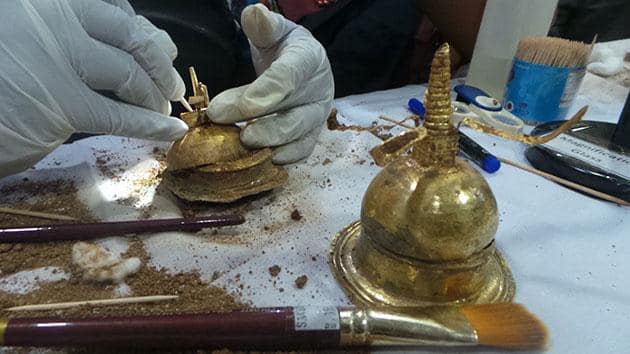
     දීඝවාපී දා ගැබේ මෑත කාලීන පුරාවිද්‍යා කැණීම් ආරම්භ වන්නේ 2011 වසරේ පමණ සිටයි.දැන් ඒ කැණීම් ලහිලිහියේ අවසන් කිරීමේ අදිටනින් පසුවන අතර එහි දකුණු වාහල්කඩ ධාතු ගර්භයක තිබී ශිලාමය ධාතු මංජුසාවක් හමු වීම අශ්චර්යක්ම වී තිබේ.ලංකාවේ පළමු වතාවට එකම මංජුසාවක තිබී සර්වඥ ධාතු තැන්පත් කරන ලද රන් කරඬු හතරක් සම්මුඛ වන්නේය.භික්ෂූන් වහන්සේලා ගේ පමණක් නොව ගිහියන් ගේද පිරිත් හඬ මධ්‍යයේ මේ ධාතු මංජුසාව පුරාවිද්‍යා කැණීම් නිළධාරීන් විසින් ගොඩගත් අතර සැදැහැති බෞද්ධයන්ගේ සාධු නාදය දස අත ගිගුම් දුන්හ.අනතුරුව ඉතා ශ්‍රද්ධාවෙන් යුක්තව මෙම කරඬු පුරාවිද්‍යා රසායනික සංරක්ෂණ නිළධාරීන් විසින් විවෘත කළහ.රන්කරඬු හරතක් පළිඟු කරඬුවක් ආදීවශයෙන් මේ ධාතු කොටස් හඳුනා ගන්නට උත්සාහ ගන්නා ලද්දේ මින් අනතුරුවයි.දැන් අම්පාර මහදිසාපති තැන්පත් ඩී.එල්.එම්.බණ්ඩාරනායක මහතාගේ අධීක්ෂණය යටතේ මේ සර්වඥධාතුන් වහන්සේලා දිසාලේකම් මැදුරේ විශේෂ කුටියක තැන්පත්ව තිබේ.

      ස්ථූපයක ගර්භය තුළ ධාතු තැන්පත් කල පසු කාලාන්තරයක් තිස්සේ වන්දනාමානයට ලක්ව ජරාවාසව ගිය කල්හි පසුකාලීන රජවරු තව තවත් ධාතුන් වහන්සේලා තැන්පත් කොට නැවත තහවුරු කරලීමට පෙළඹේ.වාහල්කඩ සැළකෙන්නේ ස්ථූපයට ඇතුල් වන දොරටුව ලෙසටයි. සද්ධර්මාලංකාර කතා වස්තුවේ සිරිනාග වර්ගයේ දක්වන පරිදි ඒ රජු ධාතු ගර්භ කඩා නිධන් ගත් කෙනෙකි.ධාතු ගර්භයට ඇතුල් වෙන සන්ධිය දන්නේ මේ ස්ථූපයන් රකින පුද්ගලයන් පමණකි.අනුරාධපුරයේ හෙල්ලොලි නම් ගම එක් චන්ඩාලයෙන් මේ සන්ධිය දනිතැයි අසා ඒ  රහස් හෙළ කිරීමට බල කළ බව දැක්වේ. නමුත් දාගැබ් බිඳුවීම පඤ්ඤානතරීය පාපකර්මයක් බව දත් චණඩාල උපාසක එය නොකී කල්හි ඒ පුද්ගලයන්  උල හිඳුවා ඝාතනය කළ බව ඒ කතාවේ කියාපායි.කෙසේ වෙතත් දීඝවාපී ධාතු ගර්භයට ඇතුල් වන දකුණු වාසල් කඩේ මේ ධාතුන් වහන්සේ තැන්පත් කරන්නට ඇත්තේ සිරිනාග රජුට පෙර සිටි භාතිකාභය වැනි රජුන් අනුදත් ධාතු තැන්පත් කරලීමේ පූජාඋත්සව ආදර්ශයට ගෙන බව නිසැකය

 නැගෙනහිර පළාත් වශයෙන් වර්තමානයේ දී හඳුනාගන්නා මේ ප්‍රදේශය පැරණි දිගා මඩුල්ලයි.දීඝායු කුමරු ට දුන් මේ පෙදෙස ඒ නමින්ම හඳුන්වා තිබීම අදටත් ජනප්‍රවාද ගතය.දඹදිව ශාක්‍ය ජනපද වල සිට සංක්‍රමණය වූ බුදුන් වහන්සේ ගේ ඥාතීන් මේ පෙදෙස් වල පැලපදියම් වූයේ මහින්දාගමනයටත් පෙර සිටය. විජයාගමනයෙන් පසුවත් මේ පරපුරු සහ කාලිංග දේශය අතර සිදු වූ විවාහ සබඳකම් ඉතිහාසයට රහසක් නොවේ.දීඝ මණ්ඩලය අතීතයේ දී ඉතාමත් සශ්‍රීක ප්‍ර දේශයක් විය.ගොවිතැන් බතින් සුලභ කරන ලද ජන ජීවිතය ආලෝකමත් කරන ලද්දේ ප්‍රසිද්ධ නාවිකයන් විසින් වරින් වර සම්බුද්ධ ශාසනයට කරන ලද පූජාවන් කරණ කොටගෙනය.වෙසෙසින්ම නාගයන්ගේ ආධිපත්‍ය මත සිංහල රජවරු ද නාග නාමකරණය වී මෙම පළාතේ දේශපාලන බලය තහවුරු කර ගත්හ. අනතුරුව සම්බුද්ධ ශාසනය වෙනුවෙන් විශාල පූජාවන් ඉටු කළහ. නැගෙනහිර පළාතේ තැනින් තැන විසිරී තිබෙන දහස්ගණනක් ස්ථූප නටබුන් මෙයට සාක්ෂි සපයයි.

    සෙනරත් රජුගේ කාලයේ දී ඔහුගේ රාජ්‍යත්වය තහවුරු කර ගැනීමට තිබූ දුෂ්කරතා නිසා නැගෙනහිර පළා ශක්තිමත්ව තබා ගැනීමේ අවශ්‍යතාවයක්ද මතුවිය.  විදේශිකයන් නිතරම මේ වෙරළ තීරයෙන් රටට ගොඩ බැස වානිජ ආධිපත්‍ය පවත්වා ගැනීමට මාන බැලීය.සෙනරත් රජුට එරෙහි සිංහල කුමාරවරු ද මේ විදේශිකයන් කෙරෙහි විශ්වාසය තබා කටයුතු කළහ. මේ අතර පෘතුගීසීන් ගේ තාඩන පීඩනවලට ලක්වූ දකුණු ඉන්දීය මරක්කලයන් සෙනරත් රජුගේ ආරක්ෂාව අයැද සිටියිහ. රජු මොවුන් කෙරෙහි අනුකම්පා කොට අවතැන් වූ පිරිස දිගාමඩුල්ලේ පදිංචි කරන ලද්දේ ඒ ගම් නියම්ගම්වල රාජකාරි පිණිසමය. එහි සිටි සිංහල පිරිස සමග මිශ්‍ර වන ලෙසටද කියා සිටි බවට කතාවක් ඇත.

     අවසාන වශයෙන් මේ දිගාමඩුල්ල සංවර්ධනය වූයේ කීර්ති ශ්‍රී රාජසිංහ රජු අතිනි. එතුමා දීඝවාපී විහාරය ට වී බිජු අමුණු දහසක පමණ ඉඩම් පූජා කර ගල් සන්නසක් පිහිටවූ අතර දැනට දක්නට ඇත්තේ එහි පිටපතක් පමණි. කෙසේ වෙතත් ඉංග්‍රීසි පාලන සමය වන විට මේ ප්‍රදේශයේ සිංහල ජනගහනය ක්‍රමයෙන් අඩු වන්නට විය. මේ පළාතේ දෙමළ පාසල් පිහිටුවීම නිසා සිංහල ජනතාවද වැදි ජන වර්ගයන්ද ද්‍රවිඩ බස සිය මව් බස කර ගත්හ.මේ අතර ඉංග්‍රීසීන් ගේ සේවවාන්ට එකතුවී මරක්කලයන් ධනයෙන් හා රජකාරි බලයෙන් ශක්තිමත් වූහ.1916 වසරේ දී පූජ්‍ය කොහුකුඹුරේවත ස්වාමීන් වන්සේ විසින් දීඝවාපී චෛත්‍ය රාජයාණන් වහන්සේ නැවත සොයා ගන්නා කල්හි එය ඝන කැලෑවෙන් වටව තිබූ ගඩොල් ගොඩක් පමණක් විය. විසිවන සියවසේ මුල් භාගයේ දී වාරිමාර්ග කටයුතු සඳහා බඳවා ගත් මරක්කලයන් මේ දාගැබේ ගර්භය බිඳ වාහල්කඩ බිඳ එහි තිබෙන ගඩොල් ද කලුගල්ද ගලවා ගෙන ගල් අමුණු  ඉඳි කරලීමට කටයුතු කරමින් සිටියහ.මඩකලපුවේ දිසාපතිවරයාව සිටි ඇලන්සන් බේලි මහතාගේ අනුදැනුම ඇතිව මෙසේ දීඝවාපී චෛත්‍ය විනාශ කරමින් සිටි මරක්කලයන් පළවා හැර එම ස්ථානයේ ගසක අත්තක් උඩ නවාගැන් ගත් රේවත හිමියන් ඉතා දුෂ්කර ලෙසට දිවි ගෙවමින් පැරණි බෞද්ධ උරුමය අරක්ෂා කොටගත් බව මෙහිදී මතක් කළ යුතුය.                                                                              

       දීඝවාපී චෛත්‍යය ස්ථානය නොයෙකුත් සතුරු ආක්‍රමණ මධ්‍යයේ ජරාවාසව ගිය කල්හි නිදහස් ලංකාංවේ ප්‍රථම වරට එහි කැණීම් හා සංරක්ෂණ කටයුතු ආරම්භ වන්නේ හැටේ දශකයේ දීය.ඒ පිළිබඳ වාර්තා රාශියක් පුරාවිද්‍යා දෙපාර්තමේන්තුව සතුව පවතී. අනතුරුව අවස්ථා කීපයකදීම මෙම කටයුතු නැවත ආරම්භ කරන ලද නමුත් කොටි ත්‍රස්ත සමයෙන් පසුව ඒ කටයුතු සියල්ල අඩාල විය. එම ප්‍රදේශයේ බලය අත්පත් කරගෙන සිටි මුස්ලිම් අන්තවාදී මන්ත්‍රීවරු තම බල වපසරිය තුළ විශාල විනාශයක් කළහ.

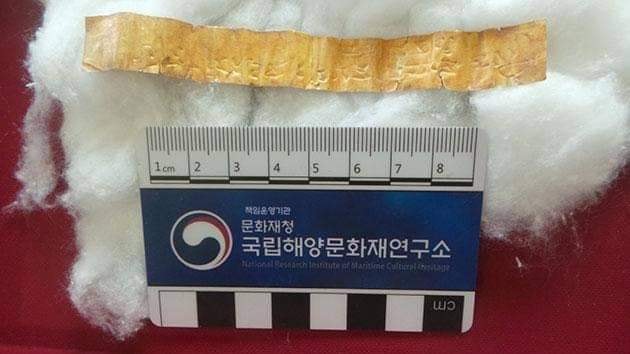
 දීඝවාපී සෑයේ පරිවාර සෑරදුන් හතරක් තිබූ අතර ඉන් ඒක් ස්ථූපයක් මේ මුස්ලිම් අන්තවාදීන් විසින් ඩෝසර කරන ලදහ.දැනට එක් පරිවාර චෛත්‍යයක් පමණක් සංරක්ෂණයට බඳුන් කර තිබේ. කෙසේ වෙතත් දෙමළ කොටි පරාජය කරලීමෙන් පසු නැවත 2011 වර්ෂයේ දී නැවත මේ ‌ෙඑතිහාසික ස්ථානයේ වැඩකටයුතු ආරම්භ කරන ලද්දේය.එහිදී සල පතුල මලුවේ කරන ලද කැණීම් වලදී ඉතා වැදගත් ශීලා ලේඛන කීපයක්ද ලැබී ඇති අතර සිවිල් ආරක්ෂක බලකයේ සහයෝගයෙන් ස්ථූපයේ සංරක්ෂණ කටයුතු ද දිගින් දිගටම ක්‍රියාත්මකවේ. වර්තමාන කැණීමේ දී හමූ වූ වැදගත්ම සාධකය නම් නිධන් සොරුන් විසින් විනශ කරන ලද දක්ෂිණ වාහල් කඩ ආසන්නයේ සම්මුඛ වූ ධාතු මංජුසාවයි. මේ සමග ලැබුණු අකුරු කෙටූ රන්පත් කීපය ඉතා වැදගත්ය. මීට පෙර බටහිර වාහල්කඩ අසල කැණීමේ දීත් මෙවැනි රන්පත් ඉරුකීපයක් දැක ගන්නට ලැබී තිබේ. මේ පත් ඉරු වල ලේඛන වලට අනුව මලුතිස නොහොත් කණිෂ්ට තිස්ස නම් රාජ්‍ය කාලයේ එනම් ක්‍රි.වර්ෂයෙන් යට දෙවනි සියවසේ දී මේ ධාතුන් වහන්සේලා තැන්පත් කරන්නට අතැයි පුරාවිද්‍යා අධ්‍යක්ෂ ජනරාල් ආචාර්ය සෙනරත් දිසානායක් මහතා සහ මෙම ස්ථානයේ කැණීම් භාර නිළධාරී සේනක චන්ද්‍රකුමාර මහාත පවසයි.මෙහිදී ලැබී තිබෙන රන් කරඬු හතර සුවිශේෂීය මීට පෙර නිධන් හොරුන් විසින් සහ අන්තවාදීන් වසින් නැගෙනහිර මොට්ටාගල සහ හිරුකෝවිල් දාගැබ් ඩෝසර කිරීමේ දී ලැබුණු ධාතු කරඬු වලට මේවා සමාතය. වෙනසකට පවතින්නේ එකම ස්ථානයකින් කරඬු හතරක්ම ලැබීමයි.මෙහි සතරැස් කොටුවේ රන්වන් ධූර ඡත්‍ර පැහැදිලිවම දර්ශනය වීම කෙතරම් භාග්‍යයක්ද. එදා භාතිකාභය රජ දවසදී මහාචෛත්‍ය පාදයේ පටන් ධූර ඡත්‍රය දක්වා සුවඳ කලලින් ආලේප කරන ලදැයි මහාවංශයේ දැක්වේ.ශ්‍රද්ධ සම්පන්න මහරජවරු ධූර ඡත්‍රය ගැන මහත් සැලකිල්ලක් දක්වා ඇත.ඒවා රන්කරඬු ආකෘතිවලද සටහන් කළහ. වසර විසිඅටක් අනුරාධපුරයේ රජකල කණිෂ්ට තිස්ස නොහොත් මලුතිස රජු මහා ශ්‍රද්ධ සම්පන්න රජෙකු බව මේ ධාතු පූජාවෙන් පැහැදිලි වේ.

    දීඝවාපී චෛත්‍යට පළන්දන ලද ධජයක් සුළඟේ ගසාගෙන ගොස් කුඹුරක වැටී තිබියදී පොරෝනයක් ලෙසට පරිහරණය කිරීමේ පාපයෙන් ප්‍රේතයෙක් ලෙසට ඉපැදුණු කෙළෙඹි පුත්‍රයෙකු ගැන බණකතා සාහිත්‍යයෙහි සඳහන් වෙයි.ඒ ප්‍රේතයාට සුගතිය අත්කර දීමට හැකිවූයේ පතාක දහසක් දීඝවාපී චෛත්‍යයට පූජා කරලීමෙනි.ශ්‍රද්ධා සම්පන්න ගුණයෙන් හෙබි සිංහල බෞද්ධයන් මේ හොඳ නරක දෙකම හොඳින් දනී. නමුත් සුමග නොයන්නේම මේ රටේ දෙශපාලකයන් සහ අන්තවාදීන් පිරිසයි.දීඝවාපී ස්ථූපයෙන් ලැබුණු මේ අගනා ධාතු සම්පත්තිය දක්වා මේ රටට හඬනගා කිය යුත්තේ පෙර රජවරුන් ගිය මග ගැනීම කෙතරම් අර්ථවත්ද යන්න නොවේද.

මතුගම සෙනෙවිරුවන්

Rights of freeborn men is to enjoy the maximum use of land not access to land; to sell and mortgage land

November 27th, 2020

By Senior Lawyer

Refer to the article ‘A Plan To Ensure Every Sri Lankan Plate is Full During COVID ‘  A paper submitted by Sri Lanka Study Circle.

Finally in 2020 the world has  realised that Globalisation has   completely failed.  It’s master,  USA is struggling unable to select a President , leading the world with the   spread of COVID.  Sri Lanka  had the wisdom to  appoint a President and to go beyond many countries to protect the people from  COVID .

Wake up Sri Lanka  face the truth, get your heads out of the sand, do not wait for foreign funds to manage our lands .   

The most distinctive approach for us is to act now for a new strategy,  provide our  own food.  Forget all the World Bank reports and MCC  . They all  planned to  capture our lands; to hand over our  lands  to  large Agri based companies that had commercial interest .  People rose to save our lands.  The  MCC  introduced foreign laws to remove all our traditional laws that apply to small farmers and Chena cultivators.  Until COVID came along, we could not face these external storms, where we were virtually to believe we are doing well if we  reach higher positions of the indices drawn by them; such as the Doing Business Index.  

 Rights of freeborn men enjoy the maximum use of land not access to land which is the capitalist theory,  that says lands must be arranged in a register to be able to be sold and mortgaged  as  vehicles.  .

Robbed of the truth for centuries and for 72 years after independence, at least now shall we plan our own strategy for our capital asset land.   Let’s have local reforms to allow  lessees of government lands to cultivate.  Lets give those who deserve Rs 5000 a piece of land on lease to cultivate.  I am sure our politicians will not disagree.    

How could we have  not realised,

1]that we have land that will allow anything to grow.

2]there is sunshine from 6 AM to 6 PM every day with plenty of water

3] that we do not require deeds, lease rights permit   bank loans according to the statutes we have

These pictures are from a small plot of  land .  The boy has no job but he feeds the people in his neighbourhood. He says he does not need any funding.  or.   

Professionals Quash chicken-brained Mangala’s Budget criticisms Part II

November 27th, 2020

By : A.A.M.NIZAM – MATARA.

Unlike the olden days the modern budgets need to concentrate more on the development of digital and the distance learning facilities and only by which our future generations will be capable to be competitive to stand shoulder to shoulder with the people of other countries.   Fotnnately we have elected a President who has a wide knowledge on this subject and his vision is to enhance IT and digital facilities to cover all aspects of life in this country.  Accordingly the Prime Minister has performed his task very well in presenting his budget giving more preference  to the development of the IT sector, which has received much accolades from all those in the modern IT world.  Their views and opinions continue:

Indirect boost to IT/BPM

The Budget aims to create digital governance using Information Technology and the establishment of an international e-commerce and e-payment systems, the high-speed data exchange system and the related mobile network systems are investment priorities”. This would offer many opportunities for the IT/BPM industry to be partners.

The proposed techno parks could be a boost to the electronics industry as well as businesses engaged in the Internet of Things (IoT).

It is proposed to provide loans of Rs. 500,000 at an interest rate of 4% as start-up capital to support the young men and women, who start their own businesses on the successful completion of vocational education. This loan scheme will have a grace period of one year for both principal and interest, with a further four years to settle the loan. This will help encourage entrepreneurship which will benefit the IT/BPM industry as well any business today has some level of IT/BPM involvement.

Summary

This appears to be a dream budget for the IT/BPM industry.

BOI to target more strategic investments with tremendous opportunities provided by Budget

The Board of Investment of Sri Lanka (BOI) said it will target more strategic investments following the tremendous opportunities provided by 2021 Budget.


BOI trusts that incentives are part of the landscape of the investment strategy to attract sustainable investments, as they are often a decisive factor in investment decision-making. 

Combined with the more obvious hard infrastructure offerings, locational benefits, sound legal framework and access to talent pools, investment incentives are another important piece of the puzzle to attract investments, which could also open doors to other economic benefits including technology clusters, skills development and linkage to global value chains,” BOI Director General Sanjaya Mohottala said. He emphasized With the incentives offered to investors by the 2021 Budget along with the endorsement by the Government for a consistent policy environment, has fulfilled the aspirations of BOI as the national investment promotion agency,”

He said Now BOI has much to play with when it comes to enticing investors with discretionary dollars and much to gain by attracting top-notch investors to establish in the country, which would provide anticipated economic and social benefits,”

He has pointed out that some of the new openings for investments introduced in the 2021 Budget include five fully-fledged plug and play Techno Parks in Galle, Kurunegala, Anuradhapura, Kandy and Batticaloa districts; investments in the pharmaceutical sector (products and medical devices) in the dedicated state-of-the-art investment zone in Hambantota; investments in textile manufacturing in the textile zone in Eravur; Investments in floating solar plants and Investment opportunities under the SDP Act.

Apart from those, Mohottala said an array of benefits, including exemptions from Customs Duty, VAT, PAL, CESS, etc., are available for the right investment, depending on the sector of investment and its market orientation. 

Furthermore, benefits continued under the Inland Revenue Act No.24 of 2017: CIT exemptions for farming including agriculture, livestock and fish farming with effect from 1 April 2019; CIT exemption for Information Technology and enabling services, with effect from 1 January; CIT exemption for income earned from services rendered to persons outside Sri Lanka including foreign sourced earnings in foreign currency; Dividend Tax exemption for dividends paid by a resident company to any non-resident person and dividends distributed by Commercial hub Enterprises with effect from 1 January; and CIT exemption for Income derived by any non-resident person from laboratory services or standards certification services, with effect from 1 January.

Exemptions continued under VAT (Amendments to VAT Act No.14 of 2002) include: sale of condominium housing units from VAT with effect from 1 December 2019; IT and enabling services with effect from 1 January; reduced VAT of 8% other than financial services with effect from 1 December 2019; quantities supplied/donated of health protective equipment and similar products by export-oriented BOI companies to the Ministry of Health and Indigenous Medical Services, Department of Health Services, Tri-Forces and Police on their request; and reduction of piece-based VAT rate applicable on domestic sale of certain garments by the export-oriented BOI companies from Rs. 100 to Rs. 25, he said.

CSE welcomes Budget 2021 directed at developing the capital market

The Colombo Stock Exchange (CSE) welcomed the progressive capital market related proposals presented in the 2021 Budget Proposals.

It said  long-term sustainable measures have been proposed to encourage companies to list on the CSE, encourage savings and investments among Sri Lankan citizens and improve the attractiveness of Real Estate Investment Trust (REITs) through tax concessions.

As a measure of promoting new listings on CSE a 50% tax concession for the years 2021/2022 has been proposed to be granted for companies listing on the CSE before 31 December 2021 and to maintain a corporate tax rate of 14 percent for the subsequent three years upon listing.

Stock market investment will continue to be exempted from Capital Gains Tax and as an additional measure to encourage stock market investment, the Government has proposed to include investments made in shares of listed companies incurred up to Rs.100,000 per month as deductible expenditures in the calculation of personal income tax.

In a measure that would largely improve the attractiveness of REITs investment, the government has proposed to exempt such investments from capital gains tax and dividends free from income tax. The proposal further seeks to reduce the Stamp Duty applicable to real estate transaction associated with REITs to 0.75 percent (from the currently applicable 4% for property transactions). The CSE, working with the Securities and Exchange Commission of Sri Lanka, introduced REITs as a new investment product on the CSE earlier this year.

CSE Chairman Dumith Fernando commenting on the proposals stated CSE is pleased to learn of these progressive proposals and we applaud the commitment of the Sri Lankan government to promote capital market development in the country. The tax concessions proposed to draw in stock market investments and encourage companies to explore a public listing will most certainly complement our efforts to develop a larger listed company base.

CSE CEO Rajeeva Bandaranaike stated The tax concession offered to companies listing on CSE by 2021 will offer financial benefits to companies and extra impetus to pursue a listing. This proposal offers vital policy support to expedite new listings in the market and greatly complements measures taken by CSE to expand listing rules to attract more companies and streamline the listing process. We believe CSE as a result is well-placed to attract new listings in 2021.”

Apparel industry hailed the Budget expressing confidence of recovery from 2021

The Joint Apparel Association Forum (JAAF) expressed confidence in revival of the country’s biggest export sector next year onwards aided by policy direction and support outlined in the Budget 2021 as well as recovery in key markets post-COVID-19. 

We made submissions to the Government and most of our proposals have been incorporated in the Budget 2021. We are pleased to see such policy direction at this critical time for the export oriented industries,” JAAF Secretary General Tuli Cooray told the Daily FT.

Although the industry took a harsh blow from COVID-19 which wiped out close to $ 1 billion in turnover, Cooray said resilience has always been the cornerstone for the apparel industry.

History has amply proved that Sri Lanka is a resilient nation and the apparel industry remains to be a major contributor. At the moment we are not thinking of revisiting our targets, but we all know that it has been a very challenging year for the entire world. In that context, we will probably see a decline in our total exports by 25% to 30% this year just over $ 4 billion. But it is with great confidence I say the apparel sector will come out of this crisis stronger than before,” he said.

Sri Lanka last year earned $ 5.3 billion from apparel exports, an increase of 5.1% from 2018. Prior to the COVID-19 pandemic the industry originally expected a 6% increase in exports for 2020.
Export earnings from apparel and textiles in October declined by 18.93 % to $ 356.52 million and by 21% to $ 3.6 billion in the first 10 months of 2020 from a year earlier. Despite the decline in the sector, earnings from exports of other textiles increased by 43.92% in October 2020 in comparison to October 2019,vthe JAAF spokesman said.

Earnings from export of Personal Protective Equipment (PPE) related products increased by 46 % to $ 731.63 million in January to October. The strong performance was mainly due to the increased exports of other made-up articles (HS 630790) and articles of apparel and clothing accessories of plastics (HS 392620).

Cooray said it was very challenging as the industry markets remain closed, with the world still continuing to battle the impact of the virus. Many countries such as India, China, Russia and the US are having very protective policies and not open for trade,” he added.

Noting that the apparel industry is continuously looking for access to new markets, he highlighted that they were exploring opportunities to open up trade dialogue with all existing and emerging markets. The UK, Japan and the US are currently reviewing unilateral trade agreements and we are open to explore such opportunities given the current circumstances,” he said.

Boost for fabric manufacturing

Cooray also commended the timely move to establish fabric processing park in Eravur, noting that it is a reflection of the Government’s confidence in the apparel industry.

The 2021 Budget announced tax concessions up to a maximum of 10 years under the Strategic Development Law for over $ 10 million investment in setting up fabric plants.

We stand firm even in the current climate that it is our intention to continue to be a strong player in the global apparel sourcing world. The establishment of the Eravur Fabric Processing Park will help reduce the imports of fabric as apparel manufacturers would be able to replace a part of their imported fabrics with fabric sourced locally,” he said.

According to him, there are currently seven textile mills manufacturing fabric for the export-oriented sector and these mills are capable of producing the finest quality of fabrics where the daily output is around 175 MT. 

This is a vital component in the building the industry value addition to over 52% even after accounting for the yarn imports of the local mills. Sales from these seven fabric mills to the BOI registered apparel exporting companies amounted $ 499 million last year. In 2019, Sri Lanka imported 255,437 MT of fabric both for the export-oriented apparel manufacturers and for consumption in the local market. The import bill for this fabric came to $ 2.2 billion.

Worker saety

With regards to work at apparel factories, he said operations continue with strict health guidelines as the industry remains a critical contributor to the sustainability of the economy. We are a part of the society. 

Our workers’ health and safety is our prime focus, as all our businesses rely on them. Despite the heavy losses the industry incurred due to COVID-19, we have not neglected the welfare and job security of our workforce. We now incur an additional heavy cost for the regular PCR tests, lodging facilities, transport because their lives matter. Apparel industry largest overall employer,” he said.

Entirely privately owned and operated, the apparel industry have successfully utilised the opportunities in the international market to evolve beyond traditional exports and tailoring designs to provide sophisticated and creative solutions through fashion BPO services, research, development and innovation centres. Around 300 garment factories employ 990,000 and over one million people are indirectly dependent or employed.

Budget endorses our Vision – ICTA

ddThis Sharing ButtonsShare to FacebookShare to TwitterShare to More

Multiple proposals of ‘Vision 2024 for ICTA: A digitally transformed Sri Lanka’ were echoed in the Budget 2021 proposals, the maiden of the present Government, it was observed BT icta.

In January 2021, the current administration has charged the Information and Communication Technology Agency of Sri Lanka (ICTA) with implementing a detailed roadmap in line with President Gotabaya Rajapaksa’s vision to establish a digitally inclusive Sri Lanka, with a citizen-centric digital Government for the convenience of every Sri Lankan. The Budget 2021 proposals further endorses the initiatives within their road map.

 Tech-based society and a smart nation

President Gotabaya Rajapaksa has given special attention to enhance digital governance using Information Technology as a tool to simplify Government mechanisms as well as market structures and processes ensuring efficient and people-focused service delivery and exchange of knowledge, says the Budget 2021 proposals. 

Establishment of an international e-commerce and e-payment systems, the high speed data exchange system and the related mobile network systems are investment priorities. It also emphasised the establishment of new laws and organisational structures in relation to data protection, cyber security and intellectual property rights. 

The aim of this is to convert Sri Lankan economy as a technology-based entrepreneurial economy by expanding entrepreneurial development, technological infrastructure and related services to enable enhancement of the contribution of the technology sector for exports and its contribution for knowledge and professional services of the national economy.

Digital government, which makes up a large part of the ICTA’s mandate, would empower citizens of Sri Lanka, allowing easy access to information that would help them in decision making, ensure participation in governance at various levels, allow automated services for public welfare and streamline government functions while ensuring transparency.

ICTA will also be the catalyst that drives Sri Lanka’s digital economy, which will facilitate industry expansion and increased foreign direct investment, while creating opportunity for startup innovation and entrepreneurship through capacity building and tech diffusion. Preferred business and employment opportunities would open up for local companies and the country’s technology industry would move steadily towards the goal of becoming a $ 3 billion export earner by 2024.

Though not explicitly mentioned in the Budget proposals, the other important pillar is digital society. The ultimate goal of digital transformation is achieving a digital society. Both digital government and digital economy must be citizen focused and citizen centred – with due recognition given to the public. 

ICTA recognises this need in its design of the ‘Vision 2024 for ICTA: A digitally transformed Sri Lanka’ roadmap that is entirely built around the citizens of the country, be they rich or poor, urban or rural and educated or not. The ultimate goal of ICTA’s vision is to make even the ‘poorest of the poor’ sections of society benefit from ICTs in uplifting their living standards. 

Tech parks 

The Budget 2021 also proposes creating a techno-entrepreneur-led economy that will contribute to increase of exports and foreign earnings from the technology field and broaden the knowledge and professional services to the national economy within the coming two years. It is expected that the establishment of technology-centred investments and allied service industries will transform into high income employment opportunities for Sri Lankan youth. It is envisaged to establish five fully-fledged plug and play techno parks in Galle, Kurunegala, Anuradhapura, Kandy and Batticaloa Districts. A sum of Rs. 10 billion has been allocated to develop these techno parks as eco-friendly new cities connected to the expressway network and other infrastructure facilities. 

Distance education

As the first step towards educational reforms, according to the Budget proposals, there is a requirement to formalise learning methodologies within schools, and the need to expand the provision of internet facilities to schools as well. It is also necessary to update the E-Thaksalawa learning portal, created by Ministry of Education with inputs from ICTA, along with the strengthening of the provincial IT education centres.To minimise the difficulties faced by students in rural and non ‘national schools’, due to shortage of teachers, and ensure the provision of continuous school education in the face of the COVID-19 epidemic, the ‘Guru Gedara’ education channel should be made available to all students by providing television sets to schools in difficult areas. It is proposed to allocate Rs. 3 billion to convert the syllabi in line with the contemporary requirements, regulation of teacher education and training, and examination procedures are planned to be regulated under a national education policy.

With the inevitable disturbances to normal life during the COVID-19 situation all over the country, one of the biggest challenges to educators was to compensate the lost education by the students. With no means for students to meet their teachers face-to-face, the only possible solution was through educating them by distant learning modes. The Ministry of Education came forward with E-Thaksalawa (http://e-thaksalawa.moe.gov.lk) the official E-learning portal for schools with learning content from Grade 1 to Grade 13 which has been made accessible to all students from March 2020, without data charges with the support of all operators enabling school children to study from. 

ICTA also facilitated Ministry of Education by introducing how distance learning can be adopted with live video conferencing in teaching and learning process for school children with its own newly-introduced video conferencing too, meet.gov.lk. What the Budget proposes is the continuation of the same for future in the ‘Living with COVID-19’ situation expected for a relatively prolonged period now. 

 Expanding tech education opportunities

The Budget has also given priority to strengthening the island-wide network of new technological universities, by modernising the technical colleges to be attractive to Sri Lankan youth, under the ‘one TVET’ concept within a formal regulatory framework, by converting these institutes into degree awarding entities in parallel to the expansion of opportunities for university education.

Capacity building activities like these are the key in achieving the goal of making a Smart nation. ICTA is taking steps to build an empowered workforce who can join the industry at multiple levels. ICTA will ensure the competency and employability of the workforce through programs such as vocational training, foundation and conversion programs and social education, apart from the traditional tertiary, higher, professional and postgraduate education. Social education will also play a key role in developing intelligent citizens with the skills to use citizen services.

 Electronic identity

The Budget also allocates Rs. 3 billion for the new digital identity project to be spearheaded by ICTA jointly with Department of Registration of Persons. Internationally governments are increasingly adopting the strategy of having a unique digital identity for their citizens with the objective of improving service quality and efficiency. That also drives financial and social inclusion by providing citizens access to citizen services and benefits of healthcare, education, and other government programs. Government of Sri Lanka has given priority to a national level program for the establishment of a Unique Digital Identity framework for the country. 

ICTA has developed its digital government and economy frameworks with this aim in mind. The objective is to digitise the service delivery from the Government to citizens, creating nationwide digital service delivery infrastructure that can be utilised digital public utilities serving and bridging all the sectors of the economy. UDI together with the National Data and Interoperability Platform (NDIIP) forms the nucleus of the digital economy and Government frameworks.

 Healthcare

The Budget also allocates Rs. 100 million to introduce electronic medical records at more Government hospitals. This is an extension to a project ICTA has been engaged in for the last few years. The Digital Health Project is a collaborative project being implemented by Ministry of Health and Indigenous Medical Services and ICT Agency of Sri Lanka. The project supported 49 Government hospitals in implementing electronic medical records systems. 

A National Project Steering Committee, Provincial Project Steering Committees and Hospital Steering Committees were formed with the representatives of Ministry of Health, Provincial Departments of Health Services and ICTA to direct/guide the project implementation at different levels. The project provided computer hardware, software, network and training for the selected hospitals to establish electronic medical records systems.

 Nurturing tech startups

The Budget proposals also include providing loans of Rs. 500,000 at an interest rate of, as low as, 4% as start-up capital to support the youth, who start their own businesses on the successful completion of vocational education. This loan will have a grace period of one year for both principal and interest, with a further four years to settle the loan.

Accordingly, these entrepreneurs will be facilitated to receive the opportunity to pay an instalment together with interest less than Rs. 12,000. In order to ascertain that the said loans are invested on the approved business, an annual commitment fee of 0.25% will be charged for follow up and extension services. It is proposed to give tax exemptions of five years to these businesses and the cost of funds of funds provided for such start-up capital, provided by banks and finance agencies as deductible expenditure in the calculation of taxes.

ICTA, over a long period, has been working assisting start-ups to establish themselves in the local ecosystem. Startup Sri Lanka was an initiative by ICTA with the former Ministry and startup community. Its mission is to transform Sri Lanka through technology and entrepreneurship. ICTA is working to support the tech community and accelerate the growth of Sri Lankan startups with the belief that strong home-grown startups and freelance community is vital to the future growth of Sri Lankan jobs and wealth. 

ICTA’s efforts are focused on trying to get the big picture right for Sri Lankan startups and freelancers – improving the regulatory environment, building a case for the right sort of Government support for a fast-growing sector, and increasing public awareness of the impact of tech startups and freelancers across the country. ICTA works with startups, freelancers and investors to help around the country get the settings right to create successful startup ecosystems.

ICTA recently worked together with Ministry of Finance in establishing guidelines for State organisations to exclusively procure their software and hardware requirements less than Rs. 2 million from local startups We need to end the era of sending our mothers, sisters and daughters as domestic workers, and sending our brothers and children as unskilled workers, drivers, room boys and white color workers to foreign countries and enhance our future generations as highly digitasl/IT knowledge based personalities who can become a beacon to the future world. The Budget has done its part very well and it is now the student population to grab the opportunities it has presented.

ඉන්දියාවේ ජාතික ආරක්‍ෂක උපදේශකතුමා අග්‍රාමාත්‍යතුමා හමුවෙයි

November 27th, 2020

අග්‍රාමාත්‍ය මාධ්‍ය අංශය

ඉන්දියාවේ ජාතික ආරක්‍ෂක උපදේශක ශ්‍රී අජිත් දෝවාල් මහතා හා ගරු අග්‍රාමාත්‍ය මහින්ද රාජපක්ෂ මහතා අතර හමුවක් අද 2020.11.27 දින විජේරාම නිල නිවසේදී පැවැත්විණි.

ප්‍රථමයෙන් ඉන්දියාවේ ජාතික ආරක්‍ෂක උපදේශක ශ්‍රී අජිත් දෝවාල් මහතා විසින්, ඉන්දීය අග්‍රාමාත්‍ය නරේන්ද්‍ර මෝඩි මහතාගේ සුබ පැතුම් පණිවිඩයක් ගරු අග්‍රාමාත්‍ය මහින්ද රාජපක්ෂ මහතා හා නාමල් රාජපක්ෂ මහතා වෙත එක් කළේය.

කොවිඩ්-19 වසංගතය හේතුවෙන් ලොව බොහොමයක් රටවල් මුහුණ දී ඇති අර්බුදකාරී තත්ත්වයට කලාපයේ සෙසු රටවල්වලට ද මුහුණ දීමට සිදුව ඇති බව ප්‍රකාශ කළ හෙතෙම, වසංගත තත්ත්වය යටතේ වුවත් කලාපයේ රටවල ආර්ථික, සමාජීය සංවර්ධනය ඉදිරියට පවත්වාගෙන යාමට සිදුව ඇති බව පැවසීය. 

එසේම කොවිඩ්-19 වසංගතය තත්ත්වයන් හමුවේ රටවල් අතර සංවර්ධන ක්‍රියාදාමයන් පිළිබඳව රාජ්‍ය තාන්ත්‍රික සාකච්ඡා සිදු කිරීමට වැඩි වශයෙන් සිදුව ඇත්තේ අන්තර්ජාලය හරහා වීඩියෝ තාක්ෂණය ඔස්සේ බවද අජිත් දෝවාල් මහතා ප්‍රකාශ කළේය.

ශ්‍රී ලංකාව, ඉන්දියාව ඇතුලු මෙම කලාපයේ රටවලට ද විදේශ ශ්‍රමිකයින් නිසාවෙන් විශාල ආර්ථික ශක්තියක් ලැබුණ ද, වර්තමාන කොවිඩ්-19 වසංගත තත්ත්වය හමුවේ ඔවුන්ගේ රැකියා අහිමිවීමත්, සිය රටවලට ශ්‍රමිකයින් පැමිණීමත් නිසා සෑම රටකටම ලැබුණු විදේශ විනිමය අවම වී ඇති බව අජිත් දෝවාල් මහතා පෙන්වා දුන්නේය.

කෙසේ වුවද, කොවිඩ්-19 වසංගත තත්ත්වය හමුවේ ආර්ථිකය ශක්තිමත් කළ යුතු බව ප්‍රකාශ කළ හෙතෙම, මෙම කලාපයේ සෙසු රටවල් ද සමඟින් ආර්ථිකය නගා සිටුවීමේ හා සංවර්ධනය කරා ගමන් කිරීමේ ක්‍රමෝපායන් සොයා ගත යුතු බව ප්‍රකාශ කළේය.

එ් සඳහා, කලාපයේ සෙසු රටවල් අතර සංවාදයක් ගොඩ නැඟීමට මෙන්ම, ආර්ථික අවපාතයට විසඳුම් සොයමින් ආර්ථිකය නගා සිටුවීමේ ක්‍රමෝපායන් සොයා ගැනීමට හා ක්‍රමෝපායන් සකස් කර ගැනීමේ කතිකාවක් නිර්මාණය කිරීමට ගරු අග්‍රාමාත්‍ය මහින්ද රාජපක්ෂ මහතාට මූලිකත්වය ගන්නා ලෙස ද ඉන්දීය ජාතික ආරක්‍ෂක උපදේශක ශ්‍රී අජිත් දෝවාල් මහතා යෝජනා කරන ලදී.

ඒ සඳහා ඉන්දියානු රජයේ සම්පූර්ණ සහයෝගය ලබා දෙන බව පැවසූ අජිත් දෝවාල් මහතා, කොවිඩ්-19 තත්ත්වය යටතේ වුවත් ශ්‍රී ලංකාව, ඉන්දියාව ඇතුළු කලාපයේ සෙසු රටවල සංවර්ධනය යළි ගොඩනැගිය යුතු බව ද ප්‍රකාශ කළේය.

ඉන්දියානු රජයේ ආධාර යටතේ උතුරු නැගෙනහිර හා කන්ද උඩරට ප්‍රදේශවල නිවාස යෝජනා ව්‍යාපෘති ක්‍රියාත්මක කර ඇති බව ප්‍රකාශ කළ ගරු අග්‍රාමාත්‍ය මහින්ද රාජපක්ෂ මහතා, එවන් නිවාස යෝජනා ව්‍යාපෘති දකුණු ප්‍රදේශය කේන්ද්‍ර කර ගනිමින් ආරම්භ කිරීමට ද සහයෝගය ලබා දෙන ලෙස ඉල්ලා සිටියේය. ඒ සඳහා ඉන්දියානු රජයේ සහයෝගය ලබා දෙන බව ශ්‍රී අජිත් දෝවාල් මහතා පැවසීය.

එසේම ඉන්දියානු අග්‍රාමාත්‍ය නරේන්ද්‍ර මෝඩි මහතාගේ මඟ පෙන්වීම යටතේ නවීන තාක්ෂණය යොදා ගනිමින් ඉන්දියාවේ ආරම්භ කර ඇති පානීය ජලය ලබාදීමේ ව්‍යාපෘති පිළිබඳව අවධානය යොමු කරමින්, එම තාක්ෂණය යොදා ගනිමින් ශ්‍රී ලංකාව තුළ  ජල යෝජනා ක්‍රම ආරම්භ කිරීම සඳහා  මෙම හමුවේදී එකඟතාව පළ විය.

මේ පිළිබඳව ඉහළ පෙළේ නිලධාරීන් සමඟ සාකච්ඡා ආරම්භ කිරීමට අවශ්‍ය කටයුතු කඩිනමින් සූදානම් කරන ලෙස ඉන්දීය ජාතික ආරක්‍ෂක උපදේශක ශ්‍රී අජිත් දෝවාල් මහතා, ශ්‍රී ලංකාවේ ඉන්දීය මහ කොමසාරිස් ගෝපාල් බාග්ලේ මහතාට උපදෙස් ලබා දුන්නේය.

මෙම අවස්ථාව සඳහා ශ්‍රී ලංකාවේ ඉන්දීය මහ කොමසාරිස් ගෝපාල් බාග්ලේ හා අග්‍රාමාත්‍ය ලේකම් ගාමිණී සෙනරත් මහත්වරු එක්ව සිටියහ.

රාජ්‍ය සේවා කොමිෂමට නියෝජිතයින් ලෙස නුසදුසු පුද්ගලයන් පත්කිරීම සම්බන්ධවයි.

November 27th, 2020

ජාතික වෘත්තිය සමිති මධ්‍යස්ථානය

ගරු ජනාධිපති,
ගෝඨාභය රාජපක්‍ෂ මැතිතුමා,
ජනාධිපති ලේකම් කාර්යාලය,
කොළඹ 01.

ගරු ජනාධිපතිතුමණි,

රාජ්‍ය සේවා කොමිෂමට නියෝජිතයින් ලෙස නුසදුසු පුද්ගලයන් පත්කිරීම සම්බන්ධවයි.

රාජ්‍ය සේවයේ ඉහල නිලධාරීන් පත්කිරීම්, උසස්කිරීම් හා විනය කටයුතු සම්බන්ධව බලධාරියා වන්නේ රාජ්‍ය සේවා කොමිෂන් සභාවයි. දිගින් දිගටම රාජ්‍ය සේවාවට දේශපාලන අතපෙවීම් සිදුවන්නේ යැයි යන විවේචනය තදින් පවතින පරිසරයකදී එහි ස්වාධිනත්වය ආරක්‍ෂා කර ගැනීම මූලික කර ගනිමින් 17 වන ආණ්ඩුක‍්‍රම ව්‍යවස්ථා සංශෝධනය මගින් එය පිහිටුවාලූයේ රාජ්‍ය සේවකයාද රාජ්‍ය සේවයේද විනිවිදභාවය අපේක්‍ෂා කරන සියළු දෙනාගේ ආශීර්වාදය ඇතිවය.

ඉන් අනතුරුව 19 වන ව්‍යවස්ථා සංශෝධනය මගින් තවදුරටත් එය තහවුරුවූු අතර, අඩුපාඩුකම් මධ්‍යයේ වුවද එය ක්‍රියාත්මක විය. 20 වන ව්‍යවස්ථා සංශෝධනයට අනුව රාජ්‍ය සේවා කොමිෂම වෙත නියෝජිතයින් පත්කිරීමේ පූර්ණ බලය ජනාධිපතිවරයා ලෙස ඔබ විසින් පවරාගෙන ඇත.

එම පත්කිරීම් සිදු කිරීමේ දී කොමිසමේ විෂය පථයට හා බලතල වලට අනුව එම කාර්ය නිවැරදිව හා විනිවිදභාවයෙන් යුතුව ස්වාධීනත්වය ආරක්‍ෂා වන පරිදි කටයුතු කළ හැකි නිලධාරීන් නම් කිරීම පත්වීම් බලධාරියා වන ඔබගේ වගකීමයි.

නමුත්, ඔබ විසින් නව කොමිෂමට නිලධාරීන් පත්කිරීමේ දී රාජ්‍ය සේවය පිළිබඳව කිසිදු අත්දැකීමක් නැති රාජ්‍ය නිලධාරීන් සමග රාජකාරිමය කිසිදු කාර්යයක නියලී නැති පෞද්ගලික ව්‍යාපාරික කටයුතු වල නියුතු නුසුදුසු පුද්ගලයන් පත්කිරීම රාජ්‍ය සේවයට එල්ල කරන ලද බරපතල අතුල් පහරකි. එහි බලපෑම වඩාත් තීව්ර වන්නේ ආණ්ඩුවේ කොන්ත්‍රාත් ටෙන්ඩර් හරහා තමන්ගේ ව්‍යාපාරික ආයතන වලට ලබාගන්නා ආණ්ඩුව සමග ඝෘජුවම ව්‍යාපාරික කටයුතු වල නියුතු දිලිත් ජයවීර නැමැත්තා රාජ්‍ය සේවා කොමිෂමේ නියෝජිතයෙකු ලෙස පත්කිරීමයි. රජයේ අමාත්‍යාංශ හා දෙපාර්තමේන්තු ප්‍රධානීන් ඇතුළු රාජ්‍ය සේවයේ ඉහල වගකීම් දරණ නිලධාරීන්ගේ පත්කිරීම්, මාරුකිරීම් හා උසස්වීම මෙන්ම විනය කටයුතු සම්බන්ධයෙන් වගකීම් දරණ රාජ්‍ය සේවා කොමිෂමේ නියෝජිතයෙකු විසින් ඉදිරිපත් කර ඇති ටෙන්ඩර් පත්‍රිකා සම්බන්ධයෙන් සාධාරණ තීන්දු ගැනීමේ අයිතිය මෙමගින් අහෝසිකර ඇති බව ඔබතුමාට නොතේරීම පුදුමසහගතය. දිලිත් ජයවීර මහතාම පවසන පරිදි ඔහු ඔබ සමග සමීප සබඳතා පවත්වන අතිජාත මිත්‍රයෙකි. එම සබඳතාවය රාජ්‍ය නිලධාරීන්ට තමන්ගේ කටයුතු නීති ගරුකව යුක්ති සහගතව කරගෙන යෑමට ඇතිකරන බාධාව සුළුපටු නොවේ.

මේ කෙලෙසී යන්නේ කොමිෂමේ ස්වාධීනත්වය පමණක් නොව සමස්ත රාජ්‍ය සේවයේම ස්වාධීනත්වයයි. අහෝසිවී යන්නේ රටත් ජනතාවත් වෙනුවෙන් රාජ්‍ය නිලධාරීන්ට නිවැරදිව හා විනිවිදභාවයකින් යුතුව කටයුතු කිරීමට ඇති අවකාශයයි. මෙයින් ගොඩනැගෙන තත්වය ඔබගේ දැක්ම ලෙස ප්‍රරසිද්ධියට පත්කළ සෞභාග්‍යයේ දැක්ම තුල ඇති විනය ගරුක රටක් ගොඩනැගීමට දායක වන්නේ කෙලෙසද යන්න ප්‍රහේලිකාවකි.

බලතල තමන්ට අවැසි ආකාරයට සකසා ගනිමින් කටයුතු කිරීම අපේ රටේ ප්‍රජාතන්ත්‍රවාදයට එල්ල කරන ලද මරු පහරකි. රාජ්‍ය සේවය යනු යම්කිසි පාලකයෙකුගේ පෞද්ගලික අභිමතයන්ට අනුව කටයුතු කළ යුතු සේවාවක් නොවේ. එහි වගකීම හා වගවීම පවතින්නේ රාජ්‍යට මිස කාලයෙන් කාලයට පත්වන ආණ්ඩු වලට හෝ පාලකයන්ට නොවේ. එය ඔබ වටහාගත් බවක් මෙම පත්කිරීම් තුලින් ගම්‍යමාන නොවේ. එසේම මේ හරහා විද්‍යමාන වන තවත් කරුණක් වන්නේ රාජ්‍ය සේවා කොමිෂම සම්බන්ධයෙන් හා එයට පත්කළ යුතු නියෝජිතයන් සම්බන්ධයෙන් ඔබගේ ඇති අවබෝධයේ ප්‍රමාණයයි. කරුණු මෙසේ හෙයින් මේ පිළිබඳව අගතිමානි නොවී රාජ්‍ය සේවා කොමිෂන් සභාවට එයට ගැලපෙන සුදුසු පුද්ගලයන් පත්කිරීමට කටයුතු කරන ලෙසත් රාජ්‍ය නිලධාරීන්ට කරනු ලබන දේශපාලන බලහත්කාරී මැදිහත් වීම නතර කිරීමට කටයුතු කරන ලෙසත් සමස්ත රාජ්‍ය සේවය වෙනුවෙන් ඔබතුමාට අවධාරණය කිරීමට කැමැත්තෙමි.

ස්තූතියි.

කේ.ඩී.ලාල්කාන්ත
සභාපති,
ජාතික වෘත්තීය සමිති මධ්‍යස්ථානය.

පිටපත්
අගමැති මහින්ද රාජපක්‍ෂ මැතිතුමාදැ.ගැ.පි
සියළු ජනමාධ්‍යජනතාවගේ දැනගැනීම පිණිස ප්‍රචාරය කිරීමට

ධරණීය නීල ආර්ථිකය බෙංගාල බොක්ක ආශ්‍රීත රටවල අනාගතය බව ශ්‍රී ලංකාව පවසයි

November 27th, 2020

ශ්‍රී ලංකා තානාපති කාර්යාලය, තායිලන්තය

ජාත්‍යන්තර සම්මුතීන්ට අනුව සුරක්ෂිත මෙන්ම ආරක්ෂාකාරී ලෙස යාත්‍රා කිරීමත්, සාමකාමී මෙන්ම ධරණීය ලෙස සමුද්‍රීය සම්පත්වලින් ප්‍රයෝජන ගැනීමත්, බෙංගාල  බොක්ක ආශ්‍රිත කළාපයේ සහ බහු ආංශික තාක්ෂණික හා ආර්ථික සහයෝගිතාව සඳහා වූ බෙංගාල බොක්ක ප්‍රවේශය (BIMSTEC) රටවල අප සියලුදෙනාම ප්‍රමුඛත්වයක් ලෙස සලකන බවත්, ශ්‍රී ලංකාව එකී ප්‍රමුඛතාව පිළිබදව විශ්වාස කරන අතරම එය ප්‍රවර්ධනය කිරීමටත් කටයුතු කරන බව,  2020 නොවැම්බර් 20-21 දිනයන්හි තායිලන්තයේ බැංකොක්හි පැවැති BIMSTEC විශේෂ  මහජන උත්සවය අමතමින් තායිලන්තයේ ශ්‍රී ලංකා තානාපතිනි සමන්තා කේ. ජයසූරිය මහත්මිය පැවැසුවාය. 

‘බෙංගාල බොක්ක: ධරණීයත්වය සඳහා වන අභිලාෂය’ යන ප්‍රධාන තේමාව යටතේ පැවති එම විශේෂ උත්සවයේදී ‘BIMSTEC පිළිබඳ මගේ රටේ දැක්ම’ පිළිබඳව තවදුරටත් අදහස් දක්වමින් ධරණීය නීල ආර්ථිකය අපගේ කළාපයේ අනාගතයවන නිසා මෙම කළාපය සියලුම සම්ප්‍රදායික හා සම්ප්‍රදායික නොවන ආරක්ෂාව පිළිබදව වන අභියෝගයන්ගෙන් නිදහස්ව පැවතීම අපගේ අභිලාෂය වේ” යැයි තානාපතිතුමිය පැවැසුවාය. එමෙන්ම මේ සම්බන්ධයෙන් අන්‍යෝන්‍ය නෛතික සහයෝගීතාව ශක්තිමත් කිරීම, ආරක්ෂාව සම්බන්ධ තොරතුරු සහ බුද්ධි තොරතුරු හුවමාරු කරගැනීම, සමුද්‍ර සම්බන්ධතාවය පුළුල් කිරීම පිළිබඳ සාමූහික ප්‍රයත්නයන් වැදගත් භූමිකාවක් හොබවන බවද ඇය පැවැසුවාය. ශ්‍රී  ලංකාව සම්බන්ධයෙන් ගත්විට මේවා හුදෙක් අභිලාෂයන්ම  පමණක් නොව, ශ්‍රී  ලංකාවද, එයින් ඔබ්බට ඇති බෙංගාල බොක්ක ආශ්‍රිත  කලාපය තුලද  සාමය  හා සෞභාග්‍යය තහවුරු කරන අරමුණින් අතිගරු ගෝඨාභය රාජපක්ෂ ජනපතිතුමන්ගේ සෞභාග්‍යයේ දැක්ම ජාතික ප්‍රතිපත්ති මාලාවේද  නිසිපරිදි දක්වා ඇති බව තානපති තුමිය පැවැසුවාය.

බහු ආංශික තාක්ෂණික හා ආර්ථික සහයෝගිතාව සඳහා වූ බෙංගාල බොක්ක ප්‍රවේශය (BIMSTEC) සංවිධානය පිළිබඳ මෙම දින දෙකේ මහජන උත්සවය චූලාලොංකෝන් විශ්වවිද්‍යාලයේ ආසියානු අධ්‍යන අංශය, BIMSTEC පිළිබඳ ප්‍රතිපත්ති චින්තකයින්ගේ ජාලය, තායිලන්තයේ විදේශ කටයුතු අමාත්‍යාංශය හා එක්ව සංවිධානය කර තිබූ අතර, බෙංගාල බොක්ක ආශ්‍රිත භූතානය, බංගලාදේශය, ඉන්දියාව , මියන්මාරය , නේපාලය, ශ්‍රී ලංකාව සහ තායිලන්තය යන රටවල් හත වැදගත් කලාපීය කණ්ඩායමක් ලෙස පවත්වාගෙන යෑමට අවශ්‍යය විවිධ සහ පොහොසත් සම්ප්‍රධායන්, සංස්කෘතීන් හා ජීවන රටාවන් පිළිබඳ දැනුම බෙදාගැනීම හා තායි වැසියන් අතර මනා අවබෝධයක් ඇති කිරීම  මෙහි අරමුණ විය.

BIMSTEC සංවිධානයේ වර්තමාන සභාපතිත්වය දරණ ශ්‍රී  ලංකාව, එහි ධූර කාලය තුළ BIMSTEC සම්මුතිය සැකසීම අවසන් කිරීම, හා ආංශික හා උපාංශික සහයෝගීත්වය වඩා තාර්කික ලෙස සැකසීම  ඇතුළුව, එහි ආයතනික ව්‍යූහය හා පදනම ශක්තිමත් කිරීමේ කාර්යය ඉටුකර ඇති අතර, සාමාජික රටවල්වෙත නිශ්චිත  ක්ෂේත්‍රයන් පැවැරීම BIMSTEC  සංවිධානයේ අරමුණු හා අනාගත ක්‍රියාකාරකම් වෙත අවධානය යොමුකිරීමේ හැකියාවද වර්ධනය කර ඇති බව තානාපතිතුමිය පැවැසූවාය.

 සාමාජික රටවල ආර්ථිකයන්ද ඇතුළුව සාමාන්‍යය ජන ජීවිතයේ සියලුම අංශයන් කෙරෙහි දැඩි බලපෑම් ඇතිකළ COVID 19 වසංගත කාලයේ තාක්ෂණය, සෞඛ්‍යය  හා මානව සම්පත් සංවර්ධනය යන උප අංශ සහිතව විද්‍යාව, තාක්ෂණය හා නවෝත්පාදනය යන අංශයන්හි ප්‍රධානත්වය දරණ රට ලෙසද, ශ්‍රී  ලංකාව, නව  තාක්ෂණය භාවිතා කිරීම මෙන්ම BIMSTEC තාක්ෂණ හුවමාරු පහසුකම (TTF) ක්‍රියාවට නැංවීම පිළිබඳ යෝජනා ඉදිරිපත් කිරීමේ අභිලාෂයෙන් පසුවෙන බවද තානාපතිනි ජයසූරිය මහත්මිය පැවැසුවාය.

ලෝකයේ විශාලතම බොක්ක වන බෙංගාල බොක්ක ආශ්‍රිත BIMSTEC රටවල් හත සහල් පදනම් කරගත් ආහාර සංස්කෘතියක සිට විචිත්‍ර ශිෂ්ටාචාරයක් දක්වා විහිදෙන පොදු ඉතිහාසයන්ගෙන් හා සංස්කෘතීන්ගෙන් පෝෂිත වනවා මෙන්ම ස්වෛරී රාජ්‍යයන් ලෙස අද්විතීය අන්‍යතාවක්ද පවත්වාගෙන යන අතර එම BIMSTEC රටවල් හතේ  විවිධත්වය හා අද්විතීය බව BIMSTEC සංවිධානයේ ශක්තිය වී ඇතැයි තානාපතිනි ජයසූරිය මහත්මිය වැඩිදුරටත් පැවැසුවාය.

ශ්‍රී ලංකාව සහ තායිලන්තය අතර රාජතාන්ත්‍රික සබඳතා ආරම්භ කිරීමේ 65 වැනි සංවත්සරය 2020 නොවැම්බර් 20 වැනි දිනට යෙදී තිබීම හේතුවෙන් මෙම අවස්ථාව තවත් සැමරුමකට නිමිත්තක් උදා කරදී ඇතිබව බව තානාපතිතුමිය පැවැසුවාය. එළැඹෙන වසරේදී BIMSTEC සංවිධානයේ නායකත්වය ශ්‍රී ලංකාව විසින් තායිලන්තයට පැවැරීමත් සමඟ තායිලන්තයේ විශිෂ්ඨ නායකත්වය තුළ BIMSTEC සංවිධානය ඉදිරිගමනක් අත්පත් කරගනු ඇතැයි ශ්‍රී ලංකාව විශ්වාස කරන බවද තානාපතිතුමිය පැවැසුවාය.

BIMSTEC රටවල් හතේ තානාපතිවරුන් සහ රාජතාන්ත්‍රික නියෝජිතයින් මෙම අවස්ථාවට සහභාගි වූ අතර එක් එක් රටවල් විසින් BIMSTEC සංවිධානය සම්බන්ධව අදහස් ඉදිරිපත් කරන ලදී. තායිලන්තයේ ශ්‍රි  ලංකා තානාපති කාර්යාලයේ චාන්සරි ප්‍රධානී පූර්ණිමා ගුණසේකර මහත්මිය මෙම උළෙල සඳහා ශ්‍රී  ලංකා සහභාගිත්වය සම්බන්ධීකරණය කළ අතර තානාපති කාර්යාලයේ කාර්යමණ්ඩලය විසින්  සංචාරක කර්මාන්තය,  සිලෝන් ටී සහ කුළුබඩු සහ දේශීය ආහාරපාන ප්‍රවර්ධනය සදහා ඉදිරිපත් කළ ශ්‍රී ලංකා ප්‍රදර්ශණ කුටිය, උත්සවයට සහභාගී වූ තායිලන්ත වැසියන් අතර ආකර්ෂණයට ලක් විය .

ශ්‍රී ලංකා තානාපති කාර්යාලය,තායිලන්තය

2020 නොවැම්බර් 26

Rating action by Fitch Ratings based on uncorroborated facts – Ministry of Finance

November 27th, 2020

Courtesy  Hiru News

The Ministry of Finance has responded to Fitch Ratings downgrading Sri Lanka to ‘CCC’. 

Issuing a statement the MoF states that Fitch Ratings have failed to recognize the robust policy framework of the new Government for addressing the legacy issues, including the concerns raised by Fitch Ratings, and ensuring ongoing economic recovery and Macroeconomic stability of the Country.<

It further states that Fitch Ratings project a government debt to GDP ratio of 100 per cent at end 2020 and 116 per cent at end 2024, while grossly overestimating the budget deficit at around 11.5 per cent of GDP in 2021 and 2022. As the relative share of outstanding foreign debt has already fallen to 44 per cent as per the latest available data, projecting a rise in foreign debt servicing obligations in the period ahead cannot be corroborated with facts.

The Ministry of Finance states that the Government wishes to reiterate that Sri Lanka will engage with all investment and development partners and implement necessary measures to build up reserves through non-debt creating inflows.

Therefore, investors are invited to approach the Sri Lankan policy authorities at the highest levels who are dedicated to facilitate any one-on-one or roadshow discussions, without being dissuaded by such baseless rating action.

The Full text of the message is given below

We observe, with disappointment, today’s rating action by Fitch Ratings expressing concerns about Sri Lanka’s external debt repayment capacity over the medium-term, financing options and debt sustainability risks, at a time when the newly appointed Government has just announced its medium term policy framework in its Budget 2020. We do not accept this downgrade as it fails to recognize the robust policy framework of the new Government for addressing the legacy issues, including the concerns raised by Fitch Ratings, and ensuring ongoing economic recovery and macroeconomic stability of the Country.

It is surprising to note that Fitch Ratings’ assessment has ignored several key proposals presented in the Government Budget 2021 with regard to deficit financing in the period ahead. As indicated in the Budget 2021, the Government has adopted a novel approach in relation to foreign financing while enhancing the effectiveness of already secured financing channels, aimed at reducing the share of foreign financing of the budget deficit over the medium term. Yet, Fitch Ratings builds up its argument based on the ‘existing financing model’, thus adopting a backward looking approach. In contrast, the forward looking financing model of the Government, which is skewed heavily towards domestic financing and will capitalize on the benefits of increased domestic savings and the low interest rate regime already in place given subdued aggregate demand conditions and well anchored inflation expectations. It is also noteworthy that the low interest rate regime will improve economic growth prospects in the period ahead, alongside the incentives being offered for capital investment, thereby supporting the envisaged debt consolidation efforts significantly. As the relative share of outstanding foreign debt has already fallen to 44 per cent as per the latest available data, projecting a rise in foreign debt servicing obligations in the period ahead cannot be corroborated with facts. Based on such unfounded assumptions, Fitch Ratings project a government debt to GDP ratio of 100 per cent at end 2020 and 116 per cent at end 2024, while grossly overestimating the budget deficit at around 11.5 per cent of GDP in 2021 and 2022. The rating action announced today is based on these ill-informed model projections, without any evidence-based and objective analysis. Further, as the share of domestic government debt rises in a low interest rate regime, some increase in overall public debt to GDP in the near term is not considered as a significant concern. Furthermore, with the strong pro-growth policy orientation of the Government as clearly articulated in the Budget 2021, a possible rise in local currency denominated government debt in the near term can be effectively managed within the envisaged fiscal consolidation path in the medium term, as government revenue increases helped by the envisaged take-off of the economy. It is also unrealistic to assume that the Government will take a rigid expenditure path, if by any chance, the expected improvement in revenue does not materialize.

Sri Lanka, similar to many of its peers in the emerging market group, experienced initial capital outflows, exchange rate depreciation, slowdown in activity, and pressure on government finances, in response to the effects of the first wave of the COVID-19 pandemic. However, Sri Lanka recognized its priorities early, and swiftly introduced a policy package to withstand and mitigate potential adverse effects of slowing economic activity, while building buffers for countering possible external financing challenges. With the decisive conclusion of the Parliamentary election in August 2020, the Government of Sri Lanka is now moving along a recovery path towards growth and stability even in the midst of the transitory disruptions caused by the second wave of the pandemic. The Sri Lankan economy is expected to have recovered strongly during the third quarter of 2020, when the second wave hit economic activity. Earlier than expected return of merchandise exports to pre-COVID monthly averages of US dollars 1 billion and the curtailment of non-essential imports have reduced the trade deficit notably for the sixth consecutive month in October 2020, saving US dollars 3.3 billion in import expenditure so far during the year. Meanwhile, larger than expected increase in workers’ remittances, together with other services exports, including IT services and shipping, helped mitigate the impact of the pandemic. Improvements in trade balance and workers’ remittances have helped cushion the current account deficit to a large extent in spite of the downturn in tourism, thereby reducing pressure on the exchange rate and official reserves.

Foreign Direct Investments, which slowed in the first half of the year, appear promising in the period ahead, particularly with the expected inflows to the Colombo Port City project and for new manufacturing projects in industrial zones, including Hambantota. The new legal framework conducive to promote commercial services and investment in Port City will be presented to the Parliament in January 2021. The first phase of the Port City project is scheduled to begin in 2021, boosting economic activity and attracting sizable non-debt creating financial flows to the country. Further, from the list of FDIs approved by the Board of Investment totaling over US dollars 5 billion, a considerable share is expected to materialize, supported by the new business-friendly environment of the country, and several major investment projects are already in the process of implementation. Other expected investments include import alternative industries as well as investments by the World Bank and other international development finance institutions. Nevertheless, the Government will adopt a policy of ‘guided’ imports as the envisaged improvements in growth prospects would experience some rise in import demand on raw material and investment goods, as the foreign exchange liquidity concerns are expected to wane in the period ahead. It is noteworthy, however, that the Government will remain committed to strengthening the dynamics of the economy based on the principle of self-reliance. With regard to portfolio flows, foreign inflows to the government securities market are yet to resume but no significant outflows were noted in recent months. Stock market indices have improved continuously and surpassed the pre-COVID levels with a record level of activities over the last three months. The tourism sector has been supported by domestic tourism and is expected to flourish once global tourist flows resume after the pandemic subsides. Despite the COVID-19 driven slowdown in economic activities in the first half of 2020, the economy is expected to rebound strongly in 2021 and sustain its growth momentum over the medium term, supported by the stimulus measures already in place and the effective implementation of the pro-growth policy proposals announced in the Government Budget 2021.

Given these developments, the exchange rate remains broadly stable, and the Central Bank was able to absorb foreign exchange of over US dollars 500 million on a gross basis since May 2020. Gross official reserves were estimated at US dollars 5.9 billion at end October 2020, with an import cover of 4.2 months. The Government has repeatedly expressed its ability and willingness to meet all its debt obligations falling due in the period ahead. With the observed rise in foreign debt servicing and public debt in the period ahead, the Government focused more on curtailing government expenditure, by resorting to several self imposed austerity-like economic measures on the onset of the COVID-19 pandemic, through announcing measures such as restricting imports of non-essential goods, encouraging the State Owned Enterprises to curtail non-essential expenditure including purchasing of motor vehicles, instructing the state entities to strictly manage expenditure on fuel and other utilities, non-priority procurement, etc. The Government’s strategy in foreign debt management is to avoid total rolling over of the upcoming maturities, while its strategy in overall debt management is to repay the outstanding debt, while not raising more loans over the existing level over the medium term.

The recently introduced measures to entice foreign investors to the government securities market and the real economy through an attractive foreign exchange swap arrangement are likely to help enhance foreign currency inflows, in addition to the support of friendly countries, such as the swap arrangements and the expected disbursement of the 2nd tranche of the Foreign Currency Term Financing Facility proceeds from the China Development Bank in December 2020. Accordingly, gross official reserves are expected to improve to around US dollars 6.5 billion by end 2020.

Sri Lanka’s policy environment remains facilitative of enabling high economic growth beyond the recovery phase while preserving macroeconomic stability. On the back of over 11 years of well anchored mid-single digit levels of inflation, the Central Bank has pursued an increasingly accommodative monetary policy stance. Fiscal policy, as re-emphasized in the Budget 2021, remains focused on supporting the economy, while expecting to return to the envisaged path of consolidation from 2022. Hence, both fiscal and monetary policies have prioritized supporting people, businesses and thereby the economy, without jeopardizing the macroeconomic balance of the country.

In the above context, it is puzzling why Fitch Ratings downgraded Sri Lanka when the well-articulated policy framework presented in the Budget 2021 is receiving wider commendation for consistency and continuity, with a clear medium term view of fiscal consolidation on a realistic economic footing. Such action simply demonstrates the prejudicial approach of Fitch Ratings, and lacks due consideration to alternative strategies that the Government is committed to embark on in the period ahead. Practices of this nature by an international rating agency without a constructive engagement with the Government on the promising alternative, policy approaches are likely to make the agency concerned completely irrelevant as the country rises strongly in the period ahead.

Given these circumstances, the Government of Sri Lanka wishes to reaffirm to foreign investors that have put faith in Sri Lanka continuously over the past several years that Sri Lanka remains willing and able to meet its debt obligations, as it has done impeccably in the past. Furthermore, Fitch Ratings question Sri Lanka’s ability to meet its external debt repayments based on their forecast of a decline in foreign exchange reserves in 2021 and 2022. Fitch Ratings also raise concerns on Sri Lanka’s external financing options. The Government categorically denies all such uncorroborated concerns. It is notable, that the Government has honoured all its liabilities so far during the year amounting to over US dollars 4 billion, in spite of the adverse speculation faced by the Sri Lankan economy since the end of 2019. The Government wishes to reiterate that Sri Lanka will engage with all investment and development partners and implement necessary measures to build up reserves through non-debt creating inflows.

Investors are invited to approach the Sri Lankan policy authorities at the highest levels who are dedicated to facilitate any one-on-one or roadshow discussions, without being dissuaded by such baseless rating action

Fitch downgrades Sri Lanka as default fears loom

November 27th, 2020

Courtesy Reuters

LONDON, Nov 27 (Reuters) – Ratings agency Fitch downgraded Sri Lanka’s sovereign debt to CCC” on Friday, warning that the country was at increasing risk of missing debt payments due to the coronavirus pandemic.

Heavily reliant on tourism and garment exports for foreign exchange reserves, the island nation has been hit hard by the pandemic, which has dampened consumer demand and curtailed almost all global travel this year.

The CCC rating means Fitch considers default to be a real possibility”.

We think there are now increasing risks to Sri Lanka’s ability to meet its external debt repayments,” Fitch analysts said in a note.

Sri Lanka has around $4 billion of debt repayments due annually until 2025, while total foreign exchange reserves stand at just under $6 billion.

Earlier this month Finance Minister Mahinda Rajapaksa presented an ambitious budget that aimed to more than halve the fiscal deficit over the medium term.

But Fitch said it expected the country’ fiscal position to worsen, not improve, over the next few years.

It expects Sri Lanka’s government debt-to-GDP ratio to increase to about 100% in 2020 from 86.8% in 2019, and to rise to around 116% in 2024.

This is in sharp contrast to Sri Lanka’s own targets, which see a reduction in debt-to-GDP to 75.5% in 2025, from an estimated 95.1% in 2020.

Spokesmen for Sri Lanka’s finance ministry did not immediately respond to a request for comment.

The ministry said in September that a similar downgrade by Moody’s was reckless” and unwarranted”, noting Sri Lanka has consistently received support from India and China. (Reporting by Alasdair Pal; Editing by Susan Fenton)

House of Commons to bring in resolution against SL at UN Human Rights Council sessions

November 27th, 2020

Courtesy The Daily Mirror

The government should take note of the decision made by the British House of Commons to bring in a resolution against Sri Lanka at the UN Human Rights Council sessions in March next year, Chief Opposition Whip Lakshman Kiriella stressed yesterday.    

Mr Kiriella told Parliament yesterday that the British House of Commons had approved a resolution to request the UN Human Rights Council to take a token against Sri Lanka for withdrawing from the resolution 30/1 which it co-sponsored with the US.   

The resolution 30/1 was approved at the UN Human Rights Council sessions in 2015.   

I cautioned you on Wednesday on this matter but the British House of Commons had approved a resolution to request UN Human Rights Council to take action against Sri Lanka,” he said.  Leader of the House Dinesh Gunawardena said on Wednesday that Sri Lanka is committed to uphold democracy and human rights of all Sri Lankans based on the mandate the present government had received in November last year and August this year. (Yohan Perera and Ajith Siriwardana) 

08 more COVID- 19, deaths reported – Country total to 107

November 27th, 2020

Courtesy Hiru News

08 more COVID- 19, deaths reported increasing COVID- 19, death toll in Sri Lanka to 107.

01. An 87 year old female a resident of Colombo -13, died at home.

02. A 54 year old female a resident of Colombo -09, died in hospital.

03. A 78 year old female a resident of Maradana, died at home.

04. A 36 year old male a resident of Colombo -15, died in hospital.

05. An 83 year old male a resident of Colombo -02, died at home.

06. A 58 year old female a resident of Colombo 10, died at home.

07. A 69 year old male a resident of Colombo -13, died at home.

08. A 70 year old male from the Colombo Prison died in hospital


Sri Lanka adds 221 fresh Covid-19 cases

November 27th, 2020

Courtesy Adaderana

Total count of Covid-19 cases registered by the Minuwangoda-Peliyagoda cluster reached 18,963, as more persons were tested positive for the virus. 

The Department of Government Information said 221 more fresh cases have been detected within the day.

All the new cases are close contacts of the Peliyagoda fish market cluster, reports confirmed.

With the new development, Sri Lanka has confirmed 22,500 novel coronavirus infections to date.

According to the Health Ministry’s data, 16,226 of the confirmed patients have made complete recoveries from the virus.

However, 6,175 active cases are still under medical care at selected hospitals and treatment centres across the country.

Prof G.L. Peiris underscores the consequences of unlimited freedom (video)

November 27th, 2020

Courtesy Hiru News

The Minister of Education Prof. G.L. Peiris stated in Parliament today (27) that the consequences of allowing foreigners to teach any course during the government of Yahapalanaya  has to be faced now.

This was in response to a question raised by Samagi Jana Balavegaya MP Kavinda Jayawardena.

Summary of the proposal submitted to the Expert Committee to draft a new constitution

November 26th, 2020

C. Wijeayawickrema

November 27, 2020

Secretary,
Expert Committee (EC) to draft a new constitution
Colombo.

Dear Sir/Madam,

Topic 2(h) – Decentralization – Jana Sabha

I wish to submit this summary of the proposal sent by me a few days ago. Several readers who saw a printed version of it in a popular website (Lankaweb), suggested that I provide a ‘summary’ of it, which was in Sinhala.

Considering the fact, that this Island is the only piece of real estate on earth, historically demarcated for the Sinhala race, facing the danger of extinction, it is my view that the topic 2(h) is the most important one on the list of topics.  Ironically, the first section in the line, decentralization, is facing a threat from the other two separations anchored comfortably with the support of the 13th Amendment, Sri Lanka’s death-trap.

The non-majoritarian solutions offered to world ethnic conflicts, and Sri Lanka’s specific issue of fight for self-rule to achieve Tamil Aspirations are covered by the phrase, ‘meaningful devolution,’ first used by Robert Blake, the then American ambassador, followed by a long line of European and Indian politicians. When one asks devolution to whom, they look upward and see the likes of Vigneswaran, Sumanthiran and Gajendran, and a block of large land area.

The reasonable, rational and science-minded, Sinhala Buddhists look downward, and see Tamil and Sinhala villagers, who lived together peacefully, their lives shaped by the socio-economic and political Model, the Trinity of Village-Tank- and the Temple, where organic unity of the man and his environment and Small Is Beautiful is cherished.

Thus, one force is toward the balkanization of the island; while the other is to keep a 2,600-year old civilization intact, despite 550 years of attacks from both whites and black-whites. My proposal is aimed at the latter purpose, where (1) the concept of region in geography, (2) the reasonableness doctrine in jurisprudence and (3) the Middle Path in Buddhism, work in unison to promote sustainable development and build ethnic harmony again in the Island, in a just and fair manner.

The experience so far in the world scene of the non-majoritarian path of ethnic Nirvana, ended up in misery and disastrous new ethnic wars. So far, Sri Lanka has been saved from this fate by an unforeseen divine power, but see what is unfolding in Ethiopia right now with a prime minister who won the Noble peace prize for implementing non-majoritarian solutions (Ranga Jayasuriya, Daily Mirror, 24/11/2020).

The answer lies, therefore, with the indigenous solution of our own Gam Sabha (Jana Sabha, Indian Panchayatha Raj Institute), which the father of the non-majoritarian genie, Donald Horowitz, has ignored in all his writings on this subject! The Rural Reconstruction and Crime Eradication Island-wide Movement of the Ven. Kalukondayave Pragnasekera in the 1940s, sabotaged by both white officers and black-white politicians, and the successful  Gami Diriya Program, free of politician interference, suddenly stopped, more recently, indicate how hard it is to convince politicians to think of a paradigm shift toward a real people-centered ‘yahapalanya’, instead of ‘Euro-centric’ cancer feeding.

You could, therefore, appreciate why one must justify in detail, Why Jana Sabha is the best solution available to cover the politician-created topic of ‘center-periphery relations,’ because, in Sri Lanka there is no ethnic issue, but a problem of Spatial Inequity, and lack of Equal Access of Opportunities to all. There is no center and no periphery here. Just ten miles from Colombo, or in Kotahena, one could see this periphery! In Buddhism, individuals are unique panchas kandhas, and he/she lives in a much diverse physical and human environment. Besides, Sri Lankan ethnic distribution is more like a pan of scrambled eggs!

Summary

(A)  Main proposal relating to 2(h) in point form is:

1. Re-demarcate boundaries of the 14,022 GSN units (grama seva niladharee), using natural criteria based on geography, geohydrology and ecology, so that they become language-blind (religion-blind now with the Sharia village fortresses project), civil lowest-level administrative units. 

2. Use these natural GSN units to create Jana Sabhas (Jana Muula Sabha) to empower people with delegated governmental powers. Instead of separation of powers vertically at the national level, think of distribution of the total/sum of  governmental power to a maximum number of smaller units at the grass root level.  What Montesquieu meant by his famous doctrine was not what USA is now in crisis, but power distributed spatially, including some judicial power. This new discovery of M’s idea is called, M standing on his head. The village temple priest is such sovereign body not subjected to edicts from a central agency! In ancient Sinhale, only the king could give the capital punishment.

3. Create a National Jana Sabha Council to function as a Senate, with limited powers.

4. In case 2 above is not accepted, develop a land use database for each GSN unit with other socioeconomic data that a GSN routinely collects to create and a national database to be utilized in economic planning and effective  plan implementation.

(B) Miscellaneous other suggestions to think about:

1. Re-introduce history & geography as school subjects;

2. Change the name of the country back to Sinhale from which the name Ceylon was derived in the past by the European colonial masters;

3. Make Sinhala and Tamil mandatory subjects for school children (including international and private schools);

4. Discontinue separate state school system based on language or religion;

5. Establish, a Sanghadhikarana with civil jurisdiction on matters relating to monks;

6. For premediated murder make jury trial and death sentence mandatory;

7. Utilize prisoners for public works in army camps or under military guard with targeted tasks; pay an allowance for such work and allow remittance of money by them to dependents;

8. Make the declaration of assets by political representatives and public servants mandatory; allow people access to such information after paying a reasonable fee;

9. Introduce the right to recall their elected representative by petition to voters.

Will ‘Citizen vs Judiciary’ be given ‘Leave to Proceed’?

November 26th, 2020

MALINDA SENEVIRATN​E

It’s a mischievous headline, admittedly. Citizens are not taking the judges to court. And, even if that happened, the simple matter of interest-conflict would force all judges in all courts to recuse themselves from entertaining such a petition.

We don’t have a perfect judicial system. Neither is it as horrendous as some have claimed it to be. Those in the legal profession, the judges themselves and citizens from all walks of life, however, would not doubt unanimously claim that improvements are in order.

Now ‘The Ills of the Judiciary in Sri Lanka’ could be the title of a doctoral dissertation. A capture-all comment is impossible. We can but flag certain (and not all) issues that require urgent attention from relevant authorities.

We can talk about the entire process of appointments and promotions. We can talk about the way political loyalists are promoted or shifted from the AG’s Department to either the Court of Appeal, Supreme Court. We can lament the fact that the 20th Amendment removed the ‘say’ of civil society via the Constitutional Council. We can lament that the 19th, which instituted the Constitutional Council couldn’t stop loyalists being favored and the fact that the CC and the so-called independent institutions in fact colluded with the regime in appointing such people. One could argue that this allowed excellent students of the law to bring that expertise into judicial deliberation but it is also true that this doesn’t stop the judicial equivalents of Professor James Moriarty (the arch-enemy of the fictional detective Sherlock Holmes upon whom the author conferred a mind equal to or even better than that of his hero) holding the post of Chief Justice. The AG’s office as half-way-house for a judicial career is wrong. This too can be discussed.

We can applaud President Gotabaya Rajapaksa for doing what the Constitutional Council and the Yahapalanists were loath to do — recommending the senior most judges for promotion to the Supreme Court. We can celebrate this as a good precedent which makes it harder for his successors to do what the Yahapalanists did. We can however offer caution: it is always worrisome when such things are dependent on the wisdom of the ruler, for we’ve had all kinds of executive presidents whose CVs we needn’t unfold here to prove the folly of sanctioning such discretion.
 

We can resurrect President Rajapaksa’s ‘One Country, One Law’ rhetoric as well as the notion of ‘Inclusive Nationalism,’ and ask what’s being done on this. We can bring up, in this context, the Muslim Marriage and Divorce Act (MMDA) and ask Justice Minister what’s stopping him from amending/repealing it in line with party rhetoric.  

We can discuss the merits and demerits of adversarial and inquisitorial systems of justice, about which the following observation was made two years ago in this column:  ‘The formeris we have whereas the latter was what we had. Both target justice but whereas one does not care of social fallout, the other does. The argument for retaining the current system is essentially a product of conservatism and sloth, not to mention the fact that it is remunerative to the key stakeholders in the system. So we have come to this: this is what we have and this is what we will always have; we could only, at best, tweak things a bit.  Are we that poor, though? That’s a question that needs to be addressed.’


And we can and must talk of delays. There are obviously many other categories of infringement. They are different from one to the other, even within categories. One commonality is delay. Inordinate delays is so common that the entire system and the process can on this point alone be described as designed to make mockery of the adage ‘justice delayed is justice denied.’  

The salaries of judges were raised a couple of years ago, in some cases to the tune of a 250% increase. Perhaps this was an incentive to get things moving. However, delays remain, land cases for example taking on average over 30 years. Court vacations (originally declared to allow British judges to go home to see their families) are a part of the problem, but that’s only part of the story. We can get rid of the colonial remnant and still have delays.

On Tuesday (November 24, 2020), the Batticaloa Magistrate granted bail to former Eastern Province Chief Minister Sivanesathurai Chandrakanthan alias Pilleyan who was arrested five years ago (October 11, 2015) over a charge alleging involvement in the murder of Batticaloa District TNA parliamentarian Joseph Pararajasingam. No trial. This is also true of suspected LTTE cadres.

They are/were held under the Prevention of Terrorism Act (PTA). If one abided by the adage ‘innocent until proven guilty,’ these people have to considered innocent. It is prudent to err on the side of caution in the case of suspected terrorists, but that is not a license for indefinite detention. What if courts rule one day that such an individual was in fact innocent? That’s years of a life being robbed. You cannot put a rupee-value on lost years, not to mention the trauma of years of suspicion and abuse by irresponsible sections of the media which confuse allegations with guilt.

Take the case of Hejaaz Hizbullah, arrested on April 14, 2020 on the basis of phone calls made to Inshaf Ahamed, the suicide bomber who attacked the Cinnamon Grand Hotel on Easter Sunday 2019. Hizbullah was the lawyer representing Ahamed’s family in a couple of cases and claims that he has had conversations with Ahamed in relation to litigation over a land issue. That’s association, but essentially a non-sequitur. For the record, even Justice Minister Ali Sabry has represented the same family. It simply ‘does not necessarily follow.’ Reason enough, given the enormity of the crime, for caution, but not an excuse for sloth in the judicial process.

Hizbullah’s case is not being helped by NGO hordes who, finding themselves in reduced circumstances after the defeat of the Yahapalana regime have to badmouth the regime at every turn to buttress its tall tales of dictatorship, majoritarianism and rights violation. They’ve done the accusation=guilt number long enough and now find themselves on the flip side of that story. It simply rubs people the wrong way. On the other hand, the President, who claims he’s not just another politician, should not allow such things to color reason. He should realize that this is in fact the flip side of the NGO number referred to above. Use when convenient, decry when not is not good politics and Gotabaya Rajapaksa would do well to do a think on this.

I presume Hejaaz Hizbullah to be innocent. I would not be happy if indeed he is innocent and several years of his life is robbed on account of ‘suspicion’ and/or consideration of political expediency. It has happened before, it can be argued it is happening even now and it could happen in the future too. That’s ‘precedent’ and no citizen is immune to what could amount to persecution. If he is guilty, the court must determine so. Court could go soft on the sloth of prosecutors, but that would detract from the citizens’ confidence in the judiciary to be fair in the affirmation of justice.

Appointments, promotions, constitutional reform that corrects systemic error and accommodates promises voted for, fair and reasonably fast determinations need to be addressed. Citizens vs Judicial system is not a case that can be filed in any court. However, the title alludes to the fact that systems are at odds with citizens.

malindasenevi@gmail.com.

A NEW CONSTITUTION – THE LEGISLATURE – TO BE OR NOT TO BE? How to get Parliament under control

November 26th, 2020

Stanley Gunaratne 

There was a time when our Parliament was filled with statesmen and women. Honourable members with integrity, vision and integrity. Whose oratory was full of class, wit and wisdom which any legislative chamber in the world would consider it an honour to bear witness to. 

Sadly today, this once august chamber is full of unscrupulous characters, rogues and traitors. It has become an embarassment to the nation and certainly no example to children whether it be the vulgar language exchanged between thugs, or the rugby scrums and fistfights which ensue. 

A proposal that this writer believes deserves serious consideration by our People in the NEW CONSTITUTION:

Journalists must NOT use “Maveer”, or “Mahaviru” and other glorifying names for suicide terrorists who are “Maha-viyaru” individuals.

November 26th, 2020

Chandre Dharmawardana, Canada

Many English newspapers, and even some Sinhalese language newspapers have carried news items with headlines like Mullaitivu and Jaffna courts prohibit Mahaviru commemorations”,  Court orders to prohibit Mahaveer Commemorations”. To  unthinkingly  take over the narrative and vocabulary of the pro-Tiger activists and use them in news items and headlines is a corruption of the language.

If journalists need an alternative word, then can refer to these suicide terrorists as Mahaviyaru” in Sinhala, and  Maaveriyan”  மாவெறியன்  in Tamil. This  alludes to the fact that these suicidees were not acting rationally, and had  become viyaru”, i.e., mentally deranged.

The claim made by pro-LTTE writers that they wish to commemorate those who have fallen and sacrificed their lives in their struggle for Tamil rights and aspirations is nonsensical.

If so, why are they not commemorating Mr. Amirthalingam and other leaders of the TULF who were assassinated?

What about the leaders of TELO, EROS, and EPRLF who also rose to liberate” the Tamils, only to be massacred by the LTTE? If there is genuine commemoration, why are they not included. What about people like Mr. Neelan Thiruchlevan?

It seems that these planned commemorations of the Maaveriyan, i.e., the  Maaveriyar Naal” exclude those individuals that the LTTE labeled as traitors”, or Thurogi” purely because they followed other, more peaceful approaches to achieving Tamil aspirations. It is clearly evident that the so-called Maaveer” who are commemorated are  restricted to those individuals who were mentally so deranged as to blow themselves up to cause maximum violence to civilians.

LTTE attack on a funeral party in
Akressa, Sri Lanka.

A pro-LTTE writer’s view,  published in the Colombo Telegraph (26-11-20) says that The terrorism label given to the LTTE group of Tamil freedom fighters who fought for the peace and freedom of all Tamils in Sri Lanka, is a clear depiction of the Sri Lankan government’s effort to diminish the Tamil struggle and deny the rights of the Tamil population, forcing them to the status of a permanent minority in their own land”.

These pro-LTTE spokesmen forget that the LTTE has been identified as a ruthless terrorist group by most countries of the world, and not just by the Sri Lankan government.  These individuals forget that their own social analysts and political activists like Mr. Chandrahasan, son of S. J. V. Chelvanayagam, journalists like D. B. S. Jeyraj, or  Sebastian Rasalingam have pointed out that the Tigers have killed more Tamils than all the state terror of the Government of Sri Lanka.

Mr. V. Anandasangaree, General Secretary of the Tamil United Liberation Front stated at the 2008 December General Meeting of the party that the LTTE eliminated its own injured cadre and injured civilians as they were considered a liability in their retreat to Nandikadol. Are those individuals being commemorated as well? They are the disappeared and the forgotten buried in the horrors of the LTTE.    

In Germany, at the end of the war against  Hitler, a strong de-Nazification program was undertaken, and there are no commemorations of Nazi warriors” or Nazi Maaveer” allowed, for good reasons. Let us hope that the court rulings against commemorations of Mahaviyaru” individuals auger a new era where the horror of violence against innocent civilians becomes a part of Sri Lanka’s public opinion, irrespective of ethnicity. Violence against civilians cannot be sugarcoated with claims of liberation struggles”.

Chandre Dharmawardana, Canada

මාධ්‍ය වීදීන් සහ ලේඛකයෝ “මරු-වියරු” වූ එල් ටී ටී ඊ ත්‍රස්තයන්ට “මාවීර්”, “මහවිරු” වැනි ගෞරව් නාම නොදිය යුතුය.

November 26th, 2020

චන්ද්‍ර ධර්මවර්දන විසිනි

මේ නොබෝ දා පුවත් පත් වල පල වූ ශීර්ෂ තල අනුව මුලතිවු (මූලදූව ) සහ ජාපනය උසාවි මගීන් “මාවීර අනුස්මරණ උත්සව” පැවැත්වීම තහනම් කොට ඇත. එම අන්දමේ පුවත් පල කරන විට එවැනි ත්‍රස්තයන් ට  “මාවීර” වැනි ගෞරව පූර්වක නාමයන් නොදිය යුතුය. ඔවුන් හින්සාව සහ ත්‍රස්තයෙන් වියරු වැටුනු, එනම් පිස්සු වැටුනු, මාර චේතනා වලින් උසිගැන්වූ  පුද්ගලයෝ බව සලකා ඔවුන්ට “මරුවියරුවන්” යයි නම් කිරීම සුදුසු ය.   

දෙමල බසින් පවා මොවුන්ට “மறவெறியன்” හෙවත් “මාරවෙරියන්”  යන නම පාවිච්චි කල යුතුය.

මෙම උත්සව ඇත්ත වශයෙන් දමිලයන්ගේ “අයිතිවාසිකම් සංදහා නැගී සිටි අය” අනුස්මරණය කිරීමට පවත් වන්නේ නම්, අමිර්තලිංගම්, කනගරත්නම් ආදී, කොටි ඝාතනයට යට වූ දමිල නායකයන් අමතක කොට ඇත්තේ ඇයි? ජාපන සරසවියේ කටයුතු කල  ආචාර්‍ය  තිරානගම, හෝ නීලන් තිරුචෙල්වන් වැන්නන් අනුස්මරණය නොකරන්නේ ඇයි?

TULF, TELO, EROS,  EPRLFආදී අන් දමිල ඊලම් වාදී පක්ෂවල නායකයන් අනුස්මරණය නොකරන්නේ ඇයි? කොටි ඝතනයට බිලි වූ හෙයින් ඔවුන් ගැන කථා කිරීමට  මරුවියරුන් අනුස්මරණය කරන මොවුන් ඉදිරි පත් වන්නේ නැත.

ජාපන සහ මුලතිව් (මූලදූව ) උසාවි වලින් දුන් තීරණයන් අනුව, තව දුරටත් මෙවනි මරු-වියරු ත්‍රස්තයන්ට ගරු කිරීමට ඉඩ දිය නොහැක.  මානව අයිතිකම් සහ දමිල අයිතිකම් රැකින්ට ඉදිරිපත් වූ උතුමන් ලෙස සැලකීමට ඉඩ නොදිය යුතුය.


ලිපි ලියන මාධ්‍යවේදීන් මේ ගැන වෙසෙසින් සැලකිය යුතුය.

Trump bowing out; Opportunity for Australia to mend fences with China?

November 26th, 2020

By Raj Gonsalkorale

Those whom the Gods wish to destroy they first make them mad

Donald Trump has taken the USA down an abyss of despair and duplicity. Domestic divisions and international disorder dominated the Trump era. Many questioned the sanity of Trump’s approach to governance, nationally and internationally. Now, more than 80 million voters and popular vote majority in excess of 7 million, and 306 electoral college votes has given Joe Biden a clear victory over Trump. Joe Biden and Kamala Harris will have a tough time resurrecting some trust and confidence that their own people, and others in the rest of the world, had with the USA.

In the age of information technology, the world has become smaller and closer to each other whether one likes it or not, and whether it is a good thing or a bad thing. Various social media platforms link people with each other before one could blink an eye and millions are inter connected. There is computer hacking, listening in, cyber spying and all the evils of this information technology bringing out the worst in human beings. In this environment, internationalisation today is inevitable and the world has to find ways and means of capitalising on the positives and taking collective action against the negatives. Countries cannot crawl into the cocoons and pretend they can live happy ever after by doing so.

The rest of the world has no choice as to who sits in the White House. However, even if that person sneezes or coughs, the effect reverberates throughout the world. Stock markets can go up and down and oil prices could fluctuate wildly. In this context, it does matter to the rest of the world who sits in the White House. Due to the inability of the rest of the world to decide on this, they are probably hoping and even supporting alternate world leaders and emerging powerful economies to cushion the blows they get when the incumbent of the White House behaves irresponsibly and irrationally. Many in the world today who are so interconnected would want a Vladimir Putin or a Xi Jinping or an Angela Merkel or a Narendra Mody to help keep the world more stable even if they are not supporters of such leaders or their modes of governance.

What characterised the Trump era was his own belligerence and the increasing counter belligerence of leaders like Xi Jinping. Many Nations distanced themselves from the USA, and they are doing that with China. Belligerence is not a strength and it is well for both the USA and China to remember this. China does have the money to buy friends and influence people. However, what money buys are not genuine friends. In contrast, despite all its negatives, the money spent by the USA, not just its government but by Billionaire philanthropists like Bill Gates and Warren Buffet and a host of others have helped to fight decease, and supported causes like providing potable water for millions of human beings living in deplorable conditions. Comparatively, the government of China nor its many billionaires have done little to support impoverished countries ridden with avoidable catastrophes.

The world does need a strong and decent USA. Not a USA that has destroyed the lives and livelihoods of millions in the Middle Eastern region on the pretext of hunting for non-existent weapons of mass destruction. The world need a kinder USA that recognises the limitations in trying to introduce democracy to countries who have never known democracy. The USA has to work with authoritarian regimes and work towards gradual reforms and human rights improvements.

When an incumbent challenges its own democratic choice, questions are raised about democracy in the USA. The voice of the USA becomes less credible if what it practices is not what it preaches. It cannot be the stone thrower who is in a glass house.

Unknowingly and unwittingly, COVID has given the USA, China and the rest of the world an opportunity to recalibrate and reset the pathway towards a kinder, less avaricious and a more humanitarian world that realises it is part of a whole that includes the natural environment that sustains all living beings. If the worlds powerful nations do not recognise this and save the environment, they will not have a world they could dominate

The change of leadership in the USA gives an opportunity for Australia to do their own resetting as far as its relationship with China is concerned. While Australia’s steadfastness about its values is commendable, it needs to be pragmatic about the realities in China. Human rights abuse is levelled against China, however, there is no recognition that more than 850 million Chinese people have been lifted out of extreme poverty in the last three decades according to the World Bank. China’s poverty rate fell from 88 percent in 1981 to 0.7 percent in 2015. In 2019 it had been reduced to 0.6 percent. For those who have visited China in recent times, these changes are quite evident.

China could get on the pulpit and talk about the human rights of Australian Aboriginal people. They could wheel out statistics about the health status, life expectancy, literacy rate and other social indicators of Australian indigenous people. They could also talk about the 1.2 million children who are said to be in poverty according to the charity organisation, the Smith Family.

Australia might be in a defence pact with the USA and also have a long standing relationship with the USA. However, Australia needs to look after its people whose economic wellbeing had got closely intertwined with the trading relationship that had developed and grown with China. This trading relationship has now got seriously threatened due to belligerence on the part of both countries. Australia needs to do be pragmatic and stop being the Deputy Sheriff of the USA for the region. They need to practice diplomacy as it should be practiced.

Perhaps it is time for the government to send an emissary to China to help thaw the heated relationship between the two countries. If such a thawing does not happen and things get worse, many Australians will face the economic consequences of biting the hand that has been feeding it.

THE POHOTTUWA GOVERNMENT OF SRI LANKA Part 2 C7b

November 26th, 2020

KAMALIKA PIERIS

Economists agree that China has made a spectacular rise from a very poor nation in 1949 to very rich one in 2019. Chinese banks are among the largest cross border lenders in Asia, said Economist in 2019. Seven of the top 20 equity underwriters in Asia In 2018 were Chinese. Warren Buffet’s Berkshire Hathaway had invested USD 232 million in BYD, a Chinese energy products company, in 2008.  In 2019, China had the world’s largest high-speed rail network of 29,000 kilometers. This is about two thirds of the world’s total high-speed rail network.

China is now due to become the biggest economy in the world, ousting the US from that position, analysts said in 2019.     In 2020, China had become the world’s largest economy in terms of Purchasing Power Parity (PPP). China’s economy had reached a stunning 25.4 trillion USD in 2020, said analysts. By 2030 China will be the leading economy. By 2030 China will also have the largest navy and the most powerful aircraft carrier, they said.

China’s Belt and Road Initiative is a massive global network of ports, railways, roads and industrial parks spanning Asia, Africa, the Middle East and Europe, with trillions invested in new infrastructure.  China’s B&R is supported by a bank, unlike other similar ventures. Sri Lanka is a member.

More countries are joining it. Iraq announced in September 2019 that Iraq will join China’s “Belt and Road” project.  Iraq is grateful to China for its valuable support and is willing to work together in the ‘One Belt, One Road’ framework,” said the Prime Minister of Iraq during a state visit to China.  Beijing is Baghdad’s biggest trade partner, while Iraq is China’s second biggest oil supplier.

This November (2020) China and 14 other Asia-Pacific countries signed the world’s largest trade agreement, the Regional Comprehensive Economic Partnership. (RCEP). China has joined forces with more than a dozen countries across the Asia Pacific region to sign a huge free trade deal nearly a decade in the making, said analysts.

 The Regional Comprehensive Economic Partnership spans 15 countries and 2.2 billion people, or nearly 30% of the world’s population. Their combined GDP totals roughly $26 trillion and they account for nearly 28% of global trade based on 2019 data. The deal includes several of the region’s richest countries, China, Japan, South Korea. It also includes New Zealand, Australia, Indonesia, Thailand and Vietnam.

The trade agreement was first proposed in 2012 as a way to create one of the world’s largest free-trade zones. Tariffs and quotas would be eliminated on 65% of the goods that are traded in the region.  The economic benefits are modest and would take years to materialize but this was a coup for China, said Citi Research analysts.

The Communist Party intends to keep a firm grip on its capitalist economy.  Keeping big business in check is part of that plan, said analysts. There was a crackdown on global spending. Anbang Insurance was nationalised, putting the Waldorf under the ownership of China’s Ministry of Finance. Baoshang was taken over by the state. Acquisitions of European football clubs by Chinese groups came to an end. HNA, an airlines and logistics group that bought a large stake in Deutsche Bank and Hilton Worldwide, faced difficulties. . (Economist)

 China’s overextended financial conglomerates and China’s tech billionaires were brought to heel. Six of China’s 20 most valuable listed companies are tech firms with billions of users.  In addition, firms were asked to launch Party committees that will oversee corporate decisions. Also set up monitoring units that would allow the Party to audit company managers. (Economist)

The Republic of China celebrated its   70th anniversary with a very impressive, very long parade which included an ‘awesome display’ of military equipment. In the military parade in 1949, only 70 planes could be found so they had been ordered to fly past twice. In 2019 there were 160 aircraft and 580 pieces of military equipment on display. China has developed military abilities that can reach potential adversaries across the globe, said experts. 

The military parade was broadcast live, so everybody now knows that the China has invented powerful new weapons. China has no recent experience in sea or air battles, observed critics, but they are developing

[effective]

missiles and asymmetric systems.

The military parade showed off China’s most advanced weapons, some being shown for the first time.  They included the following.  The J-20 supersonic stealth fighters,  the H-6N with an aerial refueling probe added,  that could be used to deter US aircraft carriers venturing into the South China Sea  and the DF-26 ballistic missile which, fired from land bases, is believed to have the accuracy to strike at US Navy’s aircraft carriers.

Also on display was the DR-8 or WZ-8 supersonic drone, a reconnaissance drone that that could potentially be deployed by aircraft, to infiltrate enemy airspace and gather intelligenceincluding determining the damage done by China’s missiles. It could be used to spot distant targets on very short notice and hit them with a conventional ballistic strike.

The Dong Feng  41, or DF-41, is an intercontinental ballistic missile with a range of 15,000 kilometers, allowing it to reach anywhere in the United States in about 30 minutes.  It is capable of hurling multiple nuclear warheads all over the United States, said experts.” It could be moved around by road and fired quickly.

 Its range of up to 15,000 kilometers would make it the world’s longest-range military missile. Some analysts say it can travel up to 25 times the speed of sound. It could carry as many as 10 independent warheads, which can hit 10 different targets over a wide area.”

One of the most closely-watched weapons was the Dongfeng-17, a new hypersonic ballistic nuclear missile believed capable of breaching all existing anti-missile shields deployed by the U.S. and its allies. Experts say it can breach any defence system.  The DF-17 missile is thought to be able to travel at more than five times the speed of sound. It’s designed to bypass enemy missile defense systems by traveling at speeds more than 3,400 miles per hour at low altitudes. 

DF-17 is a nuclear-capable glider that is designed to maneuver at high speed to evade anti-missile defenses. The glider is believed to be able to carry conventional and nuclear devices. The emergence of such a system would have a considerable impact, highlighting China’s progress in designing hypersonic non-strategic gliders, a segment in which Russians and Americans are lagging behind, said experts.”

China kept up its contact with Sri Lanka during the USA-controlled Yahapalana rule of 2015-2019. Tianjin Symphony orchestra played at Nelum Pokuna in 2017, to a full audience. Ceylon Chamber of Commerce and the Beijing Chamber of International Commerce signed an MOU to promote trade and commerce between the two countries in 2015.

 In 2014 Beijing Foreign Students University signed two memoranda with University of Colombo to set up a China Sri Lanka study Centre and a Confucius Institute. China said that there is a high demand for Sinhala degree courses at the Beijing Foreign Students University, due to the increase of Chinese investments and business groups. The university has facilities for PhD programs in Sinhala too. Chinese international broadcasting service had a Sinhala channel, they added.

China did not relax once Pohottu came to power. China remained watchful. Two criticisms of Port City were made. China replied. CHEC Port City Colombo (Pvt) Ltd wishes to draw your attention regarding, a misleading reference about Port City Colombo, in an article, titled ‘Did Expert Committee use similar standards in evaluating MCC and Port City loans’, by Harim Peiris, published on  09/07/2020, and subsequently another opinion article titled ‘Saving nation from Chinese loan strategies’ by G.A.D Sirimal, on  11/07/2020.

Both articles say “the issue that arises is whether the SLPP and its experts use the same criteria and standards when evaluating the MCC grant with Port City loans and project.”  Port City Colombo is not a Chinese loan. Port City Colombo is purely a commercial trade agreement and a 100% direct investment.

After the Eelam victory of 2009, Mahinda Rajapaksa wished to embark on a development progamme. The only country that came forward to invest in Sri Lankan infrastructure in a big way was China. Therefore, it wasn’t a foreign policy shift but an economic necessity, said Colombage. West had boycotted us on the grounds of human rights violations. So China filled the vacuum.

China became the biggest foreign investor in Sri Lanka, dwarfing foreign inflows from other countries by a significant margin. According to a March 2020 study by the London-based Chatham House think tank, Chinese infrastructure investment in Sri Lanka amounted to $12.1 billion between 2006 and July 2019.  Beijing is the largest foreign source of investment in Pakistan, Myanmar, Sri Lanka and Maldives, according to a 2018 study by Mumbai-based Gateway House think tank. Although the US is Sri Lanka’s biggest export market and a major development partner, it has been unable to match the Chinese economic might.

Since the election of Gotabaya Rajapaksa as the President last year, the government has once again deepened its relationship with China.  We have always had excellent relations with China, said President Gotabaya.  Sri Lanka relations with China is mainly economic, he observed.

China has offered to help mitigate the financial crisis faced by Sri Lanka. Pohottu asked for a $700 million loan. China gave US$500 million  on a 10-year concessionary loan. China also provided generous support towards controlling Covid-19.

Pohottu has bluntly pointed out to its pro-US, anti-China critics that it is China that has the most amount of cash now”. In different times in world history, different countries have had the most amount of cash. And now it happens to be China, Pohottu explained.  However, Sri Lanka is exploring different options to repay its debt, in addition to loans from China, currency swap facilities with India and China, and Samurai and Panda bonds, Pohottu added.

Despite the fact that Chinese loans to Sri Lanka remain below 10 percent of our overall debt burden, and those loans are concessionary loans with an interest rate around two percent, Pompeo and other US officials have tried to portray that China has Sri Lanka in a ‘debt trap”, complained Pohottu.

Pohottu dismissed the accusation that China is setting up “debt traps” in developing countries. China is Sri Lanka’s largest creditor but Sri Lanka is not caught in a China debt trap. 90 percent of Sri Lanka’s debt is in fact owed to western and multilateral financial institutions,   Pohottu said.

This statement has received support from abroad. Min Ye, Professor of International relations at Boston University has stated that studies conducted by scholars and researchers at US-based institutions have disproved the charge of a debt entrapment policy by China, whether it refers to Sri Lanka or Pakistan, or elsewhere.

China’s support was to enable Sri Lanka to pay off debt to other lenders. This could leave Sri Lanka completely in the hands of China, said . Mick Moore. At any moment, China could decide not to extend further loans to Sri Lanka.  On the other hand China could agree to give very large, low cost loans to enable the government to pay its debt to other lenders, he added.

Epithets like Trojan Horse” and Greeks bearing gifts” have been used to refer to offers of assistance by China to Sri Lanka.  Pohottu has ignored these warnings”. Analysts observe that Pohottu has pulled the plug on a light rail transit system that was to be financed and constructed by Japan. It is believed that the construction of the project will now be handed over to a Chinese company. (Continued)

Professionals Quash chicken-brained Mangala’s Budget criticisms Part II

November 26th, 2020

By : A.A.M.NIZAM – MATARA.

Although the chicken-brained lingerie designer cannot understand the economic progress being made by this government it must be pointed out despite progress affecting in many firlfd of economic development inflation for which the opposition rabb;e-rousers make even poojas for a steady increase is reported to be dwindling appreciably,  Inflation in October reached 5.5%, which was a reduction from 6.4% in the previous month. The Census and Statistics Department said that the reduction was largely down to changes in food prices.  

We now present fitting responses given to the chicken-brained lingerie designer who attempted to mislead the people about the visionary futuristic budget thinking that the people of this country are economic liliputs similar to him.

National Chamber welcomes 2021 Budget; stresses on implementation

The National Chamber of Commerce (NCCSL) welcomed the 2021 Budget presented on by Prime Minister and Finance Minister Mahinda Rajapaksa and stressed its success hinged on effective implementation.

Following is the full text of the NCCSL statement:

The National Chamber at the outset acknowledge and appreciated the Government efforts to maintain consistency in taxation policy framework commenced last year with introduction of certain tax cuts and relaxations, without resorting to ad-hoc revenue enhancement measures in the midst of extremely difficult times confronted with the COVID-19 pandemic on behalf of the membership, business community and general public at large. 

We observe the Budget proposals deliberated under agriculture, local diary industry, fishery economy, plantation, etc., with budgetary allocations under the Ministries of Agriculture, Irrigation, Water Supply, Plantation, Trade, Fisheries and Land, etc., together with a wide spectrum of tax exemptions extended would augur well for SMEs of the economy where the National Chamber has a remarkably high level of representation. 

The National Chamber is cognisant that the budgetary framework revolves around the sustainability of local entrepreneurship under ‘Vistas of Prosperity and Splendour’ while keeping certain import restrictions in order to maintain economic stability of the economy as elaborated under foreign trade and national economy of the Budget speech. We sincerely expect that the Government would endeavour to reconnect with global value chain eventually starting with the regional trade collaborations at the appropriate time moving forward.

We are of the view that up-skilling of the technical knowhow of the local work force would be of paramount importance in order to improve productivity level and quality of the output of the local entrepreneurs. While appreciating Budget proposals directed towards in the areas of technological infrastructure, connect Sri Lanka, techno parks, distance education, and specifically opportunities for vocational education and expansion of university facilities we stressed that such efforts need to be continued under ‘Vistas of Prosperity and Splendour’ vision of the Government in order reap the benefits in the medium and long term horizon.

Finally, we are of the view that the successful implementation of the Budget proposals of 2021 hinges on achieving the revenue targets of the Government which would be challenging under current prevailing circumstances and expect more light will be shed in this area through deliberations within the next few days finally extending the assurance in the minds of rating agencies, investors and foreign financing agencies.”

CCC welcomes ‘growth-oriented’ Budget

  • Awaits timely implementation and private sector consultation 
  • Wants engagement on holistic labour reform, change in retirement age and COVID insurance fund 
  • Says wage reform should rely on time-tested collective bargaining and Govt. reconsiders plantation wage in Budget 
  • Wants focus on debt management and SOE reforms

The Ceylon Chamber of Commerce said it welcomed the proposals put forward by the Prime Minister Mahinda Rajapaksa in the National Budget 2021 which it termed as business friendly, production-oriented and demonstrative of policy continuity. 

The Budget has focused on boosting economic growth by enhancing exports, providing investment relief for key thrust sectors supplemented by public investment proposals, promoting capital markets and supporting the growth of startups and SMEs,” the Ceylon Chamber said in a statement. 

The emphasis on tax policy continuity and measures announced to strengthen tax administration demonstrates a strong commitment to policy consistency while strengthening and broad basing revenues. 

The Chamber said in its pre-Budget proposals highlighted the importance of the Government maintaining the current tax laws and rates at least for the next five years or so thereby providing the necessary consistency in tax policy. The adoption of a consistent tax policy under the National Budget 2021 would not only provide a platform for proper planning for business but would also help the Government in long-term cash flow planning and strengthening fiscal consolidation.

The Chamber also welcomed the tax relief for investment in machinery and equipment for domestic manufacturing and exports and the relaxing of import restrictions on certain sectors in line with past recommendations by the Chamber. 

Proposals on enhancing digital governance, investments in technology and infrastructure including rural connectivity to facilitate digital inclusion are also notable.

We trust the commendable proposals in the Budget will see timely implementation and will continue to involve private sector consultation.” 

The Chamber said it looked forward to the facilitation of further stakeholder engagement with respect to holistic labour reform and the placement of the proposals related to the extension of the retirement age and the contribution of 0.25% on turnover towards an insurance fund, within the context of the said broader reform agenda.  

With respect to wage reform, the Chamber recommended the placing of continued reliance on the time-tested mechanism of collective bargaining which has so far been adopted consistently across industry sectors and encompasses factors related to productivity and worker welfare, and as such that the Government reconsiders the budget based wage intervention for the plantation sector. 

The incorporation of productivity linkages within the proposal to increase wages of plantation sector workers is also a subject which merits further consultation. 

The Chamber said it trusted that the positive benefits accrued from the macro stability set out by National Budget 2021 would provide a foundation for sustainable growth acceleration over the medium and long-term as envisaged. 

The Chamber is also hopeful that the Government will pivot on the growth foundation established, to continue its progress in reforms on several key agendas including but not limited to those related to Local and Foreign Investment, Debt Management, Export Promotion, State-Owned Enterprises (SOEs), Capital Market and productivity enhancements in the public sector. 

The Ceylon Chamber in its capacity as the premier representative of the private sector, looks forward to an ongoing engagement with the Government, and for the opportunity to play a meaningful role alongside the private sector at large, with respect to the implementation of the Budget proposals. 

The Chamber will continue to support the Government’s initiative to effectively execute a public-private shared vision for accelerated economic revival and social sustenance,” the statement added.

2021 Budget more significant given COVID-19 challenge: – CEO of Standard Chartered Bank.  

CEO of the Standard Chartered Bank Sri Lanka Nr.Bingumal Thewarathanthri said that the National Budget of 2021 was more significant given the challenges arising from the COVID-19 pandemic.

He emphasised that Year 2020 has been challenging. Extended lockdowns in Sri Lanka contributed to a loss of business, affecting both domestic production and the import-export economy. Needless to say, this adversely affected the banking sector, both in terms of (necessary) loan moratoriums and a rise of NPLs.  In this backdrop, the National Budget plays a significant role as compared to any other time,”  

According to him, all over the world successful governments have accepted stress on fiscal deficit to support the industries and Sri Lanka is not an exception. However, Sri Lanka will have to balance its ambition with medium-term debt sustainability. 

After a long time, we have seen some assurance on policy consistency with this Budget, which will support the FDI agenda for the country and will also boost the domestic companies venturing into sectors specified by the Strategic Development Projects Act,” Thewarathanthri pointed out.

Now, the banking sector needs to boost confidence in the market, repurposing financial instruments to suit the unique needs of the economy and innovate more holistic value propositions to respond to differing circumstances. Whilst financial sector stability is a top priority, it is imperative that banks offer unconventional financial services with calculated risks,” the SCB Sri Lanka CEO emphasised.

With the Government flagging the national need to change the Sri Lankan mindset to a production-based economy that supports exports and domestic production capabilities with less imports, the onus is on the banks to assist the Government to kick-start the economy, for businesses to thrive and the nation to progress,” Thewarathanthri added. 

New era for local motor vehicle assembly with 2021 Budget,

claims Sri Lanka Automative Component Manufacturers Association (SLACMA)

In appreciation of the Government’s efforts to encourage entrepreneurs in the automobile industry engaged in vehicle assembly using locally-manufactured brand-new auto components, SLACMA President Dimantha Jayawardena said the 2021 Budget had proposed local automotive assembly using 30% of locally-manufactured brand-new parts; promotion of local automotive products by giving them preference in Government tenders (domestic preference) and elimination of unfair competition for local auto manufacturers by preventing under-invoicing by importers.

SLACMA has submitted a 10-year master-plan to the Finance Ministry as a crucial step to take the local assembly industry and component supply to the next level, as they seek quality certification from their regional counterparts to boost growth. 

The association reiterated the role of the Ministry of Finance under the Prime Minister, Ministry of Industry and Supply Chain under Wimal Weerawansa and Dilum Amunugama, MP, the State Minister of Vehicle Regulation, Passenger Transport Services, Railway Carriages and Automobile Industries, the Department of Motor Traffic, Export Development Board and the Board of Investment of Sri Lanka for their active support in driving this policy forward. 

The SLCMA said it was currently in talks with seven world-renowned automobile companies, in order to supply locally-assembled and manufactured automobile components. Jayawardena expressed confidence in a better future for the industry in creating many jobs in the months to come.

EDB lists key 2021 Budget proposals and impact on export sector

The Export Development Board (EDB) said it was pleased to see an export-focused budget, which will support strong export growth led by investment, value addition and maximising Sri Lankan natural resources. 

This is a pivotal change in Sri Lanka’s growth strategy, which will be led by the exporters,” the EDB said.                

Following is the list of export focused proposals of 2021 Budget, it said..

 Corporate Income Tax

Exports, Tourism, Education, Medicare, Construction and Agro processing – 14%

Manufacturing – 18%.

Trading, Banking, Finance, Insurance, etc. (Standard Rate) – 24%. Manufacture and Selling/Import and Selling Liquor, Tobacco, Betting and Gaming – 40%.

Income generated from the supply of Health Protective Equipment to arms of Government and similar products by BOI companies on the request of Ministry of Health and Indigenous Medical Services, Department of Health Services, Tri-Forces and Sri Lanka Police to be considered “Deemed Exports” (Tax rate – 14%).

VAT rates.

Standard rate – 8% (effective from 1 December 2019).

Supply of Financial Services – 15%.

Export of goods and services – Zero Rated.

Exemptions apply for speccified goods and services.

Economic Service Charge (ESC).

ESC was abolished with effect from 1 January.

Nation Building Tax (NBT).

NBT was abolished with effect from 01 December 2019. 

Impact of Budget 2021 on the Sri Lankan IT/BPM industry

The potential for exponential growth 

The National Export Strategy of Sri Lanka aims to generate $ 5 billion of revenue creating 200,000 direct jobs and establish 1,000 IT/BPM startups via the IT/BPM industry. This Budget clearly codified this message through incentivising the IT/BPM industry as a thrust or core industry.

Imran Furjhab, the CEO Tresync stated that thre The IT/BPM industry requires little capital, can grow exponentially very fast and can help prevent brain drain while offering the capacity to grow internationally and boost efficiency of every other industry as well. 

Signals to IT/BPM industry

The Budget proposals signalled that Earnings from both domestic and foreign sources by those engaged in businesses in Information Technology and enabling services and also their earnings when made while being resident or non-resident will also be exempted from income taxes”.

Removing all taxes would influence more people to get in to the industry while also be helping to attract Sri Lankan diaspora to invest in Sri Lankan startups plus physically return to the country to work in this industry.

Additionally, it gives long-term certainty for larger projects as well. Investments exceeding $ 10 million with potential to change the landscape of the economy, in the areas of export industries, dairy, fabric, tourism, agricultural products, processing and information technology will be provided with concessions up to a maximum of 10 years under the Strategic Development Law.”

Therefore, the Budget meets the requirements of the IT/BPM industry in terms of generous tax exemptions. 

Encouraging listings of IT/BPM companies

Many local startups such as PickMe are now ready to list hence the incentives such as to provide a 50% tax concession for the years 2021/2022 for such companies that are listed before 31 December 2021 and to maintain a corporate tax rate of 14% for the subsequent three years” will encourage more listings of IT/BPM companies and let the general public benefit from the growth of the IT/BPM industry. 

Enabling legal framework

The intention to introduce laws relating to data security, cyber security and intellectual property rights, which I have been personally pushing for will protect IT/BPM stakeholders and help establish the country as a favoured investment destination. 

Enabling telecom infrastructure framework

Creating a ‘technology-based society and digitally-inclusive Sri Lanka’ is the Government’s vision. Under this the ‘Gamata Sanniwedanaya’ (Communication for the Village) aims to grow the telecom infrastructure to provide high speed access across the country, which will permit the IT/BPM industry to be located anywhere. 

Continued ………….

අධ්‍යාපනවේදී උපාධිධාරීන් ගුරු පත්වීම් – ඌව පළාත්

November 26th, 2020

A.J.M. Muzammil Media Unit

ඌව පළාත් සභාවේ අධ්‍යාපන අමාත්‍යාංශයට බඳවා ගනු ලැබූ අධ්‍යාපනවේදී උපාධිධාරීන් 26 දෙනකුට ගුරු පත්වීම් පිරිනැමීම අද දින ( 26-11-2020 ) ඌව පළාත් ආණ්ඩුකාරවර ගරු ඒ.ජේ.එම්. මුසම්මිල් මැතිතුමන් ගේ ප්‍රධානත්වයෙන් ඌව පළාත් සහා ශ්‍රවණාගාරයේදී  සිදු කෙරිණි.

මෙහිදී කොළඹ, කැළණිය සහ පේරාදෙණිය යන විශ්වවිද්‍යාලයන්ගෙන් අධ්‍යාපනවේදී උපාධිය ලැබූ උපාධිධාරීන් සහ භික්ෂුන් වහන්සේලා දෙනමකට ද ගුරු පත්වීම්වලට අදාළ පත්වීම් ලිපි පිරිනැමීම ආණ්ඩුකාරවරයාගේ අතින් සිදුවිය.

මෙසේ බඳවා ගනු ලැබූ උපාධිධාරි ගුරුවරුන් විසි හයදෙනා මොණරාගල, බිබිල, වැල්ලවාය, තණමල්විල, වැලිමඞ, පස්සර, මහියංගනය හා වියළුව යන අධ්‍යාපන කලාපවල පිහිටි පාසල් වෙත අනුයුක්ත කර ඇත.

මෙම ගුරු පත්වීම් පිරිනැමීමේ අවස්ථාවට ඌව පළාත් ප්‍රධාන ලේකම් පී.බී.විජයරත්න මහතා, ඌව පළාත් රාජ්‍යසේවා කොමිෂන් සභා සභාපති විජිත මල්ලැහැව මහතා ඌව පළාත් ආණ්ඩුකාරවර ලේකම් නිහාල් ගුණරත්න මහතා,පළාත් අධ්‍යාපන අමාත්‍යාංශයේ ලේකම් සන්ධ්‍යා අඹන්වල මහත්මිය ඇතුළු නිලධාරීන් පිරිසක්ද එක්ව සිටියහ.

Rear Admiral Sarath Weerasekara takes oaths as Public Security Minister

November 26th, 2020

Courtsey Ceylon Today

Rear Admiral (Retired) Sarath Weerasekara has taken oaths as the Minister of Public Security today (26).

The President established two new Ministries under an extraordinary gazette recently.

Foreign force behind Easter Sunday attacks – Sirisena

November 26th, 2020

By Rathindra Kuruwita Courtesy The Island

A powerful foreign country or an agency was behind the Easter Sunday bombings and the National Thowheed Jamaat (NTJ) leader Zaharan Hashim, former President Maithripala Sirisena yesterday told the PCoI investigating the Easter Sunday attacks.

I also do not believe that Zaharan was the leader of that organisation. Because a leader would never have initiated a suicide attack and died during the first wave,” Sirisena said.

The former President also said that Islamic extremism had spread rapidly in the country due to the support extremists received from Muslim politicians.

Sirisena also said that the military and intelligence officials had been demoralised by harassment they suffered during the yahaalanaya administration. This was the reason why local institutions failed to uncover NTJ’s plans. But this incident is a conspiracy because it appeared that Zaharan was being manipulated by some foreign hand,” the former President said.

The President further said that during the previous administration, UNPers had headed the Ministry of Law and Order for several years that they had significantly weakened the intelligence services. Although he had taken the Ministry of law and Order in the last stages of the yahapalana government, he had not been able to undo the damage the UNP had done in four years, the witness said.

Commissioner: Did you know that during your tenure as President, Muslim MPs and ministers were forcible acquiring land in Vanni and Batticaloa and they were constructing Muslim villages and mosques there?”

Sirisena: Some ministers used their political power to clear forests and cultivate lands. Some ministers were angry with me when I tried to stop them. I tried hard to control those actions. But it was difficult for me to deal with that situation. Fundamentalism rose due to the protection given by Muslim political leaders. Certain political parties are based on religion, race and language. This is disastrous. I tried to stop these people but my decisions were not implemented.”

553 new cases of coronavirus reported in Sri Lanka

November 26th, 2020

Courtesy Adaderana

The Ministry of Health confirms that 211 new cases of novel coronavirus have been detected today.

All new cases are close contacts of COvid-19 positive patients from the Peliyagoda cluster.

A total of 553 new cases have been reported so far today.

Meanwhile the tally of coronavirus cases from the Minuwangoda and Peliyagoda cluster has now increased to 18,491.

Sri Lanka’s Covid-19 death toll climbs to 99

November 26th, 2020

Courtesy Adaderana

The Director General of Health Services has confirmed three more deaths of Covid-19 infected persons, increasing the total number of coronavirus deaths in the country to 99.
 
One of the deceased is an 87-year-old male from Colombo 08, who passed away at the Colombo National Hospital today (26). The cause of death is cited as a bacteria infection with Covid-19 infection and chronic lung disease.

An 80-year-old resident of Bambalapitiya who was receiving treatment at the Mulleriyawa Base Hospital after being identified as a Covid-19 patient had passed away on November 25. The cause of death is reported as high blood pressure, pneumonia and a heart attack caused by Covid-19 infection. 

The other is a 73-year-old woman from Peliyagoda who had passed away at the Colombo National Hospital on November 23. The cause of death is cited as high blood pressure, diabetes and a stroke resulting from COvid-19 infection. 


Copyright © 2026 LankaWeb.com. All Rights Reserved. Powered by Wordpress