Advantage Gotabaya as Lanka votes tomorrow?

November 14th, 2019

The writer has reported from Sri Lanka as a foreign correspondent and is the author of After the Fall: Sri Lanka in Victory and War

A surfeit of candidates may be seen as an indication of greater public enthusiasm for participation in the democratic process.

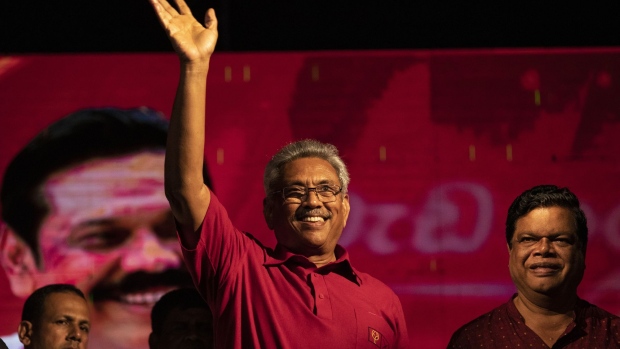
Gotabhaya Rajapaksa

 Gotabhaya Rajapaksa

As Sri Lankans prepare to elect their next President on Saturday (November 16), they seem to be spoilt for choice. This time over, there are an unprecedented 35 candidates in the fray for the post of President. The highest number of candidates in a presidential election so far was in 2010, when 22 candidates had joined the race — which itself was a record at the time.  This time, the number is up by more than half. A surfeit of candidates may be seen as an indication of greater public enthusiasm for participation in the democratic process. On the other hand, it may as well be reflective of an underlying cynicism. A vague feeling that the people are not getting the leadership choices they would perhaps prefer to have. In this situation, the latter seems to be the case.

Traditionally, elections in Sri Lanka have mainly been a two-horse race between the right-of-centre United National Party (UNP) and the left-of-centre Sri Lanka Freedom Party (SLFP), with a select few smaller parties — such as the Tamil National Alliance (TNA), Sri Lanka Muslim Congress (SLMC) and the JVP — representing regional or sectional interests and occupying the margins. An odd Independent was often seen as an aberration, intended to make a point rather than to make an impact on the outcome. This time four Muslims, two Tamils and two Buddhist monks are among the several others who have jointed the race.

Most of the Independents may not make much difference to the final outcome, but groups representing the regional or sectional interests are bound to cut into the votes of the two main contenders — former defence secretary Gotabaya Rajapaksa and sitting minister Sajith Premadasa.

Even as Gotabaya Rajapaksa’s presidential aspirations had been in public knowledge for some time, it was only in April this year that he was able to renounce his American citizenship to qualify for the contest. He had since entered the field as the candidate of the Sri Lanka Podujana Peramuna (SLPP), a party earlier launched by his elder brother and former President Mahinda Rajapaksa. The ruling coalition led by President Maithripala Sirisena and Prime Minister Ranil Wickremasinghe was taking even longer in naming their candidate. Their dilemmas were manifold.

For one, President Sirisena continued to weigh his options about setting himself up as a candidate. But once Gotabaya Rajapaksa announced his entry into the fray, President Sirisena ruled himself out of the race. As for Prime Minister Ranil Wickremasinghe, he had been harbouring presidential ambitions for even longer. But in the current situation, he did not enjoy the party’s unanimous support. It took the party some time to persuade him to step aside in order to make way for a candidate who could command better support within the party than he could muster. It was thus that the ruling coalition was finally able to zero in on Sajith Premadasa, a sitting minister and the son of former President Ranasinghe Premadasa, as its choice.

Perhaps, aware of the fact that given his wartime record as defence secretary he may not be able to cut much ice with Tamil voters, Mr Rajapaksa has since been focusing on consolidating the Sinhalese votebank. Since last month, he has made several speeches indicating his future priorities as President. In one case, for example, he promised to release the soldiers who were in jail on charges of excesses committed against many innocent civilians (mostly Tamil) during the operations. That was supposed to help him consolidate his support base among the majority Sinhalese — many of whom see the war against the LTTE as a patriotic duty. And so, they believe any excesses committed during the operations deserved to be applauded rather than punished.

Many Muslim voters, who had backed the senior Rajapaksa earlier, have since moved away in view of the stringent Sinhala rhetoric of the present campaign. But the Rajapaksa camp is not worried. They are banking on the fact that any loss of minority votes would be more than made up by the majority Sinhalese.

Thus, on balance, Gotabaya Rajapaksa does seem to be enjoying some edge over his main rival. But even so, there still are a whole lot of allegations pertaining to the human rights record of the period when he was in office that remained to be dealt with. These include cases involving the murder of journalists and killing of unarmed Tamil civilians — including some in custody — pending against Mr Gotabaya in the courts in Sri Lanka and in the United States.

Apart from the high-profile case of the murder of Sunday Leader editor Lasanatha Wickeramatunga, which attracted international attention, there are others such as the disappearance of journalist Prageeth Ekanaligoda and attacks on journalists Upali Temnakoon and Keith Noyahr.  These pertain to the period when defence secretary Gotabaya Rajapaksa was acting as the principal hatchet man of the regime while President Mahinda Rajapaksa was waging an all-out war against the Tamil Tigers. It was no surprise, therefore, that a section of the Sri Lankan elite recently started the Stop Gota Movement” as a counter to the winning streak in the Rajapaksa camp. But movements such as these often make an intellectual point, but rarely make an impact on the wider constituency. More so in a society that has been no stranger to polarisation on ethnic lines.

In the event of Gotabaya Rajapaksa winning, he has given enough indications about who the new Prime Minister is going to be — none else but his senior sibling and former President Mahinda Rajapaksa. It is going to be a strong government, as the former defence secretary has promised during the campaign. And as earlier, two other Rajapaksa siblings are due to play an important role in the government.  As President, Mahinda Rajapaksa had earlier quite adeptly used the threat of a tilt” towards China to influence Indian positions. How that plays out in the future one can only wait and see!

China-Friendly Strongmen Eye Return to Power in Sri Lanka Vote

November 14th, 2019

Ruth Pollard and Anusha OndaatjieBloomberg News

HOMAGAMA, SRI LANKA - NOVEMBER

HOMAGAMA, SRI LANKA – NOVEMBER , Getty Images

(Bloomberg) — A family of strongmen are eyeing a return to power in Sri Lanka’s presidential election on Saturday, an outcome that could also shift the island nation back toward China.

The Rajapaksas, once a powerful force in the island nation’s politics who lost the presidency in 2015, are staging a comeback. This time Gotabaya Rajapaksa, 70, is running for the top job, backed by family members including his brother Mahinda, who enjoyed warm ties with Beijing during his 10-year rule.

His main opponent is Sajith Premadasa, 52, a member of the ruling alliance that took power four years ago vowing to push for greater democracy, more transparent finances and an independent foreign policy that improved ties with India and the U.S. He also hails from a prominent political dynasty: His father served as president for four years until he was killed by a suicide bomber in 1993.

While there are no reliable polls on who will come out on top, the two men represent a stark choice for voters. A Rajapaksa victory could mean a throwback to the old authoritarian ways where opposing the government could have dangerous consequences. Premadasa focuses on national reconciliation in a country still recovering from a prolonged civil war and also promises greater market-based economic reforms.

At stake is the stability of a nation that has increasing strategic importance due in part to its proximity to some of the world’s most important sea lines. The winner will inherit an economy where growth has slowed to a more than five-year low of 1.6% in the quarter ended June, a debt level hovering at 83% of gross domestic product and minority communities still reeling from the aftermath of deadly Easter bombings on churches and hotels.

There are fears that a Rajapaksa win will return Sri Lanka to an era of impunity for human rights abuses and corruption,” said Paul Staniland, assistant professor of political science at the University of Chicago who specializes in researching political violence and international security in South Asia. At a broad level, Sri Lanka would likely tilt back toward China,” he added, even though Rajapaksa hasn’t fully embraced Beijing on the campaign trail.

Family First

Two recent events are looming over the election. One is a constitutional crisis last year when the current president sought to install Mahinda Rajapaksa as prime minister instead of Ranil Wickremesinghe, a bid that ultimately failed when the Supreme Court shot it down. The other is the April bombings that killed some 250 people.

If the constitutional coup brought it right back to why we care about governance, the Easter attack brought it right back to why we care about security,” Nishan De Mel, the executive director of the Colombo-based risk analysis group Verite Research, said in an interview. The coup lost points for the Rajapaksas, he said: It reminded everybody why they voted them out.”

The campaign of Rajapaksa, fronting the Sri Lanka Podujana Peramuna — a Sinhalese-Buddhist nationalist party — may hinge on whether voters are ready to re-embrace the man who was defense secretary in 2009 when the military crushed a three-decade long Tamil insurgency. Gotabaya’s role during the end of the civil war drew allegations of widespread human rights abuses.

If Gotabaya wins, he’ll bring his family with him. Mahinda, who was briefly appointed prime minister last year during a constitutional crisis, is looking to get that job back. Another brother, Basil Rajapaksa, is serving as Gotabaya’s campaign manager. Mahinda’s son is also now a member of parliament.

During his decade in power, Mahinda borrowed heavily from Beijing to fund infrastructure projects after the war ended. One of them, a port in southern Hambantota, lost money and was eventually sold to a state-owned Chinese firm by the current government in a much-criticized debt-to-equity swap on a 99-year lease.

Gotabaya may withdraw from or renegotiate international commitments that don’t serve the country’s interests, including those with China, according to Nivard Cabraal, a former central bank governor who’s tipped to be finance minister under a Rajapaksa government.

We will renegotiate the Sri Lanka-Singapore Free Trade Agreement,” he said. We have to have a discussion and see if we can come up with something that is workable for both countries.”

Cabraal also flagged that a Rajapaksa government would renegotiate the terms of the country’s IMF program and the port deal with China. We don’t want to have ownership of our strategic assets being with any country, not China, not the U.S., not anyone.”

‘Good v Evil’

Premadasa’s team sees the election as a turning point for Sri Lanka’s future, although they have some work to do to convince the general public.

The fact that he’s the candidate, and not Prime Minister Wickremesinghe, shows just how little faith citizens have in the current administration. Whatever advances the government made on political reforms during their four-year rule have been overshadowed by their inability to tackle corruption and the significant security failures that led to the Easter bombings.

Whether we win or lose, this is about right versus wrong, about good versus evil,” said Harsha de Silva, Minister for Economic Reforms in the current government. This is about exclusion versus inclusion. It’s about whether this country will be sustained or not.”

De Silva acknowledged voters were angry with the government over corruption despite moves to make peace within communities fractured by war and ensuring land was returned to Tamil minorities. Premadasa plans to focus on reducing import duties, reforming taxes and state-owned enterprises, and opening up the economy for foreign investment.

We have to be like Singapore, we have to be like Dubai,” De Silva said in an interview in his office in Colombo.

Minority Vote

To win, Premadasa will need the support of the minority Tamil and Muslim populations that together form about 25% of the country’s population. For the country’s Tamil minority at least, a lot rides on Premadasa’s success.

Rajavarothiam Sampanthan, who leads the Tamil National Alliance, has been critical of the government, particularly the security failures around the Easter attacks. But it’s the return of a Rajapaksa-led administration that worries him most.

They have been dictatorial, they have not respected other government institutions like the legislature and the judiciary,” Sampanthan said from his modest bungalow in the north eastern town of Trincomalee. It is a one-man show, and a one-family show.”

The new government must work on a durable political solution to give Tamil people adequate powers in the areas they have historically lived, he said, adding: They need a sense of belonging to this country.”

And the 86-year-old doesn’t think that’s possible under a Rajapaksa government.

This country has no future unless this problem is resolved,” he said. Nobody will want to invest in this country. We are deep in debt with no way out — we need a new vision.”

–With assistance from Asantha Sirimanne.

To contact the reporters on this story: Ruth Pollard in Colombo at rpollard2@bloomberg.net;Anusha Ondaatjie in Colombo at anushao@bloomberg.net

To contact the editors responsible for this story: Daniel Ten Kate at dtenkate@bloomberg.net, Muneeza Naqvi

‘Please give me another chance’ – Shramantha

November 14th, 2019

Courtesy The Daily Mirror

In an open letter, Shramantha Jude Jayamaha, who was convicted over the Royal Park murder and released on a presidential pardon recently, requested society to give him another chance.

I ask for your understanding, because that is the kind of country we live in – where there is hope for even the worst criminal and mercy and forgiveness is a way of life. Please give me another chance,” he said.

In a lengthy letter, Mr. Jayamaha elaborated on his story, his family background, the murder, conviction, prison life and the pardon.

He said he has no adequate words to express his grief towards what has come upon the Johnson family and said he was so ashamed for what has happened.

The letter

  Comments – 23

පෞද්ගලික නාලිකා දෙකකට තර්ජනය කළ ඇමති හකීම්ට එරෙහිව පොලිස් මූලස්ථානයට පැමිණිලි 2ක්

November 14th, 2019

උපුටා ගැන්ම හිරු නිව්ස්

පෞද්ගලික නාලිකා දෙකකට තර්ජනය කරමින් අදහස් දැක්වූ අමාත්‍ය රවුෆ් හකීම් මහතාට එරෙහිව සංවිධාන දෙකක් අද පොලිස් මූලස්ථානයට පැමිණිලි ගොනු කළා.

ඊට අමතරව කබීර් හෂීම් සහ රාජිත සේනාරත්න යන අමාත්‍යවරුන්ට එරෙහිවද පොලිස් මූලස්ථානයට සහ අධිකරණයට පැමිණිලි දෙකක් ගොනු කෙරුණා.

පෞද්ගලික නාලිකා දෙකකට හොඳ පාඩමක් උගන්වන බව පවසමින් අමාත්‍ය රවුෆ් හකීම් මහතා ඊයේ සිදු කළ අනතුරු ඇඟවීම සම්බන්ධයෙන් සත්‍ය ගවේශකයෝ සංවිධානය සහ සිංහලේ අපි සංවිධානය අද පොලිස් මූලස්ථානය වෙත පැමිණිලි දෙකක් සිදු කළා.

මේ අතර සතිඅග ජාතික පුවත්පතක ජෝතිශ්‍ය අතිරේකයක් සඳහා එක් අපේක්ෂකයකුට අවාසිවන අයුරින්ල තම ලිපියක් යොදාගැනීම සම්බන්ධයෙන් අමාත්‍ය කබීර් හෂීම් මහතාට විරුද්ධව ජ්‍යෝතීර්වේදී හේමසිරි විජේසිංහ මහතා විසින් පොලිස් මූලස්ථානයට පැමිණිල්ලක් ගොනු කළා.

මේ අතර අමාත්‍ය රාජිත සේනාරත්න මහතාගේ මාධ්‍ය සාකච්ඡාවට සහභාගී වූ සුදු වෑන් රථයක් පැදවූ බව කියන රියදුරා සම්බන්ධ තොරතුරු අපරාධ පරීක්ෂණ දෙපාර්තමේන්තුවට ලබා දීම පැහැර හැරීමට එරෙහිව නීතිඥයින් පිරිසක් අද කොටුව මහේස්ත්‍රාත්වරයා ඉදිරියේ පැමිණිල්ලක් ගොනු කළා.

360 with Gotabhaya Rajapaksha ( 11 – 11 – 2019 )

November 14th, 2019

අදහස් ටික ගානට ගලපලා කතා කරනවා … සාම්ප්‍රදායික දේශපාලයෙකුට වඩා කතාව වෙනස්…..ආසයි අහන් ඉන්න

Character assassination of me will continue over the next two days: Don’t be deceived by it-Presidential candidate Gotabaya Rajapaksa

November 13th, 2019

By Buddhika Samaraweera Courtesy Ceylon Today


Sri Lanka Podujana Peramuna (SLPP) Presidential candidate Gotabaya Rajapaksa yesterday (13) said his vision is to give priority to national security. 

“We had a good security plan. But, this Cabinet of Ministers didn’t bother about national security and made plans to send war heroes to international Courts.

He was speaking at the final SLPP public rally held in Homagama.
Rajapaksa added, “Those who worked to eradicate drugs and the underworld were arrested. The Criminal Investigation Department (CID) provided a great service. But this Government misused them for politics. 

That is why the Government did not listen to them. We will ensure national security. I will ensure your and your children’s safety.”


“We faced a lot of troubles during the past four years. This government did everything possible to block my candidacy. The United National Party (UNP) will sling mud at me during the next two days, too. The UNP will try to deceive you. Don’t believe them. Our victory is definite. Don’t harm anyone.


I will establish a clean, good governance. We have a good vision to develop the economy. This Government did not develop any local industry. All these industries have collapsed. This Government started the re-export process, and that caused a huge damage. We should protect these industries. We got the best price for Ceylon tea. Now we don’t receive that income.


Local businessmen and industries have collapsed. We will protect them. The taxes are too much and the people can’t pay them. We will make a simple tax system. We will increase investments and develop the country. Tourism industry has also collapsed. As a Government, we should intervene and the facilities should be increased. Our aim is to attract seven million tourists and earn USD 10 billion; we will make it happen.”


The SLPP Presidential candidate further said that since Asian countries widely use technology, it is a good opportunity for Sri Lanka. “We will develop the IT industry, and train the youth and make job opportunities,” he added.


Rajapaksa went on to say, “An effective education system is necessary. Today’s education system is exam-centric. It should be student-centric. We will develop universities, and create new programmes. We should establish more technical colleges. All those who pass the Advanced Level exam will be able to enter a university. We need a workforce of 300,000. 

We will do it. That’s what a government should do. All sectors will be developed under a clear programme. All those plans are practical. I promise to do everything mentioned in my manifesto during my term in office. I did everything as promised.”


“I ended the war. I developed Colombo and other cities. I will fulfil my responsibilities. Trust me; do your job, I will do mine,” he emphasised.

සජිත්ගේ මැතිවරණ ව්‍යාපාරය සුණු විසුනු කරමින් ඉරාජ්ගේ ‘පුතානෝ’ නිකුත් වේ.. යූටියුබය උඩු යටිකුරු කරමින් ජනතා ප‍්‍රතිචාර.. [Video]

November 13th, 2019

සංගීතය ශිල්පී ඉරාජ් වීරරත්න

සංගීතය ශිල්පී ඉරාජ් වීරරත්න විසින් සිය නවතම නිර්මාණය වන ‘පුතානෝ’ නම් වීඩියෝව මේ වන විට අන්තර්ජාලයට මුදාහැර තිබේ.

එක්සත් ජාතික පෙරමුණේ ජනාධිපති අපේක්ෂක සජිත් ප්‍රේමදාස මහතා දැඩිව විවේචනය කරමින් මෙම වීඩියෝ නිර්මාණය කර ඇත.

ගීතය ප‍්‍රසිද්ධ කර සුළු වේලාවක් ඇතුලත ලක්‍ෂ ගණනක පිරිසක් එය නරඹා ඇත.

https://youtu.be/Cz6Vs5rUAO4

RISING TRENDS IN SRI LANKA STOCK MARKET

November 13th, 2019

By M D P DISSANAYAKE

Sri Lanka Stock Market reached rock bottom in this year on 6 May, recording an All Share Index at 5198 with an unfavourable outlook. However, dismissing all forecasts, the Index improved to 5995 on 11 July.

The luck was short-lived.  Since 30 July, it ran into downward territory reaching 5672 on 3 October. Then it rose to 6027 on 1 November.

Then again it dropped to 5934 on 7 November. Now as of today 13 November, it rose to 5992.

The Easter attack had a negative impact resulting these fluctuations.  During this short-lived recovery period, though there were trends of negative impacts, over all, the market is showing a positive trend, except for minor fluctuations due to time-adjustments and market corrections.

Sri Lanka External Debt in 2015 stood around USD 47,000 million, which had now increased to USD 55,000 million in July 2019.  There were no new Mega Projects undertaken during this period to enhance the internally generated funds to  provide employment, education, health and service the debt.  It is questionable as to what happened to the funds generated from the sale of Mattala Airport etc.  Sri Lanka has lost its  major revenue project, but the funds generated had possibly been directed for Consumption than Investment and repayment of debt. 

The signs of improving trends in the local Share Index is a welcoming relief, if maintained by increase utilisation of idle plant and machinery, human resources, which will improve productivity and reduce unit costs.  

Sri Lanka need to look beyond the disgusting everyday non-existing Ethnic Issues.  Political stability was lacking in Sri Lanka since 2015.  This is a great opportunity to direct all resources to achieve economic and social independence.

GOTA PHOBIA – Part IX D (Massive victory predicted for Gota)

November 13th, 2019

By : A.A.M.NIZAM – MATARA.

In the inevitable humiliating the mud-masters of the Sajith camp would definitely resort to any form of election rigging this time.  The shameless American puppets Mangala, Rajitha et al are reported to have planned several misleading campaigns in the last two days and on the election deploying Nadesan’s MTV network which include NewsFirst, Sirasa and Shakthi TV channels and som other TV channels under heavy payment to telecast news flash called ‘breaking news’ , ‘just received news’ and ‘exclusive news’ etc in TB channels and their respective Radio broadcast even on the election day regardless  of violating election laws.

An attempt made by them to pay a huge amount to a popular astrologer and get a prediction published by him predicting the victory of Sajith has backfired as the particular astrologer has refused to oblige them saying that he cannot barter his professional ethics for monetary inducements.  As such there could be a prediction published from an artificial astrologer. 

People should be very cautious about fake news that would be published by the Websites, particularly by websites operating from overseas. The pro-UNP Lanka E Mews is such a nasty website that has proved that it produces fake news and distorts news which is unimaginable.  Despite Mr. Gotabhaya Rajapaksa and his learned lawyers producing all relevant documents relating to his relinquishment of his U.S.citizenship and the Election Commission accepting the documents produced by them, this abhorrent website has posted a news item requesting the people not to waste their ballot by voting for Gotabhaya.  Within the next two days and even on the election day extremely vicious fake news items can be posted by this site as it is not possible to take legal action against the.  Similarly, some other websites sustained by the American puppet quisling Mangala Samaraweera would also follow suit.  It is reported that a large team of technicians and media personnel, under the guidance of Mangala and some other UNP stalwarts, including document fake expert Tissa Attanayake are working round the clock in producing fake news and distorting news to be published within the next two days.  

Despite all their vain efforts, the latest predictions indicate that Gota will get 7.4 million votes against Sajith Premadasa’s maximum votes of 4.8million. It will be a huge Tsunami in Sri Lanka’s election results. And the balance between the two will be 2,7 million votes. The political analysts who made this prediction after a thorough investigation on all aspects of the election state that there are 16 million registered voters in this election and there is the possibility of higher polling amounting to about 82 %.  The analysts have given breakdowns region-wise, party-wise as well as the trend found in the 1.1 first time voters.

The Intelligence Service units of the United States, Russia, China, and India have concluded that the winner in the election will be Gotabhaya and Sajith Premadasa cannot even obtain 40%.of the votes. The Colombo based Ambassadors/High Commissioners of these countries have phoned Mr. Mahinda Rajapaksa, the Leader of the SLPP,  and have congratulated him over this victory.

Meanwhile, Foreign media reports state the following:

Times  of India

Definitely Mr. Gotabhaya Rahapaksa will become Sri Lanka’s President. Sajith Premadasa is limping far behind.

The Times of India report states that due to the slackness in the security situation Sri Lanka and due to the April bomb blasts at several churches and luxury hotels Sri Lankans have placed a very hope on Mr. Gotabhaya Rajapaksa. It says that his opponent Sajith Premadasais trailing very far behind Mr. Gotabhaya.

The text of the Reuter report:

After hiatus, Rajapaksa brothers set to dominate Sri Lanka again

Sanjeev Miglani, Shihar Aneez

COLOMBO (Reuters) – One brother is considered a shoo-in for the job of Sri Lanka’s president in elections this weekend and another is eyeing the prime minister’s post when that election becomes due early next year.

Two other brothers are political strategists for their Sri Lanka Podujana Peramuna party and one of them is considering a shot at becoming the speaker in parliament. Three men of the family’s next generation are also in politics.

The Rajapaksas, best known for the brutal defeat of separatist Tamil rebels and then drawing Sri Lanka into China’s orbit when the West and India shunned the Indian Ocean island, are back at the center of the nation’s deeply divisive politics and it is stoking fear.

While there are no formal opinion polls, former defense secretary Gotabaya Rajapaksa is the hot favorite to win the presidential election this Saturday. His chief opponent Sajith Premadasa, a government minister, is seen to be trailing.

Gotabaya led the operations against the Tamil Tigers when his elder brother Mahinda Rajapaksa was president. Gotabaya has faced lawsuits in Sri Lanka and in the United States over allegations of staged killings of Tamil separatists, critics, and journalists during the war.

Both brothers deny the allegations as part of a Western conspiracy to interfere in the island nation of 22 million that sits astride vital shipping lanes and has long been a tinder-box of tensions between the dominant Sinhalese Buddhists and minority ethnic Tamils. In recent months, Sinhalese hardliners have also targeted the tiny Muslim community.  

 Mahinda lost the 2015 presidential election to a cabinet colleague who turned against him – Maithripala Sirisena. After his ouster, the family’s fortunes fell into decline.

But Easter Sunday bombings on hotels and churches, in which more than 250 people were killed, derailed Sirisena’s presidency, and he has announced he will not contest this year. The attacks, claimed by Islamic State, have rekindled support for the Rajapaksas and their brand of Sinhalese nationalism.

Mahinda is barred from running for president again, and is on the stump for Gotabaya, bringing an affable touch to the campaign against the rather gruff manner of his brother, more known for his military machismo.

Another brother, Basil, handles the party finances and striking deals with rival groups while a fourth brother and former speaker, Chamal, campaigns in the family borough in the south of the island.

The Hindu Report

Sri Lanka elections: In the south, hopes on Gotabaya run high

Meera Srinivasan

Updated: November 12, 2019

People here see in him a strong leader, who ended the war, built infrastructure.

I brought my child along just so he can see our leader, even if from a distance,” said Sepalika Harshani, 29, carrying her toddler under an umbrella.

She was among thousands who flocked to Wellawaya town in Sri Lanka’s southern Monaragala district on Saturday afternoon, braving the rain. They had come for the rally of Gotabaya Rajapaksa, a candidate from their favorite political clan, in the final lap of the November 16 presidential poll campaign.

I would be very happy if someone like him becomes President of this country. He got us freedom,” Ms. Harshani said, referring to the war’s end in 2009 under the Rajapaksa administration. Mr. Gotabaya, brother of former President Mahinda Rajapaksa was defense secretary, directing the military that defeated the rebel Tigers.

Nineteen-year-old A.P.D. Seuvandi, too, was there to catch a glimpse of the leader she has decided to vote for next weekend. They saved the country,” the first-time voter said. She was barely nine when the war ended but has grown up listening to a popular story of its end; one quite different from what Tamils of the north and east would tell. He will make the country safe again, develop it and improve education standards for us.” For many Sri Lankans, safety has become a major concern after the Easter Sunday terror attacks in April.

In the island’s southern hinterland, almost every local, including those supporting Mr. Gotabaya’s main opponent Sajith Premadasa, asserts that a majority here will vote for Gotabaya”. Past election results are proof enough for that sentiment. Even in 2015, an election that former President Mahinda Rajapaksa lost, most of the southern districts gave him over 60% of the vote share. Historically a stronghold of Mahinda Rajapaksa’s former Sri Lanka Freedom Party, the southern belt seems to have readily embraced his newly-formed Sri Lanka Podujana Peramuna (SLPP or People’s Party).

Diverse reasons

The reasons pulling voters towards Mr. Gotabaya this time go beyond war victory”. Some of them are looking for a respite from the everyday economic strain they associate with the incumbent government or are utterly disenchanted with it, like daily-wage laborer D.M. Jayaratne. This government came to power saying they would catch corrupt thieves. Nothing happened in the last five years. Instead, they robbed the Central Bank,” he said, referring to the bond scam”, in which a former head of the apex bank was accused of manipulating bond auctions in 2015, causing a loss of millions. The scandal was a major blow to the government that rose to power months earlier, that too on the promise of good governance”.

Further, Mr. Jayaratne sees Mr. Gotabaya as a strong leader who will not give into Tamil demands” for war-time accountability and self-rule.

Election vs real issues

Many voters, across Monaragala [Uva Province] and the neighboring Hambantota [Southern Province] district, began their poll analysis with a reading of the two main candidates — and less often of the leftist Janatha Vimukthi Peramuna’s contestant Anura Kumara Dissanayake. But invariably, they spoke about pressing local concerns.

They pointed to land hunger, in the wake of mega development projects in Hambantota – a Chinese-built port and an adjoining industrial zone proposed over 15,000 acres. They worried about the loss of livelihoods and falling incomes. There are no jobs here,” was a common refrain.

The irony was glaring. While billions of rupees have been channeled into the Rajapaksa-era development projects over the last decade, locals repeatedly speak of prevalent poverty. To the outside world, Hambantota is a high-profile emerging district, and a site of a regional geopolitical tussle: with a Chinese-built port and the loss-making Mattala airport nearby, that India is interested in developing. But to many who live there, the development projects are at best distant and at worst, a threat.

Sri Lankans employed in foreign countries continue to arrive expecting to vote for Mr. Gotabhaya Rajapaksa in the election on Nonember16th.  Several Buddhist monks to have arrived at this crowd.  These Buddhist Monks held a media conference today with prominent local prelates and said that that this could be the last chance to save the country and they do not want to miss that chance and regret later.

In addition to this, given below are some sentiments expressed by Sri Lankans resident abroad about who should be made Sri Lanka’s next President:

 Prof. Yasantha Karubnaratne (U.S.A)

A computer and information technology Engineer – He says the country nerfs a long term for developing the country. These plans could be implemented if corruption could be shunned by governments that existed in Sri Lanka did not have a vision.  Therefore a President dedicated to a long term plan could save this country.

Dr. Sisira Vithanatchi – Germany.

He said that the next President of Sri Lanka should be a person who ensures democracy properly, who can work with all communities, all religions, who can ensure sustainable peace in the country, and an intelligent person with a proper understanding on environmental management.

Shanika Somathileke (New Zealand)

She says that the next President of Sri Lanka should be:

A truthful leader to his policy statement;

A person who listens to people’s opinion;

Who do not permit racial, religious, caste and sexual discriminations;

Should have good ethics and characteristics;

And should be able to provide instant and lasting solutions for the problems facing the country

Gotabhaya Rajapaksa, Frontrunner in Sri Lanka’s Presidential Elections

November 13th, 2019

Courtesy ANI/BusinessWire India

Sri Lanka’s executive presidency is the most lucrative in the constitutional context in the island nation simply because of its formulation, a fact that is widely attributed to its creator, the late JR Jayawardene.

The country so far has experienced the dynamics of six executive presidents and the seventh will emerge after the elections on November 16th this year.

The country is abuzz with election campaigning activities, and the potential candidates take up considerable airtime on the TV and radio bulletins. Despite the anticipation to witness the longest ballet paper, given the length of the list of candidates, a few are bound to stand ahead in the race and prominent among them according to media polls is Gotabhaya Rajapaksa

Leadership theories dictate that circumstances build leaders as opposed to individuals being born leaders. This befits Rajapaksa’s announcement of presidential candidacy and the prevalent circumstances of Sri Lanka be they economic, socio-political or even environmental. Sri Lankan citizens, predominantly the youth are cynical about leaving the mandate of rule in the hands of the current regime and demand change and have found a breath of fresh air in the announcement of Rajapaksa’s candidacy.

As opposed to typical election propaganda doled out by other candidates and parties, Rajapaksa does not feel the need to put his face on every billboard of a construction or renovation site. Nor does he have to boast of his achievements for the country.

From playing the most vital administrative role as Defence Secretary during the country’s most trying times which resulted in the end of three-decade-old war against terrorism to bringing in orderliness and discipline in the beautification of Colombo, his record speaks for itself.

Rajapaksa has proven beyond doubt that one does not need to be a parliamentarian or a minister to deliver results. By remaining in an administrative role, he continued to set an example that through a clear-cut vision and by utilizing the available resources, one could deliver results. This characteristic of his instilled in people a certain sense of confidence and reliance so much so that, even the followers of the political opponents of the Rajapaksas’ respected him despite their party ideologies.

The current situation in Sri Lanka is grave and has been further aggravated in the aftermath of the Easter Sunday tragedy. Bad enough the government did not have a spokesperson to appear in front of the public and assure people the safety of their lives; the deeper cracks that it left behind, instilled in people a plausible fear of the re-emergence of the separatist agendas.

The reason why it is not only the Sinhala majority, but also the minority communities rallying around Rajapaksa, is that he has proven himself enough to shed away separatist agendas and bring together all communities. A feat he first achieved in 2009.

Gotabhaya Rajapaksa’s vision of holistic development does not boast impossibilities such as artificial intelligence. What he advocates is a multi-pillar mechanism for development on the base of strong, clear-cut achievable targets. This strategic approach only credits his leadership and lack of ambiguity and makes it more believable.

This story is provided by BusinessWire India. ANI will not be responsible in any way for the content of this article.

R. Premadasa’s son will get lowest percentage ever by any candidate at second place: Basil

November 13th, 2019

Sheain Fernandopulle Courtesy Daily Mirror

While saying that SLPP presidential candidate Gotabaya Rajapaksa would win the election by a majority more than 10 per cent, SLPP National Organizer Basil Rajapaksa said the son of Ranasinghe Premadasa would garner the lowest percentage of votes obtained by any second candidate in the presidential election history. 

Addressing a news briefing today, he said their vote base had been increased by two or three times than the presidential election in 2015.

We are very much confident that the next Poya Day would dawn under a government of Gotabaya Rajapaksa. We are also confident that our presidential candidate would deliver the best with his capacity to drive the county to the correct direction,”

We will win seven provinces out of nine and more than 120 electorates,” he added.     

He said people were anticipating a change as they were fed up with the consecutive failures of the incumbent government.

We will make the change that people want,” he added.   

Speaking of their election campaign, Mr Rajapaksa said they had conducted 37 national rallies and their presidential candidate had covered all the 160 electorates while 1710 of pocket meetings had also been conducted.      

We have always maintained a peaceful atmosphere when our election rallies were carried out. We gave much prominence to utilizing paper, polythene as minimum as we could,” he added.

Meanwhile, he said it would be a better move if the Election Commission would make sure that reasonable cost is maintained by every media institution when the advertisements of presidential candidates are accepted to be published in their respective media platforms.     

Citizenship cancelled once renunciation certificate is issued – US Embassy

November 13th, 2019

Courtesy Ada Derana

The Embassy of the United States in Colombo said an individual is no longer considered a citizen of the US once he receives the certificate affirming the renunciation the citizenship while adding the such individual’s name to the federal list is a separate process.

The media spokesperson of the US Embassy Nancy VanHorn stated this during an exclusive interview with Indeewari Amuwatte from Ada Derana.

When asked about the prevailing concerns as to why former Defence Secretary Gotabaya Rajapaksa’s name has not appeared on the federal list of the US citizens who have decided to renounce their citizenship, she said, under the US privacy laws, she is not allowed to comment on the cases pertaining to the cases pertaining to an individual’s citizenship or visa.

However, she stated that all the information about the specific steps taken to renounce one’s citizenship can be found at travel.state.gov.

Responding to Amuwatte’s question on the time period that is taken for an individual’s name to appear on the federal list once the citizenship is renounced, VanHorn said the renunciation process of one’s citizenship is handled by the Embassy of the US.

Including the name of such individual in the federal list is a separate process, she added.

The paperwork regarding renouncing the citizenship is prepared and submitted at the embassy and these documents are sent back to the US Department of State in Washington DC for final processing, she said. Subsequently, the relevant individual receives the renunciation certificate, VanHorn continued.

Once this paperwork on citizenship renunciation is finalized, the names of these individuals are sent to the US Internal Revenue Service, which is a tax agency that operates as an entirely separate bureaucracy, VanHorn said further.

Future SLPP govt. will not have issues between Executive & Legislature – Mahinda

November 13th, 2019

Courtesy Ada Derana

Opposition Leader Mahinda Rajapaksa says the incumbent government failed to resolve its internal issues owing to the lack of understanding between President Maithripala Sirisena and Prime Minister Ranil Wickremesinghe.

The Opposition Leader had an audience with the members of the SLPP’s London branch at his official residence in the Wijerama Mawatha today.

Issuing a media release on the meeting, the former President said the future SLPP government will not suffer the ills of the current government due to the sibling bond shared with SLPP Presidential Candidate Gotabaya Rajapaksa.

He further gave assurance that there will not be any issues between the Executive and the Legislature of the future government that they intend to establish under the presidency of Gotabaya Rajapaksa.

Either Chandrika is crazy or we are – Mahinda

November 13th, 2019

Courtesy adaderana

Former President Chandrika Bandaranaike Kumaratunga may be attempting to grant what Velupillai Prabhakaran asked for through Sajith Premadasa, according to Opposition Leader Mahinda Rajapaksa.

The Leader of Sri Lanka Podujana Peramuna (SLPP) expressed these views addressing a public meeting held in Minuwangoda.

Rajapaksa said that a Tamil newspaper had reported that Chandrika Bandaranaike Kumaratunga had addressed the deceased LTTE Leader Velupillai Prabhakaran as ‘Prabhakaran sir’.

Stating that she used this form of addressing 3 times during her speech, Mahinda Rajapaksa said, Either Chandrika is crazy or we are crazy.”

He further said that they suspect that Kumaratunga may be attempting to give what Prabhakaran wanted through New Democratic Front (NDF) Presidential Candidate Sajith Premadasa.

Further speaking, Mahinda Rajapaksa said that he would provide free grants to the Colombo National Hospital for couples who cannot afford In vitro fertilization (IVF).

Only local products will be used for State constructions – Gotabaya

November 13th, 2019

Courtesy Adaderana

Presidential hopeful of SLPP Gotabaya Rajapaksa says, under his administration, only local products will be used for the construction activities of the State.

Even during the former administration under Mahinda Rajapaksa also made use of local bricks and tiles for the constructions carried out by the government, the former Defence Secretary said addressing a rally at Dankotuwa yesterday (12).

Gotabaya said his government will expand this system and take measures to supply clay, the major raw material used to produce bricks and tiles, for the manufacturers.

While addressing a rally held at Minuwangoda yesterday (12), the presidential hopeful stated that he would provide the opportunity for every student in this country to pursue university education in order to make Sri Lanka a centre of intelligence.

He further pointed out that Gampaha district must also be made a centre of intellectuals.

There are a very little number of students entering local universities and this situation is not good,” Gotabaya stressed.

Pledging changes to this situation, Gotabaya said he would make a huge investment for the education sector so that every student can gain access to university education.

මන්ත්‍රී එම්.ඒ. සුමන්තිරන් කළ බලපෑමක් ගැන විශ්‍රාමික කපිතාන්වරයෙකුගෙන් හෙළිදරව්වක්

November 13th, 2019

Hiru News

ඇවන්ගාඩ් ආයතනය හරහා විදේශීය ත්‍රස්ත සංවිධානවලට ආයුධ ලබාදුන් බවට ප්‍රකාශ කර ගෝඨාභය රාජපක්ෂ මහතාට විරුද්ධව ජිනීවා මානව හිමිකම් කොමිසම වෙත පැමිණිලි කරන ලෙස දෙමළ ජාතික සන්ධානයේ පාර්ලිමේන්තු මන්ත්‍රී එම්.ඒ. සුමන්තිරන් මහතා ඇතුළු පිරිසක් තමන්ට බලපෑම් සිදුකළ බව විශ්‍රාමික කපිතාන් උදය දිසානායක මහතා පවසනවා.

ඔහු මේ පිළිබද අද අපරාධ පරීක්ෂණ දෙපාර්තමේන්තුවට ගොස් පැමිණිල්ලක් ද සිදුකළා.

මේ අතර, දෙමළ ඩයස්පෝරාවේ පිරිස් මෙරටට පැමිණ සජිත් ප්‍රේමදාස මහතාට සහය ලබාගැනීමට උතුරේ ජනතාවට මුදල් ලබාදෙන බව පවසමින් සිංහලේ අපි ජාතික සංවිධානයේ පූජ්‍ය ජඹුරේවෙල චන්ද්‍රරතන හිමියන් පොලිස් මූලස්ථානය වෙත අද පැමිණිල්ලක් ඉදිරිපත් කළා.

නිහඬතාව බිඳිමින් මැතිවරණයට දින දෙකක් තිබියදී පූජ්‍ය එල්ලාවල මේධානන්ද හිමියන්ගෙන් විශේෂ ප්‍රකාශයක්

November 13th, 2019

Hiru News

වත්මන් අර්බුධයෙන් රට ගොඩගතහැකි එකම නායකයා ගෝඨාභය රාජපක්ෂ බව හිටපු පාර්ලිමේන්තු මන්ත්‍රී පුරාවිද්‍යා චක්‍රවර්තී පූජ්‍ය එල්ලාවල මේධානන්ද හිමියන් පවසනවා.

උන්වහන්සේ මේ බව සඳහන් කළේ මාධ්‍ය වෙත විශේෂ නිවේදනයක් නිකුත් කරමින්.

වත්මන් ආණ්ඩුව බලයට පත්වූ දා සිටම පූජ්‍ය පක්ෂයට අපහාස කළා – පූජ්‍ය ඇල්ලේ ගුණවංශ හිමියන්

November 13th, 2019

Hiru News

වත්මන් ආණ්ඩුව බලයට පත්වූ දින සිට භික්ෂූන් වහන්සේට මෙන්ම අන්‍යාගමික පූජකවරුන්ටද නින්දා අපහාස සිදුකළ බව පූජ්‍ය ඇල්ලේ ගුණවංශ හිමියන් පවසනවා.

යුතුකම සංවාද කවය විසින් කොළඹ අද කැඳවා තිබූ මාධ්‍ය හමුවක් කැඳවා තිබූ අතර, ඊට එක්වෙමිනුයි උන්වහන්සේ මේ බව සඳහන් කළේ.

එම මාධ්‍ය හමුවට එහි නියෝජිතයෙකු වන ගෙවිඳු කුමාරතුංග සහ ප්‍රවීන සංගීතවේදී ජගත් වික්‍රමසිංහද එක්ව සිටියා.

සජිත් ප්‍රේමදාස කුමක් පැවසුවත් අගමැති ධුරය රනිල් වික්‍රමසිංහටයි

November 13th, 2019

Hiru News

ඉදිරි ජනාධිපතිවරණයෙන් අනතුරුව ජනාධිපති ධූර අපේක්ෂක සජිත් ප්‍රේමදාස මහතා කුමක් පැවසුවද අග්‍රාමාත්‍ය ධූරය හිමවන්නේ පාර්ලිමේන්තුවේ බහුතරයක් ලබාගත හැකි රනිල් වික්‍රමසිංහ මහතාට බව අමාත්‍ය දයා ගමගේ මහතා පවසනවා.

කොළඹදී මාධ්‍ය වෙත අදහස් දක්වමින් ඔහු මෙම අදහස් පලකළා.

Gota’s Citizenship: a political red herring?

November 13th, 2019

RUWAN RAJAPAKSE Malabe.Courtesy The Island

There are problems we must overcome if we are to accelerate Sri Lanka’s socioeconomic progress. As such, my well-intentioned provocations in the media have been about fundamental issues, such as intolerance, vengeance, and superstition.

But I feel compelled to step out of this neutral frame of mind, to counter some of the asinine thought processes surrounding Gota’s citizenship, in which the underlying concern can be traced back to racist or sectarian intuitions. I think a good many decent, ordinary folk whom I know and love subscribe to this “worry” about Gota, simply because they haven’t meditated on this matter deeply enough. Perhaps I might be able to open their eyes to this brazen political red herring.

Gota is a natural born citizen of Sri Lanka, deeply imbued with a Sri Lankan outlook, more than many of us and certainly far more than someone like myself. He is attuned to Sri Lanka’s culture, politics and development needs. His love for Sri Lanka was amply demonstrated, not by his having come back to help his brother after a stint in the USA, but by the output of his efforts after he came back.

His fearless strategic contribution to winning the war against terrorism, the transformation of Colombo under his supervision into a garden city, the innovative way in which he facilitated the reduction of Global Sea Piracy, and his commitment to the eradication of organized crime are some excellent reasons for believing in Gota’s sincerity of political purpose. I don’t wish to discuss other candidates here, but I have to say that I don’t see a “pro-Sri Lankan” track record of such magnitude in any one of the other candidates vying for presidency.

I say this while acknowledging that the present government and their constituent members have indeed done useful things, contrary to popular opinion, such as passing the Right to Information Act. But as a civil servant, Gota’s record is truly exceptional for recent times.

Some interested parties who didn’t like Gota’s candidature challenged the validity of his Sri Lankan citizenship last month. The case was dismissed by the Court of Appeal of Sri Lanka. The Elections Commission of Sri Lanka endorsed his candidature shortly thereafter. So, as far as the law of the land is concerned, Gota is entitled to contest for the presidency, and take office if he wins. Period.

Perhaps out of sheer desperation on seeing the tide move against them, we now have an 11th hour attempt at discrediting Gota, by political forces on the opposing side of the campaign. The gist of their argument is that “Gota still retains US citizenship”. The “basis” for this latest conflagration is that A) His name has not appeared on an annual register of persons who relinquished their US citizenship, prepared by the US Government, and B) The fact that his legal team and his nephew shared a visual of his passport, stamped with the grammatically incorrect pronouncement “Cancel” (instead of “Cancelled”).

There could easily be an innocent explanation for both of the above frivolous concerns. I’ll let Gota and his political opponents thrash this point out, if they feel it’s worthwhile doing so. I don’t.

Why are we worried at all about Gota’s passport? As I said before, he is a native born Sri Lankan, who decided as an adult to live in the USA, in all likelihood for sound personal reasons. He lived out his experiment and returned to Lanka after some years, and performed exceptionally for his country as a civil servant, and more recently as a political leader. If there is some pending paperwork regarding relinquishing US citizenship, which is taking time – and mind I don’t say so –, then by all means let him sort it out quietly! He is a human being who merits our patience, on account of the services he has rendered to our country.

As far as any impropriety is concerned, the impartial judgments of the Elections Commission and the Court of Appeal, which concluded that he is a Sri Lankan and can contest for the presidency, is good enough to bury this concern and move on. No one, other than Gota himself, was hurt by this unsubstantiated bureaucratic concern. This is not a White Van; and whilst White Vans too were unsubstantiated concerns, at least they involved someone being hurt, in principle. So this concern is a category error, in a scientific sense.

The motivation underpinning this 11th hour “passport conspiracy” theory runs deep. In a country with many burning issues, which possibly requires a sturdy, proven candidate like Gota, we must ponder why some of us eagerly latch on to such a bureaucratic technicality to try and disable his political movement, instead of allowing a fair contest.

I suspect that at least part of the reason for this rather uncharacteristic love of bureaucratic details takes us on a journey away from reason, and into the realm of our tribal past, to instincts evolved on the African plains. “Gota might be one of them, not one of us”, and worse, “HE’S LYING!” It is these two voices in our heads, and the anachronistic instincts behind them, that also make us racists, and propels us towards vindictiveness and punitive justice. It is these instincts that stifle progress, through the shallow, inflexible social posture that they help create.

As former US president Barack Obama once said, “This idea of purity and [that] you’re never compromised and you’re always politically ‘woke’ and all that stuff. You should get over that quickly. The world is messy. There are ambiguities. People who do really good stuff have flaws. People who you are fighting may love their kids.”

What are we afraid of, ultimately, if Gota is indeed half-American (which I think he isn’t)? Are we afraid that Gota dreams of relaxing in the Rockies smoking cigars and listening to hillbilly music? Is that what we fear?

Why, ladies and gents, we had such a president before. Good old Mr. Yankee Dickie, who loved Buffalo Bill and smoked Hawaiian Cigars. Incidentally, unlike his able nephew, he was not such a bad performer, he liberalized our economy, raised our GDP, and took us away from abject poverty and Gantara Sarongs.

Sure, there was social upheaval during his administration, which led to violence. Some of this upheaval might have been influenced by poor decisions of his, like the lapse of policing on 25th July 1983. That’s why we say that no one is perfect, and certainly no politician is. Similar lapses occurred in April this year, under his nephew. We should look upon politics and politicians with a touch of pragmatism.

As a voter, I personally will ignore both Gota’s passport and Sajith’s cement bags, and not yield into my primitive, vindictive instincts. These types of concerns get amplified unnecessarily because of the competitive nature of the election process, and are difficult to judge at a distance. So instead, I’m going take a good, hard look at each candidate’s intentions and past contributions, and vote for the relatively better one.

RUWAN RAJAPAKSE
Malabe.

Stop USA – The Treacherous MCC Plot Unfolds

November 12th, 2019

By Gandara John

Steve Dobrilovic, the unwitting MCC whistleblower, must be out on a limb; in September 2018, he wrecked American plans of capturing Sri Lanka by surprise.

Consequently, Dobrilovic’s actions have endangered the American Master Plan of militarily leapfrogging into the Indian Ocean, in line with their ‘Pivot-to-Asia’ geopolitical doctrine, heralded in 2012.

https://drive.google.com/file/d/1rmhfN6_NaTnz9IriymMxQrlpy6fL7rlV/view?usp=sharing

If not for Dobrilovic, Sri Lanka would have imagined that the MCC grant was an innocuous gift by the Americans, as would be perceived by Teplitz’s and Edelman’s oft-stated lie, Sri Lanka does not have to pay back a Cent”

When Dobrilovic made a synopsis of the MCC work-plan as a  power-point presentation to a group of professionals and subsequently  e-mailed the powerpoint presentation to them (       ) (please left double-click open and see the P/Point presentation for yourself), the  disaster in signing the MCC  Agreement was startling; the map of Sri Lanka in 2050, the exclusive US ownership of a Corridor from Trincomalee to Colombo, the electrified Railway line, the automatic division of the island to a North and a South, the preconditions of passing some land Acts, setting up a land policy body which subordinates the Government of Sri Lanka to the MCC, issuing of land grants etc, they are all there in this Powerpoint presentation. Sri Lanka is the US Military hub in the Bay of Bengal

Dobrilovic had made a huge mistake; he had exposed the diabolic plans of the US.

The MCC Country Director Jenner Edelman admitted, Steve has shown the wrong map.”

If Dobrilovic had not made that mistake, the Government of  Wickramasinghe- Premadasa would have signed the MCC Compact; a divine power had saved Sri Lanka once again.

But Sri Lanka is not yet out of the woods. The MCC Compact must never be signed. It is unconstitutional in more ways than one. Sri Lankans must use their votes wisely.

GOTA PHOBIA – Part – IX C (Sumanthiran calls Tamils to unite and defeat the Sinhalese)

November 12th, 2019

By : A.A.M.NIZAM – MATARA.

It is the wish of the majority of Sri Lankans that we should live as a people of one nation and make the maximum contribution possible to develop this nation as a multi-faceted development hub in Asia.  However this objective has some impediments not from all the Tamils but from a section of the racist Tamils agitating that they should be given a separate State for their self rule, a demand which started with the Malaysian born S.J.V. Chelvanayagam demanding in the then State Council saying that North and East of Sri Lanka is the ‘Homeland’ of Tamils and if the British government contemplates granting independence to Sri Lanka (then Ceylon) the Tamils should be granted the right to self-rule in their ‘homeland. 

This demand was wholeheartedly endorsed by the Vellela Tamils (a group of Tamil Nadu Indians brought to Sri Lanka by the Dutch for tobacco cultivation and settled in the North and later elevated educationally through the American missionary schools during the British colonial period. 

Having failed to achieve their vicious demand through British colonialists these Vellala Tamils started various forms agitations mainly to provoke the Sinhala Buddhists whom they said were inferior to rule the Tamils and these agitations created an era of communal clashes in the country resulting in several hundred deaths on both sides. 

Recently these Tamil racists have found a docile and submissive political group in the UNP and since 1976 they are attempting to achieve a homeland of theirs through political means under stern opposition from the rest of the country which resulted in a bloody ethnic war that lasted for 30 years until it was totally clamped down by Mahinda/Gota Rajapaksa duo.

These racists played a major role in ousting the government of President Mahinda Rajapaksa together with CIA/M 16/RAW/Tamil Diaspora and the locally-based foreign sustained NGOs.  Since then (2015) they became the real rulers of this country functioning as the main opposition party with their leader appointed as the Opposition Leader with only16 seats whereas the joint opposition under Mr. Mahinda Rajapaksa having 54 seats, and the acolytes of these racists the pseudo-Marxists, the Janatha Vimukthi (Vikurthi) Peramuna leader with only 6 seats in the parliament functioning as the Chief Opposition Whip.  But these 2 groups did not perform any functions related to the Opposit5ion and functioned as the henchmen of the government. 

These racist Tamils were only concerned about replacing the existing Constitution with a federal and secular Constitution and MP M.a.sumanthiran acted as an absolute dictator and completely disregarded the objections raised by Mahanayake Theros and other religious dignitaries and he even publicly dictated terms to senior UNP leaders.  Koti-Seeya Sambandan who played a major role in fund collection for the terrorists in Canada and some other European countries also joined Sumanthiran and carried out an extensive campaign to solicit support from the western embassies and the Indian High Commission and visiting UN and foreign dignitaries to Compel the government to adopt the proposed federal and secular constitution,  for which the government had a fear of Buddhist uprising in the country.  A draft constitution has already been made and the Prime Minister tabled this draft in the Parliament on 8th January this year (2019).

Now the country is in a presidential election drive and the TNA and some other fringe Tamil parties, totally 5 parties have submitted 13 demands to be fulfilled by the winning candidate.  Mr. Gotabhaya Rajapaksa aa well as the former President Mr. Mahinda Rajapaksaand all political party leaders in the Sri Lanka Podujana Peramuna and the Sri Lanka Freedom Party have rejected these demands and it is believed that Sajith Premadasa and the UNP leader Ranil Wickremasinghe have entered into secret pacts with TNA pledging to implement these demands if they come to power .

The treacherous TNA which has no other objective than getting a separate self-ruling entity which was the miserably failed illusory dream of megalomaniac  Prabhakaran is reported to be leaving no stone unturned to defeat Mr. Gotabhaya Rajapaksa.  The terrorist diaspora proxy Sumandaran, speaking at a meeting held in Manthivu, Mullativ has said that the Tamils should unite to defeat the Sinhalese,  He has said that the Sinhalese are united to make Gotabhaya victorious and to counter this move the Tamils should unite and ensure the victory of Sajith Premadasa.  He has said that the Rajapaksa government since 2005 had not done anything beneficial to the Tamils and hence they should be punished by making Sajith Premadasa victorious.  

In an interview with the English daily, ‘Daily Mirror’ Sumanthiran has said that all the political parties affiliated to the Tamil National Alliance (TNA) representing the Tamil community especially in the North and East, have pledged their full support to Sajith Premadasa. Explaining the reasons for this envisaged support, he has said the Tamil community would resist the return of Rajapaksas. 

Sajith has agreed for the same constitutional process that has now reached the draft stage. One cannot conclude without knowing the manifesto and the journey of its process. So in that process, there are two interim reports and this is how the words have been used. In Sinhala, the word ‘Ekeeya’ is being used. In Tamil and English, the equivalent words for unitary are not used. So ‘Ekeeya’ is used in the sense where it is one country

Many countries in the world don’t describe these terms. We in Sri Lanka did not describe it until 1972. Soulbury Constitution never mentioned about unitary neither did it say federal. So you can have your own terms. The word Ekeeya denotes one, and just in case it is misunderstood as unitary that has been defined in the draft. What we wanted to do was to resolve the issue rather than hanging on with empty labels. If you were to have some consensus, we had to annul that label. But we agreed to use the word ‘Ekeeya’ in Sinhala as the literary meaning of that word only means one, nothing else.

If Gotabaya wins, our worry is that the process might not only be stopped but the land that have been released might be taken again

There are no divisions in the Tamil political circuit. The TNA represents the Tamil people and nobody else does. We have 16 MPs out of 18 Tamil members representing the North and East. Even the other two; namely Douglas Devananda and Vijayakala Maheswaran were not elected for one seat. They came in through the highest number of floating votes. Therefore no one can say that there is disunity and there are others outside. We represent the Tamil people and there are others who were not elected. You won’t see this kind of unity in any other community in the country. So we have been given the mandate by the Tamil people, not anybody else. 

We must first settle the issues and do the Constitutional reforms. And if that is done then, we will certainly invite the diaspora to come and invest.

Since 2015, under this government, we have not seen a heavy military presence. They are in the barracks. They hardly come out. That is in Jaffna. But in Vanni and a few other places, there was a more prominent military presence. However, over a period of time, it has been downsized.

We used to have flights from Palai to India up to the early 1980s. They were stopped because of the hostilities. Now that the way is over the flights should have started a long time ago. In fact, Mahinda Rajapaksa’s time when the Indian consulate in Jaffna was opened Minster S. M. Krishna came and at the opening ceremony he mentioned that we must start the flights again. So it is high time that we started it. 


The disappearance issue is one that has been dragged on most without any result. But the Office of Missing Person was established, amounts of money were allocated and work has started but the progress has been very very slow leading the relatives being disillusioned. But the disappearance issue itself is a difficult issue and ten years on when there are no signs of anybody, how does one resolve it. Of course, there should be investigation in each case. The relatives must know what happened to that person so that this office is supposed to do. They still don’t seem to have got their act together for various reasons. 

People are still very apprehensive that the political situation here has not been estabilised. So if there is a political solution, a new constitution something like that, then I think that it will give them adequate confidence to come back and invest. 

In another interview with the Indian journalist Meera Sr4inivasan of the Indian daily ‘The Hindu’ Sumanthiran has said that Sri Lankan Tamils are disappointed as the government gave hope and then failed to deliver.

Given below are some excerpts from what Sumanthiran said to Meera:

At a certain point during the constitutional process, the coalition government wasn’t as strongly knitted together as it was in the beginning. Fissures started emerging and deepened with time, particularly ahead of the local government elections [in February 2018]. The two parties began seeing each other as rivals again. They were more keen to get an electoral advantage over each other than to collaborate and settle this long-standing issue. As a result, they were not willing to own even those matters that had been agreed upon after discussion. They started backing out. That happened primarily with the President’s party [Sri Lanka Freedom Party]. Subsequently, when it became clear to the others that they were not going to sail with the consensus of everyone, nobody seemed to want to carry the can by themselves. They also began to back out.

I can say that at a certain point when they realized that their coalition partner was not going to share the responsibility of taking this through, they themselves started backing out. Of course, neither party said it in as many words. They resorted to blaming each other for the protraction of the constitutional reform process.

To start with, we backed a candidate in 2015 based on certain promises. Apart from the promise to solve the Tamil national issue, the primary promise given was that the executive presidency would be abolished. We sincerely believed that with the two main parties coming together, coupled with the fact that since 1994 the people of this country have clearly given a verdict to abolish the executive presidency, it would be done this time. But that hasn’t happened, and we are in a situation where we have to support one candidate or another for the post of the executive presidency that they promised to abolish.

The 13th Amendment is a watershed: it was the first time that the governance structure was radically altered by the creation of provincial councils which had a measure of legislative power and some executive power through the governor.

When the 13th Amendment was enacted, the Tamil side substantially rejected it saying it was not a meaningful devolution. There are good reasons for that. So, the promise by the southern leadership has been that not only would the 13th Amendment be implemented, but that they would go beyond that and make devolution meaningful. But there was no attempt to implement the 13th Amendment in full, even after the war ended.

It was in that context that the 2015 change came, and a promise given to us that leaving aside the 13th Amendment, there would be a solution found to the Tamil national question based on previous negotiations which, at times, crossed over to a federal arrangement as well. Now, to say that we will consider implementing the 13th Amendment is to go back on all those promises.

But, as I said, this keeps happening all the time. After telling their southern constituencies election after election that devolution will lead to a division of the country, these leaders find it impossible to commit to anything more. While they want to keep the chunk of the majority vote for themselves, in a two-party system like in Sri Lanka, it also becomes necessary to get a substantial minority vote. So, they resort to this ‘full implementation of the 13th Amendment’ rhetoric — that way the southern constituency doesn’t feel insecure, and they are still promising the Tamil voter something.

The only time we had a different approach was in 1994 when President Chandrika Kumaratunga contested. She turned the whole narrative around, promised a federal arrangement and got some 60% of the vote. In 2005, Ranil Wickremesinghe too made a similar pledge, though not as vociferously as President Chandrika. But the LTTE refused to accept that both times. A separate sovereign state was firmly embedded in their ideology that drove their political struggle. Although they engaged in discussions, peace talks and negotiations, when it seemed like a federal arrangement was possible, they broke it, probably fearing that delivery on that promise will forever extinguish their dream of a separate state.

Now in the absence of the war and war-weariness, no leader is willing to go that far. They think the Tamil votes can be obtained by seeming to be the lesser of the two evils, rather than being the party that actually delivers on the promise.

During the first five years after 2009, the Rajapaksa regime treated the war victory as a license to totally subjugate the Tamil people on the basis that you went to war, you lost, and the winner takes it all. It paid lip service to a political settlement. It implemented big infrastructure projects. But in the absence of any attempt to alleviate the sufferings of the people, to improve their livelihoods, and address their immediate concerns, the mega projects were totally alien to the war-affected community.

Now, in the last five years, it is far more complex. The government began addressing people’s long-pending concerns. Military-held lands were returned substantially, if not fully. On accountability, there were measures such as the setting up of the Office on Missing Persons — it was an important one even though the progress on investigations is far from satisfactory. Some political prisoners were released.

On reviving the economy of the Tamil people, nothing has really materialized. Unemployment is increasing. This government gave a reason for hope and then failed to deliver. Our people are bitterly disappointed.

The President’s trajectory is very different from what it was when he was elected in 2015. It was he who led the way by example towards reconciliation in a very constructive way — by not celebrating the [war] victory day, by having the national anthem sung in Tamil on National Day, boldly by making a case for ethnic reconciliation, a new Constitution, etc. Now, regrettably, he has gone back on all of that. We are very disappointed because we know that the President is not given to racism; his actual views are very liberal towards power-sharing. But now he is behaving out of character, compelled perhaps by electoral and other political reasons.

The international community and their moves in the UN Human Rights Council (HRC) have been significant for us. The good thing about the UN resolutions is that although they are non-binding, they have a very persuasive effect. A lot of the changes on the ground here I think are due to the resolutions that were passed in the HRC, including ones co-sponsored by Sri Lanka after regime change. One can’t directly attribute each change to a particular act, but the fact that there is an oversight has made a difference.

When I say the international community, I have been referring to the countries apart from India until now, because India did not get involved in the UNHRC resolutions. It was neutral most of the time. But India has a special interest in the political resolution of this long-term issue. And that comes from India’s own bilateral treaty with Sri Lanka, the Indo-Lanka Accord. India has an interest in seeing that implemented in full and in leaders going beyond that to achieve meaningful devolution.

So, when we talk about the international community’s pressure, it is India and the others. While other countries es back us significantly on human rights and democracy, it is only India that has a direct link to the contents of the political solution, as it was only India that was able to change the governance structure in 1987 with the 13th Amendment.

Our engagement with India has continued through Prime Minister Manmohan Singh’s terms and after the change in government in New Delhi. Prime Minister Narendra Modi has visited Sri Lanka more than once. He has even gone to Jaffna — he was the first Prime Minister of India to ever visit Jaffna — and has assured us that India’s policy towards Sri Lanka and the Tamil issue in Sri Lanka remains the same.   he TNA is scheduled to meet Mr. Modi in Delhi soon.

After April 21, initially, there seemed to be a widening of the gap between Tamils and Muslims, which you might see even now on the surface. But I think deep down both communities are more conscious now than before that we need to stay together.

Collaborating with the Centre has also affected us, although we did that because there was a real opportunity to resolve the long-standing issue when the two main parties got together. Now that has failed, and the coalition has broken down and we are seeing various ill effects of that breakdown, the TNA which propped up and even now props up the government is seen as having backed the wrong horse and not achieving anything for its people.

With the defeat of the LTTE, the call for a separate state is over. When that project is over, our approach also should change. There is no substitute for engagement, because what is the alternative? You are not going to take up arms and fight for a separate state, that is not your objective anymore. It is a solution in one country. If it is a solution within one country, engagement is the only way forward.

Unfortunately, I think TNA’s approach to this hasn’t changed sufficiently. We are still hanging on to the old habit of confrontational politics. We can be confrontational, but a greater degree of engagement, a greater degree of appreciation that we are living in one country, and that this is our country, must be there. That is a shift that must necessarily take place and I think our constituency is ready for that shift.

During the last five years, though the government didn’t deliver on promises, it may have contributed to a realisation that we must be engaged much more.

The next phase will have to see a significant shift in how we engage with the forces in the south.

 We have had discussions with the JVP and post-October 26, the 52 day-saga, many told us that the JVP and the TNA were the two parties that held the political side together and that JVP and TNA coming together even on a political project would be a welcome change. I can’t say readily at this presidential election whether we will see a coming together of such forces, but in the long-term definitely that is the way to go. There may be the two main parties with whom we will anyway have to engage with and collaborate – because one or the other will be in the office, but for real change, I think we will have to work very closely with the JVP and other progressive, alternative forces in the south.

Forging Hidden Politics in SriLanka

November 12th, 2019

Kanthar Balanathan, Australia

Sri Lankans are aware that late president Ranasinghe Premadasa (RP) and 17 others were assassinated by LTTE on May 1, Saturday, 1993. It was not clear whether LTE was responsible for the murder or they were used as a tool for the murder. It was crystal clear that JVP joined hands with LTTE as a dormant group to supply information and movements of politicians who were targeted. JVP also carried out assassinations and the LTTE flag was hoisted for the murders. During Premadasa’s period the Black Cats” were used to assassinate significant number of JVP cadre in the South. RP was determined to clean JVP to none in the cadre. Has JVP forgotten these murders? Why do they bond with the West/UNP and pose a threat to democracy by contesting the presidential election? This has been the practice in SL dividing the votes to achieve their objectives. This is dirty politics.

For example, MK Sivajilingham (MKS) is contesting the presidential election. Anyone in the world knows that MKS cannot win the election and become the president by getting the two million Tamil votes. So, how have they thought and what does the TNA doing? TNA campaign is utter foolishness. If the two million Tamils cast their votes to MKS only then, maybe they can show their solidarity to the world that they are together. If they do not cast their votes to MKS then again it will be an utter failure. How do they propose to project their solidarity?

Eelam is out of the question. Missing persons are out of the question. Who was at fault? Who are the missing persons? If the youngsters joined the LTTE cadre, their parents should have protested to their children, which they did not do. Everyone knows that Tamil boys, even in Ukraine, have changed their names and no one can track them. Ethnic cleansing? Did the military fight the public? NO! The SriLankan military, with honour, fought the LTTE terrorist group to protect the nation. In the muddle, if civilians were present, the military cannot target people or differentiate between the LTTE and civilians. Tamils should realize this slipup. Going on with Ethnic cleansing” is driving the world to presume that Tamils are a kind of psychiatric/insane people. Why does TNA always support the UNP? Because ethnically they have closely the same DNA. People in the South also have the same DNA. Most Tamils may not understand what DNA means. DNA, which means deoxyribonucleic acid, is the molecule that contains the genetic code of organisms. Quote: Every cell in a multicellular organism possesses the full set of DNAs required for that organism.

Most Tamils seem to live in the Jungle with a mindset of Eelam and Hinduism. They should have an open mind. They cannot expect MA Sumanthiran to bring their missing children back into SL. It is their children who have to come out from hiding.

TNA should revive their policy and have an open mind/thought and ask their people to vote for the right candidate who will develop the North and provide congruence so that the Tamils can live protected and synchronised. This can be achieved only if Gotabaya is elected.

What is the guarantee that the UNP will not avenge the murder of Ranasinghe Premadasa (RP)? Already there may be plans to avenge the murder of RP.

Tamils are aware that Mahinda Rajapaksa joined hands with GR made people live in coherence and today Jaffna is a rich district with people having three scooters/motorbikes in every house.

VOTERS, LET US THINK AND USE OUR BRAIN & NOT DRIFTED BY THE TNA AND TAMIL DIASPORA

SRI LANKA MUSLIMS SHOULD VOTE GOTABAYA RAJAPAKSA AS THE PRESIDENT ON 16th., NOVEMBER, 2019.

November 12th, 2019

By Noor Nizam. Peace and Political Activist, Political Communication Researcher, SLFP Stalwart and Convener – The Muslim Voice, 

What WE AS SRI LANKA MUSLIMS HAS FORGOTTEN is about the aspirations and inspirations of the Sri Lanka Muslims and Muslim Vote bank. We/our votes are sold to either the UNP or SLFP (UNF/DNF or UPFA) for the benefit of the deceptive MUNAAFIKK” Muslim political leaders/party leaders. The Muslim Voice” believes that the country’s thinking that a CHANGE” in the Prime Minister post is correct. It has been proved beyond doubt that the present PM Ranil Wickremasinghe is really involved in the Bond Scam. Moreover, he has also betrayed the Muslims since he came to power because of the EN-BLOCK” Muslim votes/vote bank. Since 2014,”The Muslim Voice” spoke in favour of the Sri Lanka Muslims supporting the MAHINDA PELA” or now JO which has reborn as a political party – the Sri Lanka Podujana Peramuna (POTTUWA). Why The Muslim Voice” advocated this view was because, the Sri Lanka Muslims would have worked out to win the confidence of the Mahinda Pela and its Sinhala Buddhist Nationalistic supporters/voters.

Today the Muslims, trusting the UNP and flocking en-block and have traded nearly 800,000 Muslim votes to the UNP/Yahapalana (Hansaya) government of Mathripala Sirisena and Ranil Wickremasinghe, has betrayed and dumped the Sri Lankan Muslims in the political dustbin, beaten and penalized as a result of the conspiracies of the UNP/BBS/Rajitha Seneratne, Champika Ranawaka and the so-called Civil Society groups like the Puravasibalaya which is supported by our own Muslim Civil Society groups such as the Muslim Council of Sri Lanka (an ad-hock group gathered without a constitution and by-laws), the National Shoora Council and ACJU. The political principle/ideology that The Muslim Voice” advocated and is advocating it even now is because it is based on the political vision shown to us by the late Dr. T.B.Jaya, viz-a-viz – NOT TO PUT ALL OUR EGGS IN ONE BASKET WHEN IT COMES TO POLITICS”. It is Time up that the Sri Lanka Muslims should rethink their stand to gain advantages for the future by supporting/negotiating with the SLPP or the Mahinda Pela. THEREFORE IT IS BETTER FOR THE SRI LANKA MUSLIMS TO SUPPORT GOTABAYA RAJAPAKSA AS THE WINNING PRESIDENTIAL CANDIDATE FOR 2019, NOVEMBER 16th., PRESIDENTIAL ELECTIONS , Insha Allah.

The Muslim Voice” is followed by many thousands of well-wishers supporters who have appreciated our NOBEL” cause in the struggle to get rid of the Sri Lanka Muslim Community of MUNAAFIKK” Muslim politicians, Civil Society groups and the deceptive ULEMA, the ACJU, Alhamdulillah. We will therefore continue our Nobel mission till we achieve the end political goal of creating a NEW POLITICAL FORCE that will be honest and sincere to stand up and defend the Muslim Community politically and otherwise, especially from among the YOUTH, which will have to emerge from within the Sri Lanka Muslim Community to face any new election in the coming future.

IF WE DO NOT ACCEPT TO SUPPORT GOTABAYA RAJAPAKSA AS A COMMUNITY NOW, AT THIS CRUCIAL MOMENT, OUR MUNAAFIKK” AND DECEPTIVE HOODWINKING Muslim politicians, Civil Society groups and the deceptive ULEMA, the ACJU will gather around Gotabaya, Mahinda and Basil in the aftermath of the presidential elections claiming that they are needed to form a “New Government” in parliament and will work towards their selfish and personal benefits to gain personal favours for themselves, their friends and kith and kin, leaving the Sri Lankan Muslim vote bank in the lurch. If we stand together and vote Gotabaya Rajapaksa to victory on November 16th., 2019, the Muslim vote bank will be happy that we were part of Gotabaya’s victory as partners with the majority Sinhalese people and those that love our “MAATHRUBOOMIYA” Mother Sri Lanka.

Mud-slinging is a sign of desperation

November 12th, 2019

By Rohana R. Wasala Courtesy The Island

Today Sri Lanka is facing, arguably its worst survival crisis since independence, following the two armed JVP insurrections (1971 and 1986-90) and the long drawn out armed LTTE separatism (1976-2009), both terrorist movements. A considerable number of good but ill-informed or misinformed young Sri Lankans believe that the past seven decades of independence have seen nothing but a steady degradation of the country as a nation (in terms of governance, economy, and social standards, etc.) due to something intrinsically wrong with the established (political) system and the alleged depravity of all the politicians of the country having been given to corruption and abuse of power without any exception. But the truth is that there were and there still are good honest politicians, though they have traditionally been surrounded by a host of very bad ones. See how the worst characters who were close to former president Mahinda Rajapaksa and abused his inborn kindness and rather naive trust in them as a cover for their dishonest practices have now decamped to the government side, and how some of them are making fake videos to sling mud at him and his brother Gotabhaya.

A series of mudslinging videos due to be launched in the social media on the 14th and 15th against Gotabhaya, as some Joint Opposition MPs have already forewarned, is an indication of the utter despair and frustration of his opponent’s camp. Such tactics are bound to earn the disapproval of the politically literate Sri Lankan electorate, and will ultimately turn out to be counterproductive for the perpetrators. Already, a few of the bigwigs of the government have been caught red-handed and exposed through the media. Large sums money from local or foreign sources (more likely from the latter) are suspected to have been spent on this. One can reasonably wonder what they have done other than Rajapaksa bashing for the past five years. The speakers on government campaign platforms sound as if they are the Opposition and try to absolve themselves of all wrongdoing, meanwhile transferring all blame to MR. In other countries, m ud-slinging is usually indulged in by opposition elements against their opponents in the government, but with the Yahapalanaya it is different.

The speeches that the UNP presidential candidate makes and the obviously impractical election promises he dangles before audiences suggest that he has strategically forgotten that he is a powerful minister of the government with the ability to have demonstrated his credibility (if he has any and if he wants to) by actually doing something about at least some of the problems that he pledges himself to solving (like looking into what is happening at Muhudu Maha Viharaya and Kuragala, or by doing something constructive about it or by ensuring that the impoverished workers on the Upcountry tea estates get the Rs 1000 daily payment they have been demanding for so long ).   

Belittling of the country’s past achievements by his secret promoters is another mean tactic.  Sri Lanka has succeeded in introducing a number of positive changes through parliamentary democracy under both the original UNP- and SLFP-led governments, the most conspicuous of these being those made in 1956, 1970, 1978, 1994 and 2009. (The regime change engineered with foreign involvement in 2015 that replaced the best performing post-independence government Sri Lanka had had until then cannot be included in this list.) The negative assessment that Sri Lanka made no progress because of the depravity of politicians, therefore, is not totally valid, though superficially it may appeal to the young sections of the electorate who tend to generalize on the basis of what they have been experiencing in the name of ‘good governance’ during the past four and a half years. That is, this most pessimistic verdict on post-independence politics up until now is largely a reaction to the Yahapalanaya, which may be described as an absolute kakistocracy (rule by the worst people) unmatched by any government that ruled before. Paradoxically, the indiscriminate judgement might make the democratic dislodgement of the most undemocratic and corrupt administration ever in post-independence Sri Lanka more difficult than it should be in the prevailing circumstances and it is being slyly promoted by the Yahapalanaya’s erstwhile supporters who are hellbent on preventing the patriotic forces now poised to replace it from doing so. 

Patriotic forces have a clear vision for the country and a definite plan of action, especially appealing to the tech-savvy young generation. Their concern is with the survival of the Sri Lankan state as a vibrant single entity. Their opponents are only worried about their own survival in politics. Now that the voters are wise to their pretensions, their desperation can be easily understood.

ගමනක අවසානය-නාගානන්දගේ අනාගතය

November 12th, 2019

චන්ද්‍රසිරි විජයවික්‍රම, LL.B., Ph.D.

නාගානන්ද, සජිත් ප්‍රේමදාස සමඟ ගිවිසුමක් අත්සන් කරන්නට යනවා යන කතාව සත්‍ය බව දැන් අනාවරණය වී ඇත. අවසාන මොහොතේවත් ඔහු මේ දේශපාලන සියදිවි නසාගැනීම නොකරාවියයි මා සිතන්නේ, එන පාර්ලිමේන්තු මැතිවරණයේදී ඔහුට බලවේගයක් වශයෙන් ඊට ඇතුළුවීමට ඇති ඉඩකඩ නිසාත්, ඒ මඟින් ඉදිරියේදී ඔහුට කල හැකි සේවයත් නිසාය.

නාගානන්ද හා පල්ලෙවත්ත අතරින් නාගානන්ද වඩා සුදුසුවුවත් ඒ දෙන්නා එකතුව ක්‍රියාකරතැයි මම සිතුවෙමි. ඒ වෙනුවට දැන් සිදුවී ඇති අච්චාරුව හෙවත් වඳුරන්ට දැලිපිහිදීම හෙවත් චන්දබලය නිසා ඉදිරිපත්‌ව සිටිනා 33 කගේ පමණ ඇප රාජසන්තක වන බව නිසැකය. නාගානන්දට විරුද්ද්ධ කුමණ්ත්‍රනය එක අතකින් වෙස්‌වලාගත් භාග්‍යයක් වන්නේ ඒ මඟින් ඔහුට ඔහුගේ දේශපාලන ගමන ශක්තිමත් කරගත හැකිවන නිසාය. පක්‍ෂයක් වශයෙන් ඉදිරිපත්‌ව රටේ ආසන දෙක තුනක්වත් දිනාගන්නට ඔහුට ඉඩ තිබේ. පකිස්ථානයේ ශාරුක්ඛාන් අවුරුදු 30 ක් දේශපාලනය කලේය, බණ්ඩාරනායකටත්, ජෙොර් ටත් එසේ කල්ගත විය. ඇන්. ඇම්. පෙරේරා 1935 සිට 1964 දක්‌වාම බංගවේවා කිය කියා සිටියේය.

එතරම් කාලයක් නාගානන්ද සිටිය යුතුයයි මින් අදහස් නොකෙරේ. නමුත් ඔහු විසින් ඔහුගේ පොතට දැඩිලෙස ඇලී නොසිට ඉන් යම් අදහස් පමණක්වත් ක්‍රියාවට නැඟිය හැකිදැයි නොසැළකීම ඔහු කල වරදකි. මෙහිදී ඔහුට තිබූ වරණය ගෝඨාභයගේ වියත් මඟ, එළිය හරහාය. ඒ වෙනුවට දැන් අන්තිම මොහොතේ මේ ගැන ඥානය පහලවී, ඒ සඳහා සජිත්ට හේත්තුවීමට සිතීම ඔහු රටේ සමාජ-දේශපාලන ඉතිහාසය නොදන්නා බව එලිකරයි.

රනිල් ප්‍රධාන යහපාලන මරාලයේම කොටසක් වන සජිත් රටේ ජනාධිපති කමට නුසුදුස්සෙකු වන්නේ රොබට් බ්ලේක්ලා සරත් ෆොන්සේකාවත්, මිෂෙල් සෙසන් මාදුළුවාවේ සෝභිත හිමියන්වත ගොනාට ඇන්ඳුවාසේමය. බටහිර ඊළම් හිතවාදී බලවේග ලංකාවේ ථේරවාද බෞද්ද්ධ සමාජය විනාශ කිරීමේ අධිෂ්ඨානයට ඉත්තන් රවටා ගැනීම පුදුමයක් නොවේ. 2014 දී සිරිසේනව රවටා ගත්තේද ඔහුට රාජපක්‍ෂලා දුන් මානසිකවදය ප්‍රයෝජනයට ගෙනය. ඒ සමඟම ජේවීපීකාරයින්ද බා ගන්නට ඇමෙරිකාව ප්‍රධාන පිරිසට හැකිවිය. දැන් නාගානන්ද හිතන්නේ කතානායකට උපදෙස්දීමට ඇමෙරිකාවෙන් පඩිගන්නා අයෙක් සිටිනා කට්ටියකට මුක්කු ගැහීමද? නාගානන්දගේ බෙල්ල මිලේනියම් හොරු නොකපාවිද? මේ ගැන සජිත් වචනයක්වත් කියනවාද? මාදුළුවාවේ හිමියන් කරණ වරද ගැන උන්වහන්සේට ලියා දැන්‌වූවත් ඉන් පලක් නොවීය. සෝම හාමදුරුවන් සිතා සිටියා මෙන් උන්වහන්සේ වෙනම චන්දය ඉල්ලුවා නම් රටේ ඉරණම වෙනස්වීමට ඉඩ තිබුණේය. දැන් උඩුවේ ධම්මාලෝක හිමියන් කියන්නේ මාදුළුවාවේ හිමියන්ව අපවත්කලා යන කතාවකි.

මෑතදී කරලියට ආ උගත්, විද්‌වත්, වෘත්තික යන එකි නොකී පිරිස් ජේවීපිිෙක හා මහේස් සේනානායකට ආ වඩතත්, ඔවුනුත්, නාගානන්ද හා පල්ලෙවත්තත් වටහා නොගත් කරුණක් නම් මේ රටේ පන්සල අමතක කර, රට අවුරුදු 2000 කට වඩා කාලයක් රැකගත් හාමුදුරුවරු අමතක කර, ශ්‍රී සද්ද්ධර්‍මය ගැන පමණක් කතාකිරීම දේශපාලන අතරමංවීමක් පමණක් වන බවය. ලංකාවේ බුද්ද්ධාගම විනාශ කිරීමට ක්‍රියාකරණ ඊළම් නඩ, ශාරියා කඩ, ක්‍රිස්තියානි මූලධර්‍මවාදීන් ගැන මොවුන් කියන්නේ මෛත්‍රීභාවනාව, නවගුණවැල ගණින්නට කියාද? එය මානව අයිතිවාසිකම් සළුවද? බොහෝ සිල්වත් හා සිල්වත් භික්‍ෂූන් අතර අසිල්වත් හා බොහෝ අසිල්වත් හා හික්‍ෂූන් සිටින්නේ සුද්දගෙ නීතිය යටතේ ඇතිකල ක්‍රමයක් විසින් එයට අවකාශ ලබාදුන් නිසාය.

මේ උගුලෙන් ගොඩaේමට පැවිදි-ගිහි දෙපක්‍ෂයම අසමත්වී ඇත. නමුත් අසිල්වත් භික්‍ෂූන්ගේ හිස්‌වලට උඩින් ගොස් අතීත හා වර්‌තමාන ලංකාව දෙස බලනවිට දක්නට ලැබෙන එකම අඛන්ඩ, ස්ථාවර භූමිකාව වන්නේ හගට පොත්තමෙන් බැඳුනු බෞද්ද්ධ සාසනයය. අනුර කුමාරගෙන් චන්දය දිණූවිට ඉස්‌ඉස්සෙල්ලාම දළදා මාළිගාවට යනවාදැයි ඇසූවිට ඔහු නිහඬව සිටියේ, විමල් වීරවංශට හා සෝමවංශ අමරසිංහට පෙණුන දේ ඔහුට නොපෙනෙන නිසාය. මෙය සියුම් ජන විඥානය ආශ්‍රිත මානසික සංසිද්ද්ධියකි. මාක්වාදියා කෙසේවෙතත් සිංහල බෞද්ද්ධයා උගතෙක්, විද්‌වතෙක් වෙන්නේ මානව අයිතිවාසිකම්, ඉන්ටර්ෆේත් බොරුව බදාගෙන පන්සල දෙස අවඥාවෙන් බැලීමෙන් නොවේ.

ගෝඨාභය රජයක් යටතේ ඔහු කතාකරණ යම් වැදගත් දේ ක්‍රියාත්මක කිරීමට හොඳටම ඉඩකඩ ඇත. නමුත් ඔහු විසින් වඩුවා දකින ඇනය මෙන් හැම දෙනාටම මිටියෙන් ගස ගසා යෑම නොකළ යුතුය. නුසුදුස්සන් අතරෙන් අඩුම නුසුදුස්සා සොයා ගැනීමට නාගානන්දට හැකිවිය යුතුය. මේ නිසා සජිත්ට රැවටුණොත් නාගානන්දට ලන්ඩන් බලා ආපසු යෑමට සිදුවනු නිසැකය. ඔහු අවංකව අවුරුදු දහයකටත් වැඩිකාලයක් යුක්තිය හා සාධාරණත්‌වය වෙනුවෙන් තනිවම කල අනගිමත් ව්‍යායාමය, ගඟට කැපූ ඉණිමෙන් වන්නේය. ඔහු ඔහුට උපදෙස් (දිරව්වලණු?) දෙන අයගෙන් ප්‍රවේශම් විය යුතුය.

FOR THE POSITION OF THE PRESIDENT THERE ARE 35 CANDIDATES! ACCORDING TO MY OPINION THERE ARE ONLY TWO WHO ARE ELIGIBLE!

November 12th, 2019

By Dr.Sripali Vaiamon

WELL, OPINION DIFFERS!

I am a Sinhalese who loves my country very much, but at present, I am a citizen in CANADA. In Canada President is appointed by the Governor-General. Their Constitution is different. But I like their SOCIALISM POLICY. It was introduced by the former Prime Minister. Present Prime Minister’s father, Pierre Trudeau, on the 8th of Oct.1971.Incidentally, he visited Sri Lanka on the 6th of Dec.in the same year. His ISSUE which was presented to the House and approved. His Socialism Issue was to address every citizen in Canada as CANADIAN, irrespective of their ethnicities. I proposed in two of my articles contributed to LANKA WEB last month, after the Election of New President to address every citizen in the country as SRILANKAN besides their ethnic terms.

 SAJITH

Late Ranasinghe Premadasa was known all over the country. He was the President of Sri Lanka from January 1989 to the 1st of May 1993. He was quite known to me. He had only one son. He is Sajith Premadasa. I have met him once only.  One day I met him at the Airline bus in Germany. When I was leaving Sri Lanka to participate in a seminar in Stuttgart as the President of the Srilanka Carl Duisberg Association. I was able to talk to Sajith only for a few minutes. But still, I know a lot about him. He is a very honest and clever gentleman. The able politician is as good as his father. However, I wish to quote his father with a curtsey of Wikipedia. He was a very national conscious honest politician had in our country. Perhaps most of the people of the country, who live in remote areas such as North and East may not know much about him. Hence I will quote which will be extremely useful to his honest son Sajith. Sajith is his only son. Ranasinghe Premadasa was the 3rd President of Sri Lanka from 2nd January 1989 to 1st May 1993. Before that, he served as the Prime Minister in the Govt. Headed by J.R.Jayawardana from 6th February 1978 to 1st January 1989. He was awarded Sri Lanka’s highest award to a civilian Sri Lankaabhimanya in 1986 by the President Junius Richard Jayawardana. The First to receives in Sri Lankan history. He was assassinated in Colombo in a suicide bombing by the LTTE.

He was born on 23rd June 1924 at Dias Place, Colombo 11, to the family of Richard Ranasinghe of Kosgoda and Jayasinghe Arachchige Encina Hamine of Batuwita. However, Ranasinghe Premadasa was the eldest of 5 children. Three sisters and one brother. While attending the school he attached to the Hewawitharana Dhaham Pasela. He completed his school education at St.Joseph College. He satisfied all the requirements for registering at the University of London for higher studies. However, he gave up his opportunity to engage in higher studies AND Chose the path of social service for the welfare of the poor and downtrodden.

Allying with late A.E.Gunasinghe Founder of the Ceylon Labour movement he commenced his political life. He had several ups and downs in that era. He had been the Deputy Mayor of the Colombo Municipal Council while functioning as a member of the St Sebastian ward joining hand with Dudley Senanayake. He joined the UNP and contested Dr.N.M.Perera unsuccessfully in the Ruanwella Constituency. Well If I go to write about Mr.Premadasa I may not touch much about Sajith. Sajith is a very honest person that I must stress.

Now let us go to the other candidate a little bit.

GOTA

In my book of Social science which I published in 2012 as  Pre-historic Lanka to end of terrorism, Published by the TRAFFORD PUBLISHING in America. Copies may have received by perhaps SARASAVI Book shop in Sri Lanka..iT WAS DEDICATED TO hIS EXCELLENCY Mahinda Rajapaksa.

page.15-Most of the country people are not aware that the Defense Secretary,(Gotabhaya Rajapaksa )who is a tower of strength to the president , was appointed to the post not merely because he is President’s brother but he is a highly qualified and have a long experience on the functions of defense strategy.

He was a Lieutenant Colonel of the Sri Lanka army. He joined the Army in 1971. He has served in the SinhaRegiment, Rajarata Rifles, Gajaba Regiment, and Vijayabahu Infantry Regiment. He served in the battlefront of Vadamarachchi in 1987. He had military training in Rawalpindi and Quetta in Pakistan, Jungle warfare in Assam in India.

Followed a Command and Staff Course at Defence Service Staff College in Wellington.

Advanced Infantry Officer’s Course in Fort Bennington, USA. He has received Awards m/s J.R.Jayawardana, Ranasinha Premadasa and D.B.Wijetunga.

Such a person was never appointed to the Defence Secretary earlier. The abominable war is now over so he has been added with another massive task ‘ The Urban Development.

Now it is the duty of our citizens in Sri Lanka to Elect a quite suitable person as the PRESIDENT

Think about and cast your vote!

sripaliv@email.com

Rijksmuseum laments Dutch failure to return stolen colonial art

November 12th, 2019

Courtesy: The Guardian (UK)

One of the Netherlands’ most venerated institutions, the Rijksmuseum, has described the country’s failure to return artefacts stolen from former colonies as a disgrace” as it opened talks with Sri Lanka and Indonesia.

The museum in Amsterdam is discussing the return of around 10 objects to their place of origin but there are thought to be about 1,000 stolen pieces in its collection.

The pioneering move comes amid a debate in museums and galleries across Europe about the provenance of its exhibits.

The Dutch National Museum of World Cultures (NMWC) published guidelines last month for countries who wish to make a claim on stolen art or an artefact of significant cultural significance.

Advertisement

It’s a disgrace that the Netherlands is only now turning its attention to the return of the colonial heritage,” Taco Dibbets, the Rijksmuseum’s director, told the Dutch newspaper De Trouw. We should have done it earlier and there is no excuse.”

The objects likely to be returned to Indonesia and Sri Lanka include a Banjarmasin diamond thought to have been the property of Sultan Panembahan Adam of Banjarmasin, now South Borneo, colonised by the Dutch in 1856, and a ruby-encrusted cannon taken following a military campaign in 1765.

Dibbets said he was starting by sending his head of history, Martine Gosselink, to Sri Lanka to discuss the provenance of some of the 4,000 colonial objects exhibited at the Rijksmuseum.

He said: It is not possible to arrange matters from the Netherlands. You have to sit down with the people there, see it on a case-by-case basis. Gosselink is also going to Indonesia later this spring. Different factors play a role in every country, with each country is different.

The NMWC guidelines have been criticised for failing to force museums into take preparatory steps ahead of the issuing of claims by former colonial countries.

Jos van Beurden, a researcher at the Vrije Universiteit Amsterdam, said: The NMWC uses a typical Dutch approach. Even before negotiations have started, conditions are already on the table.”

In France, Belgium, Germany and the UK, the debate over colonial artefacts has raged in recent months with varying levels of engagement by implicated museums.

A 108-page report published last November by the French academics Bénédicte Savoy and Felwine Sarr on the restitution of African cultural heritage prompted the French president, Emmanuel Macron, to commit to their return.

The Africa museum in Brussels, a former colonial institution, is in talks with the Congolese government about returning objects to be put on display in a new institution being built with funding from the South Korean government.

In Berlin and London, the debate is seemingly less advanced but Monika Grütters, Germany’s minister of state for culture, signalled a shift in policy this January.

Just waiting passively for someone to want something back is not the way to reconcile our colonial past,” she said. We should actively approach the descendants ourselves.”

Last October, the British Museum in London launched an initiative intended to tackle the perception that its collections derive solely from looted treasures.

The monthly Collected Histories talks offered information on how artefacts entered the collection. The museum has been criticised for refusing to return a range of looted treasures, including the Parthenon MarblesRosetta Stone, and the Gweagal shield.

• This article was amended on 15 March 2019 because an earlier version said the Banjarmasin diamond might be returned to Sri Lanka. Indonesia would be its destination.

MCC grant: a ploy for compacting national sovereignty

November 12th, 2019

By Dr Kamal Wickremasinghe Courtesy The Island

The yahapalana government’s failed attempt to hurriedly sign the Millennium Challenge Corporation (MCC) compact surely injected some life in to an otherwise lackadaisical presidential election contest, at least from the points of view of the UNP’s old guard, and the increasingly cynical voting public; the government’s attempt to sneakily sign the compact in the middle of a bleak-looking election campaign was so daring that cynics might suggest that it was probably the last nail on the coffin of the presidential hopes of the candidate the UNP reluctantly nominated.

The government’s deferral of the signing of the compact until after the election—due to pressure from the public and the outgoing president––has made the NGOs, including some apparently purpose-built for ‘advocating’ the harmlessness of the compact and the urgent need to sign, have grown more raucous. Notably, the NGOs leading the charge include those who have obtained lucrative, multi-million dollar contracts from the initial developmental process. Despite such urging from vested interests and American sycophants, opponents of the compact have correctly pointed to the danger of assessing the compact in isolation, and the need for consideration of what it involves in combination with the provisions of SOFA and ACSA agreements the government has already signed with the US government.

The purpose of this despatch is to provide some contextual information relating to the genesis of the MCC fraud and the locus it occupies within the web of broader American defence and foreign policy infrastructure. Such an examination would be vital for the assessment of the impact of the compact on Sri Lanka’s future sovereignty, not to mention its economic well-being.

MCC, a cog in the neocon ideology
concocted for the new millennium

The best précis of the MCC is that it was an integral part of the neoconservative ideology that was concocted to provide primary justification for the 2003 invasion of Iraq. It was an integral cog in the haughty ‘millennium’ ideology developed through the 1990s by a neocon cabal, primarily for the purpose of engineering regime change in Iraq.

The neocon ideology was underpinned by haughty, self-congratulatory references to the state of the world at the dawn of the 21st century, with a disintegrated Soviet Union and Central and Eastern repossessed by the West. Neocons grabbed the opportunity to portray the situation as a decisive victory of free market capitalism over socialism and ‘liberty’ over totalitarianism. Renaming the 21st century ‘new American century’, they pushed for a new US national security strategy designed to reshape the legal, institutional, infrastructural and financial contexts of poorer countries to better suit US economic interests. They predicted that the world would welcome American military dominance as a force for stability and evoked ‘bandwagoning’ logic as per Thucydides’ famous dictum that ‘the strong do what they can and the weak suffer what they must’. This policy was later adopted by the foreign policy neophyte George Bush Jr. upon his controversial ‘victory’ in 2000, to be later named the ‘Bush Doctrine’. The comical Bush ‘strategery’ was taking place in full swing.

President Bush first announced the creation of a Millennium Challenge Account (MCA), framed as ‘a new compact for global development’, at the Inter-American Development Bank on March 14, 2002. Since the very first announcement, great efforts were made by US propaganda to present MCA as an ‘independent’ US foreign assistance agency that heralded a revolutionary change in carrying foreign aid in that it would be based in the Executive Branch, administered by a new government corporation supervised by a Board Chaired by the Secretary of State and a CEO. The MCC was established as a US government corporation in January 2004 by the Millennium Challenge Act of 2003.

A brief look at the 16 indicators used to identify eligibility of countries pointed to the MCC being a funding mechanism for countries wishing to become vassals of the neocon empire; The form of the MCA represents a brazen articulation of US imperialism that underlie the neocon open market agenda, namely, that the path to increased growth and prosperity lies in countries’ willingness and ability to adopt policies that promote economic freedom and the rule of law – bywords for freedom for America to operate.

National Security Strategy of
September 2002

The true nature of the MCA fraud was revealed in its placement within President Bush’s annual National Security Strategy (NSS) to Congress document, released on 20 September 2002. Overall, the NSS 2002 abandoned previous concepts of deterrence in favour of strategies that primarily targeted Iraq, such as pre-emptive attacks to destroy Weapons of Mass Destruction before they reached the US. Importantly, the NSS elevated the MCA’s goal of ‘reducing poverty through growth’ as the third pillar in America’s security portfolio, adding to defence and diplomacy. The NSS also placed the MCA Steering Committee under the direction of the National Security Council. In short, the NSS and the MCA collectively misrepresented Iraq invasion plans by crudely and dogmatically aligning neoliberal economic policies and America’s national security, reformulating the previously veiled relationship between foreign aid and global hegemonic ambitions of the US.

There is an interesting aside that demonstrates media freedom that existed in the west in 2002, and a remarkable display of fortitude by an Australian journalist currently unthinkable in corporate media in any western country. On 22 September 2002, The Sydney Morning Herald launched a scathing editorial attack on America’s NSS as a ‘Manifesto for world dictatorship’. The editorial opened with the words: ‘Now we know. The Americans have spelt it out in black and white. There will be a world government, but not one even pretending to be comprised of representatives of its nation states through the United Nations. The United States will rule, and not according to painstakingly developed international law and norms, but by what is in its interests.’ The editorial ended with the memorable words: “Australia’s choice is to become a non-enfranchised satellite state of the United States – and thus responsible for its aggression and a legitimate target for those fighting to win back countries the Americans take by force, or to fight like hell to save the United Nation’s dream of world government by negotiation.”

For his troubles however, by April 2003, a shake-up of senior management at John Fairfax Holdings saw Robert Whitehead (SMH editor, (2000-2005), moved to a new commercial and editorial division described as ‘powerful’. Showing even more spine Robert Whitehead appeared to cast off the copybook ‘kick upstairs’ and resigned his position less than 18 months later; He is currently on the Board of McPherson Media Group, and is the author of a recent International News Media Association (INMA) report on its new Digital Platform Initiative.

Proof is in the eating

The above contextual evidence shows that the Millennium Account was nothing but another fraudulent exercise undertaken in pursuit of global hegemony by the American empire through the penetration of neoliberal capitalism to prepare the world for the entry of its military forces and the mighty arsenal of WMDs without hindrance.

The real proof of the objectives of the MCC fraud, however, only comes across through the record of its operation in poor countries over the last two decades. Since 2004, 36 countries have signed MCC compacts and 29 countries entered in to threshold agreements, with some countries signing second compacts and threshold agreements.

Analysis of events in countries subjected to MCC compacts suggests that MCC grants dehumanise and disempower citizens in countries concerned by imposing Faustian deals on puppet governments. Significantly, MCC dealings with independent-minded leaders in countries such as Senegal, Malawi and Tanzania show that their defiance of MCC orders has led to swift cancellation of grants, and worse still, later imposing such deals through political opponents of forthright leaders who seem to be miraculously ascending to power.

A classic example is the case of Malawi: In 2012, Malawi’s MCC compact was suspended citing ‘rapidly deteriorating human rights environment’. In March 2012, following the ganging up of western donors against him, President Bingu wa Mutharika accused them of plotting to bring down his government and told them to ‘go to hell.’ Mutharika died of cardiac arrest just two weeks later. Following a constitutional and legal battle, and military intervention, the Columbia educated feminist activist Joyce Banda was sworn in as President of Malawi. The western corporate media led called it a triumph for democracy. Within the first week of her presidency, Banda spoke to Hillary Clinton and other western governments and the $350 million compact grant was reinstituted almost immediately. On the advice of the IMF, Banda devalued the Malawian currency by 33 per cent against the US dollar, overturning Mutharika’s refusal. On the political and social front, Banda refused in June 2012 to host the African Union summit on the grounds that the AU had insisted on assurances that Malawi would not allow the International Criminal Court arrest Sudan’s president Omar al-Bashir. Banda announced her intention to overturn Malawi’s ban on homosexuality. Later, however, Banda was involved in a corruption scandal of $300m, and was heavily defeated in the presidential election of May 2014, to the late president’s brother, current President Peter Mutharika. She failed in an attempt to nullify the election, and left the country to be placed a fellow at the Woodrow Wilson Centre International Centre for Scholars.

Similarly, in Senegal, the former president of Senegal, Abdoulaye Wade’s refusal to allow the French-Canadian consortium that held a 34 per cent stake in Senegal’s monopoly electricity supplier—as per the requirements of a $540 million MCC grant entered in to in 2004—to increase prices of electricity led to the freezing of funds. President Macky Sall, who was prime minister under President Wade, and was sacked by him in 2008, was elected president in April 2012 and 2019 is having a compliant relationship with the MCC, signing a new $550 million Senegal Power compact in December 2018.

More recently, in March 2016, the MCC suspended its grant of $472 million intended to help Tanzania bolster its power sector, following Tanzanian government rejection of MCC demands for assurances that the Cybercrimes Act—which prohibits Tanzanians from transmitting unsolicited messages containing false information ‘would not be used to restrict freedom of expression’. More importantly, the suspension related to Tanzania’s parliament passing legislation severely restricting the actions and movement of foreign diplomats and international workers to meet with local government authorities and party members without permission from the Ministry of Foreign Affairs. Another bone of contention was the Election Commission annulling elections for president of Zanzibar due to alleged irregularities. Tanzania president John Magufuli called the suspension of the MCC compact an opportunity for Tanzania to get serious about reducing its dependence on foreign assistance.

Similarly, in Ghana, in October 2019, MCC responded by cancelling the US$190 million grant in response to Ghanaian government’s termination of a 20-year contract transfer of operations of the state-run Electricity Company of Ghana (ECG) to an international consortium (PDS), citing dissatisfaction with payment guarantees. The MCC agreed in 2014 to provide Ghana with US$498 million for the power sector subject

Can foreign grants save Sri Lanka?

In addition to the concerns arising from the above information, fundamental questions need to be asked about the current government’s philosophy that Sri Lanka’s economic salvation lies in engagement with foreign markets, export of raw materials and the so-called foreign aid. The failure of Sri Lanka over the last century or so to become an economic El Dorado following this approach should help open the eyes of those who are unable to think independently.

The failure of trillions of dollars that have been transferred to developing countries over the last half the century, branded foreign aid, to lift the vast majority of people in these countries from abject poverty clearly suggests that it will not help buy more development. Despite such clear evidence, the current political leadership seem s hell-bent on keeping up ‘stoking the fire’ by supplying raw materials to world markets at grossly uneven terms of trade.

The proposed MCC pact appears even worse than other forms of so-called aid in that it has been designed for failure: Any economic plan—developed by the Center for International Development (CID) at Harvard University or anyone else—trying to reduce Sri Lanka’s development problems to issues relating to access to land and weakness in transport is simply baloney.

Our problems are rooted in incompetence, and lack of interest, of political leadership and the MCC pact should be thrown in the bin, preferably with some of that leadership.

What diehard UNPers’ say!

November 12th, 2019

By Dr. UPUL WIJAYAWARDHANA Courtesy The Island

article_image

It looks as if the last lap of the Presidential election campaign were turning out to be a mud-slinging match. Sorry, I should correct myself to say, a mud-slinging campaign; as one side seems to be doing it predominantly, perhaps, in a planned systematic manner, may be out of desperation; whereas the other side seems to be trading the usual political insults, which we are so accustomed to during election times. State Minister Harsha de Silva is in hot water for a mud-slinging campaign, which he says started from his office without his knowledge and tweeted that he would not have approved had he known. Many give similar excuses when caught!

Further, it is turning out to be a political comedy of the highest absurdity. Two jokers who were responsible, in great measure, for the downfall of the Rajapaksa’s, are dancing merrily on the Sajith stage! UNPers who castigated them, not so long ago, are enthralled by their words of wisdom and the antics of the comedy duo, Mervyn Silva and Sajin Vaas, confirms that there is always a place for political rejects, however abhorrent they are, in this land like no other!

Having a discussion, often turning to a heated argument in true Sri Lanka fashion, with diehard supporters of the UNP, I have been enlightened greatly about political logic, but must confess, I am guilty of wasting my time because they will never change their choice at the ballot box, come hell or high water: they do not care even if the country is divided surreptitiously or Americans occupy Sri Lanka through A to Z agreements. I have not put the latter to the test with them but, going by the thinking I perceive, can safely guess what they would say: “So what, it is better than being under the Chinese!” Most patriotic citizens, though, are greatly concerned because Sajith, the miracle man, who loudly shouts in the first person about everything, is almost silent on the 13 demands of the Tamil parties that support him, and the MCC, which his sponsor-at-large, Mangala tried to push through the back door!

Talking about MCC, one said “Why are you worried, when Kumar Sangakkara is the president?” I had the onerous task of educating my vociferous nephew of this cricket loving nation, the vast difference between the benevolent Marylebone Cricket Club and the malevolent Millennium Challenge Corporation Compact! He may have learned some facts from me but doubt he changed his views, as even ‘Hela Urumaya’ champions like Ranawaka are there to expound the virtues of the MCC! They used to say ‘Love is blind’ but I am beginning to wonder whether it is politics that is blinding!

Awestruck with the chest-thumping oratory of Sajith, my friends and relations were ready to point out how bad Gota is: “He can hardly talk, he reads out from cards. Therefore, how can we expect him to deliver?” Being so used to loving those who ‘plant sweet potatoes with words’, ‘katin batala hitawanno’, true, Gota is no match to Sajith. Had the presidential election been an oratorical contest, it would have been only Mahinda, perhaps, who could have defeated Sajith; but this is about policies, not decided on the trot, and the ability to deliver. On performance, Sajith is no match to Gota, any with sense would accept, except the diehards. Leaving aside Sajith’s claims of re-dawning of a Premadasa era, which had lethal consequences to many, his only achievement as a minister, is the continuation of his father’s ‘Gam Udawa’ and, of course, keeping silent about the misdeeds of the UNP over Yahapalana era, vainly criticising them now as if he is an opposition candidate! My diehards had a perfectly logical explanation; had he done so, Sajith would not have got the UNP nomination! And to save the country from the evil clutches of Yahapalanaya, I should have added!!

I took pains to explain that Gota is a doer, not a talker. As correctly stated in his acceptance speech, when he was nominated the SLPP candidate, Gota has performed, over and above expectations, whatever task he was assigned to. He is not a career politician and, if he receives a public mandate in a few days’ time, would be the first ‘non-politician’ leader of the country. He retired from the army as a lieutenant colonel and received awards for gallantry from Presidents Jayewardene, Premadasa and Wijetunga. Mahinda appointed him the Defence Secretary with the brief, which was deemed impossible by experts, of eradicating the LTTE. He oversaw achieving this impossible with meticulous planning and coordination, of course, with political support from his big brother, as well as the support of commanders of all the three forces. As the Secretary of Urban Development, he was instrumental in many urban improvement projects, the most important being the beautification of the City of Colombo; one of the reasons for the tourist boom that occurred, after eradicating terrorism.

When I questioned my diehards whether they wanted a talker or a doer, as expected, their response was to direct attention to all the allegations against Gota. I had to point out that all these are allegations and Yahapalanaya, in spite of all its’ efforts, has not been able to prove a single. Much is made of Lasantha Wickramatunga murder, but they conveniently forget that the UNP repeatedly blamed FM Fonseka and he had never said that he did it on the orders of Gota. They cannot deny it, as it is on record, in the Hansard. As much as there are allegations of corruption by Gota, no less a person than FM Fonseka himself alleged that Sajith misused Cultural Trust funds!

Sajith’s policy pronouncements were highly criticised by FM Fonseka who, during Derana 360 programme on 2nd September, gave a detailed analysis of why they were unworkable. Since then Sajith has added a multitude of promises, some decided on the spur of the moment like giving ‘pilgrimage warrants’ to all senior citizens, at the request of one who attended his election rally! One firm policy decision is the appointment of one cabinet minister, the lure of which has induced amnesia in FM Fonseka, to be one of his greatest supporters. They cited this as living proof of how effective Sajith could be! Even the Almighty would have found it impossible to counter this logic: so, I had to give up, rather realised the futility of wasting my breath!

I was one, once, but do hope these diehard UNPers are a fast disappearing minority!


Copyright © 2026 LankaWeb.com. All Rights Reserved. Powered by Wordpress