වීරවංශ-බදියුදීන් පාර්ලිමේන්තුවේදී දරුණුවටම හැප්පෙති.. බදියුදීන්ගේ රෙදි බිමටම ගැලවේ..[Video]

May 8th, 2019

lanka C news

ජාතික නිදහස් පෙරමුණේ නායක පාර්ලිමේන්තු මන්ත්‍රී විමල් වීරවංශ මහතා සහ වාණිජ හා කර්මාන්ත කටයුතු ඇමති රිෂාද් බදුයුදීන් මහතා අතර පාර්ලිමේන්තුවේදී වූ උණුසුම් වචන හුවමාරුවක් ඇති විය.

වර්තමාන ආරක්ෂක තත්ත්වය සම්බන්ධයෙන් පාර්ලිමේන්තුවේදී වූ විවාදයේ දී මන්ත්‍රීවරයා අදහස් පළ කරමින් සිටියදී මෙම තත්වය ඇතිවිය.

මන්ත්‍රීවරයා එක් අවස්ථාවක කියා සිටියේ රිෂාඩ් බදුර්දීන් මරාගෙන මැරෙන බෝම්බයක් ලෙසයි.

Inadequacies of the security approach to terror containment

May 8th, 2019

Courtesy The Island

A glaring inadequacy in current public discussion or ‘discourse’ on the issues growing out of the Easter Sunday terror attacks is the almost lop-sided stress on short-term security measures as answers to these complex posers. Immediate security measures to protect the public are urgently needed and the Sri Lankan state is providing these requirements adequately but discussion on these questions needs to go well beyond this dimension in the country’s present affairs.

As has been pointed out in this column frequently, long term security and protection of life and limb needs to be addressed in an informed fashion and a discussion on inter-communal reconciliation too is needed if we are to arrive at comprehensive solutions to the country’s current needs. Reconciliation is an arduous, complex undertaking but minus this requirement we would be having only half measures to ethnic and religion-related, implosive violence.

Seen from this point of view, a lecture delivered on Wednesday in Colombo by former US ambassador to Sri Lanka Robert O. Blake Jr titled, ‘Update from Washington: US Foreign Policy Towards China and South Asia and What it Means for Sri Lanka’, proved thought-provoking, comprehensive and instructive. The lecture was organised by the Pathfinder Foundation in partnership with the Joint Apparel Association Forum Sri Lanka and was held at the BMICH. Blake is at present the chairman of the Board of the US-Indonesia Society and a member of the Board of the Asia Foundation besides being Senior Director at the India & South Asia arm of McLarty Associates.

For the majority of listener’s in Blake’s audience short term security or law-and-order measures, very understandably, would have been of the prime importance. The speaker dealt very amply with this dimension to the country’s current issues with his stressing the need for a rigorous, impartial and fair probe into the Easter attacks by the Lankan authorities. They need to find out the wrong doers and bring them to book. The country needs to find out how the tragedy came about and how the terrorists escaped detection for so long. Besides, how did they come to acquire Rs. 7 billion in assets and money?

Besides focusing on these law and order questions, Blake also pointed to how closely coordinated operations by Sri Lanka’s intelligence and defence authorities from now on could prevent future terror attacks in this country. On this score Sri Lanka could have, and is already having, the cooperation of US security and intelligence agencies, such as the FBI. Such cooperation would continue.

Blake made a crucial observation when he pointed out to how close coordination among the US’ intelligence and security agencies has prevented external terror attacks on the US since 9/11. What Sri Lanka should take from this is obvious.

Accordingly, the most essential law and order measures needed to strengthen local security in the short and medium terms were outlined along with an update on the military cooperation measures currently taken by the US with its allies in Asia, such as Sri Lanka.

Besides strengthening the internal security of states in the Asia-Pacific, it was pointed out by the speaker that such measures also served some of the most vital foreign policy requirements of the US in consideration of the emergence of China as a major Asia-Pacific economic and military power.

On this score, Blake dealt with a range of issues pertaining to current US-China relations. One of the most important observations was that China’s ‘Belt and Road’ initiative was basically a strategic project that intended to link the markets of the world with Beijing. It has prompted the US to rename its Pacific Command, the Indo-Pacific Command. This fleet would enable the US to have a presence from the East Coast of Africa to the West Coast of the US, besides yielding other strategic benefits.

However, China’s ‘Belt and Road’ project has also prompted the US to launch a number of counter-measures in the economic field of almost the same kind, such as the launching of the International Finance Corporation with its major allies. Essentially, the US is not intending to look the other way as China grows as a major global power.

One of the most important parts of Blake’s presentation took the form of his outlining of religious and ethnic reconciliation measures. These should be seen as complementing the law and order requirements which were detailed earlier. Without these measures stability and peace for the ordinary citizen cannot be seen as being sealed.

As this is being written, an outburst of fighting between Syrian government forces and a group of resistance fighters has claimed some 45 lives in north-west Syria. This is a disquieting reminder that law and order measures could be effective only in the short term. Without reconciliation among warring groups we cannot have enduring peace. There is a lesson here for big powers such as the US and Russia. Military means alone cannot and would not deliver peace. Moreover, the big powers should awaken to the fact that the Taliban has made a come back in Afghanistan. The security approach should be seen as highly inadequate in view of these developments.

However, Blake gave his audience some valuable pointers on how peace-building could be proceeded with. For instance, religious leaders from all communities concerned need to come together to launch conflict avoidance and resolution measures. This was successfully worked out in Indonesia where after a bout of religious turmoil some years back religious leaders worked out ‘early warning’ signals, for example, that could defuse inter-religious tensions before they degenerated into full scale rioting.

Basically, it could be inferred that the dignity of ‘the Other’ had to be recognized by antagonists. This columnist cannot help but observe that this is the glaring lacuna in Sri Lanka’s so-called reconciliation and peace efforts. Blake was of the view that one of the aims of the Easter attackers was to irreconcilably antagonise the Christians against the Moslems. Needless to say, only growing amicability between these groups could stave off this tragedy. Consequently, bridge-building among communities is the most enduring path to peace.

ජනාධිපතිවරයා විසින් නීතියට පටහැනිව ඉල්ලීම් ශ්‍රේෂ්ඨාධිකරණය වෙත යොමු කිරීමෙන් මූලික අයිතිවාසිකම් සහ භාෂා අයිතිවාසිකම් උල්ලංඝනය කළ බවට නීතිඥවරයෙක් ජනාධිපතිට සහ අධිකරණ අමාත්‍යාංශයේ නීති සහකාර ලේකම්ට එරෙහිව නඩු පවරයි……

May 8th, 2019

අධිකරණ

ජනාධිපතිවරයා විසින් පාර්ලිමේන්තුව විසුරුවමින් නිකුත් කළ 2018 නොවැම්බර් මස 09 වන දිනැති අංක 2096/70 දරන අතිවිශේෂ ගැසට් පත්‍රය එරෙහිව පවරන ලද නඩු විභාගකර පාර්ලිමේන්තුව විසුරුවීමට අදාල ගැසට් පත්‍රය අවලංගු කිරීමට ශ්‍රේෂ්ඨාධිකරණ පසුගියදා තීරණය කරන ලදී. එකී ශ්‍රේෂ්ඨාධිකරණ තීරණ රාජ්‍ය භාෂාවෙන් හෝ ජාතික භාෂාවෙන් හෝ නීති පැනවීමේ භාෂාවෙන් හෝ අධිකරණ භාෂාවෙන් ලබා දී නොතිබූ බව කියමින් නීතීඥ අරුණ ලක්සිරි උණවටුන විසින් ජනාධිපතිවරයා වෙත ඉල්ලීමක් කරමින් එකී ශ්‍රේෂ්ඨාධිකරණ තීරණ රාජ්‍ය භාෂාවෙන් හෝ ජාතික භාෂාවෙන්, නීති පැනවීමේ භාෂාවෙන් හෝ අධිකරණ භාෂාවෙන් ලදෙන ලෙස ඉල්ලා ඇත.

එම ඉල්ලීම ජනාධිපති අතිරේක ලේකම්(නීති) නීතිඥ ලක්ෂ්මී ජයවික්‍රම විසින් අධිකරණ හා බන්ධනාගාර ප්‍රතිසංස්කරණ අමාත්‍යාංශයේ ලේකම් වෙත යොමු කර ඇත. ජනාධිපති අතිරේක ලේකම්ගේ එකී යොමු කිරීම අධිකරණ හා බන්ධනාගාර ප්‍රතිසංස්කරණ අමාත්‍යාංශයේ ඡ්‍යෙෂ්ඨ සහකාර ලේකම් (නීති) රෝෂනී හෙට්ටිගේ විසින් එකී ඉල්ලීම ශ්‍රේෂ්ඨාධිකරණයේ රෙජිස්ට්‍රාර්වරයා වෙත යොමු කර ඇත. ඉන් අනතුරුව ශ්‍රේෂ්ඨාධිකරණයේ අවසන් වී ඇති නඩුවකට ජනාධිපතිවරයාගේ ඉල්ලීමට අදාල ලේඛන ගොනුකර ජනාධිපතිවරයාගෙන් ඉල්ලීම කළ නීතීඥ අරුණ ලක්සිරි උණවටුන ශ්‍රේෂ්ඨාධිකරණයට කැදවීමට ශ්‍රේෂ්ඨාධිකරණයේ නියෝජ්‍ය රෙජිස්ට්‍රාර් ක්‍රිෂානී ඩී. කෝදාගොඩ මහත්මිය දැන්වීම් යොමු කර ඇත. එකී දැන්වීමට අනුව නීතිඥවරයා ශ්‍රේෂ්ඨාධිකරණයේ පෙනීසිට තමන්ව කැදවන ලද නඩුවේ තමන් පාර්ශවයක් නොවන බවත්, එම නඩුවෙන් තමන් ඉල්ලීමක් කර නොමැති බවත් මෙය ජනාධිපතිවරයා විසින් කළ ඉල්ලීමකට අදාල බවත් ශ්‍රේෂ්ඨාධිකරණයේ අවධානයට යොමු කර ඇත.

ජනාධිපතිවරයා වෙත ඉල්ලීමක් කරමින් ඔහුගේ විධායක සහ පරිපාලන බලතල ක්‍රියාත්මක කරන ලෙස ඉල්ලා සිටි නීතිඥවරයාට එය එසේ නොවී ජනාධිපතිවරයා විසින් එකී ඉල්ලීම අධිකරණ බලය ක්‍රියාත්මකවන ආකාරයට නීතියට පටහැනිව ශ්‍රේෂ්ඨාධිකරණයට යොමු කර විධායක සහ පරිපාලන බලය, අධිකරණ බලය සමග ගැටීමට සළස්වා සිය මූලික අයිතිවාසිකම් සහ භාෂා අයිතිවාසිකම් උල්ලංඝනය කර ඇති බවට සහන අයද ශ්‍රේෂ්ඨාධිකරණයේ මූලික අයිතිවාසිකම් නඩුවක් පවරා ඇත.

ජනාධිපතිවරයා විධායක සහ පරිපාලන බලතල ක්‍රියාත්මක කිරීම සිදු නොකර තමන්ට අයත් නැති අධිකරණ බලය යොදා නීතිඥවරයාගේ අයිතිවාසිකම් අහිමිකර ඇති බවත්  නීතීඥවරයා සිය පෙත්සමෙන් ශ්‍රේෂ්ඨාධිකරණයේ අවධානය යොමු කර ඇත.

මෛත්‍රීපාල සිරිසේන ජනාධිපතිවරයාගේ සහ අධිකරණ හා බන්ධනාගාර ප්‍රතිසංස්කරණ අමාත්‍යාංශයේ fජ්‍යෂ්ඨ සහකාර ලේකම් (නීති) රෝෂනී හෙට්ටිගේ විසින් අනුගමනය කළ නීතිවිරෝධී ක්‍රියාකලාපය හේතුවෙන් ආණ්ඩුක්‍රම ව්‍යවස්ථාවේ 10, 12.1, 12.2, 14(1.අ), 14.1ඇ, 14.1.ඊ සහ 22 ව්‍යවස්ථ මගින් ආරක්ෂා කරදී ඇති මූලික අයිතිවාසිකම්/ භාෂා අයිතිවාසිකම් උල්ලංඝනය කර ඇති බව නීතිඥවරයා සිය පෙත්සමෙන් ශ්‍රේෂ්ඨාධිකරණයේ අවධානයට යොමු කර ඇත.

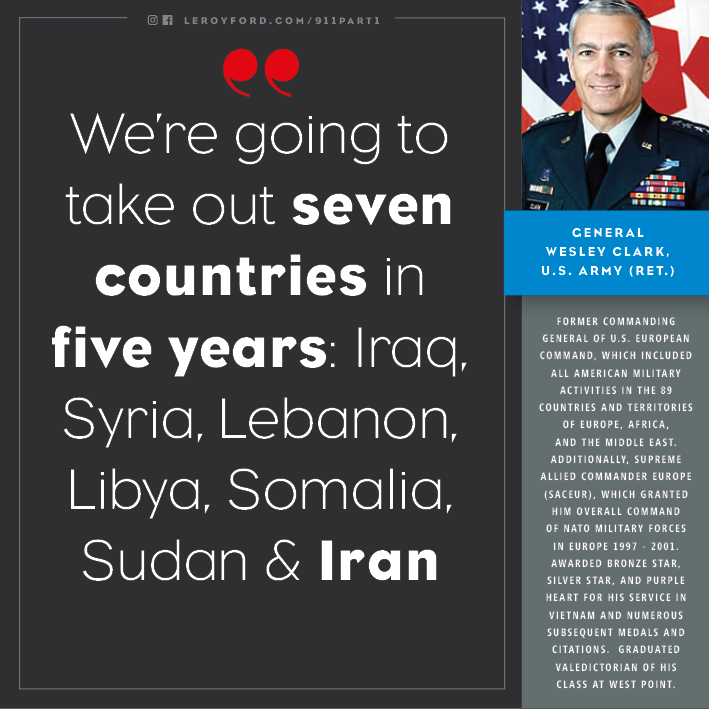
Sri Lanka: Battle Ground for Sino-U.S. rivalry

May 8th, 2019

Here’s why the U.S. interferes: 

https://youtu.be/hAyStrFGURM

හිජාබය පැළද පැමිණි ගුරුවරියන් 10 නාට පළාතේ ඇති වෙනත් පාසල් සඳහා ස්ථාන මාරු වක්

May 8th, 2019

Media Secretary – Governor WP 

අඟහරුවාදා දින මුස්ලිම් ගුරුවරියන් 10 දෙදෙනකු පාරම්පරික හිජාබය පැළද පැමිණීම නිසා ඔවුන් හට පාසලට ඇතුළුවීම වැළැක් වූ අවස්ථාවේ දී බස්නාහිර පළාත් ආණ්ඩුකාරවර ගරු අසාද් සාලී මැතිතුමාගේ මැදිහත් වීමෙන් එම ගුරුවරුන්ව එතුමාගේ පළාතේ වෙනත් පාසල් වලට ස්ථාන මාරු ලබා දීමට කටයුතු කරන ලදී. අඟහරුවාදා උදෑසන පුවක්පිටිය දෙමළ මහා විද්‍යාලයේ දෙමාපියන් විසින් පාසල් ගේට්ටුව අවහිර කරමින් මුස්ලිම් ගුරුවරියන් හට පාසලට ඇතුළුවීම වැළක්වන ලදී. පාසල් සංවර්ධන සමිතියේ සාමාජිකයින් පිරිසක් විසින් එම ගුරුවරුන්හට පවසා ඇත්තේ ඔවුන් සාරියකින් පැමිණෙන්නේ නම් පමණක් ඔවුන් හට පාසල් පරිශ්‍රයට ඇතුල් වීමට අවසර ලබා දෙන බවයි. ඔවුන් කියා සිටි ආකාරයට හිජාබය පළදින පිරිස පාස්කු ඉරිදා දින බෝම්බ 6 ක් පුපුරවා ගත් ත්‍රස්තවාදීන් හට සහාය දක්වන්නන් බවයි.

ගුරුවරුන්ගේ දුක් ගැනවිලි වලට ඇහුම්කන් දුන් ආණ්ඩඅකාරතුමා අගතියටපත් ගුරුවරුන් පැමිණ සිටි අවස්ථාවේදීම හදිසි රැස්වීමක් සඳහා අධ්‍යාපන අමාත්‍යංශයේ නිළධාරීන් කැදවූයේය.

පළාත් අධ්‍යාපන අධ්‍යක්ෂ පී. ශ්‍රීලාල් නෝනිස් මහතා, පළාත් අධ්‍යාපන ලේකම් එස්. ජේ. විජයබන්දු මහතා, පුවක්පිටිය දෙමළ මහා විද්‍යාලයේ විදුහල්පති පී . මනෝහරන් මහතා යන පිරිස මෙම රැස්වීම සඳහා  සහභාගී වූහ.

මෙම සිද්ධිය පිළිබදව කණගාටුවට පත් වූ ආණ්ඩුකාරතුමා මෙම ගුරුවරියන් දස දෙනා එතුමාගේ පළාතේ ඇති වෙනත් පාසල් සඳහා ස්ථාන මාරු කරන ලෙස අධ්‍යාපන අමාත්‍යංශයට උපදෙස් ලබා දුන්නේය.

ඔවුන්ගේ ඇතුල්වීම ප්‍රතික්ෂේප කල පාසලට නැවතත් යාමට නොහැකි බව එම ගුරුවරියන් විසින් පවසන ලදී.

Cabinet decisions in a country should be taken for the good of the country and the people and not the personal benefits and survival of politicians

May 8th, 2019

Sudath Gunasekara

Now look at this news item copied below and read it with comments on it

Vow another Rs.3.5 billion of public funds down the drain for the benefit of politicians and rogues.

Don’t they have more important issues to decide on at a critical time of the nation like this?

Is it not a parallel to the appointment of Arjun Mahendran a non-citizen as Governor of the Central Bank through whom the Ranil robbed the nation’s premier Bank and destroyed the nation’s economy?

To whom are these tabs, when all schools are closed

Why tabs when most of our schools don’t have even a tap.

Is it the crying need of our schools while there are other burning issues like lack of basic requirements like buildings, teachers, books, desks, toilets, discipline and even proper curricula and teaching

Is it justified to have a fool like this who has no brain even to understand this much as the Minister of education in a country?

Does he at least know that none of these children who are given tablets have a vote?

Shouldn’t this type of politicians be publicly hanged to save the count before they make it irreversible?

Why didn’t he reject this meekly as he did to the Cabinet paper submitted by Sagala Ratnayaka. I don’t think he has learned any lesson from the CB scam where he objected first but gave in later.

Is this a Cabinet in charge of good Governance of a country or a veritable CABI-NUT, a cabal of nuts, composed of a bunch of rogues and highway robbers that destroy the motherland that has nursed them?

In my view all Cabinet decisions in a country should be taken for the good of the country and the people and not for the personal benefits and survival of politicians.

But today, in this country, almost all Cabinet decisions are always driven by personal benefits to politicians and their survival

I think the time has come now for the people to get down to the streets demanding the immediate resignation of this Government

The news item

Akila wins cabinet approval for Rs. 3.5 bn tab project

8 May 2019 07:02 am – 9     – 1021

Education Minister Akila Viraj Kariyawasam secured Cabinet approval for the free distribution of 183,000 tabs among school children despite objection by President Maithripala Sirisena.

The project will cost Rs.3.5 billion.

The President, from the beginning, held the view that a pilot project should be implemented first on the distribution of electronic tablets. He had opined that a final decision could be taken subject to the results of the pilot project.

The matter came up for discussion at the Cabinet meeting yesterday. A committee, appointed to look into the programme, also supported the free distribution tabs. Finally, the President gave in, enabling the Minister to get approval to proceed with the programme.

Besides, President Maithripala Sirisena had yet another spat with Prime Minister Ranil Wickremesinghe by objecting a Cabinet proposal to increase some Port tariffs, the Daily Mirror learns.

Minister of Ports and Shipping Sagala Ratnayake submitted a Cabinet paper seeking approval for tariff hikes.

However, the President flatly rejected the proposal. It led to arguments between the President and the Prime Minister.(Kelum Bandara)

Comments – 9

    Athukorala Wednesday, 08 May 2019 07:54 AM

    WOW !!! Yeah… that’s ALL what we needed at this very moment… A Tab…!

Ravi Wednesday, 08 May 2019 08:21 AM

How much your getting as commission, did they approve that as well.

suresh Wednesday, 08 May 2019 08:23 AM

Is this really what is needed for most schools in the country?

Shan Wednesday, 08 May 2019 08:24 AM

Another unwise decision at a time the needs are different. Will the Tabs provide security to school students?

Dallas Wednesday, 08 May 2019 08:35 AM

Waste of money can not believe how out of touch this UNP government is Is this our biggest problem in the country, spend on something important UNP will struggle to get 25% in next election if they contest alone

Ice Wednesday, 08 May 2019 08:46 AM

Utter waste of money! Is that the way you planning to win elections?

Tanto Wednesday, 08 May 2019 08:47 AM

Today the Internet is the primary source of information around the world. This is the correct thing to do. These can not be understood by Gamaralas.

citizen Wednesday, 08 May 2019 08:51 AM

ol’ Siri seem to be showing some rare common sense

Naushki Fareez Wednesday, 08 May 2019 09:07 AM

Rs.3.5 billion – This is not relevant at this hour. Increase security in Schools….! We will give our votes then…!

China Donates Rs. 17.84M Cash for the Injured in the Easter Sunday Attacks

May 8th, 2019

From Chinese Embassy in Sri Lanka

On 4th May, 2019, H.E. Cheng Xueyuan, the Ambassador of China to Sri Lanka presented a cheque for Rs. 17.84m to Mr. Nimal Kumar, National Secretary of the Sri Lanka Red Cross Society(SLRCS) on behalf of the Red Cross Society of China. The donation will be specially used in the treatment of the injured in the Easter Sunday attacks.

Ambassador Cheng reaffirmed that at the time of sorrow, Chinese government and people stand firmly with the Sri Lankan people and resolutely support Sri Lanka in safeguarding its national security and stability, and building a peaceful and prosperous country. Chinese government is intensively negotiating with Sri Lankan side and will provide all necessary assistance within its capacity according to the urgent requests extended by Sri Lanka.

Mr. Nimal Kumar briefed about the SLRCS’ work after the bomb blasts, highly appreciated the Red Cross Society of China for its helping hand in a difficult time of Sri Lanka, and promised to use all the donation in the treatment of the injured.

Sam Harris talks Islam, politics, Twitter, and Trump with Kara Swisher

May 8th, 2019

By 


Sam Harris, the host of the podcast Making Sense, and author of books such as Waking Up: A Guide to Spirituality Without Religion.
 Courtesy Sam Harris

For the better part of two decades, philosopher and neuroscientist Sam Harris has been a popular — and controversial — critic of organized religion, and in particular Islam. In a new episode of Recode Decode with Kara Swisher, he said that although he disavows anyone in his audience who would use his work as justification for bigotry, he still believes that we need to have a tough conversation about violent jihadism and a culture of acceptance” from regular Muslims.

Islam has problems and points of conflict with modernity and secular culture and civil society, and a value like free speech that Mormonism doesn’t have, or the Anglican Communion doesn’t have, or Scientology,” Harris said, adding, All the beliefs around martyrdom explain the character of Muslim violence we’re seeing throughout the world. And if they had different doctrines, they would behave differently.

And I’m not talking about all Muslims, I’m talking about the power of specific ideas on a subset of adherents to Islam — and how big that subset is is open for debate,” he added. It’s not as small as we would like. It’s not as big as right-wing nutcases fear, but it’s big enough to be of significant consequence such for the rest of our lives, we are going to be talking about this problem.”

Recode’s Kara Swisher asked Harris to contrast two recent terror attacks: The Easter Sunday bombings at churches and hotels in Sri Lanka, which were attributed to people inspired by or possibly directed by ISIS; and the mass shootings during services at two mosques in New Zealand, attributed to at least one man with apparent awareness of white supremacist internet memes. Harris compared the latter to the Sandy Hook Elementary School shooting in the United States, as an example of a crazy person who snaps.”

The cases that worry me the most are the cases where you have an ideology that’s so powerful and captivating that totally normal people, without real terrestrial grievances, can be inducted into it and do the unthinkable because of simply what they believe,” he said. White supremacy is an ideology, I’ll grant you. It doesn’t link up with so many good things in a person’s life that it is attracting psychologically normal non-beleaguered people into its fold.

In reality, white supremacy, and certainly murderous white supremacy, is the fringe of the fringe in our society and any society,” Harris added. And if you’re gonna link it up with Christianity, it is the fringe of the fringe of Christianity … You cannot remotely say any of those things about jihadism and Islam.”

The new episode is a wide-ranging conversation that also touches on — among other topics — why Harris rejects the idea of identity politics; why he also rejects and denounces President Trump; and whether Twitter CEO Jack Dorsey should shut the whole service down and declare it a wash.

You can listen to Recode Decode wherever you get your podcasts, including Apple PodcastsSpotifyGoogle PodcastsPocket Casts, and Overcast.

The proof Isis are not true Muslims

May 8th, 2019

Dr Azeem Ibrahim Courtesy The Scotsman

Ten-year-old Ashayal Rosairo was injured in an attack on the Zion church in Batticaloa, Sri Lanka (Picture: Allison Joyce/Getty Images)

Ten-year-old Ashayal Rosairo was injured in an attack on the Zion church in Batticaloa, Sri Lanka (Picture: Allison Joyce/Getty Images)

Attacks on Christians – like those on churches in Sri Lanka over Easter – demonstrate that Isis fighters are against Islam, writes Dr Azeem Ibrahim.

The Easter attacks against Christians in Sri Lanka by a group who swore allegiance to Isis were carried out in the name of Islam. This is nothing new, back when Isis was still expanding into the multi-ethnic and religiously diverse northern Iraq, not just Yazidis but also the country’s one million Christians were some of their main targets. They were asked to either convert or leave. Otherwise they would be killed. All along, churches were being bombed or burnt to the ground.

Most of the Christians who used to inhabit those areas of the Levant where Isis took control were displaced, in an act of religious/ethnic cleansing more thorough than any that Saddam Hussein ever achieved. To Isis, destroying churches and killing Christianswas secondary only to their top priority of killing other ‘apostate’ Muslims – Shia Muslims in particular.

Muslim scholars have stated that such actions are completely un-Islamic, strictly against Sharia and a blasphemy against the Prophet Muhammad more serious than any they can think of from history. The Qur’an commands Muslims to follow Muhammad and his example: O you who believe! Obey God and obey the Messenger” (4:59)

This and dozens of other verses in the Qur’an compel Muslims to obey Muhammad. And this is why Sharia law is based not just on the Qur’an, but also on the Sunnah, the words, the life and the practices of the Prophet. And the Prophet Mohammad was very clear about how Muslims should treat Christians. He entered into a treaty with them which deserves to be quoted in full here.

The Prophet issued the following declaration in 628 CE: This is a message from Muhammad ibn Abdullah, as a covenant to those who adopt Christianity, near and far, we are with them.

Verily I, the servants, the helpers, and my followers defend them, because Christians are my citizens; and by God! I hold out against anything that displeases them.

No compulsion is to be on them. Neither are their judges to be removed from their jobs nor their monks from their monasteries. No one is to destroy a house of their religion, to damage it, or to carry anything from it to the Muslims’ houses. Should anyone take any of these, he would spoil God’s covenant and disobey His Prophet. Verily, they are my allies and have my secure charter against all that they hate.

No one is to force them to travel or to oblige them to fight. The Muslims are to fight for them. If a female Christian is married to a Muslim, it is not to take place without her approval. She is not to be prevented from visiting her church to pray. Their churches are to be respected. They are neither to be prevented from repairing them nor the sacredness of their covenants.

No one of the nation (Muslims) is to disobey the covenant till the Last Day (end of the world).”

This Patent was given by the Prophet Muhammad in Medina to a delegation of Christian monks from St Catherine’s Monastery at Mount Sinai. The Patent was signed with the Prophetic seal.
READ MORE: Sri Lanka explosions: At least 8 Britons among 290 victims

The original was moved from St Catherine’s monastery by Sultan Selim I of the Ottoman Empire in 1517, and today can be seen in the Topkapi Museum in Istanbul. When he took the document from the monastery, the Sultan and Caliph of Islam Selim renewed its terms and gave the resident monks in Sinai a copy. This copy is still at the monastery. Any Muslim can go see either of these documents with their own eyes whenever they wish to do so.

The Prophet granted unconditional protection and what today we would recognise as basic human rights to Christians, near and far. All true Caliphs since then have observed this treaty, as they have been compelled to do till the Last Day – ie this treaty can not be abrogated. There are few things in the Sharia that can be as clear as this prescription towards Christians.

But today, Wahhabi clerics and Isis fanatics seem to think that they know better than the Prophet himself how to be good Muslims. And that now includes destroying all churches, in direct violation of God’s covenant. Wahhabis say they want to emulate the life and times of the Prophet. Isis and their Caliph” want to rebuild the original Caliphate to represent the entire ummah. So why are their teachings and their actions then exactly opposed to those of the very first Islamic state of Muhammad in Medina (CE 622)?

READ MORE: Foreign Secretary: Legal aid for IS bride Shamima Begum ‘makes me uncomfortable’

When the Muslim community world-wide came out to condemn the Sri Lanka attacks, they did not do so in the name of political correctness” or out of fear of reprisals. They did so because this Isis cell violated the Prophet’s covenant in their name. For even the most fundamentalist Muslim who actually knows their Qur’an, Hadith and Sharia, this was an attack against the honour and authority of the Prophet just as much as it was an attack against Christians on their holiest day of the year.

If the Prophet Muhammad is not your guide to God, then you are not a Muslim. By violating the Prophet’s irrevocable covenant, the Sri Lanka attackers declared themselves against Islam. By the very ideology they claim to represent, they are the Apostates.

Sri Lanka: Ex-Army Man Held with Hundreds of Bullets, Swords

May 8th, 2019

Courtesy Sputnik

Two weeks after Sri Lanka witnessed terror bombings and the launch of police and army searches, hundreds of bullets, military uniforms, and swords are still being discovered in various parts of the country.

New Delhi (Sputnik) — A retired army man with nearly 1,000 rounds of live ammunition in Sri Lanka’s Nawagamuwa area was arrested on Wednesday while transporting bullets.

Police said that the suspect was carrying 205 rounds of T56 ammo, 640 rounds of 9mm ammo, 40 T56 training rounds, two T56 magazines, one 9mm magazine, and one air rifle.

READ MORE: Terror-Hit Sri Lanka Unearths Islamist Militants’ 10-Acre Training Camp — Report

Police have also found nearly 50 swords, a small gun and several other suspicious items in a public well near a mosque located close to the Premdasa International Cricket Stadium in Colombo.

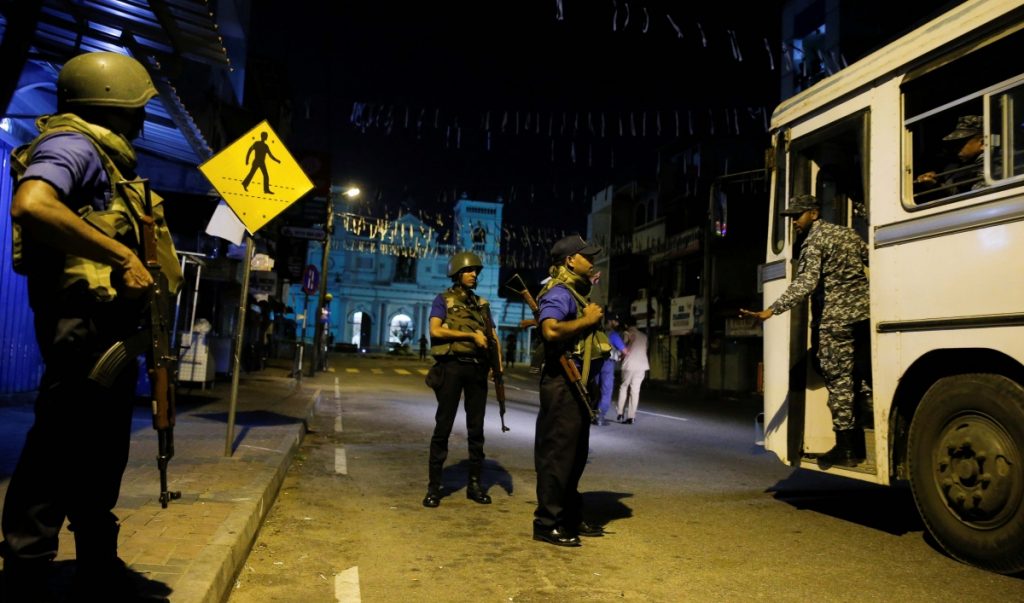
Sri Lankan Army soldiers secure the area around St. Anthony Shrine after a blast in Colombo, Sri Lanka, Sunday, April 21, 2019.

© AP PHOTO / CHAMILA KARUNARATHNESri Lankan President Says Country Already Safe for Visitors After Easter BlastsSecurity personnel also recovered 30 swords and knives at Beruwala town in Sri Lanka’s Western Province.

Earlier on Tuesday, police arrested two individuals with 1,116 military uniforms (camouflage) in Seeduwa during a search operation. The fatigues, resembling Air Force uniforms, were discovered when a lorry in the Raddolugama area was inspected.

READ MORE: Some 25-30 Suspects Linked to Sri Lanka Bombings Still at Large — President

Fresh discoveries are being made amid searches being conducted across the country after serial blasts left 253 killed and over 500 others injured. In a special statement in the parliament on Tuesday, Sri Lankan Prime Minister Ranil Wickremesinghe cautionedpeople, saying that although normalcy had returned, the country will not be free of global terrorism.

Sri Lanka, radical Islam and what comes next

May 8th, 2019

By Joseph Mariathasan Courtesy IPE

The tragic Easter Sunday bombings in Sri Lanka were a surprise and a revelation to both Sri Lankans and the world at large.

For many outside the country it was a surprise that Sri Lanka even had a Muslim population. For those in Sri Lanka, it was a revelation that local Muslims would target Christian churches when there had been no domestic history of tensions between the two religions – both of which have followers from many different ethnic communities within the country.

Quite apart from the trauma and distress caused to those innocents who were killed or injured, their families and friends, the bombings have had an immediate impact on the tourist industry, which accounts for around 5% of Sri Lanka’s GDP of around $84bn (€75bn).

Countries including the US, UK, China and Australia – whose citizens account for a substantial proportion of the roughly 2m tourists that visited Sri Lanka last year – have issued travel warnings recommending citizens stay away for all but essential travel.

The situation is grievous, but the country has seen worse: it is still in the process of recovering from decades of civil war. The conflict between the Tamil Tigers and the government during the 1990s and 2000s culminated in the defeat of the Tigers in 2009, but the memories are still fresh and raw.

There were also two communist-inspired uprisings against the government in 1971 and 1987-89, which also led to the deaths of thousands. Yet in all these conflicts, foreigners and Christians were never explicitly targeted. That is in contrast to the Easter Sunday bombings, aimed at a mixture of high-end hotels frequented by foreigners, and local Christian churches.

Colombo skyline, Sri Lanka

Credit: Rehman Abubakr

Colombo skyline, Sri Lanka

The bombings represent something inspired from outside the country, namely radical Islam in the form of ISIS – even if it was undertaken by locals. That is a relief for Sri Lanka, since it is likely that the bombings are not the precursor to another civil war, any more than the attacks in Paris in 2015, or in Manchester and London in 2017, were in France and the UK. This suggests that travel warnings, while necessary in the immediate aftermath, should be able to be relaxed within a relatively short time.

What was most galling for Sri Lanka was the subsequent reports of incompetence and negligence of the divided government that allowed the bombings to go ahead, despite repeated warnings.

With presidential elections due to be held later this year, the chaos has political ramifications: Gotabaya Rajapaksa, the former defence minister under his brother, president Mahinda Rajapaksa, was responsible for defeating the Tamil Tigers in a bloody climax that resulted in the deaths of thousands of civilians. He is accused of war crimes, but has used his ‘strong man’ image to announce a campaign for president, claiming he will stop the spread of Islamist extremism by rebuilding the intelligence services.

While the bombings may have no long-term implications for Sri Lanka – apart from contributing to a more volatile atmosphere ahead of the presidential elections – they do have much more serious global implications.

There is no doubt there will be more terrorist attacks linked to radical Islam, but they are unlikely to be in Sri Lanka. They could be anywhere else in the world where radical Islamic influences have been ignored and allowed to flourish.

The more worrying danger may be just across the Palk Strait in India, with evidence that some of the Sri Lanka bombers had been indoctrinated and trained there – although at least its intelligence services were more competent than their Sri Lankan equivalents, according to reports.

The House of Islam is on fire – and the arsonist still lives there,” declares Ed Husain in his book The House of Islam: A Global History – a reference to the violence of Salafi-jihadis who, in the earliest days of Islam, were known as Kharijites, or outsiders.

They were, Husain says, declared to be non-Muslims by Muslim scholars. Yet it is the rise of that philosophy across the globe that is fuelling Islamic extremism. As Husain points out, Salafi-Wahhabism is the prevailing Islamic movement in Saudi Arabia today, yet represents less than 5% of the world’s Muslims. The reason it has become such a potent force is that Saudi Arabia has spent an estimated $200bn of its oil wealth in recent decades strenuously propagating its hard-line theology around the globe.

The 1749 alliance between the Saudi royal family and Wahhabi clerics must be nullified,” argues Husain. For Sri Lankans, the evidence of that relationship is all too clear, as novelist Ameena Hussein wrote earlier this month in the New York Times.

It is not travelling to Sri Lanka that we need to be worried about, but rather how to stem the growth of a violent creed that has distorted Islam. Husain declares that we need to cleanse our mosques, publishing houses, schools, websites, satellite TV stations, madrasas and ministries of Salafi-jihadi influences”. That is a generational struggle, yet it needs to be done even if it causes a rift with Saudi Arabia.

Shia Iran may be a pariah nation to the US at least, but it is a hard-line Sunni Islamic nation, supposedly an ally of the West, whose wealth has propagated a terrorist philosophy that the world struggles to contain.  

Twelve Hard-Core Terrorists in Sri Lankan Custody – President

May 8th, 2019

Courtesy Sputnik

Sri Lankan President Maithripala Sirisena, who has vowed to restructure the security system of the terror-hit country, has said that 13 safe-houses and 41 bank accounts owned by terrorists responsible for the 21 April serial blasts have been identified.

New Delhi (Sputnik): Out of the 56 suspects held for the 21 April Sri Lankan bombings, at least 12 are hard-core terrorists, Sri Lankan President Mathripala Sirisena has said, adding that the situation in his island nation remains serious.

READ MORE: Sri Lanka Reinstates Temporary Ban on Social Networks – Reports

“Of the 56 suspects who currently remain in custody over their direct involvement, 12 are hardcore terrorists. 13 safe houses used by them have been discovered… This is, in my view, a serious situation”, President Maithripala Sirisena said while addressing lawmakers in parliament on Tuesday.

​Authorities will soon confiscate the accounts, houses, and properties belonging to them, he added.

Sri Lankan military officials stand guard in front of the St. Anthony's Shrine, Kochchikade church after an explosion in Colombo, Sri Lanka April 21, 2019.

© REUTERS / DINUKA LIYANAWATTESome 25-30 Suspects Linked to Sri Lanka Bombings Still at Large – PresidentHe  also said that 99% of people involved in the blasts have been arrested.

Earlier in the day, Sri Lanka Army chief Mahesh Senanayake gave a clarion call to the general public to return to their normal lives, assuring them that the tri-forces and the police were dedicated to their safety throughout day and night.

“After the terror attacks that occurred on April 21 and as of now, the Sri Lanka Army, other security forces and the police have implemented strategic plans to ensure the security”, Senanayake said, while addressing media at the Ministry of Defence.

READ MORE: Terror-Hit Sri Lanka Unearths Islamist Militants’ 10-Acre Training Camp — Report

Meanwhile, searches across the country were underway to find suspects. Police have discovered a cache of anti-aircraft bullets in the Alagalla area in Vavuniya on Monday evening, while six casings used for mortar shells were also recovered from a nearby area.

In the last three days till Monday, the police also discovered two large militant training camps said to be linked to the deadly 21 April Easter Sunday terror attacks against churches and hotels that claimed 253 lives and injured over 500 others.

US official wounded in Sri Lanka Easter bombing dies from her injuries in Singapore

May 8th, 2019

Courtesy The Straits Times

COLOMBO (AFP) – A US official wounded in Sri Lanka’s Easter Sunday suicide bombings has died in hospital, raising the total number killed to 258, including 45 foreigners, officials said on Wednesday (May 8).

Ms Alaina Teplitz, the United States ambassador to Sri Lanka, paid tribute to Ms Chelsea Decaminada, who was seriously wounded when two bombers hit the luxury Shangri-La hotel in Colombo on April 21.

“We pay tribute to Chelsea – and all those lost and injured – by partnering with Sri Lanka and nations worldwide to bring unity in the face of terrorism,” Ms Teplitz said.

Ms Decaminada, a graduate of Duke University, worked for the US Commerce Department and was on assignment in Sri Lanka when she was caught in the bombings, claimed by the Islamic State in Iraq and Syria (ISIS) group and attributed to a local radical cell called National Thowheeth Jama’ath.

The bombers targeted three luxury hotels and three Christian churches. Nearly 500 people were wounded in the attacks, the worst single-day bombing against civilians in the Indian Ocean island.

Officials said Ms Decaminada was airlifted to Singapore for treatment, but she died from her injuries over the weekend.

“As we mourn her loss, we must continue to fight terrorism around the world,” US Commerce Secretary Wilbur Ross said in a statement.Related Story

Sri Lanka tourism takes hit after Easter bombings

The Sri Lankan Foreign Ministry had previously said 44 foreign nationals died in the attacks, while another 10 are still unaccounted for.

Sri Lankan authorities say they have arrested or killed all the Islamists responsible for the April 21 suicide bombings, but the island still faces the threat of “global terrorism”, Prime Minister Ranil Wickremesinghe said on Tuesday.

A Visit to Post-ISIS Syria: Human Crises Pose Risk

May 8th, 2019

BY: Robin Wright Courtesy United States Institute of Peace

Defeating the Islamic State means determining the future for tens of thousands of ex-fighters and their families.

After losing its last territory in Syria on March 23, 2019, the Islamic State quickly reclaimed global attention with the Easter bombings in Sri Lanka on April 21 and a video tape of its reclusive leader, Abu Bakr al-Baghdadi, on April 29. The jihadi movement is now shifting focus to its ISIS branches, or provinces,” in Africa, Asia and Europe. Baghdadi signaled ISIS’s expansion by formally embracing two Sunni extremist groups in Mali and Burkina Faso. But the Islamic State’s human core—more than 100,000 fighters and their families, including children—remains clustered in the rubble of its former caliphate” in both Syria and Iraq. In Syria, they are detained in makeshift prisons, a hospital and refugee-style camps in the desert of northeastern Syria. USIP Senior Fellow Robin Wright made a rare tour of northeastern Syria to interview men and women who were part of the ISIS caliphate and to assess the risks posed by the post-caliphate crisis.

As the Islamic State “caliphate” collapsed in March, women and children of ISIS fighters’ families were gathered at a rudimentary detention camp in al-Hol. The camp now holds more than 70,000. (Photo credit: Robin Wright/USIP)
As the Islamic State caliphate” collapsed in March, women and children of ISIS fighters’ families were gathered at a rudimentary detention camp in al-Hol. The camp now holds more than 70,000. (Photo credit: Robin Wright/USIP)

What’s the big picture in the former ISIS caliphate?

The world faces the most complex post-war challenge in decades in dealing with the dregs of the Islamic State—physically, politically and psychologically. No one had correctly estimated the tens of thousands who eventually surrendered or were captured as the caliphate collapsed. The Syrian Democratic Forces (SDF), the U.S.-backed militia that fought ISIS, took some 9,000 prisoners. Around 2,000 are foreign fighters from dozens of countries, ranging from the United States to Russia, Tunisia to China and Morocco to the Maldives.

The Syrian Democratic Forces had to create pop-up prisons”— converting an unused school, an oil storage facility and other small compounds—to hold all the fighters. The prison I visited at Dashisha was crude and understaffed. It was filled with 1,500 fighters in four days. Each cell contained more than two dozen men crushed together and sitting on the floor. I visited a local hospital at al-Shaddadi [south of al-Hasakah] that had to take in hundreds of badly injured ISIS fighters. The Syrian and Iraqi fighters were six to a room; the foreign fighters were crammed into the basement. The main basement room had close to 70 men lying on mats; the stench from infections was overwhelming. The Syrian Democratic Forces were paying for their food and care by reducing the pay of their own soldiers. For the SDF, neither the prisons nor the hospital are sustainable without more international help and collaboration in figuring out the future of these men.

One issue now is what to do with the prisoners. The SDF is a militia, not a state. It does not have the expertise, facilities, resources or staff to cope with so many men indefinitely. Many governments do not want to take back their citizens for several reasons: There is scant evidence of what crimes each fighter committed as the basis for charging or trying them. Some countries are even wary of jailing the ISIS fighters for fear they might infect the prison population with their ideology. Iraq has pledged to take back its 31,000 citizens—fighters and families—but it is already struggling to cope with more than 20,000 members of ISIS in Iraq.

What about the rest of the ISIS population?

After the fall of the Islamic State’s capital in Raqqa, in October 2017, ISIS fighters and their families fled down the Euphrates River—from town to town—until they reached Baghouz on the border with Iraq. The final battle for Baghouz began in early 2019. But neither the U.S.-led coalition nor the SDF grasped the numbers of civilians who had ended up in the farming hamlet. Besides the fighters, another 74,000 family members, mainly women and children, surrendered and were transferred to a detainee camp in al-Hol. Of those, 65 percent were under the age of 18; 23 percent were under the age of five. Some of the wives of fighters boasted that they are breeding the next generation of ISIS militants for the next caliphate.

The problem of what to do with ISIS families is also daunting. Many governments do not want them to return home since they would be free unless charged with crimes. Others come from countries, such as Libya and Yemen, that are basically failed states and have few mechanisms to cope with them. Some families do not want to return to their countries of origin—notably the Uighurs of China and the Chechens of Russia–because they are members of persecuted minorities. The secondary issue is how to deradicalize them after up to five years of living under the Islamic State and embracing its beliefs and practices. A few countries—Kazakhstan, Morocco and Oman—have taken a few of their citizens, but most Western governments, including many that were members of the U.S.-led coalition of more than 70 countries, have been reluctant to absorb either fighters or their families. The aftermath of the Islamic State caliphate has produced a humanitarian catastrophe that could linger for years—even decades—without greater international attention and resources. U.S. officials claim there has not been a post-war problem so politically fraught since the end of World War II.

An American ISIS member who surrendered to the Syrian Democratic Forces waits to be interviewed at a makeshift prison at Dashisha, Syria. (Photo credit: Robin Wright/USIP)

You went to the al-Hol camp for ISIS families. What is brewing there?

The U.S.-led coalition, the SDF and international health and aid groups were all ill-prepared to cope with the numbers. When I visited al-Hol, women and children, most covered in filth and with few material possessions, were still being trucked in. They were divided by nationality: Iraqi and Syrian families on one side; foreign families from other countries in a separate area. There were initially not enough tents to hold them all; one Uighur woman from China, who had two small children, told me that they had slept out in the cold at night and were in desperate need of blankets. Again, the stench was overwhelming. The most hard-core women were also trying to re-create the caliphate inside the camp by enforcing ISIS rules or reprimanding women who talked to men or foreign reporters.

Al-Hol represents a humanitarian disaster with long-term consequences. The dilemma now is what to do with 74,000 people living in unsustainable conditions with limited international interest in supporting ISIS families? Is there any way to de-radicalize these women or prevent the radicalization of the children? Given the demographics – that the majority are children – this is the place that may well generate the next generation of ISIS. These people could be in this camp or others like it for decades. I’ve covered the Middle East since the 1973 war; I’ve seen the dreariest Palestinian refugee camps, the chaos of Beirut during Lebanon’s civil war, and I’ve never felt the depth of despair that I felt in al-Hol.

Can the former ISIS fighters be rehabilitated?

The most innovative project I saw was a home-grown rehabilitation program—with no significant resources—conducted by tribes for their members in ISIS. The SDF made a deal with the Arab tribes: In exchange for the tribes’ support in the fight against ISIS, the SDF would hand over tribal members for rehabilitation as long as the men were not implicated in major crimes.

I visited a pilot program in al-Karamah, a town of about 40,000 on the outskirts of Raqqa. It’s a conservative area where Salafism thrives; many of the men I saw wore the short thobes emulating the early Islamic era of the Prophet Mohammed. Rehabilitation was run by tribal sheikhs who preached rebuilding the community rather than destroying it. I interviewed two graduates” of the program—one released a few days earlier and one freed in September 2018—and both claimed they would not go back to ISIS. But neither had a job or a means of supporting their families. So rehabilitation is possible, but it will work only with significant international support for the physical rebuilding of eastern Syria—and the same will be true for Iraq.

Physically, what do you see in northeastern Syria?

Life is beginning to return in shattered towns along the Euphrates River Valley. Schools are reopening. I saw little girls with pony tails carrying pastel backpacks en route to class. Women have shed the black niqab (which covers even the face) required by ISIS; they have reemerged from their homes. I saw women, without male escorts, headed to reopened markets or sitting with husbands having morning tea in the spring sun. This is a conservative, tribal part of Syria, so many women still wear headscarves, or hijab, but I saw women wearing bright red, purple and blue scarves and patterned dresses. Life is no longer literally black.

There also signs of reconstruction, often with very limited resources and even in devastated cities such as Raqqa. I was struck by one common sight: Massive tumbleweeds of rusted steel scavenged from the rubble of destroyed buildings. At several outdoor workshops, men were hammering the rods to straighten them for use as reinforcement rods—or rebars—to rebuild. I saw trucks ferrying them to sites for the foundations of new buildings. The destruction, much of it by airstrikes from the U.S.-led coalition that targeted ISIS facilities, is horrendous. But the destruction in Raqqa was actually not as pervasive as in Iraq’s West Mosul, which was the largest city under ISIS control. It is going to take many years, potentially decades, to rebuild the areas devastated by the war against the Islamic State.

How Muslim and non-Muslim countries tackle Islamic radicalization

May 8th, 2019

By P.K.Balachandran/Daily Express

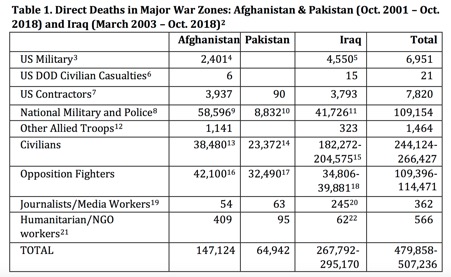
Colombo, May 8: Islamic radicalization has been on the upsurge for a considerable period of time now, mainly because of the unceasing atrocities committed by the US-led Western alliance in several Islamic countries including Libya, Iraq, Syria, Palestine and Afghanistan.

However, like militaristic Western hegemony, Islamic radicalization has also become a major problem for the world. Several countries, both within and outside the Muslim world, have been subjected to its depredations. Like the non-Muslim countries, Muslim countries too have devised methods to tackle the scourge.

Saudi Arabia

Like many other countries, Saudi Arabia too has been a victim of terrorism. Islamic radicals have been indulging in terror regularly since 1962, trying to overthrow the ruling Saud dynasty. Al Qaeda and the Islamic State have been in the forefront of this violent movement.

To counter these forces, the Saudi government has adopted a two pronged approach says Dr.Abdullah Ansary in a paper published by the Middle East Policy Council.

The first prong is ruthless action against those who commit terrorist acts (on April 23, 2019, 37 terrorists were executed). The second prong is re-education and re-indoctrination of detainees, the pool of supporters and fellow travellers.

The goal of the latter is to encourage prisoners to renounce their radical ideology by providing them with psychological and sociological counseling and by engaging them in intensive religious dialogue. It is estimated that only 10% of terror-related prisoners are hardcore with entrenched deviant beliefs. The rest are followers and sympathizers, who can be remoolded.

The committee which is entrusted with such rehabilitation has four sub-committees: religious, psychosocial, security and media.Members of these subcommittees are stationed throughout various districts in the Kingdom.

The Psychological and Social Subcommittee includes more than 30 psychiatrists and psychologists. They also continue to monitor the detainee and evaluate his progress during his interview with the Religious Subcommittee members, and help him understand himself and the restiveness in his personality in order to facilitate his return to appropriate thinking and behavior,” Ansary says.

They also assess the detainee’s financial and psychological needs in order to alleviate psychological pressure, gain the confidence of his family, and provide decent care for him and his family after his release, he adds.

After release, the subcommittee assists them further with healthcare needs and employment. The subcommittee also provides them the opportunity to finish their education while incarcerated, Dr.Ansary says.

The Religious Subcommittee is composed of more than 160 Muslim clerics, scholars and university professors. The counselors engage the prisoners in conversations about their views on several subjects, such as assisting and aiding non-Muslims, the takfir doctrine, judgment according to man-made laws (as opposed to divine law), jihad in Iraq, suicide operations and martyrs, the excommunication of governments and societies (and its gravity), and expelling the polytheists from the Arabian Peninsula,” the author adds.

The goal is to correct prisoners’ flawed understanding of these concepts based on Shariah texts from the Quran and Sunnah and from the work of religious scholars, in order to enhance their understanding of these sensitive topics, Dr.Ansary explains.

On the role of the Security Subcommittee he says it undertakes risk assessments, makes release recommendations and monitors arrangements after the release. The Media Subcommittee supports the Religious Subcommittee with the educational materials used in their program.

In June 2004, the Saudi Council issued a fatwa condemning acts of terrorism, stating that these acts disrupt the security of the country, shed innocent blood, terrorize peaceful people and destroy property. The fatwa called upon citizens and residents to provide authorities with information regarding those who plan or prepare to carry out terrorist acts.”

In addition, during its sixteenth session, held January 5-10, 2002, the Islamic Fiqh Council of the Muslim World League in Mecca stressed the fact that extremism, violence and terrorism have no connection whatsoever with Islam. Furthermore, in a direct warning against fighting abroad in the name of jihad, the Saudi mufti, Sheikh Abdulaziz Aal Al-Sheikh, issued a fatwa on October 1, 2007, prohibiting Saudi youth from traveling abroad to engage in jihad,” Dr.Ansary points out.

The Ministry of Education has conducted an audit of school textbooks and curricula to ensure that teachers do not espouse intolerance and extremism. The government has a program in place to continue to remove any element that is radical and inconsistent with traditional Islam.

Saudi Public TV and other sponsored channels broadcast a five-part series titled Jihad Experiences, the Deceit,” which featured terrorists’ confessions and repentant terrorists’ testimonies of how al-Qaeda organized, trained and recruited.

Controlling Internet

Saudi cyber-crime law imposes a maximum of ten years imprisonment and/or a fine of a maximum of 5 million Saudi riyals ($1.3 million) for anyone who creates a website for a terrorist organization over the Internet or on any computer device, propagates it to facilitate communication with the leaders of these organizations, promotes the organizations’ radical views, or propagates information on how to make explosives.

To ensure that charitable donations are actually used for the purposes designated and not for radical and extremist activities, it has issued numerous decrees and created new institutions designed to tighten the noose” on Islamic charities and control their work, Dr.Ansary said.

Maldives

Maldives was accused of encouraging Islamic radicalism when Abdullah Yameen was President. But the then police spokesperson Ahmad Shifan told this writer that all mosques in Maldives were moderated by the Maldivian government, and that each and every public preaching by mosques were carried out under the government’s direct supervision.

However we believe in rehabilitation and re-integration rather than punishment and isolation. We work on Syria returnees and other terror suspects to convert them to the moderate Maldivian form of Islam.And this has yielded results,” he said, pointing out that after 2012, there had been no Islamic terror attacks.

Pakistan

Pakistan has so far lost 70,000 civilians in terror attacks. Its Prime Minister Imran Khan last week laid the foundation stone of a Sufi university. The al-Qadir University will combine Sufist Islam and spiritualism with science, and re-instill creativity among Muslims now stifled by dogma. The Imran government is trying to modernize the courses taught in the 32,000 Madrassahs with 2.5 million students, by introducing science.

Turkey

In Turkey the Imam Hatipschools are part of the State’s social engineering.” They are designed to produce ‘enlightened’ religious functionaries and foster an understanding of Islam that is compatible with the needs of a modern State.

Diyanet” is the State religious organization which controls the country’s mosques. The Diyanet also dictates what is preached in the mosques. Turkish President Erdogan is a supporter of Turkey’s brand of secularism called laiklik. Religious thinkers, ulema and Sufi Shaikhs have not been empowered. The Shariah is not a source of legislation. Religious thought has no significant influence in politics. Government retains its monopoly over religious education and outreach. Religious congregations called Cemaats are tightly controlled.

But taking into account the fact that the Turkish people are innately conservative, Erdogan’s s government endorses conservative values, such as teetotalism and female veiling.

Indonesia

Indonesia, another Muslim-majority country, also has State control of religion. But whether the direction is towards liberalism or conservatism has been dependent on the nature of the regime.

President Suharto began as a secular ruler but when he became politically weak he resorted to using conservative Islam to retain control over the population. Later during weak regimes, conservatism came to the fore and intolerance became the order of the day.

The government-controlled religious body, the Indonesian Council of Islamic Scholars (MUI), has taken the conservative side of the spectrum and adopted a militant attitude towards heterodoxy. Mystical sects, the Ahmadiya minority and the Shi`as were reviled. It is against liberal interpretations of Islam, secularism, and the very idea of religious pluralism.

Sri Lanka

In Sri Lanka, Islamic terrorism raised its head with the April 21, 2019 Easter Sunday bombings in which 253 persons died. It is now discovered that radicalization had taken place in the small all-Muslim town of Katthankudy in its Madrassahs, as well as homes of the highly educated and wealthy elite in cosmopolitan Colombo.

Need For Cyber Law

Dr.Rohan Gunaratna, a pre-eminent Sri Lankan expert on West Asian terrorism, has called upon the Lankan government to enact a Cyber Law which will criminalize both posting and keeping extremist content on-line. A co-author of The Three Pillars of Radicalization” published the Oxford University Press in 2019, Dr.Gunaratna urges government to make criminally liable, both the person who posts extremist material and the service provider who keeps the content.

Author of the international best seller Inside al Qaeda: Global Network of Terror (University of Columbia Press), who is currently Professor of Security Studies at the Nanyang Technological University in Singapore, Dr.Gunaratna says that the government should also set up, in the Security Forces, a Cyber Force to counter on-line extremist content and create an internet referral unit where the public can report extremist content.”

Writing in a local daily, Dishan Joseph informs that a survey by the International Journal on Cyber Warfare found that there were 50 million tweets globally by eight million users with the keywords, ISIS and ISIL. There are 46,000 suspected Twitter accounts (from Iran, Iraq and Saudi Arabia) that post tweets supporting the Islamic State (IS).

He also calls for a Harmony Act” on the lines of the one in Singapore, which will criminalize hate speech, especially incitement to violence. Given the fact some Sri Lankans had gone overseas as students only to get radicalized, Gunaratna says that Sri Lankans should not be permitted to study in certain schools and universities in Pakistan, Saudi Arabia and Yemen which produce radical preachers.

He urges the government to draw up a Black List of radical preachers and ban their entry into Sri Lanka. At the same time, government should criminalize the sale and distribution of radical books and publications.

Foreign religious preachers should be given a visa only after getting clearance from the Ministry of Religious Affairs and the Intelligence agencies, he adds. Further, anyone allowed to preach in Sri Lanka should have a two-year (but renewable) permit.

END

Unlike other causes of death, terrorism destroys our way of life

May 8th, 2019

By Dr.Swaran Singh/Ceylon Today

On 28 June 1914, a 19-year old Bosnian-Serb, Gavrilo Princip, shot and killed the heir apparent to the Austrian throne, Archduke Francis Ferdinand, unaware that the act would push the world into a five year long World War killing 16 million people and ending with the most unequal Treaty of Versailles.

Given that humiliating closure for the vanquished powers, experts describe the Second World War as nothing but a continuation of the First World War.

World War II ended with two atomic bombs being dropped on Japan thus unleashing the nuclear age and also the Cold War era where scenarios of ‘nuclear armageddon ‘and ‘nuclear winter’ were to raise specters of human extinction.

It took more than a decade, and the Cuban Missile Crisis of 1962, for the proponents of the post-1945 Cold War to even recognize this phenomenon and ascribe it a name. Their deterrence theologies meanwhile fine-tuned ‘mutual assured destruction’ and ‘city busting’ doctrines. These, it is said, have assured that there would be no Third World War.

In terms of the their pervasiveness and destructive power the two World Wars involved a few European powers along with some of their colonies, and China and Japan. Sabre-rattling about nuclear brinkmanship involved only two superpowers and their military alliances, leaving the bulk of the world nonaligned.

Terrorism, A Totally New Challenge

But terrorism is a different kettle of fish altogether. It is truly global and all embracing. The existential challenge from terrorism today is completely different. Bigger and wider than all manifestations of violence so far, terrorism presents the most pervasive global killing machine without chances of redress or respite.

Terrorism has been there since ancient times. But today it has developed an unprecedented system-shaking power undermining state structures. Today, terrorism is incrementally destroying the human race; in tiny and not-so-tiny packages, on a daily basis. Its world wide web saw growth after the collapse of the Soviet Union that ended the rigid bipolar system. 9/11 has since seen the world wake up to the power and potential of outfits like Al Qaeda and the Islamic State, and several of their franchisees like Al Shabab, Abu Sayaf, Boko Haram, Haqqani Network, Hezbollah, Lashkar-e-Toiba, Jaish-e-Mohammed etc eroding centuries old state-centric peace-preserving customs, conventions and capacities.

Like mosquitoes biting a tiger, these radicalized invisible fighters with no legal or moral compunctions, are often able to choose their time and place of attack while State agencies remain rule bound, highly visible and therefore vulnerable.

States often respond by increasing the dose of the same old prescription, namely, expanding the apparatus of security and surveillance, with little time and capacity to revisit their diagnoses.

This results in the State being accused of attacking civil liberties and human rights. By sleepwalking in their denial mode, they fall victim to the global chessboard of terrorists dictating attacks at easier yet visible targets like what one saw in Sri Lanka this April.

Those with leverage, are cutting secret deals with terrorists. The dialogue with a ‘moderate’ Taliban is aimed at ensuring that terrorists do not harm their citizens, interests and investments. No doubt, one country’s freedom fighter continues to be another’s terrorist.

Apart from this unending physical death and destruction, the real sting of terrorism lies is germinating similar impulses in other people’s minds; sowing divisive tendencies amongst and within communities and nations.

For example, soon after the Easter Sunday terrorist attack on Christian churches in Sri Lanka, last weekend saw Jews being stunned by sounds of gunfire in their place of worship in Poway ,a suburb of city of San Diego in the United States. A 19-year old with an AR-15 walked into the Chabad last Saturday afternoon shouting anti-Semitic slurs. He managed to kill only one and injure three thanks to weapon’s malfunction. But a myopic and whimsical President Trump continues to treat repeated attacks by White supremacists as the handiwork of a few misguided people.”

Bloody April

A cursory glance at Wikipedia shows that not a single day of April passed without terrorist incidents. To recount some major ones, the month began with 62 people being killed in Burkina Faso. On 3rd April the Taliban in Afghanistan killed 30 soldiers in Bala Murghab. On 12 April a suicide attack in Quetta (Pakistan) killed 20 people. Taliban killed seven Afghan soldiers in Ghor. On 15th April Boko Haram killed seven soldiers in Chad but forces retaliation killed 63 terrorists. On 18 th. Baloch separatists in Pakistan killed fourteen people and the ISIS killed ten Syrian soldiers. On 21st April, when the world woke up to suicide attacks in Sri Lanka, Al Qaeda killed sixteen soldiers in Mali.

Eleven Syrian soldiers were killed on 24th April. A police raid in Kalmunai in Sri Lanka led to the death of sixteen on 26th April. Last Saturday saw Al Qaeda killing 22 Syrian soldiers in Aleppo.

The 9/11 attack in New York killed 2,977 people from 58 nations. It was followed by the March 2004 Madrid attacks killing 193. In September 2004 there was a siege of a school in Beslan in North Ossetia in which 334 were killed. In August 2007 a car bomb attack on Yazidis near Mosul in Iran killed about 500. In December 2007, attacks in Congo killed 620. In the May 2014 Boko Haram attacks in Gamboru and Ngala in Nigeria over 300 were killed.

In July 2014 Boko Haram attacks on the Iraqi air force cadets’ Camp Speicher in Tikrit in Iraq killed 1500. In July 2017 Mogadishu (Somalia) was attacked killing 600. In November 2017 attacks on a mosque in Bir al-Abed in Egypt killed 200. In July 2018 attacks in Sweida in Syria killed over 200 people.

According to a U.S. Department of Homeland Security report, on average, there were 715 terrorist attacks, causing 1,563 deaths, injuring 1,623 people, and involving 745 hostages or kidnap victims per month worldwide in 2017.

By all accounts this seems like an unending nightmare.

The ISIS today represents the most visible and brutal face of global terrorism. Following the retreat of its battle-hardened core fighters from Iraq and Syria, its strength lies in its silent sympathizers and its pool of online radicalized youth. The strength of ISIS is believed to be its financial muscle with millions of dollars laundered through banks and invested in legitimate businesses earning revenues for providing radicalized youth with weapons and incentives. It has been successful in recruiting suicide bombers in multiple nations, providing them training in bomb-making far way from the Caliphate.

So, even as the Caliphate is territorially weakened, its communications network is still alive and kicking. This calls for a foolproof, globally calibrated information and intelligence-led ‘pre-empting the predator’ strategy.

With such a monster knocking at the door, contrarian analyses sometimes make a moral appeal putting death and destruction in perspective. Analysts of this genre cite Oxfam data for 2017 showing how 80 lakh children under 5 years of age die due to multiple causes including malnutrition, while terrorism and armed conflicts together kill no more than 77, 000.

The Seattle-based Institute for Health Metrics and Evaluation data for 2017 shows cardiovascular diseases being the cause for nearly 32 per cent deaths around the world compared to terrorism which accounts for just 0.06 per cent.

While all other challenges remain important, none of these other causes of death and destruction — natural disasters included — threaten our ‘way of life’ and that’s what makes threats from terrorism so different.

Therefore, this calls for urgent and extraordinary global initiatives to redress or rein in the emerging global monster of terrorism.

Assessments like the Global Terrorism Index 2018 complied by the Institute for Economics and Peace show how, having peaked in 2014, terrorism-related deaths and destruction have declined for the last three years. But this should be taken with a pinch of salt.

Of all security challenges, terrorism has been least amenable to predictions and projections of any kind. Its past is not a reliable frame for predicting its future strategies.

(Dr.Swaran Singh Author is Professor of Diplomacy and Disarmament at Jawaharlal Nehru University, New Delhi)

Different ways of curbing extremist propaganda

May 8th, 2019

By P.K.Balachandran/Daily Mirror

Colombo, May 4: The sharp rise of Jehadi terrorism in response to the Western nations’ continued atrocities against Islamic countries in the Middle East and Afghanistan, has created, in many countries, a need to curb extremist propaganda.

Some of the countries threatened by Islamic radicalism are Muslim-majority.

However, attitudes to extremism and the methods used for curbing extremism vary, depending on the objective conditions.

The immediate demand in a country subjected to a Jehadi attack is for control over the curricula of the Madrassahs or Islamic religious schools.

Since the emergence of oil-rich Saudi Arabia and the Middle East as financial giants, Madrassahs in many countries, which get workers’ remittances from West Asia, have been coming under the influence of Wahabi or Salafist versions of Islam, which have replaced the traditional, locally-rooted, and softer versions of Islam geared to the needs of a multi-religious society.

Cyber Platform

In the current cyber age, Jehadi extremism has found a better and more powerful platform, the internet. Propaganda and recruitment is now being done on-line. The recruitment pool for Jehadi terrorism is no longer confined to the traditional village Madrassah but includes homes and offices of the highly educated and wealthy elite.

This has enabled the radicalization of the educated and well-heeled elite. And the leadership of the elite enjoys legitimacy in the eyes of the hoi polloi who serve as the foot soldiers of extremist Islam.

With the internet becoming a major tool, networking, recruitment and execution of plans have become international and targets of attack have also become international. Terror strikes can take place anywhere on earth to destabilize the existing order and demoralize the existing religious and political orders..

Need For Cyber Law

Dr.Rohan Gunaratna, a pre-eminent Sri Lankan expert on West Asian terrorism, calls upon Sri Lanka to enact a Cyber Law which will criminalize both posting and keeping extremist content on-line. A co-author of The Three Pillars of Radicalization” published the Oxford University Press in 2019, Dr.Gunaratna urges government to make criminally liable, both the person who posts extremist material and the service provider who keeps the content.

Author of the international best seller Inside al Qaeda: Global Network of Terror (University of Columbia Press), who is currently Professor of Security Studies at the Nanyang Technological University in Singapore, Dr.Gunaratna says that the government should also set up in the Security Forces, a Cyber Force to counter on-line extremist content and create an internet referral unit where the public can report extremist content.”

Writing in a local daily, Dishan Joseph informs that a survey by the International Journal on Cyber Warfare found that there were 50 million tweets globally by eight million users with the keywords, ISIS and ISIL. There are 46,000 suspected Twitter accounts (from Iran, Iraq and Saudi Arabia) that post tweets supporting the ISIS. Many tweets also originate from the Al-Khansaa Brigade, ISIS’s an all-women police force, Joseph points out.

According to him, a captured jihadist in India had confessed that he was first asked to download a ‘chat secure’ mobile app and then use Pidgin – an encrypted tool, to avoid detection as he chatted with his handler..

To counter extremist content, the FBI in the US uses the Carnivore system to read e-mails and online communication. Dr.Gunaratna urges the Lankan government engage with the US because its technology is 20 years ahead of China’s.”

He also calls for a Harmony Act” on the lines of the one in Singapore, which will criminalize hate speech, especially incitement to violence. Given the fact some Sri Lankans had gone overseas as students only to get radicalized, Gunaratna says that Sri Lankans should not be permitted to study in certain schools and universities in Pakistan, Saudi Arabia and Yemen which produce radical preachers.

He urged the government to draw up a Black List of radical preachers and ban their entry into Sri Lanka. At the same time, government should criminalize the sale and distribution of radical books and publications.

Foreign religious preachers should be given a visa only after getting clearance from the Ministry of Religious Affairs and the Intelligence agencies, he adds. Further, anyone allowed to preach in Sri Lanka should have a two-year (but renewable) permit.

Control in Muslim-majority countries

Religion has been a problem even in Muslim majority countries. Some of these countries have devised ways to control Islamic thought to suit the State’s ideology and interests.

In Pakistan, Prime Minister Imran Khan last week laid the foundation stone of a Sufi university. The al-Qadir University will combine Sufist Islam and spiritualism with science, and re-instill creativity among Muslims now stifled by dogma. The Imran Khan government is trying to control the courses taught in the madrassahs also.

In Turkey the Imam Hatipschools are part of the State’s social engineering.” They are designed to produce ‘enlightened’ religious functionaries and foster an understanding of Islam that is compatible with the needs of a modern State.

Diyanet” is the State religious organization which controls the country’s mosques. The Diyanet also dictates what is preached in the mosques.

But the downside is that the Diyanet” has become a front of the ruling Justice and Development Party (AKP) led by President Recep Tayyip Erdogan.

Indonesia, another Muslim-majority country, also has State control of religion. Under President Suharto, Indonesia was a secular country. But when he became weak with the US abandoning him, he opted to exploit the fundamentalist Islamic sentiments among his people to retain control.

The transition to democracy from autocratic rule in Indonesia which began in 1998, ushered in a period of unstable governments. This again led governments to use conservative Islam to stay in power. The government controlled religious body, the Indonesian Council of Islamic Scholars (MUI), took the conservative side of the spectrum and adopted a militant attitude towards heterodoxy.Mystical sects, the Ahmadiya minority and the Shi`as were reviled. It is against liberal interpretations of Islam, secularism, and the very idea of religious pluralism.

The lesson appears to be that when a government is strong, institutions meant to control religious thought and practice, side with liberal forces. But when it is weak, fundamentalists gain the upper hand. A weak regime actually promotes fundamentalism in the hope that the conservative majority will be appeased and will support it.

In Turkey, after the 1980 coup, the military-backed government sought to promote a conservative religious-nationalistic doctrine, the Turkish-Islamic Synthesis”. The aim was to fight communism as well as political Islam.

The religious council or bureaucracy Diyanet” was given an important role. The number of mosques and imams under its control rapidly expanded. Imam Hatip(partly secular and partly religious) schools became popular. Many graduates of Imam Hatip schools sought to continue their education in various professional or academic institutions and then join government service.

The AKP led by Erdogan, was to a large extent, an emancipation movement of the conservative Muslim segments of the population that had been marginalized under Kemalism (the ideology of Mustafa Kemal, founder of modern Turkey).

TheImam Hatip schools played a part in the emancipation of the conservatives. But the old secularist elite has been replaced now by the counter-elite of Erdoğan in alliance with an assortment of pragmatic allies.

Internationally, Erdogan is with the Muslim Brotherhood. But in domestic politics he has largely abjured Islamization. He is a supporter of Turkey’s brand of secularism called laiklik. Religious thinkers, ulema and Sufi shaikhs have not been empowered. The Shariah is not a source of legislation. Religious thought has no significant influence in politics. Government retains its monopoly over religious education and outreach. Religious congregations called Cemaats are tightly controlled.

All of this is quite unlike the situation in Indonesia.

But at the same, taking into account the fact that the Turkish people are innately conservative, Erdogan’s s government endorses conservative values, such as teetotalism and female veiling.

END

Lankan Cardinal says post-blast trouble makers pave way for foreign interference

May 8th, 2019

Courtesy NewsIn.Asia

Colombo, May 6 (Daily Mirror): The Archbishop of Colombo, Cardinal Malcolm Ranjith, said on Monday that some trouble makers are using the Easter Sunday suicide attacks to foment Christian-Muslim clashes and pave the way for foreign intervention.

Meanwhile, Sri Lankan President Maithripala Sirisena has appealed to the media not to cover searches going on in relation to the Easter Sunday blasts as these premature reports are endangering innocent people.

Police spokesman Ruwan Gunasekara said that cash amounting LKR 140 million and assets worth LKR 7 billion have been discovered in raids on the premises of terror suspects.

The CID has already suspended these bank accounts, the police spokesperson said

During a raid at a house in Thalapitiya, Galle police have arrested a person along with over 1000 clothes similar to uniforms of the tri-forces and the Sri Lanka Civil Security Force.

Gunasekara said 54 suspects including 7 women arrested in connection with the attacks are currently in custody of the CID, while 19 suspects are held by the Terrorist Investigation Division (TID).

Cardinal’s Appeal

Referring to the communal clashes in Negombo last Sunday, the Cardinal said that they were the work of several outsiders who had entered Negombo to create unrest between the Sinhalese and the Muslims.

Cardinal Ranjith told a press conference that the said outsiders inebriated the residents in the area and provoked them into violence.

I request the government to close all liquor shops in vulnerable areas. These forces are trying to create unrest in Sri Lanka to pave the way for external interference. Some forces are trying to provoke people and create religious unrest. The clash in Negombo is a perfect example for this. Those who are behind it are outsiders. They are attempting to create unrest among the Sinhalese and the Muslims. I ask all Catholics not to raise their hands against Muslims as they are not behind these destructive efforts. It had been done by a group of individuals who had gone astray. They are backed by some international forces. We don’t have to harm innocent Muslims because of this group,” he said.

Cardinal Ranjith said no one should jump into conclusions without knowing the real facts. He said some were using social media to mislead people.

People supported the police and the security forces to carry out search operations since the Easter Sunday tragedy. We appreciate the patience of the people,” Cardinal Ranjith said while appealing to the Buddhists, Muslims and Hindus not to get agitated but to help maintain peace in the country.

I appeal to people to continue to support the security forces. I request the Catholics to live according to the teachings of Jesus and pray for the country.

Maithripala Sirisena

President’s Request To Media

A request not to telecast search operations at houses and public places through media has been made to President Maithripala Sirisena by several persons.

Clear instructions have been given to the security forces to not allow the participation of civilians when conducting search operations and that they have to be conducted exclusively by the members of the security forces.

At the present, a special security program has been implemented across the country, as per instructed by the President and under the guidance and supervision of the Ministry of Defense, following the unexpected and regrettable incidents of violence on the Easter Sunday.

Under this process, investigations are carried out continuously and houses, public places, and vehicles are inspected.

As a result of unwarranted media publicity for these investigations, various communities in the society are facing difficulties and persons who are not involved in terrorist activities in any way face great inconveniences as the society has deemed them as terrorists.

Various sections of the society, including religious leaders, have made requests to the President with regard to this several times. Considering those requests, in order to prevent any further inconveniences to any community in the society, the Government has requested all the media institutions not to conduct media coverage on these search operation

Lankan Govt’s handling of post-blast situation draws heavy flak

May 8th, 2019

Courtesy NewsIn.Asia

Colombo, April 30 (newsin.asia): The Sri Lankan government’s handling of the situation in the country after the April 21 serial bombings, has drawn heavy flak from various quarters in the country including the head of the Catholic church, Cardinal Malcolm Ranjith.

Lankan Govt’s handling of post-blast situation draws heavy flak

Cardinal Ranjith had earlier been extremely sympathetic to the beleaguered government of President Maithripala Sirisena and Prime Minister Ranil Wickremesinghe following the blasts which occurred in three churches and three posh hotels among other places killing 253 people.

He had immediately appealed to his flock not to take the law into their own hands, be calm and cooperate with the government.

But disappointed with the way the situation was developing in the past week, he told the media on Monday: I cannot see any measures being taken to find solutions to the issue of national security by those entrusted with the task. These politicians are once again playing their favorite blame game. As a result, the country and the people are continuing to suffer.”

Apprehensive that the blame game is related to the forthcoming elections, the Cardinal said: At this juncture, we do not need polls.”

Presidential and nine Provincial elections are due by the end of the year and Parliamentary elections are due in the first half of 2020. In that situation, politicians are criticizing each other, accusing others of negligence and even complicity in the planning and execution of the suicide bombings carried out by the National Taweheed Jamaat (MTJ) and the Jamathei Millathu Ibraheemi (JMI) at the behest of the Islamic State.

Call For All Party Government

The Cardinal went on to say: In this context, I call upon all political parties in this country to form an All Party Government to resolve this issue if the need is for that.”

I also urge the President and Prime Minister to set aside their differences and to map out policy towards ensuring that national security is not compromised in this country at any stage in the future.”

The people are yet to be convinced that the country’ political leaders are attempting to resolve this issue by working together. They are only interested in scoring points, both personally, and for their respective political parties. We cannot see any coordination of the security measures.”

He pointed out that police are raiding places only on the basis of tip-offs by locals and not on their own intelligence. He urged a house to house search.

If illegal weapons were found, the occupants of the houses must be taken into custody and thoroughly grilled. Some of those involved in the blasts could have fled from the country,” he added.

About the Presidential Commission appointed to probe blasts on April 22, Cardinal Ranjith said that he is still in the dark as to whether those in the commission have even begun their deliberations, or any evidence has been sought from witnesses.”

He feared that this commission might go the way of previous Presidential Commissions which contributed little to the improvements in the country.

Opposing the appointment of retired officials to the Presidential Commission on the blasts, the Cardinal said that a body of religious leaders should be set up to oversee the work of the commission.

Warning Of Religious Leaders’-Led Agitation

In a grim warning to the government, Cardinal Ranjith said: I make it bold to say that if there is no formidable security network it will be impossible to contain the masses from rising against the government. That is because we cannot be trotting out lies to the people day in and day out and attempt to tell them to remain calm and collected.”

If an MP or cabinet minister is behind these attacks please apprehend them and grill them. The Buddhist monks, the Maulavis and Hindu priests are all standing together to make these requests. If these requests are not fulfilled, we will be forced to step into the streets. To oppose the actions of the government we (the religious leaders) will be marching right in the front.”

We finally request the government to implement the law without fear or favor without leaving room for us to take the law into out our own hands,” the Cardinal added.

Endorsing Cardinal Ranjith’s statement, the Chief Prelate of the Kotte Sri Kalyani Samagri Dharma Maha Sangha Sabha, Venerable Ittapane Dhammalankara Thero said: We cannot see those in the topmost positions of the government taking decisions jointly as they are divided to the core politically.”

Flawed Counter Terrorism Bill

Meanwhile, the chair of the Sri Lanka Podujana Peramuna (SLPP) Prof. G.L.Peiris told the media that the present Emergency Powers and the existing Prevention of Terrorism Act (PTA) are enough to fight terrorism and there is no need for a new Counter-Terrorism Bill (CTA). After all, the Liberation Tigers of Tamil Eelam (LTTE) were defeated with such powers, Peiris recalled. He feared that the CTA would be used only against trade unions and the democratic opposition.

Udaya Gammanpila of the Pivithuru Jatika Hela Urumaya said that the Counter-Terrorism Bill, if passed, will let foreign terrorists off the hook as Sri Lanka will not be able to prosecute them without the consent of their national governments. Furthermore, the death penalty, which is there in the existing PTA, will be replaced by life imprisonment and bail will be given on payment of LKR one million.

Council of Ex-Muslims of Sri Lanka (CEMSL)

The CEMSL has also opposed the on-going raids. In a press release, the ex-Muslims said: Considering the prevailing situation in the country, the Council of Ex-Muslims of Sri Lanka considers that it would be an appropriate and wise step for media and security forces to avoid giving unnecessary publicity to the finding of swords, hatchets, knives and shotguns from Masjids and individual homes.

Giving unnecessary publicity to the findings which are not related to ISIS terrorists would create more and more hatred towards innocent Muslims among other communities as well as delay the return of normal life in the country.”

This would also divert the attention of the security forces and the public to a different direction from which terrorists could benefit.”

In most cases, the swords, knives, hatchets, and shotguns found in Masjids and some houses are not related to ISIS terrorists.”

Although we have no doubt that such acts are illegal, we request those concerned to be mindful of the following facts.”

Background To Possession Of Some Weapons

The CEMSL further said that following the riots of Mawanella, Beruwela, Aluthgama, and Kandy, out of fear of the possibility of being attacked by racists, Muslims could have kept swords for defensive purposes.

Also, some individuals could have kept swords to protect themselves from thieves, other intruders and for settling personal disputes. Shotguns are often used for illegal hunting. Underworld gangs also keep their weapons in hidings.

Masjids store knives and hatchets for Kurbani (Annual animal sacrifice during Hajj period) purposes.

Though we have left Islam, we are able to understand the above as we are also from the Muslim community. Considering the present situation of the country, we request that unnecessary media publicity should not be given to findings for above-mentioned items which are not related to ISIS related activities, unless it’s clearly mentioned,” the CEMSL said.

(The featured image at the top is that of Cardinal Malcolm Ranjith)

Batticaloa University to be assigned under Higher Education Min

May 8th, 2019

Courtesy Adaderana

President Maithripala Sirisena stated that Batticaloa University will be assigned under the Ministry of Higher Education.

He mentioned this speaking to Northern Province state officials and Muslim youths in the area during an observational visit to the Sainthamarudu in Kalmunai.

The President said that a clear decision will also be taken regarding the syllabus taught at the university.

Female suicide bomber used to be a devout Hindu, reveals mother

May 8th, 2019

Courtesy Adaderana

Suicide bomber Mohammad Hasthoon’s wife, Pulasthini Mahendran (some reports mention it as Pulasthini Rajendran) aka Sara who is believed to be an active participant in the recent bombings, was born in a devout Hindu lower middle class family and was converted to Islam and radicalised, a report by popular Tamil channel IBC Tamizh has revealed.

Female suicide bomber used to be a devout Hindu, reveals mother

As per the report, Pulasthini was born in a middle-class Hindu family in Thettativu, situated in Batticaloa district in Eastern Province in Sri Lanka and was allegedly abducted, converted to Islam and radicalised by Islamists groups.

IBC Tamizh’s interview with her mother, Kavitha Mahendran reveals that Pulasthini was a good student who was pursuing medical studies. She used to pursue traditional Tamil and Hindu religious studies in school. However, one Abdul Razik abducted Pulasthini when she was a student.

Kavitha claims that she tried to bring her daughter back, but Razik insisted that Pulasthini was ‘happy’ and that she had made an ‘informed adult decision’. A few months later, Razik called Kavitha to inform her that her daughter had ‘embraced’ Islam and was married off to a man. Her husband is believed to the Mohammad Hasthoon, who was caught on camera at the St Sebastian Church bombing on Easter Sunday.

A devasted Kavitha cut off all ties with her daughter. A month after this, Kavitha claims she got a call from her distraught daughter who said she was unhappy in her life and she was on the verge of a complete breakdown. However, after this phone call, there was no contact from Pulasthini.

Around two weeks before the Easter Sunday attacks, Kavitha claims an unknown man, who identified himself as Sri Lankan intelligence officer had come looking for Pulasthini but didn’t divulge any information.

IBC report reveals that Abul Razik is actually a leader of the radical Islamic organisation, Sri Lankan Thowheed Jamaath (SLTJ) which has close ideological ties with the Tamil Nadu Thowheed Jamaath.

ISIS had claimed responsibility for the serial blasts that shook Sri Lanka last month claiming lives of over 200 people. The sons of one of the richest and politically well-connected man were found to be two of the suicide bombers. The family is under interrogation after the wife of one of the bombers triggered another suicide blast to kill policemen in their Colombo dwelling.

Ada Derana reporter covering Maligawatte search operation harassed

May 8th, 2019

Courtesy Adaderana

The Maligawatte police have found 56 swords in a well in the Maligawatte area in Colombo, today (08).

https://youtu.be/i-bt-Ozbeh8

Reportedly, 44 Chinese manufactured swords, 12 old swords, 49 knives, 26 CDs with covers with Arabic writing letters on them, a firearm, and a narcotic drug called ‘Ice’ have been found inside a 20-feet deep well near a mosque in Maligawatte.

However, the Ada Derana correspondent, who had gone to report search operation conducted by Navy divers, had been obstructed by a certain group who had been at the scene.

Meanwhile, 16 knives had been found when inspecting a suspicious parcel abandoned at the Arnold Ratnayake Road in Maradana. The parcel was found by the CMC employees at the Sudewella worksite.

Furthermore, a stock of sharp weapons including swords was found hidden among clothes inside the cupboard of a house in Kumbukkandura area. Theldeniya police stated two persons were arrested with this regard.

Eleven knives including Italian-manufactured knives have been found near the Richmond Hill by the Special Crimes Division of the Galle Police.

The person, at whose house the knives were found, has also been arrested by the Police.

VIP security uniforms found from sugarcane cultivation of Pelwatte Sugar Factory

May 8th, 2019

Courtesy Adaderana

Several suspicious items were recovered from sugarcane cultivation belonging to Pelwatte sugar factory.

Accordingly, 5 walkie-talkies, uniforms worn by security details of VIPs and some other items were found during a search which was carried out based on the information received from the driver of sugar factory’s chief operations officer.

The Chief Operations Officer Surath Amadeen yesterday (07) held a secretive discussion with 13 of fellow Muslim employees at the factory and had hindered other employees from entering the room where the discussion took place.

Owing to this incident, unrest emerged at the factory and the officers of Buttala Police and Police Special Task Force had arrived at the site to curtail the tense situation.

The Buttala police officers interrogated the chief operations officer, while the Police STF had searched his house.

Amadeen’s driver was taken into the custody of CID yesterday.

Swords, pistol, ammo and ‘ice’ recovered from well near mosque

May 8th, 2019

Courtesy Adaderana

A stock of items including swords, knives, drugs, a firearm and bullets have been recovered from the bottom of a public well located in close proximity to a mosque near the R. Premadasa stadium in Maligawatta, Colombo.

Ada Derana reporter said that the discovery was made during a search operation carried out by security forces personnel in the Maligawatta area today (8).

Swords, pistol, ammo and ‘ice’ recovered from well near mosque

He said that a total of 58 swords, including 46 new swords (with red logo) and 12 old swords, 4 knives, 26 CDs, a small pistol, several bullets and a packet of crystal meth also known as ‘ice’ were found at the location.

The items were recovered with the assistance of police divers.

No arrests have been made over the finding while Maligawatta Police is conducting further investigations.

1116 clothing items similar to SLAF uniforms found in lorry

May 8th, 2019

Courtesy Adaderana

The Seeduwa Police and the Sri Lanka Air Force (SLAF) had set up roadblocks and carried out search operations on the Muthuwadiya-Seeduwa area.

During the search operation, the officers had been able to seize a lorry carrying a stock of clothing items similar to the uniforms of the SLAF.

Accordingly, 1116 clothing items similar to military uniforms have been discovered on the lorry en route from Walapane to Seeduwa.

The driver and another person have been arrested on the matter.

Seeduwa Police are conducting further investigations.

700kg of gunpowder found inside shop at Mawanella

May 8th, 2019

Courtesy Adaderana

Security forces personnel have discovered around 700 kg of gunpowder inside a shop in the Hingula area in Mawanella.

https://youtu.be/RV6cLvyVS4A

The discovery was made during a search operation carried out in the area last night (07).

The shop owner reportedly has a permit allowing for the possession of only 200 kg of gunpowder, but he has exceeded that limit by over 500 kg. 

Rajapaksa urges PM to appoint Select Committee on Counter-Terrorism Act

May 8th, 2019

Courtesy Adaderana

Opposition Leader Mahinda Rajapaksa today urged Prime Minister Ranil Wickremesinghe to appoint a Parliamentary Select Committee to examine the proposed Counter-Terrorism Act.

Issuing a statement, he says that opposition has been mounting against the proposed act from every part of society and that several major political parties represented in parliament have already voiced strong objections to it.

Considering this situation, the Opposition Leader makes a special request to the Prime Minister to appoint a Parliamentary Select Committee to carry out a broad study and review of the proposed act.

SIU probes police errors over bail granted to Wellampitiya copper factory workers

May 8th, 2019

Courtesy Adaderana

The Police Special Investigation Unit (SIU) has commenced an investigation to determine as to whether any errors had been committed by the police in granting bail to 9 suspects arrested at the Wellampitiya copper factory, which is believed to be linked to the Easter Sunday terror attacks.

Mohamed Ibrahim Insaf Ahmed, the suicide bomber responsible for the blast at the Cinnamon Grand in Colombo on April 21, is the owner of the copper factory at Wellampitiya.

On April 22, nine employees of the factory were arrested by Wellampitiya Police and remanded until May 06 after being produced at the Colombo Magistrate’s Court.

When the case was taken up on May 06, the court released the nine suspects on bail while it had been widely reported that the suspects were granted bail due to an error or oversight on the part of the officers of the Wellampitiya Police Station.

Police Spokesman SP Ruwan Gunasekara said that the Police Headquarters’ SIU has launched an investigation into this.

Speaking at a press conference in Colombo today (8), he said that if it is confirmed through the investigation that an error or oversight by a Wellampitiya police officer had led to this, strict action will be taken against the said officer.

ත්‍රිපිටකය විකෘති කරන ඊනියා සංදේශනා

May 8th, 2019

ජ්‍යෙෂ්ඨ කථිකාචාර්ය මාවතගම පේමානන්ද හිමි ජ්‍යෙෂ්ඨ මහාචාර්ය ඊ. ඒ. වික්‍රමසිංහ පීඨාධිපති (භාෂා අධ්‍යයන පීඨය) ශ්‍රී ලංකා බෞද්ධ හා පාලි විශ්වවිද්‍යාලය

බුදුදහම තම තම නැණ පමණින් නන් අයුරින් දෙසන, ලියන පිරිස්‌ මේ රටේ බිහි වූයේ අද ඊයේ නො වේ. පිරිසිදු ථෙරවාද බුදුදහම අපිරිසිදු කරමින් ලියූ සහ දෙසූ එම පිරිස්‌ එය තම බඩ වඩා ගැනීමේ මාර්ගය ලෙස තෝරා ගත්හ. ශ්‍රී ලංකාවේ මේ වන විට යළි එම තත්ත්වය විවිධ ස්‌වරූපයෙන් ක්‍රියාත්මක වන බව විවිධ පොත පත කියවීමෙන් හා සමාජ ජාලා වෙබ් අඩවි නැරඹීමෙන් වටහා ගත හැකි ය. මේ තත්ත්වය ඉතා හොඳින් වටහා ගත් වත්මන් ජනපති මෛත්‍රීපාල සිරිසේන මහතා ත්‍රිපිටකය ජාතික උරුමයක්‌ බවට පත් කිරීමෙන් එය කිසිවෙකුට අර්ථලාභීව හෝ පර්ෂද මධ්‍යයෙහි විජෘම්භමාන වීමේ මානයෙන් සංස්‌කරණය කිරීම හෝ මුද්‍රණය කිරීම තහනම් කළත් ත්‍රිපිටකයේ ඇතුළත් ධර්ම කරුණු හිතුවක්‌කාරී ලෙස විග්‍රහ කිරීම, දේශනා කිරීම හා සාවද්‍ය ධර්ම විරෝධී අධර්මවාදී කරුණු ඇතුළත් ග්‍රන්ථ රචනා කොට රට පුරා බෙදා හැරීම පිණිස නීතියෙන් බාධාවක්‌ නැති බව වර්තමානයේ සිදු කෙරෙන අර්ථ විකෘති කළ ත්‍රිපිටක ග්‍රන්ථ මුද්‍රණයෙන් හා බුදුන් වදාළ ධර්මය විකෘති කොට දේශනා කෙරෙන අවස්‌ථාවලින් පැහැදිලි වෙයි. එහෙයින් ත්‍රිපිටකය ජාතික උරුමයක්‌ බවට නීතිගත කිරීමෙන් පමණක්‌ පිරිසිදු ථෙරවාදී බුදුදහම සුරක්‍ෂා කළ නොහැකි බව පැහැදිලි ය. පෙර රජදවස නම් එවන් අධර්මවාදී ත්‍රිපිටක විරෝධී ග්‍රන්ථ රචනා කළ අයත් ඒවා නිවැරදි යෑයි දේශනා කළ අයත් සොයා ගතෙහි ලකුණු තබා රටින් පිටුවහල් කර ඇත. වර්තමානයෙහි එලෙසින් කළ නොහැකි බව අපි දනිමු. එසේ වුවත් පිරිසිදු ථෙරවාද බුදුදහම ආරක්‍ෂා කර ගැනීමට අවංක හැ`ගීමක්‌ තිබේ නම් කළ යුතු වන්නේ වෙළෙඳපොළෙහි විකිණීමට තබා ඇති හා ගමක්‌ ගමක්‌ ගානේ බෙදා හැර ඇති සාවද්‍ය ඊනියා ත්‍රිපිටක ග්‍රන්ථත් ඒ ඇසුරින් රචනා කොට ඇති ඊනියා ධර්ම ග්‍රන්ථත් එක්‌ රැස්‌ කොට ගිනි තබා විනාශ කිරීම යි. පිරිසිදු ථෙරවාදී ත්‍රිපිටක ධර්මය විකෘති කරමින් දේශනා පැවැත්වීම් හා ග්‍රන්ථ රචනා කිරීම් පිළිබඳ උත්සන්න අවස්‌ථාවක්‌ ලෙස ත්‍රිපිටකය පිළිබඳ කිසිදු කියවීමක්‌ හෝ හැදෑරීමක්‌ නැති ඒ පිළිබඳ උගත් තෙර නමකගෙන් ඉගෙන ගත් බවට ඡායාමාත්‍ර සාCෂ්‍යයක්‌ වත් නැති මීවනපලානේ සිරි ධම්මාලංකාර හිමියන්ගේ නමින් පළ කර ඇති ලොකු කුඩා ග්‍රන්ථ හඳුන්වා දිය හැකි ය.

එවැනි කෘති සමූහයක්‌ අතුරින් උන් වහන්සේගේ නමින් පළ වී ඇති “නිවන් දැකීමට උපකාර වන පරම පවිත්‍ර සිරි සද්ධර්මය” නම් කෘතිය ධර්ම දානය පිණිස නොමිලයේ බෙදාහරින ලද්දක්‌ බව පැහැදිලි ය. එය පිටු 536 කින් යුක්‌ත විශාල ග්‍රන්ථයකි. එය අවසන් කර ඇත්තේ මෙසේ යි. 

එහි ඇතුළත් “මෙතෙක්‌ වැසී යටපත්ව අභාවයට ගොස්‌ තිබූ පරියාප්ති ශාසනය යළි මතුකර දේශනා කළ බව සිහනද පතුරා ලෝකයාට ප්‍රකාශ කර සිටිමි.” යන වැකිය දුටු අපි මේ කෘතියේ පිටුවක්‌ පාසා කියවීමු. ඒ හැම පිටුවකින් ම මීවනපලානේ හිමියන් කර ඇත්තේ මෙතෙක්‌ පැහැදිලි ව පිරිසිදුව පැවති හා පවතින පිරිසිදු බුද්ධදේශනා ඇතුළත් ත්‍රිපිටකය ක්‌ලිෂ්ට කිරීමයි. ත්‍රිපිටකය ලියවී ඇති පාලි බස පිළිබඳව හෝ ත්‍රිපිටකය තෝරා ගැනීමට මහෝපකාරී වන අටුවා ටීකා සාහිත්‍යය ගැන හෝ කිසිවක්‌ නොදැන හිතුවක්‌කාරී ලෙස විස්‌තර කිරීම යි. විග්‍රහ කිරිම යි. භාෂාවක අක්‍ෂර, පද, වාක්‍ය හා සම්බන්ධ ව්‍යාකරණය පිළිබඳ නොදැන එම බසින් රචිත කිසිවක්‌ විග්‍රහ කළ හැකි ද? අරුත් සැපයිය හැකි ද? නොහැක්‌කේ ම ය. මීවනපලානේ හිමියන් ඒ පිළිබඳ කිසිවක්‌ නොදැන පරියාප්ති ශාසනය මතු කර දක්‌වා ඇත්තේ සිහනද පතුරා බව කියා තිබේ. සැබව. ඒ හිමියන් මෙමගින් කර ඇත්තේ සිංහ හම පොරවා ගත් වෙනත් සත්වයකු සේ මෙතෙක්‌ පිරිසිදුව පැවති ථෙරවාද බුදුදහම උදුරා දැමීමේ ව්‍යාපාරයක්‌ ආරම්භ කර ඇති බව යි. ඒ නිසා උන් වහන්සේගේ ඉහත දැක්‌වූ ප්‍රමාණයෙන් දැවැන්ත කෘතියේ ඇතුළත් ධර්මවිරෝධී ප්‍රකාශවලට ත්‍රිපිටක ධර්මානුසාරයෙන් පිළිතුරු ලිපි පෙළක්‌ සැපයීමට අපි අදහස්‌ කළෙමු. මේ එහි පළමු වැන්න යි.

බුදුරජාණන් වහන්සේ විසින් දේශනා කරන ලද ශ්‍රී සද්ධර්මයෙහි අප දන්නා පරිදි කොතැනක වත් – පරම දුල්ලභෝ මනුස්‌සත්ත පටිලාභෝ” යනුවෙන් දේශනා පාඨයක්‌ නැත. ප්‍රථම, ද්විතීය තෘතීය ථෙරී සංගීති ත්‍රයෙන් ද චතුර්ථ මහායාන සංගීතියෙන් ද ශ්‍රී ලංකාවේ දී සිදු කරන ලද ත්‍රිපිටක ග්‍රන්ථාරූඪ ක්‍රියාවලියෙන් ද මියන්මාරයේ පැවැත්වූ ඡට්‌ඨම සංගීතියෙන් ද ව්‍යවහාර ප්‍රාප්ත අප දන්නා ත්‍රිපිටකයේ හෝ ත්‍රිපිටක අටුවා ටීකා සාහිත්‍යයේ කොතැනක වත් නැති එහෙත් මීවනපලානේ ධම්මාලංකාර නමැති හිමියන්ට පමණක්‌ ඇස ගැටී ඇති ඉහත දැක්‌වූ පාඨය මිහිපිට බට බුද්ධවේශධාරී මාරයෙකුගේ මාර ප්‍රකාශයක්‌ දැයි අපි නම් නො දනිමු.

අප දන්නා සැබෑ ත්‍රිපිටකයට අනුව නම් බුදුරජාණන් වහන්සේගේ දෛනික චර්යාවේ සුගතෝවාදය නමින් දිනකට තෙවරක්‌ තම ශ්‍රාවකයන් අමතා සිදු කළ අවවාදය දීඝ, සංයුත්ත, අංගුත්තර යන නිකායන්හි ද ඒවාට අයත් අට්‌ඨකථාවල ද දැක්‌වෙන්නේ මෙසේ ය. 

භික්‌ඛවේ අප්පමාදෙන සම්පාදේථ දුල්ලභෝ බුද්ධුප්පාදෝ ලෝකස්‌මිං දුල්ලභෝ මනුස්‌සත්ත පටිලාභෝ ……….. දුල්ලභං සද්ධම්ම සවණන්ති. 

(PTS 1.46. සනි. 1.245, අනි. 1.65)

මිනිසත් බව ලැබීම දුර්ලභ වූවක්‌ බව එම බුද්ධභාෂිතයෙන් කියවේ. නමුත් මීවනපලානේ ධම්මාලංකාර හිමියන් මිනිසත් බව ලැබීම දුර්ලභ ලාභ අතුරින් උතුම්ම ලාභය යෑයි කියා ඊට අනුරූප වන පරිදි පරම දුල්ලභෝ මනුස්‌සත්ත පටිලාභෝ යනුවෙන් අබුද්ධ භාෂිතයක්‌ බුද්ධභාෂිතයක්‌ ලෙස දැක්‌වීමෙන් බෞද්ධ ජනයා නොමග යවා ඇති බව පළමුවෙන්ම කිව යුතු ය. මෙය කතු හිමියන්ගේ හිතලුවක්‌ මිස බුද්ධ දේශනාවක්‌ නො වේ. මේ උද්ධෘත පාඨය මීවනපලානේ හිමියන් දුල්ලභෝ මනුස්‌සත්ත පටිලාභෝ යනුවෙන් දැක්‌වෙන බුද්ධභාෂිතය විකෘති කොට යෙදූ තැනකි. මෙම සාවද්‍ය කරුණු ඇතුළත් කෘතිය බෞද්ධ ජනයා නොමඟ යවනසුලු ධර්ම විරෝධී අධර්මවාදී ප්‍රකාශනවලින් ගහණ ය. මෙම ලිපියෙන් විචාරයට ලක්‌ කෙරෙන්නේ එම කෘතියේ ප්‍රථම පරිච්ඡේදයේ අන්තර්ගත බුද්ධ දේශනා ලෙස දක්‌වා ඇති අබුද්ධ දේශනා ය. මේ එහි දැක්‌වෙන තවත් අධර්මවාදී ස්‌ථානයකි.

“අද අප දකින අපට පෙනෙන අනන්ත අප්‍රමාණ තිරිසන් සතුන් යෑයි අප හඳුන්වන සියලු ම සත්ව කොට්‌ඨාසවලට ලැබී ඇත්තේ ඉවක්‌ පමණි. එය ඥාණ විශේෂයකි. අපට නොපෙනෙන සියලුම දේව, බ්‍රහ්ම, අමනුස්‌ස කොට්‌ඨාසවලට ද යම්කිසි ඉවක්‌, ඥාණ සම්භාරයක්‌ ලැබී තිබුණත් මිනිසාට මෙන් මනසක්‌ ලැබී නැත. මනස යනු සකස්‌ කර, පුහුණු කර, පිරිසිදු කර, දියුණු කර ගත හැකි ඥාණ විශේෂයකි.” (1 පිටුව)

ඉහත දැක්‌වූ උද්ධෘත පාඨයට අනුව මීවනපලානේ හිමියන්ට ලොව සිටින සියලු සත්ත්ව කොට්‌ඨාස ඉව නමැති ඥාන විශේෂයක්‌ ඇති තිරිසනුන් ය. තථාගතයන් වහන්සේ නමක්‌ සතු චතුර් වෛශාරද්‍ය, අෂ්ටවිද්‍යා, ෂඩ් අසාධාරණ, තෙසැත්තෑ ඥාන ආදි ඥාන මණ්‌ඩලයෙහි ඉව නමැති ඥානයක්‌ ඇත්තේ දැයි අපි නොදනිමු. එසේ ම දේව, බ්‍රහ්ම, අමනුස්‌ස කොට්‌ඨාස ද ඉවක්‌ සහිත තිරිසන් ගණයට අයත් කිරීමට කතුහිමියන් සතු ඉව අපට නම් නැත. මනස යන ශබ්දය අභිධම්මාවතාර පුරාණ ටීකාවේ නිර්වචනය කර ඇත්තේ මෙසේ යි.

“තත්ථ මනසන්ති චිත්තං, මානසන්තිපි පඨන්ති”

එහි අදහස වන්නේ මනස යනු සිත විනා ඥාන විශේෂයක්‌ නො වේ. මීවනපලානේ හිමියන් තම අධර්මවාදී කෘතියේ සැම තැන යොදා ඇත්තේ ඥාණ යනුවෙනි. එය ද වැරදි ය. එය ඥාන යනුවෙන් නිවැරදි විය යුතු ය. එමගින් පැහැදිලි වන්නේ ත්‍රිපිටකය රචනා වී ඇති පාලි බස හෝ ඊට අර්ථ ව්‍යාඛ්‍යාන සපයා ඇති ග්‍රන්ථවල භාවිත සංස්‌කෘත භාෂාව පිළිබඳ ව හෝ සරල සිංහල බස පිළිබඳ ව හෝ අල්ප වූ ද ඥානයක්‌ මීවනපලානේ හිමියන්ට නැති බව යි. පාලි බස නොදැන පාලියෙන් සංග්‍රහ වී ඇති ත්‍රිපිටකයේ ඇතුළත් දහම් කරුණු මේ හිමියන් පාඨකයාට සහ ශ්‍රාවකයාට වටහා දෙන්නේ කෙසේ ද? අත්තනෝමතික ලෙස පද විග්‍රහ කරන අරුත් සපයන මේ අවියත් ලේඛකයා මනුස්‌ස ශබ්දයට අර්ථ සපයා ඇත්තේ 

‘මන උස්‌සා ගත හැකි, මනස උසස්‌ බවට පත් කර ගත හැකි ශක්‌තිය’ 

(1 පිටුව)

යනුවෙනි. එය විසංවාදී නිරුක්‌තියක්‌ ඉදිරිපත් කිරීමකි. ලෝකවාසී මනුෂ්‍යයන් උස්‌සා ගන්නේත් උස්‌සා ගෙන යන්නේත් ඔවුන්ට උස්‌සා ගත හැකි වන්නේත් බූරුවන් හරකුන් වැනි සතුන් පිට උස්‌සවා ගෙන යනු ලබන්නේත් කිසියම් බරකි. මිනිසුන් කර මතින් ද ඇතැම් විට දෑතින් ද කිසියම් බරක්‌ උස්‌සා ගෙන යනු මිස මන උස්‌සා ගෙන යාමක්‌ නම් අප කිසිවෙකු අසා නැත. මේ නම් මිනිසුන් මුළා කිරීම පිණිස නන් දෙඩවීමක්‌ මිස කිනම් දම් දෙසීමක්‌ ද? මේ හිමියන් අනන් මනන් දොඩවන බව අප සඳහන් කරන්නේ උන් වහන්සේ සමග ද්වේෂයෙන් හෝ වෛරයෙන් නො වේ. කරුණු සහිත ව ය. මෙම ලිපියෙන් විචාරයට ලක්‌වන මීවනපලානේ හිමියන්ගේ කෘතියෙහි පළමු පිටුවේ මෙසේ දක්‌වා තිබේ. “අද අප දකින, අපට පෙනෙන අනන්ත අප්‍රමාණ තිරිසන් සතුන් යෑයි අප හඳුන්වන සියලුම සත්ත්ව කොට්‌ඨාස වලට ලැබී ඇත්තේ ඉවක්‌ පමණි. එය ඥාණ විශේෂයකි” (1 පිටුව).

මේ කතුහිමියන් ම එම පිටුවේ ම දෙවන ඡේදයෙහි අවසාන වැකියෙහි “මනස යනු ඉව හෝ ඥාණය නොවන බව පැහැදිළි ය’ යනුවෙන් දක්‌වා ඇත. නමුත් පළමු ඡේදයේ දී ප්‍රකාශ කර ඇත්තේ “මනස යනු සකස්‌ කර, පුහුණු කර, පිරිසිදු කර, දියුණු කර ගත හැකි ඥාණ විශේෂයක්‌” ලෙස යි. මෙමගින් පැහැදිලි වන්නේ මේ කෘතියේ කතුවරයා වූ මීවනපලානේ හිමියන්ට අග මුල පැටලී ඇති බව පමණක්‌ නොව අරහතුන් වහන්සේ නමකැයි තමා විසින් ම හඳුන්වා ගන්නා වූ ඒ හිමියන්ට පිට පොට පැටලීමෙන් ඒ හිමිගේ සම්මා සතිය ද විකල්වී ගිය බවකි. එම ඡේදයේ ඥාණය යන පදය නිවැරදි වන්නේ ඥානය ලෙස බවත් පැහැදිළි යන පදය නිවැරදි වන්නේ පැහැදිලි යනුවෙන් බවත් බස පිළිබඳ මෙලෝ හසරක්‌ නොදැන ගත් ලිවීමට හා දම් දෙසීමට සූදානම් වූ මීවනපලානේ හිමියන්ට කරුණාවෙන් දන්වා සිටිමු. අධර්මස්‌කන්ධයෙහි නිමග්න වී සිටින ඒ හිමියන් ධර්මස්‌කන්ධයෙහි ගිලී සිටින බෞද්ධ ප්‍රජාව මුළාවේ දමා ඇති තවත් අධර්මවාදී ප්‍රකාශයක්‌ ඒ හිමියන්ගේ කෘතියේ මෙසේ දැක්‌වෙයි. දේවත්වයක්‌ ලබා ඉපදීම වූ කලි මිනිසත් බව කෙලෙසීමේ පල විපාකයකි. (1 පිටුව) ත්‍රිපිටක ධර්ම පර්යායට අනුව දෙවියෙකු ලෙස උපත ලැබීම මිනිසත් බව කෙලෙසීමක්‌ නොව තථාගත ධර්මානුධර්ම ප්‍රතිපදාවට අනුව යමින් බෞද්ධ ආචාර ධර්ම සම්පූර්ණ කිරීමෙහි අතුරු පලයක්‌ ලෙස මිනිසත් බව ඉක්‌මවා දේවත්වයට පත්වීම බව ත්‍රිපිටකයේ බොහෝ තැන්වල සඳහන් වේ. මේ ඊට එක්‌ නිදසුනකි.

“ඉමේ වා පන භොන්තෝ සත්තා කාය සුචරිතේන සමන්නාගතා… 

සම්මාදිට්‌කා සම්මාදිට්‌කම්මසමාදානා, තේ කායස්‌ස භේදා පරම්මරණා සුගතිං සග්ගං ලෝකං උප්පන්නාති” 

(මනි. භයභේරව, කන්දරක ආදි සූත්‍ර)

මෙම කෘතියේ පළමු පරිච්ඡේදයේ තවත් තැනක බුදුන් වහන්සේ මිනිසකු ලෙස ඉපිද මනස දියුණු කර ගැනීමෙන් ම බුද්ධ තත්ත්වයට පත් වූ බවත් එහි ම රහතුන් වහන්සේලා ද මිනිසුන් ලෙස ම ඉපදී මනස දියුණු කර ගැනීම නිසා ම බුද්ධ තත්ත්වයට පත් වන බවත් දක්‌වා තිබේ. (1 පිටුව) පාලි බස පිළිබඳ කිසිදු දැනුමක්‌ හෝ අවබෝධයක්‌ නැති බව පොතේ සෑම වැකියකින් ම ප්‍රකට කරන මෙහි කතුවරයා වූ මීවනපලානේ හිමියන් අත්තනෝමතික ලෙස පාලි පදවලට විකෘති අර්ථ සපයා පාඨකයා මුළාවේ දමා තිබේ. බුද්ධ තත්ත්වය ගැන කියා ඇත්තේ ද එවැනි අනවබෝධයෙනි. ඛුද්දක නිකායේ මහානිද්දේසට්‌ඨකථාවේ දැක්‌වෙන පරිදි බුද්ධන්ති සබ්බඤaCදු බුද්ධං යනුවෙන් දැක්‌වෙන පරිදි බුද්ධ යනු සර්වඥතාඥානය බව දක්‌වා තිබේ. එනම් සියල්ල දන්නා නුවණ යි. පහත දැක්‌වෙන්නේ බුද්ධ ශබ්දය පිළිබඳ තවත් නිර්වචන කීපයකි. 

බුද්ධෝති කේනට්‌ඨේන බුද්ධෝ? බුඡ්රීතා සච්චානීති බුද්ධෝ, බෝෙතා පජායති බුද්ධෝ, සබ්බඤaCදුතාය බුද්ධෝ, සබ්බ දස්‌සාවිතාය බුද්ධෝ, අනඤaඤනෙයHතාය බුද්ධෝ, විසවිතාය බුද්ධෝ, ‚ණාසව සංඛාතේන බුද්ධෝ, නිරුපක්‌කිලේස සංඛාතේන බුද්ධෝ, ඒකන්තවීතරාගෝති බුද්ධෝ, ඒකන්තවීතදෝසෝති බුද්ධෝ, ඒකන්තවීතමොහෝති බුද්ධෝ, ඒකන්තනික්‌කිලේසෝති බුද්ධෝ, ඒකායන මග්ගං ගතෝති බුද්ධෝ, ඒකෝ අනුත්තරං සම්මා සම්බෝධිං අභිසම්බෝෙති බුද්ධෝ, අබුද්ධි විහතත්තා බුද්ධිපටිලාභත්තා බුද්ධෝ,… ” 

(ඛුනි. මහානිද්දේසපාළි)

එහි අරුත නම්, 

1. චතුරාර්ය සත්‍යයන් අවබෝධ කළේනු යි ද

2. සත්ත්වයන්ට චතුරාර්ය සත්‍යය අවබෝධ කරවයිනු යි ද

3. සියල්ල දන්නා බැවින් ද

4. සියල්ල දක්‌නා බැවින් ද

5. අනුන් වෙතින් අසා දැන නොගත් බැවින් ද

6. විශේෂ ප්‍ර`ඥාවෙන් බබළන බැවින් ද

7. ගෙවා දැමූ කෙලෙසුන් ඇති බැවින් ද

8. උපක්‌ලේශ නොමැති බැවින් ද

9. ඒකාන්තයෙන් දුරු කළ රාග ඇත්තේනු යි ද

10. ඒකාන්තයෙන් දුරු කළ ද්වේෂ ඇත්තේනු යි ද

11. ඒකාන්තයෙන් දුරු කළ මෝහ ඇත්තේනු යි ද

12. ඒකාන්තයෙන් නිම කළ කෙලෙස්‌ ඇත්තේනු යි ද

13. ඒකායන මග ගියේනු යි ද

14. අනුත්තර සම්‍යක්‌ සම්බෝධිය අවබෝධ කළ එක ම තැනැත්තා බැවින් ද 

15. අබුද්ධිය නසා බුද්ධිය ප්‍රතිලාභ කළ බැවින් ද

බුද්ධ නම් වේ. මීට අමතර ව බුද්ධ ශබ්දය ගැන ත්‍රිපිටකයේ බොහෝ තැන්වල අර්ථ විවරණ රැසක්‌ දක්‌වා ඇති බව ද මෙහි කතු හිමිට සිහිපත් කර දීමට කැමැත්තෙමු.

මෙහි තවත් තැනක මිනිස්‌ මනස දියුණු කිරීමෙන් අරහතුන් වහන්සේලා ද බුද්ධත්වයට පත් වන බව කීමෙන් (1 පිටුව) ගම්‍ය වන්නේ මීවනපලානේ හිමියන් බුද්ධ හා අරහත්ත යන පද දෙකේ අර්ථ පටලවා ගෙන ඇති බව යි. 

මේ ලේඛකයාට රහතුන් වහන්සේගේ ධර්මානුකූල ස්‌වභාවය මැනවින් ප්‍රකට කෙරෙන බුද්ධ දේශනා ගැන කිසිදු දැනුමක්‌ හෝ අවබෝධයක්‌ නැති බව පෙනේ. ඒ සඳහා බුද්ධ භාෂිතයකින් පිළිතුරු සැපයීමට කැමති ය. 

“අථ වා අරියේන අට්‌ඨංගිකේන මග්ගේන සබ්බේ කිලේසා සබ්බේ දුච්චරිතා සබ්බේ දරථා සබ්බේ පරිළාභා සබ්බේ සන්තාපා සබ්බා කුසලාභිසංඛාරා ධුතා ච ධෝතා ච සන්ධෝතා ච නිද්ධෝතා ච අරහා ඉමේහි ධෝනෙයෙHහි ධම්මේහි උපේතෝ සමුපේතෝ….සමන්නාගතෝ”

(ඛුනි. මහානිද්දේසපාළි, PTS 1ග78) 

එහි අදහස වන්නේ අරි අටඟි මගින් සියලු කෙලෙසුන්, සියලු දුසිරිත්, සියලු කෙලෙස්‌ විඩා, සියලු කෙලෙස්‌ දාහය, සියලු කෙලෙස්‌ තැවීම්, සියලු අකුසල් සංස්‌කාරයන් සේදූ, සෝදන්නා වූ, මැනවින් සෝදන්නා වූ, වෙසෙසින් සේදුවා වූ යනාදි සියලු පිරිසිදු කළ යුතු ධර්මයන්ගෙන් යුක්‌ත වූ උතුමා ම රහතන් වහන්සේ බව යි. එම බුද්ධ දේශනා පාඨවල මන්ද මාරුතයක්‌ තරම් වත් මීවනපලානේ හිමියන්ගේ වැදී නැති බව අල්ප වූ බුද්ධියක්‌ ඇත්තෙකුට වුව ද වැටහෙනු ඇත.

එසේම ත්‍රිපිටක පාලියේ දැක්‌වෙන “රහතන් වහන්සේ පරතෝඝෝෂ වශයෙන් සිවුසස්‌ දහම් අවබෝධ කරන බැවින් සාවක බුද්ධ නම් වන්නේ ය යන අරුතින් මේ හිමියන් අරහතුන් වහන්සේලා ගැන සඳහන් කළ බවක්‌ ඉහත දැක්‌වූ තොරතුරුවලින් නම් හෙළි නො වේ. (VRI 72ල ඛුනි. උදානට්‌ඨකථා, PTS 58)

අපේ ධර්ම සම්ප්‍රදායට අනුව නියම රහතන් වහන්සේ කෙබඳු කෙනකු ද යන්න හඳුනා ගැනීමට උපකාරවත් වන ඉගැන්වීම් රාශියක්‌ දක්‌නට ලැබේ. 

සුඛං වත තස්‌ස න හෝති කිඤ්චි
සංඛාතධම්මස්‌ස බහුස්‌සුතස්‌ස,
සකිඤ්චනං පස්‌ස විහඤ්ඤමානං
ජනෝ ජනස්‌මිං පටිබද්ධරූපෝති.
(ඛුනි, උදාන පාළි, උපාසක සූත්‍රය, 154 පිටුව)

එහි අරුත මෙසේ යි. 

යමෙකුට (රාගාදි) පළිබෝධයෙක්‌ නැත් ද, මනා කොට සිද්ධ කරන ලද (මාර්ග) ධර්ම ඇති, (එහෙයින් ම ප්‍රතිවේධ බහුශ්‍රැතත්වයෙන්) බහුශ්‍රැත වූ, ඒ ක්‌ෂීණාස්‍රවයාට ඒකාන්තයෙන් සුවෙකි. එහෙයින් ම පෙළෙන (රාගාදි) පළිබෝධ සහිත පුද්ගලයා බලව. ජන තෙම (අන්‍ය) ජනයා කෙරෙහි බැඳී ගිය ස්‌වභාව ඇත්තේ ය.

තථාගතයන් වහන්සේ විසින් රහතන් වහන්සේගේ ස්‌වභාවය දක්‌වා ඇත්තේ ඉහත සඳහන් ආකාරයෙනි. රහතන් වහන්සේලාට රාගාදි කිසිදු පළිබෝධයක්‌ නොමැත. බුදුරජාණන් වහන්සේ විසින් මුල, මැද, අග යහපත් කොට පරිපූර්ණ වශයෙන් දේශනා කළ මාර්ගය මැනවින් අනුගමනය කොට ඇති උන් වහන්සේලා ධර්මය තම ඥානයෙන් ම ප්‍රත්‍යක්‍ෂ කොට ධර්මතාවන් තත්ත්වාකාරයෙන් ම දැන බහුශ්‍රැත බවට පත් ව සිටින්නෝ ය. මෙහි දී බහුශ්‍රැත වශයෙන් දක්‌වන්නේ ඒ ඒ ධර්මතාවන්ගේ හේතුඵල සබඳතාව පිළිබඳ පවත්නා නිරවුල් වැටහීම යි. 

රහතන් වහන්සේලාට ධර්මතාවන් පිළිබඳ කිසිදු අයුරකින් වරදින්නේ නොමැත. රහතන් වහන්සේලා ධර්මය පිළිබඳ කවර අවස්‌ථාවක හෝ අසත්‍යයක්‌ නො පවසන්නෝ ය. ධර්මයේ ඒ ඒ කොටස්‌ තැනින් තැන කටපාඩම් කර ගෙන ඒවා තමාට රිසි සේ කිසිදු හේතු ප්‍රත්‍ය සබඳතාවක්‌ නොදක්‌වා දේශනා කරන උදවිය බහුශ්‍රැත නොවන බව දත යුතු ය. ඔවුහු දාෂ්ටිගත ව චිත්ත විපර්යාසයන්ට පත් ව ධර්මය අධර්මය කොට ද විනය අවිනය කොට ද දක්‌වති. ධර්මයන්ගේ තථ නැතහොත් තථ්‍ය ලක්‍ෂණය නුවණින් දැක ඇති හෙයින් ද ඒවා ප්‍රත්‍යක්‍ෂ හෙයින් ද රහතන් වහන්සේලා කිසිදු අවස්‌ථාවක විපරීත තත්ත්වයට පත් ව සත්ත්වයා මුළාවට පත් කරන ව්‍යාකූල ප්‍රකාශ සිදුනොකරන බවද දත යුතු ය. සියලු කෙලෙස්‌ හා ග්‍රන්ථ නොහොත් කෙළෙස්‌ ගැට දුරු කොට ඇති ඒ උතුම් පුද්ගලයන් උදෙසා තථාගතයන් වහන්සේ භාවිත කළ වචනය වන්නේ ”‚ණාසව” යන වචනය යි. මේ වචනය ත්‍රිපිටකය තුළ රහතන් වහන්සේ හා සම්බන්ධ ප්‍රකට භාවිතයක්‌ බව දත යුතු යි. එසේ ම රහතන් වහන්සේ හා සම්බන්ධ තවත් විග්‍රහයක්‌ පහත දක්‌වා ඇත. එය අධ්‍යයනයෙන් ද සැබෑ රහතන් වහන්සේ යනු කවරෙකු ද යන්න දත හැකි ය.

 සුනෝ වත යේ අකිඤ්චනා

 වේදගුනෝ හි ජනා අකිඤ්චනා,

 සකිඤ්චනං පස්‌ස විහඤ්ඤමානං

 ජනෝ ජනස්‌මිං පටිබද්ධචිත්තෝ ති.

 (ඛුනි. උදාන පාළි, ගබ්භිනී සූත්‍රය, 156 පිටුව)

 එහි අරුත මෙසේ යි.

 ”යම් කෙනෙක්‌ (රාගාදි) පළිබෝධ නැත්තාහු ද (ඔහු) ඒකාන්තයෙන් සුත වෙත්. (ආර්ය මාර්ග සංඛ්‍යාත) වේදයෙන් (නිවනට) පැමිණි ඒ ක්‍ෂීණාස්‍රවයෝ තුමූ ඒකාන්තයෙන් (රාගාදි) පළිබෝධ නැත්තෝ ය. ජන තෙමේ (අන්‍ය) ජනයා කෙරෙහි බැඳී ගිය සිත් ඇත්තේ ය. (එහෙයින්) දුකට පැමිණෙන (රාගාදි) පළිබෝධ සහිත පුද්ගලයා බලව.”

 යම් කෙනකු තුළ ක්‌ලේශයන්ට උපකාරී වන රාගාදි පළිබෝධයන් නොමැත්තේ නම් හෙතෙම ඒකාන්තයෙන් සුවපත් බවට පැමිණේ. ආර්ය මාර්ගය අනුගමනයෙන් නිවනට පැමිණි ක්‍ෂීණාස්‍රව හෙවත් රහතන් වහන්සේ කිසිදු සංස්‌කාරයක්‌ හා බැඳී නො සිටිති. එහෙත් රාගාදි පළිබෝධයන්ගෙන් යුක්‌ත අන්‍ය ජනයා හා බැඳී ගිය සිත් ඇති පුද්ගලයෝ දුකට පත් වෙති. මෙයින් තේරුම් ගත යුත්තේ යම් වස්‌තුවක්‌ සමග හෝ පුද්ගලයින් සමග යමකු ගැටීමට පත් වන්නේ නම් ඒකාන්තයෙන් ම ඒ පුද්ගලයා කෙළෙස්‌ සහිත වූවකු බව යි. ජනයා සමග ඇලී ගැලී සිටිමින්, ඔවුන් පිරිවරා ගනිමින් නිතර කටයුතු කරනුයේ කෙලෙස්‌ සහිත පුද්ගලයන් විසිනි. රහතන් වහන්සේලා විවේකය භජනය කරන පිරිසකි. පුද්ගලයන් සමග ඇලෙමින් ගැලෙමින් ඔවුන් හා වාද විවාද කරමින් අත්තුක්‌කංසන පරවම්භන යනුවෙන් දැක්‌වෙන තමා උසස්‌ කොට අනුන් පහත් කොට කටයුතු කරන ඕලාරික ගතිපැවතුම් රහතන් වහන්සේලා තුළ විද්‍යමාන නොවන බව ද නුවණින් තේරුම් ගත යුතු ය. රහතන් වහන්සේ පිළිබඳ තවත් විග්‍රහයක්‌ මෙසේ ය(

 යස්‌සන්තරතෝ න සන්ති කෝපා

 ඉති භවාභවතඤ්ච වීතිවත්තෝ,

 තං විගතභයං සුං අසෝකං

 දේවා නානුභවන්ති දස්‌සනායා ති.

 (ඛුනි. උදාන පාළි, භද්දිය සූත්‍රය, 168 පිටුව)

 එහි අදහස මෙසේ ය.

 යමෙකුගේ අභ්‍යන්තරයෙහි කෝපයෝ නැත් ද, යම් හෙයකින් සම්පත් විපත් ආදි භවාභවතාව ඉක්‌ම සිටියේ ද, මෙබඳු වූ පහ ව ගිය භය ඇති, සුත වූ, ශෝක නැති, ක්‍ෂීණාස්‍රවයා දකින්නට දෙවියෝ ද අසමර්ථ වෙත්.

 රහතන් වහන්සේ තුළ කෝපය නොමැත. එසේ ම සම්පත් විපත් ආදි දෙයින් උන් වහන්සේලාගේ සිත වික්‍ෂේපයට පත් නො වෙයි. එසේ ම පහ ව ගිය භය ඇති, සුත වූ, ශෝක නොමැති ක්‍ෂීණාස්‍රවයා හෙවත් රහතන් වහන්සේ දකින්නට දෙවියන් පවා අසමර්ථ වන බව මෙහි දක්‌වා ඇත. නමුත් නූතනයෙහි අප දකින ප්‍රකට කරුණ නම්, ත්‍රිපිටක ධර්මය හෝ අටුවා, ටීකා පිළිබඳ ව හෝ කිසිදු ගැඹුරු අවබෝධයක්‌ නොමැති, ධර්මතාවන්ගේ හේතුඵල ස්‌වභාවය පිළිබඳ යම් තරමකින් හෝ නිරවුල් ව විග්‍රහ කිරීමට අසමර්ථ, පඤ්ච ශීලය තුළ හෝ හික්‌මීමක්‌ නොමැති ජනයා විසින් අසවල් අසවල් පුද්ගලයන් රහතන් වහන්සේලා ය, මාර්ගඵලලාභීන් ය ආදි වශයෙන් විවරණ ඉදිරිපත් කරමින් ඔවුන් පසුපස ගමන් කිරීම ය. ඉහත දැක්‌වූ ගාථාවෙන් තථාගතයන් වහන්සේ ප්‍රකට කරනුයේ රහතන් වහන්සේගේ සැබෑ ස්‌වභාවය දැක ගැනීමට දෙවියන් පවා අසමර්ථ වන බව යි. කරුණු මෙසේ හෙයින් ඕලාරික ගති ඇති අනුවණ ජනයා විසින් අසවල් පුද්ගලයා හෝ තෙරුන් වහන්සේ රහතන් වහන්සේ නමකි, මාර්ගඵලලාභී කෙනෙකි යනුවෙන් කරන ප්‍රකාශ හා ක්‍රියාකාරකම් කෙතරම් හාස්‍යජනක ද යන්න නුවණින් ම තේරුම් ගැනීමට උත්සාහවත් විය යුතු ය.

 ඇතැම්හු බුදුරජාණන් වහන්සේ ප්‍රකාශ කළ දේ පවා ප්‍රතික්‍ෂේප කොට තම දෘෂ්ටිය ම නිවැරදි යෑයි ග්‍රහණය කොට සිටිති. එවන් පුද්ගලයන්ට තථාගතයන් වහන්සේ ත්‍රිපිටකයෙහි පෙන්වා දුන් කරුණු ඉදිරිපත් කොට රහතන් වහන්සේගේ ස්‌වභාවය විවරණය කළ ද එය නිරර්ථක කරුණක්‌ බව දත යුතු ය. මෙහි දක්‌වන කරුණු විවේක බුද්ධියෙන් යුතු විචක්‌ෂණ බවෙන් යුතු පුද්ගලයන් සඳහා ම ඉදිරිපත් කරන්නක්‌ බව ද දත යුතු ම ය.

 මෙම කෘතියේ මේ රටේ උගත් නූගත් කිසිවෙකු කොතැනක දී වත් දැක නැති කිසි දා කිසිවෙකු ලියා නැති, කිසිවෙකුගෙන් අසා නැති අපූරු වදන් වැලක්‌ සමගින් නිසරු කියමනක්‌ දක්‌නට ලැබේ. “මිනිසත් බවට පත් වීම යනු තම ගතිගුණ, ගතිහඬ, ගතිරුව, ගතිබල ,ගතිබව මිනිසත් බවට සුදුසු ලෙස ගැලපෙන ලෙස පවත්වා ගෙන යාමයි. සිතින් , වචනයෙන් , ක්‍රියාවෙන් කරන සියලු ක්‍රියාවන් ගතිගුණ, ගතිහඬ, ගතිරුව අනුව ම සකස්‌ කර ගත් ඒවා ය” (2-3 පිටු)

 එම ඡේදයෙහි ඇත්තේ මෙලෝ අරුතක්‌ නැති අපභ්‍රංසයකි. උන් වහන්සේගේ බසින් ම කිවහොත් එහි කිසිදු ගතියක්‌ නැත. එහෙත් එවන් බොල් නිසරු පද වැලක්‌ ඇද බාන්නේ මහා දැනමුත්තකු ලෙසින් මහා ගැඹුරු දහමක්‌ දැන ගෙන කිසිවක්‌ නොදත් පාඨකයා වෙත ධර්මය දේශනා කරන්නෙකුගේ විලාසයෙන් ගර්වයෙන් යුතුව ය. 

 මේ කෘතිය කියවා ඇති පාඨකයන්ගෙන් හා මීවනපලානේ හිමියන්ගෙන් බණ අසා ඇත්තා වූ ද තවමත් ඒ වැරදි බණ අසා මුළාවෙන් ගොඩ ඒමට නොහැකි ව සිටින අහිංසක ශ්‍රාවකයාගෙන් ද විමසන්නේ ඔබ කොතැනක හෝ ඉහත දැක්‌වූ ගතිහඬ, ගතිරුව, ගතිබල, ගතිබව වැනි කියුම් හෝ යෙදුම් අසා හෝ දැක තිබේ ද? ඔබ ඒ විකාරරූපී යෙදුම් දැක ඇත් නම් දැක ඇත්තේ ද කියවා ඇත් නම් කියවා ඇත්තේ ද අසා ඇත් නම් අසා ඇත්තේ ද බස පිළිබඳ කිසිදු ඉගෙනීමක්‌ නැති ව මහා භාෂා විශාරදයකු, ධර්ම දේශකයෙකු=, ආර්ය උත්තමයෙකු=, යුග පරිවර්තකයකු ලෙස පෙනී සිටින බස හා පෙළ දහම ද ඉතිහාසය ද පාලි බස තබා සිංහල බස පිළිබඳ සරල දැනුමක්‌ වත් නැති මීවනපලානේ ධම්මාලංකාර හිමියන් තථාගත ධර්මය විකෘති කොට ලියා ඇති ග්‍රන්ථවලින්ම ය. නැති නම් ඉහත දැක්‌වූ ක්‍ෂෙත්‍ර පිළිබඳ අල්ප වූ හෝ ඥානයක්‌ නැති ව විකෘති දහම් දෙසන මෙහි කතු හිමියන්ගේ මුවින් ම ය. බුද්ධ දේශනා හිතුවක්‌කාරී ලෙස තමාට සිතෙන සිතෙන පරිදි විකෘති කරමින් දෙසන ධම්මාලංකාර හිමියන්ට බුදුසමයේ සතර අපායන් අතර දෙවන අපාය වන තිරිසන් අපායෙහි බල්ලෙකු ව ඉපදීම දුසිරිතෙහි යෙදී පින් කිරීමෙන් ලබන සැපයක්‌ ලු. එහෙත් ථෙරවාද ධර්ම සම්ප්‍රදායයෙහි අපාය යන පදය නිර්වචනය වන්නේ,

 අපායන්ති ඒවමාදි සබ්බං නිරයමේව ච. නිරයෝහි සග්ගමොක්‌ඛ හේතුභූතා පුඤaඤසම්මතා අයා අපේතත්තා සුඛානං ච ආයස්‌ස අභාවා අපායෝ. 

 (ඛුනි. මහානිද්දේස අට්‌ඨකථා, ඡඔS 381)

 යනුවෙන් නිරය දැක්‌වීමට පර්යාය පදයක්‌ වන අපාය යනු සග මොක්‌ සුව ලැබුමට මුල් වන පින් ලෙස පිළිගැනෙන අය නොහොත් ආදායමෙන් පහවූ බැවින් ද සැපයන්ගේ එක්‌රැස්‌ වීමක්‌ නොවන හෙයින් ද අපාය ලෙසිනි.

 එසේ ම 

 “අපායග්ගහණේන තිරච්ඡානයෝනිං දීපෙති. 

 තිරච්ඡානයෝනි හි අපායෝ සුගතිතෝ අපේතත්තා (එම)’ 

 යනුවෙන් අපාය ශබ්දයෙන් තිරිසන් ජන්මය දක්‌වන අතර තිරිසන් යෝනිය වනාහි සුගති සංඛ්‍යාත සැපයෙන් පහවූවක්‌ නැති නම් බැහැරවූවක්‌ බැවින් අපාය නම් වේ. මෙකී විග්‍රහයන්ට අනුව බල්ලකු ව පමණක්‌ නොව කිනම් තිරිසනකු ව උපත ලැබුවත් එය අපාදුක්‌ සහිත උපතක්‌ මිස සැපතක්‌ නම් නො වේ.

 අපායේ ඉපදී ලබන සුවයක්‌ පිළිබඳ බුදුදහමේ උගන්වා නැති බව ඉහත දහම් කරුණුවලින් මනා ව පැහැදිලි වනු ඇත. එහෙත් “සුචරිතයෙහි යෙදී පින් කළ හොත් දෙවි බවට පත් වී සැප විඳිය හැකි ය. දුශ්චරිතයෙහි යෙදී පින් කළ හොත් බලූ බවට පත් විය හැකි ය. නගරයේ ලොකු ගෙවල්වල බල්ලන් සැප විඳින්නේ ඒ නිසාම ය.” (3 පිටුව) යනාදි වශයෙන් දක්‌වන මීවනපලානේ හිමියන්ගේ ඊනියා ධර්මවිග්‍රහය තුළ බල්ලෙකු ව ඉපදී ලබන සැප පිළිබඳ ඉගැන්වීම කිනම් ධර්මානුකූල කතාවක්‌ ද? 

 මේ හිමියන් ධර්මාවබෝධය යන්න ද විකෘති ලෙස විග්‍රහ කර ඇත්තේ මෙසේ යි. 

 “…. පෘථග්ජන පුද්ගලයා සහ අරිය උත්තමයා, අරිය – අනරිය වෙනස්‌කම් මෙන් ම ධ්‍යාන හා මාර්ගඵල ආදී උසස්‌ උතුම් කරුණු අවබෝධ කොට දැක ගත හැක්‌කේ මිනිසෙකුටමය. මේවා පිළිබඳව වෙනස්‌කම් දැන ගැනීම, අසා හෝ කියවා අවබෝධ කර ගැනීම ධර්මාවබෝධය ලැබීම යි.” (4 පිටුව)

 ථෙරවාද ධර්ම සම්ප්‍රදායයෙහි ධර්මාවබෝධය හඳුන්වා ඇත්තේ ධම්මාභිසමය යනුවෙනි. 

 “අත්ථි ගබ්භසෙයHdය ධම්මාභිසමයෝ, අත්ථි ගබ්භසෙයHdය අරහත්තප්පත්ති, අත්ථි සුපිනගතස්‌ස ධම්මාභිසමයෝ අත්ථි සුපිනගතස්‌ස අරහත්තප්පත්ති’ (කථාවත්ථු. පාළි ඡඔS 621)

 ඉහත දැක්‌වූ පාළි පාඨයට අනුව කුසෙහි සිටින විට ද නින්දේ පසුවන විට ද ධර්මාභිසමය හෙවත් ධර්මාවබෝධය මෙන් ම රහත් බව පවා ලැබෙන බව පැහැදිලි වේ. ත්‍රිපිටක සාහිත්‍යයේ දීඝ නිකාය ටීකාවේ ධම්මාභිසමය හෙවත් ධර්මාවබෝධය වශයෙන් දැක්‌වෙන්නේ චතුරාර්ය සත්‍යය හෙවත් සිවුසස්‌ දහම නුවණින් වෙසෙසින් අවබෝධ කර ගැනීම ය. 

 “ධම්මාභිසමයෝති චතුසච්චධම්මස්‌ස ඤdණේන සද්ධිං අභිසමයෝ”

 (ඡඔS 2.8. 3, දීනිටී, මහාපදාන සුත්ත වණ්‌ණනා, මනිටී. ඕපම්මවග්ග, සනිටී. බ්‍රහ්ම සංයුත්ත) 

 හුදෙක්‌ ධර්මය ඇසීම හෝ කියවීම පමණක්‌ නොව ධර්මානුධර්ම ප්‍රතිපත්තිය මත පිහිටා එනම්, “ධම්මං කායේන පස්‌සති’ (ධම්මපද – ධම්මට්‌ඨ වග්ග) යනුවෙන් දහම කයින් දැකීමෙන්ම නියම ධර්මාවබෝධය සහ ඒ තුළින් ජනිත වන ලෞකික ලෝකෝත්තර ආධ්‍යාත්මික ප්‍රතිලාභ අත්පත් වන බව මුල් බුදුසමය උගන්වයි. ධර්මය කයින් දැකීම යන්නෙන් අදහස්‌ වන්නේ තමන් අසන කියවන දහම් කරුණු ක්‍රියාවට නැංවීම යි. එසේත් නැති නම් ප්‍රතිපදාවක්‌ ලෙස පූරණය කිරීම යි. එය තව දුරටත් පැහැදිලි කරන්නේ නම් සීලය ගැන අසයිත කියවයිග සිල්වත් වීමෙන් එය ක්‍රියාවට ද න`ගයි. යනාදි වශයෙනි. 

 මාර්ගඵලාධිගමය ලබන්නේ මිනිසකු ව උපන් කෙනකු පමණක්‌ බව මීවනපලානේ හිමියන් තම කෘතියේ 4 පිටුවේ දක්‌වා තිබුණ ද බුදුරජාණන් වහන්සේගේ ප්‍රථම ධර්ම දේශනාවේ සිට හතළිස්‌පස්‌ වසරක්‌ මු`ඵල්ලේ සුදේශිත සියලු දේශනාවන් අවසානයේ මගඵල ලැබූයේ හුදෙක්‌ මිනිසුන් පමණක්‌ නොව කෙළ ලක්‍ෂ සංඛ්‍යාත දිව්‍ය බ්‍රහ්මාදීන් බවට ත්‍රිපිටක සාහිත්‍යයේ ඕනෑ තරම් සාධක තිබේ. මේ සාධක පිළිබඳ සු`ඵ හෝ දැනුමක්‌ මීවනපලානේ හිමියන් තුළ නැත්තේ ත්‍රිපිටක ග්‍රන්ථයක්‌ ස්‌වප්නයකින් වත් අත පත ගෑවී හෝ පෙනී නැති නිසා විය යුතු ය. පාඨකයා ඉදිරියේ පාලි බස පිළිබඳ මහා වෙසරදෙකු ලෙස පෙනී සිටිමින් පාලි භාෂාවට අයත් පද විග්‍රහ කර ඇති සැටි සහ ඒවාට අරුත් සපයා ඇති සැටි දුටු අපට මීවනපලානේ හිමියන් කිසි දිනෙක, කිසි තැනක, කිසිවෙකුගෙන් පාලි බස පිළිබඳ කිසිවක්‌ ඉගෙන ගෙන නැති බව ම කියාපායි. එහෙත් පාලි බසින් රචිත ත්‍රිපිටකයේ සැබෑ දහම් කොටස්‌ තෝරා විග්‍රහ කර දීමට මීවනපලානේ හිමියන් අනුගමනය කර ඇති රටාව බෞද්ධ ජනයා නොමග යවන්නකි. 

 පාඨකයා නොමඟ යෑවීමට විකෘති අරුත් හා විග්‍රහයන් සපයා ඇති තවත් අවස්‌ථාවක්‌ ලෙස සරණ යන පදය පිළිබඳ සාවද්‍ය විග්‍රහය දැක්‌විය හැකි ය. 

 “සරණ වීම යනු තේරුම් ගත යුතු වචනයකි….. සරණ යනු පද දෙකකි. සර, චර ගමන් කරන, පැවැත්ම යන තේරුමයි. “ණ” යනු නතර කිරීම, නැවැත්ම, අවසන් කිරීම යන තේරුමයි. මේ අනුව සරණ යනු අප කවුරුත් නොනවත්වාම කරන මේ සංසාර ගමන නැවැත්වීමට, එය නවත්වා විඳින දුක්‌ කන්දරාවෙන් මුදවා ගැනීමට උපකාරී විමයි. “(5 පිටුව)

 එම කෘතියේ ම තවත් තැනක සරණ යන පදය ගැන මෙසේ දැක්‌වෙයි.

 “පිහිට හෝ උපකාරය යනු සරණ වීම නො වේ…” (6 පිටුව)

 සර ධාතුවෙන් පර ව අන ප්‍රත්‍යය යෙදී (සර + අන ඝ සරන (රකාරය කෙරෙන් පර ව සිටි නකාරයට ණකාරය වීමෙන්) ඝ සරණ) සෑදෙන පාලි කෘදන්ත පදයක්‌ වන සරණ පදය සංස්‌කෘත භාෂාවේ ශරණ යනුවෙන් සිටී. මේ පිළිබඳ ව්‍යාකරණානුකූල පද නිෂ්පත්තිය හා පදාර්ථ මතු කර ගැනීම හා මතු කර දැක්‌වීම පිළිබඳ මෙලෝ හසරක්‌ නොදත් මීවනපලානේ හිමි මේ ශබ්දය පලා ඇත්තේ (බිඳ ඇත්තේ) සර+ණ යනුවෙන් පද දෙකක්‌ වශයෙනි. ඒ හිමියන්ට සර ධාතුවත් ණ ප්‍රත්‍යයත් පද දෙකක්‌ ලු. මේ පද විග්‍රහය වනාහී සුරගුරුගේ නොව, අසුරගුරු වන ශුක්‍රගේ විග්‍රහයක්‌ දෝ යි අපට ඇති වන්නේ බරපතළ විමතියකි. සරණ යන පදයෙහි අක්‍ෂර 3ක්‌ ඇති නිසා සරණ යනු පද දෙකක්‌ නොව, තුනක්‌ යෑයි මීවනපලානේ හිමියන් සඳහන් නොකළේ මන්දැ යි අපට සිතේ. එසේ පද 3 ක්‌ යෑයි කියා තිබුණ ද කතු හිමියන්ගේ තරම දන්නා අප පුදුම විය යුතු නැත. කෙසේ වෙතත් මීවනපලානේ හිමියන්ගේ සරණ යන ශබ්දයේ අර්ථ විග්‍රහය කියවා හෝ අසා නොමග ගොස්‌ ඒවා අනුගමනය කරන අනුමත කරන හා අනුකරණය කරන අහිංසක හුදී ජනයාටත් පාලි පෙළ දහම හෝ බස හා වියරණය නොදත් මීවනපලානේ හිමියන්ටත් ඒ පිළිබඳ ව ත්‍රිපිටක ධර්මයට අනුව පැහැදිලි අර්ථ විවරණයක්‌ ලබා දීම අපගේ යුතුකමක්‌ යෑ යි අපි සලකමු. 

 ඒ අනුව සරණ යන්නෙන් දුක්‌ නැසීම, පිළිසරණ වීම කෙළෙසුන් වනසාලීම භය නැසීම යනාදි අරුත් ගණනාවක්‌ ගම්‍යමාන කෙරෙන බව, 

 “සරණන්ති දුක්‌aඛ නාසනං”

 (මහානිද්දේසට්‌ඨකතා) 

 “සරණන්ති පටිසරණං”

 (ඛුනි. සරණාගමන කථාවණ්‌ණනා)

 ඉහත පාඨයන්ට අනුව සරණ ශබ්දයෙහි පිහිට වීම, උපකාර වීම යනාදි අරුත් ගෙන දෙන බව සරණ යන පදයට “පටිසරණ” යන සමානාර්ථ පදය භාවිත කොට තිබීමෙන් පැහැදිලි වෙයි. තව ද නිරුක්‌ති න්‍යාය ද අනුගමනය කරමින් විග්‍රහයට බඳුන් කරන සරණ ශබ්දයෙහි සර ධාතුවේ හිංසාර්ථයක්‌ ගම්‍යමාන වන බව ද ඒ අනුව කෙළෙසුන් නැසීම, සත්ත්වයන්ගේ භය වනසා දැමීම යන අර්ථ වනිත වන බව ද පහත දැක්‌වෙන පාඨයෙන් පෙනේ.

 “යානි හි නේසං සංකිලේස කාරණානි

 අඤaඤdනාදීනි තේසං සබ්බේන සබ්බං 

 අනුප්පන්නානං අනුප්පාදනේන උප්පන්නානං ච

 පහානේන වෝදානං හෝතීති. හිංසත්ථස්‌ස 

 සරසද්දස්‌ස වසේනේතං පදං දට්‌ඨබ්බන්ති 

 හිංසතීති සරණන්ති වත්වා තම්පන….” 

 (මනි. අ. සාමඤaඤඵල සුත්ත)

 (සාදීටී. බලන්න)


 මේ තවත් ධර්ම විරෝධී සඳහනකි. මීවනපලානේ හිමියන්ට අනුව අප වෙසෙන පරිසරයේ අපට සමීප ව සිටින කුහුඹුවන් ආදි තිරිසන් සතුන් ද නෑ නොනෑ සතුරු මිතුරු ආදි මිනිසුන් ද අපට මුණ ගැසී සිටින්නේ පැරණි සාංසාරික සම්බන්ධතා මත ය. ගැටලූව වන්නේ එවැනි පැරණි සබඳතා යටතේ අපට හමු වන ඒ සියලු ආකාරයේ සතුන්ට,

 “පිං ලබාදීමෙන්, පිං පැමිණවීමෙන්, ප්‍රතිඋපකාර කිරීමෙන්, මෙත් වැඩීමෙන්, වන්දි ගෙවීමෙන් හා සමාව ගැනීමෙන් ඒ සියලු ආකාර වූ සත්වයන් සමග පවතින සංසාර සම්බන්ධතාවලින් මිදී නිදහස්‌ වන තුරු නිවන් දැකිය නොහැකි ය.” (7-8 පිටු) 

 යනාදි වශයෙන් මීවනපලානේ හිමියන් දක්‌වා ඇති පරිදි මතු දැක්‌වූ ක්‍රමයට ඒ ඒ සතුන් කෙරෙහි අපගෙන් ඉටු විය යුතු සියලු යුතුකම් හා වගකීම් ඉටු නොකරන තාක්‌ අප කිසිවෙකුට සසරින් මිදීමක්‌ හෝ නිවන් දැකීමක්‌ සිදු වන්නේ නැත. මීවනපලානේ හිමියන් ඇදබාන මෙවන් ප්‍රලාප බුද්ධදේශනා ලෙස ත්‍රිපිටක ධර්ම සාහිත්‍යයේ කොතැනක හෝ සඳහන් වී තිබේ ද? නැත්තේ මැ යි. බුදුන් වහන්සේ දේශනා කළ දහමට අනුව මේ සංසාරය අනවරාග්‍ර ය. නොහොත් අග මුල නොපෙනෙන්නකි. 

 අනමතග්ගෝයං භික්‌ඛවේ සංසාරෝ 

 පුබ්බා කෝටි න පඤaඤdයති

 (සනි. අනමතග්ග සංයුත්ත)

 එකී අනවරාග්‍ර සංසාරයෙහි අපගේ මව නොවූවක, පියා නොවූවෙකු ආදි ලෙසින් නෑ නොනෑ හිතාහිත නොවූවන් කිසිවෙක්‌ නැත. (සනි. තිණකට්‌ඨ සුත්ත) අනමතග්ග සංයුත්තයේ ම ඇති අස්‌සු සුත්ත, ‚ර සුත්ත ආදී සූත්‍රවලට අනුව පුද්ගලයකුගේ සංසාර සම්බන්ධතාවන්හි විසුරුණු පැතුරුණු බව මැනවින් ප්‍රකට කර ගත හැකි ය. එවැනි සංසාර සම්බන්ධතාවන්ගෙන් නිදහස්‌ වන තෙක්‌ සසරින් මිදීමක්‌ හෙවත් නිවන් ලැබීමක්‌ පිළිබඳ මීවනපලානේ හිමි නො දකියි. එහෙත් බුද්ධ දේශනාව වන්නේ සංසාර සම්බන්ධතාවන් පිළිබඳ වගකීම් ඉටු කරමින් පමා වී සිටීම නොව, 

 “අඡ්ජෙව කිච්චං ආතප්පං 

 කෝ ජඤaඤd මරණං සුවේ.”

 (ඛුනි. නෙත්තිප්පකරණ) 

 “අද අද එයි මරු පින් කර ගන්නේ කෙලෙස ද සෙට මරු නේති සිතන්නේ” (ලෝවැඩසඟරාව) යනුවෙන් සසරින් මිදීම නම් වූ නිවන් දැකීම සඳහා තමන් වහ වහා පිළිවෙත් මග ගමන් කළ යුතු බව ඉහත දැක්‌වූ පාලි පාඨයේ ද අදහස යි.

 මීවනපලානේ හිමියන්ගේ ඊනියා ධර්ම පුස්‌තකයෙන් මග පෙන්වන්නේ අප්‍රමාදී ව පිළිවෙත් මග ගමන් කිරීම පසෙක තබා සසර හමු වන මිනිස්‌ නොමිනිස්‌ පිරිස කෙරෙහි වන්දි ගෙවමින් ඔවුන්ගෙන් සමාව ගනිමින් සංසාර සම්බන්ධතාවලින් නිදහස්‌ වීම පිණිස කටයුතු කළ යුතු බව යි. ඒ හිමියන්ට අනුව කුහුඹුවන්ගෙන්, මැස්‌සන්ගෙන් ආදි සතුන්ගෙන් අප සමාව ගන්නේ කෙසේ ද? ඒ සතුනට අප වන්දි ගෙවන්නේ කෙසේ ද? කූඹින්ට නම් සීනි ස්‌වල්පයක්‌ ලබා දී හෝ වන්දි ගෙවිය හැක්‌කේ නොවැ. ඇරත් ඉහත දැක්‌වූ සතුන්ගෙන් අප සමාව අයදින්නේ කවර බසින් ද? කවර ආකාරයට ද? මීවනපලානේ හිමියනි, මේ සම්බන්ධයෙන් ත්‍රිපිටක ධර්මානුකූල ව දෙසා වදාරන සේක්‌වාෘ


 සංකේත නිරූපණ( 

 1. අනි. – අංගුත්තර නිකාය

 2. කථාවත්ථු. – කථාවත්ථුප්පකරණ

 3. ඛුනි. – ඛුද්දක නිකාය

 4. මනි. – ම-Cධිම නිකාය

 5. මනිටී. – ම-Cධිම නිකාය ටීකාව

 6. සනි. – සංයුත්ත නිකාය

 7. සනි. – සංයුත්ත නිකාය ටීකාව

 8. සාදීටී. – සාරත්ථදීපනී ටීකාව

 9. ඡඔSග – ඡ්කස ඔeංඑ Sදජසැඑහ

 10. Vipassana Research
 Institute (http://incubator.apache.org/lucene.net/)

මෙම ලිපියේ මුල් කොටස අප්‍රියෙල් 03 වැනිදා බදාදා අතිරේකයේ පලවිය.


thripitaka

ධර්මයන්ගේ ස්‌වභාවයන් අවබෝධ කිරීමට නොහැකිව මේ හිමියන් අවුල් ජාලයක පැටලී විපරීත ප්‍රකාශ සිදු කරනුයේ කවරක්‌ නිසා ද යන්න මේ කරුණු අනුව පැහැදිලි වේ. අභිධර්මය වැනි පරමාර්ථ ධර්ම ස්‌වභාවයන් පිළිබඳ අවබෝධයක්‌ නොමැති තැනැත්තා වචනයක්‌ පාසා වැරදි මත ඉදිරිපත් කරන බව දත යුතු ය. එයින් තමා ද මුලාවට පත් ව තවත් බොහෝ පිරිසකගේ ස්‌වර්ග මෝක්‌ෂ සම්පත් අහිමි කරන බව ද දත යුතු ය. මේ හිමියන් සිදු කරන්නේ ද එවැනි ක්‍රියාවකි.

 තථාගතයන් වහන්සේ දේශනා කළ නිවැරදි ධර්මය කවරක්‌ ද යන්න වටහා ගත නොහැකිව මේ හිමියන් සිදුකරන තවත් අසත්‍ය ප්‍රකාශයක්‌ පහත දක්‌වනු ලැබේ: 

 “…පෙර ආත්ම භවයන් ගැන පෙන්වා දීමට හෝ ලෞකික සැප සම්පත් දියුණු කර සංවර්ධනය කර ගන්නා ආකාරය පෙන්වා දීමට හෝ දේශනා කළ ධර්මයක්‌ නොවේ.”

 (12 පිටුව)

 තථාගතයන් වහන්සේ දේශනා කළ කරුණක්‌ දේශනා නොකළේ යෑයි පැවසීම තථාගතයන් වහන්සේට අභූතයෙන් චෝදනා කිරීමකි. එය බරපතළ අකුශලයක්‌ බව දත යුතු ය. මීවනපලානේ හිමියන් ඒ බලවත් අකුශලය මෙහිදී සිදු කරගෙන තිබේ. ඒ බව තහවුරු කිරීමට නිදසුන් කීපයම මෙහි දක්‌වනු කැමැත්තෙමු. බුදුරජාණන් වහන්සේ සත්ත්වයාගේ ලෞකික ජීවිතය සුවපත් කිරීම උදෙසා දේශනා කළ සූත්‍ර සිය ගණනක්‌ ත්‍රිපිටකය තුළින් සොයාගත හැකිව තිබියදී මීවනපලානේ හිමියන් බුදුන් වහන්සේ දෙසූ ධර්මය තුළ ලෞකික සැප සම්පත් දියුණු කර ගන්නා ආකාරය පෙන්වා නැති බව (12 පිටුව) ලියා තිබීම මුසාවාදයකටත් වඩා අබුද්ධභාෂිතයක්‌ බුද්ධභාෂිතයක්‌ ලෙස ඉදිරිපත් කිරීමකි. ඉහත කරුණ ප්‍රකට කිරීම සඳහා ව්‍යග්ඝප-ජ සූත්‍රය දක්‌වනු ලැබේ. 

 මෙම සූත්‍රය ආරම්භයේදී ම සඳහන් වන්නේ දීඝජාණු කෝලිය පුත්‍රයා බුදුරජාණන් වහන්සේගෙන් සිදුකරන ඉල්ලීම යි. එය පහත පරිදි දත යුතු ය:

 “මයං භන්තෙ, ගිහී කාමභොගී පුත්තසම්බාධසයනං අ-Cධාවසාම, කාසිකචJදනං පච්චනුභොම, මාලාගJධවිලෙපනං ධාරයාම, ජාතරූපරජතං සාදියාම. තෙසං නො භන්තෙ, භගවා තථා ධම්මං දෙසෙතු, යෙ අම්හාකං අස්‌සු ධම්මා දිට්‌ඨධම්මහිතාය දිට්‌ඨධම්මසුඛාය සම්පරායහිතාය සම්පරායසුඛායාති.”

 (අනි. අට්‌ඨක නිපාතය, ව්‍යග්ඝපජ්ජසුත්ත, 234 පිටු: VRI. 3.109, PTS. 4.281)

 එහි අර්ථය මෙසේ දත යුතු ය. වහන්ස, ගෘහස්‌ථ කාමභෝගී වන අපි පුත්‍ර දාරාවන් විසින් සම්බාධ ඇති සයනයෙහි වසන්නෙමු. කසීසළු හා සඳුන් පරිහරණය කරන්නෙමු. මල්ගඳ විලවුන් දරන්නෙමු, රන් රිදී පරිහරණය කරන්නෙමු. වහන්ස, ඒ අපට යම් දහම් කෙනෙක්‌ අපගේ මේ ජීවිතයේ හිත පිණිස මේ ජීවිතයේ සැප පිණිස, පරලොව සැප පිණිස වන්නේ නම් එවැනි ධර්මයක්‌ දේශනා කරන සේක්‌වා.

 මෙහිදී දීඝජාණු ලෞකික ජීවිතයේ ස්‌වභාවය පවසා එය සුවපත් කර ගන්නා අකාරයට අවැසි ධර්මයක්‌ දේශනා කරන ලෙස ඉල්ලා සිටියි. බුදුරජාණන් වහන්සේ ලෞකික ජීවිතයේ සුවපත් භාවය උදෙසා ධර්මය දේශනා නොකරන්නේ නම් එම අවස්‌ථාවේ ඒ බව දිඝජාණු හට පවසනු ඇත. නමුත් තථාගතයන් වහන්සේ ලෞකික ජීවිතයේ දියුණුවට උපනිශ්‍රය වන කරුණු මෙසේ දේශනා කොට වදාළහ(

 “චත්තාරො මෙ ව්‍යග්ඝපජ්ජ, ධම්මා කුලපුත්තස්‌ස දිට්‌ඨධම්මහිතාය සංවත්තන්ති දිට්‌ඨධම්මසුඛාය. කතමෙ චත්තාරො? උට්‌ඨානසම්පදා ආරක්‌ඛසම්පදා කල්‍යාණමිත්තතා සමජීවිකතා.”

 (අනි. අට්‌ඨක නිපාතය, ව්‍යග්ඝපජ්ජසුත්ත, 235 පිටු: VRI. 3.109, PTS. 4.281)

 ලෞකික ජීවිතයේ දියුණුවට හේතු වන කරුණු සතරක්‌ (04) මෙහි දක්‌වා ඇත. උට්‌ඨාන සම්පදා, ආරක්‌ඛ සම්පදා, කල්‍යාණ මිත්තතා, සමජීවිකතා යනුවෙනි. මේ කරුණු අනුව උක්‌ත ග්‍රන්ථයේ සඳහන් පරිදි මේ හිමියන් පවසන කරුණු කෙතරම් අසත්‍යය ද යන්න ප්‍රකට වේ. 

 බුදුරජාණන් වහන්සේ මිනිසුන්ගේ ආර්ථිකය දියුණු කිරීම සඳහා, විවාහ ජීවිතයේ දියුණුව සඳහා, නීරෝගී භාවය සඳහා සහ සැමියා, බිරිඳ ආදීන්ගේ යුතුකම් අයිතිවාසිකම් පිළිබඳ දේශනා කළ සූත්‍ර බොහෝ සංඛ්‍යාවක්‌ ඇත. සිඟාලෝවාද සූත්‍රය, උග්ගහ සූත්‍රය, පරාභව සූත්‍රය, වසල සූත්‍රය, මෙත්තානිසංස සූත්‍රය, මිත්තානිශංස සූත්‍රය, මහාමංගල සූත්‍රය, පත්තකම්ම සූත්‍රය, නකුල පිතු සූත්‍රය, කූටදන්ත සූත්‍රය ආදි සියලු සූත්‍ර ලෞකික ජීවිතයේ යහපත උදෙසා බුදුරජාණන් වහන්සේ විසින් දේශනා කළ සූත්‍ර දේශනා ය.

 සිඟාලෝවාද සූත්‍රයේදී යුතුකම් සහ අයිතිවාසිකම් පිළිබඳ දේශනා කොට ඇත. දරුවන් – දෙමාපියන්, සැමියා – බිරිඳ, යහළුවා – යහළුවන්, සේවක – ස්‌වාමි, ශිෂ්‍යයන් – ගුරුවරුන්, ගිහි – පැවිදි ආදි වශයෙන් කොටස්‌ සයකට බෙදා ඔවුනොවුන් විසින් ඒ ඒ පුද්ගල කොටස්‌ විෂයෙහි කළ යුතු යුතුකම් කොටස්‌ දක්‌වා ඇත. උග්ගහ සූත්‍රයේදී උග්ගහ සිටුතුමාගේ දියණියගේ විවාහ ජීවිතය සාර්ථක කර ගැනීමට අවැසි කරුණු දේශනා කොට ඇත. පරාභව සූත්‍රයේදී පුද්ගලයාගේ පිරිහීමට හේතු වන කරුණු දක්‌වා ඇත. මිත්තානිසංස සූත්‍රයේදී මිතුරන්ට සැලකීමෙන් ලැබෙන ආනිසංස දක්‌වා ඇත. කූටදන්ත සූත්‍රයේ රාජ්‍ය පාලනය පිළිබඳ කරුණු දක්‌වා ඇත. මේ සියල්ල මිනිසුන්ගේ ලෞකික ජීවිතයේ යහපත් පැවැත්ම උදෙසාම දේශනා කොට ඇත. මෙවැනි සූත්‍ර සිය ගණනක්‌ ත්‍රිපිටකය තුළින් දැක්‌විය හැකි ය.

 බුදුරජාණන් වහන්සේ ලෞකික ජීවිතයේ සැප සම්පත් දියුණු කිරීමට ධර්මය දේශනා නොකළේ යෑයි පවසන කරුණ කොතරම් අසත්‍ය වූ සාවද්‍ය ප්‍රකාශයක්‌ ද යන්න මේ කරුණු අනුසාරයෙන් දත යුතු ය. මේ හිමියන් පවසන බොහෝ කරුණු මෙසේ අසත්‍ය වූ ප්‍රකාශයන්ම ය. ඒවා අසන ඒවා සත්‍යය යෑයි පිළිගන්නා පිරිස ද මෙයින් බොහෝ අකුසල් සිදු කරගන්නා බව දත යුතු ය. මේ හිමියන් පසුපස ගමන් කරන පිරිස ද කිසිදු විචාරශීලීත්වයකින් තොරව මේ කරුණු පිළිගැනීමෙන් තමා බුදුරජාණන් වහන්සේට අගෞරව කරමින් අපායට යැමට මඟ සලසා ගන්නා බව ඔවුහු ද නො දනිති. මේ හිමියන් දේශනා කරන දේ පිළිගැනීමට ගියහොත් ඔවුන්ට නිවන කෙසේ වෙතත් ස්‌වර්ග මාර්ගය පවා අහිමිව නිරය, තිරිසන්, ප්‍රේත, අසුර යන සතර අපායට ගමන් කරන මාර්ගය පමණක්‌ හිමිවන බව ප්‍රකාශ කළ යුතුම ය. 

 මේ හිමියන් ලියා ඇති ඉහත ස`දහන් සාවද්‍ය කරුණු ඇතුළත් ලිපිය උක්‌ත ග්‍රන්ථයේ 8-13 පිටුවල ඇතුළත් වෙයි. මීවනපලානේ හිමියන් බුදුන් වහන්සේ දේශනා කොට වදාළ ත්‍රිපිටක බුද්ධධර්මය ග්‍රන්ථාරූඪ කොට ඇති පාලි භාෂාව පිළිබ`දව තබා තම මවුබස වූ සිංහල භාෂාවේ සම්මත ලේඛන රීතිය වත් නිවැරදිව නොදන්නා බව එම පිටුවල ඇතුළත් පහත දැක්‌වෙන අක්‌ෂර වින්‍යාස දෝෂ සහිත පද කීපයෙන්ම තහවුරු වෙයි.

 සාවද්‍ය රූප                       නිරවද්‍ය රූප


 සරළ                                 සරල

 පැහැදිළි                          පැහැදිලි

 ගෝතම සාක්‍ය             ගෞතම ශාක්‍ය

 දේශණා                         දේශනා

 ස්‌වභාවික                     ස්‌වාභාවික

 මිත්‍යා                            මිථ්‍යා

 ගාම්භීර                         ගම්භීර

 භාජනය විය                භාජන විය

 භාවිතා                        භාවිත

 යෙදුනේ                     යෙදුණේ

 ඥාණයෙන් ම            ඥානයෙන් ම

 පිරිණිවීමෙන්              පිරිනිවීමෙන්

 ජන්බුද්වීපය              ජම්බුද්වීපය

 පැවතුන                    පැවතුණ

 දෘෂ්ඨිය                      දෘෂ්ටිය

 කිසිඳු                        කිසිදු

 සැළකීම                 සැලකීම

 අධ්‍යාත්මික           ආධ්‍යාත්මික

 මේ හැර පද බෙදා ඇති සැටිත් උක්‌තය හා ආඛ්‍යාතය යොදා ඇති සැටිත් සම්මත පිළිවෙළට නොව අසම්මත අත්තනෝමතික ලෙස යොදා ඇති බව එම කෘතියේ වැකියක්‌ වැකියක්‌ පාසා පරීක්‌ෂා කිරීමෙන් පැහැදිලි වෙයි. මෙසේ සිදුවී ඇත්තේ බස පිළිබඳ නොදන්නාකම නිසාම ය. තව ද, “සුණාථ ධාරෙථ චරාථ ධම්මෙ” යන පාලි සාහිත්‍යයෙහි විද්‍යමාන වන ප්‍රකාශනය පූර්වෝක්‌ත ග්‍රන්ථයේ 10 පිටුවේ දැක්‌වෙන්නේ “සුනේථ, ධාරේථ, චරේථ” යනුවෙනි. මෙහි සුනේථ යනුවෙන් යොදා ඇති පදය වැරදි ය. එය පාලි බස පිළිබඳ මඳ දැනුමක්‌ ඇත්තෙකු විසින් වත් නොලියන බව නිසැක ය. එහි නිවැරදි පදය වන්නේ සුණාථ යනු යි. එහි අක්‌ෂර වින්‍යාස දෝෂයක්‌ පමණක්‌ නොව ක්‍රියා රූපයේ දොAෂයක්‌ ද ඇති බව ඒ හිමියන්ට සිහිපත් කරදීමට කැමැත්තෙමු. එසේම චරාථ යන ක්‍රියා රූපය චරේථ යනුවෙන් ලියා තිබීමෙන් හෙළි වන්නේ ද පාලි බස නොදන්නා බවයි. මේ හිමියන් ලියා ඇත්තේත් මුවින් ප්‍රකාශ කරනු ලබන්නේත් කිසිදු අර්ථවත් බවකින් තොර පද මිශ්‍රණයක්‌ සහිත භාෂාවකි. ඒවා අසන කියවන ශ්‍රාවකයන් සහ පාඨකයන් මේවාට මුළා වන්නේ පිරිසිදු බුද්ධ දේශනාම කියා යි. අප්‍රබුද්ධයන්ගේ එවන් දෙසුම් හා ලිවීම් අහිංසක ජනයා නොමඟ යවන සුලුය. ඒ නිසාම මේ ලිපිය කියවා මීවනපලානේ හිමියන් විසින් විකෘති කොට ලියා කියා ඇති දෑවලින් දූෂණය වී ඇති අහිංසකයන්ගේ සිත් ඒ හිමියන්ගේ විකෘති ධර්මයට මුළා නොවී සැබෑ පිරිසිදු ත්‍රිපිටක ධර්මය අවබෝධ කර ගන්නා ලෙස කරුණාවෙන් ඉල්ලා සිටිමු.

 සංකේත නිරූපණ: 

 1. අභිධා. – අභිධානප්පදීපිකා

 2. අනි. – අංගුත්තර නිකාය

 3. ඛුනි. – ඛුද්දක නිකාය 

 4. ඛුනිඅ. – ඛුද්දක නිකාය අට්‌ඨකථා

 5. දීනි. – දීඝ නිකාය

 6. දීනිඅ. – දීඝ නිකාය අට්‌ඨකථා

 7. ධසඅ. – ධම්මසŒගණී අට්‌ඨකථා

 8. මනි. – ම-Cධිම නිකාය

 9. සනි. – සංයුත්ත නිකාය

 10. ඡඔSග – ඡ්කස ඔeංඑ Sදජසැඑහ

 11. VRI. – Vipassana Research Institute
 (http://incubator.apache.org/lucene.net/)

සියලු දෘෂ්ටි මේ කරුණු තුන යටතේ විග්‍රහ වන බව දත යුතු ය. පුද්ගලයාට දුක ඇතිවීම සම්බන්ධයෙන් ශ්‍රමණ බ්‍රාහ්මණයන් විසින් ඉදිරිපත් කොට තිබූ කරුණු හතරක්‌ (04) දැක්‌වේ. ඒවා පහත පරිදි ය.

 * සයං කතං දුක්‌ඛං – පුද්ගලයාගේ දුක තමා විසින් කරන ලද්දකි.

 * පරං කතං දුක්‌ඛං – පුද්ගලයාගේ දුක අනෙකකු විසින් කරන ලද්දකි. 

 * සයං කතං ච පරං කතං ච දුක්‌ඛං – දුක තමා විසිනුත් අනුන් විසිනුත් කරන ලද්දකි.

 * අසයංකාරං අපරංකාරං අධිච්චසමුප්පන්නං දුක්‌ඛං – දුක තමා විසිනුත් නො කරන ලද්දේ, අනුන් විසිනුත් නොකරන ලද්දේ ආකස්‌මික ව ඉබේ හටගත්තකි.

 (සනි. අෙච්ලකස්‌සප සුත්ත)

 මේ කරුණු විග්‍රහ කිරීමේ දී බුදුරජාණන් වහන්සේ පෙන්වා දුන්නේ දුකෙහි සමුදය හෙවත් දුක ඇති වීම හේතු ප්‍රත්‍යයන්ට අනුව සිදු වන බව යි. 

 “එතෙ තෙ කස්‌සප උභො අන්තෙ අනුපගම්ම මæෙCධන තථාගතො ධම්මං දෙසෙති. අවිæජා පච්චයා සංඛාරා සංඛාර පච්චයා විඤ්ඤාණං – පෙ – එවමෙතස්‌ස කෙවලස්‌ස දුක්‌ඛක්‌ඛන්ධස්‌ස සමුදයො හොති.”

 (සනි. අෙච්ලකස්‌සප සුත්ත)

 මේ කරුණු අනුව තේරුම් ගත යුත්තේ සෑම කරුණක්‌ සම්බන්ධ ව ම ත්‍රිපිටකය තුළ නිරවුල් ව කරුණු ඉදිරිපත් කොට ඇති ආකාරය යි. මේ හිමියන් පවසන කරුණු තහවුරු කිරීමට පැහැදිලි ව කිසිදු මූලාශ්‍රයක්‌ ඉදිරිපත් නො කරයි. තමාට හිතෙන හිතෙන දේ අවුල් සහගත ව ප්‍රකාශ කරයි. එසේ හෙයින් බුද්ධධර්මය අධ්‍යයනය කරන පිරිස්‌ විසින් සිදු කළ යුත්තේ අවිචාරවත් ව මේ හිමියන් දක්‌වන කරුණු සත්‍යය යෑයි පිළිනොගෙන බුදුරජාණන් වහන්සේ දේශනා කළ ධර්මය සංග්‍රහ වී ඇති ත්‍රිපිටක ධර්මය ඇසුරින් විමසීම යි. ඒ ඒ කරුණු කවර සූත්‍රයන්හි සංග්‍රහ වේ ද, කවර ධර්මයක්‌ හා සැසඳේ ද යන්න මූලාශ්‍රය ආශ්‍රය කොට ගෙන විමසිය යුතු ය. එසේ සිදු කරන කල්හි මේ හිමියන් දක්‌වන කරුණු සූත්‍රයන් පමණක්‌ නොව, එහි දැක්‌වෙන ධර්ම කරුණු සමග නොගැළපෙන බව මනා ව පසක්‌ වේ. එයින් ම මේ හිමියන් දක්‌වන ලද කරුණුවල අසත්‍යය ප්‍රකට වේ. 

 මීවනපලානේ හිමියන් බස පිළිබඳ වෙසරදකු සේ පහත දැක්‌වෙන ප්‍රකාශය කර තිබේ. සමහර කෙනෙක්‌ මෙය සම+උත්පාද ලෙස විග්‍රහ කරන නමුත් මෙහි අඩංගු වන්නේ සං+උත්පාද යන තේරුම බව කියා තිබේ. එතැනින් නතර නොවන උන් වහන්සේ ‘සං’ යන පදයේ ධර්ම අර්ථය තේරුම් ගැනීමත් සමග ම මේ ගැටලූව ද නිරාකරණය කර ගත හැකි යෑයි පවසති. අනේ අනිච්චං¾ ‘සං’ යන්න පදයක්‌ ද? එය උපසර්ගයකි. එහි අරුත් 15ක්‌ ඇති බව ඉහත දැක්‌විණ. ඒ අරුත් අතර සං උපසර්ගයට වෙන් වූ ධර්මාර්ථයක්‌ තිබුණි ද? නැත. මේ නම් භාෂාවට ද එහි ව්‍යවහාරයට ද කළ මහත් අපරාධයකි. මේවා හිස්‌ මුදුනින් පිළිගන්නෝ බුදු දහම පමණක්‌ නොව, ඊට අදාළ පාලි බස සහ තම මවුබස ද නොහඳුනන්නෝ ය. 

 බුදුරජාණන් වහන්සේ විසින් දේශනා කරන ලද ශ්‍රී සද්ධර්මයෙහි සං උපතක්‌ ගැන කොතැනක වත් ස`දහන් නො වේ. විවිධ උපත් ගැන අප අසා ඇතත් සං උපතක්‌ ගැන අප අසා නැත. එවන් උපතක්‌ සතිමත් නැණවත් කිසිදු ශාස්‌තෘවරයකු දේශනා කර ද නැත. එවැන්නක්‌ ප්‍රකාශ කළ හා ලියා ඇති එක ම තැනැත්තා ලෙස ගිනස්‌ වාර්තා පොතට ඇතුළත් වන්නේ ද මීවනපලානේ හිමියන් ම පමණි. බලන්න මේ අණ්‌ඩර දෙමළින් කියවෙන්නේ කුමක්‌ ද කියා?

 “මේ සං උපත ලබන්නට හේතුවන කරුණු තේරුම් ගත්තේ නැතිනම් තමා තුළම තමන් ම සං උපදවා ගන්නා ආකාරය තේරුම් ගත්තේ නැති නම්, තමන් තුළම සං ක්‍රියාත්මක වන ආකාරය තේරුම් ගත්තේ නැති නම් තමන් ම එකතු කර ගන්නා, සමුදය කර ගන්නා, සං තැම්පත් කරන, -ගබඩා කරන ස්‌ථානය දැන ගත්තේ නැති නම්, මේ සං යන එකතු කිරීම පිළිබ`ද තේරුම් ගත නොහැකි ය.” (86 පිටුව)

 දෙවියනේ( අපේ රටේ උගත් යෑ යි සමාජ සම්මත උදවියත් මේ සං උපත ගැන රැවටී ඇති සැටි. මේ මොන විකාරයක්‌ ද? විහිළුවක්‌ ද? සං යනු උපසර්ගයකි. එයින් ගෙන දෙන අර්ථ මුල දී දැක්‌වීමු. ඒ හැර එයින් දෙන කිසිදු ඊනියා ධර්මාර්ථයක්‌ නැත. මෙය මීවනපලානේ හිමියන් බුදුන් වහන්සේගේ දේශනාවක්‌ ලෙස දක්‌වා ඇතත් එය එවැන්නක්‌ නොව, කතු හිමියන්ගේ ගොන්කම ප්‍රකට කරන තවත් අං දේශනාවක්‌ බව තහවුරු කරන තැනක්‌ ඒ හිමියන්ගේ ‘පරම පිවිතුරු සිරි සද්ධර්මය’ නම් කෘතියේ 86 පිටුවේ මෙසේ දක්‌නට ලැබේ(

 “සංදේශනාව ගෝතම බුදුපියාණන් එදා විවිධ අවස්‌ථාවන්වලදී දේශණා කර වදාළ උතුම් දේශනාවකි. චුල්ලහත්ථිපදෝපම සූත්‍රය මුළුමනින් ම සංදේශනාවකි. ම-Cධිම නිකායේ එන රථ විනීත සූත්‍රය, ධම්මෙච්තිය සූත්‍රය, සේල සූත්‍රය හා සංයුක්‌ත නිකායේ එන විශාඛ සූත්‍රයත් “සං” දේශනාව ඉතාමත් පැහැදිළිව දේශණාකර වදාළ තැන් ලෙසින් පෙන්වා දිය හැකියි.”

 මීවනපලානේ හිමියන්ගේ ඒ මේ ඊනියා දහම් දැනුමේ නිරුවත කදිමට වේදිකාගත වන අගනා අවස්‌ථාවකි, ඒ. ඉහත ඡේදයේ දැක්‌වෙන කිසිදු සූත්‍රයක ඊනියා ‘සංදේශනාවක්‌’ ඇත්තේ ම නැත. ඇති දෙයක්‌ නම් නැතැ යි කීමට අපට කිසිදු අවශ්‍යතාවක්‌ ද නැත. ඇති දේ ඇතැ යි කීමත් නැති දේ නැතැ යි කීමත් ශිෂ්ට සම්මත සමාජය විසින් පිළිගනු ලබන, ගරු කරනු ලබන, ප්‍රිය කරනු ලබන, එසේ ම දහමට ද ගැළපෙන සාධු ප්‍රතිපත්තිය යි. ගැඹුරු ධර්මාර්ථ තියා ඉතා සරල, මතුපිට අර්ථ නොහොත් පෘෂ්ටාර්ථවත් තේරුම් ගෙන නැති, කාගෙන් කාගෙන් හෝ සූත්‍රවල නම් හා යම් යම් පදකෑලි අසා දැන ගෙන හෝ ඇහිඳ ගෙන අඳුරේ අතපතගාන්නාක්‌ මෙන් මේ කරන විකාර කථා හරසුන් කයිකතන්දර ම බව දන්නෝ දනිති. 

 මඡ්Cධිම නිකායේ මූල පණ්‌ණාසකයේ තෙවැනි වර්ගය වන ඕපම්ම වර්ගයේ සත්වැනි සූත්‍රය වන චුල්ලහත්ථිපදෝපම සූත්‍රය එහි ‘සන්දස්‌සෙති සමාදපෙති සමුත්තෙජෙති සම්පහංසෙති’ යන ආඛ්‍යාත පද හතර උන් වහන්සේගේ ඤාණපද හතර බවත් එයින් මුළු ධර්මස්‌කන්ධය ම දරා සිටින බවත් සඳහන් කරමින් බුදුරජණන් වහන්සේගේ ‘සං’ දේශනාවක්‌ ලෙස මෙසේ උපුටා දක්‌වයි(

 “චුල්ලහත්ථිපදෝපම සූත්‍රයේ සඳහන් ‘සංදස්‌සේති සමාදපේති සමුත්තේඡේති සංපහංසේති’ යන ඥණ පද හතර, ඇතෙකුගේ පාද හතරට උපමා කර, ඇතාගේ කඳ ධර්මස්‌කන්ධයට සමාන කර උපමාවක්‌ ගෙන පෙන්වා වදාරා ඇත. ඇතාගේ විශාල කඳක බර, ශරීර පාද හතරකින් දරන්නා සේ මෙම “සං” පද හතරින්, ඥාණ පද හතරෙන් මුළු ධර්මස්‌කන්ධය ම දරා සිටින ආකාරය විග්‍රහ කර පෙන්වා දිය හැකි බව උපමාවකින් “චුල්ලහත්ථිපදෝපම සූත්‍රය තුළින් පෙන්වා දී ඇත.” (86 පිටුව)

 මේ කවර නම් උන්මත්තක කථාවක්‌ද? චුල්ලහත්ථිපදෝපම සූත්‍රය අහවල් සංදේශනාවක්‌ ද? බුදුන් වහන්සේ සංදේශනා පැවැත්වූ සිද්ධියක්‌ හෝ තැනක්‌ එම සූත්‍රයේ අන්තර්ගතය පිළිබඳ අබමල් රේණුවකවත් දැනුමක්‌, වැටහීමක්‌ ගෑවිලාවත් නැති මේ මීවනපලානේ තුළින් පලාගෙන පැන නඟිනු විනා අප දන්නා වසර 2600කට අධික ශාසන ඉතිහාසයේ හෝ පාලි ත්‍රිපිටක සාහිත්‍යයේ හෝ කවර තැනකවත් අසන්නට හෝ දකින්නට ලැබී නැත. මෙහි දී මුලින් ම ඉහත ඡේදයේ භාෂා ව්‍යවහාරය තුට්‌ටු දෙකට වැටී ඇති බව කීමට සිදු වෙයි. ‘සංදස්‌සේති, සංපහංසේති’ යන පද සූත්‍රවිරෝධී ව ද ‘ඥාණ’ යන්න (දෙතැනක ම) භාෂා විරෝධී ව ද යොදා ඇති හෙයිනි. 

 චුල්ලහත්ථිපදෝපම සූත්‍රය ඇරඹෙන්නේ සුහද මිතුරන් දෙදෙනකු වන ජානුස්‌සෝණි බමුණා සහ පිලෝතික පිරිවැජියා අතර මහමද්දහනේ අතරමග දී සිදු වන ප්‍රිය සම්භාෂණයකිනි. එහි දී පිලෝතික බුදුරජාණන් වහන්සේ ගේ ප්‍රඥා මහිමයත් ඒ බව තමාට මැනවින් ප්‍රත්‍යක්‌ෂ වූ උන් වහන්සේගේ ඤාණපද සතරත් සරල ව ඇත් අඩි උපමාව ද ගනිමින් විස්‌තර කරයි. එහි ප්‍රතිඵලයක්‌ වශයෙන් බුදුන් වහන්සේ කෙරෙහි පැහැදීමට පත් වන ජානුස්‌සෝණි වරක්‌ උන් වහන්සේ බැහැදැකීමට පැමිණ පිලෝතික සමග ඇති වූ සාකච්ඡාව ඇත් අඩි උපමාව ද සමග ඉදිරිපත් කරයි. එහි දී බුදුන් වහන්සේ පිලෝතික අසම්පූර්ණ ලෙස දැක්‌වූ ඇත් අඩි උපමාව තවදුරටත් විස්‌තර කරමින් සැදැහැ උපදවා ගත් යෝගාවචරයකු විසින් තෙරුවන් සරණ යැමේ සිට අනුපිළිවෙළින් ආර්ය ශීලයෙන්, ආර්ය ඉන්ද්‍රිය සංවරයෙන්, ආර්ය සතිසම්පජඤ්ඤයෙන් (සිහිය සහ ස්‌ථානෝචිත ප්‍රඥාවෙන්) සමන්විත ව විවේක සෙනසුන් ඇසුරු කරමින් බවුන් වඩමින් නීවරණයන්ගෙන් සිත ඈත් කොට සතර ධ්‍යාන ද ත්‍රිවිද්‍යා ද චතුරාර්යසත්‍යාවබෝධය ද ත්‍රිවිධ ආස්‍රවයන්ගෙන් සිත මුදවාලීම ද මගපල නිවන් සහිත විමුක්‌ති ඥානය ලබා ගැනීම තෙක්‌ අනුපූර්ව ආර්ය ප්‍රතිපදා මාර්ගයේ අතරමග නොනැවත ගමන් කළ යුතු පිළිවෙළ දේශනා කොට ඇත (මනි. සග3.7). මිහිඳු මහරහතන් වහන්සේ ශ්‍රී ලංකාවට අත්‍යqත්තම ධර්ම දායාදය ලබාදීමේ උතුම් ශාසනික ධර්මදූත මෙහෙවරේ දී උන්වහන්සේගේ මංගල ධර්ම දේශනාව වශයෙන් මේ ධරණිතලයෙහි දී මේ සූත්‍රය ම තෝරා ගන්නට ඇත්තේ ද ඉහත කී අනුපූර්ව ධර්ම ප්‍රතිපදා මාර්ගය එමගින් මැනවින් ප්‍රකට වන බැවිනැ යි සිතිය හැකි ය. මේ කිසිවක්‌ නොදන්නා මීවනපලානේ හිමි මේ උතුම් දේශනා තමන්ගේ හරසුන් හිතලු සමග මුසු කරමින් අමු අමුවේ විකෘති කරයි. ඔහු දක්‌වන්නේ ‘සන්දස්‌සෙති සමාදපෙති සමුත්තෙජෙති සම්පහංසෙති’ (මනි. සග3.7) යන වචන හතර බුදුන් වහන්සේගේ ඥානපද සතර ලු. මේ මොන විකාර කථාවක්‌ ද? පිලෝතික බුදුන් වහන්සේගේ ඥානපද සතර වශයෙන් දකින්නේ උන්වහන්සේ සමග වාද-ප්‍රතිවාද කිරීම පිණිස ප්‍රශ්නමාලා සාදා ගෙන පූර්ව-සූදානමින් යුක්‌ත ව පැමිණි, එහෙත් උන්වහන්සේගේ ‘සන්දස්‌සෙති සමාදපෙති සමුත්තෙජෙති සම්පහංසෙති’ යන පද හතරින් විස්‌තර වන ගුණ හතරින් සමන්විත ධර්ම-කථා ශ්‍රවණය කොට වාද කිරීම පසෙක ලා තථාගත-ශ්‍රාවක භාවයට පත් වූ බ්‍රාහ්මණ, ක්‌ෂත්‍රිය, ගෘහපති, ශ්‍රමණ යන මහපඬිවරුන් වෙන වෙන ම බුදුන් වහන්සේගේ ඥානය ඉදිරියේ දමනයට පත් වී ම පිළිබඳ සිද්ධි හතර යි. ඉහත ආඛ්‍යාත පද සතරෙහි අර්ථ සාහසික ලෙස සංහාරය කොට ඇත්තේ මෙසේ ය:

 “සංදස්‌සේති” පළමු වැනි ඥාණ පදයයි. “සං” යන එකතු කිරීම, රැස්‌ කිරීම, උපාදානය කර ගැනීම විග්‍රහ කර, විස්‌තර කර පැහැදිළි කිරීම මෙහිදී දේශනා කර තිබේ.

 “සමාදපේති” යනු එකතු කරගත් “සං” වලින් මිදී නිදහස්‌ වී, සම්මා තත්ත්වයට පත්වන ක්‍රියා මාර්ගය පැහැදිලි කර දී පෙන්වා දීමයි.

 “සමුත්තේඡේති” යනු එකතු කිරීමේ ක්‍රියාවට මුල් වූ පටිච්ච වීම සහමුලින් උදුරා දමා, “සං” මුල ගළවා දැමුවා යන ක්‍රියාවලිය විස්‌තර කර දීමයි. එකතු කළ සියලු දේ අස්‌කර, නිදහස්‌ වුණා යන අදහසයි.

 “සංපහංසේති” යනුවෙන් විස්‌තර වන්නේ, “සං” ප්‍රහාණය කර “සං” වලින් සදහටම මිදී නිදහස්‌ වන්නට මඟ පෙන්නා දී, නිවන් සුවයට නිවැරදි මඟ පෙන්නා දුන්නා යන තේරුමයි.” (පිටුව 86)

 බැලු බැල්මට ම නිකම් බොල් වචන හරඹයක්‌ බව ඕනෑ ම ළදරුවකුට පවා තේරුම් යන ඉහත ශබ්දාර්ථ හෝ ඒ පිළිබඳ අදහස්‌ සපුරා ම ධර්මවිරෝධී බව පහත සඳහන් අටුවා හා ටීකා ආශ්‍රිත නිර්වචනවලින් පැහැදිලි වනු ඇත(

 “සන්දස්‌සෙතීති ඛන්ධානං සභාවලක්‌ඛණාදීනි දස්‌සෙති. සමාදපෙතීති ගණ්‌හාපෙති. සමුත්තෙජෙතීති සමාදානම්හි උස්‌සාහං ජනෙති. සම්පහංසෙතීති පටිවිද්ධගුණෙන වොදාපෙති ජොතාපෙති.”

 (සනිඅ. පත්තසුත්තවණ්‌ණනා, VRI. 1.156 PTS. 1.177) 

 ඊට අනුව ‘සන්දස්‌සෙති’ යනු ස්‌කන්ධාදි ධර්මයන්ගේ ස්‌වභාව-ලක්‌ෂණාදිය සහිත කරුණු දැක්‌වීම යිá ‘සමාදපෙති’ යනු ඒ කරුණු අවබෝධ කරවීම යිá ‘සමුත්තෙජෙති’ යනු ඒ අවබෝධ කරවූ කරුණු විෂයෙහි උත්සාහය, උනන්දුව ඇති කරවීම යිá ‘සම්පහංසෙති’ යනු අවබෝධ කර ගත් ගුණයෙන් ප්‍රහර්ෂයට, දීප්තියට, බැබළීමට පත් වීම යි. ඒ අනුව එම වචන හතරෙන් බුදුන් වහන්සේගේ ඕනෑ ම දේශනාවක අඩංගු වන ‘ධර්මය කරුණු වශයෙන් දැක්‌වීම, එම දහම් කරුණු ශ්‍රාවකයාට අවබෝධ කරවීම, අවබෝධ කරවූ කරුණු අනුගමනය කිරීම සඳහා ශ්‍රාවකයා තුළ උනන්දුවක්‌ ඇති කරවීම, ඒ කරුණු පිළිපැදීමෙන් මෙලොව, පරලොව වශයෙන් හා ධ්‍යාන, මාර්ගඵලාදි වශයෙන් ලැබෙන ආධ්‍යාත්මික ප්‍රතිලාභ පිළිබඳ ශ්‍රාවකයා තුළ ප්‍රසාදයක්‌, ප්‍රමෝදයක්‌ ඉපදවීම් යන ලක්‌ෂණ හතරක්‌ ප්‍රකට වේ. මේ අර්ථ තවත් වැඩිදුර පැහැදිලි වීම පිණිස පහත සඳහන් අටුවා හා ටීකා අර්ථකථන ද අවධානයට ලක්‌ කිරීම සුදුසු ය:

 “සන්දස්‌සෙතීති සම්මුඛෙ විය කත්වා දස්‌සෙති. සමාදපෙතීති ගණ්‌හාපෙති. සමුත්තෙජෙතීති සමුස්‌සාහෙති. සම්පහංසෙතීති පටිවිද්ධගුණෙහි වණ්‌ණං කථෙන්තො වොදාපෙති.”

 (අනිඅ. සŒකවාසුත්තවණ්‌ණනා, VRI. 2.211: PTS.2.352)

 එයින් අදහස්‌ වන්නේ ද සම්මුඛයෙහි මෙන් කොට දැක්‌වීම සන්දස්‌සෙති බවත් අවබෝධ කරවීම සමාදපෙති බවත් උත්සාහවත් කරවීම සමුත්තෙජෙති බවත් දහම් මග ගමන් කිරීමෙන් අත්පත් වන ගුණ ඇගයීම තුළින් ප්‍රමෝදවත් කරවීම සම්පහංසෙති බවත් ය. එසේ ම මේ ආඛ්‍යාත පද හතරින් කියෑවෙන අර්ථය වඩාත් ගැඹුරින් පැහැදිලි කරන අටුවා පාඨයක්‌ මෙසේ ය:

 “ධම්මියා කථායාති පඤ්චන්නං උපාදානක්‌ඛන්ධානං උදයබ්බයාදිපකාසනියා ධම්මියා කථාය. සන්දස්‌සෙතීති තානියෙව අනිච්චාදිලක්‌ඛණානි උදයබ්බයාදිකෙ ච සම්මා දස්‌සෙති, හත්ථෙන ගහෙත්වා විය පච්චක්‌ඛතො දස්‌සෙති. සමාදපෙතීති තත්ථ ලක්‌ඛණාරම්මණිකං විපස්‌සනං සම්මා ආදපෙති, යථා වීථීපටිපන්නා හුත්වා පවත්තති, එවං ගණ්‌හාපෙති. සමුත්තෙජෙතීති විපස්‌සනාය ආරද්ධාය සŒඛාරානං උදයබ්බයාදිසු උපට්‌ඨහන්තෙසු යථාකාලං පග්ගහනිග්ගහසමුපෙක්‌ඛණෙහි බොඡ්Cධගානං අනුපවත්තනෙන භාවනං මඡ්Cධිමං වීථිං ඔතාරෙත්වා යථා විපස්‌සනාඤාණං සූරං පසන්නං හුත්වා වහති, එවං ඉන්ද්‍රියානං විසදභාවකරණෙන විපස්‌සනාචිත්තං සම්මා උත්තෙජෙති, විසදාපනවසෙන වොදපෙති. සම්පහංසෙතීති තථා පවත්තියමානාය විපස්‌සනාය සම්පවත්තභාවනාවසෙන චෙව උපරිලද්ධභාවනාබලෙන ච චිත්තං සම්මා පහංසෙති, ලද්ධස්‌සාදවසෙන සුට්‌ඨු තොසෙති.”

 (ඛුනිඅ. පඨමලකුණ්‌ඩකභද්දිය සුත්තවණ්‌ණනා, VRI. 292: PTS. 359)

 තථාගතයන් වහන්සේගේ ධම්මියා කථාය යනු පංච උපාදාන ස්‌කන්ධයන් පිළිබඳ උදය (ඇති වීම), වය (විනාශ වීම) ආදිය පැවසෙන දැහැමි කතාව යි. සන්දස්‌සෙති යනු ඒ අනිත්‍යාදි ලක්‌ෂණයන් ද උයද-ව්‍යය ආදිය ද අතින් ගෙනැරපාන්නක්‌ මෙන් ප්‍රත්‍යක්‌ෂ වශයෙන් මැනවින් ගෙන හැර දැක්‌වීම යි. සමාදපෙති යනු එහි ලක්‌ෂණ අරමුණු කරන විදර්ශනාව මගට පිළිපන්නවුන් මෙන් කොට මැනවින් වටහා ලීම හා අවබෝධ කරවීම යි. සමුත්තෙජෙති යනු අරඹන ලද විදර්ශනාවෙන් සංස්‌කාරයන්ගේ උදය-ව්‍යාදිය මතු වන කල සුදුසු පරිදි එය මනාව දකිමින් බොඡ්Cධං ධර්මයන් පවත්වමින් විදර්ශනා ඥානය මුවහත් කර ගනිමින් ද ඉන්ද්‍රිය ධර්මයන් විශද භාවයට පත් කරමින් විදර්ශනා චිත්තය මොනවට උත්තේජනයට පමුණුවා ලීම යි. සම්පහං සෙති යනු එසේ පවත්වනු ලබන විදර්ශනාවගේ කර ගෙන යනු ලබන ප්‍රගුණ කිරීම් වශයෙන් ද මත්තෙහි ප්‍රතිඵල ලැබීම් වශයෙන් ද සිත මැනවින් ප්‍රමෝදයටත් ආස්‌වාදයටත් පමුණුවා ලීම යි. මේ අයුරින් එම පද හතර ඉතා පුළුල් අර්ථ විවරණයකට බඳුන් කරන අටුවාවේ ඒ පිළිබඳ ඇතැම් කරුණු ටීකාව වඩවඩාත් විග්‍රහ කරන්නේ මෙසේ ය( 

 “දස්‌සෙතීති පච්චක්‌ඛතො දස්‌සෙති, හත්ථාමලකං විය පාකටෙ විභූතෙ කත්වා විභාවෙති. ගණ්‌හාපෙතීති තෙ ධම්මෙ මනසා අනුපෙක්‌තෙ දිට්‌ඨියා සුප්පටිවිද්ධෙ කාරෙන්තො උග්ගණ්‌හාපෙති. සමුස්‌සාහෙතීති සමාධිම්හි උස්‌සාහං ජනෙති. පටිලද්ධගුණෙහීති තාය දෙසනාය තන්නිස්‌සයපච්චත්තපුරිසකාරෙන ච තෙසං පටිවිද්ධගුණෙහි. වොදාපෙතීති තෙසං චිත්තසන්තානං අස්‌සද්ධියාදිකිලෙසමලා පගමනෙන පභස්‌සරං කරොති.”

 (අනිටී. සŒකවාසුත්තවණ්‌ණනා,VRI. 2.175:

 කියවන්න( සනිටී. VRI. 1.184)

 දස්‌සෙති යනු අතැඹුලක්‌ මෙන් පසක්‌ වන පරිදි දහම් කරුණු ප්‍රකට කොට දැක්‌වීම යි. ගණ්‌හාපෙති යනු එම කරුණු මනසින් දැක ගත හැකි වන පරිදි ද අවබෝධ ඥානයට හසු වන පරිදි ද ඉගැන්වීම යි. සමුස්‌සාහෙති යනු සමාධියෙහි උත්සාහ ඇති කරවීම යි. පටිලද්ධගුණෙහි යනු එම දේශනාවෙන් ඊට අයත් දහම් කරුණු වෙන් වෙන් ව වැඩීමෙන් අත්පත් වන ගුණ හෙවත් ප්‍රතිඵල යි. වොදාපෙති යනු චිත්ත-සන්තානයන්හි අශ්‍රද්ධාදි කෙලෙස්‌ මල දුරලීමෙන් ප්‍රභාස්‌වර කිරීම යි. 


 ලබන සතියට 

ධර්මය විකෘති කරන්නෝ 2 – මීවනපලානේ සිරිධම්මාලන්කාර

May 8th, 2019

adhimanasika

මි


**********බුදු දහම බාහිරින් තර්ක කර විනාශ කල නොහැකි නිසා මේ වන විට ශාසනයට ඇතුළු වී ශාසනය තුල ඉදිමින්ම ධර්මය විකෘති කරමින්බුදු දහම විනාශ කිරීම ආරම්භ වී ඇත.

එසේ කරන මාර පුත්‍රයන්ගේ ප්‍රධානම අවිය වන්නේ ඔබගේ ධර්ම දැනුමක් නැති කම පාලි දැනුමක් නැති කම හා භාවනා දියුණුවක් නැති කමයි
සිංහල බෞද්ධයනි
අද සිටම පාලි ඉගෙනගනිමටත් ත්‍රිපිටකය පරිශීලනය කිරීමටත් සමථ විදර්ශනා ප්‍රායෝගිකව වැඩීමත් ආරම්භ කරන්න

ඔවුන් ධර්මය විකෘති කර අහවල් පිටකයේ අහවල් දේශනාවේ මෙහෙම තියෙනවා: යයි කියති. එහෙත් ඇත්තටම එම දේශනාවේ ඇත්තේ වෙනත් යමකි. ඔබගේ නොදැනුවත් කම නිසා ඒ හාමුදුරුවෝ ත්‍රිපිටකේ තියෙන තැනත් කිවුව ඇත්ත වෙන්නැති හොදට ධර්මය දන්නා කෙනෙක්” යයි සිතා රැවටෙ.

තව පිරිසක් ත්‍රිපිටකයේ ඇති දේ කාලයත් සමග වෙනස් වී ඇති බවත් ඒවා වැරදි බවත් තමන්ට භාවනා කරන විට නිවැරදිම ක්‍රමය අසු වූ බවත් කියා මිනිසුන් රවටයි. මොවුන් ප්‍රයෝජනයට ගන්නේ ඔබගේ අඩු ප්‍රායෝගික දැනුමයි. තමන් සමථ විදර්ශනා භාවනා වඩා යම් තරමක හෝ දියුණුවක් අත් කරගෙන තිබේනම් සත්‍ය ධර්මය හා විකෘතීන් ඉතාම පැහැදිලිව වෙන් කර ගත හැකිවේ. තමන් සමථ විදර්ශනා ප්‍රගුණ කරන්නේ නම් ත්‍රිපිටක දේශනාවේ තිබෙන දේ කිසිදු වැරැද්දක් හෝ අඩුපාඩුවක් නොමැති බවත් ඒවා ඒ ආකාරයෙන්ම සිදුවන බවත් අත්දකින්න ලැබේ.

තවත් පිරිසක් ඔබගේ පාලි දැනුමේ අඩුව ප්‍රයෝජනයට ගනී. ඔවුන් කරන්නේ පාලි සිංහලට පරිවර්තනය වන විට වැරදීම් වී ඇතැයි කියා තමන්ගේ ක්‍රමයට පාලි අර්ථ දැක්වීමයි. එහෙත් පාලි දැනුමක් ඇති පුද්ගලයෙකුට ඔවුන් කරන රැවටීම ඉතාම හොදින් හදුනාගත හැකි වේ. සුත්‍ර දේශනා කියවන විට අනිත්‍ය, අනත්ත, සෝතාපන්න ආදී  විවිද ධර්ම වචන වල අර්ථ බුදුරජාණන් වහන්සේ හා රහතන් වහන්සේලා විසින් අර්ථ දැක්වූ අවස්ථා විශාල ගනනක් තිබේ. මොවුන් ඒවාද විකෘති කර බුදුන් විසින් දැක්වූ අර්ථයද විනාශ වන ලෙස අමුතුම ක්‍රමකට පාලි පරිවර්තනය කරයි. විකෘති කළ පාලි ඇසීමට පෙර තමන්ට නිවැරදි පාලි පිලිබඳ හොඳ දැනුමක් තිබේනම් විකෘති පාලි හොදින් හඳුනාගත හැක. එහෙත් තමන්ට පාලි දැනුමක් නොමැතිනම් විකෘති පාලි නිවැරදි ඒවා ලෙස පෙනේ. ඒවා පිළිගත් විට නිවැරදි පාලි වැරදි ලෙස පෙනේ.

තවත් පිරිසක් සුපිරි දාර්ශනික ලෙස වචනයෙන් විවිද හරඹ දමමින් ධර්මය විකෘති කරයි.
සාම්ප්‍රදායික ක්‍රමයට නිවන් දකින්න බෑ කියා ධර්මයට ගරහයි. පරම්පරාවෙන් ආ පලියට් පොත පතේ තිබු පලියට පිළිනොගත යුතු බව කාලාම සුත්‍රයේ තිබෙනවා යයි කියා ත්‍රිපිටකය කෙරෙහි විශ්වාසය නැති කරයි. මේ සියලු දෙනාම මුලින්ම කරන්නේ ඔබගේ ධර්ම ශ්‍රද්ධාව නැති කිරීමයි. එවිට ධර්මය දන්නා කෙනෙකු ඔබට සත්‍ය කියාදුන්නද ඔබ එය පිළිගන්නට මැලිවෙ. බොහෝ විට මෙම විකෘති කිරීම් පිළිගන්නේ ඒවා ඇසීමට පෙර සත්‍ය ධර්මය විමසා නැති සතිපට්ටාන ආදී විදර්ශනා වඩා නැති පාලි දැනුමක් නැති පිරිසයි. ඔවුන් තමන් පළමු වරට අසන විකෘති ධර්මය නියම ධර්මය යයි සිතා පිළිගනී. එසේ පිළිගෙන සත්‍ය ධර්මයට හා සත්‍ය ධර්මය දේශනා කරන ස්වාමින් වහන්සේලාට ගරහයි.

බුදුරජාණන් වහන්සේ තමන් වහන්සේගේ අවෑමෙන් පසු ශාස්තෘ ලෙස තබාගන්නා ලෙස දේශනා කලේ ධර්මයයි. පිවිතුරු ධර්මය තිබෙන්නේ ත්‍රිපිටක දේශනා තුලයි. පිවිතුරු ධර්මය දේශනා කරන්නේ ත්‍රිපිටක දේශනා විකෘති නොකර දේශනා කරන ස්වාමින් වහන්සේලායි. පිවිතුරු ධර්මය මිස ධර්මය මුවාවෙන් එන පුද්ගලික මත පිළිගැනීමෙන් වලකින්න. ශාසනයේ විනාශය ශාසනය තුලින්ම පැන නගින බව බුදුරජාණන් වහන්සේ දේශනා කර ඇත. එසේ දේශනා කරන්නට ඇත්තේ අනාගතයේ ධර්මය විකෘති කරන්නවුන් දිවැසින් දැකීමෙනි. ධර්මය ලෙස අධර්මය පිළිගෙන අතරමන් වීමෙන් වලකින්න. අද සිටම පාලි ඉගෙනගැනීම, ත්‍රිපිටක දේශනා කියවීම, සමථ විදර්ශනා සතිපට්ඨාන වැඩිම ආරම්භ කරන්න*****************
පිටිදුවේ සිරිධම්මට පසුව ධර්මය විකෘති කරන ප්‍රධානම පුද්ගලයා මීවනපලානේ සිරිධම්මාලන්කාරයි. මෙයා කරන්නේ පාලි සිංහලට පරිවර්තනය වෙනකොට වැරදිලා තියෙනවා කියල විකෘති පාලියකින් දේශනා අර්ථ දක්වල මිනිස්සු රවට්ටන එක. ඒක කරන්නේ පද ගලප ගලප බොරු හැදීමෙන්. පාලි හරියට සිංහලට පරිවර්තනය කරන්නේ නැතුව පාලි වචන වල තියෙන සිංහල කෑලි වෙන් කරලා විකෘති අර්ථයක් දක්වනවා. පාලි ඉගෙනගෙන නැති පාලි දන්නෙත් නැති සිංහල දන්නෙත් මිනිස්සු මේ බොරු වලට අහුවෙනවා. පාලි වචන දෙකට තුනට කඩල විකෘති තේරුමක් කියල මීවනපලානේ කියනවා අර්ථ ධර්ම නිරුක්ති හරියට වෙන් කරලා කියනවා කියල.
මීවන තමන්ව මාර්කට් කරගන්න පතුරවන ප්‍රධාන කතාව තමයි අර්ථ ධර්ම නිරුක්ති සහිතව ධර්මය දේශනා කරනවා කියන එක. මේ වටෙන් පිටෙන් කියන්නේ තමන්ට බුද්ධ ඥාන තියෙනවා කියල. අර්ථ ධර්ම නිරුක්ති ධර්මය විකෘති කරන්නෙක්ට තියා රහතන් වහන්සේ නමකටවත් පනවන්න බෑ. අර්ථ ධර්ම නිරුක්ති පනවන ඥාණය බුදු කෙනෙකුට විතරයි තියෙන්නේ.
අත්ත පටිසම්භිදේ ඥානං බුද්ධ ඥානං ධම්ම පටිසම්භිදේ ඥානං බුද්ධ ඥානං නිරුක්ති පටිසම්භිදේ ඥානං බුද්ධ ඥානං ඉන්ද්‍රිය පරෝපරියත්තේ ඥානං බුද්ධ ඥානං”
ආදී විදියට කියන්නේ දෙසැත්තැ ඥාන ගැන. පිටිදුවේ වගේම තමන් බුදු කෙනෙක් වගේ කියල කියාගන්නයි මේ අර්ථ ධර්ම නිරුක්ති කතාවක් කියන්නේ. මීවන කරන්නේ අර්ථ ධර්ම නිරුක්ති ඇතුව කියන එක නෙවෙයි අර්ථය විකෘති කරන එක.

මාගධී විකෘති කරපු හැටි
මීවනපලානේ ඉස්සෙලම කියන කතාව තමයි පාලි කියල භාෂාවක් නෑ ඒ කාලේ භාවිතා උනේ මාගධී භාෂාව කියන එක. මාගධී කියන්නේ මාග+අධි= අධිගමයට මග කියල කියනවා. ඇත්ත ඒක නෙවෙයි. මගධ රාජධානිය තමයි බුද්ධකාලීන භාරතයේ ප්‍රධානම රාජධානිය. එය එකළ පාලනය කළේ බිම්බිසාර රජු. එම රාජධානිය ඇසුරු කරගෙන බහුලව භාවිත කළ භාශාව පාලි භාශාව. රටේ නම මගධ නිසා එය මාගධි භාශාව ලෙස හඳුන්වනවා. මාගධි සහ පාලි කියන්නේ එකම භාශාවට. මේ විස්තරය ලංකාවේ ඉතිහාසේ වගේම ඉන්දියාවේ ඉතිහාසෙත් තියෙනවා. මාගධී පාලි උනේ කොහොමද කියලා නොදන්නා මිනිස්සු පලවෙනි පාරට මිවනගේ බොරුව ඇහුවම ඒක ඇත්ත වෙන්නැති , පාලි පරිවර්තනය කරන විදියට මාගධිත් පරිවර්තනය කරපු නිසා වරදින්නැති කියල අහුවෙනවා. එයාලා දන්නේ නෑ පාලි කියන්නේ මාගධිමයි කියල. මෙයා කියන හැටියට අද භාවිතා වෙන සිංහලම තමා බුදුන් වැඩ ඉදපු කාලෙත් තිබිලා තියෙන්නේ. මොන මෝඩ තර්කයක්ද ඒක. බුදුන් වැඩ ඉදපු කාලේ ලංකාවේ භාවිතා උන භාෂා සම්පුර්ණයෙන්ම පරිණාමය වෙලා අද තියෙන භාෂා තියෙන්නේ.

IMG_0478
IMG_0476
IMG_0477

සෝතාපන්න විකෘති කිරීම
පිටිදුවේ පටිසෝතගාමී වචනය විකෘති කළා වගේම මීවන සෝතාපන්න වචනය විකෘති කරනවා. සෝත+ආපන්න කියන්නේ ශ්‍රවණයෙන් මාර්ගයට ආවා කියන එකලු. භාවනා කරලා කාටවත් සෝතාපන්න වෙන්න බැලූ. ඉස්සෙල්ලම බන අහල සෝවාන් වෙලා ඊටපස්සේ භාවනා කරන්න ඕනිලු. මෙහෙම කියල තමා මිනිස්සු භාවනා කරලා ඇත්ත දැනගන්න එක නවත්තලා හරක් ගාල වගේ තමන්ගේ පස්සේ ගෙන්නගන්නේ. මොකද සමථ භාවනාවක් යම් තරමකට හෝ දියුණු උනානම් මිවනගේ බොරුව හොදට තේරෙනවා. විදර්ශනා භාවනා, සතිපට්ටාන භාවනා එක දවසක් කලානම් ඇති විකෘතිය අදුරගන්න. භාවනා කරන්න අකමැති භාවනාව දියුණු නොවෙන මිනිස්සු මේ වගේ බොරු ඇහුවම උඩදාගෙන මේවා පස්සේ යනවා තමන්ට ගැලපෙන ජාතියේ එකක් නිසා. සෝතාපන්න වෙනවා කියන එකේ නියම තේරුම සුත්‍ර දේශනා විශාල ගණනක තියෙනවා.
සෝතාපන්න කියන එකේ තේරුම සැඩ පහරට = මාර්ගයට=ප්‍රවාහයට පිළිපන් කියන එක.   ස්වාමින් වහන්සේලා බුදුරජාණන් වහන්සේගෙන් හා මහා රහතන් වහන්සේලාගෙන්
ස්වාමිනි සෝතාපන්න සෝතාපන්න යයි කියනු ලැබේ,කුමක් හෙයින් සෝතාපන්න වේද?” කියල විමසුවාම
සතර අපායෙන් මිදෙන මාර්ගයට පිළිපන් නිසා සෝතාපන්න යයි කියනු ලැබේ” කියල තියෙන අවස්ථා ඕන තරම් සුත්‍ර දේශනා වල තියෙනවා. කොතනකවත් ශ්‍රවණය කිරීමෙන් පිළිපන් නිසා සෝතාපන්න කියනවා කියල කිසිම දේශනාවක නෑ. මෙහෙම ඉතා පැහැදිලිව තියෙන කරුණු තමයි මීවන විකෘති කරලා දක්වන්නේ.

ත්‍රිපිටක දේශනා වල ඕනෑතරම් අවස්ථා තියෙනවා ස්වාමින් වහන්සේලා ධර්ම ශ්‍රවණය කිරීමෙන් තොරව භාවනා කිරීමෙන් පමණක්ම මාර්ගපල ලබපු අවස්ථා. චුල්ල පනතක හාමුදුරුවෝ රහත් උනේ රෙදි කැබැල්ලක් අපිරිසිදු වෙන නිමිත්ත ප්‍රගුණ කරලා මිසක් බන අහල නෙවෙයි. ධර්ම දේශනයෙන් පමණක් කෙනෙක්ට සත්‍යාවබෝධ කරවන්න පුළුවන් බුදු කෙනෙකුට විතරයි. අහඹු විදියට වෙනත් කෙනෙකුගෙන් ධර්මය අහල මාර්ගපල ලබන්න අවස්තාවක් තියෙනවා. ඒත් උවමනාවෙන් කරවන්න හැකියාවක් නෑ. ඒකට හේතුව ඉන්ද්‍රියපරෝපරියත්ත ඥාණය තිබෙන්නේ බුදු කෙනෙකුට විතරයි. පුද්ගලයෙකුගේ ඉන්ද්‍රිය ධර්ම වැඩිලා තිබෙන ආකාරය අනුව සත්‍යාවබෝධ වීමට දේශනා කළ යුතු දේ පෙනෙන ඥාණය තිබෙන්නේ බුදු කෙනෙකුට විතරයි. මීවන කියන විදියට අනිවාර්යෙන් බන අහලම සෝවාන් වෙන්න ඕනිනම් සියලුම දේශකයන් බුද්ධ ඥාන තියෙන අය වෙන්න ඕනි. ධර්මය දේශනා කරන අතර ශ්‍රාවකයන්ගේ හිත් සමාධිගත කරවන්න පුළුවන් බුදු කෙනෙකුට විතරයි.

අනික සෝවාන් වීමේදී වෙන්නේ සක්ඛාය දිට්ඨි ,සීලබ්බත පරාමාස, විචිකිච්චා කියන කෙලෙස් සම්පුර්ණයෙන් දුරු වීම. කෙලෙස් දුරුවිමක් වෙන්න අනිවාර්යෙන් බන අහන්නම ඕනි කියන එකේ පදනමක් තියෙනවද? කෙලෙස් නිවෙන්න වැඩි අවස්තාවක් තියෙන්නේ නිකම් බන අහන වේලාවේද නැත්තම් හිත එක්තැන් වෙලා තියෙන වේලාවකද? කෙලෙස් නිවීම සිද්දවෙන්නේ සත්‍ය අරමුණු උනාම. ඒ කියන්නේ කයේ, මනසේ, ලෝකයේ, අභ්‍යන්තර ,බාහිර අනිත්‍ය දුක්ඛ අනාත්ම ගති තේරෙනකොට. සත්‍ය අරමුණු වෙන්නේ එක්තැන් උන හිතකට විතරයි. සමාධිය නැති හිතක් කවදාවත් ප්‍රඥාව ලගා කරගන්නේ නෑ. බුදුන් ධර්ම දේශනා කරනකොට මිනිස්සු සත්‍යාවබෝධ කරන්නේ බුද්ධානුභාවයෙන් මිනිස්සුන්ගේ හිත් වල සමාධිය ඇතිවෙන විදියට ධර්මය දේශනා කරන නිසා. නැතුව ධර්ම දේශනා කිරීමෙන් විතරක් සෝවාන් වෙන හින්දා නෙවෙයි. බුදුන් වැඩ ඉදපු කාලේ ජිවත් උන අය ධර්මය ශ්‍රවනයෙන්ම සත්‍යාවබෝධ කලේ එයාලා පෙර ආත්ම වල විදර්ශනා වඩලා තියෙන නිසා.

සෝතාපන්න වෙන්න භාවනා කිරීම අත්‍යවශ්‍යයි!
බුදුන් වැඩ හිටපු කාලේ මිනිස්සු ධර්මය ශ්‍රවණයෙන් පමණක් සෝතාපන්න උනේ එයාලා පෙර ආත්ම වල විදර්ශනා බහුලව වඩා තියෙන නිසා. අනිත්‍ය අනාත්ම සංඥා පුරුදු කරලා තියෙන නිසා. ඒ නිසා ධර්මය ඇහෙනකොටම හිත සමාධිගත වෙලා විදර්ශනා සංඥා ඇතිවෙලා සත්‍ය අරමුණු වෙනවා. එතනත් සමාධිය තුළිනුයි සත්‍යාවබෝධය උනේ.

එහෙම නැත්තන් බුදුරජාණන් වහන්සේට අළුයම නැගිටලා මහා කරුණා සමාපත්තියට සමවැදිලා අද කාටද පිහිටවෙන්නේ කියල හොයල බලන්න දෙයක් නෑනේ? ඔහේ අහුවෙන අහුවෙන කෙනාට බන කියන යන්න පුළුවන්. එහෙම කලේ නෑ. බුදුරජාණන් වහන්සේ මුලින්ම හොයල බැලුව පෙර ආත්ම වල විදර්ශනාව පුරුදු කරපු ලේසියෙන් අනිත්‍ය අනාත්ම ලක්ෂණ අරමුණු වෙන අය බලලා ඒ අය හොයාගෙන ගිහින් ධර්මය දේශනා කළා.ඒ අතරේ සාමාන්‍ය ජනයාටත් ධර්මය දේශනා කළා.

එහෙම ධර්ම ශ්‍රවනයෙන්ම සත්‍යාවබෝධ කරන්න පුළුවන් පින් සහිත අය, පෙර භව වල විදර්ශනා වැඩු අය බුදුන් වැඩ හිටපු අවදියේ ඉපදිලා මාර්ගඵල වලට පත් උනා. ඒ වගේ අය ඉවරවෙලා ඉවරවෙලා ගිහින් තමයි දැන් මේ ඉන්න අපි ඉතුරුවෙලා තියෙන්නේ. මේ කාලේ අපිට බුද්ධ කාලේ අයට වගේ ධර්මය අහපු ගමන් සත්‍යාවබෝධ වෙන්නත්තේ අපි පෙර ආත්ම වල විදර්ශනා වඩා නැති හින්දා මිසක් දේශනාවේ වැරද්දක් නිසාවත් දේශනාව සිංහලට පරිවර්තනය කරනකොට උන වැරද්දක් නිසාවත් නෙවෙයි.

ඒ නිසා අපි මේ කාලේ අපි ධර්මය අවබෝධ කරන්න අනිවාර්යෙන් විදර්ශනා සතර සතිපට්ඨාන වඩන්න ඕනි. අපිත් බුදුන් වැඩ ඉදපු කාලේ හිටියා. බණත් ඇහුවා. ඒ උනාට අපිට ධර්මය අවබෝධ උනේ නෑ අපි ධර්මය අවබෝධ කරගන්න තරම් නුවණ වඩලා තිබුනේ නැති නිසා. රූපය අනිත්‍යයි කිවුවම අනිත්‍යයි කියල තේරුනේ නෑ අනිත්‍ය සංඥාව පුරුදු කරලා තිබ්බේ නැති නිසා. ඒ නිසා සෝතාපන්න වෙන්නේ භාවනාවෙන් නෙවෙයි ධර්මය ශ්‍රවණයෙන් කියන ධර්ම විකෘතියන්ට අහු නොවී අද ඉදන්ම සතර සතිපට්ඨානය වඩන්න පටන්ගන්න

සම්මා විකෘති කරපු හැටි
සම්මා කියන එකේ හරි තේරුම උසස්, නිවැරදි, උතුම් කියන එක. මීවන මේක විකෘති කරනවා සං+මා = සං + නැති කියල. සං කියන්නේ කෙලෙස් කියන එකලු. ඔහොම තේරුමක් පාලි භාෂාවේ කොහෙවත් නෑ.
බුදුරජාණන් වහන්සේගේ දේශනා වලින් නවීන විද්‍යාව නිසා තහවුරු උන එක කාරණයක් තමයි විශ්වය හැකිලෙමින් දිගහැරෙමින් පවතිනවා කියන එක. ඒක ලෝකප්‍රසිද්ද Bigbang theory එකේදී විද්‍යාඥයන් පිලි අරන් තියෙනවා. බුද්ධ දේශනාවේ ඒක සඳහන් වෙන්නේ සංවට්ටමාන විවට්ටමාන කියල. සංවට්ට කියන්නේ හැකිලෙනවා කියන එක. මිවනගේ පාලි හැටියට මෙතන සංවට්ටමාන කියන්නේ රාග ද්වේශ මෝහ වට්ටියකට දාලා මනිනවා කියන එකද?

විනය විකෘති කිරීම
ධර්ම විනය දෙකෙන්  විනය කියන්නේ වි+ නය කියන එකලු .නය නැති වීමලු. විනය කියන්නේ සංවර වීම සීලය කියන අර්ථය නෙවෙයිලු. එතකොට විනය පිටකයේ සිල් ගැන සංවර වීම ගැන තියෙන්නේ ඇයි? බුදුරජාණන් වහන්සේ විනයෝ නාම ශාසනස්ස ආයු” කියල දේශනා කලේ භික්ෂුන්ගේ සංවර කම මත ශාසනයේ පැවැත්ම රඳා පවතින නිසා. ඒක නෙවෙයිද අද ප්‍රායෝගිකව දකින්න ලැබෙන්නේ? නය නැති උනාමද ශාසනයේ පැවැත්ම වැඩි වෙන්නේ? මෙයා කියන හැටියට අද භාවිතා වෙන සිංහලම තමා බුදුන් වැඩ ඉදපු කාලෙත් තිබිලා තියෙන්නේ. නයවිමට ඒ කාලේ කියල තියෙන්නෙත් නය කියලද? බුදුන් වැඩ ඉදපු කාලේ ලංකාවේ භාවිතා උන භාෂා සම්පුර්ණයෙන්ම පරිණාමය වෙලා අද තියෙන භාෂා තියෙන්නේ. මෙයා කරන්නේ අර්ථය විකෘති කරන්න පුළුවන් පාලි වචන අරන් ඒවා කෑලි කරලා ඒවායේ තියෙන සිංහල වචන වලට සමාන කොටස් වලට සිංහල තේරුමක් දීලා අර්ථය විකෘති කරන එක.

තන්හා රති රඟා විකෘති කිරීම
තන්හා රති රඟා කියන්නේ රාග ද්වේශ මෝහ කියල මීවනපලානේ කියනවා.
තන්හා = තැනකට හා විමලු, රති= රත් වීමලු, රඟා= රංගනයකට මුලා විමලු.
මේවා බැලුවම මොලේ තියෙන කෙනෙක්නම් තේරෙනවා මෙයා කොහොමහරි වචන ගැටගහනවා මිසක් පද ගැලපීමේ මෙලෝ පිලිවෙලක්වත් නෑ කියන එක. තන්හා කියන එක විකෘති කරන්න තන් + හා කියල දෙකට කැඩුවා. රති කියන එක දෙකට කඩන්න බැරි නිසා සම්පුර්ණ වචනෙම විකෘති කළා. රඟා කියන එකට එක වචනෙක තේරුමක් දුන්නොත් රඟනවා කියල විතරයි එන්නේ. එතකොට ඒක මෝහයට ගලපන්න විදියක් නෑ. ඒ නිසා රඟුමකට මුලාවිම කියල අලුතින් කෑල්ලකුත් දැම්මා. මේ ටික බැලුවම හොදට පේනවා විකෘති කිරීමේ උවමනාව කොච්චර තියෙනවද කියල. අනික මෙයා මෙවදිත් පාවිච්චි කරලා තියෙන්නේ මේ කාලේ භාවිතා කරන සිංහල වචන. මේ සිංහල වචන බුදුන් වැඩ ඉදපු කාලේ පාවිච්චි කලේ නෑ.

ත්‍රිලක්ෂණය විකෘති කිරීම
මීවන ත්‍රිලක්ෂණය විකෘති කරපු ටික පිළිගන්න අය ඉන්නවනම් ඒ අනිවාර්යෙන්ම දහම්පාසලේ පාලි ටිකවත් හරියට ඉගෙනගත්තේ නැති අය. නැත්තම් ජිවිතේට දහම්පාසල් ගිහින් නැති අය. මොකද දහම්පාසලේ උගන්නන පාලි වල විභක්ති වර නැගීම කොටස ඉගෙනගත්තනම් මිවනගේ ත්‍රිලක්ෂණ විකෘති 3 අහල විතරක්ම මෙයා ධර්මය විකෘති කරන්නෙක් කියල පැහැදිලිවම අදුරගන්න පුළුවන්. මේක කියවන මිවනගේ බොරු පිළිගන්න කෙනෙක් ඉන්නවනම් තමන්ගෙන්ම අහන්න මම දහම් පාසල් ගියාද? දහම් පාසලේ පාලි  හරියට ඉගෙන්ගත්තද?” කියල. මිවනගේ බොරු පිළිගන්න කාටවත් ඕකට ඔව්” කියල උත්තරය හිතින් එන්නේ නෑ.
මීවන කියනවා අනිච්ච කියන්නේ අනිත්‍ය කියන එක නෙවෙයිලු. අනිච්ච = අන+ඉච්ච = කැමති විදියට පවත්වන්න බැරි එකලු. ඒ කියන්නේ අනාත්මය කියන තේරුමලු. අනිච්ච කියන එක විභක්ති වර නැගෙන්නේ අන+ ඉච්ච කියල නෙවෙයි අ + නීච්ච කියල. ඒ කියන්නේ නිත්‍ය නොවන කියන එක. අනික ඉච්ච කියන එකේ තේරුම කැමැත්ත කියන එක මිසක් කැමති විදියට පැවැත්වීම කියන එක නෙවෙයි. ඕන තරම් ත්‍රිපිටක බුද්ධ දේශනා වල ඉච්ච හා අනිච්ච් කියන එක යෙදිලා තියෙනවා. ඒ කිසිම තැනක ඉච්ච කියන එක කැමති විදියට පැවැත්වීම කියන අර්ථයෙන් යෙදිලා නෑ. ත්‍රිපිටක දේශනා කියවල නැති මිනිස්සු ඒක දන්නේ නැති නිසා වචනයේ ප්‍රායෝගික යෙදීම් පිලිබඳ  දැනුමක් නැති නිසා වචනේ විතරක් විකෘති කරපු එක ඇත්ත කියල පිලිගන්නවා.
අනාත්ම කියන එකත් විකෘති කරනවා අනාත්ම කියල පාලි වචනයක් නෑ තියෙන්නේ අනත්ත , එකේ තේරුම අනාත වීම කියල. අනත්ත වචනේ ත්‍රිපිටක දේශනා වල යෙදිලා තියෙන තැන් කියෙව්වනම් අනාත වීම කියන අර්ථය ඒ කිසිම තැනකට ගැලපෙන්නේ නෑ කියල තමන්ටම බලාගන්න පුළුවන්.
මේ මොන දේ නැතත් ත්‍රිපිටක දේශනා 100කට වැඩි ගණනක අවස්ථා සඳහන් වෙනවා ස්වාමින් වහන්සේලා බුදුන්ගෙන් හා රහතන් වහන්සේලාගෙන් විමසනවා ස්වාමිනි අනිත්‍ය අනිත්‍ය කියනවා කුමක් හෙයින් අනිත්‍ය ලෙස කියනවාද කියල. එතකොට බුදුන් හෝ රහතන් වහන්සේලා උත්තර දෙනවා නැසී වැනසී යන හෙයින් විපරිණාමයට ලක් වන හෙයින් අනිත්‍ය යයි කියනු ලැබේ කියල.
උදා:-ගිරිමානන්ද සුත්‍රය:

කතමාචානන්ද අනිච්ච සඤ්ඤා..ඉධානන්ද භික්ඛු අරඤ්ඤගතොවා.රුක්ඛමූලගතොව.සුඤ්ඤාගාර ගතොවා. ඉතිපටිසංචික්ඛති. රූපං අනිච්චං වේදනා අනිච්චා,සඤ්ඤා අනිච්චං සංඛාර අනිච්චා විඤ්ඤාණං අනිච්චන්ති. ඉති ඉමෙසු පඤ්චුපානක්ඛන්දේසු අනිච්චානුපස්සි විහරති.

ආනන්දය…මේ ශාසනයේ භික්ෂුව ආරන්යයකට,රුක්ඛ මූලයකට,පාලු හිස් ගෙයකට යයිද,එහෙමෙ ගිහින් මේ ආකාරයට නුවණින් සලකා බලනවා. රූපය සදාකාලික නැහැ. නිත්‍ය නැහැ. රූපයේ හටගැනීමත් දකිනවා. රූපයේ පැවැත්මත් දකිනවා. රූපයේ නැතිවීමත් දකිනවා.අනිත්‍යයි. වේදනාව අනිත්‍ය යි.සංඥාව අනිත්‍ය.යි.සංඛාරය අනිත්‍ය යි.විඤ්ඤාණය අනිත්‍යයි. මෙසේ මේ උපාදානස්කන්ධ පඤ්චකයෙහිම අනිත්‍ය ලක්ෂනය නැවත නැවත දකිමින් වාසය කරනවා. ආනන්දය මේ අනිත්‍ය සංඥාවයි කියනු ලබනවා.

තත්ථ කතමා අනිච්ච සඤ්ඤා, සබ්බෙ සංඛාර උප්පාද වයධම්මිනොති, යා සඤ්ඤා සන්ජානනා,වවත්ථපනා උග්ගාහො, අයං අනිච්ච සඤ්ඤා. තස්සා ඛො නිස්සන්දො,අනිච්ච සංඤ්ඤාය භාවිතාව බහුලිකථාය අට්ඨසු ලොකධම්මෙසු චිත්තං නානුසන්ධති න සන්ධති න සන්ඨහති උපෙක්ඛා වා පටික්කූලතා වා සන්ඨහති. අයමස්සා නිස්සන්දො

අනිත්‍ය සංඥාව කුමක්ද?

සියලු සංස්කාරයෝ ඉපදීම සහ වැනසීම ස්වභාව කොට ඇත්තේය යනුවෙන් කිසියම් සංඥාවක් පිලිබඳ දැනගැනීමක් නිශ්චය කිරීමක් ගැනීමක් වේද ඒ අනිත්‍ය සංඥාවයි.මේ සංඥාව බහුල වශයෙන් වැඩූකල අටලෝ දහම කෙරෙහි සිත නොබැඳෙයි. නොසිටියි. නොපිහිටයි. උපෙක්ෂාව හෝ පිලිකුල පිහිටයි.

anithya


මෙන්න මේ නිසා තමයි මම පොස්ට් එකේ මුලින්ම දැම්මේ ත්‍රිපිටක දේශනා හා පාලි ඉගෙනගන්න කියල. ත්‍රිපිටක දේශනා කියවනවානම් මිවනගේ බොරු බේගල් ඇත්තද කියල ත්‍රිපිටකයට ගලපලා බැලුවම ඒවායේ තියෙන විකෘති හොදටම අදුරගන්න පුළුවන්.

මජ්ජිමා පටිපදාව විකෘති කිරීම
මීවන මජ්ජිමා පටිපදාව විකෘති කරනවා මජ්ජි+මා +පටිපදා = මත් වීමෙන් වැළකීමේ ප්‍රතිපදාව කියල. බුදුරජාණන් වහන්සේ මජ්ජිම ප්‍රතිපදාව ගැන දේශනා කරලා තියෙන හැම තැනකම කාම සුඛල්ලිකානු යෝගය, අත්ත කිලමතානු යෝගය දෙකෙන් වෙන් වෙලා අන්ත දෙකට නොයා මධ්‍යම ප්‍රතිපදාවට පැමිණීමක් ගැන දේශනා කරලා මිසක් මත් වීමක් කොහෙවත් දේශනා කරලා නෑ. මජ්ජි කියන්නේ මත් වීමනම් අන්ත දෙකෙන් මිදීමක් ගැන කියන්න අවශ්‍යතාවක් නෑනේ? මජ්ජිම පටිපදා කියන්නේ අන්ත දෙකට නොයා මැදුම් පිළිවෙත අනුගමනය කරනවා කියන මිසක් මත්වීමෙන් මිදීමක් නෙවෙයි. අනික මජ්ජිමා කියන වචනය වෙනත් තැන් ගොඩක යෙදිලා තියෙනවා මැද කියන අර්ථයෙන්. මජ්ජි +මා= මත්විමෙන් වැලකීම කියල කිසිම ත්ර්පිටක දේශනාවක යෙදිලා නෑ.

මීවන කියනවා අයං වස්සාන කාලෝ කියන්නේ මම කළු කෙලෙස් නසමින් වාසය කරනවා කියලලු. මේකෙන් හොඳට තෙරුන් ගන්න පුළුවන් මෙයාගේ පාලි දැනුමක් නැති කම ගැන. මම කියන එකට අහං කියල මිසක් අයන් කියල කොහෙවත් යෙදෙන්නේ නෑ. අනික වාසය කිරීමට වස්සා කියල කියන තැනක් කොහෙවත් නෑ. එහෙම වෙනවනම් වස්සා කියල දාන්න බෑ වස්සාමි කියල යෙදෙන්න ඕනි. මේවා බැලුවාම තේරෙනවා මේ මීවන කියන පුද්ගලය පිරිමියා කියන්නේ පිරිමියෙක් නෙවෙයි ගැහැනියක් කියල උනත් විකෘති කරලා කියන ජාතියේ මෙලෝ විචාර බුද්ධියක් නැති මානසික රෝගියෙක් කියල. තමන්ට හිතෙන හිතෙන විදියට මෙලෝ පදනමක් නැතුව වචන කඩ කඩ විකෘති අර්ථ දැක්වීමක් විතරයි මෙයා කරන්නේ. නිවැරදි පාලි නොදන්නා මිනිස්සු ත්‍රිපිටක දේශනා පරිශීලනය කරලා නැති මිනිස්සු මේ බේගල් ඇත්ත කියල පිලිගන්නවා.

මරණම්පි දුක්ඛා කියන එකේ තේරුම මරණයත් දුකකි කියන එක නෙවෙයි ප්‍රිය අයගේ මරණය දුකක් කියන එකයි කියලා මීවන කියනවා. හැබැයි ඒක කියන වෙලේ මිවනට අමතක වෙලා ජාතිපි දුක්ඛං කියලත් එකක් තියෙනවා කියල. එතකොට ප්‍රිය අයගේ ඉපදීමත් දුකක් වෙනවද? මොන ලෝකෙද ප්‍රිය කෙනෙක් ඉපදුනාම දුක් වෙන්නේ? මිවනගේ විකෘති කිරීම් අතේ පත්තු වෙන ජාතියේ  බොරු ටිකක්. ඒත් ඒවා අහගෙන ඉන්න මිනිස්සුන්ට ඒවා ප්‍රශ්න කරන්න තරම් විචාර බුද්ධියක් නෑ. අඩුමගානේ සාමාන්‍ය තර්ක දැනුමක් තිබ්බනම මේ කාරණේ තේරුම්ගන්න තිබ්බා.

බුද්ධං සරණං ගච්චාමි විකෘති කිරීම
බුද්ධං සරණං ගච්චාමි කියන එකත් මීවන විකෘති කරනවා බව උදුරා සසර සැරිසැරීම නවතන ගමන යමි” කියල. එතකොට ධම්මං සරණං ගච්චාමි කියන්නේ  ධර්මය උදුරා සසර සැරිසැරීම නවත්තනවා කියන එකද?  මිනිස්සු බුදුන් සරණ යන එකත් නවත්තන්න වැඩ කරන දේවදත්ත කෙනෙක් මීවනපලානේ කියන්නේ. නිවැරදි ධර්මය දන්න කෙනෙක් මෙහෙම කරයිද? අඩුමගානේ මේ කරන වැඩෙන් තමන්ට වෙන විපාකය පිළිගන්නවානම්  මෙහෙම බුද්ධ ධම්ම සංඝ සරණ යාම විකෘති කරයිද? මෙහෙම කරන්නේ අඩුමගානේ කර්මයවත් විශ්වාස නොකරන පුද්ගලයෙක් නිසා. ධර්මය විකෘති කිරීමෙන් තමන්ට මුකුත් වෙන්නේ නෑ කියල බයක් නැති නිසා. කර්මය පිළිගැනීම කියන්නේ ලෞකික සම්මා දිට්ඨියේ අංගයක්. ලෝකෝත්තර මට්ටමේ රහතෙක් තියා මෙයා ලෞකික සම්මා දිට්ඨියවත් නැති මිත්‍යාදෘෂ්ඨිකයෙක්.

ඒතං මංගල මුත්තමන්” කියන්නේ එය මගුල් සක්වලෙන් මිදීමක්” කියන එකයි කියල මීවන කියනවා. මහා මංගල සුත්‍රයේදී දේශනා කලේ මංගල කාරණා නෙවෙයිලු මගුල් සක්වලෙන් මිදෙන කාරනාලු. එතකොට සුත්‍රය පටන්ගන්න තැන බහූ දේවා මනුස්සා ච මංගලානි අචින්තයුං   කියල තියෙන්නේ ඇයි? මංගල කියන්නේ මංගල කරුණු කියන එක නෙවෙයිනම් මගුල් සක්වල කියන එකනම් දෙවියන් ඇවිත් මගුල් සක්වල මොකක්ද කියල ඇහුවම මගුල් සක්වල කියන්නේ මොකක්ද නොකියා මගුල් සක්වලෙන් මිදීම මොකක්ද කියල කියන්නේ නෑනේ? මංගල යනු කුමක්ද කියල ඇහුවම මංගල යනු මේවාය කියල කියනවා මිසක මංගල වලින් ඉවත් වීම මොකක්ද කියල කියන්න තරම් බුදුරජාණන් වහන්සේ මීවනපලානේ වගේ වයර් මාරු උන කෙනෙක් නෙවෙයි. මංගල කියන්නේ මගුල් සක්වලක් කියල කියන්න මීවන පාවිච්චි කරන්නේ මහා මංගල සුත්‍රයේ තියෙන්නේ මංගල මුත්තමං කියල මිසක් මංගලන් කියල නෙවෙයි කියන එක. මංගල මුත්තමන් කියන්නේ මගුල් සක්වලෙන් මිදීම කියන එකලු. මුත්තමන් කියන වචනේ කොහෙවත් මිදීම කියල යෙදිලා නෑ. එතන් මංගල මුත්තමං කියන්නේ එය මංගල කරුණකි උතුම් කියන එකයි. මුත්තමං කියන්නේ උතුම් කියන එක. උත්තමන් කියන එක යෙදෙන තව විදියක් මුත්තමං කියන්නේ. ඒ විදියට යෙදෙන තව තැන් ඕන තරම් තියෙනවා, උදා:-

යස්‌සමූලේ නිසීදිත්වා – සත්තාහං ලෝක නායකෝ
විමුක්‌ති සුඛ සංවේදී – වන්දේ තං බෝධි මුත්තමං

බුදුරජාණන් වහන්සේ යම් බෝධියක්‌ මුල වැඩ සිට සත් දිනක්‌ විමුක්‌ති සුවය වින්දේද ඒ උතුම් බෝධිරාජයාණන් වහන්සේ මම වඳිමි
මෙතැනදී කියල තියෙන්නේ බෝධියෙන් මිදීමක් ගැනද?

මීවනපලානේ කරන්නේ අර්ථය විකෘති කරන්න පුළුවන් පාලි වචන අරන් ඒවා කෑලි කරලා ඒවායේ තියෙන සිංහල වචන වලට සමාන කොටස් වලට සිංහල තේරුමක් දීලා අර්ථය විකෘති කරන එක. පාලි නොදන්නා මිනිස්සු පලවෙනි පාරට ඉගෙනගන්න මේ විකෘති පාලිය ඇත්ත කියල හිතනවා. පාලි දන්නේ නැතත් ධර්මය ප්‍රගුණ කරලා තියෙනවානම් සමථ හෝ විදර්ශනා භාවනා වඩා තියනවනම් මේ විකෘති වලට අහුවෙන්නේ නෑ. අලුත් එකක්” හැංගිලා තිබුන එකක්” රහතන් වහන්සේලා කියන එකක්” කියල මාර්කටින් දැම්මම ජිවිතේට ධර්මය අතගාලවත් නැති මිනිස්සු පෝලිම් පිටින් ගිහින් අසාමාන්‍ය වගේ පෙන ලස්සන බොරු බන පිලි අරන් සාමාන්‍ය වගේ පේන ඇත්ත ධර්මය ප්‍රතික්ෂේප කරනවා.
තව ටිකක් කල් ගියාම  මිවනගේ පාලි වල හැටියට රාජා භවතු ධම්මිකෝ” කියන්නේ රජු ධාර්මික වේවා කියල නෙවෙයි ධම්මික රජ බවට පත්වේවා කියල කියයි.

***මාගධී ගැන පාලි ගැන ජම්බුද්වීපයේ නියම තේරුම ගැන සම්පුර්ණ භාෂා විවරණයක් කියවන්න මෙතන ක්ලික් කරන්න” click here

බුදුන් ඉපදුනේ ලංකාවේද?
මීවනපලානේ සිරිධම්මාලන්කාර තමන්ගේ බොරු පිළිගන්නවන්න කරන මාර්කටින් ට්‍රික් එකක් තියෙනවා. ඒක තමයි මිනිස්සුන්ගේ ජාත්‍යාලය හා කුතුහලය අවුස්සන එක. මිනිස්සු අල්ලගන්න බුදුන් ඉපදුනේ ලංකාවේ කියල බොරු ඉතිහාස පන්තියක් දානවා. ත්‍රිපිටක දේශනා විකෘති කරනවා වගේම වචන ගලපලා පද ගලපලා අර්ථය විකෘති කරලා ඉතිහාස කරුණු විකෘති කරනවා. ජාතික හැගීමෙන් මත උන මිනිස්සු ඒවා පිළිගන්න තියෙන මෝඩකමට විකෘති ඉතිහාසේ පිලි අරන් විකෘති බන පිලිගන්නවා.

22552817_1975473312723329_961326463341101684_n
IMG_5290
15726238_10155691187523677_97059916030861964_n

වජ්‍රාසනය හිරිවඩුන්නේ?
ධර්මය විකෘති කරන්න පුළුවන් තරම් පද වෙන් කර කර අර්ථ නිරුක්ති දක්වන මීවන වජ්‍රාසනය ගැන කියද්දී ඒ නිරුක්ති නෑ. වජ්‍රාසනය කියල පෙන්නන්නේ කළු ගල් ලැල්ලක්. බුදුරජාණන් වහන්සේ නමක් කළු ගල් ලැල්ලක් උඩ බුද්ධත්වයට පත්වෙනවද? බුදු කෙනෙකුගේ භගවා ගුණයවත් දන්නැති බුදු ගුණවත් දන්නේ නැති කෙනෙක් මීවන කියන්නේ. වජ්රාසනයට  වජ්‍රාසනය  කියන්නේ ඒක වජ්‍ර වලින් හැදුන නිසා. ඒ කියන්නේ දියමන්ති වලින් හැදුන නිසා. හැම බුදුවරයෙක්ම බුදුවෙන්නේ වජ්රාසන්ය මතදී. බෝධිසත්වයන් බුදුවෙන්න ආසන්න උනාම දෙවිවරු විසින් වජ්‍රාසනය පොලව මතුපිටට ගන්නේ. වජ්‍රාසනය ගැන විස්තර සුත්‍ර දේශනා වලම සඳහන් වෙනවා. අපරිමිත පිනක් තියෙන සාරාසංඛ්‍ය කල්ප ලක්ෂයක් පෙරුම් පුරපු පින් කරපු බුදු වරයෙක් නිකම්ම නිකම් ගල් ලැල්ලක් උඩ බුදුවෙනවද? ලෝකයේ උතුම්ම පදවිය ලබන පුද්ගලයාට ගල් ලැල්ලක් උඩ ඉන්න දීල දෙවිවරු බලන් ඉදිද? අනිත් හැම තැනදීම වචන ගලපන මීවන වජ්‍රාසනය ගැන කියද්දී එකේ වචන ගලපලා තේරුම් කියන්නේ නෑ. මොන තරම් අවස්ථාවාදී ධර්මය විකෘති කරන්නෙක්ද කියල එකෙන් පේනවා.

බුදුරජාණන් වහන්සේ ඉපදුනේ ලංකාවේ නොවන බවට පුරාවිද්‍යා හා ඉතිහාස සාක්ෂි සහිත ලිපිය කියවන්න (මෙතන ක්ලික් කරන්න click here)

මිවනගේ ඉතිහාස කතා පිළිගන්න අය බුදුන් ඉපදුනේ ලංකාවේ කියා කියා පොත් වල තියෙන සෙල්ලිපි ටිකක ෆොටෝ දානවා. ඒ අය ඒ පොත මොකක්ද කියල දන්නෙත් නෑ පොත ලියපු කෙනා සාමාන්‍ය පෙළවත් පාස්ද කියල දන්නෙත් නෑ. සෙල්ලිපි ඇත්තටම තියෙන ඒවාද, තියෙන්නේ ඒ කියන තැනේද? ඒවා ලියල තියෙන්නේ මොන අකුරු වලින්ද? ඒවා පරිවර්තනය කරලා තියෙන්නේ හරියටද කියල මෙලෝ දෙයක් දන්නේ නෑ හැබැයි ඇත්ත වගේ පේන සාක්ෂියක් තියෙන නිසා ඔහේ ඒවා පෙන්නනවා. ඒවායේ තියෙන්නේ ලංකාවේ රාජධානි ගැන විස්තරද නැත්තම් වදුරෝ කෙසෙල් කාපු විස්තරද කියලවත් දන්නේ නෑ. ඉතිහාසය දන්න ඉතිහාසය ගවේෂණය කරන අය ඒවා පරිවර්තනය කරලා තියෙන්නේ මොන විදියටද කියල හොයන්නේ නෑ.  තමන් නොදන්නා තැනක තමන් නොදන්නා බ්‍රාහ්මි අක්ෂර වලින් ලියපු දෙයක් කොහෙවත් ඉන්න මිනිහෙක් තමන්ට ඕනි විදියට අර්ථ දක්වල තේරුමක් කිවුවම ඒක ඔහේ පිළිගන්න තරම් විචාර බුද්ධියක් නැති මිනිස්සු තමා මිවනගේ විකෘති ධර්මය පිළිගන්නේ.

මිවනගේ බුදුන් ලංකාවේ ඉපදුන බොරු ඉතිහාසේ පිළිගන්න මිනිස්සුන්ට ඉතිහාසය ගොඩනගන විදිය තේරුම් කලාම කියන්නේ සුද්දෝ ඇවිත් බොරු හදල ගිය ටික තමා දැන් පිළිගන්නේ කියල.  බුදුන් ඉපදුනේ ලංකාවේ, මහාවංශය වැරදියි ,ඉතිහාසය වැරදියි කියන අයට පොඩි උදාහරණයක් කියන්නම්.
ක්‍රි ව 24 භාතිකාභය රජ කාලේ ඇනියෝස් ප්ලකමුස් නම් රෝම නැවියෙක් ලංකාවේ හිටියා.ඒ නැවිය රජුගේ ස්ථුප වන්දනා දැකල ඒ විස්තර රෝමෙට ගියාම ගේයස් ප්ලිනියස් සිකන්ඩ්ස් නම් ලේඛකයාට කිව්වා. ගේයස් ඒවා තමන්ගේ නචුරාලිස් හිස්ටෝරියා කියන පොතේ ලියල තියෙනවා. මේ වගේ රටවල් කිහිපයක සාක්ෂි පදනම් කරගෙන තමා ඉතිහාසය ගොඩනගන්නේ. නව සාක්ෂි මතුවෙන්න මතුවෙන්න ඒවා තව තහවුරු වෙනවා. ධර්මාශෝක රජතුමාගේ සෙල්ලිපි වල මහාවංශයේ විතර වලට සමාන විස්තර තියෙනවා. බුරුමයේ චීනයේ ඉතිහාස ග්‍රන්ථ වල මහාවංශයට ගැලපෙන විස්තර තියෙනවා. මේ වගේ තවත් ගොඩක් විස්තර වෙනත් රටවල ඉතිහාස සාධක වල තියෙනවා. දැනට පිළිගන්න ඉතිහාසය ගොඩනගල තියෙන්නේ මහාවංශය විතරක් බලල නෙවෙයි සෙල්ලිපි, වෙනත් රට වල ඉතිහාස ග්‍රන්ථ හා සෙල්ලිපි , නටඹුන් වල Carbon dating ආදී ප්‍රතිපල ඔක්කොම බලල. මීවනපලානේ සිරිධම්මාලන්කාර ඉතිහාසයට සාක්ෂි දෙන්නේ කිසිම පදනමක් නැති වචන විකෘති කිරීම් වලින් විතරයි. ඉතිහාසය වචන විතරක් බලල නෙවෙයි පෙලගස්සන්නේ හැම සාධකයක්ම හොදට හොයල බලල.

විශ්ව විද්‍යාල හදපු කාලේ ඉදන් අද වෙනකම් විශ්ව විද්‍යාල වල පාලි ගැනත් ඉතිහාසේ ගැනත් පර්යේෂණ research කරනවා. අපේ ඉතිහාසය වෙන රටවල විස්තර එක්ක, අලුතෙන් හොයාගන්න නටඹුන් වල විස්තර එක්ක සසඳලා බලනවා. පාලි හෝ ඉතිහාසේ වැරද්දක් තියෙනවනම් මීවනට කලින් ඒවා ඉතිහාසේ හදාරන අයට හම්බවෙනවා. සුද්දෝ මොනවහරි වරද්දල වහල තියෙනවනම් ඒවා අහුවෙලා ගොඩක් කල්. මොකද විශ්ව විද්‍යාල වල ආචාර්ය වරු හරිම කැමතියි අලුත් මත ඉදිරිපත් කරන්න. එතකොට ඒවා එලි දැක්වීමේ ගෞරවය එයාලට හිමිවෙලා ලෝක ප්‍රසිද්ද වෙනවා. විශේෂයෙන් ඉතිහාසය කරන අය එකට ගොඩක් කැමතියි. මේකට හොඳ උදාහරණයක් තියෙනවා මානව ඉතිහාසේ piltdown hoax කියලා ගුගල් සර්ච් කරලා බලන්න. මානව වර්ග දෙකක් අතර අතරමැදි මානවයා ගැන විස්තර කාටවත් හොයාගන්න බැරුව තියෙද්දී charles dawson කියල විද්‍යාඥයෙක් තමන්ට ඒ අතරමැදි මානව හිස්කබලක් හම්බුනා කියල එකක් ඉදිරිපත් කළා. ඒක පරික්ෂා කලාම ලක්ෂණ ඔක්කොම අතරමදියට තියෙන්න ඕනි විදියට තියෙනවා. කාලෙකට පස්සේ අනිත් අයට සැක හිතිලා මේක carbon dating test කරලා බැලුවම දැනගත්ත මේ හිස්කබල  ඇත්ත එකක් නෙවෙයි මානව වර්ග දෙකේම ඇටකැබලි අරගෙන පුට්ටු කරලා හදපු එකක් කියල. මීවන කරන්නෙත් මේ වගේම වැඩක්. ප්‍රසිද්ද වෙන්න ඕනි කමට ධර්මය විකෘති කරන්න ඕනි කමට බොරු බේගල් ටිකක් ගොතන එකයි මීවනපලානේ කරන්නේ. හරියට පාලි හෝ ධර්මය හෝ ඉතිහාසය අධ්‍යනය කරනවානම් මිවනගේ බොරු පිළිගන්නේ නෑ. අවාසනාවකට මීවන ගාවට යන්නේ කිසිම දෙයක් විචාර බුද්ධියකින් හොයල නොබලන මිනිස්සු.
මිවනගේ ඉතිහාස විකෘතිය ගැන සම්පුර්ණ පැහැදිලි කිරීම් මේ ලින්ක් ක්ලික් කරලා කියවන්න :

1.මීවනපලානේ වරද පිළිගනී
2. බුදුසරණ ලිපිය
3. වර්ගපුර්නිකාව ලිපිය
4.සිළුමිණ ලිපිය 

ත්‍රිපිටක දේශනා අන්තර්ජාලයෙන් කියවීමට
1.ත්‍රිපිටකය 
2.බාගත කරගන්න 
3.ත්‍රිපිටකය

පාලි සිංහල ශබ්දකෝෂ
1.පාලි සිංහල 

ananda

මේ වගේ ධර්ම විකෘතිකයන් අනාගතයේදී බිහිවෙනවා කියල 1997දී බළන්ගොඩ ආනන්ද මෛත්‍රී   හිමියන් හෙලිකිරීමක් කරලා තියෙනවා තමන්ගේ පෙර භවය ගැන කළ සාකච්චාවකදී. බළන්ගොඩ හාමුදුරුවෝ කියන ග්‍රන්ථයේ ඒ සාකච්චාව   සහිත  සම්පුර්ණ විස්තරය තියෙනවා. ධර්මය වේශයෙන් ධර්මය නොවන විකෘති පතුරවන බව ඉතා පැහැදිලිව සඳහන් වෙනවා.

මිනිස්සු විකෘති ධර්ම වලට අහුවෙන්නේ සත්‍ය ධර්මය අසත්‍ය ධර්මය මනින මිම්මක් තමන්ගේ හිතේ නැති නිසා. ධර්මයේ සත්‍ය අසත්‍ය බව මනින මිම්ම ,උපකරණය ඇතිවෙන්නේ ධර්මය අහලා කියවලා සමථ විදර්ශනා සතිපට්ටාන ප්‍රගුණ කරාම ඇතිවෙන ඥාන මගින්. ප්‍රගුණ කරලා නැත්තන් අඩුමගානේ හොදට ධර්මය පරිශීලනය කරලවත් තියෙනවනම් සත්‍ය අසත්‍ය තරමක් දුරකට වෙන් කරගන්න පුළුවන්. ලංකාවේ නමට බෞද්ධයෝ කරන්නේ සත්‍ය ධර්මය ඇහෙනකොට නිදාගෙන ඉදලා අලුත් ලස්සන බොරුවක් ඇහෙනකොට ඒක පස්සේ යනවා. ගිහින් තමන්ගේ පෘතග්ජන මෝඩ සංකල්ප වලට ගැලපෙන විදියට සත්‍ය අසත්‍ය තීරණය කරනවා මිසක් ධර්මයට අනුකුලව සත්‍ය අසත්‍ය වෙන් කරන්නේ නෑ. මොකද එයාලා ගාව සත්‍ය අසත්‍ය ධර්මය වෙන් කරලා හඳුනාගන්න මිම්ම නෑ. ධ්යානයකින් හෝ විදර්ශනා ඥානයකින් හෝ අඩුම තරමේ ධර්ම දැනුමකින් ලබාගත්ත ඥානයක් නෑ.

සත්‍ය දන්නා ඔබ මෙම බොරු පතුරනවා දකින  සෑම අවස්ථාවකම  එයට එරෙහි වන්න. නැතහොත් තව අවුරුදු කීපයක් යන විට ඔබගේ දරුවන්ට ධර්මය හා ඉතිහාසය ලෙස  ඉගෙනගැනීමට වන්නේ විකෘති  රැසකි. විකෘති ඉදිරියේ උපේක්ෂාවෙන් මෛත්‍රීයෙන් නිහඩ වත රැකීමෙන් වන්නේ වික්රුතිකයන්ට රිසිසේ ධර්මය විකෘති කරන්න දී අනාගත පරම්පරා ගණනාවක් අපාගත කිරීමට දායක වීම පමණි.
බොරුවක්   එක වරක් ප්‍රකාශ කල විට එය  බොරුවක් ලෙසම පවතී, එහෙත් එය දහස් වරක් ප්‍රකාශ කළහොත් සත්‍යක් බවට පත් වේ”
-ජෝශප් ගොබෙල්ස්.


Copyright © 2026 LankaWeb.com. All Rights Reserved. Powered by Wordpress