AP(ALLING)OLLO HOSPITAL .,..

April 24th, 2017

Sarath Obeysekera

We have done some blood tests in two different leading hospitals known for accurate reports. One consultant looked at them and got confused when he read different values in both reports for same tests

He advised us to go to Apollo Hospital ,where modern latest equipment are used ,claiming that this is the best place to re do the tests as they supposed to be using modern equipment

We went to Apollo  at  6.00 am and approached main reception .He did not even look at our face but glued to the computer .After few seconds looked at our impatient face and with  a frowned look .I said loudly good morning”  to him to emphasize  the need to greet patients with a smile and a pleasant face.

He startled little bit and showed us the location to order blood tests  .We went to the blood extraction center where a young man was sitting behind the counter ,with no smile or greeting ,waved his hand to another counter ,where a little oversized female  was looking at her computer .She waved her hand again and told us to go to the same person who sent us to her. We went back to him and he again said that the female’s counter take payment .We went back and asked her .She was not happy and told us that next person who takes the order for tests is in wash room

We waited and a young man came to counter with no smile ,no greeting took payment and handed over with to instructions where to go .

We got little annoyed and asked him to show the blood lab.Finally he showed where it is and we gave blood for the test.

On the way out ,my wife wanted to see another doctor friend who has been admitted to Apollo for  dengue treatment .As we did not know the ward where her friend is treated ,we went to the same reception and inquired .

They could not find anybody with that name in the system .Then he wanted us to go to Emergency admission and check

We gave up and left

My contention is ,Apollo now administered by new set of people since government has changed need to be trained and make then learn to be polite patients and visitors .

Hospital looks nice when you go in and interior looks quite modern and charges are exorbitant ,but the people who managed are absolutely unaware of   how the hospital should be run .

May be people need a strict GM or a Chairman ??

Sarath Obeysekera

මීතොටමුල්ලේ 200ක් මැරිලා.. 33ක් නොවෙයි.. අපිට හෙන ගහනවා..- රන්ජන්

April 24th, 2017

 lanka C news | ලංකා සී නිවුස්

මීතොටමුල්ලේ 200ක් මැරිලා.. 33ක් නොවෙයි.. අපිට හෙන ගහනවා..- රන්ජන්

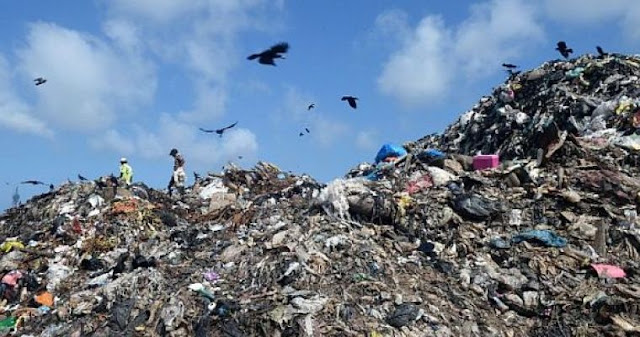
මීතොටමුල්ලේ කුණු කන්ද කඩා වැටීම නිසා මිය ගියේ 33ක් යයි මාධ්‍යවලින් වාර්තා කලද එම ප‍්‍රමාණය සත්‍ය වශයෙන්ම 200ක් පමණ විය හැකි යයි නියෝජ්‍ය ඇමති රන්ජන් රාමනායක මහතා පවසයි.

මෙම සිදුවීම සමූල ඝාතනයක් යයිද පවසන ඔහු ඊට වගකිව යුතු සියල්ලන්ට මිනීමැරුම් චෝදනා එල්ලවන්නේ යයිද සදහන් කරයි.

කුණු කන්දේ ව්‍යාපෘතිය කල් දමන ලද සියළු දෙනාට හෙන ගහන බවද ඔහු වැඩු දුරටත් පවසයි.

වීඩියෝව මෙතනින්

ත‍්‍රිකුණාමලේ තෙල් ටැංකි ගැන කෙස් කෙලින් වෙන කතාව සුසිල් කියයි.. ඉන්දියාවට විකුණන්න හදන උන්ගේ රෙදි හැලෙයි..[Video]

April 24th, 2017

ලංකා සී නිවුස්

ත‍්‍රිකුණාමලය තෙල් ටැංකි සංකීර්ණය ඉන්දියාවට ලබා දීමේ විපාක හා එම ටැංකි සංකීරණයේ ඉතිහාස කතාව මීට පෙර ඛණිජ තෙල් ඇමති ධුරයද දැරු වත්මන් ආණ්ඩුවේද ඇමතිවරයෙක් වන සුසිල් පේ‍්‍රමජයන්ත් මහතා මෙසේ අදහස් පල කලේය.

National Sustainability undermined

April 24th, 2017

BY RIZA YEHIYA Courtesy Ceylon Today

The actors were the so-called ‘Environmentalists’. Their hyperbolic claim was the ‘Rape of the Wilpattu forest’. The outcome was Mawillu being Gazetted as a Conservation Reserve Forest.

Neither has a single alleged offender been apprehended nor have the ‘environmentalists’ substantiated their claims. Much to their embarrassment, President Maithripala Sirisena later confirmed to the nation that there is no deforestation taking place within the Wilpattu Forest Complex. So then what is the rationale behind all this, hullabaloo about Wilpattu? Couple of theories abound. One of which is to project power in a contested region to reshape geopolitics. Protecting the forest is just a façade for this endgame.

Had there been real environmentalism, we wouldn’t have experienced Rathupaswala, Meethotamulla, the Colombo port city, rice-based breweries undermining food security, the list of environmental failures is growing. Even at the time of this writing, virgin forests in Vavuniya and Mullaitivu are being cleared. It is also reported that there is also a Court case fixed for hearing for the 27th April 2017 instituted by the people in the surrounding regions of Maduru Oya Nation Park against the government releasing 50,000 acres from within the National Park for sugar plantation by Chinese. Where are the environmentalists? These are apparently, the foot soldiers of their paymasters and political overlords.

Unfortunately most of the Sri Lankan environmentalists are amateur hobbyists aligned to NGOs. They are not environmental scientists trained in environmental science and the scientists are a small minority in the current environmental discourse.

The scientific community has shed the archaic linear approach to environmental analysis and instead has embraced a more holistic and integrated ecological approach based on the sustainability matrix of environment, society and economy. Sustainable development is borne out of this core approach. Our environmentalists’ approach is outdated. We are at the threshold of Circular Economy. A concept which aligns the supply chain and the waste chain to re-supply sustainably to a sustainable future where forest and urban forest are integrated as part of the supply chain integrating humans with nature to ensure ecological sustainability. In contrast to this, our environmental and economic thoughts are languishing in the 18th century fossilised carbonic thoughts with linear approach and a soiled mentality.

Linear environmental approach often has led to disturbing the ecological equilibrium undermining the environment, economy and society. It exacerbates conflict between environment, society and economy and ultimately undermines the whole ecology. Mawillu forest reservation prompted by the environmentalist lobby is a classic road to unsustainable futures. Mawillu once acclaimed the rice bowl of Sri Lanka would become fodder to the environmentalists but would undermine food security to the nation.

Today in the highly complex technologically driven society, disruptive technology and consequent disruptive human behaviour changes the shape and hue of life between morning and evening. For the State alone, without the support of the intellectual, scientific and academic community to guide the government, to take control of society and directing them sustainably is not tenable. Especially, in the presence of false prophets, masquerading as environmentalism’s promised messiahs. The government to succumb to them is hara-kiri for the whole nation. Sri Lanka was a sustainable country with a sustainable society however; the post-war trend of re-shaping the economy, environment and the society to cater to a particular class of people undermines national sustainability. The pearl of the Indian Ocean will soon lose its lustre.

Mawillu is a litmus test to prove how unpatriotic and self-indulgent the protagonists of the Gazette are. How myopic is the government to succumb to the pressure and impose a Gazette undermining national sustainability. Mawillu requires a holistic analysis to chalk a common future to all to render it sustainable to the society, economy and the environment. It is an area the government lost its writ during the conflict and hence could not protect its citizens. The citizens there were ethnically cleansed by the LTTE and driven out as IDPs. Why did the Sri Lankan forces shed their blood on the soil here? Is it to establish a forest reserve or to re-establish the writ of the government? In this region, people and the flora and fauna were cohabiting since time immemorial and their attitude towards nature and environment is shaped by their historical memory and a lifestyle influenced by their physical environment nurturing a symbiotic relationship.

reconciliation and re-settlement

The priority of the post-war government should be to re-settle the IDPs of this region to the pre-1990 positions, the year they were ethnically cleansed. It is their right and the government owes a duty to them. The government utterly failed in their responsibility to protect these people during the conflict and failing to protect them in the post-conflict period. The government has become inquisitorial by clamping a Gazette declaring their traditional lands as a reserve forest whilst permitting greener rainforests in other areas to be raped. Where is environmental justice to a people displaced by war and prevented from re-settling? This questions the bona-fide of the environmentalists for their silence for environmental rape in other areas and their agitation here? Double standard environmental advocacy is more dangerous than no environmental advocacy.

incorrect coordinates

The Gazette notification No. 1759/2 dated 21.05.2012 is flawed in its GPS coordinates demarcating the boundaries of forest reserve. This had one coordinate point in Marricikatti, another in Anuradhapura and a third point into the sea 25Km off Galle.

Similarly, incorrect coordinates assigned to demarcate Marricikatti-Karadikkuli forest reserve in Gazette No.1779/15 of 10.10.2012. This is overridden by the latest Gazette No.2011/34 of 24th of March 2017 declaring Mavillu, Weppal, Karadikkuli/Marichchakatti and Periyamurrippu as Mawillu Conservation Forest. The process of gazetting is dubious. The secrecy is questionable and not following legal procedures, getting the coordinates wrong and finally hemming the nearly 35% of the re-settled IDPs’ settlements with Conservation Forest Boundary in their backyards arouses suspicion. This looks more like a deep State activity coercing a weak President to agree to something harmful to national interest.

Violation of the Right to Return

The government and the international community have failed to address the resettlement/ compensation for the Muslim IDPs from Mannar District. With the advent of the new Gazette, about 65% of the IDPs yet to return cannot move to their original places of domicile. The new Gazette hemming and enveloping them with new Conservation forest boundaries along their property boundaries without a buffer zone between human settlement and reservation will potentially cause Human Elephant Conflict (HEC). The writer visited these sites and found the boundary stone laid precariously inviting HEC.

The government’s talk of reconciliation is hollow. Injustice is the fundamental factor for conflicts in society. However much the powers that be try to cover up their intrigues, it will break loose like cancer from another side. The government is responsible to find long-term solution to this.

Hollow Environmental Argument

The type of forest cover in the Mannar District where Mawillu is, consists of Dry Zone Thorn Scrub forest consisting of short trees not more than five metres high, dense thorny shrubs interspersed with pockets of taller trees and grassy plains. There is less biodiversity and flora and fauna compared with other forests. According to the National Red List 2012 of Sri Lanka prominent plants found in this region are ‘Secondary forest under progressive succession’. These areas have been continuously under human habitation until abandoned due to the conflict. This led to uneven growth of green cover which is not forests by universal definition. Therefore the argument that this should become a reserve forest is not valid.

Substantiating similar strains Senior Environmental Scientist Rohan Pethiyagoda writing in the Ceylon Journal of Science in his research article titled ‘Biodiversity conservation in Sri Lanka’s novel ecosystems’ comes with counter arguments against the hollow ecological premise the protagonists of Mawillu Conservation Forest are advocating. He cites that the elephant population in Sri Lanka has grown from 1,600 in 1959 to more than 6,000 in 2011. This is despite of 100-150 elephants killed by farmers annually. Similarly he contends that Sri Lanka’s forest dwindled to about 23% since independence whilst homestead vegetation doubled (16.4% -30.1%) and mixed-scrub vegetation increased by 20% over the same period. Furthering his argument, he says that ‘the proportion of the island’s urban population has remained static, at around 15% of the total over the past decade, notably low in comparison to other Asian countries’ (30% in India, 72% in Malaysia: UN, 2011).

Considering the aforesaid factors, the environmentalists’ arguments are hollow. For instance the fact that Mawillu is a dry zone secondary forest with long history of human settlement, the population increase of elephants whilst forest cover is dwindling is indicative of elephant’s adaptive capacity. It is possible that other fauna and flora too may be increasing in population and are adaptive. Growth of homestead vegetation and mixed-shrub vegetation as a totality does not diminish the forest and green cover required to protect the available eco-system. Complementing this growing urbanization, regional metropolises and Western Province Megapolis would during the next 15 years attract migration towards urban centres possibly doubling the urban population of Sri Lanka to 30-40%. This would release more land for forest reserves, agriculture and cultivation. All these corroborating information prove that lack of proper scientific research and agenda driven attitude of the protagonist do not stand the test of reality. The government and the president are being taken on a jolly good ride. They are being misled to make unsustainable moves in the name of environmental protection.

Eelam Agenda

The LTTE ethnically cleansed this predominantly Muslim area with the goal of creating a mono ethnic Northern Province in support of Tamil Eelam. The government may think that by declaring a sizable portion of the Northern Province as Conservation Forest it would be under the government’s control in the event of North-East merger becoming a federal entity. Contrary to this, the government’s failure to re-settle the Muslims to 1990 position consolidates the Eelamists’ stance of consolidating the mono ethnic Tamil province to justify their case with the international community. It is intriguing to note how the Gazette declaration is rewarding the Eelamists to create a defacto territory. It may be possible considering who the ultimate beneficiary is to presume that the Eelamist Tamil diaspora may be indirectly funding the environmentalist and Buddhist extremists by their front organisations to checkmate the Sri Lankan State in the final analysis.

Limitation of this article does not permit further corroboration with facts to substantiate the status quo is wrong and more harmful to national interest. Considering the afore mentioned factors, it is wise for the government to de-Gazette to 1990 position, re-settle people in their original location, relocate the military to State lands and deliver the benefits of future urbanization to alienate sufficient land for human settlement and then after proper consultation with all stakeholders to demarcate new boundaries protecting the interests of all including a new forest to give a lasting solution.

(The writer is a Sustainability Consultant and a Chartered Environmentalist)

OH GARBAGE, OH GARBAGE!

April 24th, 2017

with Ravi Ladduwahetty Courtesy Ceylon Today

“A lot of people like lollipops. I don’t like lollipops. To me, a lollipop is hard candy plus garbage. I don’t need a handle. Just give me the candy”

– AMERICAN COMEDIAN, MUSICIAN, WRITER DEMETRI MARTIN

The interview that Minister of Disaster Management Anura Priyadharshana Yapa had with this columnist in yesterday’s Sunday edition of the Ceylon Today says not just a mouthful, but a bellyful!

The Minister also disclosed that the underlying reasons for the incumbent crisis is the rapid urbanization of Colombo and more so of the suburbs which have almost become satellite towns. He also asserted that Colombo accumulates 900 metric tonnes of waste a day and the figure for the entire Colombo District which includes the Districts of Gampaha and Kalutara is a whopping 2,000 metric tonnes. However, what the Minister did not say or know is that there are 20 million polythene/ poly propylene bags, better known as the ‘sili sili bags’ and another 15 million lunch sheets (buth kola) which are used in the Colombo District, making the problem very frightening, at the mere sight of the statistics.

So, it is not only the government has to be blamed. However, much finger pointing has to be made at the poor consumer as well, who cannot be absolved of the issues at hand.

It is indeed heartening to note that President Maithripala Sirisena, Prime Minister Ranil Wickremesinghe and the Government are determined to find a sustainable solution to the issues at hand.

There will be new legislation to tackle the rot as we quoted the Minister. He also says that the new laws will also see that the consumer pays for the garbage and there will be massive fines for those who arbitrarily and irresponsibly throw garbage out onto the roads which could also pose health threats and other hazards too like the proliferation of animals such as monkeys. Enough is enough!

The members of the public have also to be blamed for resisting almost every strategy to find a solution in the last three decades which made the issue curioser!

LOCAL EXPERTISE GOES INTERNATIONAL

The Minister also missed big time in the question on software development which could be usable in these efforts.

It is also moot to note that the Sahana software which was developed by the Sri Lankan NGO Sanasa which is being used in the USA is now being made use of in the cases of the Syrian refugees! Also another Sri Lankan Harsha Purasinghe, now runs his own corporate outfit in Silicon Valley, having prided himself as a college drop out! So, it has now transpired that Sri Lanka cannot draw the expertise of her own sons in technology.

Rings a bell! That has happened even in the case of international cricket.

CRICKET AND OTHER ASPECTS OF GENERAL LIFE!

Now rings the second bell! This columnist is also reminded of the quote of the Editor of the Wisden Cricket Almanac, widely acknowledged as the Bible of Cricket, which he said in the 1988 Edition under Sri Lanka …The country’s cricket has occupied the same confused state as other aspects of general life over there.

That was after Sri Lanka not sending the results of its First Class Tournament for seven consecutive years since election to full membership of the International Cricket Council in July 1981 and till 1986 under the stewardship of Editor John Woodcock and in 1987 under the stewardship of Editor Graeme Wright where the Wisden Cricket Almanac said under the chapter on Sri Lanka…The country report of Sri Lanka has not been received at the time this edition went to press. In 1988, in absolute desperation, the Wisden Almanac Editor Graeme Wright (1987-1992 and 2001/2) said: “The country’s cricket has occupied the same confused state as other aspects of general life over there…”

But, this columnist now believes that the reverse is more apt in the current context. The country’s other aspects of general life have occupied the same confused state of its cricket over there…!!!

GOVT NOT ALL THAT HEARTLESS

The Minister was also quick to retract a tense situation and was incensed on the question about a measly Rs 100,000 for the beneficiaries of the dead vis-a-vis the million spent on the Bavarian limousines for politicians when he remarked that the priorities were to bring the situation under control and that the compensation would be higher for the destitute. So, the State is not that heartless after all.

The Minister’s erudition of the subject, being the Attorney he is and the analytical mind he has and the manner in which he skillfully handled the recalcitrant Sri Lanka Telecom trade unions who struck work at the drop of a hat, in his previous incarnation as Deputy Minister of Posts, Telecommunications and Media in the first CBK Presidency in 1995, was indeed laudable.

NOT ILLAFFORDABILITY

But the irony of it is that he says that the Government cannot afford the big technology akin to Singapore. Bit funny that!

It should also be remembered that Singapore also started small and did not have the billions of Dollars when it started. But the heart of the matter is that they started their economic development and their per capita growth simultaneously with the environmental controls. They also, unlike Sri Lanka, did not have protesters at the commencement of every development project citing environmental reason and that it was detrimental to the environment. Examples such as the Norochcholai and Upper Kotmale Hydropower Projects come to mind.

The irony of this devastating problem is that all the solutions up to now have been repeated ad nauseum by different people.

Same wine in different bottles or same moonshine (kasippu) in different pots!

SILVER LINING

Anyway, the silver lining looming among the dark clouds is that the Ministry of Megapolis has developed three systems now, better than any one of the projects which have been tried and tested. But the heart of the matter is that the project will take around two and a half to three years to get off the ground. So, it is bound to be QUO VADIS SRI LANKA until such time!

(raviladu@gmail.cpm)


GL: Probe role of doctor, prof. in bogus asylum seekers’ network Lankan got himself tortured by doctor placing hot iron rods on his back

April 24th, 2017


Former External Affairs Minister Prof. G. Peiris yesterday told The Island that a recent British Court of Appeal ruling that a Sri Lankan asylum seeker had got a doctor to inflict grievous injuries in a bid to deceive British authorities should prompt a wider investigation into unsubstantiated allegations levelled those seeking asylum against the Sri Lankan military.

The Court of Appeal has identified the 35-year-old claimant only by the initials KV. The British Court of Appeal rejected his appeal.

The former law professor said that the British Court of Appeal ruling underscored the importance of a thorough investigation to identify those who had been propagating lies to secure asylum. “The UK case is certainly not an isolated one,” Prof. Peiris said, alleging that the securing citizenship for ‘illegals’ was a lucrative business.

article_image

The former minister said that the Court of Appeal upheld an earlier immigration tribunal decision to throw out KV’s asylum claim.

Prof. Peiris pointed out that according to what had transpired in the UK Court of Appeal, the asylum seeker received severe torture marks on his back with the help of a doctor before leaving Sri Lanka six years ago on a fake passport.

The British court has ruled that a ‘cooperative and clandestine’ doctor might have put KV under general anesthetic while the heated iron rods were placed on him.

The Court of Appeal also ruled that KV probably consented to the torture as part of a ruse called ‘self-infliction by proxy.’

The internationally recognised Lankan jurists said every effort should be made to identify the doctor responsible for ‘torturing’ KV as he was certain to have helped others secure asylum in the UK or elsewhere. Prof. Peiris pointed out that the British revealed that KV had produced a medical report from a Professor to justify his claims. Perhaps, the doctor and the Professor had been involved in similar projects over a period of time and were responsible for helping bogus political asylum seekers.

The former External Affairs Minister said that KV had claimed to have been tortured in Aug. 2009, a couple of months after the then government brought the war to a successful conclusion.

The British media reported that in a 22,000-word appeal ruling, one of UK’s most senior judges, Lord Justice Sales, questioned why KV had not experienced any significant infection as a result of the burning. Prof. Peiris asserted that the observation meant that the UK court recognized the fact that KV was treated by the same person (doctor) who tortured him.

Prof. Peiris pointed out that the British court had raised doubts about KV’s involvement with the LTTE, his alleged detention and escape from Sri Lanka.

KV has claimed that he was detained in the aftermath of an LTTE attack on the Bandaranaike International Airport in 2007.

While admitting that though there had been some isolated cases, Sri Lanka never perpetrated atrocities as state policy. Could there be a situation as comical as bogus asylum seekers claiming involvement with the LTTE to deceive foreign governments? Prof. Peiris asked.

Responding to a query by The Island, Prof. Peiris said that UK based Tamil Diaspora groups would exploit the snap general election called by Premier Theresa May for June 8 to advance their cause. The Joint Opposition heavyweight said that Diaspora groups would certainly influence major UK political parties to issue statements on Sri Lanka in the run up to June 8 poll. Such statements would be inimical to Sri Lanka and was meant to induce UK voters of Sri Lankan origin to back a particular political party.

Meanwhile, Prof. Peiris said that he would be shortly writing to the UK headquartered Amnesty International (AI) regarding a briefing given by its Secretary General Salil Shetty in Colombo on April 5, 2017. Shetty raised a range of issues at the media briefing given at Sri Lanka Press Institute (SLPI). Among the issues that had been taken up by Shetty was disappearances, Prof. Peiris said. Perhaps, the AI could now try to establish the truth about KV whose asylum bid had been rejected by UK Court of Appeal. “Let AI find out whether KV, too, is listed among those who had been missing during the conflict and after.”

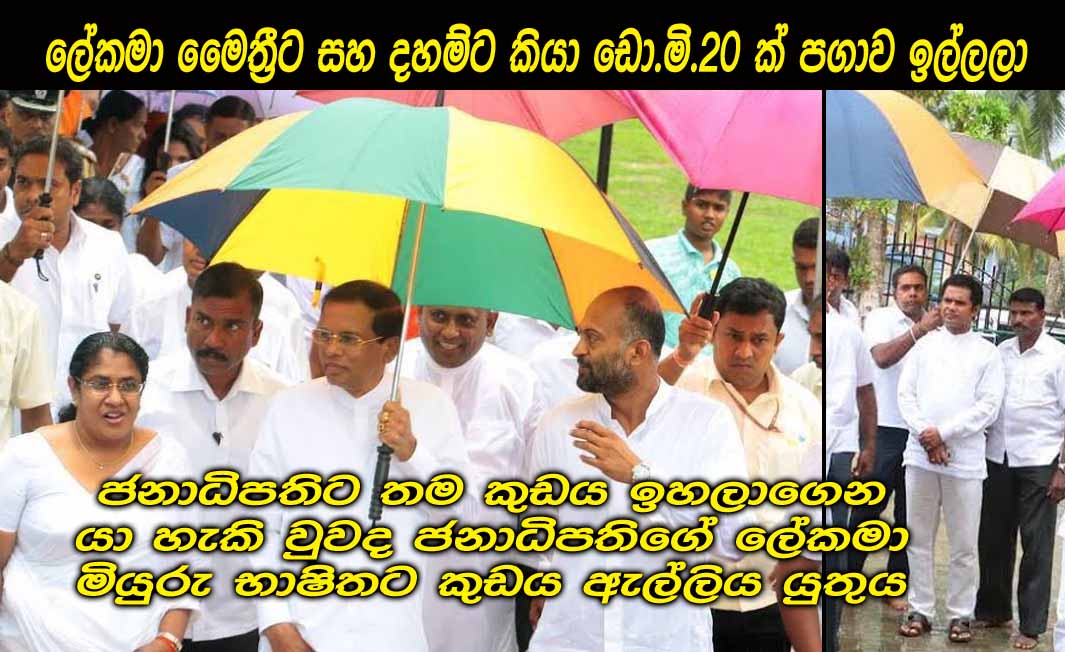
දහම් සිරිසේන හරහා ජනාධිපති මෛත්‍රීට පගාව දීමට සම්බන්ධීකරණ ලේකම් ඩොලර් මිලියන 20ක් අල්ලස් ඉල්ලා මිලියනයක් අත්තිකාරම් අරන්..?

April 23rd, 2017

ලංකා සී නිවුස්

දිවයිනේ පලාත් පාලන ආයතනයන් සඳහා විදී ලාම්පු සවි කිරීමෙදි දැනට භාවිතා කරන අධික විදුලිය වැය වන වීදි ලාම්පු වෙනුවට LED විදුලි පිරිමැස්ම සහිත ව්‍යාපතියක් සඳහා අවශ්‍ය ඇනවුම් ලබාදීමට අවශ්‍ය ආණ්ඩුවේ අනුමැතිය ලබාදීමට ඩොලර් මිලියන 20 ක (රුපියල් මිලියන 3000ක්) අල්ලසක් එක්තරා සමාගමකින් ඉල්ලා ඇති බව එජාප හිතවාදී වෙබ් අඩවියකින් චෝදනා කරයි.

ජනපති පුත් දහම් සිරිසේන හරහා ජනාධිපති මෛත්‍රීපාල සිරිසේන මහතාට ලබා දිය යුතු යැයි කියා ජනාධිපතිගේ ලේකම්වරයෙකු වන මියුරු භාෂිත ලියනගේ විසින් ඩොලර් මිලියන 20 ක අල්ලසක් එක්තරා සමාගමකින් ඉල්ලා ඉන් අත්තිකාරම් ලෙස ඩොලර් මිලියනයක් ගත් බවත් වාර්තා කොට ඇත.

පුවත මෙතනින්

http://lankaenews.com/news/5629/si

ඉසුරු සහ චම්පික කුණු ප්‍රතිචක්‍රීයකරන සමාගම් වලින් අල්ලස් ඉල්ලීම හෙළිකිරීමෙන් පසු තවත් පතාකයන්ගේ බඩු එළියට..! ජනාධිපති ලේකමෙක් මෛත්‍රීට සහ දහම්ට කියා ඩො.මි.20 ක් පගාව ඉල්ලලා: මිලියනයක් ඇඩ්වාන්ස් දීලා

(ලංකා ඊ නිව්ස් -2017.අප්‍රේල්.22, ප.ව‍‍‍.6.00) ඉසුරු දේවප්‍රිය මහ ඇමැතිවරයා සිය බිරිඳ ලවා සහ චම්පික රණවක කැබිනට් ඇමැතිවරයා සිය ගෝලයන් ලවා  කැනේඩියානු සහ ජර්මානු සමාගම් දෙකකින් කුණු ප්‍රතිචක්‍රීයකරන ව්‍යාපෘති දෙකක් සඳහා ඩොලර් මිලියන 3 ක් සහ ඩොලර් මිලියන 3.5 බැගින් අල්ලස් ඉල්ලීමේ සිද්ධි දෙකක් ලංකා ඊ නිව්ස් විසින් වාර්තා කිරීමෙන් පසු වත්මන් යහපාලන ආණ්ඩුවේ බලධාරීන් විසින් එවැනි අල්ලස් ඉල්ලීම් පිලිබඳ සිදුවීම් නොකඩවා ලංකා ඊ නිව්ස් වෙත ලැබෙමින් පවතී.

ඉන් වැදගත් සිදුවීමක් වන්නේ දහම් සිරිසේන පුත්‍රයා හරහා ජනාධිපති මෛත්‍රීපාල සිරිසේන මහතාට ලබා දිය යුතු යැයි කියා ජනාධිපතිගේ අපාය සහාය ලේකම්වරයෙකු වන පාර්ලිමේන්තු කටයුතු සම්බන්ධීකරණ ලේකම් මියුරු භාෂිත ලියනගේ නමැත්තා විසින් ඩොලර් මිලියන 20 ක අල්ලසක් එක්තරා සමාගමකින් ඉල්ලා සිටීමයි. 

සිද්ධිය මෙසේය.

දැනට කාලයක සිට ලංකාවේ මාර්ග  ආලෝක කරණයට භාවිතා කරන සම්ප්‍රදායික විදුලි පහන් වෙනුවට බලශක්ති පිරිමසන led  විදුලිපහන් සවිකිරීමට 2012 වසරේ සිට ලෝකයේ විවිධ රටවල සමාගම් වරින්වර ශ්‍රී ලංකාවේ රජයට විවිධ ව්‍යාපෘති ඉදිරි පත් කර ඇත. වනචර දශකයේ සියළු ආයෝජන සිදුකෙරුණේ රාජපක්ෂ පවුලේ කල්ලිය හරහා බැවින් එකල led ව්‍යාපෘතිය සිදු කිරීමේ බ්‍රෝකර් කම ලබාගෙන සිටියේ මහින්ද රාජපක්ෂගේ මියගිය අක්කාගේ පුතාවන  හිමාල් හෙට්ටිආරචි වන අතර ඔහු ගේ  චෙස්මි කොන්සොලිඩෙට්  නම් නාමික සමාගම හරහා සියලු led  ව්‍යපෘති ඉදිරිපත් කළ යුතුව තිබුණි .

නමුත් සමාගම් දෙකක් හැර අන් සියළු සමාගම් හිමාල් හෙට්ටිආරච්චි ඉල්ලු කොමිස් මුදල ගෙවීම ප්‍රතික්ෂේප කර පිටව ගිය අතර  ඉතිරි වුයේ  LS  කොමියුනිකේෂන් හා සෙමිඉලෙක්ට්‍රිකල් ලංකා නම් සමාගම් දෙක පමණි. නමුත් ඒ කිසිදු සමාගමක් එක LED  බල්බයක් තබා ඉටිපන්දමක් හෝ නිෂ්පාදනය කරන සමාගම් නොව නාමික බ්‍රෝකර් සමාගම් විය.

දැනට ලංකාවේ  වීදි පහන් ලක්ෂ 8 කට අසන්න ගණනක් ඇති අතර ඉන් නීත්‍යානුකුලව සවිකර ඇත්තේ ලක්ෂ 5කට ආසන්න වීදි පහන් ප්‍රමාණයකි. අන් සියල්ල නීති විරෝධීව  පළාත් පාලන නියෝජිතයින් අනවසරයෙන් සවිකළ වීදි පහන් ය.

අවසානයේ ඉතිරි වූ ඉහත කී සමාගම් දෙකම බ්‍රෝකර් සමාගම් වූ අතර හිමාල් හෙට්ටිආරච්චි සහ ඔහුගේ චෙස්මි කොන්සොලිඩේටඩ් කණ්ඩායම් ඉල්ලූ අති විශාල කොමිස් මුදල ලබාදීමට එකඟ වූ ව්‍යාපෘතිය  වෙත  මෙම LED  ව්‍යාපෘතිය ලබාදීමට එකග විය.   මෙම සමාගමේ සිටිනුයේ   කොරියන් ජාතිකයෙක් සහ ශ්‍රීනාත් පෙරේරා නම් කොරියාවේ කම්කරු රැකියාවක නියුතු ව සිට පැමිණියෙකි .  මේ එකඟතාවය සිදු වූයේ 2014  අවසාන කාලයේ වන අතර  2015 ජනවාරි 8 දා රාජපක්ෂලා පරාජය වී ගෙදර ගියේය.

ඉන්පසු ටික කලකට පසු  ඉහත කී අල්ලස් දීමට එකඟ වූ සමාගම  අලුත් ආණ්ඩුව සමග පෙර පුරුදු ජාවාරම  ආරම්භ කල අතර මෙවර ඔවුන්ගේ පහසුකම් සපයන්නා  වූයේ ජනාධිපති ගේ පාර්ලිමේන්තු ලේකම් වන මියුරු භාෂිත ලියනගේ නමැත්තා ය.

LED  හෝ වෙනත් මෙලෝ දානයක් ගැන තාක්ෂණික දැනුමක් නොමැති මියුරු භාෂිත මෙම ව්‍යාපෘතිය ට  කැබිනට් අනුමැතිය ලබාදීමට ඩොලර් මිලියන 20 ඉල්ලා ඇත. මියුරු භාෂිත ප්‍රකාශ කර ඇත්තේ ඩොලර් මිලියන 20 න් කොටසක් දහම් සිරිසේන හරහා  ජනාධිපති වෙත යන බවයි. ඉන්පසු අත්තිකාරමක් ලෙස ඩොලර් මිලියන් 1 ක ප්‍රමාණයක් මියුරු භාෂිත ලියනගේට  අල්ලස් ලෙස ලබා දී තිබේ. ඒ සමගම මියුරු භාෂිත මෙම ව්‍යාපෘතිය ට අවශ්‍ය අනුමතිය  ලබාගැනීම සදහා අදාල සියලු ආයතන වලට දැඩි බලපෑම් එල්ල කිරීම ආරම්භ කෙළේය. මොහු එහිදී සියලු ආයතනවල නිලධාරීන්ට දැනුම් දී ඇත්තේ මෙම ව්‍යාපෘතිය ජනාධිපතිවරයා ගේ ව්‍යාපෘතියක් බවත් එයට අවශ්‍ය අනුමැතිය ලබා දෙන ලෙසත් ය.

මෙහි එක් අවස්ථාවකදී  මුදල් අමාත්‍යාංශයට බලපෑම් කළ විට නිලධාරීන් පවසා ඇත්තේ අදාල කාරණය ගැන  — Full Story

http://lankaenews.com/news/5629/si

The Enemy of Joint Opposition

April 23rd, 2017

Janaki Chandraratna

I like to comment on the discussion featured in the Island Newspaper on the enemy of the Joint Opposition, in recent times.

Needless to say I respect Dr. Dayan Jayatilleke and Dr. Mahinda Pathirana for raising this issue, as very often people are misguided by the contradictory statements in the media by the Prime Minister and the President on matters of national interest.

I believe that the support of intellectuals like Dayan and Mahinda are important to save our country along with Gota, Mahinda and other patriotic leaders from the threat of division through the forthcoming constitution changes. Their union can also be a solution for a better economic future. The knowledge, experience and the clarity of arguments are exemplary. There is however a need for this passion to be used to consolidate the opposition rather than weaken it by veering in different directions.

As Dayan says we need to identify the enemy first. It is my view that anyone who brings propositions inimical to the sovereignty of our nation either directly or implicitly is a traitor to our country. The President may appear to be helpless and be manipulated by the PM but we must not forget his repertoire in recent years. To begin with the President, as publicly stated, had planned his exit from the previous regime for over four years. His focus had been to destabilize the govt. and challenge his leader at the next Presidential elections.  To keep such a scheme under covers for that length of time is a tough challenge for any reasonable person. He managed however to pull through this pretense by agreeing with peer decisions and singing hosannas to his leader through out that time period.

Apart from the many autocratic decisions he had taken after his win as the President he was able to manipulate the EX-President for his support for the August 2015 election and discard him on the eve of the polling day by his declaration to the public that Mahinda would not be made the PM even if he wins a sizeable majority. To my mind it was the ultimate betrayal and a very low blow that anyone could have embarked on any moral standard.  Even today the President is quick to lambast Mahinda for every failure of the current Government. He has also publicly stated that he would not entertain either Gota or Mahinda in his govt. The political witch-hunt undertaken against this duo is no secret to the electorate. People are no doubt sick and tired of this deception and do not want Mahinda to fall into the same trap as he did in August 2015 in joining the President.

Yes, I agree with Dayan that Basil may have been unpopular, he is not a strategist but a good organizer, and was disliked by many including the current President during the previous regime. Indeed there is a possibility that the knowledge of current President’s schemes of betrayal of Mahinda during the previous regime would have contributed to this toxicity. But what we currently need is for the opposition to merge all skills at hand, at least in the short term, to defeat the referendum on constitutional changes if our country is to survive as a sovereign nation. We need to encourage a conscience vote on the future of the country rather than a party specific ballot. Brexit referendum in Britain and Trump victory in Britain were based on such a conscience vote.  Once the referendum on constitution changes is defeated, I believe that the current political landscape can change and there would be plenty of opportunity for the current President to rethink the role of SLFP and JO to solidify its strength for future elections.

රනිල්ගේ ඉන්දියා ගමන

April 23rd, 2017

නලින් ද සිල්වා

රනිල් තකහනියක් ඉන්දියාවට යන්නෙ ගිවිසුම් කිහිපයක් අත්සන් කිරීමට කියා කිසිවකු හිතනවා නම් එය දේශපාලනය ගැන වැටහීමක් නැති කමෙන් කෙරෙන්නක්. අපට විදුලිය ලබා දීම ගැන කතා කරන ඉන්දියාව රටෙන් කොපමණ ප්‍රමාණයකට විදුලිය දී තිබේ ද? මෝදී ඊනියා ජාත්‍යන්තර වෙසක් උත්සවයට සහභාගි වීමට තව සති දෙකකින් ලංකාවට පැමිණීමට නියමිතයි. ඒ තවත් ව්‍යාජයක්. ජාත්‍යන්තර වෙසක් දිනය (පූර්නිමා) ඉන්දියාවේ ජාතික නිවාඩු දිනයක් නො වෙයි. සිංහල බෞද්ධයන් රැවටීමට හැමෝම කටයුතු කරනවා. සිංහල බෞද්ධයන් ද රැවටෙන්නට දත කට මැදගෙන බලා සිටිනවා. සිංහල අවුරුද්දට රට පනින රනිල්ට සිංහල බෞද්ධ සංස්කෘතිය ගැන ඇති කැක්කුම කුමක් ද? රනිල්ට වෙසක් වැදගත් ද? රනිල්ට මෝදි ලවා වෙසක් දිනය ඉන්දියාවේ ජාතික නිවාඩු දිනයක් බවට පත් කර ගත හැකි ද? 

මේ ආණ්ඩුව බලයට පත් කෙරුණේ දෙමළ ජාතිවාදය සැනසීමට, එයට කප්පන් දීමට නව ව්‍යවස්ථාවක් සම්පාදනය කිරීමට බව අප නිතර මතක් කරනවා. ඒත් දේශපාලනයෙහි යෙදී සිටින්නන් හරි ඔවුන් ළඟින් ඇසුරු කරන්නන් හරි අප කියන කිසිවක් සත පහකට ගණන් ගන්නේ නැහැ. ඔවුන් සිතන්නේ අප නාථ දෙවියන් පසු පස යන මෝඩයන් කියා.  මොවුන් කිසි දිනෙක දැනුම කියන්නෙ මොකක් ද ඒ ලබාගන්නෙ (නිර්මාණය කරන්නෙ) කොහොමද කියන එක ගැන කල්පනා කරලා නැහැ. ඇතැමුන් ඒ පිළිබඳ බටහිර පොතපත කියවලා ඇති. එහෙත් කල්පනා කර නැහැ. ඔවුන් ඒ පොත්පත්වල ඇති දේ පුනරුච්චාරණය කරනවා. අද්‍යශ්‍යමාන ප්‍රාණීන්ගෙන් දැනුම ලබා ගැනීම පොත් කතුවරුන්ගෙන් දැනුම ලබා ගැනීමට වඩා වෙනස් වන්නේ කෙසේ ද? නාථ දෙවියන් ගැන කියවන කිසිවකුවත් කිසිදා කිසිවක් දැනුමට එකතු කර නැහැ. කුණු ප්‍රශ්නයට තමන්ගේ ම වූ විසඳුමක් ඉදිරිපත් කළ ඊනියා බුද්ධිමතකු වේ ද? කෘෂිකාර්මික වකුගඩු රෝගයට හේතුව අද වන තුරු මේ ඊනියා විද්‍යාඥයන්, වෛද්‍යවරුන් සොයා ගෙන” ඇත් ද? ඔවුන් දන්නේ අද්‍යශ්‍යමාන ප්‍රාණීන් විහිළුවට ලක් කිරීම පමණයි.

ජාතික ව්‍යාපාරයෙහි අයත් ඒකාබද්ධ විපක්‍ෂයෙ අයත් සිතන්නෙ 2019/20 ගැනයි. ජනාධිපතිවරණය, මැතිවරණය ගැන ඔවුන් කේන්දර බලනවා. ඒත් රනිල්ට, ඉන්දියාවට හා එංගලන්තය ප්‍රමුඛ බටහිර රටවලට එයට පෙර නව ව්‍යවස්ථාව අවශ්‍යයයි. මෛත්‍රිපාල යම්තාක් දුරකට ඔවුන්ට දැන් ප්‍රශ්නයක් වී තිබෙනවා. මෛත්‍රිපාල ඉතා පැහැදිලිව කියනවා ජනමත විචාරණයකට තුඩු දෙන ව්‍යවස්ථාවකට හෝ ව්‍යවස්ථා සංශෝධනවලට හෝ තමා එකඟ නැති බව. ඔහු ජනාධිපතිවරණයට ඉදිරිපත් වීමේ දී දුන් පොරොන්දු පත්‍රයෙහි ඒ බව සඳහන් වෙනවා.

මෛත්‍රිපාලට අද ඒ පොරෙන්දුවට ගරු කරන්න වෙලා තියෙනවා. රනිල්ටත් ඉන්දියාවටත් ප්‍රශ්නය වී ඇත්තේ එයයි. මෛත්‍රිපාල පත් කර ගත්තේ ඉන්දියාවේ රෝ ඔත්තු සේවයත් මැදිහත් වෙලා. ඒත් ඉන්දියාවට දැන් මෛත්‍රිපාල ප්‍රශ්නයක් වෙලා. රනිල්ට හැකිනම් මෛත්‍රිපාලට විරුද්ධව දෝෂාභියෝගයක් ගේන්න වුණත් පුළුවන්. එහි දී ඒකාබද්ධ විපක්‍ෂයේ ඇතැමුන්ගේ සහායත් බොහෝ විට ලබා ගනීවි. ඒකාබද්ධ විපක්‍ෂයටත් මෛත්‍රිපාලට දඬුවම් කිරීමට අවශ්‍ය නිසා සමහරුන් එයට එකඟ වේවි. ඔවුන්ට අමතක වේවි එවිට බලය සම්පුර්ණයෙන් ම රනිල්ගෙ කියලා. අද එදාට වඩා දක්‍ෂ ඩොයිලිලා හා කෞටිල්‍යලා ඉන්නවා.

රනිල්, සම්බන්ධන් මේ සම්බන්ධයෙන් ඒකාබද්ධ විපක්‍ෂයේ ඇතැමුන් සමග සාකච්ඡා කිරීමට බලාපොරොත්තු වන්නේ නම් මා ඒ ගැන පුදුම වන්නේ නැහැ. අද ඉන්දියාව දැළ එළා ගෙන යනවා. ඉන්දියාවට ප්‍රභාකරන් ඝාතනය කිරීමට අවශ්‍ය ව තිබූ නමුත් දෙමළ ත්‍රස්තවාදය හා දෙමළ ජාතිවාදය පරාජය කිරීමේ අවශ්‍යතාවක් තිබුණේ නැහැ. ඔවුන් ඒ සඳහා අපට ආධාර දුන්නෙත් නැහැ. ඒත් ඉන්දීය ජනමාධ්‍යවේදිනියක් මහින්දගෙන් මේ ආධාර ප්‍රශ්නය අසා ඇයට අවශ්‍ය පිළිතුර ලබා ගත්තා. මහින්ද හා මෛත්‍රිපාල අතර ඇත්තේ පෞද්ගලික ප්‍රශ්නයක්. විශේෂයෙන් ම බැසිල් රාජපක්‍ෂ හා මෛත්‍රිපාල මෛත්‍රිපාල අතර ඇත්තේ පෞද්ගලික ප්‍රශ්නයක්.

මේ කවුරුන්වත් රට වෙනුවෙන් තම පෞද්ගලික ප්‍රශ්න අමතක කරන්න සූදානම් නැහැ. මෛත්‍රිපාල –- මහින්ද – ගෝඨා ත්‍රිත්වය බලයට ගෙන ඒමට කතා කරන්නේ එක්කෝ නොදරුවන් , නැත්නම් වෙනත් දේශපාලන න්‍යාය පත්‍රයකට වැඩ කරන්නන්. ඒ න්‍යාය පත්‍රය රටට හිතකර එකක් නො වෙයි. මෙහි දී අප වෙනත් අයකු ජනාධිපති කිරීම පෙරදැරි කරගෙන නොවෙයි මේ න්‍යාය පත්‍රයට විරුද්ධ වන්නේ. ඒ සූත්‍රයට අනුව වැඩ කළහොත් පළමුවෙන් ම විසි වන්නේ ගෝඨාභයයි. ඔහු වටා සිටින අය ඒ බව අවබෝධ කරගන්නවා නම් හොඳයි. මෙය ඔවුන්ට දෙන උපදෙසක් නොවෙයි. ඔවුන් අප දෙන උපදෙස්වලට සවන් දීම නවත්වලා බොහෝ කල්. මාත් මේ කරුණු ලියනවා පමණයි. 

අද අවශ්‍ය වන්නේ මෛත්‍රිපාල ඉවත් කිරීම නොව රනිල් ඉවත් කිරීමයි. ඉන්දියාව එයට විරුද්ධ වේවි. ත්‍රිකුණාමල තෙල් ටැංකිවලට වඩා ඉන්දියාවට අවශ්‍ය වන්නේ භූමියයි. ත්‍රිකුණාමල වරායයි. මුහුදයි. ඔවුන්ට චීන මුහුදු සේද මාර්ගයට මුහුණ දෙන්න අවශ්‍යයි.  සුසිල් ප්‍රේමජයන්තට ඒ බව ඒ ආකාරයට ම නැතත් යම් කිිසිවක් වැටහෙනවා. සමහර විට මෛත්‍රිපාලටත් වැටහෙනවා ඇති. රනිල්ට ඒකෙන් ඇති වැඩක් නැහැ. ඔහුගේ ප්‍රමුඛතා වෙනත් දේ. සම්බන්ධන් තෙල් ටැංකි ගැන කියන්නේ කුමක් ද? ඔහු පාර්ලිමේන්තුවට පත් වී ඇත්තේ ත්‍රිකුණාමල දිස්ත්‍රික්කයෙන්. ඒත් ඔහු ඉන්දියාවේ ඉත්තෙක් පමණයි. තෙල් ටැංකිවලටත් වඩා රනිල්ට සම්බන්ධන්ට අවශ්‍ය ව්‍යවස්ථාව.

අද අප කල්පනා කළ යුත්තේ ඉදිරි ජනාධිපතිවරණය ගැන හෝ මහා මැතිවරණය ගැන හෝ නොව රනිල් අගමැති කමෙන් ඉවත් කර ව්‍යවස්ථාව පරාජය කිරීම ගැනයි. රනිල් වෙනුවට මහින්ද පත් කර ගත හැකි නම් ඉතා හොඳයි. පෞද්ගලික හේතු නිසා ඒ කළ නොහැකි නම්, බැසිල් හරි වෙනත් කවුරු හරි එයට විරුද්ධ නම් අපට වෙනත් ව්‍යවස්ථානුකූල ක්‍රමයක් ගැන හිතන්නට වේවි. 

නලින් ද සිල්වා

 2017 අප්‍රේල් 23

දියාගෝ ගාෂියාවෙන් අකුලාගනී.. ඇමරිකානු හමුදා කදවුර ඩෙල්ෆ් දූපතට එයි..

April 23rd, 2017

සංජය ලියනගේ– සත්හඬ April 23, 2017 | lanka C news | ලංකා සී නිවුස්

දැනට දියාගෝ ගාර්ෂියා හි ස්ථානගතව සිටින ආසියා – ෆැසිපික් සාගර කලාපයේ ඇමරිකානු 5 වන නෞකා සේනාංකය ලංකාවේ ඩෙල්ෆ් දූපත් සමූහයේ ස්ථානගත කිරීමේ සූදානමක් පවතින බව දේශපාලන ආරංචි මාර්ග සඳහන් කරයි.

ඊට අදාළ රාජ්‍යතාන්ත්‍රික මැදිහත්වීම නුදුරේදීම එක්සත් ජනපදය විසින් සිදු කරනු ඇති බව සඳහන් කරන එම ආරංචි මාර්ග වැඩිදුරටත් පවසා සිටින්නේ එක්සත් ජනපදය මෙරට සමඟ 2007 වසරේ අත්සන් කළ The Acquisition and Cross – Services Agreement (ACSA) ගිවිසුම මත පදනම්ව ඇමරිකානු 5 වන නෞකා සේනාංකය සඳහා ඩෙල්ෆ් දූපත ඉල්ලා සිටීම සිදුවනු ඇති බවය.

මේ අයුරින් ඇමරිකා එක්සත් ජනපදය ඩෙල්ෆ් දූපත වෙත අවධානය යොමුකර තිබෙන්නේ දැනට ආසියා – ෆැසිපික් සාගර කලාපයේ ඇමරිකානු 5 වන නෞකා සේනාංකය ස්ථානගත වී සිටින දියාගෝ ගාර්ෂියා දූපතෙන් ඉවත් වීමට සිදුව තිබීමත් ඒ හේතුවෙන් ඇමරිකා එක්සත් ජනපදයට ඉන්දියානු සාගර කලාපය තුළ කඳවුරක් පිහිටුවීම සඳහා භූමියක් අවශ්‍ය වීම නිසාත්ය.

ඇමරිකා එක්සත් ජනපදය විසින් ඇමරිකානු 5 වන නෞකා සේනාංකය වෙනුවෙන් දියාගෝ ගාර්ෂියා දූපත් සමූහය ගිවිසුමක් හරහා බි්‍රතාන්‍යය වෙතින් මිලදී ගන්නේ 1966 දී වන අතර ඒ ඇමරිකානු ඩොලර් මිලියන 14ක මුදලකටය. එම ගිවිසුමට අනුව ඇමරිකා එක්සත් ජනපදයට එම දූපත් සමූහයේ කටයුතු කිරීමට අවස්ථාව සැලසෙන්නේ වසර 50ක කාලයක් සඳහා පමණි. ඒ අනුව මේ වසර අවසන් වන විට දියාගෝ ගාර්ෂියා හි සිට මෙහෙයුම් කටයුතු සිදු කිරීමට එක්සත් ජනපදයට අවස්ථාව අහිමි වේ.

එක්සත් ජනපදය විසින් ඩෙල්ෆ් දූපත වෙත අවධානය යොමු කිරීමට පෙර අවධානය යොමුකර සිටියේ මාලදිවයින් දූපත් කෙරෙහිය. එහෙත් එම අදහස පසුව වෙනස් වූ අතර ඉන්දියන් සාගරය තුළ ඩෙල්ෆ් දූපත් සමූහය පිහිටා ඇති භූගෝලීය වැදගත්කම, ත්‍රිකුණාමලය වරාය ආශ්‍රිත ඉන්දීය ක්‍රියාකාරකම් වර්ධනය වෙමින් තිබීම සහ මෙරට නාවුක ක්ෂේත්‍රයේ චීන ක්‍රියාකාරකම් වර්ධනය වීමත් සැලකිල්ලට ගෙන ඩෙල්ෆ් දූපත් සමූහය වෙත එක්සත් ජනපද අවධානය යොමුව ඇති බව ද අප ආරංචි මාර්ග සඳහන් කර සිටියි.

ඇමරිකා එක්සත් ජනපදය විසින් මැදිහත්ව ඇෆ්ගනිස්තානයේ සහ ඉරාකයේ සිදු කළ යුද්ධවල දී ප්‍රහාරක මූලස්ථානය ලෙස භාවිත කර ඇත්තේ දියාගෝ ගාර්ෂියා දූපත් සමූහයේ පිහිටි කඳවුරය.

සංජය ලියනගේ
– සත්හඬ

අලූත් නීති හදයි.. මහින්ද රාජපක්‍ෂ ලංකාවෙන් පිටුවහල්..?

April 23rd, 2017

ප‍්‍රදීප් අනුර කුමාර lanka C news | ලංකා සී නිවුස්

වසර තිහක යුද්ධයක් අවසන් කර රටට සාමය දිනා දීම වෙනුවෙන් ලැබෙන තෑග්ග තමන් ඇතුළු රණවිරුවන් දං ගෙඩියට දක්කාගෙන යාමදැයි හිටපු ජනාධිපති මහින්ද රාජපක්ෂ මහතා ප්‍රශ්න කළේය.

අතුරුදන් වූවන් පිළිබඳ කාර්යාලය ස්ථාපිත කිරීමේ පන‍ත මඟින් කරන්නට යන්නේ රණවිරුවන් දංගෙඩියට දක්කාගෙන යාම බව පැවසූ රාජපක්ෂ මහතා මෙම පනතේ භයානකකම රටට ආදරය කරන සෑම අයකුම තේරුම් ගත යුතු බවත් පැවසීය.

හිටපු ජනාධිපතිවරයා මෙම අදහස් පළ කළේ දිවංගත රෙජී රණතුංග මහතාගේ 80 වැනි ඡන්ම දින සමරුවට මිනුවන්ගොඩ, උඩුගම්පොළ රෙජී රණතුංග සමරු සම්න්ත්‍රණ ශාලාවේ දී පැවැති ගුණ සමරු උත්සවයට සහභාගී වෙමිනි.

රෙජී රණතුංග ගුණ සමරු දෙසුම කැළණිය විශ්ව විද්‍යාල‍යේ ආර්ථික විද්‍යා අංශයේ ජ්‍යෙෂ්ඨ කථිකාචාර්ය අජිත් දිසානායක මහතා විසින් පවත්වනු ලදී. ගම්පහ දිස්ත්‍රික් පාර්ලිමේන්තු මන්ත්‍රි ප්‍රසන්න රණතුංග මහතාගේ මහජන සේවා කාර්යාලය ද හිටපු ජනාධිපතිවරයාගේ අතින් මෙදින විවෘත කෙරිණි.

මහින්ද රාජපක්ෂ මහතා එහිදී වැඩිදුරටත් මෙසේද ප්‍රකාශ කළේය.

මිනුවන්ගොඩ තමුන්නාන්සේලාට මම ඇවිත් රෙජී රණතුංග ගැන කියනවා කියන්නේ හරියට ගහ දන්න අයට කොළ කඩාපානවා වගේ වැඩක්. මම රෙජී අඳුන ගත්තේ 1970න් පස්සේ මන්ත්‍රීවරයකු ව සිටින කාලයේ. මම 1977 පරාද වෙලා ඉන්න කොට අනුර බණ්ඩාරනායක මහත්තයා මට කතා කරලා කිව්වා හොරගොල්ලට එන්න කියලා. මම හොරගොල්ලට ගියාම දැනගන්න ලැබුණා රෙජීගේ ගේ ගිනි තියලා කියලා. අපි රෙජී බලන්න ආවා.

රෙජීගේ ගතිගුණ, ගුණවත්කම අපි හැමදාම අගය කළා. එතුමා මන්ත්‍රීවරයකු, නියෝජ්‍ය ඇමැතිවරයකු, ආණ්ඩුකාරවරයකු ලෙස ජනතාව කරපු සේවය අසීමතයි. අද සමහරු කතා කරන කොට පේනවා ඉතිහාසය හා දේශපාලනය ගැන අවබෝධයක් නැති බව. ඔවුන් කියන දේවල් ගැන අපි කතා කළ යුතු නැහැ. දේශපාලන වශයෙන් එතුමා සමඟ ඉතාම කිට්ටුවෙන් කටයුතු කළේ ප්‍රසන්න.

රෙජි ළග තිබුණු සෘජු බව සහ ප්‍රතිපත්ති මම ප්‍රසන්න ළග දැක තිබෙනවා. ඒ ප්‍රතිපත්ති ඔහු කවදාවත් පාවා දීලා නැහැ. රෙජී වෙනුවෙන් කළ යුතු යුතුකම වන ඔහුගේ නම සහ ප්‍රතිපත්ති ඉදිරියට ගෙනයාමට ප්‍රසන්න කටයුතු කිරීම පිළිබඳ අපි ගරු කරනවා. අද රෙජී ජීවතුන් අතර සිටියා නම් රටේ වෙන දේවල් ගැන මොන තරම් කම්පා වෙයිද කියලා අපට කල්පනා වෙනවා.

ගම්පහ දිස්ත්‍රික්කයේ රක්ෂිත ඉඩම්වල අනුන්ගේ කුණු දානකොට, දොම්පේ කුණු ප්‍රතිචක්‍රීයකරණය කරන ස්ථානය විනාශ කරන්න යනකොට, මුළු පරිසරය විනාශ වෙන්න කටයුතු කරනකොට මොන වගේ කම්පාවක් ඇති වෙනවාද කියලා බලන්න. කුණු බැහැර කිරිම අත්‍යාවශ්‍ය සේවාවක් කරලා මේ ප්‍රශ්න විසඳන්න පුළුවන්කමක් නැහැ. මුතුරාජවෙල රක්ෂිතය විනාශ කරනවා.

එදා මහා සංඝරත්නයට පවා පහර දුන්නා. ගහලා, බැනලා, හිරේ දාලා ප්‍රශ්න විසඳන්න ආණ්ඩුවකට බැහැ. ප්‍රශ්න ගැන අවබෝධයක් තිබිය යුතුයි. ප්‍රශ්න ඔඩුදුවන්න දෙන්න හොඳ නැහැ. අපේ කාලයෙත් පරිසර ඇමැතිවරුන් හිටියා. පරිසර ඇමැතිවරුන් ක්‍රියාත්මක නොවුණු නිසා තමයි ආරක්ෂක ලේකම්වරයාට මේක බලන්න කියලා කියන්න වුණේ. එයා ඒක කළා.

දැනුත් පරිසර ඇමැතිවරුන් ඉන්නවා. මෙයාලා ඒවා බලන්න ඕනේ. ජනාධිපතිටම සේරම බලන්න බැහැනේ. ඒ නිසා විවේචන කරනකොට තමන් කරපු වැරැදිත් කල්පනා කරලා විවේචනය කරනවා ‍නම් හොඳයි. අපි සියල්ල කළේ සැලසුමකට අනුව. තුවක්කුවක්, පතරොමක් තිබුණේ නැති හමුදාවක් හිටපු අපිට වසර තිහක යුද්ධයක් අවසන් කරන්න පුළුවන් වුණේ අපේ සැලැස්ම නිසා.

අද කාපට්, කොන්ක්‍රීට් නැති පාරක් රටේ නැහැ. උතුරේ ජනතාව ඉල්ලන ‍විදියට රටෙන් කෑල්ලක් නොදුන්නට එදිනෙදා ජීවිතය ගෙනයන්න අවශ්‍ය සියලු පහසුකම් අපි දුන්නා. අපි කිසි වැඩක් දේශපාලනමය වශයෙන් හිතලා කළේ නැහැ. අද ගෙවල් බෙදන්නේ, සිමෙන්ති කොට්ටේ වගේම ග්‍රාමීය බැංකු වගේ බැංකුවලින් ‍ණය පවා දෙන්නේ දේශපාලන පක්ෂය ගැන හිතලයි.

එක්සත් ජාතික පක්ෂ ‍ආණ්ඩු ආවම හැමදාම කළේ ඔහොමයි. මේකත් එක්සත් ජාතික පක්ෂ ආණ්ඩුවක් මිසක් අපේ ආණ්ඩුවක් නෙමෙයි. නිදහස් පක්ෂයේ අය ඇමැතිකම් අරගෙන එක්සත් ජාතික පක්ෂ ආණ්ඩුව ශක්තිමත් කරන්න කටයුතු කරනවා. අද මම පුවත්පතක දැක්කා දැනට තියෙන පොලිස් ස්ථාන 400 ය 600 දක්වා වැඩි කරනවා කියලා. පොලිස් රාජ්‍යයක් සඳහාද මේ සූදානම? පොලීසි හැමතැනම දැම්මා කියලා ප්‍රශ්න විස‍ඳෙන්නේ නැහැ.

පාර්ලිමේන්තුවට ගෙනාවා අතුරුදන් වූවන්ගේ කාර්යාලයක් ස්ථාපිත කිරීම සඳහා පනතක්. මේ පනතේ තියෙන භයානකකම පොල් ගෙඩිය, හාල් සේරුව ගණන් ගියා වගේ දැනෙන්නේ නැහැ. නමුත් රටට ආදරය කරන අයට මෙහි භයානකකම දැනෙනවා. වසර තිහක යුද්ධයක් නිමා කරලා රටට සාමය උදා කරපු රණවිරුවන් ටික අද දංගෙඩියට දක්කන්න හදනවා.

ඒකේ තියෙනවා නියෝග දීම මත අපරාධ පනත යටතේ නඩු පවරන්න පුළුවන්. ක්‍රියාවකින් වැළකී සිටීමටත් නඩු දාන්න පුළුවන්. මම කරන්නේ නැහැ නිකං හිටියත් නඩු දානවා. අතුරුදන් කළා යැයි කියන චෝදනාව විදේශිය රජයක් හෝ එවැනි රජයක් වෙනුවෙන් ක්‍රියා කරන ඕනෑම සංවිධානයක් විසින් ඉදිරිපත් කරන්න පුළුවන්. අතුරුදන් කළා කියන චෝදනාව රජයකට, පුද්ගලයකුට වගේම රාජ්‍ය නොවන සංවිධානයකටත් කරන්න පුළුවන්.

යුරෝපයේ ඕනෑම රටක නඩුවක් පවරන්න පුළුවන්. අතුරුදන් වීමේ චෝදනාවක් කරලා ඒ නඩුවේ විත්තිකාරයකු ලෙස නම් කරලා ඉල්ලීමක් කළාම අපේ රටෙන් පිටුවහල් කරන්න පුළුවන්. මහින්ද රාජපක්ෂව වුණත් ඉල්ලු‍වොත් පිටුවහල් කරන්න පුළුවන්. මම විතරක් නෙමෙයි යුද්ධය කරපු ඕනෑම කෙනකුට මේක බලපානවා. ෆොන්සේකා වුණත් යවන්න පුළුවන්. එයාව නම් යවන එකක් නැහැ.

මේ චෝදනාව කරන රට රෝම ප්‍රඥප්තියට අත්සන් කරලා තිබ්බොත් මාව යුද අපරාධ අධිකරණයට වුණත් යවන්න පුළුවන්. රනිල් හැමදාම කියනවා අපි මේ ගිවිසුම අත්සන් කළේ නැහැ කියලා. අපි අත්සන් කරලා නැති හින්දා යවන්නේ නැති වුණත් චෝදනාව කරන රට අත්සන් කරලා තියෙන නිසා මාව යුද අපරාධ අධිකරණයට යවන්න පුළුවන්.

අතුරුදන් කිරීමේ චෝදනාවකට දඬුවම් විඳින කාලය තුළ අතුරුදන් වූ කෙනා යළි හමුවුවහොත් එයාගේ කැමැත්තක් නැතුව ඒ පුද්ගලයා ගෙන එන්න බැහැ. පරිප්පුව කන්නම ඕනේ. දැන් මේ පනත සම්මත කරලා. අතුරුදන් වූවන් පිළිබඳ කාර්යාලය ගැන පනත දැන් සම්මත කරලා. දැන් ජනාධිපති ළඟ තියෙන්නේ. එයා ඒක අත්සන් නොකර ඉන්නවා. අපි ඒ ගැන සතුටු වෙනවා.

මම විතරක් නෙමෙයි රණවිරුවන් සියලුදෙනාම මේ පනත මඟින් මහා දඬුවමකට ලක් කර තිබෙනවා. මේකද ප්‍රජාතන්ත්‍රවාදය? මේකද රට නිදහස් කරලා දුන්න එකට ලැබෙන තෑග්ග? එල්. ටී. ටී. ඊ ඩයස්පෝරාවට ඕනෑ විදියට රටක් කරන්න බැහැ. මේවා තමයි රට හමුවේ තිබෙන ප්‍රශ්න. මේවාට විරුද්ධ නම් දවස් හතක් ඇතුළත උසාවි යන්න ඕනේ.

මේ පනත කියවලා නීතිඥ මහත්තරුන්ට දිලා උපදෙස් ගන්නම දවස් හතක් යනවා. අපේ අයට එක දවසක් පරක්කු වෙලා වැඩේ වැරදුණා. ඒ හින්දා අපිට ශ්‍රේෂ්ඨාධිකරණය හමුවට යන්න බැහැ. පාර්ලිමේන්තුවේ කමිටුවකට ඉදිරිපත් කර තිබෙනවා. අපේ වාසුදේව මන්ත්‍රිතුමා තමයි ඉන්නේ. කමිටුවේ අනුමත වෙන එක කල් ගියා. මේ යන්නේ කොහෙටද?

මම මේක මැයි දිනයේ කියන්නම් කියලා හිටියේ. නමුත් මේවා මිනිස්සු දැන ගන්න ඕනේ. ‍මාධ්‍යයත් මේවා වැඩිය දාන්නේ නැහැ. එයාලටත් ප්‍රශ්න. සී. එස්. එන් එක වැහුවා. දෙරණට දැන් රතු එළියයි කහ එළියයි දෙකම පත්තු වෙලා. කොළ එළිය එන්න නම් ඒ පැත්තට හැරෙන්න කියනවා. හිරු එකටත් ගහනවා. මේ විදියට මාධ්‍යවේදීන්ටත් කරදර. වෙළඳ දැන්වීම් දෙන්නේ නැහැ.

පත්තරවලටත් ඒ තහනම එනවා. එයාලත් පරිස්සම් වෙන්න වෙලා තියෙනවා. නමුත් ඒත් පත්තර ඉන්නවා. අපි ඒක අගය කරනවා. පත්තර ගත්තාම දකිනවා ඇති. ‍දැන් බැඳුම්කරේ පත්තරෙත් එනවානේ. ඒකට දැන්වීම් දාන හැටි දැක්කම අපට වැඩේ හිතාගත හැකි. හැමදාම අපට ෂොට් එකක් ගහනවා. ඒක හොඳයි ඇස්වහ කටවහ යන්නත් එක්ක.

– ප‍්‍රදීප් අනුර කුමාර

Observing the First Precept

April 23rd, 2017

by  Professor Mahinda Palihawadana

I think I was asked to take part in this discussion1 because I am a vegetarian and a Buddhist as well. If that is so, the impression probably was that I am a vegetarian because I am Buddhist and that in my opinion I have to be vegetarian in order to observe the first precept. Well, I must say that this is not why I am vegetarian.

So I must provide you with a little bit of autobiographical material. I never became vegetarian. My mother’s brother was a vegetarian – that was more than 70 years ago. My mother loved him deeply and would do anything to please him. So when he suggested to her that it would be a good thing if she brought up her children to be vegetarian, she wholeheartedly agreed.
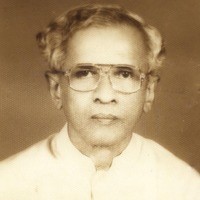
Professor Mahinda Palihawadana

I was born severely underweight and my mother used to say that visitors who came to see the new infant nearly always wondered how he could survive: he was so tiny. And it seems I habitually refused take my mother’s milk. I vividly remember that as a child I was awfully thin. In those days when there were no antibiotics and standards of hygiene were poor, young ones were often susceptible to all kinds of infection. I was no exception. In my childhood I suffered from measles, chicken pox, typhoid and malaria. Nevertheless my parents at no time tried to make me eat fish or meat: the family stuck to the decision through thick and thin.

Years later, when I left my village and came to Kotte to stay with my vegetarian uncle, he put me to school at Ananda Sastralaya, which was then under the Principalship of Dr Adikaram. As you all know Dr Adikaram was a staunch vegetarian and there prevailed at the school a positively pro-vegetarian atmosphere. I was quite at home in this atmosphere and never bothered to think about the question why I was a vegetarian. I only knew that my uncle had given up eating fish and meat because of Venerable Narada, who at that time was preaching the virtues of vegetarianism in the country.

It was only after I entered the university that I had often to answer questions about my diet and also suffer some taunts – but really not many. Most of my friends respected my way of life which by now I had consciously chosen not to alter. I never thought that in order to conform to the first precept I must be vegetarian. I must say that through all those years, I hardly ever tried to convert anyone else to my own way of living. When I married, my wife was not vegetarian and I didn’t bother about it. The important thing is that she didn’t mind my being vegetarian either. In a very largely non-vegetarian world, I co-existed with others happily. I even co-existed happily with a non-vegetarian partner ( My wife, the late Kalyani Sanghamitta Palihawadana (Kusuma to her friends), also became a vegetarian, some years after our marriage. She remained a dedicated vegetarian till her death in November 2009 aged 82)But we had a definite agreement that no meat would ever be brought to our home.

In 1982, after I had been 56 years a vegetarian, Dr Adikaram formed the Sri Lanka Vegetarian Society and asked me to be one of its Patrons, the other being himself. Till then I had been a vegetarian first due to sheer upbringing and later due to a gut feeling that I had: that it was not right, it was not fair, to participate in the process of killing animals to feed ourselves. By my own life experience I knew it was also not necessary, – though at that time we did not have the scientific support to vegetarianism that exists today. In fact I stuck to vegetarianism in spite of the information that we were given at that time – namely that there were serious health hazards in the vegetarian diet. I used to try to obviate those so-called hazards by taking Marmite, yeast tablets and considerable amounts of milk.

During all those years, I studied several languages one of which was Pali. As Pali was the language of Theravada Buddhism, that led me to an indirect study of Buddhist religious texts. Many of the canonical texts of Buddhism resonated with my conscience and they were also intellectually satisfying; and so gradually I began to give deep attention to what I read in those texts. I learned Pali first under Dr Adikaram whose unorthodox handling of Buddhist texts and subjects appealed to me greatly.

One of the things that struck me profoundly was that what the Buddha offered was not a religion of routine and habit, but one which, in spite of its extraordinary mix of simplicity and complexity, could also to a very great extent be tested on the anvil of reason. The other thing that struck me with equal force was the indubitably ethical nature of the way of life that the Buddha commended. The universal attraction of a text like the Dhammapada – which is really a good mirror of the simplicity and the complexity of Buddhism- lies largely in the fact that it teaches a way of life that appeals to the deepest ethical sentiments of the human species. And I would say that the ethics that one comes across in such texts as the Dhammapada rests infinitely more on human compassion and a feeling for justice and fairness than on any precepts.

Let me illustrate this by an example. We have all read the famous stanza which says that we should understand others by our own reactions: we would then not kill nor cause others to kill (attànam upamam katvà, na haneyya na ghàtaye). There is no precept here. Rather, the Buddha here points out the result of empathy: what happens when one has sensitivity. The statement is a distillation of humane experience. It may be due to civilisation, or it may be the result of a distinctive trait of human psychology; whatever it is, the fact is that unless you are hardened by a villainous environment, you shrink from inflicting on others what you yourself do not wish to suffer. And, after all, is this not the basis of all justice? Is this not why we insist on fair play?

The Buddha continues to appeal to this aspect of human nature when, for example he says that all beings are frightened by weapons that inflict pain, that everyone tries to escape from death. (sabbe tasanti dandassa, sabbe bhàyanti maccuno). Why does he say every one? Does he not appeal to the conscience of his audience when he says this? Don’t think that you are the only one who wishes to avoid pain and death. Everyone does. And as we learn from what he says about compassion, everyone does not mean human beings only. The universal kindness that the Buddha commends is quite clearly based on his own deep realisation of the fact that all beings are capable of suffering and any sensitive person is prone by such realisation to do what he or she can to eliminate or minimise such suffering. The point then is not whether we are mechanically going to obey a rule, but whether we can be sensitive, whether we can have that osmotic quality of the heart through which the pains and sufferings of others can seep into our own hearts. Sensitivity means that their pains and sufferings are also our own. If we can be sensitive in that way, it is not important whether we recite a precept or not. We will instinctively and of necessity desist from what the precept tries to teach us to avoid.

Why then did the Buddha teach a code of conduct which we recognise as the five precepts? In his own words the world is full of all kinds of persons. Some have more ‘dust’ on their eyes than others do. It would be fair to say that he tried to rub out some of that dust, though he knew that the full elimination of it can only be by the persons concerned. Evidently, he did this with great passion and infinite hard work. The precepts perhaps should be seen as his anguished appeal to the conscience of human beings to lead an ethical life. In their utter simplicity, they represent almost all that is needed for a society to groom itself to a life of compassion and orderliness.

And now let us consider what the implications of the first of these precepts are. Actually the Buddha has not left any grey area where we have to grope in the dark as to what these implications are – what he had in mind when he called on us to take upon ourselves the discipline (sikkhà) of refraining from killing. In the Dhammika Sutta in particular- but everywhere in spirit – he says that not to kill means three things: You do not do it yourself; you do not get others to do it; and you do not encourage, condone or applaud, you do not aid and abet, when others do it. (pànam na hane na ca ghàtayeyya/ na cànuja¤¤à hanatam paresam). What more does one need to prove that one cannot observe this precept as long as one buys the flesh of animals slain for our consumption? What encouragement does the meat industry need from us? Except that we buy what they kill – and allow them to reap the profits they get from our purchases?

There are people who say that the first precept is negatively formulated; and that this is intentionally done – to allow us room to eat animals that are killed by others. Such people conveniently forget the positive corollary of the negatively worded precept. Buddhism does not stop at teaching us not to kill. It also insists that we protect and cherish all life. This is the teaching of loving kindness. Sabbe sattà bhavantu sukhitattà: May all beings be happy. Everybody says – at least all Buddhists do- that Buddhism is a practical religion. If this practicality means that we can eat animals, then we have to admit that in insisting on happiness for all beings, it is at the same time being severely unpractical.

Actually Buddhism is practical. But the practicality lies elsewhere. It does not ask us to attempt the impossible. Like tying a cloth over your nose lest you breathe in any invisible creatures. Like refusing to walk lest you trample on tiny creatures that abound everywhere. We do what we can. We do the utmost that we can. That is all.

It is true that the Buddha did not lay down a rule for monks to be vegetarian. That was because they at that time depended on alms given by others, many of whom were not the Buddha’s followers. And also it was not his style to be a spiritual autocrat. But then, he laid down that right livelihood of lay people excludes the sale of flesh. What does that mean? It means that if a community is totally Buddhist there cannot be any trade in animal products in that community. Is that not sufficient as an argument for Buddhist vegetarianism, if one needs an argument?

There is one other point that I wish to draw your attention to. As I said earlier, we are not just being led by an arid wish to follow a rule, or even by a wish to gather merit for ourselves, when we consciously make the decision not to have anything to do with what killers of animals offer to us. We make that decision realising what is actually happening in the brutal world in which we are fated to live. In this world there are such things as animal farms. These are a hideous outgrowth of modern industry. They follow all of the horrendous evil that goes with the basic dictum of modern industry – the greatest profit at the least cost. From that flows the most unconscionable features of the modern animal farm: the techniques of intensive confinement”, denial of free movement and all other traces of a natural life to animals so confined – which includes removal of the young from contact with the mother, keeping them in total darkness for long periods of time, filthy and overcrowded living conditions, over-feeding, under-feeding, cutting their beaks and tails, utterly merciless modes of transportation and the final brutal act of the inevitable torturous slaughter.

Especially the slaughter of large animals – cattle, pigs, goats, sheep – is not a job quickly done, like snapping on a mosquito. It is an abominable long drawn-out process that offends the moral conscience of all sensitive human beings.

(Please don’t take me amiss. I do not mean that we have to snap upon mosquitoes. Or that killing smaller animals is all right. This is just an example to highlight the greater brutality of the slaughter of large animals.)

The modern animal farm is unlike anything that was known in the world in which the Buddha lived. Had he lived in the twentieth century, I can scarcely doubt that he would have made the first precept slightly more explicit and recommended vegetarianism to his followers.

The Buddha, had he lived in the world today would have certainly grasped the tremendous ecological / environmental hazards to which the planet is exposed by the life styles that are now gaining universal currency. In this context we cannot fail to be struck by the fact that meat eating is one of the prime reasons for a great deal of damage to the environment of planet earth. Not many people realise that 33% of the world’s total harvest of grain (and 70% of the massive US harvest) goes to feed livestock of the animal farms of the world3.

(This does not include the free ranging cattle and goats and other animals in the peasant economies of the world). It is said that the entire human population could be adequately fed with just one quarter of the corn, soya etc. that are now being used to feed livestock destined to the slaughter-house. And that means that three quarters of the massive acreage devoted to cultivating this livestock-feed can be diverted to forestry. That alone will reverse much of the environmental degradation that the planet is currently going through, with all that it costs to the quality of life of every species of its living beings. Awareness of this fact is a compelling factor for millions of sensitive people of all faiths to renounce meat eating and take to vegetarianism and veganism.

The modern vegetarian movement, which is vigorous and vitally active in many parts of the world, is firmly anchored in an ethical foundation which takes into account the right of animals to life and freedom – and kindly treatment at our hands- as well as the duty of us all to protect the planet’s environment: so that all forms of life will flourish as they did before the onset of the disastrous life styles that are currently fashionable. If the Buddha were alive, he would have certainly been one of the prime advocates of such an ethical way of life.

These figures are those quoted at the time this presentation was made. The situation today is even worse, with newly industrializing countries like China and India adopting the methods introduced by factory farms of the USA. See APPENDICES 1 and 2 below.

And as I see it, this is what the first precept is all about: an ethical way of life that stands for the welfare and protection of all living beings upon this fragile planet that is our common home.

Source: http://mahindapalihawadana.webs.com/apps/documents/

APPENDIX 1

Shun meat, says UN climate chief

By Richard Black Environment correspondent, BBC News website

People should consider eating less meat as a way of combating global warming, says the UN’s top climate scientist.

Rajendra Pachauri, who chairs the Intergovernmental Panel on Climate Change (IPCC), will make the call at a speech in London on Monday evening.

UN figures suggest that meat production puts more greenhouse gases into the atmosphere than transport.

But a spokeswoman for the UK’s National Farmers’ Union (NFU) said methane emissions from farms were declining.

People may not realise that changing what’s on their plate could have an even bigger effect ” Joyce D’Silva Compassion in World Farming

Dr Pachauri has just been re-appointed for a second six-year term as chairman of the Nobel Prize-winning IPCC, the body that collates and evaluates climate data for the world’s governments.

The UN Food and Agriculture Organization (FAO) has estimated that direct emissions from meat production account for about 18% of the world’s total greenhouse gas emissions,” he told BBC News.

So I want to highlight the fact that among options for mitigating climate change, changing diets is something one should consider.”

Climate of persuasion

The FAO figure of 18% includes greenhouse gases released in every part of the meat production cycle – clearing forested land, making and transporting fertiliser, burning fossil fuels in farm vehicles, and the front and rear end emissions of cattle and sheep.

The contributions of the three main greenhouse gases – carbon dioxide, methane and nitrous oxide – are roughly equivalent, the FAO calculates.

Transport, by contrast, accounts for just 13% of humankind’s greenhouse gas footprint, according to the IPCC.

Dr Pachauri will be speaking at a meeting organised by Compassion in World Farming (CIWF), whose main reason for suggesting people lower their consumption of meat is to reduce the number of animals in factory farms.

CIWF’s ambassador Joyce D’Silva said that thinking about climate change could spur people to change their habits.

6

The climate change angle could be quite persuasive,” she said.

Surveys show people are anxious about their personal carbon footprints and cutting back on car journeys and so on; but they may not realise that changing what’s on their plate could have an even bigger effect.”

Side benefits

There are various possibilities for reducing the greenhouse gas emissions associated with farming animals.

They range from scientific approaches, such as genetically engineering strains of cattle that produce less methane flatus, to reducing the amount of transport involved through eating locally reared animals.

The NFU is committed to ensuring farming is part of the solution to climate change, rather than being part of the problem,” an NFU spokeswoman told BBC News.

We strongly support research aimed at reducing methane emissions from livestock farming by, for example, changing diets and using anaerobic digestion.”

Methane emissions from UK farms have fallen by 13% since 1990.

But the biggest source globally of carbon dioxide from meat production is land clearance, particularly of tropical forest, which is set to continue as long as demand for meat rises.

Ms D’Silva believes that governments negotiating a successor to the Kyoto Protocol ought to take these factors into account.

I would like governments to set targets for reduction in meat production and consumption,” she said.

That’s something that should probably happen at a global level as part of a negotiated climate change treaty, and it would be done fairly, so that people with little meat at the moment such as in sub-Saharan Africa would be able to eat more, and we in the west would eat less.”

Dr Pachauri, however, sees it more as an issue of personal choice.

I’m not in favour of mandating things like this, but if there were a (global) price on carbon perhaps the price of meat would go up and people would eat less,” he said.

But if we’re honest, less meat is also good for the health, and would also at the same time reduce emissions of greenhouse gases.”

Richard.Black-INTERNET@bbc.co.uk

Story from BBC NEWS: http://news.bbc.co.uk/…/fr/-/2/hi/science/nature/7600005.stm Published: 2008/09/07 02:10:24 GMT © BBC 2011

Appendix 2

Eat less meat to save the planet – UN

By Louise Gray, Environment Correspondent 02 Jun 2010

The world needs to change to a more vegetarian diet to stand a chance of tackling climate change, according to a major new United Nations report.

The group of international scientists said the greatest cause of greenhouse gas emissions is food production and the use of fossil fuels.

But while the use of coal and oil could be gradually replaced by renewable energy sources like wind and solar, the world will always need to eat.

As the world population increases it is feared that the production of food will become the main cause of climate change and environmental degradation.

The International Panel of Sustainable Resource Management pointed out that agricultural production accounts for 70 per cent of global freshwater production, 38 per cent of land use and 19 per cent of the world’s greenhouse gas emissions.

The report, that will be presented to world governments, said the only way to feed the world while reducing climate change is to switch to more a more vegetarian diet.

A substantial reduction of impacts would only be possible with a substantial worldwide diet change,” it read.

Achim Steiner, Executive Director of the UN Environment Programme, said ordinary consumers can help fight climate change by eating less meat.

The Panel have reviewed all the available science and conclude that two broad areas are currently having a disproportionately high impact on people and the planet’s life support systems—these are energy in the form of fossil fuels and agriculture, especially the raising of livestock for meat and dairy products,” he said.

Mr Steiner said governments could encourage people to eat less meat by reforming the system of taxes and subsidies so vegetarian food is cheaper.

8

Smart market mechanisms, more intelligent fiscal policies and creative policy-making are among the options for internalising the costs of unsustainable patterns. Some tough choices are signalled in this report, but it may prove even more challenging for everyone if the current paths continue into the coming decades,” he added.

Lord Stern of Brentford, the author of the influential Stern Review that first argued for economic measures to fight climate change, also believes the world needs to eat less meat.

He has already warned that the price of meat and other carbon intensive” goods will need to go up to fight climate change.

Courtesy: The Telegraph (Online), UK.

Note: This is a slightly enlarged version of an article that appeared in the Daily News (Sri Lanka) of January 02, 1999 and in the Animal Rights Online Newsletter of March 24, 1999. The enlarged version was prepared for a Buddhist symposium at the YMBA, Borella and has since been published in the website Buddhism Today.

Professor Mahinda Palihawada lives in Sri Lanka. He received his Ph.D. from the University of Ceylon. He has been a professor of Sanskrit at various universities and has also lectured on Sanskrit numerous times.

He co-authored The Dhammapada, a New English translation, with the Pali Text and the First English translation of the Commentary’s Explanation of the Verses with Notes and Critical Textual Comments, Oxford University Press, New York, 1987, paperback reprint 1998. He was a post-doctoral visiting scholar at Harvard University. He has been the president of the Sri Lankan Vegetarian Society. His website contains his biography and many of his writings and articles.

http://mahindapalihawadana.webs.com/aboutmahindapalihawada.…

IGP WANTS TO CHANGE THE COLOUR OF THE UNIFORM TO BLUE ……………. AND CHANGE THE LOOK Derana TV news 23/4/17 …..

April 23rd, 2017

Dr Sarath Obeysekera

I wrote about it sometime back.Not only colour  we need to do a full make over and change the name to Rajapurusha” !!!!!!

Read Below

SRI LANKAN POLICE ( NEW NAME ) NEEDS NEW OUT LOOK AND TRAINING

Posted on January 11th, 2017

Dr Sarath Obeysekera

During my stay in UK ,I have noted that UK Police is trained to be polite to the people .When you drive the car erroneously and  violate a regulation such as dropping a cigarette butt on the pavement ,or drink or eat while driving ,they stop you. Once they approach they call you Sir” or Madam irrespective of your car or your attire and politely ( sometimes politeness does not come from their heart if you are a foreigner with a beard ) and yet talk to you calmly ,explain the rules of law ,Then they will tell you that you will have to pay a penalty or you will be charged .Unless you are absolutely sure that you have not violated any law you have no chance of talking him out not to charge you argue that he is at fault.

Their black Uniform in Winter and white shirt in summer does not give you shivers.You can stop them and  ask a road way and they will almost salute you .I do not say that the capitalist police is the best in world but ,I can assure that that they are trained to handle public  in a professional manner .Even if you are  the Price of Wales law ,is equal .

sarath11011703

I remember few years back, there was a traffic policeman near Liberty Junction who keeps smiling all the time and sometime salute you .But today we have young cops who do not know how to smile or to be polite .When they stop you they call you Mister” without knowing that word mister can only be used only as a prefix to your surname.

They will then ask you where are you going ? or where are you coming from ?!! These questions seem absurd ,because some people may not give the correct answer in the  if they are  on an illegal mission !

In big corporate entities,  talk about Rebranding” to uplift the marketability of their products .Similarly we may have to use some famous cricketers ( some of them appear in advertisements o sausage selling ! which is very unhealthy )   and put get them to wear a police uniform and advertise Police  using them in a very hilarious act or some other attractive manner .

sarath11011702

We need to change the minds of the people that Police is bad” I even suggest that when there are demonstrations they should use Navy or Army ( of course last  episode  in Hambantota was a debacle as the Navy Commander like to squeeze the chin of a  journalist ( may be he likes squeezing chins like we do to small kids!)

And yet Army and Navy is more respected by the people (except in Rathupaswela and in Hambnatota ) hence they can control crowds better ?

My opinion is that changing name to Sri Lanka Police did not help .We need to give a complete new name like Rajapurusha” !!!!!!! ( We have to be careful because Rajapurusha may support much hated word Rakapakse” among some  politicians .

sarath11011701

Next step is to change the colour of uniform form Khaki” to a much pleasant colour after holding a referendum to get the best colour people like then to wear ( I suggest pink ! because DIG gave the impression that he is more feminine because he cried recently at a public gathering  )

Last resort for the time being may be to give them Pink Uniforms and Pink Masks they were at traffic junctions

Dr Sarath Obeysekera


6 Responses to SRI LANKAN POLICE ( NEW NAME ) NEEDS NEW OUT LOOK AND TRAINING”

  1. Lorenzo Says:
    Change the drunkard POLICE MINISTER!
  2. Christie Says:
    Dr Sarath;We have an Indian Police now.

    The Commissioner of the Police Commission is on Sabbatical leave in a German University sponsored by an Indian vermin in Germany.

    He was a direct appointment by the Indian Empire.

  3. Ananda-USA Says:
    If the new Constitution passes, giving equal status to unconventional sexual relationships in Sri Lanka, PINK may indeed become the appropriate color for Police Uniforms!
  4. Susantha Wijesinghe Says:
    I SUGGEST **HORAA POLICE**
  5. Susantha Wijesinghe Says:
    ANANDA !! COLOUR OF UNDER-WEAR ? SHOULD BE BLUE.Another name:-HORAA RANIL SIRAA POLICE—-HRSP
  6. Nimal Says:
    One cannot compare UK with Sri Lanka,just like the Sri Lankan police every dpt, almost every professional have brought the country to the gutter level and in a matter of time with the help of psedo patriots who stirr the pot from the comforts of the Western world. Latter describe or suggest what is good or bad for the country. This is exactly that is happening in the Muslim world where they are tearing themselves apart because their own faith is being divided among themselves like a business. This has made way to the extreme form of Wahhabism. Innocent Muslims have no time or freedom to follow various sects in their countries as they have to work hard to make a living and it is the outsiders who are settled abroad have brought doom and destruction.
    Syria is a good example of a progressive modern country where there was intermarriage between the Christians and Muslims,inter marriage between the two sects of the Muslims.
    International meddlers who are settled abroad have made the atmosphere acidic that is leading to inner fighting even in a family. While they are divided among themselves that division is further worsened by arming the factions that was created. This arming seems to be done by the western countries. There was an ulterior motive for Chaos in Syria and that was averted by the Russians.This is making the Western countries and their agents desperate. They are now putting preassure on Russia because they are scared of the new dawan,where Turky,Iran and Russia are getting together to create lasting peace which is not in the interest the out side trouble makers. They are getting so desperate that settlement is getting ever so closer, think the Israelis have bombed a Syrian special services Air base.
    My advise to patriots living abroad is to strive for reasons that unite our country, strive for good governance that is in line with that is practised in UK,even if we have to bring them to SL to guide us.
    One must observe how progressive and erect the developed world is.They show no tolerance to industries that break their laws like US prosecuting The major car companies and now France prosecuting Renault,South Korea impeaching the sitting President and Perhaps Trump could be next.
    Do you honestly think that this will ever happen in or Darmadeepaya?
    We must not follow Cyprus where another religious idiot,Makarious brought the down fall of that island where the eventual folly was the division of the country.
    The way we are going about,Sri Lanka is friendless because our leaders since the so called independence exploited the country, made money that is stashed abroad while robbing the hard working tax man,putting the country into further debt. This will bring eventual resentment among the people leading into more trouble that would allow India to play local politics to please the TN voters that would bring eventual doom to the innocent Sinhalese. Then who will come to our rescue? Our leaders are good in targeting what is left among the Sinhalese. Examples are. We were the biggest land owners in the country and that was destroyed by the people like Hector Kobbekadwa by the land reform act,they took our busses owned by Sinhalese, They took our Dry Fish shops by TB Illagratne and made it in to Co OP,a den of thieves.I know one dry fish Mudalali(from Mathara) who had his shop in Colombo street Kandy took his life.Then the old powerful and the flagship of the Sinhalese business the Clylinco was nearly destroyed in early 60s by confiscating most of their business,the life policies by Felix Dias B to form the Insurance corporation. And the final blow to that company was to undermine that company recently where the people pulled out their deposits, where the rule of the day for our such finance companies to run a Ponzi like schemes, where Cantal bank never did their job, which was very convenient for some notorious people to asset strip the company and further insult the Chairman by putting him on remand. We Sinhalese are friendless and who need enemies when that is among us.

Dasa-Raja-Dhamma: The ‘Ten Royal Virtues’

April 23rd, 2017

by Danister I. Fernando

Buddhism is a way of life. What is mainly essential, according to the noble philosophy of Sakya Muni the Buddha is to follow the Eightfold Path leading to complete emancipation- Nibbana. But it is wrong to conclude that Buddhism is interested only in such lofty ideals and high philosophical thought ignoring the social, economic and political welfare of the people. Buddha was a marvellous repository of loving kindness (metta) and compassion (karuna) towards all beings and was greatly interested in the happiness of not only the mankind but of all other beings as well. To him happiness was not possible without leading a pure life based on moral and spiritual principles. He firmly believed that such a life was possible only under favourable material, social and political conditions. He considers such conditions as a means to a higher and nobler end.

In Kutadanda Sutta (Digha Nikaya) Buddha explains that in order to eradicate crime, the economic condition of the people should be improved. The relationship between the employer and the employee should be made cordial mainly by the payment of adequate wages, gifts and incentives. The kings (governments) should take this fact into serious consideration and keep the people happy and contented, so that consequently the country would be peaceful and crime free.

Not only did the Buddha teach non-violence and peace; he also personally intervened in quelling disputes in the field of battle through His sublime Dhamma. For instance, He intervened in the case of a friction between the Sakyas and the Koliyas and prevented a deadly war. Again, King Ajatasattu who was about to wage war against the Vajjis was prevented from doing so, entirely on the valuable advice of the Buddha. Further, our chronicles (Mahavamsa and Dipavamsa) say that the Buddha visited Sri Lanka on three occasions, and having suppressed certain disputes through the Dhamma, established peace in the country, thereby.

Therefore, we see that while the Buddha put across His philosophy successfully, he also advocated the maintenance of peace and cordiality throughout, which was absolutely essential for spiritual development. He had shown how a country could become corrupt and unhappy when the heads of its government become corrupt and unjust. For a country to be happy, it must have a good and just government. How this form of just government is evolved is detailed in his recommendations entitled “Ten Royal Virtues”. (“Dasa-Raja Dhamma” – Jataka Text).

The ‘Ten Royal Virtues’ are as follows:

  1. Dana: liberality, generosity or charity. The giving away of alms to the needy. It is the duty of the king (government) to look after the welfare of his needy subjects. The ideal ruler should give away wealth and property wisely without giving in-to craving and attachment. In other words he should not try to be rich making use of his position.
  2. Sila: morality – a high moral character. He must observe at least the Five Precepts, and conduct himself both in private and in public life as to be a shining example to his subjects. This virtue is very important, because, if the ruler adheres to it, strictly, then bribery and corruption, violence and indiscipline would be automatically wiped out in the country.
  3. Comfort Pariccaga: Making sacrifices if they are for the good of the people – personal name and fame; even the life if need be. By the grant of gifts etc. the ruler spurs the subjects on to more efficient and more loyal service.
  4. Ajjava: Honesty and integrity. He must be absolutely straightforward and must never take recourse to any crooked or doubtful means to achieve his ends. He must be free from fear or favour in the discharge of his duties. At this point, a stanza from ‘Sigalovada Sutta. (Digha-Nikaya), a relevant declaration by the Buddha comes to my mind:

“Canda, dose, bhaya, moha – Yo dhammam nativattati. Apurati tassa yaso – Sukkha pakkheva candima”)

Meaning: If a person maintains justice without being subjected to favoritism, hatred, fear or ignorance, his popularity grows like the waxing moon.

  1. Maddava: Kindness or gentleness. A ruler’s uprightness may sometimes require firmness. But this should be tempered with kindness and gentleness. In other words a ruler should not be over – harsh or cruel.
  2. Tapa: Restraint of senses and austerity in habits. Shunning indulgence in sensual pleasures, an ideal monarch keeps his five senses under control. Some rulers may, using their position, flout moral conduct – this is not becoming of a good monarch.
  3. Akkodha: Non-hatred. The ruler should bear no grudge against anybody. Without harbouring grievances he must act with forbearance and love. At this instance, I am reminded of how a certain royal pupil, an heir to the throne, who had been punished by the teacher for an offence, took revenge by punishing the teacher after he become King! (Jataka Text). Political victimization is also not conducive to proper administration.
  4. Avihimsa: non-violence. Not only should he refrain from harming anybody but he should also try to promote peace and prevent war, when necessary. He must practice non-violence to the highest possible extent so long as it does not interfere with the firmness expected of an ideal ruler.
  5. Khanti: Patience and tolerance. Without losing his temper, the ruler should be able to bear up hardships and insults. In any occasion he should be able to conduct himself without giving in-to emotions. He should be able to receive both bouquets and brickbats in the same spirit and with equanimity.
  6. Avirodha: Non – opposition and non-enmity. The ruler should not oppose the will of the people. He must cultivate the spirit of amity among his subjects. In other words he should rule in harmony with his people.

The Buddha in his dispensations has emphasised the fact that the nature of the subjects depends largely on the behaviour of their rulers. Therefore, for the good of the people at large He set out these Ten Royal Virtues – ‘Dasa-Raja-Dhamma’ to be practiced by the rulers of men.

After the advent of Buddha Sasana to Sri Lanka, in the reign of King Devanampiya Tissa, in the 3rd century B.C, the long line of Buddhist Kings would have kept to ‘Dasa-Raja — Dhamma’ in fostering good governance.

It is also interesting to note that in India’s foreign policy the ‘Five Principles’ or ‘Pancasila’ (which is itself a Buddhist term) are in accordance with Buddhist principles Dharmasoka, the great Buddhist Emperor of India, who was contemporary and a good friend of King Devanampiya Tissa of Lanka had applied to his administration Buddhist principles the authenticity of which is proved by his Rock Edicts available in India and seen even today.

In this regard, I wish to make mention of a very great Buddhist Country – Thailand – where the Theravada concept of Buddhism is in practice and where His Majesty the King is loved by all and held in very high esteem with deep respect. His Majesty, seated on the “Bhadrabith Throne” beneath the “Nine-Tiered White Umbrella of States” in the “Baisal Daksin Hall” of the Grand Palace, had pronounced the ancient oath of accession to the Throne, which says, “I will reign with righteousness, for the benefits and happiness of the people”. The word “righteousness” is the key, as it leads back in time through over two – thousand five hundred years of history to the Buddhist concept of Kingship. The ideal monarch is expected to abide by the “Tenfold Moral Principles” of the Sovereign, “Tossapit Rajatham” in Thai, * which in our Jataka Text” are called “Dasa- Raja — Dhamma”. (From a paper published in connection with the birth anniversary of His Majesty, King of Thailand.)

Mattel Aims to Stimulate Growth in Sri Lanka’s Toy Industry

April 23rd, 2017

Business

Mattel, a multinational toy manufacturer that for decades inspired the wonder of childhood across the globe, has identified Sri Lanka as a key market for growth. In a recent presentation to Mattel’s local partners, at Cinnamon Lakeside, Ishmeet Singh, Country Manager – South Asia, outlined the toy company’s vision for Sri Lanka.

Citing the burgeoning middle class, growth in GDP in recent years and the large population of children, which is currently pegged at approximately 5.5 million, he affirmed that the Sri Lankan toy industry, which is still in its nascent stages, is on the cusp of major growth. Mattel highlighted its commitment to developing and growing the toy market in Sri Lanka that would ensure the availability of quality, safe toys that aid early childhood learning and development as well as help address the threat of counterfeit and unsafe toys that have seen a recent influx in the country.

Sri Lanka has all the necessary factors for growth and is only in need of focused investment and development to reach its full potential. We see Sri Lanka as an important market in our growth plan. Towards this end, we are working with our partners on the ground on creating demand utilizing local insights. This means getting the product line architecture right, in terms of design, accessibility and affordability,” said Singh.

Recent studies have reiterated the critical role that toys play in the overall growth and development of children, beyond providing entertainment.

Playing with toys is invaluable to the early development of children, and in later stages, toys have been found to also drive creativity and innovation. Most importantly aiding early development in children today will help create a new generation of entrepreneurs, leaders and builders of tomorrow,” said Singh.

According to the American Academy of Pediatrics, playing with toys is essential to development because it contributes to the cognitive, physical, social, and emotional well-being of children and youth. Play also offers an ideal opportunity for parents to engage fully with their children.

Speaking on Mattel’s vision for Sri Lanka Mr. Nabhan Akeel, Managing Director of KTI, said, We look forward to working closely with Ishmeet and his team on developing the local industry. He outlined some important strategic points that we believe will help us take advantage of the current economic situation. We, too, feel the time is right for such a move and expect our relationship with Mattel to grow stronger as we set out on this journey together.”

Mattel will launch key properties in Sri Lanka beginning with The Hot Wheels Make It Epic initiative in Q2 of 2017, followed by promotions for Barbie in Q4.

Mattel is a Fortune 500 American toy manufacturer founded in 1945. The company’s range of brands such as Barbie, Hot Wheels and Masters of the Universe have become household names over the years. Kiddies & Toys International (KTI) Pvt. Limited is the exclusive agent for Mattel toys in Sri Lanka.

මාර්ටින් වික්‍රමසිංහ හා ජාතික චින්තනය

April 23rd, 2017

නලින් ද සිල්වා

අවුරුදු විසිපහකට පමණ පෙර 1992 මැයි මස 29 වැනි දින මා මොරටුව විශ්වවිද්‍යාලයේ සිංහල සාහිත්‍ය සංගමය මගින් සංවිධානය කරන ලද රැස්වීමක ඉහත සඳහන් මාතෘකාවෙන් දේශනයක් කළා. එය පොත් පිංචක් ලෙස ඒ සංගමයෙන් මුද්‍රණය කෙරුණා. 1990 මැයි 29 වැනි දින ඒ මහතාගේ ජන්ම ශත සංවත්සරයේ දී මා විශේෂ දේශනයක් කළා. මට මතක හැටියට ඒ දේශනය කෙළේ නව රඟහලේ දී. එහි දී මා කීවේ කුමක් දැයි මතක නැහැ. එහෙත් මොරටුවේ දී මා කී දේ අර පොත් පිංචෙන් කියවා ගත්තා.

මා ඔහුට එහි විශාල ගෞරවයක් කර තිබෙනවා. ඒ අතර ඔහු ගැන විවේචනයක් ද කර තිබෙනවා. මාර්ටින් වික්‍රමසිංහ සිංහල බෞද්ධ සංස්කෘතිය ඉවෙන් (අන්තර්ඥානයෙන්) දැන ගත්තා. ඔහු අපේ සංස්කෘතිය භාරතයෙන් ස්වාධීන බව පෙන්වීමට උත්සාහයක් ගත්තා. අප එය අගය කළ යුතුයි. එහෙත් ඔහු බටහිර දැනුමේ අනුගාමිකයකු වුණා. සිංහල බෞද්ධ සංස්කෘතියෙහි බටහිර සංස්කෘතිකාංග ඇති බව පෙන්වීමට ඔහු කටයුතු කළා. අප එය කිසිසේත් ම අනුමත කරන්නේ නැහැ.

මෙරට ජාතික චින්තනය යන්නෙන් මා අදහස් කරන්නෙ සිංහල බෞද්ධයන්ගෙ චින්තනය. එය සිංහල ක්‍රිස්තියානින්ගෙ විශේෂයෙන් ම සිංහල කතෝලිකයන්ගෙ චින්තනයෙන් හුඟක් වෙනස් වෙන්නෙ නැහැ. ජනවර්ගයක හරි ජාතියක හරි චින්තනය කියන්නෙ මිනිසුන් ජනවර්ගයක් ලෙස හිතන විධිය. එයට ඥානවිභාගයක්, ආකල්ප, සිරිත් විරිත්, ලෝකය බලන ආකාරය (නිර්මාණය කරන ආකාරය) ආදිය ඇතුළත් වෙනවා. අපේ ඇහෙන් ලෝකය බැලීම වැනි අදහසක් මෙහි ගැබ් වෙලා තියෙනවා. මේ ගුණදාස අමරසේකර කියාපු ජාතික චින්තනය (නැෂනල් තෝට්)  නොවෙයි. මට වැදගත් වෙන්නෙ චින්තනය කියන සංකල්පය. සිංහල බෞද්ධ ජාතික චින්තනය පදනම් වෙන්නෙ නිවන මත. ඒකෙන් කියන්නෙ නිවන කියලා දෙයක්, තැනක්, සංකල්පයක්, දැනුමක් තියෙනවා කියන එක නොවෙයි. මේ නොදැනුම ම තමයි අපේ පදනම. දැනුම සත්වයන්ගේ ඉන්ද්‍රිය පද්ධතියට, මනසට හා සංස්කෘතියට සාපේක්‍ෂයි.

මාර්ටින් වික්‍රමසිංහ යම් ප්‍රමාණයකට හරි අපේ ඇහැකින් ලෝකය බැලුවෙ සාහිත්‍යයේ හා සංස්කෘතියේ විතරයි. ඒත් ඒකෙත් විශාල අඩුපාඩුකම් තිබුණා. අනෙක් ක්‍ෂෙත්‍රවල ඔහුට අපේ ඇහැක් තිබුණෙ නැහැ. බටහිර විද්‍යාව සම්බන්ධයෙන් ගත්තම ඔහු අංක එකේ අනුකාරකයකු වුණා. බටහිර විද්‍යාවෙ ආධිපත්‍යයෙන් කැඩෙන්න යම් ප්‍රමාණයකට හරි බටහිර විද්‍යාව හදාරලා තියෙන්න ඕන. බටහිර ගණිතය හරි ගණිතමය භෞතික විද්‍යාව හරි හදාරලා තියෙනවා නම් වඩාත් හොඳයි. සාමාන්‍ය පෙළ විභාගයෙන් පස්සෙ ගණිතය, විද්‍යාව හදාරලා නැති බොහෝ දෙනකුට මා කියන දේ තේරුම් ගැනීමට අපහසු වීම පුදුමයක් නො වෙයි. මාර්ටින් වික්‍රමසිංහ බටහිර විද්‍යාව ගැන බොහෝ විට දැනගත්තෙ ජනප්‍රිය පොතපතින්.

මාර්ටින් වික්‍රමසිංහ සිංහල සාහිත්‍යයෙ තිබුණු සරලකම අගය කළා. කුමාරතුංග කවියකු ලෙස කව් සිළුමිණ අගය කළත් මාර්ටින් වික්‍රමසිංහ එය අගය කෙළේ නැහැ. කව් සිළුමිණ භාරතීය මහා කාව්‍යවල අනුකරණයක් බව වික්‍රමසිංහ කදිමට පෙන්නුම් කළා. ඔහු අගය කෙළේ ගුත්තිලය. සිංහල සංස්කෘතියෙත් සාහිත්‍යයෙත් තිබුණ ආටෝප නැති සරලකම ඉවෙන් දැනගත්තත් මාර්ටින් වික්‍රමසිංහ එය තේරුම් ගත්තෙ බටහිර ප්‍රවාදවලින්. මෙතන තිබුණෙ අන්තර්ඥානයට (ඉවට) සරිලන අපේ ප්‍රවාද නොතිබීමේ අඩුව. කුමාරතුංගට වගේ ප්‍රවාද හෙවත් කතන්දර ගෙතීමේ හැකියාවක් මාර්ටින් වික්‍රමසිංහට තිබුණෙ නැහැ. ඒ නිසා මාර්ටින් වික්‍රමසිංහ සිංහල සංස්කෘතිය මැලිනොව්ස්කි, රූත් බෙනඩික් වැනි බටහිර මානව විද්‍යාඥයන්ගෙ ප්‍රවාදවලිනුත් සාහිත්‍යය ඊනියා යථාර්ථවාදී පැත්තෙනුත් අගය කෙරුවා. ඒ ඔහු බටහිර දැනුමට යට වී සිටි නිසා. ඔහුට තබා ඊට පසුව පැමිණි ගුණදාස අමරසේකරටවත් බටහිර දැනුම් ආධිපත්‍යයෙන් නිදහස් වෙන්න බැරි වුණා.

මාර්ටින් වික්‍රමසිංහ සිංහල සංස්කෘතිය බෙනඩික් අනුව ගොස් සුඛනම්‍ය සංස්කෘතියක් ලෙස හැඳින්වුවා. හින්දු සංස්කෘතියත් යම් ප්‍රමාණයකට සුඛනම්‍යයි. හින්දු සංස්කෘතියට බොහෝ දේ අවශෝෂණය කර ගන්න පුළුවන්. ඒත් එහි බ්‍රහ්මන් ඉන්නවා. අද්වෛත වේදාන්තයේ නම් ඉතා වියුක්ත නිර්ගුණ් බ්‍රහ්මන් ඉන්නවා. සිංහල බෞද්ධ සංස්කෘතියේ නිවන ඊනියා දෙයක්, තැනක් ආදී වශයෙන් කියන්න බැහැ. අපේ සුඛනම්‍ය ගතිය ඇත්තේ බෙනඩික්ගේ සුඛනම්‍යයේ නො වෙයි. මාර්ටින් වික්‍රමසිංහ බටහිර මානව විද්‍යාව ඉතා උසස් කොට සැලකුවා. ඔහු අයිවෝ ජෙනිංග්ස්ට ලිපි යවමින් මානව විද්‍යාව විශ්වවිද්‍යාලයේ උගන්වන ලෙස ඉල්ලා සිටියා. මානව විද්‍යාව ඇති වුණේ බටහිරයන්ට අනෙක් ජනවර්ග ගැන දැනගෙන ඒ ජනවර්ග පාලනය කිරීමට. වික්‍රමසිංහට ඒ ගැන අවබෝධයක් තිබුණේ නැහැ. ඔහු පරිණාම වාදය ඉතා තදින් විශ්වාස කළා. එහෙත් පරිණාම වාදය බුදුදහම සමග එකඟ නොවන බව ඔහු තබා අදත් බොහෝ බෞද්ධයන් දන්නේ නැහැ. පරිණාම වාදය ග්‍රීක යුදෙවු ක්‍රිස්තියානි රේඛීය චින්තනය මත පදනම් වෙලා. එහි දෙවියන් වහන්සේ නැති වුවත් ආරම්භයක් තියෙනවා. බුදුදහම දේශනා කර ඇත්තේ චක්‍රීය චින්තනය මත පදනම් වෙමින්. පටිච්ච සමුප්පදාය චක්‍රීයයි. පරිණාම වාදය සමග අග්ගඤ්ඤ සූත්‍රය එකඟ වන්නේ නැහැ.

සිංහල සාහිත්‍යයේ සරල බව ඉවෙන් මෙන් දැන ගැනීමට වික්‍රමසිංහ සමත් වුවත් ඔහුට එය තේරුම් ගැනීමට ප්‍රවාදයක් තිබුණේ නැහැ. ඔහු ඊනියා යථාර්ථවාදයක් කර ගහ ගත්තා. ඒ අනුකාරකයකු ලෙස බටහිර ක්‍රිස්තියානි දැනුම් ආධිපත්‍යයට යට වීමෙන්. ඊනියා බෞද්ධ උගතුන් ද බුදුදහම යථාර්ථවාදී යැයි කියන බැවින් එක් අතකින් වික්‍රමසිංහට පමණක් චෝදනා කරන්න බැහැ. දැනටත් ජීවමාන ව සිටින වයි කරුණාදාසත් යථාරථවාදියෙක්. ඔහු පුස්තකාල මණ්ඩලයෙන් මගේ ලෝකයට මුද්‍රණය සඳහා මුදල් ලබා දීමට විරුද්ධ වුණා. මගේ ලෝකයෙන් යථාර්ථවාදය ප්‍රශ්න කෙරෙනවා.

වික්‍රමසිංහ යථාර්ථවාදය පිළිගෙන ජාතක කතා යථාර්ථවාදී යැයි කිවුවා. ඒ සිංහල බෞද්ධ සාහිත්‍යය බටහිර සාහිත්‍යය සමග එකඟ වන බව පෙන්වීමට. ජාතක කතාවල බටහිර කෙටිකතා ශෛලිය ඇති බව ඔහු කිවුවා. ඒ පට්ටපල් බොරුවක්. අද ඇතැම් පඬියන් ජාතක කතා      වල අධියථාර්ථවාදයක් දකිනවා. මේ පරස්පරයක්. ඒ සියළු කතා බටහිර දැනුමට යටවීමේ ප්‍රතිඵල. වික්‍රමසිංහ අවසානයේ දී බවතරණය ලිවුවේ සිදුහත් කුමරු තවත් මිනිසකුය පිරිමියකු ය යන තකතීරු අදහසින්. බුදුවන භවයේ සිදුහත් කුමරු සමාන්‍ය මිනිසකු නොව වෙනස් අයකු බව බටහිර විද්‍යාව කට ගා ගත් වික්‍රමසිංහට තේරුණේ නැහැ. කළුකොඳයාවේ හාමුදුැරවන් ඔහුට අනගි පිළිතුරක් ලබා දුන්නා.

බටහිර විද්‍යාව කට ගා ගත්තත් ඔහු ඒ සිංහල පාඨකයන් අතර ප්‍රචාරය කිරීමට වෙහෙස වුණා. ඒත් වැරදි විධියට. ඔහු සාපේක්‍ෂතාවාදය ගැන ලියා ඇති දේ කිසිවකු නොකියවීම භාග්‍යයක්. බටහිර දැනුම පසුපස ගිය ඔහු ඊනියා පංචෙන්ද්‍රිය ගෝචර දැනුම පමණක් විශ්වාස කළා. එබැවින් පුනරුත්පත්තිය පිළිගත්තේ නැහැ. එහෙත් බටහිර විද්‍යාවේ කතන්දර (ඊනියා ප්‍රවාද) පංචෙන්ද්‍රිය ගෝචර නොවන බව ඔහු දැන සිටියේ නැහැ.

වික්‍රමසිංහට මාක්ස්වාදය ගැන දැනීමක් තිබුණේ නැහැ. ඔහු ද්වන්දාත්මක භෞතිකවාදය (අපෝහක ද්‍රව්‍යවාදය) බුදුදහම සමග සංසන්දනය කෙළේ එබැවිනුයි. ඔහු සෝවියට් දේශයේ නැගීම ගැන ව්‍යාජ කතා ලිවුවා. අද සෝවියට් දේශයක් නැහැ. ඔහු සෝවියට්  දේශයේ කඩා වැටීම ගැන ලිවීමට ජීවත් වුණේ නැහැ. එත් ඔහු පනස්හයේ ජයග්‍රහණයෙන් පසු ඉතා අවස්ථාවාදීව බමුණු කුලයේ බිඳ වැටීමක් ගැන ලියා දහසින් බැඳි පියල්ලක් ද ලබා ගත්තා. ඒත් ඔහුත් බටහිර බමුණු කුලයේ දැනුම ඉදිරියේ දණ නැමුවා.  මේ සියල්ලෙන් පෙනී යන්නේ ඔහුට සිංහල බෞද්ධ සංස්කෘතිය ඉන්දියාවෙන් ස්වාධීන බව පෙන්වීමට වුවමනාවක් තිබූ නමුත් බටහිර දැනුමට යට වීම නිසා ඒ ස්වාධීනත්වය මතු කර ගැනීමට නොහැකි වූ බවයි. ජාතික චින්තනයට ගරහන පඬියන් මාර්ටින් වික්‍රමසිංහට ගරු කරන්නේ ඔහු අවසාන විග්‍රහයේ දී බටහිර අනුකාරකයකු වූ නිසා.


නලින් ද සිල්වා

2017 අප්‍රේල් 22

When yahapalanaya rots and stinks

April 23rd, 2017

Editorial The Island

Those who voted for the incumbent administration may not have expected others’ garbage to be shoved down their throats––so to speak––in this savage manner. They were promised the sun and the moon, but, today, they have their villages being turned into stinking rubbish dumps. Their protests are violently crushed. The much-touted yahapalanaya has become kunu (rubbish) palanaya!

The Rajapaksa government had villagers who protested against a factory polluting their wells attacked by the army in Rathupaswala. The present government, which exploited such incidents to capture power, has taken a leaf out of its predecessor’s book in tackling public protests. The yahapalana leaders are apparently busy setting up a police state.

Most of those currently at the levers of power have a history of groveling before terrorists in spite of the latter’s heinous crimes against civilians such as massacres and destroying public property worth billions of US dollars, including more than a dozen state-owned aircraft. The Sri Lanka Air Force choppers were placed at the disposal of senior terrorist leader, who were also treated to BBQ dinners at the very airport they had attacked. The terrorists enjoyed the freedom to urinate and defecate near army bunkers to humiliate soldiers in the name of a ceasefire and ‘peace talks’. But, today, the yahapalana leaders who had their tails between their trembling legs then are resorting to force to disperse civilians who stage non-violent protests against garbage dumping. They are treating civilians like terrorists.

President Maithripala Sirisena, as the Minister of Environment, cannot be unaware that Muthurajawela is a green lung and bird sanctuary, but he has no qualms about allowing garbage to be dumped there. Religious dignitaries and community leaders have sought to knock some sense into the government leaders, but in vain. The same goes for Karadiyana, a village, located on the banks of the picturesque Bolgoda Lake. The huge landfill there cannot take anymore rubbish and people are right in demanding that the government refrain from making an already bad problem worse.

The yahapalana leaders never hesitate to order police to attack protesters who demand redress to their legitimate grievances. As for shifting Colombo’s waste to suburbs, Justitia has got stuck neck deep in a garbage heap; the government has sought to justify its strong-arm tactics with the help of a court order. A wrong does not become a right simply because politicians get it sanctioned judicially. The 18th Amendment also passed muster with the apex court, didn’t it? But, it dealt a severe blow to the democratic rights of the people and was thankfully done away with by the present government. Hence, there is no way the self-appointed champions of good governance can justify the use of court orders to crush protests against garbage dumping! They have only made a mockery of their much-advertised commitment to yahapalanaya.

Some so-called local officials have made a shameless attempt to make light of a severe warning a group of Japanese experts has issued as regards the high methane levels in the Meethotamulla garbage dump. The government had better take all precautions to ensure the safety of the military personnel at Meethotamulla without exposing them to danger in peacetime. There is the possibility of the rubbish heap exploding due to methane, according to the Japanese experts. Their warning must be heeded.

The question is what the thousands of the Colombo Municipal Council (CMC) workers, paid with public funds, are doing while the military personnel are risking their lives at Meethotamulla. The CMC pays private companies for garbage disposal while the politically appointed municipal labourers idle.

The government has, through its dependence of police brutality to crush anti-garbage dumping protests, demonstrated that it does not intend to hold local government polls in the foreseeable future. Else, it would not have antagonised people in this manner. However, it must stop using force to crush people’s protests; it has to invite protesters, who are decent men and women, explain to them how it intends to solve the garbage problem and obtain their consent for temporary measures to keep the city and its suburbs clean. There is no other way.

The making of a nationalist Experiences that shaped NQ’s nationalist resolve

April 23rd, 2017

by Neville Jayaweera


Nationalism is a paradox. It imparts new life to moribund  societies and launches them into new orbits. Paradoxically however, once restored to a new life, the selfsame  societies   tend to deny to other societies the new life they had striven so hard to achieve for themselves.

When I was the Government Agent (GA) of Jaffna in the early 1960s, it used to be the practice for me to lunch with N.Q.Dias, Perm Sec. Defence and External Affairs, ( hereafter NQ) whenever I came down to Colombo, which was at least once every two weeks. One might ask what necessitated such regular meetings between an incumbent GA and the Perm. Sec. of Defence. It was just that the political and security situation in Jaffna was so volatile that regular meetings between the GA and the Perm. Sec Defence were considered de rigueur.

It was at one of these meetings that N.Q. Dias unfolded the following dramatic story to me which my secretary Shanmuganathan who always accompanied me, recorded short-hand.

article_image
N.Q.Dias

The recorded narrative

A few years after Independence, N.Q.Dias had been posted as Asst Govt Agent ( hereafter AGA ) to Matara ( at that time the designation “GA” applied only to the Heads of Provinces and the designation ” AGA” applied to Heads of Districts within the Provinces.)

A vacancy occurred for a Village Headman (VH) in the Morawak Korale of the Matara District, and the post was advertised for applications from the public. In those times the post of VH was highly prestigious and much sought after because it bestowed on the selected candidate a high profile and considerable power within the Wasama. In fact, only candidates from “respectable” families (high caste, good connections and propertied) were considered for selection!

The selection process itself added to the visibility and prestige of the post. First, the applications were vetted by the Kachcheri Mudaliyar at the Kachcheri and a preliminary cull was done by him and a list of those who passed the cull was referred for further scrutiny to the Police for checking-out criminal records, not only of the candidate concerned but of family members as well.

Once the list was finalized the whole village would be invited to attend a public interview of candidates by the GA or AGA. The invitation to the public was delivered through hand bills posted up on prominent places  within the village, in places of worship, and by the beating of drums.

A tradition established for over a 100 years was that neither politicians nor “prominent” people were allowed to interfere in the selection process and the GA’s/AGA’s selection was final and absolute. The candidates would be interviewed in the full glare and hearing of those assembled, often numbering over a few hundreds, and any member of the public would be permitted to challenge the veracity of the information supplied by the candidates and even to cross-examine them. Apart from that, no one could interfere in the selection process.

However, in this instance, even before the interview process started, Victor Ratnayake, UNP MP for Deniyaya,  and Junior Minster, telephoned NQ and told him that he wanted a particular candidate appointed to the advertised post. NQ told the MP that if he tried again to influence the selection process he (NQ) will disqualify the candidate concerned.

After a long interview process the AGA (NQ) made a selection and convening another public meeting of the Wasama, announced the selection, and asked for any objections from those assembled. No one objected. Whereupon the Kachcheri Mudaliyar issued the selected candidate his letter of appointment.

A few days later NQ received a phone call from the then Home Minister Sir Oliver Goonatilleke,  that he ( Sir Oliver) was displeased that he (NQ) had not accommodated the local UNP MP’s request, and asked him (NQ) to reverse his decision and appoint the local MP’s nominee. NQ not only refused but also pointed out to the Minister that he was in violation of PSC Regulations.

Within 48 hours NQ received transfer orders as AGA to Trincomalee.

N.Q.Dias throws down the gauntlet

In actual fact, this was not merely a punishment transfer but also had other motives. The UNP government of 1947/48 was aware of NQ’s nationalist leanings and the transfer to Trinco had a sinister motive. At that time, Trinco was the HQ of the British East Indies Fleet and it was de rigueur for the AGA to attend cocktail parties which captains of warships anchored in harbour threw regularly, which the AGA had to attend, dressed in tuxedo. This was wholly repugnant and totally anathema to NQ.

NQ decided to hit back. On his way to take up his new appointment he stepped off for a few days in Colombo and ordered three sets of national dress from a tailor in Wellawatta. However, before proceeding to Trinco he had first to report to the GA of the Eastern Province at Batticaloa, under whom the AGA of Trinco District functioned.

On arrival at Batticaloa by overnight train, NQ went to the Rest House and donning his brand new National Dress proceeded to the Kachcheri to report to the presiding GA, Mr H.W. Holmes. (In 1949 the GAs of all nine provinces were still Brits!)

As was customary in those times, there stood outside the GA’s office an imperious looking gentleman, the GA’s personal Aarachchi, side- whiskered and wearing a gold braided sash across a shoulder with the insignia of his rank, engraved on a brass plate – GR V (George Rex the Fifth)!!!

In 1949 the National Dress was still a rarity and the pompous Aarachchi looked NQ up and down and asking him what he wanted showed him to a bench, while he himself resumed sitting on the Aarachchi’s high perch. When he did not seem to be getting any attention, NQ handed the Aarachchi his official visiting card engraved “N.Q.Dias- CCS. Assistant Government Agent Trincomalee”, and told the Aarachchi that the GA was expecting him. The Aarachchi took the card, blinked at the “CCS” clearly engraved on it, and looked up and down NQ in disbelief!!. However, the bewildered Aarachchi walked into the GA’s office and hesitantly handed NQ’s card to the GA who asked the Aarachchi to show the new AGA in. However, when NQ walked in, evidently perplexed at the sight of this man in a national dress, the GA looked at him and said, “Will you please wait outside until I call you. You cannot see me except by appointment. I am expecting the new AGA Mr Dias”. NQ replied ,”Sir, I am your new AGA. I am NQ Dias”. At that, the GA looked aghast and after a short pause to recover from the shock asked NQ, “If you are the new AGA why are you dressed in that garb. I cannot allow you to assume duties as AGA of Trincomalee unless you are clad decently”. NQ replied, “Well sir, this is my preferred dress, and this is what I propose to wear in my official and ceremonial capacity also”.

Meanwhile the GA did not even offer NQ a chair but asked him to return to Colombo and tell the Home Minister what had transpired and that he will not accept NQ as his Assistant at Trinco. NQ returned to Colombo the same night and reported to the Home Minister Sir Oliver what had happened. This time however, Sir Oliver was incensed over GA Holmes’s impudence and promptly reported the incident to the Prime Minster D.S. Senanayake who was even more irate that a white Civil Servant had dared to defy the authority of the government of the newly Independent Ceylon as if the colonial government was still in authority.

The Prime Minister asked the Home Minister to get his Perm Sec to call for Holmes’s explanation, and confirming NQ’s appointment to Trinco ordered him to proceed immediately to his new station. A week later Holmes himself was transferred out and went on leave prior to retirement.

A dinner party at the Queen’s House

A few weeks after NQ had taken over as AGA in Trincomalee, he had to attend the formal dinner which the Governor ( now Governor General) gave every year to the GAs and the AGAs of the Provinces and Districts . The Governor’s annual dinner to the GAs and AGAs was a formal event and all invitees, along with their wives, had to be dressed de rigueur, which meant that all the GAs and AGAs were dressed in black bow ties, dark suits, starched shirts and braided trousers, except that in this instance Mr N.Q.Dias AGA Trinco was dressed in a white National Dress.

At the Queen’s House, the Governor’s official residence, there were lined up on the flight of steps leading up to the reception hall, one ahead of the other, the Minister of Home Affairs, the Prime Minister and his wife, and the Governor General , all dressed in formal dinner suits and evening gown or expensive sarees.

As the invited guests arrived under the portico of the Queen’s House, they had to hand in their invitation cards to the Master of Ceremonies at the door and he would announce aloud, “Mr and Mrs etc, etc” whereupon the Home Minister would shake hands with the invited guest and his wife and introduce them to the Prime Minister and he would then introduce them to the Governor General.

On this occasion too, the protocol was followed meticulously, until it was the turn of NQ Dias and his wife to be announced. N.Q. handed the invitation to the Master of Ceremonies who bellowed out “Mr N.Q.Dias AGA Trincomalee and Mrs Dias”. N.Q held out his hand to Sir Oliver for the customary welcome hand shake but Sir Oliver simply ignored him and turned the other way. Climbing another step, N.Q. held out his hand to Prime Minster D.S. Senanayake who likewise ignored him and his wife, and turned away.

N.Q. and his wife were so dreadfully embarrassed at the two snubs they had just received that they turned to walk away. Whereupon, seeing the shameful happenings on the stairs, Governor General Lord Soulbury himself came down a few steps and took N.Q. by his hand, and after shaking hands with Mrs N.Q. took them back into the main reception hall.

The evening’s dinner party was an ordeal for NQ and his wife. The practice at these dinners is for the GAs and AGAs and their wives to sit according to their seniority in service, the most senior sitting immediately next to the GG or the PM who sat at the centre, on either side of the table. NQ, being the most junior AGA found himself seated right at the end of the table, so that both literally and metaphorically he was an outcast and even the waiters barely acknowledged him. Even his CCS colleagues and their wives ignored NQ and his wife.

NQ’s National Dress had made him an object of loathing and shame to everyone present at the evening’s dinner party.

It was at that dinner party that NQ’s sense of national identity which had been simmering within him for years finally conflagrated. He experienced at first hand the depths of degradation and shame to which 450 years of colonialism had reduced his people and he saw in the UNP, in D.S. Senanayake and in Sir Oliver, both dressed in black bow tie and starch fronted white shirts, performing like circus monkeys and caricatures of Sinhala leaders.

While driving home that night NQ resolved that from that day onwards he will not rest until the UNP and the culture it represented, the Senanayake –Kotalawala ethos, was finally destroyed and buried. NQ’s mind was such that once he had set it on achieving some goal he would not relent until he had achieved it. However, that was still in 1949 when the UNP-Senanayake-Kotalawala star was still burning bright and the prospect of snuffing it out did not seem even a distant prospect.

Undaunted, NQ gets down to work

Undaunted, NQ got down to work. Fortunately, the UNP government had given him the relatively inconspicuous post of Registrar General which left him with plenty of time in which to pursue his own goals. He started building a base among the Buddhist monks and adopted the All Ceylon Buddhist Congress as his platform. While still a CCS official, he traversed the country on weekends visiting temples. There was nothing the UNP government could do about that although the CID was on his tail all the time. His real anchor was Henpitagedera Gnanasiha with whom he first floated the idea of a Sangha  Sabha  (which after 1951 metamorphosed into the almighty Eksath Bhikku Peramuna) His next break came when SWRD crossed over in the early fifties. Now, NQ found in SWRD a truly powerful mascot for his nationalist revolution. However, SWRD’s half Oxford-elitist background did not find favour with NQ but as a mascot for the drive to overthrow the UNP’s cultural ethos and establish a Sinhala-Buddhist ethos, he served NQ’s purposes ideally.

Simultaneously, the emergence of Sir John as the new UNP leader suited NQ’s rallying cry ideally. Sir John was an abomination, given to a grossly materialistic life style. The coterie of men and women he rallied around himself was reminiscent of the life-style of the most debauched Roman Emperors. All this was fuel for NQ’s cause.

NQ Dias strategizes the obliteration of the Senanayake-Kotalawala caucus

By 1954 NQ’s had established links with SWRD and though still a CCS official, was able to stay in the background while he strategized the course of the new SLFP’s ride to power. By now, in addition to Henpitagedera Gnanasiha, he had also rallied to his cause the Mahanayaka Madihe Pannasiha, L.H.Mettananda, F.R.Jayasuriya, K.M.P Rajaratna, Prof Wimalananda Tennekoon, and an assortment of other nationalists.

NQ used the island-wide preparations for the up-coming Buddha Jayanthi celebrations which were to fall in May 1957 as fuel for his own campaign to overthrow the hated Westernised-UNP ethos. He brought under the Eksath Bhikku Peramuna all the Nikayas for the final assault on the UNP in 1956 and equally he took an active role in forging the Mahajana Eksath Peramuna herding into its fold the likes of Philip Gunawardena, W.Dahanayake and K.M.P.Rajaratna.

N.Q. did all these things without any publicity. He kept in the background content to work only as thinker and strategist for the cause.

However, when the revolution came in 1956 and the UNP was swept out from office NQ did not go into a celebratory mode. He knew that the old order would use every attempt for a resurgence and he was also dubious about SWRD’s own commitment to the Sinhala Buddhist cause. NQ knew that SWRD was essentially an opportunist with no enduring emotional links to the Sinhala-Buddhism and was only riding the wave of its historical resurgence. NQ turned down offers from SWRD for any senior post he wanted and he chose instead the relatively inconspicuous position of Director of Cultural Affairs which made SWRD suspicious of his intentions. SWRD’s suspicions were well founded. Actually NQ’s choice of the Directorate of Cultural Affairs was again evidence of his strategic mind. This post gave him an opportunity to work more closely with the Sangha and consolidate its role as a political power-house, and under its guise, he used funds to step up Buddhist political activities across the land.

By 1959, SWRD had become aware of moves by a coterie of disaffected nationalists comprised of Henpitagedera, L.H.Mettananda,  K.M.P.Rajaratna and a few others to put up NQ to replace him, and as the groundswell of disaffection began to grow, SWRD became more suspicious of NQ and his coterie. SWRD’s assassination in Sept 1959 was the culmination of that process.

However, it must be said to NQ’s credit that at no time did he put himself up, or consent to be put up, as a contender for SWRD’s job, and his loyalty to SWRD personally, and to the SLFP government, never wavered.

As if In recompense, following the failed Coup attempt of 1962, and her assumption of office as the new Prime Minister, Mrs B asked him to take the key post of Permanent Secretary Defence and External Affairs.

Following his appointment as Perm. Sec. D&EA, with the access he now had to Mrs B, N.Q. proceeded systematically to dismantle the UNP’s power base. The UNP’s power base was a formidable structure, with roots embedded in 400 hundred years of colonial history and dismantling it required a strategic brain of a high order. Suffice it to say that NQ carried out a master piece of political surgery never attempted since. The telling of that story will require a whole book and most certainly it cannot be compassed within the limits of a newspaper article.

This is a problem of the people I AM READY TO HELP IF ASKED ­— Gotabaya Rajapaksa

April 23rd, 2017

By Tissa Ravindra Perera Courtesy The Nation

Former defence secretary Gotabaya Rajapaksa lspoke to our sister paper Sunday Rivira about the macro plans launched by him during the previous regime to tackle Colombo’s garbage managemment issues and the interventions readied to tackle the problem scientifically.

Q: Politicians allege that you and the previous government are responsible for the tragedy involving the deadly Meetotamulla garbage mountain. What do you have to say about this?

Two years after forming a government, we ended the war completely. Yet these people even after two and a half years in governance are not able to solve even the issue pertaining to garbage and are still blaming us. Unlike these people we did not blame President Chandrika Bandaranaike Kumaratunga of the previous government. We did the job properly.

Q: You were the Defence Secretary of the previous government. Why are these people making allegations against you?

The main aspect is that the garbage issue wasn’t my responsibility. I was neither the Minister of Environment nor the Secretary – Ministry of Environment. Yet, when I was getting the Urban Development Authority (UDA) to do the programme involving the beautification of Colombo, I understood the seriousness of the garbage issue in Colombo. At a time when the Colombo Municipal Council (CMC) was unable to handle this, I took this on. In the end, to beautify Colombo it was like me heaping some garbage from somewhere else upon myself.

Q: How did you implement this?

We didn’t just start the project of removing Colombo’s garbage. We had a macro-plan. We started it with the World Bank. The World Bank studied the  issues and spent money on it. That is how we planned to take the garbage mountain in Colombo to Puttalam. We cannot just go and dump the garbage mountain in Puttalam. After conducting several rounds of discussions with the Department of Railways, it was decided that a rail track should be constructed in Meetotamulla.

Q: What happened afterwards?

It was in 2013 that we started this project along with the World Bank. It took about one and a half years to completely plan this. This is not like just dumping garbage into a pit. It is according to a proper system that we must dispose of garbage at the chosen landfill in Puttalam. Subsequently, we put the entire plan to the Cabinet and obtained approval. From the 2014 Budget, money was allocated for this. It was in 2015 when the garbage disposal project was to be started that the change of government took place.

Q: What you are saying is that it was when  everything had been planned that this  process came to a halt?

Yes. It was when we were to launch the complete project that the government was toppled. Yet, even the honest officers I had appointed for the project too were suddenly transferred. In the end, the project stopped halfway.

Q:How did the World Bank project come to a halt?

I appointed Rohan Seneviratne, who was then a Deputy General Manager at the Ceylon Electricity Board as an Additional Secretary – Ministry of Defence, solely for the purpose of the Colombo development project. He was to be the person in charge of the Metro Colombo development project. It was because he was a talented and honest officer that this project was entrusted to him. The Colombo development project was to be implemented under a five year plan done with the World Bank. We studied the taskfor three years. It was under that project we studied the project of managing Colombo’s waste and transporting it to Puttalam. In the end, with the change of government, the programme of developing Colombo too came to a halt midway. Even though the World Bank project wasn’t completed, we discussed and provided solutions to problems faced by the people in the surrounding areas. We collected the garbage from the dump in a proper manner. We deployed the army and cut drains around it and made sure that water flowed freely. Because we did everything in a planned manner, there was no risk to the people in the adjacent areas.

Q: What you are saying is that officials of the current government ignored this?

These people have not done any management. They just brought and dumped the garbage. If the disposal of garbage was properly managed, none of these issues would have arisen. When I was the Defence Secretary I went to the garbage mountain and checked whether things were taking place properly. Garbage was temporarily dumped here prior to taking it to Puttalam.

Q: During that period, didn’t you realize that there was a risk to those around?

After studying all of this we relocated people nearest to the garbage mountain and gave them houses. I provided 300 houses of the UDA to the CMC. Out of these, the then President Mahinda Rajapaksa himself went to Kolonnawa and officially handed over 150. You have to ask the Colombo Municipal Council what happened to the balance houses.

Q: Today, no one talks about the work done in managing waste properly and planning to take it to Puttalam and providing the people of Meetotamulla residences.

According to the proper plan, we organized projects. Before we could finish the rest, the change of government occurred. If that didn’t happen, the garbage problem would have been solved by now. Without continuing the projects that we started, they (present government) are blaming us. There is no talk about the work we did. When they came to know of an emergency situation, they could have relocated the dwellers nearby to safe places. During my time work on some of the UDA’s housing projects in those areas was being completed and is still being completed now. The people could at least have been settled in those houses.

Q: If they request for your help in solving this issue, will you give it?

I will definitely. This is because it is a challenge we must overcome. This is a problem of the people. Each day tons of garbage gets accumulated in Colombo. At least now, attention must be paid to managing waste properly and solving the garbage problem.

(thissaravindra@gmail.com)


Meetotamulla – a tragedy that was waiting to happen

April 23rd, 2017

Editorial The Sunday Island

Meetotamulla was a tragedy that was waiting to happen. With over 30 people, including children killed, millions of rupees worth of property damage caused, dozens whose houses were buried and at risk of further rubbish slides and methane gas explosions forced to evacuate their homes, the concerned authorities have been forced to open their eyes. The Rip Van Winkles who have now awakened are making what amends they can – not out of their own pockets or the millions made by selling their duty free vehicle permits, but out of the public exchequer. The people have been treated to the sight of various functionaries handing new homes and compensation over the evening television newscasts. But as one undoubtedly grateful recipient said, there are others waiting for relief – kattiya innawa to use her own words.

President Maithripala Sirisena went on public record last week that there was an extortion racket that has been long going on where trucks bringing garbage had to pay thousand or thousand five hundred each to drive into the dump and so much to leave. If this was so, and there is no reason to believe otherwise, why was this racket allowed to continue? The cleaning companies or the contractors they hired for the job of transporting the rubbish to the dump obviously did not pay this kappan out of their own pockets – all that was surely factored into their bid-prices for the rubbish clearing contracts. So the ever-suffering public had as always to pick up the tab. Why was this racket allowed to flourish all these years? The police no doubt would say there were no complaints for them to investigate. The ubiquitous underworld, well patronized by the local and national political Mafia, obviously used their muscle to good effect.

The reams that continue to be written about the tragedy that should never have been allowed to happen carry a welter of allegations against various responsible authorities. Garbage disposal or solid waste management, to use a term now in common currency, is not rocket science. There have been news reports during the past many years of composting the biodegradable rubbish for use as fertilizer and the generation of electricity. Possibilities of recycling plastic waste have been bruited around for as long as most can remember. Various proposals have been made over the years to getting a move on in coming to grips with the problem but nothing happened. Public pressure halted further dumping at the Bloemendhal site where fires were common. The scene then moved to Meetotamulla. The anguished cry of the victims is that “we were there, sometimes for generations, before the area was made a dumping site.” Their lament is only now being heard after the New Year’s Day tragedy.

Predictably the blame game has been stridently played and fingers pointed in all directions. Nobody will quarrel with the prime minister’s exhortation that it is time that this stopped and there is a united effort to resolve the problem. But whether that can or will happen, given what has already taken place and the jockeying for preference votes in populous Kolonnawa where Meetotamulla is located, is the question. The fact is that both the Rajapaksa and the Sirisena-Wickremesinghe administrations were in office while the problem festered before it exploded. The UNP has been running the Colombo Municipal Council for many years and President Sirisena has been Minister of Environment. Former President Mahinda Rajapaksa made a gratuitous comment that he was en route to resolving the problem by transporting garbage by rail for landfills at limestone quarries in the Puttalam area when he was defeated. Thereafter nothing happened, he said. He should know better than make this kind of remark. Whether such a scheme was viable and feasible and whether people in those areas would have allowed it is a moot point.

Given what happened at Meetotamulla, nobody will be surprised that people in possible alternative dumping sites are protesting loudly and preventing their use. Nobody wants somebody else’s rubbish dumped on their doorsteps. So much so that the government had to invoke provisions of the Public Security Ordinance and declare garbage clearance and disposal an essential service. The harsh reality is that garbage that is collected must be disposed. Protests against such action will sometimes be spontaneous; but there will always be an under-current of vested interests, for political or venal reasons, adding fuel to the flames. Such elements will favor not just water cannons or teargas to disperse protesting mobs. If live bullets are fired and people are killed and injured, as happened at Rathupaswala under the previous dispensation, so much the better for such elements. While the invoking of Emergency laws to do a job that must be done is unavoidable, there must be no heavy handed over-reaction as happened when protestors brought traffic on the Kandy Road to a halt over the alleged pollution of their wells by a neighboring factory.

A long festering problem such as garbage in greater Colombo and other urban centers obviously cannot be fixed overnight. Meetotamulla has provided the incentive to come to grips with it and there is evidence that the wheels are now turning. Vultures who fed on the garbage, such as the kappan Mafia and political and bureaucratic elements looking for a buck out of any possible recycling solution are not going to creep into their holes because of what has been said post-disaster. Now that the resolution of the problem has become more urgent, there will be those who see richer pickings now licking their lips in anticipation of greater returns. The lessons of the tragedy must be quickly learned: we cannot let time bombs keep clicking until they explode. The politicians and bureaucrats are not the sole culprits. All of us who failed to generate the public opinion that might have shaken the decision makers out of their lethargy must also share the blame.

Syria: Beyond the Myths and Half-Truths! THE DEADLY SINS OF AMERICAN FOREIGN POLICY . . .

April 23rd, 2017

“The American myth is of free will in its simple, primary sense. One can choose oneself and will oneself, and this absurdly optimistic assumption so dominates the republic that it has bred all its gross social injustices.”– John Fowles, Daniel Martin, 1977.

For a man well known as much for his tenuous link with the truth – as for his own admitted life-long proclivity for ‘pussy-grabbing’ at will – Donald Trump’s response to Fox News anchor Bill O’Reilly’s observation that Russian President Vladimir Putin was ‘a killer’ was so disarmingly truthful it left O’Reilly feigning total ignorance “of any government leaders that are killers”.

For once, it seems, Trump told it like it is when he countered: “We’ve got a lot of killers,” in response to O’Reilly’s claim. “What do you think . . . you think our country’s so innocent?”

article_image

That just about sums up in short order the reality about American foreign policy as well. To be sure, what Trump said certainly falls into the category of ‘a well-known secret’.

Author Ron Jacobs noted that “wars against terrorism and the terrorism of war leap from newspaper pages and the screens of computer devices. Television talking heads put forth their version of events; versions mostly dependent on the corporate and financial masters they serve. Truth is lies and lies are truth.

Most recently, wrote Jacobs, bloody attacks on civilians by US forces in Iraq and Syria have been dismissed by most western media as mistakes while an equally bloody attack on Al-Qaeda linked forces in the Idlib province of Syria resulting in several dozen deaths from some kind of poison gas has been used as a rationale by President Donald Trump to order the Pentagon to launch fifty million dollars worth of missiles at a Syrian air base.

“In other words, despite the lack of objective non-partisan evidence, the US used this bloody incident as a rationale to attack a Syrian military base, aware that such an attack could lead to a longer and even deadlier war. It is another case where the truth might well get in the way of US dreams of hegemony; two other such examples include the fabricated ‘Gulf of Tonkin’ incident that led to the long and bloody Vietnam War and the deliberate falsification of WMD evidence that ultimately led to the 2003 invasion of Iraq.”

When considering this latter sentiment and the positions of those who endorse it, one has to question why they are so intent on removing Assad and his government, noted Jacobs. “A new book by Stephen Gowans does a good and thorough job providing answers to this question. Given the current perception of Syria’s President Assad as the reincarnation of the devil and Saddam Hussein (a perception based on the actions of his military in the current conflict and fanned by western media), reading this book with an open mind may be out of the question for many people. However, its contents provide a historic and political context to the murderous war currently destroying the nation of Syria.”

Titled Washington’s Long War on Syria, Gowans’ text begins with the observation that the conflict between Damascus and the West (led by Washington) did not begin in 2011 with the events known as the Arab Spring. “That history began decades earlier with the creation of the Ba’ath parties in Iraq and Syria: their nationalization of industry and oil, their wealth re-distribution and modernization efforts and their demand for a political system based on politics and Arabism, not religion, tribe, or ethnicity. Furthermore, Gowans points out how Washington tried to exacerbate those differences. The point, as the current situation in Iraq makes crystal clear, was to divide and conquer.”

In the chapter titled ‘Regime Change’, Gowans notes Palestinian scholar Edward Said’s 2003 comment that the US would not stop its intervention in the Middle East until the entire Arab World was ruled by pro-American regimes, then details a little known anecdote about US attempts under President Eisenhower to assassinate communist and Ba’athist politicians in the Syrian government. The person assigned to carry out this plan was none other than Kermit Roosevelt, one of the masterminds behind the US-orchestrated overthrow of Iranian President Mossadegh and his replacement with the US client Shah Pahlavi in 1953.

Roosevelt’s plan was eerily similar to the events which unfolded in 2011 in Syria, noted Gowans, adding: “Although the plan fell through, there is a reason US citizens are not aware of this history. If they did know, it is perhaps less likely that they would support their government in its interventions in Syria and elsewhere around the world.”

The reasons the Muslim Brotherhood and other Islamists are opposed to the Baathists lies primarily in their opposition to the party’s secularism. When the Syrian regime tried to change the requirement that the Syrian President had to be Muslim, the Brotherhood rioted for days.

In the aftermath of those riots, no reconciliation ever occurred. In addition, the fact that the Assad government has been perceived as primarily Alawite (whom fundamental Sunni Muslims consider to be heretics) is another reason the Muslim Brotherhood and Salafist groups are opposed to the Ba’ath regime. Naturally, the US and other western governments, intent on weakening Ba’ath rule, have attempted to use these differences to their advantage.

Gowans provides a reasoned, at times quite partisan, defense of the pan-Arabism project that once represented the hopes of millions across the Middle East. As his history tells it, it was a project founded on principles that included anti-imperialism, the ownership of the region’s resources by the people of the region and the fair distribution of those resources amongst all the people, and a secular approach in the realm of politics.

As Gowans also points out, the desires embodied in this project were counter to the designs of Washington and its allies in Europe and the Middle East, especially Saudi Arabia. Consequently, it was doomed to be in the bombsights of those governments almost since it began.

When President Barack Obama demanded formally in the summer of 2011 that Syrian President Bashar al-Assad step down, it was not the first time Washington had sought regime change in Damascus. The United States had waged a long war against Syria from the very moment the country’s fiercely independent Arab nationalist movement – of which Assad and his father Hafez al-Assad were committed devotees – came to power in 1963.

Syria remains the only nation left of the original nations that made up the pan-Arabist project. This explains why the Syrians who support Assad’s defense of his regime against Islamist and imperial enemies are so adamant in that defense. They know that if he loses, their fate will be as bad, if not worse than that endured by the people of Egypt and Iraq.

Washington had waged long wars on the leaders of the Arab nationalist movement – Egypt’s Gamal Abdel Nasser, Iraq’s Saddam, Libya’s Muammar Gaddafi, and Syria’s Assads, often allying with particularly violent forms of political Islam to undermine its Arab nationalist foes.

Washington’s Long War on Syria not only provides a counter-narrative to the popular western version of the Syrian protests, but more importantly, a history and discussion of western intervention rarely heard in western media. If there is only one lesson learned from reading this book, it is that Washington decided decades ago that its plans for Pax Americana would be better served if the government in Syria was one that did its bidding. Once that decision was made, Damascus would be the seat of a government with a target on its back.

Tribunal concludes: Monsanto is a Scientific fraud guilty of Ecocide and Crimes against Humanity

April 23rd, 2017

Courtesy The Island

The decades long scream of agony of a poisoned people and a poisoned earth for accountability on the part of one of the most vicious and manipulative of Transnational Corporates (TNCs) has been vindicated. In October 2016, the Monsanto Tribunal (MT) set up in the Hague listened to the testimony, evidence and eyewitness reports of farmers, scientists, activists, intellectuals, thinkers and citizens hailing from many countries on the misery visited upon this peopled earth by Monsanto. On the 18th of April 2017 it delivered its advisory opinion, damning this company for ever and damning every apologist for the insane mangling of science to manufacture consent and deter dissent of its planet murdering malpractices and the genocide and ecocide it has perpetrated in the name of profit.

article_image

The Tribunal was one of the best convened in recent times and comprised of Judge Dior Fall Sow of Senegal who is a consultant to the International Criminal Court and a former Advocate General at the International Criminal Tribunal for Rwanda,  Judge Jorge Fernández who is from Souza, Mexico and who is currently Judge at the Court of Administrative Litigation of Mexico City, Judge EleonoraLamm of Argentina who is the Human rights Director for the Supreme Court of Justice of Mendoza with a doctorate in bioethics and law, Judge Steven Shrybman of Canada who is a partner in the law firm of Goldblatt Partners LLP and practices international trade and public interest law in Toronto and Ottawa and Judge Françoise Tulkens of Belgium, who has a Doctorate in Law, a Master’s degree in Criminology and is a former judge in the European Court of Human Rights. They took a full six months to carefully and thoroughly study the evidence before they came to their conclusions and let us be very clear here: this cannot be overturned by the Monsanto henchmen through their usual method of using manipulated science to turn black into white, untruth into truth, bad into good. They can no longer act like the bully who is finally whipped and cry foul when all it has done over years is foul up the world and its people.

In all, the tribunal was asked to rule on six questions. For the purpose of this article, I will concentrate on the two key areas relevant to its title: That of scientific fraud and that of ecocide.

Monsanto guilty of manipulation and misrepresenting science:

First, let us take a look at question 4 concerning the alleged infringement on the freedom indispensable for scientific research, as guaranteed by Article 15(3) of the International Covenant on Economic, Social and Cultural Rights, as well as the freedoms of thought and expression guaranteed in Article 19 of the International Covenant on Civil and Political Rights.

According to the summary report of the findings of the Tribunal, The “freedom indispensable for scientific research” closely relates to freedom of thought and expression, as well as the right to information and is therefore key to safeguarding other fundamental rights, such as the right to health, food, water and a healthy environment. This freedom engenders the requirement to ensure that scientific researchers are able to express themselves freely and are protected when acting as whistle-blowers. Some of Monsanto’s practices mentioned in the testimonies of agronomists and molecular biologists have resulted in court convictions for the company. Among those practices are: illegal GMO plantations; resorting to studies misrepresenting the negative impacts of Roundup by limiting the analysis to glyphosate only while the product is a combination of substances; massive campaigns aiming at discrediting the results of independent scientific studies.

In response to Question 4, the Tribunal concludes that Monsanto’s conduct is negatively affecting the right to freedom indispensable for scientific research. Conduct such as intimidation, discrediting independent scientific research when it raises serious questions about the protection of the environment and public health, suborning false research reports, putting pressure on governments are transgressing the freedom indispensable for scientific research. This abuse is exacerbated by exposure to health and accompanying environmental risks, which deprive society the possibility to safeguard fundamental rights. Taking direct measures to silence scientists or attempting to discredit their work constitutes conduct that abuses the right to freedom indispensable for scientific research and the right to freedom of expression.

Monsanto guilty of the crime of Ecocide:

Next let us look at question 6 which asked the Tribunal if the activities of Monsanto could constitute a crime of ecocide, understood as causing serious damage or destroying the environment, so as to significantly and durably alter the global commons or ecosystem services upon which certain human groups rely.

According to the summary report of the findings of the Tribunal, developments in international environmental law confirms the increased awareness of how environmental harm negatively affects the fundamental values of society. Preserving dignity for present and future generations and the integrity of ecosystems is an idea that has gained traction in the international community. As an evidence of these developments, and according to the Policy Paper on Case Selection and Prioritization from September 2016, the Prosecutor of the ICC wants to give particular consideration to Rome Statute crimes involving the illegal dispossession of land or the destruction of the environment. However, despite the development of many instruments to protect the environment, a gap remains between legal commitments and the reality of environmental protection. The Tribunal assesses that international law should now precisely and clearly assert the protection of the environment and the crime of ecocide. The Tribunal concludes that if such a crime of ecocide were recognized in international criminal law, the activities of Monsanto could possibly constitute a crime of ecocide. Several of the company’s activities may fall within this infraction, such as the manufacture and supply of glyphosate-based herbicides to Colombia in the context of its plan for aerial application on coca crops, which negatively impacted the environment and the health of local populations; the large-scale use of dangerous agrochemicals in industrial agriculture; and the engineering, production, introduction and release of genetically engineered crops. Severe contamination of plant diversity, soils and waters would also fall within the qualification of ecocide. Finally, the introduction of persistent organic pollutants such as PCB into the environment causing widespread, long-lasting and severe environmental harm and affecting the right of the future generations could fall within the qualification of ecocide as well.

Finally, and crucially, the Tribunal, in its advisory opinion, insists on the widening gap between international human rights law and corporate accountability and calls for two urgent actions.

The first is to establish the primacy of international human rights and environment law over the plethora of laws designed to protect investors in the frame of the World Trade Organization. They made it very clear that the almost draconian laws of the WTO tend to undermine the capacity of nations to maintain policies, laws and practices protecting human and environmental rights and that action should be taken to reduce the widening gap between these laws and international trade and investment law. If this is not done, they opine, key questions will be resolved by private tribunals operating entirely outside the UN framework.

The second is a call to hold non-state actors responsible within international law and consider that it is time that multinational enterprises are subjects of law that can be sued in the case of infringement of fundamental rights. The Tribunal clearly identifies and denounces a severe disparity between the rights of multinational corporations and their obligations and encourages authoritative bodies to protect the effectiveness of international human rights and environmental law against the conduct of multinational corporations.

We are moving into a sustainable world and such things as multinational corporations and especially companies such as Monsanto do not belong to that world. They did horrible things in the industrial era that have no place in the sustainable era. The world’s people have had enough of these monsters. This is the first salvo against such organizations and they had be crystal clear about the following: They are done. They are dusted.Their time is up.

High time for ‘Right to Recall’ legislation in Sri Lanka!

April 22nd, 2017

BY MALINDA SENEVIRATNE

The stench from Meethotamulla, metaphorically speaking, is being matched by the stench of political rivals lobbing chunks of political garbage at one another.  The politically dispassionate pointing out that there are countries where such disasters resulted in the resignation of relevant subject ministers or officials, called for the resignation of those responsible.  The most uncomfortable thing about all this is that people don’t have any position to resign from; they can’t give up their citizenship.
Much has been written about waste management over the past few days.  Hopefully outrage and cheap politicking will give way to sober reflection, self-criticism, responsible citizenship and a scientific approach to the resolution of the problem at all levels which also eliminates the corruption that has made garbage disposal a lucrative business for some while bringing death to others.  For now, let us consider the larger issue at hand, that of responsibility and therefore accountability, especially on the part of representatives.  
We can always reject erring politicians at the polls.  That’s the only option we have.  Either we think this is enough or we are hampered by ignorance or impotency to come up with a better system.  It’s a bit like waste management.  The authorities have for years talked of the 3 R’s (reduce, reuse and recycle).  They have tried to educate the public.  They’ve set up various sorting mechanisms.  The response has been poor.  We expect our representatives to deliver and if they don’t we just grin and bear, and even re-elect them after playing a game where relative merits and party loyalty outweigh performance.  In other words we essentially assume that politicians have a sense of responsibility. 
 
Pic: www.newsradio.lk
We have to come to terms sooner or later with the fact that we just can’t expect people to do what’s right and leave it at that.  We don’t worry whether candidates declare assets or not and no one bothers to demand an asset declaration from politicians at the completion of their terms.  That’s how complacent we are.  We are kings and queens until the polls close and are slaves thereafter until the next election.  And even if we punish wrongdoers and the incompetent, they can still creep in through the backdoor called the ‘National List,’ a devise used by even the lords and ladies of the Yahapalana Project.
Accountability is a tough issue simply because it is the currently unaccountable who have the authority to script it into law.  This is clear when we consider the fortuitous circumstances which made for the 17th Amendment, the ease with which it was done away with, the difficult passage of the 19th, the foot-dragging that preceded the Right to Information Act being passed and the strange silence about the 20th Amendment, i.e. on electoral reform, although it was screamed about by chest-thumping yahapalanists in the run up to the January 8 ‘Revolution’.  
Without electoral reform and given the escape clause in the 19th Amendment pertaining to cabinet size the accountability measures currently in place are at risk.  There’s no harm, however, in proposing additional measures, especially one that few have talked about, namely the right to recall.
It’s not a novel idea.  Voters in British Columbia’s Legislative Assembly, for example, can petition to have their parliamentary representatives removed from office and can enforce it through a by-election (Sri Lanka’s Proportional Representation system forbids such procedures obviously, another reason why Electoral Reform should precede recall legislation). Several states in the USA permit recall on grounds such as misconduct or malfeasance.  Even the ancient Athenians had a recall option, ostracism. In India it operates at local level bodies in Madhya Pradesh, Bihar and Chhattisgarh.  We live in a hire-and-fire system and as such we have the moral responsibility to affirm the political equivalent, elect-and-recall.
Feroze Varun Gandhi in an article published on the subject in ‘The Hindu’ has offered some caveats which would be good to keep in mind. 
While it is necessary to ensure that a recall process is not frivolous and does not became a source of harassment to elected representatives, the process should have several built-in safeguards such as an initial recall petition to kick-start the process and electronic-based voting to finally decide its outcome. Furthermore, it should ensure that a representative cannot be recalled by a small margin of voters and that the recall procedure truly represents the mandate of the people. To ensure transparency and independence, chief petition officers from within the Election Commission should be designated to supervise and execute the process.”
As things stand we can’t expect resignation.  Politicians are not into self-flagellation, they don’t self-immolate.  They justify action and inaction (like everyone else).  It is not that they are all dishonorable and have no notion of dignity, but such things are usually produced by a society that has high moral standards.  Ours does not.  It also follows that those who won’t hear of resignation will probably not want to talk about recall.  This doesn’t stop the people from talking about it, however.   
But let’s begin with the 20th Amendment.  It is exactly two years (731 days) since the 100 days within which yahapalanists promised to institute electoral reforms.  Was that project dumped and is it to remained buried in the Meethotamullas of Political Distraction?  Shouldn’t this alone warrant a call for recall?
Malinda Seneviratne is a freelance writer. Email: malindasenevi@gmail.com.  Twitter: malindasene. 

කුණු වෙන කුණු ප්‍රශ්නය

April 22nd, 2017

නලින් ද සිල්වා

ලෝකයේ ලොකුම නගරය කොළඹ ද කියලා දැන් අහන්න වෙනවා. චම්පක රණවක ඔහුට සුපුරුදු විධියට මීතොටමුල්ලේ කුණු කන්දේ වට ප්‍රමාණය, උස ආදිය ගැන දශමයට ජනතාව දැනුවත් කළා. ඔහු සංඛ්‍යානයෙහි විශේෂඥයකු නොවූවත් සංඛ්‍යා ලේඛන ඉදිරිපත් කරන්න දක්‍ෂයෙක්. ජාතික හෙළ උරුමයෙන් හාමුදූරුවරුන් කී දෙනකු අස්වුණා ද කියලා ඇහුවොත් ඔහු උපසම්පදා භික්‍ෂූන් වහන්සේ මෙපමණ ය සාමණේර භික්‍ෂූන් වහන්සේ මෙපමණ ය ආදී වශයෙන් ගණන් හිලවු කියාවි. ඒකට රතන හාමුදුරුවන් ඇතුළත් කරනව ද නැද්ද කියන එක නම් ප්‍රශ්නයක් වේවි. චම්පක කියන අන්දමේ ලොකු කුණු කන්දක් ලන්ඩනයේවත් නිව්යෝක්හිවත්, තෝකියෝවෙවත්, සිංගප්පූරුවෙවත් නැතිව ඇති. මෙරට ජනයාත්,  දේශපාලනඥයනුත්,  උගතුනුත්, නිලධාරීනුත් හැම තිස්සෙ ම කතා කරන්නෙ බටහිර වගේ දියුණු වෙන්න. අප සිංගප්පූරුවක් වෙන්නෙ කවද ද කියලා ඒ අය ඇඟිලි ගණන් කරමින් ඉන්නෙ. ඒ දියුණුව ගැන හොයලා බලන්න මෙරට සාමාන්‍ය ජනයා හැර ඉතිරි අය නිතර ඒ රටවලට යනව එනවා. ඔවුන් යන්නෙ ගුවනින් වෙන්න ඕන. මේ කාලෙ කවුරුන්වත් නැවෙන් යනව වෙන්න බැහැ. ඒ හින්ද ද කොහෙද ඊයෙ ප්‍රවෘත්ති ප්‍රචාරයෙන් කියවුණා ගුවන් ගමන් බලපත්‍රය ඉලෙක්ට්‍රොනික ව ලබාගන්න ක්‍රමයක් හදන්න යනවා කියලා. එ බලපත්‍රය ලැබුණට පස්සෙ නිකමටවත් නැවකින් යන්න ලැබෙන එකක් නැහැ. ගුවනින් ම යන්න වෙයි. අපේ දියුණුව ඒ තරමට ඉක්මන්.        

ලන්ඩනය පොඩි ටවුමක් වෙන්න ඕන. ඒකෙ කුණු කොහාට ද දන්නෙ නැහැ දාන්නෙ. ළඟ තියෙන සරේ ප්‍රාන්තයට ගෙන යනව ද දන්නෙ නැහැ. එහෙමත් නැත්නම් ඔක්ස්ෆරෆ්ඩ් හරි කේම්බ්‍රිජ් හරි ගෙනියනව ද දන්නෙ නැහැ. ඒ මිනිසුන් ලන්ඩනයේ කුණු අපට එපා කියලා උද්ඝෝෂණය කරන බවක් නම් දැනගන්න නැහැ. සමහර විට කුණු බකිංහැම් මාළිගාවට ගිහිල්ල දානව වෙන්නත් පුළුවන්. චාල්ස් පරිසර ප්‍රශ්න ඇදගෙන කෑ ගහන්නෙ නැතිව ඇති. කුණු බැහැර කිරීමට විරුද්ධ ව උද්ඝෝෂණය කරන අය ඒ රටවල අත්අඩංගුවට ගන්න වරෙන්තු ඇතිව හෝ නැතිව හෝ පොලීසියට පුළුවන් ද දන්නෙ නැහැ. ඇමතිවරු උද්ඝෝෂණය කළොත් පොලීසිය මොනව කරනව ද?

මා මේ රටට ම දුකක් වුණු වෙලාවක ප්‍රශ්නය හාස්‍යයට ලක් කරනවා නො වෙයි. ඒත් එක එක අය තම පඬිකම ප්‍රදර්ශනය කිරීමට විවිධ කතා කියන එක අහගෙන ඉන්න බැහැ. කොළඹ කුණු අපට එපා කියලා කෑ ගහන එක ගෝත්‍රවාදී වැඩක් කියලා ඇතැම් පඬියන් කියනවා. කොළඹ කුණු කොලොන්නාවෙ දාලා සිද්ධ වුණු දේ හැමෝට ම පේන්න තියෙනවා. ඒත් ප්‍රශ්නය වඩා ගැඹුරුයි. පුත්තලමෙ ඔය තියෙනවයි කියන වලටත් වඩා ගැඹුරුයි. මිනිසුන් කැමති නැහැ තම ප්‍රදේශවල තමන්ගෙවත් කුණු දානවට.

මේ ඊනියා දියුණුවත් සමග ඇතිවෙන පාරිභෝගික සමාජයෙ ඉවත දමන දේට කරන්නේ කුමක් ද යන්න ප්‍රශ්නයක්. ඉස්සර මේ වගේ ප්‍රශ්න තිබුණෙ නැහැ. ඒ කියන්නෙ රජ කාලෙ නො වෙයි. අප කුඩා කලත් මෙවැනි ප්‍රශ්න තිබුණෙ නැහැ. උල්පත් පෑනක් තීන්ත පුරව පුරවා පාවිච්චි කළා. ඒත් දැන් බෝල් පොයින්ට් පෑන් හදන්නෙ ම ඉක්මණින් ඉවත දාන්න. අද දියුණුව කියන්නෙ ඉවත දැමීම. පාරිභෝගික සමාජය පවතින්නෙ ම ඉවත දැමීමෙන්. ඒ භෞතික දේ පමණක් නො වෙයි. බටහිර විද්‍යාවෙ ප්‍රවාදත් ඊනියා දියුණුවෙ නාමයෙන් ඉවත දානවා. ගුරුත්වාකර්ෂණ ප්‍රවාදය හෙවත් කතන්දරය අද ඉවත දාලා. අයින්ස්ටයින් එතැනට ඇවිත්. මිල්ටන් ෆ්‍රීඩ්මාන්ගෙ ආර්ථික කතන්දර අද පිළිගැනෙන්නෙ නැහැ. ඒවත් කුණු තමයි. ඒ කුණු පුස්තකාලවල, පරිගණකවල ගොඩ ගැහිලා. මාක්ස්ගෙ කුණු අද ඔහු වැඩ කළ බිරිතානි කෞතුකාගාරයෙත් වෙනත් තැන්වලත් ඇතැමුන්ගෙ ඔළුවලත් තියෙනවා.

කුණු ප්‍රශ්නය ගැන ඉගෙන ගන්න පිටරට යන උගතුන් හා දේශපාලනඥයන් කිසිම දෙයක් ඉගෙන ගන්නෙ නැහැයි කියන එක පිළිගන්න බැහැ. ඔවුන් සාප්පු සවාරි යනවා තමයි. තවත් තැන්වලටත් යනව ඇති. ඒත් ඒ අතර මොනව හරි ඉගෙන ගන්නෙ නැහැ කියලා හිතන්න බැහැ. ප්‍රතිචක්‍රීකරණය වගේ දේවල් ගැන ඔවුන් ඉගෙන ගන්නවා වෙන්න ඕන. එහෙම නැතිව ලන්ඩන් හරි නිව්යෝක් හරි ගිහින් මේකෙ කුණු කොහාටද දාන්නෙ, කුණු එතැනට ප්‍රවාහනය කරන්නෙ කොහොමද, කුණු ට්‍රැක්ටරයකට කීයක් ගෙවනව ද, කොමිස් මුදල කොපමණ ද වගේ ප්‍රශ්න  අහනවයි කියලා හිතන්න බැහැ.

බටහිර අනුකරණය කරන්නෙ නැතිව කුණු ප්‍රශ්නයට වෙන විසඳුමක් දෙන්න පුළුවන් නම් හොඳයි. ඒත් ඒකට දක්‍ෂ අය නැහැ. ඔය මොන විද්‍යාඥයත් කරන්නෙ පිටරටක ක්‍රමයක් තමන්ගෙ වගේ ඉදිරිපත් කරන එක. රනිල් වියට්නාමෙ සංචාරය බාගයකට වඩා නිම කරලා ආපහු ඇවිදින් කුණු ප්‍රශ්නයට මුහුණ දෙන්න මුහුණ වහගෙන ගිහිල්ල. ඒකට කමක් නැහැ. ඔහු පරිසර නීති රීතිවලට යටත් ව ප්‍රශ්නෙ විසඳනවා කියලා. මිනිසුන් හිටියත් නැතත් කුණු කඳු ගහන එක නම් පරිසර නීති රීතිවලට එකඟයි කියලා හිතන්න බැහැ. බටහිර රටවල් විශාල නගර කළමනාකරණය කළත් අපට බැරි ගතියක් පේන්න තියෙනවා. මෛත්‍රිපාල නම් මේ හැම දේකට ම කොමිසම් පත්කරනවා. ගැසට් නිකුත් කරනවා. කොළඹ කුණු ප්‍රශ්නයට එක විසඳුමක් තමයි කොළඹ නගරය විසුරුවා හැරීම. ඒක මෙගාපොලිස් නොවෙයි මිනිපොලිස්. ඒත් ඒව අවුරුද්දකින් දෙකකින් කරන්න පුළුවන් දේ නො වෙයි.

කොළඹ කිසිම පිළිවෙළක් නැති නගරයක්. ඒ කියලා ජයවර්ධනපුර පිළිවෙළක් ඇතිව හැදුව ද? මේ නගර නිර්මාණ කටයුතු කරන්නෙ පණ්ඩුකාභය රජතුමාගෙ මග පෙන්වීමෙන් නිසි පිළිවෙළක් සහිත ව අනුරාධපුරය ගොඩනගපු සිංහලයන්ගෙ මුණුබුරාලා. අපට අපේ පිළිවෙළත් නැහැ. සුද්දන්ගෙ පිළිවෙළත් නැහැ. අප දන්නේ කොමිස් සෙල්ලම විතරයි. ඊළඟ සිංහල අවුරුද්දට ජාතික ක්‍රීඩාවක් හැටියට කොමිස් සෙල්ලම හඳුන්වා දුන්නත් කමක් නැහැ කියලා හිතෙනවා. කුණු ප්‍රශ්නයත් විසඳන්න බැරි කුණු කොමිසුත් නිසා ද?


නලින් ද සිල්වා

2017 අප්‍රේල් 21


Sithijaya Sirasa TV 19th April 2017 -A brilliant analysis by Dr Dayan Jayatileke

April 22nd, 2017

Politics is the last resort of scoundrels—-still one cannot blame them, but I will most certainly blame those idiots who voted for them. The difficultynow is to find them is because NO ONE claims having voted for them ——so says even Bernard Shaw!

A brilliant analysis by Dr Dayan Jayatileke—–exposing the lack of basic professionalism by a regime that can be best referred to as a group of utter misfits, in a rather charitable manner! This groups record of failed events keeps mounting and horrors of horrors it has ended the lives of at least 36 innocent human beings , injured hundreds of others and has made countless homeless and despondent. With the unfortunate change of Regime, the first curse came from the Gods in  torrential floods which killed and made many homeless, IN COLOMBO the flooding was caused by the inability of the megapolis clever dick to keep the internal waterways clear next came, explosions at salawa where there were authorities being unaware of explosives were stored in the midst of civilian population. When it the dreaded suspicion came to reality, there were many dead , injured and made homeless. after a couple more ‘incidents’ took place our citizenry were subjected to the Mother of all disasters –the Motomulla affair. The Japanese experts who arrived have made a perilous  prediction that there could be a massive explosion due to the possibility of Methane gas forming in the dump. The answer to al this appears for the Regime to unleash the police at the demonstrators who have hit the road to bring the ED of the yahapalanaya’s lack o basic professionalism, to the open.

Devastating proof of the inability of an impotent Government and the unfortunate deadly consequences of some Sinhalese Tamils and Muslims who had thought a change of power play was going to benefit our country.
The worms and their supporters are being forced out of the woodwork. NOW their degenerate idea of damage control is by insinuating that it was the previous regime, that brought us out of a 30 year tragic war should be accountable. If this stupidity is to be even tolerated with a pinch of salt, then what would have been the consequence of ignoring the sudu nelun Chaurie Rajini dowagers–infested, CFA  treachery group of faggots and pansies’  inevitable damages to the Nation! No some of you ungrateful Sinhalays it is best that you realize even now that it was the professionalism of the change in 2010 that prevented faggot Sampanthan’s sleeping partner Prabakaran that you would have been standing to attention and saluting as President.Both according to Dr Jayatileke and a fmr CM a plan of action initiated by former Secretary Defense who had a brilliant track record as Secy UDA of moving the huge pile of garbage at Motomulla to a prepared site at Puttlam was to be transferred to Puttlam,. Already funding for this project was approved by the IMF. Now for the unfortunate Karume that hits our country at regular intervals, the incoming lot had decided not to do anything about it. THIS is One need not be a rocket scientist to be unaware of the tragedy of local politics where forward development is sacrificed at the alter of egoism.This is a nation which is a wonder of the world in a country like no other, where the population is half asleep despite the dangers that are on going. In most parts of Asia the population will show the lawmakers who is boss! Let us hope that whoever comes next time–they wil give the Military or such alternatives to make the lot gets punished in a manner to fit to match their degenerate behavior.

Sagala wins praise for braving Meetotamulla appearance

April 22nd, 2017

Courtesy The Island

* Prominent yahapalana theoretician talks of ‘failed govt.’
* Protests over multiple issues to resume with a vengeance
* Derana TV subject to good cop – bad cop routine

article_image

While the Meetotamulla tragedy drowned out all other news during and after the Sinhala and Tamil new year, one person who seemed to earn some credit even in the eyes of detractors during this period was Minister Sagala Ratnayake who went to the site of the tragedy at least three times braving all the hostility and hooting and jeering by enraged residents. In fact, he was the only government politician to be seen at the site until Ranil Wickremesinghe turned up after his visit to Vietnam. Sagala does not represent Colombo and neither did his Ministry have anything to do with land or garbage disposal. The only connection that he had with Meetotamulla was through the Sri Lanka Police which comes under his ministry and yet he became the only political representative of the government at the scene. The veritable ‘owners’ of Kolonnawa S.M.Marikkar, Hirunika Premachandra and Prasanna Solangaarachchi were conspicuous by their absence.

Neither for that matter was any Colombo district politician to be seen at the scene of the tragedy. The ministers in charge of the subjects of Urban Development (Champika Ranawaka) and Provincial Councils and Local Government (Faizer Mustapha) too were conspicuously absent even though one may have expected them to have been the principle figures representing the government at the scene of the tragedy instead of Sagala Ratnayake. By becoming the face of the government at the scene of the Meetotamulla tragedy Minister Ratnayake earned the praise of even those bitterly opposed to the government. The fact that Prime Minister Ranil Wickremesinghe turned up at the scene of the disaster has also earned the praise of certain quarters even though he appeared on the scene wearing a face mask and it is this image that is still being shared on facebook.

Yet face mask or no face mask, the fact is that Wickremesinghe was the only responsible individual in the government to have appeared at the scene of the tragedy other than Sagala Ratnayake.  In the meantime, the Meetotamulla garbage dump tragedy has become a kind of cluster bomb for the government with protests erupting not just at the site of the tragedy but in parts of the country far removed from Meetotamulla because of the decision to dump garbage from Colombo at several alternative sites until a proper solution can be found. People have been blocking roads, cutting trees, putting up obstacles and burning tyres to prevent garbage trucks from Colombo from dumping their loads in their areas. It appears to be a fully fledged civil disobedience campaign over garbage, of all things!

The fact that the government took steps to issue a gazette notification declaring garbage clearance to be an essential service and making it a punishable offence to obstruct the clearance or dumping of garbage does not appear to have helped. Even after the gazette notification was issued, the protests continued regardless. The government in the meantime has moved courts against activists of the JVP who obstructed the dumping of garbage in Piliyandala. Minister Champika Ranawaka was openly calling for the forcible suppression of the garbage protests and the government seems to be caught in a spiral where continuing protests leads to more repression which in turn gives rise to still more protests. This is a pitfall that the government should avoid. The handing over of flats to some of those who lost their houses last Friday has reduced the tension in Meetotamulla itself with the hope that those who have not accepted the flats would get reasonable compensation for their properties. If the government trips up on this and fails to deliver, it will be their turn to become victims of a (political) disaster.

Sunanda Deshapriya who had visited the scene of the tragedy on April 15, has written in his regular column about Meetotamulla and a ‘failed government’. He said that when he arrived at the scene of the disaster, there were no first aid centres for the injured, nor ambulances anywhere in sight. The bodies of victims were being dug up with the help of backhoe machines but there was no enclosure to place them for identification; they had been placed by the side of the road to be identified by their relatives. Volunteers from the village had been calling out the names of relatives to come and identify the bodies.

Deshapriya also drew attention to the fact that the only members of the government who were seen at the scene of the tragedy were Sagala Ratnayake and PM Ranil Wickremesinghe. He stated that the situation after the Meetotamulla tragedy was similar to the situation he had observed in Batticaloa in the wake of the 2004 tsunami – ie the complete absence of a governmental presence other than the armed forces.

He stated that the government took more than 24 hours to realize the extent of the disaster and that these are signs of a failed government. Deshapriya was also critical of the compensation of Rs. 100,000 offered to the next of kin of deceased victims which puts the value of all the lives lost in the tragedy at three million rupees in a situation where the President had ordered two cars worth Rs. 60 million and Field Marshal Sarath Fonseka had ordered a car worth Rs. 60 million and over Rs. 20 million had been paid every month by the Agriculture Ministry for a building that has not been used for more than a year. To fix the compensation for deceased victims at Rs. 100,000 was ‘insensitive’ on the part of the government, Deshapriya said.

In the meantime a pro-yahapalana NGO ‘Decent Lanka’ has put out a statement signed by media activist Kusal Perera and trade unionist Marcus Fernando among several others calling for among other things for the resignation of the Minister for Environment (Maithripala Sirisena) immediately for his inability to find a workable, environmentally friendly solution to the garbage problem for over two years, the resignation of  the Minister of Megapolis and Western Development for irresponsibility, total neglect of the issue and inefficiency, and the immediate removal of the two Secretaries of the ministries mentioned above and the Commissioner of the Colombo Municipal Council, who held direct responsibility to the tragedy.

Ferment over Trinco oil tank farm

Last week the Collective of Ceylon Petroleum Corporation Trade Unions held a press conference to warn the government not to lease the Trinco oil tank farm to India. They stated that in 2003, when three tanks of the Trinco oil tank farm had been leased to India, then President Chandrika Kumaratunga had also opposed the cabinet paper that approved the lease. They stated that due to the fact that a formal lease agreement had never been entered into between the CPC and LIOC for the lease of these oil tanks, the ownership and right to use these tanks still lay with the CPC. They stated that once again the present cabinet has approved the lease of the entire tank farm to India and if Prime Minister Ranil Wickremasinghe gives in to Indian demands and decides to lease it to them, the unions will take action.

The union representative stated that they had heard that on April 28 an MOU is to be signed in this regard and that if any such thing takes place, CPC workers will occupy their workplaces. He stated that if this does not put a stop to it there will be a work stoppage and they will for a few days ensure that there is no disruption of hospitals and air travel. The refinery will also be kept going for a couple of days, but if PM Wickremesinghe still gives in to Indian pressure, they will stop work at the refinery and disrupt fuel supplies to aircraft as well. He said that their struggle is not for any benefit of themselves, but for the country.

Last week, Minister Susil Premajayantha was an enthusiastic participant at the Second Session of the oral submissions to the People’s Commission to Formulate a Policy Framework for International Trade and Treaties. At the end of his presentation Minister Premajayantha was asked why the government is not taking the views of professionals into account with regard to ETCA. His immediate reply was that the government was not consulting even cabinet ministers about it let alone professionals. He then took the example of the Indian Oil Company’s operations here and went on to explain that in 2003, the then UNP government had divided up the operations of the CPC into three segments and had sold one to the Indian Oil Company and kept another with the treasury to be sold to some other party in the future. The CPC was left with the remaining one third.


Premajayantha stated that after the government changed in April 2004, the CPC came under him and he had objected to the sale of the other one third and had succeeded in getting that one third back to the CPC. During the UNP government of 2001-2004  a company called Ceylon Petroleum Storage Terminals Ltd (CPSTL) was formed with LIOC owning one third of this company while the CPC owns the remaining two thirds.  This company was formed for the distribution of fuel. The oil brought by LIOC as well as the CPC was distributed by this company. Thereafter, the LIOC leased out three tanks in Trincomalee and began to store fuel in those tanks. Minister Premajayantha said that the LIOC sells only 15% of the fuel sold in Sri Lanka and that the CPC handles the other 85%. LIOC does not have enough sales in Sri Lanka to justify leasing out all the 102 oil tanks in Trincomalee and what they were after was not really the oil tanks but the land on which the oil tanks stand, he said.

He urged that the oil tank farm should be used by Sri Lanka to build up buffer stocks of fuel when prices are low without leasing it out. At present only 42 days supply of fuel could be stored in the existing facilities but if the Trinco oil tank farm is fully utilized, a buffer stock of four months supply could be built up. In the meantime, the Indian press has been speculating that Prime Minister Ranil Wickremesinghe is expected to offer the Trincomalee oil tank farm to India in order to balance the Chinese involvement in Hambantota. If the government tries to go against the public opinion that is building up against the lease of the tank farm to India, this will be the next great upheaval that the government will face after Meetotamulla.

 Derana TV faces bad cop-good cop routine

The running battle between Derana TV and the Secretary of the Media Ministry has taken a new turn after the Sinhala and Tamil New Year. We wrote last week that on April 5, 1917, the Secretary to the Media Ministry had written to Derana TV declaring that they had been found guilty of several offences which included a) distorting and broadcasting a speech made by the President and b) misusing the frequencies which are public property for this purpose. This was by a by a three member committee of inquiry appointed by the ministry. The Media Ministry Secretay’s letter has asked Derana TV whether they have anything to say before ‘action’ is taken against them. After receiving this letter, the Directors of Derana TV had a meeting with President Sirisena and Media Minister Gayantha Karunatilleke and following this meeting, Derana TV wrote to the Media Ministry Secretary on April 11, 2017 stating that they had held a meeting with the President and the Media Minister at the invitation of the latter and that both of them had agreed that it was not necessary to proceed any further with this matter. The Media Minister had undertaken to inform his Secretary of the decision taken by the President and himself.

However on April 18, 2017, the Media Ministry Secretary wrote back to Derana TV again saying that he does not accept what was said in their letter of April 11 and that the President and the Media Minister had not informed him of any such decision taken by them. He averred that if what Derana TV said in their letter about the decision arrived at the meeting with the President and Media Minister turns out to be false, that will lead to an additional charge being brought against them! The Media Ministry Secretary had further stated that on April 12, 2017, Derana TV had criticized the Media Ministry Secretary in an unacceptable manner for which purposes the broadcasting frequencies which are public property had once again been misused. He had asked for a recording of the programme broadcast from 6.30 am onwards on April 12, 2017, to  initiate an inquiry into the matter.

It is a well known fact that the mild mannered Media Minsiter has little or no control over his Secretary who was appointed by the President. On previous occasions as well, the Media Ministry Secretary has publicly worked at cross purposes with his Minister but he has not worked at cross purposes with the President. Now even after meeting the President and obtaining from him the assurance that the Media Ministry Secretary’s letters should be ignored, the latter has once again written to Derana TV saying that he does not accept what they had said about the decisions arrived at, at the meeting they had with the Preisident and the Media Minister. What seems to be happening here is that the President is playing good cop while his appointee the Media Ministry Secretary is playing bad cop. The purpose seems to be to keep Derana TV in a perpetual state of suspense and also to make an example of them to intimidate other media organizations as well.

 Resumption of non-stop agitation

The Sinhala and Tamil New Year was expected to provide the people of Sri Lanka with some badly needed respite from the non-stop agitation we have been experiencing in the past several months with the government, the public, the media and probably the agitators themselves losing track of who demonstrated demanding what. However the Meetotamulla tragedy ensured that what the New Year holidays brought was not a winding down, but a ratcheting up of the agitation and angst. Now with the Meetotamulla affair being slowly resolved, other matters which were left hanging before the onset of the New Year holidays, are coming to the fore once more. The SAITM controversy is at the top of the list along with the Trinco oil tank farm matter. The solutions offered by the government just before the New Year holidays in the form of a governmental acquisition of the Neville Fernando hospital,  compulsory clinical training for graduates of SAITM in government hospitals and making SAITM a public quoted company has not satisfied those who want SAITM abolished altogether.

Apart from the Trinco oil tank farm matter which has come to the fore due to the Prime Minister’s impending visit to India and Modi’s scheduled visit to Sri Lanka for Vesak celebrations in May, the lease of the Hambantota harbour is also due to come up for discussion once more with an amended agreement being presented to cabinet during the last week of April. So the agitators will hit the ground running once normal life resumes after the New Year holidays. There is a consensus building up among political parties, trade unions and even the general public against the alienation of national assets to foreign parties. The present operation of the LIOC is the example that everyone is taken as their point of reference. For a paltry amount of money the Lanka Indian Oil Company was given the right to import and distribute fuel in Sri Lanka and repatriate the substantial profits accruing therefrom. There was absolutely nothing in terms of technology transfer or employment generation that Sri Lanka got from this ‘foreign investment’. All that has happened is that profit that would otherwise have accrued to the CPC is now going to the LIOC instead.

We worked according to a plan – Mahinda (English)

April 22nd, 2017

We worked according to a plan – Mahinda (English)

Premajayantha opposes leasing of oil to India (English)

April 22nd, 2017

Premajayantha opposes leasing of oil to India

Champika is going to implement Gotabaya’s plan – Mahinda චම්පික රණවක, ඝෝඨාභයගේ සැළැස්ම ක්‍රියාත්මක කරන්න යනවා…

April 22nd, 2017

Champika is going to implement Gotabaya’s plan – Mahinda

Multiple protests by residents against dumping garbage from Colombo (English)

April 22nd, 2017

Multiple protests by residents against dumping garbage from Colombo


Copyright © 2026 LankaWeb.com. All Rights Reserved. Powered by Wordpress