The Garbage Problem.

September 11th, 2018

Garvin Karunaratne

I doubt whether we have learned a lesson from the Meetotamulla Garbage Disdaster where 32  people died. The garbage collection at Muturajawela is yet intact.

Recently it is reported that the garbage collected in Blumendhal, Colombo is ablaze.

I am aware that action is being taken to dispatch the garbage to Puttlam. But this will take time and in the meantime some immediate action has to be taken.

I suggested that action be taken to bury the garbage in coconut estates and I yet think this is the quickest and best way ahead to clear the piles.  I enclose my earlier writing in detail:

“The Garbage Disaster(from Lanka Web 10/5/2017)

The garbage pile at Meetotamulla erupted, took the lives of 32 or more and we are in complacency- now, we are talking. There are piles of Garbage at various places and some authorities state that they will not explode.  I am certain that those authorities were well aware of the Meetotamulla Pile before it erupted.

There are accepted methods of turning the garbage into power, and these are being looked into but it  will definitely take time. In the manner we now act, it may take a few years to have those systems going.

In the meantime the piles that are already there are dangers and what about the daily intake of garbage, we do not know where to dump it!.

I managed my family farm- a small coconut acreage for five years and took great pains to dig trenches and fill them with dried leaves and foliage turning them into compost to be nutrients. Today in the heart of London my home garbage is buried and we apply a chemical powder to enhance the process of the garbage becoming compost. We collect the dried leaves and make compost- it takes a year or so and that too with adding chemicals.

I am certain that the garbage can be provided to coconut estate owners to be buried. Owners of coconut land find it difficult to find funds to buy manure. The crop is low and coconut pilfering is very widespread in small acreages. For this the coconut estate owners have to be asked to dig trenches- the depth and size to be decided by agriculturists and soil scientists, the owners have to get the trenches dug and shown to officialdom, then the garbage has to get sifted of extraneous matter- like iron, and non compostable materials. This sifting has to be done by the Local Authorities.  A payment is due for digging the trenches. Coconut estates too have to get paid. Compost enhancing chemicals have to be used.  I read somewhere that there is a dearth of labour for this task. It is a tedious process that people will not like to do and therefore the pay has to be commensurately high and gloves and masks have to be provided, with showers for the workers to bathe at the end of work. At Ambalantota Rice Mill,  I was bathed in dust many a day and so were all workers.

The application of compost is bound to increase the crop”

The method suggested of getting coconut estate owners to dig trenches and for the disposal of garbage to eventually become compost, can be done quickly, in addition to the project to dispose garbage at Puttalam.

Garvin Karunaratne

10/9/2018

19th amendment STOLE the People’s sovereignty & 20a will do worse

September 11th, 2018

There is a big question mark as to the eligibility of the government that was appointed in 2015 immediately after the election of a President by a Presidential election. At the Presidential Election held on 8th January 2015 the people were exercising their inalienable right to elect the person they saw fit to elect as President. The January election was not a general election/parliamentary election from which the Parliament is elected also by the people after which the party with the largest number of seats selects the person who has the most confidence as the Prime Minister. In January 2015, the UPFA were in the majority & the UNP was a minority party with just 60 seats. Therefore, how could this minority party become the Governing party after a presidential election & have its leader appointed as the Prime Minister. Furthermore, how can this minority government bring an amendment to the constitution though it managed to buy over all the MPs save 1 MP (Admiral Sarath Weerasekera) to pass the 19th amendment most deviously & sheepishly none of which can overrule the constitutional power vested in the People to elect the President & the Parliament & both of which must go to the People before changing anything that affects the powers given to the people through the constitution.


Article 3 of the constitution clearly states that the sovereignty of Sri Lanka is inalienable & in the hands of the people.


If so, the people had the right to select & elect the President & the Government.

Both President & Parliament have limited powers – limited by the term they serve. Justice Wanasundara delivering the 13th amendment judgment in 1987 clearly stated that MPs are only ‘agents’ of the people. However, there is no fixed term for the People & their right to exercise their sovereignty.

Those elected cannot remove the right of the People and make decisions on their own claiming that to be what the people want. Such was the case with the 19th amendment.


There were 2 clear violations.


  • Firstly, in January 2015 a Presidential election was held not a general election therefore how legally valid was it for the President-elect to appoint a PM from a party that didn’t have a majority in Parliament without removing the sitting Prime Minister. At the time of the Presidential Election, UNP comprised only 47 MPs & it was from this 47 that Ranil became the Prime Minister. This was a serious breach of democratic principles & good governance that brought the President to power. From January to August 2015 the country was run by this minority Government propped up by the kangaroos that crossed over after Sirisena became head of both SLFP & UPFA & presented a notion of ‘National Unity Government’ and a 100 day program which was to end on 23 April with dissolution of Parliament & elections – that never happened.


  • Secondly, how can Parliament & not the People decide how many years Parliament should prevail and how many years a President’s term should be – Isn’t this a violation of Article 3 of the Constitution that gives inalienable sovereign rights to the people?


While it is the fundamental right of a candidate to contest it is a constitutional right of the voter to decide whether that candidate should be elected again or not. This case was perfectly decided on January 2015 when Mahinda Rajapakse using his right to contest ran for President & the voters decided they did not wish to keep him as President for a third term. This was true democracy in action (leaving aside all other measures that came into play to enable his ouster)

What right did a parliament have to change it without asking the people?


Everybody has forgotten that there was no mention of a national government by either UNP or SLFP in their General Election manifestos of August 2015.


Let us also not forget that Maithripala Sirisena left the SLFP & UPFA to contest as Common Candidate & used the SWAN symbol to contest Presidential Elections in January 2015.  After election, he suddenly heads both SLFP & UPFA & peddles notion of a ‘National Government’ which was a political toy to buy in SLFP & UPFA MPs and create a two third majority from which all the changes that were planned by those that orchestrated the regime change could do without any impediments. Thus, the supposed ‘National Government’ ended up doing nothing in the national interest of Sri Lanka but only in the interest of themselves & the parties that were supporting it.


This was another example of the voters being hoodwinked & their powers usurped – how morally correct was it for a person who leaves a party to contest elections as a common candidate to return and head the very coalition he abandoned & then create a ‘national government’ that would enable him to avert the questions about the validity of a minority government in power as an ‘interim government’ & appoint any number of Ministers to push through drastic changes that were earmarked and part of the deal.


The National Government notion was also a great way to completely ignore the promises made in the 100-day program by this interim government which was not a national government but termed a national unity government signed by only two parties – UNP & SLFP covering 10 points.


Another important question that emerges immediately is how only SLFP & UNP can sign MOUs for a National Government when neither UNP nor SLFP contested as single parties at the August 2015 General Elections. If they contested from various alliances should the leaders of these parties also be signatories? UNP contested as UNF so why were the constituent parties omitted from the MOU?


All that was solved by Maithripala Sirisena taking over the reigns of both UPFA & SLFP and then happily dishing out Ministerial portfolios even to voter rejected candidates (in fact out of the 29 national seats 11 seats were given to candidates who were rejected by the voters) Count this as a violation of yahapalana’s promise to deliver democracy & good governance & another example of people’s mandate being violated. How come candidates that the people rejected are holding portfolios in government & living off tax payers money?


Voters trust was violated by Yahapalana too…


The 100 day program announced on 11th January 2015 assured the appointment of a 25member cabinet. But the very next day a 27-member cabinet was announced (27 Cabinet Ministers, 10 State Ministers & 8 Deputy Ministers). By 26th February 2015 the 27 cabinet became 45, non-cabinet became 55 from the 18! With the 19th amendment passed on 28 April 2015 the promised 25 became 30.


Within a month of coming to power the people’s mandate was flouted and within days the issuing of Treasury Bonds that resulted in the largest Bond Scam took place.


Everyone seems to have forgotten that Nimal Siripala de Silva was appointed Opposition Leader on 16th January 2015.


An interim budget was passed by a legally questionable PM assuring to dissolve parliament on 23 April 2015. That never happened. Parliament was eventually dissolved 2 months later on 26 June 2015 that too to prevent the COPE report on the Bond Scam been placed in Parliament.


The voters were violated again by March 2015.

President Sirisena announces a National Government in response to the lack of a majority to push through reforms that were part of the regime change assurances and as such 26 MPs from the SLFP were enticed to form a 77-member government the Opposition MPs were now down to 58 by March 2015.


The present constitution was introduced by the UNP Government in 1978. Since then 17 out of the 19 amendments to the constitution was by the UNP.


19a has a series of violations of the People’s sovereignty vested to them in the constitution.


  • The President is elected by the People in an election held separately. Why has the 19a denied the right for the People’s elected highest official in the country the right to dissolve Parliament until 4 ½ years?
  • The People were given the right to vote for a President for a term of 6 years, how can a minority Parliament existing on virtually buying MPs to form the National Unity Government to pass the 19a cut short the term to 5 years?
  • While the President is directly elected by the People, the Prime Minister is not. Why has the 19a denied the right of the People’s nominee to remove or change the Prime Minister?
  • The President directly elected by the People was head of the cabinet, why has 19a usurped this and handed it to a PM whose position is legally questioned?
  • The present government came to power promising a country that would be ruled without corruption & with an initially 25 which turned to 30-member cabinet, why was this assurance violated by the 19a & the creation of a national unity government simply to enable them to entice more MPs from the Opposition. By April there were 45 cabinet Ministers and 55 non-cabinet & deputy ministers.
  • Fundamental question is what right does a legally questionable government have to pass a 19a that usurps the executive powers given directly by the People to an executive President & pass that on to a Prime Minister who is not elected directly by the People.


It is not surprising that having violated the People’s sovereignty, usurped the People’s constitutionally given rights, broken the trust & faith of the people that the Common Candidate who was supported by UNP, JVP, TNA, SLMC, scores of Civil Society organizations & the International Community to receive 6,217,162 votes in January 2015 lose 1,118,246 voters who felt disgusted with the new government by August 2015. It was because the government was short of a majority again that the continuance of a bogus ‘national government’ was again drummed and a MOU was signed on 21 August 2015 to last 2 years which has now expired.


This national government is not doing anything in the national interest given that trade agreements are being discussed & signed in secret with the contents not being disclosed, very deceptive means are adopted to pass bills manipulating the FR rights for people to object or raise queries against such. Taxes and prices of essential commodities are being raised while MPs are gallivanting all over the world, renovating their homes & toilets, buying themselves benz cars & holding tamashas at the expense of the tax payers. Rubbing salt to a wounded nation has been the manner many are watching with shock as the war heroes who fought to liberate the nation are being hounded on baseless & evidence-less charges, put into prison without bail, kept in prison without filing charges & ridiculed using their henchmen that comprise individuals of the so-called civil society on foreign payroll, unpatriotic media, lawyers loyal to the government and academics & artists who would do anything for money.


20a is another means of again usurping the people’s sovereignty & handing it from a directly elected President to a Prime Minister who is unelected by the People.


With so many violations being committed by the 19th amendment can we the People trust the same people to bring and pass the 20th amendment with far more dangerous clauses & consequences when we know that these changes are all aligned to their final objective to change the constitution leading to the separation of the Island nation?


Shenali D Waduge

ශ්‍රී ලන්කන් ගුවන් යානයෙන් දුන්න කජු බල්ලෙකුටවත් කන්න බෑ………….President on the way back from Nepal

September 11th, 2018

Dr. Sarath Obeysekera

Do ordinary people know the prices of Cashew in the market ?

You hardly find cashew curries in weddings now a days as it so expensive

One Kilogram of  ashew is over 4500 Rs .Ordinary people cannot buy Cashew for consumption?

No wonder why bankrupt Sri Lankan is buying cheap Cashew for passengers.

And yet when you see following news you wonder why Sri Lankan make money by buying below standard Cashew ??

SriLankan Catering posts 3.9 billion rupees net profit in 2017/18

Author LBO
Posted on September 10, 2018 | In PicturesLead Story

SriLankan Catering Ltd. has recorded a steady financial performance for the financial year ended 31st March 2018 with a 26% year-on-year growth in operating profits from Rs. 3.03 billion to Rs. 3.81 billion.

Its unaudited financial statements also showed that the operating profit ratio which stood at 42% in the last year improved to 44% during the year 2017/18. It has also reported a post-tax net profit of Rs. 3.9 billion during the year, which is a 4% increase compared to the previous year. A somewhat low growth in net profit has been reported as a result of a drop in exchange gains which dropped from Rs. 833 million in the previous financial year to Rs. 202 million this year.

Ranjit Fernando, Chairman of SriLankan Catering who is also the Chairman of SriLankan Airlines, said: SriLankan Catering continues to be a tower of strength to our nation and the SriLankan Airlines Group. Last year, they have achieved yet another stellar performance. The company has proven itself to be a perfect example of consistency and has crossed the Rs. 2 billion mark in profits every year, during the last five years. This performance for the financial year 2017/18 was a 26% increase over the operating profit of the previous year, a tremendous achievement by the catering arm of Sri Lanka’s National Carrier.”

Lalith Withana, Chief Executive Officer of SriLankan Catering, said: The impressive performance of the company is evidence of the strong negotiation skills and financial discipline of the entire team who have worked hard to overcome the multiple challenges faced during the past year.”

Fonseka’s shocking disclosure

September 11th, 2018


Field Marshal Sarath Fonseka’s recent admission that the cabinet had never discussed Sri Lanka’s response to alleged war crimes allegations highlighted the culpability on the part of the National Unity Government for depriving the country of a proper defence.

Cabinet regularly meets on Tuesday morning with the participation of President Maithripala Sirisena and Prime Minister Ranil Wickremesinghe

The Sinha Regiment veteran and war-winning Army Chief said so at a media briefing at his ministry at Rajagiriya in response to a query posed by the writer. Fonseka’s disclosure was quite a shock. Fonseka claimed that since he joined the cabinet the issue had never been discussed with him. Fonseka explained that security matters had been discussed with him before the change of government in January 2015. Referring to Sri Lanka’s response to war crimes accusations, Fonseka said not a word had been spoken with him about it.

article_image

Obviously, Fonseka, too, hadn’t taken up the issue for obvious reasons. Fonseka’s Army brought the war to a successful conclusion in May 2009.

The UNP accommodated Fonseka in the cabinet in late February 2016 following the demise of National List MP M.K.D.S Gunawardena. The UNP rescued Fonseka after his Democratic Party failed to secure a single seat at the August 2015 parliamentary poll. Fonseka received the regional development portfolio.

Can the government justify its failure to explore ways and means of countering war crimes allegations especially against the backdrop of evidence contrary to the Geneva Resolution unanimously adopted in early October 2015?

Before discussing Fonseka’s revelation further, it would be pertinent to examine two other statements made by Fonseka’s colleagues in Nov 2017 (Dayasiri Jayasekera in his capacity as the Cabinet spokesperson) and Aug 2018 (Mahinda Samarasinghe in his capacity as the SLFP spokesperson).

Both Jayasekera and Samarasinghe acknowledged that cabinet of ministers had not discussed Sri Lanka’s defence nor examined the Geneva Resolution, respectively. The revelations made by Lord Naseby’s on the basis of wartime British High Commission dispatches (January-May 2009) exposed the Sirisena-Wickremesinghe government deliberately depriving Sri Lanka a proper defence. Instead of utilizing Naseby disclosure in the House of Lords in mid Oct 2017, the government struggled to suppress UK dispatches. The following story was carried on Nov 16, 2017: War crimes: Cabinet spokesman provoked by query on govt. response to Naseby move

Cabinet spokesman and Sports Minister Dayasiri Jayasekera yesterday (Nov 15, 2017) said that a statement made by Lord Naseby in the House of Lords would be used by the government appropriately at the right time, though the Cabinet was yet to discuss it.

Jayasekera said that they wouldn’t take up issues pursued by The Island the way the newspaper wanted. It had not been taken up by the Cabinet on the basis it wasn’t considered so grave a matter, the minister said. The minister initially asserted that Lord Naseby’s statement wasn’t directly relevant to the Geneva issue.

The SLFPer said so when The Island asked him whether the Cabinet of Ministers had discussed Lord Naseby’s defence of the previous administration as well as the armed forces on Oct 12 pertaining to war crimes allegations before it was taken up in parliament on Nov 14.

The Island also sought their stand on President Maithripala Sirisena’s admission on Nov 9 that some retired and serving army officers had been refused visas by certain countries.

Having faulted The Island for raising a question on the same lines, the Minister alleged that his comments in respect of the Geneva issue two weeks back at the post-Cabinet media briefing hadn’t been properly reported by The Island. Jayasekera also said that The Island was there only to raise the Geneva issue.

The Island rejected the Minister’s accusations and pointed out that the government’s opinion on Naseby’s statement was sought as the British Lord had said that a maximum of 7,000-8,000 died on the Vanni front not 40,000 as alleged by a UN panel and Sri Lanka never purposely targeted the civilian population. Lord Naseby also pointed out that of them, one fourth were LTTE cadres.

Minister Gayantha Karunatilleke and Military Spokesman Maj. Gen. Roshan Seneviratne refrained from commenting on the issue.

Minister Jayasekera said they really appreciated Naseby’s defence and it was a victory for Sri Lanka.”

The relevant section of the story carried on Aug 18, 2018: Cabinet never discussed 2009, 2015 Geneva Resolutions – MS

One-time presidential human rights envoy and the incumbent Ports and Shipping Minister Mahinda Samarasinghe on Thursday (Aug 16) acknowledged that Sri Lanka’s decision to co-sponsor the Geneva Resolution 30/1 in Oct 2015 hadn’t been discussed by the Cabinet of Ministers.

Vice President of the SLFP and party spokesman Samarasinghe said that the Foreign Ministry had handled the post-war process that led to the agreement on the Geneva Resolution. Samarasinghe asserted that there was no requirement to take it up at the Cabinet.

Samarasinghe said so when The Island asked him whether the Cabinet of Ministers had discussed the issue in the run up to the controversial decision to co-sponsor Geneva Resolution in Oct 2015 and acted on revelations that came from wartime British High Commission dispatches from Colombo that cleared Sri Lanka of killing 40,000 civilians on the Vanni east front in the final phase of the war.

Samarasinghe acknowledged that Lord Naseby’s revelations made to the British House of Lords, too, hadn’t been discussed at the Cabinet.

Samarasinghe explained that the previous Rajapaksa government adopted a similar strategy in respect of the U.N. Human Rights Council resolution passed in May 2009 celebrating the battlefield defeat of the LTTE.

Sri Lanka brought the war to a successful conclusion on the banks of the Nanthikadal lagoon in May 2009.

The then minister for Disaster Management and Human Rights Samarasinghe emphasized that the procedure leading to the resolution had been handled by the mission there in consultation with President Mahinda Rajapaksa and the Defence Ministry.

Sri Lanka itself submitted the resolution stressing its sovereign right to act without outside interference, which received the approval of the Human Rights Council.

Samarasinghe said that neither the 2009 nor 2015 Resolutions had been discussed at the cabinet but following the second declaration President Maithripala Sirisena on several occasions categorically rejected foreign judges in a domestic judicial process.

President Rajapaksa headed the 2009 Cabinet while President Sirisena has chaired the Cabinet of the National Unity Government since January 2015.

Comparing the status of judiciary during the previous administration and post-2015, Samarasinghe said that the international community hadn’t pursued a hostile agenda following the change of government. Samarasinghe asserted that the international community realized the much improved judiciary and, therefore hardly put any pressure on the government to accept foreign judges.

Samarasinghe pointed out that the UNSG Panel of Experts (PoE) comprising former Indonesian Attorney General Marzuki Darusman, US attorney-at-law Stevan Ratner and South African human rights activist Yasmin Zooka in March 2011 accused Sri Lanka of massacring 40,000 civilians.

Samarasinghe recalled his role during the previous administration in defending Sri Lanka against unsubstantiated war crimes allegations directed at the military.

In an obvious reference to a leaked US diplomatic cable from Geneva a few months after the end of the war, Samarasinghe said that the LTTE could have been defeated much earlier if the then government and the military hadn’t taken the civilian factor into consideration.

Samarasinghe discussed the possibility of some of those categorized here as dead and missing living overseas. The Minister expressed serious concern over the refusal on the part of Western governments to cooperate with Sri Lanka to identify genuine cases of missing persons. Samarasinghe said that further difficulties had been caused by those Sri Lankan receiving citizenship in Western countries taking new identities.

Samarasinghe said that he had urged Western governments to assist Sri Lanka’s efforts to ascertain the truth.”

Can there be an explanation for a government refusing to clear itself of responsibility for war crimes in spite of receiving an opportunity to do so?

Sarath Weerasekera on the offensive

One-time Navy Chief-of-Staff Sarath Weerasekra flayed the government over Fonseka’s disclosure.

A recent reply received by the writer from the Foreign Ministry in response to queries raised in accordance with the Right to Information law revealed the ministry is certainly not keen on pursuing the Naseby disclosure. Mangala Samaraweera functioned as the Foreign Minister in the National Unity Government before being replaced by Ravi Karunanayake in May 2017. Karunanayake quit the ministry in Aug 2017 in the wake of the revelation of him and his family’s damning relationship with Arjuna Aloysius, owner of disgraced primary dealer, Perpetual Treasuries implicated in treasury bond scams perpetrated in Feb 2015 and March 2016. Karunanayake’ resignation paved the way for one-time Attorney General and President’s Counsel Tilak Marapana. Unfortunately, Marapana and Defence Secretary Kapila Waidyaratne, a former Senior Additional Solicitor General in spite of their legal background steadfastly refrained from reviewing the situation.

Lanka having co-sponsored resolution against itself in Oct 2015, the Foreign Ministry seems hell bent on somehow keeping the Geneva project on track.

Weerasekera last week compared the UNP-led government handling of Geneva Resolution with the Feb 2002 signing of a Ceasefire Agreement (CFA) by then PM Ranil Wickremesinghe, at a public gathering at Godakawela, Ratnapura chaired by wartime Defence Secretary Gotabhaya Rajapaksa. Weerasekera, who had served as an UPFA lawmaker representing the Digamadulla electorate for one term said that the UNP never bothered to consult the Cabinet or parliament before entering into the Oslo-arranged agreement that recognized an area under the LTTE control.

Displaying The Island front-page reportage of Fonseka’s media briefing, Weerasekera said that the government owed an explanation as to why such a vital issue was never taken up for discussion. The CFA strengthened the LTTE politically, socially, economically and militarily at the expense of the Sri Lankan state. Under cover of the CFA, the UNP ruined the Directorate of Military Intelligence (DMI) on the pretext of investigating an alleged bid to assassinate the then UNP leader Ranil Wickremesinghe. In the wake of the change of government, the government vigorously pursued the DMI, Weerasekera explained, urging the public to be cautious of the UNP strategy.

Weerasekera said that the parliament hadn’t addressed the war crimes issue though it discussed every other issue. The parliament discussed the relevance of British High Commission dispatches several weeks after Lord Naseby’s disclosure in the House of Lords. Foreign Minister Marapana assured parliament that British High Commission dispatches would be used as an ace at the appropriate place at the right time. Marapana said: “We are not saying that we will not use Lord Naseby’s statement. We certainly will use it at the proper time and at appropriate forums. There may be a time when the UNHRC will ask us to conduct investigations into the allegations of war crimes. We will use this statement when such a time comes. Otherwise, our opponents will find counter arguments so we must use it as an ace.”

The Foreign Minister was responding to a question raised by Joint Opposition Leader MP Dinesh Gunawardena, as to why Lord Naseby’s statement was not used especially at the Universal Periodic Review of the Human Rights Council in Geneva. The UNPer asserted that the Universal Periodic Review of the Human Rights Council in Geneva wasn’t the forum to take up Lord Naseby’s disclosure.

So far, the UNP-led government hasn’t taken up the matter with Geneva. Since Marapana gave an assurance to parliament to Naseby disclosure as an ace in late Nov 2017, Human Rights Council has met twice in March and June though Sri Lanka conveniently failed to make any reference to Naseby. It would be pertinent to ask the Foreign Minister whether he intended to raise the issue in the course of the ongoing Geneva sessions. The SLFP has done absolutely nothing to influence the UNP-run Foreign Ministry to make representations on behalf of Sri Lanka.

Surprisingly, both the UNP and the SLFP so far haven’t requested Western powers to remove the threat to pusue alleged war crimes, though Lord Naseby on the basis of British High Commission dispatches from Colombo asserted that no one in the then Sri Lankan Government ever wanted to kill Tamil civilians. Lord Naseby said: “Furthermore, the UK must now get the UN and the UNHCR in Geneva to accept a civilian casualty level of 7,000 to 8,000, not 40,000. On top of that, the UK must recognize that this was a war against terrorism, so the rules of engagement are based on international humanitarian law, not the European Convention on Human Rights.”

Lord Naseby explained how the British government desperately tried to prevent the disclosure of wartime dispatches from Colombo. The Conservative politician revealed step-by-step how he sought official intervention in terms of the freedom of information submission following UK Foreign and Commonwealth Office suppressing Colombo dispatches. Don’t forget even the released dispatches were severely censored but the very little revealed was sufficient to challenge the main UN allegation.

The yahapalana government is obviously concerned about the growing challenge to unsubstantiated the charge of 40,000 civilians massacred in 2009. In fact, this is the main accusation among five allegations contained in the executive summary of the panel’s report. Let me reproduce the relevant section verbatim (point number 137 in the report): “In the limited surveys that have been carried out in the aftermath of the conflict, the percentage of people reporting dead relatives is high. A number of credible sources have estimated that it could have been as many as 40,000 civilian deaths. Two years after the end of the war, there is still no reliable figure for civilian deaths, but multiple sources of information indicate that a range of up to 40,000 civilian deaths cannot be ruled out at this stage. Only a proper investigation can lead to the identification of all of the victims and to the formulation of an accurate figure for the total number of civilian deaths.”

Marapana declaration that Naseby’s disclosure would be used at the appropriate place should be examined against the backdrop of Sri Lanka having to fulfill its obligations by March 2019 in terms of of the Oct 2015 co-sponsored resolution. Once the obligations are met Nasebys’ disclosure is irrelevant. The former AG is allowing the Geneva agenda to progress unhindered, while the Joint Opposition struggles to cope up with political developments.

The JO never really raised the Naseby issue though it was taken up in parliament in the last week of Nov 2017 by way of an adjournment question. The JO never sought an explanation from Marapana as regards his pledge to parliament that Naseby’s disclosure would be used at the appropriate place and at the right time. The parliament Sectoral Oversight Committees on international relations and national security, cabinet as well as political parties represented in parliament haven’t taken up accountability issues. Parliament owes the public an explanation as to why people’s representatives have allowed war crimes accusations to overwhelm the country by steadfastly refusing to present genuine evidence to debunk those accusations. Fonseka’s disclosure must have stunned the public. Imagine a government neglecting its own defence and shamelessly colluding with those foreign powers out to hang war crimes tag on Sri Lanka. For want of parliament intervention as well as the collective responsibility of the cabinet, a few individuals have taken charge of the Geneva project. If not for treasury bond scams perpetrated in Feb 2015 and March 2016, the UNP could have achieved much more progress and perhaps even managed to enact a new Constitution by now. The UNP never really recovered from the treasury bond scams that caused irreparable damage to its relationship with President Sirisena due to the latter launching devastating attacks on his partner in the run up to Feb 2018 Local Government poll. The Joint Opposition/Sri Lanka Podujana Peramuna would never have achieved victory at the LG poll if not for both the UNP and the SLFP suffering due to treasury bond scams. They each suffered debilitating setback electorally, but the Geneva project seems still on track.

(To be continued on Sept. 19)

Oil Yaka and nuts

September 11th, 2018

Editorial Courtesy The Island


People lived in mortal fear of Grease Yaka during the Rajapaksa government. Covered in grease and armed with a sharp weapon, it would move about in the buff, scaring women. That much-dreaded creature has not been sighted or heard of since the 2015 regime change. But, the people are now troubled by another Yaka, under the yahapalana dispensation. Covered in a mixture of petrol, diesel and kerosene, it attacks people at midnight.

The Yahapalana Oil Yaka, operates from the Finance Ministry, run by the UNP, and relieve its victims of their wallets, using an unseen pricing formula as a weapon. It has struck again and the people have to cough up more for oil. The yahapalana leaders are busy going overseas and helping solve global issues while the people are suffering at home, unable to keep the wolf from the door. UN Independent Expert on the effects of foreign debt and other related international financial obligations of States on the full enjoyment of all human rights, particularly economic, social and cultural rights, Juan Pablo Bohoslavsky, who was here recently, has also looked askance at the way fuel prices are increased. But, the yahapalana leaders have no such concerns.

President Maithripala Sirisena has gone ballistic. The cause of his ire, however, is not the fuel price hike. He is troubled by another big problem which he is determined to solve. It is the poor quality of cashew nuts served on SriLankan flights! He says they are not fit for human consumption. Ordinary passengers have learnt to gulp down in-flight meals without grumbling. They may wonder why the leaders of a country where foreigners get state assets such as ports and land for peanuts are making an issue of cashew nuts.

We can only hope that President Sirisena will concentrate on the burning problems people are faced with, after solving the cashew nut issue. The people are struggling, unable to cope with their economic woes, aggravated by astronomical increases in fuel prices, which are effected according to a pricing formula kept under wraps. Not even the Minister of Petroleum Resources has seen the secret formula! President Sirisena came to power, promising good governance, of which transparency is an integral part.

The government initially reduced fuel prices in a bid to win the 2015 general election, but it is now heaping unbearable economic burdens on the people by way of fuel price hikes. This may be considered an indication that there will be no elections in the foreseeable future.

Bus, taxi and school vehicle operators have said they will be compelled to increase their fares again. The public will be faced with a double whammy due to the latest fuel price increases.

The pricing formula, in our book, is only a ruse to justify fuel price increases and it is highly unlikely that the public will ever get any relief therefrom. Strangely, not even the Joint Opposition messiahs who promise deliverance to the masses and stage ‘road shows’, have taken up the fuel hikes and the so-called pricing formula issue. Maybe the cost of living does not affect those worthies who amassed enough wealth while in power. They themselves fleeced the public without passing the benefit of falling oil prices in the world market on to consumers; that may be one of the reasons why they do not want to confront the government on extortionate fuel price increases. It may also be possible that they are planning to use the same formula in case they capture power.

The President has boasted of having a sword, which is thought to be like King Arthur’s Excalibur, and promised to use it for the sake of the people. If he cannot neutralise the Yahapalana Oil Yaka with that magical blade, will he, at least, have the fuel pricing formula disclosed? The people have a right to know what hits them on the head from time to time. That is the least the President can do for the people crying out for help.

UN picks holes in IMF prescription for SL

September 11th, 2018

Courtesy The Island

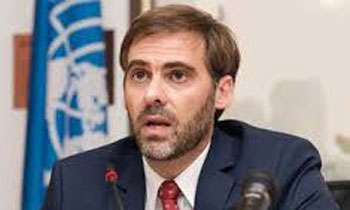
Neither the Sri Lankan government nor the International Monetary Fund (IMF) had conducted an ex ante human rights impact assessment of the economic reforms implemented or announced, United Nations Independent Expert on the effects of foreign debt and other related international financial obligations of States on the full enjoyment of all human rights, particularly economic, social and cultural rights, Juan Pablo Bohoslavsky said yesterday in a statement after his nine-day visit to Sri Lanka.

article_image

He said that he was extremely concerned about recent reforms by the government to reduce energy and farming subsidies, setting fuel price using an automatic market based mechanism and the attempts to deregulate price of electricity. These measures might have an adverse effect on the livelihood of fisher, farmers and rural communities’ households.

The present administration has chosen a strategy, as recommended by the International Monetary Fund (IMF), to stabilise the economy by strengthening the fiscal and external sectors. “Significant efforts have been deployed by the Government to maintain macroeconomic stability and a range of reforms were adopted to serve that goal. Besides fiscal consolidation measures, there were also reforms on its social safety net programmes. Sri Lanka’s vision 2025 programme (launched in 2017) lays out a series of announced measures for 2025 including deregulatory reforms impacting on land and the labour market,” he said.

“The government must conduct an ex ante human rights impact assessment when it rationalises fuel subsidies and social security benefits or when a more profit-oriented logic is introduced into public services or state-owned corporations.”

Bohoslavsky has also expressed concern about the lack of unionisation of the Sri Lankan work force as weak trade unions have the potential to entrench income inequality and stagnation of workers’ wages in the bottom half of the labour market and trade unions lose the power to fulfill their traditional role of contributing to redistribution.

“The government has expressed its intention of engaging in public-private partnerships in important social sectors such as health, education, etc. These efforts of public private partnerships should not replace the Government’s primary obligation of ensuring the economic, social and cultural rights equally among everyone and its obligation in allocating maximum available resources,” he said.

Pointing to the fact that debt repayment has become the most important expenditure for Sri Lanka, Bohoslavsky recommends that debt sustainability analyses should be carried out by the Government and international financial institutions based on a more comprehensive understanding of debt sustainability, incorporating human rights and the social and environmental dimensions of sustainability.

“Social spending should not be cut in order to repay increasing debts if less harmful policy options are available. There are at least three –complementary- options that deserve to be considered. First, boosting domestic demand through various channels, including progressive tax reforms, expanding social benefits and increasing of minimum wages, among other measures; the resulting improvement in GDP growth would increase fiscal revenues. Second, opening the discussion on whether the military budget reflects the fundamental changes the country has undergone in the last years, in particular in the fields of peace and economic development. And third, renegotiating the debt with creditors in order to expand the fiscal space to boost the domestic demand and generate revenues to ensure that nobody is left behind. Fiscal, monetary, economic and social policies need to be fully consistent.”

UN raises concerns over VAT increase

September 11th, 2018

Lahiru Pothmulla Courtesy The Daily Mirror

Visiting UN Expert Juan Pablo Bohoslavsky today expressed concerns over the Sri Lankan Government’s decision taken in May 2016 to increase the Value Added Tax (VAT) from 11 per cent to 15 per cent.

Juan Pablo Bohoslavsky, the UN Independent Expert on the Effects of Foreign Debt on Human Rights said, I am concerned by the significant raise of the VAT tax rate, climbing from 11 per cent to 15 per cent in 2016, since the cost of such tax is borne by the poorest part of the population. In fact, revenue collection through VAT has seen an acceleration to 56.5 per cent in 2017,” he said addressing a news briefing in Colombo.

He said recent reforms in Sri Lanka have resulted in rationalization in energy and farming subsidies, fuel price being now set with an automatic market-based mechanism and the price of electricity is about to be de-regulated along the same mechanism.

However, he said he was concerned about the impact of such measures on the livelihood of fisher, farmers and rural communities’ households.

It is my view that such cuts should at least be compensated through cash transfers targeting those in need and ensuring that they reach the beneficiary in a timely and efficient manner. Investments in the rural economy should be directed in supporting the livelihoods of these small-scale producers so they will be resilient against these subsidy reductions targeting those in need,” he said.

Poor economic management causes fuel price increase: Bandula

September 11th, 2018

Sheain Fernandopulle Courtesy The Daily Mirror

The Government had to increase the prices of fuel due to its poor economic management, MP Bandula Gunawardana said today.

Addressing a news briefing, he said the incumbent Government did not have a long term economic policy in place.

There is a prevailing economic crisis caused due to the rupee depreciation,” Dr. Bandula said.

The Government has been unable to provide the advantage to the people in such a situation where the World Market price of fuel remains in a lower percentage than that in the precious regime,” Dr. Bandula said.

Although the World Market price remained in a higher percentage in our Government, we were able to keep the people unburdened. That is why I reiterate that this Government lacks a proper economic management,” he added.

Meanwhile, MP Sisira Jayakody said even though Prime Minister Ranil Wickremesinghe was boasting of the growth of the economy, they could not see any such growth.

The economic growth rate is diminishing compared to that in the previous Government. We were able to maintain a growth rate of six but now it has declined even below three,” MP Jayakody said.

He further said that Enterprise Sri Lanka would not become a helping hand for the poor but would make rich people richer.

Remand order on Johnston: K’gala HC legally wrong – Romesh de Silva PC

September 11th, 2018

Shehan Chamika Silva Courtesy The Daily Mirror

Filing a revision application in the Court of Appeal, President’s Counsel Romesh de Silva today said the order given by the Kurunegala High Court Judge remanding former Minister Johnston Fernando pending the conclusion of the trial was legally wrong.

President’s Counsel was of the view that the alleged High Court order was wrong on the face of it as the same court had previously enlarged Mr. Johnston Fernando (accused -petitioner) twice before and after the indictments.

According to the President’s Counsel, initially, the prosecution had filed a B report against three suspects namely Johnston Fernando, Mohammed Shakeer and Nalin Fernando over an alleged purchase of certain goods from Laksathosa Limited violating the Public Property Act in Kurunegala Magistrate’s Court.

However, later the Kurunegala Magistrate’s Court refused to grant bail as the law requires bail to be granted by a high court judge, unless for exceptional circumstances.

Then the suspects filed a revision bail application and were released on conditional bail.

Subsequently, the Attorney General indicted the suspects in High Court.

Mr. De Silva said that his client had pleaded not guilty for the charges and subsequently on the same date he was released on bail again by the same High Court without any objection of the State.

“The Kurunegala High Court Judge was then transfered and the case was taken up before a new Judge. When the trial was finally fixed to be heard daily, the new Judge ordered the suspect to be remanded till the conclusion of the trial proceedings, even though there was no request a to do so,”said Mr. De Silva.

According to the President’s Counsel, while remanding the suspect the Kurunegala Judge had said that it was the practice of the Court to do so. “Surely that cannot be the law which violates the Bail Act. What we have to understand is that bail is the rule, remand is the exception” Mr. De Silva said.

The petitioner has sought to issue notices to the respondent of the petition, to set aside the Kurunegala High Court order remanding him, pending the conclusion of the ongoing trial, and to make an interim order releasing him on bail.

The matter was taken up for inquiry before the Bench comprising Judge Achala Wengappully and Judge Janak de Silva.

Subsequently, the application was fixed for support tomorrow 1.30 p.m. by the Court of Appeal.

Bribery Commission is full of corruption: Maithri Gunaratne

September 11th, 2018

Sheain Fernandopulle Courtesy The Daily Mirror

The Commission to Investigate Allegations of Bribery or Corruption which was established to inquire into corruption was full of corruption, United National Freedom Front Secretary Maithri Gunaratne charged.

The Director General and couple of Commissioners of the Commission are reported to have purchased three Mercedes Benz cars worth Rs. 4.5 million each on rent basis in such scenario where they have been provided with three luxury vehicles by the Commission. It is utterly misappropriation of public funds,” Gunaratne told a news briefing today.

The other funny thing is that although these three newly purchased cars are electric motor cars, it was reported that they still get the fuel allowance granted by the commission,” he said.

On the other hand, there is an official in the commission who frequently goes abroad in the first class or the business class. According to the information we gathered from an official of the commission, he goes overseas to buy sweets and other food items for his family members,” he added.

He said it was the funds of the people that were being used for these journeys.

Nevertheless, he said the Director General of the Commission used to spend funds between Rs. 6mn to Rs. 7mn to get his office cabin repaired.

Is this we should expect of a commission like this which has been placed to investigate corruption and bribery? They should set an example for others instead of involving in misappropriation of public finds,” he added.

‘Bald’ Army Commander looks like Idi Amin: SF

September 11th, 2018

Courtesy The Daily Mirror

The ‘rift’ between Minister Field Marshal Sarath Fonseka and Army Commander Mahesh Senanayaka escalated again with the Field Marshal drawing similarities between the Army Commander and Idi Amin because of their choice of ‘bald’ hairstyle.

The Army Commander acts with a distorted mind. He should know how to maintain his hair like a respected public officer. He is bald, like Idi Amin,” he told journalists after attending an event in Kelaniya on Monday.

The Field Marshal was responding to Army Chief Lieutenant General Senanayake’s statement on Sunday in which he said that no one could review the Army’s strength after having gone on retirement years ago.

Lieutenant General Senanayake said some retired military officers who have identified themselves as ‘War-Analysts’ had defined the Army’s right-sizing programme as s closure of camps.

Field Marshal Fonseka told journalists that the Army Commander was only a Brigadier when he was leading the war.

If he thinks he knows more than us, he is just sitting on his tail. He was appointed as the Army Commander not because of his talent, but because of other people’s mistakes,” he said.

PM says that Hambantota lease can be terminated if need arises – Interview

September 11th, 2018

Courtesy Adaderana

In an interview conducted by Nitin A. Gokhale, Prime Minister Ranil Wickremesinghe addresses the security aspects of the lease of Hambantota Port, Sri Lanka debt and his relationship with President Maithripala Sirisena.

At the interview conducted in Hanoi, where he attended the 3rd Indian Ocean Conference recently, Prime Minister reaffirmed the security of the region following the lease of Hambantota Port to China and stated that Sri Lankan territory will not be used for anything harmful to Indian security.

He says that, although the joint venture has a 70-year lease, the government can at any time terminate it, if the government thinks it has to be done.

Wickremesinghe also stated that there is not military dimension to the Colombo Port City funded by the Chinese government and spoke about collaborative projects with the Indian government such as the  liquefied natural gas plants, Trincomalee development and the oil tanks with the Mattala airport.

Interview also focused on the future plans for the Palaly airport where India assist to extend the runway.

Speaking on his relations with President Sirisena, Wickremesinghe stated that it’s the first time that two major rival parties have worked together, not just in Sri Lanka but also in the world.

The complete interview is a follows:

Q: We are meeting at Hanoi on the eve of the third Indian Ocean Conference. You’ve attended the previous two conferences too. What is your view on the importance of Indian Ocean and the new Indo-Pacific structure that is sought to be evolved now?

A: The strategic centre of geo-politics in the next few decades will certainly be the Indian Ocean, by around 2050. Therefore, Indian Ocean is important. Firstly, because of its population and economic growth, I think a fair number of wealthy nations by 2050 will be within this region. Take South Africa, Saudi Arabia, Iran, Pakistan, India, Bangladesh, Malaysia, Thailand, Indonesia, Singapore, and that’s a lot. Secondly, the volumes travelling through the Indian Ocean, east to west, will be far more and crucial. The fuel supplies to the whole of East Asia and to India will all go through this ocean, so it is becoming the centre. The Indo-Pacific is really extending the concept or the concerns of USA and others to cover the whole Indian Ocean. Actually these are all terminologies. The first South East Asia command was in Sri Lanka. It went all the way up to China, to Chongqing, at the Burma front and India. And then downwards to Indonesia, what’s called the Indo-Pacific under the South East Asia command and the Pacific was under the Americans. Subsequently, it has been the Indian Ocean littoral nations that have been there. We are Asian so we have a common identity, but I think the distinct nature of the Indian Ocean and the geo-politics of this ocean must function as it is and you can’t use the Pacific issues to cover the Indian Ocean issues. But together we can all work for a stable order and to ensure freedom of navigation.

Q: So, in that context, Sri Lanka is so well located and poised. How do you see Sri Lanka’s role in this evolving new center of gravity in world politics?

A: Well, we are a small nation but we are at the centre of the Indian Ocean. So navigation through Indian Ocean is critical to our economy. And we would like to ensure that the freedom of navigation is maintained in the Indian Ocean. Therefore, for us we thought we should try and get all the littoral states plus all the other stakeholders to come in and play this role. It is not the Indian Ocean itself, but I think we’ll also look at the choke points and work on it. As far as to get everyone down and to start talking and see where the consensus is and where you haven’t gotten a consensus and keep working at it. Our aim is to ensure that somehow the freedom of navigation is upheld in the Indian Ocean. As long as it’s done, we prosper.

Q: Right. So the Indian Ocean conference in that sense is a new initiative. It’s been three years now that I’ve seen you talking in all the three conferences, in fact hosted it last year in Colombo, for which I was also there. So, in that sense how important is this conference?

A: It’s continuing and it’s the first time that we are coming into South East Asia, into Vietnam, which is on one end of it, but that is also essential. In the old days the commerce passed through Vietnam and I think Mae Sot was the furthest Hindu kingdom that was there.

Q: That’s right. Let me come to your own domestic issues. The Hambantota Port has always been under some kind of constant scrutiny in the world media and otherwise. So what is the current status of that Port right now?

A: Hambantota harbour is a public-private partnership, the public part being the Sri Lanka Port Authority and the private part being China Merchant. As you know the story, this was built at that time and we were having difficulties without closing it up, unless some of us came. We firstly asked for two other Chinese firms but whoever offered, Chinese or non-Chinese, it was going to be for commercial shipping purpose. Security was going to be asked and that operate within it. So now they have come in, they have paid their stake and they are putting in some additional money to develop the port. The joint venture has a 70-year lease but the government can at any time terminate it, if the government thinks it has to be done. The security is in the hands of the Navy and the Southern command we shifted from Galle to Hambantota, Galle has limitations, only a large frigate could come in. The police will be there, the customs will be there and immigration will be there. We are starting a large industrial estate zone there of about 15,000 acres. We will give it out to developers who want to start special economic zones like in Bangladesh. And of course with your own Indian authorities, we are discussing another public-private partnership for the Hambantota airport, the Mattala airport. But nothing will be allowed to be used for military purposes, but commercially yes. We also told the Chinese, the Japanese and others that there was an understanding between India and us that Indian territory will not be used for anything harmful to our security. Similarly, Sri Lankan territory will not be used for anything harmful to Indian security. So we are functioning within that framework.

Q: Similarly, the Colombo port project had also raised some controversies. Initially, before you were elected to power, you had said that you will review it. So after the review you have allowed…

A: The port city project we found, that it had been given out on a free-hold basis and work had commenced, that they had filled up half of it. So we decide to make it into a lease hold and with certain powers with the Government of Sri Lanka. So it will be like a property development project. And as far as we’re concerned, we let it go ahead because we anyway couldn’t have a half complete land filled. Once we bring the financial city commission and the urban development authority, they will have the regulatory powers over the land there. But of course the China Harbour and its developers will be selling about 60 to 70 per cent of the land there. The remainder is in the name of the Government of Sri Lanka. That again is not a free-hold, they can only give a lease.

Q: And also there is no military dimension to it?

A: No military dimension to it, yes.

Q: How are you dealing with the debt trap that Sri Lanka is under with China? How are you dealing with that?

A: It’s an overall debt issue that we are involved in. With China, the port city is the investment and Hambantota has sort of sorted itself out with the payment, Mattala will also be resolved with the joint venture we are planning. There are Chinese loans on other projects, but more than that, now we have the International Sovereign bonds and that’s the biggest issue that we have here. So we have to find ways to stabilise so that our revenue is sufficient to certainly meet the debt servicing and to repay those installments but that loan is not enough. We now have to earn sufficient foreign exchange for our balance of payments and send our revenues up. We feel by about 2025 we should start that process of easing out the loan payments.

Q: Right. So in that context, sir, before you came to power with the previous government, India had this objection legally that you are allowing China free run. Now that you’ve done all this, how do you see the India-Sri Lanka relations under your government?

A: It is really improving. And we would like to see, India is getting involved in more projects here. We are getting India and Japan involved into LNG plants (liquefied natural gas plants). We are also discussing the Trincomalee development and the oil tanks with the Mattala airport. We are also working on the Palaly airport where India will help us to extend the runway. In fact, I am speaking to your minister about getting a flight in from South India to Palaly.

Q: That will be interesting. What about the Kankesanthurai harbour project?

A: That project is also going on. The Indian Government has agreed on that. I would like Palaly airport to become an international airport.

Q: Oh, you want flights from Palaly going international?

A: Yes I think we should get it from the region. We can initially do with India with what is there, because the IAF (Indian Air Force) used that during the IPKF days. Then we had to extend the runway where we can take 320s. So then not only India but even Malaysia and Singaporean airlines can also come there.

Q: You’ve laid special emphasis on development of the North under your government.

A: Yes we have and India is helping us with the Mannar-Trincomalee highway and the highway system there. Even houses for re-housing.

Q: Yes, the other day you inaugurated something there, some project.

A: Yes. I did one in the hill country, that is the villages for the people who work in the plantations, having them outside. In the future, as they are getting educated, it’s unlikely that they will continue to work in the plantations. That will be another problem for us but that’s a different subject.

Q: The other thing is regarding the fishermen’s issue with India and Tamil Nadu.

A: That is gradually getting sorted out. I think your government is also helping them to go into deep sea fishing, which is good. So I think that should sort itself out and maybe with more and more South Indian fishermen doing deep sea fishing, our people will also go there. Seas around Sri Lanka and India we are allowing foreign trawlers to come and take the catch and that’s something that should not happen.

Q: And how do you see BIMSTEC’s future?

A: BIMSTEC has to become more vigorous I feel and work along with ASEAN (Association of Southeast Asian Nations) members there, especially Thailand, Malaysia, Indonesia and Singapore.

Q: It hasn’t really taken off so far.

A: It should do more yes.

Q: Let me turn to a little bit of your domestic politics sir. It’s been three and a half years since the new government came in, with a lot of hope. When you look back, or see now, there is a lot of uncertainty in the minds of the people because of the January results of the local body elections. Have you overcome that setback?

A: Well, that came at the most difficult time for us. We had a shortage of fertilisers, the prices were up and supply was disrupted because we had about five cultivation seasons in the drought. The tea area was affected by floods. Everything that could have gone wrong went wrong and if we would have postponed the elections, it would have been worse for us. But it also showed that we are a democratic nation and that we are willing to go through that. I told the country that we took tough decisions because the country needed it, not that we were suicidal, but that it had to be done and they would understand it, and that we are gradually picking up. There was a protest vote against us but I don’t think the former President and his group can capitalise on it as a positive vote when it comes to a game-changing election.

Q: That will anyway be next year right.

A: Yes, it’ll be next year. Basically the relationship between the communities has improved except for one unfortunate incident at Digana. Well, democracy is in place. Every media has been criticising me every day but no one has been taken away, no one is missing, no one complaining. The democratic system and the RTI (Right to information) Act is on. We have stabilised the economy. Now we have move forward. But India and all of us now are facing the present global economic situation and the strengthening of the dollar. But education and health indicators have gone up, we’ve spent a lot of money despite all our problems. Now we are coming with the rural infrastructure programme and the enterprise for small and medium. We are also coming up with incentives for investors. So let’s see. In five years we’ve done the correct thing.

Q: So you can build on that as you go along. And you mentioned very significantly the relationship between different communities. So, is the reconciliation well on track with the northern Tamils?

A: It’s back but the issue now is going to be the constitution, we can enact the constitution now. A draft has been given by panel of experts but I think we will have to decide in the next few weeks how we go forward.

Q: Right, and what about provincial elections?

A: That’s the next one. We are discussing what the system of election should be because people and all parties were unhappy with the report given by the delimitation committee. So that is the next round. I am trying to conclude that quickly, one way or another, the necessary laws are passed. Personally, I think it’s better to have the election early and finish it off, giving us the time to focus on national issues.

Q: Ok, which will give more powers to provinces or something of that sort?

A: It will protect the power of the provinces where the centre can’t just come and take it away. And there are some areas where they have agreed to increase the powers as well.

Q: I see. One final question, though you might not want to answer it. I read your media and they say that relations between you and the President are not very good and that somehow you are pulling in different directions. Is that true?

A: Relations between the President and me are good but it’s the first time that two major rival parties have worked together, not only in Sri Lanka but anywhere else. If BJP and Congress had worked together, would it have lasted?

Q: Never

A: That’s the answer to the question.

Appeal Court to receive petition against remand order of Johnston

September 11th, 2018

The Appeal Court will receive a support petition claiming that the remand order on MP Johnston Fernando is improper.

The petition will be filed at the Appeal Court tomorrow (12), according to Ada Derana reporter.

Former Minister MP Johnston Fernando and two others, charged over the alleged financial misuse at Lanka Sathosa, have been re-remanded until tomorrow.

Kurunegala High Court issued the order today (11) when the case was taken up before the court.

The defendants had been arrested and remanded over the alleged import of 222,717 metric tonnes of rice for Lanka Sathosa in 2008 without the approval of the Cabinet of Ministers.

Kurunegala High Court recently issued an order to hear the case against Former Minister Johnston Fernando and two others, on a daily basis from today.

Sri Lankan Women Sell Kidneys to Repay Loans, UN Expert Says

September 11th, 2018

Sri Lankan war widows and women in former conflict zones are being forced to sell their kidneys to pay loan sharks, a U.N. expert said Tuesday, urging government intervention.

Juan Pablo Bohoslavsky, the U.N.’s independent expert on effects of debt on human rights, said that debt collectors were also demanding sexual favors.

Women are at times exposed to psychological and physical violence by these collectors …,” he said in a statement after a visit to the island nation.

I have also learned of cases of borrowers who have tried to sell their kidneys for money to repay loans,” he said without elaborating.

Sri Lanka is home to tens of thousands of war widows nine years after the 37-year civil conflict ended, many of them forced to use small microfinance” loans to survive.

Local media reports have said that dozens of indebted women in the battle-scarred north, which is also in the grip of drought, have committed suicide.


Less than two months ago the government waived debts for 200,000 women who were unable to repay loans and capped lending rates at 30 percent.

But Bohoslavsky said that Colombo should go further and write off debts for men as well as women and impose tougher rules for lending.

Official figures show that total outstanding microfinance loans amount to about 9 billion rupees ($56.25 million).

Sri Lanka’s economy grew at 3.1 percent in 2017, its slowest rate in 16 years, but is forecast to expand by five percent this year.

President loses it after being served nuts on national airline

September 11th, 2018

Courtesy NZ Herald

In an extraordinary outburst, President Maithripala Sirisena complained he was served second-rate cashews on a Sri Lankan Airlines flight from Kathmandu, Nepal to Colombo, Sri Lanka last week.

The BBC reported Mr Sirisena launched his tirade while speaking at a farmers’ event in southern Sri Lanka on Monday.

“When I returned from Nepal, they served some cashew nuts on the plane [that], let alone humans, even dogs can’t eat,” he told the farmers, according to the BBC.

The Sri Lankan president was unhappy with his in-flight snack of cashews. Photo / Getty Images
The Sri Lankan president was unhappy with his in-flight snack of cashews. Photo / Getty Images news.com.au 

“Who approves these things? Who approved the cashew? Who is responsible for this?”

It was unclear what about the offending cashews angered the leader. Sri Lankan Airlines is yet to comment on his outburst.But it’s another mark against the beleaguered national airline, which is about $1.4 billion in debt and has been on the hunt for a new equity partner amid warnings it was dragging down Sri Lanka’s economy.

A potential United States partner withdrew in May last year, prompting the government to call for fresh expressions of interest to save the struggling carrier.

Sri Lankan Airlines has also been dealt accusations of corruption and currently being investigated by a special presidential commission of inquiry.

Sri Lankan President Maithripala Sirisena. Photo / Getty Images

But Mr Sirisena’s outburst about cashews is not the first time a high-profile passenger has had a nut-rage meltdown.

Korean Air executive Cho Hyun-ah, who is also the daughter of the airline’s chairman, famously threw a mid-air tantrum in 2014 when she was served macadamia nuts in a packet instead of a bowl.

The incident happened on a Korean Air flight from New York to Seoul while Ms Cho was vice president of in-flight service.

Sri Lankan Airlines is operating at a loss. Photo / Getty Images

She was also accused of physically assaulting the chief steward, who said she made him kneel and beg for forgiveness while she jabbed him with a service manual.

Ms Cho spent three months in prison following the “nut scandal” incident that made headlines around the world.

She, along with her sister Emily, who was the airline’s senior vice president, were sacked from their positions this year, with their father Cho Yang-ho publicly apologising to “all Koreans” for his daughters’ bratty behaviour.

ජනබලය සාර්ථකද?

September 11th, 2018

ආචාර්ය නාලක ගොඩහේවා උපුටාගැණීම  මව්බිම

2018 වසරේ විපක්‍ෂය සැලකිය යුතු ප්‍රගතියක් අත්කරගත් වසරක් ලෙස සැලකිය හැකිය. මේ ක්‍රියාවලිය ආරම්භ වූයේ 2018 පෙබරවාරි 10දා පැවැති පළාත් පාලන මැතිවරණයට, ශ්‍රී ලංකා පොදුජන පෙරමුණ යටතේ තරග කළ කණ්ඩායම සමස්ත ඡන්ද ප්‍රතිඵලයෙන් 45%ක් ලබාගෙන එක්සත් ජාතික
පක්‍ෂය හා ශ්‍රී ලංකා නිදහස් පක්‍ෂය පිළිවෙළින් දෙවැනි හා තුන්වැනි තැන්වලට ඇද දැමීමෙනි. ආණ්ඩු කරන ප්‍රධාන පාර්ශ්ව දෙකම අභිභවා පළමු වරට තරග කළ විපක්‍ෂයේ පෙරමුණක් ජයග්‍රහණය කිරීම සුවිශේෂී සිද්ධියකි. එය ඉතිහාසයේ මින් පෙර කිසි දිනක සිදුවී නැත.

පළාත් පාලන මැතිවරණයෙන් පසු දේශපාලන බලවේගවලට මුහුණ දෙන්නට වූයේ අලුත් මැතිවරණ ක්‍රමය තුළ ඉතා සංකීර්ණ ක්‍රියාවලියක් බවට පත්වී ඇති සභා පිහිටුවීමේ අභියෝගයටය. එය නුවණ යොදවා සැලසුම් සහගතව කළ යුතු කාර්යයක් විය. මන්ද රහස් ඡන්දයෙන් සභාපතිවරු තෝරද්දී ඡන්ද ඔබ මොබ මාරුවීම වැළැක්විය නොහැකි නිසාය. මේ කාර්යයේදීද විපක්‍ෂය ආණ්ඩු බලය හිමි කණ්ඩායමට වඩා ඉදිරියෙන් සිටි නිසා අවසානයේ පිහිටුවන ලද පළාත් පාලන ආයතනවලින් 80%ක පමණ බලයක් හිමිකර ගත්තේ ශ්‍රී ලංකා පොදුජන පෙරමුණට සහාය දෙන කණ්ඩායම්ය.

පළාත් පාලන ඡන්දයෙන් පසු අගමැතිවරයාට එරෙහිව පාර්ලිමේන්තුවට විශ්වාසභංග යෝජනාවක් ඉදිරිපත් කෙරුණි. මෙම යෝජනාව පාර්ලිමේන්තුව තුළ පරාජයට පත්විය. එහෙත් පරාජය තුළ විපක්‍ෂය සැඟවුණ ජයග්‍රහණයක් අත්කරගෙන තිබිණි. ඒ මෛත්‍රිපාල සිරිසේන ජනාධිපතිවරයා සමඟ එක්වී එතෙක් රාජ්‍ය ඇමැති, නියෝජ්‍ය ඇමැති තනතුරු දරමින් සිටි ශ්‍රී ලංකා නිදහස් පක්‍ෂයේ මන්ත්‍රිවරුන් 16 දෙනකු රජයෙන් ඉවත්වීමයි. එසේ ඉවත්වූ 16 දෙනා අතරින් දයාසිරි ජයසේකර මහතා හැරුණු විට අනෙක් 15 දෙනා ඒකාබද්ධයට සම්බන්ධ වීමෙන් විපක්‍ෂයේ පාර්ලිමේන්තු මන්ත්‍රි සංඛ්‍යාව 69 දක්වා ඉහළ ගොස් ඇත. ආණ්ඩුවේ 2/3 බලය නැති කිරීමට විපක්‍ෂයට තවත් අවශ්‍ය වන්නේ පාර්ලිමේන්තු මන්ත්‍රිවරුන් 7 දෙනකු පමණි. සුවිශේෂී අවස්ථාවක තමන් සමඟ දැනට සිටින සුළු පක්‍ෂ කාගේ පැත්තට ඡන්දය ප්‍රකාශ කරාවිදැයි නිවැරැදිව නොදන්නා නිසා අද රජය 2/3ක ඡන්දවලින් සම්මත විය යුතු අණ පනත් පාර්ලිමේන්තුවට ඉදිරිපත් කිරීමට චකිතයකින් සිටින බව ආණ්ඩුවේ වර්තමාන හැසිරීමෙන් පෙනේ. මෙය පැහැදිලිවම විපක්‍ෂයේ ජයග්‍රහණයකි.

විපක්‍ෂය විසින් අලුතින්ම කරනු ලැබූ අත්හදා බැලීම සැප්තැම්බර් පස් වැනිදා පැවැති ජන බලය
කොළඹට විරෝධතා වැඩසටහනයි. මේ වන විට අවසන්වී ඇති ජනබලය වැඩසටහනද බොහෝ දුරට විපක්‍ෂයේ අපේක්‍ෂාවන් ඉටු කිරීමට සමත්වූ බව ඒ පිළිබඳ අපක්‍ෂපාතී අධ්‍යයනයක් කරන්නකුට පෙනී යයි.

මෑත ඉතිහාසයේ විරෝධතාවක් වෙනුවෙන් එකට එක්වූ විශාලතම ජනතාව රටට දැක ගන්න ලැබුණේ සැප්තැම්බර් 5දා පැවැති ජනබලය කොළඹට විරෝධතා වැඩසටහන සමඟය. දැනට ඇස්තමේන්තු වන ආකාරයට ලක්‍ෂ 2කට ආසන්න ජනතාවක් එදා කොළඹට එක් රොක් වී සිටියහ.

සාමාන්‍යයෙන් පොදු විරෝධතාවකට එක්නොවන ආකාරයේ අය පවා ජනබලයට සම්බන්ධ වී සිටිනු දක්නට ලැබිණි. වෛද්‍යවරු, ඉන්ජිනේරුවන්, ගණකාධිකාරීවරුන්, ව්‍යාපාර කළමනාකරුවන් ඇතුළු වෘත්තිකයන් රැසක්, නීතිඥයන්, අධ්‍යාපනඥයන්, ස්වාමීන් වහන්සේලා, විශ්වවිද්‍යාල සිසුන් හා සාමාන්‍ය පොදු ජනතාව අතර විරෝධතාවට එක්වී සිටිනු දක්නට ලැබිණි.

ජනබලය විරෝධතාව මුල සිටම සැලසුම් කළ පරිදිම ඉතා සාමකාමී එකක් විය. මහජන ජීවිතයට බාධා නොකෙරිණි. මහජන දේපළවලට හානි නොකෙරිණි. කලබලකාරී හැසිරීමක් දක්නට නොලැබිණි. විරෝධතාව අවසන් වූ පසු සියලු දෙනාම එක්ව පරිසරය පිරිසුදු කොට කුණු පිළිවෙළකට ගොඩගසනු දක්නට ලැබිණි.

ජනතාව අවසානයට එකතු විය යුතු තැන 5 වැනිදා සවස් භාගය වන තුරුම රහසක් වශයෙන් තබා ගැනීමට සංවිධායකයෝ සමත් වූහ. බොහෝ දෙනකු යන තැන කලින් නොදැන සිටීම සංවිධානයේ දුර්වලතාවක් යැයි සමහරු වරදවාගත්තද එය සංවිධායකයන් අතර මුල සිටම පැවැති සැලැස්ම විය. එහි ප්‍රතිඵලය වූයේ පොලිසියට කිසිවක් කලින් සැලසුම් කරගත නොහැකිව තමුන්ගේ බළ ඇණි කොළඹ පුරා විසුරුවා තබා ගැනීමට සිදුවීමය. පොලිසිය සතු අධිපීඩන වතුර නළ සහිත බවුසර් කිහිපය තැන් කිහිපයකට විසුරුවා ස්ථාන ගත කරන්නට වීම නිසා පොලිසිය සිටියේත් හදිසි තත්ත්වයක් ඇති වූවා නම් දුවනවා හැර වෙන විකල්පයක් නැතිවය.

මෙවැනි විශාල පිරිසක් කොළඹට පැමිණෙනවා නම් පොලිසියේ තර්ජන ගර්ජනවලට බිය නොවිය යුතු බව ජනතාවට වටහාදීම සංවිධායකයන් ලද විශාල ජයග්‍රහණයක් විය. ජනතාව එන්නේ කොහෙන්ද, යන්නේ කොහෙන්ද කියා තේරුම් ගත නොහැකිව ප්‍රහාරක බළ ඇණි බෙදී, අධිපීඩන වතුර බවුසර්වල සහාය නොමැතිව තෝන්තු වී සිටි පොලිසියට අනාගතයේ ජනතාව මීටත් වඩා බලයකින් පාරට ආ දාට කරන්නට දෙයක් නොමැති බව මින් ඔප්පු විය. විරෝධතාකරුවන්ට අත නොතැබීම රජයේ උපක්‍රමයක් යැයි පෙන්වන්නට උත්සාහ කළාට කාට හෝ අත තිබ්බා නම් අමාරුවේ වැටෙන්නේ කවුදැයි රජය හොඳින්ම දැන සිටි බව පෙනේ. ජන බලයට එරෙහිව උසාවි ගිය පොලිසිය විනිසුරුවන් විසින් ආපසු හරවා එවන ලද අතර සාමකාමී විරෝධතාවන් වළක්වන්නට උසාවි නියෝග ගැනීමද පොලිසියට මින්පසු තවත් අපහසු වනු ඇති බව මින් පෙනී යයි.

ජනාධිපති මහින්ද රාජපක්‍ෂ අදටත් රටේ සිටින ජනප්‍රියම දේශපාලනඥයා බව ජනබලය විරෝධතා වැඩසටහනින් තවදුරටත් තහවුරු විය. ලක්‍ෂ සංඛ්‍යාත ජනගඟක් මැදින් මහින්ද රාජපක්‍ෂ මහතා යනු කවරෙක් දැයි රූපවාහිනියෙන් පෙන්වූ දසුන් පෙළ ජනතාවගේ ඔහුට ඇති ආදරය මැනවින් විදහා පායි.

සැබෑ විපක්‍ෂයේ සියලුම බලවේග එක් කරන්නට ජනබල මෙහෙයුම සංවිධායකයෝ සමත් වී සිටියහ. මෙම විරෝධතාවට නායකත්වය සැපයූවේ ඒකාබද්ධ විපක්‍ෂයයි. වෛද්‍ය ප්‍රතිකාර සඳහා පිටරට ගොස් සිටින බැසිල් රාජපක්‍ෂ මහතාද තම දේශපාලන යාන්ත්‍රණයේ සම්පූර්ණ සහාය ලබාදී තිබිණි. සාමාන්‍යයෙන් දේශපාලන කටයුතුවලට ප්‍රසිද්ධියේ සහභාගි නොවන ගෝඨාභය රාජපක්‍ෂ මහතාද කල්වේලා ඇතිවම පුවත්පත් නිවේදනයක් හරහා ජනබලයට සහභාගි වන ලෙස ජනතාවගෙන් ඉල්ලා තිබිණි. මීට අමතරව ගෝඨාභය රාජපක්‍ෂ මහතා සිය වියත්මඟ සංවිධානයේ වෘත්තිකයන් රැසක් සමඟ ජනබලයට සහභාගි වෙමින් ජනතාව අතර සැරි සරනු දක්නට ලැබිණි.

ඒකාබද්ධ විපක්‍ෂයේ ජේ‍යෂ්ඨයන් විසින් තරුණ මන්ත්‍රිවරුන්ට සංවිධානයේ වැඩි බරක් කරට ගැනීමට අවස්ථාව ලබාදීමෙන් මේ තරුණ මන්ත්‍රි කණ්ඩායමට අනාගතයට මහෝපකාරී වන අත්දැකීම් රැසක් ලබාගන්නට අවස්ථාව සැලසී තිබිණි. අලුත් අදහස් අත්හදා බලන්නට මින් අවස්ථාව සැලසුණු අතර යම් යම් අඩුපාඩු තිබුණද සමස්තයක් වශයෙන් ජනබලය ඉතා සාර්ථකව නිමා වීම කාගේත් සතුටට කාරණාවක් වන්නට ඇත.

ජනබලය වැඩසහටනේ එක් අඩුපාඩුවක් ලෙස දැකිය හැක්කේ කොළඹට ගලා ආ අති විශාල ජනතාවට තම දේශපාලන නායකයන් දැක බලා ගැනීමට හා ඔවුන්ගේ කතාවලට සවන්දීමට අවස්ථාව නොලැබීමයි. අෑත ගම් පළාත්වලින් මෙවැනි වැඩසටහන් සඳහා සහභාගි වන බොහෝ දෙනකු පුල පුලා බලා සිටින්නේ මේ අවස්ථාව උදාවන තුරුය. එහෙත් සංවිධායකයන් සැලසුම් කර තිබුණේ කතා පැවැත්වීම වෙනුවට සත්‍යග්‍රහයක් බැවින් තරමක් දුරට සාමාන්‍ය පාක්‍ෂිකයන්ගේ බලාපොරොත්තු කඩවූවා විය හැකිය.

ප්‍රමාණවත් තරම් සනීපාරක්‍ෂක පහසුකම් නැතිවීම කොළඹට ඇදී ආ විශාල ජනතාවට බොහෝ වේලාවක් නගරයේ රැඳී සිටීමට තිබූ මූලික බාධකය විය. තාවකාලික වැසිකිළි පහසුකම් මෙතරම් විශාල ජනතාවකට සැපයීම පහසු කාරණයක් නොවේ. ඒ නිසා ජනතාව රාත්‍රිය කොළඹ ගත කිරීමේ සැලැස්මක් ඇතැයි වැරැදි මතයක් යම් දේශපාලනඥයන් විසින් කල්වේලා ඇතිව ප්‍රකාශ කිරීම නොකළ යුතුව තිබුණු වරදකි. අතීතයේ මෙන් කටට ආවක් කියන පුරුද්දක් දේශපාලනඥයන් දැන්වත් නතර කර ගත යුතුය.

ජනබලය කොළඹට විරෝධතාව තේමාවන් රැසක් මුල කරගෙන පැවැත්වුවද එහි අවසාන ඉලක්කය වූයේ කල් තබමින් පවතින මැතිවරණ නොපමාව පවත්වන මෙන් ආණ්ඩුවට බල කිරීමයි. පස්වැනිදා කොළඹට රැස්වූ ලක්‍ෂ සංඛ්‍යාත ජනතාව ලොවට දුන් පණිවුඩය නම් ආණ්ඩුවේ අවසාන කාලය ආරම්භ වී ඇති බවත් ආණ්ඩුව කෙරෙහි දිනෙන් දින වර්ධනය වන ජනතා විරෝධය හමුවේ ආණ්ඩුව ඡන්ද කල් දැමීමේ උපක්‍රමයේ දිගටම යෙදී සිටියහොත් අවසාන ප්‍රතිඵලය භයානක විය හැකි බවය. ඒ නිසා ප්‍රජාතන්ත්‍රවාදයට ගරු කරනවා යැයි කියන අන්තර්ජාතික බලවේගවලටද තම හැසිරීමේ අවංක බව පෙන්විය හැක්කේ තවදුරටත් ඡන්ද කල් නොදමා ප්‍රජාතන්ත්‍රවාදීව මහජන මතය උරගා බලන ලෙස වත්මන් ආණ්ඩුවට බල කිරීමෙනි.

ආණ්ඩුවේ අය කතාකරන්නේ රාජපක්ෂලාට ජම්පර් අන්දන හැටි විතරයි

September 11th, 2018

රත්නපුරය – ධර්මප්‍රිය ලියනආරච්චි නිමල් බඳගිරිය උපුටාගැණීම  මව්බිම

යහපාලන ආණ්ඩුව බලයට පත් වුණේ ජනතාවට බොරු කියලා, බොරු පොරොන්දු දීලා මහින්ද බලයෙන් පහ කිරීමේ බටහිර බලවතුන්ගේ න්‍යායපත්‍රය හැරුණුවිට ආණ්ඩුවක් පිහිටුවා ඉදිරියට යෑමේ වැඩපිළිවෙළක් ඔවුන්ට තිබුණේ නැහැ. අද රට වැටී තිබෙන මේ අර්බුදකාරී තත්ත්වයෙන් ගොඩ ඒමේ අභියෝගය අපි භාරගන්නවා. එයට සැලැසුම් හා වැඩ කළ හැකි නායකයෙක් ඉන්නවා. වියත්මඟ සංවිධානය සමඟ එක්ව සකස් කළ ඒ වැඩපිළිවෙළ ජනතාව අතරට ගෙන යෑම ‘එළිය තුළින් සිදුවෙනවා’ යැයි හිටපු ආරක්ෂක ලේකම් ගෝඨාභය රාජපක්ෂ ගොඩකවෙලදී පැවැසුවේය.

ගෝඨාභය රාජපක්ෂ මහතා එසේ පැවැසුවේ හිටපු ජනාධිපති මහින්ද රාජපක්ෂ යළි බලයට පත් කළ යුත්තේ මන්ද යන්න පැහැදිලි කිරීම සඳහා ඒකාබද්ධ විපක්ෂය ‘එළිය’ වැඩසටහන යටතේ දීපව්‍යාප්තව පවත්වාගෙන යන සම්මන්ත්‍රණ මාලාවේ රත්නපුර දිස්ත්‍රික් සම්මන්ත්‍රණය ගොඩකවෙල බ්ලූ සැෆයර් හෝටලයේ පැවැති ‘එළිය’ සම්මන්ත්‍රණයට සහභාගි වෙමිනි.

එහිදී හිටපු ආරක්ෂක ලේකම්වරයා මෙසේද කීය.

ලෝකයේ හැමතැනමත් අයුක්තිය සහ අසාධාරණය සිදුවෙනවා. එහෙත් එයට ඉඩදී සිටීම යුක්තිගරුක බුද්ධිමත් ජනතාවගේ යුතුකම හා වගකීම නෙවෙයි. අපේ රටෙත් සිදුවෙමින් පවතින්නෙ එයයි. පසුගිය 5 වැනිදා කොළඹට එක්වුණු මහා ජන ගඟ ඉටුකළේ අයුක්තියට අසාධාරණයට එරෙහි වුණු යුක්තිගරුක ජනතාවගේ වගකීම සහ යුතුකම ඉටුකිරීමේ තවත් පියවරක් තැබීමයි. ඔවුන් එදා කිව්වේ කරන්න බැරි නම් දාල යන්න. කරන්න පුළුවන් මහින්ද රාජපක්ෂ වගේ නායකයෙක්ට රට දෙන්න කියන එකයි.

ඒත් මම දන්නෙ නැහැ බලෙන් බලයේ එල්ලී හිටින අගමැතිවරයාට ඒ දෙය තේරුණාද කියන එක.

මම හිතන්නෙ ජනාධිපතිවරයාට වගකීමක් තියෙනවා ඔහුට ඒ කරුණු පහදා දෙන්න. මේ රට වැටී තිබෙන තත්ත්වයෙන් ගොඩ ගන්න පුළුවන් කෙනකුට දෙන්න අඩුම වශයෙන් ඔහුවත් තේරුම් ගත යුතුයි.

අද වන විට බොහෝ ව්‍යාපාරිකයන් කියන දෙයක් තමයි මේ ආණ්ඩුව ගෙන යන ප්‍රතිපත්තිය තුළ තමන්ගෙ ව්‍යාපාර කඩා වැටිලා තිබෙන බව. ඒ වගේම රටේ ආරක්ෂාව, සදාචාරය විශාල වශයෙන් කඩා වැටෙමින් පිරිහෙමින් තිබෙනවා.

අපි යුතුකමක් හැටියට මේ තත්ත්වයට විසඳුම් සොයන්න මහින්ද ජනාධිපතිවරයාගේ නායකත්වයෙන් ඉදිරිපත් වුණා.

මේ ආණ්ඩුව බලයට පත් වුණේ බොරු විශාල සංඛ්‍යාවක් කියලයි. නොමඟ යවලයි. ඔවුන් බලයට පත්වුණත් ප්‍රතිපත්තියක් තිබුණෙ නැහැ. සූදානමක් තිබුණේ නැහැ. සුදුසු කණ්ඩායමක් ඔවුන්ට හිටියෙත් නැහැ. ඒ නිසයි අද මේ තත්ත්වයට පත්වෙලා තියෙන්නේ.
ඒත් අපිට ඒ වගේ ගැටලුවක් නැහැ. අපිට ඒ සඳහා ප්‍රතිපත්තියක් තියෙනවා.

වැඩපිළිවෙළක් තියෙනවා. ක්‍රියාත්මක කිරීමට හැකි කණ්ඩායමක් අපට ඉන්නවා. එදා අපි සකස් කරපු මහින්ද චින්තන වැඩපිළිවෙළ අපට තියෙනවා. අපි ඒක තවදුරටත් ක්‍රියාවට නංවනවා.

සමහරු අහනවා අපිට මේක කරන්න පුළුවන් දෙයක්ද කියලා. අපි ඒකට දෙන උත්තරේ තමයි එදා අපෙන් ඇහුව කාලයක් තිස්සෙ ඔඩුදුවලා තිබුණු යුද්ධය නිමා කරන්න පුළුවන්ද කියන එක. ඒ වෙලාවෙ ඒ අභියෝගය ජයගත්ත මට මේක ජයගන්න එක වැඩක් නෙවෙයි කියලා මහින්ද රාජපක්ෂ ජනාධිපතිවරයා කිව්වා.

යුද්ධය නිම කළාටත් වඩා වැදගත් වෙන්නෙ. පශ්චාත් යුද සමයේ මේ රට සංවර්ධනය කරපු කාර්යයි. ඡන්දයක් තියල උතුරු පළාත් සභාව ස්ථාපනය කළා. සමහරු ඒකට විරුද්ධ වෙනවා ඇති. ආයුධ දැරූ කණ්ඩායම් නිරායුධ කළා. සාධාරණ ඡන්දයක් සඳහා ඔවුන්ව නිරායුධ කිරීම අවශ්‍ය වුණා.

අපි හැම ඡන්දයක්ම වෙලාවට තිබ්බා. අද ඒක වෙන්නෙ නැහැ. මොනවහරි කරල ඡන්ද කල් දමනවා. අපිට අවශ්‍යව තිබෙන්නෙ ජනතාවට මේ අවශ්‍යතා ලබාදීමයි.

අද රටට ව්‍යවසායකයන් ගෙනඑන්න පුළුවන් වාතාවරණයක් නැහැ. මහින්ද රාජපක්ෂ මහතා එයට සුදුසු වාතාවරණයක් ඇති කළා. අද කොළඹ කොටුව ප්‍රදේශයේ ඉදිවෙමින් පවතින හැම ව්‍යාපෘතියක්ම ආරම්භ වුණේ මහින්ද රාජපක්ෂ ජනාධිපතිවරයාගේ කාලයේ. එහෙත් ඒවා නිසි වෙලාවට නිම කරන්නට ලැබුණෙ නැහැ. මේ ආණ්ඩුව සිදු කළ අනිසි මැදිහත්වීම් නිසා ඒ අය අපිට ඒ බව කියනවා. ෂැංග්‍රිලා ව්‍යාපෘතිය ඒ වගෙයි.

නැවත වරක් මේ රට ගොඩනඟන්න නම් මහින්ද රාජපක්ෂ වගේ නායකයකු රට භාරගත යුතුයි කියන එකයි අපි කියන්නේ. මේ ආණ්ඩුවේ හැම කෙනාම කතා කරන්නෙ රාජපක්ෂලාට ජම්පර් අන්දවන හැටි මිසක් රට කරවන හැටි නෙවෙයි.

පොලිස්පතිවරයාගේ හැසිරීම මට පුදුමයි. එයා නිල ඇඳුම ඇඳගෙන ජනාධිපතිවරයා ඉදිරියේ නටනවා. මෙහෙම පොලිස්පතිවරයෙක් තියාගෙන කොහොමද නීතිය ක්‍රියාත්මක කරන්නෙ.

දැන් ඉතාම භයානක ආණ්ඩුක්‍රම සංශෝධනයක් සිදුවෙමින් පවතිනවා. එහෙම ඉඩදිය යුතු නැහැ. ඒවා ඉතාම භයානකයි. ජනතාව දැනගත යුතුයි. ඒවා නවත්වන්න හැම උත්සාහයක්ම ගත යුතුයි. ඒකාබද්ධ විපක්ෂය එහි වගකීම අරගෙන තිබීම සතුටට කරුණක්.

රියර් අද්මිරාල් ආචාර්ය සරත් වීරසේකර

උතුරු පළාත් සභාවත් දැන් යමින් සිටින්නේ ඊළාම් රාජ්‍යයක් කරායි. මේ රජය බලයට පත් වුණේ 2015 පෙබරවාරි 8 වැනිදා. උතුරු පළාත් සභාව පෙබරවාරි 10 වැනිදා යෝජනාවක් සම්මත කරගන්නවා. ඒ යෝජනාවේ කියනවා සියලුම රජයන් දෙමළ ජනතාව සමූල ඝාතනය කළා. ආණ්ඩුව සැලැසුම් සහගතව දෙමළ ජනතාවට ලිංගික අතවර කළා.

සංස්කෘතිය සහ භාෂාව විකෘති කළා. හමුදාව දෙමළ කාන්තාවන්ට කඳවුරු තුළ ලිංගික හිංසා කළා කියලා කියනවා. මේ යෝජනා සම්මත කර ගැනීම තුළ සිදුවන්නේ වෙනම රාජ්‍යයක් කරා යෑමේ ජාත්‍යන්තර අවශ්‍යතා සම්මත කර ගැනීමයි. මේවා සිදුවෙද්දී මේ ආණ්ඩුව නිහඬයි.

ආචාර්ය නාලක ගොඩහේවා මහතා

මේ ආණ්ඩුව බලයට පත් වුණේ කිසිම ආර්ථික සැලැසුමක් නැතිව. කිසිම දෙයකට කිසිම සැලැසුමක් නැහැ. කළේ නිකම් කාලය නාස්ති කරපු එක විතරයි.

රත්නපුරය – ධර්මප්‍රිය ලියනආරච්චි
නිමල් බඳගිරිය

ගෝඨාගේ නඩුව අහන්න විශේෂ මහාධිකරණයට බලයක් නෑ – – ජනාධිපති නීතිඥ රොමේෂ් ද සිල්වා

September 11th, 2018

කේ.එස්. උදය කුමාර් උපුටාගැණීම  මව්බිම

ඉකුත් රජය සමයේ මැදමුලන ප්‍රදේශයේ ඩී.ඒ. රාජපක්‍ෂ අනුස්මරණ කෞතුකාගාරය ඉදිකිරීමේදී රුපියල් මිලියන 33ක රජයේ අරමුදල් සාවද්‍ය ලෙස පරිහරණය කළේ යැයි චෝදනා කරමින් හිටපු ආරක්‍ෂක ලේකම් ගෝඨාභය රජපක්‍ෂ මහතා ඇතුළු විත්තිකරුවන් 07 දෙනකුට එරෙහිව නීතිපතිවරයා විසින් ගොනුකර ඇති නඩුව විභාග කිරීම සඳහා අධිකරණයට බලයක් නොමැති බවට විරෝධතාවක් මතු කරන බව විත්තිකාර ගෝඨාභය රාජපක්‍ෂ මහතා වෙනුවෙන් පෙනී සිටි ජනාධිපති නීතිඥ රොමේෂ් ද සිල්වා මහතා ඊයේ (10දා) කොළඹ ත්‍රිපුද්ගල විශේෂ මහාධිකරණ විනිසුරු මඬුල්ල හමුවේ සඳහන් කළේය.
එම නඩුව ඊයේ සම්පත් අබේකෝන් (සභාපති), සම්පත් විජයරත්න සහ චම්පා ජානකී රාජරත්න යන මහත්ම මහත්මීන්ගෙන් සමන්විත ත්‍රිපුද්ගල විශේෂ මහාධිකරණ විනිසුරු මඬුල්ල හමුවේ කැඳවූ අවස්ථාවේදී ජනාධිපති නීතිඥ රොමේෂ් ද සිල්වා මහතා මෙම දැනුම්දීම කළේය.

අධිචෝදනා භාරදීමෙන් අනතුරුව විත්තිකාර ගෝඨාභය රාජපක්‍ෂ මහතා වෙනුවෙන් පෙනී සිටි ජනාධිපති නීතිඥ රොමේෂ් ද සිල්වා මහතා ඉල්ලීමක් කරමින් ඇප පනතේ 07 වැනි වගන්තිය ප්‍රකාරව තම සේවාදායකයා ඕනෑම අවස්ථාවක අධිකරණය හමුවේ පෙනී සිටීමේ කොන්දේසිය මත මුදාහරින්නැයි ඉල්ලීම් කළේය.

ඊට ප්‍රතිචාර දක්වමින් පැමිණිල්ල වෙනුවෙන් පෙනී සිටි රජයේ නියෝජ්‍ය සොලිසිටර් ජනරාල් දිලීප පීරිස් මහතා විත්තිකරුවන්ට මේ වන විට චෝදනා පත්‍ර භාරදී ඇති හෙයින් ඔවුන් සුදුසු කොන්දේසි සහිත ඇපයක් මත මුදාහරින්නැයි ඉල්ලා සිටියේය.

මේ අනුව එක් එක් විත්තිකරු රුපියල් ලක්‍ෂයක් මුදල් ඇප සහ රුපියල් ලක්‍ෂ 10ක් බැගින් වූ පෞද්ගලික ඇප දෙකක් මත මුදාහැරීමට නියෝග කෙරුණු අතර, විත්තිකරුවන්ගේ ඇඟිලි සලකුණු ලබාගෙන වාර්තාවක් කැඳවන ලෙසටද නියම කළේය.

විත්තිකරුවන්ගේ විදේශ ගමන් තහනම් කෙරුණු අතර ඔවුන්ගේ විදේශ ගමන් බලපත්‍ර අධිකරණයට භාරදිය යුතු බවට නියම කළ විනිසුරුවරු අධිකරණයේ අවසර ලබාගැනීමෙන් පසුව විත්තිකරුවන්ට විදේශගතවීමට හැකියාව පවතින බවද සඳහන් කළහ.
මෙම නඩුවට අදාළ ලේඛන සියල්ල විත්ති පාර්ශ්වය වෙත ලබාදීමට පියවර ගන්නැයි නීතිපතිවරයාට නියම කළ විනිසුරුවරු නඩුව නැවත ඔක්තෝබර් මස 09 වැනිදා දක්වා කල් තැබූහ. නඩුවට අදාළ ලේඛන විත්ති පාර්ශ්වය වෙත සම්පූර්ණයෙන් ලැබී තිබේද? යන්න ගැන එදින පරීක්‍ෂා කිරීමෙන් අනතුරුව නඩුවට අදාළව විත්තිය විසින් ඉදිරිපත් කළ මූලික විරෝධතාව පිළිබඳ කරුණු විමසන බවද විනිසුරුවරු සිය නියෝගයේ සඳහන් කළහ.

මෙම නඩුව ඊයේ පෙරවරුවේ කැඳවූ අවස්ථාවේදී පැමිණිල්ල මෙහෙයවන නීතිපතිවරයා වෙනුවෙන් කිසිදු රජයේ නීතිඥවරයෙක් අධිකරණය හමුවේ පෙනී නොසිටියේය.
එම අවස්ථාවේදී විත්තිකාර ගෝඨාභය රාජපක්‍ෂ මහතා වෙනුවෙන් පෙනී සිටි ජනාධිපති නීතිඥ ද සිල්වා මහතා අධිකරණය හමුවේ ඉල්ලීමක් කරමින් පැමිණිල්ල වෙනුවෙන් කිසිදු නීතිඥවරයකු පෙනී නොසිටින හෙයින් තම සේවාදායකයා ඇතුළු විත්තිකරුවන් මුදාහරින ලෙස ඉල්ලා සිටියේය.

ඊට ප්‍රතිචාර දක්වමින් සභාපති විනිසුරු සම්පත් අබේකෝන් මහතා අධිකරණය හමුවේ කියා සිටියේ මෙය අපරාධ නඩු කටයුත්තක් බැවින් එවැනි නියෝගයක් කළ නොහැකි බවයි.

විනාඩි කිහිපයකින් අනතුරුව පැමිණිල්ල වෙනුවෙන් පෙනී සිටින නියෝජ්‍ය සොලිසිටර් ජනරාල් දිලීප පීරිස් සහ රජයේ නීතිඥ උදාර කරුණාතිලක යන නීතිඥවරු අධිකරණය හමුවේ පෙනී සිටියහ.

මෙහිදී සභාපති විනිසුරු සම්පත් අබේකෝන් මහතා රජයේ නීතිඥවරුන්ට දන්වා සිටියේ මෙම අධිකරණයේ නඩු විමසීම් කටයුතු පෙරවරු 9.30ට ආරම්භ කරන හෙයින් ඒ සම්බන්ධයෙන් සැලකිලිමත් වන ලෙසයි.

මෙම විත්තිකරුවන් ඇප මත මුදාහැරීම සම්බන්ධයෙන් තමන්ගේ විරුද්ධත්වයක් නොමැති බවට රජයේ පාර්ශ්වය දැනුවත් කිරීමෙන් අනතුරුව ඇප නියෝගය ප්‍රකාශයට පත් කරමින් සභාපති විනිසුරු සම්පත් අබේකෝන් මහතා සඳහන් කර සිටියේ මෙම විත්තිකරුවන්ට ඇප දීම සඳහා නීතිමය වශයෙන් කිසිදු බාධාවක් නොමැති බවයි.

ඒ අනුව ඇප නියෝගය ප්‍රකාශයට පත් කරන බව සඳහන් කළ විනිසුරුවරු මෙම විත්තිකරුවන් රජයේ ඉහළ නිලතල දැරූ පුද්ගලයන් හෙයින් ඇප කොන්දේසි පිළිපදිමින් නඩු විභාගවලට පෙනී සිටිනු ඇතැයි අධිකරණය අපේක්‍ෂා කරන බවද සඳහන් කළහ.

2013 වසරේ සැප්තැම්බර් මස 03 වැනිදා සහ 2015 වසරේ පෙබරවාරි මස 02 වැනිදා දක්වා කාල සීමාව තුළ මැදමුලන ඩී.ඒ. රාජපක්‍ෂ අනුස්මරණ කෞතුකාගාරය ඉදිකිරීමේදී ශ්‍රී ලංකා ඉඩම් ගොඩකිරීමේ හා සංවර්ධනය කිරීමේ සංස්ථාවට අයත් රුපියල් මිලියන 33.9ක මුදලක් සාවද්‍ය ලෙස පරිහරණය කළේ යැයි චෝදනා කරමින් හිටපු ආරක්‍ෂක ලේකම් ඇතුළු විත්තිකරුවන් හත්දෙනකුට එරෙහිව නීතිපතිවරයා මෙම නඩුව ගොනුකර තිබේ.

මෙම නඩුවේ සෙසු විත්තිකරුවන් ලෙස ඉඩම් ගොඩකිරීමේ හා සංවර්ධනය කිරීමේ සංස්ථාවේ හිටපු සභාපති ලියනාරච්චිගේ ප්‍රසාද් හර්ෂාන් ද සිල්වා, එහි සාමාන්‍යාධිකාරි භද්‍රා උදුලාවතී කමලදාස, එම සංස්ථාවේ අධ්‍යක්‍ෂ මණ්ඩල සාමාජිකයන් වන සුදම්මික කේමින්ද ආටිගල, සමන් කුමාර ගලප්පත්ති, මහින්ද සාලිය, ශ්‍රී මති මල්ලිකා කුමාරි සේනාධීර යන අය නම් කර තිබේ. මෙම නඩුවේ විත්තිකාර ගෝඨාභය රාජපක්‍ෂ මහතා වෙනුවෙන් සුගත් කල්දේරා, සම්පත් මෙන්ඩිස්. මංජුල සුගතපාල, රුවන්ත කුරේ, හරින් ද මෙල් යන නීතිඥවරුන් සමඟ ජනාධිපති නීතිඥ අලි සබ්රි මහතා හා ජනාධිපති නීතිඥ රොමේෂ් ද සිල්වා යන මහත්වරු පෙනී සිටිති.

පැමිණිල්ල වෙනුවෙන් රජයේ නීතිඥ උදාර කරුණාතිලක මහතා සමඟ රජයේ නියෝජ්‍ය සොලිසිටර් ජනරාල් දිලීප පීරිස් මහතා පෙනී සිටිති.

රට විනාශ මුඛයේ

September 11th, 2018

ජනබලයෙන් වුණේ කුමක්ද සහ ඒ සම්බන්ධයෙන් නැගෙන චෝදනා පිළිබඳව එ.ජ.නි.ස පාර්ලිමේන්තු මන්ත්‍රී ඩලස් අලහප්පෙරුම මහතා සමග කළ සාකච්ඡාවකි මේ.

ප්‍රශ්නය:- ජනබලයේ පසු තක්සේරුව මොකක්ද?

පිළිතුර:- ලංකා උද්ඝෝෂණ ඉතිහාසයේ මෙතෙක් වැඩිම කාලයක් වැඩිම සෙනඟක් සහභාගි වූ උද්ඝෝෂණය ජනබල මෙහෙයුමයි. ඒ වගේම පාලකයන් වැඩියෙන්ම බය වූ උද්ඝෝෂණයත් එයයි.

ප්‍රශ්නය:- එහෙත් දියාරු උද්ඝෝෂණයෙන් පොහොට්ටු​ෙව් ජනබලය නැති වුණා කියා අගමැතිවරයා කිව්වා නේද?

පිළිතුර:- එ.ජා.ප.ය එවැනි චෝදනා නොකර වෙන මොනව කියන්නද? 2015 පෙබරවාරි 18 වැනිදා නුගේගොඩ පැවැති රැස්වීමෙන් පසුවත් ඔය වගේම කතා කිව්වා. පන්දහසක්වත් ආවෙ නෑ කිව්වා. විවිධ තර්ක ඉදිරිපත් කළා. කොටු ගහලා පෙන්නුවා. 2017 මැයි 1 වැනිදා ගාලුමුවදොර පිටියේ උද්ඝෝෂණයෙන් පසුවත් ඔය පන්නයේ ඔය භාෂාවේ නොයෙකුත් චෝදනා කළා. එ් නිසා ඔය චෝදනාවල වලංගුභායක් නෑ.

මේ උද්ඝෝෂණය ගැන ආණ්ඩුව කිව්වේ ​මොකද්ද? කරුණු දෙකක් වහගන්න ආණ්ඩුවට තිබෙනවා. එ.ජා.පයේ 72 වැනි සම්මේලනය අතිශයින්ම අසාර්ථකයි. එ.ජා.ප මන්ත්‍රීවරු පවා ඒක වර්ජනය කර තිබුණා. හාරසියයක්වත් නියෝජිතයන් ගෙන්ව ගන්න බැරි වූ සම්මේලනයක්. ඒක වහගන්න මොනව හෝ කියා ගන්න ඕන. ඒක එකක්. අනෙක් පැත්තෙන් ජන බලය කොළඹට එන්නේ විශේෂ අධිකරණයේ තිබෙන ලිපිගොනු උදුරා ගන්න, එෆ්.අයි.ඩීය වටලා එහි ලිපි ගොනු ගන්න කියලයි ආණ්ඩුව කිව්වේ. ඒ සියල්ල මිත්‍යාවක් බවට පත්වුණා. අපේ ඉතිහාසයේ ඉතාම අහිංසාවාදී කිසිදු ආකාරයක ප්‍රචණ්ඩ ක්‍රියාවක් නොවුණු කිසි ලෙසකින්වත් රාජ්‍ය දේපළවලට හානි නොවුණු අතිදැවැන්ත ජනතාවක් සහභාගි වූ උද්ඝෝෂණය ජනබලයයි. මේ තත්ත්වය හමුවේ ආණ්ඩුව චෝදනා නොකර වෙන මොනව කියන්නද?

ප්‍රශ්නය:- රටේ නිදහස් ප්‍රජාතන්ත්‍රවාදී පසුබිමක් තිබෙද්දී ජනබල මෙහෙයුම් මොකටද?

පිළිතුර:– පාර්ලිමේන්තුවේදී ඒකාබද්ධ විපක්ෂයට ජනමතය ප්‍රකාශ කරන්න ඉඩ දෙන්නේ නැහැ. අපි හැට නම දෙනකුට තිබෙන කාලය ජ.වි​.පෙ. හය දෙනකුට තිබෙන කාලය හා සමානයි. ටී.එන්.ඒ. දහයට තිබෙන කාලයත් ඒ හා සමානයි. දියවන්නාවෙන් එළියට ගොස් අපේ මතය ප්‍රකාශ කරන්න වෙන්නේ පාර්ලිමේන්තුව ඇතුළේ ප්‍රජාතන්ත්‍රවාදයේ බිත්තියට තදවෙලා. ඒකාබද්ධයට ජනමතය රටේ මතය ගොඩනගන්න වේදිකාවක් හදන්න වෙනවා. ආණ්ඩුව කළ හැකි සියලු සතුරුකම් කරනවා. ජනපති අගමැති තෝරාන්න ජ.වි.පෙ. සහ ටී.එන්.ඒ. කටයුතු කළා. ඒ වෙනුවෙන් ජනපති සහ අගමති ඔවුන්ට විපක්ෂ නායක කම සහ විපක්ෂයේ ප්‍රධාන සංවිධායක කම දුන්නා. විපක්ෂය ඇවිත් අගමැති බේර ගන්නවා. මේක හරියට ලබුයි බතුයි, බතුයි ලබුයි වගේ. මහජන මතය ප්‍රකාශ කරන්න ඉඩ දෙන්නේ නැහැ.

ආර්ථිකය විනාශ මුඛයට ඇවිත්. විපක්ෂ නායක ප්‍රමුඛ විපක්ෂය මේ ගැන කතා කරනවාද? පසුගිය දින දහය ඇතුළේ පමණක් රුපියලේ අගය රුපියල් තුනකින් අවප්‍රමාණය වෙලා. මේ ආණ්ඩුවේ වසර තුනකුත් මාස අට ඇතුළේ රුපියල් 31 කින් රුපියලේ අගය අවප්‍රමාණය වෙලා. ලංකාවේ විදේශ ණය ඩොලර් බිලියන හයක් පමණ වෙනවා. එක් රුපියලකින් ඩොලරයේ අගය වැඩි වූ විට ඒ නිසාම අපට ගෙවීමට ඇති ණය ප්‍රමාණය රු. බිලියන 30 කින් වැඩි වෙනවා. ගෙවුණු දින දහයේදී රුපියල අවප්‍රමාණයෙන් පමණක් වැඩි වූ ණය ප්‍රමාණය රු. බිලියන 90ක්. ආර්ථිකයේ තිබෙන බරපතළ තත්ත්වය බලන්න. ආර්ථිකය දැන් කනත්ත ළඟට ඇවිත්. මේවා ගැන ප්‍රධාන විපක්ෂය නිහඬයි. ඔවුන්ට උද්ඝෝෂණ කරන්න බැහැ. එ් නිසා ඒ හඬ මාර්ගයකවත් මතු වෙන්න ඕන.

ප්‍රශ්නය:- ආණ්ඩුව කලබල නොවී සූක්ෂමව කටයුතු කර උද්ඝෝෂණයට ඉඩ දුන්නා. කිව්වොත් ඔබේ පිළිතුර මොකද්ද?

පිළිතුර:- ආණ්ඩුව අපේ සැලසුමේ ඉතාම ලස්සනට ගොදුරු වුණා. අපි නිශ්චිත තැනක් නොකියූ නිසා ආණ්ඩුව විවිධ කටකතා ඔස්සේ ගියා. ආණ්ඩුවට තිබෙන්නේ ජල ප්‍රහාරක බවුසර් අටයි. එයින් එකක් කැඩිලා. පාර්ලි​ෙම්න්තුව වටලන්න එන බව එක් අයකු කිව්වාම කැරැලි මර්දන ඒකක සහ ජල ප්‍රහාරක බවුසර් එතැනට යෙදෙව්වා. අරලියගහ මන්දිරයට ජනබලය එන බව තව සමහරු කිව්වා. ඒ අනුව අරලියගහ මන්දිරය දෙපැත්තෙත් කැරැලි මර්දන කණ්ඩායම් සහ ජල ප්‍රහාරක යෙදෙව්වා. ජනාධිපති නිල නිවස පැත්තෙත් කණ්ඩායමක් සිටියා. අධිකරණය පැත්තෙත් සිටියා. මේ නිසා ආණ්ඩුවේ ප්‍රහාරක බල ඇණි බෙදිලා ගියා. අපි ලේක් හවුස් වටරවුමට එන බව දහවල් 12 පමණ වනවිට දැනගත්තත් අර තැන් දමා ඒමේ පොඩි බයක් ආණ්ඩුවට තිබුණා. අපි කළේ අත්හද‌ා බැලීමක්. ඒක හැම පැත්තෙන්ම සාර්ථකයි. අපි ආණ්ඩුව මැන්නා. අපේ ජනතාවගේ ශක්තිය මැන්නා. පොලිසිය හරියට කියවා ගත්තා. පොලිසියේ උපක්‍රම තෝරා ගත්තා. අපේ ඊළඟ අදියරට හොඳ පදනමක් මෙයින් හදා ගත්තා. මේක අපට හොඳ අධ්‍යයනයක්.

ප්‍රශ්නය:- ඔබලා එන්නේ බිලි පූජාවකට බවත් ඒ උගුලේ ආණ්ඩුව හසු නොවන බවත් මංගල ඇමැතිවරයා මුලින්ම කිව්වා. එහෙම බැලුවාම ඔබලා අසාර්ථක නැතිද?

පිළිතුර:- එතුමාගේ කතා ගැන විග්‍රහවලට යාමට තරම් අපි පහළ වැටෙන්න ඕන නෑ. එතුමා ඉතිහාසයේදී රනිල් වික්‍රමසිංහට, චන්ද්‍රිකා, ප්‍රේමදාස, මහින්ද යන මහත්ම මහත්මීන්ට එරෙහිව කිව්වේ මොනවද? මෛත්‍රී ජනපති වෙන්න කලින් ඔහුට එරෙහිවත් වැඩ කළේ එලෙසමයි. මෙයා කියන කතාවලට ගමේ භාෂාවෙන් කියන්නේ කට කැඩිච්ච කතා කියලයි. ජාතික මාධ්‍යයක් ඒ වෙනුවෙන් කාලය වැය කරන්න ඕන කියා මම සිතන්නේ නැහැ.

ප්‍රශ්නය:- කා බී පාරේ නැටීම ඇත්ත ජනතා විරෝධය නොවන බවයි ජ.වි.පෙ. ​ෙචා්දනාව. ඒ ගැන කියන්නේ ​ෙමාකක්ද?

පිළිතුර:- ලක්ෂ ගණනක් ආපු තැනක හතර පස් දෙනකුගේ ක්‍රියාකලාපය සමස්තයට ගලපන්න යාම ඛේදජනක දේශපාලනයක්. ජ.වි.පෙ. ශිෂ්‍ය පදනම බිඳවැටිලා. වෘත්තීය සමිති පැත්තෙත් ලොකු අර්බුද. එ්නිසා ජ.වි.පෙ.ට උද්ඝෝෂණවලට ජනතාව කැඳවා ගැනීමේ අපහසුතාවක් ඇති. මම එහෙම සැකකරනවා. කොහොම වුවත් එතුමන්ලා මේ කරන ප්‍රකාශය ඔවුන්ගේ දේශපාලන දැනුමේ ප්‍රකාශනයක් මිස සමස්තය නෙමෙයි.

ප්‍රශ්නය:- තැනක් නියමයක් නැතිව ජනබලය හතර අතේ යන තත්ත්වයක් තිබුණේ ඇයි? නිශ්චිත තැනක් නොතිබුණේ ඇයි?

පිළිතුර:- අපි ක්‍රීඩාංගණ පහක් වෙන් කළ බව ආණ්ඩුවට කිව්වා. එහෙම නම් නිශ්චිත තැනක් නැහැ කියන්නේ ඇයි? අපි ක්‍රීඩාංගණ පහක් වෙන් කළේ ඒ සභාවට හෝ එයින් එකකට එන්න ​ෙන්. උද්ඝෝෂණ වෙනුවෙන් තැන් වෙන් කිරීමක් කොහේවත් නැහැ. අපි වාඩාත් ශීලාචාරව ප්‍රධාන ක්‍රීඩාගණ පහක් වෙන් කළා. ඒ නිසා අපි එනතැන් ගැන පූර්ව නිගමනයක් ගැනීමේ ඉඩ තිබුණා. ඩ්‍රෝන කැමරාවලට පොලිසියේ අවසර ගන්න ඕන. අපි තැන් හයකට ඒ අවසර අරගෙන තිබුණා. ඒ අනුව අපි එන්නේ කොහාටද කියා ඕන පොඩි ළමයකුට තේරුම් ගන්න පුළුවන්.

මේ ​ආණ්ඩුව ගෙදර යවන්න අපට හොඳ මාර්ග සිතියමක් තිබෙනවා. පෙබරවාරි 10 ඉටුකර ගත්තේ එහි පළමු පියවරයි. ගමේ බලය අත්පත් කර ගත්තා. සැලසුමේ අංක දෙක හැටියට ආණ්ඩුවේ තුනෙන් දෙකේ බලය නැති කළා. එ​ෙස් කර ශ්‍රී.ල.නි.ප. පතුරකුත් ගැලෙව්වා. අංක තුන හැටියට අගනුවර අත්පත් කර ගැනීම පිළිබඳ හොඳ අධ්‍යයනයක් කළා. අපේ සැලසුමේ තව අදියර දෙකක් තිබෙනවා. අපි ඔබේ පාඨකයන්ට කියන්නේ ඒ අදියර දෙක දිහා බලාගෙන ඉන්න, අපට ඒකට උදව් කරන්න කියලයි.

පසුවදාට පාරේ කුණු කන්දල් පෙන්නන්න රූපවාහිනී කැමරා යොදවා තිබුණා. මිනිස්සු යොදවා තැන් තැන්වල මළපහ කරවා ඒවා අපේ පැත්තට හැරවීමට ආණ්ඩුව සැලසුම් කළා. රාජ්‍ය දේපලවලට ගල් ගසා කුඩු කර ඒවා අපි කළ බව පෙන්වන්න හැදුවා. ඒත් ඒවා සියල්ල අසාර්ථක වුණා. පොදු දේපල විනාශ කරන අයට මරණ දඬුවම දෙන බව ජනාධිපතිවරයා කිව්වෙත් පූර්ව නිගමනයක් ඇතිවයි. මේ සියලු දේ මිථ්‍යාවන් වුණා. පූර්ව නිගමනවලට ගිය සියලු දෙනා පට්ටපල් බොරුකාරයන් වුණා. ආණ්ඩුව කොතරම් දුෂ්ට වුණාද කියනව නම් ගම්වල ඉඳන් ඇවිත් අව්වේ සිටි මේ අහිංසක මිනිස්සුන්ට යම් යම් විස එන්නත් කර කිරි පැකට් බෙදීමට තරම් මේ අයගේ දේශපාලනය බංකොළොත් වී තිබුණා. ඒකත් ලංකා ඉතිහාසයේ වාර්තාවක්. තමන් මරන්න ආපු කොටි ත්‍රස්තයට අභයදානය දුන්නා කියන ජනාධිපති යටතේ ඇති ආණ්ඩුවක් ප්‍රජාතන්ත්‍රවාදී විරෝධයකට පැමිණි ජනයාට වස විස දමා කිරි පැකට් දෙනවා. මේක අපේ ඉතිහාසයේ කළු ලපයක්. ආණ්ඩුව මේ තරම් බංකොළොත් වුණේ ඇයි කියා සිතා ගන්න බැහැ.

ප්‍රශ්නය:- එස්.බී. ඇමැතිවරයා කියන හැටියට ජනබලයට ජනාධිපතිවරයාගේ ආශිර්වාදය ලැබුණද?

පිළිතුර:– එතුමා ශ්‍රී.ල.නි.ප. භාණ්ඩාගාරික හැටියට එතුමාට හෝ ඔහුගේ යහළුවන් පිරිසට කුමන හෝ සහයෝගයක් තිබුණද කියන්න මම දන්නේ නැහැ. එහෙම නැතුව ජනබලය කොළඹට ව්‍යාපෘතියට ජනපතිගෙන් කිසිදු සහයෝගයක් ලැබිලා නැහැ. අපි සහයෝගයක් ඉල්ලලත් නැහැ.

ප්‍රශ්නය:- ඒකාබද්ධයේ නායකත්ව අර්බුදය ජනබලයෙන් එළියට පැන්නා නේද?

පිළිතුර:- ඔවැනි කතා ඇසෙනවා. ඒවාට සිනාසෙනවා. හැරෙන්න වෙන කරන්න දෙයක් නැහැ. ඔබේ කාර්යාලයේ තිබෙන පසුගිය තෙමසක පුවත්පත්වල පිටු පෙරළන්න. ඒකාබද්ධ විපක්ෂය බිඳ වැටේ. ඒකාබද්ධ විපක්ෂය කුඩේ කුඩු. ඒකාබද්ධයේ 20ක් ආණ්ඩුවට. ඒකාබද්ධයෙන් 12ක් ආණ්ඩුවට. ඒකාබද්ධ විපක්ෂයේ මතගැටුම්. මෙවන් සිරස්තල පසුගිය කාලයේ කොයිතරම් නම් වාර්තා කළාද? ගෙවුණු වසර තුනේම ආණ්ඩුව මේ සිහිනය දකිනවා. අපට තිබෙන්නේ ඔවුන්ට තව තව සිහින දකින්න සුබ නින්දක් ප්‍රාර්ථනා කිරීම පමණයි. විවිධ කතා කියූ අය කඩාගෙන ඇවිත් අපේ පැත්තේ නතර වුණා මිස වෙන මොකුත් වෙලා නැහැ.

ප්‍රශ්නය:- ජනබලයෙන් කෙරුණේ ඒකාබද්ධයේ නායකයා ලෙස නාමල් රාජපක්ෂ භෞතීස්ම කිරීමද?

පිළිතුර:– රටේ අගමැතිතුමා ඔය වගේ කතා කියන තැනට පත්වීම ඇත්තටම කණගාටුවට කරුණක්. ඒකාබද්ධයේ තරුණ මන්ත්‍රී කණ්ඩායමට යම් වගකීමක් පවරන්නේ ඒකාබද්ධයේ සියලු පක්ෂ නායකයන් ඒකමතිකව තීරණය කළා. මේ වැඩේ ඔවුන්ට පැවරුවේ ඒ අනුවයි. එතන ඉන්නේ නාමල් පමණක් නෙවෙයි. කිසිදු දේශපාලන පක්ෂයක් පවරන්නේ නැති අභියෝගාත්මක වගකීමක් අපි අ​ෙප් තරුණ පෙළට පැවරුවා.

ඔවුන් අකුරටම එය ඉටු කළා. තරුණයන්ට වගකීම් පවරන්නේ නැති අයට මේක විහිළුවක් වගේ පෙනීම පුදුමයට කාරණයක් නෙමෙයි. තිබෙන්නේ කනගාටුවක්. මම දෙදහස් තිහේදී තරුණයන්ට පක්ෂය බාර දෙන බව අගමැතිවරයා කියනවා. මේක තමයි වෙනස. ලංකාවේ තිබෙන ඕනම දේශපාලන පක්ෂයක තරුණ කණ්ඩායම් අතරේ ශක්තිමත්ම නිර්භීතව වඩාත්ම කැපවූ තරුණ කණ්ඩායම් ඒකාබද්ධ විපක්ෂයේ සිටීම ගැන එහි ජාතික සංවිධායක හැටියට මම ආඩම්බර වෙනවා. ඔවුන් ඔවුන්ගේ වගකීම අකුරටම ඉටු කළා. එය සමච්චලයට ලක් නොකර අඩුපාඩු පෙන්නා දී ඉදිරියට ගන්න ඕන. මේ කොල්ලො කළ ටික වසර විසි ගණනක් විපක්ෂයේ සිටි නායකයන්ට කරන්න පුළුවන් වුණාද?

ප්‍රශ්නය:- ආපසු නොයන්න කොළඹ පැමිණි ජනබලය මධ්‍යම රාත්‍රිය වන විට ගියේ ඇයි?

පිළිතුර:– මේකෙ සාහිත්‍යයකුත් තිබෙනවනේ. අ​ෙප් මාර්ග සිතියමේ තුන්වැනි අදියරේ යම් සැලැස්මක් තිබුණා. අපි ආයුධ අතට අරගෙන ආවේ නැහැ. අපි කළේ සාමකාමී, ප්‍රජාතන්ත්‍රවාදී, අහිංසාවාදී සත්‍යග්‍රහයක්. ගමේ භාෂාවෙන් කියනවා නම් අපි මුට්ටිය දාලා බැලුවා. අපේ සැලසුම් කොතරම් සාර්ථක වුණාද කියලා. ජනබලය එන තැන දන්නවද කියා මාධ්‍ය ආයතනවලට කතා කර පොලිසිය බාර ඇමැතිවරයා විමසීමෙන් පැහැදිලි වෙනවා. ආණ්ඩුව කොයිතරම් අසරණ වුණාද කියා එයින් පැහැදිලියි. අධිකරණ නියෝග ගන්න ​පොලිසි තුනකින් ගියා. මේ ගැන පාර්ලිමේන්තුවේ ප්‍රශ්න කළා. එහෙම දෙයක් නොවූ බව පොලිසිය බාර ඇමැතිතුමා කිව්වා. පොලිසිය ඉල්ලා සිටි නියෝග අධිකරණය ප්‍රතික්ෂේප කළ පුවත දුරකතනවලට ලැබී තිබූ ආකාරය අපි පෙන්නුවා. මේ ආණ්ඩුව කොයිතරම් විසංවාදී පරස්පර ආණ්ඩුවක්ද කියලා බලන්න. ​ෙපාලිසිය බාර ඇමැති ​නොදැන පොලිස්පති අධිකරණයට ගිහින්. ජනබල මෙහෙයුමට ආණ්ඩුව ​කොයිතරම් බය වුණාද කියලයි මේවායෙන් පෙන්නුම් කරන්නේ. ඇත්තටම මේක ආණ්ඩුවට හූනියමක් වුණා. ජනබලය හමුවේ ආණ්ඩුවේ හැසිරීම හාස්‍යෝත්පාදක නාට්‍යයක් වගේ වුණා. ජනබලය නිසා ආණ්ඩුව කරකවා ඇතෑරියා වගේ වුණා.

ප්‍රශ්නය:- ඔබ එහෙම කිව්වාට ජනබලය ආණ්ඩුවට දැනුණේ නැති බව රතන හිමි කියා තිබුණා නේද?

පිළිතුර:- ආණ්ඩුවේ සිටින උන්හවන්සේ ආණ්ඩුව වෙනුවෙන් එවැනි ප්‍රකාශයක් කිරීම අරුමයක් නෙමෙයි. ඔයිට වැඩිය දෙයක් උන්වහන්සේගෙන් බලාපොරොත්තු වෙන්න බැහැ.

ප්‍රශ්නය:- ඇත්තටම ඔබලාගේ අරමුණ ඉටුවුණාද?

පිළිතුර:- පැහැදිලිවම. නියත වශයෙන්ම අපි හොඳ අධ්‍යයනයක් කළා. අපේ තරුණ මන්ත්‍රීවරුන්ගේ ශක්තිය උරගා බැලුවා. ජනතාවගේ ආණ්ඩු විරෝධී නැඹුරුව උරගා බැලුවා. පොලිසියේ හැසිරීම ආණ්ඩුව හැසිරෙන ආකාරය අධ්‍යයනය කළා. අපේ ඊළඟ අදියර දිහා බලන්නකෝ.

ප්‍රශ්නය:- හැබැයි අන්තිමට නටපු නැටමකුත් නෑ බෙරේ පලුවකුත් නෑ වගේ නේද?

පිළිතුර:- එහෙම සිතෙන අයත් ඇති. කොළඹට ලක්ෂ ගණනක් ඇවිත් ආණ්ඩු විරෝධී පෙළපාළියට එකතු වීමට බෙරේ පලුවක් නැති වීමක් හැටියට ද දැනෙන්නේ. ආණ්ඩුවේ බෙරකාරයන්ට සහ නැට්ටුවන්ට එහෙම දැනෙනවා ඇති. සාමාන්‍ය ජනතාවට නම් එහෙම නැහැ. ඒවා කියන එක කණ්ඩායමකට තමන්ගේ සමුළුව පවත්ව ගන්නටත් බැරි වුණා. අනෙක් කණ්ඩායමට මුළු ශක්තියම යොදවලත් සම්මේලනයට පක්ෂ මූලස්ථානයට හාරසීයක්වත් ගෙන්න ගන්න බැරි වුණා.

ප්‍රශ්නය:- සියල්ලේ මෙහෙයුම්කරුවා මෙන්ම ඒකාබද්ධයේ න්‍යායාචාර්යවරයා ලෙස සිටින බැසිල් මෙතැනදී මග හැරියේ ඇයි?

පිළිතුර:- ඒක හරිම අසාධාරණ ප්‍රශ්නයක්. බැසිල් රාජපක්ෂ මහත්තයා ඇමෙරිකාවට ගියේ වසර දෙකහමාරකට පසුවයි. එතුමට තමන්ගේ දරුවෝ බිරිය හමුවෙන්නේ අවුරුදු දෙකහමාරකට පස්සේ. උසාවිය අවසර දුන්නේ මාසයකට ගිහින් එන්න. අපි සංස්කෘතික මිනිස්සු නම් ඔය වගේ ප්‍රශ්න මතු කරන්නේ නැහැ. සංස්කෘතික නොවන ආණ්ඩුවේ මිනිස්සු ඔය වගේ ප්‍රශ්න මතු කරනවා. වසර දෙකහමාරකට පසු තම බිරිඳ, දරුවන් බලන්නට ලැබුණු අවස්ථා වෛරීය දේශපාලන ප්‍රකාශවලින් අර්ථ ගැන්වීමට යාම අතිශය කණගාටුද‌ායක තත්ත්වයක්. මේ අර්ථ දැක්වීම ආණ්ඩුවේ දේශපාලනය මැන ගැනීමට තිබෙන හොඳ දර්ශනයක්. අසංස්කෘතික ආණ්ඩුවකින් අසංස්කෘතික ප්‍රකාශ හැර වෙන දෙයක් බලාපොරොත්තු වෙන්න බැහැ. අවශ්‍ය සියලු මූලික කටයුතු සංවිධාන කටයුතු කර බැසිල් රාජපක්ෂ ගිය බව මම වගකීමෙන් කියනවා. එතුමාගේ සියලු ආශිර්වාදය ජනබලයට ලැබුණා.

සාකච්ඡා කළේ – චමින්ද මුණසිංහ

හිටපු UNPකැබිනට් අමාත්‍යවරයෙකුගේ ඉඩම් අවභාවිතාවක් උකුසු ඇසට

September 11th, 2018

උපුටාගැණීම අද දෙරණ

ඉඩම් ප්‍රතිසංස්කරණ කොමිසන් සභාව සන්තකයේ තිබී එක්සත් ජාතික පක්ෂයේ හිටපු කැබිනට් අමාත්‍යවරයකුට කෘෂිකාර්මික කටයුතු සඳහා පවරා තිබූ ඉඩමක් ඔහු අවභාවිත කර ඇති බව උකුස්සාට අනාවරණය විය.

ඒ අනූව කළ සොයාබැලීමේදී උකුස්සා අනාවරණය කර ගත්තේ අදාල හිටපු අමාත්‍යවරයා එම ඉඩම කැබලි කර විකුණා ඇති බවයි.‍

හෝමාගමට ආසන්න බොරකැටිය හොරගල නැමැති ප්‍රදේශයේ පිහිටි අක්කර පහකට වැඩි භූමි ප්‍රමාණයකින් යුත් මේ ඉඩම,පුද්ගලික සමාගමක් මේ දිනවල විකිණීමට සූදානම් කර ඇති ආකාරය අපට දක්නට ලැබිණි.

අදාළ ආයතනය වෙළඳ දැන්වීම් පුවරුපවා එහි ප්‍රදර්ශනය කර තිබේ.

මෙහි ඇතැම් ඉඩම් කැබලි විකුණා ඇති බවට දැක්වෙන පුවරුද මෙහිදී උකුස්සාට දැකගත හැකි විය.

කෙසේ වෙතත් අදාළ ඉඩම නීතිවි රෝධීව අලෙවි කෙරෙන බවට ලද තොරතුරකට අනුව උකුස්සා ඒ සම්බන්ධයෙන් සොයා බැලීය.

එහිදී අනාවරණ වූණේ ඉඩම් ප්‍රතිසංස්කරණ කොමිෂන් සභාවට අයත් බව පැවසෙන මේ ඉඩම 1984 වර්ෂයේදී එවක කැබිනට් අමාත්‍ය ධුරයක් දැරූ එක්සත් ජාතික පක්ෂයේ අමාත්‍යවරයකුට පවරා ඇති බවයි.

ඒ කෘෂිකාර්මික කටයුතු සඳහා පමණක් භාවිත කිරීමේ නීතිමය බැදීමක් යටතේයි.

කෙසේ වෙතත් අදාල හිටපු කැබිනට් අමාත්‍යවරයා මෙම ඉඩම,එම ඉඩම් විකුණන පුද්ගලික සමාගම වෙත සින්නක්කරව ලබා දී ඇති බවයි උකුස්සා අදාල පුද්ගලික සමාගමේ නිලධාරීනියකගෙන් කළ විමසීමෙකදී ඇය පැවසුවේය.

ඒ අනූව තොරතුරු තහවුරු කර ගත් උකුස්සා මෙහි සත්‍ය අසත්‍යතාව ඉඩම් ප්‍රතිසංස්කරණ කොමිෂන් සභාවේ අධ්‍යක්ෂ පත්මසිරි ලියනගේ මහතාගෙන් විමසා සිටියේය.

මෙවැනි පසුබිමක එක්සත් ජාතික පක්ෂයේ හිටපු කැබිනට් ආමාත්‍යවරයා මෙම ඉඩම සින්නක්කරව විකුණනු ලැබුවේ කෙලෙසද යන්න පිළිබඳව පවතින්නේ ගැටලුකාරී තත්ත්වයක්.

මේ පිළිබඳව සොයාබලා කටයුතු කිරීම ඊට වගකිවයුතු බලධාරීන්ගේ වගකීමක්.

බල්ලෙකුටවත් කන්න බැරි කජු ජනාධිපතිට දීලා

September 11th, 2018

උපුටාගැණීම අද දෙරණ

නේපාලයේ සිට ශ්‍රී ලංකන් ගුවන් සමාගමට අයත් යානයකින් ජනාධිපති මෛත්‍රීපාල සිරිසේන මහතා පැමිණෙන අවස්ථාවකදී ආහාරයට ගත නොහැකි කජු තමාට පිළිගැන්වූ බව ජනාධිපතිවරයා චෝදනා කරයි.

ජනාධිපති මෛතී‍්‍රපාල සිරිසේන මැතිතුමා මේ බව ප‍්‍රකාශ කළේ ඊයේ(10) පෙරවරුවේ හම්බන්තොට මාගම්පුර රුහුණු ජාත්‍යන්තර සම්මන්ත‍්‍රණ ශාලාවේ දී හම්බන්තොට ගොවි ජනතාව සමඟ පැවති හමුවකදී ය.

රට තුළ වගා කළ හැකි ආහාර භෝග විවිධ ජාවාරම්කරුවන්ට අවශ්‍ය ලෙස පාරිභෝගික වාර්තා ඉදිරියට දමමින් පිටරටින් ගෙන්වීම වහාම නතර කිරීමේ විධිමත් වැඩපිළිවෙළක් පිළිබඳ බලධාරින්ගේ අවධානය යොමු විය යුතු බව ජනාධිපතිතුමා සඳහන් කළේය.

මෙහිදී වැඩිදුරටත් අදහස් දැක්වු ජනාධිපතිවරයා මෙසේ පැවසීය.

දැන් මම ගිය සතියේ නේපාලයේ ඉදලා ඉන්දියාවේ ඉදලා ලංකාවට ආවේ ශ්‍රී ලංකන් ගුවන් සේවයේ එද්දි දුන්නා කජු වගයක් කන්න. 

වාඩිවෙලා ඉන්න කොට දෙනවනේ එක එක ඒවා කන්න. කජු පීරිසියක් ගෙනත් දුන්නා.බල්ලෙක්ට කන්න බෑ මිනිහෙකුට තියා.

කවුද මේවා අනුමත කරන්නේ, ශ්‍රී ලංකන් ගුවන් සේවය ගේන මිනිහෙකුට තියා සතෙකුට කන්න බැරි කජු කවුද අත්සන් කරලා අනුමත කරන්නේ.

මේ රටේ වගා කරන්න පුළුවන් දේවල් එක එක ඡාවාරම්කරුවන්ට ඕන විදියට  පාරිභෝගිකයාගේ තත්ත්වය පිළිබඳ වාර්තාව මේ ගෙන එක නවත්වන්න ඕනේ.

“Nut Gate” Part 2 – Sri Lanka President Complains About Nuts Served Inflight

September 11th, 2018

 Courtesy One mile at a time

Several years ago, Korean Air made headlines for all the wrong reasons. Korean Air executive Heather Cho was served macadamia nuts on a first class flight from New York to Seoul Incheon. These were served to her in a plastic bag, rather than in a ramekin. Ms. Cho was working as Head of Inflight Service at the time.

She ordered the plane be turned around as a result.

There was huge public outcry about the executive’s actions, especially in Korea, as it reflected much of the class divide that exists between the ruling families” of the country, and everyone else.

Ms. Cho ended up being forced to resign shortly after. She was also jailed in Korea for her actions, but then released.

SriLankan Airlines

The BBC is reporting that the President of Sri Lanka (the country, not the airline), Maithripala Sirisena has complained about the nuts served to him on a SriLankan flight from Kathmandu to Colombo last week.

Speaking to a group of farmers in Southern Sri Lanka, he said of the flight:

When I returned from Nepal, they served some cashew nuts on the plane [that], let alone humans, even dogs can’t eat, who approves these things? Who approved the cashew? Who is responsible for this?”

The President of Sri Lanka, Maithripala Sirisena (Source: Colombo Telegraph)

Ben flew SriLankan on a short flight a few years ago from Colombo to Male and had a very favourable experience. He was also served cashew nuts (pictured below) but did not note anything about the cashews not being fit for human consumption!

Cashew Nuts served on Sri Lankan Airlines

Bottom line

While I’m sure this will be brought to the attention of the head of catering at SriLankan and probably resolved, the airline has massive debt issues, so has much bigger issues to sort out than the quality of their cashew nuts.

I’ve flown SriLankan in economy and was served some sort of nuts that were perfectly edible, though forgettable.

I know that nuts do cause significant problems for any passengers with severe nut allergies, so in the scheme of things, the two ‘#Nutgate’ issues do pale in comparison!

Have you ever been served nuts that were unfit for human consumption?

https://onemileatatime.com/sri-lankan-president-complains-about-nuts/

YAHAPALANA GOVERNMENT AND UNDERPINNING POLITICAL AND ECONOMIC ISSUES (PART 1)

September 10th, 2018

BY EDWARD THEOPHILUS

Political and economic issues are common facets in any country in the modern world.  It is apparent that people in any democratic country use to cry for quick solutions to political, economic, social and cultural predicaments, but they also know that it is highly unlikely finding active solutions for problems as quick as possible. People of Sri Lanka should face the problems and need gradually find the way to get out of problems using intuitive techniques rather than relegating to an insecure risky situation.  Early 1980s, Sri Lanka faced to the most vicious problem of terrorism and different governments attempted to find a solution to the problem listening to international advocates and the elected Rajapaksa regime in 2005 found a long-lasting solution. When the same regime was attempting to identify right solutions for economic and social problems the yahapalana government elected unexpectedly in 2015 and beguiled people about unknown heaven and now information in Sri Lanka bring round that known devil was better for solving political and economic issues than the unknown angels of the yahapalana regime.

The campaign for political changes of Yahapalana regime aimed at a vital issue to constitute a good governance system in the country that could eliminate corruptions with a view to creating a procedural superiority in relation to public management arena. It has been critical issue in country for more five decades, which needed agreement from all political parties by all party conference despite a hidden conspiracy against China.  In fact, the aim of changes had a good element that people of the country has been expecting since independence in 1948, but it was not creating colonial retapes against the development needs and taking revenges from only the Rajapaksa regime.  However, the expected changes did not convince to people at least two three years before the presidential election in 2015 to attract the wider support of the community and critically evaluate the background of the jockeys of the yahapalana movement. The practical results showed that the policies of Yahapalanaya were contradictory to the good governance concept of the United Nations and the motivation of changes secretly focused to a regime change specially to take revenge from Mr Mahinda Rajapaksa for unknown reasons.  In fact, common people of the country did not expect hidden motives and strategies when changing the regime in 2015.  The leadership of the regime changing movement was secretly motivated by offering bribery style of incentives by certain countries, which were directly against the United Nations Policies. The transparency of the regime changing movement was a necessary precondition for the understanding of common people.

After the beginning of changes with the presidential election in 2015, manipulators of the good governance have found faults with the leader of the yahapalana president as he openly violated democratic traditions and rules of good governance, which were fundamentally accepted principles of Western democratic society.  This violation incurred before electing the yahapalana regime in 2015 and people in all over the world disappointed with actions of the Yahapalana leader. People were also disappointed with the use of power by the president of Sri Lanka as his rulings were directly against democratic rules and now Western democratic advocates can’t use Sri Lanka as an antecedent example for the establishment of good governance and for the future plans for regime changes in the world.

The concept of regime change had been used by Soviet Regime in many Asian, African and Latin American countries using different techniques, and American and Europe camp used by democratic way using elections or justifying military dictatorships.  It is assumable that China and India too have used this method when there will be ruling regimes in neighbouring countries against their economic and social plans.  That is why many people suspect about the regime of Imran Khan.

Although it is quite difficult to successfully implement good governance, there are many positive features and is an excellent concept for administration in any country especially for Asian, African, Latin American countries, which are obviously involved in corrupt practices.  At the beginning, advocates of good governance in Sri Lanka did not know about the leader they selected and the leader did not know about personnel, who were surrounding him. The leader was purely motivated by the reason that he was not given the prime minister post in the Rajapaksa regime.   The nomination paper of Mr Sirisena for the presidential election was signed by an unknown person and later he was arrested for an offence of cheating a Taiwan bank. The Central Bank Bond scam happened soon after the election of Mr Sirisena as executive President. The Prime Minister and the members of the cabinet were changed overnight without an election using the presidential power, which was the most rated concept of yahapalana advocates. That is how the yahapalanaya began and the method of beginning good governances clearly showed that it has broken the principles of good governance.

After a year of the beginning of yapalana changes, it seemed that the participated political parties and the members of the civil society organizations perceived many faults with the leaders of previous Rajapaksa regime without convincing evidence, based on gossips and people disappointed with the answers of the government for various corruptions that believed to be committed by the members and the administrators of the previous regime. Many cases were recently analysed by C.A Chnadraprema showed that Yahapalana regime attempted to mislead people using the administrative discretion as criminal cases, despite the administrative legal precedent as Lord Green MR explained in a judgement of British Supreme Court.  A significant principle of Criminal law, Mens Rea is not provable in many cases but they treated as criminal cases. The establishment special high courts against democratic traditions and appointment of selected judges and transferring cases to the courts established for special purposes with recommendations of cabinet members of yahapalana regime contrary to the accepted judicial procedures in the country since colonial era halcyon that yahapalana regime sticked to a dictatorship than good governance principles.

General public in Sri Lanka feels that yahapalana politicians have misunderstood reforms expected by voters or they have willingly concealed reform agenda for bluffing Western countries.  Some academics believe that certain powerful politicians of yahapalana regime have misconceived the expected changes interpreting the mandate received in 2015, was to take revenge from Rajayapaksa family.  The rallying voters in meetings participated by Mr Rajapaksa in local government election in 2018 also gave a clear message that voters in 2015 elections did not expect to take revenge from Mr Rajapaksa or disable his ability or prospect of future leadership and his services to the country by giving severe punishments to him.  The looking for dead rats in public offices through appointed presidential commissions, would not find concrete evidence for litigating the past regime for punishments as the director general of Bribery and Corruption Commission recently stated that commission finding may not be concrete evidence that warrant to litigation of public servants and punish them and the commission inquiry might be show off to public that the government is acting for yahapalana promises. Certain members of parliament who spoke in political platform of yahapalana in 2015 have disappointed and although they were in political platforms and became members of the United National Party, the party leadership and the big hands of the government don’t listen to them and they have become a rubber stamp of UNP.

As soon as the yahapalana office assumed duties they have done serious mistakes which were badly affected the economy especially for uncontrollable inflation, depreciating Sri Lanka’s currency unit, economic growth, unemployment and many areas.  At that time the leaders of good governance did not expect immediate consequences believing that economic conditions of the country would be changed, but after three and a half years in the power, many advocates of good governance have realized what went wrong and many attempts to get away from the concept of yahapalana.

After one year of the appointment of yahapalana government, a news briefing of educated Buddhist clergies in Colombo highlighted several vital issues, which were believed to be currently dominating in the country.  They could be succinctly indicated that (a) the plan to abolish the unitary status of the country through the proposed constitutional reforms, which suggest to convert Sri Lanka to a secular state abolishing the prominence status to Buddhism (b) the undermining of the national security of the country giving for an international pressure of India and Western block, (c) Securing conventional agriculture and plantation industry based economic sector. (d) reduction of lawful right of trade unions and (e) conspiracy against the national unity of the country.  Any analyst with a broader knowledge and background of Sri Lanka could look at these issues from different point of views and the current developments in the country display that people have no trust on the regime change and people want to re-elect the Rajapaksa regime. After three and half years of administration, no issue has been resolved by the yahapalana regime.

These issues are inherent problems of the country since the era of colonial administration and the issues originated as a repercussion of the actions of colonial rulers without listening to majority Sinhala aspiration. Everybody must honestly admit the highlighted above issues by educated Buddhist clergies were far-reaching and the yahapalana government should have understood that they need sustainable solutions within a democratic framework, consistent with the expectation of Sinhala majority, which represents 76% of current population of the country. The real situation in Sri Lanka is that if Sinhala people are united they can establish a regime without any support from the minority, which represents only 24% of votes in the country.  However, the hidden objective of the yahapalana regime was to divide Sinhala majority and tract 50% of minority votes and establish a shaky regime, which cannot find sustainable solution to the underpinning political, economic and social problems of the country.

When it looks on these issues except the trade union related issue, it is quite significance to read the forward of JR Jayewardene of Sri Lanka, a political biography written by KM de Siva and Howard Wriggins.  From these two authors, who wrote the forward to the book was unknown, but assumes that Prof KM de Silva might have written it, as he was a great scholar in relation to historical issues of Sri Lanka.  The forward of the book must be read by all politicians and administrators.

A checklist on Sinhala political cats (හොර බළල්ලු)

September 10th, 2018

C. Wijeyawickrema, LL.B., Ph.D.

(This is an essay written by me after MaithripalaS won the EP election. I found it printed in the Sinhala.net (Feb 25, 2015). It becomes relevant again with Dr. Anuruddha Padeniya’s plan to develop a directory” of traitors in (of) Sri Lanka. His idea generated lot of anger from NGO and new Marxist anti-Sinhala Buddhist agents. I suppose that war heroes Sarath Weerasekera and Kamal Gunaratna are also preparing such lists so that like in the American elections, such people can be exposed to the voters at future election.  I consider as a political traitor, any Sinhala person who supports directly or indirectly, knowingly or unknowingly the conspiracy/plan (1) to demolish the Sinhala Buddhist foundation of this island and (2) to balkanize the island to eliminate the Sinhala Buddhist civilizational heritage. These persons must be identified using objective criteria so that the target persons also get an opportunity to show why they should not be in the list. Obviously, bribe-takers at any level or corrupt government or private company servants also become traitors if the offence has national level adverse impact such as the day time robbery of the Central Bank or Indian and Singapore selling deals.

I used 6 yardsticks then, and obviously, more and better factors must be added. I was wrong completely in my placement of Maithripala as a neutral person in the list, and I hope readers will help to develop a new updated list and publish it on the Lankaweb or send the information to Dr. Padeniya for his project. This is some help we can give in a scary situation the country’s fate is hanging on.)

========================

No shame, no fear (හිරි-ඔත්තප්ප)

Politicians are a corrupt lot in India, USA, UK, EU or in Sri Lanka. But the worst kind of cheaters is found in Sri Lanka because here one can escape easily even if caught red-handed. Double game is so open here. As ‘not promised,’ of the 43 UNP MPs, 41 are ministers of some sort! As ‘not promised,’ Ravi Karunanayaka, an ardent Catholic, goes to worship God Kataragama, in a government helicopter. He was once a chief dayaka of the Kotte Raja Maha Viharaya. Look at the picture of PM Ranil with President MS at the root of the Sri Maha Bodhi. It was as if MS ordered him to appear there with him in a worshipping posture, because previously a lady pupil (Sharmine Serasinha) of the late Ven. Piyadassi, questioned MS, via the anti-Sinhala Buddhist website Colombo Telegraph, why he was worshipping a tree! Ranil did not know even how to pretend! While silent on Udayan, he is angry with Sinhala newspapers Divaina and Rivira!

The politicians in Sri Lanka have no shame, no fear. From JRJ, RP, CBK, RW to MR were all a corrupt lot, and we must expose them for the public good. It is a tragedy for the Sinhalayas, especially the Sinhala Buddhists. I consider Ranil, CBK and MR as dishonest politicians along with a long list of other names (Rajiva Wijesinha is an exception in this regard), not interested in serving or saving the country. Therefore, at the next parliamentary election, these rotten eggs should not be allowed to deceive people, because those who have no fear or shame (හිරි-ඔත්තප්ප) can do anything to save their skin in Sri Lanka’s dirty political waters.

Remove 13-A

Removing 13-A and replacing it with the Jana Sabhas must be the key election issue at the next parliamentary election (to be held under the new electoral system), and I have prepared a checklist to test the behavior of a selected set of talking politicians who are all (except MS who has no more political ambitions) in the game for selfish reasons. A few non-political names are also added because of their public stand on public issues. The table of checklist can have any number of columns added to it, but I decided to limit it to 13-A related items because 13-A is the beginning of the end of the Sinhala Buddhist heritage in Sri Lanka.

Three danger bells

There are three problems that Sri Lanka is facing today which have international connections. They are: (1) Christianization of Asia project of the Pope and the World Church Org. This we have in Sri Lanka as unethical religious conversion of Buddhists and Hindus; (2) Islam fundamentalism of Taliban, Wahhabism, Shari fighters of the ISIS type. This we have as Muslim pockets of inclusive zones with a right to have five wives; and (3) World Tamil movement to have a Tamil country with an UNO flag encompassing the British Madras Province. This we have since 1924 as Tamil separatism which was rejected by the Donoughmore and Soulbury Commissions in 1929 and 1946.

Economic and Moral decline

In addition, Sri Lanka faces the old colonial problem of widening economic disparity between the rich and the poor and spatial inequality due to socio-economic gap between Colombo versus villages. Nobodies becoming Somebodies is happening so fast since 1978 and since 2005, but the people are living on the borderline of food or starvation and health.

Since 1971 with JVP introducing the new method of political killings, and after 1978 JRJ’s open economy, the moral degradation is such that children are willing to sell parents or parents are willing to sell their children for a quick buck. The moral decline is frightening. Parents teach children to lie to get school admissions!

These five different trends are interlinked, and the group of people adversely affected by them predominantly, is the Sinhala people, especially the Sinhala Buddhists.

American-Chinese power struggle in the Indian Ocean

Perhaps, the most important geopolitical variable affecting Sri Lanka is the American attempt to block Chinese expansion in Africa and in the Indian Ocean. Sri Lanka is no more a sovereign country after the 1987 Rajiv-JRJ agreement limiting any local action affecting India. If oil is found in the Mannar Basin, American interests will go beyond Sri Lankan ports. Sri Lanka is not a sovereign state, when one thinks of the American and UK embassy interferences in the North and East civilian affairs, or direct dealings on a daily basis between TNA and Indian embassy office located in Jaffna. There was no foreign coup with regard to the presidential election date as it was an astrology-based, decision taken solely by MR. But, the American CIA and Indian RAW must be playing cat and mouse games all over Sri Lanka day and night. For 100,000 US dollars or a scholarship to a son or daughter to go to a US university who will not betray rules, regulations or principles!

Sinhala Buddhist orphans

What Bodu Bala Sena (BBS) revealed was that all the Sinhala MPs are competing to fight for minority rights and non to look after the Sinhala Buddhists! This is in addition to the Tamil, Muslim or Christian MPs to fight for their own rights, and get laws passed slowly and secretly. For example, UNP cabinet minister Eran Wicramaratne is a pastor in charge of the Assembly of God Church organization accused of engaged in unethical conversions. Not a single colonial law passed adversely affecting the Sinhala Buddhists were removed or modified by the so-called Sinhala Buddhist PMs or Presidents! Even the Kuragala ancient pre-Christian era Buddhist ruins could not be protected under the colonial Preservation of Antiquities Act, because MR stopped it to please a Muslim group. In other countries, this is an offence to impeach or send a president to jail.

Who is seeking Sinhala Buddhist vote?

The table below tells an interesting story. Imagine if we add other columns to show bank accounts, sudden wealth, nepotism, relatives in PCs etc. The table is a checklist, prepared with the information I believe as correct, which could help one in understanding why or why not a particular politician (MPs, PC members, PS members) support or oppose 13-A.  For a Christian, generally, Sri Lanka history begins in 1505, and most politicians at the national scene has a close Christian connection, even if he or she openly profess to be a Buddhist or a Donoughmore Buddihist. Some are Marxists who have no religion until they become very old. Some do not believe Sri Lanka is the country of the Sinhalese (Sinhale not Ceylon), with minority rights protected. The opposition to BBS is a clear indication of an anti-Sinhala Buddhist mind, when that opposition is linked with any or all of C2-C7.  C6 & C7 are in red as most critical characteristics in abolishing 13-A. One important secondary issue is that because MR was a supporter of 13-A, all those who want him back in politics must be presumed as 13-A supporters. Hence the question marks against their names in columns 6 & 7.

It is a blessing that MS is free of any doubt indicated by a question mark.  He has a clean slate so far. He is the only true commoner to become EP. Not a son of an MP or a Colombo black-white. Not even a Thurstan or Ananda college admission; a dry zone colonist farmer’s son. He became EP under most extraordinary circumstances and he is in a position to bring poor Sinhala people of UNP and SLFP under his guidance. This may not be the wish of UNP or SLFP politicians. But by following the Buddhist Middle Path, by balancing the reasonable demands of minorities with the recognition and remediation of historical injustices done to the Sinhala Buddhists, he could prove that he received training for 47 years for the task of rescuing Sri Lanka.

Table- explanation of columns

C = Christian /B=Buddhist                                          C2= Interfaith believer (I)

C3 = Does not believe in a Sinhale                                            C4= said this war is not winnable

C5= supported federal packages                              C6= supported 13-A plus

C7= supported 13-A minus                                          C8= opposed BBS

Name Religion C2 C3 C4 C5 C6 C7 C8
Ranil Wickremasinghe C/B X x X x x x
Mrs. Chandrika C/B X x X x x x
Mahinda Rajapaksa B? X x ? ? X ?
Maithripala Sirisena B
Champika Ranawaka B ?
Dinesh Gunawardena B ? ?
Wimal Weerawansa B ? x
Udaya Gammanpila B ?
Raajitha Senaratna ? ? x X x x x
Vasudeva Nanayakkara ? X x X x x x
Dayan Jayatilleke C X x ? x x x
Rajiva Wijesinha C X x ? x x x
John Amaratunga C X x x x x x
Dayasiri Jayasekera C ? ?
Prasanna Ranatunga B ? ?
Gomin Dayasiri B ? ?
Nalin de Silva B ? ?
Nimal Siripala de Silva B ? ?
Susil Premjayath B ? ?
Ravi Karunanayaka C X x x x x x
Gunadasa Amarasekara B ? ?
Ven. Maduluwawe Sobhitha B ?
Ven. Atureliye Ratana B ?
Anura Kumara Dissanayaka ? ? ?
Sajith Premadasa B? ? ? ? ?
Ven. Elle Gunawansa B ? ?
Karu Jayasuriya B ? ? ? ?
Vidura Wickramanayake B ? ?


Ranil’s dilemma – Carrying orders of West/LTTE or saving UNP electorally

September 10th, 2018

Never before has Ranil’s political acumen been put to the wire. For 22 plus years he has managed to bluff his way riding on the West’s media campaign strategists that have backed him throughout & projected him as a Mr. Visionary, a façade easily sold to a gullible green vote base. This has enabled him to weather close to 30 election losses and yet remain UNP leader since 1994 happily dishing out vision statements & promising restructuring of the UNP. Thus, UNPers have been suffering the balagiri doshaya (not today tomorrow) syndrome since 1994. It has come to a point where many are now questioning whether the UNP seriously has any alternative leaders that they continue to hero-worship just one man since 1994. UNP voters love to question why other leaders do not retire after an election defeat but think that question is not applicable to the UNP leader, nevertheless a large number is now waking up.


Ranil Wickremasinghe may by another yankee poodle but he is also well tuned into ground realities though he is clueless & care’s less about the needs or demands of people at grass root levels (even those in his own party). But he is concerned that UNP does not end up a dead party like the JVP.


It is baffling that at provincial and district levels UNP has managed to maintain its vote base in rural Sri Lanka though statistics show these numbers are slowly declining. UNP has generally been a class-based party. Many of its traditional supporters have been supporters from generation to generation while others have presumed that being a UNPer placed them in an upper class pedestal with the notion that they aligned to liberal & westernized thinking & habits.


Many of these did not stop to think how much these notions would impede on the cultural & historical heritage of Sri Lanka, while for many others history & heritage were not important. This helped UNP leadership & their campaign strategists to present a notion that winning the international community was far more important & Sri Lanka stood to gain than preserving and protecting the national heritage. Little did they realize that every nook & corner that we were to gain the so-called International Community support meant compromising the national security, territorial integrity & sovereignty of Sri Lanka. Unfortunately, many of these die-hard supporters are clueless of the damage the West has done since colonial times carried forward to the neo-liberal & neo-colonial policies pushed through local poodles.


A hallmark of UNP rule has been its ability to woo the minorities both Tamil & Muslim inspite of the hard facts that point to UNP following western colonial divide & rule strategies. It is baffling how inspite of UNP burning the Jaffna library being instrumental in July 1983 riots, causing ethnic tensions through various false flag operations, killing anti-LTTE informants most of whom have been Tamils or Malays (Millennium City) the majority of the minorities have remained loyal to UNP & without batting an eyelid gone & voted for the UNP completely ignoring or being bothered about the policy blunders its leadership have made to the detriment of the country’s welfare.


Ranil’s association with Right-Wing Christian think tanks like International Democratic Union & secret societies like Mont Perelin Society have not helped his at home image either.


Nevertheless they say you can fool some people all of the time but not all of the people all of the time and the manner that a well-planned regime change finally succeeded to place Ranil in power was to the advantage of those who funded & operated the regime change but not to those who actually went out & voted, they are now beginning to open their eyes to the realities that they did not get an uncorrupt rule – their cost of living did not reduce – the transparency that Ranil promised did not happen – that justice that was preached is looking ridiculous when none of UNP illegalities are even getting their day in court with rising number of people now questioning even the judges & magistrates rulings.


You can have the entire international community singing hosannas and issuing statements even going so far as to statistically doctor surveys to project Ranil is popular and the king of democracy but all that cannot feed mouths, all that cannot hide that the rupee against the dollar which was Rs.131 in Rajapakse time is now Rs.163 and one by one the lies that were drummed to bring the regime change is now being digested with anger by the people. Of course this does not include the ultra-rich inner circle of UNP elite who have landed themselves big deals & commissions & who’s extended families will continue to fund the efforts to maintain Ranil in power.


But then is there really an alternative. Some say there is Sajith, but other than becoming a voice headache where is the substance or vision that he has articulated to match the drafts prepared by the western supporters of Ranil? Some say Karu – but with Ranil claiming to hand over leadership in 2030, we wonder whether Karu would be around! There is another figure looming – Karu’s son-in-law Navin, but he has shown nothing of substance that could woo the island voters, then there is Ruwan who looks to be the better bet … but with the possibility of 2030 become 2050 even … all these aspirants can only bite their nails waiting!


It is without a doubt that Sri Lanka needs a powerful mainstream party and everyone agrees that the manner that the UNP is being led is unlikely to result in the bloc vote that it has commanded over the years. A party must stand for a powerful slogan & be country-centric in its objectives & vision, no one wants a party that comes to power to facilitate the objectives of foreign agendas and no party can sustain its existence if it lacks cultural values that are engraved in the country’s history.


D S Senanayake the first Prime Minister afterall was a proud Buddhist & worshipped his mother before leaving home as was a Buddhist custom. D S also donated most of his ancestral lands to the Buddha Sasana. When his son Dudley was born 25 acres of land was immediately donated to the Botale temple. Likewise immediately after becoming the PM of Ceylon the first thing he did was to visit the Polwatte temple in Kolpetty & worship the Buddha. DS was also clear that Buddhism had to be given the foremost place & that it was the duty of the state to protect & foster the Buddha Sasana while assuring the freedom to practice other faiths.

http://www.dailynews.lk/2018/03/22/features/146207/ds-senanayake-and-his-commitment-buddhism


All these clearly defined policies were changed after JR and Ranil took over power of the UNP. JRJ held power over UNP for 11 years while Ranil remains leader for 22 years and counting. Of the 72 years of the UNP, JR & Ranil has held forte for 33 years and it is the later part of this rule that has reduced the stature of the UNP.


With the reign of JRJ marked the burning of the Jaffna library, the July 1983 riots, the closure of military bases in the North set up by Mrs. Bandaranaike to address illegal immigrants from India, the political system became manipulated to create an all-powerful executive presidency, elections were marred by voter intimidation, vote rigging, ballot box stuffing & even impersonations which continued under Premadasa rule, the underworld emerged with nefarious characters given arms & functioning as body guards of the politicians, mob rule meant political victimization & attacks against political opponents. Neoliberals entered and Sri Lankan citizens were turned into laborers with women sent to the middle east as domestics or working in garment factories under poor working conditions. Then came nephew after a series of assassinations of UNP leaders left only one left to take over. With West’s connections to LTTE & open support to the UNP present leader, an unanswered question is whether there is a link to why his life was never at risk of LTTE gun.


Ranil has weathered many a storm – Batalanda torture chambers, preference to his school mates, LH plantation, name linked to Gamini Dissanayake’s death, 2002 CFA agreement, Millennium City exposure, to the co-sponsoring of a legally questionable UNHRC Resolution that accepts the national army committed war crimes, agrees to a tribunal and agrees to draft a new constitution.


Never has PM Ranil thought of asking why the UN or foreign envoys should insist on a new constitution and such a demand is a direct interference into the internal affairs of a sovereign state. Moreover, many have clearly presented valid points to the illegalities of the UNHRC resolutions, the bias of the UN, the violations of its own charter & the influence that LTTE bloody money is making with the manner they have been able to buy over even foreign parliamentarians, UN officials & even renowned lawyers who are working for the LTTE on retainer fees.


Many in the UNP who are privy to these valid arguments are themselves asking what the UNP leader is doing by agreeing to divide a small island into asymmetrical federal units to the whining of a Northern Chief Minister whose racism has been quite disgusting and who represents a party that is still uninvestigated for LTTE links.


These are questions that the UNP electorates are now beginning to ask as even the Maha Sangha has clearly and explicitly voiced their concerns against a new constitution or even any amendments. These will definitely impact on the UNP voter and even the minorities many of whom are also waking up to ground realities.


The Tamils have voted UNP but they have never trusted Ranil – at least Prabakaran did not. This is possibly one reason why he decided to ensure Ranil lost the election in 2005. With West’s links to LTTE, Prabakaran would have realized that his powers would be clipped or controlled by the West, something he was not prepared to allow and a factor that played a role in going against the Indians too. As for the Muslims, though a majority of them remain loyal to the UNP with the economic situation bleak and because they are most affected it is unlikely that they will vote UNP when they would consider their purse & pockets more valuable than keeping Ranil in power. In short, minorities have not been provided anything though the leaders of these minorities are enjoying more than they should & not sharing with their own people. The outcome of that can be seen at the next election, if we are lucky to have one.


Ranil has much to ponder about. Will he go gun-ho with the demands of the West & LTTE in pushing the 20a, passing a new constitution & then knowing the outcome take the next plane out of the island never to return or will he stall the process because he knows that he will forever be cursed for the damage he would singlehandedly be responsible for if Sri Lanka is divided & in no time the North & East declares an independent state an outcome that has been openly prophesized which the citizens are well aware of.


Whatever dilemma Ranil suffers, he & his party are putting the entire country at great risk.


Shenali D Waduge

Sri Lankan president’s anger over airline cashew nuts – report

September 10th, 2018

Source: BBC -Agencies

Sri Lanka’s national airline has been rebuked by President Maithripala Sirisena over some cashew nuts which had been served to him, reports foreign media.

President Maithripala Sirisena has complained that, during a recent trip with Sri Lankan Airlines, he was treated to some cashews which were not fit for human consumption.

In fact, the irate leader added, they were not even suitable for dogs.

The airline, which has at least $1bn of debt, has yet to comment on Mr Sirisena’s outburst.

The airline has been dogged by allegations of corruption in recent years, and is currently under investigation by a special presidential commission of inquiry.

However, exactly what was so offensive about the nuts is unclear.

Speaking at a farmers’ event in southern Sri Lanka on Monday, Mr Sirisena said the offending products were served to him during a flight from the Nepalese capital Kathmandu to Colombo, Sri Lanka, last week.

When I returned from Nepal, they served some cashew nuts on the plane [that], let alone humans, even dogs can’t eat, who approves these things?” he told a group of farmers in Southern Sri Lanka.

Who approved the cashew? Who is responsible for this?”

This is not the first time a packet of nuts on a plane has made headlines.

Four years ago, a Korean Air executive made a plane turn back to the gate after an air stewardess attempted to serve her a packet of macadamia nuts in a packet rather than on a plate.

Heather Cho, the daughter of company boss Cho Yang-ho, was later convicted of violating plane safety, spending a number of months in jail before being freed to serve a suspended sentence on appeal.


මිලේච්ඡත්වයෙන් කොටි පරදවයි.. ජනබල පෙලපාලියට වස පෙවීමේ සාහසික කුමන්ත‍්‍රණය සියල්ල හෙලි වේ.. වෑන් රථය මුදල් අමාත්‍යංශයේ.. රියදුරුගේ සටහන මෙන්න..[Video]

September 10th, 2018

අරවින්ද අතුකෝරල  උපුටා ගැන්ම  lanka C news

පිිවිතුරු හෙළ උරුමය පක්‍ෂ මූලස්ථානයේදී පැවති මාධ්‍ය හමුවේ දී එම පක්ෂ නායක උදය ගම්මන්පිල මහතා මෙම අදහස් පල කලේය.

වස යෙදූ කිරි පැකට් උද්ඝෝෂකයින්ට බෙදීම මෙරට දේශපාලන ඉතිහාසයේ සිදු වුණු තිරිසන්ම කාරණය විධියටයි අපි දකින්නේ. ශ්‍රි ලංකා ඉතිහාසයේ පළමුවතාවටයි මෙය සිදුවන්නේ. ලෝකයේ බිහි වුණු ම්ලේච්ඡතම ත්‍රස්තවාදි සංවිධානය ලෙස සැලකුණේ කොටි සංවිධානයයි.  නමුත් කවදාවත් කොටි සංවිධානයවත් මෙවැනි දෙයක් කලේ නෑ.  කොටින් මාවිල් ආරු සොරොව්ව වහලා ජනතාවට වතුර නැති කළ බව ඇත්තයි.  නමුත් කොටි වැව් ජලයට වස මුසු කරලා සිංහල ජනතාව මරා දාන්න කටයුතු කලේ නෑ.  ඒ නිසා එක්සත් ජාතික පක්ෂය ම්ලේච්ඡත්වයෙන් කොටි සංවිධානයටත් වඩා පහත් තැනකට වැටිලා කියන එක ඉතාම කණගාටුවෙන් වුණත් කියන්න ඕනෑ.  මේ ආණ්ඩුවේ සමහර මැති ඇමතිවරුන්ගේ අමන හැසීරීම නිසා ගම් වල ඉන්න වැදගත් එක්සත් ජාතික පාක්ෂිකයෙකුට පාරට බහින්න බැරි තත්වයක් ඇති වී තිබෙන බව කියන්න ඕනෑ. මම හිතන්නේ නෑ ශිෂ්ඨත්වය හඳුනන කිසිම කෙනෙක් මෙය  අනුමත කරයි කියලා.

මෙතෙක් එජාපයට ඇඟිල්ල දිගු කරන්න අපට තිබුණේ වක්‍ර සාක්ෂි පමණයි.  පළමු කාරණය තමන් උද්ඝෝෂකයින් කෑම බීම ලබා දෙන බවට ආණ්ඩුවේ මැති ඇමතිවරුන් පාර්ලිමේන්තුවේ කළ ප්‍රකාශ.  දෙවැනි සාක්ෂිය වන්නේ කිරි පැකට් බීලා පිරිසක් අසනීප වුණා කියන කාරණය අපටත් කලින් මුජිබර් රහුමාන් මන්ත්‍රිතුමා දන්නේ කොහොමද?  ඕකට තමයි හොරාට කලින් කෙහෙල් කැන වැට පනිනවා කියන්නේ.

දැන් අපට ඊටත් වඩා ප්‍රබල සාක්ෂි ලැබී තිබෙනවා.  මෙම කිරි පැකට් ප්‍රවාහනය කිරීම සඳහා භාවිතා කළ එක් වෑන් රථයක් ජාතික ලොතරැයි මණ්ඩලයට අයත් බවට ලොතරැයි මණ්ඩලයෙන්ම අපට සාක්ෂි ලැබී තිබෙනවා.  එන්ඩි 3094 ලියාපදිංචි අංකය දරණ ලොතරැයි මණ්ඩලයෙ වෑන් රථය එදා දවසේ ක්‍රියාකාරි අධ්‍යක්ෂගේ රාජකාරි සඳහා මුදා හැරිය බවට ධාවන සටහන් අනුව පේනවා.  මේ වාහනේ ධාවන සටහන් අනුව එය සිරිකොතට ගිහින් කිරි පැකට් පටවා ගෙන ඇවිත් උද්ඝෝෂණය පැවැති ස්ථාන කරා පැමිණි බව ඔප්පු වෙනවා.  මෙම වෑන් රථය තුල කිරි හැලිලා ඉතිරිලා තිබුණ බවට මේ වීඩියෝ පටයෙන් පෙනී යනවා. අද ඒ වාහනය සර්විස් කරන්න යැවූ බවටත් අපට තොරතුරක් තිබෙනවා. 2018 සැප්තැම්බර් මස 05 වෙනි දා රියදුරා විසින් තබලා තියෙන ධාවන සටහන් එදා උදෑසන සිරිකොතට ගිහින් තියෙනවා මේ රියදුරා කියන විදිහට එදා උදෑසන 8.45 සිට රාත්‍රී 8.45 දක්වා ක්‍රියාකාරි අධ්‍යක්ෂකවරයාගේ රාජකාරි වලට මුදා හැරියා කියලා. ක්‍රියාකාරි අධ්‍යක්ෂකවරයාට වහනයක් වෙන් කරලා තියෙනවා ලොතරැයි මණ්ඩලයෙන්. සුපෝකබෝගී වහනයක් වෙන් කරලා තිබිය දී ඇයි ඔහුට මෙම වාහනය මුදා හැරියේ. එකෙන් උදේම සිරිකොතට ගිය බවට රියදුරාම සටහන් තබලා තියෙනවා. මේ වැන් රථයේ කිරි තිබිලා ඉහිරුණු දර්ශන මෙම විඩීයෝ පටයේ තියෙනවා.    පොලීසිය මේ පිළිබඳ වහාම අවධානය යොමු කරාවි කියලා අපි බලාපොරොත්තු වෙනවා.

ආණ්ඩුවේ මෙයට ඇති සම්බන්ධය හෙළි කරගත හැකි තවත් එක් කාරණයක් වන්නේ නීතිය නමන කුප්‍රකට පොලිස්පති පූජිත ජයසුන්දර මහතා තවම මේ ගැන සොයන්න කිසිම කටයුත්තක් කරල නෑ. වෙනදනම් ගනු කඩුව එනු සටනට කියලා මෙවැනි අමානුෂීය දේවල් පොලිසිය කරන්න දෙන්නේ නෑ කියමින් මේ අපේ මව්බිම මෙතරම් පහත් තත්වෙට වැටිලා ද කියලා මාධ්‍ය ඉදිරියේ කඳුළු සලන පොලිස්පති මේ සම්බන්ධයෙන් දැඩි නිහඬතාවයෙන් පෙන්නුම් කරන්නේ ඔහුට නීතිය නමා ගැනීමට උවමනාවක් තිබෙන බවයි.

6,646 Viewers

වත්මන් හමුදාපති ඉඩි අමින් වගේ තට්ටෙ ගාගත් විකෘති මිනිහෙක්.. ෆොන්සේකාගෙක් හමුදාපතිට බලූ බැණුම්..[Video]

September 10th, 2018

lanka C news

වසර හතළිහක් හමුදාවේ සේවය කළ හමුදාපතිවරයෙකුට යුද්ධය තිබියදී රටේ තත්ත්වය තේරුම්ගත හැකි වූයේ නම් යුද්ධය නැති අවස්ථාවේ රටේ තත්ත්වය තේරුම් ගත නොහැකි යයි වත්මන් හමුදාපතිවරයා සිතන්නේ නම් ඔහු වල්ගය පාගාගෙන ඇතැයි හිටපු හමුදාපති වත්මන් කැබිනට් අමාත්‍ය ෆීල්ඩ් මාෂල් සරත් ෆොන්සේකා මහතා පවසයි.

වත්මන් හමුදාපතිවරයා අදාළ බලධාරීන්ට සත්‍ය තත්ත්වය තේරුම් කර නොදෙන්නේ යැයිද චෝදනා කරන සරත් ෆොන්සේකා මහතා අද වන විට බල ඇණි 33ක් වසා දමන්නැයි හමුදාපති වරයා නියෝග කර ඇතැයි ද සදහන් කරයි.

වත්මන් හමුදාපති ඉඩි අමින් වගේ තට්ටෙ ගාගත් විකෘති මිනිහෙක්.. ෆොන්සේකාගෙක් හමුදාපතිට බලූ බැණුම්..[Video]

වත්මන් හමුදාපතිවරයා යුද්ධය කාලයේ කොළඹ හමුදා මූලස්ථානයට වී වී ෆයිල් ගොඩක් බාරව සිටියකු පමණක් බවත් හමුදාපති බවට පත් වූයේ ඔහු දක්ෂ කමක් නිසා නොව ඔහුට කලින් සිටි නිලධාරීන් සිව් දෙනෙකු විසින් කරන ලද වැරදි කටයුතු හේතුවෙන් බව ද ෆොන්සේකා මහතා සදහන් කරයි.

වත්මන් හමුදාපතිවරයා තට්ටේ ගාගෙන ‘ඉඩි අමීන්’ වගේ සිටින බවත් එවන් හමුදාපතිවරුන් ලෝකේ කොහේවත් තමන් දැන නැතැයිද ඔහු කියා සිටී.

වත්මන් හමුදාපතිවරයා සියලු දේ අවතක්සේරු කර තමන් සියල්ල දන්නේ යැයි කල්පනා කර හිතුමතේට වැඩ කරන බවටද පවසන ෆොන්සේකා මහතා වැඩ කරන්නේ විකෘති මනසකින් යැයි ද කියා සිටියේ ය.

ෆොන්සේකා මහතා මෙම අදහස් පළ කලේ මාධ්‍යවේදීන් විසින් කරන ලද ප්‍රශ්න කිරීමක දී ය.

Sri Lanka’s Southern Expressway laps up the miles

September 10th, 2018

By Rajitha Jagoda Arachchi/The Sunday Observer

Oh really?”

Yes, you can go to Kataragama from Kottawa in 3 hours” he reiterated.

It was one of the important stretches of the Southern Expressway which is under construction. This massive construction site was full of both, local and Chinese workers. Heavy tipper trucks loaded with sand and soil were moving around super-fast.

We were at the Andarawewa Interchange point in the Southern Expressway. It is considered a unique place in Sri Lanka’s expressway system as it connects both, the Hambantota International Port and the Mattala International Airport to the Expressway.

According to A.P.K. Abeydheera, Project Director/ Southern Expressway (Phase 4), after the completion of the Southern Expressway up to Mattala, a commuter who gets into the Expressway from Kottawa can reach Kataragama in 3 hours, covering roughly 260 kms.

Sri Lanka’s Southern Expressway laps up the miles

The Mattala-Lunugamvehera Road is also being done up as a four-lane road. Travelling down South will be very easy in the future, with the completion of the entire stretch,” he said.

The Southern Expressway which currently runs up to Godagama (Matara), is being developed up to Mattala and Hambantota under the current development program. This project is extended under four phases i.e. Matara to Beliatta , Beliatta to Wetiya, Wetiya to Andarawewa and Mattala to Hambantota via Andarawewa.

The fourth phase of the project will be completed in the first quarter of next year. We have completed 75% of the work now. The approximate cost for this stage was Rs. 52 bn,” Abeydheera said.

Section 1 of the Expressway will be opened around June next year and Section 3 by December this year. Section 2 however will be opened in October next year. The Expressway will be completed in full by October 2019.

Andarawewa is considered to be heavily populated with elephants. Focusing attention on the sustainability of the eco system, the Expressway has several elephant corridors. There will be 8 interchanges between Matara and Hambantota.

The entire project is Chinese funded and the China Harbour Engineering Company serves as the contractor.

Hambantota Port

On December 9, 2017, two companies were created to administer the Hambantota International Port under the concession agreement between Sri Lanka and China. Hambantota International Port Group (HIPG) and the Hambantota International Port Services Co. (Pvt) Ltd. (HIPS), the twin companies have officially taken over the Port. These two new companies were set up with the collaboration of China Merchant Port Holdings (CMPort) (85%) and the Sri Lanka Ports Authority (SLPA) (15%).

Soon after they commenced operation, HIPG had begun Dry Bulk and Break Bulk whereas RO&RO operation was the top priority previously. Even today RO&RO is considered to be the best business for Hambantota claiming an 85% YoY growth in the number of vehicles handled by the Port in the first half of 2018.

Colombo is not a adversary to Hambantota. We actually go parallel with the Colombo Port. On the other hand, Colombo International Container Terminal (CICT) is also a terminal managed by the China Merchant Port Holdings Company Ltd, our mother company. CICT is the market leader in the Colombo Harbour. Therefore, being a competition to Colombo means an adverse situation to CICT too” Tissa Wickramasinghe, Chief Operations Officer, Hambantota International Port Group (HIPG) elucidated.

Around 40 acres artificial island is also an exceptional sub project of the Hambantota Port development project.

Earlier we had some plans about the artificial island. But, now we have assigned Atkin, a well experienced British company to prepare a master plan. We are going to implement activities after we receive the business plan,” he said.

Another key advantage for Hambantota after the acquisition was to introduce state-of-the-art technology used in ports operations. Bulk Terminal Operating System (BTOS) is one such technology where you can register a large amount of cargo simultaneously whereas it was done manually earlier. There were rumours that China will use its naval power in Hambantota to make it a key location for their activities in the Indian Ocean. However, officials at HIPS refuted those claims.

‘Sri Lankan Navy is the sole military operator in the Hambantota Port premises and also in the waters. In Sri Lanka, the Navy is the only authorised party to offer security services” said Capt. Ravi Jayawickrama, CEO HIPS. Also, the Government is planning to establish the southern naval base in the Hambantota Port, soon.

The Hambantota International Port is still in its preliminary stage. CM ports and Sri Lanka Ports Authority wishes to develop Hambantota as a Multi-purpose port.

(The featured image at the top shows the Southern Expressway in Sri Lanka being built by Chinese)

YAHAPALANA AS A WAKE UP CALL Part 5

September 9th, 2018

KAMALIKA PIERIS

This essay presents, as an annexure, several projects which have been commented on, during the ‘Yahapalana wake up call’. Critics are using Yahapalana rule to give vent to certain economic resentments.

Samantha Kumarasinghe of Nature’s Secrets stated that an agreement was entered into in the 1980s with a Singaporean Company to mill wheat imported into Sri Lanka for 30 years on a ‘build operate and transfer’ basis but that in 2001, the President sold the business that was to come into the hands of the government in 2007, for 60 million USD. (I think he is referring to Prima.) The turnover of that enterprise since then had been well in excess of eight billion USD. Abuses like this happened due to the lack of a national policy on trade and investment, he said.

Kumarasinghe said that likewise fuel distribution rights were given to an Indian company for 75 million USD simply to import fuel and to distribute it without even refining it in Sri Lanka. He is speaking of Lanka IOC.

The UNP government of 2001—2004 sold a part of the petroleum retailing business to the Indian Oil Company in 2002, giving the advantage to India and not  Sri Lanka, said the  Joint Opposition of Parliament in 2016. The state owned Indian Oil Corporation is a Fortune 500 company and is India’s largest oil company. For a paltry amount of money the Lanka Indian Oil Company was given the right to import and distribute fuel in Sri Lanka and repatriate profits, complained critics. Only USD 40 million has come in, though 70 million was promised. IOC was selected by a cabinet paper   without any competitive bidding. This ended the Ceylon Petroleum Corporation’s petroleum monopoly.

Lanka IOC obtained about 25% of the petroleum distribution and 33 % of the Petroleum storage terminal Ltd, which contained the CPC pipeline network. LIOC now owns 189 filling stations in the country and is now making huge profits. Sales from 2002-2013 is approx USD 3.6 billion. There was absolutely nothing in terms of technology transfer or employment generation that Sri Lanka got from this ‘foreign investment’. All that has happened is that profits that would have gone to the CPC is now going to the LIOC instead, said critics.

Lanka IOC says it had helped improve the petroleum service. When we invested in Sri Lanka, fuel was pumped in petrol sheds which were dilapidated and we introduced petrol stations which offered multiple services. This changed the entire concept of petrol pumping business. We are happy that our ‘brother’ Ceylon Petroleum Corporation too followed us and today Sri Lanka has fuel stations of international level.

Lanka IOC   stated in 2018 that the retail fuel business was no longer profitable, and they have gone for lubricants. We have now moved up to the number two position in Sri Lanka’s lubricant market.” We observed how Sri Lankan consumers changed their vehicles and purchased the latest models in the international market. This gave us the opportunity to introduce several new Petro Chemicals and new types of fuel to the local market which has become very popular in the island.

The Sapugaskanda Oil Refinery Expansion Project   came naturally under discussion, thereafter.  The oil industry makes up a huge percentage of the country’s economy, therefore investments in the sole petroleum refinery of the country are important, reported Ceylon Today in 2016.  The trade unions and CPC engineers drew attention to the need to immediately modernize the petroleum refinery in Sapugaskanda.  This refinery,  built in 1969 has helped Sri Lanka save a massive amount of foreign exchange  and has contributed a large amount of revenue to the state, they said.

Sapugaskanda Refinery Expansion project is a very important investment for the future, said Ceylon Today. The new refinery must be vested solely in the CPC.  The capacity of the Sapugaskanda refinery must be increased to between 100,000 to 150,000 barrels, from its current production capacity of 50,000 barrels per day. Fuel refined in Sapugaskanda can be stored in the Trincomalee oil tank farm. Additional profits can be made from bunkering.

The estimate for the Sapugaskanda Refinery Expansion project is 1.8 billion US dollars. ‘We can do it,’ said CPC Chairman. ‘We can pay back that amount within five years .We can earn a profit of 350 to 400 million US dollars annually after modernization.’  Several countries had been keen to collaborate in this venture  PFN Iran, an Iranian company made the best offer.  It was a highly attractive offer with very favorable terms. The loan is interest free, repayable in 20 years. The only condition PFN Iran stipulated was that the CPC buys all of its crude oil requirements from Iran for 20 years.  Iran has been one of the major crude oil suppliers to the CPC for many years.

The offer has been on the table since last July, said informants, in December 2016. However, the Cabinet had handed the matter over to the   National Economic Council set up by Prime Minister Ranil Wickremasinghe. which in turn had appointed a high powered committee comprising the Governor of the Central Bank of Sri Lanka, Secretaries to the Ministries of Finance and Petroleum and Petroleum Gas, President’s economic affairs adviser Sarath Rajapatirana and W.P.B. Weragoda of the Ministry of Finance  to submit recommendations,

Ceylon Today reported that vested interests, including ministers, were obstructing the PFN Iran proposal. They opposed the proposal from Iran saying it is that it is difficult to deal with Iran due to US economic sanctions. But US sanctions on Iran have been revoked, observed Ceylon Today. The Yahapalana government is letting the oil refinery die a natural death instead of upgrading it from its current production capacity of 50,000 barrels per day, reported the media in November 2017.

During the discussion on Sapugaskanda, another issue came up. ‘.Unqualified people were appointed to important departments to handle fuel procurement and storage,’ said an energy expert who worked for three decades at the Sapugaskanda Oil Refinery. These positions are filled by political cronies who have no knowledge or expertise in petroleum. They often find themselves out of their depth when a crisis occurs.’

The September 2017 crisis is a clear indication that the CPC’s senior management had no proper knowledge of the oil market,” he stressed. When we have a fuel crisis such as the one in September, we need a qualified team of experts to manage the crisis. They could have floated spot tenders and obtained petrol from suppliers in places like Singapore or nearby countries. But that can’t be done without a proper knowledge of the subject, he concluded.”

Attention next moved to the Trincomalee oil tank farm. The Petroleum trade unions used the Yahapalana wake up call, to air their pent up resentment about the Trincomalee oil tank farm. The CPC trade unions urged the government to take over the Trincomalee Tank Farm at China Bay. This is our fount of wealth, they said.  They blamed successive Sri Lankan regimes for failing to put the Trincomalee tank farm to good use.

Apologists explained that Ceylon Petroleum Corporation had found in 2003 that it could not repair the Trincomalee oil tank farm. Indian companies expressed their willingness to do that. If Indian companies had not agreed, the country would have found some other international companies for the task, said the apologists.  This was brushed aside.

Developing 100 tanks and clearing the 850 Acres of land and pipe line and the Oil Jetty in Trincomalee harbour should be done by Sri Lanka government, said Captain Ranjith Weerasinghe. It does not cost a lot to upgrade the tanks and clear the land.    If the government cannot afford even that kind of investment, there are enough local companies who can do that and run the tank farm so that there is no need to give it to foreign countries.

Trincomalee harbour, tanks and land are already ours, without a cent of debt to any one, continued Weerasinghe. Why invite another country like India to jointly develop it. Why should Trincomalee tanks be jointly developed with India or any other country? Trincomalee Tank farm with 100 tanks in 850 acres of land need not be given to any country or any foreign company. Sri Lanka can earn huge revenue from its oil tanks alone., why sell to India?  We must make full use of our own asset for the country’s benefit, said Weerasinghe.

Get the LIOC out first  and take possession of all 102 tanks, the pipeline & oil jetty and land, vested clearly in the Government, Weerasinghe urged. There are viable alternatives either as a sole government project or local private public partnership project. There is ready business available  Business that can be developed to attract other oil traders in the region without having to give out on lease agreements.

Tanks can be hired out on a daily rate “per CBM per day”, for storage for anyone who wants to hire them for crude oil, heavy fuel oil, intermediate fuel oil, refined products such as diesel, petrol, kerosene, aviation fuel , using dedicated tanks and separate pipelines to the jetty. Foreign companies can use the tanks for short term and long term storage of petroleum oil, so that there is no question of long term leasing it out to anybody. Tanks can also be hired “per MT per day” basis and can earn 100 times more than what the current lease with India gives. Even if we don’t have any business for these tanks, let them be as they are. Why you want to give it to another country, concluded Weerasinghe.

Attention then turned to Ports and Shipping. At a CASA seminar in 2018 Capt. Ranjith Weerasinghe highlighted three landmark events in maritime history of Sri Lanka. They were, embarking on state owned ship ownership and operation through the establishment of the Ceylon Shipping Corporation in 1971, facilitating Sri Lankan ship operations internationally through the enactment of the Merchant Shipping Act, and forming Sri Lanka Ports Authority. Admiral Jayanath Colombage said he said that the two ships bought by Ceylon Shipping Corporation Limited (1992) had full time business and was training close to 50 Sri Lankan seafarers.

However, the Merchant Shipping Act and the Sri Lanka Ports Authority has not undergone the necessary changes thereafter. In addition, the SLPA needed to convert to a more commercial entity. SLPA cannot be the landlord, terminal operator and regulator at the same time,”Capt. Weerasinghe recommended a totally new parliamentary enactment to encompass the entire shipping, maritime and logistics activities, set within a maritime development project which should be promoted, facilitated, and regulated by an apex body named Sri Lanka Maritime Authority.

There was considerable discussion on the status of the ports of Sri Lanka. These ports were a national asset. Due to Sri Lanka’s geographic location, there is massive potential, in its ports said analysts.  Sri Lanka ports can be used for    wide range of services. Therefore, Sri Lanka needs a national policy on port development  and port management, said specialists speaking at an OPA (Organisation of Professional Associations) seminar on the subject.

The Yahapalana government and the Ports Authority engineers have opposing views on developing ports.   Engineers Association of Sri Lanka Ports Authority (EASLPA) said  in 2017 that Hambantota port and the proposed industrial zone and the East Container Terminal (ECT) of the Colombo port, are money spinning assets owned by the SLPA but the government is trying to sell them. The SLPA can work the Hambantota port and the ECT, said the SLPA chairman, Ranatunga   adding I’m confident.  I have done business around the world. The EASLPA and the port trade unions said they have a systematic plan that could be used to make the Colombo Port into a profitable organization without going for privatization.

ECT is the only terminal which has a depth of 18 meters and can handle mega-vessels carrying over 12,000 twenty-foot equivalent units (TEUs). It is a deep water terminal to which deep draughts ships can enter. Engineers Association of Sri Lanka Ports Authority EASLPA, claim the terminal could be easily turned into a profitable one with just about US$ 70 million investments on machinery. Once the machinery is installed, the terminal would make a huge profit. It has been estimated that the process of installing the machinery, including the importing of them, would take around 11 months. From the 12th month on wards, the terminal would make profits. It was planned to have the equipment ready at the ECT terminal and commence work by March 2017.

SLPA had submitted two cabinet papers on ECT. Private local banks had offered to provide the funding  but the government was not interested in either. Cabinet Committee on Economic Management (CCEM) ‘has complicated things by introducing conditions to suit a single port operator.’ Yahapalana government is working with foreign private investors on the commercial development of Sri Lanka‘s sea ports. Yahapalana government thinks that unless the terminal is privatized this cannot be operated efficiently, said critics.

It is alleged that Sri Lanka is going to give the fifth container terminal at Colombo port, the Eastern terminal, to India. It is to be sold by auction, without considering the agitation of harbor employees.  The Eastern terminal is the only part of the port that is still owned by Sri Lanka. The other terminals   were sold or privatized. But the maintenance or roads, providing infrastructure facilities such as electricity and water providing security maintenance are all performed by the Ports authority for the private companies which have got hold of the terminals, observed critics.

The port employees  set up a Ports Protection Union Front (PPUF) in 2017,  against the sale of the Eastern Terminal to a foreign company,” The All Ceylon Port General Employees’ Union said the Ports Authority earned a considerable revenue today The Eastern Terminal  was the biggest terminal of the Colombo Port.  Selling it to a foreign company would decrease the revenue and put the jobs of its employees at risk.  The government should hold the major share in the Eastern Container Terminal.

The engineers warned that SLPA would lose all business within a matter of five years if the government gave ECT to a private party because such action will risk SLPA losing the shipping lines that currently uses its terminals.  Therefore what is required is to turn the ECT into a terminal which handles bulk cargo for larger vessels under SLPA by procuring the required machinery and equipment,” the EASLPA said.  ( CONCLUDED)


Copyright © 2026 LankaWeb.com. All Rights Reserved. Powered by Wordpress