කුඩ්ඩෝ සහ හොරු සමග ආණ්ඩුව හෙළුවෙන් -ව්‍යවස්ථාව සීරුවෙන්

August 15th, 2017

මතුගම සෙනෙවිරුවන්

යහපාලන නායකයන් වැඩ්ඩන්ය.ජගත් නායකයන්ගේ ගජ මිතුරන්ය. සාම පරෙවියන්ය. 2015 ජනාධිපතිවරණ චන්දය තබන විට මෙරට ජනතාවගෙන් කොටසක් සිතුවේ එහෙමය.කෝට්ටේ සෝලිස් ශාලාවට රොක්වූ මේ නායකයන්ගිය රජයේ ආලාපාළුවන් ගැන කතා කරද්දී රොද බැඳ ගෙන පස්සෙන් ගිය ජනතාව අද විස්සෝපයෙන්ය. තමන්ගේ මඩිස්සලයට පසුම්බියට තට්ටු වීම ඉවසන්නට හැකිය. බැංකු පිටින් ගිලින හොරු යහපාලනයේ එල්ලී උන්චිලි පදී.රිෂාඩ් බද්යුදීන් ලා ඇමති ලේකම්ලා කුඩු නීති ගත කරන විට කාකිකෝට් බෑයේ තරු විසිවී වැටේ.

          යහ පාලනයේ කතානායකවරයා එක්සත් ජාතික පක්ෂයේ කතා නායක වරයා වී අවසන්ය. රවි කරණානායක විදේශ ඇමතිට ගෙනා විශ්වාස භංගය භාරනොගත් ඔහු සිය නායකයා වන රනිල් වික්‍රමසිංහ විසින් අණ නිකුත් කරන තෙක් නීති ප්‍රශ්ණයක් මතු කරමින්  කල් මැරීය. පසුගිය වසර දෙක තුළ මේ කතා නායක වරයා අපක්ෂපාතී නොවන ගැත්තෙක් බවට ඔප්පු කර අවසන්ය. ලංකා පාර්ලිමේන්තුවේ කීර්තිමත් අපක්ෂපාතී කතානායකවරුන්ව සිටි බොහෝ මන්ත්‍රීවරු වූහ.වි.ජ.මු ලොකු බණ්ඩාර අනුර බණ්ඩානායක වැනි මෑත කාලීන කතානායක වරුන් දුන් විශේෂ ආදර්ශයන් තුළ පාර්ලිමේන්තු සම්ප්‍රදායන් පවත්වගෙන යෑමට මහත් පිටුබලයක් ලැබුණි.   අපක්ෂපාතී විනයගරුක තනතුරු ගරුත්වය කරු ජයසූරිය මහතා විනාශ කර අවසන්ය. වරක් ඔහු මහින්ද රාජපක්ෂ රජය සමග එක් විය. එක්සත් ජාතික පක්ෂ නායකයා ඔහු ගේ දේශපාලන ජීවිතය විනාශ කිරීමට එම පිම්ම උපයෝගී කර ගත්තේය. දැන් ඔහු ඒ උගුලේ හිරවූ මීයෙකු වැනිය.

        අවතැන් කඳවුරක සිටියා යයි පවසන අමාත්‍ය රිෂාඩ් බද්යුදීන් සිය දේශපාලන අන්තේවාසිකයන් සඳහා විල්පත්තුව අවට කල්ලාරු වනාන්තරය හෙළි පෙහෙළි කළේය. මේ සඳහා පසුගිය මහින්ද රාජපක්ෂ රජයේ පූර්ණ අනුග්‍රහය හිමි විය. පුත්තලම කල්පිටිය සිලාවතුර හරහා කුඩා පරිමාණයෙන් ඇරඹි මත්ද්‍රව්‍ය ප්‍රවානය අමාත්‍ය තනතුරු සමග බෙහෙවින් ව්‍යාප්ත විය. මරිච්චකට්ටුව  සිට සිලාවතුර දක්වා පරණ මන්නාරම් මාර්ගයේ  අරාබි කොළණියක් සමග අද කුඩු තිප්පලක් බවට පත් ව තිබේ. නාවික හමුදාව විසින් මේ මුහුදු මර්මස්ථාන වටලා කීප වරක් මත්ද්‍රව්‍ය ප්‍රවහකයන් අල්වා ගත් බව පුවත් පත් වාර්තා කළහ.ඉන්පසුව එයට වඩා සූක්ෂම වූ මත් ද්‍රව්‍ය ප්‍රවාහනයකට අමාත්‍ය තනතුරේ වරප්‍රසාද භාවිතා කරමින් ස.තො.ස යොදා ගත්හ.  කොකේන් වැනි මත්ද්‍රව්‍යයන් පවා ප්‍රතිඅපනයනයට.රාජ්‍ය අයතනයන් යොදා ගත් හැටි එයින් හෙළි විය.එහෙත් මේ අමාත්‍යවරයාට නඩු නැත. කැලෑ අපරාධ වලට දඬුවම් නැත. ඔහු ජනාධිපතාවරයාගේ සිට පසුපෙළ මන්ත්‍රී වරුන් දක්වා සියලුම දෙනා ගේ හුරතලයකු බවට පත් වී තිබේ. මෙසේ වූයේ කෙලෙසකද.

        වත්මන් රජය පත්වූයේ යහපාලනය ප්‍රතිෂ්ඨාපනය කිරීම සඳහාය.මහින්ද රාජපක්ෂ රජය පරාජය කිරීම ප්‍රමුඛ අරමුණක් වූ බැවින් සමාජය වෙත මෙම මාතෘකාව ඉදිරිපත් කරන්නට ඇත. ස්වාධීන කොමිෂන් සභා විධායකය අහෝසි කිරීම තොරතුරු දැන ගැනීමේ පණත වැනි ආකර්ෂණිය මාතෘකා මගින් කළකිරී සිටි  මධ්‍යම පන්තික ජනතාව මහින්ද විරෝධී රැල්ලට අද්දවා ගත හැකිවුණි. ඒකාබද්ධ විපක්ෂය කියන පරිදි මහින්ද පරාජයට පත් වන ලද්දේ මුස්ලිම් දෙමළ චන්ද නොලැබී යෑමෙන් නොවේ.  පැහැදිලිවම මධ්‍යම පන්තික විශාල පිරිසක් දූෂණයට එරෙහිව චන්දය භාවිතා කිරීමෙනි. නමුත් පත්වූ නව රජයට යහපාලනය වැනි බර මාතෘකාවක් ඔරොත්තු දී නැත. ජනාධිපතිවරනයෙන් මෛත්‍රීපාල සිරිසේන මහතා පත් වූ පසු බහුතර පාර්ලිමේන්තු බලයක් නොමැති  රනිල් වික්‍රමසිංහ මහතා අගමැති වරයා වශයෙන් පත් කිරීම ප්‍රථම උදාහරණයයි. දෙවනිව බැඳුම්කර වංචාව ගැන ඩිව් ගුණසේකර පාර්ලිමේන්තු කාරක සභා වාර්තාවෙන් හෙළිදරව් වෙමින් තිබියදී ජනධිපතිවරයා සිය බලතල යොදා ගෙන පාලිමේන්තුව විසුරුවා හරින ලදී.එදා එම වාර්තාව නිකුත් කරලීමට ඉඩ දුන්නේ නම් රජයේ හොඳ නම් බේරා ගෙන යහපාලනය  වෙත සැබෑ ලෙසටම අවතීර්ණ වන්නට ඉඩ තිබුණි. නමුත් ජාතික ආණ්ඩුව කඩා වැටේ යැයි බියෙන් ජනාධිපතිවරයා විසින් පාර්ලිමේන්තුව විසිරුවා හැරියේය.

         මෙලෙස ජාතික ආණ්ඩුව කඩා වැටේ යැයි  ජනධිපතිවරයා බිය පළ කරන්නේ ඇයි. එයට ප්‍රබල හේතුවක් තිබේ. එනම් 2015 ජනවාරි අට වනදා මහින්ද රාජපක්ෂ මහතා  පරාජයට පත් කරන ව්‍යාපාරයේ දී ජාත්‍යන්තරයට දුන් පොරොන්දු සමූහයයි. ඇතැම් විට මේ චන්ද ව්‍යාපාරයට ජාත්‍යන්තරයෙන් විශේෂයෙන් දෙමළ ගෝලීය සංසදයෙන් ලැබුණු මුදල් නිසා එසේ වන්නට ඇත. මේ පොරොන්දුව නම් උතුර සහ නැගෙනහිර වෙන්කර ෆෙඩරල් පාලනයක් ලබා දීමේ පොරොන්දුවයි. මේ පොරොන්දුව ඉටු කරලීම පිණිස වත්මන් යහපාලන රජය පත් වූ අළුතම ප්‍රවිෂ්ට වූ හැටි අපට මතක් වෙයි. මුලු පාර්ලිමේන්තුවම ව්‍යවස්ථාදායක මණ්ඩලයක් බවට පත් කිරිම අගමැති විසින් මහජන අදහස් විමසීම පිණිස කමිටුවක් පත් කිරීම සංහිඳියාව පිණිස ප්‍රවිචාරණ කාර්ය සාධක බලකායක් පිහිටුවීම ආදී කරුණු වලින් එය සනාථ වෙයි.මෙ පියවරයන් ගැනීමට හේතුව නම් ජිනීවා මානව හිමිකම් සමුලුවේදී රටට එල්ල කර ඇති යුධ අපරාධ චෝදනාවන්ට මංගල සමරවීර හිටපු විදේශ ඇමතිවරයා සම අනුගහය දැක්වීමෙනි.මහින්ද රාජපක්ෂ යුගයේ සිට ජිනීවා තත්ත්වයට රජය  සෘජු පැහැදිලි ඉදිරිපත් වීමක් කර නොතිබුණු නමුත් මංගල සමරවීර ගේ එකඟතාවය මගින් රජය අද පොරොන්දු ඉටු කරලීමේ ජාත්‍යන්තර උගුලට  අසු වී තිබේ. ව්‍යවස්ථාව සීරුවෙන් තබා ඇත්තේ එහෙයිනි.

          බැඳුම් කර කොමිසම හමු වේ නිරුත්තර වූ රවි කරුණානායක මහතා මෙන්ම මෙම ගනුදෙනුවලට සෘජුවම සම්බන්ධ යයි කියන අනෙක් ඇමති වරුන් බේරා ගැනීමේ පියවරක් වශයෙන් ඉල්ලා අස්වීම සිදු වුණත් රජයට එල්ල වී තිබෙන චෝදනා වලින් ගැලවිය නොහැකිය. චෝදනා ඔප්පු නොකරම පසුගිය කාලයේ දී රණ විරුවන් රාශියක් ඇප නැතිවම බන්ධනාගාර ගත කරන ලදී. ඒ කොටි පරාජය කිරීමට දායකත්ය දීම නිසාවෙනි. ජාත්‍යයන්තරය සතුටු කරවන්නට එම තීරණ ගත්තද රවි කරුණායක හෝ වෙනත් දූෂිතයන් සහ කුඩු ගෙන්වන ඇමතිවරුන් වෙනුවෙන් එවැනි පියවරක් ගැනීමට ආණ්ඩුව ඉදිරිපත් වේයැයි සැක සහිතය. එම නිසා බටහිර සංකල්පයක් වන යහපාලනය යනු සුන්දර සිහිනයක් පමණක් යයි සිතිය හැකිය.

              වර්තමානය වන විට රටේ විශාල දේශගුණික විපර්යාසයන් සහ වසංගත තත්ත්වයන් ඇතිව තිබේ.මෙයට කලින්ද මෙවැනි තත්ත්වයන් වරින් වර ඇතිව තිබේ. එහෙත් දැන් කලක පටන් මෙවැනි විපර්යාසයන් දිගින් දිගටම ඇති වෙයි. රටේ වී ගෙවිතැන හරි අඩකින් කඩාකප්පල් ව තිබෙන්නේ කලට වැසි නොමැති බැවිනි.  මෙය විග්‍රහ කල හැක්කේ යහපාලන සංකල්පයෙන් නොව පැරණි දශරාජ ධර්මයන් විග්‍රහ කරලීමෙනි . රජවරුන්ට කරන ලද අවවාද ඇතුලත් දේශනා කීපයක් ජාතක කතා පොතේ දක්නට ඇත.ඒවා හඳුන්වා දී ඇත්තේ රාජෝවාද කතා යනුවෙනි. රජවරු ද තමන්ගේ පාලනය කෙරෙහි ජනතාව සතුටු දැයි බැලීමට නොයෙකුත් නිරික්ෂණයන් කළහ. ඇතැම් විට වෙස්වලා ගෙන වීථි සැරි සැරූහ. ජාතකට්ඨකථාවෙහි චතුක්ක නිපාතයෙහි දක්වා ඇති රාජෝවාද ජාතකයෙහි මේ පිළිබඳව අපූරු පුවතක් ඇත. එහිදී බරණැස් නුවර  බ්‍රහ්ම දත්ත රජු තමන්ගේ නුගුණ කියන්නන් සොයා වීථි සංචාරය කල හැටි දැක්වෙයි. එසේ නුගුණ කියන්නන් ඇතුලු නුවර නොදැක පිටි නුවර ද සොයා නොදැක මහා හිමයට ගොස් තාපසයෙකුගේ අසපුවක් දැක එයට පිවිසියේය. මේ තාපස තෙම රජුට අසල ගසකින් නුග පත් කඩා පිළිගන්වා  බීමට පැන් ද ලබා දුන්නේය. මේ නුග පත්‍ර මිහිරි රසයෙන් යුක්තය. මෙයට හේතුව කුමක්දැයි රජු තාපසයාගෙන් විමසා සිටියේය. රජවරුන් ධර්මිෂ්ඨව රාජ්‍යපාලනයේ යෙදෙන බැවින්  එලෙස නුගපත් මිහිරි රසින් යුක්ත වන බව පිළිතුර විය. එසේ නම් අධර්මිෂ්ඨ වූ විට තිත්ත රස වන්නේ දැයි රජුගේ පැණයක් විය. එය එසේ වන්නේ යයි තාපසයාගේ පිළීතුර විය.

           රජතෙම වක්ව නොව සෘජුවම යායුත්තේය. ගඟින් එතෙර වන්නට සැරසෙන ගව රැළක් මේ කරුණ පහදා දීමට උපමා කර ඇත.යම් සේ ගඟට බැස යන්නා වූ ගවයින් අතරින් ප්‍රධාන ගවයා ඇදව යේ ද ඔහු ඇදව යන කල්හි ඔහු පස්සේ තොලු තබා පීනන සියල්ලෝද ඇදව යෙයි.එපරිද්දෙන්ම මිනිසුන් අතරින් යමෙක් ශ්‍රේෂ්ඨව සම්මත වේද සතර අගතියෙන් යුතුව අධර්මයෙහි හැසිරේද අවශේෂ සත්වයෝද අධර්මයෙහි හැසිරෙන්නාහ. දූෂණයෙන් හා අපරාධ වලින් වෙලී ඇති පාලක පන්තියක් සහිත වත්මන් ශ්‍රී ලංකාවට මේ නිදර්ශණය තෙරම් අගේට ගැලපෙන්නේද. ඉහළ පාලක ස්ථරය වැරදි මග යන්නට යන්නට පාලිතයින්ද ලැජ්ජා බිය අතහැර දුෂ්චරිතයේ යෙදෙන ආකාරය දඬුවම් මගින් පවා වළක්වා ගත නොහැකිය.

        පාලකයා රට වැසියා පෙළා අය බදු නොගත යුතුය. එය මිහිරි ඵලබර අඹ ගසකින් නොපැසුණූ ගෙඩි කඩන්නා සේය. එසේ යම් පාලකයෙක් අමු ගෙඩි කැඩූවේද ඔහු කිසිදාක ඉදුණු අඹ ගෙඩියේ රස නොහඳුන්නේය. එසේම නොමේරූ අඹ ඇටයද නොමැස්පෙන හෙයින් පැල නොවී විනාශ වීයයි. මේ හා සමානව සමෘද්ධිමත් රටකට යමෙක් අධර්මයෙන් අනුශාසනා කරන්නේද ඒ අධර්මානුශාසනා කරන රජ තෙම රටෙහි රස සංඛ්‍යාත ඕජස හෙවත් රසයයි දන්නා ලද දැහැමින් උපදනා අය පඬුරු සම්පත්ති නොදන්නේය.එසේ නොදැන ක්‍රියා කළ කල්හි මිනිස්සු ගම් නියම් ගම් අතහැර ප්‍රත්‍යන්ත රටවලට යන්නාහ. පර්වත විෂම ස්ථාන හෝ භජනය කරන්නාහ. එසේ වූ කල්හි රටේ සියලු අය මුඛ සිඳී යන්නේය.වර්තමානයේ දී රටට සිදුව ඇති විපත්තිය එයයි. මෙය නුවණින් වටහා ගෙන කළ යුත්ත කිරීම උගත් ප්‍රඥාවත් ජනතාව ගේ යුතුකම විය යුත්තේය.එනම් රටට සැබෑ ලෙසම වග කිව හැකි ප්‍රඥාවත් සිංහල බෞද්ධ නායකත්වයක් බිහි කිරීම අවශ්‍ය බවයි.

මතුගම සෙනෙවිරුවන්

මුදල් අමාත්‍යාංශයේ සිටින ශී‍්‍ර ලංගම ද්‍රෝහී නිලධාරීන් ශ‍්‍රී ලංගම විනාශ කිරීම සඳහා ප‍්‍රවාහන අමාත්‍යාංශයට  දිගින් දිගටම කරුනු ලබන අනිසි බලපෑම් ඉවත් කිරීමට කඩිනමින් මැදිහත්වන ලෙස ඉල්ලා සිටීම.

August 15th, 2017

ජනමාධ් නිවේදනයයි ස:ල:ප‍්‍ර:සේ:සගංමය

ගරු ජනාධිපති
මෛතීරපාල සිරිසේන මැතිතුමා,
ජනාධිපති ලේකම් කාර්යාලය,
කොළඹ 01.

ගරු ජනාධිපතිතුමනි,

මුදල් අමාත්යාංශයේ සිටින ශී ලංගම ද්රෝහී නිලධාරීන් රී ලංගම විනාශ කිරීම සඳහා රවාහන අමාත්යාංශයට දිගින් දිගටම කරුනු ලබන අනිසි බලපෑම් ඉවත් කිරීමට කඩිනමින් මැදිහත්වන ලෙස ඉල්ලා සිටීම.

මුදල් අමාත්‍යාංශයේ උපදේශකවරයෙකු වශයෙන් වගකීම් උසුලන පාස්කරලිංගම් ඇතුළු ශි‍්‍ර ලංගම ද්‍රෝහී කල්ලිය අභිමානවත් ශී‍්‍ර ලංගමය විනාශ කිරීම සඳහා යම් යම් කි‍්‍රයාමාර්ගයන් ගන්නා ලෙස ප‍්‍රවාහන අමාත්‍යාංශයට දිගින් දිගටම අනිසි බලපෑම් කරමින් සිටී. 

ශී‍්‍ර ලංගමයට අනිවාර්යෙන් ලබාදිය යුතු මූල්‍ය ප‍්‍රතිපාදන දිගින් දිගටම කප්පාදු කිරීම ඔවුන් විසින් සිදුකරන ප‍්‍රබලතම කි‍්‍රයාවලියකි. ඉදිරි මාස 03 සඳහා ශි‍්‍ර ලංගම සේවකයින්ට වැටුප් ගෙවීම සඳහා අවශ්‍ය මුදල් ලබාදෙන ලෙස ප‍්‍රවාහන ඇමතිවරයා විසින් කැබිනට් පත‍්‍රිකාවක් හරහා මුදල් අමාත්‍යාංශයට ලිපියක් යොමුකර ඇත. මෙම කැබිනට් පත‍්‍රිකාව හරහා ඉල්ලා ඇති මුදල් ලබාදීමටනම් දැනට ශී‍්‍ර ලංගමයේ සිටම ඇතැම් නිලධාරීන් එම තනතුරුවලින් ඉවත් කරන ලෙස කොන්දේසියක් අනිසි ලෙස මුදල් අමාත්‍යාංශය විසින් ප‍්‍රවාහන අමාත්‍යාංශයට පනවා ඇත. 

ශී‍්‍ර ලංගමයේ සිටින නිලධාරීන් ඉවත් කිරීමට මුදල් අමාත්‍යාංශයේ සිටින නිලධාරීන් කිසිදු නීතිමය හා සාදාචාරාත්මක අයිතියක් නැත. ශී‍්‍ර ලංගමයේ නිලධාරීන් ඉවත් කිරීමට අවශ්‍යනම් ඔවුන් පිළිබඳව විධිමත් විනය පරික්‍ෂණයක් සිදුකර ඉන්පසු ඔවුන් වැරදිකරුවන් නම් ඉන්පසු ඔවුන් ඉවත්කිරීම පිළිබඳව අප සංගමයට කිසිදු ගැටළුවක් නැත. එසේ නොමැතිව මුදල් අමාත්‍යාංශයේ සිටින ශී‍්‍ර ලංගම ද්‍රෝහී කල්ලිය ශී‍්‍ර ලංගම විනාශ කිරීම එකම අරමුණ කරගෙන ශී‍්‍ර ලංගම නිලධාරීන් ඉවත් කරන ලෙස ප‍්‍රවාහන අමාත්‍යාංශයට අනිසි බලපෑම් කිරීම අප සංගමය දැඩි පිලිකුලෙන් යුතුව හෙලා දකින්නෙමු.

ගරු ජනාධිපතිතුමනි, ඉහත කරුණ පිළිබඳව ඔබතුමාගේ අවධානය යොමුකර ඉදිරි මාස 03 සඳහා ශී‍්‍ර ලංගම සේවකයින්ගේ වැටුප් ගෙවීම සඳහා අවශ්‍ය මූල්‍ය ප‍්‍රතිපාදන ලබාදීමට මැදිහත්වන ලෙසත් මුදල් අමාත්‍යාංශයේ උපදේශකවරයෙකු වශයෙන් වගකීම් උසුලන පාස්කරලිංගම් ඇතුළු ශී‍්‍ර ලංගම ද්‍රෝහී කල්ලිය ප‍්‍රවාහන අමාත්‍යාංශයට සිදුකරන අනිසි බලපෑම් ඉවත් කිරීමට කඩිනමින් මැදිහත්වන ලෙසත් අප සංගමය ඔබතුමාගෙන් වගකීමකින් යුතුව ඉල්ලා සිටින්නෙමු. 

ස්තූතියි.


මෙයට


විශ්වාසී.

සේපාල ලියනගේ 

රධාන ලේකම්

:::සේ:සගංමය


GMOA: Look back, re-think

August 15th, 2017

CHULA GOONASEKERA Former Dean & Professor, Peradeniya Courtesy The Island

Despite 70 years of independence, as a developing country, Sri Lanka remains poor, lagging far behind countries that were on par with us such as Singapore, and Malaysia. As a trade union representing an elite section of this nation, the Government Medical Officers’ Association (GMOA), should shoulder a significant social responsibility to ensure that our country is travelling in the right direction towards economic and social development. In recent times, unfortunately, the actions of the GMOA do not seem to be much nation friendly. Instead, it has propagated a downhill drive towards poverty, chaos, inequality and corruption.

Developed countries first established social norms that form the basis of development. The civil society takes politically unbiased planned action to resolve issues that erode their standards of living and strive to innovate for their well-being. Health care, Education, Law and Order (discipline), and Research and Innovation, and Peace are the fundamental pillars of development they strive to uphold. The national administrative structure is organised to assist, adore and reward contributions and contributors to the above norms. After a half a century of trade unionism, the GMOA is yet to at least complement its own members who contributed nationally.

article_image

Just think for a moment. The luxurious items that you consider essential for your lifestyle today, the trains, planes and cars, electricity, smart phones, computers, air conditioners, refrigerators, television, radio etc. These are all innovations made elsewhere that we purchase from the innovators to sustain our comfortable lifestyles, and often at the expense of the poor. At the same time, it is unfair that we block all avenues available and fundamental for education and innovation, and promote further suffering of the innocent. Stable government means stability in the above fundamental needs of a nation. If there is no stability on the above, I am afraid our future is bleak. That is why, this appeal to the GOMA and to its membership.

Provision of health care is a priority and education is a must for development. There is no country in the world that has developed without this. London and Paris are extravagant cities in the world that people adore to live or visit. These cities together constitute a population of 20 million, similar to ours in Sri Lanka. Yet, we have startling differences in living standards. The secret is the skill set of their citizens acquired via constant training. We too need skills and education to compete and achieve such living standards for all, at least for our next generation.

Politicians have different views, muffled by their personal agendas, and exploited for their personal gain. But, an elite organization such as the GMOA should be above this level of mediocre thinking. Unfortunately, despite your daily media justifications, current politicisation of the GMOA as an organisation is too obvious. This is because your actions neither serve the interests of the public nor that of your members.

Just look back and reflect upon the contributions the GMOA has made as an organisation over the last few decades, for national development. This is not about the GMOA’s individual members’ national achievements that are based mostly on voluntary contributions and personal perseverance. I can only recall criticisms and obstructions mounted by the GMOA as an organisation against many of the constructive projects, sometimes initiated and supported by its own members. Instead of helping their members to strive and install necessary changes, the GMOA has often harassed and obstructed them. Although its members contribute to exemplary teaching at various levels in the country, as an organization, the GMOA has not been education friendly. The GMOA protested against the establishment of the Post Graduate Institute of Medicine (PGIM) in 1980’s and even issued death threats to students who participated in its early MD examinations. Today, the PGIM is the temple of postgraduate medical education in this country. It opposed Assistant Medical Practitioner (AMP) education and brought it to a grinding halt at a time when we are grossly short of doctors, and even to date the situation has not changed. Careful planning and installation of service protocols could have easily utilized AMP services, without opening avenues for ‘quacks’ to practice unorthodox medicine in rural and sometimes less affluent parts of the city. The GMOA opposition to the beginning of the lifesaving renal transplant program in Kandy and Peradeniya hospitals in early 2000 is not forgotten. The background of competence created for transplantation then has today led to a new era of heart transplantation in the same hospital. The GMOA vehemently opposed the inauguration of BSc education programs for nurses and allied health professionals in 2006. It’s the Supreme Court that allowed those talented students any breathing space to continue their education in 2007. These graduates are now a great asset to the National Health Service. The GMOA also opposed a competence based critical care education program designed by the PGIM for its very own junior doctors in 2010. As a result, we are yet to install a fully-fledged, competence based critical care specialist education program in this country. Just imagine the number of lives we could have saved on dengue alone if we had such professionals who received competency based training in this country today, who can lead advanced critical care services. Lately, the GMOA via its links to ‘anthare’ has now intimidated medical students and kept them away from education for over 6 months using the same tactics of fear of reprisals, intimidation and withdrawal of teacher support. The same prongs were used against the AHS students in 2006 delaying their education. A sad covert purpose seems to be to mastermind a new heath care crisis in a few months, as there will be no newly qualifying doctors to take over internship service positions in our hospitals. Sadly, the cost of this will eventually have to be borne by the nation, and the medical students and patients themselves, and not by the GMOA.

I recall very well in the late 1990’s, the then president of the GMOA campaigning to curtail all advancement in health care services led by university medical staff. For example, a trauma high dependency care unit planned and built at Peradeniya was downgraded to general wards. As a result, the consulting rooms also had piped oxygen. What a waste of planning and resources. The Sirimavo Bandaranaike Children’s Hospital, funded and built by the people of the Central Province, was acquired and made a no-go area for any medical students, undergraduate or postgraduate, bringing it down to a non-specialist paediatric service amidst major allegations of corruption. Ironically, it’s the then president of the GMOA, who is now leading the SAITM as the Vice Chancellor. There appears to be one thing in common. Disagree to agree, promote indiscipline and inequality, and claim credit for the damage done.

Health is the wealth of the nation. Our national free health service was world renowned as it contributed significantly to our national health improvements, led by the GMOA’s own members and all other patriotic health care professionals of this country. In the last two decades, due to increased number of strike actions, the trust that the public has on our national health care system has diminished. As a direct consequence, the private health care has flourished and today, more than 50% health care expenditure of this country is now privately funded. The service rendered is increasingly trade-union centred, instead of being patient-centred. This is driving our health care towards a chaotic ill significant service, similar to that of our neighbouring India. Thus, medicine will become a true business rather than a service, where everyone will have to pay for advanced treatments, only offered in private health care institutions. As the name implies, your membership, the Government Medical Officers are fully funded by the public. With increasing mishaps in the health care service, it is unlikely that the public would want to continue funding a service that is haphazard, callous and unfriendly. If so, the employment prospects of your members in the National Health Service will also be in jeopardy in the future. We need to maintain the trust of the public, to ensure survival of our much loved free health care service.

Our free education is now in turmoil with students wasting their precious time on the roads protesting on various issues, not directly relevant to them. Very often the protesters do not understand why they are protesting. They are painted a future of doom and gloom, filled with intimidation and harassment in their university life, if they do not cooperate. The recent medical student boycott is also based on the same principle. Would sabotaging student learning help us achieve the highest standards of living? Medicine is advancing so fast with a 50% change in medical knowledge every 5 years. Thus, medical education cannot advance in a snail pace on and off. It is now a lifelong learning process. There is no time to pause.

Our national health service has a wealth of information for research and innovation, but sadly not used for national benefit. It is a wasted resource. The GMOA has offered little encouragement to its members to engage in research, unlike, for example, British Medical Association of doctors. Also, the GMOA, has offered little assistance to its members, for example, secure study leave, conference leave etc. Instead, it openly destroyed any new development; see the end result of the renal unit at Maligawatte, and the Toxicology Unit at Peradeniya.

The GMOA, it is too obvious that your actions are politically motivated and biased rather than professionally triggered. For example, the Sri Lanka Medical Council is the organisation that should maintain discipline of doctors and ensure their quality of training. Visiting its chairman openly, accompanied by the media, is a display of callous disregard to its fundamental purpose of establishment; i.e. governance of doctors to maintain professionalism.

Undergraduate medical education in the world has now been mostly transformed to that of a combined science graduate degree, recognising the need for a basic science background for the advancement of medical science. Today, the ‘graduate’ medical students, intercalated with B Sc programs are excelling themselves in the developed world to lead medical understanding and therapy to an extra-ordinarily high level. Yet, we are fighting tooth and nail, across the country, to block all other opportunities for competitive medical education in an environment of gross shortage of doctors. I can only imagine the protests that you would mount if a graduate medical student entry was proposed to medical schools?

Sri Lanka is struggling to keep up its ranks in the world of education, both in quality and quantity. In medicine, we are still short of the entire scope of health care workers. Thus, the Ministry of Health is limited in its capacity to provide quality health services to our citizens who deserve a return for the taxes they pay to fund it.

A country needs research and innovation in its forefront. We are getting extremely good at leading protest campaigns, designed to keep us out of ‘work’. We demand better standards of living, from the government, day and night, without realising that a government can only spend the money that we earn as a nation. If we do not work, there shall be no money for the government and there shan’t be any welfare coming our way, however much we protest. Sri Lanka has a long way to go, with only 5% (1 in 20) of its population entering university education, whereas in the developed world at least 40% (1 in 3) of the population has a university degree. It is not the degree that brings income, but the effective use of the skills gained through credible university education, which is now at stake. The need for constantly modernized, and competitive university study programs is paramount. This is not achievable without both educators and students being more accountable and responsible to the public for their duty and role. Thus, ‘free’ education cannot be free of obligation. Student democracy is not a ‘free ticket’ for relentless disruption and protest against the duly elected establishment.

More and more industrial action will only bring more misery to the public and their trust, and less willingness to fund the ‘free health’ as opposed to private health insurance. Similarly, as we have already seen, bringing education to a halt in universities will make these education programs less attractive and less worthy of public expenditure. This will lead to the end of free-education too. The GMOA may not foresee these to happen in the short-term, but certainly would witness it in retirement. It seems to me that the GMOA actions are premediated to lay the foundation for the demise of both free education and free health care in this country.

CHULA GOONASEKERA

Former Dean & Professor, Peradeniya

Bond scams, Geneva process and RK’s resignation

August 15th, 2017

By Shamindra Ferdinando Courtesy The Island


The unprecedented political crisis caused in the wake of the alleged Central Bank-Perpetual Treasuries bond scams has threatened the continuation of the UNP-SLFP coalition.

Perpetrated in Feb. 2015’ and March 2016, the alleged scams, compelled President Maithripala Sirisena to appoint a three-member Presidential Commission of Inquiry (CoI) by January this year to probe the complicity of the then Governor, Singaporean Arjuna Mahendran, his son-in-law Arjun Aloysius, as well as the UNP, in the deceitful transactions.

Although the UNP put on a brave face and engaged in various damage control measures, the shocking revelation that Ravi Karunanayake, who had held the finance portfolio, at the time of the alleged scams, stayed at a luxury penthouse, at the Monarch apartment complex at Colombo 03, paid for by Arjun Aloysious, in 2016, before purchasing it at a staggering Rs 165 mn later the same year under controversial circumstances, sealed the top UNPer’s fate.

article_image

Karunanayake received the foreign affairs portfolio, on May 22, 2017, in President Sirisena’s first cabinet reshuffle. Newly appointed Finance Minister Karunanayake was named, by Premier Wickremesinghe, as a member of the ministerial committee to coordinate and implement recommendations, in accordance with Geneva Resolution 30/1 adopted on Oct 1, 2015. The committee comprised Karunanayake, Dr Wijeyadasa Rajapakse, PC, Mahinda Samarasinghe, Sagala Ratnayake, Tilak Marapana, Ruwan Wijewardene and Dr Harsha de Silva. Rajapakse is under fire, from a section of the government, for severely criticising the UN in respect of its human rights/accountability stand on Sri Lanka as well as over the leasing of the Hambantota harbour to a Chinese firm for 99 years.

Many an eyebrow was raised when Karunanayake’s predecessor Mangala Samaraweera, who had really worked hard to secure the Western backing for the new administration was unceremoniously dropped from the ministerial committee.

Karunanayake’s testimony before the CoI, comprising Supreme Court judges K.T. Chitrasiri (Chairman), Prasanna Sujeewa Jayawardena and retired senior deputy Auditor General Velupillai Kandasamy, on Aug. 2, 2017, really embarrassed the government.

State Minister Lakshman Yapa Abeywardena, on behalf of President Sirisena, on Aug. 8, delivered a two-week deadline for the UNP to decide on Karunanayake. State Minister Abeywardena warned that unless the UNP got Karunanayake to give up his foreign affairs portfolio, President Sirisena would remove him the way he replaced Arjun Mahendran with economist Dr. Indrajith Coomaraswamy, on July 2, 2016.

President Sirisena, in mid-July 2015, in the run-up to the parliamentary polls, the following month, revealed how he tried to convince Premier Wickremesinghe to get Mahendran to quit in the wake of allegations. “I have a personal opinion and there is an opinion among the people in the country that (Prime Minister) Wickremesinghe is not a corrupt person, a thief,” President Sirisena told a group of journalists at the Presidential Secretariat. “In this background, I said the best thing was for the Central Bank Governor to resign.”


Had President Sirisena allowed the first Special 13 member COPE (Committee on Public Enterprises) sub-committee, headed by the much respected Communist Party leader, Dew Gunasekera, to present its disputed report to parliament, in late June 2015, the second, much bigger scam wouldn’t have taken place, in March 2016. Unfortunately, President Sirisena had no option but to dissolve parliament to protect his 100-day administration until early general election could be held. The dissolution also thwarted JO attempts to move no faith motions against the Sirisena-Wickremesinghe administration.


Karunanayake quit the foreign ministry portfolio, on Aug. 10, 2017 (afternoon) to avoid the Joint Opposition (JO) no-faith motion handed over on Aug. 3. Karunanayake faced the risk of losing the no-faith motion much to the embarrassment of the UNP as well as President Sirisena, who secured the presidency at the January 2015 polls, thanks to the UNP.


President Sirisena is certainly beholden to the UNP. But, in spite of that, even at the risk of his alliance with Premier Ranil Wickremesinghe, he took brave action. The political alliance was meant primarily to achieve two objectives. One of the two objectives had been to check growing Chinese influence in Sri Lanka. Western powers and India wanted the Sirisena-Wickremesinghe alliance to halt Chinese projects. However, their tall order went awry due to cash strapped Sri Lanka having to re-launch the flagship Chinese project, the USD 1.4 bn Colombo Port City and lease the Hambantota harbor, to state-owned China Merchants Port Holdings (CMPH), to develop, manage and operate the facility which is on one of the world’s busiest shipping lanes.


Sri Lanka and China finalised the Hambantota deal on the morning of July 29, 2017, in spite of strong opposition from trade unions. The Sirisena-Wickremesinghe government earlier cleared the Colombo Port City Project. In addition to them, the Chinese remained engaged in a spate of major projects in Sri Lanka, including the Colombo Lotus Tower, funded by Exim Bank of China.

The second major Western/Indian objective had been to ensure post-war reconciliation process, based on Geneva Resolution 30/1, co-sponsored by Sri Lanka, on Oct. 1, 2015.

In the wake of their failure to thwart the Chinese projects here, those who had sponsored the new administration wanted to save the second operation, meant to implement the Geneva Resolution 30/1. The Central Bank-Perpetual Treasuries alleged bond scams threatened to undermine the UNP-SLFP coalition as the latter blamed the UNP for the highly questionable transactions. The fact that top UNPer Karunanayake’s family had rented a penthouse, courtesy Arjun Aloysious, threatened to unravel the partnership. The UNP-SLFP marriage of convenience, built on the 19th Amendment to the Constitution, that had been introduced in late April 2015, is meant to bring in the required constitutional changes.

Sri Lanka reached an understanding with the Geneva-based United Nations Human Rights Council, in March this year, to fully implement the Geneva Resolution within two years. The Central Bank-Perpetual Treasuries episode threatened the partnership. Obviously, the JO no-faith motion scared the daylights out of those sections of the government, as well as their foreign sponsors hell-bent on keeping the constitutional making process on track.

Karunanayake had to quit the foreign affairs portfolio as part of the overall damage control measures.

Karunanayake’s move, at the behest of President Sirisena and Premier Wickremesinghe, had taken the heat off the government, to some extent though the issue, at hand, remained to be exploited by the JO. The JO’s moves will be certainly influenced by ‘explosive’ testimonies of Arjun Mahendran and Arjun Aloysious.

However, Karunanayake’s resignation has cleared the way for the UNP and the SLFP to extend their post-Aug 2015 parliamentary polls agreement. State Minister Abeywardena had publicly speculated about the possibility of the SLFP having to quit the agreement depending on the CoI recommendations and subsequent judicial proceedings. Although, Karunanayake’s resignation had saved the coalition for the time being there is a school of thought that CoI recommendations can be devastating and place the government in an extremely embarrassing and difficult situation.

The Central Bank-Perpetual Treasuries transactions involving the Bank of Ceylon, Employees Provident Fund (EPF), Pan Asia Banking Corporation, DFCC Bank et al had become the biggest scandal to shatter the much touted claim to good governance and financial accountability. On the basis of the testimonies so far before the CoI and the forthcoming evidence of Arjuna Mahendran and Arjun Aloysius that can certainly cause quite a stir, recommendations in respect of future action are certain to be inimical to those in power.

It would be pertinent to mention that the failure to take tangible measures in the wake of the February 2015 bond scam, which Auditor General Gamini Wijesinghe estimated to have caused a staggering Rs 1.6 bn loss immediately, though the losses spread over 30-year period due to Perpetual Treasuries buying Rs 5 bn worth bonds at a sharply higher interest rates, can cause irreparable damage to the national economy.

TNA reiterates stand on Geneva Resolution

Tamil National Alliance (TNA) leader R. Sampanthan’s appeal to the US, in respect of the Geneva Resolution, a few hours before Karunanayake gave up the foreign affairs portfolio, on the afternoon of Aug 10, 2017, underscored the Tamil party’s concern over the current situation.

Sampanthan and Jaffna District MP and TNA spokesman M.A. Sumanthiran made representations to Representative Rodney Frelinghuysen (Republican New Jersey), Chairman, House Appropriations Committee and Rep. Henry Cuellar (Democrat – Texas) at the Opposition Leader’s Office at 11 am. The meeting lasted about an hour and was attended by US Ambassador Atul Keshap.

The TNA has told the US delegates that the Trump administration should hold the Sri Lankan Government responsible for the commitments it had made to the international community, particularly with regard to the Geneva Resolution.

The Geneva Resolution has proposed the setting up of a hybrid war crimes court, including foreign judges, among other things.

A statement issued by the Opposition Leader MP Sampanthan’s Office quoted the veteran politician as having said “Sri Lankan Government cannot shirk its responsibility of fulfilling its commitment to the international community.”

Sampanthan faulted the UNP-SLFP coalition for delaying constitutional making process in accordance with the Geneva Resolution. Sampanthan called for a referendum, following the proposed draft constitution, received two-thirds approval in parliament.

However, there hadn’t been any reference to the Central Bank-Perpetual Treasuries bond scams in the statement issued by the Opposition Leader’s Office, following the talks. Sampanthan and the US delegates having failed to take up Sri Lanka’s biggest scam against the backdrop of much publicized US commitment to help Sri Lanka tackle corruption blamed on the previous administration, should be ashamed of themselves.

Sampanthan didn’t hesitate to lie as regards Tamils seeking ‘asylum’ abroad. The TNA statement quoted Sampanthan as having said: “Over fifty per cent of the Tamil population has left the country due to the unresolved national question, and if we don’t find a reasonable solution more people will leave, we don’t want that to happen.”

Sampathan claim can be compared with unsubstantiated allegation that the Sri Lankan military killed 40,000 to 100,000 Tamil civilians during the last phase of the offensive, generally referred to the period between January-May 2009.

Having faulted the ruling coalition partners for not implementing the Geneva Resolution, Sampanthan rushed to parliament where he lavishly praised Karunanayake for giving up his ministerial portfolio that had direct bearing on the Geneva-led process.

The Central Bank-Perpetual Treasuries bind scams had placed the US, the UK and India in an extremely embarrassing position.

In the wake of the Rajapaksas defeat, in January 2915, both the US and India announced their readiness to help Sri Lanka’s new government to track down stolen wealth, stashed abroad,while US Secretary of State John Kerry also pledged help when he visited Colombo, in May 2015.

Kerry assured that any assets robbed from Sri Lanka and hidden in the US would be returned to the people of Sri Lanka.

Then Foreign Minister Mangala Samaraweera is on record as having said that Sri Lanka had secured support from four countries to locate and bring back an estimated $18 billion in assets stolen by former president Mahinda Rajapaksa and his family. The writer was among the journalists who covered the briefing given by Samaraweera at UNP headquarters, Sirikotha.

Addressing a large gathering at the Lakshman Kadirgamar Institute, Kerry said: “We are also ready to help with asset recovery and the enforcement of anti-corruption rules. Our investigators are prepared to work with your investigators. Our prosecutors are prepared to work with your prosecutors and we commit that any stolen assets in the United States will be returned to their rightful owners.”

The US commitment should be examined against the backdrop of millions of USD spent on a high profile project to thwart twice President Mahinda Rajapaksa securing an unprecedented third term at the January 2015 presidential poll and also to sustain the new administration. The US recently admitted the release of millions of USD in support of project/projects in Sri Lanka, in response to a query raised by the US-based Hassina Leelarathna. According to information made available by the USAID on the basis of the Freedom of Information Act (FOIA), USD 3.4 mn had been released from Complex Crises Funds (CCF) which was meant to make available USD 40 mn in support of governance, rule of law and economic reform in Sri Lanka.

In addition to that, Sri Lanka, Nigeria and Burma had been categorised as ‘democracy projects’ that received USD 585 mn during 2015. Although specific amount of funds, made available to Sri Lanka, through the US State Department, hadn’t been revealed, Sri Lanka received CCF amounting to USD 13,589,951 in 2015.

The British, too, had supported the new government high profile anti-corruption drive. The former deputy British High Commissioner in Colombo Laura Davies, in Dec 2015, declared the formation of an international coalition to help the Sirisena-Wickremesinghe government to stamp out corruption.

Davies said that the UK was working closely with the US, Australia and Switzerland to help the new administration.

Davies said that the UK was in the process of enhancing Sri Lanka’s capability to handle international cases.

In accordance with an understanding with the government of Sri Lanka, the UK provides legal advice, training as well as English language training.

She asserted that the training provided to Sri Lankan personnel by the British had enhanced their confidence as well as their skills.

The diplomat revealed that the UK had committed Rs. 15 million to support Sri Lanka’s anti-corruption project. The UK would continue to focus on capacity building and training for all the professional branches involved in anti-corruption work. Funding for anti-corruption project is in addition to the 6.6 mn pounds sterling made available for military reforms and post-war resettlement of the displaced families, etc.

Strangely, both the US and the UK remain silent on Sri Lanka’s largest financial crime in spite of independent experts and the media here pointing the finger at the government in power.

The UK headquartered Global Tamil Forum (GTF), that had been quite critical of waste, corruption and irregularities, allegedly taken place in Sri Lanka during the 2005-2015 period, remained silent on the massive bond scams. Those foreigners who had been used to preach good governance and accountability remained silent today as the government struggled to cope up with the deepening crisis caused by the UNP’s folly.

Perpetual Treasuries Limited has received the appointment as a primary dealer on Sept. 30, 2013, and commenced handling government securities on Feb 5, 2014. At the time of the first alleged scam, the enterprise had been fully owned by Perpetual Capital Holdings Pvt Limited (PCHCL). However, before the second much bigger allegedly corrupt transaction, the ownership of the controversial outfit changed to Perpetual Asset Management (Pvt) Limited.

It would be interesting to know whether the CoI had received a copy of an on-site examination of Perpetual Treasuries undertaken by the Public Debt Department (PDD) of the Central Bank on Sept 30, 2015. The PDD examination that had taken place during Mahendran’s tenure as the disputed Governor of the Central Bank of Sri Lanka exposed all those involved in the alleged bond scams. Against the backdrop of such shocking revelations, how the interested parties had manipulated the entire system, to their advantage, at the expense of the national economy, is no longer a secret. The CoI cannot turn a blind eye to the PPD’s findings even if it had not so far received a copy of the report headlined ‘Perpetual Treasuries Limited-Findings of the on-site examination.’

To be continued on Aug 23

M​ass Murder By Doctors?

August 15th, 2017

Dr. Sarath Obeysekera

It is high time the National Unity Government awoke from its democratic slumber and commenced governing the country.

The writing is on the wall quite clearly. Mahinda Rajapaksa who was thrown out by the people two years ago has not only clearly said that he will topple this government before the end of the year but has set in motion the modus operandi for him to grab power.

Some medical practitioners with their half-baked education, unable to think for themselves, are Rajapaksa’s willing tools. They have the cheek to tell a sovereign government: Nationalise the private medical college, SAITM, or we will strike indefinitely. That is: We will not attend to the sick in government hospitals and let patients die, in beds, floors or anywhere until our demands are met.

If this is not blackmail of the highest order, what is? This is threatened murder by a group of potential serial killers blindly following the orders of their political master. These state employees are bound by law on being appointed medical practitioners to treat the sick to prevent their deaths to the best of their abilities. Failure to do so is obviously a criminal act. They cannot play about with human lives. If they strike, they know well what they are doing.

What is being threatened is murder by inaction by these government employees of hundreds of thousands of the sick when their bounden duty is to attend to those who seek their assistance. If they fail to take cognisance it is the duty of the government to implement this law in full in the interests of the people

This government was elected by the people for them to live freely in a free society after the people threw out a tin-pot dictator and his family who were oppressing the people. Not for people to die without medical assistance as per orders of the dictator trying to grab power once again.

The government cannot rely on laws meant for democratic societies when the opposition resorts to a form of guerrilla warfare by storming government ministries, attempts made to even to storm the presidential secretariat and other forms of lawlessness. The duty of a government is to govern in accordance to the laws of the country. But if the normal laws are violated each day and attempts made to halt governance, other laws in the statute books such as Emergency Law and Martial Law should be resorted to.

Mahinda Rajapaksa is quite familiar with Emergency Law having governed the country under it for many years. That was mostly during the period of terrorism but if terrorism is unleashed under democratic facades and if normal laws of a country can’t cope with prevailing situations, what is the other option? For governments to resign or act under emergency law as Rajapaksa did?

Government medical officers are a namby-pamby force whose power lies in threatening the sick with death. They have been used in the first line of attack. There are other forces held in reserve as was demonstrated recently by strikes in the power sector. But in any form of warfare the first line of attack – even if they comprise women and children – is not spared. The GMOA in the front line of the offensive has to be taken on with the full ferocity of the law. It is time the government got down to serious business.

The government has attempted all the while to resolve the issue through discussions but come to a dead-end. Resolution of problems is not possible when one party remains intransigent. It will be like holding talks for a political solution with Adolf Hitler, Saddam Hussein or Velupillai Prabhakaran. Extra diplomatic alternatives have to be resorted to under such circumstances.

By far most of Sri Lanka’s medical personnel are gentlemen and ladies of the highest calibre and are susceptible to sense and sensibility. The government should appeal to these ladies and gentlemen to save the sick and their profession in whatever way they can from their rowdy colleagues. They can prove to the world that they are not entirely a political medical mafia.

The most fundamental requirement is for the government to stand firmly and not vacillate as they have done on this issue.

President Sirisena must stand firm and give leadership. Prime Minister Ranil Wickremesinghe must also provide leadership particularly to the UNP on whose shoulders this government rode to power.

In this coalition government there are some members with one foot in the government and enjoying the perks provided while the other is on a banana skin. They must be told to stand firmly by the National Unity government or get out.

Under no circumstance can the government concede to the stupid demand to nationalise SAITM. Giving into that demand is what the grand master of the strategy is planning for then will come demands from other sectors much more powerful leading to the collapse of the government like a pack of cards.

This government has a mandate to govern the country for five years. If normal laws cannot cope with the situation more stringent laws have to be applied. We have gone through long periods of Emergency rule.

Combat Related PTSD Among The Sri Lankan Army Servicemen

August 15th, 2017

 Dr Neil Fernando and Dr Ruwan M Jayatunge

Abstract

The study investigated combat related PTSD (Post Traumatic Stress Disorder) and psychosocial problems among Army servicemen who fought in the Eelam War in Sri Lanka. A total of eight hundred and twenty four (824) Sri Lankan Army servicemen of the infantry and services units who were referred to the Psychiatric ward Military Hospital Colombo were screened for combat related PTSD in the period August 2002 to March 2006. The soldiers were administered the PTSD Check List based on DSM 4 with a structured face to face interview  by the Consultant Psychiatrist of the Sri Lanka Army. Among the eight hundred and twenty four (824) Sri Lankan Army servicemen fifty six (56) were found with full blown symptoms of PTSD. The combatants with PTSD experienced psychosocial problems that affected their military, personal and family lives. Disciplinary infractions, low motivation, suicidal ideation, alcohol and substance abuse and family violence were identified among the victims. Effective interventions would be needed to treat combatants with combat related PTSD.

Key Words: Sri Lankan Army Servicemen, Eelam War, Post Traumatic Stress Disorder

Introduction

The 30 year armed conflict in Sri Lanka has produced a new generation of veterans at risk for the chronic mental health problems that resulted following prolonged exposure to the war. Over 100,000 members of the Sri Lanka Army had been directly or indirectly exposed to combat situations during these years.  A large number of combatants underwent traumatic battle events outside the range of usual human experience. These experiences include constantly living in a hostile  battle ravaged environment,  seeing fellow soldiers being killed or wounded and sight of unburied decomposing bodies, handling human remains,  hearing screams for help from the wounded, and of helplessly watching the wounded die without the possibility of being rescued etc. These war trauma experiences changed their psychological makeup drastically. Following the combat trauma in Sri Lanka, a significant number of combatants of the Sri Lanka Army were diagnosed with Post Traumatic Stress Disorder (PTSD).

 The Sri Lankan Armed Conflict

Sri Lanka’s armed conflict was unique than other global conflicts and it had its own specifications. It was a conflict between the Government Forces and a rebel group better known as the LTTE (The Liberation Tigers of Tamil Eelam) whose intensions were racial separation. The conflict started with small guerrilla attacks and later evolved in to a massive armed conflict. The conflict took place predominantly in the Northern part of Sri Lanka.

The LTTE launched attacks against the military and civil targets from 1976 to 2009 killing a large number of people and disabling thousands. The LTTE was regarded as the most lethal terrorist group in the world. In the subsequent years the LTTE was banned in UK, US, India and in Canada.

The LTTE attacked the Sri Lankan armed forces with modern weapons. The LTTE used numerous unconventional methods to fight the Sri Lankan Forces using child soldiers and suicide bombers.  Sri Lankan military forces had to deploy its entire bayonet strength for nearly 30 years. The Northern conflict became one of the longest conflicts in the recent history.

From 1987 to 2009, the Sri Lanka Army had conducted major military operations against the separatists in which a large number of soldiers participated. In 2009 May the Sri Lankan government declared that the country won the war against the LTTE. The victory came at a huge price. The war caused lasting symptoms of paralyzing anxiety, grief, and hopelessness among the victims. The Eelam War created a collective trauma.

The Eelam War in Sri Lanka had generated a considerable number of soldiers affected by combat related stress. Although psychological trauma experienced by the soldiers was colossal it has been the least discussed. Deplorably Psychological wounds of the Eelam war were not addressed appropriately and the deleterious effects of combat trauma still affect the combatants.

Combat Related PTSD and Sri Lankan Combatants

The prolonged war in Sri Lanka has triggered widespread psychological trauma among the soldiers. The victims experienced intrusive thoughts, flashbacks, nightmares, intense rage, apathy, cynicism, alienation, depression, and mistrust and reduced life interests. These psychological scars affect in their daily lives making them dysfunctional and vulnerable.

The studies have shown that PTSD could be a disabling condition that affects the war veterans. Norris et al. (2002) indicate that Posttraumatic Stress Disorder (PTSD) represents a common, if not the most prevalent, mental health problem in community studies in post-conflict areas.

There were no comprehensive studies to address the combat trauma reactions that surfaced among the Sri Lanka Army soldiers. It became a timely requirement to study the impact of combat stress reactions among the servicemen who faced one of the deadliest conflicts of the 21st Century.

Method

This study was conducted by the Visiting Psychiatrist of the Sri Lanka Army with the permission of the Medical Advisor -Sri Lanka Army Medical Corps. From August 2002 to March 2006, eight hundred and twenty four (824) Sri Lankan Army servicemen of the infantry and services units who were referred to the Psychiatric ward Military Hospital Colombo were screened for combat related PTSD. This study was conducted while the soldiers were still on active duty.

The study sample consisted of servicemen referred to the Psychiatric Unit Military Hospital Colombo during August 2002 to March 2006. Mainly the referrals were done by the medical officers of the OPD, Consultants in the Medical and Surgical units, Palaly Military Hospital, Victory Army Hospital Anuradhapura and other military treatment centers. The affected combatants had behavioral problems, psychosomatic ailments, depression and anxiety related symptoms, self-harm, attempted suicides, alcohol and substance abuse, and misconduct stress behaviors. The sample consisted of 824 (male = 806 , female = 18) combatants of the Sri Lanka Army.

Client safety guidelines were observed during the study and informed consent was obtained and the methods used ensured participants’ anonymity. These soldiers were administered the PTSD Check List based on the Diagnostic and Statistical Manual of Mental Disorders (American Psychiatric Association, 2000) with a structured face to face interview. This schedule designed from similar trauma questionnaires used elsewhere in the world to detect PTSD.

Results

Study results among the Sri Lanka Army soldiers and officers were as follows:

PTSD rate is 6.7% following analysis of questionnaire from 824 combatants.

PTSD Numbers

Full criteria      56

Partial  6

Exposure to combat was significantly greater among those who were deployed in the North and East of Sri Lanka. The percentage of study subjects whose responses met the screening criteria for major depression, generalized anxiety, or PTSD was significantly higher after serving in the above mentioned areas.

Among the 824 Sri Lankan combatants 135 (16.38%) were diagnosed with Adjustment Disorder,   129 (15.65%) were diagnosed with Depressive Disorder, 78 (9.46%) were diagnosed with Psychiatric illnesses such as Schizophrenia, Bipolar Affective Disorder and Acute Transient Psychotic Disorder, 65 (7.88%) were with Somatoform Disorder, 89 (10.8%) with Dissociative Disorder, 27 (3.27%) with Traumatic Brain Injury and 29 (3.51%) with Alcohol Abuse and Dependence and Substance Abuse Disorder.

The combatants with full-blown symptoms of PTSD were found with following associations:

Those who have served in the operational areas (for more than 3 years)                                                        45

Sustained grievous injuries –                   15

Sustained none grievous injuries”            22

Witnessed Killing-                                    49

Past attempted suicides-                           17

Experienced childhood trauma                 30

Results suggest that exposure to active combat may be responsible for stress reactions such as PTSD among the combatants.  The soldiers affected by war trauma had behavioral problems and their productivity was plummeting. Frequently the soldiers who had positive features of combat related stress without any physical disabilities were compelled to serve in the operational areas and engage in active combat. Some were charged with malingering when they tried to seek medical attention. A large number of Sri Lankan soldiers have become deserters over the past few decades. The numbers are exceeding over 50, 000 (AFP, 2011).

Sri Lankan Combatants with Complex PTSD

Some of the Sri Lankan combatants with full blown PTSD showed a wider range of clinical symptomatology with sever psychosocial impairments and these veterans would fit in to the diagnostic category of DESNOS (Disorders of extreme stress not otherwise specified) or Complex Post Traumatic Stress Disorder (C-PTSD). According to Herman (1992) Complex

Post-traumatic stress disorder (C-PTSD) is a psychological injury that results from protracted exposure to prolonged social and/or interpersonal trauma in the context of either captivity or entrapment those results in the lack or loss of control, helplessness, and deformations of identity and sense of self. Luxenberg, Spinazzola, & van der Kolk (2001) elucidate that characteristic of DESNOS is trauma which involves interpersonal victimization, multiple traumatic events, or, events of prolonged duration with disturbances in six areas of functioning  such as   regulation, of affect and impulses,  attention or consciousness, self-perception ,relations with others, somatization  and systems of meaning. During the Eelam War in Sri Lanka a large number of combatants experienced traumatic events that shook their foundations of beliefs about safety. They were exposed to combat for long periods and some had spent over decades in the operational areas constantly facing hostile enemy attacks. War was a cumulative traumatic experience for most of them.

Psychosocial Problems Associated with Combat Trauma

Combatants with war trauma experience problems in their living, working, learning, and social environments. Combat trauma has created potent barriers that obstruct recovery and personal growth. Post war researches of the Vietnam, Iraq and Afghanistan wars have shown that the combat exposure could negatively affect the mental health of the combatants. Hoge et al.(2004) indicate that exposure to combat results in considerable risk of mental health problems, including PTSD, major depression, substance abuse, impairment in social functioning, an inability to work, and the increased use of health care services. These psychosocial problems have domino effects that can last for many years. The Sri Lankan Army Servicemen diagnosed with PTSD need effective psychosocial rehabilitation to acquire functionality, recovery and reintegration.

Alcohol and Substance Abuse

Jacobsen et al. (2001) point out that 22-43% of people living with PTSD have a lifetime, prevalence rate of substance use disorders and the rate for, veterans is as high as 75%. The studies based on Vietnam and Afghan veterans in the US reveal that alcohol and substance abusers could be potential health hazards that go hand in hand with combat trauma. Analysis of data collected in a 1977 U.S. national epidemiologic study of substance abuse revealed that Vietnam veterans had substantially higher levels of alcohol consumption and binge drinking, than comparable groups of Vietnam era” veterans with no Vietnam service other veterans and non-veterans (Boscarino, 1981)

Alcohol, tobacco and cannabis abuse are most prevalent problems among the Sri Lankan combatants experiencing war trauma and these practices lead to a significant health risk. The soldiers with PTSD often use alcohol and other substances to reduce the impact of intrusive memories, nightmares and break the social isolation. Alcohol and substance abuse have caused intense health, economical and family problems and the veterans need effective coping strategies to overcome the negative influence.

Domestic Violence

Sri Lankan women generally enjoy a higher degree of gender equality than, many women in other countries in the region (UN- Human, Development Report 2001). However in the recent past there have been upsurge in acts of domestic violence and violence against women in Sri Lanka. The impact of the armed conflict on women in Sri Lanka has been felt in different ways by women of different ethnicities and social classes and by, women living in different areas of the country (OMCT 2002). According to the Police Women and Child Protection Bureau of Sri Lanka anywhere from 8,000 to 10,000 cases of domestic violence are reported to police annually. Domestic violence has become a pervasive societal problem in Sri Lanka with the Eelam War.

Combat trauma is a collective ordeal and both soldiers and their families face the psychosocial repercussions of war. Recent research has provided compelling evidence of mental health problems in military spouses and children, including post-traumatic stress disorder (PTSD), related to the war-zone deployments, combat exposures, and post-deployment mental health symptoms experienced by military service members in the family (Nash & Litz ,2013).

Often the families experience frustration, anxiety, marital problems, and behavioral problems. When the stress is overwhelming spouses emotionally distancing themselves from their husbands creating a deep void in the family communication. Combat trauma has created significant unhappiness, stress and conflict in marriages and families. Many spouses and children have become the secondary victims of the war.

The studies have shown that combat trauma linked to domestic violence. A number of studies have found that veterans’ PTSD symptoms can negatively impact family relationships and that family relationships may exacerbate or ameliorate a veteran’s PTSD and comorbid conditions (Price & Stevens, 2010). Jordan et al. (1992) indicate that Male veterans with PTSD are more likely to report marital or relationship problems, higher levels of parenting problems, and generally poorer family adjustment than veterans without PTSD.

Family violence is a widespread problem that occurs among the combatants with PTSD in Sri Lanka. Of the 56 Sri Lankan soldiers with PTSD 13 of them reported that they frequently physically abuse their spouses. They often used force to inflict injury, either emotional or physical, upon their spouses.

Suicide and Deliberate Self-Harm

Suicide is regarded as one of the major public health problems in Sri Lanka and has received considerable attention in recent years.  According to the World Health Organization Sri Lanka has one of the highest rates of suicide in the world (WHO, 1999).   Fernando et al. (2010) argue that deaths from suicide reached a peak in Sri Lanka in 1995. This phenomenon occurred exactly twelve years after the Eelam War.

Numerous researches indicate that there is a correlation between combat trauma and suicidal behaviors (Knox, 2008). Studies suggest that suicide risk is higher in persons with PTSD (Ferrada, Asberg, ., Ormstad, & Lundin 1998). Many researchers believe that    disturbing symptoms of PTSD increase the suicide risk and others of the view that comorbid psychiatric symptoms that are associated with PTSD drive the victims to commit suicide.  Studies estimated that patients suffering from PTSD have up to a seven-fold increased incidence of suicide, and four-fold increased risk of death from all external sources (Bullman &Kang, 1994).

There are many psychosocial and economic factors that contribute to suicides in Sri Lanka. Some Sociologists had viewed that the prolonged armed conflict in the North had drastic effects on the suicide rates in Sri Lanka.  During the past 15 years in war-torn Sri Lanka, it is estimated that nearly 50000 persons have been killed. Deaths due to suicide, in the same period, are estimated to be 106000 – twice the number due to war (WHO, 2001).  A significant number of soldiers have committed suicide in the battlefield during the Eelam War. In addition, a considerable amount of uncompleted suicides and self harm had been reported. ). Based on the said study of the 56 Sri Lankan soldiers diagnosed with PTSD 17 of them had suicidal attempts in the past.  According to the Military Spokesperson of the Sri Lanka Army from 2009 to 2012 postwar period nearly 400 soldiers had committed suicide (Sriyananda, 2012).

Psychosocial Rehabilitation of the Combatants

Rehabilitation is an ecological approach that aims at the long term recovery and maximum self-sufficiency. In 1996 the World Health Organization came out with a consensus statement on psychosocial rehabilitation. The WHO defined psychosocial rehabilitation as a process that facilitates for individuals who are impaired, disabled or handicapped by a mental disorder to reach an optimal level of independent functioning in the community (WHO, 1996).

Combatants with war trauma need psychosocial rehabilitation to recover. Warren (2002) of the view that addressing the broader emotional, social and economic needs of survivors is a critical aspect of the rehabilitation process.  Psychosocial Rehabilitation practices help war veteran’s re-establish normal roles in the community, independence and their reintegration into community life. These interventions should help to manage behaviors, perceptions and reactions to the physical / psychological injury or condition which may hold back the process of recovery or maintenance of the veteran’s well-being.

A combat veteran’s transition to civilian society from combat is fraught with complications in familial and interpersonal relations, vocational endeavors, and at times, adherence to societal and legal boundaries (Fairweather & Garcia, 2007).  A range of social, educational, occupational, behavioral and cognitive interventions would be needed to address the needs of the combatants who were affected by war trauma. The Sri Lanka Army combat veterans with PTSD will need an effective psychosocial rehabilitation process to reintegrate in to civilian society after their military service.

Case Discussion

1)                  Private UG met with a blast injury in 1997 near Thaladi camp in the Northern Sri Lanka. He was wounded and psychologically shattered by the blast. After several months of the incident he complained of severe headache, insomnia and unexplainable fear feelings. Private UG experienced nightmares related to the blast injury and always wanted to avoid the places and conversations related to the blast injury. Despite the overwhelming stress he was compelled to serve in the war zone. He became irritated and could not control his anger. Several times he was punished for disciplinary infractions by his platoon leaders. His private life was falling apart as well.  Often he experienced sexual dysfunctions and became abusive towards his spouse.  As a result of family turmoil, his wife left him. Following family problems and work related stress Private UG tried to commit suicide. In 2002 He was referred for psychological therapy and diagnosed with PTSD. He was treated with medication, CBT and EMDR which helped to minimize his anxiety related symptoms.  He was treated as an inpatient at the Military Hospital Colombo and then referred for family counselling.  The follow up revealed that his wife had returned home and Private UG is leading a productive life now.

2)                   Lt BXX26 witnessed the death of seven soldiers in Paranthan (in Northern Sri Lanka) following mortar attacks. Although he was physically unharmed he witnessed how the incoming mortar killed seven of his men immediately. Their bodies were blown in to pieces and this horrible event caused an acute stress reaction in him. Later he was evacuated to Colombo. After the Paranthan incident Lt BXX26 experienced intrusions, flashbacks, nightmares and avoidance. He was diagnosed as having PTSD.  Lt BXX26 felt that he was personally responsible for the deaths of seven soldiers in Paranthan and had severe survival guilt. Following overwhelmed negative feelings several times he tried to commit suicide. His treatment took years and finally the doctors were able to diminish the survival guilt and suicidal ideation.

3)                  L/ Cpl WXX43 became a psychological casualty of the war after handling human remains at Mulative- Comma Point.   He could not forget the decomposed and swollen bodies that he buried. Some of the victims were known to him and some were his platoon members who fought with him against the enemy. The bodies were half swollen and putrefied. Some of the dead bodies were eaten by the Monitor Lizards (Varanus exanthematicus). It was a dreaded picture that he could not forget. Following these events he felt despair. Gradually his nights became disturbed; he was depressed and had no aim in life. He stopped associating with people and became more withdrawn. His mind was full of past combat events and sometimes he had a sense of re-experiencing the traumatic battle events especially the events that occurred at Comma Point. While experiencing PTSD symptoms Corporal W became extremely hostile. Once he physically punished his teenage daughter and she was hospitalized for several days.  He became disgusted with life and numerous times he planned to commit suicide.  He was consuming large amounts of alcohol to evade startling reactions and nightmares. In 2003 he decided to take his own life and took Organophosphate pesticide. His life was saved by immediate hospitalization. After the medical treatment he was referred for a psychological evaluation and found with full blown symptoms of PTSD.

4)                  Private SXXT31 served in the operational area for 9 years and firsthand experienced combat trauma. He witnessed how his unit members got killed following enemy fire, mortar blasts and artillery attacks etc. and became severally overwhelmed while handling human remains. After experiencing these events over a long period he suffered severe transient headaches and loss of memory. By 2002 he was diagnosed with full blown symptoms of PTSD. He was frequently troubled by nightmares and flashbacks. When he experienced flashbacks he used to re live the traumatic event and often became disconnected from reality. Once Private SXXT31 went in to a dissociative flashback and he had squeezed the neck of his five year old daughter. When the little girl was suffocating his wife accidentally noticed the horrible event and alerted the neighbors and saved the little girl from Private SXXT31’s strong grip. The girl was immediately hospitalized and later recovered. Private SXXT31 became extremely distressed and felt guilty after realizing that he tried to strangle his own daughter. He had no memory of the incident and did not realize how he grabbed the daughter’s neck.

5)                  Private MXX33 underwent traumatic battle events in the North and as a result of war trauma he suffered full blown symptoms of PTSD. His condition was undetected and untreated for a number of years. After he became a psychological casualty of the war his behavior changed drastically. He became hostile and several times he was charged with disciplinary infractions. He could not serve in the operational areas. He felt uncomfortable to travel in military vehicles which trigged after seeing a land mine explosion in Mannar and to carry fire arms. He could not get a help from his unit and finally decided to become AWOL. He found a job in a private company as a driver.  While he was employed in the company his PTSD symptoms troubled him once again. He had nightmares, intrusions and flashbacks. His memory was fading and he could not concentrate. His hostile behavior led his wife and children to leave him.  Following stress, isolation and depression he tried to commit suicide by hanging. His neighbors immediately intervened and hospitalized him. At the hospital he revealed that every night in his dreams he used to see the horrible events of the war. When he was experiencing flashbacks he could hear gun fire and the helicopter sounds.   He could not tolerate noises and his emotions had become numbed. After structured clinical interviews Private MXX33 was diagnosed with PTSD and sent for appropriate treatment.  He rejoined the Army and today serves as a productive member. He is now free of suicidal thoughts.

Treatment Methods

In Sri Lanka the psychological victims of war trauma are generally treated with Allopathic medicine, traditional Ayurvedic medicine, Psychotherapy and Spiritual therapies. For treatment procedures of combat related PTSD medication and psychotherapy are widely used.

Drug therapy is an essential component of PTSD treatment in Sri Lanka. Serotonin Reuptake Inhibiters like fluoxatine paroxatine are often used to combat depression and anxiety.  These drugs provide symptomatic relief. Sometimes Antipsychotics (typical and atypical) are prescribed to relieve severe anxiety, agitation, delusions, hallucinations and disordered thought.

Psychotherapy and counselling are important therapies in treating PTSD. According to Bisson et al. (2007) the first-line psychological treatment for PTSD should be Trauma-focused cognitive-behavioural therapy or EMDR (Eye Movement Desensitization and Reprocessing). Among the Psychotherapies CBT and EMDR are broadly used to treat Sri Lankan combatants.   EMDR is one of the evidence based effective approaches in the treatment of PTSD (Bisson et al, 2007). Sri Lankan combat veterans diagnosed with combat related PTSD showed significant improvements from pre- to post treatment following EMDR (Jayatunge , 2008).

Some combatants and their families prefer to use indigenous treatment methods as supportive therapy.  In addition spiritual therapy and meditation (Methha meditation -meditation of loving-kindness, Vipassanna meditation -mindfulness mediation) are widely used in rehabilitation centers.

Conclusion

These findings indicate that combat related PTSD is becoming one of the critical mental health problems among soldiers in Sri Lanka. The affected combatants with war trauma experience problems in their living, working, learning, and social environments. War trauma has drastically impacted their mental health and long-term functioning. Effective measures have to be implemented to heal combat trauma in Sri Lanka.

  Dr. Neil Fernando

Dr. Neil Fernando (MBBS, MD) is a Senior Consultant Psychiatrist and a Senior Lecturer at Kotalawala Defense University. He was the visiting Psychiatrist of the Sri Lanka Army.  Dr Neil graduated from the Faculty of Medicine, University of Peradenitya in 1979 and joined the state health service.   Dr Neil Fernando is one of the best known psychiatrists in Sri Lanka today. He is the pioneer in community mental health services in Sri Lanka.

References

AFP.( 2011). Sri Lanka offers amnesty to 50,000 army deserters. Retrieved on January 22, 2013, from http://www.google.com/hostednews/afp/article/ALeqM5huxkFbMehc9cK9upg5RvksnN5iMw?docId=CNG.d21e4138637545580b355321babcdc6e.f1

American Psychiatric Association. (2000). Diagnostic and statistical manual of mental disorders DSM-IV-TR (Revised 4th ed.). Washington, DC: American Psychiatric Association.

Bisson, J.I, Ehlers, A,. Matthews, R,. Pilling, S,. Richards, D., Turner, S. (2007).Psychological treatments for chronic post-traumatic stress disorder: systematic review and meta-analysis. British Journal of Psychiatry. 190:97”104.

Boscarino, J. (1981). Current excessive drinking among Vietnam veterans: A comparison with other veterans and non-veterans,” International Journal of Social Psychiatry, 27(3), 204-212.

Bullman, T. A., & Kang, H. K. (1994). Posttraumatic Stress Disorder and the Risk of Traumatic Deaths Among Vietnam Veterans. Journal of Nervous & Mental Disease, 182(1), 604-610.

De Queyroz, F. (1930). The Temporal and Spiritual Conquest of Ceylon. A. C. Richards. Acting Government Printer. Ceylon, Colombo.

Fairweather, A.,& Garcia, M. (2007). Defining a new age of veteran care.” Primer for understanding Iraq and Afghanistan veterans.

Fernando, R., Hewagama, M.,Priyangika, W.D.D. (2010) Study of suicides reported to the Coroner in Colombo, Sri Lanka. Med Sci Law, January vol. 50 no. 1 25-28.

Ferrada-Noli, M., Asberg, M., Ormstad, K., Lundin, T., & Sundbom, E. (1998). Suicidal behavior after severe trauma. Part 1: PTSD diagnoses, psychiatric comorbidity and assessment of suicidal behavior. Journal of Traumatic Stress, 11, 103-112.

Herman .J (1992) Trauma and Recovery. New York Basic Books.

Hoge, C.W., , Carl, A., Castro, C., Stephen, C., Messer, S.C. (2004). Combat Duty in Iraq and Afghanistan, Mental Health Problems, and Barriers to Care.The new England journal of medicine. vol. 351 no. 1.

Jacobsen, L. K., S. M. Southwick, and T. R. Kosten. (2001). Substance use disorders in patients with posttraumatic stress disorder. Am J Psychiatry. 158(8):1184-90.

Jayatunge, R. M (2008) . EMDR Sri Lanka experience :(Psychological trauma management through EMDR in Sri Lanka. Sarasavi Publishers Colombo.

Jordan, B. K., Marmar, C. B., Fairbank, J. A., Schlenger, W. E., Kulka, R. A., Hough, R. L., et al. (1992). Problems in families of male Vietnam veterans with posttraumatic stress disorder. Jounal of Consulting and Clinical Psychology, 60, 916-926.

Knox, K.L. (2008). Epidemiology of the relationship between traumatic experience and suicidal behaviors. PTSD Research Quarterly, 19(4).

Luxenberg, T., Spinazzola, J., & van der Kolk, B. A. (2001). Complex Trauma and Disorders of Extreme Stress (DESNOS)Diagnosis, Part One: Assessment. Retrieved on January  27, 2013, from  http://www.traumacenter.org/products/pdf_files/DESNOS.pdf

Nash, W.P., Litz, B.T.(2013).Moral Injury: A Mechanism for War-Related Psychological Trauma in Military Family Members. Clin Child Fam Psychol Rev.

Norris, FH, Friedman MJ, Watsan PJ, Byrne CM, Diaz E, Kaniasty K. 60,000 disaster victims speak: Part 1. An empirical review of the empirical literature, 1981”2001. Psychiatry. 2002;65:207 ”2239.

OMCT , (2002) Violence against Women in Sri Lanka : Report prepared for the Committee on the Elimination of Discrimination against Women. Retrieved on January 16, 2013, fromhttp://www.omct.org/files/2002/01/2178/srilankaeng2002.pdf

Price, J.L., Stevens, S.P. (2010). Partners of Veterans With PTSD: Research Findings. National, Center for PTSD Fact Sheet. Washington, DC, National Center for PTSD. Retrieved on January 18, 2013, from http://www.ptsd.va.gov/professional/pages/partners_of_vets_research_findings.asp.

Sriyananda, S. (2012 September 24). Nearly 400 soldiers commit suicide in peacetime. The Island Newspaper. Retrieved on February 14, 2013, from  http://www.island.lk/index.php?page_cat=article-details&page=article-details&code_title=62302

United Nations – Human, Development Report (2011). Sri Lanka was given a Gender Empowerment Measure (GEM) ranking of 56 (out of 162, countries surveyed) by the United Nations Development Programme.

Warren, S.C. (2002). Rehabilitation Redefined. The Journal of ERW and Mine Action 6.3.

World Health Organization. (1996). Psychosocial rehabilitation: a consensus statement. Geneva: World Health Organization.

World Health Organization. (1999). Figures and facts about suicide. Geneva: WHO.

World Health Organization. (2001). Suicide prevention: emerging from darkness. World Health Organization, Regional Office for South-East Asia.

LANGUAGE CLASSES FOR MPs…..News Item

August 15th, 2017

Dr Sarath Obeysekera

Since the TV started showing the parliament proceedings ,our children have heard many Sinhala Words like ,Balla.Booruwa,Gona.Rilawa,Ballige Putha   which are the names of animals in Sinhala .We also heard one when PM called another MP a Dried Pumpkin and the MP called MP arse hole ) Pakkaya ! etc

We never hear any English or Tamil speaking MP uses any harsh words like F..ng Idiot ,C…t ,M,,r F…r etc ?

Most probably these Sinhala speaking MP’s may start using those words which look more offensive if they learn more languages like English

I do not think that none of the MP’s need any language classes. What they need is classes to behave like human beings .They need meditation classes to learn tolerance and foster compassion.

Dr Sarath Obeysekera

Political commentary What’s next? Who’s next?

August 15th, 2017

By Abdul Samad Courtesy  Ceylon Today

My last article on the correlation between political stability and foreign direct investment is starting to make more rational sense with the recent events unfolding at a rather breathtaking pace. Some key milestones have been achieved through public pressure on the current political establishment.

In this context it is increasingly evident of the instability that is prevailing. In such a scenario the country is set to lose further on the economic front as the world sees turmoil in the Sri Lankan political climate. The focus and the momentum have shifted and so have the long term economic objectives. In fact it is right to say that there are no tangible targets in sight for the economic progress of the country.

Events that unfolded this week have been shocking to say the least. The government is trying to gather the pieces of its fall from grace. A hailstorm of sorts has its functioning in recent times with key individuals being cornered from the limelight of governance.

Resignation

Ravi Karunanayake’s resignation in the aftermath of mind boggling corruption charges was a vindication that the general public still holds the key to success of any political establishment. His resignation was not orchestrated by President Maithripala Sirisena or Prime Minister Ranil Wickremesinghe but they succumbed to the intense public scrutiny that unravelled in the aftermath of the corruption charges.

Post 8 January 2015, the unity government assumed power with a promise to people in allocating portfolios on a rational / scientific basis. Considering such a scenario the voter had the right to expect clean governance.

However, it was rather bizarre the way the President and Premier chose to allocate portfolios. The allocation was based on more to synchronize the functioning of the government as opposed to giving portfolios based on merit and skill. This is much easier said than done as most of the Parliament consist of inefficient, corrupt and individuals without any credentials. However, the false promises of a new dawn with scientific rational has faded with time and space.

Key elements

One of the key elements of the two years of this political establishment is the lack of sync among key individuals in the eco-system. Time and again situations have surfaced where the lack of sync has both hampered key decisions and halted economic progress of the country. A Cabinet reshuffle, a key resignation, political infighting has led to stability that is remote and scarce.

In the aftermath of the Foreign Minister’s resignation new reports have emerged of a No- Confidence Motion being raised against Justice Minister Wijeyadasa Rajapakshe. Surprisingly, the motion is coming to life within the UNP ranks and not from the Joint Opposition (JO). This is a clear case of lack of compatibility and no sync within the key ranks of the establishment.

Looking at the last two plus years of the administration one can see that it is flooded with scandals and debacles. However, the senior orchestrators of the government remain elusive and ignorant of them. The list of scandals is appalling. Some of the outrageous events on the list are as follows:

• CBSL Bond Scam is probably the most important and most corrupt incident in recent history. Sri Lanka lost Rs. 1.6 billion within a few minutes and according to the Attorney General’s report loss to the EPF fund is to the tune of Rs. 15.5 billion. Sri Lankans witnessed daylight robbery of their hard earned money. While the focus remains on Ravi Karunanayake, Arjun Aloysius and Arjuna Mahendran, it would be insane to think that such a scam could have occurred without the blessings of senior figures in the government.

• The Economic and Technology Cooperation Agreement (ETCA) and its failed mega hyped projects that could have shaped the future of the country are strangled. The Google project, Total Pay National Payment Platform project, and E-nic project have failed. While all the executives are handsomely paid and some even report to work only three times a week, they use the platform to collect electronic data of private individuals, core functions of the organization remain ignored and isolated.

• Lakshman Kiriella and Kabir Hashim allegedly made merry with the irregularities followed in awarding the respective contracts regarding the Colombo Outer Circular Expressway and Central Expressway. The contracts were awarded without a proper tender procedure and were signed on a Sunday which is all the more shocking.

• The Supreme Court (SC) verdict over the coal scam had been shocking to say the least. The SC also advised Lanka Coal Company to terminate the agreement with Swiss Singapore Company Limited. However, it was ignored.

The Chairman of Lanka Coal Maithri Gunaratne who stood against it was removed from his position.

A government that rose to power promising good governance completely ignored the Judiciary and its verdict.

• Lakshman Kiriella and Kabir Hashim pointed out the irregularities in awarding the contracts to the Volkswagen Factory, the Panama land grab by Daya Gamage, the appointment of Tilak Marapana to the Cabinet after allegations of Avant Garde Floating Armoury are some of the other mind boggling events.

New wave against corruption

Now that the new wave against corruption has come to the forefront in the country, we need to ask what’s is going to happen next? Was Ravi only a scapegoat to hide the others? Does the government think that voters are illiterate people?

The question also arises, if this trend continues, what’s the next major scandal that’s brewing? As citizens, are we to accept that corruption is part of the system or the system itself is corrupt?

If the main participants of the current administration even have a little shame left, they should take the lead in dissolving Parliament and call for fresh elections. The past two plus years have categorically certified that the government is incapable and unable to take the country in the right direction.

The people of the country have rightly voiced their anger and discontent on recent revelations and consequently we have a high profile resignation. If the administration continues to ignore the voice of the people, social unrest may be the next big event we all have to face.

Samsaleem01@hotmail.com

‘The Political World is like a burning inferno’

August 15th, 2017

Courtesy The Daily Mirror

The political world is like a burning inferno. These comments were made by Minister of Justice and Buddha Sasana Wijeyadasa Rajapaksha during an interview with Sunday Lankadeepa where he commented on the present situation of the Government. He is one of the political leaders who took great pains to establish the Yahapalana Government.

  • There is a limit to what the Minister who is in charge of the Police can do
  • The postponement of the Provincial Council Elections will create a terrible situation in the country
  • There will be a big conflict in world politics against China’s domination. We will be destroyed first in this conflict
Q What will happen to the Government if it continues this way?  
Governments come and go within the frame of democracy. Situations have always changed. The only difference is in the time frame that’s required for change to take place.
Q That means this Government came. Should it go now?  
 I mean things should happen within the frame work of democracy.
Q Are you satisfied with the Yahapalana Government?  
 I am satisfied with some facts. I am not satisfied with some. But I am satisfied with the subjects that come under my purview.
Q But Deputy Minister Ajith P. Perera says though you said so, it’s difficult to catch thieves.
 Kewattayans (Cunning people) are talking unnecessarily. All this talk is to enhance their popularity. It looks like they don’t possess the knowledge of how the law is practiced in the country. I don’t catch thieves. Even the President can’t do that. The Police must catch the thieves. That power is vested with the Police. Investigations are carried out by the Police. There is a limit to what the Minister who is in charge of the Police can do. It’s the duty of the Police to intervene in such matters. Ministers can’t instruct the police who to arrest.
Q Then, Why are there accusations against you?
 That is why I said earlier that this just shows how aware they are. To establish Yahapalanaya, institutions should be independent. There is the Police Commission, Judicial Service  Commission, Elections Commission and Public Service Commission. If there is a complaint action will be taken in keeping the evidence available. What is the mechanism available for this? If the politicians interfere in these matters is it good governance? We have prepared a mechanism to expedite the hearing of cases. We have taken steps to shorten this process by 50% within these two years. Arrangements have been made for that. But the Minister of Justice, the President nor the Chief Justice has the power to expedite the hearings against the thieves of  the past government and delay the cases against the thieves in the present government.
Q Is it true that you are influencing the Attorney General Department?   
What is the influence exerted by me?
Q Those who are in your Government are making this accusation?   
 I don’t have to tell these foolish politicians that the Attorney General’s Department is an independent body. Mahinda Rajapaksha went home two years earlier than scheduled by acting like this. I know the subject area. I know the areas which wield power and the areas which I can handle or not. Therefore I have never told to put the files of the opponents on top and act accordingly. However I have never opposed what they are doing.
Q The bond issue has become a bomb for the Government? 
Yes it’s correct.
Q Why did it happen like that?  
Even if you don’t ask me, it’s clear you and the others in the country. That type of thing took place then the people formed their own opinion. The media began to question. Ultimately the President understood that the case wouldn’t expedite under normal circumstances, because there is a barrier against it. There are facts that can’t be revealed by police investigations. Then he requested to appoint a Special Presidential Commission and it was established thereafter. As a result, all the information is being revealed now. The suitable legal course of action is being taken now.
Q President Maithripala Sirisena asked Minister Ravi Karunanayake to Resign?  
 I don’t know about that. He (Ravi) denies this. They are saying so. But I don’t know the truth.
Q Some Ministers in the UNP said that the Minister Ravi should resign.   
Given this situation, the opinion of the majority was for him to resign.
Q There was a precedent for such resignations. Minister Tilak Marapana resigned from his portfolio.  
Yes he resigned. But he hadn’t done anything wrong.


  • We have prepared a mechanism to expedite the hearing of cases
  • I know everything about the construction of the Hambantota Port


Q According to Minister Rajitha Senaratna, when compared to the thefts during the past Government, this is a trivial thing.  
May be. Those who were in the former Government know about the thefts of that Government.
Q Minister Sarath Fonseka says that Ravi, who pioneered to establish this Government, should be  protected.
Can you write that I am laughing.
Q The  Presidential Commission has been appointed to investigate the bond scam. But Minister Karunanayeke was asked to resign on charges that he received a house.   
That issue is also linked with this bond scam isn’t it? Investigations are being carried out regarding the bond scam. All these incidents are connected to the bond scam. These investigations are conducted to find out whether he has taken undue advantage of these bonds.
Q The bond issue is connected to the Central Bank. Ravi said that it did not come within his jurisdiction.   
Everything belongs to the Government. That is the crux of the question. Although the Central Bank is  gazetted under the Prime Minister, Ravi Karunanayake is authorized by the rules and regulations to intervene in the affairs of the Central Bank.
Q But Minister Karunanayake says that some seniors in the party are behind this.
 If he says so, he knows the facts. We accept them.
Q The Joint Opposition say, they will not stop with Ravi until they catch the top brass thieves.   It will be decided by the Special Presidential Commission. The next steps will be taken keeping with their recommendations.
Q The Joint Opposition says, that the housing complexes have been given to the foot note cliques too. 
 I also saw that news in the media.
Q What do think about this?  
I will form my opinion when the relevant information is ready.
Q At this moment why are some sections in the government launching attack against you? What do you think about that?  
There may be some reasons for that.
Q Among those reasons, One of the main reasons may be because you opposed the lease of the Hambantota Port to China. 
You are right. I took a fervent stand against this. Still maintain that position.
Q The Prime Minister including the Government says, that there is nothing else to do others than give the  Hambantota Port to China. You are also in same Cabinet, but why do you take a different stand? 
Yes. I have a different opinion. I say, that I know everything about the construction of the Hambantota Port, from the time of its commencement. It was commenced during Chandrika’s Government. I and Anura Bandaranaike went to participate in the discussions involving China. The China Company said they will help us make Hambantota the biggest Fisheries Harbor was the biggest bunkering port. The estimated cost for this was $ 310 M.
Q But during the Mahinda Rajapaksha regime, it was said, that $ 580 M would be spent for that?  
Yes. They constructed the port by digging the land. When it finished $ 1500 M had been spent on construction. China imprisoned us in a debt trap. China knows that we can never  settle this loan.
Q Why did they give the loan?  
It was done by squeezing our neck as there was no option. They gave this loan in order to target and obtain this port. This is not a commercial transaction. This is a political transaction.
Q You mean a political transaction?  
It’s a world political transaction. By giving this port to China, our loan has been deducted by only one billion. But we have to pay 78 billion. How can we pay the remainder of the loan? Do we have a plan to settle this? Then the Chinese are bringing only $ 400 m to this project. We can make some use of the port if we complete it with this $ 400 m.
Q The Government has said that this a white elephant. Ships aren’t coming. But you say, this can be  developed.
 Well no need of talking about whether this can be developed or not. Now this has already  been completed. There is no other option. Now this should be developed.
Q Why do you oppose it?  
There are a few serious problems. The first problem is very serious. 85% of the ships are coming to the port in Colombo for re-exporting. Will they come to Colombo when the same facilities are being provided at the Hambantota Port for which they have to pass an additional 400 nautical miles? Do all 85% of these ships stop in Hambantota then? Now do you say to convert the Colombo Port into a swimming pool? How much money have we invested on the Colombo Port? When all the ships come to the Hambantota Port, all the income goes to the China Company. The other thing is that China is going back after constructing the Colombo South Port.
Q But it was given on lease for 99 years?  
Then the problem is the Hambantota Port we have built. They will earn income by operating this for 99 years. There is a paradox in that isn’t it? That is why I say there was a Commercial transaction in Colombo. There was a World Political transaction in Hambantota. That is why India is asking for Trincomalee. In this regard, America, India, Japan and Europe have got together. There will be a big conflict in world politics against China’s domination. We will  be destroyed first in this conflict.
Q When you raised this in the Cabinet, there was a big protest against you.
 Yes. There was a big protest. When we speak the truth, it will remain the same everyday.
Q Why don’t the President and the Prime Minister understandthis situation?  
It’s not correct to ask me that. Ask it from the cabinet.
Q Do you think that this is a coalition Government?  
Yes to some extent.
Q Can you go forward in this way?  
It’s difficult.
Q If it is difficult what can be done?
 Let us see.
Q This government doesn’t hold elections. Does it? 
Yes. It is a terrible thing. Madam Sirimavo postponed the elections under the cover of 1972 constitution. As a result there was a curse for 17 years. That party couldn’t assume power. J.R. postponed the elections for 6 years. Its curse is still felt. UNP couldn’t form a government even after 20 years. Today the government isn’t formed alone.
Q This Government has postponed the elections.
 Those who postponed the elections would have to face that curse for 40.
Q According to you, why do they postpone the elections?  
It’s not done by me. So, I can’t give you a correct answer. There was a reasonable force behind the postponing of the Provincial Council elections for a reasonable period of time. But it’s wrong when it’s done for an unlimited period. The postponement of the Provincial Council Elections will create a terrible situation in the country.
Q There are people who make allegations that you have a ‘ deal’ with the Rajapaksas as you are also a Rajapaksa.  
But when Rajapaksa was in the pinnacle of power during his government, not even a dog barked at the Rajapaksas.No media man wrote a word against him.That was the time when I challenged the Rajapaksas and came out. Army security was given to our house.When I gave the COPE report, my house was surrounded by the army. In spite of such a situation, I didn’t bow my head. If so, why should I do it now? Am I afraid when they are powerless? Remember that those who make allegations, joined the government at that time to strengthen the Rajapaksas. Are these people who level allegations against me?
Q According to the present situation, don’t you feel differently when compared to the time you left the government then?   
Well. Today, some people raise a big hue and cry against corruption at the top of their voice. Tell me the action taken by them to stop so-called corruption? You may think that I am boasting. I do not want any self appreciation. But I should tell the truth to the people. I am speaking today taking this stance having talked about corruption and as a person who got more than 1000 billion on behalf of the people in this country.
Q How did you do it?  
You may remember the year 2003.
Q That was during UNP Government?  
Yes. CTB was sold. Western, Sabaragamuwa, Central Province were sold at 860 million. Who raised a voice for them? They filed action in the court. But it was discarded. At last, I came forward voluntarily and argued that it was illegal in the supreme court. Then, there was a cluster of lawyers working against me. The former chief Justice told that all of them appeared for money, but the lawyer Wijeyadasa Rajapaksa appeared on behalf of the country. After making that statement the agreement for selling CTB was canceled. Would there be a CTB if there was no such judgment?
Q You had become the Chairman of COPE committee.  
Yes. At that time I had death threats. The Government exerted influence on me.They said not to question about such and such a transaction. But did I stop it? Ultimately we asked them to nationalize the Insurance Corporation. The Insurance Corporation which had an asset of 125 billion was given at 60 billion.That was during the UNP regime. Milinda Moragoda was a pioneer in this regard. I was attacked when I said to nationalize them. What is the result of it? The 18 persons including those who were involved with corruption joined with Mahinda.
Q Then you made an uproarious statement?   
I said that those who should be in the prison are in the king’s house. Then on, they brainwashed Mahinda against me. They began to attack me. Then I came out. However I came to the Parliament also from the other side. I haven’t stopped my journey. I revested with the public Sri Lanka Insurance Corporation, Appolo hospital, Litro Gas company, from 3% to 10% of the shares of all private banks and 8 acres belong to the harbor. I can say clearly that I fought alone battle and revested more the Rs.1000 billion. I won’t stop this struggle.
Q That means you have more struggles.  
You of course. I don’t reverse my attempt without getting back the Hambantota Harbor.
Q Can you do it?  
Yes I will take it back anyhow.
Q Can you remain in the Government after doing so? 
A: Whether I remain in the government or not, I will do it. That type of things I did in the past as well. Hambantota Harbor can’t be taken back forcibly, can they? But I won’t withdraw without taking it back by some legal means.
Q Leasing Hambantota harbor is a duty of the Prime Minister.  
Whatever duty it is, is a public property. Here there is a question of sovereignty. What is done by China was the things done by the Europeans with the gun in the past. This is the new imperialist system today. If America has done it,then our socialists would have shouted. When China is doing it, there is no agitation. China is the worst capitalist country in the world today.
Q Are there any other ministers who support your struggle?  
I have doubts about it.
Q That means there is none?  
None to my knowledge. But Minister Arjuna had presented 6 cabinet papers against it.
Q Can a Government go on like this?  
It is not necessary to be shocked by them. That is the way of democracy.The people should have a right to propose another group if one group is not good. But it should be done democratically.

THE CRACKUP COMMENCES

August 15th, 2017

Dr.Dayan Jayatilleka Courtesy The Daily Mirror

  • India keen to run Mattala airport; holding 70% equity for 40 years
  • This govt has no vision of real economic growth and development

The weekly evidence of the unprecedentedly dependent, servile character of the Yahapalana administration came in the form of a report in the prestigious Hindu by its smart, Colombo based correspondent Meera Srinivasan. Captioned ‘India keen to run Sri Lanka airport’, it says:
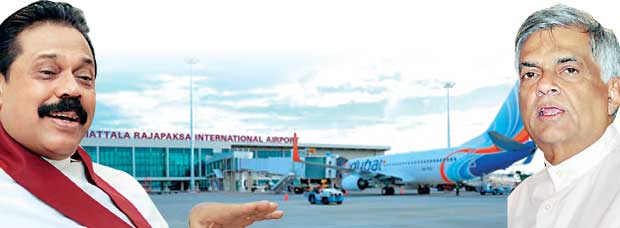

India has expressed interest to operate Sri Lanka’s second international airport situated in Mattala, about 40 km from the southern town of Hambantota, where China has a majority stake in a strategic port it built. The Sri Lankan govt earlier this week cleared Civil Aviation Minister Nimal Siripala de Silva’s request for a committee to study the Indian government’s proposal. India proposes to operate, manage, maintain and develop” the airport through a joint venture, holding 70% of the equity for 40 years…” (The Hindu, August 12th 2017)

Not even during the period of the IPKF did our huge neighbour, which has Tamil Nadu as a significant shareholder, get to run” a Sri Lankan airport deep in the interior of the country, in the Sinhala heartland. Nor did any Ceylonese/Sri Lankan govt ever think of giving India a 70% share for 40 years in any venture as strategic as an airport.

This is in addition to the two stories in the sister paper of the Daily Mirror, which says that the Survey Department which is over a century old, is to be virtually handed over to a US firm named Trimble so as to work on an island-wide Land Registry, while the country’s labour laws are to be revised under the guidance and with the financial assistance of the USAID.

That is not the fault of the UNP proper, it is the fault of those who occupy the UNP’s penthouse. The man who best knows the philosophy of development of the UNP has been exiled as Ambassador, Prof. Karunasena Kodituwakku, groomed by former PM, late Dudley Senanayaka, as a future leader of the party

If this doesn’t add up to a project of re-colonization or neo-colonization, then what does?

Surely the problem of financial viability of a state enterprise should be solved by giving first preference and a larger role to Sri Lankan capitalists than to foreign ones, in seeking investment? Algeria for instance has a constitutional red-line that rules out anything above a 49% share for foreign capital in any enterprise or property whatsoever in that country, leave alone something as strategic as a port or airport!

So why does the government de-nationalize and foreignize national assets, including strategic ones?

One reason is obviously money. I don’t mean money as in the money needed to run the country, because Mahinda Rajapaksa ran it with a higher rate of growth in wartime, and a much higher one in peacetime, without auctioning the family silver and the store! I mean money as in massive pay offs.

The other reason is chronic, perhaps congenital inability. This government has no vision of real economic growth and development. That is not the fault of the UNP proper, it is the fault of those who occupy the UNP’s penthouse. The man who best knows the philosophy of development of the UNP has been exiled as Ambassador, Prof. Karunasena Kodituwakku, groomed by former PM, late Dudley Senanayaka, as a future leader of the party.

There is a third reason which makes the UNP dominated government behave the way it does. The current leaders of the UNP belong ideologically to that stratum which has a long history on this island—that of collaborators who see no future for themselves apart from service to and as beneficiaries of their Western patrons. They are the island’s equivalent of the type that Malcolm X so indelibly caricatured as House Niggers”. They do not see any role for this island except as strategic real estate for the declining Western empire, its allies and its competitors to own or rent.

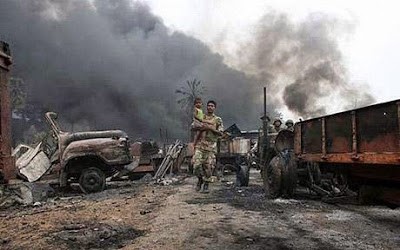
The PM and his ideological followers in the corporate community and the upper bureaucracy are striving to recreate what they see as the golden age of Ceylon – not its true Golden Age of the first decade after Independence, but precisely the pre-Independence period of colonial servitude and limited autonomy; the Donoughmore period. The paradigm is of a throwback to conformist cosmopolitan colonial modernity.

During the UNP-led 7 party coalition govt of 1965-70 officially titled the National Government” but colloquially dubbed the Hath Havula”, Esmond Wickremesinghe was the key advisor and supporter of Minister of State JR Jayewardene’s attempt to dominate the economic policy agenda, outflanking and overshadowing from the Right, the more moderate, liberal, pro-agriculture PM Dudley Senanayaka. Today, with the drive to abolish the Executive Presidency and project the PM as the country’s de facto leader or future leader while celebrating his 40 years in politics (a celebration in Parliament from which the President absented himself), the UNP is perceived as attempting the same ‘Esmondian’ putsch in relation to President Sirisena. There is a gaping ‘trust deficit’.

This is the most dysfunctional Lankan govt I have seen in all the decades I have been acquainted with politics, which I first saw as a school-kid in 1964.

This is currently a country without a Foreign Minister though there are at least three instant options: Dr. Sarath Amunugama, the obvious successor to Lakshman Kadirgamar; Wasantha Senanayaka, the smart and personable young State Minister for External Affairs (and acting FM); and Mahinda Samarasinghe, the experienced former Minister of Human Rights. The govt is cracking up in both senses of the term: it is fissuring as well as going gaga in a politically suicidal way.

The UNP in government is attacking the state. Within the state it is attacking precisely the most credible and admired platform, process and personnel, namely the Presidential Commission into the bond-scam and the independent minded officials of the Attorney-General’s Department.

The UNP is also attacking one of its own, Justice Minister Wijeyadasa Rajapakshe, who is far less conspicuous a dissident than Opposition parliamentarian R. Premadasa was with his Puravesi Peramuna (‘Citizens’ Front’) faction in the early 1970s and Prime Minister Premadasa was in the 1980s with regard to the Indo-Lanka Accord and the IPKF. The patriotic populist dissident Premadasa turned out to be the UNP’s saviour in 1988-89. By attacking Wijeyadasa Rajapakshe, the UNP is busily perforating the only populist lifeboat it has when the ship hits the rocks.

I don’t mean money as in the money needed to run the country, because Mahinda Rajapaksa ran it with a higher rate of growth in wartime, and a much higher one in peacetime, without auctioning the family silver and the store!

The UNP is also attacking its SLFP partner in the coalition govt at a time when it needs the latter’s support for the Constitution-making process, and the SLFP is itself reconsidering its continued presence in the coalition. The UNP has failed to obtain the support of its formal ally the SLFP, and its closest comrade-in-arms the TNA, in the venture to introduce a 20th Amendment and postpone Provincial Council elections.

Furthermore, the UNP’s political behaviour has antagonized the JVP which has (partially) pivoted against the Govt in and out of parliament.

If this isn’t a crack up of the Jan 8, 2015 Yahapalana coalition, the beginning of the disintegration of the ‘unity govt’, and a display of ‘soft anarchy’, what is? And if this isn’t a collective psychological crack-up of the UNP, manifesting a pronounced propensity for political suicide, what is?

The UNP’s political behaviour has antagonized the JVP which has (partially) pivoted against the Govt in and out of parliament

Comparing the Yahapalana administration with the Rajapaksa one, and concluding that the present administration is not yet as bad as the former but is on the wrong road or moving too slowly on the right one, is either moronic or knavish, not only because there was nothing of the magnitude of the bond scam and gigantic divestitures of strategic national assets under the previous regime, but also because MR did something positive of huge historic and human import which no one else did and from which all the positives of today were made possible – he won the 30-Year War and then gave the economy the highest growth rate in Asia outside of China.

It can be said of MR that his achievements dwarfed his errors; his positives surpassed his negatives. Can the same be said of the present administration? Not even the UNP believes that. If it did, would the PM seek to postpone elections?

CB bond scam: Ready to give professional assessment on loss-Cabraal

August 15th, 2017

Courtesy The Daily Mirror

Former Central Bank Governor Ajith Nivard Cabraal said he would like to offer a professional assessment to the Bond Commission on the total loss suffered by the government and the country as a result of the bond scam, and a scientific and studied insight into the actions and circumstances that enabled the scam to be carried out.

Issuing a statement, he said certain Members of Parliament had suggested that he be summoned before the Bond Commission. In that regard, I wish to state that I would be very happy to give evidence before the Bond Commission and respond to any questions the Commission may wish to clarify,” he said.

Tilak Marapana sworn in as new Foreign Minister

August 15th, 2017

Minister of Development Assignments Tilak Marapana has been sworn in as the new Minister of Foreign Affairs before President Maithripala Sirisena, a short while ago.

He was appointed to the position which was left vacant following the resignation of Ravi Karunanayake over allegations leveled against him over the Central Bank treasury bond scam.

Marapana was appointed as the Development Assignments Minister during a cabinet reshuffle on May 22, 2017.

He had previously served as Minister of Law and Order and Prison Reforms before officially resigning from the position on November 9, 2015 in connection with the Avant Garde floating armoury issue.


Marapana, President’s Counsel is a former Attorney General who retired prematurely with the change of Govt in 1994. He thereafter practiced in the unofficial bar and enjoyed an extensive and lucrative practice when in 2001 was a appointed the Minister of Defence in the UNP Govt headed by Mr. Ranil Wickramasinghe.

Later, with the demise of Mr. Gamini Atukorale he was also appointed the Minister of Highways, Transport and Civil Aviation.

In 2015, following the last Gen Election, Mr. Marapana was appointed as the Minister of Law and Order. Consequent to a speech made by him in Parliament in which he explained the use of firearms stored in a ship chartered by Avant Garde and following allegations that he could interfere in the ongoing investigations against the Avant Garde Company, he resigned from his portfolio until the conclusion of these investigations.

In May this year Mr. Marapana was once again appointed to the cabinet as the Minister of Development Assignments, a new ministry set up to monitor all ongoing development projects both foreign and local.

Mr. Marapana as the Attorney General led the Sri Lanka Delegation to the United Nations Human Right Commission in Geneva on successive sessions from 1992 to 1994 and successfully overcame the passing of a resolution against Sri Lanka on Human Rights issues.

Insurgencies: the song remains the same Why Ranil is wrong about ‘terrorism’

August 15th, 2017

BY Rathindra Kuruwita Courtesy Ceylon Today

War is thus more than a mere chameleon, because it changes its nature to some extent in each concrete case. It is also, however, when it is regarded as a whole and in relation to the tendencies that dominate within it, a fascinating trinity (wunderliche Dreifaltigkeit).

– Carl von Clausewitz

Speaking at the Interpol conference on countering terrorism and terrorism related transnational crime in Colombo last week Prime Minister Ranil Wickremesinghe and Minister of Law and Order Sagala Ratnayake spoke of the threat faced by radicalization and terrorism.

According to the dynamic duo, the nature of insurgencies has changed fundamentally, and technology has changed the way insurgents conduct their operations in an unrecognizable manner. The Prime Minister insisted that the war with the LTTE is likely the last of its kind and unlike in the past terrorists engage in crime to finance their operations, while Ratnayake followed up stating that with new technologies and social media people can get radicalized in minutes and there is no need for a person to be there to radicalize someone. And of course yours truly who was there listening in was ‘literally shaking,’ did you get it? No? Ok then, at these outrageous statements from two men who are key decision makers on national security.

The song remains the same

Of course from time to time insurgents change the way they operate and use whatever technologies that are available. No one sane is saying that the Tyrolean rebels, the peasant rebels fighting against the occupation of their homeland by the French and Bavarian troops and Mao’s Eighth Route Army were doing the same thing or are even comparable. But once you skim through the differences in tactics, techniques and ideologies, one can always find remarkable similarities between conflicts of all epochs. This is especially true when it comes to insurgencies which are pretty much community based initiatives.

I am not surprised that people like Wickremesinghe or Ratnayake believe that technology holds the key to understanding radicalism or that technology will be able to provide an answer to terrorism. Both are neo liberal technocrats and such people often loathe to think of the ‘human element,’ which is always messy and complicated and has no technological answers.

But humans are key to understanding conflict and I will attempt to explain the concept of Clausewitz’s fascinating trinity, which explains underlying causes of any conflict and these factors need to be addressed to dismantle or counter radicalize.

Clausewitz and his fascinating trinity

For me Prussian military thinker Carl von Clausewitz is the most important strategic thinker the world has seen, ever. Despite being a product of the Napoleonic wars of the early 19th century, the ideas of Clausewitz are still relevant and have inspired military geniuses from Moltke, Helmuth von Moltke the Elder not his stupid nephew Helmuth Johann Ludwig to Mao.

If anyone is interested in strategy and military affairs I recommend them to read his On War, a book I read at least once a year when I feel that I am losing my edge reading through hundreds of crappy war reports by Main Stream Media. Anyway the above mentioned idea on the fascinating trinity is one of his most interesting and important ideas.

Clausewitz’s fascinating trinity comprises of primordial violence, hatred, and enmity, which are to be regarded as a blind natural force;

the play of chance and probability, within which the creative spirit is free to roam; and its element of subordination, as an instrument of policy, which makes it subject to pure reason. “The first of these three aspects mainly concerns the people; the second the Commander and his Army; the third the government. The passions that are to be kindled in war must already be inherent in the people; the scope which the play of courage and talent will enjoy in the realm of probability and chance depends on the particular character of the Commander and the Army; but the political aims are the business of government alone” from On War Howard/Paret translation.

Let’s apply this to the ISIS. The terror outfit draws its support from young men who have been influenced by Salafism and Wahhabism who believe that kuffar (non-believers), especially Shia, must be subjugated and destroyed (primordial violence, hatred, and enmity).

It made a name for itself through a string of victories by exploiting the weak Iraqi Army in the summer of 2014 through a series of bold initiatives (the play of chance and probability, within which the creative spirit is free to roam). ISIS leadership has also taken a number of decisions that makes no sense tactically, i.e. the suicidal attack on Kurds in Kobane in late 2014 which bled the ISIS and is now seen as a turning point of the war in the Levant, and goes against the ideology not destroying Suleyman Shah’s (the father of Osman I, the founder of the Ottoman Empire) tomb in 2015, although they have destroyed all other tombs in their territory, because they did not want to risk the destruction of its alliance with Turkey (an instrument of policy). These aspects can also easily be applied to the LTTE or Naxalites of India or the Afghan Taliban. To be more precise just like the LTTE wanted a separate State for the Tamils, the ISIS wants to carve out a State for Sunni Muslims, if Wickremesinghe sees a difference between the objectives of the two groups he is not seeing things properly.

No investments

I have pointed out repeatedly that the funds reserved for capacity building of the military has remained the same in the last few years and this runs contradictory to the continuous lip service paid for the importance of countering radicalization. War is a chaotic system, infinitely complex in its variables and conditions. While a significant number of people tend to overestimate the importance of weapon systems, drooling over the pages of Jane’s Defence Weekly, history has shown that while the advancement of weapons change how wars are fought, leadership, training, morale, and most importantly, political strategy dictate how wars are won.

Sri Lankan Army did not win the war against the LTTE because it had better hardware; the war was won due to superior training, morale, intelligence and numbers. These are the same aspects that will allow us to be on top of the current security landscape, where the biggest threats are radicalization, smuggling, and cyber-crime; what is required is superior training and accurate and actionable intelligence. While procuring aircraft is attractive what is required is better troop training, i.e. on cultural sensitivity, language skills, surveillance, technical courses on Geographic Information Systems (GIS) and geographic profiling and information gathering and so on, and infrastructure and training for our intelligence services. Therefore, it is quite disheartening to see that the government has not understood the threats the nation faces and what needs to be done to address these challenges.

Rathindra holds an MSc in Strategic Studies from S. Rajaratnam School of International Studies, NTU, Singapore, and can be reached via rathindra984@gmail.com

Govt. will topple on its own – Mahinda (English)

August 15th, 2017

Govt. will topple on its own – Mahinda (English)

Wimal meets Mahanayaka theros of Asgiri and Malwathu chapters

August 15th, 2017

විමල් මල්වතු – අස්ගිරි නාහිමිවරු මුණගැසෙයි

Gammanpila on real reason behind no-confidence against Wijeyadasa-විජේදාස රාජපක්‍ෂ පන්නන්න හදන හේතු මෙන්න…

August 15th, 2017

විජේදාසට විශ්වාසභංගයක් ගේන ඇත්ත හේතු ගම්මන්පිල කියයි

Gammanpila on real reason behind no-confidence against Wijeyadasa

පිවිතුරු හෙල උරුමයේ නායක පාර්ලිමේන්තු මන්ත‍්‍රී උදය ගම්මන්පිල මහතා එම පක්‍ෂ මූලස්ථානයේ පැවති මාධ්‍ය හමුවකදී මෙසේ අදහස් පල කලේය.

නීතිපති අකාර්යක්ෂම වුණත් ඊට විජේදාස ඇමතිතුමා වගකිවයුතු නැති නම් එතුමාට විරුද්ධව විශ්වාස භංග යෝජනාවක් ගේන්නේ ඇයි?  එතුමා රටට ජාතියට ආගමට ඇත්තටම ආදරය කරන නිසා.  විජේදාස රාජපක්ෂ මහතාට ගෙන එන විශ්වාස භංගයේ අඩංගු නැති එහෙත් සැබැවින්ම එතුමාට විශ්වාස භංගයක් ගේන්න තුඩු දුන්න හේතු 4ක් තිබෙනවා.

  1. එක්සත් ජාතීන්ගේ ත්‍රස්ත විරෝධය සහ මානව හිමිකම් පිළිබඳ විශේෂ වාර්තාකරු බෙන් එමර්සන් පවසන තොරතුරු වැරදි බවට ඔහුගේ මුහුණටම පැවසීම.
  2. ආණ්ඩුව ආරක්ෂක අංශ ලවා ලංකාවේ අයිසිස් ත්‍රස්තවාදින් නැති බව පවසන විට පාර්ලිමේන්තුව අමතමින් ලංකාවේ මුස්ලිම් අන්තවාදයක් ක්‍රියාත්මක බවත් අයිසිස් ත්‍රස්තවාදින් 11ක් දැනට සටන් වදින බවට තොරතුරු තිබෙන බවටත් පාර්ලිමේන්තුවේ දී පැවසීම
  3. මුස්ලිම් අන්තවාදින් සහ දෙමළ බෙදුම්වාදින් උතුරු නැගෙනහිර සිදු කරන පුරා වස්තු විනාශය පිළිබඳ සාකච්ඡා කිරීමට බෞද්ධ සංවිධාන සමග ගොස් ජනාධිපති හමුවීම
  4. ශ්‍රී ලංකාව සතු වටිනාම සම්පත වන හම්බන්තොට වරාය චීනයට විකුණා දැමීම වත්මන් ආණ්ඩුව කල බලවත් වරදක් බවත් ඉන් රටට සිදු වුයේ දැවැන්ත හානියක් බවටත් හඬක් නැගීම


මෙන්න මේ කාරණා හරහා එතුමන් රට ජාතිය වෙනුවෙන් දැක්වු හැගීම නිසයි එවැනි හැගීම් නැති මන්ත්‍රීවරුන් පිරිසක් කුලප්පු වෙලා සිටින්නේ. විශ්වාෂභංගයක් ගෙනවිත් තිබෙන්නේ. අපි සිටින තුරු රටට ජාතියට ආගමට හානියක් වෙන්න දෙන්නේ නෑ කියලා ජනාධිපතිවරණය සමයේ දී පිටු පිරෙන්න ප්‍රචාරක දැන්වීම් පළ කළ හෙළ උරුමයේ ඇමතිවරු නිහඬව මස් කටු සූප්පු කරද්දී විජේදාස ඇමතිතුමා සිය ඇමතිකම පරදුවට තබා රට වෙනුවෙන් නගන හඬ අගය කරනවා.  මට ඇමිතිකමකට වඩා මට මගේ රටත් ජාතියත් වටිනවා කියා ප්‍රකාශ කිරීම ඒ වෙනුවෙන් කටයුතු කිරීම පක්ෂ භේදයෙන් තොරව අගය කළ යුතු කාරණයක්.

සුනිල් ආරියරත්නයන් රචනා කල නන්දා මාලනිය ගයපු ගීතයක් අදට ගලපා ගන්න.  මස්කටු ලොවමින් සිටිද්දි හෙළ උරුමයේ ඇමතියන්, රට ගිණි ගෙන ඇති බව දුටු විජේදාස මැතිතුමන් එගිණි නිවන මං සෙවීම වරදක් දැයි මට කියන්න කියලා. එය තමයි මට එක්සත් ජාතික පක්ෂයේ විශ්වාෂභංගය ගෙනෙන මන්ත්‍රීවරුන්ගෙන් අසන්නට වෙන්නේ.

ඇත්තෙන්ම විජේදාස ඇමතිතුමා නගන්නේ ඒකාබද්ධ විපක්ෂයේ හඬ නොවේ.  ගමේ ගොඩේ එජාපයේ ක්‍රියාකාරින්ගේ හඬයි.  වසර 21ක් විපක්ෂයේ සිටි එජාප පාක්ෂිකයාට තේරිලා තිබෙනවා මේ යන්තමින් එජාපය ප්‍රමුඛ ආණ්ඩුවක් හදා ගත්තත් ආණ්ඩුවේ දේශද්‍රෝහි වැඩපිලිවෙල නිසා එජාපය යළිත් වරක් විසි වසරකට විපක්ෂයට විසි වෙනවා කියලා.  ඒ නිසා රටට ආදරේ එජාප පාක්ෂිකයා විජේදාස ඇමතිතුමා රැක ගන්න පෙරට ආ යුතුයි. අද එජාපයට ආදරය කරන එජාප පාක්ෂිකයා කළ යුත්තේ විජේදාස රාජපක්ෂ ඇමිතිතුමන්ට පහර දීම නෙමෙයි. ආණ්ඩුව නිවැරදි මාවතට ගෙන ඒමට උත්සහා කරන විජේදාස රාජපක්ෂ මැතිතුමන්ට සහය පළ කරීමයි.

– අරවින්ද අතුකෝරල

Imperatives under Article 83 for a new constitution

August 15th, 2017

By Neville Ladduwahetty Courtesy The Island

MP Dr. Jayampathy Wickramaratne P.C. during the course of an interview had stated: “We must go for a referendum if we are to introduce a new Constitution. For example, if we want to change even a comma in Article 83 of the Constitution, we must go for a referendum”(Ceylon Today, August 11, 2017). Article 83 requires 2/3 approval of Parliament and approval by the People at a referendum in order to abolish the executive presidential system and introduce a NEW Constitution. The two “official” reasons offered as justification for abolishing the Executive Presidential system are: (1)The belief that the Executive Presidential system concentrates too much power in a single individual, and (2),that it was an election pledge to the People. Instead of abolishing the Executive Presidential system in its entirety,the 19th Amendment in its original form provided the Government an opportunity to seriously derogate the powers of the President if the Government was prepared to subject the Bill to a referendum. The fact that the Government was reluctant to face a referendum at that time, but is now prepared to go for a referendum as stated by Dr. Wickramaratne, must mean that the scope is wider than the two “official” reasons offered above, for public consumption.

It is therefore clear that since the Government is now prepared to conform to the full provisions of Article 83, the opportunity would be exploited to the fullest, and to radically transform the structure of the Sri Lankan State. One radical transformation would be to dismantle the role of the Executive powers of the President in the Provincial Councils through his representative the Governor, and devolve Executive power to Provincial Councils; a fact that was clearly evident from the Sub-Committee Reports. Therefore, in the immediate background of alarming disclosures connected with the Bond Scam,the People are entitled to know the real and honest reasons for a NEW Constitution, in the knowledge of the huge credibility deficit that exists with regard to election pledges.

Before embarking on the task of preparing the draft of a NEW Constitution,two fundamental questions need to be raised relating to the need for a 2/3 majority by Parliament.

1.Does the Government have a mandate from the People to repeal the existing Constitution and replace it with a NEW Constitution?

2. Would not the needed 2/3 approval by Parliament come at the cost of violating the Franchise and hence the Sovereignty ofa section of the People?

TWO THIRD APPROVAL of PARLIAMENT

The current assumption is that if the present Parliament approves provisions in a NEW Constitution with a 2/3 majority,one requirement of Article 83 would be fulfilled. The question arises: How legitimate would such anassumption be considering the present formation of the Parliament in which the UNP has 105 members, the UPFA has 95 members, the TNA has 16 members, the JVP has 6 member with a few individual members making up the total to 225 members. Consequently, no political party has a clear majority. Under the circumstances, the present formation of the Government is that of a Minority Government.

It is therefore abundantly clear that the People of Sri Lanka did NOT give a mandate to any political party to institute any changes that would drastically alter the political structure of the State. Therefore, leaving aside the unethical aspect, would it be constitutionally legitimate for political parties or sections of political parties to form coalitions and attempt to amend or introduce a NEW Constitution? When answering this question a fact that should be borne in mind is that some members of Parliament who would be part of the 2/3 majority that would be voting for a NEW Constitution, could very well be members who were rejected by the People at the 2015 General Election.

A 2/3 majority under such circumstances would amount to going far beyond the boundaries authorized by the People. The question that needs to be asked is under what provision of Sri Lanka’s Constitution, or of what provision of any International Law could a Government made up of a coalition where no political party of the said coalition has a majority to form a Government, be permitted to repeal and replace a Constitution without a clear and unequivocal mandate from the People in the form of an outright majority to implement such a radical transformation?

Article 83 has two components: One is the need for 2/3 approval of Parliament and the other is approval by the People at a referendum. Both components need to be legitimate, each on its own merit. The need for both components to be independently legitimate is reflected by the fact that only those very few Articles in the Constitution that entrench the core values of the State have to comply with both components.

On the other hand, if minority parties in Parliament get together and forge a 2/3 majority, the ONLY safeguard is the decision by the People at a referendum. This single safeguard was certainly what was intended in Article 83. Therefore, the need for the 2/3 approval should at least be the product of a Majority Government with the support of other parties for the approval to be legitimate. Since this is not the case with the present formation in Parliament, it does not have the legitimacy to clobber together the 2/3 majority needed by Article 83.

According to Dr. Wickramaratne, “Today, the people clamour to have the executive presidency abolished” (Ibid). That is obviously his own interpretation. If in fact the issue of abolishing the Executive Presidency was a major concern of the People they would have given a positive mandate to the party that made such a pledge. The fact that no political party was given such a mandate means that what the Government is planning to do is not lawful, because it does NOT have the mandate to undertake such a radical and transformative task as changing the structure of the State without it being sanctioned by the People.

VIOLATION of FRANCHISE

The two major political parties that contested the August 2015 election were the UNP and the UPFA. Neither secured an outright majority. Consequently, the type of Government Sri Lanka currently has is a coalition made up of the entirety of the UNP and a minority of the UPFA, while the majority of the UPFA consisting of 52 members out of a total of 95 are NOT part of the coalition. Such an arrangement would undoubtedly compromise the Franchise and hence of the Sovereignty of the voters who voted for the 52 members of the UPFA that are NOT part of the coalition. This is what makes the formation of the present Government unlawful and a direct affront to the fundamental principles of representative Democracy.

Other countries too have experienced minority Governments. For instance, in U.K. Prime Minister Theresa May’s Conservative Government is a minority Government because it failed to secure sufficient seats in Parliament to form a Government. This outcome has caused it to look for a coalition partner to form a Government, or in the least, a partner who would support them in Parliament. Similarly, countries such as Canada and Australia too have experienced minority Governments. And when faced with such a predicament they look for a coalition partner to form a Government.

In all these instances where the formation of coalition Governments were inevitable, the entirety of each party in the coalition committed itself to the formation of a legitimate Government, without violating the Franchise expressed by the People who voted for the parties in the coalition.

The difference between the coalition formations in these countries and the coalition formation in Sri Lanka is that ONLY a minority of the partner UPFA is part of the coalition Government, while the majority of the UPFA remains outside without an official status. Consequently, the majority of those that voted for the UPFA remains unequal before the law. This is in violation of a Fundamental Right; a right that has gone unchallenged since this Government came into power.

CONCLUSION

The present formation of the Government is unique in the history of representative Democracy. It is unique not because all the political parties in the present Parliament are minority parties, since similar minority formations exist and have existed in other countries as well. However, when coalition Governments are formed with minority parties, the entirety of each party forming the coalition are legitimate partners of the Government in order to preserve the sanctity of the Franchise of the People who voted for each partner of the coalition. What is unique about Sri Lanka’s coalition is that it is made up of the entirety of the UNP and a minority of the other member of the coalition (the UPFA), while the majority of the UPFA remains outside the coalition and the Government.

This unique formationof the coalition makes a 2/3 majority invalid for two reasons. Firstly, a coalition formation made up of minority parties does not have a legitimate mandate to repeal an existing Constitution and replace it with a NEW Constitution and secondly, the Franchise and hence the Sovereignty of the majority of the UPFA that is not with the Government and therefore excluded from the coalitionis compromised, thereby violating the Fundamental Right of Equality before the Law.

On the other hand, it would be legitimate for a coalition Government made up of minority parties to pass laws that require ONLY SIMPLE MAJORITIES provided ALL members that constitute the coalition are recognized as members of the Government so formed. In view of the uniqueness of the coalition in Sri Lanka even such a concession would not be legitimate. However, under no circumstances would it be legitimate for a coalition Government of minority parties to amend or revise any provisions in the Constitution that would require special majorities such as a 2/3 majority.

Despite the stated claim that the NEW Constitution is meant to abolish the Executive Presidential system on the grounds that it was a pledge made to the People, the real reason is to dilute the Executive powers of the President through the Governors in the Provinces and transfer Executive powers to the Provincial Councils. The result would be to devolve Executive and Legislative powers to the Provinces; powers that are typically characteristic of Federal Arrangements. All of this is to be achieved by conforming to provisions of Article 83 of the Constitution that require a 2/3 approval of Parliament and approval by the People at a referendum.

The flaw in the strategy is that the 2/3 approval of Parliament has no legitimacy for the two reasons cited above. For a 2/3 majority to have any legitimacy, at least one party in the coalition should have a minimum of 50%+members in Parliament if the sanctity of Article 83, which isthe ONLY Article that entrenches the core values of the Sri Lankan Nation and State is to be honoured. Since such a condition does NOT exist the present Parliament does not have the mandate and therefore lacks the legitimacy to repeal the existing Constitution and replace it with a NEW Constitution.

Govt. to expedite investigations against MR, family

August 15th, 2017

Ranjan Kasthuri Courtesy The Daily Mirror

The government has reportedly decided to expedite investigations into allegations faced by former President Mahinda Rajapaksa and his family.

This decision follows complaints lodged with the government by backbench UNPers who pointed out that the investigations against the former president and his family members were proceeding at an extremely slow pace and this despite the government having already completed two and a half years in office.

Several ministers have pointed out that for the government to maintain its credibility it was imperative that action was taken to expedite proceedings against those persons who had allegations of corruption levelled against them immediately. These views were expressed at a cabinet meeting held last week.

Ravi Karunanaayake became a convict in the People’s Court – Fomer President Mr. Mahinda Rajapaksa.

August 14th, 2017

Translated by :A.A.M.NIZAM – MATARA

Although Rqvi Karunanayakr can get acquitted through the Courts on the advice of efficient Lawyers, he has become a convict in front of the People’s Court.  This was stated by the former President Mt. Mahinda Rajapaksa at Divulapitiya participating at the occasion of establishing the Gampaha District branch of the Sri Lanka Podujana Peramuna (SLPP) Lawyers Organization.  Mr. Rajapaksa said thst Ravi Karunanayake had to resign because he became convicted before the People’s Court.

He said that a convict will not become a hero merely by resignation or making a speech in the Parliament.

At tis function on the unanimous decision of the Sru Lanka Freedom Party Lawyers’ Organization of the Gampaha District it was transformed as the Gampaha District branch of the Sri Lanka Podujana Peramuna (SLPP) Lawyers Organization

At this meeting office nearers of the organization were appointed.  Accordingly, those who held positions in the previous Association including Attorney at Law Tissa Jayawardene was appointed as the Patron, Attorney at Law Sarala Karunaratn was appointed as thee Chairman and Attorney at Law Saraana Karunaraatme was aappointed as the Assistant Secretary.  Other positions of the organization were also filled at this meeting.

Speking further the former President Mr. Mahinda Rajapaksa said this government came to power speaking loudly about yahapalanaya and establishing Law and Order. They emphasized that these aspects should be protected and safeguarded.  But it is not necessary to explain to you whether the action taken by then immediately after coming to power to remove the Chief Justice and appoint a new Chief Justice was an act of safeguarding democracy and protecting the Law and Order.

It was from this point they started manipulating the judiciary and the people to gradually lose the trust reposed on the judiciary by them..

They are making use of various mechanisms to avenge their political opponents and to get their political objectives fulfilled.

Remanding of persons has become a form of punishment.  The Police has become successful in tying the hands of magistrates by preventing them granting bail to people by even presenting cases relating to private properties alleged as properties belonging to the State.  Police actions have become mere political actions.  As what we know, initially a complaint should be made to the Police to carry out an investigation but now investigations are being carried out without any complaints.

The Financial Crime Investigation Division (FCID) was eatablished to investigate complaints made by the Prime Minister and carry out investigations ordered by the Prime Minister.  What are the Police powers that are vested with the Prime Minister? The crux of the whole judicial system has collapsed now. This is the situation that has arisen today.  It is said that the FCID has completed more than seventy cases.

What are these cases?   Distribution of iron pipes to Pradeshiya Sabhas,  Distribution of ‘Sil’ clothes to Meditating mothers. These are the major cases, But there are no cases for the calenders printed by the Ministers of this government.  But there are cases for printing ‘Liths’. .A ‘Lith’ is an almanac that contains our New Year horoscopes and telling predictions relating to falling of a ghecho onto our body and aspects of our Sinhala culture.  Calenders are not like that. But the cases that have for ‘Liths’ are not there for Calenders.

One Minister was telling that I have 17 Million U.S.Dollars in my foreign bank accounts.  To find out the Rupee equivalent of  17 Million U.S.Dollars it has to be multiplied by 154.  Another one says that there is 250 Million U.S.Dollars under Namal’s name.  If that is so they coulf have got those mney of mine and refrain from selling the Hsrbour. Isn’t it? I will give my alleged money free of charge.

These are the types of lies they are telling.  They think that if they say in millions and billions the people will get fooled.  The false teeth of those who tell lies have got exposed.  The Treasury Bond Scam is the biggest ever robbery carried out not only in Sri Lanka but in the whole of Asia.  While investigating about that plunder details of other people who got money from person nvolved in the robbery also came to light.

Although some people attempt to score points for them it was the pressure exerted by the opposition that compelled to appoint a commission to investigate about this robbery.  Its honour should be passed on to the Opposition.  I remember that Mr. Bandula Gunawardene continuously talked about this.  The whole opposition raised their voices about it.  It was as a result of those agitations a Commission had to be appointed.  It was because of that Ravi Karunanayake had to resign.

Tilak Marapanaa also resigned.  He resigned because of legal advice taht had been given by him.  The Lawyers provide legal opinions.  But when such opinions come under suspicion as to wheter such opinions are right or wrongMr. Marapana resigned as a gentleman.  Did he make statements in the Parliament?  Was he acknowledged as a hero after his resignation? Nothing like that happened.

Actually it is Mr. Marapana who should be acknowledged as a hero. Not Ravi Karunanayake, who had to bow down to the people’s opinion! He became a convict in the people’s Court. Because of the opinion given by leading Lawyers he had to pass the ball.  Therefore he said that he does not know and he does not remember.  Since, it is not possible to bring the wife to give evidence against her husband.

Therefore a prominent Lawyer adviced him to say like that.  Regardless of the Court of Law he has become a convict in front of the People’s Court.  He came out and challenged the Attorney General and the Attorney General’s Department.  Members of Parliament who do not know even the alphabets of the Law  expressed opinion against the Attorney General’s Department.

Even there are a few in the Attorney General’s Department.who act to uphold their political views.  By saying so, if we degrade the Attorney General’s Department as a whole It is a wrong act.  What would happen if we degrade Attorney General’s Department and the judiciary.  We have a responsibility to protect and safeguard the rule of Law.  All of you too have that responsibility as distinguished Lawyers.  (niz)

The 13th Amendment and the Rajiv/ JR Accord should be scrapped immediately

August 14th, 2017

Comments by Sudath Gunasekara 14.8.2017

Reference Why we mustn’t move a millimeter beyond the 13th amendment”

(Dayan Jayatilka)

August 7, 2017, 8:48 pm The Island

Reference above observations on Wigneswaran, the neo-Pirapaharan, by Dr. Dayan Jayatilka in yesterday’s Island, I would like to make the following comments.

While fully endorsing what Dayan in his analysis has said, I would like to stretch a point further and demand the immediate and complete abolition of this curse, Provincial Councils, at least now, ASAP before this Island nation is completely destroyed by these mad Tamil communal outfit and the gang of parasitic white clad pinguttara politicians with the support of anti -Sinhala anti-Buddhist Western Colonial elements who are struggling day and night, to do what they failed to do for 500 years of their hay days from 1505 to 1948.

Highlights of the 13th A

1 It was the attempt made by India to complete the conspiracy of dividing this country of the Sinhalese on ethnic basis initiated by British colonial Invaders in 1833 and completed in 1897 by dividing this country in to nine Provinces

2 It was the Indian conspiracy to give Administrative and Legal teeth for the residents of the North and East so demarcated, to claim ownership over the land earmarked and parceled out by the British in pursuance of their divide and rule colonial policy.

3 It was the vicious Indian plan to tame JR Jayawardhana for aligning with USA and adopting a covert anti- Indian policy

4 It was India’s strategy to make Sri Lanka a protectorate of the mainland India by pursuing the Kautilyan policy of expanding the Kingdom.

5 It was India’s subversive strategy to satisfy the aspirations of Tamilnadu politicians as part of their political manipulations to strengthen the hegemony of Delhi in South Asia.

6 It was part of India’s subversive plan to consolidate its political and economic control over this Island

7 It was to consolidate their strategic power in the Indian Ocean to counter emerging Chinese power in the Indian Ocean as well as that of the West.

8 It was also a part of their long term strategy to get the Central Provinces of Central, Uva and Sabaragamuwa where there is a sizable Indian plantation population annexed to the North and East as traditional Tamil Home land inSri Lanka

9 It was a part of their long term conspiracy to wipe out the Sinhala Buddhist Civilization on this Island as they have done to Buddhism in India.

10 Finally to satisfy their  millennia old never fulfilled dream started with the Rama’s invasion of acquiring this Paradise Island as a subkingdom of the Indian Hindu Empire by converting it to a Home Land of South India Tamils whom they call ‘People of Indian origin’

All patriotic and sensible people like the writer have wasted their precious time in the name of the country and the Sinhala Nation, for 3 decades without any tangible results, writing and talking on the dangers of this conspiracy hatched by India with the support of Western imperial remnants, separatist communal Tamils like Wigneswaran and all other anti-Sinhala and anti- Buddhist forces. There is no point in writing or talking any more. I, along with many others patriotic men like Gunadasa  Amrasekara and Nalin de Silva and many others have been writing from 1987 against the imminent dangers of this curse. Politicians like Mrs Bandaranaike and even Mhinda Rajapaksa and Dinesh Ggunawardhana have protested and led public agitations and many have died. What we should do now, therefore is to demand this Government of unpatriotic, deaf, dumb and blind  political crooks to immediately scrap the 13th A along with the JR/Rajiv Accord that laid the concrete foundation for this trap that is the 13th A 1987 for the dangers enumerated above and further more for elaborately discussed  in the following  pages..

There is no sense at all in retaining it at all in any form as it has brought the country almost to the brim of disaster. Thirty years of its impact has already handed over   2/3 of the total area of the country in the North and North East to Tamil and Muslim separatists. Meanwhile hectic action is being taken under the provisions of the same anti Sinhala and anti-Buddhist Indian sponsored Amendment by the  present Government ( led by Minister Kiriella and Ranil Wickramasinha) from 2015 to give the entire CP, Uva and Wellassa Provinces to Indian Estate Tamils to collect their votes.

The13th amendment was the illegitimate child of Indian expansionism and Sri Lankan political naivety that prevailed at that time. It was brought up in pursuance of the Indo-Sri Lanka agreement of 29th July 1987 entered upon between Sri Lanka and India. This was signed by J.R.Jayawardene, the then President of Sri Lanka and Rajive Ghandi the Indian prime Minister. Though it was called an agreement, in reality it was oneway traffic. It was the will of the Indian government imposed on old JRJ by the Indian government under the able and cunning stewardship of Dixit the then Indian Ambassador in Sri Lanka. We all know how it was preceded by the famous ‘dhal invasion’ of Jaffna peninsula in which demonstrated the high handed action on the part of Indian expansionism. It was a blatant violation of all accepted international diplomatic ethics. In fact we all still remember how Dixit summoned JRJ to his office and got JRJ to succumbed to his dictations under threats of imminent invasion.

In the words of a group of patriotic people who made an analysis  ‘The Indo-Lankan Agreement was an agreement between the two Heads of States that was conceived, incubated and hatched in the greatest secrecy’ until it was singed. It was singed under a country wide curfew and a total press censorship. Even the foreign Ministry was kept in the dark. Prime Minister Premadasa stayed out of the country in protest. Minister of Internal Security Lalith Atulathmudali also boycotted it. It was also singed under a country wide protest organized by the opposition under Mrs. B’s leadership in which the present President also participated. Thereafter JRJ used his steam roller majority of 5/6th to get it passed by the Parliament by keeping the MPP herded in a hotel until the voting time, The Chief Justice of the country also resigned and left for Australia in protest.

This was the backdrop under which JRJ used his dictatorial executive powers to get the 13th amendment through. This scenario makes it more than clear that he singed these agreements under pressure from India for his own political survival. It is also not surprising that he did so, when we recollect that it was he who said in 1920s that ‘Sri Lanka of Dutugemunu and Parakramabahu is a thing of the past and if you want to develop the country, Sri Lanka should be affiliated to India as one of its regional states’.

This tragic event in the political history of this country has once again highlighted the mistake of leaving everything in the hands of power hungry politicians, when it comes to matters dealing with the destiny of the nation. It also focuses on the serious vacuum created by the tragedy of absence of powerful national level leaders and organizations who can tame the politicians, when it comes to issues that decide the future destiny of the country.

All in all this chain of events clearly demonstrate that the Indo-Sri Lankan Agreements did not have the support of the masses in this country, in whose hands lies the sovereignty of the Republic which is also said to be inalienable. Obviously therefore the 13th amendment has violated article 3 of the Constitution of Sri Lanka, although JRJ has legitimized it subsequently using his dictatorial executive powers. The Indo-Sri Lanka agreement was the result of a diabolical conspiracy hatched by India against Sri Lanka, under the then prevailing sour relationship between the two countries. It also has violated the provisions of Article 1 of the constitution which says that ‘Sri Lanka is a Free, Sovereign and independent country etc. Thirdly since by establishing provincial councils and the manner in which their functioning has been maneuvered, the unitary status of the Republic is also violated. (Article 2).

The intension of the 13th amendment itself was not bon-fide. It was not enacted in the broader interest of the country and its people. JR singed this for his own survival and the survival of his government in the face Indian threat of imminent invasion.

One can argue that under the then prevailing rather sour Indo-Lankan relations (for which JRJ and his government was responsible) he had no choice. Therefore he had opted for the best choice in the interest of the country. But that is only mere rhetoric. The content of the agreements and the subsequent legislations (13th Amendment) clearly demonstrate how they have cleverly sidetracked the interests of this country and betrayed the nation. Even the removal of civil rights of Mrs. B is a part and parcel of the same conspiracy.

Of the six amendments that were brought under the 13th amendment to the constitution, only amendments 2 and 4 are discussed here.

The 2nd amendment amended Article 18 of the 1987 constitution which stated that the ‘Official language of Sri Lanka shall be Sinhala’, making Tamil also an official language of Sri Lanka. It also said English shall also be the link language.

Amendment 4 on the other hand which amended sec 154 of the original Constitution added a new Article as 154A under a new chapter XV11A and it provided for the establishment of the Provincial Councils. Under this it was proposed to establish a Provincial Council for every Province.

Each Council to have a Governor who will exercise executive powers in relation to subjects assigned to the Provincial councils. Legislative powers will be carried out by the Provincial Council headed by a chief Minister and a board of Ministers elected by the people of the Province. Wide and far reaching powers were given to the Provincial councils under the Ninth Schedule List 1, which is called the Provincial Council List. This includes practically all powers pertaining to governance within the province including among other things Land, Police powers, Legal powers, tax and Finance These Councils were also given powers even to negotiate with foreign governments and organizations. This has been already done in the NWP when Jayawickrama Perera was the CM. Provision for establishing ‘Super Provinces’ were made under Article 154A, (3) by combining two or three adjoining Provinces to form one administrative unit with one elected Provincial Council, one Governor, one Chief Minister and one Board of Ministers. It was under this provision that the North and East were merged.

The implied main purpose of the Indo Sri Lanka Agreement was to find solutions to the so called ethnic problem said to be present here and find a solution to the North- East problem and restore peace and normalcy in the country. But it is rather ironical that it also included a clause to make Tamil also an official language and another for repatriation of the estate Tamils who had already been declared to be Indian citizens. The provisions of the latter violated the provisions of the Nehru-Kotalawala agreement of 1954 which is still valid law as it had not been annulled by the JR/Rajiv Accord. These manipulations and the proposal to establish nine Provincial councils on the Indian model and sometimes even going beyond in matters of devolution are definitely sinister moves on the part of subversive Indian politics.

What was even more serious were the provisions made to amalgamate two or three provinces to form one Provincial council? Here they went further by providing for a referendum to be held for the people of those provinces only to decide whether they should stay together as one administrative unit or get back to their status quo. This again is a nullification of the sovereignty of the people of this country. Probably the designers of this sinister plan would have had the North, East and the Uva and the Central Provinces to be merged where there is a majority Tamil population it to form in to this happy pro-Indian Tamilnadu” within Sri Lanka. The fact that Saumya Moorthi Thondaman has already had discussions long before this event at Ella Rest House with some foreign donor agencies to construct a super high way to link Nuwara Eliya and Badulla with Batticaloa further support this argument and conspiracy.

In fact the recommendation of Provincial Councils for the other provinces was made only to hoodwink the southern people. In reality India wanted them only for the East, North and another Province of their choice, where there was a sizable Tamil population. Following the 13th amendment fortunately only the North and East provinces were merged and that also had to be dissolved after Vardharaja Perumal unilaterally declared independence. The proposed referendum for the people of the two Provinces to decide whether they should remain as one or two was never held. After nearly fifteen years of debate, thanks to the JVP who went to courts, finally the North- East provinces were demerged and now the first danger of Provinces getting together on an ethnic basis to form  a Tamilnadu in Sri Lanka, perhaps what the Indians had in their minds when they designed the Agreement, is no more there. It should be noted that even today Perumal is kept as a ‘state guest’ by India.

Although the two Provinces have been demerged consequent to a court order we cannot remain complacent that the danger is over particularly when we see the emerging new moves, both in international and local lobby circles to implement the 13th amendment. As we all know nearly for 15 years we did not have a provincial council for the North and the East for which it was really intended. Instead we have Provincial Councils in all other Provinces; causing an additional burden to the coffers of the state and enormous confusion to the good governance of this little Island nation.

Since I have in several occasions discussed at length the tragedy of the Provincial Councils, I do not intend to deal further on that issue here. Instead now I will divert to a brief discussion as to why the 13th amendment should not be taken up at this critical moment of history of this Island nation.

As you would have already seen from the above observations neither the Indo-Sri Lankan Agreement nor the 13th Amendment were ever wanted by the people of this country, with whom the country’s sovereignty rests. The agreement was something imposed from above by India against the wishes and sovereignty of the people of this country and the 13th amendment was thus thrust upon the people by JRJ to safeguard his political survival and none of the subsequent legislations were passed or implemented in the interest of the recipient country or its people.

Three major things happened as a sequel to the 13th amendment. They were unprecedented in the history of this country and critical too, in the context of the political future of this island nation.

1 Setting up of 8 Provincial Councils with provisions for amalgamation of two or more councils and there by paving way for future independent political divisions on an ethnic basis finally leading for independent ethno-political states. .

2 Making Tamil also an official language (perhaps the only country in the world with two official languages)

3 Awarding Sri Lankan citizenship to nearly 500,000 estate Tamils who should have been otherwise sent to India under the then prevailing laws

Establishment of Provincial Councils was the biggest bane in this game. It not only strengthened the political boundaries set up by the British for the permanent division of the Island in 1897 but it also further polarized the minority groups, both Tamils and Muslims who were clamoring for separation.

The establishment of PCC also has multiplied the political and administrative institutions, which have in turn increased the government’s expenditure with almost zero returns. State of California in USA, six times larger than Sri Lanka, has only one Governor but this tiny Island has nine governors and nine Provincial Councils with a top heavy expensive state machinery over burdened with politicians and officials. For whose benefit do they exist? The increases in the number of political institutions, politicians, officials, offices and connected expenditure to maintain them were phenomenal and unbearable for a small country like ours. All this expenditure is a criminal wastage going down the drain with zero contribution to national development. The waste, corruption, duplication etc also have unprecedentedly increased in keeping with the Parkinson’s Law.

The new system also has increased ethnic polarization. Neither the LTTE terrorism nor the tendency for ethnic segregation among the Tamils has ceased or decreased as a result of this agreements or the implementation of the 13th amendment. Instead all problems in all fronts have escalated and it has even given new political aspiration to Muslims and the estate Tamils as well. They will also now agitate for separation as they have already demonstrated.

The proportional representation and the District MP system introduced by the 1987 constitution has made things even worse by complicating the election process and adding to the cost and above all alienating the elected from the voter and creating electorates without representatives; thereby making representative democracy a big mockery and a joke in this country.

As such the remedy recommended has now become worse than the malady itself. Therefore it could be safely concluded that the overall outcome of this whole exercise has been disastrous to this country’s future. It only has consolidated the sinister intensions of colonial policies of divide and rule and the intentions of India of balancing political power at home and keeping Sri Lanka destabilized. The continuation of this system could be even more disastrous for the future of this country both politically as well as economically. What this country needs today is not policies that perpetuate and accelerate the disintegration of the Sri Lankan State but to look for ways and means of re-establishing the political stability, once we had in this country for millennia.

Therefore it is high time that we drop this curse and political cancer, the trap laid by the colonial masters in conjunction with India by marking them on ground as well as in the minds of the minorities. It also gave political and legal meaning and substance to Tamil aspirations.

Therefore at least now, we should go for some pragmatic and meaningful system like the ancient ‘Tun Rata’ concept which will not only once again bring back political stability and ethnic harmony but also economic and social prosperity to this Island as one nation.

I think Sri Lanka has already established an unbeatable world record as the country that has the highest number of Ministers, Governors, Ministries, politicians and public officials, political and administrative institutions and that spends the highest percentage of the national income to maintain them, relative to its geographical size,, compared with all other countries in the whole world. This also means the biggest burden to the public coffers adding very little or nil to national production. The expenditure incurred on this machinery therefore in my opinion is a criminal wastage. It could be reduced at least by 50% if the proposed model is accepted and the savings could be gainfully diverted to national development.

Proposed solution

The Provincial Council system and proliferation of unwanted and superficial public institutions is one of the biggest burdens we face today as a nation. Arresting proliferation of both political and administrative institutions therefore is a sine qua non, if anyone is serious in good governance that marks efficiency, honesty and economy, in this country. The existing system only accelerates negativity in nation building and distances us far and further away from positivity. Why should this country labour the luxury of maintaining 873 politicians (including 9 Governors and 155 Ministers) when it could be run more efficiently with about 280 politicians and 25 Government Agents as shown below after devolution of power to Three political divisions and decentralization of administration to 25 districts.?

See the following table for details.

Present                            Proposed

President                  1                                                  1

Prime Minister       1                                                  1

Governors                9                                                 3

Total                                   11                                                5

Present                                      Proposed

MPP     Parliament                     225                                        125
Provincial CS                              638        (Ratasabhas)       150

Ministers Parliament                109                                         15

Provincial Councils                     45                                         45

Total No Politicians           10+225+638= 873           4+125+150=279

(Since the PM is included within 225 and 125 he is not included to the total)

In addition we can have even a deputy Prime Minister to be reserved for the minorities to be held alternative by Tamils and Muslims (For Eg T=3 years and M+2 years).This is on the assumption that the country will be governed by one government at the centre with a Parliament headed by a President and three Rata Sabhas, Ruhunu, Pihiti and Maya.

In this backdrop my view is that not only the 13th amendment and the JR/Rajiv Accord should be scrapped forthwith.

Now that the LTTE menace has been successfully defeated, this is the best time for the President to make a new beginning and make a bold resolution to re-create and re-built that pristine and glorious Sri Lanka that was destroyed by Magha invaders in the 12th century. Then he will go down in the annals of history as the ruler in the Islands history and once again restored our lost heritage in the 21st century from its gloomy and dark uncertainties after 800 hundred long years.

Why another Tendering Chaos at Kerawalapitiya? A political bullshit!

August 14th, 2017

Dr. Chandana Jayalath

There is ha-ho of a corrupt deal in tendering for the construction of a 350 MW natural gas power plant at Kerawalapitiya. This allegation sparked some rethinking as to why the history repeats, despite of probity murmuring around our lifestyles since two years. I read an article that a top official of the subject ministry, who is also in the tender board, is influencing the tender to be given to a Korean company, the highest bidder. I do write this up assuming the subject tender is an open international competitive one on two envelops system to be run on Build Own and Operate modality. However, my arguments would not be dispelling even in any other procurement system to be adopted.

At the outset, this is public procurement and the amount of money going to be dealt with is colossal. Eight bidders have made submissions which were inspected by the CEB and a technical evaluation committee for their professional technical capabilities. What was heard is that the tender evaluation committee has disregarded influence by the ministry official and shortlisted three foreign companies, two foreign-local partnerships and a local company for a second round of evaluation by the tender board. There, the ministry official had intervened and tried to get only the tender paper submitted by the Korean company.

According to the ministry secretary Dr. B.M.S. Batagoda, the tender has been put off due to issues that have arisen due to the tender board’s refusal to accept unqualified bids. He claimed all bidders, excepting one, chosen by the technical evaluation committee have not fulfilled the tender requirements. The secretary said he would submit a report to the subject minister and the cabinet with regard to the differing views the technical evaluation committee, tender board and himself are having.

As a senior contracts specialist, I should mention, that the nature and level of communication permissible with bidders will be determined by the procurement procedure chosen. In order to obtain maximum value for money, it is critical to manage the bid process well. For instance, shortly after issuing the invitation to tender it is usual to hold a bidders’ conference to explain issues and take questions from the bidders. Written clarifications should be provided to all bidders; and it is typical to provide for a data room” open to bidders, where they can access detailed documents concerning all aspects of the project.  This is simply because the complexity of large scale industrial projects will normally require a high degree of interaction between the project management team, end users and the bidders. The terms and conditions for an interactive process, including the procedures, protocols and rules, should be included in the broader set of conditions, rights and obligations to which bidders consent.

The objective of developing this iterative process is to improve the quality of the proposals by fostering innovative solutions from different bidders; clarifying any technical, financial and commercial issues; and providing timely, direct and specific feedback to all bidders on key aspects of their bids. Meanwhile, the tender board and technical evaluation committee have to take particular care to protect each bidder’s commercial in-confidence material and intellectual property. More generally, the project management team will have to consider probity principles and rules as part of the implementation of the interactive process.

We all know that the role of technical evaluation committee is to evaluate bids in accordance inter-alia with the specifications as set out in the tender document and to conduct such an evaluation under a point system, as far as possible, whenever appropriate. This reduces idiosyncrasies of individual evaluators and helps take a more defined objective decision. A key consideration when evaluating a tender is to assess whether it has the capacity and know-how to render the required service efficiently or deliver the right product at the desired time. This is to ensure that suppliers who enter the bidding stage are ones that are indeed qualified to respond to procurement requirement.

As public entities move towards more complicated procurement scenarios, I have found it necessary to sensitize stakeholders on the role played by the Technical Evaluation Committees in public procurement. As the country embraces more reforms in procurement to improve the quality of services delivered and enhance accountability, it is imperative the foregoing sensitization adequately subsumes. The law places Technical Evaluation Committees at the fulcrum of public procurement decision making without which, procurement will grind to a halt, as what has now been exactly happened.

It is very true that procuring entity shall establish an evaluation committee for the purposes of carrying out the technical and financial evaluation of the tenders within the threshold of the Tender Board.  Meanwhile, the tender board shall not modify any submission with respect to the recommendations for a contract award or in any other respect. It should not reject any submission without justifiable and objective reasons. Where the tender board rejects the recommendation of the technical evaluation committee, the decision shall be reported to the head of the procuring entity or to the accounting officer.

In our case where the Tender Board declines the Technical Evaluation Committee’s proposal, or does not necessarily accept what the technical Evaluation Committee recommends, it is important for the public to know the reason behind. The tender procedures require the Chairman of the Tender Board to justify this allegation with proper facts and figures. I wonder whether it is possible. It is important for all of us to note that Technical Evaluation Committees are important in determining capabilities of the bidders by ranking them and recommending the bidder to be contracted. If the Tender Board rejects the report, it must give justifiable reasons and refer the matter back to the Technical Evaluation Committee. Generally, the Technical Evaluation Committee is mandated to do both technical and financial evaluation, deeply consider both the material and debatable deviations and recommend the bidder that best meets the fitness for purpose.

Bids will generally be assessed first on a number of pass/fail criteria before the single preferred bidder is decided on. For example, even if the evaluation score is not based on a technical evaluation, a determination must be made that the technical solution proposed by a bidder is feasible, deliverable and robust, that it is based on reliable technologies, that it meets all minimum technical requirements set and that the costs and financial structure are consistent with the technical solution. Also, it is important to look at the proposed project management: the bidding consortium must come across as a cohesive entity rather than just a collection of companies put together for bidding purposes. A key issue is the choice of the criteria for the evaluation and scoring of alternative bids and as per the tender procedures, there should be a statement to that effect in the tender document.

Occasionally, only one or two bidders will submit a tender (which is called substantially responsive bid, in tendering jargon) despite the Authority having issued the invitation to tender to several shortlisted candidates. Should that happen, in good procurement practice, the question of how to proceed should be considered case by case.  If it appears that the bid was made in the bidder’s belief that there would be a good level of competition (and this should be supported by the Authority’s advisers carrying out benchmarking of costs and in some cases by insisting on actual market testing of the costs of the major subcontracts), then the best solution might be to continue with the procurement and consider the sole bidder to be the winner, provided that the tender is fully compliant and meets all pass/fail evaluation criteria. Tender Board is given wide power to decide upon.

However, the question of probity and transparency cannot be overlooked at any circumstance. This is why a debriefing of unsuccessful tenderers is addressed under Article 218 of the government tender procurement, revised in August 1997. If I am not mistaken, the same rules apply mutas mutantis to any type of tender that involves public money. It will help minimize the level of complaints and demonstrate clearly the principles of probity and transparency. It is the evaluation criteria that forms the basis of debriefing and any judgment on technical, and financial concerns must be supported by relevant findings. It is essential to show how a decision was reached and justified and inform unsuccessful tenderers why they were not selected, without compromising commercial confidentiality. The price tendered will of course be a public record.

Let me quote an international example. An important issue relating to the PPP contract award concerns the new EU Remedies Directive (2007/66/EC), which was required to be transposed into national law by 20 December 2009. The two most noteworthy elements of this Directive are (Guidance 9) as follows: a minimum standstill period” of 10 days is required between the PPP contract award decision and the actual conclusion of the contract to allow rejected bidders time to conduct their review and decide whether they want to challenge the award.  More importantly, an aggrieved bidder can bring an action to have the PPP contract rendered ineffective if the Authority contravened EU procurement rules in a serious manner. Previously, the sole remedy that an aggrieved bidder could seek was to be awarded monetary compensation, but nowadays an aggrieved bidder could seek cancellation of the PPP contract. How the various rights and obligations of the parties will be determined in this case is left to national law.

What we need is to find the prospective contractor who is in the best position to render the contract in terms of time, cost and quality. In other words, we have to find the bid that gives the most competitive price and technically the most responsive proposal. In large scale project of this type, where natural gas projects are indeed rare, landmark and one time occurrence in the whole country, technical considerations definitely overweigh the cost.

In nutshell, if the Tender Board disagrees with the Technical Evaluation Committee or wishes to deviate critically from the technical recommendations, the implications and reasons should be cited. My experience is that the Tender Board, though final determinant, its role is mere cursory and administrative. Its influence on technical matters is none other than political bullshit.

පශ්චාත් යුද්ධය – ඊලාම් යුද්ධයට ගොදුරු වූ ළමුන්

August 14th, 2017

වෛද්‍ය රුවන් එම්. ජයතුංග විසින් ලියන ලද Children Affected by the Eelam War ලිපිය ඇසුරෙනි. පරිවර්තනය A S වික්‍රමසිංහ

යුද්ධය හා ඊට ආනුශංගිකව සිදු වූ අවතැන් වීම් නිසා ළමුන්ගේ මානසික සෞඛ්යය ඛෙහෙවින් අසමබර තත්ත්වයකට පත්ව ඇත. එක්සත් ජාතීන්ගේ විවිධ සම්මුතීන්ට අනුකූලව ළමුන්ගේ මානසික සෞඛ්යයට යුදධයෙන් සිදුවන බලපෑම් අඩු කිරීම සඳහා පියවර ගැනීම සියළු ජාතින්ගේ යුතුකම වේ.” – මහාචාර්්යය විලියම් යූල්

වත්මන් යුධ ගැටුම් නිසා විපතට පත්වූවන්ගෙන් 80% කටත් වඩා සංඛ්‍යාවක් කාන්තාවන් හා ළමුන් බව UNISEF ආයතනය මගින් මෑතකදී වාර්තාකර ඇත. ඊලාම් යුද්ධය පැවති අවදියේදී ඉතාම පහසුවෙන් පීඩාවන්ට ගොදුරු විය හැකි කොට්ඨාශයක් වන ළමුන්, දැඩි කම්පන සහගත අවස්ථාවන් වලට ගොදුරු වනු දක්නා ලදී. ශ්‍රී ලංකාව තුල වසර 30 ක් තිස්සේ පැවති අවිගත් ගැටුම් වල ප්‍රතිඵලයක් ලෙසින් උතුරේ මෙන්ම දකුණේද දරුවන් දැඩි කාන්සාවට අදාළ තත්ත්වයන්ට මුහුණපාන ලදී. ඔවුන් දැඩි සේ කම්පනයට ගොදුරු වූවන් වූ අතර ඔවුන් තුල චර්යාවන්ට සම්බන්ධ විවිධ ගැටළු පැන නැගී ඇත. විවිධ මානසික අපහසුතාවයන් වර්ධනය වීමේ දැඩි අවදානමක් ඔවුන් තුල වේ. යුධ ගැටුම් හා ප්‍රචණ්ඩත්වය පවත්නා රටවල ජීවත් වන ළමුන් හැම විටම ඉතාම පහසුවෙන් පීඩාවන්ට ගොදුරු වන හා සාමාන්‍යයෙන් වඩාත් අනතුරුවලට නිරාවරණය වන පුරවැසි කොටසක් බවට පත්ව ඇත”, යනුවෙන් ඇනා ප්‍රොයිඩ් හා බර්ලින් හැම් විසින් 1943 දී ප්‍රකාශයට පත් කරන ලදී.

යුධ කලාප වල වෙසෙන ළමුන් දැඩි සේ මානසික කම්පනයට පත්වන බවට දැක්වෙන පර්යේෂණයන් ලොව වටා සිදු කොට ඇත. ගාසා තීරය, රුවන්ඩා, මොසැම්බික් හා කම්බෝජීරියාවේ දී සිදු කරන ලද පර්යේෂණ වලින් පෙනී ගියේ යුද්ධයට හා ම්ලේච්ඡත්වයට නිරාවරණය වූ ළමුන් තුල (PTSD) පශ්චාත් ව්‍යසන ක්ලමථ අක්‍රමතාවය ( Post Traumatic Stress Disorder ) වර්ධනය වීමේ දැඩි අවදානමකින් යුක්ත වන බවයි. ගාසා තීරයේ ප්‍රජා මානසික සෞඛ්‍ය වැඩසටහනේ හා බර්මින්හැම් විශ්ව විද්‍යාලයේ ජ්‍යෙෂ්ඨ කථීකාචාර්්‍යයෙකු වන අබ්දුල් අසීබ් මෙදුසා කාබට් විසින් පලස්තීනයේ යුධ කම්පනය අත්දුටු ළමුන්ගේ පශ්චාත් කම්පන ආතතිය පිලිබඳ ප්‍රති ක්‍රියාවන් සහ කම්පනය ආශි්‍රත සාධක හා PTSD ප්‍රතික්‍රියා අතර සබඳතාවය නිරීක්ෂණය කිරීම සඳහා අධ්‍යයනයක් කරන ලදී. මෙම නියැඳියට වයස අවු. 6 – 11 අතර ළමුන් 239 ක් ඇතුලත් විය. ළමුන් 98 දෙනෙකු (41%) දැඩි PTSD ප්‍රතික්‍රියාවක් දක්වන ලද බැව් අනාවරණය විය.

යුද්ධය, වැනි සංවිධානාත්මක වූ හා සංස්ථාපිත වූ ප්‍රචණ්ඩත්වයන් ළමුන් කෙරේ විවිධ අන්දමේ බලපෑම් ඇති කිරීමට හේතු වනු ඇත. දරුවන් කෙරේ බලපෑම් ඇති කරන දැඩි කම්පන තත්ත්වයන් වඩාත් බලපාන්නේ ඒවා වත්මන් යුධ ගැටුම් නිසා සිදු වන්නේ නම්ය. ශ්‍රී ලංකාව තුළ ළමුන් විශාල සංඛ්‍යාවක් කම්පනයට නිරාවරණය වී ඇත. එම බලපෑමට ලක් වූ ළමුන් තුල කාංසාවට (anxiety) අදාල ප්‍රතික්‍රියා ඇතිවන බවට විවිධ අවස්ථාවන්හි කරන ලද පර්යේෂණයන්ගෙන් පෙනී ගොස් තිබේ.

උතුරුකරයේදී යුද හමුදාව හා දෙමළ සටන්කාමීන් අතර ඇති වූ වෙඩි හුවමාරුවකදී අනතුරට ලක්වන විට කුඩා ණ නම් දරුවාගේ වයස අවුරුදු 9 ක් විය. ඇයගේ වම් අත වෙඩි වැදීමකින් තුවාල වූ අතර ඇයගේ දිවි ගලවා ගනු පිණිස අත කපා දැමීමේ ශල්‍යකර්මය කිරීමට වෛද්‍යවරුන් පෙලඹුනි. ශල්‍යකර්මයෙන් පසුව ඇයව කිලිනොච්චි දිස්ත්‍රික්කයේ මුලන්ගාවිල් හි පිහිටි අනාථ නිවාසයකට ගෙන යන ලදී. බිය ජනක හැඟීම්, රාතී්‍රයේදී ප්‍රචණ්ඩකාරී මතකයන් අවදි වීම්, නින්දෙන් මුත්‍රා පහ කිරීම්, දැඩි වේදනාව හා හුදෙකලා බව වැනි හැඟීම් ආදී විවිධ ලක්ෂණ වලින් ඇය පීඩා විඳී.

කුඩා ණ වැනි දැඩි කම්පනයට ලක් වූ යුධ කලාප වල ළමුන් තම ජීවිත කාලය පුරාවටම මෙම සටහන් රැගෙන යයි. යුද්ධයේ කම්පනය අත්දුටු හෝ එයට නිරාවරණය වූ ළමුන් කම්පනය පාදක වූ චර්යාවන්ද ඇතුළු විවිධ රෝග ලක්ෂණ වලින් යුක්ත විය හැකිය. ලෝකයේ පවත්නා හැම දෙයක්ම අනාරක්ෂිත හා බියකරු බවට සංජානනය කිරීමට හේතු වන කාංසාවන් හා අනාරක්ෂිත හැඟීම් ඔවුන් තුල නිරතුරුවම පවතී. ඔවුන්ගේ අනාගත ජීවිත වලට බලපාන සාධාරණ බියකින් හා වෛරයකින් යුක්තව ඔවුහු වැඩෙති. බලයකින් තොර වෙතැයි යන හැඟීම්, හුදෙකලා වෙතැයි යන හැඟීම, හා මග හැරීම යන හැඟීම ආදි ප්‍රතිඵල ගෙනදෙන ආත්ම දෝෂාරෝපණය, ලජ්ජාව හා තමන් වරදක් කළේය යන හැඟිම් කම්පනය හා බැඳී පවතී. එබැවින් මූලික වශයෙන් කම්පනකාරී බව හානි කර චක්‍රයක් බවට පත්විය හැක.

ළමුන්ගේ ජීවිතවලට පසුකාලීන බලපෑම් ඇතිකළ හැකි මානසික කම්පනයට අදාළ කල්පවත්නා බලපෑම් සම්බන්ධ දළ උපකල්පනයන් පහත දැක්වෙන කරුණු අධ්‍යයනයන්ගෙන් හෙලිදරව් වේ.

1983 ජාතීවාදී අරගල ඇතිවන විට ී නම් වූ කුඩා දරුවාගේ වයස අවුරුදු 12ක් වීය. ඔහුගේ පවුලේ අය පහර දීම් වලින් වැලකීම සඳහා අසල්වැසි නිවෙසක සැඟවී සිටියේය. අසල්වැසි සිංහල ජාතික නිවසක ඇඳක් යට තම කුඩා සොහොයුරිය සමගින් සැඟව සිටින විට කැරලිකරුවන් විසින් “S” ගේ නිවස ගිනිබත් කරන ලදී. එහිදී පහරදීම් වලට ගොදුරු වූවන් කෑගසනු හා එම කලහකාරී කල්ලියේ ඝෝෂාව ද සැඟව සිටි ඔවුනට ඇසුනි. ී නම් වූ කුඩා දරුවා දැඩි සේ බියට පත් වූ අතර, එම පිරිස් විසින් තමා මරා දමනු ඇතැයි ද සැක කළේය. ඔහු වැඩිවියට පත් වෙත්ම මෙම බියජනක හැඟීම් ඔහු තුල බොහෝ කලක් රැඳී පැවතියේය. පසුදින ඔවුන්ගේ කාරුණික අසල්වැසියා විසින් පොලිසියේ සහයද සමග බම්බලපිටියේ කදිරේෂන් කෝවිලේ ස්ථාපනය වී තිබි සරණාගත කඳවුරට ඔවුන්ව රැගෙන යන ලදී. කඳවුරට යාමට පිටත්වීමට පෙර මුළුමනින්ම පිලිස්සී විනාශ වී තිබි තම නිවෙස දෙසට ඔහු එක්වරක් බැල්ම හෙලීය. තම පොත්පත් හා සෙල්ලම් බඩුද විනාශ වීම ගැනදැඩි සේ ඔහු දුකට පත් විය. සරණාගත කඳවුරේ මාස කිහිපයක් ගත කිරීමෙන් අනතුරුව, බටහිර ජර්මනියේ දේශපාලන රැකවරණය ලබා ගැනීමට ඔහුගේ පියාට හැකිවිය. වසර කිහිපයක් ගතවන තෙක්ම තමාට අහිමි වූ පොත්පත් හා සෙල්ලම් බඩු පිලිබඳ ී ගේ සිතෙහි බලවත් ආශාවකින් යුත් කම්පනයක් පැවති අතර කිසියම් පුද්ගල කණ්ඩායමක් අනපේක්ෂිතව පැමිණ තමාට පහර දෙතැයි යන බියෙන්ද පෙලූනි.

බටහිර ජර්මනියට පැමිණි පසුව ඔහු දිගුකාලීන සංස්කෘතික කම්පනයකට ගොදුරු වූ අතර බටහිර සමාජයට තමන් නොගැලපේය යන නිරන්තර සිතුවිල්ලක් පහල විය. ඔහු තව තවත් හුදෙකලා වූ අතර ඔහුගේ අධ්‍යාපන කටයුතුද නොසලකා හැරියේය. නව යෞවනයෙකු ලෙස ඔහු වඩවඩාත් දරුණු බවට පත් වූ අතර තම දෙමව්පියන් සමග නිතරම ගැටුම් ඇති කර ගත්තේය. වසර 12 ක් ජර්මනියේ ගත කිරීමෙන් පසුව ී කැනඩාවට ගොස් එහිදී විවාහ විය. එහෙත් ඔහුට සැම විටම හිස් බවක් දැනුන අතර හැඟීම් වලින් තොර පුද්ගලයෙකු බවට පත්විය. සමහර අවස්ථාවලට ඔහුට ක්‍රෝධය පාලනය කොටගෙන නොහැකිව ප්‍රචණ්ඩත්වයේද යෙදුනි. ඔහුගේ ප්‍රචණ්ඩකාරී ප්‍රතිඵලයක් ලෙස ඔහුගේ බිරිඳව තුවාල සිදුකරන ලදී. කැනේඩියානු බලධාරීන් විසින් S ට විරුද්ධව නඩු පවරන ලද අතර දැනට ඔහු සිරදඬුවමක් විඳිමින් සිටී.

යුද්ධයේ කම්පනය හා ම්ලේච්ඡත්වය නෙත ගැටුනු ළමුන්ගේ සංජානන ශක්තිය හීන විය. පාසල තුලදී ඔවුන් බොහෝවිට ඉගෙනීමේ අපහසුතා දක්වයි. සමහරුන් තුල චර්යා රටාවන්ගේ අසමබරතාවයක් ඇති වේ. ඔවුන්ගෙන් බොහොමයකට නිශ්චිත මානසික චිකිත්සාවන් සහ පුනරුත්ථාපනයක් නොලැබේ. යුද්ධයට අදාළ ආතතිය සම්බන්ධයෙන් ළමුන්ගේ ප්‍රතික්‍රියාවන් තුල ගැටුම් සහිත හා අර්බුදකාරී සාහිත්‍යයක් ඇති බව ජෙන්සන් හා ෂෝ විසින් පෙන්වා දී ඇත. (Jensen PS Shaw J: – Children as Victims of War) අපේක්ෂිත ආතතියෙන් යුත් බලපෑම් ළමුන්ගේ නොමේරූ සංජානන ශක්තිය අනුවර්තනය හා නම්‍යශීලීභාවය මගින් සංසිඳවනු ඇති බවට ඔවුන් යෝජනා කරයි.

Osotsky නම් පර්යේෂකයා 1995 දී දැක්වූ පරිදි කම්පනයට ඇති විෂම වූ ප්‍රතිචාර රඳා පවත්නේ එක් අංශයකින් දරුවාගේ වයස සහ මනෝ විද්‍යාත්මක පරිනත බව මතය. කම්පන සහගත සිද්ධීන් කෙරෙහි ළමුන්ගේ ප්‍රතික්‍රියාවන් විවිධ වේ. සමහරුන් සිද්ධිය සිදු වූ වහාම බියෙන් හා මතකයන්ගෙන් පීඩා විඳී. ඒවා කාලයත් සමගම ඔවුන්ගේ හැඟීම් වලට දෙන සහයෝගයන් සමගම දියවී යයි. අනෙකුත් දරුවන්ට දැඩි ලෙස කම්පනයෙන් බලපෑම් ලැබී ඇති අතර දිගුකාලීන ගැටුම් වලට මුහුණ දේ.

යුද කලාප වල සිටින ළමුන් නින්දෙන් මුත්‍රා පහකිරීම, ඇඟිලි ඉරීම, හෝ අඳුරට බියවීම වැනි පසුකාමී චර්යාවන් ප්‍රදර්ශන කරති. දෙමව්පියන්ගෙන් වෙන්වීමට අදාලව ඔවුනට දුෂ්කරතා තිබිය හැකිය. එමෙන්ම ඔවුන්ට සවන් දීමේ ගැටළු සහ ඉගෙනීමේ දුෂ්කරතාද ඇතිවිය හැකිය. මෙම බලපෑම් ලද ළමුන්ගෙන් බොහෝ දෙනෙකුට සමාජයීය පැමිණිලි, අහේතුක බියවීම්, නින්ද පිළිබඳ ගැටළු බියකරු සිහින, නුරුස්නා බව සහ කෝපයෙන් වෙව්ලීම වැනි දෑ ඇතිවිය හැකිය. මොවුන් අසහනකාරී ස්වභාවයක් සහ වඩාත් පසුගාමී බවක් පෙන්නුම් කරයි.

නව යොවුන් වියට (වයස අවු. 12 – 18) අදාල ප්‍රතිචාරයන් බොහෝ දුරට වැඩිහිටියන්ට සමාන වන අතර සැලකිය යුතු අපයෝජනයට බඳුන්වීම, සම වයසේ ගැටළු හා විෂාදියට අදාල ගැටළු සම්බන්ධයෙන් වඩාත් වැඩි අවදානමක් දරයි.

මානව අත්දැකීම්වල සාමාන්‍ය සීමාවන් ඉක්මවා යන තරම් සිද්ධීන් වලට ළමා සොල්දාදුවන් නිරාවරණය වී ඇත.

අන්වර්ථ නාමය SE නම් වූ ළමා සොල්දාදුවාගේ කතාව පහතින් දැක්වේ.

එල්ටීටීය මගින් ළමා සොල්දාදුවකු ලෙස බලෙන් බඳවා ගන්නා ලද විට SE ගේ වයස වූයේ අවු. 11 ක් පමණි. ඔහුට පුහුණුව ලබාදුන් කාලයේදී ඔහුට පහර දුන් අතර තම අණට කීකරු නොවහොත් මරා දමන බවට තර්ජනය කරන ලදී. වතාවක් විරුද්ධතාවය දැක් වූ සාමාජිකයෙකු මරා දමනු ඔහු විසින් දක්නා ලදී. අනෙකුත් ළමුන්ද සමගින් ශී්‍ර ලංකා යුද හමුදාවට විරුද්ධව කරන ලද පහර දීම් වලට සහභාගී වන්නට ඔහුට සිදු විය. ඔවුන්ව සඳහන් කරන ලද්දේ “ළමා බලකාය” ලෙසිනි. මෙම ළමා බලකාය වැඩිහිටි ප්‍රහාරකයන්ට හට සහාය ලබා දෙන්නක් විය. ළමා සොල්දාදුවන් බවට පත් වූ පසුව ඔවුනට කිසි විටෙක පාසැල් යාමේ අවස්ථාවක් නොලැබුනි. පොත්පත් වෙනුවට ඔවුනට අත තිබුනේ AK 47 වර්ගයේ තුවක්කු හා ග්‍රෙනේඩ් බෝම්බය. ඔවුන්ගේ ළමා කාලය එල්ටීටීය විසින් සොරාගෙන තිබින.

තම මානසික හැඩගැන්වීම් තදින් වෙනස් කිරීමට තුඩුදුන් භයානක සිද්ධීන් කිහිපයක් කුඩා ීෑ විසින් දක්නා ලදී. ශාරීරික වදහිංසා පැමිණ වීම් නිරීක්ෂණය කිරීමට ඔහුට බලකරන ලද අතර, ඒවා කිරීමට රැඳවියන් පොළඹවන ලෙසටද බලකරන ලදී. මේ වන විට ීෑ පුනරුත්තාපන මධ්‍යස්ථානයක සිටියද ඔහු තුල ඇති වූ අතිශයින් අප්‍රසන්න මානසික කැලැල් තවමත් ඔහුකෙරෙන් මුළුමනින් තුරන් වී නැත. ඔහු තුල දැඩි ප්‍රකෝපකාරී බව, සියදිවි නසාගැනීමේ දැඩි ආශාව හා හුදෙකලා වීමේ බිය යන ලක්ෂණයන් පවතී. එක් කලෙක අහිංසක හා දක්ෂ ශිෂ්‍යයෙකුව සිටි ඔහු දැන් ඊලාම් යුද්ධයේ ගොදුරක් බවට පත්ව ඇත.

යුද කම්පනයට නිරාවරණය වීම ළමුන්ගේ සමාජීය, සංවේදීතාව හා සංජානනයට අදාල වර්ධනය කෙරේ අහිතකර බලපෑම් ඇති කිරීමට තුඩුදෙන අතර ඒවා නොසලකා හැරියොත් ඔවුන් වැඩිහිටි බවට පත් වූ විට කැපී පෙනෙන ගැටළු පැන නගිනු ඇත. යුද තත්ත්වයන්ට මුහුණපෑම නිසා, ළමුන් ඔවුන්ගේ ජීවිත සම්බන්ධ අපේක්ෂා භංගත්වයට පත් වේ. ඔවුහු ඔවුනට ආරක්ෂාව සලසන දෛනික පුරුදු වලින් ඛෙහෙවින් දුරස් වෙති. එය ඔවුන්ගේ මානසික වර්ධනයට සෘණ බලපෑමක් ඇතිකරයි.

යාපනයේදී ගුවන් පහරදීම් සිදු වූ විට ඡ නම් දරුවා අතිශය බියට පත් විය. මෙම පහර දීමේදී ඔහුගේ අසල්වැසි නිවෙස විනාශ වූ අතර තවත් සමහරුන් බරපතල තුවාල ලබන ලදී. ඔවුන්ව යාපනේ රෝහලට රැගෙන යන ලදී. ගුවන් යානා වල හඬ ඇසෙන විට ඡ නම් දරුවා කාංසාවට පත් වේ. ඔහුට ගුවනින් පහර දීම් පිලිබඳ තැතගැනෙන ප්‍රතිචාර, බලෙන් අවදිවන මතකයන්, රාත්‍රි බියකරු සිහින පෙනෙන ස්වභාවයක්ද පවතී.

ළමුන්ගේ යහපැවැත්ම හා වර්ධනය බොහෝවිට රඳා පවතිනුයේ පවුල් සබඳතාවන් සහ අපේක්ෂා සහගත පරිසරයක්ද මතය. ශී්‍ර ලංකාවේ උතුරු මැද පලාතට ඛඔඔෑ මගින් පහර දෙන විට ඛ නම් යුවතියගේ වයස අවුරුදු 13 කි. වැඩිහිටි අයට වෙඩි තබා මරාදමා කාන්තාවන් හා ළමුන් පිහියෙන් ඇන මරා දමන ලදී. “K ” ට ජීවත් වීමේ වාසනාව ලැබුනි. ගමට පහර දුන් අවස්ථාවේදී සිය මාමා සමග පැන යාමට ඇයට හැකි වුණි. එහෙත් ඇයගේ දෙමව්පියන් හා බාල සොහොයුරා මරණයට පත්විය. මෙම ඛේදවාචකයෙන් පසුව ඛ නම් දැරියට ඇයගේ අධ්‍යාපනික කටයුතු දිගටම කරගෙන යා නොහැකි විය. ඇය තව තවත් විෂාදියට පත් වූ අතර තර්ජනයට ලක්වෙතැයි නිරන්තරයෙන් බිය, පහරදීම් වලට අදාල බියකරු සිහින හා මනෝ සමාජීය අපහසුතාද ඇයට ඇති විය.

ඊලාම් යුද්ධය පැවති සමයේදී සමහර සිංහල හා දෙමල ළමුන් විසින් තම දෙමව්පියන් හෝ අනෙකුත් පවුලේ සාමාජිකයින් මරණයට පත්කරනු දක්නා ලදී. මෙම ළමුන් දැඩි ශෝකය විඳි අතර සමහරුන් තුල ව්‍යාධික දැඩි ශෝකී බවක් වර්ධනය වී ඇත. පසුගිය කම්පන සහගත සිද්ධීන් පිළිබඳ මානසික කැලැල් ඔවුන් සතුව පවතී. සැබැවින්ම මොවුන්ගෙන් බොහෝ දෙනෙකු ප්‍රමාණවත් ප්‍රතිකාර හා පුනරුත්ථාපන ලබා ඇත. ඔවුන් වැඩිහිටියන් බවට පත් වූයේ සුව නොවූ කම්පනකාරී අපහසුතාවන්ද සමගය. ඔවුන්ගේ ක්‍රෝධය සමාජය වෙතටද පරිශෝධනය වන අතර මෙය විෂම චක්‍රයක් බවට පත්වනු ඇත.

“රිවිරැස” මෙහෙයුමේදී තම පියා මරුමුවට පත් වීමෙන් පසුව දක්ෂ දරුවෙකුව සිටි D නම් පිරිමි ළමයා ( වයස අවු. 10 ) හදිසියේම ඉගෙනීමේ අපහසුතාවන් සහ චර්යාවන්ට අදාල ගැටලු පෙන්නුම් කිරීමට පටන් ගත්තේය. ඔහු කලහකාරී බවක් පෙන්නුම් කිරීමටද නින්දෙන් මුත්‍රා පහ කිරීමටද පටන් ගත්තේය. සාමාජීය ක්‍රියාකාරකම් පිළිබඳව උනන්දුව අඩු වූ අතර පියා අහිමි වීමේ සහලක්ෂණයට සම්බන්ධ නිශ්චිත ලක්ෂණ පෙන්නුම් කලේය.

යුධ කම්පනයේ බලපෑමෙන් පෙලෙන පියෙකු සමග ජීවත් වීමද සමහර ළමුන්ට මුහුණ දීමට සිදුව ඇති අසීරු තත්ත්වයකි. හත් හැවිරිදි ඊ, ක‍ෂණික කෝපයෙන් පෙලෙන කලින් සොල්දාදුවෙක්ව සිටි PTSD ලක්ෂණ වලින් පෙලෙන පියෙකු ගේ පහර දීම් වලට නිබදවම ලක් විය. වරක් පියාගේ දැඩි පහර දීමට ලක්වූ කුඩා ඊ, රෝහල් ගත කෙරුණී.

M ( වයස අවු. 15 ) නම් දැරිය හා K ( වයස අවු. 12 ) නම් දරුවා එකම පවුලක සොයුරු, සොයුරියන් විය. ඔවුන්ගේ පියා දැඩි ප්‍රච්ණ්ඩකාරීත්වයට පත්ව, අතිශය උද්වේගීකර වූ විට, ඔවුන්ට අසල්වැසි නිවෙසක රාත්‍රිය ගතකිරීමට සිදු විය. ඔහු PTSD වලින් පෙලෙන සෙබලෙකි. සටනට අදාල සිතුවිලි ඔහු අත්දුටු විට ඔහු දැඩි ප්‍රකෝපකාරී තත්ත්වයකට පත්විය. පියාගෙන් සිදු වූ අඛණ්ඩ ප්‍රචණ්ඩකාරී බව කරන කොට ගෙන මවද නිවෙස හැර ගියාය.

1990 පටන් මෑත වර්ෂ තුලදී යුද්ධයන් 49 ක් සිදුකර ඇත. මින් 46 ක් සිදුකර ඇත්තේ සුළු ආයුධ භාවිතා කරමිනි. යුද ප්‍රචණ්ඩත්වය හේතුකොටගෙන මිලියන 40 කටත් වඩා පිරිමින්, කාන්තාවන් හා ළමුන් සරණාගත තත්ත්වයකට ඇද වැටී ඇත. සරණාගතයින් විසින් කලින් නිරන්තරයෙන් අත්දුටු යුදමය තත්ත්වය, මුළු පවුල කෙරේම අසංවිධිත හා කම්පන සහගත බලපෑමක් ඇති කොට ඇත. ඊලාම් යුද්ධය නිසා සිවිල් වැසියන් අති විශාල සංඛ්‍යාවක් අවතැන් විය. බොහෝ දෙනෙකු තවමත් ජීවත් වන්නේ කඳවුරු වලය.

උතුරුකරයෙන් ඉවත්ව යන ලෙස එල්ටීටීය විසින් මුස්ලිම්වරුන්ට බලකරන ලද අවස්ථාවේදී ඵ (අ 9 ) නම් පිරිමි දරුදරුවෙකුට හා ඔහුගේ පවුලේ උදවියට අසල්වාසීන් සමග තම ගමෙන් පලා යාමට සිදු විය. එම පවුල පුත්තලමට පැමිණ කල්පිටිය, ආලන්කු=ඩාවේ ප්‍රාථමික පහසුකම් පවා නොමැති කුඩා පැල්පතක ජීවත් වීමට පටන්ගති. කුඩා ඵ වඩාත් හුදෙකලාවට පත් වූ අතර, විෂාදියට අදාල නිෂ්චිත ලක්ෂණ පෙන්නුම් කිරීමට පටන්ගති. මන්නාරමේ තිබි ඔහුගේ මුල් ගම පිලිබඳව ඔහු ආශාවෙන් සිහිපත් කිරීමට පටන් ගති. ඔහුගේ අධ්‍යාපන කටයුතු වලට බාධා වූ අතර දැන්් ඔහු පුත්තලම නගරයේ තී්‍රරෝද රියදුරෙකු ලෙස ක්‍රියා කරයි. කල්පිටිය නගරය තුල තමා හුදකලා වූවෙකු යන හැඟීමක් ඵ ට ඇත. ඔහු කංසා පාවිච්චියට ඇබ්බැහි වී ඇති අතර ඔහුව කිසිඳු දිගු කාලීන ජීවන සැලැස්මක් නැත.

ඊලාම් යුද්ධයේදී LTTE විසින් සමහර විට සිවිල් වැසියන් ඉලක්ක කරමින් මරාගෙන මැරෙන බෝම්බ කිහිපයක්ම ක්‍රියාත්මක කරන ලදී. ඛඔඔෑ විසින් ශීී්‍ර ලංකා මහ බැංකුව වෙත එල්ල කල අතිශය දරුණු බෝම්බ හෙලීමෙන් මානසික පීඩාවට පත්වූවෙකි. භ නම් (අ 15) පිරිමි ළමයා. එම පිපිරීම සිදු වන විට ඔවුන් සිටියේ මෝටර් රථයක් තුලය. ඔවුන්ට සිදුවූයේ සුළු තුවාල වුවද ඛ නම් දරුවා මානසික බිඳවැටීමකට ලක් විය. වසරක් පමණ යන තෙක් ඔහු බියජනක හැඟීම්, තිගැස්සීම් ප්‍රතික්‍රියාවන්, ආක්‍රාන්තිය සිහිනෙන් බියවීම ආදී ලක්ෂණ වලින් පෙලූනි.

සන්නද්ධ අරගලය නිසා සිදු වූ හානි සුවකළ හැක්කේ කෙසේද? මෙම දරුවන්ට මෙබඳු ප්‍රතිකාර, මනෝ චිකිත්සාව, මනෝ සමාජීය පුනරුත්ථාපනය හා දිගුකාලීන අධීක්ෂණයද අවශ්‍ය වේ. ශී්‍ර ලංකාව තුල මෙම අංශ සම්බන්ධ විශේෂඥයන්ගේ විශාල හිඟයක් පවතී. බොහෝවිට කම්පනයට බඳුන් වූ ළමුන් වැඩෙන්නේ මනෝ සමාජීය සහායයක් නොමැති විය. ඔවුන්ගේ පෞරුෂ වර්ධනයට හා සංජානනමය වර්ධනයට ද මෙම සුව නොවූ කම්පනකාරී තත්ත්වයන් බලපායි.

කාලය මගින් දැඩි කම්පනය සුව නොවේ. එබැවින් ඵලදායී පියවර බොහෝ සේ අවශ්‍ය වේ. යුද කම්පනයට නිරාවරණය වූ ළමුන්ට සමාජ සහයෝගීතාව ලබා දිය යුතු වේ. ඔවුනට ලැඛෙන සමාජ සහයෝගීතා ප්‍රමාණය ප්‍රජාවගේ ධන බලපෑම්ද කම්පනකාරී සිද්ධි වලින් ළමුන් මේ තත්ත්වයට පත්වීම කෙරේද බලපායී. ළමුන්ට මානසිකව සිදුව ඇති හානි අවම කිරීම සඳහා ඔවුනට ඵලදායී ආකාරයෙන් රැකබලා ගැනීම අවශ්‍ය වේ. යුද කලාපය ළමුන් විසින් අත්දකින ලද සංවේදී කටුක අත් දැකීම් සුව කිරීම සඳහා මා පිය සහයෝගය අනිවාර්්‍යයෙන් අවශ්‍ය වේ. කම්පනයට ප්‍රතික්‍රියා දැක්වීමේදී ප්‍රමාණවත් එකමුතු බවත් ඇති පවුල්වල දරුවන් වඩාත් අඩු ආතතියක් විද්‍යාමාන කරන අතර මූලික කම්පන අවධියෙන් වඩාත් හොඳින් සුවය ලැබීමේ හැකියාවක් විදහා දක්වයි.

සංස්කෘතික සාධක හා සම්ප්‍රදායික සුව කිරීමේ ක්‍රම ඉතා වැදගත් භූමිකාවක් ඉටු කරයි. ප්‍රජාවගේ පරමාදර්ශයන්, විශ්වාසයන් හා වටිනාකම් පද්ධතීන් භයානක සිද්ධීන්ට අර්ථ දක්වමින්, සංස්කෘත අගයයන් හඳුනාගෙන අන්තවාදී තත්ත්වයන් තුල ක්‍රියා කිරීමේ හැකියාව ළමුන්ට හා වැඩිහිටියන්ට අවස්ථාව ලබා දෙමින්, එම භයානක සිද්ධීන් දරා ගැනීමට අදාළව දායකත්වයක් ලබා දේ. (මෙල්විල් හා ලික්ස් – 1992) යුද කලාප වල ළමුන්ට ප්‍රතිකාරකිරීමේදී පවුල් ප්‍රතිකාර, කණ්ඩායම් ප්‍රතිකාර, අසමබර මානසික තත්ත්වයන්ට අදාල ප්‍රතිකාර, සංගීත ප්‍රතිකාර, ෑඵෘඍ, හා පාසැල් හා ප්‍රජාව තුලට මැදිහත් වීම් ආදිය භාවිතාකොට ඇත. ඒ සමගම ඔවුහු ළමුන්ගේ නිපුනතාවයන්ට උදව් උපකාර වේ.

ශී්‍ර ලංකාවේ යුද මානසික කම්පනය උභතෝකෝටික තත්ත්වයක් උදාකර තිබේ. ශී්‍ර ලංකාව තුල නැවතී දිගුකාලීන සන්නද්ධ ගැටුම් හේතු කොට ගෙන ළමුන් විශාල සංඛ්‍යාවක් එහි බලපෑමට හසුවී තිබේ. මෙය අපගේ අනාගතයට බලපෑ හැකි තීරණාත්මක ගැටළුවක් බවට පත්ව ඇත. අපගේ ඉදිරි පරම්පරාවෙන් කැපී පෙනෙන සංඛ්‍යාවක් කම්පනයට පත්ව තිබේ නම්, ඔවුන් වැඩිහිටි තත්ත්වයට පත් වූ විට යුද්ධයේ විෂමචක්‍රය ඔවුන් සමග ගනුදෙනු කරනු ඇත. එබැවින් මෙම පීඩාකාරී චක්‍රය සම්බන්ධයෙන් ඉතාම ඵලදායී හා වෘත්තිමය දක්ෂතාවයකින් යුතුව ක්‍රියා කළ යුතු වේ.

වෛද්‍ය රුවන් එම්. ජයතුංග විසින් ලියන ලද Children Affected by the Eelam War ලිපිය ඇසුරෙනි. පරිවර්තනය A S වික්‍රමසිංහ

Treasury Bonds Scam

August 14th, 2017

The worst scam and swindling of Billions of Rupees of public funds of Sri Lanka under so called Government of “Good Governance” is analysed and explained in simple Sinhala. 

It is well worth watching this video to understand this infamous scam and people behind it.

විනාඩි කිහිපය වැය කර මෙය නර බන්න

බැඳුම්කර වංචාව ගැන වටිනා විග්‍රහයක් ඔබට දැනෙන බාශාවෙන්

https://www.facebook.com/1449312298714275/videos/1824116337900534/

සිංහල වංශය

www.facebook.com

විනාඩි කිහිපය වැය කර මෙය නර බන්න බැඳුම්කර වංචාව ගැන වටිනා විග්‍රහයක් ඔබට දැනෙන බාශාවෙන්

NEWS IN LONDON ON BBC …………………

August 14th, 2017

Dr Sarath Obeysekera

Marks & Spencer is forced to change its ‘sexist’ toilet signs after shopper Accuse retailer of being ‘outdated’ by using an image of a woman and a baby for the ladies and a man with  a neck tie  for the gents !

  • Customer and policeman complained about ‘sexist’ signs in Marks and Spencer
  • Store shows man wearing necktie and woman in dress holding child on loo doors

Read more: http://www.dailymail.co.uk/news/article-4770620/Marks-Spencer-HATE-CRIMES-row-toilet-signs.html#ixzz4pkfUFElc
Follow us: @MailOnline on Twitter | DailyMail on Facebook

I was listening to news today in London ,BBC 2 .One of the main news Item is about changing the door sign of ladies toilets in Marks and Spencer  .Toilet doors for ladies use  are marked  with a woman’s figure carrying a baby !Nothing is mentioned about corruption by politicians or by government officers or police .

Other day there was a news  about a Police Chief using a Paedophile to snitch on other offenders by paying him thumping sums  .Ironically police officer justified his action and reiterated that he will do it again if he can convict few other culprits 

Next item was about Big Ben will not chime until 20121 !

Another news Anger and hatred can make us feel happy, says study

By Katie SilverHealth reporter, BBC News

Conclusion we can make is despite .Brexit ,Trump Behaving like a mad man ,North Korean Leader threatening the world .Chinese imposing sanctions on North Korea etc does not bother ordinary British .They leave it to politicians .Sun paper having a photo of a naked woman on page three always does not write about any politics ,but only about sex .

We in Sri Lanka listen to politicians accused of corruption, and Auditor General and Election Commissioner showing his Marxist face ( emulating his brother may be !} talking about   postponement of elections etc .Often about motor cyclists and  Tuk Tuk Drivers parading against traffic penalties .

We should also have such news heading s like in UK ,light minded and humorous ?

Dr Sarath Obeysekera

The story of John Brown ( abolitionist )

August 14th, 2017

John Brown (May 9, 1800 – December 2, 1859) was an American abolitionist who believed armed insurrection was the only way to overthrow the institution of slavery in the United States. Brown first gained attention when he led small groups of volunteers during the Bleeding Kansas crisis of 1856. Dissatisfied with the pacifism of the organized abolitionist movement, he said, “These men are all talk. What we need is action—action!” During the Kansas campaign, Brown commanded forces at the Battle of Black Jack and the Battle of Osawatomie. He and his supporters killed five supporters of slavery in the Pottawatomie massacre of May 1856 in response to the sacking of Lawrence by pro-slavery forces.

In 1859, Brown led a raid on the federal armory at Harpers Ferry to start a liberation movement among the slaves there. During the raid, he seized the armory; seven people were killed, and ten or more were injured. He intended to arm slaves with weapons from the arsenal, but the attack failed. Within 36 hours, Brown’s men had fled or been killed or captured by local pro-slavery farmers, militiamen, and U.S. Marines led by Robert E. Lee. He was tried for treason against the Commonwealth of Virginia, the murder of five men, and inciting a slave insurrection. He was found guilty on all counts and was hanged. Brown’s raid captured the nation’s attention, as Southerners feared it was just the first of many Northern plots to cause a slave rebellion that might endanger their lives, while Republicans dismissed the notion and claimed they would not interfere with slavery in the South.

Historians agree that the Harpers Ferry raid escalated tensions that, a year later, led to the South’s secession and Civil WarDavid Potter has said the emotional effect of Brown’s raid was greater than the philosophical effect of the Lincoln–Douglas debates, and that it reaffirmed a deep division between North and South. Some writers, including Bruce Olds, describe him as a monomaniacal zealot; others, such as Stephen B. Oates, regard him as “one of the most perceptive human beings of his generation”.[1] David S. Reynolds hails him as the man who “killed slavery, sparked the civil war, and seeded civil rights” and Richard Owen Boyer emphasizes that Brown was “an American who gave his life that millions of other Americans might be free”.[2] “John Brown’s Body” was a popular Union marching song during the Civil War and made him a martyr.

Brown’s actions prior to the Civil War as an abolitionist, and the tactics he chose, still make him a controversial figure today. He is sometimes memorialized as a heroic martyr and a visionary, and sometimes vilified as a madman and a terrorist.

For more

https://en.wikipedia.org/wiki/John_Brown_(abolitionist)

John Brown’s Raid in American Memory

https://www.youtube.com/watch?v=bB_kbFAui-U

As a major part of the national acknowledgment of the 150th anniversary of John Brown’s raid on the Federal Armory at Harpers Ferry, Virginia, the Virginia Historical Society presented the exhibition “The Portent: John Brown’s Raid in American Memory.” The exhibition was on display at the VHS October 2009 through April 2010. (View the online exhibition at http://www.vahistorical.org/johnbrown…)

John Brown and his followers easily seized the federal arsenal at Harpers Ferry, but soon afterwards Brown was captured, and a number of his men were killed. He did succeed, however, in initiating a national debate about slavery.

The E. Rhodes and Leona B. Carpenter Foundation and the Virginia Foundation for the Humanities have generously supported the John Brown exhibition.

John Brown’s Body

Popular Union marching song during the Civil War that made John Brown a Martyr.

https://en.wikipedia.org/wiki/John_Brown%27s_Body

John Brown’s Body” (originally known as “John Brown’s Song“) is a United States marching song about the abolitionist John Brown. The song was popular in the Union during the American Civil War. The tune arose out of the folk hymn tradition of the American camp meeting movement of the late 18th and early 19th century. According to an 1890 account, the original John Brown lyrics were a collective effort by a group of Union soldiers who were referring both to the famous John Brown and also, humorously, to a Sergeant John Brown of their own battalion. Various other authors have published additional verses and/or claimed credit for originating the John Brown lyrics and tune.

The “flavor of coarseness, possibly of irreverence”[2] led many of the era to feel uncomfortable with the earliest “John Brown” lyrics. This in turn led to the creation of many variant versions of the text that aspired to a higher literary quality. The most famous of these is Julia Ward Howe‘s “The Battle Hymn of the Republic,” which was written when a friend suggested, “Why do you not write some good words for that stirring tune?”[3]

Numerous informal versions and adaptations of the lyrics and music have been created from the mid-1800s down to the present, making “John Brown’s Body” an example of a living folk music tradition.

https://upload.wikimedia.org/wikipedia/commons/3/3a/Original-john-brown-words-george-kimball-1890.jpg

Note

The Tune of John Brown’s Body is a favourite tune played by Papare Bands during the annual Royal – Thomian Match.

The lyrics are different but a part of the lyrics of the original song appear to be retained.

Listening to the melody and words of ‘John Brown’s Body’ revives nostaligic memories of Big Match frolic.

Senaka

Here are some versions of the music of John Brown’s body:

John Brown’s Body

https://www.youtube.com/watch?v=bSSn3NddwFQ

Published on 29 Sep 2009

Back around the time that northern Christians, abolitionists, free blacks, anti-slavery activists and Kansas land owners first formed the Republican party, John Brown, an abolitionist and Baptist preacher, gave his life to put an end to slavery. During the civil war northern soldiers sang this old song as they marched off to battle. After “Julia Ward Howe” heard Union troops singing this, *the original (published Dec. 1861 in the Chicago Tribune) version of the song, she wrote her own words to it’s tune. Soon after, her version was published Feb 1862 in the “Atlantic Monthly” as “The Battle Hymn Of The Republic”

*William Weston Patton 1861/Gloria Jane 2004 Arrangement, Vocals, Guitar, and added one chorus from another version of the song, changed the words “Shall all be free” to “Were all set free” to fit today.

John Brown’s Body

https://www.youtube.com/watch?v=LGPN2x0ChnY

Battle Hymn Of The Republic – John Browns Body

https://www.youtube.com/watch?v=C8FOhdS9gYQ

John Brown’s Body – The Choir of Trinity College, Cambridge

https://www.youtube.com/watch?v=q-E-ffXl2Uk

John Brown’s Song

https://www.youtube.com/watch?v=g6WignKYFI8

The Yellow Rose Of Texas originel 78 rpm vynil

this is an original record of the rebels song : the yellow rose of texas

https://www.youtube.com/watch?v=jM0laoUdNw0

https://www.youtube.com/watch?v=izz0_qEl_-E

Traditional / Folk, c1836-1858
Became popular during the U.S. Civil War, especially among cavalrymen.

https://www.youtube.com/watch?v=LArGlfEVYqM

Its Not The End Of The World That We Lost to India But Lessons Need To be Learned.

August 14th, 2017

Top Spin By Suni

Aug.8 2017

The cricket crazy nation of Sri Lanka is in shock over the series whitewash by India but taking into consideration some key factors it should come as no surprise and no shame to lose to the No1 test team in the world but to go down with hardly a fight somewhat gut wrenching and pathetic.

Lessons need to be learned towards the future and this is not a time to bemoan losses remembering the glory days of Sri lanka Cricket which were indeed glorious and as a team  in transition and rebuilding perhaps the administrators and team selectors need to re-group and plan a stratrgy for the team that will work as whatever they are doing at present does not seem to be working.

Losses to Zimbabwe, and Bangladesh amongst others perhaps are stark reminders of the vulnerabilities and fallibilities of the team and sooner or later a winning combination needs to be set in place if they are going to challenge the best in the world as never before in the history of Sri lanka Cricket has there been such humiliating losses.

Perhaps it is time to refurbish the Administration of SL Cricket and a major cleanup at its top level in all probabilities is in order as the team is now reminiscent of a ship without proper direction where those at its helm seem to be bungling their way, taking all the wrong directions and making wortless choices hopefully not towards oblivion but the rot which has set in certainly needs to be stemmed!

It is painfully visible that the fault lies in the Administration rather than the players where Sri Lanka has a wealth of young players but some of them never given the opportunity through selection and encouragement  to prove their worth some even subjected to personal vendettas where others through patronage and favouritism  are chosen and the result probably very apparent as the team flounders from one loss to another.

It must be noted that during the tenures of  Dav Whatmore  and Tom Moody (albeit the calibre of players being different) Sri Lanka was never known for anything but a fighting spirit and the will to win where today they seem to have a sense of resignation towards capitulation and hence the debilitating losses .It just might be that a strong and capable coach who has proved himself may be the answer to Sri Lanka’s cricketing panacea.This together with a totally new panel of Administrators and selectors who leave much to be desired as there are very capable individuals waiting in the wings to replace them.

With the Onedayers approaching against India it is hoped that the Sri Lankans will put up a better show and not go down tamely as they did in the Tests and some of the injury laden players will recover in time to provide the Indians with stiff opposition.


Video circulating on social media shows IGP manhandling Police HQ staff

August 14th, 2017

Kurulu Koojana Kariyakarawana Courtesy The Daily Mirror

A video posted by a popular ‘gossip’ website Lanka e News (LEN) today was circulating on social media showing Police Chief Pujith Jayasundara manhandling two minor staffers of the Police Headquarters, who claimed to have disobeyed departmental rules of performing the morning meditation.

Although the video has been posted on the LEN website this morning following a written description pertaining to the visuals it carried, the actual incident depicted on the footage had reportedly taken place on April 11 this year, as mentioned by the gossip site.

The video which seemed to have been captured from the Police Headquarters’ CCTV cameras fixed in and outside the main elevator of the lobby shows Mr. Jayasundara manhandling a person in civvies by his shirt collar and threateningly gestures to slap another man in plain clothing who acts as the lift operator.

In the second frame it shows the IGP pointing his finger at someone who’s remaining beyond the camera’s point of view and blaming in a dramatic style.

Although the audio of the footage was not available it was evident that he was expressing his displeasure at the junior staffers.

When contacted Police Spokesman SP Ruwan Gunasekara told the Daily Mirror this was a trivial incident where the IGP as the head of the department reprimanded some staffers who had failed to adhere to the morning meditation sessions.

To cultivate good thoughts and sound mindset of all policemen a ten minute meditation session has been introduced by IGP Jayasundara since assuming office in April last year.

The session is held every morning at 8.30 to 8.45 right after playing national anthem and police anthem. All Buddhists have been instructed to engage in the meditation session whilst the rest of the non-Buddhists had been asked to observe their religious prayers within this period.

This rule had been enforced on all policemen in Police Headquarters and police stations countrywide.

However, those assigned on special duties such as at 119 emergency telephone service, sentry and guard points as well as policemen in charge of receiving complaints at respective stations are exempted from practising this morning rule as it would disturb the general public,” the spokesman said.

Since this novel concept is embraced by many optimistic policemen in the department and follow with heart and soul it had helped to make a revolutionary change in the way how police officers approach their daily duties with a sound and positive mindset.

During the period this meditation is practiced and except for those who are exempted from following it, there shouldn’t be any activity or movement of staffers allowed within the department including the lift operator. Since nobody is moving during this period it was questionable as to why the lift operator had disobeyed to practice his meditation,” SP Gunasekara said.

Emphasizing on certain admirable qualities of the incumbent Police Chief, SP Gunasekara said the former had managed to clear over 8, 000 personal files of various grievances of police officers which had been stagnating for over a decade, within a year of his appointment.

He said he would personally testify that as the Director of Police Discipline and Conduct Division, the IGP had given solutions to all these grievances pertaining to the promotions, transfers, delayed justice of inquiries, pensions etc.

Meanwhile, attempts made to get through to IGP Jayasundara over the phone for his comment was unsuccessful.

Video Courtesy LankaeNews


Mindfulness Meditation to Overcome Pessimistic Outlook and Attitudes

August 14th, 2017

Dr. Daya Hewapathirane

A pessimistic outlook is associated with the tendency to see, anticipate, or emphasize only bad and undesirable outcomes, results, and conditions. Pessimists in general, are cynics, skeptics, doubters, doomsters, nihilists, defeatists, and cowards who look ahead and often see a bleak future. They suffer from anxiety, fear, and often worry even over trivial matters. Pessimism instills and promotes stress, anxiety, worry, fear and nervousness and puts people at risk for various health ailments, including chronic mental illnesses like depression. This has been confirmed by scientific research. Optimism, on the other hand, promotes a happier and longer life. Studies have shown that optimism protects heart-health. A sense of well-being which is clearly connected with optimism, gives many other health benefits. Such individuals are generally engaged in healthier behaviors.

Self-confidence is a determining factor for optimism and pessimism. Optimists are confident in themselves. They believe they can overcome whatever life throws at them and continue their way. Pessimists do not believe this, and therefore become victims” of circumstances. Lacking confidence, pessimists do not believe they can do it. Optimists see possibility whereas pessimists see problems. Pessimists often feel no sense of control over their lives. Quite often, pessimists base their gloomy expectations on prior experiences.

Optimistic people in general are happy people. To thrive, we need to experience more positive emotions rather than negative emotions. For those who are optimistic, positive emotions and attitudes come naturally. They are more resilient and flexible and even when they are going through a tough time, they tend to experience positive emotions side by side with negative emotions.   Even during a crisis, they often tend to think that they have the support of their friends and family, which helps them to cope with challenging situations. Some optimistic people have the habit of reverting to positive emotions even during turmoil and trouble. Optimistic people can focus on the positive fallout from a negative event and thereby protect themselves from physical stress and anxiety. Compared with glum pessimistic people, those who are happy are more likely to be surrounded by those who are happy. They often tend to influence the outlook of their friends and family.

Realistic optimists are those who make the best of things happen in their lives.

Optimists believe they are in control and can shape their future. They see no reason tomorrow cannot be better than today. Circumstances and prior failures do not matter as much to an optimist. An optimist’s worldview is such that positive changes and improvements are expected. Optimists are forward-looking. Yesterday is filed away as a joyful or educational experience in the mind of an optimist. There is no day like the present, and hey, tomorrow is looking good too. For the optimist, the present moment is completely neutral and provides the opportunity to make something good happen.

Mindfulness Meditation and Pessimism

Mindfulness Meditation is the answer for those with pessimistic outlook and attitudes. Although we have deeply ingrained ways of thinking we have the possibility of changing or of self transformation. The most important characteristic of, or power of, the human mind, is that it can be transformed. By regular meditative practices one can actively change one’s mind-set, one’s feelings and one’s attitudes. It opens the door to a life of greater balance, joy, and patience. It is a way of learning to relate directly to whatever is happening in your life. It is a way of taking charge of your life and consciously and systematically working with your own stress, pain, illness, challenges and demands of everyday life.

People, generally, are not born with either an Optimistic or Pessimistic view of the world. It is learned behavior – learned either through experience or through other people telling us who we are. The great news is that because this behavior is Learned, it can be Unlearned. In his book, Learned Optimism: How to Change Your Mind and Your Life, Dr. Martin Seligman known as the father of the new science of positive psychology, with more than twenty years of clinical research demonstrates how optimism enhances the quality of life, and how anyone can learn to practice it. He shows that people can dramatically impact their sense of wellbeing and optimism and confidence levels by changing the way they think. He shares many tips on how you can train yourself to develop a more optimistic vs pessimistic outlook.

In the practice of mindfulness meditation, the mind is trained to remain focused on the present moment and to accept one’s thoughts and responses without judgment. All inner interpretations of feelings and thoughts are disregarded or overlooked. It is a mental mode of being engaged in the present moment without evaluating or emotionally reacting to it. Mindfulness involves the detached observation of what is happening within us and around us in the present moment. Being fully mindful means being fully attentive to everything as-it-is, not reacting to or generating thoughts on what one experiences now. Regular mindfulness training helps to enhance and strengthen the brains ability to pay attention. It helps to increase one’s attention span, memory power, clear and focused thinking. As with any skill, regular practice enhances the skill so that it arises naturally and spontaneously. With regular mindfulness meditation, one is better able to handle one’s thoughts and emotions. In our hectic modern world, one of the greatest benefits of regular meditation practice is that it helps to build our resilience to stress. Mindfulness meditation has been proven to be exceptionally powerful in helping us cultivate a new relationship to stress and opening the door to a life of greater balance, ease, and joy.

Dr. Daya Hewapathirane

රවි කරුණානායකට නිදොස් විය හැකියි.. මගේ ඩුබායි හංගපු සල්ලි ආණ්ඩුවට දෙනවා..- මහින්ද

August 14th, 2017

ප‍්‍රදීප් අනුර කුමාර lanka C news

දක්ෂ නීතිඥ මහත්වරුන්ගේ උපදෙස් මත රවී කරුණානායක මහතාට අධිකරණය ඉදිරියේ නිදොස් වන්නට හැකි වුවත් ජනතා අධිකරණය හමුවේ ඔහු වැරැදිකරුවකු වී හමාර බව හිටපු ජනාධිපති මහින්ද රාජපක්ෂ මහතා ප්‍රකාශ කළේය.

ඔහුට ඉල්ලා අස්වීමට සිදුවූයේ ජනතා අධිකරණය ඉදිරියේ එසේ වරදකරුවකු වීම නිසා බව පැවසූ රාජපක්ෂ මහතා වැරැදිකරුවකු ඉල්ලා අස් වූ පමණින් හෝ පාර්ලිමේන්තුවේ කතා පැවැත් වූ පමණින් කිසිවකුත් වීරයකු වන්නේ නැති බවත් පැවසීය.

මහින්ද රාජපක්ෂ මහතා මෙම අදහස් පළ කළේ ශ්‍රී ලංකා පොදුජන පෙරමුණේ නීතිඥ සංවිධානයේ ගම්පහ දිස්ත්‍රික් ශාඛාව පිහිටුවීමේ අවස්ථාවට දිවුලපිටියේ දී 11 වැනි ද සවස එක්වෙමිනි. ශ්‍රී ලංක නිදහස් පක්ෂයේ නීතිඥ සංගමය සම්පූර්ණයෙන්ම ශ්‍රී ලංකා පොදුජන පෙරමුණේ නීතිඥ සංවිධානය බවට පත්කිරීම සාමාජික සාමාජිකාවන්ගේ ඒකමතික කැමැත්ත පරිදි මෙහිදී සිදුකෙරිණි.

එහිදී ශ්‍රී ලංකා නිදහස් නීතිඥ සංගමයේ ගම්පහ දිස්ත්‍රික සභාපති තිස්ස ජයවර්ධන මහතා ශ්‍රී ලංකා පොදුජන පෙරමුණේ නීතිඥ සංවිධානයේ අනුශාසක වශයෙනුත් ජ්‍යෙෂ්ඨ උප සභාපති සරළ කරුණාරත්න මහතා සභාපති වශයෙනුත් උප භාණ්ඩාගාරික සරණ කරුණාරත්න මහතා උප ලේකම් වශයෙනුත් පත් වූ අතර අනෙකුත් තනතුරු ලාභිහු ද නව සංවිධානයේ තනතුරුවලට ද පත් වූහ.

රවි කරුණානායකට නිදොස් විය හැකියි.. මගේ ඩුබායි හංගපු සල්ලි ආණ්ඩුවට දෙනවා..- මහින්ද

හිටපු ජනාධිපතිවරයා එහිදී වැඩිදුරටත් මෙසේද පැවසීය.

මේ රජය බලයට පත් වූයේ යහපාලනය, නීතියේ ආධිපත්‍ය ගැන මහ ලොකුවට හඬ නඟලයි. ඒවා රැකගන්න ඕනෙ කියලා තමයි ඒ අය බලපෑම් කළේ. නමුත් මේ රජය බලයට ආපු ගමන අගවිනිසුරුවරයා ඉවත් කරලා අලුත් අගවිනිසුරුවරයෙක් පත් කරපු ආකාරය ප්‍රජාතන්ත්‍රවාදය ආරක්ෂා කිරීමක් ද, නීතියේ ආධිපත්‍ය සුරැකීමක් ද කියලා තමුන්නාන්සේලාට මම අමුතුවෙන් කියන්න ඕනේ නැහැ.

නීතිය කඩන්න පටන් ගත්තේ, අධිකරණවලට බලපෑම් කරන්න පටන් ගත්තේ එතැනින් තමයි. අධිකරණය තිබෙන විශ්වාසය ජනතාව තුළින් ක්‍රමානුකූලව ඈත් වෙන්න පටන අරන් තියෙනවා. ඒක වුණේ මේ කරුණු නිසා කියලයි මම හිතන්නේ. ඔවුනගේ දේශපාලන වුවමනා ඉටු කරගන්න, දේශපාලන හතුරන්ගෙන් පළිගන්න නොයෙක් විදියේ උපක්‍රම භාවිතා කරනවා.

රිමාන්ඩ් කිරීම දඬුවමක් බවට පත් වෙලා. පෞද්ගලික දේපළවලටත් රාජ්‍ය දේපළ කියලා චෝදනා ගොනුකරලා ඒ තුළින් ඇප නොදෙන ආකාරයට මහේස්ත්‍රාත්වරයාගේ අත බැඳ දමන්න පියවර ගන්න පොලීසිය සමත් වෙලා. පොලීසියේ ක්‍රියාවලිය දේශපාලන ක්‍රියාවලියක් බවට පත් වෙලා. අපි දන්න ආකාරයට මුලින් පොලීසියට පැමිණිල්ලක් කරන්න ඕනේ. නමුත් අද පැමිණිල්ලක් නැතුවම විභාග කරන්න පටන් ගන්නවා.

පොලිස් මූල්‍ය අපාරාධ කොට්ඨාසය ආරම්භ කළේ අගමැතිවරයා විසින් නියම කරන පැමිණිලි විභාග කරන්නයි. අගමැතිවරයාට තියෙන පොලිස් බලය මොකක්ද? මුළු නීති පද්ධතියේම හරය අද බිඳ වැටිලා. අගමැතිවරයා පොලිස්පති නෙමෙයිනේ. මේ තත්ත්වය තමයි අද උද්ගත වෙලා තියෙන්නේ. එෆ්. සී. අයිඩිය නඩු හැත්තෑ ගාණක් ද කොහෙද අවසන් කළාලු.

මොනවද මේ නඩු? ප්‍රාදේශීය සභාවට යකඩ බට බෙදුවලු. උපාසක අම්මලාට සිල් රෙදි බෙදුවලු. මේවා තමයි විශාල නඩු කියන්නේ. මේ ආණ්ඩුවේ ඇමැතිවරුන් ගහන කැලැන්ඩර්වලට නඩු නැහැ. හැබැයි ලිතට නඩු. ලිත කියන්නේ අවුරුදු පලාඵල තියෙන, හූනන් ඇඟ වැටීමේ පලාඵල තියෙන අපේ සිංහල සංස්කෘතියේ අංගයක්. කැලන්ඩරේ එහෙම නැහැ. හැබැයි ලිතට තියෙන නඩු කැලන්ඩරේට නැහැ.

එක ඇමැති කෙනෙක් කියනවා මගේ විදේශ බැංකුවල අමෙරිකානු ඩොලර් මිලියන දාහක් තියෙනවලු. ඩොලර් මිලියන දාහට රුපියල් කීයක් තියෙනවද කියලා බලන්න ඒ ගාණ 154න් වැඩි කරන්න ඕනේ. තව කෙනෙක් කියනවා නාමල්ගේ නමට ඩොලර් මිලියන 250ක් තියෙනවලු. එහෙම නම් මගේ ඔය තියෙනවයි කියන සල්ලි ටික අරගෙන වරයා විකුණන්නෙ නැතුව ඉන්න එපැයි. මගේ සල්ලි මම නිකම් දෙන්නම්.

මේ වගේ බොරු තමයි කියන්නේ. මිලියන ගණන් බිලියන ගණන් කිව්වම රැවටෙයි කියලයි හිතන්නේ. බොරු කියපු අයගේ බොරු දැන් හෙළි වෙලා තියෙනවා. ලංකාවේ විතරක් නෙමෙයි මුළු ආසියාවෙම කරපු මහා මංකොල්ලය තමයි මහ බැංකු මංකොල්ලය. ඒ කොල්ලය ගැන හොයාගෙන යන කොට ඒ පුද්ගලයාගෙන් සල්ලි ගත්ත වෙනත් අය ගැනත් හෙලිදරව් වුණා.

සමහර ලකුණු දාගන්න උත්සාහ කළත් මේ කොමිසම දාන්න හේතු වුණෙත් විපක්ෂයෙන් ආපු බලපෑමයි. ඒකේ ගෞරවය එන්න ඕනේ විපක්ෂයටයි. මට මතකයි බන්දුල ගුණවර්ධන මහත්තයා මේ ගැන නිතරම කතා කළා. මුළු විපක්ෂය මේ ගැන කෑගැහුවා. ඒ කෑගහපු එකේ ප්‍රතිඵලය විදියට තමයි කොමිසමක් පත් කරන්න වුණේ. ඒ නිසා තමයි රවී කරුණානායකට ඉල්ලා අස්වෙන්න වුණේ.

තිලක් මාරපන ඉල්ලා අස්වුණා. එයා අස්වුණේ නීතිඥයෙක් විදියට දීපු උපදෙසක් හින්දයි. නීතිඥයෝ වුණාම උපදෙස් දෙනවා. හැබැයි ඒක ගැන සැක කළාම, ඒක හරිද නැද්ද කියලා මතයක් ආපු ගමන් මාරපන මහත්තයා මහත්තයෙක් විදියට ඉල්ලා අස්වුණා. පාර්ලිමේන්තුවේ කතා පැවැත්තුවද? අස්වුණාට පස්සෙ මහා වීරයෙක් කියලා පිළිගත්තද? මොනවත් නැහැ.

ඇත්ත වශයෙන්ම මාරපන මහත්තයයි වීරයෙක් කියලා පිළිගන්න ඕනේ. මෙයා නෙමෙයි. මෙයාට සිද්ධ වුණා ජනතා මතයට හිස නමන්න. ජනතා අධිකරණයෙන් වැරැදිකාරයෙක් වුණා. දක්ෂ නීතිඥ මහත්තුරු උපදෙස් දුන්න හින්දා මෙයා බෝලේ පාස් කළා. ඒ හින්ද කිව්වා මම දන්නෙත් නැහැ. මට මතකවත් නැහැ කියලා. ස්වාමියාට විරුද්ධව භාර්යාව සාක්ෂියට ගේන්න බැහැනේ.

ඒ හින්දා එයාට උපදෙස් දුන්න දක්ෂ නීතිඥ මහත්තයෙක් උපදෙස් දුන්නා එහෙම කියන්න කියලා. අධිකරණය ඉදිරියේ කෙසේ වෙතත් ජනතා අධිකරණය ඉදිරියේ එයා වැරැදිකාරයෙක් වෙලා ඉවරයි. එයා එළිය ඇවිත් නීතිපතිවරයා, නීතිපති දෙපාර්තමේන්තුවම අභියෝගයට ලක් කළා. නීතිය ගැන අකුරක්වත් නොදන්න මන්ත්‍රීවරුන් නීතිපති දෙපාර්තමේන්තුවට විරුද්ධව අදහස් පළ කරනවා.

නීතිපති දෙපාර්තමේන්තුවෙත් ඉන්නවා තමන්ගේ දේශපාලන මත ක්‍රියාකරන කිහිපදෙනෙක්. එහෙම කියලා මුළු නීතිපති දෙපාර්තමේන්තුවම හෑල්ලුවට ලක් කරනවා නම් ඒක වැරැදි ක්‍රියාවක්. නීතිපති දෙපාර්තමේන්තුව, අධිකරණය හෑල්ලුවට ලක්කළාට පස්සෙ මොකක්ද වෙන්නේ? අපිට වගකීමක් තියෙනවා නීතියේ ආධිපත්‍ය රැකගන්න. ඒ වගකීම නීතිඥ්‍යන් විදියට ඔබටත් තිබෙනවා.

– ප‍්‍රදීප් අනුර කුමාර

Ten petitions to be filed in SC against 20A

August 14th, 2017

By Ranil Dharmasena Courtesy The Island

Political parties and civil organisations are planning to file ten petitions against the proposed 20th Amendment to the Constitution when the Bill is presented to the Supreme Court. The amendment which has been gazetted by the government seeks to provide for holding elections of all provincial councils on a single day.

Among the parties getting ready to challenge the bill in the Supreme Court are the Joint Opposition, People’s Action for Free and Fair Elections (PAFFREL) and Campaign for Free and Fair Elections (CaFFE).

Sources said two weeks had passed since the government gazetted the amendment and, therefore, it could be taken up in Parliament anytime. However, the President has to forward the amendment to the Supreme Court.

The amendment would enable the government to hold PC elections on a single day for the North Central, Eastern and Sabaragmuwa Provincial Councils whose terms are due to end this year.

the Constitution has been gazetted to hold all Provincial Council Election polls on the same day and Parliament would determine the date on which all Provincial councils stand dissolved.

The Amendment published on July 28 states that the “date on which all elections would be held should not be “later than the expiration of the term of the last constituted Provincial Council”.

A second gazette issued to amend the Provincial Councils Elections Act No 2 of 1988 seeks to substitute the word ‘within one week’ to ‘an election to such Council’ and ‘within one week from the date specified in terms of Article 154 DD of the Constitution’ to ‘the Commissioner shall publish a notice of his intention to hold an election to all Provincial Councils’.

Chairman of the Elections Commission Mahinda Deshapriya recently stated that preparations were being made to hold the Provincial Council elections in October of this year as the terms of the Eastern, North Central and Sabaragamuwa Provincial Councils were set to expire between September 6 and October 1,2017.

The Central, Northern and North Western Provincial Councils in the meantime are set to expire in September of 2018, the Western and Southern in March of 2019 and the Uva Provincial Council would expire in September 2019.

According to the previous provisions, elections are to be held within one week of the term of the Council having expired but with the new amendments, all elections could be put off until the expiration of Uva’s term in 2019.

Executive Director of the CaFFE, Keerthi Tennakoon said the government was attempting to delay elections through coming up with bogus ‘constitutional amendments’.

Tennakoon said the gazette on the draft bills on the 20th Constitutional amendment was an attempt to delay the holding of Provincial Council elections until October 2019, when the tenure of the Uva Provincial Council ends.

“Prime Minister Ranil Wickremesinghe has shown his desire not to face any election till the end of President Maithripala Sirisena’s term in December 2019,”he said. Tennakoon said the Prime Minister wished to accomplish three objectives through the ‘constitutional amendments: holding all Provincial Councils on one day and giving parliament the power to decide when to dissolve the councils, to extend the tenure of some provincial councils to hold the elections in one day, and vesting the powers of the councils with Parliament when they are dissolved.

“It is undemocratic to authorise parliament to run a provincial council when it stands dissolved. A constitutional amendment to postpone PC polls requires a referendum and two thirds majority in Parliament. This is clearly stated in the verdict on Karunathilaka And Another V. Dayananda Dissanayake, Commissioner of elections in 1999,” Tennakoon said.

People’s Action for Free and Fair Elections (PAFFREL) yesterday called on the government and political party leaders to take action to hold elections to provincial councils without postponing them on some pretext or the other.

Executive Director of PAFFREL Rohana Hettiarachchi said in a media statement: “The government has shown its reluctance to hold elections by continuously postponing them. Now, the government attempts to postpone elections to provincial councils, claiming that conducting polls on a staggered basis will be costly and, therefore, all of them should be held on a single date. For that purpose the government has to wait till end of 2019. Terms of the Sabaragamuwa, North Central and Eastern Provincial Councils are due to end in the first week of October. Accordingly, there were media reports that the Election Commission was ready to call for nominations for the elections of those three provinces on Oct 2. However, Cabinet gave approval for amending the laws to hold elections to all nine provincial councils on a single day. This is just another move to postpone elections in some provinces till the end of 2019.”


Copyright © 2026 LankaWeb.com. All Rights Reserved. Powered by Wordpress