JO to submit no-faith motion against PM tomorrow

March 5th, 2018

Lahiru Pothmulla Courtesy The Daily Mirror

MP Udaya Gammanpila said today the joint opposition was likely to submit a no-confidence motion against Prime Minister Ranil Wickremesinghe to Parliament tomorrow.

He said the motion would be based on 14 allegations.

We hope to obtain the signatures of the members of other opposition parties to the no-confidence motion and expect a majority of Sri Lanka Freedom Party (SLFP) Party and United National Party (UNP) MPs to support the motion at the debate,” the MP told a Pivithuru Hela Urumaya (PHU) news briefing. ()

Troops deployed to quell violence

March 5th, 2018

Troops moved into Digana, Kandy yesterday afternoon when the police failed to bring a tense situation there under control. Police curfew was imposed in the Kandy administrative District until 6.00 am today.

Earlier the police and the STF used teargas and water cannon in a bid to disperse the protesters and arrested 24 persons. However, by 3.00 pm the situation deteriorated and the army had to be called in.

https://youtu.be/-qbqLXVdL-g

අගමැතිට එරෙහි විශ්වාසභංගය සම්පූර්ණයෙන්ම සූදානම්.. තීරණාත්මක චෝදනා 14යි.. ජය ස්ථිරයි.. විස්තරේ මෙන්න..

March 5th, 2018

 lanka C news

පිවිතුරු හෙල උරුමය පක්‍ෂ මූලස්ථානයේදී පැවැති මාධ්‍ය හමුවකදී එම පක්‍ෂ නායක පාර්ලිමේන්තු මන්ත‍්‍රී උදය ගම්මන්පිල මහතා මෙසේ අදහස් පල කලේය.

අගමැතිතුමන්ට එරෙහි විශ්වාසභංග යෝජනාව දැන් සම්පුර්ණයෙන්ම සකසා අවසන්. ඇතමුන් ප්‍රශ්න කරනවා මේ විශ්වාසභංගය ගෙන එන්නේ අගමැතිතුමන්ට එරෙහිවද නැතිනම් ආණ්ඩුවට එරෙහිවද කියලා. අගමැතිතුමන්ට එරෙහිව ගෙන ඒමේදී අනිවාර්යයෙන්ම එය ආණ්ඩුවට එරෙහිවද ගෙන ආ විශ්වාසභංගයක් වෙනවා. මන්ද අගමැතිතනතුර පුරප්පාඩු වෙනව කියන්නේ අමාත්‍ය මණ්ඩලයද විසිරී ගිහිල්ලා නව අගමැතිවරයෙක් සමග නව ඇමති මණ්ඩලයක් පත්කරන්න සිදුවෙනවා.

චෝදනා 14 කින් මෙම විශ්වාශභංගයට සමන්විතයි. මෙම විශ්වාසභංගයට සහය දෙන ඒකාබද්ධ විපක්ෂය ශ්‍රී ලංකා නිදහස් පක්ෂය සහ එක්සත්ජාතික පක්ෂය යන පාර්ශව තුනේම ප්‍රධානීන් එයට එකගතාවය පලකර තියෙනවා. අපි විශ්වාසකරන එහි අඩංගු කරුණු අනුව ජනතා විමුක්ති පෙරමුණ සහ දෙමළ ජාතික සංධානය රටේ පැත්තෙන් හිතලා ඉදිරිපත්කරන මේ විශ්වාසභංග යෝජනාවට සහයෝගය ලබාදේවි කියලා.

අපි මුලින්ම බලාපොරොත්තු උනා තුන් පාර්ශවයෙන් අත්සන් එකතුකරලා මේ විශ්වාසභංගය භාරදෙන්නයි. නමුත් මේ වන විට ශ්‍රි ලංකා නිදහස් පක්ෂය පාර්ශවයෙන් සහ එක්සත් ජාතික පක්ෂ පාර්ශවයෙන් ප්‍රකාශ කෙරෙනවා ඒ අය මේ අවස්ථාවේ මෙයට අත්සන් තබලා තමන්ව හෙළි කිරීම හරහා අගමැතිතුමා වෙනත් විශ්වාස භංග වලදී කටයුතු කල ආකාරයට මෙය පාර්ලිමේන්තුවේ විවාද කිරීමට යම් කාලයක් ලබාගෙන ඒ කාලය තුලදී අත්සන් කල මන්ත්‍රීවරුන්ට යම් බලපෑමක් කිරීමේ අවදානමක් තිබෙන බවට

ඒ නිසා අපි ඊයේ තීරනය කලා ඒකාබද්ධ විපක්ෂයේ මන්ත්‍රිවරුන් සහ විපක්ෂයේ අපත් එක්ක වෙනත් දේශපාලන පක්ෂ මන්ත්‍රීවරුන් එක් වෙනවා නම් ඔවුන්ගේ ද අත්සන් ලබාගෙන විශ්වාසභංග යෝජනාව භාර දීමට. ශ්‍රී ලංකා නිදහස් පක්ෂයේ සහ එක්සත් ජාතික පක්ෂයේ මන්ත්‍රීවරුන් විශ්වාසභංග යෝජනාව විවාද කර අවසානයේ ඡන්දය විමසීමේදී මේ සදහා එකතුකර ගැනීමට අප බලාපොරොත්තු වෙනවා. ඒ ඔවුන්ගේ ආරක්ෂාව සහ ඔවුන්ට එරෙහිව අනිසි බලපෑම් එල්ල වීම වලක්වා ගැනීම සඳහායි.

ප්‍රශ්නය : විශ්වාසභංගය ඔබතුමන්ලා ජයග්‍රහණය කරයි කියා විශ්වාසයක් තියෙනවාද?

පිළිතුර : මේ රටේ ජනතාව මේ වසරේ පෙබරවාරි 10 වෙනිදා අගමැතිවරයාට එරෙහි විශ්වාසභංගයක් සම්මත කලා. මේ රටේ ජනතාවගෙන් 67% අගමැතිතුමන්ට හා එතුමන් නායකත්වය දෙන පක්ෂයට එරෙහිව ඡන්දය දී තිබෙනවා. ජනතාවගේ තුනෙන් දෙකක් අගමැතිතුමන්ට විරුද්ධ නම් පාර්ලිමේන්තුවේ දෙකෙන් පංගුවක් වත් විරුද්ධ වෙන් ණෑ කියන්නේ පාර්ලිමේන්තු මන්ත්‍රීවරුන් ජනතා මතය නියෝජනය කරන් නෑ කියන එකයි. ඒ නිසා මම විශ්වාස කරනවා මන්ත්‍රීවරුන් මොන බලපෑම ආවත් එයට යට නොවී බිය නොවී ජනතා මතය පාර්ලිමේන්තුව තුල ක්‍රියාත්මක කිරීම වෙනුවෙන් කටයුතු කරයි කියලා.

ප්‍රශ්නය : විශ්වාසභංගය කුමණ කරුණු මුල්කරගෙන සකසා තියෙන්නේ ?

පිළිතුර : විශ්වාසභංගය ප්‍රධාන වශයෙන්ම කේන්ද්‍රිය වන්නේ මහ බැංකු වංචාව සහ පසුගිය වසර තුන තුල ශ්‍රි ලංකා ආර්ථිකයේ සිදු වූ බරපතල කඩා වැටීමයි.

– අරවින්ද අතුකෝරල


Behind China’s $1 trillion plan to shake up the economic order

March 5th, 2018

Jane PerlezYufan Huang Courtesy The  Independent (UK)

At the heart of China’s economic ambitions is the construction of a railway linking eight countries, but what effect will it have on the wider region?

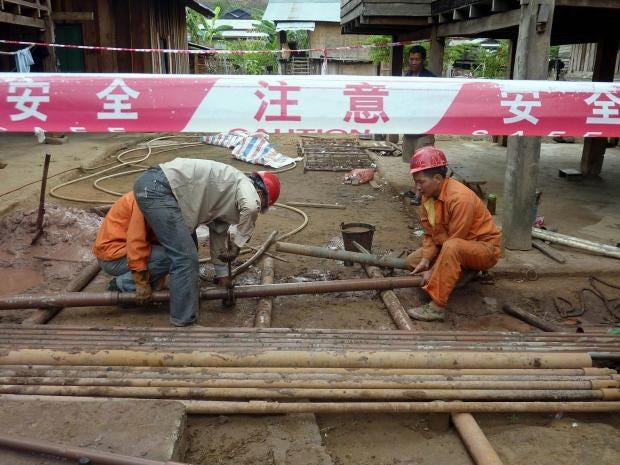
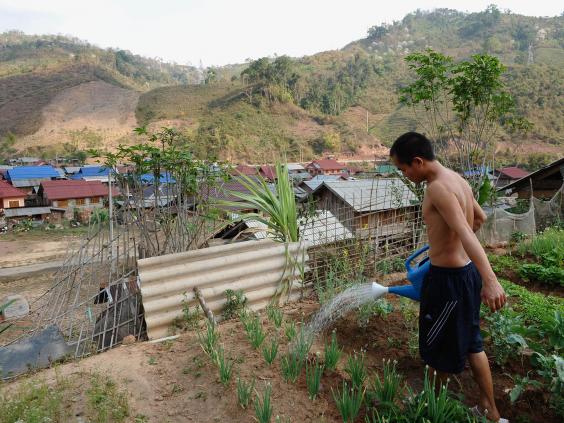
Along the jungle-covered mountains of Laos, squads of Chinese engineers are drilling hundreds of tunnels and bridges to support a 260-mile railway, a $6bn (£4.7bn) project that will eventually connect eight Asian countries.

Chinese money is building power plants in Pakistan to address chronic electricity shortages, part of an expected $46bn worth of investment.

Chinese planners are mapping out train lines from Budapest to Belgrade, Serbia, providing another artery for Chinese goods flowing into Europe through a Chinese-owned port in Greece.

The massive infrastructure projects, along with hundreds of others across Asia, Africa and Europe, form the backbone of China’s ambitious economic and geopolitical agenda. President Xi Jinping of China is literally and figuratively forging ties, creating new markets for the country’s construction companies and exporting its model of state-led development in a quest to create deep economic connections and strong diplomatic relationships.

The initiative, called One Belt, One Road”, looms on a scope and scale with little precedent in modern history, promising more than $1 trillion in infrastructure and spanning more than 60 countries. To celebrate China’s new global influence, Xi is gathering dozens of state leaders, including President Vladimir Putin of Russia, in Beijing on Sunday.

It is global commerce on China’s terms. Xi is aiming to use China’s wealth and industrial know-how to create a new kind of globalisation that will dispense with the rules of the ageing Western-dominated institutions. The goal is to refashion the global economic order, drawing countries and companies more tightly into China’s orbit.

The projects inherently serve China’s economic interests. With growth slowing at home, China is producing more steel, cement and machinery than the country needs. So Xi is looking to the rest of the world, particularly developing countries, to keep its economic engine going.

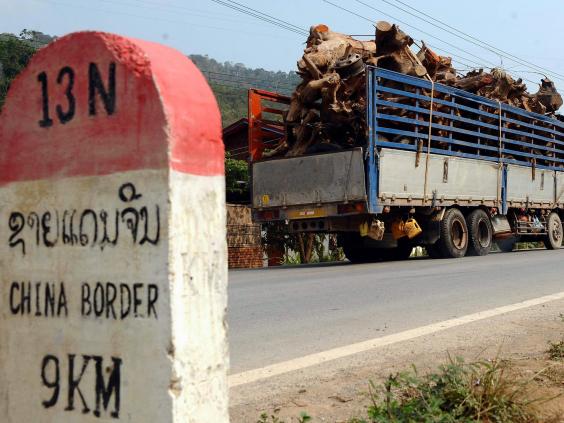
china-border.jpg
Trucks transport timber toward the China/Loas border on a road at Bopiatvillage (Getty)

President Xi believes this is a long-term plan that will involve the current and future generations to propel Chinese and global economic growth,” says Cao Wenlian, director general of the International Cooperation Centre of the National Development and Reform Commission, a group dedicated to the initiative. The plan is to lead the news globalisation 2.0.”

Xi is rolling out a more audacious version of the Marshall Plan, America’s postwar reconstruction effort. Back then, the United States extended vast amounts of aid to secure alliances in Europe. China is deploying hundreds of billions of dollars of state-backed loans in the hope of winning new friends around the world, this time without requiring military obligations.

Xi’s plan stands in stark contrast to President Trump and his America First” mantra. The Trump administration walked away from the Trans-Pacific Partnership, the American-led trade pact that was envisioned as a buttress against China’s growing influence.

Pursuing protectionism is just like locking oneself in a dark room,” Xi told business leaders at the World Economic Forum in January.

As head of the Communist Party, Xi is promoting global leadership in China’s own image, emphasising economic efficiency and government intervention. And China is corralling all manner of infrastructure projects under the plan’s broad umbrella, without necessarily ponying up the funds.

China is moving so fast and thinking so big that it is willing to make short-term missteps for what it calculates to be long-term gains. Even financially dubious projects in corruption-ridden countries like Pakistan and Kenya make sense for military and diplomatic reasons.

The United States and many of its major European and Asian allies have taken a cautious approach to the project, leery of bending to China’s strategic goals. Some, like Australia, have rebuffed Beijing’s requests to sign up for the plan. Despite projects on its turf, India is uneasy because Chinese-built roads will run through disputed territory in Pakistan-occupied Kashmir.

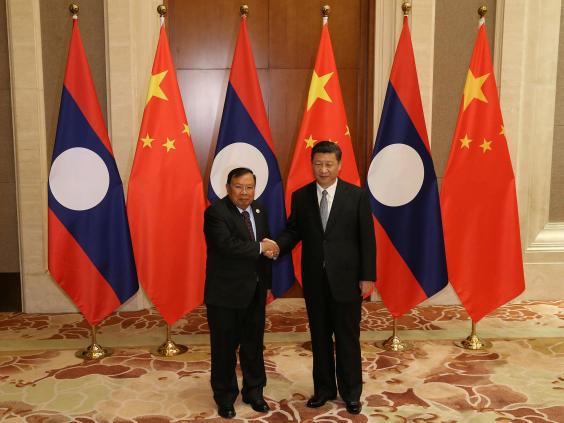
china-border-1.jpg
Laos’s President Bounnhang Vorachith (left) and Chinese President Xi Jinping before a bilateral meeting at Diaoyutai State Guesthouse earlier this month (Reuters)

But it is impossible for any foreign leader, multinational executive or international banker to ignore China’s push to remake global trade.

Germany’s minister of economics and energy, Brigitte Zypries, plans to attend the meeting in Beijing. Western industrial giants like General Electric and Siemens are coming, as they look for lucrative contracts and try to stay in China’s good graces.

The Trump administration just upgraded its participation.

Originally, it planned to send a Commerce Department official, Eric Branstad, the son of the incoming American ambassador to Beijing, Terry Branstad. Now, Matthew Pottinger, senior director for Asia at the National Security Council, will attend instead – a signal that the White House is enhancing its warm relationship with Xi by honouring his favourite endeavour with the presence of a top official.

Influence via infrastructure

As the sun beat down on Chinese workers driving bulldozers, four huge tractor-trailers rolled into a storage area here in Vang Vieng, a difficult three-hour drive over potholed roads from the capital, Vientiane. They each carried massive coils of steel wire.

Half a mile away, a Chinese cement mixing plant with four bays glistened in the sun. Nearby, along a newly laid road, another Chinese factory was providing cement for tunnel construction.

Nearly everything for the Laos project is made in China. Almost all the labour force is Chinese. At the peak of construction, there will be an estimated 100,000 Chinese workers.

When Xi announced the One Belt, One Road” plan in September 2013, it was clear that Beijing needed to do something for the industries that had succeeded in building China’s new cities, railways and roads – state-led investment that turned it into an economic powerhouse. China did not have a lot left to build, and growth started to sputter.

Along with the economic boost, tiny Laos, a landlocked country with six million people, is a linchpin in Beijing’s strategy to chip away at American power in Southeast Asia. After Trump abandoned the Trans-Pacific Partnership in January, American influence in the region is seen to be waning. The rail line through Laos would provide a link to countries that China wants to bring firmly into its fold.

china-border-2.jpg
Chinese workers drill for soil analyses at Bopiat village in the Northern province of Louang Namtha (Reuters)

Each nation in Xi’s plan brings its own strategic advantages.

The power plants in Pakistan, as well as upgrades to a major highway and a $1bn port expansion, are a political bulwark. By prompting growth in Pakistan, China wants to blunt the spread of Pakistan’s terrorists across the border into the Xinjiang region, where a restive Muslim population of Uighurs resides. It has military benefits, providing China’s navy future access to a remote port at Gwadar managed by a state-backed Chinese company with a 40-year contract.

Many countries in the program have serious needs. The Asian Development Bank estimated that emerging Asian economies need $1.7 trillion per year in infrastructure to maintain growth, tackle poverty and respond to climate change.

In Kenya, China is upgrading a railway from the port of Mombasa to Nairobi that will make it easier to get Chinese goods into the country. The Kenyan government had been unable to persuade others to do the job, whereas China has been transforming crumbling infrastructure in Africa for more than a decade.

The rail line, which is set to start running next month, is the first to be built to Chinese standards outside China. The country will benefit for years from maintenance contracts.

China’s Belt and Road initiative is starting to deliver useful infrastructure, bringing new trade routes and better connectivity to Asia and Europe,” says Tom Miller, author of China’s Asian Dream: Empire Building Along the New Silk Road. But Xi will struggle to persuade skeptical countries that the initiative is not a smokescreen for strategic control.”

Calculating the risks

Although Chinese engineers just started arriving in this tourist town several months ago, they have started punching three tunnels into mountains that slope down to roiling river water. They are in a race to get as much done as possible before the monsoon rains next month slow down work.

It is a fast start to a much-delayed program that may bring only limited benefits to the agrarian country.

For years, Laos and China sparred over financing. With the cost running at nearly $6bn, officials in Laos wondered how they would afford their share. The country’s output is just $12bn annually. A feasibility study by a Chinese company said the railway would lose money for the first 11 years.

Such friction is characteristic.

In Indonesia, construction of a high-speed railway between Jakarta and Bandung finally began last month after arguments over land acquisition. In Thailand, the government is demanding better terms for a vital railway.

China’s outlays for the plan so far have been modest: Only $50bn has been spent, an extremely small” amount relative to China’s domestic investment program, says Nicholas R Lardy, a China specialist at the Peterson Institute for International Economics in Washington.

Even China’s good friends so far are left wanting. Xi attended a groundbreaking ceremony in 2014 in Tajikistan for a gas pipeline, but the project stalled after Beijing’s demand waned.

Putin will be at the centre of the Beijing conference. While two companies owned by one of his closest friends, Gennady Timchenko, have benefited from projects, there has not been much else for Russia.

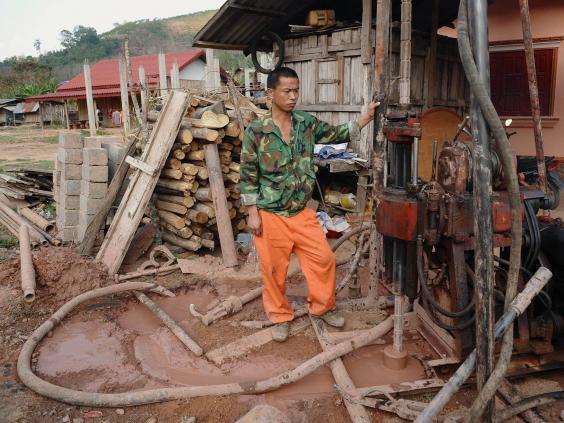
china-border-4.jpg
Around a thousand local people have been told to move because their homes lie in the path of the planned high-speed railway line (Getty)

Russia’s elites’ high expectations regarding Belt and Road have gone through a severe reality check, and now oligarchs and officials are skeptical about practical results,” says Alexander Gabuev, senior associate at the Carnegie Centre in Moscow.

China is making calculations that the benefits will outweigh the risks.

The investments could complicate Beijing’s effort to stem the exodus of capital outflow that have been weighing on the economy. The cost could also come back to haunt China, whose banks are being pressed to lend to projects that they find less than desirable. By some estimates, over half the countries that have accepted Belt and Road projects have credit ratings below investment grade.

A major constraint in investor enthusiasm,” says Eswar Prasad, professor of trade policy at Cornell University, is that many countries in the Central Asian region, where the initial thrust of the initiative is focused, suffer from weak and unstable economies, poor public governance, political stability and corruption.”

Laos is one of the risky partners. The Communist government is a longstanding friend of China. But fearing China’s domination, Laos is casting around for other friends as well, including China’s regional rivals Japan and Vietnam.

After five years of negotiations over the rail line, Laos finally got a better deal. Laos has an $800m loan from China’s Export-Import Bank and agreed to form a joint venture with China that will borrow much of the rest.

Still, Laos faces a huge debt burden. The International Monetary Fund warned this year that the country’s reserves stood at two months of prospective imports of goods and services. It also expressed concerns that public debt could rise to around 70 per cent of the economy.

As construction gathers steam, nearby communities are starting to rumble.

Farmers are balking at giving up their land. Some members of the national assembly have raised questions about property rights.

At Miss Mai’s Noodle Shop here, a customer, Mr Sipaseuth, pondered the project over a glass of icy Beer Lao.

In the past, he says, the government had promised $10 for an acre of land worth about $100. But then they never paid it,” he says.

Was the rail project good for Laos?

We need civilisation. Laos is very poor, very underdeveloped,” he says. But how many Chinese will come here? Too many is not a good idea.”

Waiting for the honourable Migettuwatte Gunananda or Angaraika Dharamapala

March 5th, 2018

By Palitha Ariyarathna

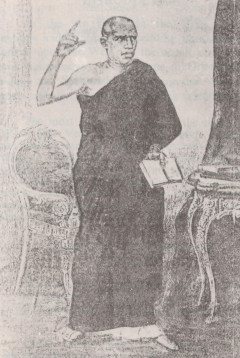
Peace can srilanka afford on ethical foreign policy was really through provoking.It is true that if migettuwatte Gunananda and Angaraika Dharamapala were alive today, they would have questioned and stood up for the protection of Buddhism and welfare of Sinhala peoples

But now political has become a family matters or business venture. Srilanka politicians want to be in the good books of the head of other countries rather than being interested in the welfare of the general public. They want to save their own skin so that they can be assumed of their ‘ thrones’ for long time with out any interference from other countries in the form of war. Now all srilankan holding out for the one true hero will born again for the nation. Lot of Buddhist monks and Buddhist leaders are sought out and fight against intruder of their Sinhala culture and religious belief and they all are saying some of other extreme religious ideologist planning of the ahead of demise of buddhism and finally its country.

Venerable_Migettuwatte GunanandaThera

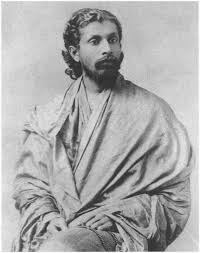
Angaraika Dharamapala

Also yet no government authority has been clearly state about unethical conversion of Buddhist to other religion. Its and yet hidden agenda in srilankan society and it’s powered by hidden dollar power of many country and keep it beneath of everyday life of srilankan . The unethical Commission Sabha was appointed on the day of poson in the year 2006 at the premises of most historic Mihintale. Around 348 monastic and laities have given their evidence before the commission for whole 4 year period during appointed its visit to various places throughout the Srilanka. The illegitimate affects of conversion of religions against the Sinhala Buddhist was describes through this report, based on very clear evidences.

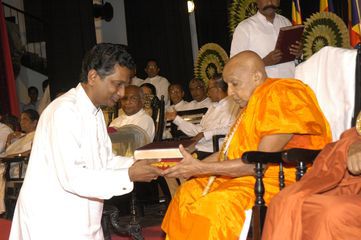
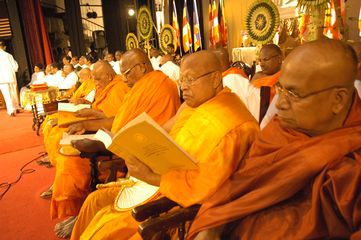
Image courtesy by The All Ceylon Buddhist Congress:The first copy of the Commission Sabha Report forwarded to Rev. Udugama Sri Buddharakkita mahanayaka Thero; the Asgiri Chapter, Rev. Dauldena Ghanissara mahanayake Thero; the most honorable chief incumbents of samastha lanaka Amarapura maha sanga sabha, Rev. Iththapane Dhammalankara the sub chief incumbent of the malwathu chapter, Rev. Kotugoda Dhammawasa nayake Thero; President to the samastha lanaka Amarapura maha sanga sabha, Rev. Prof. Bellanwila Wimalarathna Thero, Chancellar Sri Jayawardanapura University, Rev. Balangoda Sobhitha nayake Thero; Parivenadhipathi, Vidyodaya Pirivena

Image courtesy by The All Ceylon Buddhist Congress: Buddhist monk

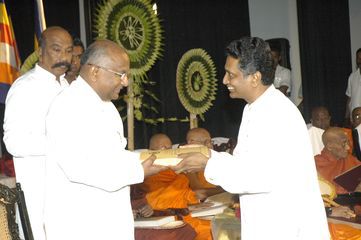
Image courtesy by The All Ceylon Buddhist Congress: Commission Sabha Report forwarded to Hon.. Minister to the cultural affairs, Mr. Lalith Weeratunga, Diyawadane Nilame of Sri Dalada Maligawa Mr. Dilanga Dala Bandara and other honorable invitees.

Image courtesy by The All Ceylon Buddhist Congress: Diyawadane Nilame of Sri Dalada Maligawa Mr. Dilanga Dala Bandara

Image courtesy by The All Ceylon Buddhist Congress: Mr. Lalith Weeratunga

Image courtesy by The All Ceylon Buddhist Congress: honorable invitees.

Anagarika Dharmapala is one of the most popular figures in Sri Lanka’s recent turbulent history and he rescued Sinhala culture and Buddhist heritage. Anagarika Dharmapala spent the rest of his life to preserve the Sinhala Buddhsit tradition and even he is extend his mission for protect historical sites in India where the Buddha taught and lived. While Srilanka was under the siege by Christian missionaries without thinking his life and safety Anagarika Dharmapala worked for protection of his Nation and its belief. And he counteracts the destructive effects of Christian Missionary by giving right speech to the nation.

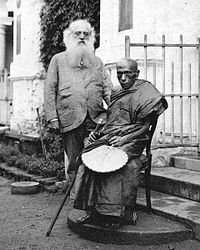
Image courtesy by The wikipedia :Most Ven.Hikkaduwe Sri Sumangala thero and Colonel Henry Steel Olcott in Colombo, 1889. Ven.Hikkaduwe Sri Sumangala thero was a Sri Lankan Buddhist monk, who was one of the pioneers of Sri Lankan Buddhist revivalist movement in the 19th century.[He did a great service to improve the Buddhist Education in the country and was the founder of Vidyodaya Pirivena, Maligakanda in 1873 which was granted the university status later in 1959 by the Government of Sri Lanka.A veteran author and a fiery orator, he was a major figure in the Panadurawadaya, a religious debate held between Christian missionaries and Buddhist monks in 1873 at Panadura. Most Ven.Hikkaduwe Sri Sumangala thero was born on 20th January 1827 to the family of Don Johanis Abeyweera Gunawardhana Maha Liyana Arachchi Ralahamy and his wife Dandangoda Gamage Christina Hamine of Hettigoda, Hikkaduwa in Galle District.

Because following hidden foreign policies Once again Srialanka heading dangers way. Sinhala Buddhist leaders must consider their involvement in right leadership. Planning is essential, as well as cares to ensure the course is followed by country leaders until presidential level.We all elders and youths are will one day again responsible for working srilanka graveyard with all the fights between different scat and religion meaning full peace can developed by following Buddhist leaders like Anagarika Dhramapala.

Leaders of our country are trying to give priority for covert foreign policy. How can a country burning  out own safe policy for help other country?

The Buddhists of the world must follow the example set by Anagarika Dharmapala and ven migettuwatte Gunananda.

We all wish one more ven migettuwatte Gunananda or Angaraika Dharamapala would be born again in srilanka and other countries would be able to live in peace and harmony again.

Triple gem bless you all !

Will Mahinda and JO Leaders Vote for the No Confidence Motion Against Ranil?

March 5th, 2018

Dilrook Kannangara

If all go to plan, the no confidence motion against Ranil by the courageous and patriotic UNP MP Vasantha Senanayake will be taken up on March 7, 2018. Will Mahinda and JO leaders vote for it, or will they prefer to abscond? If they fail to vote in support of the no confidence motion, it proves beyond all doubt that they have a secret pact with the UNP. After implicated in the largest bank fraud of the world and after messing up with national security, law and order and the economy, no right thinking person would save him.
 
UNP MP Vasantha Senanayake must be commended for his courage and patriotism if he actually manages to bring in the no confidence motion. Although the JO vowed to do so at the start of the year, they have failed and they are unlikely to ever do so.
 
This follows a series of dubious action and inaction from JO leaders for the past 3 years. Those who are in leadership roles of the JO publicly boasted about bringing a no confidence motion against Ravi Karunanayake in 2015 over the central bank bond fraud. Had it been done properly, the second associated fraud would not have taken place. A funny no confidence motion was handed over to the Speaker Chamal Rajapaksa at his official residence on May 19, 2015! When did no confidence motions become matters outside the parliament? This was a gimmick to fool the public. Obviously it was not taken up in parliament for over a month and the parliament was dissolved on June 25, 2015. The MPs should have handed it over to their very own Speaker in parliament (not outside) and the Speaker should have taken up the matter within one month.
 
In 2016 a proper no confidence motion was handed over to parliament and Speaker Karu Jayasuriya duly took it up for debate and voting within a few days. However, Mahinda and some key JO leaders were absent from debate and voting!
 
After presidential commissions handed over their findings of the bond scam, JO leaders vowed to bring a no confidence motion against Ranil whose name was also included in the report. This was at the start of the year. Over three months have passed but the JO no confidence motion is missing in action.
 
It is politically expedient to keep Ranil as Prime Minister for the Mahinda camp but from a national point of view, it is treason. Ranil has done enough damage to the national economy and national security that he must go. The longer he is kept, the more damage he does to national interests. He is already a failure as law and order minister. So was his predecessor Sagala Rathnayake. Just for two weeks, police brutally attacked students, farmers and workers but turned a blind eye to communal incidents in Theldeniya and Ampara that resulted in the killing of a Sinhala man and poisoning of a Sinhala party at an eatery. Obviously the SLPP has also turned a blind eye while their supporters demand that it disregards the sad plight of Sinhalese. There are more than one reason why social media are abuzz with claims of a UNP-SLPP behind the scene pact possibly going by these action that seem well concerted. It is hoped that JO leaders and MPs will vote for the no confidence motion against Ranil though the past and social media theories point to the contrary. By the way, I’m still waiting for that elusive JO no confidence motion against Ranil that is still a work in progress since late last year.

තෙල්දෙණිය – දිගන අවසනාවන්ත සිදුවීම් ව්‍යාප්තවීමට පොලීසියේ ඇදහිය නොහැකි අකාර්යක්ෂමතාව හේතුවී තිබෙනවා.   ශ්‍රී ලංකා මානව හිමිකම් කේන්ද්‍ර‍ය නිවේදනයක්

March 5th, 2018

පුවත්පත් නිවේදනය විධායක අධ්‍යක්ෂ/කැෆේ සංවිධානය

 මාර්තු 4 සහ 5 දින (ඊයේ සහ අද) මහනුවර තෙල්දෙණිය සහ දිගන ඇති වු පහරදීම්, දේපල අලාභ කිරීම්, ගිණි තැබීම් වලක්වා ගැනීමට පොලීසිය අසමත් වූ අතර ඔවුන්ගේ ඇදහිය නොහැකි අකාර්යක්ෂමතාව පුදුමයට කරුණක් බවත් ශ්‍රී ලංකා මානව හිමිකම් කේන්ද්‍ර‍යේ විධායක අධ්‍යක්ෂ කීර්ති තෙන්නකෝන් මහතා නිකුත් කළ නිවේදනයේ දැක්වේ.

සිංහල ලොරි රථ රියදුරෙකුට බීමත් මුස්ලිම් තරුණයින් පිරිසක් පහරදී ඇති අතර තුවාල හේතුවෙන් මාර්තු 3 දින රියදුරු මරණයට පත් විය.  ඔහුගේ අවසන් කටයුතු අද දින සිදු කිරීමට නියමිතව තිබුණි. මරණය සිදුවීමෙන් පසුව සෙනසුරාදා දිනයේ තෙල්දෙණියේ කඩ සහ නිවාස කිහිපයකට පහරදී තිබුණි.  ඒ සම්බන්ධයෙන් සැක පිට පුද්ගලයින් 24 දෙනෙකු අත්අඩංගුවට පත් විය.  අද පෙරවරුවේ මෙම අත්අඩංගුවට පත් පිරිස නිදහස් කරන ලෙස තෙල්දෙණිය නගරයේ උද්ඝෝෂණයක් පැවැත්විණි. 

මාර්තු 4 දින මහනුවර ජ්‍යෙෂ්ඨ පොලිස් නිලධාරීන් ප්‍ර‍කාශ කර සිටියේ අවමගුල් කටයුතු සිදුවන දින (අද) අවශ්‍ය පරිදි පොලිස් නිලධාරින් පිරිසක් මෙම ප්‍රදේශය පුරා යොදවන බව සහ කිසිදු සාමය කඩවීමකට ඉඩක් නොමැති බවයි.  අද පෙරවරු 7 පමණ සිට පොලීසිය තෙල්දෙණිය ආසන්නයේ සැරිසරනු ලැබිය. සමාජ ජාලා මගින් පෙ.ව. 10 ට තෙල්දෙණිය නගරය වෙත පැමිණෙන ලෙස සිංහල ජනතාවට ඉල්ලීම් කර තිබුණි. පෙ.ව. 11 වන විට ගැටුමක් ඇති විය හැකි තත්වයක් නිර්මාණය වී තිබුණි.  මෙම පිරිස් තෙල්දෙණිය පොලිස් ස්ථානය වෙත පැමිණ විරෝධය පළ කරන්න වූ අතර මුස්ලිම් වෙළෙදසැල්, නිවාස සහ වාහන ගිණි තැබීම ආරම්භ වූයේ සවස 1 ට පමණය. 

අද පෙරවරුවේ සිට සංවිධානාත්මක පිරිස් තෙල්දෙණිය සැරිසැරූ අතර ඒ අතර මඩකලපුව, ගල්කිස්ස, බේරුවල වැනි ස්ථානයන් හි ජාතිකවාදී ගැටුම් සම්බන්ධයෙන් මෙයට පෙර නම් කියැවී ඇති පිරිසක් ද විය.  ජනතා ප්‍රකෝප කිරීම් ආරම්භවන විට ආරක්ෂක අංශ ඒ සදහා මැදිහත් නොවී පැය 4 කට ආසන්න කාලයක් ගත කළේය.  සෙනසුරාදා (3) දින සිදුවීම් අනුව නිවාස හා දේපල අලාභ කිරීමේ අවදානම පිළිබද අවබෝධයක් ආරක්ෂක අංශ වෙත පැවතිය යුතුව තිබූ නමුත් අවසන් මෙහොත දක්වාම පොලීසිය ජනතාව එක් රැස්වීම වැලැක්වීමට පියවර ගැනීමට අසමත් විය.  දිගන සහ තෙල්දෙණිය නගරවල මුස්ලිම් ජාතිකයින් සතු දේපල ගණනාවක් අද දින සිදු වූ ප්‍ර‍හාර හේතුවෙන් විනාශයට පත් වී ඇත.

පොලීසිය විසින් ගැටුම් පාලනය සදහා දක්වන ලද අකාර්යක්ෂමතාව ඇදහිය නොහැකි බව ත්, ජාතිවාදී ගැටුම් මහනුවර දිස්ත්‍රික්කය පුරා ව්‍යාප්තවීම වලක්වා ගැනීමට වහා සියළු පියවර ගත යුතු බවත් ශ්‍රී ලංකා මානව හිමිකම් කේන්ද්‍ර‍ය අවධාරණය කරයි.

කීර්ති තෙන්නකෝන්

විධායක අධ්‍යක්ෂ/කැෆේ සංවිධානය

2018 මාර්තු 5

Issues with female quota only 15 local councils – No problem in giving 25% quota in 96% of councils

March 5th, 2018

CaFFE Media Unit

Out of the 340 local councils, it is possible to give 25% female quota in 325 councils. That means there are no issues with implementing 25% quota for women in 96% of the counsels. Most of the councils where the ensuring the quota is problematic is in the North and East. As women are not able to win the wards that they contested due to cultural reasons, the political parties who have come in second and third have to appoint a significant number of women from their additional lists. As the SLPP has won by a landslide, the burden of ensuring 25% female representation falls on the UNP, which has come in second in many local councils.

The only councils that will be established without the 25% female quota are Kotagala, Point Pedro, Mannar, Musali, Werugal, trincomalee town & gravets, Thambalagamuwa, Muttur, Wanathavilluwa, Karaitivu,Padiyathalawa, Thirukkovil, Manmunei pradesheeya sabhas and Trincomalee and Kinniya Urban Councils. The other 325 councils will have the female quota which is a significant improvement from having 1% female political representation.

CaFFE had warned political parties that not supporting women and not fielding female candidates to wards will have disastrous consequences and our predication has come true. Now the political parties that didn’t support their female candidates are now burdened to devote their entire additional list seats for women.

Political parties that have obtained either 20% of the votes or 3 or more seats are obliged to appoint female candidates from their additional lists. Maharagama Urban council has a 25% female representation because the independent group that had won the council had as significant number of women contesting. In Anuradhapura Urban Council more than the required number of female councilors have been appointed as all four women who contested from the SLPP have won. Thus other political parties are not saddled with ensuring 25% female representation.

On the other hand there should be 10 female candidates to fulfill the 25% female quota in Kundasale PS. However only three women have won the wards they contested, thus the UNP, which has come in second, has to appoint 7 women from their additional list. Six out of the seven additional list seats in Dikwella PS must also be women.

Thus it is not correct to declare that the delay in establishing local councils is due to the difficulty in fulfilling the 25% female quota. The only reason why it has become difficult to establish councils is due to the political chaos in the country.

CaFFE Media Unit

Oluvil fisheries harbour to close down

March 5th, 2018

Dr Sarath Obeysekera

2017-04-25

Fishing activities at the Oluvil harbour in Ampara is to be halted as the government is unable to bear the cost of maintenance, Fisheries and Aquatic Resources Minister Mahinda Amaraweera said yesterday.Minister Mahinda Amaraweera and ministry officials had discussed the function of the harbour after it was revealed that it did not make sufficient funds to cover its expenses.The harbour is a white elephant that we cannot take care of it,” the minister said.The Oluvil harbour, a commercial fishery harbour, was declared open on September 2013. Construction of the harbour commenced in 2008 under the Nagenahira Navodaya programme.Meanwhile, the ministry official said that proper environmental assessment and feasibility was not conducted when construction began.While the harbour was constructed to hold more than 250 fishing boats, all boats are anchored outside the harbour as it was dangerous to enter the harbour.There is a large sand deposit at the mouth of the harbour. There is at least 40 million cubic metres of sand deposited in the area for which the ministry has to bear around Rs. 350 million to remove the sand only to have it collect again in two months or so,” ministry spokesman Dharma Wanninayake said.The Ministry has scheduled a discussion with the Ports Authority, Fisheries Harbour Corporation and Coast Conservation Department about its closure as there was no benefit in leaving the harbour open.Minister Amaraweera is scheduled to speak to the government regarding the closure of the harbour.The harbour was also to be transferred to the Ceylon Fisheries Harbour Corporation recently from the Ports and Shipping Ministry. However, the process was cancelled after the decision to shut down fishing activities.(Darshana Sanjeewa)

Article above was published almost a year back .Sand deposit formation has aggravated further and fishermen cannot enter or leave the fishery harbour portion of Oluvil harbour .They are lamenting that two government departments ,namely Sri Lanka Port Authority and Fishery Harbour corporation in a tug of war in deciding who owns and runs the habour. Proposals were submitted with a budget of around 100 million rupees to install a permanent dredger in the harbour to remove sand and replenish the beach along the northern boundary

SLPA called for proposals from private parties who have expressed willing ness to develop the harbour and use for fish processing .Some have proposed cement bagging plant

Then Today I read the news that Prime Minister wants to convert the harbour for tourist related venture .

Two ministers in logger heads in deciding to develop the harbour for Industry but now PM wants something else .I assume that PM may want to have a Marina in the commercial harbour ?

SLPA is still struggling to get investors for a Marina in Galle for last few years How can one same SLPA initiate development of a marina in Oluvil ?

There are no hotels ,pubs in the area ( being a Muslim area) what would yacht owners do if an when they come to Oluvil ?

First of all a firm decision should be made on how to use the new harbour for the betterment of the people .

Building a holiday resort in a Muslim area is not a very wise move as the backlash for the community against vice,booze and other nefarious activities might become a boomerang !

Let the harbour be used for development of fishery industry as suggested by investors.

It is the fastest action plan to help the community .

Dr Sarath Obeysekera

Diversion and distraction from big issues Unjustified focus on Gotabaya

March 5th, 2018

By Shivanthi Ranasinghe Courtesy Ceylon Today

The recent Cabinet reshuffle is neither a farce nor a joke. This is a matter of great concern when one implicated over our country’s biggest bank heist, becomes the Minister of Law and Order. Circumstantial evidence against Ranil Wickremesinghe stacks high, for unprecedentedly taking the Central Bank under him from the Finance Ministry and appointing Arjuna Mahendran as the Central Bank Governor, despite Maithripala Sirisena’s protests. He pledged personal responsibility for Mahendran.

Yet, this Government is unable to deliver summons as Mahendran ‘has left Singapore’. Even as this column is being penned, Mahendran continues to defy the Colombo Fort Magistrate Lanka Jayaratne’s order to appear before the CID on or before 8 March and make a statement, which was later extended to 15 March. The Joint Opposition’s request from Sirisena to ask the Singaporean Government to deliver Mahendran has fallen on deaf ears.

Rejected by the masses
Wickremesinghe has bigger worries up his sleeve, the rumblings within his Party against his leadership is fast developing into a revolt, after yet another dismal election performance. With the Provincial Council, Presidential and General elections all lined up for the next two years, the United National Party junior rankers are agitating for a change of leader rejected by the masses, 30 times, successively. If within the next two weeks the necessary reforms do not take place, they threaten very strong action. As it is unconstitutional in the UNP manifesto to pass a motion of no confidence against the party leader, they have vowed to bring such a motion against the premier in Parliament to oust Wickremesinghe.

In the midst of this high drama, two very curious news items appeared on 25 February, on the front page of a reputed English Sunday newspaper. Both articles dealt with the killing of Lasantha Wickrematunga, the Sunday Leader editor. The first article, ‘Police Cover Up in Lasantha Murder Emerge after Key Arrest’ insinuated that it was a killer squad comprising military intelligence. The article erroneously stated that this so-called killer squad was headed by Kapila Hendavitharana, who the article claimed to have directly reported to the war-winning Defence Secretary Gotabaya Rajapaksa. This article interpreted the drubbing the Government got at the Local Government polls was due to their failure to arrest high profile killers. Thus, reports the article, the arrest of this team, which was to have happened in July 2016 but prevented due to ‘political interference’, is now imminent.
Interestingly, this article pasted on the front page was directly from another site. Rajapaksa’s response to this highly defamatory article, which was published in this daily on 27 February under the heading ‘Police, military personnel under pressure to implicate me falsely’, points out to the deliberate falsities and its illogical conclusions in the article. It is perplexing how such an article better suited for a gossip column got past this newspaper’s editor, who is an extremely principled and experienced journalist, adhering to his profession’s ethics.

The second article, written by this newspaper, appeared immediately below this article is based on the statements made by unnamed senior government sources, and fails to mention when and why these statements were made. Apparently, these sources had claimed that “both Wickremetunga and Thajudeen cases have reached a stage where the killers would be arrested within a week… the evidence did not point at former Army Commander and current Regional Development Minister Field Marshall Sarath Fonseka”.

The objective of these two articles is obvious. For three years, this Government has been digging deep to find an excuse to lock up Gotabaya Rajapaksa, who is widely speculated to be their next Presidential contender. They have looked into the Avant Garde Maritime Services, Rakna Lanka Security Services, the ‘MiG deal’ and even to the memorial built for his parents. So far, nothing incriminating has surfaced. Thus, these articles are aimed to create a judgement against Gotabaya outside the Courts. If successful, even when the Courts (if these cases get that far) exonerate him, in the people’s mind he will continue to be guilty of a crime he never committed.

Bid to arrest Gotabaya
However, given the present quandary Wickremesinghe presently finds himself in, many onlookers feel the fresh bid to arrest Gotabaya is for more immediate gains, than long term. If Gotabaya was arrested, it would create a severe unrest in the country, which would take the spotlight away from Wickremesinghe.

While this drama unfolds, things are faring worse for Sri Lanka in Geneva. At the ongoing March session, the outgoing United Nations High Commissioner for Human Rights Zeid Al-Hussein, once again, in his inaugural speech of the sessions, has called for the implementation of universal jurisdiction on Sri Lanka. Just as the State Minister of Foreign Affairs Wasantha Senanayake noted few months ago, this Government’s foreign policy is in the hands of foreigners. Thus, this Government does not seem interested in defending Sri Lanka, when the topic comes on 16 March.

Rear Admiral Sarath Weerasekera, a leading member of Global Sri Lanka Forum(GSLF), on the other hand has a bold plan to make a complaint against the Human Rights Council for failing to subject the 30/1 Geneva Resolution against Sri Lanka for a debate and for passing it without a vote. Speaking exclusively to Ceylon Today on 27 February, he explained the origin of this treacherous resolution is the controversial OHCHR Investigation on Sri Lanka (OISL) Report, which was based from the illegal Darusman Report.

The Darusman Report commissioned by the then United Nations Secretary General Ban-Ki Moon to undermine the then Sri Lanka Government’s own exercise, speculated without basis, that 40,000 Tamils were killed by the Sri Lanka security forces, during the war’s last phase. This figure was refuted by Lord Naseby on 12 October 2017 at the House of the Lords, who quoted dispatches sent by the British Defence Attaché, Lt Col Anton Gash. He pressed on the British Government to pressurize the UN to stop hounding Sri Lanka on war crime charges, for the actual number of deaths hovers between7,000-8,000, out of which one fourth were terrorists in civil garb.

Again, as a representative of the GSLF Admiral Weerasekera met with Lord Naseby on 7 February; to personally thank Lord Naseby for his dogged efforts to find the truth about Sri Lanka, also, for trying to influence the British Government’s stand, on Sri Lanka. Lord Naseby had commented that no patriotic citizen would co-sponsor a resolution against their own security forces.

Explaining his mission, Admiral Weerasekera noted that using this OISL Report, which is full of contradictions, obfuscations and falsehoods, we are being charged for violating four international humanitarian laws and four human rights laws, none of which are true. “For instance, one of the charges was that we have deliberately prevented aid from reaching the Northern Peninsula. At last year’s March session we submitted a Report countering this OISL Report with material such as the minutes of the consultative committee for humanitarian assistance chaired by Gotabaya Rajapaksa and attended by the then U.S. Ambassador Robert O’ Blake and representatives of the UN and HRC. Along with it we have also annexed the six reports from leading war crime experts like Sir Geoffrey Nice, Sir Desmond de Silva who have clearly stated that we have not committed any war crimes. These reports are in the Foreign Ministry, but the then Foreign Minister Mangala Samaraweera did not submit it to the Human Rights Commission. Instead, he co-sponsored the Resolution against us without even Cabinet approval.

“The UNHRC acknowledged our submission, but did not respond to it. So, this year we are going to make a complaint against the HRC. Even though this was co-sponsored by Samaraweera, the HRC still should have assessed the OISL Report.

“This March Geneva session is very crucial for Hussein has called for universal jurisdiction for Sri Lanka because he claims that there is a delay in dealing with cases like Lasantha Wickremetunga and Eknaligoda. These are our local affairs. He in effect ridiculed our judiciary and implied that it’s ineffective. He does not say these things to U.S., UK or Israel. India does not even allow a special rapporteur into their country. “He says these things when the Office for Missing Persons has been approved undemocratically in Parliament. He then made a fuss that the office is not opened and the very next day this Government opened the office. This shows that this Government is working for western masters.”

Sri Lanka’s Kandy district on boiling point after violent mobs clash, curfew imposed

March 5th, 2018

Courtesy NewsIn.asia

Colombo, March 5 (newsin.asia) – Sri Lankan Police, on Monday imposed curfew in Kandy, in the Central Hills of the island country after clashes triggered by racial violence erupted between two groups.

Police Spokesman SP Ruwan Gunasekara told newsin.asia that the curfew had been imposed till Tuesday morning 6 am in order to restore normalcy and security had been beefed up across the Kandy district.

Gunasekara said the clashes had erupted in Digana town in Kandy on Sunday night after a 41-year-old man succumbed to his injuries after being attacked by a group of people on Feb 22.

The victim who was a resident of Ambala in Medamahanuwara had been attacked by a group of people in Teldeniya Town over an incident involving two vehicles. The victim had been rushed to hospital but succumbed to his injuries on Sunday.

Gunasekara said 24 people had been arrested over the killing to date. Out of the 24, 10 had been directly involved in the killing of the victim while 14 people had been arrested on suspicion.

Several shops, had been burnt by unruly mobs in Digana town on Sunday night after which special police teams and STF personnel had rushed to the area.

However protests had continued throughout the night with violent mobs clashing on Monday afternoon. Police had used tear gas to disperse the crowds after which police curfew had been imposed throughout the Kandy administrative district.

Big Match!  :  A  colonial project of producing brown Sahibs and masculine Christians  

March 4th, 2018

Punsara  Amarasinghe PhD Candidate in International Law Higher School of Economics Moscow

Every year month of March brings a tantalizing spirit to the lads in Sri Lankan schools located in major cities like Colombo, Galle and Kandy to raise their cheer for their alma maters waving their respective school flag while putting their maximum effort to be gallant before the fairer sex around every girl’s school in the town. This is called the Madness of March or Big Match culture in Sri Lanka that has been prevailed for decades. Now most of the schools in Sri Lanka have their own annual big match or Cricket Encounter  , but the history of school cricketing rivalries in the island shows us the initial Cricket encounters in colonial Ceylon was mainly confined to a set of elite schools scoured by either Colonial administration or Christian Missionaries.  Royal-Thomian or commonly known Battle of the Blues is the oldest inter school cricket encounter of Sri Lanka with the history of 139 years as it was not even interrupted during both First and Second World Wars. The annual cricket encounter between Royal College, Colombo and S.Thomas’ College, Mount Lavenia has firmly established its aura among the political and social elites in the island for many decades. Following Royal Thomian many other schools in Sri Lanka began their own big match smitten by the glamour of former and surprisingly those big matches became iconic features in school calendar and many old boys who departed from their schools take the opportunity of attending the event with sense of pride and nostalgia of the jolly good days they spent. Ambience of Royal Thomian big match is a better testimony that is showing the ardor of loyal old boys from every nook and corner of the social class.

If we look at the roots of the big match evolution in Sri Lanka we can realize the inception of school cricket rivalries was finally attributed to a one objective of colonial project that had psychologically and culturally brainwashed the nation. In the first few decades of the British rule in Ceylon the presence of Missionaries was a vitally important factor as a constant agent of the social reform that British anticipated to carry out. The role of a missionary in education was significant in many ways as it was oriented towards changing the psychology of the colonized.  The task of civilizing mission of the colony was bestowed upon the Missionaries and the grim colonial attitude towards the subject has been aptly depicted in Joseph Conrad’s famous fiction Heart of Darkness”.  Conrad states The colonists are described as shiny, altruistic pioneers sallying forth into the dark uncivilized world to bring salvation and civilization to the ignorant races. Oh, but also terror, rape, enslavement, and forced conversion. Awesome!”  The Sport was one of innovative approaches used by Christian Missionaries in inculcating their Christian virtues among the natives and presumed savageness of natives was expected to be tamed by uplifting highest morals through Cricket. In fact the spread of Cricket in Victorian England among the public schools was mainly based on maintaining a certain English hierarchical values. Unlike football, Cricket was given a special place of reverence in the British school sports.  Furthermore the propagating cricket was mainly focused on one particular goal from the outset albeit it was predominantly limited to elite public schools like Eton, Harrow and Winchester. In truth Anglican clergymen in England and school authorities identified the importance of cricket in creating the loyalty to the crown among the boys. In the lines of Vtiae Lapmada a Great War poetry written by Sir Henry Newbolt, cricket has been depicted as a tool to strengthen the allegiance to British Empire. In the poem Vitae Lampada an allegory of Cricket match was used to show how one should keep fighting for the country regardless the deprivation he faces.

The introduction of Cricket in Ceylon and other colonies was accredited with British missionaries who took it up as a civilizing tool.  The sense of Christian evangelism was always imbued with spread of Cricket, especially the Missionaries who went to the colonies in preaching the gospel realized the importance of increasing physical fitness and moral obedience together. In tracing the historiography of School Cricket that we can understand how Cricketing rivalries among the schools began to appear under the patronage of Anglican clergymen.  S.Thomas’ happened to be the first school to play Cricket in Ceylon and initially they had to play cricket with European dominating local Cricket clubs as none other school played the game at that time.  S.Thomas College was a private Anglican institute moulded on the popular mantra of British Empire called Classics, Cricket and Christianity.  When the education was mainly oriented towards the Greek-Roman classical literature, Cricket played a decisive role by marinating the team loyalty and this so called loyalty was expected to be shown to the empire as well. Eventually Christianity was the bottom line of the education, Missionaries like Bishop Chapman of S.Thomas’ or Rev. Frazer in Trinity believed the sports such as Cricket would be idealized the healthy Masculine Christians in the colony. As Arjun Appaduari pointed out the upholding a healthy standard in the empire was a British Imperial policy and the Christian missionaries made it possible by assimilating sports into the evangelical education they provided.  British sports historian J.A Mangan provides gracious statement about the moral mission of Christian Missionaries through Cricket. He states These men had the most profound of purposes: manliness achieved on the games field in order to create a universal Tom Brown: loyal, brave, truthful, a gentleman, and if possible a Christian. In all seriousness the, main means of their attempted moral manliness was cricket, the game of empire”. In fact the establishment laid down by Missionaries had reaped its fruit by the early 20th Century as those big matches or cricketing rivalries became a limelight in the social life of Colonial Ceylon. In tracing the history of Royal Thomian encounter we can see most of the post independent leaders of Ceylon had played for either Royal or STC. But the reality behind propagating Cricket in the Sub Continent was based on British dubious tradition of forming a loyal and healthy class for the Empire and the equal status was not given for those native boys who played cricket despite the fact that they had fulfilled every potential to be typical Victorian gentlemen. As an example the Indian Cricketing legend RanjitSingh was a celebrity in England with his outstanding performance and played for England team, but when his performance began to get weaker in 1902 England’s test serious against Australia, the response from English audience was rather racial and hostile towards him.

Missionary attempt of inculcating the discipline and Christian moral conduct saw its success with the emergence of many other big matches in the island and following the tradition of Royal Thomian many other schools including the non-Christian schools opted for Cricket and Big Matches. Today the Big Match season in Sri Lanka stands as a fiesta and no one would bother about the genesis of Cricket rivalries as a part of evasive colonial project, because Lankans have grasped it for centuries and indeed mastered that Sport far better than the British. But the forgotten truth which cannot be disdained at any cost is the making a healthy class of boys was a mere pretext used by Missionary educationalists in the colonies and the real motive was necessarily to produce a set of Brown Sahibs for the Empire and devoted Christians for the service God. It is not an exaggeration to say that this ideal was accomplished in many British colonies during the heyday of Empire.

President utters only words;no actions – Maithree Gunaratne

March 4th, 2018

ජනාධිපතිතුමා කතාකරනවා විතරයි… වැඩකරන්නේ නෑ… මෛත්‍රී ගුණරත්න

The right to express views cannot be silenced through police suppression – MR (English)

March 4th, 2018

The right to express views cannot be silenced through police suppression – MR (English)

ගෝටාභයගේ මොලය ෆොන්සේකාගේ ශීතකරණයේ..

March 4th, 2018

lanka C news

සරත් ෆොන්සේකා මහතා මාස හයනක් මෙරට නීතිය හා සාමය අමාත්‍යංශය බාරව සිටියහොත් එම කාලයේදී මෙරට තුල ඇති කරන භීෂණය හේතුවෙන් ඒකාබද්ද විපක්‍ෂයට දේශපාලන වශයෙන් වඩාත් වාසි සහගත තත්වයක් නිර්මාණය වනු ඇතැයි පාර්ලිමේන්තු මන්ත‍්‍රී උදය ගම්මන්පිල මහතා පවසයි.

ඉඩි අමින් උගන්ඩාවට කල දේ ෆොන්සේකා මහතා මාස හයක කාලයක් තුල ශ‍්‍රී ලංකාවටද කරනු ඇති බවත් කී මන්ත‍්‍රීවරයා ඉඩි අමීන්ගේ ශීතකරණයේ ඔහුගේ පරම හතුරාගේ මොලය තිබුණා සේ සරත් ෆොන්සේකාගේ ශීතකරණයේ ගෝටාභය රාජපක්‍ෂගේ මොලය මතුවීමටත් ඉඩ ඇතැයිද කියා සිටියේය.

කොළඹදී මාධ්‍ය අමතමින් මන්ත‍්‍රීවරයා මෙම අදහස් පල කලේය.

බයනැති අගමැතිට එරෙහි විශ්වාස භංගය අගහරුවාදා පාර්ලිමේන්තුවේ.. රනිල් රකින්න දෙන ඡන්දයකට අවම ලංසුව කෝටි තුනහමාරයි..

March 4th, 2018

 lanka C news

අගමැති රනිල් වික‍්‍රමසිංහ මහතාට එරෙහිව වන විශ්වාස භංග යෝජනාව මෙම අගහරුවාදි දිනයේ පාර්ලිමේන්තුවට ඉදිරිපත් කිරීමට සූදානම් බව ජාතික නිදහස් පෙරමුණේ නායක පාර්ලිමේන්තු මන්ත‍්‍රී විමල් වීරවංශ මහතා පවසයි.

කඩුවෙලදී පැවති ජනහමුවක් අමතමින් මන්ත‍්‍රීවරයා මෙම අදහස් පල කලේය.

අගමැතිවරයා රැුක ගැනීම සදහා අත් ඔසවන මන්ත‍්‍රිවරුන් සදහා එක් අයෙකුට ලක්‍ෂ 350 

ආණ්ඩුව පෙරලෙන තත්වයක් තියෙන්නේ..- රවි කරුණානායක

March 4th, 2018

 lanka C news

ජනතා ද්‍රෝහී ආර්ථික වැඩපිලිවෙලවල් යෝජනා කරමින් ආණ්ඩුව කෙරෙහි ජනතා අප‍්‍රසාදය ඇති කරන ලද්දේ ජාත්‍යන්තර මුල්‍ය අරමුදල විසින් බව හිටපු මුදල් ඇමති රවි කරුණානායක මහතා පවසයි.

ජාත්‍යන්තර මුල්‍ය අරමුදලේ මෙරට කාර්යභාරය අවසන් බැවින් ඔවුන් මෙරටින් පිටව යා යුතු යයිද මන්ත‍්‍රීවරයා සදහන් කරයි.

මහ බැංකුවේ පණ්ඩිතයන්ගේ ක‍්‍රියාකාරකම් නිසා ආණ්ඩුව පෙරලෙන තත්වයක් ඇති වී තිබෙන බවද ඔහු කියා සිටී.

කාන්තා නියෝජනයේ 25% අහිමි වන්නේ පළාත් පාලන ආයතන 15 කට පමණයි.  ආයතන වලින් 96% ක කාන්තා නියෝජනයේ 25% ස්ථාපනය වෙනවා

March 4th, 2018

පුවත්පත් නිවේදනය කැෆේ සංවිධානය

ඡන්ද විමසීම පැවති පළාත් පාලන ආයතනන 340 කින් ආයතන 325 කම 25% ක කාන්තා නියෝජනය තහවුරු කිරීමට හැකියාව ලැබී තිබේ.  එය 96% ක ප්‍ර‍තිශතයකි.  කාන්තා නියෝජනය 25% ක් නොමැතිව ස්ථාපනය වන්නේ පළාත් පාලන ආයතන 15 ක් පමණී. එයින් බහුතරයක් උතුරු – නැගෙනහිර පලාතේ පිහිටා තිබේ.   සංස්කෘතික හේතු නිසා කොට්ඨාශ මට්ටමින් කාන්තාවන් ජයග්‍ර‍හණය නොකිරීමේ ප්‍ර‍තිඑලය පළාත් පාලන ආයතනයේ 2 හා 3 වන ස්ථාන සදහා පත්වන කණ්ඩායම් වෙත දැරීමට සිදුවේ. මෙවර ඡන්දයේ දී පොහොට්ටුව පක්ෂයට අති දැවැන්ත ජයග්‍ර‍හණයක් හිමිවීමේ ආන්තික තත්වයතුල,  25% ක කාන්තා නියෝජනය තහවුරු කිරීමේ දී වැඩි දායකත්වයක් දැරීමට දෙවන ස්ථානයට පත් වූ එජාපයට සිදුව තිබේ. 

කොටගල, පේදුරුතුඩුව, මන්නාරම, මුසලි, වෙරුගල්, ත්‍රිකුණාමල නගරය සහ කඩවත්, තඹලගමුව, මුත්තූර්, වනාතවිල්ලුව, කරෙයිතිව්, පදියතලාව, තිරුක්කෝවිල්, මන්මුනෙයි යන ප්‍රාදේශීය සභා 13 ද, ත්‍රිකුණාමලය හා කින්නියා නගර සභා 2 ද පමණක් කාන්තා නියෝජනය 25% නොමැතිව ස්ථාපනය වන පළාත් පාලන ආයතන වෙති. පළාත් පාලන ආයතන 325 කම 25% ක අවම කාන්තා නියෝජනයක් පවතී.  එය මෙයට පෙර පැවති 1%ක් පමණ වූ ප්‍ර‍මාණය හා සැසදීමේ දී ඉතා යහපත් තත්වයකි.

පළාත් පාලන ආයතනයක සභික ධූර 3 ක් සහ 20% ක ඡන්ද ලැබූ දේශපාලන පක්ෂ විසින් පළාත් පාලන පනතට අනුව, 25% ක කාන්තා නියෝජනය තහවුරු කිරීම සදහා අනිවාර්යයෙන්ම කාන්තා නියෝජිතයින් තෝරා පත් කර එවිය යුතුය.

25% ක කාන්තා නියෝජනයක් කෝට්ඨාශ මට්ටමින්ම ස්ථාපනය වී ඇත්තේ මහරගම නගර සභාවේ පමණී.  කොට්ඨාශ සියල්ලම ජයග්‍ර‍හණය කළ මෝටර් බයිසිකලය ස්වාධීන කණ්ඩායමේ බහුතරයක් කාන්තාවන්වීම නිසා අතිරේක ලැයිස්තුව අවශ්‍ය පරිදි පුරවා ගැනීමට දේශපාලන පක්ෂවලට හැකියාව ලැබී ඇත. අනුරාධපුර නගර සභාවට අවම කාන්තා කොට්ඨාශ තරග කිරීමේ අවශ්‍යතාව 2 ක් විය. නමුත්, පොහොට්ටුව පක්ෂය එහි කාන්තාවන් 4 ක් ඉදිරිපත් කළ අතර, ඔවුන් සියලු දෙනා ජයගෙන ඇත. එබැවින් සියලු පක්ෂවලට අතිරේක ලැයිස්තුවෙන් නිදහසේ සභිකයින් පත් කිරීමේ අවස්ථාව හිමිවී ඇත.

කුණ්ඩසාලේ ප්‍රා.ස. හි සභික සංඛ්‍යාව 41 කින් කාන්තා නියෝජනය සදහා සභිකයින් 10 ක් අවශ්‍යය.  කොට්ඨාශ ජයග්‍ර‍හණය කර ඇත්තේ කාන්තාවන් 3 කි. එජාපයට අතිරේක ලැයිස්තුවේ සභික ධූර 7 ක් හිමිවන අතර ඒ 7 ම කාන්තාවන් විය යුතුය.  ඒ අනුව, කුණ්ඩසාලේ කාන්තා නියෝජනයේ 70%  ක් එජාපය විසින් දරනු ඇත. දික්වැල්ල ප්‍රාදේශීය සභාවේ එජාපයට අතිරේක ලැයිස්තුවේ සභික ධූර 7 න් 6 ක්ම කාන්තාවන් විය යුතුය. 

කාන්තා නියෝජනය හේතුවෙන් පලාත් පාලන ආයතන ස්ථාපනය කිරීමට කල් ගත වන්නේය යන අදහස නිවැරදි නොවේ.  අද වන විට පරාජිත දේශපාලන පක්ෂ හා එහි දේශාලන වියවුල් සහ කුමන පක්ෂය පශ්චාත් මැතිවරණ සන්ධානගතවීම් සිදු කරන්නේ ද යන්න පලාත් පාලන ආයතන ස්ථාපනය කිරීමට අවහිරයක් වී ඇත.

කාන්තා නියෝජනය අනවශ්‍ය ගැටලුවක් බවට පත් කර ඇත්තේ අද පවත්නා දේශපාලන අස්ථාවරත්වය ගැන වන අවධානය වෙනතකට යොමු කිරීම සදහා බව කැෆේ සංවිධානයේ අදහස යි.

කීර්ති තෙන්නකෝන්

විධායක අධ්‍යක්ෂ/කැෆේ සංවිධානය

2018 මාර්තු 4

Ranil & Chandrika: Govt.’s shakiest pillars

March 4th, 2018

By Dr. DAYAN JAYATILLEKA Courtesy The Island

Prime Minister Ranil Wickremesinghe was addressing a serious-minded audience when he made an utterly misleading pronouncement which would instantly have been seen through by those he was addressing. A Singapore datelined story said as follows:

‘Prime Minister Ranil Wickremesinghe says that Sri Lanka’s National Unity Government has come to stay and no future administration would scrap the concept ….” Look at Germany. National Governments are shaky. But once established and taken root, it will not be scrapped, no matter who comes to power,” he said.’ (‘National Government has come to stay… no future administration will scrap it—PM’, Zacki Jabbar, Sunday Island, March 4th 2018)

The PM had it wrong on all counts. What we have in Sri Lanka is not a National Government. And no, I’m not trying to crack the predictable joke that it is an anti-national government. While every national government is a coalition government, not every coalition government is a national government. A National Government brings together the major parties in a country; usually the two major parties, cutting across the ideological divide. A National Government contains the country’s major Opposition party. The whole point of a National Government is a broad national consensus for policy coherence and crisis management.

In Sri Lanka even before the recent Local Government election, the major Opposition in Parliament was and remains the one led by Mahinda Rajapaksa. Even if one discounts the non-SLFP parties, it has more SLFP MPs than are seated in Government. Furthermore as the recent election proves once again, Mahinda Rajapaksa commands a larger block of votes than any single party in this country. Any National Government must by definition include him and his JO, and if it doesn’t, it cannot credibly be called a National Government. It’s because the Sri Lankan Unity government is not sufficiently broad based, and fails to include the biggest shareholder in the Opposition and indeed in the country, that this Government lacks the undergirding consensus to carry out any serious reform agenda.

So much for Mr. Wickremesinghe’s first point! The second one is also wrong. National Governments do not “take root” and remain, without “being scrapped whoever comes to power”. They are exceptional phenomena, which come into being in exceptional situations and exit the stage when that situation has been managed.

The third point is the one he didn’t make, but must have surely been on the mind of his Singaporean audience. Unlike in the National Government in Germany in Sri Lanka it is delegitimized by a Prime Minister and leader of a constituent party, who was the political patron of a guy who is wanted by the courts and is not turning up to face the music for a colossal Bond Scam while he was the head of the country’s Central Bank! That gives Sri Lanka’s an instability that no other National Government ever faced anywhere in the world.

So much then for the PM’s punditry! Right now, he, his party, his government and the country’s economy are in serious trouble. He may survive the inner-party and intra-government crisis and remain as PM and leader of his party. But his survival will be at the cost of his party and the coherence of his coalition government. Even if he survives, or rather, especially if he survives, his party and the whole country have seen and heard on television, the argument that with him at the helm the UNP can never win. Therefore, the UNP is already demoralized. It will be almost impossible to mobilize the organization and the voters at any subsequent election. That condition of creeping paralysis and despondency can be attenuated only if the UNP has a brand new leader. Who that might be I cannot say, but the basic fact is that it has to be a new leader because any new leader will have more bounce than Ranil Wickremesinghe can get.

That’s as regards Mr. Wickremesinghe’s position as UNP leader. But, what of his role as PM? If he remains, the relationship with the Sri Lanka Freedom Party will deteriorate further. The SLFP can easily project its electoral performance at the Provincial Council elections, not to mention the Presidential and Parliamentary, if it remains in a Government with Mr. Wickremesinghe as PM. It will doubtless be more cooperative if it were not seen by its voters to be working with a PM who has a devastating effect on SLFP votes and is not even popular within his own party.

What of President Sirisena? In 2015 the UNP was an asset. Today, in 2018, it is a liability, unable to retain its share of the votes and responsible for the plummeting of its partner the President’s share. The incumbent is therefore trying to square the circle by finding a UNP leader and PM he can partner with, devoid of such toxicity—and that person sure isn’t Mr. Wickremesinghe.

Mr. Wickremesinghe has thus become the weakest link in the chain of the bi-partisan Yahapalanaya coalition government. Either he goes now, or Yahapalanaya sinks under or suffocates on its own contradictions and policy incoherence.

The rearguard mounted by the Yahapalanaya ideologues and strategists is pathetically transparent:‘Ranil, Chandrika and Mangala are trusted by the minorities; the combined minorities plus the UNP base vote can see Mr. Wickremesinghe, Mangala Samaraweera or President Sirisena through, albeit narrowly’.

This scenario is laughable. Firstly, the UNP is in meltdown, as is the official SLFP, while the JO-SLPP has only a small gap to bridge, which it can do with a pan-Sinhala swing. Secondly, the situation is the exact opposite of 2015, from where this arithmetic derives. In 2015 Mahinda was defending his postwar model and lost narrowly. Yahapalana only had to capitalize on the cumulative disaffection. It was on the attack. Now Yahapalanaya is inevitably on the defensive because it is being judged on the basis of its performance as a government, and in relation to the performance of the Rajapaksa administration. In 2015 a zestful Yahapalana coalition riding on the coattails of the Arab Spring and Clintonian neoliberalism (though under an Obama administration), was attacking a somewhat exhausted postwar Mahinda Rajapaksa. Today, an energized populist camp, riding the planetary backlash against neoliberal globalism and elitist Establishments, is attacking an unpopular Yahapalana coalition. That will not be reversed by late 2019.

Thus, no permutation or combination of Yahapalana forces can win the next election. However, a new permutation or combination can enable it to ride out the next 500 days—but only that.

If President Sirisena wishes to re-contest and/or the SLFP wishes to be in the next government, it cannot be in alliance with the UNP, and certainly not with Ranil Wickremesinghe’s UNP. Even if the UNP leadership changes, it is difficult to imagine a policy pivot as dramatic as to effect a turn-around in political fortunes and enable victory. Such things did happen once before though, when Ranasinghe Premadasa was the Presidential nominee in 1988, but there is no such anti-establishment rebel in UNP or SLFP ranks. Minus Ranil Wickremesinghe, the UNP can do reasonably well and be a strong Opposition or even a coalition partner. If President Sirisena wishes to be a viable candidate for a second term, it can only be with the endorsement and support of Mahinda Rajapaksa. Mahinda holds the effective veto.

Mr. Wickremesinghe is only one of the two crumbing pillars of the Yahapalana government. The other is his co-signatory to the 1997 Liam Fox Agreement, Chandrika Bandaranaike Kumaratunga. The political liability she has become was empirically evidenced on her own home turf. Instead of staying above the fray, she insisted on being appointed the SLFP organizer for Attanagalla, her family’s pocket borough. As organizer, she is directly responsible for her party’s electoral performance in the area. She lost Attanagalla to the Rajapaksa’s new party. With a glint and a grin, Mahinda Rajapaksa permitted himself a rare on-camera gloat, saying that in the polling booth located closest to her residence, “Attanagala Kumari” (“the Princess of Attanagalla”) seemed to have secured only a few dozen votes!

But this loss of home turf was only the most obvious signal of a completely collapsed strategy. Chandrika attempted two reckless moves: firstly to plug the SLFP in with the UNP, and secondly to evict the Rajapaksas from the SLFP and take it over, reducing President Sirisena to a Manmohan Singh figure. What she actually did was to partially reverse her father’s rupture with the UNP and sabotage his project. What she has achieved is nothing short of amazing: she blocked the functioning of the two-party system which her father inaugurated two decades before India, when as late as 1977, the appearance of the Janatha Party broke the dominance of the Congress. But the two-party system has now snapped back into place with the turbo-charged emergence of a populist party filling the void left by the SLFP. That populist party is not a third party as Vijaya’s and her admirable SLMP was; not even a second force; but has beaten both the SLFP and the UNP on its first outing—something that her father SWRD Bandaranaike failed to do on his SLFP’s first outing in 1952.

Chandrika’s most resplendent failure was in seeking to evict Mahinda from the SLFP, deprive him of the post of Leader of the Opposition and gifting it to her ally Mr. Sampanthan’s TNA. By vacating her father’s party from the political space he cleared in 1951, she has managed instead to gift Mahinda a brand new party in which he is no longer constrained as he would have been as SLFP leader. Mahinda’s new party either owes little to the Bandaranaike heritage, or it is proof that the Bandaranaike political legacy has accrued to the Rajapaksas without and against the surviving Bandaranaike offspring. The Pohottuwa can trace its lineage back to DA and DM Rajapaksa, and the greatest figure in its narrative will always be the war-winning president, Mahinda. So, Mahinda now has his own, powerful, superbly performing political formation, which doubtless will be inherited by his brothers and sons. If the SLFP survives, it’ll have to be in the same relationship to the JO-SLPP that the Communist Party had to the LSSP after the mid-1960s—that of permanent junior partner. Having ineptly handed over her political patrimony to the Rajapaksas, all that’s left is for Chandrika to do is convert the SLFP headquarters (as well) into a boutique hotel.

If the SLFP has the slightest chance of revival it will be only if it can collaborate with UNP dissenters in promptly throwing out Ranil Wickremesinghe as UNP leader and PM and uniting with a more populist-oriented UNP in a new centrist bloc. But here too, it is Chandrika who is blocking that urgent rectification and compensatory outcome, by supporting Wickremesinghe’s continuation as UNP leader and PM, through her ‘Seven Dwarfs’ faction of SLFP parliamentarians.

The country cannot go forward with a government that is going around and around, chasing its own tail. The UNP is now at a crossroads. It can choose either the road that once led it out of a worse crisis—that of a policy pivot under a new, populist leader, as in late 1988, or take a harder line as in 1953 (Sir John Kotelawela) and was on the verge of doing in the late 1960s. In both of the latter cases, the present PM’s father was a key influencer. In the UNP administration of 1965-1970, besieged by Sinhala Buddhist nationalist agitation (January 8th 1966), university student unrest and strikes by labor unions, the UNP cleaved into two factions. Prime Minister Dudley Senanayake and development wizard Dr. Gamani Corea headed the liberal-welfarist wing, while JR Jayewardene and Esmond Wickremesinghe argued for a tougher, more authoritarian line and a less welfarist, free market economic policy.

The Opposition press was filled with apprehension of a rightwing power grab from within, strategized by Esmond Wickremesinghe, against the liberal-welfarist Prime Minister. Young Rohana Wijeweera urged his fledgling party to collect weapons, on the grounds that the Hard Right of the UNP would not permit the holding of General Elections. He proved to be wrong, but it was close. Were it not for Prime Minister Senanayake’s resistance, Sri Lanka may have become a second South Vietnam. Today, with the move to induct Field Marshal Fonseka as the Minister of Law and Order, in charge of the 40,000 strong para-military STF—a step that Prime Minister Wickremesinghe had canvassed in five letters to President Sirisena– it looks like the PM is back to his father’s proposed pivot to the authoritarian Right in the late 1960s, while President Sirisena plays the liberal-welfarist role of Prime Minister Senanayake. If things continue as they are, Sri Lanka will go off the rails before it is brought back onto them late next year.

නිලධාරීන් සමග එකතුව දේශපාලනඥයින් හොරකන් නොකරන්නට නවක සභිකයින් බැදුම්කරයෙන් පාඩමක් ඉගෙන ගත යුතුයි. —  කීර්ති තෙන්නකෝන්

March 4th, 2018

CaFFE News

නවක පළාත් පාලන සභිකයින් ලෙස මේ ඡන්ද විමසීමෙන් ඉගෙන ගත හැකි පාඩමක් තිබෙනවා.  ඒ තමයි, මේ ආණ්ඩුව ජනවාරි 8 බලයට පත් වෙලා දින 50 කින් සිදු කළ බැදුම්කර වංචාව වැනි දුෂණයක්, වංචාවක් හොරකමක් තමන්ගේ ධූර කාලය තුල නොකිරීමට අදිටන් කර ගැනීම.  බැදුම්කරය මේ රටේ නවක දේශපාලනඥයින්ට උගන්වපු පාඩම ආචාර්ය උපාධි 25 කින් ඉගෙන ගන්න බෑ. යැයි කැෆේ සංවිධානයේ විධායක අධ්‍යක්ෂ කීර්ති තෙන්නකෝන් මහතා පවසයි. 

කොළඹ මහවැලි කේන්ද්‍රයේ පැවති රැස්වීමකදී පළාත් පාලන ඡන්දයෙන් තේරී පත් වූ සභිකයින් අමතමින් තෙන්නකෝන් මහතා තවදුරටත් පැවසුවේ ”අද ඡන්ද විමසීමෙන් දවස් 21 කට පස්සේ ආණ්ඩුවක් නැති තැනකට රට පත්වෙලා තියෙනවා. අගමැතිතුමා, කැබිනට් ඇමතිවරු, ජනාධිපතිතුමා පත්ව ඇති තත්වය බලන්න. අගමැතිතුමා, ජනාධිපතිතුමා ඇඹරෙන ඇඹරිල්ල බලන්න.” යාලුවෝ හොරකම් කළා.  රට අරාජික වුණා.  මොන තරම් යහපත්ව යා හැකි රටක්, මොන තරම් එලදායි විය හැකි රටක්, ගෞරවනීය විය හැකිව තිබු රටක්, ආර්ථික සමෘද්ධිය ලැබිය හැකි රටක්, සහජීවනයක් එක්ක ගත කළ හැකි රටක්, ජාත්‍යන්තරය දිනාගත හැකි අවස්ථාවක් මේ වගේ ඛෙදවාචකයට පත් වී ඇත්තේ, රට අරාජික වී ඇත්තේ බැදුම්කරය නිසයි. එවැනි අකරතැබ්බයකට පළාත් පාලනයේ නවක සභිකයින් වන ඔබගේ දේශපාලන ජීවිතය පත් කර ගන්න එපා.

පළාත් පාලන ආයතනක දේශපාලන තීන්දු, ප්‍ර‍තිපත්ති තීරණ ගැනීම සභික ඔබගේ වගකීමක්.  ඒ වගකීම ඔබ ආයතන නිලධාරීන්ට, සේවකයින්ට දෙන්න  එපා.  ඒ වගේම ඔබ කොමසාරිස්වරුන්ගේ පරිපාලන වැඩට අත දාන්න යන්න එපා.  ඔවුන් ආයතන රෙගුලාසි අනුව, නීතිය අනුව ලිපිගෙනු සකස් කරලා ඔබ යෝජනා කරන වැඩේ කරලා දෙයි.  තොරතුරු දැන ගැනීමේ පනත මගින් මේ ටෙන්ඩර්, ගනුදෙනු, ඉදිකිරීම් පිළිබද තොරතුරු ලබාගන්න පුළුවන් බව අමතක කරන්න එපා.  අවුරුදු 3 කට ඉස්සර තිබුණ රට නොවෙයි අද තියෙන්නේ.  වංචා දුෂණ හෙළිදරව්වීම වලක්වන්නට බෑ. ඔබ නිලධාරි එක්ක එකතුවෙලා, දුෂණ අක්‍ර‍මිකතාවල නිතර වුනොත් ඔබටත් අද රජය පත්වී තිබෙන තත්වයට පත්වෙන්නට සිදුවේවි.  ඔබගේ දේශපාලන අනාගතය විනාශ වී යාවි.  අවුරුදු 5 කට පත් වූ යහපාලන රජය අද අවුරුදු 3 කින් දැවැන්ත මැතිවරණ පරාජයක් ලබා තියෙනවා. එයට මුලිකම හේතුව ‘බැදුම්කරය ඔබ ඔබ දන්නවා.  නිලධාරීන් සමග එකතුවෙලා ගලි බවුසරයේ ඉදන්, කුණු ටිකෙන්, ටෙන්ඩරයෙන් වංචා කිරීම ගැන සැලසුම් හදන්න එපා.  යැයි ද තෙන්නකෝන් මහතා පැවසීය.

2018 මාර්තු 4

“HOLD ECTA UNTIL THE TRADE POLICY FOR S/L IS ESTABLISHED”

March 3rd, 2018

Sarath Wijesinghe – former Ambassador to UAE and Israel              

ECTA and the background Information

It appears that the government is determined to proceed with the ECTA- Economic and Technology Cooperation between India and Sri Lanka which consolidates all previous failed agreements on trade and industry. The professional national front (PNF) apparently out of desperation has appealed to the Indian High Commissioner demanding preventing proceeding with the negotiations until a Sri Lankan Trade Policy is formed as demanded by the professionals. Ironically Indian High Commissioner is a strong promoter of the ECTA on behalf of the Indian Government very keen on the implementation of the agreement urgently on obvious reasons by negotiating with teams moving between the two countries for some time. Indian High Commissioner is making public pronouncements on the positive aspects of the FTA benefiting both countries with “WIN WIN” situations on improving market access through FTA proposing/suggesting give and take process. It is learnt that the powerful 19 member delegation headed by K T Weerasinghe on the 8th round with positive notes and fine tuning, has returned from India after successful deliberations to be continued in Sri Lanka. Statements made by Dr Sally-(successor of Dr Saman Kelagama a leading proponent and activist for ECTA) from a Singapore University College- adviser to the State and Chairman of Board of Directors of Institution of Policy Studies appointed by the President says on 26/2/2018 on Mirror that “Sinhala Buddhists who consume Sinhala Media resists reform agenda for free economy due to protectionism and the only option to develop the country is free liberalized economy with freedom to the foreigners to purchase properties and assets freely for development”, which is a controversial statement as a leading member of the group of economists assisting the government line Ministers and the Cabinet on the implementation of the FTA between Sri  Lanka and India and other FTA’s with other countries and international organizations. This casts doubts on Sri Lankan professionals whether the policies applied to Singapore which is a small strip of land with no resources but a world business leader could be applied to Sri Lanka a country with diverse atmospheres, resources, ideally suited for agriculture, rich sea/bed and excellent harbours right round the Island, full of green, plenty of water, natural beauty ect which are not found in Singapore. Therefore seeking advice for Sri Lanka should be carefully monitored on/for Sri Lankan way on the basis of economy and developments in Sri Lankan way to carry on foreign and trade polices with the participation of local patriotic academic and professionals careful assisted by the foreign experts. Incidentally Sinhala reading citizen is politically advanced and taking sound political decisions from the time the universal franchise was introduced.

Why Sri Lanka fears ECTA

India is a world and a regional power aspiring to be a member of the security council engaged in cold war with China for supremacy on economy and Indian ocean with a population of 1.3 billion and unemployment equitant to the Sri Lankan population of 21 .3 million with a giant economy compared to ailing economy and unstable political situation in Sri Lanka depending on outside world for food and most consumer items with debt ridden economy. Sri Lanka have been a poor negotiator on international instruments failing in many starting from 1815 Convention on surrendering the nation to the British crown, Indo Sri Lanka Accord forced on Sri Lanka with establishment of provincial councils which are white elephants today, CEPA in 2003 unfavourable to us and now dormant, Geneva Resolution against Sri Lanka as a co-sponsor as a result of week strategies and negotiating skills for which we are paying a heavy price today. Fortunately in 2003 CEPA we have not opened the service sectors opening the door for unemployed 22 million Indian citizens where there have been 5 million applications for 335 vacancies! India is a giant economy producing cars, heavy machineries, drugs, agriculture and thousands of consumer items by industries and as household products can flood the market against our selected products for export in the dwindling and ailing export regime. We made the biggest blunder by selling a lucrative part of Oil Cooperation to an Indian Company when she is aiming at our oil tanks situated in the most strategic part of the Indian ocean in the ferocious competition with China now with a strong foothold for cemeteries via” Magama” Port now in full control by China for next two centuries. Therefore it is important for Sri Lanka to be cautious in dealing with international trade agreements when we are less equipped and incompetent.

Trade Policy for Sri Lanka

Trade is a major sector in the political and economic regimes of a nation especially in dealing with the local and outside states international organisations and the private sector which requires regulatory mechanisms and strategies with fast changing the complicated trade network worldwide. Historically Sri Lanka conducted trade with states, and private sector through the traders voyaged via Sri Lanka through famous “Seda Mawatha” sea route famous traditional route by exchanging our goods with the outside world. After colonisation there was transformation of trade in line with the British Colonial fathers. Sri Lanka dealt with trade with the rest of the world following the Births Model with no proper strategy and changes or policy on trade to date. Successive governments adopt different policies based on their political affiliations and agendas with lack of a clear and comprehensive trade policy or strategy. Decisions taken are not scientific and ad –hoc basis based on personal and political agendas thereby the country was at the receiving end economically blind, thereby Sri Lanka made blunder after blunder in international and trade negotiations with lack of vision or strategy when small nations such as Singapore, Hong Kong have become successful as negotiators in trade and economy. Therefore it is high time Sri Lanka takes time in the preparation of a full and comprehensive Trade policy to meet the needs and challenges in the political and economic fronts.

Formulation of a Trade Policy

Trade Policy of a country would be in line with the foreign policy which is how a nation acts and reacts with the rest of the world in terms of foreign relations. Similarly Trade Policy is how the state acts and reacts with other states, international organizations and the world business community in terms of the trade and business in dealing with the international community in the business/trade regime, for which there should be a clear and comprehensive policy to win the confidence of the world. Trade/commerce process/procedure was conducted based on the policies of respective governments from the independence with no consistency like in other countries such as USA, UK, India or Republic of Russia where the policies were open transparent and consistent. United National party policies until the SLFP regimes in 1956 were continuation of the procedure left by the British which was transformed to a more nationalist outlook by SLFP governments until again UNP took over administration thereby successive governments conducted trade in most inconstant manner until today. Currently the UNP SLFP coalition government it is not clear whether the policy is open economy of UNP or closed more Sri Lanka inclined policies of SLFP or a mixture of both which is a messy pickle of many policies with the partner parties TNA and JVP and  other small parties. After three years of rule the President has taken over the economy of the state through the high powered National Economic Council to manage the Economy still without a clear and comprehensive trade or a foreign policy as the foreign policy is also not properly managed by the President who has allowed the Prime Minister and Foreign Minister to take independent positions giving different signals in the international arena.Even the ECTA the ownership is in doubt. It is reported that the documents are prepared by experts, foreign and local academics’ and economics at venous ministries headed by the Prime Minister the artic tat and the live wire of the operation planning to enter into various trade agreements with number of countries and international organizations.

Way forward and/to hold ECTA until the Trade Policy is Established

It is illegal immoral  unconstitutional and unsafe  to enter into ECTA arbitrarily in the circumstances before ascertaining whether ECTA is necessary in the interest of the best interest of the nation when there cannot be a – U turn once set up with asymmetrical world/regional power with vested interests so close to each other geographically. CEPA is consolidated and India wants to improve on it whether we like or not. Proposed formulation of the trade policy is to be discussed and implemented through the Parliament with the advice and assistance of the professional’s competent acting on Sri Lanka friendly Trade Policy. (Proposed reading materials by the author –Why Sri Lanka fears ECTA Telegraph 22/2/2016 – No harm being cautious Guardian 22/2/2016 – ECTA a Trogon Horse? – 19/12/2016 Lanka web- stormy road towards ECTA 6/2/2017 Telegraph – National Economic council takes control over management of Economy- Lanka Web 28/2/2018- Author takes responsibility for the contents and could be contacted on sarath7@hotmail.co.uk)


Massacre at Dachau and other Allied war crimes

March 3rd, 2018

Massacre at Dachau and other Allied war crimes

https://youtu.be/73nZMzHkbEA

Politicising the Lasantha Wickremetunga murder investigation

March 3rd, 2018


On January 8, 2009, it was a diplomat in the Indian High Commission who phoned me and said that Lasantha Wickremetunga had been ‘shot dead’. I was out of Colombo at the time and was not able to go to the Kalubowila hospital where he had been brought following the attack. I was one of those who had a personal debt to Lasantha which I was never able to repay. Later at the Barney Raymond’s funeral parlour where Lasantha’s remains lay before being taken to his house in Battaramulla, Sarath Kongahage doing an astrological analysis told me that Lasantha was not able to survive the sub period of Saturn in the major period of Rahu. The latter is a malefeic planet that basically ruins lives and makes everything go wrong. It drives one from pillar to post and makes one wander from place to place with no relief in sight. The major period or Rahu lasts 18 years and the sub period of Saturn kicks in about six years into the major period of Rahu. Had he been alive Lasantha would have been under the influnce of Rahu till around 2020.

article_image

From what we have seen happening after his death, it would appear that even in death Lasantha has had no escape from the influence of Rahu which drives those under its influence from pillar to post. The investigation into his death has become a political football which various parties have been kicking around to achieve their own goals. Even his body has been exhumed from its resting place in the course of these investigations which have been leading nowhere. In the wake of Lasantha’s death the UNP which was then in opposition hurled accusations at Sarath Fonseka saying that he was responsible for Lasantha’s death. Then nine months later, the UNP was fielding Sarath Fonseka as their candidate for the Presidency. The newspaper for which Lasantha worked and basically lost his life for, supported that candidacy and they admitted to accepting money from the UNP during Fonseka’s election campaign to increase the number of copies printed.

After the election, Lasantha’s successor as the Editor of the Sunday Leader became the main witness against Sarath Fonseka in the white flag case which saw SF getting jailed for two years. Today Sarath Fonseka whom the UNP originally accused of killing Lasantha is a UNP Minister and an electoral organizer. Now there is an obviously politically orchestrated attempt to turn the investigation in a different direction. The story titled “Police cover up in Lasantha murder emerge after key arrest” which was published in the EconomyNext website and reproduced as the lead story in last week’s Sunday Island stated that “The arrest of a retired senior Deputy Inspector-General has revealed how the police scuttled its own investigations to protect military intelligence men who carried out the assassination of editor Lasantha Wickrematunge… Senior DIG Prasanna Nanayakkara who is currently in remand custody has allegedly instructed his juniors to not only botch the investigation, but also destroy evidence gathered from the crime scene, according to a confession by Senior Superintendent Hemantha Adhikari. It was Adhikari who led the investigation into Wickrematunge’s assassination in January 2009 under the immediate supervision of DIG Nanayakkara…”

 Questionable assertions

We will be going into the statements made by the various suspects taken in the latest spate of arrests in a later article. It has to be borne in mind that none of these suspects are accused of killing or even knowing anything about who killed Lasantha. They have been taken in on charges of concealing evidence relating to this investigation. That investigation is moving in a certain direction which needs separate treatment. We will not take it up here except to call into question some assertions made in the above mentioned EconomyNext article which we find questionable. The assertions taken verbatim from their article are as follows:

1. “The court has already been told that the military intelligence was involved in the killing and that the then head of military intelligence Kapila Hendavitharana was heading a killer squad and he reported directly to then Defence Secretary Gotabhaya Rajapaksa.”

2. “A former minister in the Mahinda Rajapaksa regime, Mervyn Silva, had publicly accused Gotabhaya Rajapaksa of killing Wickrematunge, a charge he has denied.”

3. “Wickrematunge had told colleagues as well as many others that he planned to take “Gota to the cleaners” over an allegedly corrupt deal in purchasing four MIG jet fighters for the air force. The so-called MIG deal is currently being investigated by the FCID and Lasantha was killed a few days before he was due to disclose details of the transaction at the Mount Lavinia courts.”

Firstly, as Gota himself clarified in an immediate rejoinder to this article in EconomyNext, and as was known to this writer as well, at the time that Lasantha was killed Major General Kapila Hendavitharana had retired from the Army and was the Chief of National Intelligence, a civilian cabinet approved position in the Ministry of Defence and his job was coordinating the work of the various intelligence services in the country. He had no operational troops under his command and even if he gave a command to any officer who had operational troops, they were under no obligation to carry out such orders as he had no authority to issue orders to operational troops.

Secondly, what kind of credence can anyone attach to statements made by Mervyn Silva who is regarded as a joker by all and sundry? The TV stations deliberately broadcast the inanities he utters from time to time to give variety to their news bulletins. This writer knows for a fact that Mervyn Silva was also in the yahapalana conspiracy from the very earliest days in which it was being hatched. In the wake of Maithripala Sirisena’s victory, Mervyn made various statements against the Rajapaksas and he did say that Gota was responsible for killing Lasantha. It was only too obvious that Mervyn was trying to curry favour with his new masters by turning on the Rajapaksas. In any case, it is now about three years since Mervyn went to the CID with some files to make those accusations and if there was any substance in them, the CID would not have to go to the lengths of arresting the policemen who carried out the investigation in their search for evidence against Gota.

Finally, the EconomyNext article implies that Wickrematunge had been killed by Gotabhaya Rajapaksa because he had been planning to ‘disclose details’ of the MiG deal at the Mt Lavinia courts. So we are called upon to give credence to a statement that Lasantha who is dead and cannot testify is supposed to have told unnamed people whose identities are not known. This is not even hearsay evidence because for something to become hearsay evidence there has to be be some identified person who claims to have heard a specific thing being said. Furthermore, this talk of taking Gota to the cleaners in court gives the impression that there was some judicial inquiry into the MiG deal and that Lasantha was going to give evidence against Gota. What Economy Next has not told the public is that this was not a judicial inquiry into the MiG deal but a case filed in the Mt Lavinia District Courts by Gota himself claiming damages from the Sunday Leader for publishing falsehoods about the MiG transaction. They have also failed to reveal that Gota won the case and the Sunday Leader was ordered by the court to publish an apology to Gota.

The Economy Next article says revealingly that “…with consensus that the February 10 local council election defeat was due to the government’s failure to arrest high profile killers, there is new urgency in the Wickrematunge case…” This makes clear that arrests are to be carried for a political purpose. How can one expect justice and fairplay when investigations and prosecutions take place for such reasons? In their eagerness to find Gota guilty of Lasantha’s murder, the yahapalana side seems to have forgotten where things began.

Lasantha was not the only mediaman attacked

On February 26, the Lanka News Web website carried an article titled “Rajapaksas’ plot to implicate Fonseka in Lasantha murder” under a photo of an ebulliently smiling Sarath Fonseka giving the thumbs up sign. The article went on to say “As we reported previously, Sarath Fonseka will be sworn in as the law and order minister. A conspiracy is still on by the Rajapaksas as well as several former and serving military officers to prevent that from taking place, as they know that he would revive the suspended investigations into murders, fraud, corruption, abductions etc. that took place during the previous regime. Top officials of the armed forces and the police met the president and the PM and spoke against Fonseka being given the ministry. Especially those accused of the murder of Lasantha Wickremetunga have become worried. The then commander for the western region Maj. Gen. Amal Karunasekara is implicated in the killing.”

“Those who try to get Fonseka blamed too, say it was he who had appointed Karunasekara to the position. However, Fonseka cannot be held responsible for every act by Karunasekara, merely because he appointed him. Karunasekara acted on the direct instructions of the then Defence Secretary Gotabhaya Rajapaksa, who did not care if the military hierarchy was made aware of what was happening. Gotabhaya got Karunasekara appointed as the ambassador to Eretria, a country closely connected to the LTTE which bought light aircraft from that country. After his connection to the Lasantha killing became known, he was recalled in 2012 as part of a campaign to save those responsible.”

“In 2016, eyewitnesses to the Lasantha murder identified Army intelligence member Sergeant Major Udalagama at an identification parade. Now, all those connected to the incident have become worried. They should have been behind bars by now had the ministers in charge of the judiciary and the police worked according to the mandate given by the people in 2015. The criminals struck deals with the rulers and remained free. But, they know that that will not be possible with a person like Fonseka. That is why they are trying to prevent his appointment as the law and order minister.”

This Lanka News Web article has not revealed how they got the information that Maj. Gen. Amal Karunasekara had operated under the direct instructions of Gotabhaya Rajapaksa and not Sarath Fonseka. Has there ever been a Director of Military Intelligence in this country who has not been under the command of the Army Commander? Besides, it makes no reference whatsoever to the pronouncements made by Joseph Michael Perera and Ranil Wickremesinghe in Parliament both before and after Lasantha was murdered, about the numerous attacks carried out on journalists during the Rajapaksa government. In the year 2008, there was a spate of attacks on journalists. Among those who were brutally assaulted were Keith Noyhar, Namal Perera, Mahendra Ratnaweera and Upali Tennakoon.  On July 8. 2008, exactly six months before Lasantha was murdered the then Chief Whip of the Opposition, UNP parliamentarian Joseph Michael Perera making a special statement in Parliament pointed the finger for all these incidents directly at the then Commander of the Army, Sarath Fonseka.  What Perera said in Parliament in Sinhala on 8 July 2008 went as follows.

“On June 30, a group of people who arrived in a white van with wooden clubs had carried out a brutal assault on Namal Perera who was employed by the Sri Lanka Press Institute and Mahendra Ratnaweera employed at the British High Commission, in the city of Colombo in a high security zone. On an earlier occasion, the Deputy Editor of The Nation Keith Noyhar had been abducted by persons in a white van, who brutally assaulted him and then let him off. In addition to this, almost on a daily basis in the City of Colombo and in the North and East, we hear of media men and ordinary people being abducted, held for ramsom, assaulted and killed by persons arriving in white vans. The government has not not arrested anybody in this regard yet. Because they have allowed these things to happen we believe the government is complicit in these hapennings. After Parliamentarian Lakshman Seneviratne revealed during a debate on the state of emergency that the abductions in the city of Colombo were being carried out by a former Air Force officer called Nishantha Gajanayake, he was arrested and kept in custody for a while.”

“During that period the number of abductions went down to some extent. But then a key officer in the military had paid his bail and got him released which points to the Defence Ministry being involved in all this. On the other hand, journalists who write against the government, who criticize the government, and who do analyses of defence matters, and who criticize the military and who expose the frauds and other misdeeds that take place in the military are being abducted and brutally assaulted by a special group operating directly under the Army Commander. We have been informed of this by persons serving in this special unit. If this is not so, we challenge the government to arrest and charge the persons responsible for these acts…”

What RW said following Lasantha’s murder

This statement couldn’t be any clearer. The Chief Opposition whip was pointing his finger directly at the Army Commander Sarath Fonseka. Most importantly, he stated that he had been told that the Army Commander had a special unit to attack journalists by persons serving in that unit itself – which means the UNP had inside information to be able to make this accusation and to name persons. Speaking in Parliament on the same day, Parliamentarian Lakshman Seneviratne pointed out that in an article in the defence ministry website on June 5, 2008, Major General Sarath Fonseka had stated that journalists who criticize the war effort against the Tigers are traitors and that any means necessary should be employed to put a stop to their traitorous activities. On June 8, 2008, the BBC reported what Chief Opposition Whip Joseph Michael Perera had said in Parliament in an article titled “Sri Lankan general behind attacks” stating that Sri Lanka’s main opposition party has accused the country’s most senior army officer of being behind violent attacks on reporters and that Opposition MP Joseph Michael Perera told parliament that the attacks were carried out by a “special team” controlled by Lt Gen Sarath Fonseka.

When Lasantha Wickrematunge was murdered, six months later on January 8, 2009, Parliament was in session. It was Dayasiri Jayasekera who first broke the news in Parliament that Lasantha had been ‘shot’. Parliament ended its session on January 8 unaware that Lasantha was dead. JVP Parliamentarian Sunil Handunnetti also spoke on the basis that Lasantha had been badly injured in the attack. The next day on January 9, the then Opposition Leader Ranil Wickremesinghe stated in Parliament amidst an uproar that a group that is not under the control of the government (anduwe palanaya yatathe nethi) has killed Lasantha Wickrematunga. He repeated himself and stated that there is a group that is not under the control of the government which had expanded its activities this week and that the Sirasa TV station had been attacked and Lasantha Wickrematunga killed.

The Opposition Leader’s repeated assertion that these were deeds done by a group over which the government had no control was obviously because as a politician, he knew that no politician and no government would carry out such daft attacks on journalists as had been happening in the past several months in 2008. To this date most people even in the media have no idea why Keith Noyhar, Namal Perera, Mahendra Ratnaweera and Upali Tennakoon were attacked. The reasons were too frivolous to have been noticed by anybody. If there had been a sustained campaign by these people against an individual or against a government, then the attacks on them could be ascribed to those writings. However none of these journalists were of the type who would maintain a sustained attack on anybody.

A politician would never have attacked them. So the then opposition knew that these apparently senseless attacks were being carried out by some non-political person wielding unbridled power for real or imagined slights which nobody knew anything about. The special statement made by Chief Opposition Whip Joseph Michael Perera six months earlier on July 8, 2008 and the Opposition Leader’s statement of on January 9, dovetailed with one another. Later that day on January 9, 2009, the Opposition Leader made a special statement in parliament on the killing of Lasantha Wickremetunga. This statement which was in Sinhala went as follows:

“Hon Speaker, under Article 43 of our Constitution, the Cabinet should rule the country and be responsible to this Assembly. If Cabinet is unable to control a part of the government, then that diminishes the authority of Parliament as well. What we understand from the killing of Lasantha Wickrematunga yesterday and the attack on the Sirasa TV Station the day before yesterday, is that there is a group that this government has no control over. The armed forces are upset at the events of the past week. They say that the entire country is being jeopardized due to the deeds of a few individuals in the military intelligence set up. That is the group over which the government has no control. The Prime Minister takes no responsibility for it and neither does anyone else. This group is responsible only to the Army Commander and through the Army Commander to the Defence Secretary.”

“To rectify this situation, we suggest to the government that all these groups operating in Colombo should be placed under a police DIG or the (Military) Commanding Officer Colombo. Motorcycle groups should not be allowed to operate except under their supervision. Groups that operate without such supervision should be arrested. Otherwise, they will not stop at hitting us, they will hit you as well. In a situation like this, it is not only the opposition, the UNP and the media that are at risk. The same risk exists for the government as well. The threat will turn towards the government as well. That is what I am trying to say here. We also request an international inquiry into the killing of Lasantha Wickrematunga. But I will say one thing. The government has lost control of these intelligence groups that report to the army Commander and through him to the Defence Secretary.”

“This situation will not end with incidents such as that of Lasantha Wickrematunga, you too will be hit because their ultimate aim will be to take away the powers of the Cabinet to rule the country. Therefore this is a threat to this entire assembly and not a threat to just one group or one political party. There is a threat to the Judiciary as well so they too should be given protection. We agitate here to protect this assembly, but the threat is not limited just to this assembly. After the killing of Lasantha Wickrematunga, we request this government to provide protection to this assembly and I make this statement to the entire country.”

Note the then Opposition Leader Ranil Wickremesinghe’s repeated insistence that firstly these attacks were being carried out by a group that was not in control of the government and secondly that it is not just the opposition that is at risk from these killer squads but the government itself. Even though the present Prime Minister, Ranil Wickremesinghe, and senior member of the UNP Joseph Michael Perera had made these statements and have never withdrawn them, and the latter in fact had said that he was making his statement on the basis of inside information, no investigation has been initiated on those lines but instead policemen are being arrested on the charge that they had concealed information, which gives rise to the suspicion that this whole exercise is another red herring thrown across the trail.

Lifting the glyphosate ban

March 3rd, 2018

Editorial Courtesy The Island

The reported decision of the National Economic Council (NEC) to lift the ban on glyphosate, a weedicide that was widely used in this country previously, though not yet officially communicated to those concerned nor formally gazetted will no doubt be widely welcomed, mostly by the tea industry. Plantation Industries Minister Navin Dissanayake went on record when the ill-advised ban was first imposed several months ago that he hoped to have it lifted. But he did not succeed in his endavour and the tea industry, beset by labour shortages that made expensive manual weeding near impossible, had to suffer production losses resulting in weed-choked fields. Given that tea prices were high in recent months, the national economy took a blow as a result.

President Maithripala Sirisena chairs the 10-member NEC which, according to reports published last week, had unanimously decided not to persist with the ban. The president, believed to have been influenced by a Buddhist monk National List parliamentarian, threw his weight behind the original decision to ban this popular weedicide. Coming as he does from the rice-growing Polonnaruwa district badly affected by CKDU, the chronic kidney disease, he cannot be blamed for his stand as there are grounds for suspicion, though not ironclad proof, that this disease is a result of ground water pollution by dangerous chemicals. Yet it must be said that the matters that the NEC considered at its last meeting on Feb. 22 should have been carefully examined before the ban was imposed rather than later. One newspaper quoted the NEC Secretary General saying that the glyphosate ban will be lifted on all crops other than rice. That is understandable given that the deadly kidney disease occurs mainly in the rice-growing areas of the dry zone.

This country is notorious for its history of taking ill considered decisions without adequately considering all the implications of such decisions. The cabinet government system long entrenched here includes cabinet papers making various proposals being distributed to all concerned ministries whose views are invited on such proposals before hard decisions are taken. Unfortunately, the deterioration of the quality of officials in the public service, a process that has continued over a large number of years, has deprived the system of quality advice that was once freely available as observations on cabinet papers. Sadly such observations today more reflect personal agendas, often of politicians, than the national interest.

It would also be relevant here to state that glyphosate was available in the market and was being used by some while the ban was in force. This is why it is necessary that government authorities consider whether a proper enforcement machine is available to ensure that leakages do not occur. Given the extent of human ingenuity and the profit incentives that drive greedy businessmen there are too many who can find ways and means of circumventing rules and regulations for their own advantage. If glyphosate, once the ban is lifted and imports resume, is useful for rice-growers there is a grave danger that stocks will reach the paddy sector too. The creaky government machine will be most likely be incapable of ensuring that the chemical is only available to and applied in sectors where the ban does not apply.

It is to the good that a National Economic Council, on which both the president and prime minister as well as many other senior ministers and officials sit, is looking at matters of vital concern to the economy including reversing wrong decisions like the glyphosate ban. In today’s world there is a great deal of information on scientific work that has been done which is easily and conveniently on tap. The Daily FT which last week broke the story of the glyphosate ban being lifted reported that the most recent risk assessment for glyphosate conducted by the US Environmental Protection Agency (EPA) in December last year had found that the chemical was not harmful to human health. The agency’s human health review had done in-depth work evaluating dietary, residential/non-occupational, aggregate and occupational exposure to the chemical.

Additionally the agency had performed a similar review of the glyphosate cancer database, including data from the epidemiological, animal carcinogenicity and gentoxicity studies and found no conclusive links to any ill effects. The US EPA findings are among the latest in a substantial body of scientific evidence – including a 2017 health survey by the US National Institute of Health which shows that glyphosate is not likely to be carcinogenic to humans and poses no other meaningful risk to human health when the product is used according to the pesticide label. These scientific findings are consistent with the conclusions of other scientific reviews done elsewhere, the newspaper reported.

What is relevant to us is whether all this information, which was probably available when the ban decision was taken, was properly evaluated before a prohibition that had various detrimental economic effects was slapped. It is also a lesson for the future.

The Good Karma Hospital, ITV

March 3rd, 2018

For series two of Tiger Aspect’s India-set hospital drama, freshening things up without losing what made the show a hit is key for the producers. Olly Grant reports from the Sri Lanka set

Unawatuna, Sri Lanka: It’s 30°C in the shade and Tiger Aspect’s Lucy Bedford has just taken a breather in the garden of the Good Karma Hospital.

From here, the view takes in a tuk-tuk, some chapatis cooking on a hotplate and a skittish chipmunk – though it’s not always clear where the line between set-dressing and real life begins. Yesterday there was a huge monitor lizard on set,” Bedford muses.

https://www.broadcastnow.co.uk/drama/the-good-karma-hospital-itv/5127169.article

UNP Desperados Want Sarath Frankenstein to Save Them from SLPP Steamroller

March 3rd, 2018

Dilrook Kannangara

Desperate times call for desperate action. This is what is going inside the panicky heads of UNP desperados. They want SF to take over the law and order ministry and stop the SLPP steamroller that is racing to flatten the UNP. Little they realize, SF is not UNP leaders’ boytoy (pun intended). He is far more seasoned and tough to be anyone’s darling or pawn. He has his own agenda.
For the benefit of those who suffer two-weeks amnesia, SF demanded UNP leadership in 2009 and 2010. He even moved into Opposition Leader’s official residence in 2010. Ranil was about to move out when Mahinda saved him and probably his marriage too! SF is only too aware of how politicians used him and dumped him. He is not ready for those games again. The first thing he will do as law and order minister is use his power to take over the UNP leadership. He has no love for Ranil, Mangala and Ravi as displayed vividly in his speeches not so long ago.
UNP desperados are digging their own grave if SF takes over the law and order ministry.
Sirisena has nothing to worry from SF antics as he is immune from prosecution. In fact, Sirisena will use SF to tame down the UNP. Since he knows very well he is needed only until Rajapaksas are jailed, he will delay it as much as he can. UNP will suffer LTTE’s fate politically under their new Lady Justice Sarath Frankenstein. The only way UNP can avoid getting flattened by the unstoppable SLPP steamroller is to deliver the promises, punish bond scam crooks and stop devolution madness. No Frankenstein can stop it.

රනිල්, මලික්‌, වික්‍රම, චන්දිමාල් ‘මහපොළ’ටත් වැඩේ දීලා… බැදුම්කර මගඩියට සමවෙයි..

March 3rd, 2018

lanka C news

බැඳුම්කර වංචාවට සමාන මූල්‍ය වංචාවක්‌ මහපොළ භාරකාර අරමුදලේත් සිදුව ඇතැයි පෙරටුගාමී සමාජවාදී පක්‍ෂයේ ලේකම් පුබුදු ජයගොඩ මහතා පැවසීය.

ශිෂ්‍ය සුබසාධනය වෙනුවෙන් පිහිටුවා තිබෙන මහපොළ භාරකාර අරමුදලේ සිදුවී තිබෙන බරපතළ මූල්‍ය වංචාව සම්බන්ධයෙන් නෛතික ක්‍රියාමාර්ග ගත යුතු බවත් අඩු ආදායම්ලාභී පවුල්වල දරුවන්ගේ උසස්‌ අධ්‍යාපනය හදාරන සිසුන් සඳහා වෙන් වුණු මුදල් මෙසේ වංචා කිරීම සම්බන්ධව වර්තමාන ආණ්‌ඩුව සෘජුව වගකිව යුතු බවත් පුබුදු ජයගොඩ මහතා සඳහන් කළේය.

පෙරටුගාමී සමාජවාදී පක්‍ෂ මූලස්‌ථානයේ 28 වැනිදා පැවැති මාධ්‍ය හමුවේදී එසේ කී පුබුදු ජයගොඩ මහතා වැඩිදුරටත් මෙසේද පැවසීය.

මහපොළ භාරකාර අරමුදල ආරම්භයේ සිට මේ දක්‌වාම මහපොළ භාරකාර අරමුදලේ පනතින්ම අයත්ව තිබුණේ වෙළෙඳ අමාත්‍යාංශයටයි. පසුකාලීනව නම් කළ විදිහට අභ්‍යන්තර වෙළෙඳ කටයුතු අමාත්‍යාංශය යටතේයි. 2015 සැප්තැම්බර් 21 නිකුත් කරපු ගැසට්‌ නිවේදනයකින් මහපොළ භාරකාර අරමුදල මලික්‌ සමරවික්‍රම අමාත්‍යවරයා යටතේ තිබෙන සංවර්ධන උපායමාර්ග හා ජාත්‍යන්තර වෙළෙඳ කටයුතු අමාත්‍යාංශය යටතට පත් කළා. මෙතරම් කාලයක්‌ පැවතුණු සම්ප්‍රදායක්‌ වෙනස්‌ කරන්න හේතුව ප්‍රශ්නයක්‌.

රනිල්, මලික්‌, වික්‍රම, චන්දිමාල් ‘මහපොළ’ටත් වැඩේ දීලා… බැදුම්කර මගඩියට සමවෙයි..

80 දශකයේත් 90 දශකය මුල් භාගයේත් මහපොළ සැණකෙළි පවත්වා ඒ සැණකෙළි හරහා අරමුදල් එකතු කළාට අමතරව මෙම අරමුදල සංවර්ධනය වන ප්‍රධාන විධි ක්‍රමය තමයි මේ අරමුදලේ තිබෙන මුදල් රාජ්‍ය සුරැකුම්පත්වල ආයෝජනය කිරීම. එයින් ලැබෙන පොලියෙන් තමයි මේ අරමුදල සංවර්ධනය කරන්නේ. රාජ්‍ය සුරැකුම්පත් වෙළෙඳපළට ඕනෑම කෙනෙකුට ගිහිල්ලා මුදල් ආයෝජනය කරන්න බැහැ. ඒ සඳහා ප්‍රාථමික වෙළෙඳුන් ලෙස ලියාපදිංචි විය යුතුයි. ලංකාවේ එවැනි සමාගම් 16 ක්‌ තිබෙනවා. ඒ නිසා රාජ්‍ය සුරැකුම්පත්වල මුදල් ආයෝජනය කිරීම සඳහා මහපොළ භාරකාර අරමුදලින් රාජ්‍ය සමාගමක්‌ ලියාපදිංචි කළා. ඒ National Wealth Corporation කියන සමාගමයි. එම සමාගමටම අනුබද්ධව තවත් රාජ්‍ය සමාගමක්‌ Nat Wealth Securities Ltd. නමින් ආරම්භ කළා. එම සමාගම විසින් තමයි රාජ්‍ය සුරැකුම්පත්වල මුදල් ආයෝජනය කරන්නේ භ්එ Nat Wealth Securities Ltd. සමාගමේ සභාපතිවරයා ආචාර්ය වීරසූරියයි.

දැනට මහපොළ භාරකාර අරමුදල් පනතේ සඳහන් ආකාරයට මහපොළ භාරකාර අරමුදලේ සාමාජිකයන් විය හැක්‌කේ වයස අවුරුදු 70 ට අඩු අයට විතරයි. වික්‍රම වීරසූරිය 1939 ඉපදුනු කෙනෙක්‌. ඔහුගේ වයස 70 ට වැඩියි. ඒ නීතිය කඩමින් මලික්‌ සමරවික්‍රම අමාත්‍යවරයා විසිනුයි මේ පත්කිරීම කරලා තියෙන්නෙ. පළවැනි කරුණ තමයි මොහු මහපොළ භාරකාර අරමුදලේ සිටීම නීති විරෝධීයි. එවැන්නකට මලික්‌ සමරවික්‍රම අමාත්‍යවරයා අවසර දුන්නේ ඇයි? දෙවැනි එක මහපොළ භාරකාර අරමුදලේ සභාපති වනවාට අමතරව මහපොළ භාරකාර අරමුදලේ මුදල් රාජ්‍ය සුරැකුම්පත්වල ආයෝජනය කිරීම සඳහා හදපු Nat Wealth Securities Ltd. සමාගමේ සභාපතිවරයාත් ඔහුමයි.

ඔහු එහි සභාපතිවරයා ලෙස ඉන්නා අතරම ඔහුට තියනවා ඔහුගේම සමාගමක්‌. ඒ සමාගම තමයි Wealth Trust Securities Ltd සමාගම. මේ සමාගම රාජ්‍ය සුරැකුම්පත් සඳහා ආයෝජනය කිරීම සඳහා ප්‍රාථමික වෙළෙඳුන් ලියාපදිංචි කළ සමාගම් 16 න් එකක්‌. මේ පෞද්ගලික සමාගමේ කොටස්‌ වැඩිම හිමිකාරිත්වය තියෙන්නේ මහාචාර්ය වික්‍රම වීරසූරියටයි. ඔහු යටතේ කොටස්‌ 6,025,601ක්‌ තිබෙනවා. Safe Holdings කියන සමාගමක්‌ යටතේ තිබෙනවා කොටස්‌ හැට අටලක්‌ෂ දහනමදාස්‌ දෙසීයක්‌. Safe Holdings සමාගමේ සභාපතිවරයාත් වික්‍රම වීරසූරියමයි. ඒ අනුව ඔහුගේ පුද්ගලික නමින් තිබෙනවා කොටස්‌ 60 ලක්‌ෂයක්‌ විතර, ඔහු සභාපතිත්වය දරන සමාගමකට තිබෙනවා කොටස්‌ ලක්‌ෂ 68 ක්‌ විතර. ඊට අමතරව මෙහි විශාල කොටස්‌ හිමියෙක්‌ට ඉන්නේ Shinco Group කියන සමාගම. එයට කොටස්‌ අසූ ලක්‌ෂයක්‌ තිබෙනවා.Wealth Trust Securities Ltd කියන සමාගම වික්‍රම වීරසූරිගේ හිමිකාරිත්වය යටතේ තිබෙන ඔහුගේ පෞද්ගලික සමාගමක්‌. ඒ විතරක්‌ නෙවේ, මේ සමාගම ඔහුගේ පවුලේ පෞද්ගලික සමාගමක්‌. ඒ සමාගමේ අධ්‍යක්‌ෂ මණ්‌ඩලයේ සේනක වීරසූරිය සහ ප්‍රියන්ජිත් වීරසූරිය යන වික්‍රම වීරසූරියගේ පුතුන් දෙදෙනාත් ඉන්නවා. ඒ නිසා මේ සමාගම පියා, පුතුන් දෙදෙනා සහ තව කිහිපදෙනෙක්‌ අධ්‍යක්‌ෂ ධූර දරන පවුලේ පුද්ගලික සමාගමක්‌.

මහපොළ භාරකාර අරමුදලේ මුදල් රාජ්‍ය සුරැකුම්පත්වල ආයෝජනය සඳහා මහපොළ භාරකාර අරමුදල විසින් ලියාපදිංවි කළ Nat Wealth Securities Ltd රාජ්‍ය සමාගම තිබියදී ඒ රාජ්‍ය සමාගම පැත්තකින් තියලා. සුරැකුම්පත්වල Wealth Trust Securities Ltd කියන වික්‍රම වීරසූරියට අයත් පෞද්ගලික සමාගම හරහා මුදල් ආයෝජනයක්‌ කරලා තියෙනවා. මෙය සිදුවන්නේ 2015 අගෝස්‌තු මාසයෙන් පසුවයි. මේ වංචාව සිදුකරලා තියෙන්නේ අඩු ආදායම්ලාභී පවුල්වල දරුවන්ට අධ්‍යාපනය සඳහා මුදල් වෙන්වෙන අරමුදලකින්. රුපියල් මිලියන දාහක මුදලක්‌ මහපොළ භාරකාර අරමුදලෙන් අරගෙන රාජ්‍ය සුරැකුම්පත්වල ආයෝජනය කරලා තිබෙනවා. එය ආයෝජනය කරලා තිබෙන්නේ Natwest Security Limited කියන රාජ්‍ය සමාගම හරහා නෙවෙයි. Wealth Trust Securities Ltd සමාගමයි. එහි අනුබද්ධ සමාගමක්‌ JK Asset Trust Management Ltd කියන පුද්ගලික සමාගම හරහා. ප්‍රශ්නේ තිබෙන්නේ Asset Trust Management Ltd කියන සමාගමේ සභාපතිවරයා විදිහට ඉන්නෙත් වික්‍රම වීරසූරියමයි. ඒ නිසා මෙයත් ඔවුන්ගේ පවුලේ සමාගමක්‌. මේ ආයෝජනයෙන් පසුව ලැබූ ලාභයන් පිළිබඳ තොරතුරු ගත්තාම 2015 සැප්තැම්බර් 01 දා සිට 2016 ඔක්‌තෝබර් 31 දක්‌වා ගෙවුණු කාලය තුළ. Wealth Trust Securities Ltd සමාගම මහපොළ භාරකාර අරමුදලේ මුදල් රාජ්‍ය සුරැකුම්පත්වල ආයෝජනය කිරීම හරහා අති විශාල ලාභයක්‌, රුපියල් පනස්‌ දෙකෝටි විසි දෙලක්‌ෂ අසූඅටදහස්‌ පන්සිය අසූ අටක්‌ උපයා ගෙන තිබෙනවා. සරලව කිව්වොත් වික්‍රම වීරසූරියගේ පෞද්ගලික සමාගම රුපියල් මිලියන 522 ක ලාභයක්‌ උපයාගෙන තිබෙනවා.

දැන් වෛද්‍ය ශිෂ්‍යයන්ට මහපොළ දෙන්නේ නෑ. මේ වන විට ශිෂ්‍යයන්ට වාරික 10 ක්‌ ගෙවලා නැහැ. සාමාන්‍යයෙන් වෛද්‍ය ශිෂ්‍යයෙක්‌ සඳහා ඔවුන්ගේ පාඨමාලා කාලය අවුරුදු 5 ක්‌ නිසා එක අවුරුද්දකට මහපොළ වාරික 10 බැගින් මහපොළ වාරික 50 ක්‌ සඳහා මුදල් වෙන් වෙනවා. දැන් විශ්වවිද්‍යාල කොමිෂන් සභාව කියනවා වෛද්‍ය ශිෂ්‍යයන්ට දෙන්නේ මහපොළ වාරික 40 යි, 50 ක්‌ දෙන්නේ නෑ පන්ති වර්ජනයේ යෙදුනු මාස 10 සඳහා වාරික 10 ක්‌ කපනවා කියලා. පන්ති වර්ජනය කළ මාස 10 කියලා දෙයක්‌ නෑ. දැන් ඒ මාස 10 නැවත අධ්‍යාපන කටයුතු සිදු වෙනවා. පාඨමාලාව අවුරුදු 5 ම තිබෙනවා. ඔවුන් අලුතින් මාස 10 ක්‌ වෛද්‍ය සිසුන් අධ්‍යාපනය ලබනවා. නමුත් එක ශිෂ්‍යයෙක්‌ට වාරික 10 සඳහා රුපියල් 50000 ක්‌ කපනවා. අවම වශයෙන් සිසුන් 3000 ට 3500 ට මහපොළ අහිමි වෙනවා. ඒ අනුව පන්ති වර්ජනය කළා කියලා හේතුවක්‌ දාලා මහපොළ අරමුදලෙන් ගෙවිය යුතු කෝටි 15 ක්‌ පමණ මහපොළ වාරික වෛද්‍ය ශිෂ්‍යයන්ට දෙන්නේ නෑ. ගිය අවුරුද්දේ සිද්ධ වුණු මුදල් වංචාව විසින් සිද්ධ වූ පාඩුව රුපියල් කෝටි 18 ක්‌. එහි කෝටි 18 ක්‌ පාඩු වෙනවා, මෙතන තීරණය කරනවා කෝටි 15 ක්‌ සිසුන්ට ලැබිය යුතු මහපොළ වාරික කපා දාන්න. දැන් ශිෂ්‍යයෝ පිටින් යවලා තිබෙනවා මේ වංචාවේ පාඩුව. මලික්‌ සමරවීරගේ සිට වික්‍රම වීරසූරියගේ සිට රනිල් වික්‍රමසිංහගේ පන්තියේ යාලුවා වන චන්දිමාල් මෙන්ඩිස්‌ලගේ සිට සියලු දෙනා එකතු වෙලා කරපු හොරකමක්‌. මේ මහජන මුදල් අපහරණයෙහි බර දැන් පටවලා තිබෙනවා වෛද්‍ය ශිෂ්‍යයා උඩට. පාඩු වුණු කෝටි 18 කවර් කරන්න යන්නේ ශිෂ්‍යයන්ට දෙන මහපොළවලින් කෝටි 15 ක්‌ කපලා. අපි හිතනවා මේකට එරෙහිව නෛතික ක්‍රියාමාර්ග, උද්ඝෝෂණ ක්‍රියාමාර්ග සියල්ල ගත යුතුයි කියලා.

– Divaina

What a nightmare it was

March 3rd, 2018

By Dr.Tilak S. Fernando Courtesy Ceylon Today

After listening to many TV discussions and analyses on the latest Cabinet reshuffle of the ‘Yahapalanaya’, following the well-defined message given to the Unity Government by the voters during the February local council elections, Udaya had gone to bed with weary sleepy eyes. He could hardly finish his bedtime prayers, he says, that he felt as if he was being lifted-up, from his bed, by an unforeseen force.

He had started floating up in the air, aided by two winged angels, hanging on to them like a bat.

At that moment, he says, it was not possible to fathom whether it was an optical illusion, a dreadful nightmare, or a mental aberration, after watching the TV till his eyeballs became hexagonal! Finally, in his so-called ‘dream’, he had landed on a serene, springy atmosphere, where he could see the movements of some individuals in white robes at snail’s pace. He had stood aghast like a frozen statue, with fear. A figure, with a silky beard and long white hair, had approached him gently and whispered to him tenderly.

You must be the mortal from the planet below“?

Quite bewildered, Udaya had trembled and mumbled saying, ‘Yes, from Sri Lanka.’

The Saint had chuckled actively and quipped:” Son, you don’t have be nervous anymore; you are in Heaven right now; you were specially brought up here with the permission of the Almighty to witness something spectacular.”

What would that be that Sire“? Udaya could remember whispering to the Saint.

The Saint had introduced himself as the Archangel in Heaven, and ushered him to a concealed space in God Almighty’s indescribable superlative suite, so that Udaya could get a clear view of what was going to happen, and hear every word uttered by God. He had started to shiver more and more with fright and tried to scream, but no words had come out of his mouth.

“Just relax son, you should feel lucky that you were invited by the Almighty God personally to Heaven in flesh and blood, as you have implicit faith in the Lord; you keep on praying to Him every night asking Him only to shower his Grace on wisdom. Almighty likes those who do not ask for personal attributes, therefore its Almighty’s wish that you witness what takes place here, and spread the word to your folks on your planet.”

Why me Sire, of all the people in the world? Udaya had been just thinking about the question, and the Archangel had fathomed every thought that flashed through Udaya’s mind instantly.

You see my son, God Almighty is not very happy about the politicians on your planet. They have turned politics into a business and live luxurious lives, rather than assisting and helping God’s people. Not a single politician in your planet cares about the poor, and all what they are worried about is their salary increases, numerous allowances, car permits, and the lot.”

God Almighty was once fond of an individual on your planet as he has been praying to God Almighty consistently to grant him the opportunity to help God’s people on Earth. Despite even God’s grace, people rejected him so many times repeatedly because of this man’s arrogance. Once again, he made a single promise to God Almighty and begged of Him to grant him the opportunity to serve the people. God Almighty, as you know, is the epitome of love, so He granted the politician to accomplish his wishes three years ago, but instead of surrendering to Almighty, the Lucifer took over him completely to the annoyance of Almighty. Today, as you are aware, this politician on your planet has become talk of the town and a joke everywhere in the world as well.”

As the Archangel was briefing Udaya, he had seen some Angels escorting the local politician, through the Portal of Heaven.

Administrative Centre

Udaya described God’s Superlative Suite as beyond description to any human mind or eye. Layers of glistening escalators, he said, extended to the open vacuum, and beyond from this luxury suite. The colossal ‘sky-size ‘screens, similar to that of TV screens on Earth’, had kept on zooming in and out every millisecond, focusing on all the countries in the world.

With a single hand gesture by the Archangel, Sri Lanka had focussed on all the screens, in the form of a ‘virtual tour,’ with flashes of Batalanda graves, LTTE terrorist activities, massacre of STF Intelligence Officers; scores of Policemen forced to kneel down and shot at point blank range by the LTTE terrorists; multiples of other butcheries and assassinations and tortures created by ‘recalcitrant’ youth; explosions and destruction to property, Prabhakaran’s dead body lying at the Nandikadal lake-bank; all the hanky panky manoeuvres concerning Sri Lankan elections in Almighty’s database, including the scenes from the three-year-old presidential election in Sri Lanka.

In a jiffy a dazzling light had adjusted itself to soothing human eye tolerance, and perched on a glittery throne, thus filling the entire atmosphere with a soothing and a loving presence. Multitude of laser beams had deflected from the light to all religious statues and pictures, known to man on Earth, and into the outer space.

Voice of the Almighty


Summon the nitwit to my presence“! A loving but commanding tenor amplified out of the light. Udaya said he started to bite his nails with fear from a secluded corner. The politician was made to sit right in front of the throne; his face had become pale and countenance changed instantly with fear.

How long are you going to take my people for fool? I simply don’t understand you.” As God’s voice reverberated like thunder, the mortal was dumbfounded and started to shiver.

“Don’t you realize that I can create or destroy anything by simply commanding: “BE”? Mortals call me GOD, because, I am the Generator, Operator, and Destroyer”!

The politician had simply shaken his head in agreement.

You cried your heart out to me, in your continuous prayers, to afford you an opportunity to help your nation for many years. Three years ago, you resolutely promised me to get rid of the scroungers of the public purse, cheaters, and plunderers who led luxurious lives out of misleading my folk. I sympathized with you, thinking you were genuine; I too became confused because you had earned a reputation of being ‘clean’, so I blessed you in entirety.”

The moment I bestowed power upon you, ashamedly you surrendered to Lucifer, and brought a cunning fox from abroad introducing him as a genius and a good friend of yours, and placed him in charge of your land’s finances and economy, amidst conflicts of interests, to embark on a solo mission to plunder your national wealth. You continuously kept on backing and supporting him when the whole country accused you of that, calling it the biggest financial scam in your land? What did he do at the end? Abandoned you, didn’t he? And vanished from your land too! Today no one can find him to serve summons to get him down to question! In the midst of all these, you self-appointed yourself as the man in charge of law and order in your land. No wonder people say it is akin to ‘horage ammagen pena ahanawa wage wadak’! Can you see what you have brought upon yourself out of these silly manoeuvres? This is why I decided to summon you, face to face with me, to give a severe warning.”

“You made another folly by appointing a local buffoon to be in charge of your country’s Treasury, to get himself exposed publicly when he could not even remember what his wife did relating to another fraud! I also regret for blessing another backboneless simpleton, who keeps on changing decisions every now and then! I should have known better, before showering my blessings upon you lot. After all, it reflects badly on me as the Creator of all complexities in the cosmos!

Youths of your own flock have started to rebel against you and preparing to chuck you out. I gave you the brains not to choose your friends and blemish everything, but your failure was due to the fact that you always thought you would be smarter than others, which made the people sick and despise you as an arrogant leader.

“I shall command the Archangel to show you what Hell looks like. Have a good look at that megalomaniac, who thought he was mightier than I am. Hell fires are mind-boggling and intense, and it scorches the entire soul continuously! Let those who think that there is no God or a world after death any more, continue until the final day dawns on them. No one is able to visualize what Hell is like until they come and see for themselves. So my sincere advice to you is to get out of politics even at this late hour, if it is your wish to enter my kingdom.”

I expect you to behave properly when you get back, and not to be an ignoramus like Lucifer. Only pure hearts can enter My Kingdom! I feel sorry for you, that is the reason I had to call you here, the first politicians in flesh and blood, ever allowed to enter Heaven, to see me before his death”.

Udaya said he could see the politician’s face getting reddened in the presence of Almighty’s luminosity; in the next moment, God’s sparkling luminous light had lifted up, and vanished into thin air, at rocket speed, making a huge thud and a spectacular spectrum of conspicuous colours.

Simultaneously, my friend, Udaya had jumped out of the bed, to the screaming sound of his alarm clock in the morning, only to realize it was just a bizarre nightmare.

tilakfernando@gmail.com


DEVELOPMENT OF BOAT BUILDING INDUSTRY AND DELAYS BY TRC

March 3rd, 2018

Dr Sarath Obeysekera

Chairman

Export Development Board

DEVELOPMENT OF BOAT BUILDING INDUSTRY AND DELAYS BY TRC

Dear Madam ,

Walkers Colombo Shipyard Ltd , has been successful in attracting boat building orders for local as well as foreign clients .Our operation in Galle and Trincomalee is also actively involved in building and repair fishing vessels for local and foreign customers .

Currently we are building two numbers Tug boats to be used during our repair operations. These tugs will be used in coastal area for communication with vessels hence related equipment should be installed on board.

Any import of such equipment requires clearance by Sri Lanka Navy , Director Merchant Shipping and TRC (Telecommunications Regulatory Commission of Sri Lanka:)and Sri Lanka Customs .

We noted that it takes over three months to get clearance from all above four organization to import communication equipment for the boats built in Sri Lanka.

1.    In order to obtain clearance from the Sri Lanka  Customs ,we are compelled  to obtain a Letter from Sri Lanka Navy , Director Merchant Shipping ( DMS)  and Telecommunication Regulatory Commission (TRC ) .

2.     This process takes  over three months .

3.     As a first step, a  letter by DMS is required to be issued to TRC recommending import of the communication equipment .

4.     DMS requires a letter from the Classification Society under whose regulation the boat is built

5.    Classification Society does not issue a latter until boat building is completed to Class requirement ..

6.    Once DMS issues a letter recommending  the type of communication, TRC takes over two months to issue a letter to Ministry of Defense ( MOD)  allowing us to clear the units from Customs.

As you may note ,such bureaucratic long procedure is hampering deployment of the boats ,pleasure crafts and Yahcts etc in Sri Lankan Waters ,thus depriving the generation of much needed foreign currency

I request you to take this matter up at OCEM and CECM and NEC and provide redress with a view of expediting the approvals .

Thanking You

The Weaponization of Social Media

March 3rd, 2018

This is The Corbett Report.

Now openly admitted, governments and militaries around the world employ armies of keyboard warriors to spread propaganda and disrupt their online opposition. Their goal? To shape public discourse around global events in a way favourable to their standing military and geopolitical objectives. Their method? The Weaponization of Social Media.

https://youtu.be/0dL8vt1n-f8


Copyright © 2026 LankaWeb.com. All Rights Reserved. Powered by Wordpress