RULE OF LAW

February 3rd, 2016

Upali Jayatilaka

What is RULE OF LAW?

The concept of Rule of Law”, its origin, the present definitions, anomalies in the application of the concept and debates among jurist and Political Scientists as to what factors come within the definition. At present it is perceived to be a Western concept bestowed upon the rest by the civilised world.  It is also promoted as a concept by the West, through the World Bank and or IMF in attempting to instil civilization on underdeveloped and developing countries by the introduction of democracy and accepted norms of the rule of law”.

Dicey’s definition which was used universally.

The theoretical formulation is as follows,

(1) That a citizen’s legal duties and liabilities to punishment should be determined by ‘the regular law’ and not by arbitrary fiat of officials or exercise or wide discretionary power; and

(2) That disputes between a private citizen and the State should be subject to the jurisdiction of the ordinary courts; and

(3)  That the fundamental rights of the citizen should not rest on special constitutional guarantees but should arise from the ordinary law.

In recent years Lord Tom Bingham’s definition has been adopted to negate the deficiencies in Dicey’s definition. ”

Tom Bingham’s Theory on the Rule of Law:

  • The Law must be accessible and so far as possible intelligible, clear and predictable.
  • The question of legal right and liability should ordinarily be resolved by application of the rule of law and not the exercise of discretion.
  • The Laws of the land should apply equally to all save to the extent that objective differences justify differentiation.
  • Ministers and public officers at all levels must exercise the power conferred on them in good faith, fairly, for the purpose for which the powers were concurred, without exceeding the limits of such powers and not unreasonably.
  • The Law must afford adequate protection of fundamental human rights.
  • Means must be provided for resolving without prohibitive cost or inordinate delay bona fide civil disputes which the party’s themselves are unable to resolve.
  • Adjudicative procedure provided by the state should be fair.
  • The Rule of Law requires compliance by the state with its obligations in international law as in national law.

The World Justice Project, there have been identified 8 key factors against which State performances have been analysed. This is not a definition or theory but eight general concepts to measure maintenance and upholding of the concept of The Rule of Law”.

The factors are

1: Constraints on Government Powers

2: Absence of Corruption

3: Open Government

4: Fundamental Rights

5: Order and Security Factor

6: Regulatory Enforcement

7: Civil Justice

8: Criminal Justice.


Sinhala-Buddhism : Educating Ms. Rumpay Sera-singhe II

February 2nd, 2016

H. L. D. Mahindapala

The loud bravado with which Ms. Sharmini Serasinghe challenged the Sinhala Buddhists to give a valid answer” to her question – a question which was aimed deliberately at denigrating  the Sinhala-Buddhists – stands in stark contrast to the silence that prevails after the answer was given. (See Colombo Teleraph….) She asked pompously, assuming that she had delivered the final deadly blow that would nail the Sinhala-Buddhists once and for all : Might I also ask, what in heaven’s name is so supreme” about the Sinhalese people? What have we, the Sinhalese achieved, others have not, to entertain such pride”? I challenge all those out there, who keep chanting, I’m proud to call myself a Sinhala-Buddhist” to give me a valid answer to my questions, as so far, I have not.” She was, of course, hoping to be the heroine with this anti-Sinhala-Buddhist question. Instead she turned into a dumb gemba” (a word picked from Prime Minister’s vocabulary) when the answer revealed that educating Ms. Serasinghe is a prime necessity to prevent her from making an ass of herself by asking stupid questions.

Her operative phrase is : I challenge all those out there,….” The broad sweep of the question accompanied by her gassy bravado (challenge all”! Pah!) exposed the inflated ego of a Mahadana Muththi rather than the informed  insights of an original thinker with a profound knowledge of the subject. By the way, a good question reveals the quantum of knowledge possessed by the questioner. But blinded by her anti-Sinhala-Buddhist mania she has rushed into places where knowledgeable angels fear to tread. A knowledgeable and intelligent questioner will take all precautions not to be trapped by her own questions bouncing back to knock her down.

So when Ms. Serasinghe challenged the entire Sinhala-Buddhist community to provide her with an answer to satisfy her I just couldn’t resist accepting it, purely to educate her. Besides, it was a full toss and it was not difficult to send it over the boundary line. In reply I outlined, interspersed with some barbs,  the monumental achievements of the Sinhalese which the other migrant settlers could not match, making the Sinhalese-Buddhist settlers the unique achievers. I felt that it was necessary to educate Ms. Serasinghe and through that process her anti-Sinhala-Buddhist claque waiting  to clap any hack denigrating the Sinhala-Buddhists and downgrading their unique contributions/achievements that shine in the pages of history. After all, it is also the only known history that is compiled for the serene joy and emotion of the pious”. Herodotus, the father of history, wrote his Histories to preserve the memory of the past by putting on record the astonishing achievements both of our own and of the Asiatic peoples”.

Mahanama, the author of Mahavamsa, also had the same objective but he makes it quite clear that there is a greater purpose in his mission. The recurring message at the end of each chapter ( i.e, compiled for the serene joy and emotion of the pious”) signifies that history has a meaning more than being a record of  past.  The teleological mission of history is defined as ending in 1. serene joy and 2. emotional piety. Both are Buddhistic goals. Just as much as the goal of individual Buddhists is to achieve serene joy and emotional piety – the closest one can get to nirvana — so the collective and teleological purpose of history too is to arrive at the ultimate goal in which the evolved individual is settled in serene joy and emotional piety, without conflicts, blood-letting, tensions etc. In secular terms, it means, that the contradictions that tear the individual and society apart are resolved in finding serene joy and emotional piety – two of the fundamental goals in Buddhism. Isn’t the ultimate aim  of all utopian/idealistic politics to find serene joy, either by changing the environment, or the individual, or both? Isn’t, for instance, the Platonic man a disciplined individual filled with emotional piety, rising to the level of philosopher-kings without dissipating his energies in wild  distractions and illusions like the worldly theatre, poetry etc? Isn’t the Marxist man in his communist utopia one who has found serene joy and emotional piety, though it is in  the material world where his  bourgeois heaven has been brought down to earth for him to go fishing in the evening or  partying in the night etc., a la Engels model?

So history has a well-defined meaning, significance and purpose to the Sinhala-Buddhists. No doubt there is a seedy side to Sri Lankan history like that of any history in any civilisation. It  is easy to pick on sex addicts like Queen Anula or parricides like Kasyapa. But in which history is there a Siri Sangabo who sacrificed his head to a citizen? Michael Roberts argued that the Sinhala rulers attempted to follow the Asokan model. The unique redeeming features outweigh the infirmities common to all societies. In this instance history should be judged with that of the other minorities because the questioner, Ms. Serasinghe, is challenging the Sinhala community prove that they have reason to take pride in their history unlike the others. The  obvious comparison then is evaluate the achievements of the Sinhala-Buddhist  history with that of the Tamils who, incidentally, claim to have arrived before the Sinhalese. Oddly enough, the Tamils who claim chunks of history and territory on their primordial antecedents have not even produced a record of their past to prove that they even had a sense of history. Quite late in the day, somewhere during the Dutch and British periods, the Tamils of the north had to be pushed by the colonial administrators to write accounts of their past and, subsequently, feeble attempts were made to draw dreary sketches of what they thought was their history. But those attempts were to please the Dutch and British governors. For instance, Mayilvakanam, the author of The Yalpana-Vaipava-Malai, admits that it was written at the request of the illustrious Dutch Governor Maccara…” Jan Maccara was the governor of the Dutch possessions in 1736. Tamil histories were written to win the favour of the rulers. The Sinhala-Buddhists wrote their history for serene joy and emotional piety”. They had a natural instinct for history in which their destiny was tied to the land. The pioneering  Buddhist  missionary, Mahinda ,too defined the sacred relationship between the people and the land. Their  role was to be trustees giving  protection and shelter to all those who want to share the land in common with each other to achieve serene joy and emotional piety” – the most desirable goals for individuals as well as communities.

This  fundamental difference in the approaches to their respective histories – one sacred the other mercenary — alone indicates the value each community placed in evaluating  their pasts, their heritage and relationship to the land. The sacred value of history to the Sinhalese is reflected in the Mahavamsa – a unique unbroken record of the past that served as a beacon to scholars of Asia. The Sinhalese were imbued with an innate historical sense that bonded them as makers of a great civilisation. Invariably great writings come out of great movements. The Mahavamsa came spontaneously from the heart and soul of the Sinhala-Buddhists. The Tamils, on the contrary, had to be told by the colonial governors to write their history.

This left a vacuum in the historiography of the Tamils. Scholars have been complaining consistently, moaning about the absence of a comprehensive and authoritative history of  the Tamils. The Tamils themselves felt the need for a reliable Tamil history when history took centre stage when S. J. V. Chelvanayakam launched his separatist movement. The vacuum in Tamil history was filled by fabricated myths to elevate the Tamils as the makers and breakers of Sri Lankan history. Vadukoddai Resolution contains the kind of fictitious history and concocted geography manufactured by the Tamils to justify their claim for a separate state. It is partly the distortion of  history for political  purposes that increased the tensions between the two communities. The demonising of the Sinhala-Buddhists became a political necessity for the Jaffna leadership to survive and thrive in peninsular politics.

History was the first victim of the mono-ethnic extremism of the north. It was launched in the thirties by G. G. Ponnambalam, the Tamil leader who shot into the limelight by whipping up anti-Sinhala-Buddhist hysteria. This was his tactic to displace the traditional Jaffna aristocracy” of the turbanned Mahadevas, Ramanathans and Arunachalams who were the ruling deities of Jaffna politics. Ponnambalam was the new comer in the thirties who rose to prominence by raising  the communal cry of 50 – 50  which later escalated into federalism and finally to separatism. Besides, Jaffna was a closed society that never aligned itself with liberal, socialist or any other broad ideology other than narrow racism and casteism – two deadly combinations which morphed into ruthless fascism in the hands of Velupillai Prabhakaran. Jaffna Tamil politics was based essentially on beating their political rivals with the anti-Sinhala-Buddhist racist card. Ant-Sinhala-Buddhist card was the sure fire path to win elections. Blaming the Sinhala-Buddhists for everything was a winning slogan in any election. Ponnambalam began with it to beat his turbanned rivals and it has never ceased since then. His role will be elaborated in the next article.

The natural tendency of the Sinhala-Buddhists to take pride in their heritage is partly because they are blessed with historic treasures to call their own, partly as the prime trustees of the nation and partly as the inheritors of the greatest tradition in the island. Just as much as the sons and daughters have a duty and the right to take pride and protect the family heirloom handed down from generation to successive generation so has a nation a right / duty to take pride and protect its legacy handed down by their ancestors. This justifiable pride can be felt only by those belong to the glorious tradition and not to those who parade in public fora plastered with plastic cosmetics to give them a look of intelligence which they do not posses.

In my answer I pointed out that the pioneering Sinhalese were intrepid and creative settlers who transformed the pristine wilderness into a sustainable and glorious civilisation by any comparative standards. They contributed to the world heritage with a new language, new culture and a new civilisation which other migrants failed to create. Because the Sinhala-Buddhists were the founding fathers of the new civilisation they developed a binding historical and emotional affinity with the land on which they established their new culture. History and the Sinhala-Buddhists were inextricably intertwined because one does not exist without the other. One of the greatest contributions of the Sinhalese people to the cultural development of South and South East Asia and to the world literature,” wrote Heinz Bechert, Professor of Indian and Buddhist Studies, University  of Gottingen in Germany, is the creation of a historic literature. It is well-known that on the Indian sub-continent before the invasion of the Islamic conquerors virtually no historic literature had developed …..Sri Lanka tells a quite different story. In the Dipavamsa and Mahavansa and in other Sinhalese texts, we are given an account of the political and cultural  history of the island from earliest times until the present time.” – (p.69,  Wilhelm Geiger, His Life and Works, by  Goethe Institute, Colombo, 1995).

Naturally, the culture of the Sinhalese reflected their inalienable bonds with land. Their sense of history, arising from their creation of a new civilisation, inculcated into them a sense of spiritual relationship / ownership. History whether it is that of the English, French or American or any other belongs to those who create it and not to those who had done their worst to destroy it. If anything, Mahavamsa demonstrates amply the intimate relationship between the people and history and how they contributed to the evolution of each other, nurtured by their reinvigorating heritage.. They believed that their history defined their destiny. To them history was something that brought serene joy and emotion of the pious” – a recurring theme summed up precisely in the Mahavamsa.  The Sinhalese alone, or almost alone,” wrote Bishop R. S. Copleston, among the Indian people (including the Tamils) as having had an interest in history. Their Chronicles are the oldest, I believe, and for centuries the only instance of histories in the Indian world….The Sinhalese chronicles are distinctly historical in form, not epical.” (pp.161 –172., Journal of the Ceylon Branch of the Royal Asiatic Society XII, No.43, 1892.) That exceptional and abiding interest in history” is what distinguishes the Sinhalese from the rest. Obviously, their interest in history” was in their DNA because they made it. History they made in creating a new culture and new civilisation in their new found land belonged to them and to no one else though others were always welcome to share it. So when the Sinhalese take pride in their history they do so because it was their creation. And like all creations in any civilisation it belongs to the makers.

I am glad I got this opportunity to write this with serene joy for the education of Ms. Serasinghe and her ilk. I hope to write with more emotional piety to enlighten her with the glorious history which she missed by leaving Vishaka Vidyalaya.

In this essay I’ve tried to answer her question more comprehensively. I hope she will  come back at me with renewed vigour to rebut my arguments. Her reply will indicate to the readers her level of intelligence and her capacity to debate in public defending her position.. If she can rebut my argument then I will certainly doff my cap off to her. But does she have the facts, guts, cuts and thrusts  to prove that she is a Satya-wathie and  not a Bunkum-wathie?

I await her reply eagerly.

To be continued.

Reverse Wine – The Warlocks Three Concoct the Deadly Constitutional Brew

February 2nd, 2016

By Gandara John

Thrice to thine and thrice to mine

And thrice again to make up nine.

Peace! The charm’s wound up.

 RW, CBK and ms, the ‘Hecatian’ trio, dance around the inflamed island as they concoct the deadly Constitutional brew. The shamans of the troika, drunk on the magic potion, blabber superlatively about the body and texture of the wine. But where is this wine? Alas, the wine is an illusion because it is a reverse wine; the grapevines that would bear the fruits so vital to produce the wine have yet to be grafted.

Sri Lanka has degenerated into a la Aliceland, ruled by nonsense if not for the grim reality that it today is, a veritable Police State ruled by a ruthless Potato – Queen of Hearts and a behind – the – scenes pathological liar, the Queen of Tarts.

Some Sri Lankan parliamentarians are waxing eloquent about a New Constitution that is fatherless, motherless and born without a skin; it has no form, no substance and the discussions are in the abstract; it, like the reverse wine, is a reverse Constitution a decided proclivity of RW.

The space and time given for the arguments make for, the peoples entertainment, an outlet for their frustrations, a distraction from the spiraling cost of living, an anesthesia to block the memories of the ghosts of Batalanda that have resurrected to haunt the people again, and a sleight of hand that obscures the dirty that is being done on the Sovereign Unitary State of Mother Lanka.

The discussions centre around a pie in the sky Constitution and the time spent on this cosmetic exercise is paid for by the people.

In the meantime unknown to the people of Sri Lanka, the Mont Pelerin Society have clambered on board and are hastily drafting a New Constitution for RW that caters to the geo political needs of the US. A senior Board member of the Mont Pelerin Society spent time in the island to direct the Operation; the potato queen underlined his Uncle Tom status in this ‘White Club’, fawningly following instructions.

The Rockefeller funded Mont Pelerin Society is a prime White elitist club of the Western community committed to recolonising Asia and Africa after having dismantled the Sovereign States in the two Continents and erased or redrawn their boundaries.

Disturbing questions are being increasingly raised on how Uncle Tom, a member of  this White Club committed to destroying Sri Lanka as a Sovereign unitary State, can pose off as an honest and sincere Prime Minister upholding the Unity, Sovereignty and Integrity of Sri Lanka.

And to boot RW has taken it upon himself to draw up an unmandated New Constitution described as the Terminator Constitution.

Contrary to RW’s assertions the people did not give him a mandate to draw up a New Constitution; there was a buzz from some quarters to amend the Constitution in which Executive power would be transferred from the President to the Prime Minister. And that too was never THE election issue in an election where RW was further emasculated by a wafer thin majority.

Then again, some people query how RW can consider himself to be a lawful Prime Minister of the country when against the Rule of Law – the Constitution –the US inspired Junta imposed RW as Prime Minister on the Country against the wishes of the then Parliament.

But almost all the people are aghast at the glaring conflict of interest that stares RW in the face. He cannot serve God and mammon at the same time; upholding his allegiance to the Mont Pelerin Society that is committed to destroying the Sovereign State of Sri Lanka and sitting on the throne as Prime Minister of the Country are incongruous with National Security. This eats into the very core of the State and affects us all” is the deep rumble across the country.

Some citizens of the country are demanding that ms sack RW immediately as Prime Minister. Some others more sympathetic to RW, are calling for his suspension from the Parliament till investigations are complete. The more agitated of the citizenry argue that the charges of some of those who have been hauled recently to Courts pale into insignificance in comparison.

To destroy the Sovereign State of Sri Lanka, the extremist whites from the White International Community are attacking the structures and symbols of Sri Lanka’s State power (symbols, like sacraments, have an inward message to inspire virtuous impulses).

The targets include the Constitution, the Army, the Judiciary, the Executive (Presidency), the Political Party that is anathema to the White Extremists, the Legislature, the Administration, the Economy (running it down as advised by the IMF in 2015 so that IMF could intervene and structure unemployment, low wages and neutralize Trade Unions), Buddhism, the National Anthem and the country’s political structure one echelon down.

It would be a huge surprise if the Provincial Council Elections are ever held. By dissolving the Provincial Councils the UPFA with solid grass root organizational structures and support, has suffered a body blow.

When a new Constitution with Federal structures are proposed, the enemy – the Mont Pelerin Society and their vassals –  may argue that it would be redundant to hold those Provincial Elections in the context that the proposed Constitution devolves power to several Federations whose boundaries are roughly based on the Provincial boundaries; this argument may likely be used to entice and trap the provincial hopefuls to vote positively in favour of the proposed Federated Constitution (or by whatever name the enemy calls the Federations); this carrot the enemy believes may split the provincial vote to get them past the fifty plus vote at the referendum as much as their ongoing attack on Buddhism with orchestrated stage dramas inside parliament and outside it. But Uncle Tom is a ham actor

All this would be to ignore what leaked reports seem to suggest that ‘cancerous’ provisions have been embedded in the proposed Mont Pelerin Society’s Terminator Constitution designed to heighten and encourage the divisions.

Buddhism is under a pincer attack; on one flank the Norwegian Buddhists lead the attack and on the other flank, in perfect synchrony, is RW. The frontal attack is led by CBK egged on by her patrons in the Club of Madrid, another White extremist club which believes that the population in the country needs to be culled and the Sovereignty of the State destroyed.

The National anthem and the day set aside to celebrate the country’s Independence are reportedly  both being desecrated on 04 Feb 2016 with the singing of the National anthem in Tamil.

The ongoing machinations by the White Extremists from the Mont Pelerin Society and their moneyed riff raff – like convicted criminal Soros (presently wanted for questioning in Europe for Human Trafficking) and yet to be tried Tony Blair – affect all Sri Lankans. Above all it affects the poor of the country, be they Tamils, Muslims or Sinhalese.

The poor of the country are demanding that

before the Constitutional Assembly goes ahead with any further discussion on the proposed Constitution:

  1. a) The Government tables immediately a draft of its proposed Constitution.
  2. b) RW explains his position with the Mont Pelerin Society.
  3. c) The Constitutional Assembly bases its discussions on this Draft Constitution.
  4. d) A document be tabled clearly indicating the provisions from the present Constitution which have been omitted in the Draft Constitution.
  5. e) A document be tabled indicating the provisions that have been included in the Draft which are NOT in the present Constitution, giving specifically the details of those provisions.
  6. f) A document be tabled indicating which provisions in the present Constitution have been altered in the Draft and giving the specific details of those alterations.
  7. g) A document be tabled indicating those provisions included in the Draft that may at a future time be used to include or extract provisions from the draft that may affect the sovereignty of the people such as circumventing the need to go for a referendum on ‘issues’.
  8. h) A document be tabled indicating those provisions in the present Constitution that have been excluded from the Draft (provisions that safeguard the people’s sovereignty by compelling a government to go before the people for a referendum on itemized issues before an amendment can be made).
  9. i) Table a document listing all the General Provisions in the Draft Constitution that have been negated by special provisions in the self same Draft Constitution.
  10. j) A provision be included in the Draft Constitution that all judges under the present Constitution shall continue in office with their seniority and with the same promotional prospects as guaranteed by the present Constitution.
  11. k) A provision be included in the Draft Constitution that when new judges are appointed to the judiciary it would be done only in the manner as provided for in the present Constitution.
  12. l) A provision be included in the Draft Constitution that all Administrative Personnel shall continue in office with their seniority and with the same promotional prospects guaranteed by the present Constitution.
  13. m) A document  be tabled indicating that there will be no question of seeking approval for an Interim Constitution (as was manoeuvered in Nepal by the US who trapped the Nepalese People into a situation).
  14. n) A provision be included in the Draft Constitution that all laws passed in Parliament can be challenged in a Court of Law. (This was a provision that was previously available).

The poor of the Country are demanding this; they have a Right to Know. It affects their sovereignty and the Country’s Sovereignty.

With the same importunity the poor of the Country are demanding that the Country hitches itself to the ‘Non Aligned Movement’ whose membership is doomed to a similar fate unless all these countries unitedly take drastic action. The day of a US military Base in Sri Lanka is not far off.

Sadly, Sri Lanka’s foreign policy today is Uncle Tom’s ‘Reverse’ policy of prostration, practised by similar minded persons.

“SINHA KODIYA” :  THE NATIONAL FLAG

February 2nd, 2016

Dr. Daya Hewapathirane

There is a strong movement today for the reinstatement or restoration of the ancient   Sinha kodiya” (lion flag) as the national flag of the country. There is an outcry against the continued use of its corrupt and modified version with green and orange bands instituted in 1953.

As the nation’s authentic traditional national flag, this popularly known Sinha-kodiya” was hoisted prominently at the historic occasion of the signing of the Udarata Givisuma (Kandyan Convention) in 1815, and also at the occasion of the formal granting of political independence to the country in 1948.

During the British rule of the country, the traditional lion flag was replaced by the Union Jack, and the nation’s traditional lion flag hoisted at the Udarata Givisuma in 1815, was taken away by the British to England. In the early 20th century, this flag was recovered from the Royal Hospital at Chelsea where it had been stored. This Sinhala Kodiya was brought back to Sri Lanka in 1948 and was adopted as the national flag of Ceylon, as this country had been named by the British during their rule.

It was in 1953 on the initiative of the then UNP government headed by D.S. Senanayake that action was taken to modify this authentic traditional flag, especially   with the addition of the prominent green and orange colour bands to represent the minority communities thereby virtually destroying the authenticity of this ancient national insignia. More changes were effected in 1972 further corrupting and shattering the wholeness and aesthetic value of this dignified and meaningful traditional ‘Sinha kodiya’. The addition of bands to represent minorities was redundant given the fact that all those who subscribe to the idea of a single nation, are necessarily represented in the traditional national flag. History of our country reveals vividly that the spirit of tolerance and accommodation of others irrespective of their religious or other differences has been a common distinguishing characteristic of the people of this country from very early times.

It is noteworthy that the flag used in our country by King Dutugemunu (166 to 137 BCE) or more than 2000 years ago, and by subsequent rulers of the country, depicted prominently a lion carrying a sword. The most distinguishing feature in the national flag, emblems and other insignia of the country has been the figure of the lion or ‘sinha’  which signifies the national character of this country.

The identity and character of this nation, from ancient times have been based on Buddhist norms and principles, which essentially include non-violence, peaceful coexistence, compassion, tolerance, virtuous and simple lifestyle, spirituality and the development of insight. From ancient times, with the single exclusion of the European colonial period, the inspiration for all aspects of the island’s development- economic, cultural, social and spiritual was drawn from these social values.

The changes made to our authentic ‘Sinha Kodiya”, is a form of destruction of one of our nation’s unique historical symbols, one of our nation’s cultural monuments. No patriotic national of this country should tolerate such vandalism in a country that values its ancient cultural wealth which has given the country its unique identity as a nation. We should not further delay the resurrection of our traditional national lion flag. It is the most significant of the nation’s insignia. It is an essential step towards preserving our nation’s cultural heritage. Consistent actions are required to protect our national heritage in order to enhance our pride and dignity as a nation, and to build self-energy among our people that will help to nullify the harmful impacts that contaminate and degenerate our culture. Since the elimination of terrorism and the restoration countrywide, of peace and stability, our country has been experiencing an unequivocal national cultural revitalization.

More efforts are needed today, to bring to the forefront, the role of our national culture and heritage in the nation’s future development. It is necessary to promote vigorously,  a well conceived awareness programme of our nation’s rich and enchanting cultural heritage, and its continued relevance as a rich fund of social philosophy. It is encouraging to note, that in recent times, our younger generation and our traditional Buddhist leadership – the Buddhist Bhikkhus are coming to the forefront in movements to revive and uphold some important aspects of  our national culture which are evidently being subject to threats, challenges and undesirable influences. It is necessary to bring to the forefront the significance of our long-followed Buddhist principles and practices and our aesthetic values in meeting our emotional and innermost spiritual needs. It is a commonly observed fact that Buddhist practices and values are becoming increasingly adopted and valued by diverse nations in the world today.

Dr. Daya Hewapathirane

February 04, 2016


WHO WILL PREVAIL?THE PM OR THE PRESIDENT?

February 2nd, 2016

By Dayan Jayatilleka

‘President Sirisena says his government will not act in haste.” This is unacceptable.’
– New York Times Editorial, Jan 28, 2016.

…there is no ethnic group called the Sinhalese.”
– Chief Minister Wigneswaran, Jan 19, 2016.

President Sirisena has followed up his important BBC interview on accountability with a lengthier one on Al Jazeera. The BBC interview evoked a swift, sharp reaction from Human Rights Watch, the Global Tamil Forum,the New York Times,and the US Ambassador to the UNHRC—as well as the Sri Lankan PM himself. Samantha Power took a swipe on missing persons and impunity. Ban-Ki-Moon weighed in, supporting international participation in the judicial mechanism. Zeid al Hussein, Human Rights High Commissioner, is due. Meanwhile the President reiterated his basic position at some length while facing gruelling questioning by Al Jazeera.
In the BBC interview the President restated and elaborated his stand on the accountability process. I say restated” because he said as much, albeit far more briefly, to the BBC’s Sandeshaya on his trip to the UK last year, and to the New York Times in early Oct 2015.
The President told the BBC he was for a purely domestic inquiry mechanism without foreign judges or personnel, because he had faith in the Sri Lankan legal system and processes. This was a rebuttal of the position of the Zeid Report and the Geneva resolution that Sri Lanka did not have the capacity to inquire on its own, into its own recent history,and that any domestic mechanism required a significant international element”, as UK Foreign Secretary Hugo Swire put it. President Sirisena ruled out foreign participation—not merely foreign judges—saying that Sri Lanka can summon up the necessary expertise. When Mr. Swire’s mention of a June-deadline was tossed at him by the able young BBC interviewer Azam, President Sirisena was studiedly dismissive, saying that anyone was free to express an opinion. On Al Jazeera he conceded the possibility that foreign technical knowledge” may be sought, but no foreign personnel, no outsiders” would be involved.
The President made five important and accurate points to the BBC. Firstly, he used the phrase I shall not permit”, which implies he is ready to use his executive powers to draw red lines around the composition and scope of any inquiry. Secondly, he widened the frame of the discussion, commending a comparative global approach, saying we must look at how other countries handled the aftermaths of similar conflicts and how long they took to get to accountability hearings. Thirdly, he said Sri Lanka would have to select those recommendations of the Geneva resolution that can be implemented within the parameters of the Constitution and the law. Fourthly,he limited the role of the international community to helping develop the Sri Lankan economy, ruling out involvement in the affairs of the Sri Lankan State.
Fifthly, he told Al Jazeera that two sides fought the war, and the Sri Lankan military observed international and national law while the LTTE terrorists consistently violated international law. He added that neither the military nor the Government of the day gave orders for destruction” in violation of international law. If there were violations by the Sri Lankan military these were individual violations and would be dealt with under the law. He drew a distinction between violations of human rights and war crimes, implying that the former may have occurred and would be focused on. Asked whether top military brass and the leaders of the former government would be prosecuted and punished if found guilty, he brushed the issue aside as irrelevant until such a thing was proven in a court of law.
In contradistinction, the PM told Channel 4 that foreign involvement in the accountability process has not been ruled out” by the Government, going on to say that the numbers of war dead will be ascertained together with the international community”. Much more pointedly, PM Wickremesinghe emphasized to the Sunday Times last weekend:We will have participation of foreign Judges.”
Post-BBC interview, the US Ambassador to the Human Rights Council in Geneva, Keith Harper imperiously tweeted that for Sri Lanka, credibility of any accountability mechanism requires involvement of foreign Judges etc.—that has and will not change”.
The final call on ‘credibility’ is a national one, just as accountability is ultimately a sovereign decision —to be made by the President, Parliament and perhaps the whole citizenry at a referendum.A democratic Asian government is unlikely to sacrifice its domestic credibility and electoral standing in order to measure up to a Diaspora-driven Western opinion of its credibility. An external accountability drive could stimulate a backlash that destabilizes all other gains and Indo-US objectives in Sri Lanka, namely devolution and a stable,liberal, civilian democracy.
Grounded and pragmatic, President Sirisena knows that domestic credibility and legitimacy are necessary for domestic survival and that these can only be secured by ruling out external involvement and establishing a purely national mechanism within the existing structures,for no drama” low intensity accountability.
Balancing accountability, devolution, democracy and stability is increasingly fraught. In his January 19, 2016 address to a forum on a federal constitution (with Swiss participation), Chief Minister Wigneswaran engaged in a bit of conceptual ethnic cleansing, if not ideological genocide, declaring that: …Also there is no ethnic group called the Sinhalese. The Sinhala language itself came into being only around 6th century AD. There was no Sinhala language before that…There is on the other hand, contrary evidence of the existence of pre-Buddhistic Hindu culture in the North and East available.”
This is fighting talk. R. Sampanthan — good cop to Wigneswaran’s bad cop — said that maximum devolution is not possible within a unitary system” and is unacceptable”. De facto federalization means greater executive power for this Chief Minister who publicly articulates racist views on Sinhala ethnicity and the Sinhala language, and more legislative power for the Council which passed a resolution framing the State for ‘genocide’—the worst crime under international law—and presented it to a high-ranking UN official. What will such a Chief Minister and Council not do with quasi-federal powers (and a ‘Hanuman bridge’ to Tamil Nadu)?
Without the trip-switch of an executive presidency, the Sinhala majority will be less inclined to improve upon or even retain existing devolution arrangements.
The scene outside the Homagama Courts and the Sinha-Ley rally in Kandy are, but the faintest flicker of the rage that would spew out onto the streets and eventually besiege the System, if the Geneva resolution were implemented. If the cosmopolitan quartet of Ranil-Mangala-TNA-CBK, the pro-Western, neoliberal Old Right, insists on implementing the Geneva resolution, it will (a) fuel extremism(b) disrupt the progressive parliamentary Joint Opposition led by moderate nationalist Dinesh Gunawardene (c) shrivel the centrist SLFP and (d) accelerate the vertical take-off of a radical Sinhala New Right with a Netanyahu-Advani type hardcore orientation.
PM Wickremesinghe reminded Jon Snow of Channel 4 that it was he who had put his neck out” in support of the Geneva resolution. President Sirisena is, himself not invulnerable because any President and Commander-in-Chief perceived to have failed to protect national sovereignty and the armed forces,would step on an impeachment landmine.
As Iran proved in 1979, Emergency rule, aircraft carriers, Police and the paramilitary STF cannot hold the line on the ground, up close and personal, against monks, a majoritarian mass movement and a resentful military. Implementing Geneva will shrink the middle-ground, generate polarization, social rancor and radicalization, trigger civic conflict and a Hartal ’53-type uprising and culminate in a bloodbath.
As Lenin put it, who will prevail over whom?” The PM or the President? The answer will reveal who wields the VETO; who leads this country, and where to.

– See more at: http://www.dailymirror.lk/104908/WHO-WILL-PREVAIL-THE-PM-OR-THE-PRESIDENT-#sthash.cb3qDe3I.dpuf

What have the minorities given the Sinhalese?

February 2nd, 2016

Missaka A

The question always asked is ‘what have the Sinhalese given the minorities’ and what more can they give? Why is there no question asked about what have the minorities given the Sinhalese and what else are they willing to give?

Tamils came to Sri Lanka via invasions or because Tamil Nadu was too dirty and living conditions too harsh to live. The silly mistake made by our kings was to marry Indian women thereby encroaching Buddhist temples into adopting Hindu customs and religious practices into a very pure and philosophical Buddhism.

Tamils were given the silver spoon by the British and they enjoyed the best of missionary education and inputs by the British on how to sow the seeds of communalism. It was the British that spurred or perhaps imprinted into the minds of Tamil leaders the demands they now make for self determination when they know jolly well that the roots of Tamil civilization finds its way back to Tamil Nadu.

Muslims came from Middle East as traders. They were only male travellers and first arrived in Indian shores and then to coastal areas of Sri Lanka. That is why Muslims speak Tamil, Muslims along coastal areas are dark skinned because they probably married Tamil poor women of low caste. It is impossible to accept that the Sinhalese readily married Muslim men because of their rough looking nature and the Sinhalese were a proud race. Therefore the attempts to project that the Muslims married Sinhalese should be thrown to the dustbin.

Other than complaining and whining what have the minorities actually given to society. They are always having something to complain against. They are never grateful or thankful. They want to sing the National Anthem in Tamil when they don’t even hoist the national flag and never came forward to defend the nation (only a handful of Tamils and Malays came – these were countable numbers and men who the Sinhalese are very proud of because they put country before their race or religion) Tamils and Muslims do not sing the national anthem, hoist the national flag, celebrate independence or any other national holidays but want everything in Tamil.

While they are demanding equal acceptance on the one hand they are very busy working towards dividing the nation and ruling an area on their own while also keeping the right to represent the Sinhalese. What kind of spineless leaders do we have if they agree to this bizarre set up?

Why do our spineless Sinhala leaders not ask what the minorities have done. Did they ever rise against terrorism? Did Tamils celebrate the death of terrorist Prabakaran? Did Muslims celebrate the death of Osama or speak against rising Wahhabi terrorism? No instead Muslims are now doing exactly what the US-Wahhabi terror network wants…dressing in black and becoming a menace to society with their atrocious looking attire and smelling horrible too while the men look unshaven unclean and no one is likely to employ them even. That too would become an issue soon.

Tamils and Muslims can speak for Tamil/Muslim rights but when Sinhalese claim their rights it is quickly shouted down as racism, fundamentalism, communalism.

While Tamils and Muslims can create Tamil/Muslim political parties, when the Sinhalese attempt to do so with every right to secure the land and nation their ancestors built, that too is shouted down, ridiculed and the Sinhalese are ostracized.

Tamils can go round the world promoting a separate state, hold political meetings, raise funds but when the Sinhalese do something similar it becomes an international concern.

Muslims even want the whole of the nation to eat according to Muslim Shariah laws but Muslims cant even respect the Sinhalese rights. The same with the Tamils. Both want only their rights and demands. The world listens to only both.

Its about time these prejudices and hypocrisies change.

Missaka A

Indo Sri Lanka Kidney Fiasco

February 2nd, 2016

Sarath Wijesinghe – former Ambassador to UAE and Israel

 Amazing Kidney is a precious organ in the human body

Kidney is one of the main precious organs in the human body making urine, remove excess water, controls body chemicals/ toxins, controls blood pressure, keep bones healthy, help make red blood, controls mineral potassium, blood acidity and many other factors for a healthy life. For long and healthy life Kidney Is as important as the Heart that pumps blood for the body to function. Many external and internal factors responsible for the damages caused to the Kidney leading to kidney failure which was somewhat rare in the past. Today it has become dangerously high due to imbalanced food/water artificial life against nature, excessive intake of chemicals and other undetected and unidentified causes researched worldwide due to the threat to the human kind. It is the duty of the human being to take precautions for the maintenance and safety of the precious Kidney pressured due to excessive use of chemicals, external articles and many other factors causing short and long term damages to this vital organ. Sri Lanka is the most recent victim of this disastrous epidemic.

Kidney Diseases in the Word and in Sri Lanka

Due to the rapidity of the increase of the kidney diseases governments and non-governmental organizations have set up foundations, advisory centres and worldwide network on educating the citizens on safety and preventive measures. Medical researchers have found the main causes of Kidney diseases to be due to Diabetes, Blood Pressure, Hypotension, Chemicals, Food Pattern and many connected factors. Diabetes is spreading fast worldwide including Sri Lanka with the increase of Kidney patients. About 10% of the world population is affected by Chronic Kidney Diseases(CKD) with 6% Asian diabetic patients and death of 1.5 million citizens per year worldwide. There are 400,000 sickened kidney Patients and 4 million diabetic patients in Sri Lanka out of 21 million. 382 million diabetic patients in the world will rise to 592 million in 2035 which is a frightening health risk for the future population.

Kidney diseases were presumed to be prevalent among farmers and Chena Cultivators initially which is now spreading length and breadth of the country including NE, North Central North and urban areas. The affected people were 15% of the population rapidly increasing now at an alarming rate. There are 22000 CKD patients and 300 deaths ever increasing with 1100 patients every month. It is suspected that the cause of this is due to water contamination, excessive unregulated fertilizer wrong food patters and contaminated food/water with excessive chemicals, Potassium and cadmium in the water polluted with fertilizer, and many undetected reasons. Ministry of Health, UN, and many NGOs and professionals have researched this disaster to which no proper and longstanding solution is forthcoming.

Kidney Transplant and Dialysis

When the most precious Kidney is not functioning the only alternative is dialysis and transplant which is costly complicated and cumbersome. Due to recent developments and advancement of science and technology transplant and dialysis has become accessible with a price. Dialysis is used for actuate disturbance of Kidney function or worsening kidney function. It is a holding measure until a kidney transplant is performed. Transplant is an operation in which person with kidney failure receives new kidney taking over the work of clearing blood. There are related non related living and non-living donors.

Kidney Transplant and Dialysis in Sri Lank and India

Kidney and diabetic patients are rampant in India. It is a hidden epidemic and the rate is alarmingly high as 17.4% with 7.1% diabetic population which is the main cause of CKD. Recently india brought legislation to prevent organ sale allowing only the family to donate organs to the relations. In Sri Lanka donations of blood eyes and parts of body are liberal due to the willingness of Buddhists to donate parts of the body to the needy which is not an offence under the Penal code unless comes under cheating or sale of organs of the body. On the other hand, Sri Lanka has a proud history on this area maintaining highest standards for the doctors and the hospitals private and state. Hon late Laxman Kadigamer the former Minister of foreign affairs live with a kidney donated by a Buddhist Monk. Sri Lankan private hospitals and able doctors have performed successful operations to Indian Nationals visiting Sri Lanka with kidney donors. It is not illegal in Sri Lanka. Medical tourism in promotion of our medical system to foreigners. Other modes of tourist attractions such as cricket tourism, tea tourism, cultural tourism too are to be promoted with the influx of tourists due to various factors including the environment and beauty of this boatful tourist paradise. Therefore, kidney transplants in Sri Lanka is to be promoted and encouraged with a regulatory procedure.

Alleged Kidney Scam by Indian Nationals with Agents

Publicity is given in India, Sri Lanka and international media about exploitation of the patients eager to save their lives and their agents misusing the facilities goodwill and the excellent services offered by the Sri Lankan doctors and the Private hospitals to visiting patients and relations. India enacted legislation to prevent organ sale and trafficking and misuse of the transplant process. On the other hand, what is the alternative for the dying patient   without proper medical care. Sri Lankan legal basis is more liberal and patient friendly. Relations in Sri Lanka are allowed to donate organs and sometimes it extends to others with the permission of the Ministry health. Historically Buddhist monks offered organs for which the Ministry readily granted permission. Indians managed to undergo kidney transplants of the donors until the scam revealed that the agents and the middlemen were exploiting large sums getting the services of Sri Lankan doctors by paying the nominal amounts when the middlemen and agents were exploiting the patients. It is informed that 60 such transplants have been performed so far and it is advisable to regularize as in blood and eye donations.  Sri Lankan side are only fascinators and providers of services with no involvement in the procedure except the services of hospitals and doctor’s professional duties. Many are of the view that the needy patients should be given the option and facility for treatment to save the life and to benefit from the advancements of the medical field.

Way forward and Kidney Day on 10th March 2016

It is time that the State, NGO’s local and international, Professionals launch short and long term concerted plan of action to educate the citizen and bring about a solution to this disaster by educating the people and the victims to eradicate the man made menace engulfing the entire nation. Threat if imminent and all over the country with contaminated water and poisonous dry and cooked food in the market. 15 districts out of 25 have no tap water which is supposed to be safe as ground eater which was the safest to daring is now polluted. Vegetables and fruits are poisonous and contaminated with excessive use of chemicals as preservatives and used as fertilizer. Cooked food is unreliable with the use of foreign bodies used and the use of contaminated dry food vegetables and fruits. Ministry of Health, Consumer Affairs Authority Local Authorities Standards Bureau Public Health Inspectors are to be mobilized by the state to clamp down the imminent danger increasing day by day.

Samastha Lanka Kidney Patients Association” backed by Professor Razvie Sheriff and Dr Sanjeeva Heiyanthuduwa is doing a yeoman service in educating patients and would be victims for prevention and assistance in dialysis and transplants through the Assocoation. It is informed that we need at least 1000 dialysis centres to cater the current needs. We are planning to arrange few centres with the assistance of the Israel Entrepreneurs who are world leaders on water agritcultire and technology. The Association will be organizing an event on the world kidney day in the morning and Sri Lanka 2050 is organizing a Seminer/workshop at the Auditorium of the Organization of Professionals on 10th of March with the assistance of Israel Enterprisers addressed by Professor Rizvi Shariff, and a group of speakers  backed by the Kidney related organizations, Ministries and the State in the joint operation in assisting eradication the imminent threat to the dangerous epidemics of kidney diseases on the doorstep.

Sarath7@hotmail.co.uk

වියට්නාම් සින්ඩ්‍රෝමය සියැසින් දුටුවෙමි

February 2nd, 2016

වෛද් රුවන් එම් ජයතුංග

වියට්නාම් යුද්දයට සම්බන්ධ වූ අැමරිකානු  සොල්දාදුවන් බොහෝ දෙනෙකු මානසික අසමතුලිතතාවයෙන් පෙලෙති. ඔවුන් අතර විශාදය , මත්ද්‍රව්‍ය භාවිතය, පශ්චාත් ව්‍යසන ක්ලමථ අක්‍රමතාව , දිවි නසාගැනීමට තිබෙන යොමුව ඉහලය​. වියට්නාම් යුද්දය අවසන්වී දශක ගනනාවක් ගතවූවද වියට්නාම් යුද සින්ඩ්‍රෝමය අවසන් වී නොමැත​. මේ නිසා වියට්නාම් යුද්දයට සම්බන්ධ වූ වෙතරානුවන්ට ප්‍රතිකාර කිරීම සඳහා වෙනම රෝහල් සහ වෛද්‍ය මධ්‍යස්ථාන තිබේ.

වියට්නාම් යුද්දයට  ගිය අැමරිකානු සොල්දාදුවන් ගේ ප්‍රතිකාරයන් සබැඳිව වැඩ කිරීමට මට හැකි විය​. එම මගේ වෘත්තීය දිවියේ විශේෂ අත්දැකීමකි. මුලින්ම මා නිරීක්‍ෂකයෙකු ලෙස කැන්සාස් හි කොල්මරි ඔනීල් වෙතරානු රෝහලේ වියට්නාම් යුද්දයට සම්බන්ධ වූ අැමරිකානු සොල්දාදුවන්ට සිදු කෙරෙන මනෝ ප්‍රතිකාර වලට සහභාගි වූයෙමි.

මනෝ වෛද්‍ය මහසෙන් ද සිල්වා කොල්මරි ඔනීල් වෙතරානු රෝහලේ වියට්නාම් වෙතරානුවන්ට ප්‍රතිකාර කරන ලාංකික  වෛද්‍යවරයෙකි. මෙම රෝහලේ විවිධ මනෝ විද්‍යාත්මක ප්‍රතිකාර ක්‍රම භාවිතා කෙරේ.

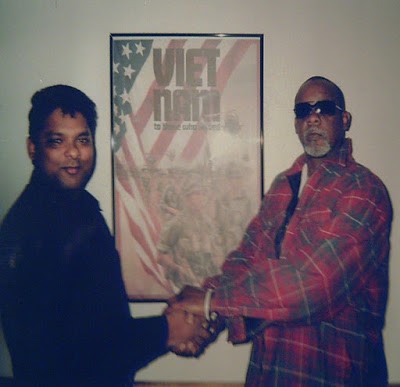
vietnamsyndrome

කෝට්ස්විල් ප්රතිකාර මධ්යස්ථානයේ මට හමුවූ හිටපු වියට්නාම් සොල්දාදුවෙක් 

වයස අවුරුදු 18 දී වියට්නාම් යුද්දයට ගිය ඩිලන් කැන්සාස් හි ෆාම් බෝයි හෙවත් ගොවිපළක හැදී වැඩුනු කොකේසියානුවෙකි. ඔහු කැන්සාස් වලින් පිටතට අඩිය තබා නැත​. මුලින්ම පිට රටකට ගියේ වියට්නාමයටය​. බෘස් ස්ප්‍රිංටීන් කීවාක් මෙන් ඒ කහ මිනිසා මරා දැමීමටය​.

වියට්නාමයට ගිය ඩිලන් යුද්දයේ කැත යථාර්ථය සියැසින් දුටුවේය​. සොල්දාදුවන් නිරායුධ ගම් වැසියන් මරා දමනු ඔහු දුටුවේය​. එසේම මිනිසුන් වද බන්ධනයට ලක් කිරීම, ස්ත්‍රී දූෂණ යුද්දයේ නාමයෙන් කෙරෙනු ඔහු අත් දුටුවේය​.

වියට්නාමයට ගිය ඩිලන් යළි ඇමරිකාවට ආවේ වෙනත් මිනිසෙකු ලෙසටය​.  ගොවිපළක හැදී වැඩුනු ගොපළු කොල්ලාගේ අහිංසකත්වය මරාගෙන වෙනත් පෞරුෂයක් ඔහු තුලින් ගොඩ නැගෙමින් තිබුණි. ඩිලන්ට ගොවිපලේ වැඩ කිරීමට හෝ රැකියාවකට යාමට උනන්දුවක් නොවීය​. බලාගත් අත බලාගෙන ඔහු කාලය ගත කලේය​. ඔහුගේ මනෝ ලෝකයට බාධා වන විට ඔහු අතිශයින් කිපුනේය​. ගෙදර බඩු භාණ්ඩ පොලවේ ගැසීය​. දෙමාපියන්ට පරුෂ වචනයෙන් බැන වැදුනේය​. සවස් කාලයේ තැබෑරුමට ගොස් සිහිසන් වන තෙක් විස්කි බීවේය​. මිනිසුන් සමග දබර කර ගත්තේය​. පලාතේ ශෙරීෆ්වරයා සාමය කඩ වන අයුරින් ක්‍රියා කිරීම නිසා ඩිලන්ව කිහිප වතාවක් අත් අඩංගුවට ගෙන තිබුණි. වරක් පියාගේ රයිෆලයෙන් වෙඩි තබාගෙන මිය යාමට ඔහු තැත් කලේය​.

1975 වසරේ වියට්නාම් යුද්දය අවසන් වූවද එම යුද්දය ඩිලන් ගේ මනස තුලින් තවමත් අවසන් වී නැත​. ඔහු වසර තිහකට අධික කාලයක් මනස් යුද්දයක යෙදී සිටියි. මනෝ වෛද්‍ය මහසෙන් ද සිල්වා සහ මා ඉදිරියේ ඩිලන් හිස් බැල්මකින් යුතුව වාඩිවී සිටියි.

මම ඔහුව නිරීක්‍ෂණය කරමි. ඩෙනිම් රෙද්දෙන් මැසූ ඔහුගේ කලිසමත් උඩ ජැකට්ටුවත් මගේ නිරීක්‍ෂනයට ලක්වේ. මට ඔහු සිහි ගැන්වෙන්නේ මහළු වයසට පා තබන ලද කෙනී රොජස් කෙනෙකු මෙනි. එහෙත් මේ කෙනී රොජස් කම්බැට් පී.ටී.එස්.ඩී හෙවත් සංග්‍රාමික පශ්චාත් ව්‍යසන ක්ලමථ අක්‍රමතාවයෙන් පෙලේ.

තමාගේ නියමිත ඖෂධ  ප්‍රලේඛණය මනෝ වෛද්‍ය මහසෙන් ද සිල්වා අතින් ලබා ගන්නා ඩිලන් “තැංක්‍ යූ ඩොක් “කියා කාමරයෙන් ඉවතට යයි.

” මොකක් ද ඔහු ගැන සිතන්නේ ” මනෝ වෛද්‍ය මහසෙන් ද සිල්වා මගෙන් අසයි.

” ඔහුට ඊ.එම්.ඩී.ආර් ප්‍රතිකාරය බොහෝ විට උපකාරී වේ කියා සිතමි ” මම පිළිතුරු දෙමි.

නවීනතම මනෝ වෛද්‍ය ප්‍රතිකාර ක්‍රමයක් වන ඊ.එම්.ඩී.ආර් ප්‍රතිකාරය ඒ වන විට අැමරිකානු මනෝ වෛද්‍ය සංගමය විසින් ද පශ්චාත් ව්‍යසන ක්ලමථ අක්‍රමතාව සඳහා සාර්ථක ප්‍රතිකාර ක්‍රමයක් ලෙසට පිළිගෙන තිබිණි.   ( Eye Movement Desensitization and Reprocessing (EMDR) therapy is an integrative psychotherapy approach that has been extensively researched and proven effective for the treatment of trauma. EMDR is a set of standardized protocols that incorporates elements from many different treatment approaches. To date, EMDR therapy has helped millions of people of all ages relieve many types of psychological stress.)

“අපි ඔහුව ටෙරීට යොමු කරමු ” වෛද්‍ය මහසෙන් කියයි.

ටෙරී ද වියට්නාම් යුද්දයට ගිය හිටපු සොල්දාදුවෙකි. ඔහු කොල්මරි ඔනීල් වෙතරානු රෝහලේ මනෝ චිකිත්සකයෙකි. එසේම ඊ.එම්.ඩී.ආර් ප්‍රතිකාර ක්‍රමය පිළිබඳ පුහුණුව ලබා තිබේ.

ඊ.එම්.ඩී.ආර් ප්‍රතිකාර ක්‍රමය පිළිබඳ වැඩිදුර ඉගෙන ගැනීම සඳහා මම ෆිලඩෙල්ෆියාවේ කෝට්ස්විල් රෝහලට ගියෙමි. ඇමරිකාවේ ප්‍රකට මනෝ විද්‍යාඥවරියක වන සුසන් රොජර්ස් යටතේ මට පුහුණු වීමට නියමිතය​. විදුහල්පතිනිය වෙත යන සිසුවෙකු සේ මා ඇයගේ කාර්‍යාලයට ගියෙමි.

“ඔබ ගැන ආචාර්‍ය ෆ්‍රරැන්සින් ශැපිරෝ දිග ඊමේල් එකක් එවා තිබුණා ” සුසන් රොජර්ස් මිත්‍රශීලී හඞකින් මට පවසන්නීය​.

ආචාර්‍ය ෆ්‍රරැන්සින් ශැපිරෝ ඊ.එම්.ඩී.ආර් ප්‍රතිකාර ක්‍රමය සොයා ගත් විද්වත්වරියයි. ඇය නූතන සිග්මන් ෆ්‍රොයිඩ්‍ ය​. ෆිලඩෙල්ෆියාවේදී මගේ ආහාර සහ නවාතැන් සඳහා ආචාර්‍ය ෆ්‍රරැන්සින් ශැපිරෝ චෙක්පතක් එවා තිබේ. එය සුසන් රොජර්ස්  මගේ අතට දෙන්නීය​. මම සැනසුම් සුසුමක් හෙලමි. ආහාර සහ නවාතැන් මිනිසෙකුගේ මූලික අවශ්‍යතා වෙති. එහෙත් ඇමරිකාවේ මේ අවශ්‍යතා වියදම් සහිතය​.

“ඔබ අපගේ ප්‍රතිකාර කණ්ඩායමේ කෙනෙකු ලෙසට වැඩ කිරීමේ අවසර මම රෝහලෙන් ලබා ගත්තා හෙට උදේ නවයට අප ඔබව බලාපොරොත්තු වෙනවා ” ඇය වැඩිදුරටත් කීවාය​.

වියට්නාම් වෙතරානුවන් සඳහා  ඊ.එම්.ඩී.ආර් ප්‍රතිකාර ක්‍රමය යොදා ගැනීමට , ඔවුන් ගේ කණ්ඩායම් ප්‍රතිකාර සඳහා සහභාගි වීමට මනෝ විද්‍යාඥ  සුසන් රොජර්ස් ගේ ආවරණය යටතේ මට අවකාශය ලැබුණි.

ෆිලඩෙල්ෆියාවේ කෝට්ස්විල් රෝහලේදී වියට්නාම් යුද වෙතරානුවෙකු වූ හර්බර්ට් ජේක් මට මුණ ගැසුනි. ඔහුගේ කතාව මම ඔහු මට කී ආකාරයටම ලියමි.

” වියට්නාමයට යන විට මගේ වයස අවුරුදු 18 කි. සුදු ඇමරිකානුවන් වූ අප ලෝකයේ උසස්ම ජාතිය ලෙස සිතුවෙමු. අපගේ රට බලවත් ය​. පොහොසත් ය එම නිසා අප විශේෂ ජන කණ්ඩායමකි යන හැඟීම අප තුල විය​.

වියට්නාමයට ගිය අප වියට්නාම් වැසියන් දුටුවේ උප මනුෂ්‍ය කොට්ටාශයක් ලෙසටය​. එම නිසා ඔවුන් ගේ ජීවිත පිළිබඳ සහ කම්පනීය අවබෝධයක් අප තුල නොවීය​.  වියට්නාමයේදී මම රේඩියෝ ඔපරේටර්වරයෙකු වූයෙමි. එම කාලයේදී රේඩියෝ පණිවිඩ යවා ගුවන් යානා මගින් වියට්නාම් ගම්මාන වලට මම නේපාම් ගිනි බෝම්බ හෙළුවෙමි. ගම්මාන පිටින් දැවී අළුවී යනු මම සියැසින් දැක තිබේ. මගේ දෙනෙත් ඉදිරියේ මිනිසුන් කාන්තාවන් ළදරුවන් පිලිස්සී කරවී යනු මම දුටුවෙමි. එහෙත් මට ප්ශ්චාත්තාපයක් නොවීය​. කහ මිනිසා උප මිනිස් කොටසක් බව මම සිතුවෙමි. අප ඔවුන් හැඳින්වූයේ ගුක්ස් යන වර්ගවාදී පදයෙනි.

යළි ඇමරිකාවට පැමිනි මම වෙලඳ ඒජන්තවරයෙකු ලෙස සේවය කලෙමි.  මම හොඳින් ජීවත් වූයෙමි. නමුත් ක්‍රම ක්‍රමයෙන් මා මහළු වන විට මගේ මනස ඉදිරියේ වියට්නාම් සිදුවීම් දර්ශනය වන්නට පටන් ගත්තේය​. මට නේපාම් සුවඳ දැනුනි.

ඔබ ෆ්‍රැන්සිස් ෆෝඩ් කොපලාගේ ඇපකොලිප්ස් නව් චිත්‍රපට බලා තිබේද ? එහි කර්නල් බිල් කිල්ගෝරේ මෙසේ පවසන්නේය​.

උදෑසන අවදි වන විට මට නේපාම් සුවඳ දැනේ. එම සුවඳට මම ප්‍රිය කරමි. එම සුවඳ ජයග්‍රහනයේ සුවඳයි. එහෙත් කර්නල් බිල් කිල්ගෝරේ වැරදිය​. නේපාම් සුවඳ මට පරාජයේ සුවඳක් විය​. එය මගේ ආත්මය දවන්නා වූ සුවඳ විය​.

මම ජීවිතයේ හැටවන කඩයිම පසු කොට තිබේ. දැන් මම සීයා කෙනෙකි. මගේ කුඩා මුනපුරන් ගේ මුහුණු දකින විට මෙවැනි කුඩා ජීවිත කී දාහක් මම වියට්නාමයේදී විනාශ කලේද යන්න මට සිහිපත් වේ. එවිට මට දැඩි කණගාුවක් සහ පශ්චාත්තාපයක් දැනේ. මිනිස් ජීවිතයක් යනු ආදරයෙන් සහ ගෞරවයෙන් සැලකිය යුතු වස්තුවක් බව දැන් මට වැටහේ.

හිටපු ලාන්ස් කෝප්‍රල් (ඇමරිකානු හමුදාව ) හර්බට් ජේක් පශ්චාත් යුද විශාදයෙන් පෙලේ. ඔහු ඊ.එම්.ඩී.ආර් ප්‍රතිකාර ක්‍රමයෙන් බොහෝ සුව ලැබුවේය​.

හිටපු සොල්දාදුවෙකු වන එඩී කළු ඇමරිකානුවෙකි. හෙතෙම මෙසේ කියයි.

“කළු සොල්දාදුවන් ලෙස අප සුදු සොල්දාදුවන් සමග පොදු සතුරෙකුට ( වියට්කොං ගරිල්ලන්ට) විරුද්ධව සටන් කලද සමහර සුදු සොල්දාදුවෝ සහ නිලධාරීන් අපට නිගර් යන පදයෙන් අපහාස කොට අපව වාර්ගික ප්‍රභේධකරණයකට ලක් කලහ​. එම නිසා වියට්නාමයේදී අප සතුරු පෙරමුණු දෙකකට එනම් වියට්කොං ගරිල්ලන්ට සහ වර්ගවාදයට එරෙහිව සටන් කලෙමු. එහෙත් අපගේ සොහොයුරන් බොහෝ දෙනෙකු මේ සතුරන් හමුවේදී පැරදී විනාශව ගියහ​.

වියට්නාම් යුද්දයේදී මම සී සී කඩ පුපුරා ගිය මිනිස් අවයව කොටස් ඉටි බෑග් වලට අඩුක් කලෙමි. මිය යන තරුණ සොල්දාදුවන් දුටුවෙමි. වියට්නාමයේදී මම නිරය දුටුවෙමි.

යුද්දයේදී මම ජීවිතය බේරගත්තද මට සතුටක් නොවීය​. මම විස්කි ; කොකේන් ; මරිජුවානා හරහා සතුට සෙව්වෙමි. රාතී නින්දේදී මට හෙලිකොප්ටවල අවර පෙති හඞ ඇසේ. සොල්දාදුවන් ගේ විලාප හඞත් සමග මම ඇහැරෙමි. මගේ ජීවිතය දැන් ගතවන්නේ වෙතරානු රෝහල් මධ්‍යස්ථාන වලය​. මට නිවසක් නැත​. මම මහ මාර්ග වල ඉබාගාතේ යමි. වසර අටක් පෙන්සිල්වේනියාවේ නරකතම සිරගෙවල් වල ගත කලෙමි. වියට්නාමය මගේ ජීවිතය විනාශ කලේය​”

වියට්නාම් වෙතරානුවන් ගේ කතා වලට සවන් දෙන මට ලංකාවේ මා විසින් ප්‍රතිකාර කල සොල්දාදුවන් මතක් වේ. විශේෂඥ මනෝ වෛද්‍ය නීල් ප්‍රනාන්දු මහතා සමග මම පශ්චාත් ව්‍යසන ක්ලමථ අක්‍රමතාවයට ගොදුරු වූ ශ්‍රී ලංකා යුද හමුදාවේ සොල්දාදුවන්ට ඖෂධ සහ මනෝ ප්‍රතිකාර කලෙමි. සමහර වෛද්‍යවරු මෙන්ම යුද හමුදාවේ ඉහල නිලධාරීන් පශ්චාත් ව්‍යසන ක්ලමථ අක්‍රමතාවය ශ්‍රී ලංකා යුද හමුදාවේ සොල්දාදුවන් තුල තිබේ යන්න පවා පිළි ගැනීමට මැළි වූහ​. ඔවුන්ට අනුව පශ්චාත් ව්‍යසන ක්ලමථ අක්‍රමතාවය ඇමරිකානු රෝගයකි. එහෙත් යථාර්ථය ඔවුන් ගේ මුළාසියට සමපාත නොවීය​.

සොල්දාදුවන් යුද පෙරමුනේ දිවි නසා ගන්නා විට , තම ඒකකයේ වෙනත් සොල්දාදුවන්ට , නිලධාරීන්ට වෙඩි තබා මරා දමන විට, නිවාඩුවට නිවසට ආ විට අමානුශිකව බිරිඳට ළමුන්ට පහර දෙන විට, හමුදාව අතහැර පළා යන විට , හමුදාව අතහැර පළා ගිය කොටස් මිනී මරන විට , මංකොල්ල කන විට , ආමි ජිනේලා , ආමි මධුරලා , සන් බබාලා ,ආයුද සහිතව සමාජයේ සැරිසරන විට ඔවුන් තම සිහිනෙන් අවදි වී අප කරා ආහ​. ඒ වන විට සමාජයට බොහෝ හාණි වී තිබුණි.

වියට්නාම් සින්ඩ්‍රෝමය ඇමරිකා එක්සත් ජනපදයට බලපෑ ලෙස අපගේ තිස් අවුරුදු ඊලාම් යුද්දය විසින් ජනිත කල පලාලි සින්ඩ්‍රෝමයේ දුර්විපාක අපගේ හිටපු සොල්දාදුවන්ට බල පවත්ත්වනු ඇත​. ඔවුන් ගේ මානසික  සුවය ප්‍රවර්ධනය,   පුනරුත්ථාපනය   වෙනුවෙන් අපගේ සෞඛ්‍ය සේවා සූදානම් ද?

HIRUNIKA, GALABODA  ATHTHE THERO, SARATH FONSEKA- YOSHITHA RAJAPAKSE- RANIL/MAITHREE/CHANDRIKA SHARPENING KNIVES AGAINST SINHALA BUDDHISTS!

February 1st, 2016


By M D P DISSANAYAKE

HIRUNIKA:

Hirunika came to limelight of politics on the bandwagon of her late father’s death.  The former Presidential Advisor Late Mr Bharata Lakshman Premachandra was not a baby in the company of drug barons, just as much as Mr Duminda de Silva. After her father’s tragic death, it was Mr Chamal Rajapakse who counselled  and guided Hirunika to complete her Law Degree.    The public sympathy she enjoyed has now evaporated, yet in new political culture, she was able to get bail, in spite of committing a criminal offence.

GALABODA ATHTHE GNASARA THERO:

Gnanasara Thero is the modern freedom fighter, similar to Kotahene Gunanda, Mapitigama Sangarakkitha, Migeththuwatte Gunanda, Naravila Dharmaratne Thero etc.   On contempt of court charges, the Thero had not been granted bail.  The arrest of other buddhist monks  of leading organisations are still work in progress.

YOSHITHA RAJAPAKSE:

President Mahinda Rajapakse was a brave father and leader to give permission for his son to join the Navy, at a time LTTE Sea Tigers were performing at their optimum capacity. There was an acute shortage of skilled men to safeguard our defence lines in the waters at that time.  Not many parents were willing to send their sons to join the three Armed Forces.  Sea Tigers were extensively trained in Tamil Nadu India, Sri Lanka had to train its personnel as well to match Sea Tigers.  At a time, Tamil Terrorists are being released in batches, the arrogant government is punishing those who saved the nation.

SARATH FONSEKA:

Another convicted criminal, Sarath Fonseka is being short-listed to be appointed to the Parliament.  Sarath Fonseka was found guilty by Court Martial, his previous employer. His  conviction was later confirmed by the Supreme Court dismissing his appeal that the charges were trumped up against him.

SARATH FONSEKA’S LIES, LIES, LIES:

In order to obtain the Presidential Pardon, Sarath Fonseka withdrew his appeal against three year sentence in White Flag Case.  Withdrawing the appeal tantamount to acceptance of the judgement.    Sarath Fonseka was a blatant liar, during the period of prison term, he had been a regular visitor to Private Hospitals for Lung complications.  Since the release,  his lungs appear to be functioning well by delivering oxygen to the bloodstream!

When Dhanuna Tilekeratne was absconding, Sarath Fonseka firmly said he was unaware of whereabouts of Dhanuna.  Then Dhanuna suddendly appeared on the same political stage with Sarath to campaign for the last general election.

After Sarath Fonseka was found guilty by the Court Martial, he was ordered to return all Medals, Decorations.  He confirmed  he had lost all of them.  It was amazing, after receiving the pardon, he was able to find the lost Medals etc.

GOVERNMENT OF GOOD GOVERNANCE:

Ranil, Maithree and Chandrika are now planning to empower Sarath Fonseka to place handcuffs on President Mahinda Rajapakse and Mr Gotabaha Rajapakse, to satisfy Tamils, Westerners and Indians.

The main political trio are becoming nervous on the political pulses underpinning the massive public anger against the government.  The President and Prime Minister are not stable, display of arrogance and use of abusive language are signs of frustration.  Their loss of power is looming.

AG to indict Yoshitha

February 1st, 2016

Courtesy The Nation

Upon conclusion of the Financial Crimes Investigation Division (FCID) investigation into the Carlton Sports Network (CSN), the Attorney General is scheduled to interdict in High Court, former President and incumbent Kurunegala District MP Mahinda Rajapaksa’s son and Lieutenant in the Sri Lanka Navy, Yoshitha Rajapaksa and others presently remanded on charges of money laundering.

The FCID had investigated the matter following a complaint lodged to the Inspector General of Police by Citizens for a Just/Fair Society on March 15, 2015, who alleged money laundering and misuse of public property by CSN, which are considered offences under the Prevention of Money Laundering Act, No. 5 of 2006 and the Penal Code.

The case (B 9823/2015) is presently heard at the Kaduwela Magistrate’s Court.

The FCID had investigated as to how the initial capital of the media channel amounting to Rs 234 million had been obtained. Investigations had revealed that the initial number of shares of the company was 700,004 and was worth Rs 7 million. Further investigations conducted into how the balance capital had been obtained had unearthed that the amount had been obtained through fraudulent deals and by unlawful activities conducted overseas with US$ 2.3 million coming in through a deal done with a foreign company which involved a project in Sri Lanka involving a foreign company’s investment. Documents relating to such have revealed that the monies used as capital had come in through laundering practices. The Police Media Unit informed that according to the company documents, all shareholders including Weliwita Withanage Don Sunilal Rohan Weliwita, Sachithra Kavishan Dissanayake, Ravinath Fernando and Shadiya Karunajeewa were also the initial directors of the company. While younger brother of Minister Arjuna Ranatunga, Nishantha Ranatunga had acted as the chief executive officer of CSN, electronic mail correspondence has revealed that Yoshitha Rajapaksa had been the director and key decision maker of the organization.

Since statements taken from the aforementioned had not certified their innocence, as per powers afforded to him through provisions in the Code of Criminal Procedure Act, No. 15 of 1979 {specifically Sections 32 and 102(5) of }, the Kaduwela Magistrate has remanded them till February 11, 2016. Aside to the aforementioned crime of money laundering, information has also come to light regarding their involvement in the preparation of fraudulent documents, the criminal breach of trust, misappropriation, violations of the Customs (Amendment) Act and the Companies Act, and the misuse of State property.

Another suspect, Ashan Rabinath Fernando was also arrested along with Yoshitha Rajapaksa, Weliwita, Dissanayake, Fernando, and Nishantha Ranatunga on January 30, 2016 by the FCID.

Police Media Spokesman, Assistant Superintendent of Police Ruwan Gunasekera said that Karunajeewa was presently in Australia.

He added that the Department of Immigration and Emigration had been informed that she is to be arrested upon her return to the island.

Attorney-at-Law for Yoshitha Rajapaksa, Premnath Chaminda Dolawatte said that they would be holding a press conference either on February 01 or February 02, 2016 with regards to a document circulated amongst the press by Gunasekera regarding the incident under ongoing FCID investigation, which they deemed was a violation of the right of the presumption of innocence guaranteed by the Constitution.

We have filed several motions to obtain the case report and record. Another group of lawyers have attempted to get Weliwita’s signatures on certain cheques which require his signature, yet this matter has not been taken up in the open hearing. Meanwhile, Gunasekera has sent a document with an explanation of a version of events concerning the background to the investigation into CSN media and requested that wide publicity be given to it. The suspects could ultimately be proven guilty or innocent, yet until it is proven so in a court of law, they are considered innocent. This is enshrined in the Constitution. Gunasekera’s request therefore amounts to a joke,” he remarked.

අප්පච්චි කදුළු පිරි දෑසින් තම වැරදි හෙළි කරයි

February 1st, 2016

හිටපු ජනපති, මහින්ද රාජපක්ෂ මහතා පවසන්නේ වර්තමාන රජයේ ඇතැම් මැති ඇමතිවරුන් සහ ඔවුන්ගේ දරුවන් තම පාලන කාලයේදී සිදු කල වැරදි වලට ඒ කාලයේදී තමන් දඩුවම් දීම වැළැක්වීමේ විපාක තමන් විදින බවයි.

එතුමන් වැඩිදුරටත් පවසන්නේ තම දරුවන්ගෙන් නොව එතුමාගෙන් පලි ගන්නා ලෙසයි.

ඊයේ මහනුවරදී පළාත් පාලන නියෝජිතයින් හමු වූ අවස්ථාවේදී මෙම අදහස් පළ කලේය.

යෝෂිත රාජපක්ෂ අත්අඩංගුවට ගැනීම මේ වන විට බොහෝ ජනතාවගේ විවේචනයට ලක්ව ඇති බව වාර්තා වේ.

IS THIS THE YAHA PALANAYA OR YAMA PALANAYA? WHAT IS GOOD FOR GOOSE IS GOOD FOR GANDER

February 1st, 2016

By Stanley Perera from Melbourne

President Maithreepala Sirisena started off his term presidency with a slogan of yahapalanaya”.  Those who voted him were please with the statement made in public and hoped the corruption by the free loaders will end soon.  The masses did not expect to dash their hope in twelve months.  The free loaders were corrupt up to their eye balls.  The gentleman politician made efforts to bribe the free loaders with Rs. 20,000 per sitting over and above enormous perks enjoyed.  Straight away luxury car permits with interest free and non repayable bank loans of US$50,000 was issued within 24 hours.  Prime Minister Ranil Wickremasinghe was spent thrift at the expense of the tax payers.

An un educated beedi mudalali was made a state minister.

A notorious money launderer who swindled the entire state of Late Lalith Ethulathmudali with a pending law suit on money laundering was made the minister of finance.  Soon after becoming the minister of finance he was discharged without a conviction.  Blabber guts shortie that made sexual advance to Olympic bronze medal winner and the Uva poison bottle both being rejected and kicked in their arsces were brought in through the back door amidst public outcry not to. Sirisena and Ranil completely ignored the wish of the media and the people.  Wijedasa Rajapakse without wasting any time laid off Awantguard with a massive under the table kickbacks.  Wijedasa Rajapakse was a notorious hora.

Finance minister robbed the Central Bank Bonds in a record breaking colossal amount of money.  It is said that Sirisena and Ranil were aware of it that it was to pay back to the governor of the Central bank who paid for the presidential election campaign.  Sirisena and Ranil ignored the outcry by the media and the people.

Good looking woman abductor was let loose without being arrested.

Gnanasara Thero was arrested for contempt of court charges.

Finance minister was let loose on money laundering charges.

Yoshita Rajapaksewas arrested on flimsy money laundering charges.

Sirisena and Ranil are shit scared of that big mouth cardboard Weerawansa and no action is taken against him for selling for a song five luxury houses to his relatives.  The five houses were built at the expense of tax payer’s money.

Leader of the opposition is appointed only to represent minority, racist and eelamist Tamils in the North.

Tamils want separate state in the north and pocket states in Wellawatte, Kollupitiya and in the Hill country.

Racist Tamils want SL Army out of the North.

Racist Tamils want to remove the word Majority Sinhalese and Buddhist” from the constitution.

Racist Tamils want the mouth of the cow on South and udder to be on the North.

Muslims want separate Muslim state in the East and pocket Muslim states in Akurana, Aluthgama,

Beruwala and Colombo.

Racist Tamils want to share the power and not to be Sri Lankan or belonging to one nation.

Racist Tamils want the National anthem in Tamil Language and 60 million Tamil Nadoo Tamil’s to sing Indian National Anthem in Bengali and not in Hindi or Tamil.

12.6% Tamils want to control 76% Sinhalese.

CBK cut the hair of Rukantha Gunathilaka’s wife and pouring petrol on Rukantha and his wife talking of human rights.

Speaker not allowing more than 2 minutes talk to Mahinda Rajapakse supporters.

Rajitha Senaratne and Mangala Samaraweera spreading false accusations on Rajapakse family.

Sirisena and Ranil taking the revenge from Rajapakse family.

Sirisena spending colossal amount of money on his luxury living.

Sirisena taking his son to the UNO at the expense of taxpayers.

IS THIS YAHA PALANAYA OR YAMA PALANAYA?

What Mahinda Should Learn From Chandrika

February 1st, 2016

Dilrook Kannangara

Politics turned ruthless after 1977. Scores of political opponents have been killed, assaulted, imprisoned and otherwise harmed since then. What’s more worrying is the support these vengeful acts get from a section of the society. There is always a justification for any political act of revenge. Vengeful politics is here to stay. What matters is how a brave politician must not be swayed by it. Mahinda has heaps to learn from his predecessor Chandrika. Although she almost completely changed after winning the election in 1994, her conduct prior to that belittles even the bravest men in Lankan politics (none left today for obvious reasons). Mahinda requires the courage and braveness of Chandrika (before 1994) to overcome the manyfold inhumane acts of the government. He should form his own party and eventually subjugate the SLFP completely without being cowed down by revengeful acts. It is his courageous response people look up to at this moment. If he collapses into cowardice just to save his son from prison by betraying the massive political movement ready to stand behind him, he is not a worthy leader.

UNP Took Away Her Father and Husband

Chandrika suffered much more than any other politician in this country. However, instead of collapsing at the feet of her tormentors, she took them on boldly at a time when her young children needed her most. She was just 14 when her father was assassinated and she was 42 years old when her husband was gunned down. Both acts were done by UNP aligned individuals with a political agenda. Before assassination, SWRD Bandaranaike was subjected to ridicule and deprivation by the UNP. His policies were disrupted and he was threatened. Following his death, Chandrika’s family was harassed. Certain media personnel ridiculed them in what can be described as uncivilised ways.

After 1977 harassment of her and her family increased. Her mother’s legitimate rights were denied by the UNP. Their ancestral properties were robbed. Chandrika’s husband was arrested over bogus charges. He was needlessly tortured, harassed and confined. Many attempts were made to poison his food while in prison. When all these failed to stop her husband, UNP government assassinated him. UNP government in early 1990s harassed and deprived her children from entering popular government schools.

When faced with these inhumane acts, one has two options – collapse at the feet of tormentors or fight them continuously. Chandrika chose the latter. Although she lived outside the country for 2 years fearing for her life, she came back in 1992 to take charge of People’s Alliance to steer it to victory in 1994.

UNP State Terror Killed More Sinhala People than the War

Tamil separatist war killed about 31,000 Sinhala soldiers and civilians. However, the 1988-94 UNP state terror killed more than that. It was Chandrika who saved people from UNP state terror in 1994 much the same way Mahinda saved them in 2009. Time gradually erased both from the minds of the people as both started appeasing Tamils in the second term in office.

When Chandrika re-entered politics in a more aggressive form in 1992, the nation was under state terror like Cambodia’s Polpot regime. Many attempts were made on her life. Not even government MPs knew what would happen to them if they turned against the government. Some were killed. At least four (4) UNP parliamentarians had their own private militias. Though stripped of these old militias, some of them are still around. It took great courage to stand up against the government in early 1990s than today.

Courage, Not Cowardice Turned Fortunes of the SLFP

From 1977 to 1992, the SLFP leadership followed a cowardly approach to the UNP regime. They were happy with their pockets of power and didn’t want to risk the wrath of the state terror machine. SLFP as a surrendered entity to the UNP was on a path of self-destruction. SLFP leadership thought they can ride back to power comfortably as the UNP regime was doing one wrong after another. However, people trusted the wrongful yet bold UNP regime more than the righteous but cowardly SLFP.

Chandrika worked against the SLFP which affected the political fortunes of the SLFP badly. By 1992, she had convinced the SLFP leadership that it cannot defeat the UNP without her support. While some senior SLFPers (including her brother) strongly disagreed, most SLFP members saw no future in a divided political camp. However, party leadership was denied to her.

Unlike her predecessors, she was not half-hearted in her criticism of the UNP. She bashed the UNP regime, its corruption and state terror without holding back. She threatened to cancel UNP regime’s crooked deals with international agencies and boldly revealed names of state terrorists and crooks. She even vowed to publicly lash named corrupt politicians and officials. It was unprecedented in Lankan politics and people started to listen. She dramatized vividly all the ills plaguing the country. People realized she could fight the UNP than wave white flags as SLFP leaders used to do. Her courage inspired hitherto silent SLFP MPs. Unlike today’s political leaders, she didn’t hide behind others to attack the government. She was at the forefront of it.

Mahinda Must Form Own Party and Forge Own Diplomatic Relations

The real reason to arrest and harass his family members is to force him out of politics and prevent him from forging a new party. He can easily save his family by retiring from politics or remaining silent within the UPFA (as he did for most part since January 2015). However, people expect more from him. In fact, his family expects more from him. The truth is even if he agrees to the dictates of the government, his family members will not be spared. There are many in the government, Tamil community and even the international community that are after their blood. The best way to tame them is to form a new party.

A new party will divide the traditional SLFP camp which will strengthen the UNP. However, in the long term, it forces the SLFP to look for a leader who can bring them more votes and seats. As Sirisena is unable to do so, party stalwarts will force him to come to terms with the reality or leave. This is what happened to Sirima in 1992. Now is the perfect time as losing provincial council or local government elections doesn’t affect the party very much. However, losing two national elections due in 2019 and 2021 will devastate the SLFP.

Chandrika was cleaver to form an understanding with powerful groups the UNP regime had to fear. These included a business empire that was very influential with the then UNP president, and India. By forming these links, she ensured the UNP regime would not try to irk powerful entities. Similarly, Mahinda should forge close ties with Chinese and Pakistani agencies to ensure the present pro-Indian regime will not risk adverse consequences. Mahinda will have to offer military, economic and political concessions in order to come to an understanding. These have the added advantage of realigning Sri Lanka to its Middle Path and non-aligned policy. Today Sri Lanka has become an unfortunate Indian military colony.

If he fails in this regard, people will leave him and either flock around new hope or allow the UNP regime to continue. Unlike the Nugegoda Movement, Mahinda will not be able to jump the queue into leadership subsequently. He has to put his life on the line to make a powerful political force and save his family. He cannot operate behind younger politicians.

Although Mahinda differs from Chandrika on policy and company he keeps, the former president has heaps to learn from his adversarial predecessor.

No more backing out at the hour of need, please!

February 1st, 2016

By Rohana R. Wasala

Courtesy The Island

Ven. Galaboda Atthe Gnanasara Thera, General Secretary of Bodu Bala Sena, who had been charged with contempt of court, was arrested and remanded on surrendering to the Homagama magistrate’s court on 26 Tuesday. Some young monks of the BBS behaved riotously trying to prevent their leader from being taken to prison. But Ven. Gnanasara calmly advised them to restrain themselves. He spoke words to this effect: It is true that I raised my voice in the court because my emotions were frayed; that constituted contempt of court. It must be admitted that what I did was wrong. I am being remanded for that offence. That’s OK. What’s a day or two in prison? We have no quarrel with the law enforcement officers. We must all respect and obey the law. Our struggle is only with the ‘big ones’. This is just the beginning. Now, all of you please disperse peacefully”. His advice seemed to take effect, more or less. (At the time of writing, 28 Thursday, the media reported that a bail application filed on behalf of the remanded monk was rejected by the court.)

When State Minister of National Integration and Reconciliation A.H.M. Fowzie called on the Mahanayake of the Asgiriya Chapter Reverend Galagama Sri Atthadassi Thera in Kandy on 27 January, the latter made some grave comments on the arrest of Ven. Galaboda Atthe Gnanasara Thera. The Prelate reminded the minister of the historical fact that (Sri Lankan) Buddhist monks always acted even at the risk of their life whenever the country faced critical situations. He said that Ven. Gnanasara Thera who has been remanded is also a monk who serves the country with similar dedication; therefore the case must be handled properly. He stressed that communal harmony must not be harmed. The High Monk added that (when dealing with the problem) duplicitous talk should be avoided, and that sincerity of intention, and humaneness must prevail.

I remembered that on a previous occasion, Ven. Gnanasara of the BBS, along with a group of fellow activist monks, visited the Mahanayake Thera of the Malwatte Chapter Reverend Thibbotuwawe Sri Siddhattha, and asked him for advice. In response the Nayake thera suggested that they continue with their agitation if those responsible in the government neglected to address their grievances, which, at the time, I described in an article as not very wise counsel! The monks’ ‘agitation’ at that time had acquired a rather violent character in speech as well as in deeds, which was very unbecoming of even law abiding ordinary citizens, let alone Buddhist bhikkhus.

The current problem of the monks is almost entirely the responsibility of the Mahanayakes of the three Chapters, which they must execute with the help other leading monks. It is known that there are some 30,000 monks in the country. If they are so organized as to be able to speak with one voice on any issue, no political potentate, however powerful, can go against their advice. The monks’ power is apolitical, though. For this to work, the Nayake theras must take the initiative. They must not back out at the hour of need on some pretext or other. The Asgiriya Mahanayake Thera has given the right signal.

These current developments reminded me of the chapter on G.P. Malalasekera in D.B. Dhanapala’s Among Those Present”. Explaining the analogy I see between then and now, in spite of the contexts being fundamentally different, is the burden of my story here.

Like Geoffrey Chaucer’s Prologue to his The Canterbury Tales” D.B. Dhanapala’s Among Those Present” is a collection of biographical sketches scintillating with satirical wit. It is a portrait gallery of twenty-two outstanding personalities (such as Anagarika Dharmapala, Ananda Coomaraswamy, D.S. Senanayake, John Kotelawala, S.W.R.D. and Sirima Bandaranaike, Arunachalam Mahadeva, P. de S. Kularatne, L.H. Mettananda and Ediriweera Sarathchandra) that graced Sri Lanka’s political and cultural stage. In his opinion, they shaped events in Ceylon” in the first half of the 20th century including roughly the first two decades after Independence. D.B. Dhanapala who obviously had remarkable familiarity with these individuals, their motivations, strengths and weaknesses, presumably through personal contact with some of them and through literature and hearsay about others, was the doyen of Sinhalese journalists of the time, and his book was first published by M.D. Gunasena & Co., Ltd in 1962; a new edition came out just a few years back. The book is an anthology of the author’s occasional newspaper articles. No character represented in this classic volume was a more defenceless victim of Dhanapala’s, at times rebarbative, criticism than G.P. Malalasekera, oriental scholar, patriot, polyglot, Lankan Ambassador in Russia, Buddhist cultural icon, and president of the World Fellowship of Buddhists, etc.

If we believe Dhanapala, around the time of Independence, Malalasekera was a contented entity. Let me quote some sentences from the book. The following is from its first (1962) edition:

And the sun shone, the wind blew, the rain fell, and the birds flew and Malalasekera was happy.

 When Independence was celebrated with fanfares in Ceylon Arthur V. Dias put up a tiny black flag in his house along with the lion, as a protest against the new Government not paying any attention to the religion of the country. But the Buddhist Congress and Malalasekera had nothing to say.

 When pressure was mounting up from the people Malalasekera did go to D.S. Senanayake, the new Prime Minister, and begged of him to appoint a Commission regarding the rights of Buddhists.

 Senanayake turned round and asked him – whether he wished to change the first refuge of the five precepts to I take refuge in the Government”, in place of I take refuge in the Buddha”.

 And Malalasekera came back empty handed to pass the word round in whispers. (p.126)

 Malalasekera thought that the angry Buddhists’ subsequent suggestion that they themselves appoint such a Commission was impracticable and absurd. Eventually, the Buddhist Commission resolution had to be conjured up behind Malalasekera’s back, and it was adopted unanimously, due to the enthusiasm of Buddhist leaders like D.C. Wijewardane and L.H. Mettananda. By the time the Commission Report was ready John Kotelawala was Premier. Though Malalasekera wanted to present it ceremonially but privately to the PM, the commissioners themselves insisted that it be issued to the Buddhists at a public meeting at Ananda College, which proposal prevailed. A great awakening of Buddhist opinion ensued, but Malalasekera was not among those who championed the cause.

While according to Dhanapala that was the case, Professor K.M. de Silva says in his Sri Lanka and the defeat of the LTTE (2012) that Professor Malalasekera was among the many (if not most) of the advocates of ‘Sinhala Only’ policy who also argued the case for assimilation of the minorities of Sri Lanka into the dominant Sinhalese-Buddhist culture” though no government ever tried to adopt it as a systematic policy, and no major politician in power advocated it as a national objective to be imposed on the minorities.” (p.135)

The average Buddhist leaders’ (including, particularly, the nayake monks’) general failure to address the Buddhist majority’s perceived or real concerns, major as well as minor, in a brave rational manner as members of a multi-religious, multicultural society was thus early exemplified not only in Malalasekera, but in others as well. Their failure (which, in reality, amounted to a betrayal or desertion of their followers) was (as it is at present) due to those individuals putting their puny selves above the national interest. (All this, however, is subject to the important reservation that Dhanapala does not deny them the honour they deserve for their great contribution to national revival.) Here is Dhanapala again:

At the hour of need of Buddhists for great leadership, Kularatne had backed out laboriously. Malalasekera’s silence became ominous. Mettananda’s lone voice could be heard above the great silence of the leaders and the uneasy hum of the low clamour of the populace. (p.128)

It appears that at the moment we are being treated to the same silence among those who have a duty to raise a voice at least in response to the uneasy hum of the low clamour of the populace” that can be faintly heard amidst the cacophonous din of some pointlessly militant young monks or politicians masquerading as monks; the clamour of the populace” in the present case is against those elements, as much as against what seems to have provoked them. Paucity of wise, selfless, unified and focused, leadership seems to be the perennial problem.

I am not making an indiscriminate attack on all monk activists. The vast majority of them genuinely represent Buddhist interests while upholding those of the minority communities. I have no doubt that the monks of the Bodubala Sena organization belong to that category despite their raucous bluster. My idea is that it would be good if those of our monks who have decided to agitate against perceived or real threats to their peaceful existence were properly restrained, responsible and non-violent as behoves all of us, including especially bhikkhus. Though I hold no brief for the apparently confrontational way they are putting their case at the moment, I don’t question their right to air their views. But I totally disagree with them when they seem to adopt the language of extremism in reacting to perceived extremism against them. Some time ago, the members of the Buddhist clergy and officials of an Islamic organization put their heads together and worked out a very peaceful settlement of the  halal issue. They earned our  praise. That happened under a no-nonsense state official who, unfazed by adverse criticism, was capable of taking effective steps to prevent possible mischief from trouble-makers and rumour-mongers inimical to the state.

Concluded

Indian and Sri Lankan Armed Forces

February 1st, 2016

Janaka Perera

This relates to the January 27th article titled ‘Coup attempt that nearly ignited a religious war’ in the Lanka Web of January 27.  Since a reader in his comment on the piece has apparently misunderstood what I wrote I need to clarify the point I made on the Indian Army.

There is no question that the British colonial masters modeled the Indian military on British lines. The fact however is that the Indians who formed that army and later the Indian Navy and Air Force were recruited from the same warrior tribes which were active in India until the British occupation. That they served a foreign ruler thereafter and what they did in Ceylon is NOT the issue here.

The fact of the matter is that the Sikhs continued to be Sikhs under the British, wore turbans and believed in Sikhism. The same applied to Rajput, Maratha, Gurkha, Punjabi and others in the military then as now.  Many among them joined the Indian National Army led by Subhas Chandra Bose after Malaya and Singapore fell to the Japanese during World War II.  It is for the same reason that some Indian Navy personnel staged a anti-British mutiny on the eve of India’s independence (the first Indian mutiny was in 1857).  It is also for the same reason that a large majority of Indians gave a heroes’ welcome to the returning soldiers of the Indian National Army who were charged with treason by the British but were later acquitted since the charge could not be maintained.

The point I wish to make here is NOT what the Indian troops did or did not do under the British but their attitude to their own country after the British left, in contrast to the strongly pro-Western attitude of the Ceylon Army top brass in the immediate post-independence years.

The Indian Army had its origins in the years after the Indian uprising of 1857, often called the Indian Mutiny by British historians, when in 1858 the Crown took over direct rule of British India from the East India Company. Before 1858, the company controlled the precursor units of the Indian Army and paid them with company profits. These operated alongside units of the British Army, funded by the British government in London.

After the 1857 mutiny, recruitment switched to what the British called the ‘martial races’ as mentioned above.

Sri Lanka had no such warrior tribes at the time the Kandyan Kingdom fell to the British in 1815.  All those who fought in defence of the kingdom until then were volunteers who in peacetime were engaged in other fields, although they had training in weaponry and martial arts. These facts can be obtained from various historical sources including Robert Knox’s account of 17th Century Ceylon.

Therefore it was easy for the British in Sri Lanka to create an entirely new military known as the Ceylon Defence Force, which later included the Ceylon Light Infantry, Ceylon Garrison Artillery and the Ceylon Naval Volunteer Reserve.  The military top brass at the time were of course all Europeans, as in India.  The others, especially officers, were mostly Burghers and Christians (both Sinhala and Tamil).


At independence, Sri Lanka inherited from the British a military establishment that was neither ethnically nor religiously representative of the population at large. Minorities, for example, were heavily overrepresented in the officer corps. Christians, who comprised about eight percent of the population, accounted for about 50 percent of all officers. Ethnically, Tamils and Burghers, who together comprised less than 20 percent of the population, accounted for 40 percent of the officer corps. This unbalanced representation was the result of a number of deliberate policies and incidental developments under the British.( http://reference.allrefer.com/country-guide-study/sri-lanka/sri-lanka169.html)

This same ‘tradition’ continued after independence until the coup attempt of January 27th 1962.

Tamils: Log on to southern situation

February 1st, 2016

By Gomin Dayasri Courtesy The Daily Mirror

errorism has left a trail amongst the northern Tamils, feeling of a need for a separate state; brainwashed by the LTTE and kept alive by the remittances of the Diaspora.

With the Provincial Council positioned, dawned on the North the outdated Indian prescription was not the answer sought. A home remedy kept to present needs is wanted for the North: Should be baked in Colombo and flavoured in Jaffna to be sold.

Tamil pride was wounded, when the Sinhala army overran homegrown terrorism. Affected South, naturally revelled at it.

Though in captive hands the North felt humiliated, over – reacted by over -subscribing to the defeated captors. Realized the benefits democracy offers over terrorism. But it took time to comprehend due to backwardness. In retrospect, appreciates terrorism is not akin to their way of life. The North is primitive compared to the worldlier South. South needs to understand them.

Triumphant South should be magnanimous in attending to the genuine grievances of the Tamil people in the north.


“SLFP suffers from a permanent inferiority complex induced by its ancestors; needs a Bandaranaike or a Rajapaksa to lead -rest are plebs: SLFP-is toilet trained to accept this doctrine and Sirisena disproved the fake cult. Within the famous families there are bickerings to undo the other.”

Constitutional changes will not bind the communities but offer opportunities for failing politicians to revive their careers by fanning communal politics. A Constitution, unlikely to be born, offers no solace. Tamils must consider joining mainstream politics after the local government elections to work together to gain mutual benefits.

The reconciliation process is accelerated if the Tamil National Alliance (TNA) joins the central government where the centre holds a majority in parliament and is not dependent on the TNA for survival and accepts prestigious places in the Cabinet.

Coming to uplift a failed government, belatedly is counter-productive, instills suspicion in Sinhala minds. There may never be another hyphenated UNP-SLFP” regime.

To appreciate the value of the centre, it must be tasted and be available for tasting. Any amalgamation is more feasible during the lifetime of its leader Sampanthan where Sumanthiran can play an engineering role. Longer the TNA lives with the UNP or SLFP or both, in a coalition government-the concept of togetherness becomes meaningful. Need is to promote a Sri Lankan identity to live as one family with distinct and different cultures that require safeguards. Notions must change with the war being an event of the past.

Joint means majority Sinhalese in the UNP/SLFP, combines with the minority Tamils of the TNA – sizeable amount of the voters.


“Tailor made to lead, hailing from solid SLFP stock is Gothabhaya [Gotha] Rajapaksa, the doer, who did his assignments to perfection, wiped out terrorism and gave Colombo a fresh coat of paint that seems to be fading fast due to neglect. “

It displays TNA has jettisoned separatism and is prepared to share power at the centre. The TNA should extract the benefits originating from the centre by taking the opportunity to distribute benefits to their people with power in their grasp. Confidence building between communities is a preamble to reconciliation

TNA should gain the trust of the Sinhala people in the UNP and the Sirisena faction; Ministers of the TNA can attend to the genuine grievances of their people under a power sharing unitary Constitution.
There must be fresh thinking after ending the war and credit must be given to Mahinda Rajapaksa [MR] for enabling a situation where the TNA can function effectively in a democratic framework.
If the Tigers were active would not the TNA dance a jig to survive? Would there have been a Provincial Council presided over by an elected Wigneswaran displaying many infirmities if the LTTE was in control?

Difference may arise among the Tamil politicians with extremists choosing to remain outside the borders of moderate politics. The TNA must ensure that benefits flow to the Tamil people than to Tamil politicians – as

Improperly envisaged by the 13th Amendment tailored by India to attract the LTTE to the democratic fold through a wasteful Provincial Council system where the elected extracted a lion’s share of benefits due to the electors.

The Northern politicians must keep watch on southern politics before taking the plunge for it is indeed a precipitous journey.

President Sirisena need not travel a distance if he finds a comfort zone in the UNP. They made him what he is. A man of the people, a factor UNP hierarchy fails to comprehend. He is a welcome asset to the UNP as a foil to Ranil Wickremesinghe’s uppity upends.

Will Sirisena align with the Rajapaksa wing? Unlikely before the local government elections are held.
Sirisena may have to watch dismally elected representatives of the SLFP make the crossing to the new party. To await the results may mean the loss of a red carpet laid for him to cross. He should remain in the green corner safeguarding his dignity.

A three cornered contest is unlikely as Sirisena will come a poor third-will do worse at a Parliamentary Elections.

UNP may adopt the favourite sons of Sirisena’s SLFP under a new voting system. UNP will eclipse Sirisena’s candidates at the vote count. The new party may offer a stiff challenge to the UNP but defeat the SLFP of Sirisena, where exit gates will open wide after the results.

The President can make or break a government.

Sirisena has grown in stature being his own man. He is an asset but carries a diminished image with the entry of his loathed merry men in parliament He needs a prop to lean on. He cannot do it alone. As president, Sirisena can score an ace to help the side he backs: limited since his candidates are made of dead wood.

Taking Sirisena’s candidates on board means UNP adopts the unwanted, not providing lustre to any list. The party governing at the Centre normally wins the local elections comfortably.

UNP must win big to successfully usher a new constitution otherwise the coalition will undergo a slow death and commence a reign of a weak parliament for the balance three years due to the crazy 19th Amendment that can bring governments to their knees.

UNP cannot be as selective as MR in picking the winners from the SLFP: vote catchers are likely to defect to the new party. SLFP of Sirisena will lose more than gain on the aggregated votes the SLFP picked at the last General Elections.

MR must not expand his list to gain publicity with the unwanted of the Sirisena camp, distasteful to the floating voters – will make them stay at home on Election Day. Mahinda wing needs new faces to cover the many old faces that will never part till their dying day, in lust for office and its perks.

Dubious elements feature in the national lists, some on offering hospitality enclaves. They are selected on the quality of food and drink provided at hierarchical gatherings.

Quack doctors operate on guests at dinner tables in an age where gardeners held titles as special advisors.

Sirisena’s trusted elected representative may leave him in the lurch and shift to the opposing wing to win back the SLFP vote- last reachable vote to secure a berth in local authorities. UNP’s rank and file will never vote for carpetbaggers of the SLFP. Floating voter is a thinker, will not walk to vote for candidates that shifted sides to enjoy office.

Mahinda Rajapaksa can bide his time to pick the cream of the SLFP while Sirisena may try hard to retain them by offering custard.

Constitution making is a convenient excuse to exit as gallant knights that saved the nation from being divided by undercutting the Constitution from within and becoming heroic to charm the Opposition voters.

Sirisena carries a bunch of defeated SLFP candidates: they joined a UNP led Cabinet as appointed MPs on the aggregate SLFP vote that was cast predominantly for Mahinda Rajapaksa. How many UNP votes can they muster to offset the minimal SLFP votes?

Striking 75 years on the eve of the next Parliamentary Elections, does Mahinda Rajapaksa appeal to the young faces in the Facebook? Rather not, after losing twice. Respected as a perambulating elder statesman, giving leadership to a new force that displaced the venerable SLFP is sufficient glory for a twice – elected president: politically astute should know their limits.
SLFP suffers from a permanent inferiority complex induced by its ancestors; needs a Bandaranaike or a Rajapaksa to lead -rest are plebs: SLFP-is toilet trained to accept this doctrine and Sirisena disproved the fake cult. Within the famous families there are bickerings to undo the other.

Tailor made to lead, hailing from solid SLFP stock is Gothabhaya [Gotha] Rajapaksa, the doer, who did his assignments to perfection, wiped out terrorism and gave Colombo a fresh coat of paint that seems to be fading fast due to neglect.

A new face to politics decorated in war paint, first time on contesting, gets the thumbs up sign. He is preferred to any other carrying the Rajapaksa name.
Carrying military bearings is attractive to the Sinhalese and its youth. Nevertheless, can drive the minorities to the brink of no return. He carries the bulk of the floating votes but much depends on the voting pattern of the UNP’s patriotic Sinhala majority as the minorities. They can undo Gotha by tactical voting.

Gotha needs to learn the nuances of local politics from the common man otherwise he could become another Fonseka. Envy lurks from his senior colleagues. His success depends on the team of advisors he selects, as he is a novice in politics without experience.

Tamils must watch the politics of the South more than of the North.

– See more at: http://www.dailymirror.lk/104770/Tamils-Log-on-to-southern-situation#sthash.G5GHu6qt.slhPNMQC.dpuf

යෝෂිත රාජපක්‍ෂ අත්අඩංගුවට ගන්න DIG අනුර දිසානායක කල මෙහෙයුම මෙන්න..

February 1st, 2016

lanka C news

 බොරැල්ල එන්.එම්. පෙරේරා මධ්‍යස්ථානයේ පැවැති හිටපු ජනාධිපති පුත් යෝෂිත රාජපක්‍ෂ ඇතුළු පිරිස අත්අඩංගුවට ගැනීම පිළිබඳව කරුණු පැහැදිලි කිරීමේ ඒකාබද්ධ විපක්‍ෂ විශේෂ මාධ්‍ය හමුවේදී අදහස් දක්වමින් විමල් වීරවංශ මහතා මෙසේ පැවසීය.

එහිදී වැඩිදුරටත් අදහස් දැක්වූ විමල් වීරවංශ මහතා මෙසේ ද පැවසීය.

‘‘පෙබරවාරි 05 වැනිදා එක්සත් ජාතීන්ගේ මානව හිමිකම් කොමසාරිස් ෂෙයිඞ් අල් හුසේන් ශ‍්‍රී ලංකාවට පැමිණිමට නියමිතයි. ඔහු පැමිණෙන්නේ මහින්ද රාජපක්‍ෂ මැතිතුමා ප‍්‍රමුඛ කොටි ත‍්‍රස්තවාදයෙන් මේ රට බේරාගත් රණවිරුවන් දංගෙඩියට යවන යුද අපරාධ අධිකරණයක් පිහිටුවීමට අදාළ කටයුතුවල ප‍්‍රගතිය විමසා බැලීමටයි. ඒ මහා පාවාදීමේ මෙහෙයුම දිගේලි කරමින් තිබෙන වෙලාවේ මේ කොන්ද පණ නැති ආණ්ඩුව මහින්ද රාජපක්‍ෂ මැතිතුමාගේ දේශපාලන භූමිකාව නතර කරන්න හිතාගෙන එතුමාගේ බිරිඳ, පුතාලා ඇතුළු පවුලේ සැමට දරුණු ලෙස පහර දීමට පටන්ගෙන තිබෙනවා. මේ මාධ්‍ය හමුව පවත්වන අවස්ථාවේ ශිරන්ති රාජපක්‍ෂ මැතිනිය ඉන්නේ බරපතළ මූල්‍ය වංචා පිළිබඳ සොයන ජනාධිපති කොමිසමේ.

යෝෂිත රාජපක්‍ෂ අත්අඩංගුවට ගන්න DIG අනුර දිසානායක කල මෙහෙයුම මෙන්න..

‘ඔළු දෙකේ ආණ්ඩුව’

මේ ආණ්ඩුව දන්නවා, ඔවුන්ට පැවැත්මක් නැහැ කියලා. මේ තමයි කෙටිම කාලයකින් වැඩිම හානිය සිදුකර ගත්තු ආණ්ඩුව. මේක ‘ඔළු දෙකේ’ ආණ්ඩුවක්. ඊට නායකයන් දෙදෙනකු ඉන්නවා. එහෙම නායකයන් ‘බානක්’ හිටියත් ඒ දෙදෙනාට රට පාලනයකර ගන්න බැරි වෙලා තිබෙනවා. ආර්ථිකය දවසින් දවස වැටෙනවා. දිනාගත්තු සමාජ ආර්ථික ජයග‍්‍රහණ රටට අහිමි වෙමින් තිබෙනවා. ඒ නිසා ඔවුන්ගේ අසරණකම වහගන්න තියෙන එකම ක‍්‍රමය වී ඇත්තේ ‘මහින්ද භීතිකාවක්’ මැවීම.

‘ඞී.අයි.ජී අනුර දිසානායක’

හිටපු ජනාධිපති මහින්ද රාජපක්‍ෂ මහතාගේ පුතා යෝෂිත රාජපක්‍ෂ සීඑස්එන් නාලිකාවේ කිසිදු තනතුරක් දරන්නෙ නැහැ. සභාපති හෝ අධ්‍යක්‍ෂ මණ්ඩල සාමාජිකයකු නොවෙයි. අයිතිකරු ද නොවෙයි. නමුත් එක්තරා ඇමතිවරයකුගේ මස්සිනා කෙනෙකු මෙම නාලිකාවේ අධ්‍යක්‍ෂ මණ්ඩල සාමාජිකයකු ලෙස කටයුතු කරනවා. ඔහුට මේ අත්අඩංගුවට ගැනීම අදාළ වී නැහැ. ‘ඇමති මස්සිනා’ අතහැර හිටපු ජනාධිපතිතුමන්ට පහර දීමට තමයි යෝෂිත රාජපක්‍ෂව මේකට පටලවන්නේ. මේ දඩයමට ‘රතු පාවාඩ එලන්නේ’ ජනතා විමුක්ති පෙරමුණ. ‘ඞී.අයි.ජී. අනුර දිසානායක’ එයාගේ ගෝලයකුට ප‍්‍රශ්න අහන්න කියනවා. එයා ‘බෝලය උස්සලා දුන්නම’ ඇමති මෙහෙන් ‘ඩෑෂ් පහර’ දෙනවා. ඒ විදියට අත්අඩංගුවට ගැනීමට අවශ්‍ය මතය සහ පරිසරය හදලා පසුව කියනවා ‘අල්ලන්න’ කියලා.

‘යෝෂිත රාජපක්‍ෂ අත්අඩංගුවට ගත් හැටි’

යෝෂිත රාජපක්‍ෂ ඇතුළු පිරිස අත්අඩංගුවට ගැනීමේ තීන්දුව ගත්තේ ජනාධිපතිවරයා ඇතුළු ඇමතිවරු තුන්දෙනෙක්, ‘සිවිල් සමාජ ක‍්‍රියාකාරිකයන්’ යැයි කියා ගන්නා එන්ජීඕ කාරයෝ දෙදෙනෙක් හා පොලීසියේ ඉහළම නිලධාරියෙක් ‘අපේ ගම’ පරිශ‍්‍රය තුළදී හමුවෙලා, සාකච්ඡා කරලයි. පොලිස්පතිට දැඩි බලපෑමක් එල්ල කරලා ‘නීතිපති උපදෙස් අවශ්‍ය නැහැ. කෙලින්ම ගන්න’ කියලයි කිව්වේ. අපට මතකයි හිරුණිකා පේ‍්‍රමචන්ද්‍ර අත්අඩංගුවට ගන්න නීතිපතිගේ උපදෙස් ලැබෙනකම් කොපමණ කාලයක් බලා සිටියාද? එදා පොලීසිය කිව්වේ ‘බුදු අම්මෝ, නීතිපතිගේ ලියුම නැත්තම් හිරුණිකා දිහා බලන්නවත් බැහැ’ කියලයි. මෙතැනදී යෝෂිත රාජපක්‍ෂ ඇතුළු පිරිස අත්අඩංගුවට ගෙන ඇත්තේ කිසිදු නීත්‍යනුකූල පදනමක් නැතිවයි. මෙසේ අත්අඩංගුවට ගැනීමට ඇත්තේ එකම හේතුවයි. ඒ තමයි, ‘මහින්ද රාජපක්‍ෂ දේශපාලන භූමිකාවෙන් ඉවත් කරන්න නම් දරුවන්ට ගහන්න ඕනෑ’ කියලා, මේ ඔළු දෙකේ ආණ්ඩුව විසින් සිතීම. දරුවන්ට ගහපුවාම මහින්ද රාජපක්‍ෂ මැතිතුමා තාත්තා කෙනෙකු ලෙස සැලෙයි කියලා මේ ආණ්ඩුව හිතනවා. එවැනි ද්‍රෝහී පාපතර මෙහෙයුමක් පමණයි අද මේ රටේ ක‍්‍රියාත්මක වෙන්නේ. මේ ආණ්ඩුව කොපමණ අසරණ, දුර්වල වෙලාද කියනවා නම්, සදාචාරාත්මකව වැහැරිලාද කියනවා නම්, අද ක‍්‍රියාත්මක වන්නේ ‘දරුවන්ගෙන්, බිරින්දෑවරුන්ගෙන් පලිගැනීමේ මෙහෙයුම’

වෛරයෙන් පෙළෙන ඇමතිවරුන්ගෙන් පොලීසියට උපදෙස්

අද මේ රටේ නීතිය ක‍්‍රියාත්මක වෙනවා කියලා කවුරුහරි කියනවා නම් ඒක විහිළුවක්. ඇඹිලිපිටියේ එක්දරු පියාගේ ඝාතනයට සම්බන්ධ පොලිස් නිලධාරීන් වහාම අත්අඩංගුවට ගන්න’ කියා ඇඹිලිපිටියේ මහේස්ත‍්‍රාත්තුමා නියෝගයක් ලබාදී තිබෙනවා. එම නියෝගය ලබාදී අදට දින 06යි. ඒ නිලධාරීන් සොයා ගන්න බැරිද? ඒකෙන්ම ඉතා පැහැදිලිව පෙනෙනවා අද මේ රටේ නිර්මාණයකර ඇත්තේ පොලිස් රාජ්‍යයක්. අද FCID කියලා නීති විරෝධී ආයතනයක් හදලා, ඒකට ඕනෑම මර්දනකාරී පියවරක් ගන්න අනුබල දීලා තියෙනවා. ඇමතිවරු කල්ලි ගැහිලා, ‘අත්අඩංගුවට ගත යුත්තේ කවුද?’ කියලා තීන්දු කරනවා. වෛරයෙන් පෙළෙන ඇමතිවරුන්ගේ උපදෙස් පිළිගන්න අද පොලිස්පතිවරයාට සිදු වෙලා තිබෙනවා.

කවුරු හරි හිතනවා නම් ‘මේ දඩයම හමුවේ ඒකාබද්ධ විපක්‍ෂය බිය වෙයි, හැකිලෙයි’ කියලා ඒ අයට වැරදිලා. පෙරටත් වඩා ශක්ති සම්පන්නව ශ‍්‍රී ලංකා නිදහස් පක්‍ෂයේ මන්ත‍්‍රීතුමන්ලා ඇතුළු අපි සියලූ දෙනා එක මිටකට එකතු වෙලා මේ ඒකාධිපති වියරුව පැරදවීම සඳහා පාර්ලිමේන්තුව තුළත් ඉන් පිටතත් ගත හැකි සියලූ පියවර ගන්නවා.

අපි ජාතියක් හැටියට මේ රටේ සාමූහික හෘදසාක්ෂිය නියෝජනය කරනවා නම් අපේ හෘදසාක්ෂිය අපිව ප‍්‍රශ්න කරන වේලාවක් මේක. මරණ බියෙන් ජීවත් වුණු මිනිස්සු අපි. දරුවෝ පාසලට ගියාම ආපසු ඒවිද කියලා බියෙන් ජීවත් වුණු මිනිස්සු අපි. මුළුමහත් ජාතිය වෙළාගෙන පැවැති ඒ බිය නැති කරලා දාපු සේනාධිනායකයාගෙන් පලිගැනීමට ඉඩ දෙනවා නම්, ‘ජාතියක් හැටියට අපේ හෘදසාක්ෂියට කුමක්ද වෙලා තියෙන්නේ?’ කියන ප‍්‍රශ්නය අපි ඉදිරිපිට පැන නගිනවා. මහින්ද රාජපක්‍ෂ කියන්නේ නිකම් නායකයකු නොවෙයි. බලයට ඇවිල්ලා අවුරුදු දෙක හමාරකින් යුද්ධය අවසන් කරලා, අවුරුදු හත හමාරක් තුළ මේ රට නවීකරණය කරපු නායකයෙක්. ඔහුට විරුද්ධව බොරු බේගල් ඇද බාලා ඒවා ඔප්පු කර ගන්න බැරි වුණාම, අද FCID නැමැති නීතිවිරෝධී ආයතනයක් හදලා, මූල්‍ය විශූද්ධිකරණ පනත සහ පොදු දේපළ පනත යොදා ගෙන බොරු වැරදි හදලා, ඇප නොදී, හිරේ දමලා ඔහුගේ පවුලේ පිරිස දඩයම් කරනවා.

අපි එජාප, ජවිපෙ, ශ‍්‍රී ලනිප ඇතුළු කවර පක්‍ෂයකට අයත් වුවත් මේ රටේ රටවැසියන් හැටියට අපට තිබුණු බිය සහ සැකය නැති කරලා අදීන ශ‍්‍රී ලංකාවක් නිර්මාණය කර දීමට සිය මුළු වෙර යොදා කැපවුණු නායකයාගෙන් මේ විදිහට පන්න පන්නා පලිගැනීමට ඉඩ දිය හැකිද? ඒ නිසා අපි මේ රටේ පොදු ජනතාවට ආරාධනා කරනවා ‘ මේ පාදඩ දඩයමට තවදුරටත් ඉඩදෙන්නෙ නැතිව ජාතියක් විදිහට නැගී සිටින්න’ කියලා.

– අනුරුද්ධ බණ්ඩාර

මරබිය තුරන්කර, රට එක්සේසත් කර අදීන ශ‍්‍රී ලංකාවක් නිර්මාණය කර දීමට සිය මුළුවෙර යොදා කැපවුණු නායකයාගෙන් මේ ආකාරයට පන්න පන්නා පලිගැනීම තවදුරටත් නොඉවසා ඊට එරෙහිව නැගී සිටින්නැයි ජාතික නිදහස් පෙරමුණේ නායක, පාර්ලිමේන්තු මන්ත‍්‍රී විමල් වීරවංශ මහතා පොදු ජනතාවගෙන් ඉල්ලා සිටියි.

යෝෂිත රාජපක්ෂ මහතා අත් අඩංගුවට ගැනීම ගැන විත්තියේ නීතිඥයා කරුණු පහදයි..

February 1st, 2016


යෝෂිත රාජපක්ෂ මහතා අත් අඩංගුවට ගැනීම ගැන විත්තියේ නීතිඥයා කරුණු පහදයි..

https://youtu.be/CXiM9wXgM7Q

Protest demonstration at the Sri Lankan High Commission in London on the 12th Feb from 2-6pm 

February 1st, 2016

The demonstration in which we are organising on the 12th Feb from 2-6pm at the Sri Lankan High Commission is not against any political party, purely  on the national question.

Protest Advert R1


සින්හල බෞධ්ධ භික්ෂුන්ගේ චින්තන  හා පෙරකදෝරු  චින්තන ගැටුම

February 1st, 2016

ධර්මසිරි සෙනෙවිරත්න

එක්නැලිගොඩ  සිධ්ධියෙදී ගලගොඩ ඇත්තේ හිමියන් ඉතා සන්සුන් ලෙසින් මහේස්ත්රාත් ගෙන් ප්රශ්න කීපයක් ඇසුවේය . ප්රශ් පදනම් වුයේ මහේස්ත්රාත් ගේම  අදහස් මතය ..මහේස්ත්රාත් පමිනේල්ලෙන් ඇසුවේ  රණවිරුවන්ට ඇති චෝදනා ඔප්පු කිරීමට සාක්ෂි  යනුය්  . උත්තරය වුයේ  ”’ නැතයන්නය් ..  එවිට හිමියන් ඇසුවේඉතින් ස්වාමීනි චෝදනා ඔප්පු කල නොහැකියය් පමිනිල්ලම කියන්නේ නම්  රට බේරා ගෙන මේසා කැපකිරීමක් කල මේ රණ විරුවන් ඇපමත හෝ නිදහස් කල නොහැකිද ”’ යන සාධාරණ පැ නයය්  පැ නය අතිශයින්ම සාධාරණය.හදවතටත් බුද්ධියට ත්එකඟවූ සර්වසාධාරන පැනයකි .මහේස්ත්රාත් මේ සියල්ල සාවධානව අසා සිට  දුන් පිළිතුර මෙවැන්නකිඇත්ත ඒවුනත්අහවල් නීතියේ අහවල් චෙධය පරිදි ඔවුන්ට ඇපදීමට  මට හැකියාවක් නැත .””
  ක් වරටම   හිමියෝ දුටුවේ අර රණවිරුවන්ගේ කඳුලින් පිරුණු දෙනෙත් ඔවුන් තමන්ගේ රටේ පරයන්ගේ නීති හමුවේඅ  සරණ වී ඇති    සැටිය     .චතු  ස්කොටික තර්ක විතර්ක , චක්රීය චින්තනමත පදනම් වූ සිංහල  බෞද්ධ භික්ෂුවගේ  අදහස් එඛරෙඛීය හා ද්විකෝටික  මත පදනම් වූ බටහිර  පෙරකදෝරු වන්ගේ  චින්තනයට එරෙහිව ක්ෂණයකින් එලියට පැන්නේය .
””””
එහෙනම් ඉතින් සුද්දන්ගේ නීති වෙනස්  කරව් ”’ යන අභීත් සිංහ නාදය උසාවිය පුරා රව් දුන්නේයඩී  එස්  ගේ සිට මේ අද දක්වා එකම එක පාලකයෙක් වත් නොකළ එහෙත් කලයුතුම වූ දේ  එයය්රට විනාශ කිරීම   සඳහාම සුද්දන් විසින් දෙමලුන්ට  දුන් තෙසවලමෙය් නීතිය   තවමත් එසේමය . කිවයුතුදේ බොහෝය . සිරිමාවෝ නොසිටියානම් අපේ රැජින තවමත් එලිසබෙත්ය . එලිසබෙත්ගේ ඇත ගෑවුනත්  අමන්දානන්දයට පත්වෙන උන් දැන් රජවෙලාය .
දැන්වත්  ”’චතුස්කෝ ටිකය හා  ද්විකෝටිකය  අතරත් චක්රීය හා එකරෙඛීය චින්තන වෙනස ගැනත් ”””’ සිංහල බෞද්ධයෝ  මීට වඩා උනන්දුවෙන් උගතයුතුය . නැත්නම්      ”’චොප්පේ එළවා  දැම්මත් අපට ලැබෙන්නේ ”’ හුප්පේය .” 

Forecast 2016: A Roadmap for Sri Lanka

February 1st, 2016

By Asanga Abeyagoonasekera , Adviser to Finance Minister

Our objective is to make Sri Lanka the most competitive nation in the Indian Ocean and to develop the island as a mega city for the region that will go between Singapore and Dubai thus make it competitive and the time has come for us to think how we are going to do it 

                                  Ranil Wickremesinghe, Prime Minister, Sri Lanka, Sri Lanka Economic Forum 2016

In ‘Sri Lanka: A Silent Revolution’, the 02 February 2015 entry for IPCS column Dateline Colombo, authored after the victory of incumbent Sri Lankan President Maithripala Sirisena, this author identified a few areas focus on which would improve the state of the nation at the time, and stated that “Sri Lanka, with its new administration, will need to do some serious reforms especially to strengthen the loss-making institutions, fight corruption and introduce meritocracy at all levels.”

A year on, the rainbow coalition, despite huge promises of reform, has not delivered on all. However, to its credit, it has managed (with some success) to introduce newer and more outward looking policies. First, freedom of expression was fully restored. The trend of blocking media sites has ended, and the safety of media personnel, restored.  Second, independent commissions such as the Commission to Investigate Allegations of Bribery or Corruption have been fully restored. Third, foreign policy rebalance between West and China is being re-established.

Economy
The January 2016 Sri Lanka Economic Forum brought with it some excellent thoughts from global leaders such as Ricardo Hausmann, Joseph Stiglitz and George Soros.  As Prime Minister Wickremesinghe stated, Sri Lankans who voted for the change and those who didn’t vote should unite to build this nation to the height achieved by nations like Singapore.” George

Soros stated that we should lower our expectations as there is a clear sign of global economic slowdown this year. The $27 billion Soros Fund Management (SFM) is looking at to invest $300 million initially in the economy – a good start at the beginning of the year.  Economist Montek Singh Ahluwalia stated that tax revenue as per GDP was 12 percent when it should be 20 percent and urged Sri Lanka to get its fundamentals right.” Comprehensive tax reforms are needed to increase revenue to 18 to 20 per cent of GDP in the next few years.

Containing the fiscal deficit to 5 per cent of the GDP should continue to reduce to stabilise the economy. To reduce fiscal deficit, it is important to focus on increasing revenue and decreasing government expenditure – a difficult task to undertake in the present political context. Losses incurred by public enterprises are a huge fiscal burden that need to be addressed.

Politicians who offer employment merely to satisfy the electorate should be stopped. One example is that of the Ceylon Fishery Harbours Corporation, which had a little over 800 employees in 2009 when this author was leaving as Chairman. Today, 1800 people are employed for the same lot of harbours. Once a profitable Corporation, it is currently incurring losses with its extensive employee numbers. A large cabinet with nearly 100 ministers lead to the wastage of state resources.

It was with this socio-political and economic backdrop in mind that Wickremesinghe participated in the World Economic Forum in Davos – a conference where he could interact with the top minds, investors and political leaders – to plan his strategic economic agenda for the nation. For the first time in 10 years, Sri Lanka had a high level political representation at Davos. In fact, this author, during the two visits to Davos, was the only government representative from Sri Lanka, and without much support from the government. The tide has changed, and it is for the positive.

Standard of Living

The government should focus on improving the citizens’ quality of life by providing the best possible solutions to problems, instead of discussions about unfruitful political gossip. Unfortunately, most of our headlines have been about a public misbehavior of a politician not projecting Sri Lankan achievement.

For instance, 2,700 people, i.e. an average of 7.5 people every day, were killed in road accidents in 2015 – an increase, compared to 2014. Given how there were numerous references to Singapore at the Sri Lanka Economic Forum, an illustration of an example from Singapore is in order. On 25 December 2015, the Prime Minister of Singapore, Lee Hsien Loong, opened the Downtown Line 2 (DLT2), an extension to their existing public rail network, that is set to ease traffic. As Lee stated, With a new MRT line and extension to be opened next year onwards the network will double to 360km by 2030. It will be comparable to London, New York and Tokyo, this means eight in 10 homes will be within a 10 minute radius.” There several important lessons and practices we could import from Singapore.

The World Economic Forum has categorised Sri Lanka as an efficiency-driven economy (stage 2) in this year’s global competitiveness index. It is an achievement, for Colombo has moved up from factor-driven (stage 1). Almost all South Asian countries are still on stage 1 or in transition. Sri Lanka should aim to move from efficiency-driven to the next stage of transition, and then to innovation-driven by 2030. A goal to double per capita to reach $7000 by 2020 and to improve all sectors of the economy, should be set.

Given its tremendous human resource potential, the nation has the capacity carry this out. However, in order to become the region’s top workforce not just in terms of size but also quality, this valuable resource requires training. Investment in research and development and improvement in our educational systems and universities should be the government’s priority.

The Moratuwa University could be our own MIT or IIT.

Governance
Improving on transparency and strengthening mechanisms to fight corruption are important areas that require focus. Optmising the productivity of government’s loss making institutions, strengthening and encouraging the private sector to expand, combating sexual abuse, and enforcing child protection rights, are among the neglected areas that should be addressed.

The government will announce the new constitutional assembly to draft the new constitution with public participation. After this, it will be sent for approval, and then, referendum. It is a task that will reset several core areas of the present governance structure; and therefore, should ideally be undertaken after debate and dialogue with the public. Malicious campaigns to create fear could be created and government should steer through this carefully with stakeholder participation.

The recent surge in nationalism resulting from a Sinha Le (Sinhalese blood) campaign that has gone viral on the Internet is definitely not a positive sign as it could manifest in the worst form of nationalism. Instead, nationalism should be used to preserve one’s languages. This sort of appreciation for languages will create interest among our younger generations to learn and appreciate a language such as Sinhala – a dying language according to UN.

Reconciliation
As a nation, Sri Lanka has suffered tremendously in the past, and should now move towards uniting all ethnic groups via genuine reconciliation processes. President Sirisena demonstrated a sincere sign of reconciliation on the day he completed a year in office: he pardoned the Liberation Tigers of the Tamil Eelam assassin, Sivaraja Jenivan, who had attempted to assassinate the former in 2006. The pardon was an act of remembering the past but also forgiving in order to create a better future for all of us. This is a great deed and signals to kick start brave and genuine efforts towards the reconciliation process.

Overview

Sri Lanka possesses the potential to achieve great heights. With correct processes in place, and collective effort to create a better political culture, the country could spur its economic growth to overcome the challenges, both internal and external.


(Asanga Abeyagoonasekera is a Young Global Leader for the World Economic Forum. This article was initially published by the Institute of Peace and Conflict Studies (IPCS) New Delhi for Dateline Colombo” http://www.ipcs.org/article/south-asia/forecast-2016-a-roadmap-for-sri-lanka-4978.html )

Interview with Jayan Perera Achieve Real Change (ARC),

February 1st, 2016

By Dasanti Wimalaratne

 Jayan Perera is one of the founding members of Achieve Real Change (ARC), a volunteer organization based in the UK and made of second generation Sri Lankan professionals. ARC’s mission is to help Sri Lankan’s business, medical and sports sectors develop by having diaspora members use their professional skills for their country’s sake.

Everyone wants to help their country, even if they are living abroad, and ARC helps makes that possible. Jayan Perera, during one of his many visits home, agreed to discuss ARC and his homeland.

Q: When did you start ARC?

A: Back in March 2012. I came for one of International Alert’s diaspora engagement pieces that was based around Sri Lankan professionals and what they can do for Sri Lankan. I decided right then to found ARC. What we try to do is bring people who have experience in UK-based industries, who are experienced global leaders, to Sri Lanka to use some of that knowledge.

Q: How many members do you have?

A: It’s very organic. We have a core executive group of four of us where each person is responsible for one arm aside from the medical arm which has two people. I run the business arm, Aiysha runs the sports arm, Shanja and Shyvanthi run the medical arm. Underneath those individuals who run the organizations are a large group of individuals who help. We have about twenty people who are quite core, who show up for everything.

People have taken great risks to be part of ARC. Especially people from Tamil community have gotten a lot of flak for joining something that’s part of the wider Sri Lankan community. I can’t stress how proud I am of the people who have stepped outside their comfort zone/taken a lot of flak.

Q: What sort of organizations businesses does ARC Business work with?

A: We work with a number of organizations. We’ve found that the garment industry is especially welcoming and appreciates our help. Innovation is at the core of their DNA. Organizational structure, strategies for inclusion, we find as an industry, they are quite open to those ideas.

One example of what we’ve done in the garment industry is there was an organization was set up in North and their entire problem was that they have a large business in the North manufacturing garments but they have almost exclusively get supplies from Colombo while everyone on the floor/stitching was from North. We foresaw a problem with that where they could have a situation where all the managers are from the South and all the workers are from the North. We initiated a turbo boost and helped 8 of their employees get from being green in the field to having some sort of management or university degree and having a grasp of the necessary skills.

Q: How well does ARC Medical fare in Sri Lanka?

A: Quite well! Medical affairs are more similar than businesses. ARC can help even private hospitals improve their care. What we’re finding is that there’s a lot to learn from the Sri Lankan model. You have hugely educated and experienced medical professionals here. In the UK, it’s all about being lean and mean, doing the best with the minimal resources. It’s a bit more prevalent for the people to have private healthcare here.
Q: How do you think we should counter the Sri Lankan ‘brain drain’?

A: Sri Lanka is an environment of start ups –  there’s a tenacity to deliver success in Sri Lanka, to target the business sector in a different way, to go along new ways that nobody else has gone before. There is an opportunity for you to make something of yourself.

In Sri Lanka, I’ve seen how much you can do with sometimes not a lot and it puts things into perspective as to how much you can achieve.

Q: What would attract 2nd Generation Diaspora to move back?

A: If it’s not considered ‘giving it all up’, especially if you come from a Western country. There is a lot of fear around giving up a higher quality of life.

The lifestyle here, it is a little bit more easy-going, it’s a little slower paced. Sri Lanka’s an interesting place because you can go quite far here if you can articulate yourself and do the things that you are taught to do in the UK and other places.

Businesses, they like having people from around the world where they’re different – not even necessarily to lead the team but augment it. People are still driven by fundamentally similar desires in business and innovation is always welcome in most organizations. Employers here, if they’re looking abroad, they have to be more vocal about it.

Q: How often do you visit Sri Lanka?

A: Since 2012, I’ve been here 2-3 times a year.

            Q: What do you love best about Sri Lanka?

A: The weather. The food. It’s home. One thing people forget about the diaspora is that no matter how long you’ve lived in another country, when you come back, when you come home, you’ll always feel as if you’ve never left.

When you come to Sri Lanka, you are really standing with people who share your origin story. I really love that feeling. I don’t think it’s something that can be articulated in a single word or a single paragraph.

Q: So even though you’ve never lived in SL, would you define it as your home?

A: Yeah. A simple answer is ‘yes’. Home isn’t just a feeling. Without getting overly philosophical, it’s not just where you lay your hat. Home, for me, is where you feel the most comfortable, it’s where you can just be yourself and walk around.

Sri Lanka, regardless of how many weeks a year I spend here, always is home and I do really love it for that.

Q: What Sri Lankan traditions do you follow?

A: Every night we have rice and curry. At home, our parents speak to us in Sinhala. We do keep up with news over here.

My kids are definitely going to have Sri Lankan cricket shirts, no doubt about that. I would hate for my kids to not feel like this is somewhere that they can call home.

WHEN ZEID COMES TO TOWN

January 31st, 2016

DHARSHAN WEERASEKERA

 According to the newspapers, UN Human Rights High Commissioner Rights Zeid Al Hussain is scheduled to arrive in Sri Lanka on the 5th of February.  The purported purpose of the visit is to urge the Government to finalize the mechanisms to try some of Sri Lanka’s war-time commanders for war crimes, as recommended by his report of September-2015, and endorsed by UNHRC resolution A/HRC/30/L.29.

In my opinion, Zeid has demonstrated by his conduct towards Sri Lanka that he is a law-breaker, a menace to the world (because his actions are causing the United Nations Organization, of which he is a high-ranking official, to continually breach the UN Charter) and thereby a disgrace to his office.

In this article I shall briefly explain the offence that I think the UN is at present being compelled to commit against Sri Lanka, the role that persons such as Zeid play in it, and suggest some things that Sri Lankans can do to ‘greet’ him properly when he gets here.

THE BACKGROUND TO THE OFFENCE

A good place to begin a discussion of the offence that the UN is committing against Sri Lanka is the farewell note penned by departing UN Resident Coordinator Subinay Nandy, and published in The Island of 19 January 206.  Nandy says, inter alia:

‘I was also fortunate to have been working with the UN in Sri Lanka during the last year when the Government re-affirmed its commitment towards meeting its international obligations to the UN system.’

Let’s look at this sentence a bit closely, particularly at the assumption it contains about the relationship between Sri Lanka and the UN.  As far as I know, Sri Lanka does not have an agreement with a ‘UN system.’  Sri Lanka has an agreement with the United Nations Organization, as a result of signing the UN Charter, and that Charter imposes reciprocal obligations on the UN that it has to meet when dealing with its Members.

One of the said obligations, perhaps the most important, is set out in Article 2(7) of the Charter, as follows:  ‘Nothing contained in the present Charter shall authorize the United Nations to intervene in matters which are essentially within the domestic jurisdiction of any state or shall require the Members to submit such matters to settlement under the present Charter.’

Let’s now turn to the international investigation against Sri Lanka authorized by the Human Rights Council in March-2014.  In my view, there’s a prima facie case that both the process that led to the investigation being authorized (i.e. the preceding resolutions in 2012 and 2013, plus the related reports of the Human Rights High Commissioner) as well as the result of the investigation (i.e. the High Commissioner’s report A/HRC/30/CRP.2 submitted to the Council in September-2015) are compromised.

The constraints of time don’t allow me to go into the above matter in detail, but in brief my argument is as follows.  With respect to the process that led to the investigation, an examination of the resolutions in 2012 and 2013 reveals that the principal basis for the recommendation for an investigation made in those resolutions was the recommendation made in related reports of the High Commissioner.

Meanwhile, an examination of the said High Commissioner’s reports shows that the principal basis for the recommendation for an international investigation made in those reports is the Report of the Secretary General’s Panel of Experts of Accountability in Sri Lanka (POE) released in 2011.  But, that report was produced for the personal use of the Secretary General, and never placed on the record of the Human Rights Council, and Sri Lanka never had a chance to respond to it directly before any UN Organ.

As such, in my view, the Council’s use of the report as a basis for recommending various measures against Sri Lanka is ex facie illegal.  (It should be noted that, when the POE was first released in 2011, the Russian Federation raised objections to it even at the Security Council.  So, there can be no denying that the UN was aware that there may be problems if any UN Organ were to use the POE for official purposes.)

I shall now turn to the result of the investigation, i.e. the High Commissioner’s report A/HRC/30/CRP.2 of September-2015.  In my view, the chief problem with this report is that it has not been subjected to an independent assessment, though it is replete with lies, obfuscations, contradictions and omissions, and so on, which become apparent to anyone even after a cursory perusal of the document.

More to the point, there are two reports commissioned by the Government, the Report of the Lessons Learnt and Reconciliation Commission (LLRC), and the Paranagama Commission, the latter of which included international legal experts such as Sir Desmond De Silva and Professor David M. Crane, who had been consultants for the UN in other war crimes investigations, that a case for war crimes against the Sri Lankan State (i.e. a case for ‘Command responsibility’) cannot be made.

It should be noted that the High Commissioner’s report A/HRC/30/CRP.2 is the only UN-endorsed report thus far to suggest that Sri Lanka as a State committed war crimes.  Under the circumstances, it seems to me the least the Human Rights Council could have done before endorsing the High Commissioner’s recommendations was to subject the report to an independent assessment to test the veracity and credibility of his evidence.

THE OFFENCE

The Human Rights Council may argue that because the Government co-sponsored resolution A/HRC/30/L.29 it vitiates the need for an assessment such as the one mentioned above.  But, the question is, ‘Even if the UNHRC didn’t have to subject the High Commissioner’s report to an independent assessment before taking action on it, was there a duty of the UN (i.e. the General Assembly) to conduct such an assessment, because of obligations stemming from the UN Charter, particularly Article 2(7)?’

In my view there was, and my argument is briefly as follows.  The argument is derived from a principle of Criminal Law accepted in most civilized countries, namely, where a very serious offence is concerned, a plea of guilty by the accused at the very start of the trial is not sufficient for a conviction.  The judge must satisfy himself or herself that the accused, one, understands the gravity of what he (the accused) is about to do, and two, the accused has not been tricked or coerced into pleading guilty.

If the judge has the slightest suspicion with respect to the said matters, he or she can order the prosecution to prove the charge beyond a reasonable doubt, irrespective of the plea of guilty by the accused.  In the law of Sri Lanka, this is taken a step further.  For a charge of murder, the judge has the discretion to refuse a plea of guilty and to order the prosecution to proceed with its case (Criminal Procedure Code, Section 197 as amended).

I consider that the above principle, mutatis mutandis, is applicable even in the field of international law, because it is essentially a means of safeguarding an accused where, by his own act, either through ignorance or compulsion, he is about to do grave harm to his own interests.

It seems to me reasonable that, if an individual accused of a crime can enjoy this safeguard, there is even greater need for that safeguard to be available to a nation, where the actions of certain officials threaten the sovereignty of the nation, and the citizens of the nation, who ultimately suffer the consequences of the said actions, have not been consulted nor had an opportunity to provide input with respect to the actions in question.

To cut to the chase, the Government has co-sponsored resolution A/HRC/30/L.29, which, let us suppose, is equivalent to a plea of ‘guilty’ to the High Commissioner’s charges.  The UN Organization, however, has an abiding relationship with the nation of Sri Lanka, which includes the obligation not to interfere in the internal affairs of this or any other country.

The High Commissioner’s recommendations entail interfering in the internal affairs of this country:  I take as self evident that the setting up of judicial mechanisms to try the citizens of this country for wrongs purportedly done during an internal conflict is an interfering in the internal affairs of this country, if, as I mentioned earlier, there’s a prima facie case that the recommendation for such mechanisms was compromised (not just the recommendation but the entire process that led to the investigation).

Under the circumstances, in my view, there was an obligation on the UN, irrespective of the Government’s  plea of ‘guilty,’ to subject the High Commissioner’s report to an independent assessment before allowing the UNHRC to take any actions against Sri Lanka based on that report.  Therefore, by allowing or rather tolerating the UNHRC’s actions, the UN is breaching the UN Charter.

THE ROLE THAT PERSONS SUCH AS ZEID PLAY IN THE OFFENCE MENTIONED ABOVE

If some wrong is being by the UN or in its name, it is the responsibility of the relevant officials to inform the General Assembly of these matters.  Persons such as Zeid and Ban Ki Moon are some for the highest officials in the UN.  They have been intimately involved in what has happened to Sri Lanka at the UNHRC.  Zeid, with his report, is now more intimately involved than even Mr. Moon.

If these persons had the slightest suspicion that something wrong was being done to Sri Lanka, they had a duty to inform the General Assembly about what was going on, and to request the GA to take the necessary action.  In this case, they did nothing, which means they are ultimately responsible for the UN’s aforesaid offence against Sri Lanka and against the Charter.

Zeid might argue that either he or his predecessors have checked with their lawyers and the latter have said that everything that has been done to Sri Lanka is by the book and above board.  In my view, that defence is unacceptable.  It is the same defence that George W. Bush the former American President tried with respect to the charge that his people had engaged in torture.

He got a lawyer at the Justice Department to write a memo re-defining the word ‘torture’ so that it excluded everything that the Americans were doing, and then said, in effect, ‘We don’t ‘torture’’  No one other than the Americans bought Bush’s defence.  The proper forum to go to if anyone wants a ruling on whether Americans were guilty of torture, with regard to any particular case, is the US Supreme Court.

To turn to Zeid, if he had any doubts whether the actions taken against Sri Lanka at the UNHRC were lawful or not, the proper forum to go to is the International Court of Justice (ICJ) the official court of the UN.  He could have asked for an advisory opinion from the Court, or got the General Assembly to request such an opinion, and resolved all his doubts.

Given the larger ramifications of the UNHRC’s actions against Sri Lanka, for instance, the precedent they set for similar actions to be taken against other countries, an advisory opinion on the legality of the said actions would have been a good idea, particularly because it would have got the Court to interpret Article 2(7).  So, why didn’t Zeid or even Mr. Moon, take advantage of the opportunity?

To repeat, the claim that they checked with their lawyers is not enough:  persons such as Zeid and Moon are ultimately responsible for the UN’s continuing breach of its obligations to Sri Lanka under the Charter.

THE CONSEQUENCES OF THE OFFENCE

I anticipate among other things the following two results.  As soon as there’s a change of government in Sri Lanka (and obviously change is inevitable in politics, as in all things), if the Government that comes to power decides to reject resolution A/HRC/3/L.29, it will immediately request a series of advisory opinions of the ICJ.

The ICJ  has the discretion to decide whether or not it will take up any particular question, but if the Court takes up even one of the Government’s questions, and interprets Article 2(7), and if according to that interpretation some or all of the UNHRC’s actions against Sri Lanka are deemed to be beyond the scope of the said Article, then, if I may borrow an American expression, ‘All hell will break loose.’

It will mean that all measures that flow from resolution A/HRC/30/l.29 will be nullified, which will include any mechanisms to pursue charges based on the High Commissioner’s report, and any judgments or sentences handed down by such mechanisms.  That in turn means that ways will have to be found for the UN to compensate Sri Lanka for damage that may have been done as a result of the said resolution and its related measures.

The second result I anticipate, related to the first, is that a series of lawsuits will be filed under the civil law, by persons accused before the said mechanisms, against the officials, both foreign and local, who helped design those mechanisms.  The basis of the cases will be that the officials had a duty of care to ask basic questions about the legality of the mechanisms before proceeding to set them up.

These cases will embroil the officials in question in litigation for years, and, if they lose, they will have to pay millions of rupees in compensation.  In short, the UN’s continuing breach is compounding a situation that might someday shake the UN, and also Sri Lankan domestic law, to its very foundations, and all this because persons such as Zeid don’t seem to have the guts to seek  rudimentary clarifications from the ICJ even at this late stage.  This is the man, then, who is set to visit out fair shores on 5th February.

RECOMMENDATIONS

I shall limit myself to just one recommendation.  I am sure that there will be protests and demonstrations when Zeid arrives.  The message conveyed at these protests should be coordinated and focused, and aimed at the international audience.  In my view, the battle that patriotic Sri Lankans now face is to convince a sizable segment of the international audience that an injustice has been done, and continues to be done, to this country.

I believe the only way to do the above is to focus the message on the specific provision of law that is being breached.  So, to that end, people should make placards that say simply: ‘2(7)’.  When international observers, including the international press that will be traveling with Zeid, and Zeid himself see this, they’ll first ask, ‘What does that mean?’  and some assistant or other will inform them that it refers to Article 2(7) of the UN Charter.  Nothing more need be said.

I recommend a variation on the above also, namely, someone should have T-shirts made with the logo, ‘2(7)’ on the front and the text of the Article in English and Sinhala in the back.  Then, wherever Zeid goes, for instance along his route, people should wear these T-shirts and stroll, or just stand around.  I’m sure it’ll have Zeid climbing the walls.

Dharshan Weerasekera is an Attorney-at-Law.  He is the author of two books:  The UN’s Relentless Pursuit of Sri Lanka (2013), and, The UN’s Subversion of International Law:  The Sri Lanka Story (2015)


Proposals made to the Public Representation Committee on Constitutional Reforms, on 27 January 2016 at Vusumpaya.

January 31st, 2016

DecentLanka2015

Here are the proposals we made to the Public Representation Committee on Constitutional Reforms, on 27 January 2016 at Vusumpaya.

They don’t in anyway cover all areas for a complete Constitution. Yet they do include concepts for Constitutional making.

Our main argument is that this new Constitution should provide for a political solution for the National Question and for that reason the APRC Final Report should be used as a base document for deliberations as that carries a broad consensus among pro Sinhala Southern political parties for power sharing, beyond that of 13A.

PROPOSALS MADE BY THE ALL PARTY REPRESENTATIVES COMMITTEE TO FORM THE BASIS OF A NEW CONSTITUTION

APRC Final Report His Excellency The President MahindaRajapaksaon 11th July, 2006 at the All Party Conference (APC)decided to appoint a committee of representatives of the parties at APC called the All Party Representative Committee(APRC) and mandated it to formulate a draft proposal for Constitutional reform. The President mandated the APRC to evolve a GhomeͲgrown new constitutionJ which will provide Ga comprehensive approach to the resolution of the national questionJ. The initial members of this Committee are given in Annexure 1

For Full Report Follow the link

https://www.lankaweb.com/news/items16/APRCFinal-Report%20(Unofficial)%202010%20July%2020.pdf

On 27 January, 2015 we met with the Chairman of the Public Representation Committee on Constitutional Reforms, Senior attorney at law Lal Wijenayake at “Visumapaya”, Colombo 02 and handed over the documents below along with a complete copy of the Final Report of the All Party Representative Committee (APRC), as our written proposals for a new Constitution. We firmly believe a new constitution is needed for this country, not because political leaders in this government wants to have a new Constitution for reasons not spelt out and explained clearly, but for the people to have a decent, contented life with peace and stability. A new Constitution that would guarantee such life through governance held responsible in ensuring such life for all Citizens without discrimination. We also firmly believe such a society will not be possible unless there is a broad consensus in working out a practical, stable and an acceptable solution to power sharing. Power sharing in a governing system is a pre requisite for a stable socio political life in this country that has not been able to resolve the ethnic conflict politically, since independence. For that reason, we propose the Final Report of the APRC should be used as a base document for deliberating a new constitution. This report after 03 years of long debates and discussions, brings out for the first time in our post independent history a very broad consensus among the pro Sinhala forces in creating a State with shared power that goes beyond the 13 Amendment. In this report, the SLFP, the MEP and the JHU along with 12 other political parties have officially accepted power sharing with provincial councils as the unit of political power for provincial people. We therefore proposed this APRC consensus should be utilized in working out a new constitution along with the conceptual note on constitution making, we handed over.

For Full Report Follow the link

https://www.lankaweb.com/news/items16/Constition.Making%20Submissions%20All%20Documents.pdf

Thank you.

Co-convenors

DecentLanka2015

Collective for a Decent Lanka
Contact
 Neville Ananda – Attorney at Law -0777876811

Sujeewa Dahanayake – Attorney at Law -0777324062


Perfidious Imbeciles avenge Yoshita

January 31st, 2016

By A.A.M.Nizam – MATARA

The government’s witch-hunt against the former President, his family members and his supporters continue unabated for over one year now.  We were told by the infantile western slavish Foreign Minister Mangala Samaraweera during the run-up to the January 8th election that the former President Mr. Mahinda Rajapakse has hidden wealth worth over 18 billion U.S.Dollars in foreign bank accounts and details of which will be revealed to the country and Mr. Rajapaksa will be made to account for this hidden wealth.  Similarly the political chameleon Rajitha Snaratne also parroted these allegations and said that that Mr. Rqajapaksa will be taken into custody at least one day prior to the nomination for the election on 17th August.  There were other allegations that Mr. Rajapksa or his family members own the Marriot Hotel in Dubai and so on.

Similar allegations were made by many political infants and minions in the UNP and even the JVP hooligans who are responsible for the death of over 60,000 youth in the country and destruction of millions worth state properties repeated these allegations. None of these allegations pertaining to Mr. Rajapakse or his family members have been proved and recently even the sand in a former swimming pool of the house of one Mr. Liyanage was removed saying that Mr. Rajapaksa has hidden a large consignment of gold in that former swimming pool since he was to occupy that house.

In fact all Sri Lankans should be ashamed about the harsh and inhuman treatment being meted out to Mr. Mahinda Rajapaksa and his family members by these scoundrels with blood soaked hands in return for the great historical service done by him by ending the 30 years of ruthless terrorism in this country and making the people of this country to live for another day and enabling them to travel to any part of the country without any form of fear and suspicion.  He would have been adorned as an idol if something similar to this happened in the primitive world.

In the meantime, the government has become very much fearful of the media institutions and journalists due to its failure for over one year to fulfill any of its pledges.  It has also become fearful of the Maha Sangha, and now attempts to curtail media freedom and control the activities of the Maha Sangha are being made as they are two most powerful forces in the country.

In the witch-hunt for Mr. Mahinda Rajapaksa and for his family members these imbeciles of the government was attempting to grill Lieutenant Yoshita Rajapaksa alleging that he was behind the death of Havelocks Rugby skipper Wasim Thajudeen.  Utterly failing to prove this allegation, these imbeciles have explored all the ways possible to entrap Mr. Yoshita.  Recently it was revealed in the Parliament about the expenses incurred by the Sri Lanka Navy for his overseas training completely ignoring the bold and great sacrifice made by him by courageously coming forward to join the Sri Lankan Navy when the children of so many card board lions were hiding in foreign countries dreadful of stepping into Sri Lanka.

With the media suppression and attacks on media launched by the Prime Minister recently they have found a new avenue to take revenge on the young Lieutenant by arresting him on charges related to the Carlton Sports Network Channel (CSN) in which he was a working Director. This measure with concocted allegations has been purely taken to annoy the former President on the one hand and prevent CSN channel becoming a News Channel which we understand was planned to be launched from 1st of February.

Mr. Yoshitha Rajapaksa has been remanded over money laundering allegations under the Money Laundering Act. He is accused of money laundering to the tune of Rs. 365 million, criminal breach of trust, forgery and undervaluing imported items obtained by Carlton Sports Network.

FCID detectives have said that they had seized Rs. 165 million from the CSN bank account which had not been accounted for, that funds for setting up the television channel had come from illegal sources abroad and also funds deposited in foreign banks had been remitted back to Sri Lanka. The FCID works directly under a cabinet sub-committee headed by the Prime Minister.

The others arrested include Nishantha Ranatunga, who had been the chief executive officer of Yoshitha’s Carlton Sports Network (CSN), Mr. Rajapaksa’s media secretary, Rohan Welivita: Savithra Dissanayake and Ashan Fernando.

Former president Mr. Mahina Rajapaksa who was in court told reporters after his son was taken away in a prison bus that the arrest was to seek revenge from him. He said that he doesn’t mind this if his son has done anything wrong, but he knows that he is innocent,” He has added that the government is trying to take revenge from him.

How the Batalanda torturer incapable of having children and the eunuch Bra Sirisena could understand the value of fatherly sentiments? (END)


ආවඩා – ආයුබෝ වේවා!

January 31st, 2016

ධර්මන් වික‍්‍රමරත්න

ශ්‍රී ලංකාවේ 1505 සිට 1931 දක්වා වසර 425ක්ම ආක්‍රමණිකයන්ගේ ආණ්ඩු තන්ත්‍ර අනුව සමාජය විවිධ පරිවර්තනයන්ට භාජනය විය. දේශපාලන පක්ෂ සමාජයේ පරිවර්තනයට බලපෑවේ 1931 ස්වර්ණජන ඡන්දය ලැබීමෙන් පසුවය. සෝල්බරි නිදහස 1948 ලැබුණද සැබෑ සමාජ පරිවර්තනයකට අඩිතාලම වැටුනේ 1951 සැප්තැම්බර් 2වැනිදා කොළඹ නව නගර ශාලාවේදී ශ්‍රිලනිප ආරම්භ කිරීමෙන් පසුව බව 1956න් පසු පසක් විය.

එදා ශ්‍රිලනිප ආරම්භ කරන විට එස්.ඩබ්ලිව්.ආර්.ඩී. බණ්ඩාරනායක කියා සිටියේ ශ්‍රිලනිප මූලික කාර්යය වනුයේ අධිරාජ්‍යවාදීන්ට සහ ඔවුන්ගේ හවුල්කාරයින් වන දේශීය ධනපතියන්ට එරෙහිව සටන් මෙහෙයවීම බවය. වර්තමානයේ එනම් 2016දී ශ්‍රී ලංකාවේ දේශපාලන තත්ත්වයද 1951 තත්ත්වයට සමානය. එදා සේම අද රට දේශපාලන වශයෙන් කොටස් දෙකකි. ඒ ප්‍රතිගාමී බලවේග නියෝජනය කරන එක්සත් ජාතික පක්ෂය සහ එහි ඇමතිකම් ගෙන ආණ්ඩුවේ සරණගිය ‍ඩාර්ලි පාරේ නෛතික ශ්‍රිලනිපද, ප්‍රගතිශීලි බලවේග නියෝජනය කරන එජාප විරෝධී සැබෑ ශ්‍රිලනිප පාක්ෂිකයින් වෙනුවෙන් පෙනී සිටින ඒකබද්ධ විපක්ෂය ප්‍රමුඛ ප්‍රගතිශීලි සහ දේශප්‍රේමී කොටස්ය.

මේ සියල්ල මැද ප්‍රගතිශීලි සහ දේශප්‍රේමී බලවේගය අන් කවරදාකටත් වඩා දැන් ශක්තිමත් වෙමින් පවතී. ඒ අදටත් ශ්‍රිලනිප නියෝජනය කරන මුදුන්මුල සහ අරටුවවූ පළාත් පාලන මන්ත්‍රීවරුන් ප්‍රතිගාමී එජාපය ප්‍රමුඛ නෛතික ශ්‍රිලනිපයට එරෙහිව ඒකාබද්ධ විපක්ෂය යටතේ සැබෑ ශ්‍රිලනිප සමඟ අත්වැල් බැදගැනීම නිසාය. ශ්‍රී ලංකාවේ ජනතාවගෙන් සියයට 75ක් ජීවත්වන්නේ ග්‍රාමීයවය. රටේ ඇති 35,421ක ගම්මානයන්හි සැබෑ දේශපාලන නායකයා ගමේ සිටින පළාත් පාලන මන්ත්‍රීවරුන්ය. ශ්‍රිලනිප පළාත් පාලන මන්ත්‍රීවරුන්ගෙන් සියයට 85කට වඩා දැනටමත් එළිපිටම ඒකාබද්ධ විපක්ෂය සමඟ රොද බැදගෙන එක්වී සිටිති. ගම වැළඳගත් මහින්ද රාජපක්ෂගේ ශ්‍රිලනිප යාන්ත්‍රණය උණුසුම්ව පිළිගනිති. මැතිවරණ නාමයෝජනා ප්‍රකාශයට පත්කරන විට ඉතිරි පිරිසද එක්වෙනු ඇත. අවසානයේ නෛතික ශ්‍රිලනිප සමඟ සිටිනු ඇත්තේ තමන්ම සොඳුරු ආඥාදායකයෙකුයැයි හදුන්වා ගන්නා කඩුවෙල ඇත්තෝ වැනි අය පමණි.

පළාත් පාලන හිටපු නගරාධිපතිවරුන්, උප නගරාධිපතිවරුන්, සභාපතිවරුන්, උප සභාපතිවරුන්, පළාත් පාලන මන්ත්‍රීවරුන් සියයට 85කටත් වඩා දැන් එළිපිටම සැබෑ වෙනසක් ඉල්ලා සිටිති. ඔවුන් එළිපිට දිස්ත්‍රික් සංසද 17ක් පවත්වමින්ද මාධ්‍ය සාකච්ඡා විවෘතව තබමින්ද රටට හඬගා කියා ඇත්තේ නෛතික ශ්‍රිලනිප නිවැරදි නොවන්නේනම් තවදුරටත් ඒ කෙරෙහි බලාපොරොත්තුවක් නැති බවය. ඔවුන්ගේ අදහස අනුව කිසිම දෙයක් ලේසියෙන් අත්හැරිය යුතු නැත. එමෙන්ම එජාපයේ වලිගයක් බවට පත්වූ නෛතික ශ්‍රිලනිප කෙරෙහි දැඩි විශ්වාසයක් තැබීම සැබෑ ශ්‍රිලනිප අන්‍යතාවයේ විනාශයට හේතු වන්නකි. එවැනි පක්ෂයක නායකයින්ට දිය හැකි හොඳම දඬුවම අතහැර දැමීමය. අධිරාජ්‍යවාදීන්ගේ සුළඟ හැරෙන දිසාවට වැනෙන, කරන හෝ කල වැඩක්ද නැති වසරක් ගතවූවද මෙලෝ රහක් නැති නාමික පක්ෂයක තවදුරටත් හිදීමෙන් වැඩක් නැති බව පුංචි මන්ත්‍රීවරුන් හඬගා කියති.

බණ්ඩාරනායක නායකත්වයෙන් ඩී.ඒ රාජපක්ෂ ඇතුළු මන්ත්‍රීවරුන් 6කගේ සුසංයෝගයෙන් ඇරඹුණු ශ්‍රිලනිප ලාංකීය දේශපාලන දේහය තුළ සුවිශේෂි කාර්යභාරයක් ඉටුකර තිබේ. එය කාලයේ තාලයට ගොඩනැගූණු දේශපාලන පක්ෂයකි. ලාංකේය මොඩලය හඳුනාගත් ගමේ දේශපාලනයක් බවට එය බෞතිස්ම කළේ 2005 සිට 2014 දක්වා මහින්ද රාජපක්ෂගේ නායකත්වය යටතේය. ප්‍රතිගාමි එජාපය සහ ඔවුන්ගේ ඒජන්තවරුන්ට එරෙහිවූ ශ්‍රිලනිප දේශපාලනය කොම්ප්‍රදෝරු ධනේශ්වර එකක් නොවේ. එහි මොඩලය විප්ලවවාදි එකක්ද ‍නොවේ. වසර 2014 නිමාවන විට ශ්‍රිලනිප යනු ගම තුළින් ලැබූ දැනුම, පළපුරුද්ද සහ ගම තුළ ජීවත්වූ අත්දැකිම් ඔස්සේ රට මෙහෙයවූ සුක්කානමකි. ශ්‍රිලනිප පළාත් පාලන මන්ත්‍රීවරුන්ගේ කැරැල්ල ගම වෙනුවෙන් ගම තුළින් මතුවූවකි. එජාපය සරණ යන ශ්‍රිලනිපයකින් සැබෑ ශ්‍රීලංකා පාක්ෂිකයාට වැඩක් නැත.

ගමේ පාක්ෂිකයා දුප්පත් බව සැබෑය. ඒත් ඔවුන්ගේ හිතහොදය. බොහෝ විට අවසානයේදී එවැනි හිතහොද මිනිසුන්ට ඉතිරි වන්නේ දුකත්, තනිකමත්, කණස්සල්ලත් පමණි. ඉකුත් මහ මැතිවරණයේදීද එලෙසින්ම සිදුවිය. තවදුරටත් එසේ සිදුවිය යුතු නැත. එසේ සිදුවන්නට ඉඩදී නිහඬව බලා සිටිය යුතුද නොවේ. පක්ෂ නායකයින් අඬන විට ඔවුන් සනසන්නට බොහෝ අය සිටියද ගමේ පක්ෂ සාමාජිකයෙකුගේ දුකේදී බොහෝ දෙනා ඔහු ලඟ නැත. එහෙත් ඔහුටද රිදීමට හදවතක් ඇත. ‘යහපාලන’ ඇත්තන් ගැන අටුවා ටීකා අවශ්‍ය නැත. පිටතින් පෙනෙන්නේ ඔවුන් ඇල්වතුරත් නිමලා බොන පිරිසක් සේය. එහෙත් සැබෑවනම් ඔවුන් නාහෙට නා‍හන පිරිසකි.

ශ්‍රිලනිප බෙදුනොත් එජාපයට වාසියි කියන්නේ මහ ඡන්දයේදී පරාජයට පත්වී ජාතික ලැයිස්තුව හයිජැක් කිරීම නිසා පාර්ලිමේන්තුවට ‘ජාති’ක ලැයිස්තුවෙන් පත්වූ මහින්ද සමරසිංහ, ලක්ෂ්මන් යාපා අබේවර්ධන, විජයමුණි සොයිසා, ඩිලාන් පෙරේරා, ෆයිසාල් මුස්තාපා, ඒ.එච්.එම් ෆවුසි වැනි ඇමතිවරුන් පිරිසකි. වෙහෙර ගිල්ල එකාට අග්ගලා කජ්ජක් දැයි? කියමනක් ඇත. ඉකුත් මහ මැතිවරණයේදී සන්ධානය ආසන 95ක් ගත්තේ මහින්ද රාජපක්ෂට පින්සිදු වන්නටය. මහින්ද රාජපක්ෂ වෙනම තරඟ කළේනම් අවම වශයෙන් ආසන 70ක් එම බලවේගයට හිමිවනු ඇත. නෛතික ශ්‍රිලනිපය වෙනම තරඟ කළේනම් ඔවුනට හිමිවනු ඇත්තේ ආසන 20ක් පමණ සුළු ගණනකි.මේ තිත්ත ඇත්ත සැවොම පිළිගත යුතුය.

ශ්‍රිලනිප බෙදීමක් ඇතිවූවහොත් එහි වාසිය සිදුවන්නේ එජාපයට බව එජාප ආණ්ඩුවේ ඇමතිකම් වරදාන යටතේ යැපෙන ශ්‍රිලනිප මන්ත්‍රීවරුන් කිහිප දෙනෙක් පවසති. සමන් ලතා එතෙන්නේ සඳුන් ගස් වටා බවද උජාරුවෙන් පවසති. සමන්ලතාවන් කෙසේවත් දේශපාලන පිළිල වටේ එතෙන්නේ නැති බව දැනගත යුතුය. මේ පාරත් හඳන්නේ ළිදෙන් වතුර බී ගඟට ආවඩන්නය. මහින්ද රාජපක්ෂගේ පිටේ නැගී ඡන්ද දිනා එජාප ඇමතිකම් ලබාගෙන මිනිසුන්ට වැදිබණ දෙසති. පැරණි සදුන් ගස්වල පිළල සෑදී විනාශවන විට සමන්ලතා එතෙන්නට අළුත් සදුන්ගස් සොයාගත යුතුය. එමෙන්ම අලුත් සදුන්ගස් පිළිල වලින් ආරක්ෂා කරගත යුතුය. ශ්‍රිලනිප පාක්ෂිකයින් ඉකුත් මැතිවරණයේදී ඡන්දය දුන්නේ එජාපයට එරෙහිව මිස ඇමතිකම් ගෙන එජාපය ශක්තිමත් කිරීමට නොවේ. ඔවුන් ඡන්දය දුන්නේ මව්බිම බෙදුම්වාදීන් සහ අධිරාජ්‍යවාදීන් හමුවේ දුර්වල කිරීමට නොව ශක්තිමත් කිරීමටය. මහින්ද රාජපක්ෂ බලවේගයන්හි තීරකයින්ට ඉකුත් මහමැතිවරණයේදී වැරදුණේ ඕනෑවට වඩා මිනිසුන්ව විශ්වාස කරන්නට ගොසිනි. තවදුරටත් කාලය, ශ්‍රමය සහ ශක්තිය නිරපරාදේ විනාශ කලයුතු නොවේ.

ගමේ මිනිසාට නෛතික ශ්‍රිලනිප ගැන සැබෑ විශ්වාසයක් නැත. ඔවුන් සිටින්නේ දැඩි කලකිරීමකිනි. ඕනෑම පක්ෂයකින් තරඟයට එන ලෙස පළාත් පාලන මන්ත්‍රීවරුන්ට අවධාරණය කරති. එම ජන මතයට පිටු පෑමට මහජන නියෝජිතයෙකුට නොහැකිය. මහින්දගේ කරේ එල්ලී ඡන්දය ඉල්ලා පාර්ලිමේන්තුවට ගොස් පාක්ෂිකයින්ට කොකා පෙන්වු ශ්‍රිලනිප ඇමතිවරුන්ට ඔවුන්ගේ මනාපයක් නැත. එමෙන්ම අභියෝගයක්ද ඇත. හැකිනම් වෙනත් පිරිස් යොදා නෛතික ශ්‍රිලනිපයෙන් පැමිණ තම බලවේගය සමඟ තරඟ කරන ලෙසය. කුරුණෑගල දිස්ත්‍රික්කයේ පළාත් පාලන මන්ත්‍රීවරුන් එක හඬින් කියා සිටියේ දේපල රාජසන්තක කළද මහින්දගේ ආශිර්වාදයෙන් තරඟ කිරීම ස්ථීර බවය.

ශ්‍රිලනිප දෙකඩ කිරීමට හෝ දුර්වල කිරීමට කටයුතු කරන්නේ ඒකාබද්ධ විපක්ෂයේ මන්ත්‍රීවරුන් හෝ පළාත් පාලන මන්ත්‍රීවරුන් නොවේ. එජාප ආණ්ඩුව සමඟ යහන්ගතවී ඇති පුද්ගලයින් විසිනි. වර්තමාන ආණ්ඩුව ගමේ සංවර්ධනයේ කොදු නාරටිය බිඳ දැමුවේය. ඒ ගමේ බලය තිබුණු ප්‍රාදේශීය සභා, නගර සභා විසුරුවා හැරීමෙනි. එම ආයතනයන්හි බලය අද නිලධාරි පාලනයකට යටත් කර ඇත. එම නිලධාරින්ගෙන් බහුතරයක් එජාප ඇමතිවරුන් සරණං ගච්ඡාමිය. එජාප ආණ්ඩුව සමඟ සම්මුතිවාදී ආණ්ඩුවක් බිහිකිරීමට සන්ධානයට මැතිවරණයෙන් ජනවරමක් ලැබුණේ නැත.

ජනාධිපතිවරණයෙන් පසු ශ්‍රිලනිප නායකත්වයට පත්වූ ජනාධිපති සිරිසේන විසින් ශ්‍රිලනිප වර්තමාන නායකත්වය පළමුව ව්‍යවස්ථා විරෝධීවද දෙවනුව ශ්‍රිලනිප අගමැති අපේක්ෂකවරයා සදාචාර විරෝධීවද පරාජය කරමින් එජාප අගමැතිවරයෙක් පත්කර ගත්තේය. ඔවුන් වෙනුවෙන් දරදිය අදිනු ලැබූ දෙමල ජාතික සන්ධානය නියෝජනය කරන නායකයා විපක්ෂ නායකයා ලෙස පත්කිරීමට පාර කපා ගැනීමට සන්ධානයේ මහලේකම් ලවා කථානායකවරයාට ලිපියක් ලිව්වේය. එමෙන්ම මධ්‍යම කාරක සභිකයින් 14දෙනෙකු දොට්ට දමා තමාට හිතැති 14 දෙනෙකු පත් කළේය. බහුතරයක් මගින් ශ්‍රිලනිප සියළු තීරණ බලහත්කාරයෙන් සාධාරණීකරණයට ලක්කිරීම තුළින් පිටතට පෙන්වා ඇත්තේ ව්‍යාජ ප්‍රජාතන්ත්‍රවාදයකි. නටුව තිබුනත් මලක් නැතිනම් ගසට නටුවෙන් පලක් නැත. සඳක් තිබුනත් අමාවකනම් සදෙන් අහසට එළිය නැත. පක්‍ෂය තිබුනත් වැඩක් නැත්නම් සාමාජිකයින්ට එමගින් පලක්ද නැත.

එදා ශ්‍රිලනිපයේ තිබුණේ සඟ, වෙද, ගුරු, ගොවි, කම්කරු යන පංච මහා බලවේගයකි. අද ඒ වෙනුවට ඇත්තේ වෛරය, ක්‍රෝධය, ඊර්ශ්‍යාව, පළිගැනීම සහ අවලාද නැගීමය. ‘නහී වේරේන වේරානි’ යන වදන් පොත පෙරළීමට පමණි. බෙග් මාස්ටර් කියූ සිනාවෙන් හෝ කතාවෙන් බෑ මනින්නට මිනිසා වැනි ගීතයක ඛණ්ඩයක් මෙවැනි තැනකට එළය. සන්ධානයේ නායකත්වයට මහින්ද රාජපක්ෂට නොදෙන්නේනම් විකල්පයක් ලෙස අළුත් පක්ෂයක් අරඹන ලෙසට පළාත් සභා මන්ත්‍රීවරු එක හඬින් පවසා සිටින්නේ එය එකම විකල්පය බැවිනි. අලුත් පක්ෂයක්, නමක්, ලාංඡනයක්, නායකයෙක් දැනටමත් ඔවුන්ගේ සිතුම් පැතුම් අතර ගොනුවී ඇත. මීලඟ පළාත් පාලන ඡන්දය අගෝස්තු මසට පෙර පැවැත්වීමේදී එහි බලය කවරේදැයි රටට පසක් වනු ඇත.

නිද්‍යාශීලිත්වයට සහ අක්‍රීය කොට තිබූ ජාතිකවාදී කොටස් රජයේ බෙදුම්වාදයට උඩගෙඩි දෙන නිසා අවදි වෙමින් පවතී. සංස්කෘතික ආක්‍රමණයක්ද විශාල ලෙස සිදුවෙමින් පවතී. සමාජ, ආර්ථික සංස්ථාවන් දිනෙන් දින පරිහානියට පත්වෙමින් තිබේ. මේවාට එරෙහිව උඩුගම්බලා යෑමට ගමේ ශ්‍රිලනිප පළාත් පාලන මන්ත්‍රීවරුන් පෙළගැසී සිටීම වාසනාවකි. විවාහයේදී විසි පොරොන්දමෙන් බහුතරයක් ගැලපෙනවා බලනවා මෙන් පෙරමුණකට පක්ෂ ගොනු කර ගැනීමේදී ගැලපීම් නොගැලපීම් පිළිබදව කල්තියා නාඩි දැන ගැනීමේ ශක්තිය තිබිය යුතුය. මවක් තම දරුවා මිනිසෙකු කරන්නට වසර 18ක් ගනු ලබයි. තවත් අයෙකුට ඔහු මෝඩයෙකු කරන්නට ගතවන්නේ විනාඩි කිහිපයකි.

වසර 2005දී ශ්‍රිලනිපයට තිබූ මන්ත්‍රීවරුන් 67ක සංඛ්‍යාව 2010 වන විට 127 දක්වා නංවාලුයේද මහින්ද රාජපක්ෂගේ නායකත්වය යටතේය. ශ්‍රිලනිප තුළද නායකයින් දෙවර්ගයක් ඇත. පළමු වර්ගය වැඩ්ඩෝය. දෙවැනි වර්ගය කිසිවක් නොකර ලකුණු දාගන්නට පමණක් දඟලන අලයෝය. භගවත් ගීතාවේ පවසන පරිදි යමක් සිදුවීද ඉන් යහපතක්ම විය. යමක් වෙමින් පවතින්නේද ඉන් යහපතක්ම වන්නේය. යමක් සිදුවන්නට නියමිතද ඉන්ද සිදුවන්නේ යහපතක්මය.

අලුතින් හදන පක්ෂය ඒකාබද්ධ විපක්ෂයේ මන්ත්‍රීවරුන්ගේ පක්ෂයක් නොවේ. විමල් විරවංශගේ හෝ උදය ගම්මන්පිලගේ පක්ෂයක්ද නොවේ. එය සැබෑ ශ්‍රිලනිප පාක්ෂිකයාගේ පක්ෂයයි. එයට ඒකාබද්ධ විපක්ෂයේ සියළු මන්ත්‍රීන්ගේ පමණක් නොව එජාප ආණ්ඩුවේ එකගෙයි කන ශ්‍රිලනිප ඇමතිවරු දුසිම්‍ දෙකගේ පමණ ආශිර්වාදයද හිමිය. ‍ඩාර්ලි පාරේ නෛතික ශ්‍රීලනිප අරුම පුදුම හෙයියන්මාරුවක දැන් පැටලී තිබේ. ශ්‍රිලනිප මන්ත්‍රීවරුන් පිරිසකට ඇමති වරදාන සහ වරප්‍රසාද ලබාදී එ හරහා ඔවුන් පාලනය කිරීමේ හැකියාවක් නෛතික ශ්‍රිලනිපට තිබුණද එසේ පාලනය කිරීමට හැක්කේ ගම නොව දියවන්නාව පමණි. ශ්‍රිලනිපයට ගම් මට්ටමින් වැඩිපුර ඇත්තේ එජාප විරෝධී සාම්ප්‍රදායක ඡන්දය. ආණ්ඩු මාරුවක් කරන මැතිවරණයක් නොමැති බැවින් පළාත් පාලන ඡන්දවලදී ජාතික මට්ටමේ බෙදීමද වෙනස්ය. බණ්ඩාරනායකලාගේ නින්දගමක් බඳුවූ අත්තනගල්ලේ ප්‍රාදේශීය සභාවේ හිටපු සභාපතිවරයා පවා කැරැල්ලේ ගම්පහ දිස්ත්‍රික් ඉදිරි පෙළ නියමුවෙකි.

නෛතික ශ්‍රිලනිප ශුද්ධ කිරීමටද අසීරුය. ඩාර්ලි පාරේ දැන් ඔවුන් සමඟ ඉතිරිව ඇත්තේ විවිධ චෝදනාවලට ලක්වූවද අත්අඩංගුවට ගැනීම් හෝ නඩුහබ වලට ලක්නොවීමේ ‘වාසනා මහිමය’ උදාකරගත් පිරිසකි. ඒකාබද්ධ විපක්ෂයේ සිටින අලුතින් පත්වූ මන්ත්‍රීවරුන්ට තවමත් එවැනි චෝදනා නැත. වසර 15කට පසු ගමේ යූ.එම්.පී කාරයන් අළු දූවිලි ගසා නැගිට සිටියද එජාප ආණ්ඩුව ජාතික මට්ටමින් පිරිහී ඇති බැවින් උතුරු නැගෙනහිර හැර සෙසු පළාත්වල එජාප පදනම මහමැතිවරණය තිබූ කාලයේදී මෙන් නොව දැන් දෙදරා ගොසින්ය. නෛතික ශ්‍රිලනිප වසරක් තුළ ගමට කල කෙන්ගෙඩියක් නැතැයි ලොකු මැසිවිල්ලකි. එවැනි අල්ල පනල්ලේ එජාප ආණ්ඩුව සමඟ දීගකෑමෙන් වාසිය ඇත්තේ ශ්‍රිලනිප මැති ඇමතිවරුන්ගේ දරු පවුල්වලට පමණක් බව ගමේ පාක්ෂිකයන්ගේ මතයකි.

එජාප සහ එහි සරණ යන ප්‍රතිගාමී කණ්ඩායම්වලට එරෙහිව සැබෑ ශ්‍රිලනිප පාක්ෂිකයන් සහ ප්‍රගතිශීලින් එකට එක්වී යාහැකි දේශපාලන ගමනක් මේ මොහොතේ රට තුළ නිර්මාණයවී තිබේ. එවැනි ගමනකට හැකියාවද තිබේ. ජනාධිපතිවරණය සහ මහ මැතිවරණය පරාජය වූවද සැබෑ ශ්‍රිලනිප පාක්ෂිකයන් සැබෑ නායකයා හඳුනාගෙන සිටිති. මහ මැතිවරණයේදී සන්ධානයේ අගමැති අපේක්ෂකයා පරාජය වනවා වෙනවාමයි කියමින් ශ්‍රිලනිප නායකයා හැසිරෙන විට ජයග්‍රහණයක් අපේක්ෂා කිරීම අසීරුය. නව දැක්මක් සහ අලුත් පරිච්ඡේදයක් අවැසි වන්නේ එවැනි අකැප ක්‍රියාවන්ට හසුනොවී ස්වාධීන අන්‍යනතාවයක් ගොඩනැගීමෙන් පමණක් බව ගමේ සැබෑ ශ්‍රිලංකා පාක්ෂිකයාගේ අරමුණය. නෛතික ශ්‍රිලනිපයට සැබෑ ශ්‍රිලනිප පාක්ෂිකයන් ඇතුළත අධිකාරියක් නොමැත. තිබෙන්නේ විධායක සහ නෛතික බලයක් පමණි. ඒ හරහා ගම දිනාගත නොහැක. පළාත් පාලන ඡන්දය තුන්කොන් තරඟයක් වුවහොත් එහි තෙවැන්නා ලෙස ඩාර්ලි පාරේ නෛතික ශ්‍රිලනිප පත්වීම පුදුමයක් ‍නොවනු ඇත. ඒකාබද්ධ විපක්ෂය තුළ තවමත් ජුදාස්ලා හෝ අජාසත්තලා දක්නට නොමැත.

වැසි වසින තරමට පොලොව ලිහිල් වේ. අළුත් ජවයකින් පොලව ‍ප්‍රබෝධමත් වේ. පැළ අතු රිකි දරා නැගී සිටී. මහපොලව අළුත් කල යුතුමය. ඒ සඳහා තව තවත් වැසි අවැසිය. අලුත්වන මහ පොලව අලුත් අනාගතයක පෙරවදනද වනු ඇත. ඒ සඳහා ගමේ සිටින සැබෑ ශ්‍රී ලංකික පාක්ෂිකයින් ඇතුළු ප්‍රගතිශීලීන් යෝධ වෘක්ෂයක් ලෙස නැගී සිටිමින් ප්‍රජාතන්ත්‍ර විරෝධී ‘යහපාලන’ හවුල් ආණ්ඩුවට එරෙහිව යළි 56ක් බිහිකර ගැනීම කිසිවෙකුට වැලකිය නොහැකි වනු ඇත.

ධර්මන් වික්‍රමරත්න

ejournalists@gmail.com

අපි රටට ආදරේ පරම්පරාවයි.. – චතුරගෙන් අගමැතිට අභීත පිළිතුරක්..

January 31st, 2016

තම නම සඳහන් කරමින් අගමැති රනිල් වික‍්‍රමසිංහ මහතා පාර්ලිමේන්තුවේදී කල ප‍්‍රකාශය සම්බන්ධයෙන් දෙරණ මාධ්‍යවේදී චතුර අල්විස් මහතා සිය නිල ෆේස්බුක් ගිණුම ඔස්සේ මෙසේ ප‍්‍රතිචාර දක්වා ඇත.

301 Viewers

PREDICTION FOR A GOLDEN ERA BY 2050

January 31st, 2016

By Dr. Tilak S Fernando Courtesy Ceylon Today

 Sixty-eight years ago, on 4th February 1948, a new era dawned on Ceylon when she changed from a Dominion rule to an Independent Nation, without politicians having to shed a single drop of blood. Sri Lankans therefore are duty-bound to cherish those patriotic men responsible for restoring the self-respect of a nation that had been crushed under the foreign boot of Portuguese, Dutch and the British for over four centuries.

Sri Lankans celebrate this day as the dawning of  ‘independence’, yet the for over thirty years this country has undergone a JVP insurrection at first, and followed by an armed conflict with the LTTE (Liberation Tigers of Tamil Eelam) who attempted to create an independent Tamil State until they were crushed in May 2009.

These mishaps were entirely due to the emergence of a different and younger generation born after the historic date in 1948. The politicians in this country of all hues should bear the responsibility for such a state of affairs for not putting their house in order in treating the populace as ONE instead manoeuvring their political agendas to suit their own ends thereby creating various freebooters to brain wash this new generation born to an environment of war blood shed, destruction and anarchic qualities. LTTE managed to condition the young that Sri Lankan State was going to annex their land of North and the East”!

Blessed Country.

Sri Lanka is a blessed country protected by divine forces to save it from complete destruction by evil forces, immoral, debauched or decadent rulers and politicians who come to power temporarily. They are being appointed by celestial forces to ensure they work for the wellbeing of the civic society on this earth. With such consents, retribution or law of cause and effect too for neglecting their responsibilities or turning selfish and self-centred will automatically have a price to pay one day!

The modern world is changing daily and converting the entire humankind towards spirituality. In such a design even religions might be misused and misrepresented by certain elements from its original transcendent qualities and become radical to go hammer and tongs blindly engaging themselves in drastic campaigns with the wrong foot forward!  In such situations people have witnessed today various religious representatives becoming discordant and create havoc, and at extreme levels becoming rebels, protesters and even murderers for the sake of religion. They simply forget the fact that there is only religion – Religion of Love, and one language – Language of the heart, among human beings!

For the past 68 years in this splendid island people have had a fair share of getting rid of bad rubbish. To generate a tranquil atmosphere the country needs spiritually inclined leaders in the future, who are not only intelligent on a higher celestial level but whose brainpower has opened up automatically to fathom the human suffering and to alleviate of all misery.

So far what the Sri Lankan society has observed and endorsed are policies of politicians of all hues who have come up with copious promises for a ‘ better tomorrow’.  Looking into the future Buddhists believe the advent of the Maître Buddha, Christians their Messiah and the appearance of Imam Mahdi, Alai Salam in Sufism (while the Wahhabis continue to kill in the name of Allah – contrary to any Islam philosophy), and Hindus looking forward to a Golden Age of understanding and tranquillity.

Golden Age.

During this period of peace and tranquillity (whatever form it brings up) the men in uniform will have to be duty bound with best behaviour to eradicate barbarity and corruption ( in the absence of any FCID & PRECIFAC units operating). An era of fathers molesting their own innocent daughters, men dragging innocent women and young girls and raping, lacerating, and leaving them to bleed and to put up with fire and anger in them; husbands beheading their wives in front of their own children, political thuggary and stooges playing with fire arms and behaving like incorrigible kids, will be in the past.

With the dawn of the golden age new batch of politicians will emerge with their spiritual        (third eye) opened and focussed only on genuine promises true to their hearts and conscience. The three main races in the country will begin to share brotherhood and human qualities equally.  All religions will merge and no one will harbour any petty and warped ideas or becoming pedantic on any belief. Teachers will turn professional and dedicate and act like true gurus to build up a new and an intelligent society. Clergy will be confined to temples, churches and mosques and be busy in propagating their individual faiths and beliefs.

There will be a new constitution, the Executive Presidency being fully renegaded and replaced by a democratic model Prime Minister born out of a Bodhisava. The days when nepotism ruled, over turned and re-introduced this serpent will be in the past and gone for good.  With the advent of the controversial Theravada Bhikku Code becoming law, the Buddhist clergy will once again begin to dictate terms to the Magistrate Courts including the State on an advisory capacity where the prime minister would be a top ranking Theravada Buddhist monk for name sake.

There will be no more elections, posters, killing each other from rival political parties and spending colossal amount of money to obtain preferential votes. Instead an official akin to the old headman covering each village appointed by the people in the area will be looking after the needs and requirements of his community and report to the Prime Minister, who will in turn will advise the treasury to allocate sufficient funds.

A cabinet of ministers for name sake only will be supervising the weekly/monthly inputs from each Village Head and report to the Prime Minister whose responsibility will be to advice the treasury to deal with the mater, be it road development, supply of power, transport, health care and hospitals etc. All in all, Sri Lanka will sparkle on the international map in 2050!


tilakfernando @gmail.com


ජවිපේ දේශප්‍රේමී ජනතා ව්‍යාපාරයේ සාමාජිකයෙකුට ප්‍රතිකාර කලෙමි

January 31st, 2016

 වෛද් රුවන් එම් ජයතුංග

2000 වසරේදී මම උතුරු කොලඹ ශික්‍ෂණ රෝහලේ  විශේෂඥ ශල්‍ය වෛද්‍ය ඩී.ඩබ් වීරසූරිය මහතා යටතේ කෙටි කාලීන ශල්‍ය වෛද්‍ය පුහුණුව ලැබුවෙමි. එසේම එතුමාගේ වාට්ටුවේ ශල්‍යකර්ම වලට භාජනය වන රෝගීන් සඳහා මානසික උපදේශනය සහ මනෝ ප්‍රතිකාරයන් ලබා දීමද මා අතින් කෙරුනි. මෙම උපදේශන සේවය නියමු වැඩ සටහනක් (Pilot Project) ලෙස එළි දැක්වීමට වෛද්‍ය ඩී.ඩබ් වීරසූරිය මහතාට අවශ්‍යතාවය තිබුනද එය දිගටම ක්‍රියාත්මක නොවූයේ අපගේ වෛද්‍ය පරිපාලකයන් තමන් සිටින මානසික කොටුවෙන් ඔබ්බට සිතීමට නොහැකි අළුතින් යමක් සිතීම පාපයක් කියා සිතන නවීප්‍රකරණයට බය පිරිසක් වීම නිසාය​.

එහෙත් රෝහලේ ශල්‍ය වෛද්‍ය වාට්ටුවේ රෝගීන් ගනනාවකට ශල්‍යකර්ම වලට පෙර සහ පසු අප උපදේශනයෙන් සහ මනෝ ප්‍රතිකාර වලින් සහය වූයෙමු. මීට පෙර රජයේ රෝහල් වල උපදේශන සේවා නොවූයෙන් විශේෂඥ ශල්‍ය වෛද්‍ය ඩී.ඩබ් වීරසූරිය සහ මම ලංකාවේ රෝහල් පද්ධතිය තුල මුලින්ම උපදේශන සේවා  ආරම්භ කල බව සිතමි. එසේම 2002 වසරේදී කොලඹ යුද හමුදා රෝහලේ  ස්ථිර උපදේශන සේවාවක් විශේෂඥ මනෝ වෛද්‍ය නීල් ප්‍රනාන්දු මහතා සමග මම ස්ථාපිත කලෙමි.

dharman09011607.(චායාරූපයේ අයිතිය ධර්මන් වික්‍රමරත්න මහතාටය​)

උතුරු කොලඹ ශික්‍ෂණ රෝහලේ උපදේශන සේවය කෙටි කාලයකට සීමා වූවද ඒ කාලය තුල අප රෝගීන් බොහෝ දෙනෙකුට උපදේශන සේවා ලබා දුන්නෙමු. ඒ අතර දුම්රියට අසුවී කකුලක් වෙන් වූ නව යොවුන් වියේ සිටි පාසල් දරුවෙකුද විය​.  ජවිපේ දේශප්‍රේමී ශිෂ්‍ය ව්‍යාපාරයේ හිටපු සාමාජිකයා මට මුණ ගැසෙන්නේ මේ කාලයේදීය​.

Traumatic Brain Injury  (TBI) හෙවත් හිස තුවාල වීම නිසා වරින් වර හට ගන්නා හිසේ ඇම්ම නිසා ඔහුව අපගේ වාට්ටුවට යොමු කොට තිබුණි.  මෙම පුද්ගලයාට අප නිමල් කියමු. ඒ ඔහුගේ නියම නම නොවේ. ඔහු අධ්‍යාපනය ලබන්නේ කොලඹ ප්‍රදේශයේ ප්‍රධාන පාසලකිනි. ඉතා හොඳින් ඉගෙනීමේ නියත වූ ඔහු උසස් පෙළ පන්තියේදී මිතුරෙකුගේ මාර්ගයෙන් ජවිපෙට බැඳේ. පන්ති පහ නිම කිරීමෙන් පසු 1988 පමණ කාලයේ අධ්‍යාපන ධවල පත්‍රිකාවටද රාගම පුද්ගලික වෛද්‍ය විද්‍යාලයටද එරෙහිව ඔහු උද්ගෝෂණයේ නියැලෙයි. එසේම පාසල් වල වර්ජන සංවිධාන කරයි.

ජවිපේ දෙවන කැරැල්ල උත්සන්න වන විට ඔහු යටිබිම් ගත වේ. තමන් ගේ අනෙකුත් සාමාජිකයන් ද්‍රෝහියන් ලෙස නම් කරන ලද මිනිසුන් කෘරව මරණවා දුටුවද තමා මිනී නොමැරූ බවත් කොල්ලකෑම් නොකල බවත් නිමල් පවසයි. එහෙත් දේපල ගිනි තැබීම් කීපයක් තමා ඇතුළු කණ්ඩායමක් විසින් කල බව ඔහු පැවසීය​. යටිබිම්ගතව සිටියද ගෝනිබිල්ලෙකු බවට පත් වූ හිටපු සාමාජිකයෙකු ඔහුව හමුදා මුරපළකදී පාවා දීම නිසා නිමල්ව අත් අඩංගුවට ගැනේ. ඔහුව ගෙන යන්නේ රුවන්වැල්ල පොලිසියටය​.

රුවන්වැල්ල පොලිසිය 1971 දී පවා 71 කැරලිකරුවන් දරුණු ලෙස වද බන්ධනයට පත් කරන ලද පොලිස් ස්ථානයකි. 1988-89 කාලය වන විට පොලිසියේ කෘරත්වය 1971 ටත් වඩා දෙගුණ තෙගුණ වී තිබුණි. අත් අඩංගුවේදී ඔහුට එස්ලෝන් බට සහ මහත වයර් පටි වලින් පහර දෙනු ලැබීය​. පහර දීමෙන් පසු ඔහුව අත් අඩංගුවට පත් වූ සෙසු කැරලිකරුවන් විස්සක පමණ කණ්ඩායමක් සමග රඳවා තැබුණි. සැකකරුවන්ට එකිනෙකා සමග කතා කිරීම තහනම් විය​. කතා කරනවා අසු වූ සැකකරුවන්ට නිර්දය ලෙස පහර දෙනු ලැබීය​.

පහර දීම සහ පරිප්‍රශ්නනය ( interrogation ) දිනපතාම සිදු කරන ලදි. එක් පොලිස් නිලධාරියෙක් සැකකරුවන්ට හිසට පහර දෙනු ලැබුවේ පොතක් හිස මත රඳවා තිබියදීය​. නිමල් ද මෙම වද ක්‍රමයට ගොදුරු විය​. ඔහුව කාමරයට ගත් උක්ත පොලිස් නිලධාරියා  පොතක් ඔහුගේ හිස මත තබා එය අල්ලා ගැනීමට නියම කලේය​. ඉන්පසු දරුණු ලෙස ඔහුගේ හිසට බැට්න් පොල්ලකින් පහර දෙනු ලැබීය​. සෑම පහරක් සමගින් එහි කම්පනය ඉතා තදබල ලෙසින් ඔහුට දැනුනි. හිස බේරා ගැනීම සඳහා ඔහු පොත දෑතින්ම අල්ලාගෙන සිටියේය​. සමහර පහරවල් වැදුනේ ඔහුගේ ඇඟිලි වලටය​. පොත බිම වැටීම නිසා වරක් දෙකක් බැට්න් පහරවල් ඔහුගේ හිසට වැදුණි.

මෙම පහර දීම පුරා පැයක් සමග සිදු විය​. අවසානයේදී වෙහෙසට පත් නිලධාරියා නිමල්ට පයින් පාරක් ගසා කාමරයෙන් එලියට දමනු ලැබීය​. ඒ වන විට නිමල් ගේ නාසයෙන් සහ කනෙන් ලේ ගලා යමින් තිබුණි. විසංඥ වූ ඔහුව සිර කුටියට ඇද දමනු ලැබීය​. මෙසේ සති ගනනාවක් ඔහු රුවන්වැල්ල පොලිසියේ සිටියේය​. බොහෝ අවස්ථා වලදී ඔහු පහරකෑම් වලට ලක් විය​.

මෙසේ වද බන්ධනයට ලක් වීම නිසා නිමල් දිවි නසා ගැනීමට මාන බැලුවේය​. වෙනත් රැඳවියෙක් ගෙන් පිරිටන් පෙති 17 ලබාගත් ඔහු එය තම කමිසයේ වාටි අතර සඟවාගෙන සිටියේ වධ කුටියෙන් මිදී යාමට නොහැකි වුවහොත් එකවර පිරිටන් පෙති 17 පානය කරමි යන චේතනාවෙනි. එහෙත් ඔහුගේ දෙමාපියන් ආරක්‍ෂක අංශ හරහා බලපෑම් කොට තිබූ නිසා ඔහුව වෙනත් රැඳවුම් කඳවුරකට මාරු කරන ලදි. මේ රැඳවුම් කඳවුරේදී ඔහුට පහර දීමක් සිදු වූයේ නැත​. ඉන් පසු ඔහු බූස්සට මාරු කරන ලදි.

වසර දෙකක පමණ පුනරුත්ථාපනයෙන් පසු ඔහුව නිදහස් කරන ලදි. නිදහස් වී වසර ගනනාවක් ගතවූවද නිමල් තුල කායික මානසික රෝග ලක්‍ෂණ දක්නට තිබේ. ඔහු මිනිසුන් විශ්වාස කිරීම නවතා දැමීය​. ඔහු දේශපාලනයෙන් ඉවත් විය​. හිටපු සාමාජිකයන් මඟ හැරියේය​. වරින් වර වැළඳෙන දරුණු හිසේ කැක්කුමකින් ඔහු පෙළුනේය​. ඔහුගේ කායික ශක්තිය හීන විය​. තවමත් තරුණ වයසේ සිටියද ඔහුගේ ලුබ්ධිය අව ප්‍රමාණ වූයේය​. ලිංගික ආකර්ශනයන් ඔහුට තව දුරටත් උත්තේජනයන් නොවීය​.

තම ජීවිතය නිරපරාදේ විනාශ වූවා වැනි අදහසක් ඔහු තුල වර්ධනය විය​. අධ්‍යාපනය කඩාකප්පල් වීම,  රැකියාවක් කිරීමට සුදුසුකම් නොමැති වීම නිසා ඔහු මන් දෝත්සාහී විය​. දරුණු විශාද අවපාතයකට නිමල් ගොදුරු වූයේය​. රාත්‍රියට ඔහුට නින්ද නොආවේය​. සමහර අවස්ථා වලදී වද බන්ධනයට ලක් වූ අත්දැකීම් ඔහුට සිහිනෙන් පෙනුනි. ඔහු තුල තිගැස්ම අනිසි බිය වර්ධනය වූයේය​.

බොහෝ කායික මානසික රෝගාබාධ වලට ලක් වූ නිමල් හට සංයුක්ත ප්‍රතිකාර ලබා දුනි. ඔහුව ස්නායු පිළිබඳ වෛද්‍යවරයෙකුට යොමු කොට ඊ. ඊ.ජී පරීක්‍ෂණයක් කරන ලදි. ස්නායු වෛද්‍යවරයා ඔහුට ඖෂධ නියම කලේය​. එසේම ඔහුගේ විශාදයට ඖෂධ ප්‍රතිකාර ලබා දෙන ලදි. මේ අතර උපදේශන සහ මනෝ ප්‍රතිකාර නොකඩවා කරනු ලැබීය​. සරල සංයම ප්‍රතිකාරයක් ලෙස ආනාපානාසතිය වැඩීමට ඔහුව හුරු කරන ලදි. මාස හයක් පමණ මෙසේ ප්‍රතිකාර කරන විට නිමල් ගේ තත්වය යහපත් විය​. 2002 වසර වන විට ඔහු විදේශ රැකියාවක් සොයාගෙන මැදපෙරදිගට යන ලදි

 වෛද් රුවන් එම් ජයතුංග


(චායාරූපයේ අයිතිය ධර්මන් වික්‍රමරත්න මහතාටය​)

සිංහල බෞද්ධ සංස්කෘතියේ සුවිශේෂත්වය

January 31st, 2016

නලින් ද සිල්වා

 මෙහි සිංහල බෞද්ධ සංස්කෘතියේ සුවිශේෂත්වය යන්න සන්දර්භ දෙකකින් විස්තර වෙයි. එකක් ලෝක මට්ටමෙන් ය. අනෙක ලංකාව වශයෙනි. අපට වඩා දැනෙන්නේ ලංකාව සම්බන්ධයෙන් සිංහල බෞද්ධ සංස්කෘතියේ සුවිශේෂත්වය ය. එහෙත් ලෝක මට්ටමෙන් ද එහි ඇති සුවිශේෂත්වය නොදැන රටේ වත්මන් දේශපාලනය අවබෝධ කරගත නො හැකි ය. සිංහල බෞද්ධයනට ලෝක මට්ටමෙන් එහි ඇති සුවිශේෂත්වය අවබෝධ නො වේ. එසේ වුවත් මැවුම්කරුවකු ගැන විශ්වාස කරන බටහිර හා ඉන්දියානු සංස්කෘතිවලට ඒ සුවිශේෂත්වය හොඳින් ම දැනෙයි. ගුණදාස අමරසේකර මහතා වරක් කියා තිබුණේ එක්තරා තායිලන්ත උගතකුට අනුව නැවත බෞද්ධ සංස්කෘතියක රටක් කරවීමට හැකි රටවල් තුනක් තිබූ බව ය. අමරසේකර මහතාට අනුව ඒ උගතා කියා තිබුණේ ඒ  රටවල් තුන ලංකාව, මියන්මාරය හා කාම්බෝජය යන ථෙරවාදී රටවල් බව ය.
 
එහෙත් පොල් පොට්ගෙන් පසු කාම්බෝජයට ඒ කාර්යය කළ නො හැකි ය. පොල් පොට්ගේ  ප්‍රශ්නය වූයේ ඔහු අනුගමනය කළ ක්‍රියා මාර්ගය ය. බටහිරයන්ට ඔහු නැතිකිරීමට ඒ ක්‍රියා මාර්ගය නිසා පහසු විය. නැතිවූයේ පොල් පොට් පමණක් නොවේ. එහි ථෙරවාද සංස්කෘතියට තිබූ ශක්තිය ද නැති වී ගියේ ය. මියන්මාරය ද අවුං සාන් සුකී මගින් අඩපණ කිරීමට බටහිරයන්ට හැකි විය. ලංකාව පමණක් තවමත් ඉතිරි වී තිබේ. එහෙත් ඉතා සුළු කරුණකින් ලංකාවට ඇති ශක්තිය ද නැති වී යෑමට ඉඩ ඇත. අප ප්‍රවේසම් නොවුණහොත් ලංකාවේ ථෙරවාද සංස්කෘතිය ද දුර්වල වනු ඇත. බොහෝ සිංහල බෞද්ධයනට නොතේරුණ ද අප බටහිර විද්‍යාව ඇතුළු බටහිර දැනුමට හා අශෝක බුද්ධාගමට ද විරුද්ධ වන්නේ සිංහල බෞද්ධ සංස්කෘතියට වන අගතිය නැති කිරීීමට ය. ඇතැමුනට ඒ බව නොතේරුණ ද බටහිරෙන් හෝ ඉන්දියාවෙන් හෝ හැකිනම් හා අවශ්‍ය නම් යමක් සිංහල බෞද්ධ සංස්කෘතියට අවශෝෂණය කරගැනීමට අප විරුද්ධ නැත. එහෙත් බටහිර යුදෙවු ක්‍රිස්තියානි සංස්කෘතියේ හෝ ඉන්දීය සංස්කෘතියේ හෝ ආධිපත්‍යයට යට වී ඔවුන්ගේ දැනුම ඇතුළු සංස්කෘතිය අනුකරණය කිරීමට අපි විරුද්ධ වෙමු. ඒ ඒ දැනුම් අතර ඊනියා පාලම් නැත. පාලම්වලින් සිදුවන්නේ අධිපතිවාදී දැනුමට අනෙක් දැනුමක් යට වීම පමණකි. ලංකාවේ බෞද්ධ උගතුන් ඊනියා පාලම් තනා බුදුදහම ද විකෘති කර ඇති අන්දම උදාහරණ සහිත ව පෙන්වා දිය හැකි ය. ඒ විකෘති කිරීම්වලින් ඔවුන්ට මෙරට හා පිටරට මහාචාර්යකම් හා වෙනත් තනතුරු ලැබී ඇත්තේ සංස්කෘතික ආධිපත්‍යයට ඔවුන් යට වී ඇති බැවිනි. 
 
ලෝකයේ ඇත්තේ සභ්‍යත්ව ගැටුමක් යැයි සැමුවෙල් හංටින්ග්ටන් තම සභ්‍යත්ව ගැටුම (Clash of Civilizations) නම් පොතෙහි සඳහන් කරයි. සෝවියට් දේශයේ හා ඊනියා සමාජවාදයේ කඩාවැටීමෙන් පසු හංටින්ග්ටන්ට අනුව තිබෙන්නේ ධනවාදය හා සමාජවාදය අතර ගැටුමක් නොව සභ්‍යත්ව ගැටුමකි. ඔහු සභ්‍යත්වයක් ලෙස විස්තර කරන්නේ මනුෂ්‍යත්වය හැරුණු විට ලොව මිනිසුන් සාමූහික ව එකතුවන ඊළඟ ප්‍රවර්ගය ලෙස ය. ක්‍රිස්තියානි සභ්‍යත්වය, මුස්ලිම් සභ්‍යත්වය යනුවෙන් ඒ විවිධ වෙයි. බොහෝ මුස්ලිම්වරු ලෝකයේ කොහේ හිටියත් මුස්ලිම්වරුන් ලෙස සිතති. අයිඑස්අයිඑස් ත්‍රස්තවාදීන් අතර ලංකාවේ මුස්ලිම්වරු ද වෙති. හංටින්ග්ටන් තම පොතෙහි කියන්නේ මහායාන සභ්‍යත්වයක් ලෝකයේ තිබිණි ද ථෙරවාද සභ්‍යත්වයක් නැති බව ය. අපට ලෝකයේ ථෙරවාදීන් ලෙස සිතිය නොහැකිය යන්න ඉන් අදහස් වෙයි. එහි ඇත්තක් වෙයි. සිංහල බෞද්ධයන් බොහෝ දෙනා තායිලන්තයේ සංචාරය කරන්නේ භාණ්ඩ මිළ දී ගැනීමට හා වෙනත් ක්‍රියාවන්හි යෙදෙමින් පන්සිල් කඩා ගැනීමට ය.  
 
අප හන්ටිංග්ටන්ගේ සියළු අදහස් පිළිගත යුතු නො වේ. ලෝකයේ ඇත්තේ සභ්‍යත්ව ගැටුමක් නොව චින්තන හා සංස්කෘතික ගැටුමකි. එය සෝවියට් දේශය කඩා වැටීමට පෙර සිට ම විය. ඊනියා සමාජවාදය හා ධනවාදය අතර වූ ගැටුම ද සංස්කෘතික හා චින්තන ගැටුමක් විය. සෝවියට් දේශයේ කම්කරු පාංතික ආඥාදායකත්වයක් (මේ යෙදුම ද අද වන විට ව්‍යවහාරයෙන් ඈත්වෙමින් පවතියි) කිසි දිනෙක ඇති නොවිණි. ලෙනින් ඇතුළු පිරිස නැගෙනහිර කතෝලික චින්තනයෙහි (ඕතොඩොක්ස් පල්ලියෙහි) සාමූහික ප්‍රාග්ධනය එක්රැස් කරමින් රාජ්‍ය ධනවාදයක් පිහිටුවූහ. එය බටහිර යුදෙවු ක්‍රිස්තියානි චින්තනයෙහි ඇති වූ පෞද්ගලික ප්‍රාග්ධනය එක්රැස් කිරීමෙන් වෙනස් විය. මාක්ස් ද පදනම් වූයේ කතෝලික චින්තනයෙහි බව අමතක නොකළ යුතු ය. අප සමාජවාදය ලෙස දකින්නේ සාමූහික ප්‍රාග්ධනය සහිත රාජ්‍ය ධනවාදයකි. 
 
ලංකාවේ තිබූ හෙළ බෞද්ධ සංස්කෘතිය වෙනුවට සිංහල බෞද්ධ සංස්කෘතිය පිහිටුවනු ලැබුයේ මූලික වශයෙන් අශෝක රජුගේ මැදිහත් වීමෙනි. එය ස්ථාවර වීමට අවුරුදු අටසියයක් පමණ ගත විය. කෙසේ වෙතත් මෙරට තිබූ හෙළ බෞද්ධ සංස්කෘතිය වෙනස්වීම විජය පැමිණි වකවානුවේ සිට කෙරී ගොස් ඇත. වෛදික බමුණෝ ඒ වෙනස් කිරීමට ගත් උත්සාහය අත් නො හැරියහ. ඔවුහු බෞද්ධයන් ලෙස ද ඒ කටයුත්තෙහි නිරත වූහ. පෘතුගීසිහු, ලන්දේසිහු හා ඉතා සියුම් ලෙස ඉංගිරිසිහු ද සිංහල බෞද්ධ සංස්කෘතිය විනාශ කිරීමට බැරි නම් දුර්වල කිරීමට කටයුතු කළහ. අද ද ඉංගිරිසිහු හා ඉන්දියානුවෝ ඒ කටයුත්තේ යෙදී සිටිති. බටහිර යුදෙවු ක්‍රිස්තියානි ආධිපත්‍යය යටතේ ලෝකය විනාශ වෙමින් පවතියි. පුද්ගලිකත්වය දිනපතා වර්ධනය වෙයි. ලංකාවේ හා සෙසු ලෝකයේ අපරාධ වැඩිවන්නේ යුදෙවු ක්‍රිස්තියානි චින්තනය හේතුවෙනි. ඒ චින්තනයෙහි පරිසරය සුරැකිය හැකි නො වේ. මේ සම්බන්ධයෙන් මා පොතක් ලියා ඇති මුත් එය අද මුද්‍රණයේ නැත. පරිසරය රැකිම සම්බන්ධ ව පැරිසියේ පසුගිය දා පැවැත්වූ සම්මේලනය කිසිම ප්‍රතිඵලයක් නැති මාධ්‍ය සන්දර්ශනයක් පමණක් විය. ලංකාවේ ද මාධ්‍ය සන්දර්ශන පැවැත්වෙන්නේත් දේශපාලනය පුවත්පත් සාකච්ඡාවලට සීමාවන්නේත් බටහිර අනුකරණයෙනි. 
 
බටහිරයන්ට හා ඉන්දියානුවන්ට හැකිනම් සිංහල බෞද්ධ සංස්කෘතිය විනාශ කිරීමට අවශ්‍ය වෙයි. අද ඉන්දියානුවෝ වේදිකාවේ කුමක් කීවත් ථෙරවාද බෞද්ධ දර්ශනයට විරුද්ධ වෙති. බටහිරයන් ද එසේ ම ය. බටහිර ඉතා සුළුවෙන් ව්‍යාප්ත වන්නේ ථෙරවාදයක් නොව දලයි ලාමාගේ මහායාන බුද්ධාගමකි. මැවුම්කරුවකු හෝ බටහිර විද්‍යාවේ මහා පිපිරුම (බිග් බෑන්) වැනි මැවීමක් හෝ නොමැති ථෙරවාදයට පමණක් ආධ්‍යාත්මික වශයෙන් බටහිර යුදෙවු ක්‍රිස්තියානි සංස්කෘතියට අභියෝග කළ හැකි ය. මුස්ලිම් සංස්කෘතිය හා යුදෙවු ක්‍රිස්තියානි සංස්කෘතිය අතර ගැටුම මේ වන විට නැවතත් ආරම්භ වී ඇත. එය ලෝක යුද්ධයක් කරා විකාශය වීමේ භයානක ඉඩකඩක් වෙයි. ඒ  සංස්කෘතික වෙනසක් නිසා ඇතිවන්නකි. ථෙරවාදී රටවල් එකතු කිරීමට නොහැකි වීමත්, ඔවුන් යුද්ධායුධ සම්බන්ධයෙන් ශක්තිමත් නොවීමත්් හේතුවෙන් ථෙරවාදයට එරෙහිව සෘජු යුද්ධ ක්‍රියා මාර්ගයකට එළඹීමට බටහිරයන්ට හා ඉන්දියානුවන්ට අවශ්‍ය නැත. එහෙත් සංස්කෘතික වශයෙන් ථෙරවාදය පරාජය කිරීමටත්, වක්‍ර ව දෙමළ ජාතිවාදය හා මුස්ලිම් ආගම්වාදය යොදා ගනිමින් තමන්ට ආධ්‍යාත්මික ව අභියෝගයක් විය හැකි සිංහල බෞද්ධ සංස්කෘතිය නැති කිරීමට විවිධ අය විවිධ කටයුතු කරති. 
 
ප්‍රභාකරන් පමණක් නොව ඇතැම් සිංහලයෝ ද සිංහල බෞද්ධ සංස්කෘතියට එරෙහිව යොදා ගැනෙති. ඊනියා රාජ්‍ය නොවන සංවිධාන යනු බටහිර විවිධ ප්‍රභේදවල ක්‍රිස්තියානි රාජ්‍ය හෝ සංවිධාන හෝ මගින් අප වැනි රටවල නඩත්තු කෙරෙන සංවිධාන වෙයි. මේ සංවිධානවල චින්තනය යුදෙවු ක්‍රිස්තියානි වෙයි. ඔවුහු සිංහල බෞද්ධ සංස්කෘතියට එරෙහිව කටයුතු කරති. ඊනියා යුද්ධාපරාධ ගැන මේ බටහිර ගැත්තෝ කෑ ගසති. යුද්ධවල දී සිදුකරන ක්‍රියා සියල්ල පාරදෘශ්‍ය විය යුතු නො වේ. කොටි ඔත්තුකරුවන්ට ආධාරකරුවන්ට විරුද්ධව ඇතැම් පියවර ගැනීමට සිදු වී නම් එහි ඇති වරද කුමක් ද? බටහිර රටවල් හෝ ඉන්දියාව හෝ යුද්ධවල දී පාරදෘශ්‍ය ව කටයුතු කර ඇත් ද? අපේ දුර දිගු විහිදුම් බලකාය ගැන සෙවීමට එක්සත් ජාතීන්ගේ මානව අයිතිවාසිකම් කොමසාරිස්ට ඇති බලය හෝ රුදාව හෝ කුමක් ද? ඔහු බ්ලෙයාර්ගේ යුද්ධ කටයුතු හැන නිහඬ ය. එහෙත් මේ නිවට ආණ්ඩුව ඔහුටත් බ්ලෙයාර්ටත් අනෙක් බටහිරයන්ට හා ඔවුන්ගේ නියෝජිතයන්ටත් ලංකාවට පැමිණ සිංහල බෞද්ධ සංස්කෘතියට එරෙහිව කටයුතු කිරීමට අවසර දෙයි. මේ ආණ්ඩුවට බටහිරයන් සහතික දෙන්නේ ආණ්ඩුවේ නිවට කමට ය.
 
ශ්‍රී ල නි පක්‍ෂය මරාදැමීමට පළමුව ඒ හා එ ජා පක්‍ෂය අතර වූ ප්‍රධාන වෙනස වූයේ 1952 න් පමණ පසු ශ්‍රී ල නි ප සිංහල බෞද්ධ සංස්කෘතිය මත පදනම් වූ පක්‍ෂයක් වීමත් එ ජා ප  ඇංග්ලිකන් ක්‍රිස්තියානි සංස්කෘතිය මත පදනම් වූ පක්‍ෂයක් වීමත් ය. ශ්‍රී ල නි පක්‍ෂය වෙනස් කිරීමට බටහිරයෝ විවිධ උත්සාහ දැරූහ. අනූවේ දශකයේ මුල චන්ද්‍රිකා කුමාරතුංග එංගලන්තයේ සිට මෙරටට ආනනය කරනු ලැබුයේ ශ්‍රී ල නි පක්‍ෂයේ සිංහල බෞද්ධ පදනම බිඳ දමා දෙමළ ජාතිවාදයට දොළ පිදේනි දීමට ය. එහෙත් ඒ සාර්ථක නො වී ය. එ ජා ප හා ශී්‍ර ල නි ප අතර ඊනියා සමගියක් ඇතිකර දෙමළ ජාතිවාදය හැසිරවීමට ඉන්දියාවට කාලයක් තිස්සේ අවශ්‍ය විය. අවසානයේ දී ඒ සඳහා මෛත්‍රිපාල සිරිසේන යොදාගනු ලැබිණි. එහෙත් ඔහු ශ්‍රී ල නි ප මරාදැමූ බැවින් ඉන්දියාවේ උපක්‍රමය සාර්ථක නො වී ය. මහින්ද රාජපක්‍ෂ මහතාගේ නායකත්වයෙන් නව පක්‍ෂයක් අවශ්‍ය බව අප කිියා සිටියේ සංධානයේ නායකයන් ද එයට විරුද්ධ වූ කාලයක ය. එහෙත් අද කාට කාටත් ඒ අවශ්‍යතාව පෙනී ගොස් ඇත. මෛත්‍රිපාල සිරිසේනට තමා කළ වැරදීවලට වන්දි ගෙවිය හැක්කේ මහින්ද රාජපක්‍ෂට අගමැති කම ලබාදීමෙන් පමණකි. ඒ සඳහා ව්‍යවස්ථාවේ ඉඩ ඇති බව පෙන්වා දීමට හැකි ය.
 
මෙරට සිංහලයන්ගේ සුවිශේෂත්වයට විරුද්ධ ව ව්‍යාජ කරුණු ඉදිරිපත් කිරීමට විවිධ පඬියන් ඉදිරිපත් වී ඇත. මෙරට ජාතියකට ඇත්තේ සිංහල පමණ ය. ඒ රටක පුරවැසියා ජාතිකයෙකි යන බටහිර අර්ථයෙන් නො වේ. සිංහල හැරුණු විට මෙරට ඇත්තේ ජනවර්ග ය. සිංහලයන් සුවිශේෂ වන අතර ඔවුහු අන්‍යයන් මෙන් සාංක්‍රමණිකයෝ නො වෙති. ඔවුුහු වෙනත් රටකින්  නො පැමිණියෝ ය. සිංහල භාෂාව, දෙමළ හෝ අරාබි හෝ මෙන් නොව වෙනත් කිසිම රටක භාවිතා වන්නක් නො වේ. පාළි, සංස්කෘත, දෙමළ පමණක් නොව බටහිර භාෂාවල වචන ද සිංහලයෙහි වෙයි. එහෙත් සිංහලය (හෙළය) මෙරට නිෂ්පන්නිත භාෂාවකි. සිංහලයෝ මෙරටට ආවේණික වන අතර මෙරට ඉතිහාසය හා සංස්කෘතිය ගොඩ නැගුවෝ වෙති. අප වර්ධනය විය යුත්තේ සිංහල බෞද්ධ සංස්කෘතිය වටා ය. ඊනියා ථෙරවාද කතිකාවත මල්වත්ත හා කෝට්ටේ කුමක් කීව ද නිර්ථෙරවාදී ය.
 
නලින් ද සිල්වා
 
2016 ජනවාරි 28

Copyright © 2026 LankaWeb.com. All Rights Reserved. Powered by Wordpress