කුඩා ලංකාව මුළු ලෝකයටම දුන් ආදර්‌ශය

July 29th, 2022

Source: Black-white rule in Sri Lanka, 2022

2009 අප්‍රේල් අග-මැයි මුල මෙවැනි දෙයක් ලංකාවේද සිදුවිය. බොහෝදෙනාට නොවැටහුණත් එය මෑත ලෝකයේ පරණ යටත් විජිත හා බැඳුණු  ඉතිහාසයේ සිදුවු වැදගත්‌ම සිදුවීමකි. මිලිබෑන්ඩ් හා කුෂ්නර් යන බ්‍රිතාන්‍ය හා ප්‍රංශ විදේශ ඇමතීන් දෙන්නා යුරෝපා සුදු රටවල ඒජන්තවරු වශයෙන් ප්‍රභාකරන් විනාශ මුඛයෙන් ගලවා ගැනීමට බලවත් උත්සාහයක් දැරුවේය. මේ සඳහා කුෂ්නර්ගේ  කූඨ උපාය වූයේ ප්‍රභාකරන් මුණගැසී මුලතිව් දෙමළ හිරකරුවන් (ප්‍රාණ ඇපකරුවන්) මුදා ගැනීමට සාකච්ඡා කිරීමට යාමට ලංකා රජයෙන් අවසර ඉල්ලීමය. එවිට ගෝඨාභය රාජපක්‍ෂ ආරක්‍ෂක ලේකම් කියා සිටියේ එසේ ගියොත් නිසැකවම කුෂ්නර්ව ප්‍රභාකරන් විසින් හිරකාරයෙක් කරගන්නා නිසා ඊට ඉඩදිය නොහැකි බවය. එසේ හිරකාරයෙක් වීම තමාට ප්‍රශ්නයක් නොවන බවත්, තමා ඕනෑම දෙයකට මුහුණ දීමට සූදානම් බවත් කුෂ්නර් කී විට ගෝඨාභය කියා සිටියේ, එය කුෂ්නර් ට ප්‍රශ්නයක් නොවුනත් ලංකාවේ යුද්ධ හමුදාවට එය ප්‍රශ්නයක් වන බවය.

ඇඹිලිපිටියේ රූස්ස සියඹලා ගහක් යට මේ දෙන්නාට මහින්ද රාජපක්‍ෂ මහතා ලුනු මිරිස් හා කිරිබත් කැව්වා යනාදී කිසි වැදගැම්මකට නැති සුරංගනා කතා මෙන් නොව, ගෝඨාභය කොළඹදී දුන් මෙම එඩිතර, වෙඩිල්ලක් වැනි පිළිතුරෙන් මිලිබෑන්ඩ් හා කුෂ්නර් කෙතරම් ලැජ්ජාවට පත්‌වුනාද යත් දෙන්නාම කෙළින්ම ගියේ නිව්යෝක් නගරයේ යූ එන් ඕ බිල්ඩිම ඉදිරියේ ඇති පදික වේදිකාවටය. ඔවුන් එහි පාර අයිනේ රැස්වී සිටි දෙමළ ඩයස්පෝරාව අමතා, ඊට පසු ගියේ ඇමෙරිකන් විදේශ ලේකම් හිලරි ක්ලින්ටන් හමුවීමටය.  ගෝඨාභය දුන් මේ නිර්භීත පිළිතුරේ අගය ඉතාමත් පැහැදිලි වන්නේ ඉදිරියේදී යුද්ධය නැවතත් ගෙනයාමට හැකිවන අයුරින් ප්‍රභාකරන් බේරාගෙන යාම සඳහා ඇමෙරිකන් යුද නැවක් මුලතිව් අසල  මුහුදේ රැඳී සිට ඇති බව දැන් අප දන්නා නිසාය. හිරේට ගත් කුෂ්නර් ගලවා ගැනීමටය කියා එන ඇමෙරිකන් භටයින් ඒ සමඟ ප්‍රභාකරන්වද ගලවා ගෙනයාම කූට සැලැස්ම විය. කුෂ්නර් පමණක් යන්නේ මිලිබෑන්ඩ් කොල්ලාට කොළඹ සිට එය බලා සිටීම සඳහාය.

Source: Black-white rule in Sri Lanka, 2022

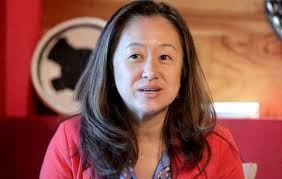
Ambassador Chung and xeroxable change

July 29th, 2022

Malinda Seneviratne

Aragalaya. Translatable as revolt, uprising, protest, agitation, struggle or even insurrection. Aragalaya is singular, but considering statements and actions it was certainly not marked by concert, ideological agreement, unity of purpose etc. Eclecticism was the signature of the rumbling. There was mumbling, nothing more, about system-change, but a revolution it certainly was not. So, aragalaya: singular; aragala: plural. The latter is the better descriptive. And perhaps it is exactly this eclectic and disjointed character that forced the agitators to dilute whatever revolutionary fervour there may have been to a project that targeted an individual and once that ouster was obtained shift focus to another individual.

Let’s elaborate if only to dismiss those who still harbour illusions about what transpired over the past three months was about system-change, revolution or a political shift of tectonic proportion.

History teaches lessons. The Russian Revolution was about land, peace and bread. It wasn’t #Czar-out. Land and peace were obtained; bread took a while. The Czar was assassinated, sure, but in a political sense it was incidental. The Czar was not replaced some Royal heir. Tsarist rule came to an end. In France, it was ‘liberty, equality and fraternity,’ and not #Louis-out.  Capitalism is anti-equality and one might argue anti-liberty and anti-fraternity, but the French ended the monarchical system. Louis was assassinated. Again, incidental. A Royal heir didn’t succeed him.

In China, the slogan of the Communist Party was ‘Serve the people,’ admittedly a different tune to those played in Russia and France. In any event the Chinese weren’t maniacally invested in  banishing Chiang Kai-shek. The target was the Kuomintang and what it represented, and the overall relations of production. Chiang Kai-shek fled. The Communists did stumble and worse in serving the people, but all things considered all Chinese received what was previously the luxury of a few.

In all three cases, like in any revolution such as what took place in Cuba and Vietnam for example, the movements were marked by a clear vision about what kind of political and economic system should replace the one being challenged and organisational cohesion which enabled implementation.

In Sri Lanka, over the past three months, it was different. In Sri Lanka, we had #gohomegota and in a smaller font size and in normal text as opposed to bold and italicised, #gohomeranil, only, the latter was made impossible along the way for Ranil Wickremsinghe’s house was torched. Talk, if any, of land, peace and bread, of liberty, equality and fraternity, got drowned in the individual-focused slogans, As for serving the people, well, the agitators weren’t short on rhetoric. Indeed, as is often the case, all of it (and we need to include, sadly, the destruction of public property, stifling of expression-freedom, arson, theft, thuggery and murder as part of the ‘all’) was done ‘in the name of the people.’ At the end of the day, it was ‘same-old, same-old.’


Enzo Traverso, I am told, put it much better in the book ‘Revolution: an intellectual history’: ‘The aim of revolt is not to put down a political regime; it is rather to change its representatives; usually their targets are individuals, not classes or institutions, nor power itself. This is why they have a limited horizon and a short duration: they can be endemic, but are always territorially circumscribed. Revolutions, on the contrary, raise hopes supported by ideologies and utopian projections; they are frequently carried out by forces that embody political projects, like the Jacobins or the Bolsheviks. They consciously wish to change the social and political order. In short, they express great, sometimes universal ambitions.’

So what was it all about then? Let us not be unforgiving. There was serious anxiety, fear and anger regarding multiple depravations. Fertile ground, then, for all manner of agent provocateurs and there were veritable legions in operation. Some on the ground, some behind the scenes, some cheering on (only to go silent after, perhaps, true objective was achieved) and some in the giddiness of it all compromising professional ethics and tripping gaily over their own contradictions. Names can be named, if necessary, for screen-shots of Twitter, Facebook and Instagram posts have been filed. Meticulously, I might add.

Regardless, there were and still are idealists who wanted more than name-change, who genuinely believed that this was a necessary first step in the long march to meaningful social transformation. Maybe they didn’t expect to play pawn, maybe they believe(d) that it was a price they may have to pay, maybe they will learn and become smart enough distinguish enemy from friend and outwit the small-minded and pernicious as well as those who saw a larger picture and preferred outcomes that they, the genuine agitators, never believed was part of this whole exercise.
US Ambassador Julie Chung’s tweets are hilarious but seriously they could feed several doctoral dissertations on international political economy. It is no secret that the US backed several vocal outfits and individuals who backed the aragalaya (and who have since been more cautious in their missives). She was jubilant when Prime Minister Mahinda Rajapaksa resigned. She’s reproached the government for evicting protestors from Galle Face, but in guarded tones.

Check the language. On the 9th of May she used the word ‘condemn’ and on the 22nd of July, merely expressed ‘concern’. Earlier it was ‘violence’ and later ‘actions.’ Perhaps all the social media  ‘activists’ (who would like people to believe they wanted real change and weren’t just being willing pawns of US interests) could do some content analysis of her tweets. She was and is, after all, the point person in Colombo for US interests and knows which individuals and which organizations were and are funded by US organizations dedicated to pushing Washington’s agenda forward around the world, for example the National Endowment for Democracy (NED).

The attacks (actions/violence) happened. No argument there. The magnitude of course, as claimed/tweeted, is debatable, but violence there was. There is of course a difference between attacking those who are engaged in peaceful protest and taking action against those violating the law. All things considered and especially comparing with the way the USA has treated peaceful protestors (outright brutality including murder, Chung would know), it could have been much worse. But here’s something for the lady to chew on: President Biden recently tweeted, ‘Call me old fashioned, but I don’t think inciting a mob that attacks a police officer is respect for the law.” You can’t be pro-insurrection and [at the same time be] pro-cop or pro-democracy or ‘pro-American.’

Inciting a mob. There were mobs among the idealists, there were arsonists, looters, murderers and paddlers of virulent ideologies that were square-in-the-middle of racism, intolerance and such. Chung knew. Chung knows. Chung didn’t tweet a sweet ‘no, no, not like that!’  

And we have Derek Grossman a senior defense analyst at the RAND Corporation (established in 1948 in California with the purpose of military planning, research, and decision development, has 1,950 employees from 50 different countries), gloating thus: ‘China’s window of opportunity to one day control Sri Lanka probably just closed.’ Is he saying ‘our window of opportunity just got opened that much more’? Would Chung nod in agreement?

Well, when CIA agents cheer a protest, the conscientious protestors should  say something to the effect of,‘we don’t need your endorsement; you are part of the problem, part of the system.’ Didn’t see any of that though.
All this is in a land called ‘bound to happen’ and that inevitability has everything to do with the key flaws of the aragalaya outlined above and the inability of those who truly wanted change to rise to the challenge of taking on and defeating the enemy within, so to speak, even as they targeted symbols and not the system they represented.

ව්‍යවස්ථාවෙන් පිට බලය පිහිටුවන්න ඕනෙ – මේක තමයි රාජ්‍ය බිඳ වැට්ටවීමේ සැලැස්ම

July 29th, 2022

Hiru News

Why has Lankan President Wickremesinghe prorogued parliament?

July 29th, 2022

By P.K.Balachandran Courtesy NewsIn.Asia

Colombo, July 29 (Counterpoint): Sri Lankan President Ranil Wickremesinghe has prorogued parliament till August 3. According to informed sources, the prorogation would enable him to reconstitute the various parliamentary committees and appoint suitable chairmen for them in the light of the new alignment of political forces in parliament after the exit of President Gotabaya Rajapaksa and Prime Minister Mahinda Rajapaksa and his own election as President.

The prorogation also enables him to formally address parliament as the new President of Sri Lanka. He would be delivering the equivalent of the  Throne Speech” in the UK parliament. The speech will have the mark of authority of the county’s President and also his view of the state of the country and its outlook for the future.     

ADVERTISEMENT

According to www.parliament.lk, the website of the parliament of Sri Lanka, prorogation is a temporary recess of parliament, which should not extend to a period of more than two months. However, such date for summoning parliament may be advanced by another Presidential Proclamation provided it is summoned for a date not less than three days from the date of such fresh proclamation.

Constitutional Provisions

During the prorogation, the Speaker continues to function and the Members retain their membership even though they do not attend parliament.  The effect of a prorogation is to suspend all current business before the House. All proceedings pending at the time are quashed except impeachments. But they can be revived at the next session.

Paragraph (4) of Article 70 of the Constitution states: All matters which having been duly brought before parliament, have not been disposed of at the time of the prorogation of parliament, may be proceeded with during the next session.”  

At the beginning of a new session, all items of business which were in the Order Paper of Parliament need to be re-listed, if it is desired to continue with them.

Committees of Parliament

In terms of the Standing Orders of Parliament No. 114, the Committee of Selection has to be appointed and therefore, all the following Committees for Special Purposes cease to function during the recess or the prorogation of Parliament and all of them have to be re-constituted at the commencement of each session of Parliament except the Committee on High Posts, Sectoral Oversight Committees and Select Committees of Parliament as per provisions of Standing Order of Parliament Nos. 124(5), 111(2)  and 109 respectively.

At the end of a prorogation, a new session begins and is ceremonially declared open by the President.  He is empowered under the Constitution to make a Statement of Government Policy in parliament at the commencement of each Session of parliament and to preside at ceremonial sittings of parliament in terms of the provisions stipulated in Paragraph (2) of Article 33 of the Constitution.

President Ranil Wickremesinghe invites all MPs to join all-party programme

July 29th, 2022

Courtesy The Daily Mirror

President Ranil Wickremesinghe has extended an invitation to all the Members of Parliament to join a National All Party programme to create economic and social stability in the country, President’s Media Division said.

In a written invitation to all the Members of Parliament, the President said the government is currently engaged in great efforts to gradually restore normalcy to the political and social unrest created with the economic crisis that the country is facing today.

Accordingly, initial plans required to implement a systematic economic reform programme are being formulated, while preliminary measures are also being undertaken for the creation of economic stability.

“It is my opinion, however, that a programme needs to be implemented with the participation of all political parties represented in Parliament, expert groups, civil society organisations and all related parties in order to successfully overcome the challenges before us,” the statement added.

” It is also the intention of the people at this moment, that their representatives in Parliament will act to find solutions to the economic and social crises in the country through a common programme.

It is the duty and responsibility of all of us. Accordingly, I propose to initiate a broad dialogue to discuss next steps, including the reintroduction of the 19th amendment to the constitution and the Parliamentary Oversight Committee System to fulfill this national responsibility, and wish to accordingly request to convey your or your party’s concurrence to me as early as possible,” the President said.

Covid: Five more deaths, 143 new cases added to total count

July 29th, 2022

Courtesy Adaderana

The Health Ministry says that 143 more people have tested positive for Covid-19 today, as the daily count of new cases continues to rise in the country.

This brings the tally of Covid-19 cases registered in the country thus far to 665,543. 

Meanwhile, the Director-General of Health Services confirmed 05 new coronavirus-related deaths for July 28, pushing the country’s death toll from the pandemic to 16,553.

No new financing to Sri Lanka until macroeconomic policy framework is ready – The World Bank 

July 29th, 2022

Courtesy Adaderana

The World Bank Group says it is deeply concerned about the dire economic situation and its impact on the people of Sri Lanka.

In a statement, the global financial institution said it is repurposing resources under existing loans in our portfolio to help alleviate severe shortages of essential items such as medicines, cooking gas, fertilizer, meals for school children and cash transfers for poor and vulnerable households.

To date, about US$160 million of these funds has been disbursed to meet urgent needs. In addition, other ongoing projects continue to support basic services, the delivery of medicine and medical supplies, school meals and tuition waivers.”

The World Bank Group said it is working closely with implementing agencies to establish robust controls and fiduciary oversight to ensure these resources reach the poorest and most vulnerable.

We will continue to monitor this closely. We are also coordinating closely with other development partners to maximize the impact of our support for the people of Sri Lanka.”

Until an adequate macroeconomic policy framework is in place, the World Bank Group says it does not plan to offer new financing to Sri Lanka. This requires deep structural reforms that focus on economic stabilization, and also on addressing the root structural causes that created this crisis to ensure that Sri Lanka’s future recovery and development is resilient and inclusive, the statement read further.

The suspect who stole the President’s official flag surrenders

July 29th, 2022

Cortesy Hiru News

The suspect who stole the President’s official flag from the Presidents House on the 9th of July and used the flag as a bed sheet has been arrested.The suspect who was arrested for stealing the President’s official flag has been identified as Udeni Kaluthanthri, a former SJB trade union leader. 

The person who posted a video on social media using the President’s official flag as a bed sheet has surrendered to the police through a lawyer this morning (29).

The suspect, Udeni Kalutantri, is a port security officer and the former president of the Samagi Jana Balaweya Port Trade Union.

The Police Media Spokesman says that he will be questioned regarding the incident and that legal action will be taken.

The flag was stolen by this suspect when he entered the Fort President’s House on the 9th.

June export earnings up 20% to US$ 1,208.2 Mn

July 29th, 2022

Courtesy Hiru News

Earnings from the merchandise exports increased by 20 % y-o-y to US$ 1,208.2 Mn in June 2022 as per the data released by the Sri Lanka Customs. This was mainly due to the increase in earnings from export of Apparel & Textiles, Rubber based products, Coconut based products, Food & Beverages and Seafood.

Major product sectors except Tea and Spices & Concentrates; Apparel & Textiles, Rubber-based products, Coconut based products, Electrical & Electronic components and Food & Beverages, Seafood and Ornamental fish.

Seafood and Ornamental fish recorded increased exports in June 2022.<br /><br />Exports of Apparel &amp; Textiles increased by 36.85% y-o-y to US$ 566.78 Mn in June 2022. <br /><br />The increase was driven by both Apparel and Textiles.

Export earnings from Rubber and Rubber Finished products have increased by 7.18% y-o-y to $&nbsp;102.36 million in June 2022, with good performance in exports of Pneumatic &amp; Retreated Rubber&nbsp;Tyres &amp; Tubes (15.2%).

On monthly analysis, export earnings of kernel products, fiber products and shell products categorized&nbsp;under the Coconut based products increased by 30.15%, 1.63% and 21.3% respectively in June 2022&nbsp;compared to June 2021.

Export earnings from Seafood increased by 130.75% to US$ 36.39 Mn in June 2022 compared to&nbsp;June 2021. The expansion was contributed mainly by higher exports of Frozen fish (89.3%), Fresh&nbsp;fish (219.18%) and Shrimps (219.25%).

US envoy and Lankan President patch up after rocky start to relations

July 28th, 2022

By P.K.Balachandran Courtesy Newsin.asia

Colombo, July 27 (newsin.asia): The US Ambassador to Sri Lanka Julie Chung and the Lankan President Ranil Wickremesinghe met here on Wednesday and pledged to cooperate for Sri Lanka’s better future”.

The relations between the two had a rocky start with Ambassador Chung’s tweets on the way Wickremesinghe handled the protesters drawing censure from Wickremesinghe at a meeting of diplomats.

When the two met, Ambassador Chung discussed advancing the existing relations between Sri Lanka and the United States through a strong approach,” according to a release from the President’s Media Division. 

The Ambassador, it added, assured that she would provide support for the future initiatives of the new government.”

In her tweet on the meeting, Chung noted that Wickremesinghe has taken office at a time when Sri Lanka stands at a crossroads.” She then went on to say that they discussed how Sri Lanka arrived at this point of economic and political crisis, and how the two countries can work together to navigate toward a brighter future for all.”

After an earlier meeting with Wickremesinghe, Ambassador Chung had tweeted saying that she expressed her grave concern” over the crackdown on the protesters. She described the military cum police action as an escalation of violence against protesters” and termed it unnecessary and deeply troubling.”

She then went on to instruct the Lankan government on its duties saying: The President & cabinet have an opportunity and an obligation to respond to the calls of Sri Lankans for a better future. This is not the time to crack down on citizens, but instead to look ahead at the immediate and tangible steps the Government can take to regain the trust of the people, restore stability, and rebuild the economy.”

At a meeting with diplomats stationed in Colombo, President Wickremesinghe reaffirmed Sri Lanka’s commitment to upholding the rights of peaceful, non-violent assembly. But he also pointed out that the protesters had not acted as per norms, which do not allow protesters to violate the sanctity of the institutions of the State such as government offices (and even private space without the consent of the owners of the private space).”

Wickremesinghe pointed out that even in the US, there are clear norms regarding protests as stated by the American Civil Liberties Union (see: https://www.aclu.org/know-your-rights/protesters-rights). The ACLU states that protesters are not permitted to block government buildings and interfere with other purposes the property was designed for.”

The ACLU instructions went on to say: Your rights are strongest in what are known as ‘traditional public forums,’ such as streets, sidewalks and parks. You also likely have the right to speak out on other public property, like plazas in front of government buildings, as long as you are not blocking access to the government building or interfering with other purposes the property was designed for.”

Wickremesinghe told the diplomats that measures had been taken to ensure that non-violent protests were allowed to proceed within the city without endangering property or lives. Facilities within Colombo, such as the Open-Air Theatre at Viharamahadevi Park, the New Town Hall, Hyde Park and Campbell Park were all being made available to non-violent protests.

The President appealed to the diplomats not to go entirely by social media reports but fact-check with concerned officials of the government before tweeting their comments.

END

මන්දිරවල ඇඟිලි සලකුණු ගුවන් තොටුපලට… කිසිවකුට රටින් යන්න බෑ… පරම්පරා ගාණකට රජයේ රස්සා නෑ.. පොලිස් වාර්තා නෑ..

July 28th, 2022

Courtesy Lankacnews

ජනාධිපති මන්දිරය ඇතුළු පරිපාලන මර්මස්ථානවල තිබී හඳුනා ගැනෙන ඇඟිලි සලකුණු ගුවන්තොටුපොළ වෙත යැවූ පසු ඒවායේ හිමිකරුවන් කිසිවකුටත් රටින් පිටව යෑමට හැකියාව නොලැබෙන බව හිටපු මහජන ආරක්ෂක ඇමැති රියර් අද්මිරාල් (විශ්‍රාමික) ආචාර්ය සරත් වීරසේකර මහතා ප්‍රකාශ කළේය.

යම් කිසි හේතුවකින් ඔවුන් වරදකරුවන් වුව හොත් පොලිස් වාර්තාවක්වත් ලබා ගැනීමට ඉඩ නොලැබෙන බව පැවසූ වීරසේකර මහතා රජයේ හෝ ආරක්ෂක අංශයේ රැකියාවකට ඔවුන්ට තබා පරම්පරාවේ කිසිවකුටත් යෑමට නොහැකි වනු ඇති බවත් පැවසීය.

හිටපු ඇමැතිවරයා මෙසේ ප්‍රකාශ කළේ විදෙස් ගමන් බලපත්‍ර සැකසීමේදී ලබා ගැනෙන ඇඟිලි සලකුණු රටින් පිටව යෑමේදී සසඳා බැලෙන ආකාරය සම්බන්ධයෙන් කරුණු පැහැදිලි කරමිනි. හදිසි නීතිය දීර්ඝ කිරීමේ විවාදයට පාර්ලිමේන්තුවේදි ඊයේ (27) එක් වෙමින් වීරසේකර මහතා මේ කරුණු පැහැදිලි කළේය.

ව්‍යවස්ථානුකූලව පත්වූ ආණ්ඩුවක් බලහත්කාරයෙන් පෙරළීම ඉතා බරපතළ වරදක් බවත් ඇතැම් දේශපාලන පක්ෂ හා මැර කණ්ඩායම් එක්ව පසුගිය දා කළේ එවැනි ක්‍රියාවක් බවත් වීරසේකර මහතා කියා සිටියේය. අතුකෝරල මන්ත්‍රීවරයාගේ ඝාතනය වෙනුවෙන් මේ වන විට සැකපිට 38 දෙනෙක් අත්අඩංගුවට ගෙන ඇති බව ද ඒ මහතා කීවේය. ජනාධිපතිවරයා එළවීම, මැරීම රාජ්‍ය විරෝධි ක්‍රියාවක් බව පැවසූ මන්ත්‍රීවරයා එවැනි අයට එරෙහිව දණ්ඩ නීති සංග්‍රහයේ 198 යටතේ මරණ දණ්ඩනය පවා දිය හැකි බව පැවසීය.

අරගලයේ මුවාවෙන් කෙරෙන ප්‍රචණ්ඩත්ව වැළැක්වීමට හදිසි නීතිය ගෙන එන බව පැවසූ වීරසේකර මහතා හදිසි නීතියට බිය විය යුත්තේ මැර දේශපාලන කණ්ඩායම් පමණක් බවත් අවධාරණය කළේය. අරගලය ප්‍රචණ්ඩත්වය කරා යෑමට නීතිඥ සංගමයත් ආරම්භයේදී උත්තේජනයක් දුන් බවත් ශ්‍රේෂ්ඨාධිකරණයට, අභියාචනාධිකරණයට, උසාවියට බලපෑම් කරමින් විනිසුරුවරුන්ටත් තර්ජනය කරන තත්ත්වයක් අද උදා වී ඇති බවත් හෙතෙම කීවේය. තමන් උසි ගන්වන කිසිවකුත් නඩු වැටෙන විට බේරාගැනීමට නොපැමිණෙන බව නොමඟ යන, ප්‍රචණ්ඩත්වයට යොමු වන තරුණයන් සිහි තබා ගත යුතු බවත් වීරසේකර මහතා පැවසීය.

හිටපු ඇමැති සරත් වීරසේකර මහතා,

1983 සිට වසර 28ක් තිස්සේ මෙරට හදිසි නීතිය ක්‍රියාත්මක වුණා. ත්‍රස්තවාදය නිසා එවැනි දෙයක් තිබුණා. රටට කිසියම් තර්ජනයක් තිබේ නම් ඒ තත්ත්වය පොලිසියට පාලනය කළ නොහැකි නම් එම තත්ත්වය පාලනය කිරීමට හමුදාව අවශ්‍ය බවට සිතෙන්නේ නම් එවැනි අවස්ථාවකදී හදිසි නීතිය ගෙන එනවා. මහජන ආරක්ෂක පනත යටතේ එම නීතිය ගේනවා. දේශපාලනඥයන් ආරක්ෂා කිරීමට නොව ජනතාව ආරක්ෂා කිරීම සඳහා මේ නීතිය ගේනවා. ජනතාවගේ දේපොළ, නිවාස, වෙළෙඳසල්, ඒ වගේම රාජ්‍ය දේපොළ ආරක්ෂා කිරීමට හදිසි නීතියක් ගේනවා. සාමාන්‍ය නීතිය අභිභවා හදිසි නීතිය ක්‍රියාත්මක වෙනවා. ඕනෑම වේලාවක මේ නීතිය යටතේ හමුදාව කැඳවිය හැකියි. අත්අඩංගුවට ගැනීමට, රඳවා තබා ගැනීමට පුළුවන්. ජනාධිපතිවරයාට හදිසි නීතිය පැනවීමට පුළුවන්. ඒ පනවා දින 14ක් තුළදී පාර්ලිමේන්තුවේ අනුමැතිය සඳහා ඉදිරිපත් කරනවා. වර්තමානයේ හදිසි නීතිය පනවන්නේ අරගලය නිසා. සාධාරණ හේතුවක් නිසා අරගලය ආරම්භ වුණා. එය වැරැද්දක් නැහැ. යහපත් අරමුණක් සාක්ෂාත් කර ගැනීමට උද්ඝෝෂණ පැවැත්වූවා. ඉන්ධන රට තුළ නැති වුණා. විදුලිය, ගෑස්, භූමිතෙල් නැති වුණා. පාසල් වසා තැබුවා. රැකියා නැති වුණා. ඒ නිසා ජනතාවගේ කෝපය සාධාරණයි. රට තුළ ප්‍රජාතන්ත්‍රවාදයක් පවතිනවා. ඒ තුළ උද්ඝෝෂණ පවත්වන්න පුළුවන්. ජනතාවගේ පැවති ඒ සාධාරණ පීඩාවට දේශපාලන මැරයන් සම්බන්ධව ප්‍රචණ්ඩත්වය කරා ගෙන ගියා. රජය පෙරළන්න එමඟින් උත්සාහ කළා. එය ඉතා වැරැදි වැඩක්. ජනාධිපති නීතිඥ වලලියද්ද මහතා ඉතා හොඳ සම්මුඛ සාකච්ඡාවක් කළා. ඕනෑම උද්ඝෝෂණයක් පැවැත්වීමට ප්‍රජාතන්ත්‍රවාදි අයිතියක් තිබෙනවා. රජයට, දේශපාලනඥයන්ට බණින්න පුළුවන්. හොරා, තක්කඩියා, ස්ත්‍රී දූෂකයා කියලා කියන්න පුළුවන්. නමුත් රජයක් පෙරළීමට ඔවුන්ට උද්ඝෝෂණ පැවැත්විය නොහැකියි. ඒ වගේම ජනාධිපතිවරයා එළවීමට, මැරීමට උද්ඝෝෂණය කරන්න බැහැ. එසේ කළොත් එය රාජ්‍ය විරෝධි කැරැල්ලක් වෙනවා. දණ්ඩ නීති සංග්‍රහයේ 198 යටතේ මරණීය දණ්ඩනය වුවත් ඊට දිය හැකියි. ඒ බව එම ජනාධිපති නීතිඥවරයා කියනවා. ව්‍යවස්ථානුකූලව පත් වූ රජයක් කැරැල්ලකින් පෙරළන එක ඉතා බරපතළ වරදක්. එවැනි දෙයක් කිරීමට තමයි පසුගිය කාලයේ දේශපාලන කණ්ඩායම් මැර කණ්ඩායම් එක්ව උත්සාහ කළේ. ජනතා පීඩනය අසහනය උපයෝගි කරගෙන මැර කණ්ඩායම්වලට පොදු දේපොළ හානි කරවීමට, ගිනි තැබීමට, සොරකම් කිරීමට, මිනී මැරීමට පුළුවන් ද. අහිසංක අතුකෝරාල මන්ත්‍රීවරයා මරා දැමූ විදිය අපි දුටුවා. එය රටටම අපහාසයක්. මේ සිද්ධියට මේ වන විට 38ක් අත්අඩංගුවේ සිටිනවා. අරගලයේ මුවාවෙන් මන්ත්‍රීවරුන්ට ගහනවා නම්, පොදු දේපොළ හානි කරනවා නම් ඒ මිලේච්ඡත්වය නැති කිරීම සඳහා හදිසි නීතිය ගෙන එනවා. එවැනි තත්ත්වයක් උදාවිය හැකි බව බුද්ධි අංශ දැනුම් දෙනවා. මේ අරගලය ප්‍රචණ්ඩත්වය කරා ගෙන යෑමට නීතිඥ සංගමයත් ආරම්භයේදී යම් කිසි උත්තේජනයක් දුන්නා. ඒ ගැන අපි කනගාටු වෙනවා.

– ස්වර්ණා විජේකෝන්, නුවන් කොඩිකාර, සන්ධ්‍යා කරුණාරත්න

පාර්ලිමේන්තුව වටලන්න සෙනග කැදවූයේ මා නොවේ.. බිමල්, ලාල් කාන්ත, හදුන්නෙත්තියි..- පැතුම් කර්නර් අපරාධ කොට්ඨාශයේදී

July 28th, 2022

Courtesy lankacnews

පසුගිය 13 වැනිදා ඔහු පාර්ලිමේන්තුව අසල පොල්දුව මංසන්ධියෙහි විරෝධතාවය ආරම්භ කළේ තමන් නොව ජනතා විමුක්ති පෙරමුණ විසින් බව සමාජ ක්‍රියාකාරී පැතුම් කර්නර් සඳහන් කරයි.

බිමල් රත්නායක, සුනිල් හඳුන්නෙත්ති, ලාල්කාන්ත එම ස්ථානයට පිරිස් ගැන කැදවූ බවත් පැවසූ ඔහු තමන් එම ස්ථානයට ගියේ එහි පැමිණි ජනතාවගේ සහයට බවද කියා සිටියේය.

එම සිදුවීමට අදාළව ප්‍රකාශයක් ලබා ගැනීමට තමන් අපරාධ කොට්ඨාසය කැඳවනු ලැබූවද ඒ සඳහා සූදානම් වීමට අවශ්‍ය වීම සහ තමන් අසනීප තත්ත්වයකින් පසු වීම මත දින කිහිපයක් ඊට ප‍්‍රමාද වූ බවද ඔහු එහිදී පැවසීය

අදාල සිදුවීම සම්බන්ධයෙන් ප්‍රකාශයක් ලබා ගැනීමට ඔහු කොළඹ අපරාධ කොට්ඨාශයට පැමිණි අවස්ථාවේ මාධ්‍ය වෙත මෙම අදහස් පල කලේය. කොළඹ අපරාධ කොට්ඨාශය විසින් ඔහු අත්අඩංගුට ගන්නා ලදී.

Activist Pathum Kerner arrested

July 28th, 2022

Courtesy The Daily Mirror

The Colombo Crimes Division (CCD) has arrested social media activist Pathum Kerner in connection with the violent incidents during a protest at Polduwa Junction near Parliament on July 13

Earlier, the Police obtained a foreign travel ban against Kerner, who allegedly led the protesters to break the barricade at the Polduwa Junction during the protest.

Colombo denies reports on Chinese ship

July 28th, 2022

Courtesy The Hindu

The arrival of the vessel, Yuan Wang 5, was highlighted by Belt & Road Initiative Sri Lanka, a Colombo-based organisation studying China’s ambitious connectivity project.  Photo: brisl.org

Reports say it will enter Hambantota in August; India says it is monitoring the ship’s progress ‘carefully’

Sri Lanka’s Defence Ministry on Thursday denied reports that a Chinese research vessel involved in space and satellite tracking would enter the Hambantota port in August this year, even as India sent a clear message” that it was monitoring the ship’s progress carefully”.

We have no confirmation of such a vessel calling at the Hambantota port,” a Defence Ministry spokesman told The Hindu in Colombo, when asked about the reports. The vessel’s arrival was highlighted by BRISL (Belt & Road Initiative Sri Lanka), a Colombo-based organisation studying China’s ambitious connectivity project.

On its website, the BRISL said Yuan Wang 5, which set sail from the Chinese port of Jiangyin on July 13, and passed by Taiwan is now in the East China Sea, and was expected to dock in Sri Lanka’s Hambantota port from August 11-17 for ‘replenishment’ while it continues to conduct Space and Satellite control and research activities in the north-western part of the Indian Ocean Region” through August and September. The visit of Yuan Wang 5 to Hambantota Port will be excellent opportunity for Sri Lanka and the regional developing nations to learn and develop their own space programmes,” the report published by the education and consulting platform” BRISL said last week. It is not a military vessel. The details of the course of the vessel are available online for anyone to see,” BRISL Director Yasiru Ranaraja told The Hindu.

When asked, the Ministry of External Affairs (MEA) confirmed it had seen the report, which had appeared in TheEconomic Times. We are aware of reports of a proposed visit by this vessel combined to the port in August. Let me just say that the government carefully monitors any development having a bearing on India’s security and economic interests and takes all necessary measures to safeguard them. I think that should be a clear message,” said MEA spokesperson Arindam Bagchi during a weekly media briefing.

According to information on a global marine tracking website (www.marinetraffic.com), the Yuang Wan 5 is currently sailing at 19.0 knots”, and headed to Hambantota, expected to arrive on August 11 at noon. It is unclear whether the Sri Lankan Defence Ministry’s statement indicates that the ship was not actually bound for Hambantota, or that India’s objections have been taken on board and the ship has been diverted. The Hindu is yet to receive a response from Sri Lanka’s Ministry of Defence to its query citing the MEA spokesman’s comment.

Stern view

India has traditionally taken a stern view of Chinese military or suspected dual-purpose vessels in the Indian ocean, and the MEA has protested such visits with Sri Lanka in the past. India’s concerns have been focused on Hambantota in particular. In 2017, Colombo leased the southern port to China Merchant Port Holdings, after Sri Lanka was unable to keep its loan repayment commitments, fanning fears over potential use of the port for military purposes.

In 2014, Sri Lanka’s decision to allow a Chinese nuclear-powered submarine Changzheng 2 in Colombo became a diplomatic flashpoint, as New Delhi expressed serious concern. Former President Gotabaya Rajapaksa, who was then Secretary to the Ministry of Defence, flew to New Delhi to meet with National Security Adviser (NSA) Ajit Doval and discuss the decision. In 2019, the Indian Navy had pushed out a Chinese Naval ship Shi Yan 1, that had come into waters close to the Andaman Islands, and in 2020, two Chinese Research vessels in the Indian Ocean near the Andaman islands had also sparked concerns similar to the current proposed visit of the satellite tracking ship.

China says massive loans did not lead to Sri Lankan crisis.

July 28th, 2022

Courtesy The Telegraph 

Chinese projects have boosted country’s economic development, and brought tangible benefits to its people: Zhao Lijian.

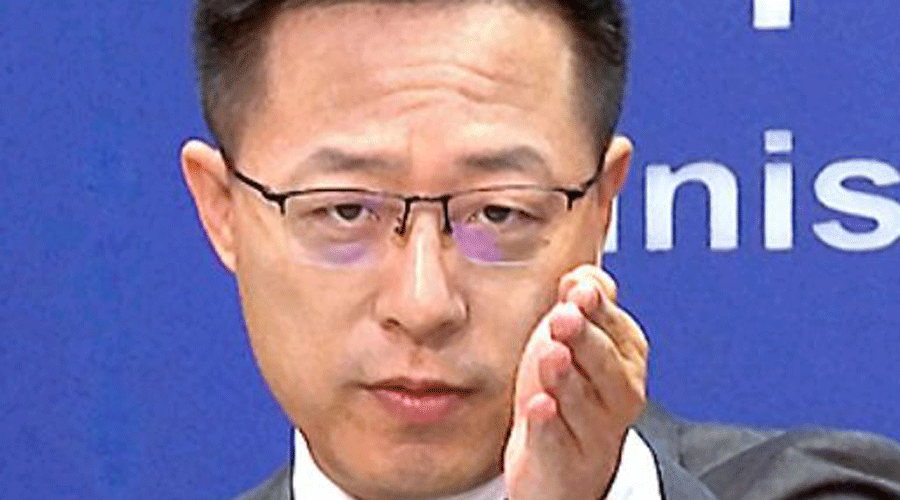
Chinese foreign ministry spokesperson Zhao Lijian.

Chinese foreign ministry spokesperson Zhao Lijian.

China on Thursday defended its massive infrastructure ventures and investments in Sri Lanka and said that they have boosted” its economic development, amid criticism from the US that Beijing’s unproductive projects and opaque loan deals were among the reasons for the country’s bankruptcy.

The China-Sri Lanka practical cooperation has always been led by Sri Lanka with scientific planning and thorough verification with no strings attached,” Chinese foreign ministry spokesman Zhao Lijian told a media briefing here.

Chinese projects have boosted Sri Lanka’s economic development, and brought tangible benefits to the Sri Lankan people,” he said while responding to a question on the criticism of China’s projects and policies towards Sri Lanka by the USAID administrator Samantha Power.

Speaking in New Delhi on Wednesday, Power said India reacted really swiftly” with an absolutely critical set of measures to help Sri Lanka tide over its economic crisis, but calls to China to provide significant relief have gone unanswered.

Power said China became one of Sri Lanka’s biggest creditors” offering often opaque loan” deals at higher interest rates than other lenders and wondered whether Beijing would restructure the debt to help the island nation.

Refuting her allegations, Zhao said, there are multiple components to Sri Lanka’sforeign debt, where China-related debts take far less share than the international capital market and multilateral development banks.”

Besides what China provides for Sri Lanka almost preferential loans with low-interest rates and long terms, which have played a positive part in improving Sri Lanka’s infrastructure and livelihood,” he said.

China’s unproductive projects in Sri Lanka, including the Hambantota port, which Beijing took over on a 99-year lease as a debt swap, have come under sharp criticism.

The unprecedented economic crisis faced by Sri Lanka has led to severe shortages of fuel, cooking gas and medicine and long lines for essential supplies, which led to massive anti-government protests.

China, which accounts for10 per cent of Sri Lanka’s debt, is reported to have resisted offering a debt cut.

Sri Lanka hopes for $4bn in China aid ‘soon’ as envoy defends ties

July 28th, 2022

Courtesy Adaderana

Sri Lanka hopes to conclude discussions with China soon” on a $4 billion aid package, the country’s ambassador to Beijing told Nikkei Asia.

Ambassador Palitha Kohona said in an email that talks were progressing. We hope that these discussions could be concluded soon, as a positive outcome would definitely assist Sri Lanka to reestablish confidence in the financial markets and recover from its unprecedented and dire financial circumstances.”

China has been a major creditor of Sri Lanka, though it remains a burning question exactly how much the latter owes the former. Since Sri Lanka plunged into a severe foreign exchange crisis this year and defaulted for the first time in May, Beijing has reportedly been reluctant to go along with debt restructuring.

But new Sri Lankan President Ranil Wickremesinghe, who was elected by parliament on July 20 after the resignation of much-criticized Gotabaya Rajapaksa, is looking to China again as he attempts to cement his grip and quell unrest.

Since early this week, police have been rounding up frontline demonstrators and leaders of the anti-government movement. A state of emergency is to remain in effect for another month after parliament approved it on Wednesday.

Persistent resentment and protests against the new government threaten to disrupt efforts to secure a long-awaited bailout from the International Monetary Fund. Wickremesinghe, in his previous role as prime minister, had expressed optimism in June that such a deal would be in place by the end of this month, but that now appears unlikely.

IMF Managing Director Kristalina Georgieva told Nikkei shortly before Wickremesinghe became president that the fund wanted to offer aid as quickly as possible and would work with any administration — as long as the next leader enjoys support and has the longevity to lead the country.”

In the meantime, Sri Lanka appears to be pinning hopes on the $4 billion aid package from China, which would include a $1.5 billion credit line and implementation of a $1.5 billion currency swap with Beijing.

Last Friday, the day after Wickremesinghe was sworn in, Chinese President Xi Jinping sent a congratulatory message and promised to provide support and assistance to the best of my ability.”

Ambassador Kohona stressed that Sri Lanka had never been unable to meet its loan repayment obligations in the past. While protesters and many observers have accused the previous Rajapaksa government of economic mismanagement, the envoy said it was only an unexpected convergence of factors including the COVID-19 pandemic that led to the default.

However, with the easing of the COVID situation and the return to constitutional governance, we hope to take our discussions with China toward positive conclusions in the near future,” he said.

Average Sri Lankans continue to deal with painful shortages of fuel, food and other essentials, as dwindling foreign reserves have left the country unable to import what it needs. The energy minister said this week that fuel imports must be restricted for the next 12 months, and that fuel would be available only through a quota system starting this month.

Kohona said he has also been holding discussions with large Chinese companies to encourage them to invest in Sri Lanka and bring in more foreign currency. His sales pitch notes that Sri Lanka’s Indian Ocean location puts it within easy air and sea access to promising markets, from Africa and the Middle East to India and Southeast Asia.

A number of Chinese companies have already made commitments to invest in Sri Lanka and we are actively discussing potential investment options with others, including in steel, renewable energy, tire production, yacht building and infrastructure development,” the ambassador said.

He also said he expects that with a return to normalcy,” investors in existing big-ticket projects like Colombo Port City and the Hambantota Port area will proceed with their intended investment plans.” The Chinese government, he said, is actively” encouraging companies to invest in Sri Lanka.

The ambassador rejected claims that Sri Lanka has fallen into a Chinese debt trap,” arguing that only around 10% of external debt is owed to China, though some observers have questioned whether that number covers everything.

Much more is owed to multilateral institutions like the World Bank and the Asian Development Bank,” he said. Similarly, a considerable amount is owed to institutional investors, mainly from the West, including Wall Street. The interest rates charged by the Chinese lenders have also been favorable.”

Suggestions that Sri Lanka’s financial situation has been caused by the debts owed to China are inaccurate and misplaced,” he said.

Kohona was also quick to deny that China had abandoned Sri Lanka while India stepped in with around $3.8 billion in financial assistance.

India, also a long-standing friend, did in fact come to Sri Lanka’s assistance very early and promptly, and we are indeed grateful to India for what it has done,” he said. But it is an unfair exaggeration to say that China deserted Sri Lanka during its time of need.” According to the ambassador, since 2021, China and Chinese banks have made available almost $1.2 billion worth of assistance in various forms.

Kohona pointed to China’s provision of a 500 million yuan ($74 million) emergency assistance package that included rice, medicines, fertilizer and fuel.

The ambassador suggested that over the longer term, exports to the lucrative Chinese market could help ensure a sustainable recovery. He said that Beijing was encouraging this as well, and that free trade talks were underway.

Not to be outdone, Indian Prime Minister Narendra Modi made it clear this week that his government also remains willing to help. India will continue to be supportive of the request of the people of Sri Lanka for stability and economic recovery, through established democratic means, institutions and constitutional frameworks,” Modi said in a congratulatory message to Wickremesinghe on Monday.

Source: Nikkei Asia

–Agencies

‘Opaque’ loans from China hurt Sri Lanka – USAID Administrator

July 28th, 2022

Courtesy Adaderana

Opaque” loans for headline-grabbing” infrastructure projects, were among the factors behind the current crisis that has engulfed Sri Lanka, said Samantha Power, Administrator, United States Agency for International Development (USAID), on Wednesday. 

Delivering a speech at the IIT-Delhi, Ms. Power praised India’s swift” action in response to the emergency in Sri Lanka and argued that India’s strength especially in the field of tackling food security threats, was nurtured over the past seven decades in partnership with the United States. 

Ms. Power cited the Upanishads and urged India to play a greater role in the world in tackling hunger and poverty, which have intensified in the backdrop of the Ukraine crisis. She made a strong pitch in favour of pluralism and tolerance” saying there are forces in the United States and India who seek to sow divisions, who seek to pitch ethnicities and religions against each other”.

Indeed, over the past two decades, China became one of Sri Lanka’s biggest creditors, offering often opaque loan deals at higher interest rates than other lenders, and financing a raft of headline-grabbing infrastructure projects with often questionable practical use for Sri Lankans,” said Ms. Power. 

China, she pointed out, has not answered calls for greater relief to Sri Lanka, and said the biggest question of all is whether Beijing will restructure debt to the same extent as other bilateral creditors”.

She said the United States extended $180 million to Sri Lanka in emergency financing in 2022 and praised India for coming to Colombo’s help, saying, The Government of India has already supplied $16 million in humanitarian aid to Sri Lanka, it has exported 100,000 tons of organic fertilizer to try to help farmers stave off future food shortages, and it has supplied $3.5 billion in Lines of Credits to the Government of Sri Lanka as it attempts to steer its economy out of default and further collapse.”

Possible partnersip

Ms. Power painted a broad canvas of possible partnership between India and the United States based upon Cold War era instances of American support to Delhi, leading up to the launch of the Green Revolution. Ms. Power said India had proved itself capable of helping the Global South” soon after attaining independence.

The American official met with External Affairs Minister S. Jaishankar and Foreign Secretary Vinay Mohan Kwatra, on Tuesday. She announced that the U.S. will invest $ 25 million in a new partnership with India for promoting agroforestry. Across these past 75 years, India has always shown itself to be a friend to the world’s poor. Now, when the stakes have rarely been higher, India stands able to be an incredibly impactful development leader. ,” said Ms. Power.

Note of caution

Ms. Power sounded a note of caution about the cascading political effect that global food insecurity can have in the coming months. Sri Lanka’s government was the first to fall. 17 countries are facing (similar) protests,” said Ms. Power.

During a brief press conference following the speech, Ms. Power said that she recognised that despite global expectations from India to help reduce food insecurity elsewhere, New Delhi will have to rise to its sovereign responsibility” to look after food security at home first. She however, said, export restrictions are not the best way to address food security issues at home, and argued agriculture surplus countries can continue food supplies despite import restrictions for addressing grave humanitarian emergencies” in different parts of the world.

In her speech, Ms. Power mentioned the role that private capital can play in ensuring food security. When asked about the farmers’ protest against private investment in agriculture, she argued that there is not enough public sector financing” in countering critical collective challenges like climate change (and its fallouts like food insecurity) and said therefore private sector has become absolutely indispensable.”

Public-private partnership has become more catalytic. Food security resilience will come from that kind of investment, different from grand financing,” said Ms. Power.

Source: The Hindu

–Agencies

Overseas travel ban imposed on 21 including Dhaniz Ali

July 28th, 2022

Courtesy Hiru News

An overseas travel ban has been imposed on 21 persons including Dhaniz Ali by the Fort Magistrate’s court

Anthony Veranga remanded

July 28th, 2022

Courtesy Hiru News

Anthony Veranga Pushpika de Silva, the convenor of the Ruhuna University Students union arrested by the police on charges of holding protests in violation of court orders and damaging public property has been remanded until 9th August.

Did the Sri Lankan Economy Collapse due to
Embezzlement by the Ruling Rajapaksa Brothers?

July 27th, 2022

Sri Lanka News

An Analysis of the Pandora Papers and the Claims of International Consortium of Investigative Journalists (ICIJ) as well as the Anonymous Hacker Group.

The Present Crisis in Sri Lanka: 2022
• Sri Lankans revolted when the Sri Lankan economy defaulted in May 2022 for the first
time leading to severe fuel shortages, power-cuts etc.
• It was entirely blamed on the President Gotabaya Rajapaksa and PM Mahinda Rajapaksa
and other Rajapaksa family members (yes, there was evident nepotism!)
• Powerful media and social media campaigns developed against the Rajapakasa brothers
and provoked people
• Robbing the nation and sending their ill-gotten money to overseas tax havens was the
main allegation against the Rajapaksas. This was pointed as the main reason for the
economic collapse.
This allegation was almost entirely based on two lines of evidence: the International
Consortium of Investigative Journalists (ICIJ) who implicated the ruling Rajapaksa family
in the Pandora papers” and the Anonymous Hacker group that released details of the
wealth of the Rajapaksas.

However, is this allegation of embezzlement to the point of country’s economic
collapse true? Or is this a regime-change to oust the nationalist Rajapaksas by the West
as some analysts claim?

LankaWeb – ‘Pivot-to-Asia’ – America Executes a Lightning Coup to Take Control of a Strategic Island in the ‘Indian-Ocean’

Let’s Analyse the Claims of the Pandora Papers: Wealth of Nirupama & Thirukumar (Kumar) Nadesan Linked to Gotabaya and Mahinda R

Full Report

https://www.lankaweb.com/news/items17/Pandora-papers-and-Anonymous-claims-on-Rajapaksas.pdf

WHAT ARE THE REFORMS NEEDED TO GET BACK SR LANKA TO THE STABILITY LEVEL? PART TWO

July 27th, 2022

BY EDWARD THEOPHILUS

Part one of this article focused on several significant points that have been developed in the country since the colonial era that are vital to understanding the background for reforms needed in the country. The working knowledge of English is essential to reduce the population of the country as a strategy to send them overseas in addition to other population control strategies. Sending people as permanent residents would use them to stay away from the country, for example, the Christian population was about 10% when independence was gained, but it has gradually decreased to less than 7% the major reason for this reduction was the Christian population has been migrated to Western countries. Using similar strategies the population of Sri Lanka could reduce by sending them overseas.

After the British invasion, the English language became the media of international communication, but English administrators limited the teaching  English medium to a few major schools in the urban area and rural schools where poor kids were learning ignored This was a critical reason for social division. If British administrators used English as the media of instruction in all schools many divisive problems would not arise.     

I can recollect when I was working in Sri Lanka before 1990, educated youth who were born in rural areas had been rejected by lower educated administrators, who insulted them because they have no English knowledge. However, administrators were not English well-educated experts, but the accusers were only able to write a few small sentences and loud-talking in English, sometimes they couldn’t write a grammatically correct sentence with ten words. I observed that my boss was correcting his letters with five sentences. The answer to the problem was to educate the English language than direct insulting educated rural youths.  This environment frustrated educated youth in regional areas and encourage the origin of a conflict between rich and poor (a social division), also supporting the hate of uneducated urban youth toward educated rural youths because they were educated in so-called big schools.

Big schools promoted playing cricket than providing subject knowledge, skills and values. In 1964, the government nationalized schools that were obtaining government assistance but churches were allowed to keep several schools under the church administration and manage them for wealthy people’s kids. The action was against Christianity and one reason to promote the conflict. Any religion must give priority to justice and if religions attempt to safeguard wealthy people it could not accept as a religion, but it is an organization that was formed by a demon. Christianity in Sri Lanka works against the policies of Jesus Christ.  

Administrators of the country knew that the environment in Sri Lanka should have been changed by various government policies, but they have not happened according to the size and available wealth in the country, Sri Lanka can provide education in English, Sinhala and Tamil in all schools in the country. Learning three languages by each student in schools is not a hard task and why government policymakers are reluctant to do it is a major question.       

Economic reforms are needed to consider the following points.

Expected changes by agitated youth are related to economic policies and since 1948 the change in economic policy stuck with the hidden influence of so-called rich people in the country. The purpose of changing economic policies is to increase the advantages of the macroeconomic factors of the country and the following points are significant. As people are fully aware the World Bank and other international Financial institutions promoted a worldwide campaign to a reduction of the budget deficit by reducing spending and promoting export earnings, they are fundamental to the economic reforms of Sri Lanka. The political system and corruption in the country have negatively impacted achieving the two major targets, increasing export earnings and reducing the budget deficit.  

  • The population of the country seems to be higher and it should reduce to 15 million including all ethnic groups with a long-term population plan. Sri Lanka had a plan to maintain a lower level of population, but the plan has not been working during the past five decades, and the policymakers did not monitor the population controlling plan. The population control plan has not been working because too much ethnic bullshit poisoned the minds of ethnic groups. The population is a macroeconomic factor that is associated with a variety of issues, politics, ethnic problems, and religions. These groups are attempting to increase their population and the reduction of the total population to 15 million within the next 15 years must be the essential economic policy action plan.  This could be done by limiting a child to a family and allowing people to go overseas and support family planning. Limiting one child to a family may be a controversial issue among human rights people and it should be fluctuated from time to time.
  • Lands should be distributed to people except for lands for large plantations and people who have no land for agriculture should be given and monitor how lands are used for production activities. In 1973, land distribution was done but it negatively impacted production in plantation areas, especially land distribution seemed it was done for political party supporters. The activities of land distribution by the Land Reform Commission negatively impacted production.  Organic fertilizer could be good for agricultural activities and it should apply without harming the production level.
  • The contribution to the national income should consist of agriculture at 30%, industries at 25%, construction at 15%, service sector at 20% and others at 10% and a very good inter-industrial plan should be developed and export development in each sector should be given priority.
  • Provision of employment should be based on qualifications and skills to achieve productivity and there should develop a practical plan to achieve productivity and should maintain it. Monitoring and remedial management should do based on monitoring results and the plan should be educated the people of the country.
  • An investment role of 70% should give to the private sector and the government should invest only in the area where the private sector cannot find capital.
  • Privatization of public enterprises needs to reduce the budget gap and give new administration to them
  • Strikes and protests should be banned and the wages and other payments of employees should be monitored after the productivity of each employee, the excess labour should be transferred to other areas, and Thee-wheels and Salon culture must be stopped transferring to production areas.
  • Foreign investments for various purposed need to attract and it might need to give tax and other support to investors.
  • Education must be based on providing vocational skills and higher education and when students complete year 12 they should be given two certificates for general and vocational education. The media of education must be in three languages, Sinhala, Tamil and English. This means each student learning three languages and it will remove language problems.  When a kid completes education at year 12 he or she must have skills to communicate in three languages with vocational skills. The review of syllabi in education should be done once in three years.  
  • Liberal policies for investment within the legal framework should be implemented and market economic policy based on a liberal environment to change the price by market forces and the government needs to subsidise   poor people
  • Sri Lanka needs to get away from the provision of education and health services free to all and about 15% of the population can offer self-fund for these services
  • The narcotic business has become a part of the economy and the inflation of the country is associated with the narcotics business. Many people in the country know or without knowing ally narcotic business and the government should take firm action to control. 

Go for Oil and Gas

July 27th, 2022

Sugath Kulattunga

It is sad to see the long never-ending queues for fuel and gas. Already the queues have claimed 25 lives. There is no light at the end of the tunnel that the supplies of gas and fuel would improve in the near future. The lost to the economy in the impact of the shortage of these commodities is immense. In addition, the opportunity cost of manpower wasted in these queues must be more than the direct cost to the economy.

It is bewildering why the smart Prime Minister, smarter Sajith or AKD nor the Aragalaya superstars have not even given a thought to an obvious and long-term solution to this opportunity of exploiting our proven resources of oil and gas. Is it that all these political vultures relish the dead economy?

For the first time, two natural gas discoveries were made in two wells out of the three wells drilled in Block M2 by Cairn in 2011. It was revealed that Norway struck oil only on the tenth well.

Sri Lanka’s Petroleum Resources Development Secretariat (PRDS) with the assistance of regional experts estimated that the Mannar basin alone could have the potential to generate over two billion barrels of oil and over nine trillion cubic feet of natural gas(9 TCF), which would be sufficient to fulfil a substantial portion of Sri Lanka’s energy needs for the next 60 years.  

https://www.news.lk/fetures/item/27867-oil-and-gas-in-sri-lanka-are-we-on-track

It took another 10 years to enact Petroleum Resources Act, No. 21 of 2021 to provide for the establishment of the petroleum development authority of sri lanka; the formulation of a national policy on upstream petroleum industry and regulation and management structure capturing the maximum economic value of domestic petroleum resources.

The present estimate of the Mannar Bay oil and gas resources is claimed at US$ 267 billion. Cabinet approved the proposal of the then Minister of Energy to invite investors to exploit the resources on a fifty/ fifty basis. He was planning to present the proposal to a forum of oil explorers on the 15th of March 2022 but before that the Minister was sacked.. This act of preventing the presentation of the present proposals to the international oil interests at this moment when oil prices at their peak is criminal.

We should offer one well to an investor for 10 years on a Build Operate and Transfer basis with a condition that we have the first call on the gas and oil at say at a discount of 10 percent. When this well iss in operation other investors could be invited on our terms.

So, the present crisis is a result of all governments from 1960 onwards for lack of a vision and inability to exploit a proven resource. While we were dilly dallying Ghana attracted investors, such as China Development Bank Corp, which lent $1 billion to Ghana for developing its natural gas infrastructure and resources. In 1990 a US dollar was 246 cedis but today a dollar is only 8 cedis. At this critical moment we should not be wasting time in calling for tenders. We should negotiate directly with China or Russia to invest in the first well.

Another failure in the determination of development priorities was on the Sapugaskanda Oil Refinery built in 1969 with a capacity of 35,000 bbl/d. This was expanded thereafter to a processing capacity of 50,000 bbl/d to meet the domestic requirement of Petroleum fuel. Singapore, which does not produce a drop of crude oil developed a refinery capacity of 1.51 million bpd by 2018. Our vision was to build a refinery capacity to meet only the domestic demand whereas Singapore went into the export of refined products.

Sapugaskanda refinery also had a facility for the production of urea.It had a capacity for an annual production of over 294,000 tons of granulated urea valued at US $ 79 million. This facility was sold to an Indian buyer and it is mentioned that there is no information in the public domain as to how much this urea plant was sold by the Sri Lankan Government to the Indian company. (https://www.ft.lk/Agriculture/The-saga-of-the-fertiliser-industry-in-Sri-Lanka/31-700789)

Sri Lanka has a golden opportunity of holding a reserve of crude oil which even USA does, using the Trincomalee oil Farm which we got for a pittance from the British. Now that Sri Lanka has a reasonable arrangement with India for the use of the Oil Farm, they could be used to hold a strategic reserve.

Sugath Kulattunga

POHOTTU AS USA’ S PROXY  Part 8a

July 27th, 2022

KAMALIKA PIERIS

Initially, there was much sympathy for JVP in villages, said Rohan Gunaratna. Many people had genuine sympathy for JVP because they too when they were young, had experienced the frustrations articulated by JVP.  The lower and lower middle class thought JVP offered a better alternative to UNP and SLFP. They had high expectations from JVP. There was also the feeling that unemployed and underprivileged youth had the right to revolt, observed Chandraprema.  

One group of commentators  saw the JVP as innocent, idealistic activists. This view was soundly crushed by others. “It was a foolish dream. This insurrection was not cruel or ruthless. It was small and beautiful. Sundara gathiyak thibba,” says Victor Ivan, alias ‘Podi Athula’.  It was nothing of the sort, replied critics. It was a well planned action against the state

Dharman    Wickremaratne said that, as a working journalist, he had associated with many JVPers. They had a broad vision, much energy and strong voices, he said.  Neville Jayaweera and S. Nadesan were also sympathetic. These commentators have only looked at the JVP student and youth base, observed analysts. JVP was not a youth rebellion at all, said Chandraprema. The youth were merely used by the JVP.

 JVP sympathizers said that the JVP movement arose primarily   due to the poverty and unemployment in the country.  It is these two factors that drove the youth to JVP. That is not so replied critics. The poor and unemployed did not run to the JVP. The JVP came after them. JVP was a shrewd, externally directed movement, which needed an obedient cadre. They got one without any difficulty.

The JVP created two groups of members. One group was kept idealistic, ignorant of the JVPs real aim. This is the group commentators drool over, remarking on their innocence and young age. For this group JVP recruited schoolboys as well.

“Wijeweera, whom we knew only as Mahaththaya, spoke a lot about cultural imperialism and advised us, students, against aping the west, said Sunanda Deshapriya. We were asked to stop going for films and parties. This was done to stop what he saw as cultural degeneration. No diversions, no romantic relationships were tolerated. He wanted us to be completely devoted to the Marxist ideals. We were also supposed to identify with the poor, move away from our comfortable middle class backgrounds and start thinking about the underprivileged,” Wijeweera was creating a cult following. When Wijeweera was discharged from prison in 1970, he was treated as a hero and garlanded.

In recruiting cadres, JVP made contact with most downtrodden and desperate    persons. These were indentified and JVP made contact with them and convinced them that they should support JVP. JVP focused on the lumpen proletariat and used them for their own purposes, said Chandraprema.

JVP knew to exploit the envy and anger of those who could not make it, those who were unemployed or in low paying jobs with no hope of advancement for their children. JVP gave them ‘the psychological factor of hope’, said Chandraprema. The notion of revolution gave the youth a zest, he added. There was also disenchantment with the traditional left, pointed out Wiswa Warnapala.  

JVP also used caste. In 1971, JVP had support from Karawa, Wahumpura and Batgam in the south. Govigama, Navandanna and Berava did not support, said analysts. Mahawatte village consisted mainly of  Batgama, Wahumpura, Durawa, Nakathi castes and most of the villagers supported JVP. Menikhinna consisted mainly of Batgam caste and was a hot bed of JVP activity.

JVP leaders however, did not come from the unemployed group or the lower classes. They came from the middle class.  They were educated and employed. This is to be expected. An uneducated group could not lead an insurgency. There were professionals among the JVP leaders. Lalith Chandrasiri was an electrical Engineer of Steel Corporation. Viraj Fernando was a mechanical engineer at Steel Corporation.

Some were in stable employment. Somawansa Amarasinghe was a technical assistant in Irrigation Department. Jude Anthony was electrical technician at St Anthony’s Consolidated. Wijepala (1971 insurgency) was an employee of Colombo Port commission. Beli sira” was a bullock cart renter at Hambantota.     One member in the   Womens division was a teacher, another was a local government employee, and a third had worked in Singapore.

The JVP Politburo of 1980 had seven University graduates or drop outs, observed Rohan Gunaratna.  The JVP top rankers also included graduates and University drop outs. J.G. Wijegunasekera was a graduate in mass communications, University Kelaniya. Upali Jayaweera had graduated from University of Kelaniya with an honors degree in economics. Saman Piyasiri has been in University of Kelaniya. Lalith Wijeratne (Aravinda) studied in the Arts Faculty at University of Peradeniya.

The JVP leadership became politicized due to various factors. Ananda Idamegama was an engineering student at Peradeniya suspended for assaulting pro UNP students.  Shantha Bandara had studied at Trinity College, Kandy and Ananda College Colombo.   He was in the Science Faculty, Peradeniya, and was secretary of Socialist Students Union.  He was suspended from the university   few months before his final exams.

JG Wijegunasekera was an active trade unionist at Coconut Cultivation Board, and Small Industries Board.  He was dismissed after the 1980 strike. Palitha Dissanayake was a school boy when he went to prison in 1971. He became a full time JVPer. One JVPer had applied for dozens of jobs, but could not get a job because of his leftist leanings.

JVP seems to have had good intelligence and knew to sniff out promising recruits. Upali Jayaweera was the son of village headman, his mother was a school teacher, his brother was an engineer and Upali was in the Medical Faculty. He went back home when University closed in 1987. He was approached   when reading at the Nuwara Eliya Public Library.

 His potential was immediately seen. Upali was appointed leader for Maskeliya, and was sent to University of Colombo for training, as Peradeniya   University representative from Medicine, together with the representatives for English, science and arts.  Rohan Gunaratne was impressed by Upali Jayaweera, and said Upali would have commanded the party, if he lived.

Those at the top of the JVP survived 1971 and 1987 and went on to become leading professionals in the country. One became a respected political theorist; another became an MP and   Minister.

Most of the 10 engineers hired for the new Housing Authority, were ex JVP members, recalled Chandra Wickremasinghe.  They turned out to be very good engineers who were very enthusiastic about their official assignments. They were all an affable and competent lot and many of them obtained their post- graduate qualifications, some even becoming academics, securing senior University positions both here and abroad.

 Juana Hennadige Premasiri from Aluthgoda,   recalled the beginnings of the 1971 JVP uprising. He was an undergraduate just completing his first year at the University of Ceylon, Peradeniya, where he was pursuing a degree in Political Science, History and Sinhala, occupying Room 13 in the Marcus Fernando Hall.

He was one of the numerous undergrads who went to the Peradeniya Botanical Gardens  and listened for five long days, to passionate and eloquent political speeches from a  the charismatic and powerful speaker ( Wijeweera) whose clothes  had  pus (mould) patches, giving an air of unwashed attire.” They were convinced that their motherland needed a new order. The seeds for the aragalaya (struggle) were sown.

At the end of the session, the youth were allocated different areas of the country, to work in. When Premasiri was assigned Badulla, he opted for Gampaha (where Athula Nimalasiri Jayasinghe alias ‘Loku Athula’ was the leader) as he had done his Advanced Level from the Batuwatte Maha Vidyalaya , Premasiri  left University, and began working in earnest for the movement.

Indrawansa de Silva was another JVP member of the 1970s. Here are his recollections of  1971. Fifty years ago, thousands of us took to arms in what we thought was the Marxist-Leninist revolution to capture power of the state overnight. That’s what our Dear Leader promised. We were made to believe that it was a well-thought out plan of action guided by field-tested Marxist theory.

Like many of my fellow comrades I was barely 17 years old when I was hooked”  in JVP terminology, to JVP .  Everything I knew about Marxism, Leninism, Stalinism, Maoism and the glorious Cuban Revolution, I learned in my late teens from the clandestine classes and political camps as well as from  propaganda material .

We had no doubt, especially in the early days, that our leader, Comrade Rohana Wijeweera, with his commanding knowledge of Marxist-Leninist Maoist ideology and an intimate knowledge of guerilla warfare fine-tuned by none other than Che Guevara, knew what he was talking about.

Our devotion to the cause and the proletariat class made us feel unique and special. I knew” I was right and anyone who questioned what we were espousing or even dared to suggest that we could be wrong was either a reactionary, a traitor or class-enemy. Branding the enemy came quite easily. Their number would be up very soon. The secrecy of every aspect of our revolution kept my adrenaline running high at all times. . I even had my blue uniform made and waited for my tetanus shot. Ready to revolt.

I, like all of us, did not smoke or drank. No relationships. Even personal hygiene such as bathing regularly, was looked down as petit bourgeois and unkempt hair was part of the trademark. (Only later did we come to know that most of these cultist taboos did not apply to our leaders.

What would Sri Lanka have been if the JVP had captured power in 1971? I am not sure about the JVP establishing a proletariat dictatorship, but I am quite sure about Wijeweera establishing a dictatorship. And because of that, like many of my fellow revolutionaries, I am glad that we did not succeed in 1971, said Indrawansa.

Had we succeeded it is more than likely that Sri Lanka would have ended up worse than Cambodia under Pol Pot. I am not being just speculative here. The JVP has shown time after time its violent and authoritarian tendencies whenever and wherever it got even a small taste of power. The JVP doesn’t have a single democratic bone in its body.

Just take some early signs. If someone with an opposing view tried to sell a newspaper or distribute a pamphlet at our rallies they were promptly beaten up and kicked out. We did not hesitate to use power of the fist when met with opposition even within the organisation. Honest and sincere questioning of ideas and theories was seen as a threat to the movement and branded as reactionary, counter-revolutionary, or petit bourgeois tendencies.

I left the JVP in 1971 on principle, like many others, but we were always under its radar. In 1977, I was the President of the Students’ Council of Vidyodaya Campus and of the Inter-University Students’ Federation when Wijeweera was released from prison and held his first rally at the Hyde Park. He openly threatened me as we were a major challenge to the JVP on university campuses. The winds of terror were such that I left the country in the mid-1980s. There is not an iota of doubt in my mind that I would have been killed by the JVP, had I stayed.

It is quite clear that we believed in violence from the outset, said Indrawansa.. I was busy enlarging the maps of Colombo district, marking bridges to be blown up so we could immobilize the army. Pinpointing where the counter revolutionaries, reactionaries and traitors reside so we could take care” of them when we gained power.

Our writings, classes, publications, posters and public speeches were very open about our belief in violence. Destruction must precede construction, whether it is imperialism, capitalism, feudalism or the State machinery. And if we were to kill en masse to reach our goal so be it. We didn’t shy away from saying how brutal we could be. One of our posters read: The liberation of the masses won’t come until the last capitalist is hanged from the last imperialist’s bowels, concluded Indrawansa.

රජවක රක්ෂිතය කොල්ල කයි..

July 27th, 2022

කීර්ති හේවාගොඩ

බලංගොඩ ප්‍රදේශයේ කූරගල පර්වතය ට බද්ධව පිහිටා ඇති රජවක වන රක්ෂිතය ජෛව විවිධත්වයෙන් පොහොසත්  සහ ජල පෝෂක වටිනාකමින් යුත් වන භූමියකි.  වර්ග කිලෝමීටර 26.33 ක වපරිසරයක ආවරණය කරන මේ රජවක වනාන්තරය සමනල වැව ජලාශයේ ප්‍රධාන ජල පෝෂකය ලෙස හදුනාගෙන තිබේ.

රජවක වනාන්තරයේ අතිශය වැදගත් කම නිසාම අංක 1577/5 දරණ ගැසට් පත්‍රය මගින් වර්ෂ 2008 නොවැම්බර් 25 වන දින රක්ෂිත වනාන්තරයක් ( reserved forest) ලෙස ප්‍රකාශය ට පත් කෙරිණ. 

එහෙත් පසුගිය කාලයේ රජවක වනාන්තරය ට කණ කොකා හැඩීමට පටන් ගත්තේ රජවකට අනුරූපව ඇති,කූරගල පර්වතය ආශ්‍රිතව  ඉදිකිරීම් සමූහයක ට   මුල පිරීමක් සමගය. 

පෞරාණික බෞද්ධ විහාරස්ථානයක් වන කුරගල සංවර්ධනය කිරීමට අදාල පිරිස් විසින් රජවක රක්ෂිතය සහ ප්‍රේරක කලාපය ඇතුලු පුරා විද්‍යා රක්ෂිතයේ භූමිය ඩෝසර් කිරීම්, මාර්ග තැනීම් , ගල් පර්වත විදීම් සහ මහා පරිමාණයෙන් කොන්ක්‍රීට් ඇතිරීම් කිරීම මගින් භෞතික පාරිසරික වෙනස් කම් කරන ලදි.  

ඉන්පසු ඉතා සංවිධානාත්මක ලෙස  මෙම 2022 වසරේ මැයි 4 දින අංක 2278/04 ගැසට් පත්‍රය මගින් රජවක රක්ෂිතයෙන් හෙක්ටයාර 27.3684 ක් රක්ෂිත භාවයෙන් නිදහස් කරගෙන ඇති අතර , මෙලෙස රජවකින් කඩා ගත් හෙක්ටයාර 27.3684 කොටස හා වෙනත් ඉඩම් සමග හෙක්ටයාර 53.7583 ක් මායිම් කොට,  මෙම 2022 ජුනි 8 වන දින අංක 2283/29 ගැසට් පත්‍රයෙන් “කූරගල රජමහා විහාරස්ථාන පූජා භූමිය ” ලෙස  පවරා දී තිබේ. එමෙන්ම එය “නාගරික සංවර්ධන භූමියක් ” ලෙස නම් කොට තිබේ.

උක්ත කොන්ක්‍රීට් ඉදිකිරීම් සහ රක්ෂිතය කඩා ගැනීමේදී පිලිගත් පාරිසරික ආඥා පනත් අනුව කල යුතු පාරිසරික සාක්‍යතා අධ්‍යනයන් සිදු කරන ලද්දේද ? ඒ යටතේ පාරිසරික සාක්‍යතා වාර්තා ( EIA ) අනුමත කොට ඇත්ද ?

ජාතික පාරිසරික පනතට අනුකූලව වර්ෂ 1993 ජුනි 24 දාතම  අංක 772/22 දරණ ගැසට් ප්‍රකාශය අනුව හෙක්ටයාර 1 කට වැඩි වනාන්තර ඉඩමක් හෙලි පෙහෙලි කොට වනාන්තර ආශ්‍රිත නොවන ඉදිකිරීම්   කිරීමට කලින් පාරිසරික ඇගයීම් ක්‍රියාවලියක් කොට ලිඛිත අනුමැතිය ලබා ගත යුත්තකි.

දෙවනුව , පුරා වස්තු ආඥා පනතේ වර්ෂ 2000 දී ගැසට් අංක 1152/14 ප්රකාශයට (සංශෝධන ) අනුව  හෙක්ටයාර 2 කට වැඩී වපරිසරයක් එලි කිරීමට පෙර පුරා විද්‍යා හානි ඇගයීමක් කල යුතුය.  

උප කදුකර වනාන්තර ( sub montane forests)  සහ හුදකලා ගල් කුලු  ආශ්‍රිතව සුවිශේෂී පාරිසරික පද්ධති සහ සතුන්ගේ ක්ෂුද්‍ර වාසස්ථාන (micro habitats) ඇති රජවක වැනි වනාන්තරයක් කැබලි කර දීම කෙතරම් අපරාධයක් ද?  උක්ත ඉදිකිරීම් නිසා සහ පූජා භූමියෙන් රක්ෂිත වපරිසරය ට එල්ලවන අධික විදුලි ආලෝකය  නිසා වන ආලෝක දූෂණය, ශබ්ද  දුෂණය සහ රක්ෂිතය ට වන කැලි කසල ආදී අපද්‍රව්‍ය  බැහැර කිරීම විශාල ගැටලුවකි. මෙලෙසම හෙට දිනයේදී සප්ත කන්‍යා කදු සහ මරගල කන්ද ආදී සුවිශේෂී කදුකර වනාන්තර තුලත්  ආගම ආවරණය කොට ගෙන මහා පරිමාණ වනාන්තර කැබලී කිරීම් සහ වන හායනයට ලක්  කිරීමට ගිය හොත් කුමක් වනු ඇත්ද?

මේ සමග අමුණා ඇති ලේඛන සහ ඡායාරූප අනුව දත්ත අධ්‍යනය කල හැකි වේ. වර්ෂ 2021 මාර්තු මස අදාල භූමියේ චන්ද්‍රිකා ඡායාරූපය සහ එහිම මෙම 2022 ජුලි මස තත්ත්වය පැහැදිලිව දැක ගත හැකි අතර අනෙක් සිතියමේ  කූරගල පුජා භූමියට පවරා දී ඇති මුලු වපරිසරය දම් පැහැයෙන්  දැක්වේ.

ආගමික, දේශපාලනික, ව්යාපාරික, මිලිටරි  මැදිහත් වීමෙන් සහ   බලය අවභාවිත කරමින්  මහජනතාවගේ පාරිසරික උරුමය සහ පාරිසරික සුරක්ෂිතභාවය කොල්ල කෑමට ලක්වේ නම් එය අපරාධයකි. ශිෂ්ඨ සමාජයක සම්මුතීන් වලට එරෙහිව යාමකි.  

මාගේ දැනුම සහ නිරීක්ෂණ අනුව මේ ලේඛනය නෛතිකව, සදාචාරාත්මකව සහ විද්‍යාත්මකව   අනුකූලව,  පරිසර ක්රියාකාරීයෙකු ලෙස සහ ශ්‍රී ලංකාවේ පුරවැසියෙකු ලෙස මාගේ සිවිල්  වගකීම (  civil responsibility) යටතේ රටේ මහජනතාව, පරිසරවේදීන්, රාජ්‍ය ආයතන,  ජාතික සහ ජාත්‍යන්තර ජන මාධ්‍ය සහ සංවිධාන  වෙත  දන්වා සිටිමි.

කීර්ති හේවාගොඩ

26 ජුලි 2022

POHOTTU AS USA’ S PROXY Pt 7F5

July 27th, 2022

KAMALIKA PIERIS

University of Peradeniya was the one of the main centers of JVP activity,  in the 1987 insurgency. It was the epi-center of JVP activity in 1989. Some members of University minor staff and University security were in the JVP military wing. Instructions for prison attack and central command attack in Kandy were issued from Hilda Obeyesekera Hall, Peradeniya.

Universities were paralyzed in the period 1987-1989. JVP dominated the university through the Inter University Students Federation (IUSF).  It was well known that these University campaigns were carried out by IUSF and the Deshapremi Sishya Viyapraya, said analysts.    

 The JVP members who were active in the University included final year students and university staff.  There was also a group of third-liners,  who were clearly followers not leaders.

University agitation started in March 1987. Students would walk in unannounced to the VC office and made demands with impunity. Staff were threatened not to report to work. University staff was held hostage.

University teachers were compelled to march the streets of Peradeniya, recalled Channa Ratnatunga. Doctors, nurses and professors were marched to the Peradeniya Bridge, buses were stopped, passengers also made to join, and walk in front of us. The guy with a gun who was handling the event was the lift operator in a hospital nearby.

JVP made undergrads demonstrate and protest at the slightest thing. Students were made to go in procession; they hung flags, put up posters, distributed leaflets, sprayed and wrote on buses.

In the 1987 insurgency, Peradeniya was the hot bed, and several JVP leaders came from the Medical Faculty. Several final year students in the Medical Faculty at Peradeniya were   JVP. Well dressed males with executive bags were      seen coming to the canteen in the Medical Faculty. The five lectures were being delivered.

Of a batch of 150 medical students only about 2/3 sat the finals, rest were missing, said Dr Channa Ratnatunge of the Department of surgery. Medical student Podibanda was from Dambulla Maha Vidyalaya .There was no teacher for physics or chemistry there. So he bought books and studied on his own. He got high marks at A levels and entered    Peradeniya medical faculty. He joined the JVP and was killed.

these JVP medical students would make subtle threats if we did not comply with their requests, which we didn’t, recalled .Channa. They demanded that Channa attend a JVP meeting. when he refused, he was reminded of what happened to Stanley Wijesundera, VC at Colombo, who was shot dead. Channa had got death threats because he had given priority to the Registrar of the Medical Faculty when he was in the surgery queue.

JVP medical students did not attend classes but quietly got JVP members admitted to wards in the hospital. These patients came with infected wounds, one with gangrene of the limb.  The rest of the patients had to face delay when the JVP patients arrived at the hospital.

JVP used to roam about the Faculty of Medicine and enter the wards in the hospital. In1989 a gun toting JVP walked into the ward, recalled Channa and wanted an ambulance to bring an injured to hospital. the Director of the hospital said no, ambulance was for armed services only. He left after threatening them.

Dr.  Sarath Edirisinghe, who taught at the Medical Faculty, Peradeniya, spoke of his encounters with the JVP in the University in the Bheeshanaya period. One day a group of medical students who were JVP informed us lecturers that they were going to have a meeting in Physiology Theater and all the staff must attend. We all trooped in there, a medical student activist spoke, and scolded us for not being receptive to the vast changes taking place. We must respond to the youth uprising. They said, among other things, that they had to     right to stop and check any vehicle passing Wijewardana. We were not allowed to voice our views, said Sarath.

On one occasion Sarath watched the captive medical staff of Peradeniya Teaching Hospital, carrying placards against the IPKF, herded along toward Peradeniya road junction. A consultant had told him later that they had been taken to Peradeniya Bo tree bus stop, given paste and told to paste posters on the buses that stopped there.

Once there was a huge commotion at the turn off to Wijewardana Hall. There was a huge crowd and much chaos. Sarath saw a man tied to a tree. Someone started beating him.  He was later taken away.  We heard later that he was the driver of a passing vehicle owned by a UNP MP. He was found murdered in a nearby quarry.

The Meewatura University house complex, where Sarath lived, had been visited by JVP and identity cards confiscated. Electric transformers in the area had been bombed or vandalized. On dark days” the residents did not switch on the lights. Sarath was pulled up for putting on lights when all round it was dark.  These JVP were definitely University students, said Sarath.  

JVP said they were going to send him a set of instructions to be conveyed to the rest of the houses. Sarath had said how to read instructions when there are no lights. He was told that around 3 am, instructions would be pushed through the door and to comply. Use torch to read it. However, since they had a baby, he was told to have a 15 or 25 watt bulb in a back room.

The document arrived. They were told to display a large placard saying that IPKF must leave Sri Lanka, also hang a black flag. Their activities would-be closely watched throughout the day. At dawn Sarath saw a row of University houses with black flags. Some had torn umbrellas to get the black cloth.

Then the army came. Sarath and others were warned in time, they pulled the black flags down. An army jeep came, with two rows of unsmiling soldiers scrutinizing the houses, When the army left the academics put back the placard and flag. Throughout the day, there were young men on motorcycles checking our houses.

Then JVP bombed the Water Purification plant, nearby, which meant no water for the houses.  The Vice Chancellor appealed to JVP by poster   to get the plant working. JVP complied.    The    ‘Reply’ poster came, saying plant will be repaired and water will be issued for two hours a   day.

One day, Sarath found that there was no one in the Medical Faculty and he went along to the Dean’s room, where he found Dean and the Senior Assistant Registrar, Miss Jayasuriya. While he was there, the door opened with a bang and a well dressed, bearded young man came in and wanted to know why the Faculty was open, it was a hartal day. Miss Jayasuriya had shouted back and said the man had no business entering the Dean’s office and ordered him to leave immediately. The man said something threatening but left the office. The man was a technical officer in the Medical Faculty, said Miss Jayasuriya.

After several murders had taken place at Peradeniya campus, a dozen senior academics, from the Medical Faculty, led by Prof Ralph Panabokke had gone to see Vice Chancellor Arjuna Aluwihare, by appointment. There were three student activists there, recalled Sarath. We were introduced to the students.

 Prof. Panabokke said his say which was translated to the students, who said very eloquently in Sinhala that there was a liberation movement taking place and we should recognize the fact and as academics we should extend our support. Panabokke said that murders by University students should be stopped.  The students looked agitated, they had a short discussion among themselves and the leader blurted out that they had no control over these activities.

Sarath and his family then went to Nugegoda, where again they met the JVP.  Sarath’s wife, Jayanthi visited an uncle who was a retired army man. when she knocked on the door,     a young man holding a gun pulled her into the house. Jayanthi, who was a lecturer in the University, guessed that these were probably University students.  She shouted at the gang telling them she was a University don. She asked them to leave the house immediately. They had a whispered conversation and left, warning her not to leave for one hour and not to get the police. They had cut the telephone wires beforehand. They had vanished into thin air, there was no sound of a motor cycle.

Sarath and his family   returned to Peradeniya . A Senior Assistant Registrar had been killed near Senate House. In retaliation, around ten youths  were killed and  their severed heads placed round the Alwis pond. ‘One can imagine how brutal the government backed counter terrorist activities were at the time,’ said Sarath.

Towards the end, there was fear, panic and danger everywhere. Militant students patrolled the area on wheels and on foot. They were checking vehicles. They expected a showdown with the government and counter preparation were being readied by them.

The showdown came soon after. In the biting pre-dawn, Sarath and other academics  living in Meewatura heard  students in Hilda Obeyesekera Hall, ( then a male student hall) calling out  names of lecturers and begging those lecturers to come  and rescue them as they were surrounded by the army.

Instead of running to the rescue, the lecturers in the Meewatura houses were all in their back gardens watching. We did not see any army activity until a helicopter came by. The cries of students rounded up by the armed forces could be heard, then there was silence, said Sarath.

Helicopters kept swooping down on  the Halls of residence till mid day. There was also bus after bus transporting students out of the campus. As they went past Meewatura to Gampola  villagers hooted, some shouted don’t come back.” The Bheeshanaya was blamed on University students and  the  surrounding villages were relieved to see the student evicted from campus. The  Campus was closed,  concluded Sarath.

Wiswa was  teaching political science  at University of  Peradeniya , during the Bheeshanaya  period. The    violence inside the University  particularly University of   Peradeniya   was such that the University could not control it,  said Wiswa. No one was safe inside the campus. The Inter University  Student  Federation  formed Action Committees and  these committees were behind the violence.

The frightened University authorities gave recognition to the Action Committee, in order to avoid open confrontation and prevent destruction of life and property. The Action Committee   turned itself into a parallel administration  making use of the University administration and issuing orders to University officials.  There was  sporadic stoppage and boycott of lectures. No Department could function steadily. Academic programmes came  to a standstill, said Wiswa. ‘Palamuwa mawbima devenuva upadhiya’ said the slogan.    

Wiswa observed that the  JVP leaders in the University  came  not from Arts faculty, but from science, engineering and medicine. This was  strange  because they  were sure of getting jobs and rising in life,  but these   students, unlike in the past, came from different social backgrounds. The undergrad community of the 80s was entirely different to that of the 50s, they were more militant and aggressive.  Wiswa was a strong critic of the JVP. He got a threat on his life.

Violence, threats and killings were the order of the day inside  Peradeniya  campus. Nobody  was safe inside. Any trivial matter was enough for the students to indulge in violence and they were armed with lethal weapons, said Wiswa.

A Senior Assistant Registrar was shot at the entrance to Senate House at 12 noon by a JVP who came on a push bike. Victim died leaning on a car. Over one hundred staff and students saw  the killing take place in the early afternoon. Gunman escaped in a push cycle warning the audience in the Senate  building not to come out or use phone. No one dared to stop them. Culprit escaped and no attempt was made to apprehend him.

On another occasion, there were ten bodies in front of the arts theatre.   it was rumored that this was done by the state, which shot them one by one as a message to the JVP. this murderous act  was a part of the reprisals of the state. Those responsible for this terrible event blocked the roads so they could commit the crime with impunity . This act devastated the academic community, said Wiswa.

One activity of these students was to watch the comings and goings of the academics. When Wiswa’s brother in law, a Brigadier in the army  visited Wiswa,  the JVP ‘had the audacity  to come and question me as to why there was an army visit,’  said Wiswa.  When  B.S. Wijeweera, one of his post graduate students had visited Wiswa at home, JVP  thought that Rohana Wijeweera had visited .

Osmund Jayaratne, a lecturer in Physics said in his autobiography, that he was informed, after he left Peradeniya that the academics living in Mahakanda had put up a notice saying ‘Osmund Jayaratne no longer lives in this housing scheme’.  

Is Ranil Wickramasinghe the Right Leader at the Wrong Time?

July 27th, 2022

Prof. Hudson McLean

During the Collapse of the Circus, the Clown or the Joker becomes the King!  

BUT – Sri Lanka Has Talent! —-  Read Below!

President Wickremesinghe in a light tone asked some of the diplomats if protestors could illegally occupy the President’s Office in their respective countries”

This is proof that Ranil Wickremasinghe is No Leader!  

As the Prime Minister of Sri Lanka, appointed by ex-President Gotabaya Rajapakse, when no other Law Maker wanted to take the offer of PM, Ranil Wickremasinghe, a PM with experience, accepted and did let the protestors run riot, looting & setting fire to Government property.  He did not even try!

Now Wickremasinghe asks a Diplomat his/her opinion of the protestors or rioters taking over the official buildings. 

This demonstrated that Ranil Wickremasinghe is No Leader!

Now that the “Horse has fled the Stable”, Sri Lanka needs a young dynamic Leader with Honesty, Innovation, who is able to create a Team to Resuscitate the Sri Lanka economy.

Whilst China & India are willing and able to offer Emergency Aid to stop the bleeding, Make the Next Move!

The President should harness the intelligence of the Top Business community, as published below.

https://www.toptwenty.live/2020/09/top-20-richest-people-in-sri-lanka.html

Many of the above have developed their successful acumen through hard work, intelligence, innovation, and connections, which should be harnessed to move the country forward.

Here are 10 Sri Lankans domiciled abroad, who may offer advice and support to the ailing government. 

Get the Sri Lankan Diplomats abroad to earn their keep!

Currently, there are No Sri Lankan politicians, who are Able to Lead the Island out of the conundrum due to their past reputation of Dishonesty, Lethargy, Professional Capability, and Lack of Credibility.

Sri Lanka now should turn the table and bring in New Young Sri Lankan Blood!Express Your Opinion – Read What Others Say!
The Independent Interactive Voice of Sri Lanka on the Internet.

Please visit -: http://www.lankaweb.com/

තලෙයිබාන්වරු ලෙසත් ,ලිබියාවෙි බෙංගාසි කැරළිකරුවන් ලෙසත් ලාංකීය ඊනියා “අරගලකරුවන්” හඳුනා ගනිමු. 

July 27th, 2022

Lanka Lead News

ලෝක සිතියමෙි ලිබියානු රට පිහිටා ඇත්තේ අප්‍රිකානු මහද්වීපයේ වන අතර ඉතාම දිළිඳු රටක් ලෙසින් 1969 ට පෙර පැවත ඇත.ඇමරිකා එක්සත් ජනපදය ප්‍රමුඛ බටහිර රටවල්වලට යටත් රූකඩ ආණ්ඩුවක් එහි පැවතිනි.රාජාණ්ඩුවක්ව පැවති ලිබියාවෙි පාලකයා ලෙස කටයුතු කලේ ඉන්ද්‍රිස් නැමති නායකයාය.රට තුල පැවති ඇතැමි ඛනිජ සමිපත් බ්‍රිතාන්‍යන් ඇතුළු බටහිර තමන්ට රිසි සේ සූරා කමින් පැවතුණි .

නන්නත්තාරව පැවති ලිබියාවෙි පාලන බලය 1969 වසරේදී හමුදාවෙි කර්නල්වරයෙකු වූ මුවම්මර් ගඩාපි විසින් අත්පත් කර ගන්නා ලදී.

70 දශකයේ ඔහු විසින් ලිබියානු පාලන තන්ත්‍රය කෙසේ විය යුතුදැයි න්‍යායික ලිඛිත පැහැදිලි කිරීමක් තම හරිත කෘතිය නැමති වැඩපිළිවෙළින් රට හමුවෙි තබන්නට විය.එම කෘතිය ලිබියානු ජනතාවගේ ඉමහත් ආකර්ශනයක් දිනාගත් අතර ඇතැමි ලිබියානුවන් මෙම කෘතිය හැඳින් වූයේ මාඔිසේතුංගේ රතුපොතට සමාන කරමිනි .තවත් පිරිසක් මෙම කෘතිය හඳුන්වනු ලැබුවෙි කුරානයට සම කරය.

1969 සිට 2011 දක්වා ගඩාපි උග්‍ර අධිරාජ්‍ය විරෝධියෙකු ලෙස තම රට තුලත් බාහිර ලෝකය තුලත් සාඩමිබරනීය අනන්‍යතාවයක් තහවරු කර ගන්නා ලදී .

බටහිර විසින් සූරාකමින් තිබූ ලිබියානු සමිපත් වහ ජනසතු කරන ලද අතර එතැන් පටන් ඔහු අප්‍රිකානු මහද්වීපයේ දළිඳුම රාජ්‍ය වූ ලිබියාව දියුණුම හා ප්‍රබලම රාජ්‍යක් බවට පත් කරන ලදී.අකුරු සාක්ෂරතාවය සියයට අනූවටත් එහා ප්‍රතිශතයකට ගෙන ආ ලිබියානු නායකයා අධ්‍යාපන, සෞඛ්‍ය, ජලය ,විදුලිය ඇතුළු ප්‍රබල පහසුකමි ජයග්‍රහණ රටෙි ජනතාවට ලබා දීමට කටයුතු කලේය.
රට අභ්‍යන්තරයේ ඛනිජ සමිපත් රටෙි වෙිගවත් දියුණුවකට යොදා ගන්නා ලදී.

අධ්‍යාපනය,සෞඛ්‍ය පහසුකමි විදුලිය ගෑස් නොමිලේ ලබා දුන් අතර විවාහවන තරුණ විවාහකයින් වෙත මාගේ මතකය නිවරදිනමි,ඩොලර් පනස්දහසක් ආණ්ඩුව තෑග්ගක් ලෙස ලබා දෙමින් නිවසක් සහිත පහසුකමි ද රජයෙන් ලබා දී ඇත.සරල දිවි පෙවෙතකට හුරු වී සිටී ලිබියානු ජනතාව තුල මුදල් සංසරණය ද දියුණු තැනක තිබූ බව සඳහන්ය.

අප්‍රිකානු මහද්වීපයේ රටවල් එක්කොට බලවත් කලාපයක් නිර්මාණය කිරීමට නායකත්වය ගෙන කටයුතු කල ලිබියානු නායකයාට දිගින් දිගටම දැඩි සේ වෛර කරමින් සිටියේ ඇමරිකා එක්සත් ජනපදය ප්‍රමුඛ බටහිර රටවල්ය.ඒ ඔවුන්ට රිසි සේ ලිබියානු ඛනිජ සමිපත් ඇතුළු වෙනත් දේ සූරා කෑමට තිබූ අවස්ථා අහිමි කර තිබීම හේතුවෙනි .

ඇමරිකා එක්සත් ජනපදය ප්‍රමුඛ බටහිර රටවල් නිහඬව නොසිට කුමන්ත්‍රණ පොකුරක් දියත් කලේය.
වත්මනෙහි ලංකාවෙි ක්‍රියාත්මක වන ඊනියා අරගල කරුවන් පිරිසකට සමාන පිරිසක් කවා පොවා අන්ඳවා හදාවඩා ගනිමින් ලිබියානු ජනතාවට ප්‍රජාතන්ත්‍රවාදය ලබා දීමට යැයි වහසි බස් දොඩා අවස්ථාවක් විවර වූ විගසම කුමන්ත්‍රණය රටට ඇතුල් කිරීමට කටයුතු කලේය.අප්‍රිකානු මහද්වීපයෙන් හඹා අරාබි රටවල්ද යට කරමින් පැමිණි අරාබි වසන්තය හරහා ලිබියානු විශ්ව විද්‍යාල සිසුන් පිරිසක් (හරියටම ලංකාවෙි අන්තර් විශ්ව විද්‍යාල ශිෂ්‍ය බල මණ්ඩලයට සමාන)
බෙංගාසි නගරය පාදක කරගනිමින් කැරැල්ල ආරමිභ කලේය.
ගඩාෆිට එය පාලනය කරගත නොහැකි වූයේ ඇමරිකාව ප්‍රමුඛ නේටෝව ලිබියානු කැරැළි කරුවන් යොදා ගනිමින් ගුවනින් හා සතර දෙසින් ප්‍රහාර එල්ල කොට මුළු ලිබියාවම වනසා සමූල ඝාතනයක් කරමින් අවසානයේදී දියුණුම රාජ්‍යක් දක්වා වර්ධනය කරන ලද ලිබියානු නායක ගඩාෆි පණ පිටින් අල්ලා ලෝකයටම පෙනෙන සේ දසවද දී ඇමරිකාව ප්‍රමුඛ නේටෝවෙි අනුග්‍රහය සහිතව ලිබියානු කැරළිකරුවන් අතින්ම ඝාතනය කර ලිබියානු ශක්තිමත් දියුණු රාජ්‍ය බිඳ වැටිටුවෙිය.

ලිබියානුවන්ට තිබුණු රාජ්‍යත් පෙන්වන ලද රාජ්‍යත් දෙකම අහිමිව අදවන විට යළිත් අප්‍රිකානු මහද්වීපයේ හා අනෙකුත් මැදපෙරදිග රටවල්වල ඉතා දිළිඳුම කැබලිවලට කැඩුණු අරාජික රටක් බවට පත් කර සියළු ලිබියානු සමිපත් ඉතා තදබල ලෙස ඇමරිකා එක්සත් ජනපදය ප්‍රමුඛ බටහිර රටවල් සූරාකමින් තිබෙි.දැන් ලිබියානු ජනතාව ශාප කරමින් සිටින්නේ ලිබියානු කැරැළි කරුවන්ටය.කැරැළි කරුවන් ද තමන්ටම ශාප කරගනිමින් සිටින්නේ ඇමරිකා එක්සත් ජනපදය ප්‍රමුඛ බටහිර රටවල්වලට ගොදුරු වී දියුණුම තම රාජ්‍ය විනාශ කිරීම පිළිබඳවවය.

2011 දී ලිබියානු රට විනාශ කිරීමෙන් පසු මෙි තාක් රටට ආණ්ඩුවක් පාලකයෙක් නැත.රට හැම තැනම මංකොල්ල කෑමි මිනී මැරුමි ස්ත්‍රී දූෂණ බහුලව සිදුවෙයි.රටෙි එක් එක් කොටස් පාලනය කරනු ලබන්නේ පාතාල නායකයින් රස්තියාදුකාරයින් මංකොල්ල කාරයින්ය.ගඩාපි ජනතාවට දුන් කිසිදූම පහසුකමක් හෝ සහනයක් දැන් ලැබෙන්නේ නැත.දිනපතා ජනතාව නීති විරෝධීව රට හැරදා බෝටිටු පාවිචිචි කර පලා යති.එයිනුත් විශාල ප්‍රමාණයක් සාගරය මැදදී ජීවිතක්ෂයට පත් වෙි.

ලංකාව දෙස හැරී බලමු.

ලංකාව දියුණු රාජ්‍යක් නොවෙතත් ඇමරිකා එක්සත් ජනපදය ප්‍රමුඛ බටහිර රටවල්වලට භූ ගෝලීය වශයෙන් ලෝක යුධමය තත්වයකදී අත්‍යාවශ්‍යම රටක් බවට පත්ව ඇත.ඔවුන්ට අවශ්‍ය භූ අභ්‍යන්තරයේ හා මතු පිට සමිපත් ඇත.
ඉහත කී රටවල් මෙන්ම ඉන්දියාවද අපට කෙදිනකවත් නැගිටින්නට දෙන්නේ නැත.

ඇමරිකන් තානාපතිනියගේ මෙහෙයවීම යටතේ අරගලයට මුවා වී ඔවුන්ට අවනත බලවෙිග සියල්ලම මෙි කරමින් සිටින්නේ ලිබියානු පන්නයේ විනාශයක් කිරීමටය.අරගල භූමිය වසා සිටින සියළු බලමුළු ඇමරිකා එක්සත් ජනපදය ප්‍රමුඛ බටහිර රටවල්වල ඩොලර් මත යැපෙමින් ලක් මාතාව වරක් නොව සිය දහස් වාර ගණනින් දූෂණය කර මරා දැමීමට ඉතා සහසික ලෙසින් සූදානමින් ක්‍රියා කාරී වී ඇත.පාර්ලිමෙින්තු ව තුල සිටත් ඉන් පරිබාහිර පුද්ගලයින් ලෙසත් බලවෙිග ලෙසත් ,අරගල කරුවන් සාමකාමී අරගල කරුවන් ලෙස අර්ථ කථන දෙන්නන් ,පොලීසිය හමුදාව අසරණ කරන අධිකරණ ,නීතිඥ කුමනත්‍රණත් සියල්ල ඇමරිකානු ,ලංකාවට එරෙහි දුෂ්ඪ සැලැස්මෙි හා න්‍යාය පත්‍රයේ කොටස් බව අප හඳුනාගනිමින් මුහුණ දියයුතුය .

අවසන් වශයෙන් ලංකාවෙි අරගලයට මුවාවී සහසිකත්වය මුදා හැර ඇති ඩොලර් හා රුපියල් මත රට අරාජික කර සදාකාලිකව විනාශය කරා රැගෙන යන මොවුන් ජනාධිපති මන්දිර ලේකමි කාර්‍යාල අගමැති මැදුර බලහත්කාරී ලෙස යටත් කර ඇතුල් වී විශාල දේපල හොරකමි කර ඇත.පහරදීමි මිනීමැරුම් කර ඇත.පොලීසියට හමුදාවට පහර දී ඇත.ගිණි අවි පැහැරගෙන ඇත.මෙකී සියළු අපරාද කරන ලිබියාවෙි බෙංගාසි කැරළිකරුවන්ට හා තලෙයිබාන්වරුට සමාන මොවුන් සාමකාමී නිරායුද අරගල කරුවන් ලෙස හඳුන්වනු ලබන්නේ කුමන වර්ගයේ පිස්සන්දැයි ජනතාවට නොතේරේ.මෙම අර්ථකථන සඳහා ඩොලර් යහමින් ලැබීම ඔවුන්ට ප්‍රමාණවත්ය.එය ඔවුන්ට අඛණ්ඩව ලැබෙමින් පවතී .

රටට එරෙහි ඊනියා අරගලය තුල බෙදුමිවාදී LTTE සිටිති.වෙනම කිලකස්ථානයක් ඉල්ලා සිටින මුස්ලිමි මූලධර්මවාදී වහබිවාදීන් සිටියි. ඉතා සූක්ෂම ලෙස බුදු දහම වනසන මූලධර්මවාදී ආගමික නිකායන් සිටී .අගරදගුරු කාදිනල් හා අනෙක් අගරදගුරු ඔිමල්පේ සෝභිතත් සිටියි.ජෙප්පො පෙරෙටිටෝත් සිටියි.පෙරෙටිටන්ගේ සන්නද්ධ බලඇණියවන අන්තර් විශ්ව විද්‍යාල ශිෂ්‍ය බල මණ්ඩලයද සිටියි.සාමකාමී අරගල දරුවන්ට ගහන්න එපා කියන වෛරයෙන් මුසපත්ව ඇති පොනීත් සිටියි.ඒ ඇතුළු ඩොලර් මත පාවාදීමෙි අසහය පාර්ලිමෙින්තු මන්ත්‍රීවරුන් පිරිසක්ද සිටියි.පාතාල නායකයින් කුඩුකාරයින් IRC කාරයන් ගණිකාවන්ඳ වෘත්තීය සමිති ඊනියා නායකයිද සිටියි.

ඉතින් අපි එක්ව මෙි ලංකාවෙි තලෙයිබාන්වරු එහෙමත් නැත්නමි ලිබියානු බෙංගාසි කැරළිකරුවන් හැම අතකින්ම පරාජය කිරීම රටෙි අවශ්‍යතාවයක්ම නොවන්නේද?

ජයවෙිවා ..!

පාර්ලිමේන්තු මන්ත්‍රී නිමල් පියතිස්ස

NZ Sri Lankans deplore the brutal attack on youth groups by SL government

July 27th, 2022

New Zealand Society for Peace, Unity and Human Rights (SPUR NZ)

New Zealand Society for Peace, Unity and Human Rights (SPUR NZ) in a letter addressed to key Sri Lankan Ministers has condemned the recent actions taken to silence the voice of the youth of Sri Lanka.

Our motherland, with a long established culture that values Peace and Stability, has in recent times reached a historically critical juncture. Unprecedented shortages of essentials like petrol, diesel, gas and fertiliser have crippled the economy and people’s livelihoods.

There is no doubt that the government (2019 -2022) caused the current precarious state of the country by making patently unwise economic decisions and committing financial mismanagement. The callous attitude of the rulers toward the sufferings of the people has worsened the problem with every passing day.

We witnessed some minor protests and uprisings around the country towards the end of

2021. The rural farmers, fishermen, housewives, teachers and university students spearheaded

vehement demonstrations that engulfed the whole country within a very short period of time.

Gradually, Galle Face Green in Colombo became the centre of the protests. The youth who took the lead at Galle Face emerged as the mouthpiece of the voice of Sri Lankans of all denominations. The IT-savvy modern generation, combined with more mature elderly supporters, portrayed the frustrations and anger of the vast majority of Sri Lankans. Galle Face became a household name, as a

Peaceful Platform, for the protests against the government that was indifferent to the people’s sufferings. As thousands of highly charged student communities stood behind them, the Galle face

Youth” appeared to be the only hope for a paralysed nation, as all the established political

Parties lacked the means to generate a widely accepted base.

It is a well-accepted fact that both Prime Minister Mahinda Rajapaksha and President Gotabhaya

Rajapaksha ultimately had to leave their respective positions due to the hyperactive but peaceful

protests by the Galle Face Youth backed by thousands of concerned citizens.

In the period between the resignation of the Prime Minister and the President, the Galle Face

Protest groups were transforming into a non-partisan front. They have started consultations with various mainstream political parties and civil society groups to resolve the current economic crisis and to find quick solutions to people’s grievances. Galle Face Green was transforming into an informal gathering place for everyone interested in finding solutions to the age-old problems faced by the country. Their makeshift tents appeared to be a perfect alternative to meeting halls, libraries, cinemas and theatres to demonstrate their feelings in a more vibrant and creative environment. The country‘s renowned artists, academics and professionals visited the site to encourage the youth groups.

During the protests, the Prime Minister and the President of the country were forced to declare their resignations, and four huge official mansions that they occupied came under the control of the Protesters. By 21 July 2022, the protesters had handed back three buildings back to the government and were planning to hand over the remaining building – the Presidential Secretariat at Galle Face, in the afternoon of 22 July 2022.

However, the events that unfolded in the early hours of 22 July 2022 that were transmitted to the world through the social media on were shocking. It was an explicitly savage use of excessive force on a peaceful group of people at Gall Face in front of the Presidential Secretariat. Scores of unarmed people including women were brutally assaulted and their huts and their belongings were destroyed by the armed forces sent by the newly appointed President Ranil Wickramasinghe who was elected by the Parliament on the previous day.  It was apparent that it was a calculated attempt to intervene at a most opportune time chosen by the government forces.

The attacks on the media personnel, including the BBC correspondent, indicated an apparent need to hide some pieces of evidence from the world at large.

At this crucial juncture, Sri Lanka expects nothing but full respect for democracy, human rights and the rule of law not only from the general public but also from the government and its armed forces.

We are at pain to notice in this instance that the government forces under the President Wickramasinghe have not paid any respect to freedom of speech and assembly, which are fundamental democratic rights of Sri Lankan citizens.

It could have been a golden opportunity to the new government of President Wickramasinghe to win the hearts and minds of the youth groups if they opted to engage with them in a meaningful dialogue instead of assaulting them willy-nilly.   It is with heartfelt sorrow that we notice that all successive governments of Sri Lanka during the past 74 years after gaining Independence have not had any meaningful dialogue with the younger generation.

The non-partisan Galle Face Youth who won the hearts of every Sri Lankan for their brave and,

peaceful interventions on behalf of the Sri Lankan people, could have been utilised as a very effective conduit to obtain the views of the younger generation. Unfortunately, this attack has negated all such hopes. Civil leaders consider it an assault by the government on the whole youthful generation.

The New Zealand Society for Peace, Unity and Human Rights in Sri Lanka ( SPUR NZ) unconditionally condemns in the strongest possible terms this brutal attack on an unarmed peaceful group of youth and journalists by the Sri Lankan government authorities. We emphasize that the young generation of Sri Lanka needs to be meaningfully engaged in dealing with the current crisis and creating a stable and secure future for them in Sri Lanka. We hope sanity prevails over all the involved parties.

On behalf of the Management Committee of the New Zealand Society for Peace, Unity and Human Rights (SPUR NZ),

Niranjan Patabandige                                                     Mahinda Attanayake

President                                                                            Secretary

American Civil Liberties Union states protesters’ legal limits

July 27th, 2022

By P.K.Balachandran Courtesy NewsIn.Asia

Colombo, July 27 (newsin.asia): In his interaction with foreign diplomats last week, Sri Lankan President Ranil Wickremesinghe addressed their concerns about the application of force to oust protesters from the Presidential Secretariat on the night of July 21-22.  

The US Ambassador, Julie Chung, had tweeted saying that she met President Wickremesinghe to express her grave concern” over the crackdown. She described the military cum police action as an escalation of violence against protesters” and termed it unnecessary and deeply troubling.”

ADVERTISEMENT

She went on to instruct the Lankan government on its duties saying: The President & cabinet have an opportunity and an obligation to respond to the calls of Sri Lankans for a better future. This is not the time to crack down on citizens, but instead to look ahead at the immediate and tangible steps the Government can take to regain the trust of the people, restore stability, and rebuild the economy.”

On his part, President Wickremesinghe reaffirmed to the diplomats, Sri Lanka’s commitment to upholding the rights of peaceful, non-violent assembly. He stated that both Article 21 of the International Covenant on Civil and Political Rights and Article 14 (1)(b) of the Constitution of Sri Lanka, which governs the rights of peaceful assembly, would be upheld by the Government.

But at the same time, he pointed out that the protesters had not acted as per norms, which do not allow protesters to violate the sanctity of the institutions of the State such as government offices (and even private space without the consent of the owners of the private space).”

Wickremesinghe pointed out that even in the US, there are clear norms regarding protests as stated by the American Civil Liberties Union (see: https://www.aclu.org/know-your-rights/protesters-rights). The ACLU states that protesters are not permitted to block government buildings and interfere with other purposes the property was designed for.”

The ACLU instructions went on to say: Your rights are strongest in what are known as ‘traditional public forums,’ such as streets, sidewalks and parks. You also likely have the right to speak out on other public property, like plazas in front of government buildings, as long as you are not blocking access to the government building or interfering with other purposes the property was designed for.”

Wickremesinghe told the diplomats that measures had been taken to ensure that non-violent protests were allowed to proceed within the city without endangering property or lives. Facilities within Colombo, such as the Open-Air Theatre at Viharamahadevi Park, the New Town Hall, Hyde Park and Campbell Park were all being made available to non-violent protests.

The President appealed to the diplomats not to go entirely by social media reports but fact-check with concerned officials of the government before tweeting their comments.

Attack on Capitol

On January 6 2021, federal security agents had to use force to clear the the Capitol housing the US Congress, when it was invaded by right-wing extremist followers of defeated President Donald Trump. The mob had stormed the building to force Congress to declare Trump as the rightful winner and not Joe Biden. In the melee, a lady protester was shot dead, while four others died due to causes other than violence inflicted on the occasion. It was an ugly confrontation, in which, initially at least, the protesters had the upper hand. Some of them were armed with lethal or non-lethal weapons.  

The ruling Democratic party described the attack as an insurrection”, while the Republicans considered it an expression of pent up emotion against Trump’s loss in what to them was a ‘stolen’ election. While confusion prevailed outside, the Capitol police were also divided and extremely unprepared despite advance warnings about Trump’s followers going berserk after listening to his incendiary speeches and tweets. The police were also short of arms as these were not easily accessible, having been locked up.

Although many officers fought with the mob (one rioter was shot to death and one officer later died of injuries) others took selfies and offered no resistance. The relatively lenient handling of the invaders was deeply troubling to many Americans. But Americans were divided on racial lines on the issue of police action. While Whites desired tough police action, the people of color desired restraint. Apparently, the cops at Capitol were also divided on class lines, with the non-so-well-heeled right wingers siding with the protesters.

Be that as it may, even a liberal, left-wing administration of Joe Biden is unlikely to be soft on protesters invading and occupying State buildings and that would bring government work to a grinding halt. It is against this background that the Lankan President told foreign diplomats that while protests are legitimate, invasion and occupation of government buildings, could not be condoned.

The protesters at the SWRD Bandarnaike statue at Galle Face had been given the court order asking them to clear the space within 50 meters of the statue, but they took no notice of it. According to the police, the protesters were not intending to vacate the Presidential Secretariat until Wickremesinghe resigned.

It is for this reason that the Wickremesinghe government is proceeding with legal action against those who had violated the laws and court orders. About 150 protesters who had vandalized the Presidential Secretariat and the Presidential palace have been identified by the CID and the young man who stormed the studios of the Sri Lanka Rupavahini Corporation and telecast a speech was arrested as he was about to fly to Dubai. There is a travel ban against a few leaders.

Role of Governmental Instability

In the US as well as in Sri Lanka, violence broke out not so much because activists had violent elements among them but because the State was unsteady. While in Sri Lanka, President Gotabaya Rajapaksa was unsteady with his morale at its lowest, in the US, it was a time of transition from the Trump Administration to the Biden Administration. In both cases, the law and order machinery was found to be wanting. This enabled protesters to be whatever they wanted.

On May 9, a pro-Mahinda Rajapaksa group bashed up peaceful protesters on Galle Face and in the night anti-Rajapaksa elements burnt 40 to 60 houses of ruling party leaders. Many buses were torched in Colombo. On July 9, anti-Rajapaksa protesters stormed the offices and official residences of the President and the Prime Minister and burnt the latter’s private residence. This was because the law and order machinery was defunct due to the absence of orders from the top. The top had atrophied.

However, in Sri Lanka as well as the US, the system did come back to life within days and peace returned to the land.

Sri Lankan top court summons former President Rajapaksa for Aug. 1

July 27th, 2022

Courtesy CGTN

The Sri Lankan Supreme Court has summoned former President Gotabaya Rajapaksa to appear in court on August 1 to make submissions in response to applications calling for an investigation against those responsible for leading the country and the people into bankruptcy, local media reported on Wednesday.

Rajapaksa fled his crisis-ridden country to Singapore after a popular uprising forced him to resign in mid-July. At the time, the Singapore government said he had not been granted asylum, and was in the country on a private visit. 

Rajapaksa has been permitted to stay in the island republic for an additional 14 days, meaning he could stay until August 11, Reuters reported on Wednesday, citing unnamed sources.

“It is my belief he may eventually consider returning to Sri Lanka but there is no definite political or other stance on this,” Sri Lankan government spokesperson Bandula Gunwardena said on Tuesday.

If Rajapaksa returned to the country, the former president may not be protected under law if any charges were filed against him.


Copyright © 2026 LankaWeb.com. All Rights Reserved. Powered by Wordpress