Saudi Fund for Development Pledges Continuous Support for Sri Lanka’s Development Efforts

December 29th, 2021

Prime Minister’s Media Unit

During a meeting with Prime Minister Mahinda Rajapaksa this morning at Temple Trees, the CEO of the Saudi Fund for Development (SFD) Mr. Sultan Abdulrahman Al-Marshad expressed continuous support for implementing development projects in Sri Lanka.

Prime Minister Rajapaksa expressed his gratitude to SFD as well as the Kingdom of Saudi Arabia for the support extended to Sri Lanka for development projects as well as the continued close collaboration and friendship between the two governments.

The very first project initiated with support from SFD was the a water and sewage project in 1981. Since then, during the past four decades, SFD has supported a number of different development projects around the country.

During the current visit to Sri Lanka, the delegation from SFD participated in two project openings. The groundbreaking ceremony of the Wayamba University Township Development Project in Kuliyapitiya took place with the virtual participation of the Prime Minister. The second was the inaugural ceremony of the Bibile-Chenkaladi Road section at Chenkaladi.

In discussing future priorities, Prime Minister Rajapaksa requested SFD to consider projects on minor irrigation, rural water supply and further road development, particularly in rural areas.

New HRC Chief summons police over PTA cases

December 29th, 2021

By Shamindra Ferdinando Courtesy Island

Newly appointed Chairperson of the Human Rights Commission retired Supreme Court Justice Rohini Marasinghe has called for a meeting with the Director CID, Director TID and the head of the Police Legal Division today (29) to discuss cases of those who had been held under the Prevention of Terrorism Act (PTA).

In addition to those who had been taken in during the war, under the PTA, several hundred arrests were made in the aftermath of the 2019 Easter Sunday carnage.

Sources said that PTA cases would be a priority for HRC Chief Marasinghe who received the appointment in the wake of former UPFA lawmaker Jagath Balasuriya quitting the post.

Government and civil society sources told The Island that they hadn’t been able to reach a consensus on the PTA as the latter was sharply divided over the issue. Authoritative government sources said that the PTA couldn’t be done away with as requested by a section of the international community and some civil society organisations. However, the government was ready to explore ways and means of addressing the concerns of those demanding the abolition of the PTA, they said.

The European Union and the Geneva-based Human Rights Council want Sri Lanka to abolish the PTA. Both have raised specific issues such as the detention of lawyer Hejaaz Hizbullah over his alleged involvement with the Easter Sunday attackers.

Dr. Balasuriya resigned in the wake of criticism of his appointment. Following his resignation, the HRCSL called for the appointment of what it called a distinguished person for the post. BASL President Saliya Peiris, in a letter addressed to President Gotabaya Rajapaksa stated: Since its inception the HRCSL has been chaired by persons who have distinguished themselves in the fields of human rights and law. Prior to 2020, the Chairpersons of the Commission were Justice O.S.M. Seneviratne (retired Judge of the Supreme Court); Faisz Mustapha PC; Dr. Radhika Coomaraswamy; Justice P. Ramanathan (retired Judge of the Supreme Court); Justice S. Ananda Coomaraswamy (retired Judge of the Supreme Court); Justice Priyantha Perera (retired Judge of the Supreme Court) and Professor Deepika Udagama. As Your Excellency will note the Chair of the HRCSL has been held by either retired Judges of the Supreme Court or those who have been renown in Sri Lanka and internationally for their professional and academic work on human rights”.

In addition to Dr. Balasuriya, civil society activist and former head of Sevalanka Harsha Kumara Navaratne too resigned from HRCSL. The latter received appointment as Sri Lanka’s HC in Canada.

Sri Lanka confirms 419 new COVID cases and 21 new deaths recorded in Sri Lanka

December 29th, 2021

Courtesy Adaderana

The daily count of COVID-19 cases confirmed in Sri Lanka moved to 419 today (December 29), the Epidemiology Unit said.

This brings the total number of confirmed cases of coronavirus reported in the country to 586,183.

As many as 560,085 recoveries and 14,944 deaths have been confirmed in Sri Lanka since the outbreak of the COVID-19 pandemic.

More than 11,000 active cases in total are currently under medical care, official figures showed.

The Director-General of Health Services has confirmed 21 new coronavirus-related deaths for December 28, increasing the death toll in the country due to the virus pandemic to 14,944.

According to the figures released by the Government Information Department, the deaths reported today include 14 males and 07 females.

Seven of the patients are aged between 30-59 years. The remaining 14 are in the age group of 60 years and above.

Sri Lanka receives $ 1.5 billion in Chinese currency

December 29th, 2021

Courtesy Hiru News

It is reported that Sri Lanka receives USD 1.5 billion in currency exchange facility from China in Chinese Yuan.

Accordingly, the Central Bank of Sri Lanka will receive nearly 10 billion Chinese Yuan, equivalent to USD 1.5 billion.

Sources at the Central Bank stated to Hiru News that the money would be used only for imports through China.

Although the value of our official foreign reserves has exceeded USD 3 billion after receiving this financial assistance from the Central Bank of Sri Lanka, in fact the Central Bank of Sri Lanka still holds close to USD 1 billion, the sources said.

Following is the full statement issued by the Central Bank ..

Realisation of Expected Foreign Currency Inflows and the Official Reserves Position

The Central Bank of Sri Lanka wishes to inform the general public that (as announced on 22 December 2021) expected foreign currency inflows are forthcoming and with the receipt of recent inflows, the official reserves position has now reached around US dollars 3.1 billion, and is expected to remain at such level by end of 2021, as well. In addition, as articulated in the Six-Month Road Map for Ensuring Macroeconomic and Financial System Stability, foreign currency inflows in connection with several other facilities that are under negotiation at present, are expected to be realised in the early part of January 2022.

The measures taken by the Central Bank with a view to improve foreign exchange liquidity in the domestic market, such as introduction of incentive schemes for workers’ remittances, and the rules covering the repatriation and conversion of exports proceeds are also augmenting official reserves. The welcome robust recovery in the tourism sector and the strong performance in exports are further buttressing the external sector. Accordingly, the Government and the Central Bank are confident that the reserve position will remain at comfortable levels throughout the year 2022.

In this background, it is unfortunate that the hasty and inexplicable decisions of certain rating agencies to downgrade the Sovereign, even in the face of clear reassurances of impending forex inflows had caused unnecessary losses in the secondary market to investors in International Sovereign Bonds issued by the Government of Sri Lanka. Such rating actions also weighed negatively on investor confidence, resulting in undue delays in certain expected foreign currency inflows which may have materialised earlier, if not for such unwarranted and questionable rating actions.

Published Date: <br />Wednesday, December 29, 2021

ADB to reimburse funds spent for Sinophram vaccines

December 29th, 2021

Courtesy Hiru News

The Asian Development Bank has agreed to reimburse USD 85 million spent for Sinopharm vaccines, stated State Minister Prof Channa Jayasumana

Do you need a government? to sell everything to other countries for the leaders to just remain in power and enjoy the luxuries of Office while the masses are starving and dying?

December 28th, 2021

Dr.Sudath Gunasekara Mahanuwara 

On the eve of Christmas of our politicians; who continue to destroy this resplendent Island and the Sinhala nation  and to invite the whole nation to rise up immediately against this betrayal and save your motherland from these devils.

I request the editor to republish the same at this moment as it fits in very well to the present scenario of the proposal to sell this national asset to India by the present Government as well. There is very little difference between the two deals. Only the names of politicians are different. The, story is the same. The only difference is, then it was Yahapalanaya and now it is SLPP

The following article was written by me in 2017 Posted on April 10th, 2017

Dr Sudath Gunasekara. Mahanuwara

7.4.2017.

Protection of the country from outside invasion, maintaining law and order and providing the welfare of the people, we have learned, as the three fundamental functions of any state.  Protection of Sambuddha Sasana has been considered even more important in this country by our ancient Kings.

Since the Government of this country today has miserably failed to uphold all these basic functions of a state, I call it a classic example of a failed State in world history. I put the blame for this crime squarely on the President as the legal Head of the State, even though the actual man who runs the show is Ranil Wickramasinha who is considered the de facto Head of the State.

Now to see the latest national crime, please read the following news item (Daily Mirror 8.4.2017)

After deliberations involving President Maithripala Sirisena, Prime Minister and Indian High Commissioner Taranjith Singh Sandhu, the government has decided to lease out the Trincomalee Oil Tank Farm for development jointly with India, a Minister said yesterday

In the lower farm, there are 14 tanks currently being used by Lanka Indian Oil Company (LIOC). However, there are another 84 tanks in the Upper Tank Farm that are not being used at the moment.

Petroleum and Petroleum Gas Minister Chandima Weerakkody told the Daily Mirror that ten of these tanks would be retained by the Ceylon Petroleum Corporation (CPC), and the rest would be developed jointly with LIOC under a joint venture.

He said the government decided on this after a series of meetings involving President Sirisena, Prime Minister Ranil Wickremesinghe , the Indian High Commissioner and him.

  The initial move was to hand over all the tanks to the Indian authorities. However, the Minister said President insisted that at least ten tanks should be vested with the Sri Lankan side. (Kelum Bandara)”

– See more at: http://www.dailymirror.lk/article/Trinco-oil-tanks-to-be-leased-out-to-India-126944.html#sthash.QhsL2NnY.dpuf

My Comments

Isn’t it strange that these four people are the Government of this country. Weerakkody was only a spectator of this crime. Furthermore since the real critical man behind this decision was the Indian High Commissioner,  I conclude today India is the Government’ of this country. In fact India has been virtually running this country since 1987 with conclusion of the JR/Rajiv Indo-Sri Lanka Accord. The setting up of 9 Provincial Councils the last nail on the coffin of the Unitary State of Lanka, the Government of Sri Lanka has virtually come to an end. The Provincial Councils, though introduced at gun point by India in 1987, indeed was the culmination of the colonial process of separation of Sri Lanka on ethnic and regional basis, the British implanted in 1832 by carving out the Island in to five Provinces.

It was only last week papers reported Ranil Wickramasinha wanted to lease out all Oil tanks in Trinco to India just to satisfy and pacify India against the Hambantota deal with China. They also reported he is planning to lease out or rather sell some other national assets and parts of the country to other countries like Japan, Thailand, US and India including the Trico harbour and a section of Colombo Harbour as well

Yesterday another news item said some cabinet Ministers objected to Ranils proposal to give the oil Tanks to India quoting National security risks etc.  I wonder whether these Ministers are aware that it was also Ranil who gave 14 tanks to the IOC in 2002 when he was accidentally Prime minister for two years. With this new decision all 101 oil tanks in Trico will be sold to India. Remember that will conclude the selling of the 805 acres on which these Oil Tanks stand, its entire surroundings, Trincommallee Harbour the best natural harbor in the Eastern world and the second deepest in the world, and an invaluable national asset and definitely the most strategic Harbour, not only in the Indian Ocean but also the 21st century new world. Also we have to remember that Trinco is the declared capital of the dream EELAM of the Tamils the world over and the Tamil EELAM headquarters in the merged Northern and Eastern Provinces of this country as it was decided both by the Tamils and India.

Rani Wickramasinhas decision to hand over these oil Tank with the hinterland of 850 acres and the Trinco harbour to India is not at all surprising as he is the Nephew of JRJ, who once argued,

A free Lanka, independent of all other nations of the world, is difficult to conceive of. An Indo–Lanka Federation may have to be discussed, may even have to be planned for and may be useful for us to achieve. In the Federal Legislature, Lanka must be accorded a status equivalent to the status of the indian Provinces It is not possible for us ever to be again the Lanka of old. We can only dream of the days of Dutugemunu and Parakramabahu and of the deeds of valour of the Sinhalese heroes against the invaders from India; we have to be citizens of a great and powerful India”

(Documents of the Ceylon National Congress and National politics in Ceylon 1929-1950)

It may be his uncle’s dream that now Ranil is trying to fulfill, who knows?

Once Ranils deal is closed virtually this part of the country will be a de facto and de jure Indian territory out of bound for Sri Lankan Government as already the land leased out to India by Ranils in 2002 with the 14 Tanks are already declared out of bound to Sri Lankan Government. If his plan works the day the entire North and East becoming Indiana territory and part of Tamilnadu is not that far.

The decision to hand over this most strategic hub of not only in the South East Asian region but the whole world to India a powerful member of the Quad Power block (Us, India, Japan and Australia) in the growing struggle between them and China in the Indo-Pacific region will definitely have far- reaching geo-political, geo-strategic, economic and military consequences as India will most likely use this hub to attach China. In sum Sri Lanka will be the number one victim of all consequences arising from all future global wars as it had already happened during the World War 11. As Britain was using Trinco with its 101 oil tanks, the Harbour and its strategic position in South East Asia.

(In fact, the oil Tanks were built here by Mountbatten as the nucleus of South East Asia for the 2nd World War)

The key man in this deal being the Indian Ambassador looking for the Indian interest unlike the self interest of our politicians or officials. This is the difference between Indians and Sri Lankans and also the secret behind their success and our failures. They love their country and their interest above all other factors.  Our people keep self-interest above all national interests.  So, it is nothing but a total sell- out by the President and the Prime minister.

Look at the Ministers lame excuse,

‘Petroleum and Petroleum Gas Minister Chandima Weerakkody told the Daily Mirror that ten of these tanks would be retained by the Ceylon Petroleum Corporation (CPC), and the rest would be developed jointly with LIOC under a joint venture. He also said the government decided on this after a series of meetings involving President Sirisena, Prime Minister Ranil Wickremesinghe, the Indian High Commissioner and him. (weren’t there technical and economic advisers at this discussion)? 

On his part this is nothing but talking like a parrot criminally neglecting his responsibility as the Minister to point out the repercussions of this dangerous deal. I am sure as the Minister in charge of this subject for the last two years, if he has been awake, he should have seen the numerous political, economic, strategic and social repercussions the country is facing due to the foolish IOC deal. He also should have known how this gold mine that has been described as a forgotten marvel lost in time and absorbed by the jungles” was lying idle since Independence in 1948 without being used by all Governments. This is a glaring example of how our governments and officials including Secretaries of Ministries, Chairmen of CPC and technical people have been making use of the valuable resources of the country for the country’s development. Also, it shows how irresponsible and negligent they have been in their duty by the motherland.  What can you expect from these flag posts ministers and MPP and officials whose fate rests entirely in the hands of the Party Leader.  No wonder the Indian bureaucrats like their politicians, have crept through one ear, and come out from the other” as the famous Sinhala saying goes, very cleverly deceiving not only the President, PM and the Minister but also the Sri Lankan Bureaucrats. At least if there had been one smart and intelligent patriotic man like the Late N.Q. Dias this disaster would have been definitely averted.

Does this mean we have undervalued and betrayed the national security risks in front of the expansionism and subversive policies of the Indian Government and have fallen prey before the Indian Giant? Definitely yes. It clearly displays the worsening life and death struggle for political power and survival to remain in power at any cost and they have hit a compromise for their political survival at the expense of the country’s national security and all the future interests of the nation.

The government has already sold our assets and the profit -making business of the CPC to India and killed a hen that could lay golden eggs. Now what Ranil is doing is he is trying to complete what he could not do in2002.

This is not the last sellout and betrayal. Worst things are yet to come. Already negotiations are going on to sell Air Lanka as well. I am sure next they will sell Katunayala and Mattala Air ports and Colombo and Hambantoa harbours as well. When are they going to stop this ”selling and betraying?

I am wondering as to why we should maintain this monkey’s cage called Parliament with a bunch of 225 brokers called MPP, better known as rouges and traitors at such high cost allowing them to destroy this country and the Sinhala nation once at the top of the world  in par with Romans ,Greeks and Indians.?

Is this their national economic policy of nation building? No wonder their Finance Minister is awarded the trophy for the best Minister of Finance in the world by the UK Government and the best in Asia by their agents in Asia for destroying a proud world civilization which they could not do in spite of centuries of Colonial exploitation, plundering and destruction. Now it being done through their agents, the debris left by them when the left our shores.

Ranils argument is that they cannot settle the billions of loans the previous Government has taken. Therefore, they are compelled to sell these things to find the money to develop and survive. In their election manifestoes neither Sirisena nor Ranil said these things.  They only promised Yahapalanaya and a Change

At the same time, we all know the way they spend the meager resources of this country and the borrowed and printed money in billions to maintain the luxuries of politicians and innumerable superfluous institutions created after every election just to give employments to their political catchers just to enable them to remain in power and enjoy.

Why the hell they can’t stop wastage, large scale robbing,  extravagance and scrap curses like the Provincial Councils and all useless corporations and political creations created just to give employment to stooges, supporters and relations of politicians, why can’t they reduce the number of so-called  Ministers over 70 in number  and the  225 representatives who never represent the people. They only represent the party leaders just to collect votes and camouflage the majority in Parliament and collect excessive perks and facilities afforded to politicians and higher ups like duty free vehicles, official vehicles, numerous allowances, foreign sojourns and pleasure trips for politicians at public expenses, wasteful meetings tamasas and public shows where politician including the President, PM and Ministers of different type to show off to the asinine party supporters

This deal reminds me of the strategy adopted by the wise old Craw, in Panchatantara, to destroy the Owl den along with all the owls. The old craw got the others to bring and heap firewood at the doorway of the owl den during day time and set fire in the night when owls are sleeping. Similarly, the Indian Ambassador now has got the petrol tanks, obviously more inflammable and destructive than firewood. So is it a way to set fire, rather metaphorically and literally too to Sri Lanka.  Panchatantara is Indian.  The Ambassador is also Indian.  The fire to set Sri Lanka on fire and fuel is provided by our own elected President and the Prime Minister assisted by their bunch of parasitic Ministers and the cohort of MPP. Probably they have taken over the job of the Indian Monkey King Hanuman  in Ramayana as well.

The Oil Tank Farm issue should not be treated in isolation as an Indian threat. It has to be considered along with all other incidents such as the Indian  Foreign Minister Sushhima’s threat, Congress MP and former Union Minister Shashi  Tharoor’s speech at the Book launching,  Padma Rao Sundarji  of WION’s senior international correspondent’s interview with Ranil, I mentioned in my articles last week in Lankaweb  and many other allied statements and issues like ETCA, poaching problem in the Palk Straight, the Tamilnadu issue  and regular statements of spokesmen of the so-called International community who are after our blood.

The last question I pause to my readers and all Sri Lankan voters is as to why we should maintain a treacherous, inefficient and unpatriotic Government like this anymore?

I am also attaching a description of the Trinco Oil Tank Farm for the convenience my readers here.

Trincomalee Oil Tank Farm and World War II – ත්රිකුණාමලය තෙල් ටැංකි සංකීර්ණය

Trincomalee Oil Tank Farm and World War II – ත්රිකුණාමලය තෙල් ටැංකි සංකීර්ණය

RATE THIS LOCATION :1 Star2 Stars3 Stars4 Stars5 Stars (2 votes, average: 3.00 out of 5) ****

Satellite view of the farm of giant storage tanks lost in the jungles

Satellite view of the farm of giant storage tanks lost in the jungles

The Oil Tank Farm of Trincommallee was built by British but the never used in full capacity after independence is a forgotten marvel lost in time and absorbed by the jungles. This  is a hidden landmark  to the public eye but provides a spectacular aerial view creating 101 random circles covering 850 acres, like eggs of a giant alien waiting to be hatched from a sci-fi movie. Most of this land is covered by scrub jungle teaming with wildlife including elephants and leopards.

Trincomalee harbour being the second deepest natural harbour in the world, the British who were in control of the island decided make this as their primary logistics station in the east after world war I. They started the oil storage project in the 1924 and completed in late 1930’s. The farm had 101 storage tanks built with 1 inch thick steel sheets and the tanks near the harbour are enclosed by 1 feet thick concrete rings.

Legend has it that labourers were brought in from British African colonies to complete the work. 102 tanks were planned but the site of 100th tank was cleared but never built probably out of superstition.

[About the tank number 91 on the Trincomalee Oil Tank Farm]

[Destroyed tank after the Japanese kamikaze attack at the Trincomalee Oil Tank Farm]

[Trincomalee Oil Tank Farm]

[Inside a neglected oil tank at Trincomalee Tank Farm]

[Trincomalee Oil Tank Farm]

[Trincomalee Oil Tank Farm]

Each tank could hold 12,000 tonnes of fuel and has an astonishing total capacity of over 1.2 million tonnes. This dwarfs the CPC’s existing storage facility and even the new storage complex built by the Chinese at Muthurajawela, which has a capacity of 200,000 tonnes.

The storage complex fell in to disuse after the British ceded power in 1948  and the nature took over the land. The government owned CPC used only 15 tanks in the lower tank farm close to the sea until the farm was handed over to the Indian oil giant IOC in 2002. The IOC too used only these tanks while others were forgotten in the jungles.

Out of the 101 tanks one of the tanks was destroyed when a Royal Ceylon Air Force plane crashed in early 1960’s.  The steel has long since been removed with only the concrete cover remaining.

But most famous is the destroyed tank number 91 lying in the far edge of the forest. Only the charred, twisted and melted metal remains of this tank and a small notice near the tank gives details of how the tank was destroyed in a kamikaze attack during the Japanese air raid on Trincomalee at dawn on April 9, 1942.

The Trincomalee harbour was a critical operational and logistic station for the allied forces operating the region during the world war II. The Japanese attacked Trincomalee harbour in 1942 and the tank farm which provided refueling facility for most of the Naval destroyers in the region was one of their main targets. The Japanese couldn’t achieve its objective, but  one plane piloted by a ‘Shigenori Watanabe’ probably hit by anti-aircraft gun fire made a kamikaze dive on to the tank number 91.

The resulting fire that broke out lasted for seven days and generated so much heat that the steel melted and rolled over on itself. The rusted wreckage of the engine is all that can be seen of the aircraft is now on display at the Air Force Museum in Colombo. Only a skull was recovered out of the remains of the passengers of the air craft.

Since this tank farm is under the control of IOC, permission is require to enter the premises from them

22 Responses to

Do you need a Government? to sell everything to other countries for the leaders to just remain in power and enjoy the luxuries of Office while the masses are starving and dying?”

    Christie Says:

    April 9th, 2017 at 6:30 pm

    Keeping the Sinhalese poor and starving is by the Indian Empire are acts well practiced and proven within the Indian Union and Indian Colonies.

    Dilrook Says:

    April 9th, 2017 at 7:27 pm

    We are blaming the inevitable impact of limitless borrowing and wasting borrowed funds. As with everything in Sri Lanka, borrowing becomes a problem when we have to repay. When we were borrowing, it was all good. As the saying goes, the pain of the wedding celebrations is felt at childbirth.

    As the nation is unable to service the massive debt, more and more anti-national events will take place. The choice is between absolute national bankruptcy and selling off national assets. It is Hobson’s choice. Politicians who borrowed beyond debt serviceability must take responsibility.

The rest responses deleted for brevity Please.

New Book ‘Buddhism in Germany’ by William Peiris

December 28th, 2021

Senaka Weeraratna

Buddhism in Germany by William Peiris focuses on the contribution made by the German scholars towards the spread of Buddhism in Germany in particular, and the West in general. The Book narrates the manner in which Buddhism was spread in Germany, who gave leadership in promoting Buddhism and the manner of reception and attitude of Germans towards Buddhism. 

Germans have demonstrated exemplary conduct in the acceptance and practice of Buddhism. In Germany it is not intellectuals alone who have embraced Buddhism but even a good number of ordinary common people have adopted Buddhism as their way of life. 

In her Foreword, Mrs. Sirima Bandaranaike, then Prime Minister of Sri Lanka (January 1975) says as follows:

” This is a book that should be read by every Buddhist, for it contains the story of ‘ Buddhism in Germany’. 

The idea of disseminating the Dhamma in Germany originated with a son of the soil, Asoka Weeraratna, (now the Ven. Dhammanissanti of the Nissarana Vanaya, Mitirigala).  He had the active support of his elder brother Dharmasena, with whom he was engaged in business in Colombo, in sending out to Germany, the first and only Buddhist Mission, and of acquiring the late Dr. Paul Dahlke’s Buddhist House in Berlin from his heir by the German Dharmaduta Society of Sri Lanka. 

My husband, the late Prime Minister, Mr. S.W.R.D. Bandaranaike, took a great interest in this project and helped it to the best of his ability. In fact, it was he who had the honour to carry on his head the golden relic – casket, leading a procession to the Colombo Port and hand it over to the Mission to be taken to Germany in 1957. 

The Mission is doing excellent work under the direction of Sri Lanka Buddhist monks resident in Berlin.

The author (William Peiris) is well known as the biographer of Sir Edwin Arnold, the celebrated author of the beautiful poem, The Light of Asia, published by the Buddhist Publications Society, Kandy in 1970, and The Western Contribution to Buddhism published by a Delhi firm in 1973. He has been a Journalist for well over half a century and a radio broadcaster for many years.

I have much pleasure in recommending this book.”

In another Foreword, Ven. Kirama Wimalajothi Thera, founder of the Buddhist Cultural Centre, who was instrumental in publishing this Book, says:

” A landmark in the German – Sri Lanka relations is the Ceylonese Buddhist Mission to Germany which was inaugurated under the auspices of Asoka Weeraratna in 1957.  It was headed by Ven. Soma Thera of Vajiraramaya. 

We of the Buddhist Cultural Centre have great pleasure in placing this book – Buddhism in Germany – at the hands of the English readership. At this instance we particularly like to place on record our indebtedness to Manjari Peiris, the beloved daughter of William Peiris, for providing us with the long forgotten and shelved book and all other paraphernalia and facilitating it as we are publishing it for the first time.” 

This Book published in 2018 is now available at the Bookshop of the Buddhist Cultural Centre, No. 125 Anderson Rd, 

Nedimale, Dehiwala. Price – Rs. 380 per copy.

https://vymaps.com/LK/Buddhist-Cultural-Centre-Online-Bookshop-706280326144475/

https://www.buddhistcc.com/

Senaka Weeraratna

Millions of animals are killed every day, but there’s a reason nobody cares

December 28th, 2021

Christopher Sebastian

Perhaps you’ve seen this meme before or variations of it while scrolling through your social media feeds. Impossibly huge number of human lives lost juxtaposed near impossibly huge number of animal lives lost. We often reason that these monolithic numbers will move our friends to action.

But chances are high that your friends don’t even read those memes before they scrolled on by.

Does this mean that you’re surrounded by soulless monsters? Well, probably not.

As the number of victims in a tragedy increases, our empathy shuts off the lights and closes the blinds. This happens even when the number of victims increases from one to two. This paradox is known as psychic numbing.

What’s psychic numbing?

Psychic numbing is a psychological phenomenon that renders us indifferent to the suffering of large numbers of individuals. The phrase was popularized by Paul Slovic, a psychologist at the University of Oregon. Slovic’s work asks the question: Why does the world often ignore mass atrocities? And the answer is simple. The human mind is not well equipped to think about millions or billions of individuals. And this is true whether we are talking about any marginalized community, be they mice or men.

Take, for example, that meme. Are you mentally capable of considering what 153 million animals looks like? Really really? When we see one life, we can imagine their hopes and pain. But 153 million is a complete abstraction. Human compassion has a hard limit, and that hard limit profoundly shapes human events.

But every coin has two sides. And if more victims only results in further apathy, then the opposite of psychic numbing is…

The Singularity Effect

The singularity effect occurs when an individual life is valued very

highly. Our immediate response to a single individual in distress is to protect them. But that response is not proportional as the number of individuals increases.

This explains why we root for a cow who escaped the slaughterhouse, but our collective care leaps straight out the window when we order a steak during our next lunch.

So then what does this mean for animal advocates?

According to Slovic, individual stories and individual photographs can be effective. They help us glimpse harsh realities at a scale we can connect to emotionally. But then there has to be somewhere to go with it.

In an interview with journalist Brian Resnick, Slovic explained this by way of a study published in Proceedings of the National Academy of Sciences. This study focused on Aylan Kurdi, the Syrian boy whose drowned body was photographed lying on a beach.

Since 2011, the death toll in Syria marched steadily into the six figure region and public reaction was fairly unmoved. However, researchers analyzed the reaction to that photograph and people were properly shook. Kurdi caused people to care about the Syrian war in ways that statistics on hundreds of thousands of deaths had failed to do. But it’s important to…

Mobilize people while their empathy is engaged because the window of care is unforgivably small.

Slovic said, It’s not enough to break through the numbing. You have to give people somewhere to go. You have to then have some action options that they can take.”

In the example of the Syrian war and resulting refugees, there were several actions that people could take. Slovic told Resnick,

In Sweden, where they had taken in 160,000 Syrian refugees, the Swedish Red Cross had created a fund to get money to help take care of this mass influx. The day after that photograph appeared, donations went from $8,000 to $430,000 — because of the photograph. Then we could see over time how … it stayed elevated for about a month or so, and then it went back [down].

These dramatic stories of individuals or photographs give us a window of opportunity where we’re suddenly awake and not numbed, and we want to do something. If there’s something we can do, like donate to the Red Cross, people will do it. But then if there’s nothing else they can do, then over time that gets turned off again.”

So take this into consideration the next time you post a meme showing statistics of animal violence that might be challenging for people to grasp. Those memes aren’t necessarily ineffective. But there might be more creative ways to use social media to make the same point.

After all, if people in our social circles aren’t even able to conceive of the value of millions of human lives, are they really prepared to conceive of farmed animals and others as individuals?

Even Joseph Stalin recognized that One death is a tragedy; a million deaths is a statistic.” And he’s the guy most remembered for competing with Hitler for western civilization’s greatest villain!

For more on psychic numbing and genocide, you can read Slovic’s work here. And for more on digital media literacy for animal rights, consider emailing me to schedule a full lecture in your city.

Did you like this piece? Share it with your friends? Find it useful to counter bad arguments? Please consider contributing to my Patreon. Your contribution helps keep black voices a part of the mainstream discussion on veganism and animal rights.

Terror in Tamil Nadu: In Conversation with B R Gautaman

December 28th, 2021

Shocking state of affairs in Tamilnadu due to Muslin extremism

In the backdrop of the terror attacks by Islamic fundamentalists in Sri Lanka, we take a look at the vulnerabilities in Tamil Nadu. The National Tawheed Jamath with sympathies towards the ISIS has been declared as the perpetrator of the Sri Lankan attacks which left more than 250 dead. Tawheed Jamath has been raising its fundamentalist agenda and flexing its arms in Tamil Nadu. However, though information of their activities have reported in media, there has been an almost eerie silence and disregard for the dangers posed to the state. In this episode, I speak to Shri. B R Gautaman, Director, Vedic Science Research Institute, who has been tracking these jihadist turn of events in Tamil Nadu in every sphere of life and made a compilation of these activities. Intel agencies and security experts should take note of these observations and act before something serious happens in Tamil Nadu.

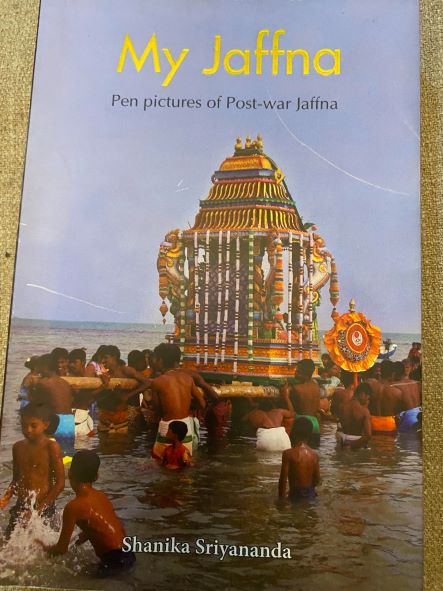
Book Review: “My Jaffna: Pen Pictures of Post-war Jaffna” by Shanika Sriyananda, Fast Publishing (Pvt) Ltd.

December 28th, 2021

Courtesy NewsIn.Asia

Book Review: “My Jaffna: Pen Pictures of Post-war Jaffna” by Shanika Sriyananda, Fast Publishing (Pvt) Ltd.

Colombo, December 28 (Colombo Times): When you are writing the book, write that Jaffna people love Sinhala people. We both want to live together like how we lived for centuries without getting burned by the flames of separatism” – Selvaratnam, resident of Jaffna

The political rhetoric very often grabs headlines. The shrill voices of emotive appeal very often tend to paint a black and white picture, drowning out the many shades of grey that constitute everyday life experiences.  In My Jaffna: Pen Pictures of Post-War Jaffna” Shanika Sriyananda has attempted to do justice to the voices of people living everyday experiences through the challenges of conflict and suffering. In this book, the author focuses on the relationship between the local residents and the Army, and also the recollections of local residents about their relations with the Sinhalese during the war. Today, the government as well as many Sri Lankans are keen on bringing about reconciliation among the ethnic groups in the country. In this context, authentic testimony by local residents about their interactions with the Army as well as the Sinhalese people in general, is essential because it helps combat propaganda often spread by Sri Lanka’s critics including LTTE-friendly groups abroad that the relationship between Tamils and Sinhalese is one of perennial enmity and hatred.

First, with regard to the relationship between the local residents and the Sri Lanka Army, whereas Sri Lanka’s critics and LTTE friendly groups claim that the local residents see the Army as an oppressive presence, the interviewees tell a different story, namely that they see the Army as a positive and helpful force. For example, in a chapter titled Saviours of the people”  one of the interviewees, a doctor in Jaffna, describes the work done by the Army to uplift the medical services and the other related services in the area.  He says, Many Hospitals in Jaffna were permanently or partly destroyed during the war but during the last four years all of them have been reconstructed  or refurbished” ( Page 230). The same interviewee discusses the blood donation programs carried out with the assistance of the Army and points out the extraordinary fact that, The Army is the largest blood donor to the  Jaffna Blood Bank” ( page 231 )

My Jaffna

Another interviewee, in a chapter titled No more brainwashing of  Youth” describes his experiences as a child growing up in LTTE-controlled Jaffna. He describes being subjected to LTTE propaganda about the Army. He says, I was sitting in the front bar of his bicycle  [my father’s] when two soldiers at a checkpoint stopped us. I closed my eyes thinking they were going to kill me. I started crying. They were young soldiers and they gently touched my head telling Appa to take me to the doctor soon. I first checked whether they had blood-stained mouths and crooked legs. This was my first experience of a Sinhala soldier’s kindness and warmth. And then I knew they were not aliens, Today I laugh at myself when I recall these incidents but it was not our fault or the fault of any of the youth in my age group”( page 96)

To turn next to the recollections of relations with the Sinhalese, in a chapter titled ‘Appacchi the peacemaker” an interviewee discusses his experiences when the LTTE chased him away from Jaffna and he was forced to move to Dambulla. I was very happy to teach English to poor children from farmer families. My friendship with the Sinhalese runs to my University days when we shared the same room and the same plate of rice. I used to visit the houses of my Sinhalese friends. Lal Pataberiya, my batchmate and now a principal of a rural school is one of my good friends from those days.” (Page 55).

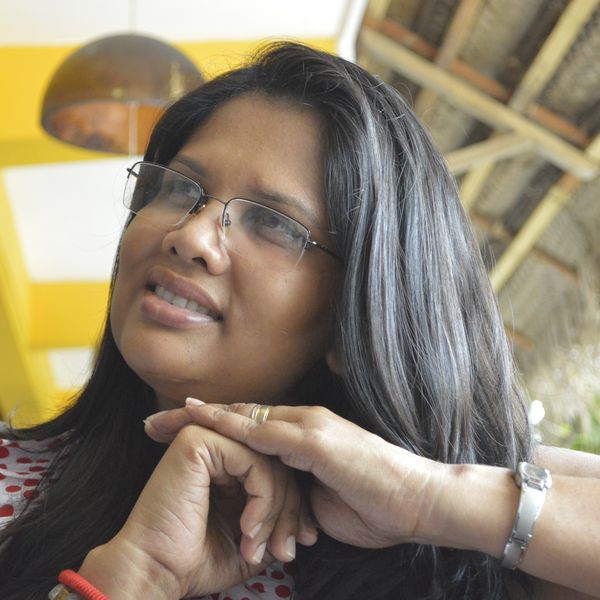
Author Shanika Sriyananda

Finally, in a chapter titled Sinhala Teacher in Chunnakam,” an interviewee discusses his experiences teaching Sinhala in Jaffna. He says I firmly believe that learning each other’s language is essential in the post-conflict era. My friendship with the soldiers and the Sinhalese grew as I knew the language. For centuries, the Sinhalese and Tamils lived together but LTTE terrorism broke that relationship distancing us from each other. Now we have begun to live peacefully.”(Page 274)

Reconciliation is a process that involves not just restoring people’s physical lives but mending hearts and minds as well. The author of this book has shown a side of the Sinhala -Tamil relations that is not often discussed and often distorted through propaganda. Such positive stories need to be disseminated, especially among the younger generation and set as examples for future generations to emulate.  The effort made in this regard through  this work should be commended.

(Reviewer Hiruni Jayaratne is a Researcher in Conflicts and Human Rights and is a consultant to the Strategic Communication Unit at the Lakshman Kadirgamar Institute)

අගමැති තිරුපති ගිය ගුවන් යානය යාළුවෙක් දුන් එකක්.. නම හෙලි නොකරයි…

December 28th, 2021

උපුටා ගැන්ම ලංකා සී නිව්ස්

අග්‍රාමාත්‍ය මහින්ද රාජපක්ෂ මහතා ඇතුළු පවුලේ සාමාජිකයන් මෑතක දී ඉන්දියාවේ තිරුපති දේවාලයේ පුද්ගලික සංචාරයක නිරත වූ ජෙට් යානය අගමැතිවරයාගේ මිත්‍රයෙකු ලබාදුන් එකක් බව අග්‍රාමාත්‍ය කාර්ය මණ්ඩල ප්‍රධානී යෝෂිත රාජපක්ෂ මහතා සඳහන් කරයි.

ඉන්දීය ව්‍යාපාරික මිතුරෙකු විසින් මෙම යානාව ලබා දී ඇති බවත් නම හෙළ කිරීමට අකමැති බවත් යෝෂිත රාජපක්‍ෂ මහතා පැවසීය.

මෙම යානාව ලබා දිම සුහදතාවයේ ඉගියක් බවද ඔහු සඳහන් කර ඇත.

අදාල ගුවන් යානයේ සාමාන්‍ය කුලී ගාස්තුව පැයට ඩොලර් 6700 පමණ වෙයි.

Lanka readies oil tank farm deal with India; Wang to visit Colombo after spat, may offer sweeteners

December 28th, 2021

Written by Nirupama Subramanian | Mumbai | Courtesy Indian Express

Wang Yi’s two-day visit, expected between January 7 and 9, will take place against the backdrop of a spat between the two countries over a contaminated consignment of organic fertiliser that has resulted in unexpected tensions between both countries.

Earlier this month, a short- to medium-term plan was decided during Sri Lanka Finance Minister Basil Rajapaksa’s visit to India this week.

CHINA’S FOREIGN Minister Wang Yi will visit Sri Lanka next week in the midst of a crippling economic crisis that has seen Colombo turn to Delhi for help and fast pedal the long-delayed India-Sri Lanka plan for joint development of the Trincomalee oil tank farm.

Wang Yi’s two-day visit, expected between January 7 and 9, will take place against the backdrop of a spat between the two countries over a contaminated consignment of organic fertiliser that has resulted in unexpected tensions between both countries.

After Colombo cancelled an order for the import of 99,000 tons of the fertiliser, Beijing blacklisted the Sri Lankan state-run People’s Bank and accused it of a vicious” default on the letter of credit payment.

EXPLAINED

India angle: 1987 Accord

INDIA’S INTEREST in the oil tank farm dates back to the signing of the 1987 India-Sri Lanka Accord, which stated in the annexure that the work of refurbishing the tank farm located in the north-eastern province of Trincomalee would be undertaken jointly by the two countries. The agreement lay dormant as first India and then Sri Lanka fought the Tamil Tigers. An attempted revival in 2003 went nowhere. In 2017, the two sides agreed to operationalise the long-standing agreement, but opposition from trade unions of the Ceylon Petroleum Corporation held up any progress in the matter.XXX

Earlier this month, with the Chinese company launching arbitration proceedings for a compensation of $8 milion, Sri Lanka drew a line under the controversy by agreeing to make a payment of $6.4 million.

Wang Yi’s visit will be significant for the sweeteners he may offer the Rajapaksa government to retrieve lost goodwill.

Meanwhile, Colombo is moving ahead on finalising plans for jointly developing with India a massive oil tank farm at Trincomalee. Although neither country is saying it in so many words, Delhi may offer in return financial assistance to help Sri Lanka tide over its present crisis.

We have said that both matters should progress in parallel, and progress in one should reinforce the progress in the other towards strengthening economic ties,” said an official source, adding that the coming month may see important developments on the Trincomalee oil tank farm deal.

Sri Lanka’s foreign exchange reserves sank to $1.6 billion at the end of November. The shortage has led to a drop in food imports, pushing up prices of essentials in the country. An IMF bailout is the last option that Sri Lanka does not wish to take.

Earlier this month, international ratings agency Fitch downgraded Sri Lanka from CC to CCC, warning that the country was likely to default on two international sovereign bonds, one coming up in January 2022 for $500 million, and another due in July for $1 billion.

The Central Bank of Sri Lanka termed Fitch’s action hasty” and said it had not taken into account Colombo’s diplomatic outreach to friendly countries for help with financial assistance. A statement from the bank said cash flows were expected by the end of December 2021 and March 2022.

The government and the Central Bank remain confident that these inflows will materialise and the end-2021 level of Gross Official Reserves will remain above USD 3 billion. Fitch appears to have ignored the standby SWAP facility with the People’s Bank of China of around USD 1.5 billion,” the media release said.

Apart from loans and Foreign Currency Term Financing agreements with China during the year, Sri Lanka signed the three-year standby” swap agreement with Beijing in March 2021. The Central Bank Governor said earlier this month that the government may draw on this to pay for imports from China.

But Colombo has also appealed to India for help. Sri Lankan Finance Minister Basil Rajapaksa, who visited Delhi in November, was offered a four-pronged package” – a line of credit for fuel impoorts only from India; early finalisation of the joint India-Sri Lank development plan for the Trincomalee oil tank farm; an offer of a currency swap to help Lanka pay its foreign debt and facilitation of Indian investments in different sectors.

Earlier this week, the Sri Lankan weekly Sunday Times reported that Energy Minister Udaya Gammanpila had instructed the Ceylon Petroleum Corporation (CPC) chairman to form a subsidiary company, Trinco Petroleum Terminal Ltd, which will be the special purpose vehicle for the India-Sri Lanka joint development of the Trincomalee oil tank farm.

The decision is expected to be approved at a Cabinet meeting next week. The newspaper reported that President Gotabya Rajapaksa had given approval for the formation of the subsidiary.

Saudi Fund for Development Inaugurates and Lays a Foundation Stone for Two Vital Projects in Sri Lanka

December 28th, 2021

Courtesy Businesswire

$425 million-projects’ value financed by the SFD in Sri Lanka

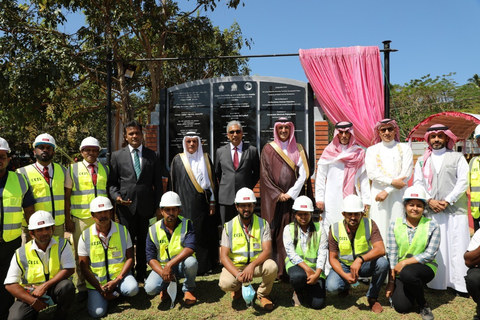
Mr. Sultan Abdulrahman Al-Marshad, CEO of SFD, and accompanying delegation during the inauguration ceremony (Photo: AETOSWire)

SRI JAYAWARDENEPURA KOTTE, Sri Lanka–(BUSINESS WIRE)–The Saudi Fund for Development represented by the CEO Mr. Sultan Abdulrahman Al-Marshad, inaugurated the completion of the development of Peradeniya-Badulla-Chenkaladi Road Project in the Democratic Socialist Republic of Sri Lanka, with a loan worth US$ 60 million.

The road connects the eastern, middle, and southern provinces, promoting sustainable development goals, and increasing agricultural goods transportation.”Tweet this

Benefiting three million people in the surrounding areas, the project will strengthen the country’s transport infrastructure, reduce traffic-related fatalities and injuries, and improve road safety.

Participating in the opening ceremony were Johnston Fernando, Minister of Highways, Saudi Ambassador to Sri Lanka, Abdul Nasser bin Hussain Al-Harthi, SFD delegation and a number of Sri Lanka government officials.

During the ceremony, Johnston Fernando praised the efforts of the Kingdom of Saudi Arabia, through the SFD, for supporting and developing infrastructure projects in the Republic of Sri Lanka. He said that the projects would benefit many people economically and socially.

The SFD CEO and the Prime Minister of Sri Lanka Mahinda Rajapaksa also laid a foundation stone for an extension of Wayamba University Township Development Project, financed by the SFD with a total of US$28 million. More than 5,000 students will benefit from the project which will improve teaching and learning facilities, boost educational quality, and strengthen long-term economic and social capabilities.

The SFD’s contribution to the Peradeniya-Badulla-Chenkaladi Road development comes from its commitment to fund projects that have a significant impact on social and economic development,” stated Sultan Abdulrahman Al-Marshad, CEO of SFD. The road connects the eastern, middle, and southern provinces, promoting sustainable development goals, and increasing agricultural goods transportation.”

SFD seeks to contribute to the quality of education to support social activities, move upward economic paths, and achieve community well-being. The SFD also looks forward to opening the horizons of education through this project and enabling the Wayamba university to support the community in the regions of Kolyabitia and Makandura,” added Al-Marshad.

Since its inception, SFD has issued 15 development loans to Sri Lanka totaling US$ 425 million, helping finance and implement 13 projects in water, energy, health, roads, and education.

For more than 47 years, SFD has contributed to 226 development projects in the transportation sector on a global level and 77 projects in education, providing socio-economic support to developing nations.

*Source:AETOSWire

Universities to resume academic activities at 50% capacity

December 28th, 2021

Courtesy Adaderana

The University Grants Commission has decided to permit universities to continue lectures and other academic activities with a maximum student capacity of 50% from tomorrow (29).

UGC Chairman Prof. Sampath Amaratunga said that lectures and other academic activities of universities will be conducted under strict health guidelines. 

Accordingly, the UGC has provided the universities with further instructions and guidelines related to this.  

Universities will resume in-person academic activities following prolonged closure caused by the COVID-19 outbreak.

Although, the universities were physically closed, the usual academic and non-academic activities had continued. 

Sri Lanka records 20 new COVID deaths and 479 cases today

December 28th, 2021

Courtesy Adaderana

The Director-General of Health Services has confirmed 22 more coronavirus-related deaths for December 27, increasing the death toll in the country due to the virus pandemic to 14,923.

According to the figures released by the Government Information Department, the deaths reported today include 12 males and 10 females.

Six of the patients are between the ages of 30-59 years. Fifteen others are in the age group of 60 years and above and the remaining victim is aged below 30 years.

Meanwhile, the daily count of COVID-19 cases confirmed in Sri Lanka moved to 479 today (December 28).

This brings the total number of confirmed cases of coronavirus reported in the country to 584,586.

As many as 559,875 recoveries have been confirmed in Sri Lanka since the outbreak of the COVID-19 pandemic.

More than 9,700 active cases in total are currently under medical care, official figures showed.

Bangladesh’s Assistance To Sri Lanka Increases Image and Prestige Of Bangladesh In The World

December 27th, 2021

by Hafizur Talukdar

Debt-ridden Bangladesh a few years ago is now a country of unprecedented success in debt relief. The world today looks at Bangladesh in amazement. Bangladesh only borrowed from other countries or organizations. Now that history has changed and started giving loans. Bangladesh has given loans to Sri Lanka and Sudan. Bangladesh gave a loan to a country for the first time by giving the first installment of the loan promised to Sri Lanka in August. Once upon a time, it was a ‘Bottomless Basket’ and donation seeker in the international arena. Now it is a lending country. It shows the all-South Asian countries how to revive from ashes. Bangladesh establishes an example in South Asia of how to ensure economic growth amidst various socio-political aspects.

Overcoming various adversities, Bangladesh today is a confident and promising country. Today, Bangladesh has risen to the top of every index of the economy. When the ongoing 10 mega projects are completed, the trend of economic growth of the country will increase and prosperity will increase. It shows the all-South Asian countries how to increase their growth amidst various adversities.

The economy of the South Asian island nation of Sri Lanka is under a lot of pressure at the moment due to the wounds of the civil war and additional foreign loans for development projects. At present, the country’s foreign exchange reserves have come down to 4 billion. Meanwhile, in the midst of the epidemic, Bangladesh’s foreign exchange reserves have reached a milestone of over 45 billion.

The Prime Minister of Sri Lanka was accompanied by the Governor of the Central Bank of Sri Lanka in Dhaka last March to attend the birth centenary celebrations of Bangabandhu. At that time, they made a proposal to Prime Minister Sheikh Hasina in this regard. After the Prime Minister agreed to the proposal, the Sri Lankan government sent a formal proposal to the Central Bank. Then in May, the Board of Directors of Bangladesh Bank approved in principle a loan of 250 million to Sri Lanka under the currency swap.

Bangladesh Bank released 50 million in the first installment on August 16 based on Sri Lanka’s demand. Bangladesh entered the list of lender countries by waiving that loan. And on, the second installment of 100 million was released in June 2021. This money is being given from the foreign exchange reserve of Bangladesh Bank.

Reserves are above 46 billion after a 100 million discount in favor of Sri Lanka in June. With the current foreign exchange reserves of Bangladesh, it is possible to meet the import cost for more than eight months. Bangladesh ranks second among South Asian countries in terms of foreign exchange reserves. Bangladesh is giving dollars in this way for the first time. The number of dollars that Bangladesh will give will be reduced from the reserve. This will make Bangladesh famous.

Sri Lanka has been suffering from a foreign exchange reserve crisis in recent times. At that time, they had only 500 million in foreign exchange reserves. With this reserve, it was not possible to meet their import expenses for three months. In order to keep the reserves risk-free, at least three months of import expenditure has to be kept equal.

For the first time in 50 years of independence, Bangladesh gave a loan to a country for the development of the country or to meet various needs. Bangladesh made the list of lenders by lending 50 million to Sri Lanka.

In the last decade, Bangladesh has gained this ability to lend due to the huge economic development, increase in exports and increase in expatriate income as the country’s foreign exchange reserves have swelled. Economists hope that this will change the image of the country. And Sri Lanka will be given a total of 250 million dollars. This money will be released in 5 installments.

Sudan, an African country, is unable to repay a loan from the International Monetary Fund (IMF). Bangladesh has taken the responsibility of repaying that loan.

This information has been highlighted in a notification of the Ministry of Finance on June 16, 2021. Earlier, Bangladesh had given similar benefits to Somalia, another African country.

Sudan’s external debt skyrocketed to nearly $50 billion at the end of 2019. It is known that the IMF will get 6 billion US dollars from Sudan. In other words, 5 lakh 10 thousand crore Takas in Bangladeshi currency. When the IMF called on all its members to stand by the country in repaying the debt, almost everyone responded. As a friendly country, Bangladesh also agreed to cooperate with Sudan. In response to the IMF’s call, Bangladesh on June 15, 2021, granted Sudan a loan waiver of Tk 65 crore Taka (650 million dollars)

The next day, on Wednesday, the finance ministry said in a statement that in response to the IMF’s call, Bangladesh had given Sudan a “debt waiver” of Tk 65 crore.

“Sudan is a very indebted and poor country,” the finance ministry said in a statement. The government hopes the funding will strengthen Sudan’s fight against poverty.

Bangladesh has begun to prove its economic potential in a very dramatic way. At one time the country was very poor. US Secretary of State Henry Kissinger, therefore, commented that Bangladesh is a bottomless basket. After 46 years, the US media Bloomberg says, Bangladesh is now an address of surprising success. The country’s per capita income is now 2500 US dollars. It is ahead of India. At the moment, India’s per capita income is $2,116. Pakistan is far behind. The country’s per capita income is $1,260. At present, Bangladesh has 45 billion in foreign exchange reserves.

However, what happened that Bangladesh is creating one surprise after another? Economists say there are some reasons behind this. Exports, social progress and economic foresight. There are three more reasons besides economic capability. Sympathy, economic diplomacy and political will.

When this was the case, the sudden news came that Bangladesh had provided 200 million in financial assistance to Sri Lanka. The Sri Lankan media has raised the question if Bangladesh can be self-sufficient, why can’t we? In June, the finance ministry of Bangladesh gave more startling news. It has been said that Bangladesh stands by Sudan, the poorest country in Africa. 65 crores Bangladeshi Taka has been provided to reduce the debt burden of the IMF. The country borrowed Rs 510,000 crore, Taka, from the IMF. The economic crisis was so severe that the country could not repay the debt. Bangladesh has come forward after sending messages asking for help from country to country. Bangladesh’s finance ministry says Sudan is heavily indebted and poor. The government hopes the funding will strengthen Sudan’s fight against poverty. At one time Sudan was a British colony. The country gained independence on January 1, 1956, under a treaty. It may be recalled that last year, Bangladesh also provided more than Tk 80 million to Somalia, another African country. That was also in repaying the IMF loan. Sudan, a member of the Organization of Islamic Cooperation, or OIC, has been crippled by debt and poverty, and financial assistance is expected to help overcome the crisis.

Last year, Bangladesh also handed Tk 80 million to help Somalia combat poverty as part of the IMF initiative. Everyone is fascinated by the development of Bangladesh.

The image of Bangladesh and the respect for the people of this country has increased due to the assistance to Sri Lanka and Sudan from foreign exchange reserves. Now the question is valid. Bangladesh is now a lending country! If Bangladesh can be a self-sufficient, lender, economic miracle in South Asia, why can’t others do that? Why does South Asia not take lessons from Bangladesh? Of course, South Asia can learn a lot from Bangladesh.

Bangladesh’s Success Story: Why and How?

December 27th, 2021

Jubeda Chowdhury 

Bangladesh has improved its quality of life, economic strength and prosperity, education and research in every field. And that is why in the past Bangladesh was said to follow the developed countries to move forward, today the countries of Africa are being urged to look forward to that Bangladesh. No development in Bangladesh today is a surprise, but the result of systematic hard work. Today Bangladesh is reaping the harvest of thousands of days of suffering of millions of people.

When Bangladesh achieved GDP growth of more than 6 percent for the first time in 2010, it was a surprise. Surprisingly, Bangladesh achieved this even during the global economic downturn.

Due to the global epidemic corona, Bangladesh’s growth has slowed down. But where the growth of all the developed countries of the world was negative in these years, the achievement of Bangladesh was also noticeable.

Describing Bangladesh’s growth, the BBC said in its analysis that by 2035, we will reach the list of the 25 strongest economies in the world.  Bangladesh’s economic progress is being compared to that of Singapore and Malaysia in the last century. Shijin Chan, former vice president of the Asian Development Bank (ADB), described Bangladesh as one of the fastest growing economies in the Asia-Pacific region. And GDP growth will be 6.8 percent this year and 7.2 percent next year. On the other hand, the country’s per capita GDP growth this year will be 5.5 percent and next year it will increase to 5.8 percent.

In 2015, Bangladesh was hailed around the world as one of the most successful countries in meeting the United Nations Millennium Development Goals (MDGs). Bangladesh did well in all the eight goals. Bangladesh has achieved 13 out of 33 sub-indicators to achieve these goals. One of the main goals of the MDGs is to achieve the goal of poverty alleviation.

The target was to reduce the poverty rate to 29 percent by 2015, while Bangladesh has reduced the poverty rate to 24.6 percent. In addition, education, gender inequality, infant mortality, maternal health, disease control, and a sustainable environment these are just some of the key indicators to develop.

The matter has been made possible by following Bangladesh’s own plan or model. Although it emphasized the return of the digital Bangladesh system, it did mention in each case the economic empowerment of marginalized people. A number of initiatives have been taken to reduce the dependence on city-centric industries, businesses and income systems, ranging from credit assistance, training activities, counseling assistance to the marginal level. At the same time, by spreading ICT education to the marginal level of the country, a skilled population is being formed through technical education.

Even in 2010, Bangladesh, which is in an economic position close to Pakistan, has left Pakistan far behind in terms of GDP per capita and has become a rival to India. At present, the average life expectancy of the people of Bangladesh is 74 years, which is higher than that of neighboring India and Pakistan. The average life expectancy in India and Pakistan is 70 and 68 years respectively.

Bangladesh is now a leader in the export of readymade garments in the world. Other cases are also moving forward. For example, the pharmaceutical industry of Bangladesh is said to be prosperous. There are 300 pharmaceutical companies in the country, which meet 97 percent of the local demand. They are even exporting drugs to the global market.

Export earnings from the pharmaceutical industry have increased eleven times in the last one decade. At present, 47 Bangladeshi pharmaceutical companies are exporting Bangladeshi medicines to about 147 countries of the world including Europe and America. Bangladesh has paid special attention to every aspect of its foreign exchange earnings as a result of which about 13.2 million Bangladeshi workers are currently working in 168 countries of the world.

Bangladesh ranks eighth among the top 10 countries receiving remittances from abroad. In all, from January 1 to December 10, 2020, the country received 20.50 billion dollars, which is about 12 percent more than the entire period of 2019. While the flow of remittances around the world has decreased due to the impact of Covid, the World Bank has expressed the view that the income from remittances of expatriates will increase in Bangladesh this year as well.

A number of initiatives have been taken in the joint efforts of the Ministry of Expatriate Welfare, the Ministry of External Affairs and High commission offices including providing comprehensive assistance to workers abroad and providing them with online passport renewal facilities. The expatriates are getting the benefits. At the same time, the Bangladesh government has created various opportunities for remittances and investment of expatriates through legal channels.

Through which crores of people of the country are benefiting. Not only that, Bangladesh has created new opportunities in the world labor market. Besides ordinary workers, Bangladesh is currently sending skilled workers abroad. At the same time, skilled experts in technology are also getting opportunities in the job market outside the country. About 7 lakh workers were being employed abroad every year, but in the year 2020, 2.2 lakh workers were employed due to Covid-19.

By 2030, Bangladesh wants to establish itself as a middle-income country, and the country’s ready-made garment sector is a very effective industry in this regard. The labor-intensive garment sector developed slowly in the eighties. The garment industry is the largest export sector in Bangladesh. 83 percent of the total export income is coming from this sector (fiscal year 2019-20).

ICT is another important sector for receiving remittances in Bangladesh at present. There are more than 42 different projects under the ICT department. Through these projects, the Bangladesh government is helping young people to turn new ideas or technological ideas into business. Hi-tech parks and innovation centers have been set up to create technology hubs like Silicon Valley in the country.

Engineering and public universities are being prepared for research in this regard. Bangladesh is moving from a labor-dependent to a knowledge-based economy for the benefit of technological knowledge, and information technology is accelerating its growth. 100 million people in rural areas are being brought under broadband internet, which will create employment for 20 million people.

In addition, it is estimated that by 2021, the export of ICT products and services will be five billion dollars. The IT sector will emerge as the second largest sector after readymade garments. As a result, gross domestic product (GDP) is expected to grow by more than 1 percent.

The agrarian economy has always been criticized by the Western world as a fragile economy. But today Bangladesh has become self-sufficient in food due to its dependence on agriculture. Achieving self-sufficiency in food is one of the reasons why the global economic downturn and epidemic Corona have not been able to have a major impact on the country’s economy. Food production has increased almost five times (4.75) as compared to 1971 and now stands at 42.2 million tons (FY 2018-19).

Bangladesh has imported very little rice in the last few years and exported much. Bangladesh has reduced the price of fertilizer by 4 points to reduce the production cost of the crop. In the last decade, the cost of fertilizers (TSP, MOP, DAP) has been fixed to some extent reduced.

In the 2017-18financial year alone, it has produced 807.14 million metric tons of food grains. the agriculture budget is being increased day by day. Bangladesh ranks 4th in the world in rice production by inventing 108 high yielding varieties including paddy. It has provided agricultural inputs to 2 crore 8 lakh 13 thousand 46 farmers.

However, agricultural dependence on exports has declined, and the importance of the manufacturing industry and services has increased. After independence, the contribution of the industrial sector to GDP has increased from 9 percent, to about 35 percent in FY 2019-20, of which the contribution of the manufacturing sector is 24.2 percent.

Uninterrupted fuel supply is needed to keep this manufacturing sector of Bangladesh strong. Bangladesh is currently trying to ensure uninterrupted power supply by expanding the supply system through implementing various projects.

Bangladesh is in the top three in the list of countries leading in achieving the Sustainable Development Goals (SDGs). Bangladesh is following all the models provided by the United Nations. At the same time, the country has its own goals. Implementation of Digital Bangladesh by 2021 is no longer a reality.

It is not surprising that the milestone of being a middle-income country by 2024 is not normal but it is normal and mega projects like Padma Bridge, Karnafuli Tunnel and Metro Rail starting from the Century Delta Plan show that the dream of Bangladesh to be recognized as a developed country by 2041 is to be realized. Not a very unrealistic thought. But it requires an uninterrupted development environment and strong leadership. And this is why the development management of Bangladesh has become a role model for underdeveloped countries in all development agencies including the United Nations and the World Bank.

සිංහලයනට වන අසාධාරනකම් ගැන කථා කිරීමට කිසිවෙක් නැත

December 27th, 2021

චානක බණ්ඩාරගේ

 ‘සිංහල’, බෞද්ධ’ සංකල්පයන්

‘සිංහල’’, බෞද්ධ’ යන සංකල්පයනට පසුගිය වසර 40 ක පමණ කාලයක සිට සිදුවී ඇති අවැඩ, අගතිය, හානිය අති මහත්ය.

1815දි  බ්‍රිතාන්‍ය අධිරාජ්‍යවාදීහු පවා  උඩරට ගිවුසුම මඟින් මේ රට හැඳින්වුයේ ‘සිංහලේ’ යන නමිනි. සිලෝන් හෝ ශ්‍රී ලංකා යන නම් ඔවුන් පාවිච්චි නොකළේ එකල ඒවා මේ රටේ නාමය ලෙසට සනිටුහන්ව නොතිබීමයි.  

1995 මැද භාගයේ පමණ සිට මේ රටේ සැමදා තිබුණු  ‘සිංහල බෞද්ධ’ වෙනුවට ශ්‍රී’  ලාංකික’ යන අනන්‍යතාවය දිය යුතුය යන රාජ්‍ය මතයක් ගොඩ නැඟීමට පටන් ගැනිණි. එක් සුළු ජාතියකට මහ ජාතිය විසින් කරන ලද අසාධාරණ වෙනුවෙන් තමා ලැජ්ජාවට පත්වෙන බව වැනි අදහසක් එවක සිටි රාජ්‍ය නායිකාව ජාත්‍යන්තරය හමුවේ කියා තිබුණි.

මේ රටේ සිංහල බෞද්ධයනට අමතරව ද්‍රවිඩ, මුස්ලිම්, බර්ගර්, ආදිවාසින් (මොවුන් සිංහල බෞද්ධයන්ගේම කොටසක් වැනි වෙති), මැලේ ආදීහු ජීවත් වෙති. එවන් පසුබිමක සියළු රටවැසියන් ‘ශ්‍රී ලාංකික’ යන අනන්‍යතාවෙන් හැඳින්වීමේ පදනමක් ඇත. එම අනන්‍යතාවය  පිළිබඳව විරුද්ධ වීමට දැන් අපහසුය. සුද්දා දැමු සිලෝන් නාමය  1972 වසරේදී වෙනස් කරන විට මේ රට නැවත වරක් සිංහලේ ලෙස නම් කිරීමට හැකියාව තිබුනත් එය ශ්‍රී ලංකාව ලෙස නම් වුයේය.

කෙසේ වෙතත්, ශ්‍රී ලංකාවේ තිබෙන්නේ සිංහල බෞද්ධ අත්තිවාරමක් (foundation) බව සියළු දෙනා පිළිගත යුතුය. 1995 පමණ සිට තිබු රජයන් ඉතා සුක්ෂම ලෙස   ‘සිංහල’’, බෞද්ධ’ ලෙස රට හැඳින්වීමට එදිරිව කටයුතු කලහ.

2009 යුද්ධයෙන් පසු සන්හිඳියා ක්‍රියාදාමය; 2010 – 2019

සියළු රටවැසියන් සිය ආවේනික ජාතිය (සිංහල, දෙමළ, මුස්ලිම්) අමතක කර ‘ශ්‍රී ලාංකික’ විය යුතුයයි කියන රාජ්‍ය ප්‍රතිපත්තියක් ක්‍රමයෙන් මුල්බැසගති.  බෙදුන්වාදීන්, ජාතික අන්තවාදීන් බහුල සහ ඉතා ප්‍රබල වූ මේ රට තුල අඩු තරමින් ‘ශ්‍රී ලාංකික’ අනන්‍යතාවක් සියළු රට වැසියන් ගොඩ නැඟූනේ නම් එය හොඳය. නමුත් එය සිදු නොවිණි.  

එම සන්හිඳියා ක්‍රියාදාමය මුළු රට පුරාම එක විදියට ක්‍රියාත්මක විය යුතුව තිබුණි. එය එසේ නොවීය.

සෑම ජාතියක්ම (සිංහල, දෙමළ, මුස්ලිම්)  එක ලෙසින් එම ‘ශ්‍රී ලාංකික’ අනන්‍යතාව වැළඳ ගත යුතුය. නමුත් එවැන්නක් සිදු වුයේ නැත.  

දකුණේ සිංහලයන් සිය  සිංහල බෞද්ධත්වය  දෙවෙනුවට මෙන් තබා මෙම  නව ‘ශ්‍රී ලාංකික’ අනන්‍යතාවය ඉමහත්  භක්ත්‍යාධරයෙන් වැළඳ ගත්හ. ‘අපි ශ්‍රී ලන්කන්’ කියා ජාතික කොඩිය අභිමානයෙන්  ක්‍රිකට් තරඟ වලදී වැනුහ, නිදහස් දිනය දා එය තම නිවසේ ප්‍රදර්ශනය කළහ. සුළු ජාතින්, විශේෂයෙන්ම උතුරේ,  එවන් ආසාවක්/උද්යෝගයක් ප්‍රදර්ශනය නොකළහ. අද තත්ත්වය ද  එසේය.

සිංහලයෝ ‘ශ්‍රී ලාංකික’ අනන්‍යතාවය ආශාවෙන් වැළඳ ගැනීමට යාමෙන් සහ සුළු ජාතින් එය ඒ තරමින් වැළඳ නොගැනීමෙන් සිංහලයෝ තමනට ආවේනික වූ ජාතිකත්වය (‘සිංහල’, බෞද්ධ’)මොට කර ගත්හ. මෙහි අවාසනාවන්ත ප්‍රථිපල දැනටමත් දක්නට ලැබෙතත් (උන්වහන්සේගේ දේශපාලන මතවාද කුමක් වුවත්, තම විශ්ව විද්‍යාලයේ කුලපති වූ, වයෝවෘධ ස්වාමින්වහන්සේට දන ගසා වැඳ, භක්ත්‍යාධරයෙන් යුක්තව තම උපාධි සහතිකය ලබා ගැනීමට හැදියාවක් තිබු ශිෂ්‍යයන් සිටියේ එදාය; අද?) වඩා බරපතල ප්‍රථිපල විද්‍යාමාන වනුයේ තවත් වසර 25ට පමණ ඔබබෙන් යයි ලියුම්කරු විශ්වාස කරයි.  ඒ පිළිබඳව මේ ලිපියෙන් පැහැදිලි කෙරේ.

ශ්‍රී ලංකාව සිංහල බෞද්ධ සම්භවය ඇති රටක් නොවේය යන සංකල්පය රට තුල ඇතිකළේ ඇතැම් සිංහල බෞද්ධ දේශපාලනඥයන් විසින්මය. කාදීනල්තුමා තම මතය ප්‍රකාශ කිරීමෙන් අනතුරුව ඔවුහු මඳක් නිහඬ විය. ශ්‍රී ලංකාවේ ආණ්ඩුක්‍රම ව්‍යවස්ථාවේ 9වෙනි වගන්තියෙන් රජයන් විසින් බෞද්ධාගමට ප්‍රමුඛස්ථානය ලබාදී  බෞද්ධාගම ආරක්ෂා කිරීමට සහ රැක ගැනීමට ලබාදී ඇති ප්‍රතිඥාව ඉවත් කිරීමට රජයන් සලකා බැලු බව නොරහසකි. මෙයද බොහෝ දුරට ව්‍යවර්ථ වුයේ කාදිනල්තුමා තම මතය ප්‍රකාශ කිරීමෙන් අනතුරුවය. නමුත්, නැවතත් ‘secular’ සංකල්පය යටතේ මේ මතය – එනම්, 9වෙනි වගන්තිය ව්‍යවස්ථාවෙන් ඉවත් කිරීම – ඇතැම් යු ටියුබ් වැඩසටහන් ඉදිරිපත් කරන්නන් විසින් ව්‍යංගාර්ථයෙන්  උත්සහ දරන බව පෙනේ. ශ්‍රී ලංකාව සැමදාම වුයේ secular රටකි; 9වෙනි වගන්තිය නිසා secular භාවයට කිසිදු හානියක් සිදු වී නොමැත.

නැවතත්; සන්හිඳියාව යටතේ සිංහලයෝ තම  සිංහල බෞද්ධ සංස්කෘතිය වර්ධනය කරනවා වෙනුවට  ‘ශ්‍රී ලාංකික’ අනන්‍යතාවය ප්‍රගුණ කිරීම වෙනුවෙන් ඇප කැපව වැඩ කළහ.  බොහෝ දෙනෙක් දෙමළ ඉගෙන ගත්හ. කෝවිල් ගියහ. දෙමළ චිත්‍රපටි, සින්දු රස විඳින්නට වඩාත් යොමු වුහ. දෙමළ ක්‍රමයට ඇඳුම් (සරම්, සාරි, පොට්ටු, කරාඹු) ඇන්දහ/පැලඳුහ. දෙමළ/මුස්ලිම් කෑම සෑදීමට/අනුභවයට, දෙමළ නෘත්‍යනය ඉගෙනුමට වඩාත් යොමු වුහ. දෙමළ/මුස්ලිම් අය තම සමීප මිතුරන්/අසල්වැසියන් බවට පත් කර ගත්හ.  තම විවාහ සහකරු/සහකාරිය ලෙස පෙර නොවූ විරු ලෙස සිංහල නොවන ද්‍රවිඩ/මුස්ලිම් අයව තෝරා ගත්හ.  

දකුණේ සිංහලයෝ ද්‍රවිඩ/මුස්ලිම් සංස්කෘතින් හා සමීපවීම වීමට උත්සාහ කරද්දී උතුරේ, නැගෙනහිර අය සිංහල කථා කිරීම, බෞද්ධාගම ගැන, සිංහල සිරිත් විරිත් ඉගෙනුම  ගැන සුවිශේෂ උනන්දුවක් දැක්වූ බවක්  අසන්නට නොලැබුණි.

දෙමළ කථා කරන  සුළු ජාතින් – උතුරු නැගෙනහිර වෙසෙන ද්‍රවිඩ, මුස්ලිම් (වැඩියෙන්ම උතුරේ දෙමළ)  ‘ශ්‍රී ලාංකික’ අනන්‍යතාවය ප්‍රගුණ කිරීම/වැළඳ ගැනීමට වඩා ඔවුන්ටම ආවේනිකවූ ජාතිකත්වය තවත් වර්ධනය කිරීම සහ ඒ පිලිබඳව වූ අභිමානයෙන් කටයුතු කිරීමට සිය  අවධානය තීව්‍ර කළහ. එය වඩා වැදගත් බව සලකා ඒ අනුව ඔවුහු කටයුතු කළහ. නිදහස් දිනය දා ජාතික කොඩිය ප්‍රදර්ශණය කිරීම කෙසේ වෙතත් නොවැම්බර් 26 වෙනිදා මහාවීර දිනය කෙසේ හෝ සැමරීමට ඔවුහු යුහුසුළු වුහ. ද්‍රවිඩ බෙදුම්වාදීන් සිය ඒකිය රාජ්‍ය සංකල්පය අත්හල බවක් පෙනුනේද  නැත. 2010 – 2019 සන්හිඳියා කාලයේ කිසිදා නොතිබුණු මුස්ලිම් අන්තවාදයක් ද මේ රටේ බිහි විය.  2019 අප්‍රේල් 21 වෙනි පාස්කු ඉරිදා රට පුරා බෝම්බ පිපිරී ගියේය.

සන්හිඳියාව යටතේ දකුණේ සිංහලයන් විශාල ලෙසින් උතුරු නැගෙනහිර පළාත්වල සංචාරය කල යුතු වුවත් එවැනි දේ බොහෝ අඩු විය. රජයන් ඒවාට අනුබල නොදුණි. යුධ ජග්‍රහණයෙන් පසුව 2009/2010 වසරවල දිනකට සාමන්‍යයක් ලෙස සිංහල බස් 4/5 පමණවත් දකුණෙන් උතුරට ගියේය. ඔවුහු බොහෝ විට නැවතුනේ යාපනයේ නාග විහාරයේය. සමහරෙක් නාවට්කුලි සිංහල ගම්මානයේ (යාපනයට කිලෝ මීටර් 8යි) නැවතුනහ.

ඒ දිනවල සිංහලයන්ට උතුරේ බලන්න බොහෝ දේ තිබුනේය – ප්‍රභාකරන්ගේ මාලිගා, බංකර්, නාන පිහිනුම් තටාක, සුසෙයිගේ මාලිගා, LTTE සබ්මැරීන, LTTE විශාල කාලතුවක්කු වැනි ආයුධ/ගුවන් යානා, තමිල් චෙල්වම් ඝාතනය කල ස්ථානය  ආදිය. සන්හිඳියාව නාමයෙන් මේ සියල්ල ඉවත් කෙරිණ. මේ ස්ථාන යුද හමුදා භාරය යටතේ මේ රටේ මහජනතාවට බැලීමට සැලැස්විය යුතුව තිබුණි. LTTEය යනු මොන තරම් කෘර, ම්ලේච්ච ත්‍රස්තවාදී සංවිධානයක්ද යන්න අනාගත දරුවනට  පෙන්වීමට ඒවා භාවිතා කල හැකිව තිබුණි. උතුරේ ද්‍රවිඩයන්ද ඒවායින් පාඩම් ඉගෙන ගනු ලැබ තිබුණි, විශේෂයෙන්ම LTTEයේ කෘරත්වය පිළිබඳව. යාපනය  නගරයේ බෙහෙවින් සිටි හමුදා භටයන් ඉවත් කෙරුණි, ඔවුන්ව හමුදා බල ඇණි තුල කොටු කෙරිණි.

2013 පමණ වනවිට සිංහල කථා කරන පොලිස් නිලධාරින්ද උතුරෙන් බොහෝ සෙයින් අඩු කර දමන ලදී. යුද්ධය අවසන් වූ පසු සෑම නගරයකම හමුදා ආපනශාලා විය. අද එකක් වත් නොමැත. සිරිසේන ජනාධිපති හමුදා කැම්ප් ගොඩනැගිලි වලට පමණක් මෙන් සිමා කරමින්, විවිධ හේතු දක්වමින්, ඒවාට අදාළ ව තිබු විශාල ඉඩම්/හමුදා ෆාර්ම් ඒවාට අහිමි කර දෙන ලදී. සමහර හමුදා ඉඩම් උතුරු පළාත් සභාවට පවරා ගැනුණි.

ශ්‍රී ලංකාව ඒකීය රාජ්‍යක් නම් මෙවැනි දේ කරන්නේ ඇයි?

උතුරේ, නැගෙනහිර  ඇතැම් හමුදා කෑම්ප් සුද්දා විසින් ඔවුන්ගේ කාලයේ තනන ලද ඒවාය. ඒවා රටේ භෞමික අඛණ්ඩතාවයට අත්‍යාවශ්‍ය ඒවා නිසාය.

දකුණේ සිංහලයෝ උතුර බලන්න පැමිණීම ගැන උතුරේ සාමාන්‍ය දෙමළ ජනයා කැමති වුහ. සිංහල – දෙමළ මිත්‍රත්වය වර්ධනය විය. උතුරේ/යාපනයේ ආර්ථිකය දියුණු විය. ජාතිවාදී අදහස් දරන සම්බන්ධන්, සුමන්තිරන්, විග්නේස්වරන් වැන්නන් කෙසේ වෙතත් මෙවැනි දේට විරුද්ධ වන බව ප්‍රසිද්ධ කරුණකි. රජයන් ඔවුන්ගේ වදන් වලට පමනක් අනුකුලතාවය දක්වන්නේ ඇයි? ඔවුනට ඇති අනියත බිය නිසා නේද?

2020 සුනාමියට  පෙර මෙම බස් සංක්‍යාව සතියකට බස්  4/5 වැනි ප්‍රමාණයක් පමණ දක්වා අඩු වී තිබුණි. අද සිංහලයන්ට උතුරේ ආසාවෙන් බලන්න තිබෙන ස්ථාන අල්පයි – එලිෆන්ට්පාස්හි හසලක වීරයාගේ ස්මාරකය (මෙයද ඉවත්කළ යුතුයයි මහා ඝෝෂාවක් ඇතැම් සිංහලයෝ නැගුහ), නාවට්කුලි සිංහල ගම සහ පංසල (එහි දර්ශනීය නව කොත් වහන්සේ), නාග විහාරය, නාගධීපය, දඹකොළ පටුන, කොටුව,  පුස්ථකාලය, නල්ලුර් කෝවිල, කීරිමලේ උණුවතුර ලිං ආදී. අද සිටින සිංහල දරුවන්ගෙන් 90%කට වඩා වැඩි ප්‍රමාණයක් කිසිදා උතුරු නැගෙනහිර ප්‍රදේශවලට  නොගොස් ඇති බවයි මෙම ලියුම්කරුගේ විශ්වාසය. ඉදිරියේදී වුවද පාසැල් නිවාඩු සමයන්හි (කොරෝනා ඉවරවූ පසු) තම දරුවන්ට උතුර, නැගෙනහිර පෙන්වන්න දෙමව්පියන් රැගෙන යනු ඇතැයි කියා සිතීමට අපහසුය.

කොටින්ම මේ රටේ ඇත්තේ පළාත් 9ක් නොව 7ක් යයි සිතන තරමට සිංහලයෝ උතුර, නැගෙනහිර පිළබඳව ආශාවන් අත් හැර ඇත්තා සේය. එම පළාත් දෙක පිළිබඳව ඔවුන් තුල ආධ්‍යාත්මික වූ  බැඳීමක්/ඇල්මක් නොමැත. ඔවුන්ගේ සම්පුර්ණ අවධානය යොමු වී ඇත්තේ තමන් ජීවත්වෙන පළාත් 7 පිළිබඳවය. උතුර නැගෙනහිර (මෙය මේ රටේ 1/3 ක භුමි භාගයකි, මුහුදු තීරයෙන් 2/3ක්  පමණ වේ) ඉඩම්/දේපල තමන්ට කිසිදා ලබා ගැනීමට නොහැකි දේ ලෙස ඔවුන් සලකත්. මැලේසියාවේ, ඕස්ත්‍රේලියාවේ පුරවැසියෙක් එම රටවල ඕනෑම ප්‍රදේශයක වාසය කිරීමේ නිදහස භුක්ති විඳී. ඔවුහු තම රට පුරාම ආසාවෙන් සංචාරය කරත්.

සන්හිඳියා කාලය තුල ද්‍රවිඩ ආධිපත්‍ය දරන රුපවාහිනී සමාගම් සිංහල රුපවාහිනී ප්‍රවෘත්ති ප්‍රකාශයන් සහ වෙනත් වැදගත් වැඩසටහන් භාෂා 3න්ම විකාශනය කිරීමේ ක්‍රමයක් ආරම්භ කරන ලදී (විශේෂයන්ම ‘breaking news’, ක්‍රිකට් ක්‍රීඩා ප්‍රචාර ආදී).  අදද මෙය එලෙසින්ම ක්‍රියාත්මක වේ. මෙය සිංහලයාට හිස රදයකි. රුපවාහිනිය රස විඳීමට බාධාවකි. ඔවුන්ගේ පරාසය තුලට වෙනත් භාෂාවන් බලෙන් රිංගා දැමීමකි. නමුත් ඔවුහු මෙය ඉවසති.  මෙය බලවත් අසාධාරණයක් වන්නේ දෙමළ නාලිකාවල සිංහල භාෂාවෙන් විවිධ ප්‍රවෘත්ති, ‘breaking news’ නොකියන නිසාය. 

කලින් සිංහලයෝ සිංහල රුපවාහිනි නාලිකා වලින් ඉන්දියන් චිත්‍රපටි නැරඹුවේ නම් ඒවා හින්දි ඒවාය.  නමුත් දැන් සිංහල උප ශිර්ෂ (sub titles) යොදා දෙමළ චිත්‍රපටි, දෙමළ ටෙලි ඩ්රාමා සිංහල නාලිකාවල ප්‍රධාන කාලයන්හි (prime time) වල විකාශනය වේ. එනම්, සිංහලයෝ දිවා සහ රාත්‍රී ආහාර ගැනීමෙන් පසු විවේකිව ඉන්නා කාලවල. මේ වෑයම ඉතා සාර්ථක බව පෙනෙන්නේ සිංහලයෝ දැන් මෙවැනි දෙමළ වැඩ සටහන් වලට ඉතාමත්  ඇබ්බැහිවී ඇති නිසාය.  මේ දෙමළ චිත්‍රපටි, දෙමළ ටෙලි ඩ්රාමා වලින් ශ්‍රී ලාංකික සමාජයට සේවයක් වුවාද නැද්ද යන්න වෙනම ප්‍රශ්නයකි. නමුත් මෙය, සිංහලයන්ට දෙමළ සංස්කෘතිය ආරෝපණය කිරීමට ගන්නා ලද උත්සාහයකි. එය සාර්ථක වී ඇත. මේ බොහොමයක් දෙමළ චිත්‍රපටි, දෙමළ ටෙලි ඩ්රාමා පෙන්වනුයේ දකුණු ඉන්දියාවේ විදි සටන්, දන හිසින් උඩට සරම් නවා රාශිගතවූ පිරිමින්ගේ විදි නැටුම්, සිංහලයන්ට නුපුරුදු විවිධාකාර අපරාධ (මරා, සුට්කේස් තුල රැගෙන යන මළමිනී වැනි), මිනීමැරුම්, නොමනා ලිංගික සම්බඳතා සහ පවුල් ආරවුල් වැනි වූ කථාය. නාභිය නිරාවරණයව සාරි ඇඳීම දකුණු ඉන්දියාවේ සාමාන්‍ය දෙයකි; ශීලාචාරයයි කිව නොහැකි මේ දෙය අද ශ්‍රී ලංකාවේද සාමාන්‍ය දෙයක් වී ඇත. සන්හිඳියාව වෙනුවෙන් එකදු සිංහල චිත්‍රපටියක්/ටෙලි ඩ්රාමාවක් සිංහල උප ශීර්ෂ යොදා දෙමළ නාලිකාවක විකාශනය වීද? මෙම ලියුම්කරුට ඒ සම්බන්ධව ලැබුණු පිළිතුර නම් නැත යන්නය.

යුද්ධයෙන් පසු ‘ශ්‍රී ලාංකික’ අනන්‍යතාවය ප්‍රගුණ කිරීමට රජයන් අති විශාල මුදල් සම්භාරයක් වැය කළහ. නමුත් කලින් සඳහන් කලාක් මෙන් එම සන්හිඳියා ක්‍රියාමාර්ගයේ ප්‍රධාන ඉල්ලක්කය වූයේ සිංහල මහ ජාතිය බව මෙම ලියුම්කරු පවසයි. සිංහලයා වෙනස් විය යුතු බවට උදේ හවස මතක් කිරීම්/ඉල්ලීම් සිංහල මාධ්‍ය මඟින්  සිදු කෙරිණි. එසේනම්, ඔවුන් මෙතෙක් කල් කල දේ වැරදිද කියා රජයන්ගෙන් ඇසිය යුතුය.  

සන්හිඳියාව සංකල්පය මන්ත්‍රයක් මෙන් උදේ හවස ජන මාධ්‍ය හරහා සිංහලයෙන් ජප කිරීම සිදු විය. පොදු ප්‍රවාහන පහසුකම් (බස්, දුම්රිය), මධ්‍යම බස් නැවතුම් පොළවල්, දුම්රිය ස්ථාන, රජයේ රෝහල්, පාසැල්, තැපැල් ස්ථානවල සන්හිඳියා පණිවුඩය තදින්ම ප්‍රචාරය කෙරිණි (දෙමළ සහ ඉංග්‍රීසි භාෂා වලින් සන්හිඳියාව ප්‍රවර්ධනය නොකලාය කියා කියනවා නොවේ).

සන්හිඳියාව ‘කසාය’ ඉතා පහසුවෙන්  සිංහලයන්ගේ ‘උගුරෙන් පහලට’ රජයන් බැස්සවුහ. පාසැල් ළමුන්ගේ ඇට මිදුළි වලට පවා එය ඇතුල්  විය. 1990න් පමණ පසු උපන් බොහෝ ළමුන්/තරුණයින් නිදහසින් පසු සිංහලයින් අහිංසක ද්‍රවිඩයනට වධ හිංසා දුන්, ද්‍රවිඩයන් සමුලඝාතනය කල ජාතියක් බවට සිතයි. LTTEය ත්‍රස්තවාදීන් නොව නිදහස උදෙසා වූ සටන්කාමින් (freedom fighters) ලෙස සිතන බොහෝ සිංහල දරුවන්/තරුණයන් ඇත. 1983 දී අහිංසක දෙමළ ජාතිකයන් හිංසා වලින් බේරාගත්තේද සිංහලයන් බව ඔවුන් නොදනී; මන්ද ඒවා ඔවුනට උගන්වා නැති හෙයිනි.

මෑතක අවසන් වූ රජයක සන්හිඳියාව භාර ඇමතිවරයාට තිබුනේ අසීමිත වූ බලයකි. සන්හිඳියාව ක්‍රියාත්මක කිරීමටය කියා ඔහු අන් අමාත්‍යංශවල  වැඩ වලටද ඇඟිලි ගැසුවේය.

උතුරේ ජනයා ශ්‍රී ලාංකික ජාතික ගීය (තමනට තේරෙන) දෙමළ බසින් අභිමානයෙන් සහ ආසාවෙන් ගයන්නේ නම් එය ඉතා ප්‍රශංසනීයයි. කල යුත්තේ එය තහනම් කිරීම නොව තව තවත් දිරිගැන්වීමකි.

සන්හිඳියාව නිසා සිංහල බෞද්ධ සංස්කෘතියේ කිසියම් මොට වීමක් සිදු වුවත්, පොදුවේ ගත්කල, කිසිම ජාති භේධයක් නොමැති දරුවන් සන්හිඳියාව නිසා දකුණෙන් බිහිවුණි. එය ධනාත්මක දෙයකි. නමුත් සන්හිඳියාව දකුණේ ව්‍යාප්ත කිරීමට රජයන් දැරු වෑයම සුළු ජාතින් වැඩි වශයෙන් ජීවත්වෙන ප්‍රදේශවලද  (වැඩියෙන්ම උතුරු පළාතේ) සිදු නොකිරීම වරදකි. දකුණේ සිංහලයන් ද්‍රවිඩ, මුස්ලිමානුවන්ට දක්වන දැඩි ආදරය, කරුණාව ඔවුනට  උතුරේදී හෝ නැගෙනහිරදී නොලැබෙන්නේ නම් සන්හිඳියා යාන්ත්‍රණය හරි හැටි ක්‍රියාත්මක වී නොමැති බව, එය එක් පැත්තකට පමණක් ක්‍රියාත්මක වී ඇති බව, ඕනෑම කෙනෙක් පිළිගත යුතුය.

සිංහලයනට පමණක් සිදුවන අසාධාරණ තවත් කිහිපයක්   

මෑත කාලවල දකුණේ – කළුතර, මාතර, හම්බන්තොට, කුරුනෑගල, මීගමුව වැනි සිංහලයන් උපරිමව ජීවත්වෙන ප්‍රදේශවල පවා දෙමළ කථා කරන නව ‘ජනපද’/වාසස්ථාන  බිහිවූ අතර පොලිසි/උසාවි වල අවශ්‍ය නම් දෙමලෙන් කටයුතු කිරීමේ අවස්ථා ඒ ජනයාට ලැබුණි. නමුත්, උතුරේ රජයේ කාර්යාලවල සිංහලෙන් කිසිදු  වැඩක් කර ගැනීමට නොහැකි බව උතුරේ වෙසෙන සිංහල වැසියන් (මොවුන් ඉතාම  අල්ප දෙනෙකි) මේ ලියුම්කරුට පවසයි. මේ පිළිබඳව පසුගිය රජයේ සන්හිඳියාව භාර ඇමති හට පැවසූ විට ඔහු ඔවුන් මඟ හැර ගිය බව ඔවුහු පවසත්. 

උතුරට ගිය විට එය ශ්‍රී ලංකාවේ කොටසක් ද කියා සිතෙන තරමට වෙනස්ය. වව්නියාවෙන් උතුරට A9 මාර්ගයේ සවිකර තිබෙන අති දැවැන්ත බිල්බෝඩ් වල සඳහන් වනුයේ දෙමළ (සහ සමහරවිට ඉංග්‍රීසී) භාෂාව පමණි, සිංහල කිසිසේත් නැත. යාපනය දුම්රිය ස්ථානයට කොළඹ සිට නගරාන්ත දුම්රිය සැපත් වූ බව සිංහලෙන් ශබ්ධ විකාශනය නොකෙරිණි (නමුත් කොළඹින් ජාඇලට, බෙලිඅත්තට වේයන්ගොඩට  යන දුම්රිය භාෂා 3න්ම ඒ ගැන කියයි). උතුරේ පාරවල සිංහල නාම පුවරු ඇත්තේ අල්පවය. කඩ, සාප්පු නාමපුවරුවල සිංහල ඇත්තේම නැත. කිසිදා ශ්‍රී ලංකාවේ සිටියා යයි වාර්තා වී නැති දෙමළ  රජවරුන්ගේ පිළිම මෑතකදී යාපනය නගර මධ්‍යයේ සහ එක් ප්‍රධාන කෝවිලක් ඉදිරියේ ඉදිකර තිබෙනු දක්නට ඇත (මහාවංශයට අනුව පරංගීන් පැමිණෙන විට යාපනය පාලනය වුයේ කෝට්ටේ රාජධානිය යටතේ වූ යුව රජෙක් මඟිනි).

යාපනයේ සිංහල මහා විද්‍යාලය යලි ස්ථාපිත කිරීම කෙසේ වෙතත් සන්හිඳියා කාලයේදී මන්නාරමේ තිබු වසර 40ක්  පමණ පැරණි සිංහල පාසැල ද (2017 දී) වැසි ගියේය.

1988 සිට 2018 පමණ වනතුරු (වසර 40ක්) උතුරේ ආණ්ඩුකාරයා වුයේ සිංහලයෙකි. එයින් එම පළාත තුල  සිංහලයන්ගේ අයිතීන් යම් ප්‍රමාණයකට රැකුණි. නමුත් පසුගිය ආණ්ඩුකාරයන් 3 දෙනාම (අද ද ඇතුළු) ද්‍රවිඩ ජාතිකයෝ වුහ. උතුරේ ආණ්ඩුකාරවරයා ද්‍රවිඩ ජාතිකයෙක් විය යුතු බවට සම්ප්‍රදායක් බිහි වෙමින් පවතීද?

2015දී ත්‍රිකුණාමලයේ දෙහිවත්තේ සිංහලයන් ගොවිතැන් කල කුඹුරු අක්කර 1,000ක් පමණ ඔවුනට අහිමි විය; ජාතික වීරයෙක් තත්වයට අද රටම  පිළිගත් නැගෙනහිර පළාතේ මන්ත්‍රීවරයෙක් වන ප්‍රබල ද්‍රවිඩ දේශපාලනඥයෙක්ගේ  උවමනාවට (TNA) එම ඉඩම් එම පලාතට අලුතින් පැමිණ ස්ථාපිත කල ද්‍රවිඩ ජන කොටසකට හිමි විය. එතුමා එම පළාතේ දිසා ලේකම් තුමාට දුන් ‘ඕඩරයෙන්’ මේ දේ වුවා යයි දෙහිවත්ත පන්සලේ විහාරාධිපති හිමියන් මේ ලියුම්කරු සමඟ පැවසුහ. මේවා පිළිබඳව පැවතී රජයනට  කොතෙක් පැමිණිලි කලත් කිසි වැඩක් නොවිය (ඇමතිවරුන් හමුවී පුද්ගලිකව සිංහලයන්ට සිදුවන අසාධාරණකම් ගැන කී විට  ඒවා බැලීමට පැමිණි ඇමැතිවරුද, ඒ පිළිබඳව කම්පා වූ ඇමැතිවරුද  වුහ. නමුත් අවසානයේ කිසිත් සිදු නොවිය).  උතුරේ සහ නැගෙනහිර සිංහල බෞද්ධ පුරාවස්තු භුමි වල හින්දු කෝවිල් අලුතින් ස්ථාපනය විණ. ඉපැරණි ගල් කුළුණුවල (සිංහල රාජධානි යුගයේ – උදා: දෙවෙනි පෑතිස් රජ සමයේ)  ත්‍රී ශුල ගසා ඒවා නව හින්දු කෝවිල් ඉදිකිරීමට භාවිතා කර ඇත. මන්නාරමේ ඉපැරණි බුදු පිළිමවල සිරස කඩා දමා එම ඉඩමේ දෙමළ කෙසෙල් කොටුවක් ඉදිකර තිබුණු බව එක් බෞද්ධ භික්ෂුවක් මේ ලියුම්කරු සමඟ කීහ. එම ජායාරුප මෙම ලියුම්කරු දැක ඇත. පුරාවිද්‍යාව භාර එක් ඇමතිවරයෙකුට ඔහු මේවා පෙන්වීය, අවසානයේ කිසිදු වැඩක් සිදු නොවීය.

මේවා සිදුවුයේ දෙමළ පලාත සභාවක් උතුරේ බිහි කිරීමට ස්තුතිවන්ත වෙන්ටය. යුධ ජයග්‍රහණයෙන් පසුව 2009 – 2011 කාලයේ කල යුතුව තිබුනේ 13වන සංශෝධනය අවලංගු කර පළාත් සභා මුළුමනින්ම අහෝසි කර දැමීමය. එය ජනමත විචාරණයක් තුලින් ඉතා පහසුවෙන් කල හැකිව තිබුණි. නමුත්, 2013 වසරේ ෂෝගම් (CHOGM)  සමුළුව පවත්වා බ්‍රිතාන්‍යයේ  සුද්දා සතුටු කිරීමට රජයට ඊට වඩා අවශ්‍යව තිබුණි. රජයට පළාත් සභා සියල්ල අහෝසි කරනවාට වඩා CHOGM පැවැත්වීම වැදගත් විය.

කැමරන් ලංකාවට පැමිණ එම සමුළුව ‘කඩාකප්පල්’ කළා පමණක් නොව හමුදා හෙලිකොප්ටරයක් බලෙන්ම මෙන් රැගෙන උතුරට ගොස් විග්නේස්වරන් සහ වෙනත් ජාතිවාදීන් සමඟ සාකච්චා පැවැත්විය. ලංකාවේ යුද්ධය පිළිබඳව අසත්‍ය වාර්තා චිත්‍රපට සැදු Channel 4 TV කණ්ඩායමට මෙරටට ඒමට ඉඩ සැලසීමට තරම් ආණ්ඩුව දීන විය.

යුද්ධයට ප්‍රථම යාපනයේ සිංහලයන් 50,000ක් පමණ සිට ඇත. නියම සංඛ්‍යාව මෙම ලියුම්කරු නොදනී.

අද එයින් 5%ක් වත් එහි සිටීද? එසේ නොවීමට හේතුව කුමක්ද?

ප්‍රභාකරන් විසින් උතුරෙන් එලවා දමන ලද සිංහලයන්, මුස්ලිමානුවන් නැවතත් එම ප්‍රදේශවලට යාමට ඉතා අශාවෙන් සිටිත්. නමුත් ඔවුන්ව එම ප්‍රදේශවල නැවත පදිංචි කිරීම පිළිබඳව යුද්ධයෙන් පසු රජයන් සැලකිල්ලක් දැක්වුවේ නැත.

පසුගිය රජයේ සීමා නිර්ණ කොමිසමේ නිර්දේශ අනුව උතුරු/නැගෙනහිර සිංහල ගම්මාන වලින් සමහරක්  එම පළාත් වලින් ගලවා උතුරු මැද පළාතට අනුයුක්ත කල යුතුය. මෙයින් වන්නේ උතුරු/නැගෙනහිර සිංහල ජනගහනය තවත් අඩු විමය. වත්මන් රජය මේ මෝඩ නිර්දේශ ක්‍රියාත්මක නොකරනු ඇතැයි උදක්ම පතමු.

දකුණ අද ජනගහනයෙන් පිරි ඉතිරි ගොස්ය. මිනිසුන් පර්චස් 2 ඉඩම්වල පවා ගෙවල් සාදා ගනිති. තදබදය ඒ තරමටම  වැඩිය. අලි-මිනිස් අර්බුදය උච්චම තත්වයට පත්ව ඇත. කැලෑ වලින් පිරී  ජන ශුන්‍ය ප්‍රදේශයක් වූ හම්බන්තොටද (ලෙනාඩ් වුල්ෆ්ගේ අති සුන්දර වනාන්තර ගමක් වූ බැද්දෙගමහි  සිළිඳු, පුන්චි මැණිකා සහ හින්නිහාමි චරිත  මතක්වේ) වරායක්, ගුවන් තොටුපලක්, ක්‍රිකට් ක්‍රීඩාංගනයක්, සම්මන්ත්‍රණ ශාලාවක්, සිනමා ගම්මානයක්, තරු 5/4 හෝටල  වැනි දේ බිහිවීම නිසා බෙහෙවින් වෙනස් වී ඇත (මේ සියල්ලම වාගේ ජාත්‍යාන්තර මට්ටමේ ඒවාය – අධි පොලියට විදේශ ණය ලබා නිම කරන ලද ව්‍යාපෘතිය). හම්බන්තොට තව තවත් නාගරීකරණය වෙමින් පවතී. එහි බොහෝ ඉඩම් චීන ආයෝජනයන්  සඳහා වෙන් කර ඇතැයි පැවසේ. ඒ, හම්බන්තොට වරාය වසර 99ට චීනයට බදු දීමේ අමනෝඥ ක්‍රියාව නිසාය (මේ නිසා රටේ ස්වෛය්රීත්වයට සහ භෞමික අඛණ්ඩත්වයටද හානි සිදුවිය හැක).  

රටේ ජනතාවට  ජීවත්වීමට හොඳම ඉඩම් දැන් ඉතිරිව ඇත්තේ උතුරේ සහ නැගෙනහිරය. මෙය මේ රටේ 1/3 ක භුමි භාගයකි. මුහුදු තීරයෙන් 2/3ක්  පමණ වේ. නමුත්, අදත් සිංහල ජාතිකයෙකුට උතුරේ (සහ ඇතැම් නැගෙනහිර) ඉඩම් කොටසක් මිලදී ගැනීමට, බද්දට ගැනීමට, ගොවිපලක් ආරම්භ කිරීමට නොහැකිය/ඉතාම අපහසුය. මේවා මේ රටේ දැවැන්ත, දැවෙන ප්‍රශ්ණය. නමුත් ඒවා ප්‍රශ්ණ නොවන ආකාරයෙන් පෙන්වා රජයන් කටයුතු කරයි. වර්ගවාදී ජාතික ප්‍රතිපත්තියක් අදහන TNA සහ බෙදුම්වාදී ද්‍රවිඩ දේශපාලඥයනට අවශ්‍ය ලෙස උතුරේ කටයුතු සිදුකිරීමට රජයන් ඉඩ දීම නොකළ යුත්තකි. 

අප රණ විරුවන් තම ජීවත පරදුවට දී සටන් කලේ මුළු ශ්‍රී ලංකාවම සැවොටම භුක්ති විඳිය හැකි තැනක් බවට පත් කිරීමටය. රට යුද්ධයෙන් දිනුවේය. නමුත් සිංහලයාට අදත් උතුර සහ නැගෙනහිර ‘අහිමිය’. ද්‍රවිඩ ජාතිකයෙකුට කිලිනොච්චි අත් හැර ගම්පහ පදිංචි වීමට හැකියාවක් ඇත. මුස්ලිම් ජාතිකයෙකුට අක්කරෙයිපත්තු  අත්හැර තංගල්ලේ පදිංචි විය හැක. මෙය රටේ දෙමළ, මුස්ලිම් ජනගහණයන් වර්ධනයට ඉමහත් රුකුලකි. නමුත් ගම්පහ හෝ තංගල්ලේ වෙසෙන සිංහලයෙකුට කිලිනොච්චි හෝ අක්කරෙයිපත්තු ඉඩමක් මිලදී ගෙන ගෙයක් සදා ගැනීමේ හැකියාව තිබිය යුතුයි. ඒවාට යම් අවහිරයන් වේ නම් රජයන් ඒවා දුරලිය යුතුය. එය ආණ්ඩුක්‍රම ව්‍යවස්ථාවේ  14වෙනි වගන්තියෙන් රටවැසියන්ට ලබාදී ඇති අයිතියකි (freedom of movement). නියම සන්හිඳියාව වන්නේ රටවැසියෙකුට තමන් කැමති ඕනෑම පලාතක ජීවත්වීමේ අයිතිය හිමිවීමයි.

එදා බොරැල්ලේ  වනාතමුල්ල, මට්ටක්කුලියේ සමිට්පුර 95% පමණ සිංහල බෞද්ධ වූ විශාල නාගරික ගම්මානයන්ය. පන්සල් වලින් නැඟුන සාධු නාදය, පිරිත් සජ්ජායනා වලින් ඒ ප්‍රදේශ සුපිරිසිඳුවත් විය. අද ඒවායෙහි සිංහල බෞද්ධයන්  50%ක් වත් නැති තරමි. ජාතික නිදහස ගැන කථා කරන නිවාස ඇමතිවරයෙක් යටතේ සහශ්‍ර පුර, මුවදොර උයන වැනි යෝධ නාගරික ව්‍යාපෘති වල (7,000- 8,000 එහා ජනයා ජීවත්වෙන)  සෑම විටම වාගේ සිංහල, දෙමළ, මුස්ලිම් 1/3 අනුපාතයට බෙදෙන පරිදි ජනයා පදිංචි කරවනු ලැබිය (ප්‍රේමදාස අගමැතිතුමා මිනිසුන් පදිංචි කලේ/රජයේ පත්වීම් දුන්නේ රටේ ජාතික ජනගහන අනුපාතයනටය). කොටහේන, මෝදර, මට්ටක්කුලිය, මාලිගාවත්ත, වැල්ලවත්ත, කොම්පඥය වීදිය වැනි ප්‍රදේශවල අද සිංහලයා නැත්තටම නැති තරම්ය.

කොළඹ නගරය තුල සිංහලයා අද සුළු ජාතියක් බවට පත්වී හමාර නොවේද?

කොළඹ නව ජනාවාස ප්‍රදේශවල බොහෝ නව පල්ලි (ක්‍රිස්තියානි, මුස්ලිම්), කෝවිල් ඉදිවී තිබේ.  එම සුළු ජනයාගේ අවශ්‍යතාවයනට ඒවා අවශ්‍යය. එහි වරදක් නැත. නමුත්, උතුරේ  සිංහලයාට උතුරේ ප්‍රසිද්ධ ස්ථානයක බුද්ධ ප්‍රතිමාවක් තබා වන්දනාමාන කිරීමට ඇති නිදහසට උතුරේ මහ ඇමති විග්නේස්වරන් විරුද්ධ විය. රජයන් එවිට නිහඬ විය.

සිංහලයා වඳ වෙන ජාතියක්, සිංහල ක්ෂය වෙන භාෂාවක්?

1981 සංගණනයේ ශ්‍රී ලංකාවේ සිංහල ප්‍රතිශතය 74% විය. ශ්‍රී ලංකාවේ අදටත් සිංහලයන් 70% සිටිතැයි බොහෝ දෙනා කියත්. නමුත් එය එසේ යයි පිළිගැනීමට තරම් සාක්ෂි තිබේද?

1970 – 1978 පමණ දක්වා රජයන් ‘පුංචි පවුල රත්තරං’ කියා දැවැන්ත පවුල් සංවිධාන වැඩපිළිවෙලක් ක්‍රියාත්මක කරවීය. වාසේක්තමි ශල්‍යකර්ම කරන පිරිමින්ට මුදලින් ආධාර පිරිනැමුණි. දරු ප්‍රසුත සඳහා රෝහල්ගත වන කාන්තාවන් දරු ප්‍රසුතියෙන් පසු වඳ සැත්කමකට භාජනය කෙරිණි. ඔවුනටද මුදල් සහ වෙනත් තෑගී බෝග ලබා දුනි.  ‘පුංචි පවුල රත්තරං’ වැඩපිළිවෙල අති සාර්ථක විය. රටේ ජනගහන වැඩිවීම බෙහෙවින් පාලනය කෙරුණි. නමුත් එය මුලිකවම බලපෑවේ සිංහල පවුල් වලට බව කවුරුත් පිළිගන්නා කරුණකි. සිංහලයන්ට සාපේක්ෂව රටේ දෙමළ සහ මුස්‌ලිම් ජනගනයන් ඉතා සීග්‍ර වර්ධනයනට ලක්විය. අදද එය සිදුවෙමින් පවතී.

1970 දශකයේ කොළඹ මහානගර සභා ප්‍රදේශය තුල සිංහල ප්‍රතිශතය 70% වඩා අධික වුවත් අද එය 35% – 40%ට පමණ පහත වැටි ඇති බව නොරහසකි. කොළඹ නගරයේ බසයක ගමන් කරන්නෙකුට එය තුල සිංහල, දෙමළ, මුස්ලිම් ජනයා සමාන ගණනින් ගමන් කරන බව දක්නට ලැබේ. බොහෝ මහ නගරවල තත්ත්වයද මෙසේය (ගාල්ල, මහනුවර,  නුවර එළිය, බදුල්ල, කෑගල්ල, කුරුනෑගල, මීගමුව වැනි).

1964 අත්සන් තබන ලද සිරිමා – ශාස්ත්‍රී ගිවුසුම එන තුරු පසුගිය 20 වෙනි ශත වර්ෂයේදී ‘කල්ලතෝනින්’ වශයෙන් හඳුන්වනු ලැබූ දකුණු ඉන්දීය ද්‍රවිඩයන් ඉතා විශාල ලෙස ශ්‍රී ලංකාවට හොරෙන් පැමිණ මෙහි පදිංචි වුහ (එවිට ශ්‍රී ලංකාවේ ආර්ථිකය ආසියාවෙන් දෙවෙනි වුයේ ජපානයට පමණි). ඔවුන්ගෙන් ඇතැමෙක් මේ රටේ අති  සාර්ථක ව්‍යවසායකන් බවට පත් වුහ. ප්‍රභාකරන්ගේ පියා (ඔහු කේරල වැසියෙකි) පවා මෙරටට හොරෙන් පීනා පැමිණියෙකි.  චෙල්වනායගම් උපන්නේ මලයාසියාවේය.

මාළු අල්ලන ධීවරයන් මෙන් පෙනී සිටිමින් දකුණු ඉන්දියාවෙන් ද්‍රවිඩයෝ බෝට්ටුවලින් පැමිණ හොරෙන් මෙරට පදිංචි වෙන බවට වාර්ථා පළවී තිබුණි. මේවා සංවිධානාත්මකව කරන උතුරේ දේශපාලඥයෝ  සිටි බව නොරහසකි. වීසා ලබාගෙන මෙරටට පැමිණ නික්ම නොගොස් සිටින දකුණු ඉන්දියානු ද්‍රවිඩයෝ, මාලදිවයින්, පාකිස්ථාන් වැසියන් පිළිබඳව වාර්ථා පුවත් පත් වල නිරතුරුව පළවී තිබුණි. මෙවැනි අයට මෙහි ජීවත් වීමට ඉඩ නොදිය යුතුය.

මේ අය සංගණන වාර්තා, චන්ද හිමි නාමලේඛන වලට හසු වෙන්නේ නැත. ඔවුන් සැඟවී මෙන් ජීවත් වෙති. ඇතමුන් හොරට පුරවැසිකම් සාදා ගනිති. විශාල පමණින් මුදල් හොරට දී නොරටුන් ආගමන විගමන දෙපාර්තමේන්තුවෙන් ශ්‍රී ලාංකීය විදේශ ගමන් බලපත්‍ර ලබා ගෙන ඇති බවට ප්‍රවෘර්ති ශ්‍රී ලංකාවේ මාධ්‍යවල/සමාජ මාධ්‍යවල පලවී තිබේ. 

බොහෝ නොරටුන් ශ්‍රී ලාංකිකයන් විවාහ කරගෙන මේ රටේ පුරවැසිභාවය ලබා ගනිති. පසුව ඇතැමෙක් දික්කසාද වෙති.

සිංහලයන් බොහෝ දෙනෙක් තාවකාලිකව (මැද පෙරදිග) හෝ ස්ථිරව මේ රට හැර ගොසිනි. මේ නයින් බලන කල ශ්‍රී ලංකාවේ අද 70%ක් සිංහලයන් සිටිතැයි විශ්වාසකිරීම උගහටය.

දැන් මෙහි චීන ජාතිකයන්ද බොහෝය. මේ පිළිබඳව වෙනම මේ ලිපියේ කථිකා වේ.

සිංහල නම් ගත් ද්‍රවිඩයන් සහ මුස්ලිමානුවන් බොහෝය. විශේෂයෙන්ම 1983 දෙමළ කෝලාහලවලින් පසු සිංහල නමක් දැරීම සිය ජිවිතාරක්ෂාවට සහ රැකියාවක් ලබා ගැනීමට උදවුවනු ඇතැයි බොහෝ ද්‍රවිඩයන් විශ්වාස කළහ. සිංහල නම් ගත් අති ප්‍රසිද්ධ ක්‍රිකට් ක්‍රීඩකයෝ වුහ.

මේ කරුණු සලකා බැලීමේදී අද ශ්‍රී ලංකාවේ ඇත්තටම  70% සිංහලයන් වාසය කරන්නේ යයි සිතීමට අපහසුය. මෙම ලියුම්කරු විශ්වාස කරන්නේ මේ ප්‍රතිශතය 65% – 68% අතර අගයක් විය යුතු බවයි. කෙනෙක් එය ඊටත් වඩා අඩුයයි කීමට පුළුවන. නිවැරදි සංඛ්‍යාලේඛන නොමැති වීම බලවත් අඩු පාඩුවකි.

මේ අගය මේ තරමින් වත් තිබෙන්නේ 1983න් පසු ශ්‍රී ලාංකික ද්‍රවිඩයන් ලක්ෂ 10ක් පමණ ස්ථිර ලෙස මෙරට අත් හැර යාම නිසාය (බටහිර රටවලට). පුදුමය නම් මේසා විශාල ද්‍රවිඩයන් ප්‍රමාණයක් මෙරට අත් හැර ගියත් ශ්‍රී ලංකාවේ ද්‍රවිඩ ප්‍රතිශතය (ශ්‍රී ලාංකික සහ ඉන්දීය දෙමළ) අදත් එදා 1981 සංගණනයේදී  වූ  20%ට හෝ ඊට වැඩි හෝ ආසන්නව තිබීමයි.

1981 සංගනනය අනුව මේ රටේහි  වූ මුස්ලිම් ප්‍රතිශතය 8%කි. අද මෙය 10% – 12% විය යුතුය. මෙරට මුස්ලිම් ජනතා ප්‍රතිශතය ඉතා සීග්‍රයෙන් ඉහළ යන බව නොකිවමනාය.

ලොව සිංහලයා ජීවත් වන්නේ ශ්‍රී ලංකාවේ පමණය. ඔහුට/ඇයට  යාමට වෙන රටක් නැත. ශ්‍රී ලංකාවේ හැර ලොව වෙන කිසිදු රටක සිංහල භාෂාව කථා නොකරයි. දෙමළ, ජාතියක් සහ භාෂාවක් ලෙස පිළිගත් රටවල් ඇත. තමිල්නාඩුවේ (දකුණු ඉන්දියාවේ පමණක්) ද්‍රවිඩයන් කෝටි 7ක් පමණ වෙසෙති, කේරලයේ මලයාලියෝ කෝටි 3.2කි. මුළු මැද පෙරදිගම ශ්‍රී ලාංකික මුස්ලිම්වරුන්ට විවෘතය. ශ්‍රී ලංකාවේ මුළු ජනගහනයම  කෝටි 2.2ක් පමණි. සිංහල ජන සංඛ්‍යාව කෝටි 1.5 ට අඩු විය යුතුය.

ශ්‍රී ලංකාවේ සිංහලයන් මහ ජාතිය  බව ඇත්තය. නමුත් දකුණු ආසියා කලාපය තුල පවා ඔවුහු සුළු ජාතියක්ය.

උතුරේ සිංහලයන් සහ මුස්ලිමානුවන් වැඩි වශයෙන් පදිංචි වී සිටින්නේ නම් (විශේෂයෙන්ම මන්නාරම, යාපනය, පේදුරු තුඩුව වැනි ප්‍රදේශවල), එය ශ්‍රී ලංකාව භෞමිකව  ආරක්ෂා කිරීම උදෙසා ද කදිම රක්ෂණයකි.  උතුර රැක ගැනීමට නම් එහි සිංහලයන් සහ මුස්ලිමානුවන් බොහෝ එහි වාසය කල යුතුය. ප්‍රභාකරන් උතුරේ සිටි මුස්ලිමානුවන් ලක්ෂයකට වඩා පිරිසක් දකුණට එලවා දැමුවේ එහෙයිනි.

අද සිංහලයන්ට මේ යථාර්ථය අවබෝධ නොවේ. පුත්තලමේ සිටි මුස්ලිමානු සරණාගතයන් ආපසු උතුරට (මන්නාරමට) රැගෙන ගියා කියා ඔවුහු මැසිවිලි නගති.

ශ්‍රී ලංකාවේ සිංහලයන් ඔවුන්-ඔවුන් කුලල් කා ගනිති. එක පවුලේ සහෝදර සහෝදරියන් මිනි මරා ගනිත්, එකෙක් තවකෙකුට විරුද්ධව නඩු කියයි. දිනපතා මිනීමැරුම් සහ වෙනත් අපරාධ ඉතා අධිකය. සිංහලයන් ඔවුන් ඔවුන් අතර අතර පවතින නොසරුප් බව වැඩිකර ගන්නා කල්හි ද්‍රවිඩයන් සහ මුස්ලිමානුවන් ඔවුන්ගේ ජාතිකයන් සමඟ කුලල් නොකා සමගිව ජීවත් වෙත්. තමන් සුළු ජාතියක් බව වටහාගෙන ඇති ඔවුහු  තමන්ගේ ජාතිය, භාෂාව, ආගම දිවිහිමියෙන් ආරක්ෂා කර ගැනීමට කටයුතු කරත්. තම ජනගහනය කෙසේ හෝ වැඩි කර ගනිති. ඒවායේ වරදක් නැත.

විදේශගතවූ විටද  සිංහලයෝ එම රටවල දී ශ්‍රී ලාංකික ද්‍රවිඩයන් සහ මුස්ලිමානුවන් මෙන් නියම සහෝදරත්වයෙන් (camaraderieship)  යුක්තව කටයුතු නොකරති. ඒ රටවලදී ද ඔවුහු තම සහෝදර සිංහලයා පරයා යාමේ මානසිකත්වයෙන් යුක්තව කටයුතු කරයි.

දකුණේ සියළු දේශපාලන පක්ෂ ‘ශ්‍රී ලාංකික’ අනන්‍යතාවය ප්‍රවර්ධනය ගැන කථා කරති. එසේ නොකළහොත් ඔවුනට බලයට ඒමට බැරියයි ඔවුහු සිතති. මෙය මිත්‍යා සිතිවිල්ලකි.  සිංහල, බෞද්ධයන්  ගැන ඔවුන් කථා නොකරති.

සිංහල, බෞද්ධයන් ගැන කථා කිරීමට රටේ එකම දේශපාලන පක්ෂයක්වත් නැත.

එකම ප්‍රබල සිංහල රුපවාහිනි නාලිකාවක්වත් නොමැති බව පෙනේ. තිබුනත්, සිංහල බෞද්ධත්වය ප්‍රවර්ධනය කරනවා වෙනුවට බොහෝ විට කරන්නේ ඒවා අභාවයට ගෙන යන දේයි.

නමුත්, ද්‍රවිඩයන් සහ මුස්ලිමානුවන්ගේ අයිතීන් කථා කිරීමට/සටන් කිරීමට බොහෝ දේශපාලන පක්ෂ ඇත. ඒ සඳහා සුවිශේෂ වූ රුපවාහිනී නාලිකා ඇත. හොඳම සංඛ්‍යාත ලබාදී ඇත්තේ එම රූපවාහිනී/FM ගුවන් විදුලි නාලිකා වලටය. සිංහල FM නාලිකා ඉතා අපැහැදිලිය.

අද රටේ තිබෙන සෑම දෙමළ සහ මුස්ලිම් දේශපාලන පක්ෂයක්ම බිහිව ඇත්තේ ඔවුන්ගේ ජනයා වෙනුවෙන් සටන් කිරීමටය.

සිංහල ප්‍රධාන දේශපාලන පක්ෂ ද (3 හෝ 4) සුළු ජාතික චන්ද හඹා යති. නමුත් ඔවුනට එම චන්ද නොලැබෙන බව ඔවුනට නොතේරේ. උතුරේ/නැගෙනහිර  ජනතාව කිසිදා ඔවුනට චන්ද නොදෙත්. කොළඹ ද සුළු ජාතින් චන්දය  දෙන්නේ මනාප ක්‍රමයටය.

ඒ මන්ද, ඒ ජනයා සැමදා චන්දය දෙන්නේ ඔවුන්ගේම  සුළු ජාතික චන්ද අපේක්ෂකයනට නිසාය.   අවසානයේදී මෙම සිංහල ප්‍රධාන දේශපාලන පක්ෂ (3 හෝ 4) ආසන දිනන්නේ දකුණේ සිංහල චන්ද වලිනි. නමුත්, කලින් සඳහන් කලාක් මෙන් ඔවුන් සිංහලයාට පමණක්  ආවේනික වූ ප්‍රශ්ණ ගැන කථා නොකරත්. එයට මුලිකම හේතුව සුළු ජාතික චන්ද නැතිව යනු ඇතැයි යන ඔවුන් තුල ඇති අනියත බියය. අනෙක, බටහිර රටවල්, බටහිර NGO විසින් තමන් ‘ජාතිවාදී’ යයි විවේචනය කරනු ඇතැයි යන බියය.

සිංහලයාගේ අයිතීන් ගිලිහි යන කුමන වැඩ පිළිවෙලක් ගැන හෝ මේ පක්ෂ නොබියව, ඉදිරියට පැමිණ කථා නොකරත්.

සිංහලයා ගැන, සිංහල අයිතීන් ගැන කථා කිරීම දේශපාලනමය අසම්මතවාදී දෙයක් ලෙස  (politically incorrect) ලෙස දැන් බටහිර ජාත්‍යාන්තරයේ පමණක් නොව සිංහලයා ජීවත්වෙන රටේද  බොහෝ දුරට මුල්බැස ඇති සිද්ධාන්තයකි. සන්හිඳියාවද එවැනි දෙයක් ප්‍රවර්ධනය කරයි.

සුළු ජාතින්ගේ ප්‍රශ්ණ ගැන කථා කිරීමෙන්, විශේෂයෙන්ම ඔවුනට මේ රටේ අසාධාරණ සිදු වෙනවා වැනි දේ කීමෙන් බොහෝ දෙනෙක් ඉතා පහසුවෙන් මානව හිතවාදී ලේබලය අලවා ගණිත්. එය මෝස්තරයටද ඉතා හොඳය (fashionable). විදේශ බටහිර රටවල සංචාර, එකී  තානාපති නිවෙස්වල නොකඩවා පැවැත්වෙන රාත්‍රී භෝජන සංග්‍රහ, NGO සල්ලි – මේවා ගලා එන්නේ සුළු ජාතික ප්‍රශ්ණ කථා කරන්නන්ටය. සිංහලයාගේ සැබෑ ප්‍රශ්ණ ගැන කථා කරන්නා සිංහල අන්තවාදියෙක් ලෙසට වූ ලේබලයෙන් පිදුම් ලබයි.

සිංහලයන්ට නොමැති සුළු ජාතීන්ට පමණක් සීමාවූ මෙරට ඇති ප්‍රශ්ණ මොනවාදැයි ඇසුවහොත් මේ ඊනියා මානව හිතවාදීන්ට දීමට පිළිතුරු නොමැත.

තම අයිතීන්, තම ජාතිය/ආගම ගැන කථා කිරීමට සිංහලයෝ මැලි බවක් පෙන්වත්.  බොහෝ අය එසේ කිරීමට බයය. ‘සිංහල’, ‘බෞද්ධ’  අයිතීන් ගැන කථා කිරීම අද තහනම් වචන බවට පත්වී  ඇද්ද? පුදුමාකාර ලෙස, සිංහල, බෞද්ධකම ගැන කථා කල අයට විරුද්ධව නිති මඟින් කටයුතු කිරීමට බලධාරීන් උත්සහ කර ඇත. මෙය අධිරාජ්‍යවාදී යුගයේවත් නොසිදුවූ දෙයකි. මෙය ආණ්ඩුක්‍රම ව්‍යවස්ථාවේ  14වෙනි වගන්තියෙන් ලබාදෙන භාෂනම නිදහසට (freedom of speech) පටහැනිය. ධර්මපාලතුමා ඇති තරම් මෙරට පාලනය කල  බ්‍රිතාන්‍යයනට බැන්නේය. ඔවුහු ඔහුගේ කට වැහිමට නොගියහ.

ද්‍රවිඩ බසින් අන්තවාදී කරුණු කියනා අය ශ්‍රී ලංකාව තුල බොහෝය. මේ අය නියාමනයකට බඳුන් නොවෙනා සේය.

සුළු ජාතික ප්‍රශ්ණ තිබේ නම් ඒවා ගැන කථා කල යුතුය. සුළු ජාතීන්ට කිසිසේත් අකටයුතු, අසාධාරනකම් නොකළ යුතුය. නමුත් මහ ජාතියටද ප්‍රශ්ණ ඇති බව රජයන් ධාරණය කර ගත යුතුය, ඒවා විසඳිය යුතුය.  උදා: වතුකරයේ දෙමළ සේවක අයිතින් ගැන, ඔවුන්ගේ ජීවන තත්වයන් නඟා සිටුවීමට රජයන් විශාල වශයෙන් කැපවී වැඩ කරයි. ඒ වෙනුවෙන් අති විශාල මුදලක් දරයි. එය හොඳය. නමුත් වතු වටා ජිවත්වන උඩරට සිංහල ගම්වාසින් ගැන රජයන් එතරම් සැලකිල්ලක් නොදක්වන්නේ ඇයි?  වතු සේවකයන්ගේ අවම වැටුප වැඩි කරද්දී ඒ වතු වටා සිටින ගම්වල වෙසෙන සම්පත්ලා, ස්වර්ණමාලිලා දවසට එක වේලක් වත් කන්න නොමැති තරම් වූ  දරිද්‍රත්වයෙන් සිටිනවා නේද කියා රජයන් නොසිතයි/බලා නොබලයි. මේ සම්පත්ලා, ස්වර්ණමාලිලාද වතුවල වැඩට යාමට බොහෝ ආසාවෙන් සිටිත්. නමුත් වතු වෘත්තිය  සමිති ඒවාට විරුද්ධය. සුද්දන් වතු බිහි කලේ සම්පත්ලා, ස්වර්ණමාලිලාගේ මුතුන් මිත්තන්ගේ ඉඩම් බලයෙන් පවරා ගෙන බව දැන් කාටත් අමතකය.

සිංහලයාට පමණක් ආවේනිකවූ ‘සිංහල’ප්‍රශ්ණ වෙනම ගෙන මාධ්‍යන් කථා කරන බවක් නොපෙනේ (‘බෞද්ධ’ ප්‍රශ්ණ නම් යම් තරමකට සාකච්චා වේ). අද ‘සිංහල’, ‘බෞද්ධ’ ප්‍රශ්ණ ගැන ලිපියක් පල කර ගැනීමට පවා ඇති මාධ්‍ය අවස්ථා ඉතා සීමිතය. සිංහල අයිතීන් ගැන ලිපි පල කිරීමට සිංහල ප්‍රකාශන ආයතන සුදානම් නැත. ඒවා ගැන ලියන මාධ්‍යවේදීන්ද නැත හෝ ඉතා අඩුය. සිටියත් ඔවුහු සමාජයෙන් හොඳ නමක් නොලබති.

 නමුත්, සුළු ජාතික ප්‍රශ්ණ ගැන කථා කිරීමට නම් ඕනෑතරම් මාධ්‍ය ඉඩ කඩ ඇත.  

සිංහලයා ක්‍රමයෙන් සංඛ්‍යාවෙන් අඩුවී යන ජාතියක් බවත් සිංහල භාෂාව ක්ෂය වෙන භාෂාවක් බවත් රහසක් නොවේ. කලින් සඳහන් කලාක් මෙන් මහනගරවල දැනටමත් සිංහල ජන සංඛ්‍යාව සිග්‍රව අඩුව ඇත. මේවා ක්‍රමානුකුලව පළාත්, නගර, ප්‍රාදේශීය සභා ප්‍රදේශවලද සිදුවනු ඇත.

ශ්‍රී ලංකාවෙන් සිංහලයා සදහටම වඳවී නොයනු ඇත. නමුත්, ශ්‍රී ලංකාව තුල සිංහලයා සුළු ජාතිකයෙක් ලෙස යම් දවසක ජිවත්වීමට බොහෝ සෙයින් ඉඩ ඇත (35% – 40% ක පමණ ලෙස). එදාට මෙය කියවන ඔබ – අප, වර්තමානයේ බොහෝ මැදි වියේ/වැඩිමහළු අයවලුන්, දිවි මඟ හැර ගොසිනි.  

සිද්ධාන්ත 2ක්  (මේ දෙකම සිංහලයාට අසුභය):

(1) මෑතක සිට රුවන්ඩාව පාලනය කරන්නේ ටුට්සින්ය (ඔවුන් ඉතා හොඳින් රට පාලනය කරත්). ඔවුන් ජනගහනයෙන් 9% – 14% පමණ වේ. මහ ජාතිය හුටුන්ය. ඔවුන් ජනගහනයෙන් 86% – 91% පමණ වේ. එන්න එන්නම අසාර්ථක රාජ්‍යක් බවට පත්වන ශ්‍රී ලංකාවද නුදුරේදී ‘ටුට්සි රාජ්‍යක්’ වීම සිදු  විය හැක. 

කදිරගාමර් ජීවත් වුනානම් ශ්‍රී ලංකාව ද ටුට්සින් (දෙමළ) පාලනය කරන රුවන්ඩාවක් බවට පත් වීමට බොහෝ දුරට  ඉඩ තිබුණි. කදිරගාමර් දක්ෂයෙකි, නමුත් ඔහු ජනාධිපතිත්වය දරන රජයක් යටතේ රුවන්ඩාවේ ටුට්සින් මෙන් ශ්‍රී ලංකාවේ ද්‍රවිඩයන් ඉහලටම විත් සැම අංශයකින්ම සිංහලයන්ව පාලනය කරන තත්වයක් උදාවීම නොවැලක්විය හැකි කරුණකි. මනෝ ගනේෂන් ශ්‍රී ලංකාවේ රාජ්‍ය නායකයා විය යුතුය  වශයෙන් ඇතැම් භික්ෂුන් වහන්සේලා පවා ප්‍රකාශ කරති. රට යන මාවත දෙස බලද්දී මෙවැන්නක් සිදුවීමට ද බොහෝ ඉඩ ඇත. මනෝ ගනේෂන් ප්‍රභාකරන් සමඟ එකම වේදිකාවේ සිටි බව බොහෝ අයට අමතකය.

(2) ශ්‍රී ලංකාව කෙරෙහි වූ චීන බලපෑම අති දැවැන්තය. මේ යන ආකාරයට ගියහොත් ඉදිරි වසර 30 – 40 ඇතුලත  මේ රටේ මුළු ජනගහනයෙන් අඩුම තරමින් 10%ක් වත් චීන ජනගහනය වීමට බොහෝ සෙයින් ඉඩ ඇත.  වසර 60කදී,100දී?

පෝර්ට් සිටිය, හම්බන්තොට වරාය, කොළඹ වරාය සහ වෙනත් විවිධාකාර ව්‍යාපෘති යටතේ දස දහස් ගණනින් ඉදිරියේදී මෙරටට චීන්නුන් පැමිණීම නොවැලක්විය හැකි කරුණකි. ඔවුන්ගෙන් ඇතැමෙක් ශ්‍රී ලාංකිකයන් සමඟ විවාහ වීම්/එක්ව ජිවත්වීම් සිදු කරනු ඇත.

අධික ලෙස චීන ජනයා තම ජනගහණයන් බෝකර ගැනීම ගැන දන්නා ඇමරිකානු, කැනේඩියානු,  ඕස්ත්‍රේලියානු රජයන් එම රටවලට චීන ජනයා පැමිණීම වැලක්වීම පිණිස ඒ හා වීශේෂිත වූ ආගමන නීති පැනවුහ. උදා: ඕස්ත්‍රේලියාවේ 1901 සිට 1972 දක්වා බලපෑ White Australia Policy නමැති වර්ණවාදී ආගමන ප්‍රතිපත්තිය.

හම්බන්තොට වරායෙන් චීන ජාතිකයන්ට ශ්‍රී ලංකාව තුලට නිදහසේ, ඉතා පහසුවෙන් පැමිණීමට අවස්ථාවක් උදා වී ඇද්ද?  එහි සිදුවන ආගමන රෙගුලාසි නියාමන කටයුතු කෙසේ සිදුවේද? දැනට ශ්‍රී ලංකාව තුල වර්ෂ  2010ට පසුව පැමිණි චීන ජාතිකයෝ කොපමණ වෙත්ද? විසා නොමැතිව මෙරට සිටින චීන ජාතිකයන් ගණන කොපමණද? මේවා සම්බන්ධව දැඩි සොයා බැලීමක් කල යුතු නොවේද?  පසුගියදා හම්බන්තොටට න්‍යෂ්ටික අවි රැගත් චීන නෞවකාවක් පැමිණ ඇති බව අප දැනගත්තේ එය පැමිණ ගියාටත් පසුවය.

සිංහල ජාතිකාණුරාග ගීත, සිංහල නැටුම් ආදිය

 ‘මේ සිංහල අපගේ රටයි’, ‘හෙළ ජාතික අභිමානේ’, ‘සිංහල ජය ගීත හඬට’, ‘තුන් සින්හලයම නෑදෑයෝ’ – මෙවා එදා ශ්‍රී ලංකා ගුවන් විදුලියේ සහ රූපවාහිනියේ රැව් පිළිරැව්  දුන් ගීතයි. හැදෙන ළමුන්, යෞවනයන් නිතර මුමුණනු ලැබු ගීතයි.  අද වැඩිහිටියන් එදා පාසැල් යන අවධියේ ප්‍රසංග වලදී අභිමානයෙන් හඬ දී ගැයූ ගීතයි. මේවා ඉතා මනහර ගීතය. නමුත්, අද මේවා අහනවත් නොලැබේ, නැත්නම් ප්‍රචාරය කරන්නේ ඉතා අඩුවෙනි. අහක දමා ඇති මෙවන් සිංහල ජාතිකාණුරාග ගීත ගණනාවකි.

‘පිට දීප දේශ ජයගත්තා ආදී සිංහලුන්’ ගීතය බ්‍රිතාන්‍ය අධිරාජ්‍යවාදී සමයේ පවා ගුවන් විදුලියේ වාදනය වූ බවත් අද එය ශ්‍රී ලංකා ගුවන් විදුලියේ වාදනය නොවන බවත් මිතුරෙක් මේ ලියුම්කරු සමඟ පැවැසීය. එහි සත්‍ය අසත්‍ය භාවය ඔහු නොදනී.

මේවා ප්‍රචාරය කිරීමට බියවී ඇත්තේ බොහෝදුරට බෙදුම්වාදී අදහස් දරන මන්ත්‍රීන් විසින් කරන පැමිණිලි නිසාය. දෙමළ රුපවාහිනි/ගුවන් විදුලි නාලිකා වල විකාශනය වන සිංදු වැඩසටහන් පිළිබඳව දැඩි නියාමනයක් පවතී දැයි නොදනිමි. ද්‍රවිඩ/මුස්ලිම් බෙදුම්වාදී/අන්තවාදී ප්‍රකාශ ගැන ඒ පිළිබඳව දන්නා සිංහලයෝ පැමිණිලි නොකරති; මෙය වැරදිය.

අද සෑම දෙනාම වාගේ අගය කරන්නේ බටහිර හෝ ඉන්දියන් (හින්දි/දෙමළ) තනු අනුව නිපැයෙන සිංහල ගීත බව පෙනී යයි.  ශ්‍රී ලංකාවට (සිංහලට) උරුමවූ සංගීතයෙන් ගී ගැයූ සුනිල් ශාන්තයන්, අයිවෝ ඩෙනිස්, දේවානන්ද වෛද්ද්‍යසේකර, ශාන්ති ගීතදේව වැන්නගේ  ගීත අද මුළුමනින්ම අමතක වී ගොසිනි. ඒවා අතිශය රසබර, මනා පදවැල් වලින් හෙබී ගීතය.

රටට සිදුවෙන විපත් ගැන වගේ වගක් නැති සිංහලයෝ

කොරෝනාවට පෙර කාලයේ සවස් භාගයේ මේ රටේ මත්පැන් බිම ශාලා මත්ලොලින්ගෙන් අතුරු සිදුරු නැතිව පිරි තිබුණු බව ඒ පිළිබඳව දන්නා අයට මතක ඇත. මේ අය හොඳින් මත් වෙන්න බී ගෙදර ගියේ බොහෝ විට අව සිහියෙනි. පසුදා උදෑසන අවදිව වැඩට ගොස් එදින සවස නැවත බීම සැලකට ගොඩ වුහ. මේ අයගෙන් බහුතරය – 80%ට  වඩා වුයේ සිංහලයන් බව පැවසීම අතිශෝක්තියක් නොවේ.

මේ රටේ වැඩිපුරම මිනීමැරුම්/අපරාධ  සිදුවන්නේ සිංහලයන් – සිංහලයන් අතරය. වැඩියෙන්ම මත් ද්‍රව්‍ය, මත් කුඩු පානයට ඇබ්බැහි වී ඇත්තේ සිංහලයෝය. නමුත් එම ජාවාරම් වැඩිපුරම කරන්නේ අන්‍ය ජාතිකයෝය. මේ රටේ සිරකරුවන්ගෙන් වැඩි දෙනා සිංහලයෝය. එම ප්‍රතිශතය 70%ට වඩා බොහෝ වැඩිය.

අරක්කු/බියර්, වයින්  වැනි මත්පැන් නිතර බොමින් (ගැහැණු/පිරිමි), කුකුල්/ඌරු මස් කමින්,  බයිලා/හිප්හොප් ගායන තාල වලට නටමින් ඉතා සැහැල්ලුවෙන් සිටිනා ජාතියක් ලෙසටයි සිංහලයන් දැන් බොහෝ දුරට පෙනෙන්නේ. ඔවුහු තමන්ගේ සහ තම පවුලේ අයගේ අභිවෘධිය ගැන පමණක් සිතති. රට ගැන, රටේ අනාගතය ගැන නොසිතති.  පාලකයන් තමන්ට උවමනා ලෙස මුදල් හොරකම් කරමින්, ඉතා අකාර්යක්ෂම ලෙස රට පාලනය කරමින් රට තව තවත් අඝාදයට ඇද ගෙන යාම ගැන ඔවුනට එතරම් තැකීමක් නැත. මන්ද, එවැනි උසස් තැන් වලට පැමිණියහොත් ඔවුන් බොහෝ දෙනෙක්ද හැසිරෙන්නේ ඒ අයුරින්ම හෙයිණි.

දුෂණ, වංචා ගැන ඉක්මනින් කිපී අප කථා කරන්නෙමු.  ඒ සැනින්ම ඒවා අමතක කර දමන්නෙමු. අකමැති දේශපාලනඥයන්ම නැවතත්  චන්දය දී පත් කර ගන්නෙමු.  

කොටින්ම මහා බැංකු මංකොල්ල, සීනි වංචාව, පොල්තෙල් වංචාව, පැනමා පේපර්ස්, පැන්ඩෝරා පේපර්ස් අද අපට අමතක වී ඇත්තා සේය.

දුෂණයට, අල්ලසට විරුද්ධව කථා කරන, ඒ පිළිබඳව පාර්ලිමේන්තුව තුල සහ ඉන්  පිටත මහ හඬක් නඟන, තමන් ඉතා සුපිරිසිඳු යයි කියා ගන්නා උද්ධච්ච මතධාරී දේශපාලන පක්ෂයක් පවා කරන්නේ කලක් මහ හඬ නැගීමෙන් පසු ක්‍රමානුකුල ලෙස නිහඬ පිළිවෙතක් රැකීමයි. ඉන් පසු, අළුත් මාතෘකාවක් අල්ලා ඔවුහු නැවත කථා කරති, ටික කලකට පමණක් මහ හඬක් නඟති. 1994 සිටම (අවුරුදු 28ක්) ඔවුන් කලේ මේ දේය.

අවසානය දක්වා සටනක් රැගෙන ගොස් කිසිම හොර දේශපාලනඥයෙක් ඔවුන්ගේ  තනතුරු වලින් අස් කිරීමට, ඔවුන්ව නඩු අසා හිරේ යැවීමට කිසිම දේශපාලන පක්ෂයකට නුවුවමනාය.  ‘මුං  ඔක්කොම හොරු මල්ලි’ කියා රංජන් කීවේ ඒ නිසා නොවේද?

එංගලන්තය, කැනඩාව, ප්‍රංශය, ඕස්ත්‍රේලියාව වැනි රටවල නම්  මොන ක්‍රමයෙන් හෝ දුෂිතයන්ව  සිරේ යවති. එහිදී මාධ්‍ය සුවිශේෂ වූ කාර්ය භාරයක් සිදු කරයි.  ශ්‍රී ලංකාවත් ඔවුනුත් අතර ඇති වෙනස එයයි.

කැනේඩියානු අගමැතිවරයා තමන් ගමන් කරන වාහනයේ සීට් බෙල්ට් එක නොපැලඳුවහොත් ඔහුට විරුද්ධව දඩ කොලයක් නිකුත් කිරීමට එරට පොලිස් කොස්තාපල් වරයෙක් කටයුතු කිරීමෙන් විද්‍යාමාන වනුයේ එරට ජනතාව තුල ඇති ‘නිතිය අකුරටම ක්‍රියාත්මක විය යුතුය’ යන විශ්වාසයයි; ඔවුන් තුල තම රට කෙරෙහි පවත්නා අසීමිත වූ ආදරයයි.

එම කොස්තාපල් වරයාව  ටොරන්ටෝ සිට නිව් ෆවුන්ලන්තයට පසුදා කිසිසේත් ස්ථාන මාරු කර නොයවනු ඇත. නමුත් ලංකාවේ නම්, ඔහුට කොළඹ සිට කිලිනොච්චි දක්වා ස්ථාන මාරුවක් පසුදාම ලබා දීම බොහෝ දුරට ස්ථිරය.

ශ්‍රී ලංකාවට, සිංහල ජාතියට, බුද්ධාගමට බලපාන ප්‍රශ්ණවලදී සිංහලයා බුද්ධිමත්ව/ශිෂ්ටසම්පන්න ලෙස නැගී නොසිටීයි. සිංහලයාට පොදු වූ අසාධාරණකම් ගැන කථා නොකරයි. සිංහලයා සිංහලයාටම ගරහයි.

අද සිංහලයා තමන් සහ තම පවුල ගැන පමණක් සිතයි. රට ගැන නොසිතයි. සිංහල ජාතියේ විශේෂයෙන්ම එහි දිගු කාලින පැවැත්ම ගැන ඔහුට/ඇයට ඇත්තේ අල්පේච්ච වූ හැඟීමකි. කොටි ත්‍රස්තවාදීන් සමඟ පවා ඩීල් දැමු සිංහලයෝ වුහ.

අවසානය

ජාතියක් වශයෙන් සිංහලයනට ඔවුන් ඉදිරියේ ඇත්තේ මහා ප්‍රශ්ණ/අභියෝග ගණනාවකි. සිය  ජාතිය, උතුම් වූ බෞද්ධාගම රැක ගෙන, අපේ අයිතීන්/සම්පත් ක්ෂය වීමට නොදී; සුළු ජාතින්, අන්‍යාගමිකයන්ද  සතුටින් සිටින, සුළු ජාතීනට/අන්‍යාගමිකයනට අසාධාරණ/අවඩැන් සිදු නොවෙන, රටේ සියළු දෙනාටම වාසනාව, සෞභාග්‍යය උදාවෙන, පින්බර  ශ්‍රී ලංකාවක් ගොඩ නගා ගැනීමේ වැඩි භාර දුර වගකීම සිංහලයා සතුව ඇත.   

සැහැල්ලුව භුක්ති වින්දාට කම් නැත. නමුත්, බුද්ධිමත්ව, නැණවත්ව, අවධානශිලිව අප සියළු දෙනා ජිවත් විය යුතුය. නැත්නම් සිදු වන්නේ අප සියළු දෙනාගේම අනාගතය තව තවත් අඳුරු වි යාමකි.

ඉතා කණගාටුවෙන් කිව යුතු වන්නේ ලොව වෙසෙන ඉතාම කුඩා ජන කොටසක් වන සිංහල අප දුර්වල වී යාම දැන් ක්‍රමානුකුල ලෙස සිදුවෙමින් පවතින බවයි.  ඒ බව අපට නොපෙනීම/නොදැනීම අන් සියල්ලටම වඩා සැලකිලිමත් විය යුතු, කණගාටුවට පත් විය යුතු කරුණකි.  

මෙම ලියුම්කරු ශ්‍රී ලංකා සහයෝගිතා කණ්ඩායමේ (ගෝලීය) සහ ශ්‍රී ලංකාවේ, සිංහල සංවර්ධන සංවිධානයේ වත්මන් සභාපතිවරයාය. ඔහු ජාත්‍යාන්තර නීතිඥවරයෙක් ලෙස බොහෝ කාලයක් විදේශයන්හි  සේවය කර ඇත (arwdc@bigpond.com).

ජනතාව සාගතයෙන් තබා රට නොරටුන්ට හිමිකර දීමේ සැළසුම් පරදවමු….!

December 27th, 2021

මාධ්‍ය අංශය, වෛද්‍ය තිලක පද්මා සුබසිංහ අනුස්මරණ නීති අධ්‍යයන වැඩසටහන.

ගෑස්, විදුලිය, ඉන්ධන සහ පොහොර ජනතාවට ලබාගත නොහැකි කරන ආකාරයට පත් කිරීමත් සමගම ආහාරත් ජනතාවට ලබාගත නොහැකි තත්ත්වයට පත් කිරීමේ කූඨ සැළසුමක් ක්‍රියාත්මකයි. එහි අරමුණ ජනතාව සාගතයෙන් තබා රට නොරටුන්ට හිමිකර දීමයි.

අපි ඒ උගුලේ නොවැටෙමු…,

සාගතයට මුහුණ දෙමු…,

අපි ආහාරවලින් පොහොසත් වෙමු…,

ඉඩ ඇති සෑම තැනකම ආහාරයක් වගා කර ගනිමු…!  

බෞද්ධ ජනරජ ප්‍රවාදය – 50 වැනි කොටස – ‍ස්ව-ඥානයට මුල් තැනක්

December 27th, 2021

ආචාර්ය වරුණ චන්ද්‍රකීර්ති

මෙම ප්‍රවාදයෙන් යෝජනා කෙරෙනුයේ ස්ව-ශක්තිය මත ගොඩනැගෙන සහ ඒ අනුව ශක්තිමත් වන රාජ්‍යයකට අදාළ පාලන ක්‍රමයකි. තම ශක්තිය පිළිබඳ අවබෝධයක් සහ ඇගැයීමක් නොමැතිව බෞද්ධයන්ට අත්පත් කරගත හැකි විමුක්තියක් නැත. තමන්ට ඇත්තේ තමන්ගේ ම පිහිට බැව් බෞද්ධයෝ හොඳින් ම දනිති. දුකින් මිදීමේ පළමු පියවරවනුයේ මෙම අවබෝධය සහ ඒ අනුව ලබාගන්නා ඥානයයි. ලෞකික කරුණු අරභයා ද මෙම කාරණය අදාල කරගත හැකි ය.

මිනිසුන් හට තමන්ගේ ලෞකික අවශ්‍යතා සපුරාගත හැක්කේ සහ ඇතිවන ගැටලු විසඳාගත හැක්කේ තමන් සතු භෞතික සහ සංස්කෘතික සම්පත් පිළිබඳව ඇති අවබෝධය තුළින් ගොඩනගා ගනු ලබන දැනුම ඇසුරිනි. ඇතැම් කාර්යයන්ට අදාළ දැනුම බාහිර පාර්ශ්වයන්ගෙන් ලබාගත්ත ද ජාතියකට එය ප්‍රමාණවත් නොවේ. තව ද, නිසි අවබෝධයකින් සහ ගැලැපීමකින් තොරව එවැනි බාහිර දැනුම භාවිතය නිසා තවත් ගැටලු උද්ගත විය හැකි ය.

තමන් සතු භෞතික සම්පත් සහ සංස්කෘතික පරිසරයට ගැලැපෙන දැනුම තමන් විසින් ම ගොඩනගා ගැනීම ඉතා වැදගත් කාර්යයක් වනුයේ එබැවිනි. ආගන්තුක, නොගැලපෙන දැනුමෙන් පමණක් තම පැවැත්ම තහවුරු කරගත් ජාතීහු නොමැත. අදාළ මූලික අවබෝධය සහ භාවිතය තුළින් වර්ධනය කරගත් ස්වකීය දැනුමක් සෑම ජාතියක් සතුව ම පවතියි. දේශීය දැනුම” ලෙසින් වර්තමානයේ හැඳින්වනුයේ එකී ඥාන සම්භාරයයි.

මෙම දේශීය දැනුම” එක් අතකින් ජාතියක් සතු උරුමයක් වෙයි. ඒ හේතුවෙන් ම, එය ජාතියේ අනන්‍යතාව තහවුරු කරන සාමූහික හිමිකමක් ද වෙයි. ජාතියක් වශයෙන් අප විසින් වර්ධනය කරගත් මෙවන් දැනුම ආරක්‍ෂා කොට, පෝෂණය කළ යුතු බැව් මෙම ප්‍රවාදයෙන් අවධාරණය කළේ ද එබැවිනි.

ඕනෑ ම ජාතියකට තමන් සතු ස්වකීය ඥානය ආරක්‍ෂා කරගත හැක්කේ සහ එය තවදුරටත් පෝෂණය කළ හැක්කේ එයින් වැඩගන්නේ නම් පමණකි. හුදෙක් කෞතුක වටිනාකමක් ඇති දෙයක් බවට පත්කිරීමෙන් හෝ ඒ පිළිබඳ නිතර වර්ණනාකිරීමෙන් හෝ කිසිදු දැනුමක් ආරක්‍ෂාවෙන්නේ හෝ පෝෂණයවෙන්නේ හෝ නැත. මෙය කළ හැක්කේ අදාළ දැනුම නිරන්තර භාවිතයට එක් කරගැනීමෙන් පමණකි. ඒ වෙනුවෙන් කළ යුතු මූලික ම දේ වනුයේ එකී දැනුමට ප්‍රමුඛතාවක් ලබාදීම ය.

වාරිමාර්ග තාක්‍ෂණය, වෙදකම, ගොවිතැන් ක්‍රම, ඉදිකිරීම් තාක්‍ෂණය, ආහාර සැකැසීමේ හා කල් තබාගැනීමේ ක්‍රම, සංගීතය – චිත්‍ර – නැටුම්, සාහිත්‍යය වැනි ශිල්ප ශාස්ත්‍ර පමණක් නොව ඒවා බිහිකරගැනීමට සහ වර්ධනය කරගැනීමට අදාළ ලෝක දැක්ම සහ දැනුම ලබාගැනීමේ ක්‍රම ද දේශීය ඥානය තුළට අයත්වෙයි. මෙකී සෑම දැනුමකට ම අදාළ ප්‍රමුඛතාව ලබාදිය යුත්තේ ය.

දේශීය ඥානයට ප්‍රමුඛතාවක් ලබාදිය හැක්කේ එම දැනුම භාවිතයට ඇති ඉඩකඩ පුළුල්කිරීම, අදාළ දැනමුත්තන්ට සහ ශිල්පීන්ට විශේෂ පිළිගැනීමක් ලබාදීම, එම දැනුම ආරක්‍ෂා කොට පෝෂණයකිරීමේ වගකීම් පැවැරුණු විශේෂිත පාලන මණ්ඩල ස්ථාපනයකිරීම, ඒවාට අදාළ නීති පැනැවීම සහ එම නීති ඇසුරින් අදාළ පුද්ගලයන් හා ආයතන බලවත්කිරීම යන ක්‍රියාමාර්ග අනුගමනයකිරීමෙනි. එ ලෙසින් ම, අදාළ පුද්ගලයන්ගේ සහ ආයතනවල ස්වාධීනත්වයට බලපෑමක් සිදුනොවන ආකාරයෙන් අනෙකුත් ආයතන පවත්වාගෙන යෑම ද මේ අරභයා කළ යුත්තේ ය.

දේශීය ශාස්ත්‍රඥයන්, ශිල්පීන් සහ අදාළ ආයතන කිසිවක් මොන ම අයුරකින් හෝ බාහිර දැනුම අනුව මෙහෙයවන ආයතනවල සහ පුද්ගලයන්ගේ ආධිපත්‍යය යටතට පත්කිරීම සිදු නොකළ යුත්තේ ය. අදාළ සෑම තැනක දී ම, දේශීය දැනුම භාවිතයට අවසරයක් සහ බලයක් නීතියෙන් ම තහවුරු කළ යුත්තේ ය. එම භාවිතය තනිව සිදුකරන්නක් වනවාට අමතරව වෙනත් දැනුමක් සමඟ හවුලේ සිදුකරන්නක් ද විය හැක්කේ ය. බටහිර වෛද්‍ය ප්‍රතිකාර කෙරෙන රෝහලක රෝගීන්ට අවශ්‍යතාව පරිදි දේශීය වෙදකම් ලබාදීමේ ඉඩකඩ තහවුරුකිරීම මේ සඳහා නිදසුනක් වශයෙන් දැක්විය හැකි ය.

කුඩා කාලයේ සිට වෙනත් දැනුමකට අදාළ පුහුණුවක් ලැබූ අයට දේශීය දැනුමෙහි මූලධර්ම හඳුනාගත නොහැකි වනු ඇත්තේ ය. එහෙයින්, ස්වකීය ඥානයට අදාළ දැනුම කුඩා කල සිට ම ලබාදීමේ පාසල් සහ පුහුණු මධ්‍යස්ථාන ආරම්භකිරීම ද ජනරජයේ සෑම මට්ටමක ම වගකීමකි. ඕනෑ ම දැනුමකට අදාළ විශේෂඥයන් බිහිවිය යුත්තේ එයට අදාළ ක්‍රම තුළින් විනා බාහිර, ආගන්තුක ක්‍රම තුළින් නොවේ. අත්දැකීමෙන් සහ ප්‍රත්‍යක්‍ෂයෙන් ලබාගත හැකි දැනුමක් න්‍යායික ආකාරවලින් ලබාගත නොහැකි බව මෙම ප්‍රවාදයෙන් අවධාරණය කෙරිණි.

ආහාර, සෞඛ්‍යය, රෙදිපිළි, නිවාස වැනි ප්‍රමුඛ අවශ්‍යතා මූලික මට්ටමින් හෝ සපුරාගැනීමේ හැකියාව රාජ්‍යය තුළ තහවුරුකිරීම ජනරජයේ සියලු මට්ටම්වල වගකීමක් වෙයි. ඒ අරභයා දේශීය ඥානයෙන් ලැබෙන පිටුවහලෙහි වැදගත්කම අවබෝධ කරගැනීම ඉතාමත් පහසු කාර්යයකි. එහෙයින් උක්ත වැඩපිළිවෙළ ක්‍රියාත්මකකිරීම උදෙසා අවැසි නෛතික විධිවිධාන ද ඒ අනුව සැකැසුණු විධිමත් යාන්ත්‍රණයක් ද ඇති කළ යුත්තේ ය.

ආචාර්ය වරුණ චන්ද්‍රකීර්ති

Sri Lanka has no choice but to Restructure External Debt: A Pathfinder Perspective

December 27th, 2021

Pathfinder Perspective

Has the time come to consider seriously the merits of restructuring the government’s external debt obligations?  The Sri Lankan authorities have indicated that they are in the process of negotiating inflows to meet the country’s immediate foreign exchange requirements.  However, there is considerable uncertainty as to whether there would be sufficient inflows to meet the acute dollar illiquidity over the medium-term.

Companies and even families restructure their debt when foreseeable future earnings become insufficient to repay debts while maintaining their financial viability.  The same applies to countries.  Over the years, a number of countries have restructured their debt and the pandemic is pushing others to follow suit.  Has Sri Lanka reached that point when it would be advantageous to restructure its external debt?  What are the costs and benefits of doing so?  If debt restructuring is a credible option, how one would go about it? 

Should Sri Lanka restructure its external debt?

Foreign revenues in the next couple of years are extremely unlikely to be suffucuent to service external debt obligations, while supporting the essential foreign exchange (Forex) requirements of the economy.  Known external debt repayments amount to USD26 billion over the next five years.  It is unrealistic to expect to repay about USD 5 billion per year, particularly in the next 12-24 months, when foreign inflows are unlikely to increase on the scale necessary to service debt and finance imports necessary to meet essential needs and support the growth of the economy, particularly as the downgrading of Sri Lanka’s sovereign rating has excluded it from international capital markets.  Countries protect access to these markets scrupulously to have the capacity to roll-over debt and avoid such a predicament. 

It is noteworthy that the following Business Chambers have jointly issued a statement highlighting the severe problems being faced by their members due to the acute shortage of Forex which has been caused primarily by the combination of the loss of tourism earnings and access to international capital markets: Ceylon Chamber of Commerce, FCCISL, Ceylon National Chamber of Industries, The National Chamber of Commerce of Sri Lanka, The Women’s Chamber of Industry and Commerce, Chamber of Young Lankan Entrepreneurs, The International Chamber of Commerce Sri Lanka, National Chamber of Exporters and the Chamber of the Construction Industry. 

Collectively, these Chambers represent almost all sectors of the economy.  Their concerns cannot be addressed while there is a diversion of large amounts of Forex from markets to the Central Bank of Sri Lanka (CBSL) to service external debt. As a result, there is now a strong case for considering debt restructuring to release foreign exchange to meet the needs of businesses and acquire the essential needs of the people, e.g., food, fuel and pharmaceuticals.

The costs and benefits of external debt restructuring.

The most significant disadvantage of restructuring external debt is an immediate loss of access to international capital markets.  This is now completely irrelevant for Sri Lanka as market access was lost when the economy was downgraded to a CCC rating.  It is now even lower, at CC.  As a result, Sri Lanka can no longer borrow in international markets. Another downside is the increase in the risk premium Sri Lanka would need to pay when it is eventually able to regain market access.  However, the increased risk premium demanded by markets as a result of the restructuring is likely to be tempered by the impressive commitment Sri Lanka has shown in meeting its obligations thus far.  Two International Sovereign Bonds (ISBs) of USD 1 billion each were repaid on time in October 2019 and July 2020, despite having to deplete external reserves, thereby imposing sacrifices on domestic businesses and households.  This combined with Sri Lanka’s impeccable debt servicing record to date is likely to contain the increase in the cost of future borrowing when it becomes possible.

Domestic banks have holdings of both ISBs and Sri Lanka Development Bonds (SLDBs).  Both these instruments will be impacted by any debt restructuring exercise.  Foreign bond holders are extremely unlikely to accept exemption from haircuts of domestic entities, mainly banks, which hold US-denominated debt, issued both abroad and domestically. Hence not only ISBs but also SLDBs will need to be included in the pool of debt to be restructured.  

It is important to note that the impact of any haircut will not be as painful as some may fear, since many of the domestic entities have purchased ISBs at an already discounted price in the secondary market.  (There would be no such mitigation for SLDBS, which are not a tradeable instrument.)  If necessary, the CBSL would need to provide some temporary regulatory forbearance to any domestic bank which experiences capital adequacy challenges due to haircuts imposed on creditors as part of the debt restructuring.

Options for Restructuring

Debt restructuring is a long and complex process.  Having delayed and allowed usable reserves to deplete to barely one month’s import cover, it is no longer possible to achieve a soft pre-emptive restructuring.  There are three modalities available to restructure debt: reprofiling the principal (extending maturities); modifying coupon (interest) rates; and write-down of principal (haircuts).  Given its current circumstances it is unlikely that Sri Lanka could avoid haircuts for its creditors.

It is unrealistic and impractical to expect to restructure external debt without the support of the IMF.  Before embarking on an external debt restructuring one needs the IMF to independently validate that Sri Lanka has a strong need to restructure its debt, in order to assure creditors that the Sri Lankan authorities are not being opportunistic.  The IMF would also need to validate the proposed medium term fiscal adjustment path to debt sustainability. 

Rescheduling bilateral, commercial and multilateral debt requires different treatments.  Bilateral debt rescheduling is negotiated with the Paris Club of creditors.  It is not possible to approach the Paris Club without IMF support.  China and India are not members of the Paris Club and separate negotiations would be necessary with them.  An option is to seek to initiate an informal Common Framework” approach (approved by the G20 which includes both China and India).  It would need to be informal as the Common Framework” is not available for a middle income country like Sri Lanka. 

This approach would have the advantage of including Sri Lanka’s three major bilateral donors: China, India and Japan. Bilaterals are likely to focus more on stretching maturities.  Commercial creditors could be approached once a deal is in place with bilateral donors.  Such sequencing can lead to a better deal for the debtor country on the basis of equivalence across all creditors in terms of the rescheduling.  In this respect, there is considerable merit in taking soundings from the Japanese Ministry of Finance regarding their suggestions for the terms of the restructuring.  Over the years, Japan has proved to be a flexible and generous creditor in this respect. 

On Commercial debt, here again, it is exceedingly difficult to proceed without the IMF.  Given its current circumstances, the restructuring package for Sri Lanka’s commercial debt is likely to include a combination of stretching maturities; coupon modification and a haircut.  Haircuts on repayment of principal should be avoided, if at all possible, as they delay rating improvement and regaining market access. It is likely that it is now too late for Sri Lanka to avoid a haircut for its commercial creditors.  It makes little sense to scar the economy and cause hardship to the people in order to pay ISB holders 100 cents in the dollar when most of the bonds outstanding have been discounted by more than 40 per cent.  

It is not possible to restructure Multilateral debt (i.e., debt owed to the World Bank, the Asian Development Bank and the IMF) without a complete suspension of the relationship between Sri Lanka and these institutions. There would be a suspension of all lending activity including project loans. However, the practice has been for to these institutions to provide financing to assist the debtor country to service the payments owed to each of them, once the debt rescheduling package is negotiated.

Appointment of Advisers

It is customary to appoint a financial and a legal adviser at the outset of the restructuring process.  The IMF is able to provide a list of potential advisers from which the country concerned can choose.

Pathfinder Perspective – Conclusion

The unsustainability of Sri Lanka’s external debt is the cumulative effect of poor economic management over several decades. The size and persistence of the external financing gap for the foreseeable future makes debt restructuring an urgent priority. It should be possible to negotiate a package which provides three years of breathing space to rebuild Sri Lanka’s economy to earn and attract sufficient foreign inflows to achieve external debt sustainability and place the economy on a path of sustained growth.  Nearly 75% of Government external debt is owed to bilateral and commercial creditors, all of which is eligible for rescheduling, thus providing considerable scope for relief from onerous debt repayments. Now that Sri Lanka has lost access to international capital markets and is extremely unlikely to regain it for some years due to its CC rating, there is very little downside and very considerable upside to debt restructuring.  

There is now no choice but to restructure our external debt. The positive impact on dollar liquidity will be substantial and could be measured in billions of dollars.  It is also timely as the negative social consequences are manifesting themselves in terms of ever-increasing hardships for the people, particularly the poor and vulnerable.  It does not seem realistic to count on short term liquidity injections or a reliance on a revival in tourism as well as increased exports, FDI and remittances, to overcome the dollar illiquidity and its negative consequences in the next couple of years.  Paying back debt at the expense of scarring the economy and imposing hardships on the people should not be seen as a badge of honour. This is A Pathfinder Perspective issued by the Pathfinder Foundation can view on https://pathfinderfoundation.org/  Readers’ comments via email to pm@pathfinderfoundation.org are welcome.

කැබිනට් සාමුහික මතයට විරුද්ද නම් ඇමති ධුරයෙන් ඉවත් වීම සුදුසුයි…- ජනපති

December 27th, 2021

උපුටා ගැන්ම ලංකා සී නිව්ස්

කැබිනට් මණ්ඩලයේ සාමූහිකව ගන්නා තීරණ සම්බන්ධයෙන් වෙනස් මතයක් දරන්නේ නම්  කැබිනට් ඇමති ධුරයෙන් ඉවත් වී ඒ වෙනුවෙන් පෙනී සිටීම වඩාත් සුදුසු බව ජනාධිපති ගෝටාභය රාජපක්‍ෂ මහතා සදහන් කරයි.

ඔහු මේ බව සදහන් කලේ ජනාධිපති නිල නිවසේදී මාධ්‍ය ආයතන ප්‍රධානින් සමඟ පැවති සාකච්චාවේදී මාධ්‍යවේදියෙකු නැගූ පැනයක ප‍්‍රතිචාර ලෙසය.

සාමුහික වගකීමකින් වෙනස් මතයක් දැරු පමණින් වාසුදේව නානායක්කාර, විමල් වීරවංශ, උදය ගම්මන්පිල යන කැබිනට් අමාත්‍ය ධුරවලින් ඉවත් කිරීමට තමන්ට කිසිඳු උවමනාවක් නැතැයිද ඔහු එහිදී පැවසීය.

Sri Lanka has high expectations from Wang Yi’s visit

December 27th, 2021

Courtesy Ceylon Today

Sri Lanka has high expectations from Wang Yi’s visit

Chinese Foreign Minister Wang Yi is due to visit Sri Lanka around 08 and 09 January 2022, reports newsin.asia.

It will be happening when the island nation’s economy is in dire straits, facing a severe dollar shortage, absence of foreign investment and a fall in international financial ratings.

Colombo will expect Beijing to help it come out of the woods.

Given the geopolitical importance of Sri Lanka to China, Wang Yi is expected to come up with a number of investment proposals.

The Sri Lankan Ambassador to China, Dr.Palitha Kohona said on Saturday that a number of big-ticket Chinese investments are likely to come to Sri Lanka following Wang’s visit.

The Chinese are keen on getting the investment part of the CPC kick-started, having reclaimed the land needed from the sea long ago.

Earlier in the week, the Sri Lankan Foreign Minister Prof. G.L.Peiris, had toured the CPC at the invitation of the Chinese authorities.

It was only recently that the Sri Lankan government had set up a governing structure for the CPC.

The structure had to be watered down to accord with Sri Lankan laws and regulations. Even after the structure was established, it was not functioning properly due to bottlenecks.

When the Chinese partner in the project tried to shortcut, a turf war between the chairman of the Port City Commission on the one hand, and the President’s Secretary and the Chinese company on the other, ensued.

Ambassador Kohona hinted that if there is no settlement of the controversy over the selling of the government’s stakes in the Kerawelapitiya power plant to the US company New Fortress Energy (NFE), Chinese power producers may make a bid for the project.

In September 2021, the Sri Lankan cabinet approved a share transfer relating to the 300 MW Yugadanavi Power Plant in Kerawelapitya to the NFE.

The Sri Lankan Finance Ministry agreed to transfer a 40% stake in the power plant owned by the Treasury (Finance Ministry) to the NFE.

Through this transaction, the Treasury would net nearly US$ 300 million The NFE would also get the right to supply natural gas to Sri Lanka.

But the agreement was controversial. 

The nationalist lobby was against it.

It was also not presented to parliament for a debate.

Therefore many, including three cabinet ministers, filed petitions in the Supreme Court for the cancellation of the deal.

But Sri Lanka badly needs foreign investment to get dollars that are greatly in short supply as a result of the suspension or disruption of economic activity during the year and a half-long COVID-19 pandemic.

Sri Lanka’s gross official reserves fell to US$ 1.5 billion in November, about one month of imports. Sri Lanka was originally targeting US$ 3.5 billion reserves by the year-end.

Sri Lanka has been appealing to all major countries to invest, render financial assistance and give loan waivers. 

Finance Minister Basil Rajapaksa had recently visited India and India is working out a comprehensive package.

But on its part, India expects Sri Lanka to facilitate Indian investments and help implement projects many of which have been in cold storage for years.

However, China’s help is critical mainly because the Chinese have deep pockets and are willing to loosen their purse strings in pursuit of their economic and geopolitical interests in Sri Lanka.

On their part, Sri Lankan governments have been receptive to Chinese offers of help because of an absence of opposition from the Sri Lankan nationalist lobby which views investments from some other countries with suspicion.

This has resulted in China’s becoming the top most investor in Sri Lanka. 

Writing in The Diplomat on May 1, 2021, Sri Lankan economist Umesh Moramudali says that the blooming China-Sri Lanka economic relationship is taking place through three main avenues: debt, investment, and trade. 

In terms of public debt, over the last decade and a half, China has been the second-largest foreign lender to Sri Lanka. 

By the end of 2019, China accounted for a little over 10% of Sri Lanka’s outstanding foreign debt stock.

Sri Lanka obtained a Foreign Currency Term Financing Facility (FTFF) of US$ 1 billion from the China Development Bank in 2018, and another US$ 500 million in March 2020. 

In early April 2021, Sri Lanka signed an agreement with the CDB to obtain US$ 500 million as an FTFF. Sri Lanka may also drawdown on a US$ 1.5 billion US dollar equivalent Renminbi swap with the People’s Bank of China, Central Bank Governor Nivard Cabraal said on December 20.

 This can be used for paying for imports from China.

According to Moramudali, during the decade of 2010-2020, China was the largest foreign investor in Sri Lanka.

China continues to be the largest goods exporter to Sri Lanka despite the pandemic. 

Over the years, China has become the major source from which Sri Lanka obtains raw material for its garments industry, and garments are a major item of export. 

CBSL to buy 25 pc of commercial banks’ forex

December 27th, 2021

Courtesy Ceylon Today

The Central Bank of Sri Lanka has ordered all licensed commercial banks to sell 25 per cent of their foreign exchange transactions to the CBSL on a weekly basis.

Meanwhile, the CBSL has raised the annual license fees of licensed commercial banks and licensed specialised banks.

Its Monetary Board requests these banks to pay the license fees in respect of the calendar year 2022 to the Central Bank on or before 31 January 2022.

The fees are based on the total assets as at the end of 2021.

රසායනික පොහොර ගෙන්වීමට ආයතන 10කට අවසර

December 27th, 2021

මව්බිම දැන්

රසායනික පොහොර ආනයනය කිරීම සඳහා ඉල්ලීම් කළ ආයතන 10කට අනුමැතිය ලබා දුන් බව ජාතික පෙහොර ලේකම් කාර්යාලයේ අධ්‍යක්ෂ චන්දන ලොකුහේවගේ මහතා පවසයි.

ඔහු සඳහන් කළේ, ආනයනය කිරීමට තේාරාගන්නා ආයතනය අනුව ආනයනය කරන පෙහොර මෙරටට ලැබෙන කාලය තීරණය වන බව ය.

කෙසේ වෙතත්, ඉදිරි මාස දෙක ඇතුළත ඇණවුම් කළ පෙහොර ප්‍රමාණය මෙරටට ලැබීමට නියමිත බව චන්දන ලොකුහේවගේ මහතා ප්‍රකාශ කළේ ය.

යූරියා, මිශ්‍ර පොහොර, කේසරයිට්, සින්ක් සල්ෆේට් සහ සෘජු පොහොර වර්ග එලෙස ආනායනය කිරීමට අවසර ලබා දී ඇති ඒ මහතා පැවසීය.

මේ පිළිබඳ වැඩිදුරට ත් අදහස් දක්වමින් ඔහු මෙසේ සඳහන් කළේ ය.‍

“ඇණවුම් සඳහා ඉල්ලීම් ලැබිලා තියෙනවා. ඒ සඳහා ත් අනුමැතිය දීලා තියෙනවා. යූරියා මෙට්‍රික් ටොන් 1,500ක් සඳහා දැනට අවසර දීලා තියෙනවා එක් ආයතනයකට. ඒ වගේ ම තවත් ආයතන හයක් අපෙන් ඇණවුම් කරලා තියෙනවා සෘජු පොහොර වර්ග. කේසරයිට්, යූරියා, සින්ක් සල්ෆේට් ආදී වශයෙන් ගත්තහම මෙට්‍රික් ටොන් 2500ක් පමණ ඇණවුම් කිරීම සඳහා දැනට අපි අවසරය ලබා දීලා තියෙනවා. මීට අමතරව මිශ්‍ර පොහොර සඳහා ත් ඇණවුම් කිරීමට අවසර ලබා දීලා තියෙනවා. අපට ඉල්ලීම් ලැබිලා තියෙනවා මිශ්‍ර පොහොර මෙට්‍රික් ටොන් 2,000ක්ට පමණ. ඒවායින් දැනට මෙට්‍රික් ටොන් 910කට පමණ අවසරය දීලා තියෙනවා.”

ඔහු වැඩිදුරට ත් සඳහන් කළේ, ඉදිරියේ දී ලැබෙන ඉල්ලීම් අනුව ආනයනකරුවන්ට පොහොර ආනයනය කිරීම සඳහා අවසරය ලබා දීමට කටයුතු කරන බව ය.

 අම්රා ලියාකත්

50% of people show no interest in getting booster doses: PHIU

December 27th, 2021

Chaturanga Samrawickrama Courtesy The Daily Mirror

Fifty percent of the public do not come forward to get their booster doses assuming there is no risk of COVID presently in the country, Public Health Officers’ (PHI) union Head Upul Rohana said.

He told the Daily Mirror that the daily COVID positive case announcements was misleading the public and had projected a picture that the COVID pandemic had been brought under control and therefore, people were behaving very carelessly and showing ignorance in following health guidelines.

However, at the grassroots level of society, the situation was getting worse.

“The government used to announce the daily COVID positive cases between 500 and 600, and the daily COVID tests had reached 6,000 per day. But the data announced daily by the relevant authorities are not accurate,” he said.

However, in the wake of the COVID pandemic, the public’s behaviour over the long weekend was very disappointing, and we noticed people behaving badly, violating COVID rules, Rohana said.

He said at the recently concluded cricket matches, fans were seen mostly without face-masks and did not maintain social distance.

With the inaccurate announcements on daily positive cases, people are complacent that the country has brought the pandemic situation under  control. This complacency leads people to behave carelessly.

Therefore, there is a risk of COVID positive cases escalating in the country very soon and the responsibility for dragging the country to such a catastrophic situation should be borne by the health authorities and the government, Rohana added. 

Digitised TV Broadcasting to be launched tomorrow

December 27th, 2021

Chaturanga Samarawickrama Courtesy The Daily Mirror

The Sri Lanka Television Broadcasting Digitization Project is to be officially launched tomorrow afternoon, the Mass Media Ministry said.

The Ministry said with the Television Broadcasting Digitization Project, people would be able to watch programs more clearly while removing TV signal vulnerabilities.

This project is planned and operated by the Mass Media Ministry with JICA financial and technical assistance.

The official launching ceremony of the program will be held tomorrow at 7.00 pm.

The Ministry said after initialising the program, the whole analog signal broadcasting system will be converted into digital format. Meanwhile, the ministry said the removal of multiple television antennae and the ability to capture all TV channels with one antenna is another feature of digitization.

Price of jackfruit & other vegetables also increase.

December 27th, 2021

Courtesy Hiru News

The prices of white jackfruit (Kos), green jackfruit (Polos), banana flower (Kesel Muwa) and sweet potato, which were cheaper than the vegetables that have gone up in the market, have also risen sharply.

It is reported that the wholesale price of a kilo of green jackfruit, which was previously between 20 and 40 rupees, has now increased to 100 rupees and the price of a kilo of white jackfruit has increased to 200 rupees.

In addition, the price of a kilo of banana flower has increased to Rs. 150.

President accepts P.B. Jayasundera’s resignation?

December 27th, 2021

Courtesy Adaderana

President Gotabaya Rajapaksa has accepted the letter of resignation tendered by Presidential Secretary P.B. Jayasundera, according to political sources.

It is reported that Jayasundera is set to step down from his position with effect from December 31.

Recent news reports revealed that the presidential secretary had handed over his resignation to the Head of State.

Gamini Senarath, the Secretary to the Prime Minister, is tipped to be appointed as the next Secretary to the President.

Meanwhile, Secretary to the Irrigation Ministry, Anura Dissanayake is expected to be appointed as the next secretary of the prime minister.

COVID: 458 cases and 17 more coronavirus deaths recorded in Sri Lanka today

December 27th, 2021

Courtesy Adaderana

The daily count of COVID-19 cases confirmed in Sri Lanka moved to 458 today (December 27), the Epidemiology Unit said.

This brings the total number of confirmed cases of coronavirus reported in the country to 584,107.

As many as 559,684 recoveries and 14,901 deaths have been confirmed in Sri Lanka since the outbreak of the COVID-19 pandemic.

More than 9,500 active cases in total are currently under medical care, official figures showed.

The Director General of Health Services has confirmed another 17 coronavirus related deaths for December 26, pushing the death toll in the country due to the virus to 14,901.

The deaths confirmed today include 11 males and 06 females while one of the deceased is below the age of 30 years. 

Six are between the ages 30-59 years while the remaining 10 are in the age group of 60 years and above. 


Copyright © 2026 LankaWeb.com. All Rights Reserved. Powered by Wordpress