MUSLIM TREACHERY & VIOLENCE IN MYANMAR

May 17th, 2019

Dr. Daya Hewapathirane

The Muslim community associated with Myanmar or former Burma, known as Rohingya Muslims are not indigenous to Myanmar. They are a relatively recent migrant community of Myanmar. Most of these Muslims are illicit immigrants who migrated from Muslim neighborhood regions of Bengal India during the British colonial period and later from East Pakistan or the present Bangladesh. The Myanmar government s of the past and present  do not consider Rohingya Muslims as legitimate citizens of Myanmar. The people of Myanmar consider the Rohingya people as illegal immigrants. Myanmar’s Muslims account for an estimated 04% of the total Myanmar population of about  60 million. In 2012, there were about 800,000 Rohingya Muslims living in Rohang, the western state of Myanmar known officially as Rakhine or Arakan.

THE INDIGENOUS PEOPLE OF BURMA (MYANMAR)

The indigenous people of Myanmar are ethno-linguistically Sino-Tibetan and are predominantly Buddhists as opposed to the Rohingya Muslims  who are ethno-linguistically related to the Indo-Aryan Bengali people of India and Bangladesh and their religion is Islam.  The language spoken by the Rohingya Muslims is different from that of the indigenous people of Myanmar. It is derived from  a Indo-Aryan sub-branch of the greater Indo-European language family and is closely related to the Chittagonian language spoken in the southernmost part of the present Bangladesh bordering Myanmar.  Therefore, culturally the Rohingya  Muslims are quite different to the indigenous people of Myanmar. 

ROHANG AND THE RAKKHITA BUDDHIST COMMUNITY

It was mostly during the British colonial period that these Muslim people crossed the borders and settled in border regions of Burma, concentrating largely in Rohang which was also known as Rakhine or Arakan, located in the immediate neighborhood of Bengal. Their numbers increased substantially during the British colonial period, and thereafter. Rakhine State consists of a population of about 3,8 million, with the indigenous Rakhine people forming the overwhelming majority in the State, who live mainly in the lowland valleys.  Most of the indigenous people living in Rakhine State adhere to Theravada Buddhism. In spite of the government rule limiting Muslims to two children per family, the Muslim population in Myanmar shows an increasing trend.

According to historians of Myanmar, the name ‘Rohingya’ is of recent origin and appears to have been created in the1950’s, by the descendants of the Muslim Bengali people who settled down in the Rohang or Arakan region of Myanmar. The name Rohingya has not been used or recognized in the Burma population census conducted by the British in the year 1824.  It is also noteworthy that the name Rohingya is not found in any historical source in any language before the 1950’s. 

Rohang is an important  region of Myanmar inhabited from ancient  times by the Rakkhita, Rakkha or Rakhaing people, who belong to the indigenous Buddhist community of  Burma.  From historic times, this was a highly respected Burmese community, well known for the honourable life they led. They were well known for their contribution to the development  and preservation of the national cultural heritage and Buddhist spiritual values.  These Rakkhita people had their own language and their livelihood was strongly based on Buddhist principles. The name of the state Rakhine is derived from the Pali word Rakkhita or Rakkhapura which means “the land of the Rakhasa” or Rakkha or Rakhaing. 

There were striking differences in the customs, traditions and livelihood patterns of the two communities – the indigenous Burmese Buddhists of the Arakan region, especially the Rakkhita community and the Muslim immigrants from Bengal. These cultural incompatibilities and differences resulted in open conflicts between the two communities, which were well evident from about the mid 20th century.  Soon violence broke out in the Arakan region and the Muslim Rohingyas became a serious threat to the people of Myanmar. Occasional isolated violence involving Myanmar’s majority Buddhist and minority Muslim communities has occurred for decades, even under the authoritarian military governments that ruled the country from 1962 to 2011.

BRITISH RESPONSIBLE FOR AGGRAVATION OF THE PROBLEM

According to Aye Chan, a historian at the Kanda University, communal violence between the Arakanese or the indigenous Myanmar (Burmese) Buddhists and the Rohingya Muslims began during World War -II in 1942.  The British were primarily responsible for the aggravation of disharmony between the Rohingya Muslims and the indigenous people of Myanmar.

During the World War, when the British were retreating, they took action to arm Muslim groups in Northern Arakan in order to create a buffer zone against the Japanese invasion.  Furthermore, the British promised the Muslims living in Burma (Myanmar) at this time, that if they supported the British during the war, the Muslims will be given their own “national area” within Burma.

Once acquiring arms, the Muslim Rohingyas became a serious threat to the people of Myanmar. They soon began a spree of violence against the Buddhists of the Arakan region. They began destroying Buddhist villages in Arakan, using the firearms given to them by the British.  In 1942, a major armed confrontation occurred between the Rohingya Muslims and indigenous Arakanese people  which led to many casualties on both sides.  Rohingya Muslims massacred about  20,000 Arakanese in Buthidaung and Maungdaw townships.  In retaliation, about  5,000 Muslims in Minbya and Mrauk-U Townships were killed by the Arakanese.

In the mid 20th century, Rohingya Muslims living in Arakan organized into several militant groups. They formed an aggressive movement known as the Mujahideen movement which was active during the 1947 to 1961 period.  There were several Mujahideen uprisings in Arakan.  The aim behind the riots of the Rohingya militant groups was to separate the northern part of Arakan, or the Muslim populated Mayu frontier region and create an independent Muslim state for the Rohingya Muslims and annex it to the newly-formed Muslim East Pakistan as an exclusively Muslim country.  

In 1947, when a new Islamic country of Pakistan was about to be formed, Rohingya Muslims who had already possessed arms from the British, wanted to obtain a “national area” for them within Burma, in accordance to the assurance given to them by the British. They formed the North Arakan Muslim League  and  met  Mohammad Ali Jinnah, the founder of Pakistan, and requested that Mayu region of Myanmar be annexed to East Pakistan which was about to be formed. Jinnah however, was not in favour of such a move. This did not stop the Rohingya Muslims in their agitation for separation from Myanmar.  During the 1960’s and early 1970’s, there were several uprisings which were popularly known as Arakan State Riots.  A widespread armed insurgency started with the formation of a Muslim political party called Jami-a-tul Ulema-e Islam, demanding separation.  

The Burmese central government refused to grant a separate Muslim state in the Mayu region and the Muslim militants of Northern Arakan declared jihad on Burma. The Mujahid militants began their insurgent activities in the Buthidaung and Maungdaw townships within the Mayu region that lies on Burma-East Pakistan border, led by a long-term Muslim criminal named Abdul Kassem who was a leader of the Mujahid movement. There was  widespread violence in the Arakanese villagers and the Buddhist Arakanese inhabitants of Buthidaung and Maungdaw were forced to leave their homes. By June 1949, the Mujahid rebels were in possession of all of northern Arakan. In the meantime, the Mujahid extremists encouraged and supported illegal immigration into the Arakan region of thousands of Muslim Bengali people from the over-populated East Pakistan.  


CONTAINING MILITARY OPERATIONS OF MUJAHID MILITANTS

When the rebellion was becoming intensified the Burmese government declared martial law and took firm action to contain the militants. This led to the subjugation of the Mujahid insurgency and the Muslim insurgents fled to the jungles of northern Arakan. Between 1950 and 1954, the Burmese army launched major military operations against the Mujahid rebels in Northern Arakan. All major centres of the Mujahids were captured and several of their leaders were subdued. Towards the end of 1961, most Mujahids surrendered, but some formed small armed groups and continued to loot, harass and terrorize the Burmese Buddhists, especially in remote regions in Northern Arakan. 

                                                                                                                                                 THE RADICALIST MOVEMENTS (1971-1988)

During Bangladesh Libration War in 1971, the Rohingya Muslim who resided in the Myanmar-Bangladesh border had the opportunity to collect weapons.  In 1972,  the Rohingya Muslims formed  the Rohingya Liberation Party (RLP) with activities based in the jungles of Buthidaung.  Military Operation conducted by the Burmese Army in 1974 led to many Muslim insurgents fleeing to neighboring Bangladesh.

In March 1978, the Burmese government launched a campaign to check illegal immigrants residing in Burma. This led to many thousands of Rohingyas in the Arakan region crossing the border to Bangladesh.  Arrests of illegal migrants by the Burmese army created unrest in Arakan and as a result, there was a mass exodus of  around 252,000 refugees to Bangladesh.

In late 1982, the Burmese Citizenship Law was introduced and most of the Rohingyas were denied Burmese citizenship. Radical Rohingya militant group took this opportunity to recruit many Rohingya Muslims who were occupying the region along the Bangladesh-Burma border. In the early 1980s, radical Muslims formed the Rohingya Solidarity Organization (RSO) which soon became the most militant faction among the Rohingyas on the Burma-Bangladesh border.  Using the Islam religious card the RSO  was able to obtain various forms of assistance and  support from the Muslim world, including the JeI in Bangladesh and Pakistan, Gulbuddin Hekmatyar’s Hizb-e-Islami (HeI) in Afghanistan, Hizb-ul-Mujahideen (HM) in the Indian State of Jammu and Kashmir and the Angkatan Belia Islam sa-Malaysia (ABIM), and the Islamic Youth Organization of Malaysia. In 1991 and 1992, there was forced relocation of Muslims by the government and the creation of new Buddhist settlements in Buthidaung and Maungdaw townships. This provoked another mass exodus of Rohingya Muslims to Bangladesh.

CONNECTIONS WITH TALIBAN AND AL-QAEDA (1988-2011)

The military camps of Rohingya Solidarity Organization (RSO) were located in the Cox’s Bazaar district in southern Bangladesh. In 1991, it possessed a large number of military equipment, including light machine-guns, AK-47 assault rifles, RPG-2 rocket launchers, claymore mines and explosives. They were equipped with UK-made 9mm Sterling L2A3 sub-machine guns, M-16 assault rifles and point-303 rifles.  Afghan’s Taliban instructors were associated with RSO camps along the Bangladesh-Burma border. Many RSO rebels were undergoing training in the Afghan province of Khost with Hizb-e-Islami Mujahideen.

The expansion of the RSO in the late 1980s and early 1990s made the Burmese government  launch a massive counter-offensive to clear up the Burma-Bangladesh border. In December 1991, Burmese troops crossed the border and attacked a Bangladeshi military outpost. The incident developed into a major crisis in Bangladesh-Burma relations, and by April 1992, more than 250,000 Rohingya civilians had been forced out of Arakan, western Burma.

In late 1998, Rohingya Solidarity Organization (RSO) and Arakan Rohingya Islamic Front (ARIF) combined to form the Rohingya National Council (RNC) with its own armed wing, gathering the different Rohingya insurgents into one group. In 2001, they underwent training in Libya and Afghanistan, in guerrilla warfare and the use of a variety of explosives  and heavy-weapons. They had several meetings with Al-Qaeda representatives.

Throughout  2012 and in 2013,  there have been a series of riots and much violence in Northern Arakan in the Rakhine State, between extremist Rohingya Muslims  and the indigenous Rakhini or Arakanese  people.   Muslim fanatics are largely responsible for the outbreak of violence. The 2012 riots began after a Rakhine teenage girl was brutally raped and cut into pieces by three Muslim fanatics. This immediately led to an outrage and retaliation by the Rakhine community. This was followed by the extremist Muslims resorting to extreme forms of violence, destroying many villages in their entirety and murdering many innocent people. Those displaced by these riots exceeded 50, 000.  The situation in the Rakhine state remains tense. 

In 2013, the worst violence in Myanmar was in Meikhtila city, which resulted in widespread bloodshed  and destruction of property, and the  displacement of nearly 10,000 people who were forced out of their homes. A State of Emergency was declared and the army took control of the city.  The devastation was reminiscent of last year’s clashes between ethnic Rakhine Buddhists and Muslim Rohingya that left hundreds of people dead and more than 100,000 displaced. The struggle to contain the violence has become a major challenge to the government.  Buddhist and Muslim communities live in near-total segregation, constantly fearing more violence. The violence in Meikhtila city began once news spread that a Muslim man had killed a Buddhist monk. Soon, Buddhist mobs rampaged through a Muslim neighborhood and the situation quickly became out of control.


A CURSE TO HUMANITY


Those conversant with global affairs, are aware of the fact that, especially in recent years,  Muslims have become a curse to humanity, resorting to violent and unethical means of serving their religious ends, or to ‘resolve’ their obsessive religion-based issues and self-created problems.  Peace and harmony in many countries in the West and East,  have been impaired greatly owing to unwholesome actions of Muslim religious fanatics.  

As far as Sri Lanka is concerned, Muslim encroachment of traditional Sinhala Buddhist land and the demolition of historic sites and archeological remains of Buddhist heritage  show the sheer lack of respect for Buddhism and related and cultural heritage of the country that gave them shelter.  The situation does not seem  too different in Myanmar or Thailand.  

There is clear evidence of disregard and disrespect on the part of most Muslims, for the Buddhist cultural heritage of our country. There is evidence of destruction of archeological and historic cultural monuments and remains, especially in areas inhabited by Muslims. The fundamentals of ‘Islam’ that are being widely propagated by the Muslims have serious negative implications as far as the national culture is concerned.

ISLAM AND VIOLENCE  

Buddhists cannot consider Islam as a religion of compassion and peace. Those professing Islam have been the biggest enemies of Buddhists and Buddhism throughout history. There are ample historic records which describe vividly the atrocities committed against millions of Buddhists in several countries. Their criminality has not subsided in spite of their living among other religions in different countries.        

It is a well known fact that Buddhism disappeared from India under the sword of Islam. Dr. B.R. Ambedkar, the great Indian Buddhist leader said that there is absolutely no doubt that the fall of Buddhism in India was due to the invasions of the Musalmans or the adherents of Islam. For five centuries, from the 13th to 17th centuries, most parts of India were under Muslim rule. Over 50 million Buddhists and Hindus were massacred by Islamists in greater India (which in the past included   Pakistan, Bangladesh and Afganistan). 

Islam destroyed Buddhism not only in India but wherever it went. Before the onslaught of Islam, Buddhism was the religion of almost the whole of Asia – ancient countries/regions such as Bactria, Parthia, Afghanistan, Gandhar, Chinese Turkestan, along with Tibet and Inner Mongolia were Buddhist nations that formed almost the whole of the Asian continent. Buddhism was the dominant religion of the people of this vast area of the Asian continent. Islam destroyed and eliminated Buddhism from almost all these countries.

BANGLADESHI  BUDDHISTS

Buddhists of Bangladesh have been subject to untold violence by Muslims in recent years. The Chakmas form the community of Buddhists that inhabit the Chittagong Hill Tracts of Bangladesh. Chakma Buddhist monks were forced to flee their traditional lands due to Islamic persecution and violence in the early 1990s. Some obtained Indian citizenships and formed the organization called  Peace Campaign Group and are actively focusing on working against human rights violations  systematically carried out by Muslims in Bangladesh.

According to Jumma Buddhists, successive governments of Bangladesh were engaged in implementing a policy of ethnic cleansing to eradicate the indigenous Jumma Buddhists. The government has settled more than 400,000 Muslim settlers in the ancestral lands of Buddhists in the Chittagong Hill Tract region. This encroachment of land owned and occupied previously by Buddhists is said to be continuing on a rapid scale even at present. In addition, more than 100,000 military and paramilitary personnel have been stationed in the Chittagong Hill Tract making life insecure and miserable for the Jumma Buddhist community. The region today is crime prone, characterized by arson, killing, rape, land grabbing, and destruction of Buddhist temples, extra-judicial arrest and detentions. Between 1986 to1989 more than 70,000 Jumma Buddhists have fled Bangladesh and sought refuge in the Tripura state of India.

Violence centering on land issues has been going on in this region since 1978, when the government decided to settle Muslim people in the Chittagong Hill Tracts which is land traditionally owned and occupied by Buddhists.  Many Buddhists were harassed and were forced to leave their traditional land.  Owing to continued harassment the Buddhists collectively protested and launched an armed struggle during the early 1980s, demanding full autonomy for the Chittagong Hill Tracts. This continued for two decades and an Accord was signed between the Jumma People’s political party of the Buddhists and Bangladesh government in December 1997, to withdraw the new settlers and the military from Chittagong Hill Tract. Expecting a peaceful situation following the Peace Accord, many indigenous people who had fled to refugee camps in India during times of violence, started returning home, only to find their land encroached upon by Muslims. The Buddhists allege that the Accord was not respected by the government.

BUDDHIST RIGHTS VIOLATED BY MUSLIMS

Thousands of Jumma Buddhist families who were displaced owing to violence have not been resettled  as yet,  and the number of poverty-stricken Jumma refugees have increased substantially. Among them are thousands of children who are deprived of their education. Human Rights abuses  continue to occur with the military resorting to violence against Buddhists. On 20th April 1999, the military and Muslim settlers attacked the Jumma Buddhists at Babuchara bazaar killing and wounding many Jumma Buddhists. In recent years Muslim extremism and violent tendencies appear to have intensified. In the early part of 2010, the Chittagong Hill Tracts region was rocked by violence, flaring up decades old ethnic-religious tensions, as Muslim settlers set fire to hundreds of homes of indigenous Buddhists resulting in many deaths and many injuries. Thousands of Buddhists have been left homeless. These attacks were meant to forcibly grab land and properties of Buddhists. This violence was committed in the presence of law enforcement officers  including soldiers who were Muslims. According to Jumma people, Muslim military personnel have been involved in gross human rights violations with impunity, in the Chittagong Hill Tracts for many years. Many indigenous Buddhist people of affected villages continue to live in hiding, in dense forests and some have abandoned their ancestral land and had moved to other villages and are leading desperate lives. 

THAI BUDDHISTS

Muslims are a very small minority settler community in Southern Thailand, smaller than the Muslim settler community of Sri Lanka. Their objective is to have a separate country for Muslims in Sothern Thailand. Buddhist civilians and monks have been frequent targets of Muslim attacks in Southern Thailand in recent years. In late 2005, Muslims again started killing Buddhists in Southern Thailand. The bloodshed here could mark a resurgence of a long-simmering Muslim insurgency and, some officials fear, fertile ground for Islamic terrorists. More than 500 people were killed in 2006, in three southern Thai provinces, including attacks targeting Buddhists in possible bids to drive out non-Muslims. Authorities are investigating possible links between these Muslim separatist groups and Islamic terrorist organizations such as Jemaah Islamiyah, which seeks a pan-Islamic state in Southeast Asia. It is blamed for attacks including the 2002 bombing in Bali that claimed 202 lives. Thitinan Pongsudhirak, an assistant professor of international relations at Bangkok’s Chulalongkorn University says “We have not yet seen escalation, “but I still think we may be headed from bad to worse.” “The gruesome fashion of beheadings of Buddhists by Muslim assailants … is not normal violence,” said Pongsudhirak. “It is driven by deep animosity and hatred.”

RISE IN ISLAMIC FUNDAMANTALISM

In the last few decades, owing to the newfound wealth of oil rich Islamic countries and massive immigration to the West, Islamic fundamentalism has been on the rise and the dormant spirit of Jihadism has been rekindled.  This fervor has been translated into upheavals, revolutions and    terrorism , and world peace has been put in jeopardy. Millions of lives are now in danger. Islam encourages aggressive spirit explicitly.  Muslim believe that he can go to paradise if he kills non Muslims. The Quran tells Muslims to slay the unbelievers wherever they find them (2:191), do not befriend them (3:28), fight them and show them harshness (9:123), and smite their heads (47:4). It prohibits Muslims to associate with their own brothers and fathers if they are non-believers (9:23), (3:28).

Buddhists have been the most victimized and harassed religious community in the world, owing to actions of Muslims guided by their theistic traditions and beliefs. Throughout the ages the Buddhist religion experienced many calamities.  As far back as in the 10th century, as a result of the Muslim invasion of what is modern day Afghanistan, Pakistan and India, the Buddhist religion which formed the basis of life of the people of this part of the world, was viciously wiped out in an act of virtual genocide. In some Asian countries indigenous Buddhist spiritual traditions have been severely weakened by decades of persecution. Muslim terror and atrocities have inflicted severe damage to Buddhism in many Asian countries, some of which were exclusively Buddhist at one stage in their histories. The destruction of the colossal Afghan Bahmian Buddha statues is not the first destruction resulting from Muslim fundamentalism.

In the last three decades the exclusively Muslim Army of Bangladesh, motivated by religious fanaticism have caused havoc to Buddhists of Bangladesh and destroyed many Buddhist shrines and monasteries. Religious persecution and destruction of places of worship is commonplace in the Chittagong Hill Tracts (CHT) even in present times. Religious persecution takes place in the form of torture, murder, intimidation of Buddhist monks and deliberate and systematic destruction of their places of worship. Fanatical Muslims destroyed and desecrated the renowned “Navajyoti Buddhist Vihara” (Navajyoti Buddhist Temple) at Lalyaghona Village in Baghaichari Upazillact)  breaking down many Buddha images. Muslim religious fundamentalism and intolerance of Buddhists and other religious minorities are on the rise in Bangladesh. The country’s military has become ruthless in this regard. In 2006, a group of illicit Muslim settlers led by Rafique Uddin destroyed the Buddhist temple of Challyatali village under Longadu, Rangamati and occupied the temple land.

The biggest problem with Muslims is their belief that Islam is one and only ‘chosen religion’ and  Muslims are the one and only ‘chosen people’. In an Islamic state people of other faiths are not tolerated. Non-Muslims cannot establish their shrines or  monasteries in any of the Middle Eastern Muslim countries. They cannot hold their religious functions or prayers in public in these countries. In Sri Lanka, Muslims insist on living an alienated and un-integrated life and are agitating for concessions specified by their Islamic religion and Muslim Shariah law. The interests of the country as a whole is not their concern, because Sri Lanka is not an Islamic country. They are least interested in joining the national mainstream” and work towards national unity and well-being. No meaningful dialogue on Islam or on the divisive attitudes and activities of Muslims is possible because they unnecessarily feel intimidated whenever  legitimate questions on Islam or the Quran are posed. Those who question are immediately branded as racists or anti Muslim. Most Muslims lack the courage to respond to even the most abject injustices evident in Islamic beliefs and practices. No Muslim gives any other religion a status of equality with Islam. They fail to realize that true open-mindedness consists of contemplating all premises and weighing the evidence. Reasoning involves deduction and induction. Why do Muslims cause disharmony and bring about conflicts and confrontational situations in all societies they infiltrate? Why?   Buddhists need to be vigilant and need to initiate actions against the abuse of privileges, aggression and misdemeanor by Muslims.

Dr. Daya Hewapathirane     Daya.hewapathirane@gmail.com
Statement by H.E. A.L.A. Azeez, Permanent Representative of Sri Lanka to the UN in Geneva

May 17th, 2019

Co-Chairs,

Excellencies, Distinguished Colleagues,

Ladies and Gentlemen,

At the outset, we wish to express our sincere appreciation to the UNDRR and the Government of Switzerland for the effective joint stewardship of the Global Platform.  

Since its adoption four years ago we recognize significant developments in the field of Disaster Rick Reduction, especially strategic planning and the use of technological advances. It is satisfying to note that over the last four years, relentless efforts have been taken at national and global levels to ensure that we move away from the practice of managing disasters to managing disaster risk reduction.

The vibrant discourse today emphasizes the importance of benefits of inclusivity and sustainability going beyond just financial dividends. It provides us with a platform to share experiences, understand challenges in fully integrating the Sendai Framework into our national policies and programmes, and to address it in the overall context of SDGs, the UN Urban Agenda and the Paris Climate Change Agreement.

Co-Chairs,

In understanding ‘resilience dividends’, we may need to look, beyond short term monetary gains, into long-term socio-economic and environmental benefits.

In Sri Lanka, National Strategies for disaster risk reduction have been formulated for the period of 2019-2030 and the national policy on disaster risk management has been revised thus enabling risk-informed implementation and monitoring of the 2030 Sustainable Development Agenda and the Paris Agreement on Climate Change.

  • The Disaster Management Centre (DMC) is working with the National Planning Department on establishing online Damage and Loss Reporting System, covering 13 major sectors.
  • an insurance scheme against natural disasters for all houses, Small and Medium Scale Entrepreneurs (SMEs) through National Insurance Trust Fund,
  • The National Building Research Organization and Institute of Construction Training and Development are working to introduce National Building Codes for disaster-resilient construction.
  • A project has been initiated to introduce guidelines for 10 major sectors to mainstream disaster risk reduction and development sectors
  • National and local level programmes on mainstreaming DRR into the education sector have been initiated with the support of the Ministry of Education, national universities are conducting M.Sc. programmes and postgraduate diploma programmes in Disaster Risk Management.
  • A Muti-Hazard Risk index has been completed by the Government.

A stakeholder approach that is essential for the success of SDGs, is being actively encouraged and pursued.

Sri Lanka recognizes the importance of risk-sensitive economic planning and coherence building between climate and DRR policies to better achieve SDGs. Towards this end, we are currently working on an ‘online damage and loss assessment system’ for all sectors, in light of the Warsaw International Mechanism on Loss and Damage and other standards.

The Government of Sri Lanka is in the process of implementing a Climate-Resilient Integrated Water Management Project.  This project is aimed to strengthen the resilience of vulnerable smallholder farmers in the Dry Zone of Sri Lanka, particularly women.

Ensuring sustainable urban life, economic and spiritual wellbeing and decent living in harmony with Nature remains a foremost national priority. In line with this priority, the Megapolis and Western Development Ministry, for instance, implements a number of targeted sustainable infrastructure development projects.

The Climate Resilience Improvement Project, is mainly focused on contributing towards building a more climatic-resilient economy.  Project support to implement urgent climate mitigation investments is important to ensure the short-term integrity of flood control and irrigation infrastructure, transport network and critical education facilities at risk.

An important priority is to optimize coordination throughout the entire disaster management cycle and to sharpen the focus on the disaster emergency response stage. A great emphasis on planning of a long-term recovery process would no doubt help enhance community and stakeholder resilience.

Increased efforts are currently underway to improve knowledge management, information sharing, and establishing coordination and coherence among the relevant institutions and programmes.

Sharing technology and assuring funding support through partnerships, as part of strengthened international cooperation, will go a long way in effectively addressing climate-induced losses and damage.

Other than natural disasters, Sri Lanka has also faced cycles of complex man-made emergencies in the past decades, and we have always demonstrated our ability to rise stronger after these disasters.  Last month’s Easter-Sunday terrorist attacks shocked and devastated my country, making us re-orient our immediate priorities drastically. Our national efforts are now focused on how best and how rapidly we could rise again. In the coming months, we would bounce back with renewed vigor, and emerge even stronger, demonstrating our collective resolve and resilience.

I thank you.

Risk-sensitive economic planning critical for post-disaster revival

May 17th, 2019

Risk-sensitive economic planning and coherence between climate and disaster risk reduction (DRR) policies are vital in building resilient societies and economies as envisioned by the Sustainable Development Goals (SDG), Sri Lanka’s Permanent Representative to the UN in Geneva, Ambassador A.L.A. Azeez stated. He made these remarks addressing the Sixth Global Platform on Disaster Risk Reduction held in Geneva from 13 to 17 May 2019.

Sri Lanka is taking a number of initiatives towards this end, he added, highlighting national measures to establish an online damage and loss assessment system for all sectors in line with international standards, a Climate-Resilient Integrated Water Management Project aimed at strengthening the resilience of vulnerable smallholder farmers in the dry zone, and a Climate Resilience Improvement Project focused on building a more climate-resilient economy.  

In Sri Lanka, national strategies for disaster risk reduction have been formulated for the period of 2019-2030 and the National Policy on Disaster Risk Management has been updated to enable risk-informed implementation and monitoring of the 2030 Sustainable Development Agenda, the UN Urban Agenda and the Paris Agreement on Climate Change.”

Among specific measures taken or being taken are the introduction of an insurance scheme against natural disasters for all houses and Small and Medium Scale Enterprises (SMEs), National Building Codes for disaster-resilient construction, guidelines to mainstream disaster risk reduction, and mainstreaming DRR into the education sector,” he stated.

Referring to the devastating Easter Sunday terrorist attacks which he said was the manifestation of a global phenomenon that was often a less-highlighted form of disaster in the context of DRR discourses, Ambassador Azeez recalled that Sri Lanka has always demonstrated its ability to rise stronger from both natural and complex man-made disasters in the past decades.

Our national efforts are now focused on how best and how rapidly we could rise again. In the coming months, we would bounce back with renewed vigor, and emerge even stronger, demonstrating our collective resolve and resilience,” he stressed.

The Global Platform, organised by the UN Office for Disaster Risk Reduction (UNDRR) and hosted by the Government of Switzerland, provided an opportunity for the international community to boost the implementation of the Sendai Framework and related Sustainable Development Goals of the 2030 Agenda, as well as commitments of the Paris Climate Agreement. It was also the last global gathering for stakeholders before the deadline for the achievement of Target E of the Sendai Framework: Substantially increase the number of countries with national and local disaster risk reduction strategies by 2020.

The Sri Lanka delegation to the Global Platform included Mrs. Samantha Jayasuriya, Deputy Permanent Representative of Sri Lanka in Geneva, Mr. W.A. Dharmasiri, Director General and Ms. Anoja Senevirathne, Director at the Disaster Management Centre, and Mr. Chaminda Pathiraja, Director at the National Disaster Relief Services Centre (NDRSC).

In his remarks, Ambassador Manuel Bessler, Head of Humanitarian Aid of the Swiss Agency for Development and Cooperation, who co-chaired the Sixth Global Platform with UNDRR, expressed condemnation of the heinous acts of terror on Easter Sunday in Sri Lanka and wished the country and its people a speedy recovery.

Permanent Mission of Sri Lanka to the United Nations

Geneva

17 May 2019

සමාජ මාධ්‍ය භාවිත කරන බොහෝමයක් උගත්කමින් අඩුයි -ජනපති News

May 17th, 2019

Dr Sarath Obeysekera

සමාජ මාධ්‍ය පිළිබඳව කරන සමීක්ෂණවලදී ඒවා භාවිත කරන්නන්ගෙන් බොහෝමයක් උගත්කමින් පහළ අය බව ජනපති මෛත්‍රීපාල සිරිසේන මහතා පවසයි.පොලොන්නරුවේ පැවැති වැඩසටහනකදී ඔහු මේ බව ඊයේ (12දා) ප්‍රකාශ කළේය.සැමවිටම අධි තාක්ෂණය භාවිත කිරීමේදි, ප්‍රා යෝගික ක්‍රියාකාරිත්වයේදී මිනිසාගේ ප්‍රගමයට භාවිත වීම තමයි අත්‍යාවශ්‍ය වන්නේ. අද සමාජ වෙබ් අඩවි බැලුවොත් මොන තරම් අසත්‍ය දේවල් මොන තරම් ජනතාව නොමග යවන දේවල් අද සමාජ  වෙබ් අඩවි හරහා යනවද?චරිත ඝාතන, නින්දා අපහාස වලින් පිරුණු ලෝකයක් බවට සමාජ වෙබ් අඩවි පත්වෙලා තිබෙනවා. විශේෂයෙන්ම සමාජ මාධ්‍ය පිළිබඳව ගවෙෂණ සමීක්ෂණ කරන අපේ රටේ වගේම ලෝකයේ සෑම රටකම සොයාගෙන තිබෙන්නේ සමාජ වෙබ් අඩවි භාවිත කරන්නන්ගෙන් විශේෂයෙන්ම දැන උගත් සමාජයෙන් පහළ අය.පාවච්චිකරන දේ නිර්මාණය කරන දේ 80%ක්ම අසත්‍යයි. කිසිවෙටකත් තාක්ෂණය මිනිසා විනාශ කිරීමට භාවිත නොකළ යුතුයි.

Social Media include Twitter .Instagram .WhatsApp Viber ,Your tube and Skype etc. I see that almost all the politicians In Sri Lanka and USA (Specifically by Barrack Obama and Trump) are using  at least few of above.

Do we jump into conclusion that all the Politians  ae with lessor education or IQ ?

As we are aware there are many politicians have not had edcution above sixth or eight standards

Sri Lanka has a very high literacy rate, how do we set a bench mark for education to qualify to above statement.

Every day we hear such statements .People tend to think that all the politicians are uneducated 

Maithripala Sirisena (@MaithripalaS) | Twitter

https://twitter.com/maithripalas?lang=enThe latest Tweets from Maithripala Sirisena (@MaithripalaS). Official Twitter account of Maithripala Sirisena, the President of Sri Lanka. Sri Lanka.

Dr Sarath Obeysekera

Control emotions even if it’s difficult; act patiently and wisely – Mahinda (English)

May 17th, 2019

Courtesy Ceylon Today

සාම හමුදා ලංකාවට එන්නේ ඒ වෙනුවෙන් නීති පාර්ලිමේන්තුව විසින් පනවා ඇති හෙයිනි….

May 17th, 2019

නීතීඥ අරුණ ලක්සිරි උණවටුන B.Sc(Col),PGDC(Col)

සමාජ මාධ් ජාල වසා දැමීමේ යටි අරමුණ ඉස්ලාම් අන්තවාදීන් සොයන මෙහෙයුමෙන්  අතුරුදහන් වූවන් සම්බන්ධයෙන් විදේශීය හමුදා මැදිහත්වීමට සහ ජාත්යන්තර යුක්ති අධිකරණයට/International Court Of Justic අවසර ලැබෙන ලංකාවේ නීතිය පිළිබද  සාකච්ඡාව වැළක්වීමද…..?

(සාම හමුදා ලංකාවට එන්නේ වෙනුවෙන් නීති පාර්ලිමේන්තුව විසින් පනවා ඇති හෙයිනි….)

ඉස්ලාම් ත්‍රස්තවාදය තුරන් කිරීමට කියන වර්තමාන යුධ හමුදා මෙහෙයුම් විදේශීය හමුදා මැදිහත්වීමක් දක්වා දීර්ඝ වන බවත් ජාත්‍යන්තර යුක්ති අධිකරණයේ නඩු විභාගවන වර්තමාන  සමාජ මාධ්‍ය තොරතුරු දැන ගැනීමේ වාරණය ඒ සදහා මාර්ගය පාදා ගැනීමකට උත්සාහයක් බවත් මෙම ලිපියෙන් පෙන්වා දේ.

එක්තරා මන්ත්‍රීවරයෙක් හමුදාව මියගිය බවට සජීවී විකාශයක ජනතාව නොමග යවන අසත්‍ය තොරතුරු ප්‍රකාශ කළද ජනතාව ඇවිස්සුනාද?

ප්‍රජාතන්ත්‍රවාදය අවභාවිත කරමින් මැතිවරණ නොතියා ඡන්දය නොපවත්වා ඇත. ඒත් ජනතාව ඇවිස්සුනාද?

මේ ආණ්ඩුව සිය පාලනය ගෙනයන්නේ නැති ප්‍රශ්න  ඇතිකර ඒවාට පිළිතුරු සෙවීමෙනි. ඉතිහාසයේ කවර ආණ්ඩුවකටත් වඩා ජනතාවගෙන් තොරතුරු සගවා ක්‍රියා කලේ වත්මන් යහපාලන ආණ්ඩුව ය.

මේ බවට මූලික සාධක 2016 අංක 14 දරන අතුරුදහන් වූ තැනැත්තන් පිළිබඳ කාර්යාලය (පිහිටුවීම,පරිපාලනය කිරීම සහ කර්තව්‍ය ඉටු කිරීම) පනත විමසා බැලීමේදී පැහැදිලි වේ.

බලහත්කාරයෙන් අතුරුදහන් කිරීමෙන් ආරක්ෂා කිරීම සඳහා වූ ජාත්‍යන්තර සම්මුතියේ  (International Convention for the Protection of All Persons from Enforced Disappearances) 42 ව්‍යවස්ථාව මගින් ජාත්‍යන්තර යුක්ති අධිකරණය/International Court Of Justice (ICJ) පිළිගෙන ඇත.


ශ්රී ලංකා රජය විසින් 2015.12.10 මෙම ජාත්යන්තර සම්මුතියට අත්සන් තබා ඇති අතර 2016.05.25 වැනි දින අපරානුමත කර ඇත. එමෙන්ම අතුරුදහන් වූ තැනැත්තන් පිළිබඳ කාර්යාලය පනතේ27. iii වගන්තියේ මෙම සම්මුතියේ ප්රතිපාදන ලංකාවේ නීතියට ඇතුළත් කර ඇත.]

අතුරුදහන් වූ තැනැත්තන් පිළිබඳ කාර්යාලය පනතේ අතුරුදහන් වූ තැනැත්තා” යන්න ආකාර 3කින් නිර්වචනය කර ඇති බව ඉහත 27 වන වගන්තිය අනුව පැහැදිලි වෙයි. එකී පනතේ මේ කියනඅතුරුදහන් වූ තැනැත්තා” යන්න නිර්වචනය කර තිබුණද අතුරුහන් වූ තැනැත්තා” හදුනාගැනීම සදහා සහතිකයක් නිකුත් කිරීමක් හෝ ලියාපදිංචි කිරීමට අදාලව ජාත්‍යන්තර යුක්ති අධිකරණය සහ ජාත්‍යන්තර සම්මූතීන්පිළිගන්නා ප්‍රතිපාදන දක්වා නොතිබුණි.(Certificate of Absence And Registration of Missing Persons)

මෙම අඩුපාඩුව සපුරා ඇත්තේ 2016.08.25 දින පාර්ලිමේන්තුවේදී දෙවන වර කියවීමට විවාදයට ගත් මරණ ලියාපදිංචි කිරීමේ (තාවකාලික විධිවිධාන) (සංශෝධන) පනත් කෙටුම්පතේ 8.අ.(1) මගිනි.

එකී 8.අ.(1) වගන්තිය මෙසේය.

8අ. (1) යම් තැනැත්තකු අතුරුදහන් වී ඇති බවටවාර්තා වන සහ ඔහු ජීවත්ව සිටියේ නම් ඔහු ගැනස්වභාවිකව අසන්නට ලැබෙන්නේ යම්තැනැත්තන්ට ද ඒ තැනැත්තන්ට එක් අවුරුද්දක්ඉක්මවන කාලයක් තුළ දීඔහු ගැන අසන්නට ලැබීනොමැති සහ ඔහුගේ අතුරුදහන් වීම උතුරු හානැගෙනහිර පළාත්වල සිදු වූ ගැටුම්වලට හෝ එමගැටුම්වලට පසුව හෝ දේශපාලන නොසන්සුන්තාහෝ

සිවිල් කැරලි කෝලහල හෝ අතුරුදහන්කිරීම්වලට ආරෝපණය කරනු ලැබිය හැකිඅවස්ථාවක හෝ

ක්‍රියාන්විතයේ දීඅතුරුදහන් වූලෙස හඳුනාගෙන ඇති සන්නද්ධ හමුදාවලසාමාජිකයකු හෝ පොලිසියේ සාමාජිකයකු (මෙහිමින් මතු අතුරුදහන් වූ තැනැත්තා”යනුවෙන්හඳුන්වනු ලබන) එම තැනැත්තාගේ ඥාතියකු විසින්එම තැනැත්තා අතුරුදහන් වූ තැනැත්තකු ලෙසලියාපදිංචි කරන ලෙසත් ඔහු සම්බන්ධයෙන් තමාටදක්නට නොමැති බවට වූ සහතිකයක් නිකුත් කරනලෙසත් ඉල්ලීමක් කරනු ලැබිය හැකි ය.

මෙම වගන්තිය සහ අතුරුදහන් වූ තැනැත්තන් පිළිබඳ කාර්යාලය පනතේ27 වගන්තිය අතර මනා ගැලපීමක් ඇත.අතුරුදහන් වූ තැනැත්තන් පිළිබඳ කාර්යාලය පනතේ27.ii වගන්තියේ දේශපාලන නොසන්සුන්තාවයක් සම්බන්ධයෙන්හෝ සිවිල් කැරළි කෝලාහල සම්බන්ධයෙන්ලෙස දක්වා තිබුණද ගත් මරණ ලියාපදිංචි කිරීමේ (තාවකාලික විධිවිධාන) (සංශෝධන) පනතේ සිවිල් කැරලි කෝලහල හෝ අතුරුදහන්කිරීම්වලට ආරෝපණය කරනු ලැබිය හැකිඅවස්ථාවක ලෙස පමණක් දක්වා ඇති අතර ඒ අනුව අතුරුදහන් වූ තැනැත්තන් පිළිබඳ කාර්යාලය පනතේ27.iiවගන්තියේදේශපාලන නොසන්සුන්තාවයක් හේතුවෙන් අතුරුදහන් වූ තැනැත්තෙකුට ලියාපදිංචි කිරීමේ (තාවකාලික විධිවිධාන) (සංශෝධන) පනතේ8අ. (1) වගන්තියේ ප්‍රතිපාදන අනුව ලබා දෙන දක්නට නොමැති බවට වන සහතිකය” ලබා ගැනීමේ හැකියාවක් නැත. එනම් දේශපාලන නොසන්සුන්තාවයක් සම්බන්ධයෙන්  අතුරුදහන්  වූ තැනැත්තෙකු සම්බන්ධව දක්නට නොමැති බවට වන සහතිකය” ලබා ගැනීමට හැකියාවක් නැත.ඒ අනුව 1971….1988-89 කාළයේ අතුරුදහන්  වූ ජවිපෙ ක්‍රියාකාරීන්ට මරණ ලියාපදිංචි කිරීමේ (තාවකාලික විධිවිධාන) (සංශෝධන) පනතේ 8අ.(1)වගන්තිය යටතේ දේශපාලන නොසන්සුන්තාවයක් සම්බන්ධයෙන් අතුරුදහන් වූ තැනැත්තන්  වෙත නිකුත් කරන දක්නට නොමැති බවට වන සහතිකය”(Certificate of Absence) ලබා ගැනීමට හැකියාවක් නැත.

මෙම පනත් දෙකම එනම් මරණ ලියාපදිංචි කිරීමේ පනත අතුරුදහන්  කාර්‍යාල පනත ජාඩියට මූඩිය ලෙස එකිනෙක මැනවින් සමපාත වන ලෙස ජාත්‍යන්තර සම්මුති(International Conventions) අනුව ගලපා ඉදිරිපත් කර ඇති බව පැහැදිලි ය.

2016 අංක 14 දරන අතුරුදහන් වූ තැනැත්තන් පිළිබඳ කාර්යාලය (පිහිටුවීම,පරිපාලනය කිරීම සහ කර්තව්‍ය ඉටු කිරීම) පනත අදාල වන කණ්ඩායම් 03ක් පිළිබදව එකී පනතේ 27වැනි වගන්තියේ දැක්වේ. එනම්;

27. (i) ක්‍රියාන්විතයේ දීඅතුරුදහන් වූ සන්නද්ධ හමුදාවල සාමාජිකයකු හ පොලීසියේ සාමාජිකයකු ඇතුළු උතුරු නැගෙනහිර පළාත්වල සිදු වූ සන්නද්ධ ගැටුම් අතරතුර හෝ එහි ප්‍රතිඵලයක් ලෙස නැතහොත් එම සන්නද්ධ ගැටුම්වලට පසුව යුද්ධයේ දී අතුරුදහන් වූ තැනැත්තකු” ලෙස හඳුන්වනු ලබන තැනැත්තකු හෝ

ii)දේශපාලන නොසන්සුන්තාවයක් සම්බන්ධයෙන් හෝ සිවිල් කැරළි කෝලාහල සම්බන්ධයෙන් හෝ

iii) බලහත්කාරයෙන් අතුරුදහන් කිරීමෙන් ආරක්ෂා කිරීම සඳහා වූ ජාත්‍යන්තර සම්මුතියේ සහ සම්මුතියේ බලහත්කාරයෙන් අතුරුදන් කරවීම”යනුවෙන් අර්ථනිරූපණය කර ඇත්තා වූ ද, ඇති තැනැත්තකු අදහස් වේ.

මේ අකාරයට අතුරුදහන් තැනැත්තා කවුද? යන්න පිළිබද කුළක 3ක් හඳුනාගත හැකි වුවත් මෙම කුළක 3ටම පොදු විය යුතු ලක්ෂණ 2ක්ද මෙම 27 වැනි වගන්තියේ හදුනාගත හැකිය. (අතුරුදහන් තැනැත්තා මෙම පොදු ලක්ෂණයන්ට අනිවාර්‍යයෙන් අතුළත් විය යුතු වෙයි.)

1. ඉරණම හෝ සිටින ස්ථානය සාධාරණ ලෙස නොදන්නා බවට විශ්වාස කිරීම.

2. ඒ තැනැත්තා ගණනය නොවූ බවට සහ අතුරුදහන් වූ බවට සාධාරණ ලෙස විශ්වාස කිරීම.

ඉහත ලක්ෂණ දෙක ගත් විට 2වැනි ලක්ෂණයේ දැක්වෙන අංග දෙකම සපුරාලීම අවශ්‍ය හෙයින් අතුරුදහන් තැනැත්තාට අදාල පොදු ලක්ෂණ 3ක් පවතින බව සැළකුවද එය නිවැරදි ය.

ඒ අනුව ඉහත මූලික ලක්ෂණ 3 සපුරාලන 27.(i) හෝ 27 (ii) හෝ 27 (iii) කණ්ඩායම්වලට ගැණෙන තැනැත්තන් අතුරුදහන් වූ අය ලෙස සැළකේ.

වර්තමානයේ සමාජයේ සාකච්ඡාවට බදුන් විය යුත්තේ ඉහත 27 (iii) යටතේ ගැණෙන කණ්ඩායමට ඇතුළත්වන තැනැත්තන් කවුද? යන්නයි. එනම් බලහත්කාරයෙන් අතුරුදහන් කිරීමෙන් ආරක්ෂා කිරීම සඳහා වූ ජාත්‍යන්තර සම්මුතියේ සහ සම්මුතියේ බලහත්කාරයෙන් අතුරුදන් කරවීම” යනුවෙන් අර්ථ නිරුපණය කර ඇත්තා වූ ද,ඇති තැනැත්තකු යන්නෙන් කවුරු අදහස් වේද? යන්නයි.

මේ සම්බන්ධව එනම් “අතුරුදහන් තැනැත්තා” සම්බන්ධයෙන්  අර්ථනිරූපණයක් කිරීම සදහා එකී ජාත්‍යන්තර සම්මුතිය අධ්‍යයනය කළ යුතු වන බවට විවාදයක් තිබිය නොහැකිය. එමෙන්ම එකී සම්මුතිය සම්බන්ධව පාර්ලිමේන්තුවේ චේතනාව පිළිබිඹු කරන හැන්සාර්ඩ් වාර්තා කියවීමට අවශ්‍ය වෙයි. අවාසනාව වන්නේ පනතේ හෝ පාර්ලිමේන්තුවේ හැන්සාර්ඩ් වාර්තා වල මෙම ජාත්‍යන්තර සම්මුතිය පිළිබද තොරතුරු අනාවරණය නො වීමය. අවම වශයෙන් මෙකී ජාත්‍යන්තර සම්මුතියේ සිංහල හෝ ඉංග්‍රීසි හෝ දෙමළ භාෂා පිටපතක් ඒ අවස්ථාවේ පාර්ලිමේන්තුවට ලබාදීමට කතානායකවරයා ක්‍රියා කර නොතිබුණි.

මෙම සංකීර්ණ තත්ත්වයේදී මතුවන ගැටළුව වන්නේ නීති පැනවීමේදී විධායකයට සහ පාර්ලිමේන්තුවට අවබෝධයක් නො තිබුණේ මන්ද යන්නයි. පනත් කෙටුම්පතක් ආණ්ඩුක්‍රම ව්‍යවස්ථාවට අනුව සම්මත කිරීමේ වගකීම නීතිපතිවරයා සතු වුවත් අතුරුදහන් වූවන් පිළිබඳ කාර්යාල පනත් කෙටුම්පත සම්බන්ධව නීතිපතිවරයා හෝ නීති කෙටුම්පත් දෙපාර්තමේන්තුව සිය වගකීම වෘත්තීය මට්ටමෙන් දක්වා නැති අතර එකී පනතේ 27 (iii) වගන්තිය මගින් දැක්වෙන කණ්ඩායම කුමක්ද යන්න පිළිබද ඔවුන් දැනුවත්ව නො සිට ඇති බවට පූර්ව නිගමනයක් කළ නො හැකිය. නීතිපතිවරයා හෝ නීති කෙටුම්පත් දෙපාර්තමේන්තුව පෞද්ගලිකව දන්නා ජාත්‍යන්තර සම්මුතියක් පොදු ජනතාවගේ දැනගැනීම සදහා ගැසට් පත්‍රයේ පළ නොකර එක එල්ලේ නීතියට ඇතුළත් කිරීම කොතෙක් දුරට ශිෂ්ට ලෝකය අනුමත කරයිද යන්න කිව නො හැකිය.

පිළිගත් සම්මත ක්‍රමවේදය අනුගමනය නොකර එනම් ජාත්‍යන්තර සම්මුතියක ප්‍රතිපාදන අදාල පනතේ උපලේඛනයක හෝ නොදක්වා එනම් මූලික වශයෙන් ගැසට් පත්‍රයේ පළ කිරීමක් හෝ සිදු නොකර අන්තර්ජාලයේ ඇති නීතිමය වශයෙන් පිළිනොගන්නා වෙබ් අඩවියකින් ඉංග්‍රීසි භාෂාවෙන් පමණක් ලබා ගැනීමට සිදුවන පරිදි නිති පැනවීම මූලික නිති මූලධර්ම බරපතල ලෙස උල්ලංඝනය කිරීමකි. මෙරට සිටින නීති විශාරදයින් ඉංග්‍රීසි බස මනා ලෙස ප්‍රගුණ කර ඇති බවට වන උපකල්පනයක නියැලී පනතක ඇතුළත්විය යුතු වගන්ති අන්තර්ජාලයේ විදේශීය වෙබ් අඩවියකින් කියවීම කෙසේවත් පොදු ජනතාවට සාධාරණ සහ සමාන නීති පැනවීමකට සුදුසු ක්‍රියාවන් නො වේ.

සේපාල ඒකනායක විසින් 1982 ජූනි 30 වැනි දින ටෝකියෝ සිට රෝමය දක්වා ගමන් කළ ‘අලිතාලියා’ ගුවන් යානය පැහැරගත් අවස්ථාවේ ඔහු වරදකරු කිරීම සදහා 1982 අංක 24 දරන ගුවන් යානාවලට එරෙහි වූ වැරදි පිළිබද පනත 1982 ජූලි මස 26 දින පාර්ලිමේන්තුව විසින් සම්මත කර ගත් ආකාරය සහ 1982 ජූනි 30 දින සිදු කළ වරදකට 1982 ජූලි මස 26 දින දඩුවම් කිරීමට එනම් අතීතයට බලපාන පරිදි අපරාධ නීති පැනවීමේ නෛතික තත්ත්වය විමසා බැලීම මෙහිදී වැදගත් වෙයි.

1963 සැප්තැම්බර් මස 14 දින ටෝකියෝ හි දී අත්සන් කරන ලද ගුවන් යානා තුළ කරනු ලබන වැරදි සහ ඇතැම් වෙනත් ක්‍රියා හා සම්බන්ධ සම්මුතිය 1970 දෙසැම්බර් මස 16 දින හේග් හි දී අත්සන් කරන ලද ගුවන් යානා නීති විරෝධී ලෙස අල්ලා ගැනීම මැඩ පැවැත්වීම සදහා වූ සම්මුතිය, 1971 සැප්තැම්බර් මස 23 වන දින මොන්ට්‍රියෙල් හී දී අත්සන් කරන ලද, සිවිල් ගුවන් ගමනාගමනයේ ආරක්ෂාවට එරෙහි වූ නීති විරෝධී ක්‍රියා මැඩ පැවැත්වීම සදහා වූ සම්මුතිය බලාත්මක කිරීමට අදාලව නීති අදාල කරමින් 1982 අංක 24 දරන ගුවන් යානාවලට එරෙහි වූ වැරදි පිළිබද පනත හදුන්වාදුන් අවස්ථාවේ පවා අදාල ජාත්‍යන්තර සම්මුති කොටස් / ව්‍යවස්ථා එකී පනතේ උපලේඛනයේ අන්තර්ගත කරමින් ක්‍රියා කර ඇති බව සැළකිල්ලට ලක් කළ යුතුය.

1982 අංක 24 දරන ගුවන් යානාවලට එරෙහි වූ වැරදි පිළිබද පනතේ දැක්වෙන ජාත්‍යන්තර සම්මුතිවල අදාල ව්‍යවස්ථා එම පනතේ උපලේඛනයේ දක්වා තිබුණද මෙම ලිපියට අදාල 2016 අංක 14 දරන අතුරුදහන් වූ තැනැත්තන් පිළිබඳ කාර්යාලය (පිහිටුවීම,පරිපාලනය කිරීම සහ කර්තව්‍ය ඉටු කිරීම) පනතේ 27 (iii) අනු වගන්තිය මගින් දැක්වෙන ජාත්‍යන්තර සම්මුතියේ අදාලවන කොටස එම පනතේ උපලේඛනයක නොදැක්වීම මගින් ආණ්ඩුක්‍රම ව්‍යවස්ථාව, පාර්ලිමේන්තු ස්ථාවර නියෝග පමණක් නොව පිළිගත් නීති මූලධර්ම සියල්ලම උල්ලංඝනය කරමින් මෙම පනත පනවා ඇති බව පෙනේ.

මේ සියලු කාරණා වලින් පැහැදිලි වන්නේ ඉස්ලාම් අන්තවාදීන් මර්ධනය කිරීමට සිදුකරන වර්තමාන යුධ මෙහෙයුම්වලින් අතුරුදහන් වන තැනැත්තා/ තැනැත්තන් සම්බන්ධයෙන් වන නීතිය 2009 මැයි 18 නන්දිකඩාල් කළපුවේදී බෙදුම්වාදය අවසන් කර ජිනීවා උගුලට හසු වුණාට වඩා සංකීර්ණ වන බවයි.

නීතීඥ අරුණ ලක්සිරි උණවටුන B.Sc(Col),PGDC(Col)

arunaunawatuna@gmail.com

2019.04.28

බුද්ධි අංශ තොරතුරු තිබියදීත් වරද්ද ගත්ත ආණ්ඩුව සිද්ධියෙන් පස්සේ කීතැනක වරද්දාගෙන තියෙනවාද?

May 17th, 2019

අද දින පැවැති ශ්‍රී ලංකා පොදුජන පෙරමුනේ මාධ්‍ය හමුව

අද දින පැවැති මාධ්‍ය හමුවට සහභාගි වූ නියෝජිතයින්

■             පාර්ලිමේන්තු මන්ත්‍රී රෝහිත අබේගුණවර්ධන මහතා

■             පාර්ලිමේන්තු මන්ත්‍රී ඉන්දික අනුරුද්ධ මහතා

■             පාර්ලිමේන්තු මන්ත්‍රී ඩී. වී. චානක මහතා 

පාර්ලිමේන්තු මන්ත්‍රී රෝහිත අබේගුණවර්ධන මහතා

බුද්ධි අංශය දුන් තොරතුරු රජයක් ලෙස වගකීමෙන් ඉටු නොකළ හෙයින් මේ ව්‍යවසනයට අපේ රට මුහුණ දෙන්න වුනු බව කවුරුත්පිළිගන්නවා. අගමැති දන්නේ නැහැලු. ජනාධිපතිතුමාට දැනුම් දුන්නේ නැහැලු. කැබිනට් මණ්ඩලය දන්නේ නැහැලු. බුද්ධි අංශ තොරතුරු තිබියදීත් වරද්ද ගත්ත ආණ්ඩුව සිද්ධියෙන් පස්සේ කීතැනක වරද්දාගෙන තියෙනවාද? මේ ආන්ඩුව කෙරෙහි ජනතාවට විශ්වසයක් නැති වෙන්න හේතු ඕනේ තරම් තියෙනවා. විරුද්ධ පක්ෂයක් ලෙස අපි මේ දේවල් හෙලි කළාම බොරදියේ මාලුබානවා කියනවා. මේ රටේ මහ නායක හිමිවරුන්ට, සංඝරත්නයට, පියතුමන්ලාට අනෙකුත් මුස්ලිම් පූජකතුමන්ලා කියනවා ආන්ඩුව දිගින් දිගටම වරද්දා ගන්න බව. මේ සිද්ධි සම්බන්ධයෙන් පරික්ෂණ කලෙත්, අත් අඩංගුවට ගැනීම් කලේත් පොලීසියේ හා රණවිරුවන්ගේ තියෙන දක්ෂකම නිසයි. මේ ආන්ඩුවේ ඩන්න නායකයින්ට එහි ලකුණු ගන්න බැහැ. නායකයින්ගේ නොහැකියාවයි පෙන්නුවේ.එදා නොහැකියාව පෙන්නපු ආණුඩුව දැන් ආරක්ෂක අංශ කරන්නා වු මෙහෙයුම් තමන්ගේ වැඩක් බව පෙන්වන්න අත්සාහ කරනවා. බෝම්බ වැදිලා මිනිස්සු මැරෙද්දි දන්නේ නැහැ. දැන් සොයා ගැනීම් කරද්දි ඒක අපේ වැඩක්ලු. මේක ආණඩුවේ දෙබිඩි පිළිවෙත. 

රටේ නායකයෝ කියන දේ ජනතාව විශ්වාස කරන්නේ නැති නිසා දරුවෝ පාසල් යවන්නේ නැහැ. ත්‍රිවිද හමුදාව හරි වගකිව යුතු නිලධාරීන් හරි ඇවිත් කිව්වොත් ජනතාව විශ්වාස කරයි.  රජය කෙරෙහි විශ්වාසය නැති වෙන්න හේතු තියෙනවා. යුද හමුදාපතිවරයාට රිෂාඩි බදියුදින් ඇමැතිවරයා දුරකතන ඇමැතුම් දෙකක්ම ලබා දිලා ත්‍රස්තවාදින්ට සම්බන්ධ අය ගැන අහලා තියෙනවා. යුද හමුදාපතිවරයාට කෝල් කලේ ත්‍රස්තවාදියාගේ සුවදුක් අහන්නද? පළවෙනි වරද කරපු ආන්ඩුව දෙවැනි වරද කරලා තියෙන හැටි බලන්න. හමුදාව බොහොම අමාරුවෙන් තොරතුරු ටික හොයාගෙන අත් අඩංගුවට ගත්තාම පොලිසියෙන් ඇප දෙනවා. එක ත්‍රස්තවාදියෙක් නිදහස් කරනවා කියන්නේ එතනින් එහාට ඔහුත් එක්ක සම්බන්ධකම් තියාගෙන හිටපු සියලු දෙනා නිදහස් වෙනවා. මේ රජය කෙරෙහි විශ්වසයක් තියන්නේ කොහොමද. රජය හදන්නේ මැරුණු ජනතවාගේ මළකදන් උඩින් තමන්ගේ දේශපාලන න්‍යාය පත්‍රය ගෙනියන්නයි. ෂැංගිල්ලා හෝටලේ මරාගෙන මැරුණු බෝම්බකරුට අයිති තඹ කර්මාන්තශාලාව සුලු මොහොතකින් ආරක්ෂක අංශ හොයා ගත්තා. ආසන්න තැනක හිටපු බිරිද දරුවෙක් ලැබෙන්න ඉදිද්දි බෝම්බ  පුපුරුවාගෙන මැරුණා. එවැනි සිදුවීමක් වුනාම මුලු පළාතම සිල් වෙන්න ඕනේ. අපි අහලා තියෙන ආරක්ෂක අංශවල වැඩ වුනේ එහෙම. ඒ වුනාට මෙතන ලොරිවලින් ඇවිත් තාප්පේ කඩලා තඹ ටික අරන් යනවා. ඒ සිද්ධීයේ සැකකරුවෝ නව දෙනෙකුට ඇපි ලැබෙනවා. ඇදිරි නීතිය වෙලාවේ වැරුද්ද, වැරද්දමයි. නමුත් ඒ වෙලාවේ පාරේ ගිය කෙනෙව අරන් ගිහින් ත්‍රස්තවාදය වැලැක්වීම යටතේ චෝදනා කරලා උසාවි දානවා. ඇපත් නැහැ. පොලාස් වාර්තාවක් දෙන්නෙත් රස්සාවක් කරන්න බැරි වෙන්නලු. අපිට මේකෙදි ප්‍රශ්නයක් ඇති වෙනවා. ඇදිරි නිතිය අවස්ථාවේ පාරේ ගමන් කිරීම වරදක් වෙනවා නම්, රටේ හමුදාපතිවරයාට මේ රටේ ඇමැතිවරයෙක් දුරකතන පණිවිඩයක් ලබා දෙමින් ත්‍රස්තවාදියෙක් ගැන විමසනවා. කෝ කටඋත්තරයක් ගත්තා. ආණ්ඩුකාර තනතුරට මුවාවෙලා මේවා කරන අය ඉන්නවා. ආන්ඩුකාරවරු කියන නමට මුවාවෙලා මේවා කරන අයගෙන් කට අත්තරයක්වත් ගන්නේ නැහැ. ත්‍රිවිද හමුදාවට හා පොලීසියට තමන්ගේ රාජකාරි ඉටු කරන්න ඉඩ දීලා ආන්ඩුව පැත්තකට වෙලා ඉන්න. ආන්ඩුවේ දේශපාලන අත පෙවිම් මගින් මේ ත්‍රස්තවාදී සංවිධානයේ වැඩ කටයුතු හරියට හොයා ගන්න බැඑි වෙනවා. 

මේ සිද්ධී දාමය තුල අපිට සැකයක් මතු වෙනවා. 1983 දි අතුරේ මිය ගිය රණිවරුවෝ 10 දෙනෙක්ගේ දේහයන් රත්මලාන ගුවන්තොටුපලට ගෙනාපු වෙලාවේ ජේ. ආර් ජයවර්ධන ජනාධිපතිවරයා එදා රාත්‍රියේම අවසන් කටයුතු කරන්න කිව්වා. එදා 1983 කලු ජුලිය වෙලාවේ ජේ. ආර්. ජයවර්ධන ජනාධිපතිතුමා පොලිසියට නිවාඩු දුන්නා. හමුදාව පැත්තකට කෙරුවා. එජාපයේ මැරයන්ට කොළඹ භාරදුන්නා. අහිංසක දෙමළ ජනතාවගේ ගෙවල් දොරවල් ගිණි තිබ්බා. මැරුවා. ඒකේ පාපකර්ම තමයි අපිට අවුරුද් 30ක් ගෙවන්න සිද්ධ  වුනේ. එහෙම කරපු එජාපය 1988, 1989 ජවිපේ කැරැල්ල වෙලේ ජවිපේ සාමාජිකයින් හිරගෙදර දාලා මරණ අතරේ විපක්ෂය මර්ධනයක කරන්නත් පියවර ගත්තා. ඔවුන්ගේ දේශපාලන ගමනට අවහිර වුනු විපක්ෂයේ අය ඉවත් කරගත්තා. දැන් ලෑස්ති වෙන්නෙත් ඒකට. 

ගම්පහ කුරුණෑගල සිද්ධි නොවිය යුතුයි’. නමුත් මේවා පිටුපස ඉන්නේ කවුද? ආන්ඩුවට පැවැත්මක් නැති නිසා මහජාතිය සුලුජාතියට ගහනවා මරනවා කියලා පෙන්වන්න හදනවා. රාජ්‍ය නොවන සංවිධාන 10ක් සාම හමුදාව ලංකාවටගේන්න කියලා ඉල්ලන්න සූදානම් කියලා වාර්තා වෙනවා. මෙ ්10 ලැස්ති වෙන්නේ මොකටද? බෝම්බ පුපුරලා ජිවිත හානි වෙනවා. ඒකෙන් පස්සේ නිහැඩියාවක් ඇති වෙනවා. ඒකෙන් පස්සේ කඩ සාප්පු ගිනි ගන්නවා.ඒ එක්කම රාජ්‍ය නොවන සංවිධාන නඩයත් ඉල්ලිම් කරනවා. සාම සාධක හමුදාවක් ආවම මේ රජය මේ විදියටම තියෙනවා. ඇමැතිවරු ටික ඒ විදියටම ඉන්නවා. ඡන්ද නම් නැහැ. දේශපාලන වශයෙන් විපක්ෂය දඩයම ්කරන වැඩපිළීවෙලකට ආන්ඩුව සූදානම් වුනත් මේ වෙලාවේ දේශපාලන වාසි ගන්න එපා කියලයි අපි ඉල්ලන්නේ. මිය ගිය අයට වන්දි දෙන්න මැදිහත් වුන දේශපාලනඥයින්ට ප්‍රදේශයේ තියෙන අප්‍රසන්නබාවය අපි දැක්කා. මොලය තියෙනවා නම් මියගිය අයට යමක් රජයෙන් දෙනවා නම් ඒ මිනිස්සුන්ට ගෞරවයක් වෙන විදියට කටයුතු කරන්න. ඒ අයගේ පිටේ යාචකයෝ කියන ලේබලය එල්ලන්න එපා. මාධ්‍ය ගෙන ගිහින් සංදර්ශන තියන්න එපා. ඊයේ කතා කරපු මිනිස්සු අනික් දවසේ දේශපාලනඥයින්ට ගල් ගහලා එලවයි. මිනිස්සු මරන්න ඉඩ දීලා, ඇමැතිවරු පල්ලි යන්නේ නැතිව ඉදලා ඊට පස්සේ යනවා චෙක්පතක් දෙන්න. දේශපාලනඥයා අප අප්‍රිය වෙලා තියෙන්නේ. 

ඊරිදා පුවත්පතක් කානතන්කුඩියේ සමූහ මිනී වලක් ගැන කියනවා. මේ සිද්ධිය කියන්නේ දෙමල චින්තකයින්ගේ සංවිධානයේ නායක කනපති පිල්ලේ මොහාන් මහතායි. ත්‍රිවිද හමුදාව ගැන විශ්වාසයක් තියෙන නිසා මේ ගැන ලිඛිතව විස්තර දුන්න බව කියනවා. හමුදාව ගැන විශ්වාසය තියපු මිනිස්සුන්ගේ විශ්වාසය හමුදාපතිවරයා ආරක්ෂා කරයි කියලා අපි විශ්වාස කරනවා.හැබැයි බැය 24ක් ඇතුළත සැකරුවන් පොලිසියට භාර දෙන්න හමුදාවට සිදුවෙනවා. මේ සැකකරුවොත් ඒ විදියට පොලීසියට භාරදුන්නොත් උසාවි යන්නෙත් නැතිව පොලිස් ඇප මත එළියට එයි. මේ ආන්ඩුව කිසි දවසක රටේ ආරක්ෂාව ගැන හිතන්නේ නැහැ.රනිල් වික්‍රමසිංහ අගමැතිවරයාට අවශ්‍ය කරන්නේ රාජ්‍ය ආරක්ෂාව නෙවෙයි ආන්ඩුවේ ආරක්ෂාවයි. රාජ්‍ය ආරක්ෂාව බල්ලට ගියත් කමක් නැහැ ආණ්ඩුව ආරක්ෂා වෙලා. 

අපි බලන් ඉන්නවා කතානායකතුමා විශ්වාසභංගයට දුවන්නේ මන්දගාමීවද සිඝ්‍රගාමීවද කියලා. එතුමාට විශ්වාසභංග සම්බන්ධයෙන් පශ්චාත් උපාධීයක් තියෙනවා. විජිත හේරත් මන්ත්‍රීතුමා ලියුම පිටිපස්නේ ගෙනත් දීපු ගමන් එවෙලාවෙම පාර්ලිමේන්තුවේ.ඒ සිහි බුද්ධියම අදත් තියෙනවා නම් 21 වැනිදාට මේ විශ්වාසභංගයත් පාර්ලිමේන්තුවට ගන්නවා.පක්ෂ නායකයෝ රැස්වෙලා තින්දු ගන්න දෙයක් නැහැ. රටේ මේ තරම් මිනිසුස් මැරිලා තියෙන වෙලාවක කතානායකවරයාට විශ්වාසභංගය ගැන තීරණයක් ගන්න බැරිකමක් නැහැ. මේ රජය ඉදිරියට යාමේ හැකියාවක් නැති නිසා කරුණාකරලා ඉල්ලා අස්වෙන්න කියලයි අපි කියන්නේ.

පාර්ලිමේන්තු මන්ත්‍රී ඉන්දික අනුරුද්ධ මහතා

පොලීසිය ගැන විශ්වාසයක් ඇති කර ගන්න පුලුවන් වෙයිද කියන සිතුවිල්ල ඇති වුනා විතරයි. හිටපු පොලිස්පතිවරයා කටයුතු කලේ රජයට ඕන විදියටකියන එක මේ වෙද්දි හෙළිවෙමින් තිබෙනවා. රජයේ වගකිය යුත්තන්ට තොරතුරු දීලා තිබුණ බව එතුමා පැහැදිලිව කිව්වා. වැඩ බලන පොලිස්පතිවරයාටත් කියන්නේ ඒ වරදම නොකර මේවා ගැන හරි පරික්ෂණ කරන්නයි අපි ඉල්ලා සිටිනවා. 

පහුගිය දවස්වල කාත්තන්කුඩි ප්‍රදේශයේ හිටපු ජේම්ස් කෙනඩි කියන ඉන්දියානු ජාතික අධ්‍යාත්මික නායකයෙක් යැයි කියා ගන්න පුද්ගලයෙක් කොළඹ අධිකරණය නිලධාරියෙක්ගේ ගෙදරකදියි අත් අඩංගුවට පත්වුනේ. මොහුව යුද හමුදාව අත් අඩංගුවට අරන් දෙහිවල පොලීසියට ගෙනත් භාරදුන්නත් එතැනින් එහාට පරික්ෂණ නැහැ. ඊට පස්සේ පැය 24ට වඩා හමුදාවට රදවා ගන්න බැරිනිසා, පොලීසිය පැමිණිලි සටහන් කර ගන්නේ නැතිව වහාම ගත්ත තැනට භාර දෙන්න කියලා හමුදාවට කියනවා. මේ විදියට රටතුළ සංසරණය වෙන්නේ ජාත්‍යන්තර මංකොල්ලකාරයින්, ත්‍රස්තවාදින්. කාත්තන්කුඩියේ, මන්නාරමේ මිනිවලවල් හමුවෙනවා.රට තුල අපි නොදන්නා භිතියක් ඇති වෙලා.යුද අපකරණ අසුවෙනවා. ගුවන් යානා නාශක අවි හමුවෙනවා. කලු ගල් කර්මාන්තයේ මිනිහාට ගල් පුපුරා ගන්න වෙඩි බෙහෙත් ටිකක් ගන්න බැහැ. ඊට වඩා වෙඩි බෙහෙත් ත්‍රස්තවාදීන් ළග තියෙනවා. අපි වැඩ බලන පොලිස්පතිවරයාගෙන් ඉල්ලන් නේ නිතිය නවන තැනට ඔබතුමා නම් යන්න එපා. නිතිය නවන්නේ නිලධාරින් නෙවෙයි. දේශපාලනඥයෝ නීතිය නවවනවා.එදා තිබුණු නිදහස අද ආරක්ෂක අමාත්‍යංශයට නැහැ.එදා තිබුණු නිදහස අද පොලීසියට නැහැ. මිනුවන්ගොඩ වුනේ මොකක්ද? මත්ද්‍රව්‍ය වැටලීම් කරද්දි නියෝජ්‍ය පොලිස්පතිවරයා ගැන අපිට ලොකු විශ්වාසයක් තිබුණා. අද මිනුවන්ගොඩ ප්‍රදේශයේ කිසිම දේකට සම්බන්ධ නැති මිනිස්සුන්ට ප්‍රශ්න. රජයේ නියෝජ්‍ය ඇමැතිවරයෙක් සිද්ධය වුනු භූමියේ ඉන්නවා. එදා ලේබල් ගහලා ජවිපේ අය අත්අඩංගුවට ගත්ත ගෝනිබිල්ලා ක්‍රමයටමයි අද අත් අඩංගුවට ගැනීම් වෙන්නේ. සිද්ධීය වෙන්න කලින් දවසේ පන්සලෙන් 35ක් අත් අඩංගුවට ගන්නවා. පන්සලේ පෝය වැඩසටහන ගැන සාකච්ඡා කරන්න ආවාද? ආරක්ෂක වැඩපිළිවෙල ගැන කතා කරන්න ආවද දන්නේ නැහැ.

මත්තල, හම්බන්තොට විරෝධතාවලට ගිය වෙලාවේ මාධ්‍ය ප්‍රකාශක රුවන් ගූණසේකර මහත්තයා කෝට් එක ඇදන් ඇවිත් රෑ 11ට විතර අපේ මන්ත්‍රීවරුන්ට විරුද්ධව පෙනීහිටියා. චෝදනාව වුනේ ටයරයක් ගිනි ගැනීම සහ ඒ නිසා පාරේ තාර උණු වීම. වැල්ලම්පිටියේ බෝම්බ හදපු තඹ කර්මාන්තශාලාවේ අත් අඩංගුවට ගත්ත අය ගැන මොකක්ද කරපු පර්ක්ෂණය. කාගෙද ගුවන් ගමන් බලපත්‍රය තහනම් කලේ. අපේ විදේශ ගමනක් යන්න බැරි මන්ත්‍රීවරු තවම ඉන්නවා. ආන්ඩුවේ පස්පෙලේ මන්ත්‍රීවරු එක පැත්තකින් ඇවිත් රටේ ප්‍රශ්නයක්. මේ වෙලාවේ රට ගොඩගන්න උදව් කරන්න කිව්වා. විපක්ෂනායකවරයා එය සත්භාවයෙන් පිළිගත්තා.අන්තවාදය පතුරන පක්ෂ විපක්ෂ කවුරු හෝ ඉන්නවා නම් අනිවාර්යයෙන් දඩුවම් කරන්න කිව්වා.දැන් විශ්වාස භංගයක් ගෙනත් තියෙනවා. වරදාන වරප්‍රසාදවලට යට නොවී කොන්ද කෙළින් තියන් කටයුතු කරන්න. කතෝලික මන්ත්‍රීවරුන්ගෙන් විශේෂයෙන් ඉල්ලා සිටිනවා. තාම කතෝලික පවුල්වල මිනිස්සුන්ගේ ඇග ඇතුලේ උණ්ඩ, යකඩ බෝල තියෙනවා. ඒ අස්සේ ඇමැතිවරු ගිහින් මාධ්‍ය සංදර්ශන දානවා. ජනතාව ඉවසුවා බොහොම ඇති. ජනතාව ඉලපොත ගත්තොත් වත්තල නෙවෙයි මේ රටේවත් ජිවත් වෙනාන බැරි වෙනවා.ජනතාව එජාපයට සාප කරනවා. ආන්ඪුව කරන අයට සාප කරනවා.කතෝලික ජනතාව දන්නවා ආන්ඩුවේ සියලු දෙනා දැන දාන බෝම්බය පුපුරපු බව. කාදිනල්තුමන් ජනතාව සති තුනක් නිහඩ කරලා දුන්නා. මේ ඝාතනවලට සම්බන්ධ සියලු දෙනා බලයෙන් පහ කරන්න ඕනේ. මේ අන්තවාදය පරාජය කරන්න එකතු වෙන්න. අදත් රිෂාඩි ඇමැතිතුමාගේ මාධ්‍ය ඒකකයෙන් කුළියාපිටියේ, මිනුව්නගොඩ පින්තූර ගන්නවා. ඒ පින්තූර ඔවුන්ට උදව් ගන්න පුලුවන් රටවලට යවනවා. ඒ නිසයි අල් ජසිරා වගේ නාලිකා වල කියන්නේ බෞද්ධයින් සුලුජාතීන්ට ගහනවා කියලා. රට කරවන අයගෙන් ඉල්ලන්නේ සියලු දෙනාට නිතිය සමාන්තරව ක්‍රියාත්මක කරන්න කියලයි. වැල්ලම්පිටිය පොලිසියේ ස්ථානාධිපතිතුමා තඹ කර්මාන්තශාලාවේ අයට ඇපි දුන්නේ කොහොමද?මේ අයට පුද්ගලික ලිපි ගොනුවක් තියෙනවා. එහි තියෙනවා පොලිස් නිලධාරියෙක්ව දේශපාලන අධිකාරියකින් ඉල්ලනවා නම් ඒ ඉල්ලන ලිපිය. කොළඹ දිස්ත්‍රික්කයේ මුස්ලිම් පාර්ලිමේන්තු මන්ත්‍රීවරයෙක් තමයි මේ පොලිස් ස්ථානාධිපතිවරයාව යාපනයේ ඉදන් වැල්ලම්පිටියට ගෙන්න ගන්නේ. මේ සියලු දෙනාගෙන් ප්‍රශ්න කරන්න. වැඩපිළීවෙලක් හදන්න එකතු වෙන්න කියලා කිසිම ආරාධනාවක් නැහැ. අපි ස්වේච්ඡාවෙන් ගිහින් කරපු දේවල් විතරයි. 

එදා මිනුවන්ගොඩ මේ සා විශාල දෙයක් වෙද්දි ආන්ඩුවේ අය කිසිවක් කලේ නැහැ. අද පන්සලත් චෝදනා එල්ල කරනවා. පල්ලියත් චෝදනා කරනවා. නමුත් රුවන් විජේවර්ධන මහත්තයා නම් යුද්දේ කාලf්වත් නැති ආරක්ෂාවක් දාගෙන මිනුවන්ගොඩට ආවා. අපි අපේ ළග ඉන්න ආරක්ෂකයින් අරන් දරුවෝ ආරක්සා කරන්න කිව්වාට රටේ ආරක්ෂක ඇමැති ගොඩබහින්නේ ඇමරිකාවේ ජනාධීපිති අවා වගේ. මේ 225ට අද චෝදනා කරන්නේ ආණ්ඩුවේ ඇත්තෝ නටන නාඩගම නිසයි. මාධ්‍යට වාරණ පිට වාරණා ලැබිලා. නමුත් මාධ්‍යයේ එළි දැක්වීම නිසා ජනතාව දැනුම්වත් වෙමින් සිටිනවා. වත්තල ප්‍රදේශයෙන් පොදුජන පෙරමුනේ මන්ත්‍රීවරයෙක් අත් අඩංගුවට ගත්ත බව කියනවා.අපි කියන්නේ පරික්ෂණ කරන්න.මේ අයගේ ඉතිහාසය හොයන්න. ජවිපේ, එජාපයේ අයටත් මේ විදියේ චෝදනා තියෙනවා. නමුත් අපි රාෂාඩි ඇමැතිතුමා වගේ පොලිස්පතිගෙන් හෝ යුද හමුදාපතිගෙන් අත් අඩංගුවට ගත්ත කෙනාගේ සුවදුක් විමසන්න එන්නේ නැහැ. 

පාර්ලිමේන්තු මන්ත්‍රී ඩී. වී. චානක මහතා 

මේ ආන්ඩුව බුද්ධි අංශ වාර්තා සැලකුවේ නැති නිසා ගැනිය නොහැකි විදියේ පරිහානියක් රටට සිදුවෙලා. කොටස්වෙලද පොල කඩා වැටිලා. සංචාරක ව්‍යාපාරය බින්දුවට වැටිලා. බුද්ධී අංශ නොසලකා සිටීම නිසයි මේ තත්ත්වය ඇති වුනෙ. ත්‍රස්තවාදයට සම්බන්ධ බවට චෝදනා එල්ල වුනත් කිසිම පරීක්ෂණයක් වෙන්නේ නැහැ. අපි තිරණය කළා විශ්වාසබංග ත්‍යා්ජනාවක් ගේන්න තිරණය කළා. එජාප පුසපෙල මන්ත්‍රීවරු කියනවා මේක 2.50 විශ්වාසභංග යෝජනාවක්ලු. ඒකද එජාපයේ මතය. පළවෙනි චෝදනා විදිට තියෙන්නේ රිෂාඞ් බදියුදින් ඇමැතිවරයාගෙන් හමුදාපතිවරයාට බලපෑම් වුනු බවයි. ඒ චෝදනාව හමුදාපතිවරයා තුන් පාරක් සනාථ කරලා තියෙනවා. එහමුදාපතිවරයාට මෙහෙම බලපෑම් වෙනවා නම් පොලිස්පතිට, ගමේ ඕ. අයි. සීට මොන විදියට බලපැම් ඇද්ද. මෙහෙම තමයි එදා රිෂාඞ් බදියුදින් ඇමැතිවරායගේ සහෝදරයා හමුදාවෙන් අල්ලලා පොලීසියට දුන්නාම නිදහස් වෙන්නේ. රටේ ඇමැතිවරුන්ට නිතිය ක්‍රියාත්මක වෙන්නේ නැති නිසයි අපි විශ්වාසභංගය ගෙනාවේ. මහින්ද රාජපක්ෂ මහතා අගමැති වුන ගමන් විජිත හේරත් මන්ත්‍රිවරයා හුසේන් බෝල්ට්ට වැඩිය වේගෙන් විශ්වාසභංගයඅරන් දිව්වා. අද ත්‍රස්තවාදයට සම්බන්ධයි කියලා ඇමැතිවරුන්ට චෝදනා එල්ලවෙද්දි අපි විශ්වාසභංග යෝජනාවවත් ගෙනාවා.මේ අය කියනවා දැන් නායකයෝ හදන්න අමාරුයිලු. ජවිපෙන් නම් නායකයෝ හදන්න එපා. ජවිපේ හදපු නායකයෙක්ගේ පුත්තු දෙන්න බෝම්බ පුපුරගෙන මැරිලා දැන් ඒනායකයා ඉන්නේ හිරගෙදර. ඒ නිසා තවත් නායකයෝ හදන්න එපා.ත්‍රස්තවාදින්ගේ මුදල්වලට යට වුනේ නැත්නම් මේ විශ්වාසභංගයට ජවිපේ සහාය දෙනවා. මේ සිදුවිම් එකින් එකට සම්බන්ධයි. දිගන සිද්ධිය කලේ ආන්ඩුවයි, පොලීසියයි, එක්සත් ජාතික පක්ෂයයි කියලා අද වෙද්දි ඔප්පු වෙනවා. බුද්ධි අංශ වාර්තාවලට ක්‍රියාත්මකවුනේ නැත්තේ ඇයි.අසාත් සාලි ආන්ඩුකාරවරයා කියනවා කඩු කන්ටේනර් 10ක් ගෙනාවලු. ඔබලාගේ ආන්ඩුවනේ තිබුනේ.මේ ආන්ඩුවේ වැඩපිලිවෙලත්‍රස්තවාදයයි.මෙ ්ක්‍රියාත්මක වෙන්නේ රාජ්‍ය ත්‍රස්තවාදයක්. මැතිවරණ කල් දාගන්න, බලය ඕනම විදිහකට රදවා ගන්න නිසයි මේ ත්‍රස්තවාදය ඇති වෙන්නෙත්, නිතිය ක්‍රියාත්මකවෙන්නේත්, ඇදිරි නිතිය තියෙන වෙලාවේ පහර දෙන්නේ ආන්ඩුවයි.මේ සියලු දේවල් මාධ්‍ය වාර්තා කරමින් තිබෙනවා. 

අද මංගල සමරවිරගේ නිල ටුවිටර් ගිණූමේ කියනවා පෞද්ගලික මාධ්‍ය වලට තව දුරටත් දැන්විම ලබා දෙන්නේ නැහැලු.හේතුව වෛරි ප්‍රකාශ සිදුකිරිම. වෛරී ප්‍රකාශ කලේ මංගල සමරවිරයි. එතුමා හින්දයි ජාතිවාදය ඇති වුනේ. ආන්ඩුවේ නොහැකියාව මාධ්‍ය තුළින් ප්‍රචාරය වුනාම දැන්විම් ලබා දෙන්නේ නැහැ කියනවා.මංගල සමරවිර කියන්නේ කිසිදු ඇමැතිකමකට සුදුසු කෙනෙක් නොවෙයි. සියලුම මාධ්‍ය රටට අවහ්‍ය බදු ටික ගෙවනවා නම් දැන්වීම් නතර කරන්න අයිතියක් නැහැ. 

නීතිය මත පාලනයෙන් පොදු ජනතාව බැහැර කරන ඉංග්‍රීසි අන්තවාදය ත්‍රස්තවාදය පෝෂණය කරයිද?

May 17th, 2019

නීතිඥ අරුණ ලක්සිරි උණවටුන BSc(Col), PGDC(Col)

රාජ්‍යයක් තුළින් ක්‍රියා කරන සියලු තැනැත්තන්, ඔවුන් පොදු හෝ පුද්ගලික තැනැත්තන් වුවත්, ප්‍රසිද්ධියේ සාදන ලද, අනාගතයේ බලපවත්වන සහ උසාවිවලින් ප්‍රසිද්ධියේ පරිපාලනය කරනු ලබන නීතිවලින් බැදී සිටිය යුතු බව සහ ඒවායේ ප්‍රතිලාභවලට හිමිකම් කිව යුතු බව නීතිය මත පාලනය සම්බන්ධ අපරදිග දර්ශනයයි…..

නීතිය නොදැනීම සමාවට කරුණක් නොවන බව” (Ignorantia juris non excusat) පිළිගත් නීති සිද්ධාන්තයකි. එමෙන්ම තමාගේ නඩුවට තමාටම පෙනී සිටීමට ඇති අයිතිය” ද වර්තමාන ආණ්ඩුක්‍රම ව්‍යවස්ථාවේ මැනවින් ආරක්ෂාකර දී ඇති අයිතියකි. සාධාරණ නඩු විභාගයකදී දෙපාර්ශවයටම එනම් පක්ෂ-විපක්ෂ හෝ පැමිණිල්ල-විත්තිය හෝ පෙත්සම්කරු-වගඋත්තරකරු හෝ පැමිණිල්ල-චූදිත යන දෙපාර්ශවයටම අධිකරණය ඇහුම්කන් දී සිය තීරණය ලබා දෙයි.

තමාගේ නඩුවට තමාටම පෙනී සිටීමට ඇති අයිතිය” වර්තමාන ආණ්ඩුක්‍රම ව්‍යවස්ථාවේ 13.3, 1, 121, 126, 157 අ. 4 ව්‍යවස්ථා මගින් ආරක්ෂා කර දී . අපරාධ නඩු විධාන සංග්‍රහයේ 136 ව්‍යස්ථාව සහ දණ්ඩ නීති සංග්‍රහයේ 289 වගන්ති සමාජයේ බලවත් තැනැත්තන් විසින් සිදුකරන නීතියෙන් තමන්ට පැවරී ඇති යුතුකම් නොසලකා හරින හෝ නොකර හරින හෝ නොපිළදින හෝ කඩකරන වැරදි ක්‍රියා පාලනයට ඇති විශේෂ නීතිමය ප්‍රතිපාදන වේ.

2019 අප්‍රේල් 21 සිදුකරන ලද කතෝලික දේවස්ථාන සහ තරු පන්තියේ සුපිරි භෝජනාගාරවල සිදුවූ මරාගෙන මැරෙ බෝම්බ පිපිරවීම් ආශ්‍රිත මනුශ්‍ය ඝාතන සම්බන්ධයෙන් මෙම නීතිමය තත්ත්වය මැනවින් ප්‍රයෝජනයට ගැනීමට ඕනෑම තැනැත්තෙකුට හැකියාව තිබුණද ලංකාවේ ජනතාවගේ නෛතික සාක්ෂරතාවය දුක්ඛිත තත්ත්වය හමුවේ නීතිය මත පාලනය දැඩි අර්බුදයකට ගොස් ඇත.

පෙරදිග චින්තනය මගින් පරිණාමය වූ වර්ෂ 2500 ක් ඉක්මවන ඉතිහාසයකට උරුමකම් කියන ලාංකීය ශිෂ්ටාචාරය, 1505 දී යටත් විජිතකරණයට හසුවීමත් සමගම බටහිර චින්තනය මගින් පෙරදිග චින්තනය යටපත් කර පාලනය කරන බවට ප්‍රබල සමාජ මතයක් පවතී.

ප්‍රංශය , ජපානය , කොරියාව , රුසියාව , චීනය , ඇමරිකාව , ඉතාලිය , සෞදිඅරාබිය ආදි රටවල් තම රටේ ජනතාව වෙනත් රටවල නෛතික බලපෑම් වලින් ආරක්ෂාකර දී ඇත්තේ නීතියේ ස්වාධීනත්වය , නීතියේ සෛවරීත්වය සහ නීතියේ නිවහල් බව මගින් ය .

රටේ උපන් පුරවැසියන්ගේ භාෂාවෙන් අධිකරණ කටයුතු සිදුකිරීම සංවර්ධනය වූ රටවල ලක්ෂණයක් පමණක් බව ශ්‍රී ලංකාව වැනි රටවල ජනතාව කල්පනා කරයි. එසේ කල්පනා කරන ලෙස විධායක, ව්‍යවස්ථාදායක සහ අධිකරණ පාලන ආයතනවල ප්‍රධානීන් ජනතාව පෙළඹවයි. දූෂණය සහ නාස්තිය මේ සමගම ඉහළ යන බවත් අපරාධකරුවන් නීතියේ රැහැණින් මිදී යාමත් මේ සමගම සිදුවන බව ඔවුන් ජනතාවගෙන් සගවයි.

නෛතික සාක්ෂරතාවය ජනතාවගෙ නිදහස සහ ජනතාවගේ අභිමානය සමග තදින් බැදී පවතී. නීතිය නොදැනීම සමාවට කරුණක් නොවන බව” දත් නෛතික දැනුම ඇත්තෝ තමන්ට අනාගතයේ විදින්නට වන පාඩු, අලාභ සහ අපහසුතා කළින්ම දැන සිටිති. පොලීසියට කරන පැමිණිල්ලට අදාල අංකය වැදගත් බව පැමිණිල්ල කරන අවස්ථාවේම දැන සිටිති. ඒ නිසා ඔවුහු පොලීසියට පැමිණිලි කිරීමෙන් පසු ලබා දෙන 1බී පත්‍රකාව ආරක්ෂා කර ගනී. නීතිය නොදැනීම සමාවට කරුණක් නොවන බව” නොදත්තෝ සෑම අවස්ථාවකම බියෙන්, චකිතයෙන්, බලවතුන් මත යැපෙමින් වහල් දිවියකට සමාන දිවියක් ගත කරති.

නීතිය මත පාලනයෙන් පොදු ජනතාව බැද තබන ප්‍රධාන මෙවෙලම භාෂාව වන අතර නීතිය ජනතාව අවබෝධ කර ගැනීමෙන් නීතිය මත පාලනය ශක්තිමත් වේ. ලංකාව වැනි යටත් විජිත රටවල නීතිය ක්‍රියාත්මක වන්නේ සහ බලාධාරී අධිකරණ තීරණ බිහිවන්නේ ලංකාවේ පොදු ජනතාවගේ භාෂාවෙන් නොව්. එංගලන්තයේ පොදු ජනතාවගේ භාෂාව ඉංග්‍රීසි හෙයින් එංගලන්තයේ නීතිය ක්‍රියාත්මක වන්නේ සහ බලාධාරී අධිකරණ තීරණ බිහිවන්නේ ඉංග්‍රීසියෙන් වීම හේතුවෙන් එංගලන්තයේ නීතිය මත පාලනයෙන් පොදු ජනතාව දුරස්ථ කර නැත. ප්‍රංශය , ජපානය , කොරියාව , රුසියාව , චීනය , ඇමරිකාව , ඉතාලිය , සෞදිඅරාබිය ආදි රටවල නීතිය ක්‍රියාත්මක වන්නේ සහ බලාධාරී අධිකරණ තීරණ බිහිවන්නේ ඒ රටවල පොදු ජනතාවගේ භාෂාවෙන් හෙයින් එම රටවලද පොදු ජනතාව නීතිය මත පාලනයෙන් දුරස්ථ නොකරයි.

නීතිය මත පාලනයෙන් ජනතාව දුරස්ථ නොකිරීම රටේ ප්‍රජාතන්ත්‍රවාදයට, ජාතික ආරක්ෂාවට, රටේ සංවර්ධනයට, දළ ජාතික නිෂ්පාදනයට, සංචාරක කර්මාන්තයට, විදේශීය වෙළදාමට, අධ්‍යාපනයට, නව නිර්මාණ බිහිවීමට හිතකර වන අතර නීතිය මත පාලනයෙන් ජනතාව දුරස්ථ කිරීම නිසා රටේ ප්‍රජාතන්ත්‍රවාදයට, ජාතික ආරක්ෂාවට, රටේ සංවර්ධනයට, දළ ජාතික නිෂ්පාදනයට, සංචාරක කර්මාන්තයට, විදේශීය වෙළදාමට, අධ්‍යාපනයට, නව නිර්මාණ බිහිවීමට අහිතකර තත්ත්වයන් ඇති වේ.

ලංකාව, ඉංදියාව, පකිස්ථානය වැනි රටවල ඇති වී තිබෙන ත්‍රස්තවාදය සහ ආශ්‍රිත ක්‍රියාකාරකම් සැළකීමේදී ඒ රටවල  නීතිය ක්‍රියාත්මක වන්නේ සහ බලාධාරී අධිකරණ තීරණ බිහිවන්නේ ඒ රටවල පොදු ජනතාවගේ භාෂාවෙන් නොවේ. පොදු ජනතාවගේ භාෂාවෙන් නීතිය ක්‍රියාත්මක කිරීමට සහ බලාධාරී අධිකරණ තීරණ ලබා දීමට එම රටවලට අවස්ථාව නැත්තේ  විවිධ ජාතීන්, විවිධ ආගම් ඒ රටවල පවතින හෙයින් බවට ඇතැම් අය තර්ක ඉදිරිපත් කරති. එය සළකා බැලිය යුතු ප්‍රභල තර්කයක් ලෙස සැළකිය හැකි වුවත් එංගලන්තයේ යටත් විජිතයක් නොවූයේ නම් ඉංග්‍රීසි භාෂාව ඒ රටවල නීතිය ක්‍රියාත්මක වීමට සහ බලධාරී අධිකරණ තීරණ සදහා ඉංග්‍රීසි භාෂාව යොදා ගන්නේද යන්නත් විමසිය යුතුය.

වසර දහස් ගණනක සංස්කෘතියකට උරුමකම් කියන පෙරදිග ජනතාව යටත් විජිත කරණයත් සමග තමන්ගේ උරුම සංස්කෘතිය වෙනුවට බටහිර සංස්කෘතිය ආදේශ කර ගන්නට විය. සංස්කෘතිය සහ පරිසරය එකිනෙක තදින් බැදී ඇති හෙයින් මේ සංස්කෘතීන් අතිපිහිත එකම් එකා මත එකා පිහිටීමට නොහැකි බවත් පාරිසරික සාධක මගින් සංස්කෘතික හුවමාරුවීම් පවත්වාගෙන යා නොහැකි බව මේ අධිකාරීන්ට අවබෝධයක් නැත.

සෘතු භේදය පවතින රටවල සංස්කෘතීන් සහ පරිසරය සහ පරිණාමය, සමකයට ආසන්න රටවල ආසියාතික රටවල සංස්කෘතින් සහ පරිසරය සහ පරිණාමය සමග ස්වාභාවික ගැටීම් ඇති කරන බව ලංකාව වැනි යටත්විජිත රටවල ජනතාව අතර ඇත්තේ අඩු  වැටහීමකි.

ඉතිරි කොටස බලාපොරොත්තු වන්න…….   

නීතිඥ අරුණ ලක්සිරි උණවටුන BSc(Col), PGDC(Col)

විද්‍යුත් ලිපිනය arunaunawatuna@gmail.com

PROCLAMATION OF MAY 18.2019 AS “Tamil Genocide Remembrance Day”

May 17th, 2019

SPUR   (Society for Peace, Unity and Human Rights for Sri Lanka Inc) VIC 3170, Australia

Mayor John Tory                                                                              15 May 2019

Mayor Patrick Brown

Dear Mayors

PROCLAMATION OF MAY 18.2019 AS Tamil Genocide Remembrance Day”

We, as a registered organization of Australians of Sri Lankan origin write to deplore your decision to play the role of  devil dodger of so called Tamil Genocide. Over 2,5 million Tamils still live in Sri Lanka in spite of the deafening genocide cry emitted by the Tamil Tiger supporters and some evasive politicians in Canada who cry one’s eyes out for the ethnic vote banks.

It was the Tamil Tiger supporters who egged armed Tamil Tigers and helped them to fight the armed forces of Sri Lanka to carve out a mono-ethnic racist state in Northern Sri Lanka. They were defeated by the Sri Lankan armed forces in keeping with the expectations of 21 million Sri Lankans who literally were compelled  to live like prisoners in their homes due to the frequent attacks carried out by the suicide bombers of the Tamil Tigers.

The front organizations of the Tamil Tigers were active in Canada with the overt support of the evasive Canadian politicians. They never experienced  the consequences of deep suffering caused by terrorist acts of the Tamil Tigers committed in Sri Lanka. World Tamil Movement and TRO collected $1 million a month  in Canada according to the well -known editor, Stewart Bell. LTTE’s front organizations have sent $22 million in 2003 for the first three quarters in 2004  remitted $35 million to the LTTE’s war chest! According to RCMP Tamil Tigers control every aspect of Tamil gang life in Toronto. In the final analysis the war in Sri Lanka was partly fuelled by the pro LTTE fronts and by the politicians in Canada who extended a blind eye to the international terrorism. You will no doubt agree that the loss of many lives in Sri Lanka was linked to an extent to the financing of terrorist acts condoned by the Canadian politicians then. Now, yet again you and the other councillors have resorted to create a fictitious edifice based on unverified evidence and partisan views in order to entice vote banks.

The Sri Lankans were liberated by her armed forces by defeating the Tamil Tigers in a tough war fought with thousands of deaths to both sides in 2009. Sri Lanka and her people were enjoying the fruits of the efforts of Sri Lankan armed forces for nearly 10 years when the ISS struck in the Easter Day of 2019.

It is indeed pathetic to see yet again the Canadian politicians -the councillors in Toronto and Brampton -have joined to provide artificial respirations to the separatist cause in Sri Lanka by the current proclamation. If at all, the right thing was to share the concerns with all Sri Lankan people  rather than focussing biased attention only on Tamils.While we REJECT the claim behind the proclamation we say to the Councillors, the hungry dogs will eat dirty puddings”

Ranjith Soysa/ SPOKESPERSON

Confronting evil

May 17th, 2019

Saad Hafiz Courtesy Daily Times

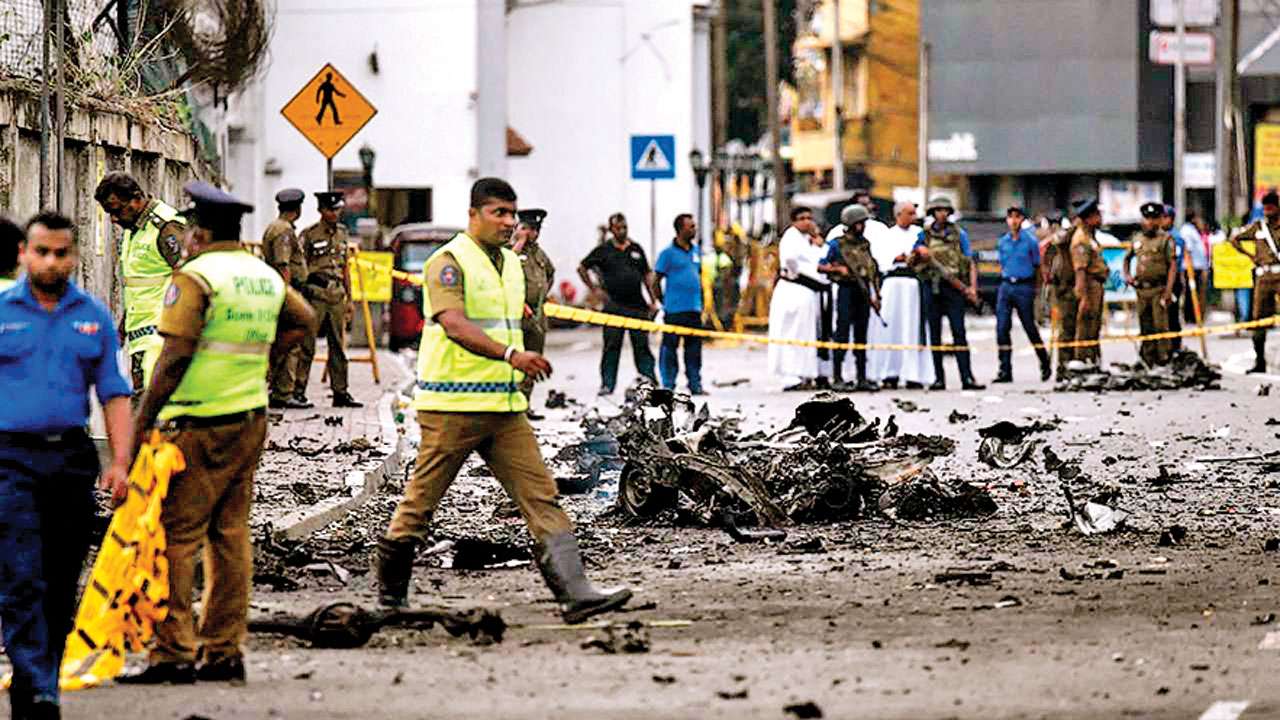
The Islamic State (ISIS)’s otherwise disastrous campaign to attain power can claim one indisputable success. ISIS-linked violence has created chaos, destroyed communal harmony, increased hatred, and made life miserable for people of all faiths. The bloody carnage unleashed by suicide bombers, targeting Christians on Easter Sunday in Sri Lanka is a recent example. It has resulted in anti-Muslim riots, call to ban the niqab and burqa, monitoring of mosques, and the deportation of suspected radical clerics.

The ruthless attacks by ISIS, al-Qaeda, and other extremist groups, on soft civilian targets like churches and hotels, bolster the negative view of Muslims in the non-Muslim world. It sees the acts of a minority fringe of lunatics, who have carried out bloody acts of terror and violence as part of jihad or ‘holy war’, as the true face of Islam. Blowing up innocents, primarily Christians, in a country like Sri Lanka where Muslims freely practice their faith, meet none of the criteria for legitimate jihad. The senseless violence, carried out by extremists, only contributes to the perception that Islam can’t co-exist with other faiths.

Despite the defeats suffered by jihadi groups since 9/11, the information warfare conducted by the global extremist movement continues to win over new adherents to their cause. In reality, today, ISIS’s murderous talent pool has expanded beyond just the poor, marginalized youth, to include educated and wealthy individuals. Two factors stand out over the rest in the battle against hatred and extremism. One is the failure of mainstream Muslim religious and political leaders to denounce extremism and two, the success of extremists in exploiting the West’s injudicious use of force and rising anti-Muslim sentiment for recruitment and disinformation.

ISIS atrocities include attacks directly targeting civilians and civilian infrastructure, executions and other targeted killings of civilians, abductions, rape and other forms of sexual and gender-based violence perpetrated against women and children, slavery and trafficking of women and children, forced recruitment of children, destruction or desecration of places of religious or cultural significance, wanton destruction and looting of property, and denial of fundamental freedoms.

States are reluctant to challenge the street power of the extremist storm troopers. Extremist groups are free to peddle their rigid and literalist version of Islam

In the profound words of anti-Nazi theologian Dietrich Bonhoeffer: Silence in the face of evil is itself evil: God will not hold us guiltless. Not to speak is to speak. Not to act is to act.” As quick as Muslim leaders are to rebuke western racism, white supremacy, and xenophobia, they must unequivocally condemn ISIS’s pure evil. ISIS actions aren’t protecting Islam against enemies as they claim but they encourage people’s base instincts.

We often hear Islamic leaders refer to violence in which implicates individuals or groups who claim an Islamic association as a debasement of the good and peaceful teachings of Islam. Such defensive reactions refuse to acknowledge that violent extremist groups and intolerance exist and often exercises disproportionate influence within Muslim societies. In fact, extremism is so deeply entrenched that it will not be easy to root it out. Extremists believe they possess the absolute truth and they go on bullying others through threats, slander, and defamation. They claim to be the only true Muslims motivated, inspired, and even commanded to commit horrific acts of violence in God’s name.

Indeed, there is a broad pattern of tyranny, oppression, misogyny, poverty, illiteracy, and lack of religious freedom prevailing in many Muslim societies. A great deal of it is because of an aversion to democracy. The dismal political and economic situation directly results from centuries of centralisation of power in the hands of demagogues and dictators. Few Muslim states encourage pluralism. Islam is synonymous with an unyielding adherence to theology and blind obedience. This is incompatible with modernity embodied in religious tolerance and freedom of thought and expression.

States are reluctant to challenge the street power of the extremist storm troopers. Extremist groups are free to peddle their rigid and literalist version of Islam. This includes the demand for imposing sharia law from the 7th century. Extremists see the criminalisation of spousal abuse, giving women judicial equality, or the outlawing of child marriages as contradicting sharia law.

Radicalism is also impacting a minority of immigrants in western societies, who often led astray by leaders in their own communities, can’t adjust. However, most Muslim immigrants thrive, compared to their countries of origin, because of democracy and freedom of expression on offer.

We can agree that the contemporary global order is not by any stretch of the imagination, a just one. However, many non-Muslim societies are prosperous, despite entrenched social injustices, because they encourage democracy and peaceful co-existence. Blaming injustice and misery, solely on western colonialism and imperialism, doesn’t take into account the obscurantism and fanaticism blighting Islam.

That said, many in the West are feeding of the many critical and fearful writings about Islam and Muslims. They define Islam as intrinsically violent but ignore the fact that bloodletting and slaughter is part of human history. Rather than demonizing faith and people, we collectively mustn’t allow the extremists among us to derail the path of peace and co-existence.

The writer is a freelance contributor

Accused held in Sri Lanka ‘suspected handler’

May 17th, 2019

Courtesy DNA

Sri Lanka blast

The software engineer suspected by authorities in Sri Lanka of providing technical and logistical support to the suicide bombers of April 21, 2019 attack, was also a suspected handler of two IS operatives arrested by Gujarat Anti-Terrorist Squad (ATS) two years back. 

Reportedly, Sri Lankan software engineer identified as Aadhil Ameez, a 24-year-old, was link between groups that attacked churches and hotels in Sri Lanka and killed more than 250 people. He was taken into custody on April 25, four days after the attacks. 

According to ATS officials, two suspects, identified as Mohamad Kasim Stimberwala, a laboratory technician with a hospital in Ankleshwar and Ubed Ahmed Mirza, a practising lawyer in Surat were arrested on October 25, 2017. The duo followed the ideology of Islamic State and was planning to carry out a lone wolf attack on a synagogue in Khadia area of Ahmedabad.

Both the suspected operatives of the IS were under the influence of Abdullah-el-Faisal, a radical preacher based in Jamaica and for many years, they were planning to cause terrorist acts. ATS officials said they recovered several WhatsApp chats, telephonic call records of suspects during the investigation. Ubed Miraz had spoken about Aadhil Ameez based in Sri Lanka. In the chat, Aadhil was identified as an ISIS handler and a person who could take up the cause of jihad. 

A senior ATS official said, We have recovered one of the recordings of Ubed, in which he had taken the name of Aadhil Ameez. They were also bragging about assassinating the PM in Tamil Naidu and had also talked about carrying out an attack in Sri Lanka.” 

ATS officials informed central agencies about the matter and had also alerted Sri Lankan intelligence agencies and authorities. We suspected that Aadhil was the handler of two IS operatives who were arrested in 2017. There were threads and links, where his name was taken by operatives, but there was no connection or involvement of him in the planning of the synagogue attack,” added the official.

Both Stimberwala and Mirza were booked under IPC section 120-A (criminal conspiracy), 121-A (waging or attempt to wage war against Government of India) and 125 (waging war against any Asiatic power in alliance with Government of India) of the IPC and Unlawful Activities Prevention Act (UAPA).

ISIS HAND

  • On October 25, 2017, two suspected ISIS operatives identified as Mohammad Kasim Stimberwala and Ubed Ahmed Mirza were arrested by Gujarat ATS from Surat   
  • Operatives were planning to attack a synagogue in Khadia area of Ahmedabad

Cardinal calls on Muslims to shed their cultural differences and integrate

May 17th, 2019

RUWAN LAKNATH JAYAKODY Courtesy Ceylon Today

Archbishop of Colombo, Malcolm Cardinal Ranjith yesterday (14) called on all Muslims in the country to personally minimise and shed their cultural differences and integrate with the rest of society and the common culture, as one people and citizens of the country.

Muslim politicians, should be authentic in their faith and the core values of Islam instead of using religion as a label or for selfish purposes, he added.

The Cardinal along with several Buddhist religious leaders, also claimed that regional level leadership of various political parties and politically aligned groups and agents at the base and grassroots level were the lynch mobs (fuelled and motivated by the provision and consumption of alcohol) behind the spate of tense and riotous situations and violent attacks, in the past couple of days, targeting Muslim properties, including shops and mosques, in certain areas which led to the imposition of curfew and arrests. They thus called on all leaders of political parties to rein in and control their Party members and henchmen.

Advocating on behalf of the private nature of religion and worship, and the separation of religion from politics and vice versa, the religious leaders also reiterated their call to ban all national level political parties which contained references to race, ethnicity or religion in the names of their Parties as it only served to cause further divisions. They emphasised that, political candidates representing minorities should be able to contest from national level Parties for even the Presidency and Premiership, and should respect diversity.

It was also the view of the Cardinal and other religious leaders that all affairs pertaining to religion should be brought under the purview of one Government Ministry as was previously the case as opposed to having separate Ministries per religion.        

These views were expressed by Archbishop Ranjith and Chief Prelate of the Kotte Chapter of the Siam Sect, Ven. Ittepane Dhammalankara Thera at a Media conference convened yesterday at the Archbishop’s house in Colombo to make a special appeal for the public to refrain from giving vent to their emotions and causing chaos, taking the law into their own hands owing to a misguided sense of faux heroism and thereby disturbing the peace and unity, and instead act intelligently and patriotically, keeping emotions in check, maintaining calm, exercising compassion, love and patience, respecting dignity and individual liberty and freedom, and allow and assist the law enforcement authorities to carry out their duties, including search operations and obey their orders as that would constitute the highest tribute to be paid to those whose lives were sacrificed in the 21 April Easter Sunday suicide bomb attacks on churches, hotels and elsewhere.

Archbishop Ranjith urged all to allow for Buddhists and Muslims to celebrate their forthcoming festivals, Vesak and Ramadan, respectively. 

When queried as to when the Catholic schools would commence their term, Archbishop Ranjith explained that permission had been granted to the schools chief authorities to decide on opening for the term after heeding the voices of parents and the advice of the law enforcement agencies. Whilst acknowledging that parents feared to send children to school, yet they did not fear to send their children to attend tuition classes, Dhammalankara Thera observed that the prevalent fear could be done away with if Parliamentarians including Ministers stood in front of countrywide schools for a couple of hours for a couple of days.

When questioned as to Tamil National Alliance MP, President’s Counsel M.A. Sumanthiran’s recent statement that the Easter Sunday carnage was partially the result of the grievances of the minorities not being addressed by the Government, Archbishop Ranjith whilst acknowledging that minorities had legitimate problems which should be separately discussed and resolved. He pointed out that there was no evidence to indicate a direct link between the Easter Sunday attacks and unaddressed issues facing the minorities, and that therefore Sumanthiran’s claim was a case of overreach.

The Archbishop also took the security forces personnel to task over the recent incidents which revealed that areas and places previously searched and swept by law enforcement during search ops had revealed more weapons. We told them to do a thorough search area by area, house by house, irrespective of religion, yet this went unheeded, he noted. The searches have not been done properly, he further added.

He also bemoaned that their call to appoint a commission to probe the assets of politicians had fallen on deaf ears.

On Minister Mangala Samaraweera’s recent claim that Sri Lanka is not a Buddhist country, the two religious leaders said that such a view was one bereft of even the most rudimentary understanding of the country, its history and culture. He also cited examples of how well Christians and Catholics were treated in Sri Lanka when compared to the treatment afforded them in other Christian and Catholic countries (example – separate seats for clergy in public transportation).

Court allows to detain two suspects linked to Zahran for 72 hours

May 17th, 2019

Courtesy Adaderana

Kebithigollewa  Magistrate’s Court today granted permission for police to detain for 72 hours and question the two suspects arrested in Horowpathana over their alleged links to terrorist leader Zaharan Hashim.

Noor Mohammadu Abdul Rasool and Kana Mohamed Mijam, identified as a Principal and an Acting Principal of two Muslim schools in the area, were arrested last night by the Police Special Task Force (STF) at Paththewa, Horowpathana.

They are believed to have maintained close links with the leader of National Thowheed Jamaath (NTJ) Zahran Hashim, the ringleader of the series of attacks on Easter Sunday.

Police said information has been received that the two suspects are well versed in the future plans of the NTJ.

Zahran Hashim and Mohamed Ibrahim Ansar have allegedly established NTJ mosques in the area and entrusted them with Abdul Rasool and Mohamed Mijam.

The arrested suspects were produced before the Kebithigollewa Dis/Magistrate Court today (17) by police who sought permission to detain and interrogate them for 72 hours.

THE MUSLIMS OF SRI LANKA Part 1

May 17th, 2019

KAMALIKA PIERIS

This essay looks at the main element in Muslim expansion in Sri Lanka, the takeover of land. This is a systematic, calculated take over, and it has been going on for a long time. The money comes from Saudi Arabia. This land grab is part of the silent process of taking over Sri Lanka for Islam.

In the mid 1970s, I had a conversation with a fellow passenger on a train. He told me ‘Some one must look at what is going in the villages.  A Muslim comes in, starts a shop, gives items on credit and when the villager cannot pay, takes his land. This is happening all over,’ he concluded.

Ratanapala’ writing in 2017 confirms this. He says, ‘Even 30 years ago in some areas it was only the village temple that was left after Muslim encroachment.   Today I believe after the demise of the temple priest the temple land too is in their hands, he said.

In the urban sector, Muslim brokers openly accost house owners and offer to buy their houses at prices which are way above the local selling price. A relative told me that, ten years ago, she had received an unsolicited offer of Rs   60 million, for a modest house which she had no intention of selling. We have all had the experience, in Colombo, of Muslims driving in and offering to buy the very house we are living in. They offer exorbitant prices and they are very persistent.  Two days after the Easter Sunday bomb blasts, a friend who lives close by was asked whether she would sell her house. 

There is a brazen takeover of public land as well. In the area in which I live, a Muslim travel company cordoned off the area in front of it’s newly built office. They took in the whole pavement, which was 14 feet wide and a CEB transformer as well. No one challenged this, until the UDA came to re-pave the pavement. They kicked aside the cordon and returned the pavement to the public. In Nugegoda, Muslims tried to take over a whole chunk of the town. Residents found that Enderamulla had become a part of adjoining ‘Akbar Town’. 

There is blatant abuse of the   law. The owner of a piece of land in the suburbs of Colombo sold it because urban laws said he could not go up three storeys in that area.  He later found that under the new owner, a Muslim, a three storey building was coming up. 

In Kandy, I was shown a house newly built by a   Muslim, where the area marked off as road reservation was also built on.  In Colombo, storm water drains are built over by Muslim house owners, regardless of protests by the neighbours. Muslim officers in the municipality give the approval.

Some of the anti Muslim scuffles going on today are definitely related to land. There was a clash recently at Pothupitiya, a coastal village, near Negombo.  This was linked to two unauthorized structures, a beach restaurant and a mini mart, owned by Muslims. These had been built illegally on Coast Conservation Department land with the support of a local Muslim politician. The minimart was owned by his nephew. (Sunday Times 12.5.19 p 10)

Muslims are taking over in the Eastern Province too, particularly in the Batticaloa district.  Muslims are pushing Tamils out of the Eastern Province by taking over the lands owned by them. Researchers declared that Muslims in the east are engaging in questionable land acquisition”. They are buying paddy land from absentee Tamil owners. They are buying up Tamil owned businesses.  There is also the ‘creeping spread of Muslim villages into Tamil villages’, they added.

Muslims have created exclusive Muslim settlements in the Eastern province. These are set in strategic locations, by the sea. Kattankudy is the best example.  Some settlements   encroach into conservation areas such as the forests, estuaries, and waterways flowing to the sea. The bogus deeds were prepared by Muslims working in the kachcheri or District office administering the area, said critics. 

Derana television news of 4.1.2018 featured a settlement in Thillaiyadi, Puttalam, for 1000 houses. It had been established by Rishard Badiurdeen with funds from UAE.  The settlement was named after a member of UAE’s Supreme Council. There is   ‘Ashraf Nagar’ in Ampara close to Deegavapi temple. 500 houses were built with funding from the Middle East, to house 89 Moslem families who had been displaced by the 2004 tsunami, said observers.

A very comprehensive account of the Muslim land grab has been given by “Ratanapala” (pseud) writing to Lankaweb in May 2017. Here it is.

Ratanapala says that Col Gaddafi, who came here to attend the1976 Non Aligned Nations Conference in Colombo, gave a radio interview to the local Muslims. (See Radio Ceylon Transcripts of 1976) In the course to the interview Kaddafi had asked them about their population strength. He gave them the following advice and guide lines: To increase their population from what was around 7% at that time. To buy land alongside major roads – Economic arteries that emanate from major economic centres. To construct mosques so that the call to prayer ( Azan) can be heard from the next mosque.

It is in this background and context we have to understand how far the Muslims have come since 1976. Population has increased from around 5% to now near 10%.  This increase is facilitated by funding for such practices from the Middle East.  Increase in numbers has also brought about a new militancy in challenging the indigenous Buddhist Culture, Buddhism and the Sinhalese, observed Ratanapala.

As for the purchase of land, they have over achieved what Col Gaddafi wanted them to realize. One only has to go along the major road arteries that emanate from Colombo or other major cities to understand this creepy crawly encroachment – on either side of these roads to find out who owns these trading establishments.

One has to look at what is happening to the suburbs of Colombo – all prime land is being bought over by Muslims to make a clean sweep of Colombo and her environs. Then it goes to other areas down the southern coast line – Wadduwa, Kalutara, Beruwala Aluthgama. In Colombo and its environs, as it is in a multiplicity of other major cities towns and suburbs, Sinhalese are replaced at an ever increasing pace as more and more land – real estate is passing hands from Sinhalese to Muslim for rupees which only has a transient value,  continued Ratanapala.

Now that Muslims have cornered the inner-city, gradually they are moving onto city outskirts in a deliberate and methodical way displacing Sinhalese street by street by street! They follow the law of the land where it is convenient and find all the loop holes to creep through to buy land quite legally – that is under the current laws which are quite unfavorable to the Sinhalese.

Currently areas around Dehiwala, Galkissa – Mt Lavinia, Kalubowila are under intense attack; other areas around Colombo too are similarly attacked the difference is only in the degree.  A friend of mine who recently returned from Sri Lanka having visited his wife’s house in Waidya Road, Mt Lavinia mentioned to me that this street is unrecognizable from what it was 20 years before and now almost entirely Muslim, said Ratanapala.

Large contingents of Maldivian Muslims seem to prefer this area.  People have reported seeing foreigners in Islamic attire being ‘very busy’ at all time of the day in these areas – purchase of land and building of mosques are going a pace.

Another friend of mine who is living abroad and has his parental house in Dickmans Road, is having a court case with a Muslim man in the adjoining land, who claims a half of his parapet wall as belonging to him. This is a classic case of a Bedum Naduwa where the weaker party gets overwhelmed, as  owners of this – property  living abroad cannot participate in lengthy court proceedings. Eventually frustrated owners will sell the land to the Muslim who will go on to ‘offer’ a ‘good’ price for the land and property, said Ratanapala.

 Elsewhere in the country they are buying up land in all economic centers as well as cornering all businesses under their control. Today they control most of wholesale economy and what the Sinhala trader does is just the drip of what they can get out of retail trade – outcome of which is very much determined at a higher level by the wholesaler.

 Movement of Muslim enterprises to purchase prime land in economic zones is going a pace. Many a little shop in Colombo as well as in other major cities and towns with Sinhala sounding name boards in front are in fact owned and operated by Muslim enterprises.

In Kandy, Muslims have ‘ring circled’ the Temple of the Tooth – Dalada Maligawa with clever purchasing of land from unpatriotic Buddhist Priests and other landowners.  A mosque built on land leased out by the Temple is now getting ready to rival the very pinnacle of Buddhist faith in Sri Lanka.  Ring circling of Buddhist places of worship is now happening all over Sri Lanka. Kuragala, Dambulla, Kekirawa, Matale, Polonnaruwa, Mawanella –  to name only a few.  At Kuragala they are extending the territory by burying their dead in the adjoining government lands – another ploy they use to capture land, observed Ratanapala.

All this is happening in a majority Buddhist country where the minorities are making inroads to erase our history and our relationship to our past in the North and East. Already in the East, Buddhist places of worship are being desecrated and Buddhist land occupied while a hapless government is looking askance. Mosques are mushrooming all over the island, apparently there is a mosque for every 50 Muslim families in the island. In total they now outnumber all the Buddhist Temples and Hindu Kovils.

In the West, Wilpattu wild life sanctuary is already being bulldozed, making land for Muslims settlements. How many of these are illegal immigrants, the government has no clue,  concluded  Ratanapala.

Environmentalist are concerned about the  Muslim encroachment at Wilpattu National Park. Wilpattu is a valuable pristine forest within the villu eco-system . Environmentalists firmly oppose any human settlements within Wilpattu. Wilpattu was thick forest from 1984-2011. There was not a single settlement. Satellite pictures   and Survey Department maps  indicate    this.   In 2010, human settlements   started in Wilpattu.  The activity was  re-started in 2013. Aerial photos taken in 2006 and 2015 show the increase in settlements. They show that around 2500 acres have been cleared in the last 9 years.

Environmental  organizations such as Wilpattu Surakimu and National Sangha Council compiled a report on Wilpattu in 2015.  The report says settlement started in 2010, it took place in Wilpattu North and Kallaru forest reserve. About 50 acres of Wilpattu North sanctuary and 2500 acres of Kallaru forest reserve have been destroyed and people settled there.  

In 2015 Centre for Environmental Justice (CEJ)  filed  petition saying that 2000 hectares of  the forest complex adjoining Wilpattu national part northern sanctuary and Marichhukkaddi/karaddikkuli reserved forest  west ward of Wilpattu block UU and IV, has been cleared, divided into plots, paved road and unauthorized settlements established, making irreparable damage to the environment.

 Approximately  1000 hectares of forest in Madu, Periyamadu and Sannara  area which is part of the forest complex . Madu road sanctuary  and Madu road reserve forest has similarly been destroyed to make way for settlement. 1500 families have been illegally settled  in these areas. Approximate 50 acres in the northern sanctuary of Wilpattu, have also been cleared.  Permanent and temporary houses and other structures have been erected,  and roads constructed, said the petition.

 The petition alleged that Minister Bathiudeen was behind the venture. The petitioner  has information that the Minister of Industry and Commerce Rishard Bathiudeen had been involved in mobilizing the deforestation of these forest reserves and establishing settlements under the pretext of the resettlement of Internally Displaced People (IDPs),   CEJ said.

There was also a News 1st” expose on television on 28.6.15 showing that deforestation was taking place. The destruction caused, could be seen by air. The carnage that has befallen on this reserve took a new turn in 2013 with the intervention of Minister Bathiudeen,  said News First.  1080 acres in the Mannar District belonging to the Department of Wildlife had been released on  February 14, 2013  to resettle  displaced persons. The  President of Sri Lanka , when informed, had  ordered  the deforestation stopped. But when News First” went there, in 2015, they  found that deforestation of Kallaru forest area was continuing.  News First” correspondent was accosted by  an organized group.

In 2017, Rukshan Jayawardene   publicly drew attention to the fact that the Wilpattu forest is being pushed back using bulldozers, backhoes, chain saws and other heavy machinery. In many areas you can see the remaining forest as a wall where the clearing ends containing trees perhaps a century or more in age. Thousands of hectares have been cleared of forest cover. These forests contain valuable hardwoods such as Ceylon ebony, calamander, satin wood and last but not least red and white sandalwood. Where is that timber now, Rukshan asked.

A new road  travels like an arrow through the heart of Wilpattu, five kms from the park, said Rukshan. New houses, new towns, road networks, power and communication towers are all being established. There is creeping expansion into the wilderness of the park. The Park boundary is quietly shifted. These lands, formerly forest reserves, have been fraudulently obtained .  Meanwhile, some of the old settlements such as Mullikulum are deliberately neglected and allowed to remain overgrown, concluded Rukshan.

In 2018, Derana television featured a protest led by Ven. Pahiyangala Ananda on the encroachment at Wilpattu. Ven Ananda accused the officials of the Department of Wildlife Conservation of doing nothing to stop the matter. Environmentalists charge that Minister Rishard Bathiudeen is the person  responsible for  settling Muslims in Wilpattu.  More than 2500 acres of land in the buffer zone of Wilpattu had been destroyed and  Minister Bathiudeen was settling Muslims there, said  environmentalists.

Minister Rishard Bathiudeen has cleared a large stretch of thick forest land between Marichikaddi and Kallaru River, to create new Muslim settlements, they said. A vast area approximately 2,000 hectares in the forest adjoining the Wilpattu National Park , at the Northern sanctuary of the Wilpattu National Park and Maraichukkaddi / Karadikkuli Reserved Forest,  west ward of Wilpattu blocks II and IV,  had been cleared, divided into plots, provided with  paved roads and an unauthorized settlement established .

Approximately 1,000 hectares of forest land in Madu, Periyamadu and Sannara area which is part of the forest (Madu Road Sanctuary and Madu Road Reserved Forests) has  been destroyed for settlements. Around 1,500 families have been illegally settled in the cleared area belonging to the Maraichukkaddi /Karadikkuli forest reserve and in the forest complex of Madu Road Reserve and Madu Road Sanctuary ,  said environmentalists.  Bathiudeen  has also cleared 50 acres belonging to Forest Conservation Department in Wilpattu north. 2500 acres in Kallaru have   been cleared  and a further area around  800 acres is being cleared  . Kallaru forest  though not considered a part of Wilpattu, comes under the Forest Conservation Ordinance of the Forest Department. And, therefore, any encroachment in this forest is illegal and  a punishable offence, said environmentalists.

Environmentalists are definite that these settlements at Wilpattu are recent ones. They were totally new settlements and not resettlements, they said. Bathiudeen’s statement that Muslims have come back to a settlement which was there in 1990, has been firmly rejected. . There were no villages before this in the now- cleared Kallaru area.  Kallaru is an illegal housing project  ,on encroached crown land in a conservation area.

Rishard’s strategy  is to first build some concrete or cemented houses in unauthorized state or private land, and hurriedly resettle people of his choice. These illegal settlements are thereafter made legal.

 At Kallaru, Bathiudeen has   used another strategy. From Marichikaddi to Kallaru, on either side of the nearly five kilometer main road, he has built hundreds of houses with very long spaces between them, only for Muslims, said observers.  There are paved roads and permanent houses already in place, with  further road extension and house construction underway.

One settlement has been named Hunais Farook City, after his  one-time political ally,  Hunais Farook. Another settlement of 179 houses has been named  Jassim City’. There is a board saying  funds were provided by Sheikh Jassim Bin Jabor Al-Thani Charitable Foundation  of Qatar.  Most of the houses in these  settlements are unoccupied.  Muslims living elsewhere appear at Wilpattu when necessary.  

Rishard’s land-grabbing campaigns  are going on unchecked  in Mannar and Vanni, too,  said critics. Some of  his illegal settlements are located between Silawathurai and Nanattan in Musali, and between Tharapuram and Thalvupadu in Mannar. Many new colonies have also mushroomed in state lands between Murunkan and Silawathurai. An illegal resettlement scheme is built opposite  the Doric Fort between Silawathurai and Arippu. A lot of state land along Mannar- Talaimannar road, is encroached and illegally owned by his relatives and party supporters, they said..

On   24 March 2017 President Maithripala Sirisena signed a gazette notification declaring 100,000 acres of lands adjacent to Wilpattu National Park  as conservation forest” , with immediate effect,  thereby stopping people with political backing clearing more areas in the forest. The gazette notification gives wide powers to the Forest Department’s five forest reserves – Mavillu, Wepal, Karadikkuli/Marichchakatti, Wilaththikulam and Periyamurippu . These have now been gazetted as ‘Mavillu Conservation forests’ and have the highest protection under the Act. National Environment Act, probably.  Hereafter, Presidential and Parliamentary approval will be needed to acquire or clear  the  land.  Entry will be restricted and entrance would only allowed for educational or research purposes. There is no information as to what will happen to the illegal  Bathiudeen settlements. (Continued)

Few very serious questions before the nation

May 17th, 2019

Sudath Gunasekara

25. 5.2019

1 Why did the PM directed police to use ICCPR (2Why Two different Laws are invoked, one for Muslims and  another  for Sinhala youths, that has resulted in quicker and more serious punishment. Isn’t it a gross discrimination against the majority community ?

2 Why did he took the law in to his hand when there was an acting Minister in charge of the Subject of Defense  Ruwan Wijewardhana legally appointed by the President?

3 why did he made an extraordinary quick visit to the areas affected?

4 How far his orders, obviously self assumed, given at a rather unconventional Cabinet meeting held in the absence of the President perhaps without his consent,  are legally valid in the absence of proper delegation of power an authority.?

5 Doesn’t this incident  highlights another serious incident of absence of Government in this country?

6 Who is actually responsible for this state of gross anarchy?

7 Does’nt this means a case of the PM to light his Suruttuwa when the nations beard is on fire?

8 Who will take the responsibility for all chaos  resulting from this dangerous decision?

OBJECTION TO BILL 104 – DO NOT PASS – REFER TO COMMITTEE

May 17th, 2019

Mahinda Gunasekera  Tambrook Drive, Agincourt, Toronto, Ontario M1W 3L9 Canada

15 May 2019

Honourable Premier Doug Ford, Honourable Cabinet Ministers, Honourable Leaders of the NDP and Liberal Party and  Honourable Members of the Provincial Legislature,

OBJECTION TO BILL 104: DO NOT PASS: REFER TO COMMITTEE

    I am writing as a Canadian of Sri Lankan Sinhalese origin who has lived in this province for the past 44 years to express our community’s strongest objection to your even considering the subject Bill 104 presented by Mr. Vijay Thanigasalam, MPP for Scarborough – Rouge Park on account of the following reasons:

1.      It promotes false information. There is no genocide involved;

2.      It promotes division among the Sri Lankan community in Canada. This country being a multi-cultural nation with diverse communities should not promote legislation which creates strife within communities.

3.      This legislation has been initiated by a Tamil MPP from the Conservative Party who along with other Tamil expats  that provided material support and funding to the internationally designated terrorist group called the Liberation Tigers of Tamil Eelam(LTTE) banned by 32 countries including Canada, USA, UK, EU, India, Malaysia, etc., seeking to break up Sri Lanka and set up a separate state in the north and east of the island. The LTTE launched its so called final war of liberation in mid-2006, but was militarily defeated by Sri Lanka’s armed forces on May 19, 2009. Now the pro-LTTE supporters in Canada have launched a campaign ten years after the military conflict ended fabricating charges of genocide against Sri Lanka to bring international pressure to bear against that country, to achieve their aim of breaking up the unitary state and realizing their objective of a separate state for Tamils whose homeland proper is the State of Tamilnadu in Southern India where over 75 million Tamils live.

4.      According to Article VIII of the Genocide Convention, the only authority that is able to make a finding of genocide is the United Nations, whilst disputes if any between the contracting parties shall be decided by the International Court of Justice.

5.      The Tamil civilians were compelled to move with the retreating LTTE forces from the west coast to their strongholds in the northeast coast around Mullaitivu to be exploited for their labour, conscripted as fighters and form a human shield.

6.      The total number Tamil civilians bandied about by the pro-LTTE groups as having been killed between January 1 and May 19, 2009 ranges from 70,000 to 140,000, whereas the UN Resident Representative’s office in Colombo reported 7,721 civilian deaths between August 2008 and May 13, 2009. The Government of Sri Lanka conducted a census using Tamil teachers and public servants as enumerators and arrived at a figure of 7,432 excluding those who had died of natural causes, whilst the Tamilnet, a key propaganda arm of the LTTE reported monthly deaths from January 1 to May 19, 2009, which added up to 7,398. Lord Naseby of the British House of Lords obtained heavily redacted copies of confidential reports sent by Col. Gash, the Military Attache at the British High Commission in Colombo to the Foreign and Commonwealth Office in London, where he reported a total of around 8,000 civilian deaths with 2,000 of that number being killed by the LTTE to prevent these civilians hat formed a human shield from fleeing their area of control. Contrary to what is claimed as genocidal attacks by the Sri Lankan forces, the number of genuine civilians killed is unknown as none of the published figures distinguishes between combatants, LTTE Auxiliary Forces Personnel, and genuine non-combatant civilians. In fact, the UNSG’s panel on Sri Lanka reported that a large number of LTTE fighters battled in civilian attire blurring the distinction between fighting cadres and civilians.

The pro-LTTE groups are relying on unsubstantiated numbers estimated by the UNSG’s three member Panel on Accountability in Sri Lanka which included Marzuki Darussman, Steven Ratner and the South African Tamil and propagandist for the LTTE Yasmin Sooka, appointed for his personal guidance, that arrived at a number of 40,000 civilian deaths based on one sided information provided by expat Tamils which they locked away for 20 years till 2031. They carried out their investigations from New York and never visited Sri Lanka.  The other is the internal review conducted by Charles Petrie who reviewed the UNSG’s Panel report and reports furnished by IGOS and INGOS who were not in the war theatre after September 2008 arriving at a figure of 70,000 civilian deaths.  Neither of these reports had been sanctioned by the UNSC or the UNGA, and were conducted from outside Sri Lanka.

Amnesty and HRW commissioned a report from the American Association for the Advancement of Science (AAAS) to determine the number killed after analysis of the high resolution satellite imagery of the final battleground, as the latter were only able to come up with a total of 1,346 burial spots in three burial sites within the Civilian Safety Zone (CSW), which detailed report is carried in their website under the title ‘Geospatial Technologies and Human Rights Project – High Resolution Satellite Imagery and the Conflict in Sri Lanka. As this report did not support the bogus numbers swirled around by LTTE propagandists, Amnesty and HRW did not proceed with their planned report to press for action against Sri Lanka. The AAAS report was also able to identify some 65 or so craters which they determined had been made by Mortar Shells (not artillery) along the perimeter of the CSZ close to the Nandikadal Lagoon where the LTTE fighters were concentrated and close to the coast where the Sea Tigers operated. Even the buildings without roofs initially thought to have been targeted with artillery fire turned out to have been dismantled by the LTTE to cover their bunkers or hide their long range weapons, while the building walls remained undamaged.

Another interesting statistic is the total number of injured persons among the Tamil IDPs according to the ICRC responsible for ferrying them by land and sea for medical attention was 18,439 which is lower than the 40,000 supposedly killed during the last stages. Normally, the world’s average ratio injured (WIA) to the number killed (KIA) is between 2-3 times the number killed, which means that the number injured should have been 80,000 – 120,000. Can someone explain this discrepancy other than determining that the high civilian death numbers being quoted are bogus guesstimates.

7.      The Justice Maxwell Paranagama Commission on Missing Persons in Sri Lanka was assisted by a team of international legal and military experts in matters relating to International Humanitarian Law (IHL) and War Crimes issues in respect of the military operations against the LTTE, where they concluded that the Sri Lankan forces had not violated IHL or committed war crimes. These experts were internationally recognized authorities, many of whom had served as legal advisers or prosecutors in the International Criminal Courts.  The team of experts was led by Right Honourable Sir Desmond de Silva, QC. (UK) who was Chairman of the Legal Advisory Council, together with Professor Sir Geoffrey Nice QC. (UK), Professor David M. Crane (USA), Mr. Rodney Dixon, QC. (UK/ South Africa), Professor Michael Newton (USA) Vanderbilt University, William Fenrick (Canada), Professor Nina Jorgensen of Harvard University, Mr. Paul K. Mylvaganam (UK) and Major General Sir John Holmes, DSO, OBE, MC (UK) former head of the British SAS.

8.      The LTTE launched attacks on the other Tamil militant groups to gain ascendancy and later became the leading terrorist group employing suicide terrorism becoming the self-declared ‘Sole Representative’ of the Tamil community, even recognized as such by the Tamil National Alliance (TNA) elected to represent Tamils in the National Parliament. In order to establish their authority, the LTTE first carried out attacks on leading members of the Tamil community including political leaders, academics, intellectuals, police officers, and others deemed dissidents. Thereafter, the LTTE began to attack the apparatus of the state responsible for internal security, isolated military camps, assassination of political leaders including Ranasinghe Premadasa, President of Sri Lanka, Gamini Dissanayake, Presidential candidate, cabinet ministers, namely, Lalith Athulathmudali, C.V. Gooneratne, Jeyaraj Fernandopulle, T.Maheswaran, and attempted assassination of Chandrika Kumaratunge, President of Sri Lanka, Army Commander Sarath Fonseka and Defence Secretary Gotabhaya Rajapakse. The LTTE dispatched a woman suicide bomber to assassinate Rajiv Gandhi, Prime Minister of India, and also killed Sri Lanka’s distinguished Minister of Foreign Affairs, the Hon. Lakshman Kadirgamar.  They attacked remote rural villages in the north and east to ethnically cleanse the region and drive out the resident Sinhala population from areas claimed for their separate state. The LTTE also attacked economic targets such as the Central Bank, Petroleum Storage facilities, the International Airport at Katunayake destroying six commercial aircraft belonging to Sri Lankan Airlines, and regularly planted bombs in public transit, shopping malls, bus terminals, rail stations, killing large numbers of civilians making the population fearful of going about their normal business.

They even attacked the holy shrine of Buddhists at the Sri Maha Bodhi in Anuradhapura killing about 140 including monks and lay devotees who were engaged in meditation and other devotional activities. They attacked a bus carrying 33 Buddhist monks who were proceeding on pilgrimage at Aranthalawa using machine guns and machetes, and also bombed the Sri Dalada Maligawa in Kandy which houses the Tooth Relic of the Buddha causing extensive damage to this World Heritage Site recognized by UNESCO. They attacked Muslims at prayer in Kattankudy killing nearly 180 worshippers inside their mosques.

9.       The LTTE started their so called final war of liberation in earnest by shutting off the sluice gates at Mavil Aru in August 2006 during the CFA by stopping the flow of drinking and irrigation water to 30,000 farmers living downstream. The state responded militarily after a lapse of nearly 12 days to restore the water supply and thereafter took action to clear the eastern province of LTTE forces followed by similar action along the northwest coast regaining the territory usurped by the terror forces. Before long, the LTTE was compelled to retreat into a narrow strip on the northeast coast at Puthumathalan near the town of Mullaivu. The LTTE forces were completely surrounded by the security forces which soon established a civilian safety zone (CSW) within this strip to prevent any harm to the displaced civilians. The LTTE moved their heavy artillery guns within the CSW and fired at the surrounding state military. The army would check on the LTTE’s artillery position and resort to  retaliatory fire after  making sure that the civilians were at a safe distance to minimize civilian casualties.

10.  The military successfully carried out a maneuver to split the CSW into two helping nearly 120,000 civilians to escape to safety.     The LTTE was offered several chances to surrender but they did not pay any heed as they expected the international community led by the USA to intervene in the ongoing battles and rescue them and obtain asylum for them in an African country such as Eritrea from where they could continue their separatist struggle in Sri Lanka. In fact, two 48 hour ceasefires were put into effect by the Sri Lanka military in February and April 2009 to enable the  civilians to get out of harms way and move into areas controlled by the army where they would be safe.  However, regrettably the LTTE did not allow any of the civilians to move out and even fired on those who attempted to flee killing them, effectively blocking the safe removal of the civilians who were being used as a human shield. Despite the attempts of the LTTE to put the lives of the Tamil civilians in danger, the Sri Lankan Security Forces succeeded in eliminating the Tamil Tiger leaders and remaining fighters and rescuing 295,873 Tamils among whom were 11,800 former Tiger fighters in civilian attire that abandoned the LTTE. They were housed in Welfare Camps, provided all meals, medical/ psychological care, education, vocational training, and resettled in their former places of residence after clearing the land of 1.5 million landmines laid by the LTTE to hamper the advance of the country’s armed forces. The former Tiger cadres were enrolled in a rehabilitation program, given new life skills that would enable them to lead independent lives and released to society. ARE THESE ACTS OF GENOCIDE AGAINST THE TAMILS? 

Please consider the above factual data and take action to reject Bill 104 which attempts to insert a

series of falsehoods into the Canadian legal system thereby seriously affecting the integrity of our laws.

Yours sincerely,

Mahinda Gunasekera

SL Death Cult and Political Corruption that created this monster.

May 16th, 2019

By Siri Hewawitharana

I like to put few details re. SL state security apparatus within the war period and also major work that started after the war to create better defense for the SL state.Siri Hewawitharana

There were so many engineering talents was helping SL military with signal, satellite and other cyber warfare work since Gotabaya was instrumental in getting the single command structure for all 3 services and the police and he also asked me to help with the Army Research and Development group with command structure and product development.

First meeting was organized by Kapila Hendawitharana with about 12- 15 senior generals and other staffs including Melbourne educated IT director with the Phd . We had so many legal constrains due to Army was funded and also the Army act since we need to get smart people to the organization if we need to develop high level security group that can function parallel to defense but attached to the army. I have provided to the army that explain US defense structure and how they interact and also cyber command structure and line of authority. On top of that I also provided US security NIST Cyber Security document standards that should be followed within SL defense and also govt. departments to avoid fraud and also unauthorized access.

Gotabaya asked me to design the Cyber command structure and room which I was given access to Panagoda camp which I found not suitable and after that Gotabaya told me to find a suitable place and also design the room and its facilities.

All these facilities were done under Gotabaya including the surveillance network suppose to start with Colombo at major arteries so in case of emergencies we could gather real time data via those cameras. Unfortunately, once UNP govt. came to power in 2015, all these works were stopped and finance was taken away.

Intelligence network after the war that was build down to village level was disbanded and head of intelligence, Kapila was pushed out and left the country at the mercy of Wahhabi’s and their money that was used effectively bribing Muslim ministers and UNP hierarchy. If there is a commission probing this heinous terrorist attack should incudes, how Wahhabi’s got foot hold in SL and who their pay masters are and put these traitors under lock and also confiscate their properties.

There is a clear link between massive drugs that coming to SL and foreign Islam terror groups and also SL should ban all Madrassas since this is how Wahhabis getting foothold in countries that create terror. Wahhabis are a death cult and nothing to do with the islam.

Finally Ranil as a PM should take responsibilities for these since he started to dismantle the Intelligence command and also encourage Wahhabism in SL for votes and funding his party.

We need to redefine all 3 forces under new Defense act that can be used any time with out State of emergency so that police can request help from defense forces services since with modern terror tactics, SL state cannot rely on old fashion British law that hinder SL defense needs. Also we need to stop giving visas to foreign islam workers and preachers.

Finally during the war, ground level intelligence gathering and LRRP operators mostly came from local Muslim community and country owe so much for this group and hope local Muslim communities gather and help the country prosper under one nation.

We need to create smart communities that help our defense forces and the govt. with smart people and hope govt. and the president have a plan to attract all SL patriots that are in the global arena with so much expertise to come to SL and hope govt. help with these people to settle in SL with out red tape.

Siri Hewawitharana,Executive Director, Sydney, Australia.

– Asian Tribune –

American iPhones and Chinese Huawei. -Two giants fighting

May 16th, 2019

Dr Sarath Obeysekera 

Today Americans have blacklisted Chinese Telephone Products from Huawei.

Americans claim that Chinese Equipment can spy on them

In Sinhala we say Ape Arraku apitagma Gahanawa” Means our own liquor given to others are turning against us

Americans can also spy on people all over the world using their iPhones .Many parts of I ,phones are made in China and they also clone I phones

At least one Asian Nation is fighting against the giant American Imperialism

In Sri Lanka Americans and Europens are trying to creep in pretext of helping us in the fight against Muslims 

That may one of the main reason for our President rushed to China For conference on Asian culture which otherwise could have been avoided considering the crisis in his own country .Chinese are calling all the leaders to convince them about the power of Silk Route which Americans do not like.

All of a sudden Chinese President offered much military assistance to President.

Irony is that the port Chinese have taken control is called Hamb -an -thota where Muslim traders  ( Sinhalese call them Hambaya) is now the landing point for Chinese so called Silk Route operations.

I am afraid that Chinese jaugernut will not stop.

Americans may have to  develop another planet to migrate like what they did from Europe to America’s

We should stick to our Asian neighbour rather than seeking help from US 

We will be safer

Quote

When it comes to cloning an iPhoneyou can do so remotely by entering the target iPhone’s iCloud credentials. However, if you want to clone an Android phone, physically accessing the phone is a MUST. You have to physically access the phone, and then install the Cocospy app into it.

His Excellency the globetrotter

May 16th, 2019

Laksiri Warnakula

When the disaster struck on that fateful Easter Sunday, he was away. When the sporadic incidents of communal unrest broke out on the 13th, he was already away or on his way to China. The exact details are irrelevant though. The crux of the matter however is that the skipper by accident or by design doesn’t more often than not happen to be where he should be, which is at the helm to steer his ship towards safety, when it gets into really rough seas.

And I, for one, am amazed at his ability in finding out excuses and/or plucking out an array of examples from or drawing parallels with the past to justify his absence or inaction. Whether those excuses are taken seriously by the public is another matter, though.

Then I am sure that those foreign invitees wouldn’t be highly offended if he tells them about his inability to attend whatever it is since he has more important and urgent matters to deal with, at home. For all I know, most of those invitations are often sent based on diplomatic protocol and courtesy and one Mr Sirisena’s absence is not going to matter to them much, if not at all. Even though every time he and/or some of his troops accept those invitations with gleeful smiles no doubt, our near empty coffers get another direct hit too. By the way, this applies to our equally enthusiastic prime minister as well.

And then it looks like the elections looming on the horizon are on the minds belonging to all parties and even the present crisis is seemingly considered by many of them as something that can be best used to further their political ambitions.

The present government’s inexplicable inertia and lethargy to act promptly and launch operations to nip all those poisonous weeds of extremism in the bud (even though by now they all are quite possibly past that budding stage, thanks to both former and present governments that were busy looking the other way, as they were growing up, whilst being nurtured and watered by politicians belonging to both) is inconceivable, but not incomprehensible if one were to go by their track records replete with deceit.


So we have a president, who seems to be incapable of handling complex political issues of national importance and instead is quite happy and willing to be away from action and go on his globetrotting, whenever there is an opportunity. And the country in turn has already paid too high a price for his adventures. 

කැෆේ සහ පොදුජන පෙරමුණ අතර හමුවක්

May 16th, 2019

මාධ්‍ය ඒකකය  නිදහස් හා සාධාරණ මැතිවරණයක් සඳහා වූ ජනතා ව්‍යාපාරය 

නිදහස් හා සාධාරණ මැතිවරණයක් සඳහා වූ ජනතා ව්‍යපාරය හෙවත් කැෆේ සංවිධානයේ නව අධ්‍යක්ෂ මණ්ඩලය ශ්‍රී ලංකා පොදුජන පෙරමුණ හමුවෙයි. එම පෙරමුණේ සභාපති  ජී. එල් පීරිස් මහතා සහ බැසිල් රාජපක්ෂ යන මහත්වරු මෙන්ම එහි ලේකම් නීතිඥ සාගර කාරියවසම් මහතා ඇතුළු ක්‍රියාකාරිකයින් රැසක් මෙම හමුවට එක්ව සිටියහ. කැෆේ සංවිධානය වෙනුවෙන් එහි වැඩබලන විධායක අධ්‍යක්ෂ අහමඩ් මනාස් මහතා සහ අධ්‍යක්ෂිකා සුරංගී ආරියවංශ මහත්මිය මෙන්ම  එහි අධ්‍යක්ෂවරුන් වන අරවින්ද ඉන්ද්‍රජිත්, නිරෝෂන පීරිස් හා ශෂික මාදිවල යන මහත්වරු  මේ සඳහා සහභාගි වී සිටියහ. 

වත්මන් රජය සහ අනිකුත් පාර්ශව මැතිවරණ පැවැත්වීම ප්‍රමාද කිරීම පිළිබදව මෙහිදී සාකච්ඡාවට ලක්වූ අතර ප්‍රජාතන්ත්‍රවාදී ජන සමාජයක මැතිවරණ පැවැත්වීමේ අවශ්‍යතාව මෙහිදී අවධාරණය කෙරිණ. එමෙන්ම ඡන්ද හිමි නාම ලේඛන සංශෝධන ක්‍රියාවලිය වර්තමානයේ මුහුණ දී ඇති අභියෝග පිලිබඳවද මෙහිදී සාකච්ඡා කෙරුණු අතර නිදහස් හා සාධාරණ මැතිවරණයක අවශ්‍යතාව අවධාරණය කෙරිණ.

නිදහස් හා සාධාරණ මැතිවරණයක් සඳහා වූ ජනතා ව්‍යාපාරය මේ ආකාරයට ඉදිරියේදී මෙරට අනිකුත් ප්‍රමුඛ දේශපාලන පක්ෂ නායකයින් ද හමුවීමට සැලසුම් කර තිබේ.

Civilians trapped between Sri Lanka’s army and the Tamil Tigers in todays BBC news

May 16th, 2019

Sri Lanka News

All,

We do not know why the BBC has put this article with videos in today’s news. It has 5 short stories which try to make Sri Lanka look bad. Viz. They talk about mass graves without saying that the tests showed the bodies were over 4-500 years old. We should have as many people as possible write into BBC as to what is the truth of matters. It appears to be an effort to make Sri Lanka look bad to the international community at a time when all the attention is on the country. Please write in if you can individually or as a group to BBC and condemn their activities.

https://www.bbc.co.uk/news/av/stories-48270851/civilians-trapped-between-sri-lanka-s-army-and-the-tamil-tigers

Proclamation of May 18, 2019 as “Tamil Genocide Remembrance Day”

May 16th, 2019

National joint committee. srilanka 231, Kirula Road, Colombo 5, Sri Lanka. 

16th May 2019

Dear Mayors John Tory and Mayor Patrick Brown,

Re: Proclamation of May 18, 2019 as “Tamil Genocide Remembrance Day”

National Joint Committee on behalf of  all peace loving citizen of Sri Lanka wish to strongly protest against your intention to proclaim 18th of May 2019 as the Tamil Genocide Remembrance day” because genocide was not committed by the government of Sri Lanka when it defeated the LTTE on 19th of May 2009.

The second mandate of the Paranagama Presidential Commission of Inquiry in which Right Honourable Sir Desmond de Silva, QC. (UK) who was Chairman of the legal Advisory Council together with Professor Sir Geoffrey Nice QC. (UK), Professor David M. Crane (USA), all of whom contributed specific legal opinions that collectively became a legal bedrock of this Report.  The final distillation of the law was that of the Chairman of the Advisory Council working together with the members of the Commission.  The Advisory Council was ably supported by Mr. Rodney Dixon, QC. (UK/ South Africa), Professor Michael Newton (USA) Vanderbilt University who formerly served as the Senior Advisor to the United States Ambassador-at-Large for War Crimes, Commander William Fenrick (Canada), Professor Nina Jorgensen of Harvard and The Chinese University of Hong Kong, and Major General John Holmes, DSO, OBE, MC (UK) former Commanding Officer of the Special Air Service (SAS).

Second Mandate of the Paranagama Commission of Inquiry is quoted below with regard to genocide. https://parliament.lk/uploads/documents/paperspresented/report-of-paranagama.pdf

The Commission rejects the suggestion that civilians were either targeted directly or indiscriminately by the SLA as a part of an alleged genocidal plan. The term ‘genocide’ is often used in a political context but it is a legal concept with a very precise and definite meaning and scope of application. Genocide involves a specific intent on the part of the perpetrator to destroy in whole or in part a national, ethnic, racial or religious group as such. In a recent judgment, the International Court of Justice rejected claims of genocide by both Croatia and Serbia making it plain that the crime is only made out if it is proved that the perpetrators acted with specific intent to destroy physically the group concerned – ‘specific intent to destroy in whole or in part’. The evidential bar has been set deliberately high for this most serious of international crimes.”

This Commission refers in its report to a US diplomatic cable dated 15 July 2009, by Ambassador Clint Williamson that cleared the SLA of crimes against humanity during the Wanni offensive. Not only was the SLA cleared of crimes against humanity according to Ambassador Williamson during the Wanni offensive, Jacques de Maio, head of ICRC operations in South Asia, stated that any serious violations of IHL that may have been committed by Sri Lankan forces did not amount to genocide. The University Teachers for Human Rights (Jaffna) have similarly found that there is no evidence of genocide in the final stage of the war by the SLA.

While there may have been long-standing practices of religious, ethnic and racial discrimination carried out by various governments towards minorities, targeting that group, even if for discriminatory reasons, is not sufficient to constitute genocide. On all the evidence available, this Commission rejects the suggestion that the crime of genocide was or may have been committed during the final phase of the war.”

Paul Joseph Goebbels a onetime Minister of Propaganda is well known for leading the German nation astray for the establishment of the Third Reich under Adolf Hitler. He believed that a lie repeated many times over would ultimately be accepted as the truth. This theory of Goebbels has been effectively put into practice by the Tamil Diaspora to mislead the world with greater success than what was achieved even by Goebbels himself. They have succeeded in making the Canadian politicians to believe that the war against LTTE terrorism in Sri Lanka was nothing less than a genocidal war against the Tamil population.

 Wars between nations or even a civil war within a nation causes much destruction to life and property. While the vanquished is found fault with the victor is rarely questioned when the war comes to an end. However the war against terrorism in Sri Lanka where the government was victorious is perhaps one of those exceptions. The reason for this could be attributed to the involvement of vested interests that have tried over the years to destabilize this country for their own advantage. India was first responsible for training and equipping terrorists for a separatist war in Sri Lanka. Though there were many separatist terrorist organizations at the initial stages trained by India, the LTTE finally took the lead role and designated themselves as the sole representatives of the Tamil people. When the Sri Lanka Army was poised to defeat the LTTE in the Jaffna Peninsula it was India that intervened to save the LTTE from defeat by bringing pressure on the J.R. Jayawardena government with the introduction of the Indo Lanka Peace Accord. 

However the Indian Peace Keeping Force (IPKF) that arrived to implement the Indo Lanka Peace Accord was soon opposed by the LTTE and in the fighting that followed many IPKF soldiers were killed. The IPKF was withdrawn from Sri Lanka after the R. Premadasa government took office. The R. Premadasa government commenced peace talks with the LTTE after taking office but these peace talks failed and the LTTE resumed its Eelam war. The funding needed to continue with this war was now received by the LTTE from the Tamil Diaspora and certain vested interests in western countries including from many NGO’s. After President Premadasa was killed by the LTTE, the D.B. Wijetunga government that took office was able to clear the east of LTTE terrorism. The strength of the LTTE was greatly depleted by the time the next general election was held. It was therefore necessary for the LTTE to build up their strength and reequip if they were to continue with the Eelam war. Therefore the LTTE agreed to have peace talks with the newly elected Chandrika Kumaranatunga Government in order to find the necessary time to build up their strength and reequip. When the LTTE was ready to resume the Eelam war an attack was staged on the naval vessels in the Trincomalee dockyard. The peace was broken and war recommenced once more.

The Norwegians who arrived in the scene became the next negotiator to initiate a peace accord between the LTTE and the Ranil Wickremasinghe government. It was during this period of peace that the LTTE was able to kill many government informers as well as intelligence officers in the Sri Lanka Army. However it was also during this period that the LTTE leader in the east Karuna Amman broke away from the LTTE. Despite this setback the LTTE under the leadership of Prabakaran that had specialized in guerrilla warfare in the past had by now gathered enough cadres and equipment which included suicide boats and aircraft to fight against the Security Forces of Sri Lanka.

The confidence that Prabakaran had in his ability to fight a conventional warfare with his newly acquired strength led him to close the Mavil Aru sluice gates challenging the Mahinda Rajapakse government to reopen these sluice gates if possible. The government took up this challenge and named it the humanitarian operation to provide irrigation water to over 30000 cultivators whose fields had gone dry due to the closer of the sluice gates. This humanitarian operation that commenced at Mavil Aru first succeeded in defeating the LTTE in the east and was next extended to the north and finally ended at Nanthikadal with the total defeat of the LTTE.

The final stage of the war against the LTTE was designated as a humanitarian operation. It would however be more appropriate to call thirty year old war against LTTE terrorism perhaps the most humanitarian war fought in the history of world warfare.  There are at least four very good reasons if not more for arriving at such a conclusion.

1.     Never in the history of world warfare has a government of any country provided food for thirty long years to people living in a territory that was controlled by the enemy.

2.     Never in the history of world warfare has a government of any country provided the necessary funds to maintain the local government administration for thirty long years in an area that was controlled by the enemy.

3.     Never in the history of world warfare has a government of any country provided the necessary funds during thirty long years for health services, which included maintenance of hospitals, providing these hospitals with the necessary drugs and payments to doctors and staff in an area that was controlled by the enemy.

4.      Never in the history of world warfare has a government of any country provided the necessary funds during thirty long years for school education which included not only providing books and school uniforms to children but also the payment of salaries to all school teachers in an area that was controlled by the enemy.

The government of Sri Lanka did all this and more during their war against LTTE terrorism. The LTTE that was fighting against the government was not burdened with finding food for the population under their control or in maintaining the local government administration in the area under their control. The food aid provided by the government was even used to feed the LTTE cadres fighting against government Security Forces. The government hospitals providing health services were available for the treatment of LTTE carders who were injured during battle against the Security Forces. The LTTE did not have to worry about the education of children in the area they controlled and would only visit schools to recruit child soldiers when the need arose. For thirty long years Prabakaran had all these privileges in his Eelam war against the Sri Lanka government. Are these reasons not adequate to identify the war against terrorism in Sri Lanka as the most humanitarian war fought in the world history of warfare? 

It was America that brought resolution 30/1 against Sri Lanka at the last UNHRC sessions in Geneva. Let us consider the American civil war from 1861 to 1865. The total number of deaths in four years of the American civil war amounted to approximately 625000, which work out to about 599 deaths per day. The civil war in Sri Lanka from about 1979 to 2009 resulted in a total of approximately 100000 deaths in thirty years of conflict, which amounts to approximately nine deaths per day. It is indeed unfortunate that America failed to compare the death count in its own civil war with that of the Sri Lanka civil war. Could a country like America have been misled based on Goebbels theory of lies churned out by the Tamil Diaspora?

America should have also looked at the ground realities before pointing a finger at Sri Lanka. There were 300,000 internally displaced people when the war ended. The government had to initially find food and lodging for these internally displaced people in welfare centers. Within the resources available the government has done a very commendable job in resettling these internally displaced people. Only a very few now remain to be resettled and they are either those who do not want to leave the welfare centers or are those who reside in areas that have not been cleared of land mines. The government has spent 25% of the national reconstruction and development budget for a national population of just 5% living in the affected areas. America should have compared this with rehabilitation effort they have implemented for the victims of the Katrina hurricane.

Demands have also been made by certain NGO’s for the complete removal of the military presence from the north and the east. It is a well-known fact that no development can take place sans security. The presence of allied forces for a long time after the Second World War in Germany and Japan is perhaps the best example for the need of military presence for development activity. Is the demand for the removal of military presence another effort to recommence separatist activities in the north and east for the division of Sri Lanka?

There are arbitrary figures being mentioned with regard to the amount of deaths that occurred during the last months of the war against LTTE terrorism in Sri Lanka. The government of Sri Lanka conducted a very through census using Tamil enumerators in the former conflict area and has arrived at a figure of approximately 7000 deaths during the last few months of the war. These civilians killed during the last few months of the confrontation also include the LTTE cadres killed as well as the civilians killed by the LTTE.  The security forces in the final stages of the confrontation refrained from using heavy weapons as much as possible to avoid civilian deaths and did so only to neutralize LTTE gun positions. This endeavour in trying to save civilian lives resulted in the death of 9000 security forces personnel.

The LTTE on the other hand formed a human shield using the civilian population to protect their cadres from the advancing formations of the Security Forces. Any civilian trying to escape from this human shield to the government held territory was shot dead by the LTTE. All opportunities given by the government for civilians to move out of the conflict area was effectively blocked by the LTTE. Even bags of food such as rice sent by the government to feed the civilian population were used by the LTTE to strengthen their bunkers.

The BBC Channel 4 produced several documentary films on the subject of killing fields in Sri Lanka. These documentary films totally distorted the truth and were largely responsible for misleading the international community with regard to the war on terror in Sri Lanka. Though it cannot be established with certainty that Channel 4 has been funded by the Tamil Diaspora to produce these films, the Channel 4 TV’s Director of Diversity the well-known British journalist Stuart Cosgrove is married to a Sri Lankan born Tamil Shirani Sabaratnam from Vaddukoddi, Jaffna. In 2010 Stuart Cosgrove as a qualifying spouse voted for the creation of Eelam at a referendum organized by expatriate Tamils.  

There is a school of thought fuelled by probably NGO’s and vested interests who are supporting the division of this country that victory celebrations in the month of May to commemorate the defeat of LTTE terrorism is counterproductive to reconciliation. The defeat of LTTE terrorism was long awaited by the citizen be they Sinhalese, Tamil, Muslim or Burgher and when it finally happened on the 19th of May 2009 people rejoiced like never before. It was not very different to the rejoicing of the American people when the death of Bin Laden was announced. Therefore the 19th of May 2009 that saw the end of LTTE terrorism which brought so much death and destruction to Sri Lanka for three decades must never be forgotten. It is also a special day on which the whole country should pay tribute to the war heroes who sacrificed their life and limb to protect and preserve the unity and territorial integrity of our nation for posterity.

Taking all the facts mentioned above into consideration please note that the truth is stranger than fiction. Therefore since no genocide was committed against the Tamil population in Sri Lanka refrain from proclaiming 18th of May 2019 as the Tamil Genocide Remembrance day”.

Yours Faithfully,

Anil Amarasekera/-

Lt Col. A.S.Amarasekera (Retd)

Co-President National Joint Committee,

History proves BBS was correct- Hiru TV Salakuna EP 05 | Venerable Galagoda Aththe Gnanasara Thero | 2015-08-24

May 16th, 2019

Hiru TV

We Sri Lankans have the memory of a fish ……

May 16th, 2019

Dr Sarath Obeysekera

It is republish again with few additions

OUR MEMORY IS SHORT LIKE THE MOMORY OF A FISH ……..
Posted on March 15th, 2016 Lankaweb

Dr Sarath Obeysekera

They say that fish keep going around the tank wall because he forgets where he was  >>>>> >

We Sri Lankans are also like fish

January 2015 people were fed with information about nepotism and corruption –Now forgotten

Millions in Dubai –now forgotten

Sunday leader’s murder –Forgotten

Kollonnawa garbage problem during heavy rains –Now forgotten

Fan of a foreign singer throwing a bra and creates chaos. And president promised to use tail of the  fish  -Now forgotten

Mega deals by a yahaplanaya minster   leasing our harbours –         Now forgotten

ETCA –           Almost forgotten

GMOA and SAITEM –    Forgotten

Noise pollution by Pann Chuun Three wheelers       -Forgotten

Sajin and Basil locked up –Forgotten

Good looking female MP’s upper hand in law enforcement -Forgotten

Seya;s muder –forgotten

Thajudeen muder still making ripples but almost forgotten

Tusks destroyed in Galle Face spending colossal amount  money…      -Forgotten

Danno Budunge song sung by a soprano in Galle Face…  Forgotten

TV presenter calling her  a Howling Cat    …               Forgotten

Extended Power Cuts  –Will be forgotten when rain comes

We live with anxiety and continue to live with hopes because of our media

Media can manipulate the whole nation   We keep looking for new episodes to keep our memory live

I listen to a renown Buddhist monk who recited a sermon and said that the  Last bit of Memory Coming to your Mind before you die ( your good and bad deeds) decides where you are reborn irrespective of good Karma ( good deeds) you have committed

If it is about some evil act your neighbour did to you and you had a hatred towards him  and it is the last thing  coming to your mind before you die ,you may be re-borne  as an animal in his garden  like a porcupine and destroy all his crops !!or  urban monkey eating all the bananas ( like what is happening to me now though I am still NOT DEAD !)

I told my wife that old people get dementia because they have done many good deeds ,,, what ever  bad karma they would have committed will not come to your mind before you die as you have Cronic Dimentia”

In our country I think we have some sort of Dimentia and I am happy about it as I can forget and forego !!!!!!!!!!!!!!!!!

Add

Today I visited Waters Edge to have a meeting with someone for business.After much checking at the entrance,I sat in the lobby  witnessing the preparations for a grand wedding .What I saw was disgusting .Well-to-do people conned by Wedding Planners overspending for decorations of and around a Marquee installed in the green of the Waters Edge .It is an Air conditioned Marquee with loud music and sumptuous food may be .

I was wondering why the people have forgotten the tragedy which took place three weeks back and few incidents of violent nature in this island in such a short time to wine and dance  like this ?

There are Buddhist and also Christians in the crowd who behave like fish circling around the tank forgetting the suffering of the innocent church goers and foreigners and also some innocent muslims .

Dr Sarath Obeysekera

3 Responses to OUR MEMORY IS SHORT LIKE THE MEMORY OF A FISH ……..”

  1. Ancient Sinhalaya Says: 
    March 16th, 2016 at 4:39 am

Forgot to mention BHEESHANA SAMAYA? Started by Adarmista thambi mudiyanselage alugosu jr, carried on by lk porisada and pol pot ponil. Not surprisingly Sinhalese conveniently
forgotten it.

Even jaathiya vinashakari party (jvp) itself has conveniently forgotten it
and going to be bed with pol pot ponil. Shame on them for sending 60,000+ Sinhalese
Buddhists as canon fodder to catholic-run UNPatirotic party torture chambers.

Two very useful links to short-memoried Sinhalese fish:

‘National Hero’, the ‘Father of the Nation’ (to red elephants) pol pot ponil at work:
https://www.youtube.com/watch?v=cV6_o9txURc

ජා වි පෙ යනු අනිත් සින්හලයේ සමාජවාදීන් (සමජවඩයන්) මෙන් ඉන්දියානු පරපෝසිතයන් හා ඉන්දියානු අදිරදයන්ගේ මොල කෑමෙන් හා මුදලින් පෝසිතවූවන්ය.

වෙනස වූයේ මුන් සින්හලයින් මරාදැමීමත් සින්හල මුන් මරනයට පත්වීමත්ය.

අදත් උන් කරන්නේ එයමය. හෙටත් එසේමද?

Sri Lankan army probes possible additional militant groups

May 16th, 2019

By KRISHAN FRANCIS | Associated Press | Courtesy Stars and Stripes

COLOMBO, Sri Lanka  — Sri Lanka’s army chief said Thursday that other groups of Islamic militants could be operating in the country independent of the one that carried out Easter Sunday bomb attacks.

“There could be other groups, definitely,” Lt. Gen. Mahesh Senanayake said.

“To what extent are they offensive, what is the equipment they carry, what is the time frame, who are their handlers, these are all matters under discussion,” he said.

More than 250 people were killed in coordinated suicide bomb attacks at three churches and three tourist hotels on Easter Sunday that were claimed by the Islamic State group and carried out by a local radicalized Muslim group.

Seven suicide bombers blew themselves up at their targets and another killed himself and two guests at a motel after his device failed to explode at a fourth tourist hotel. A ninth suicide bomber killed herself and her children as police surrounded her home.

Senanayake said the military is developing a two-year plan to eliminate the new terrorist threat.

The attacks took place a month before the 10th anniversary of the end of Sri Lanka’s 26-year civil war between government forces and separatist ethnic Tamil rebels.

Senanayake said the army has organized a series of events to mark the anniversary. People have been asked to light an oil lamp in their homes and offices in honor the fallen soldiers.

Senanayake said the military will not interfere with Tamil civilians remembering their dead relatives in areas where the final battle took place in 2009.

Sri Lanka’s military has been accused of deliberately targeting civilians and using disproportionate force that killed thousands of civilians in the final months of fighting.

IMF: too early to assess Sri Lanka economic damage from Easter bombings

May 16th, 2019

Courtesy Reuters

COLOMBO (Reuters) – The International Monetary Fund said on Thursday it was holding its forecast for Sri Lanka’s 2019 economic growth at 3.5% in spite of devastating Easter bombings, saying it was too early to assess financial damage.FILE PHOTO: The International Monetary Fund (IMF) logo is seen outside the headquarters building in Washington, U.S., as IMF Managing Director Christine Lagarde meets with Argentine Treasury Minister Nicolas Dujovne September 4, 2018. REUTERS/Yuri Gripas

The April 21 bombings, which killed more than 250 people in churches and hotels and were claimed by Islamic State, have scared tourists away and soured business sentiment on the island.

Sri Lanka’s economy, which depends on tourism, garment manufacturing, tea exports and remittances, was already at a low point before the bombings.

The economy grew 3.2% last year, the weakest in 17 years, as a weeks-long political crisis and monetary policy tightening sapped business confidence and cooled investment.

A Reuters poll of 10 analysts predicted last week that growth could slide to just 2.5% this year following the attacks.

But the IMF said it was maintaining its growth projection due a lack of new official data and clear information to assess the impact on growth of the Easter bombings.

It will be speculative for us to revise our growth projection at this juncture,” Manuela Goretti, the IMF’s mission chief for Sri Lanka, said in a teleconference with journalists in the capital Colombo.

So we maintain our growth projection for 2019 at 3.5% with the gradual improvement in the medium term at 5%.”

Still, the fund said Sri Lanka’s budget and current account deficits could widen more than expected because of the bombings.

Previously, the IMF said it expected that this year’s fiscal deficit would fall to 4.5% of gross domestic product (GDP) from last year’s 5.3%, and the current account deficit to 2.8% from 3.2% in 2018.

The lender did not provide fresh estimates, but said normalcy had largely returned to the island, thanks to government measures including the implementation of an emergency law.

Authorities expect to get through this incident expeditiously, putting the country back on track to benefit from improving economic fundamentals,” the IMF said in a report earlier on Thursday.

In March, the Fund agreed to extend a $1.5 billion (£1.2 billion) loan facility to Sri Lanka for an extra year, following the country’s seven-week political crisis last year.

On Tuesday, the lender approved disbursal of a $164 million tranche, bringing the total disbursed to more than $1.16 billion.

The loan is crucial for Sri Lanka to secure more attractive borrowing terms.

Reporting by Shihar Aneez; Writing by Alexandra Ulmer; Editing by Richard Borsuk and Frances KerryOur Standards:The Thomson Reuters Trust Principles.

Sri Lanka’s hotels, beaches, eateries now empty of tourists

May 16th, 2019

By BHARATHA MALLAWARACHI Courtesy fox business

Sri Lanka was the Lonely Planet guide s top travel destination for 2019, but since the Easter Sunday attacks on churches and luxury hotels, foreign tourists have fled.

In this Friday, May 10, 2019, photo, the 17th century built Dutch fort, which was a popular tourist site, stands empty in Galle, Sri Lanka. Sri Lanka was the Lonely Planet guide’s top travel destination for 2019, but since the Easter Sunday attacks on churches and luxury hotels, foreign tourists have fled. More than 250 people, including 45 foreigners mainly from China, India, the U.S. and the U.K., died in the Islamic State group-claimed blasts. (AP Photo/Eranga Jayawardena)

https://www.foxbusiness.com/markets/sri-lankas-hotels-beaches-eateries-now-empty-of-tourists

Sipping fresh coconut water while sunbathing on deserted Hikkaduwa beach, Alexi Konchayenko, a sports trainer from Ukraine, struck a stoical note.

Bomb blasts can happen “anywhere, anytime,” he said, adding that he was not afraid. “Sri Lanka is an amazing country. This is my first visit and I will tell my friends also to come.”

His is a lone voice — and a lone presence. Sri Lanka was the Lonely Planet guide’s top travel destination for 2019, but since the Easter Sunday attacks on churches and luxury hotels, foreign tourists have fled.

Many of those booked to come in the next few months have canceled. Hotel occupancy across the island has plummeted by 85% to 90%. The tropical beaches, restaurants and shops are empty.

The coordinated suicide bombings on April 21 not only destroyed lives but also wiped out the livelihoods of Sri Lankans who depend on tourism.

More than 250 people, including 45 foreigners mainly from China, India, the U.S. and the U.K., died in the Islamic State group-claimed blasts.

Tourists normally come to Hikkaduwa, in the southwest, for the strong waves that are perfect for surfing and sparkling clear waters made for snorkeling. Today, of the 27 hotels, very few are open. Most, along with the eateries that line the 6-kilometer (3.7-mile) stretch of palm-fringed beach, are closed.

Among the few hotels still open is Hikkaduwa Beach Hotel. On April 21, all 50 rooms were occupied; today, only a handful. “It’s a real disaster. We don’t know what to do right now,” said Sanjeewani Yogarajah, an executive with the hotel. She said the attack has cost the hotel 5.5 million Sri Lankan rupees ($31,000), forcing the hotel’s management to send half the staff home.

Some tourism officials say the damage to the industry after the bombings is worse than during the 26-year civil war between the Liberation Tigers of Tamil Eelam and the government which ended a decade ago. At least then, the violence was mostly contained to the north of Sri Lanka, they said. This time, no part of the island has remained untouched by the blasts.

Lankesha Ponnamperuma, general manager of hotel chain Hikka Tranz, is one of the luckier ones. While most hotels report wholesale cancellations, he is surviving thanks to business from local residents. Last Friday, two-thirds of the 150 rooms were booked, mostly by domestic tourists.

“I haven’t sacked anyone yet. Instead, we are training our people to adjust their expenditure and helping them restructure their bank loans,” Ponnamperuma said.

The president of Sri Lanka’s Hotels Association, Sanath Ukwatta, said hotels have offered 30-50% discounts to entice local residents.

Such a strategy won’t solve the problem, he said, but will “help at least to keep the hotels going.”

The manager of a clothing shop said the owner had shut the group’s other two shops and the factory too. “Business collapsed after April 21,” said Kumari, who declined to give her surname.

According to government figures, there has been an 80% drop in arrivals since the attack. Tourism accounts for 4.9% of Sri Lanka’s GDP. Last year, 2.3 million tourists visited the island, generating $4.4 billion in revenues, a nearly 12% jump from 2017. Around half a million Sri Lankans directly depend on tourism while 2 million depend on it indirectly.

One of them is Mohomed Musflick, the owner of a souvenir shop in Galle which is full of wood carvings, local paintings and postcards. “I have not sold one item. There are no tourists and we are in a huge crisis,” he said.

While life is gradually returning to normal on the island with offices and schools re-opening, the tourism industry is in a somber mood over the slump in foreign tourists. Tour operators from Russia, Norway and Britain have canceled bookings going right up to April 2020.

A travel ban issued by nearly a dozen countries is the greatest cause for concern. “The ban is our main worry. Until it is removed or softened, we can’t start our marketing to attract tourists. If it is lifted soon, we are hopeful we can bounce back this year or otherwise definitely next year for sure,” said Yogarajah.

In the meantime, Sri Lanka’s government should target “people and countries resilient to this kind of attacks and situations, such as Russia, Israel and India,” said Anusha Frydman, managing director of the Lavanga Resort and Spa.

The industry is clear about what else it wants from the authorities: Ensure that stringent security measures are in place to reassure potential visitors; persuade politicians to put their differences aside and adopt a bipartisan approach on national security; and work fast to get the travel ban lifted.

To help the industry cope, the government has put together a relief package comprising easy loans at special rates and reduced taxes. The government also plans to formulate a $100 million insurance fund for compensation to any tourist injured or killed while visiting the island.

“In the past we have had many serious crises and we have recovered. I am quite positive we can do it again,” said Jan van Twest, general manager of the Fortress Resort and Spa near Galle, where 750 room nights have been canceled from May to October.

“But we need to recover, recover very fast,” he said.

President Sirisena’s unfulfilled promises Ignoring security

May 16th, 2019

By Prof. Rajiva Wijesinha Courtesy Ceylon Today

It is not surprising that security scarcely figures in Maithripala Sirisena’s manifesto. He talks about food security and energy security, which are of course both most desirable, but their promotion by government must come after the provision of physical security, which is its first and foremost obligation. But we had obtained this, irreversibly it seemed, with the destruction in 2009 of the LTTE and the lifting of the terror that had shrouded us in darkness for a quarter of a century.

So when Sirisena talked of the total breakdown of the rule of law” he could dwell on fraud and corruption, not the threat of sudden death that the LTTE had held over us for so long. And one cannot blame him, for we were all complacent. But whereas a high proportion of citizens continued grateful to President Rajapaksa for what he had achieved, others forgot that. Sadly amongst these was Sirisena, even though in time he tried to take some credit for the achievement in recalling his role as Acting Minister of Defence when the war was almost over.

I need not have to say that I was amongst those who did not forget, even though I felt in 2014 that we needed a change. But this was not because of anything wrong Mahinda Rajapaksa and the country he led had done during his first term as President, which sadly became the theme song of many of those who supported Sirisena. My worries were the indulgence the President showed to many who were more interested in themselves than the country, as also the total neglect by those he had put in charge of international relations – principally the Peiris twins in their different fashions – of the post-terrorism threat hanging over us and the need to deal with that firmly. And it was because I did not feel he should be held personally responsible for what had gone wrong, that I kept arguing in 2015 for restorative justice, not retributive, which had also been the theme I stressed in the Reconciliation Policy I had drafted a couple of years previously, only to have it ignored by the President even though I was supposed to be his Adviser on Reconciliation.

Early in 2014, I tried to draw the President’s attention to the need to do more for Reconciliation and to get over the international criticism we were facing, with the support of the more civilized members of his government. The letter I drafted, signed by half a dozen government party Ministers and MPs, was delivered to him early in 2014 by Vasudeva Nanayakkara and Vasantha Senanayake. They had not wanted me to come because they thought the President had been filled with reasons to resent me by those around him I was critical about, and they were a bit nervous that he would react angrily. But in fact, he proved most understanding, and agreed that something needed to be done. Unfortunately, he then gave priority instead to electoral triumphs and, even though it became clear that year that the old magic was fading, he still went ahead with a premature Presidential Election.

Vasantha Senanayake

I was sad that only Vasantha and I of those who had identified the problems he was creating for himself supported Maithripala Sirisena initially, but in retrospect I can understand why the old left, which had deplored the chauvinist approach Mahinda Rajapaksa had adopted – which had early on been identified with Champika Ranawaka – stuck with him. They knew Maithripala Sirisena better than I did, and that he would prove weak, allowing himself to be dominated by Ranil.

So it proved. And though I had not worried too much about that, not for a moment thinking that Sirisena would continue for a few months with the obsequious attitude to Ranil that he had manifested on the day he declared his candidacy, it soon enough became clear to me that Ranil was infinitely worse in terms of corruption than Mahinda had been. That was why I welcomed Sirisena’s decision to accept Mahinda Rajapaksa’s candidacy at the General Election of August 2015. I had no doubt that Mahinda, working together with Sirisena as President would be much better for the country than Ranil and Sirisena, and I am only sorry that Sirisena took three long years more to recognize this – and I am also sorry that many of those around Mahinda did not accept Sirisena as the President, and issued threats on platforms which allowed those around Sirisena to put him into a panic, so that he virtually sabotaged the UPFA election campaign.

And in turn the extremists in the SLFP, now running the SLPP, sabotaged Sirisena’s plan to make amends last October, by turning away Muslim members of Parliament who had been willing to be sworn in as Ministers. The argument it seemed was that they were not enough in number – even though their swearing in ensured a majority – and they should come back with their leader, principally Rishad Bathiudeen, who had been pampered during Rajapaksa’s second term, but then crossed over to Sirisena, on condition that he was given the Ministry he had enjoyed previously.

Very modern Muslim lady

Interestingly, when I was congratulated on behalf of her community by a very modern Muslim lady after I had appeared with Sirisena when he declared his candidacy, and told her I hoped the Muslim political leaders would join us, she said forcefully that she hoped we would not accept those crooks. But they did join us, after what seemed the statutory trip abroad to seal the deal (and in Rauff Hakeem’s case a meeting after Christmas lunch with Ranil, who told me he was going to discuss the amount that was required).

Even more interestingly, Sirisena’s strategy last year was conclusively defeated when all the Muslim MPs went off to Saudi Arabia, and came back with what seemed a unified determination to support Ranil. What incentives they received, either abroad or here, I was not informed of this time, but we can guess at one, a significant pound of flesh. For we saw last month that Ranil, having importuned Sirisena to make Rishad Minister of Vocational Training and Skills Development, finally got his way albeit after some brief initial resistance.

Did Sirisena know what he was doing? There is some evidence in his manifesto that he was not entirely ignorant of what was going on. In the section on cultural and religious freedom and reconciliation, he notes that Religious disturbances are developing in the country due to the activities of extremist religious sects. In this situation, the extremist groups mutually nourish one another and are expanding their activities.” Though his primary intention here may have been to win over Muslims worried about the activities of the Bodu Bala Sena, he shows here that he understood there were also extremist Muslim sects.

He pledged then in his manifesto that: In order to control this situation, I will establish regional and national councils comprising religious leaders who will boldly work for religious coexistence and against extremism, without giving room for extreme elements of all religions. These Councils will be empowered to investigate into all problems associated with places of religious worship and arrive at final conclusions. Issues unresolved at regional level will be referred to the National Council.”

But far from doing anything of the sort, he seems to have exacerbated the situation, with unthinking promotion of his own favourite Muslim politician, Hizbullah, who was recently appointed Governor of the Eastern Province. The evidence that has now emerged about the connections of Hizbullah’s associates with extremism suggests the President really should remove him from that position, but it seems that nothing of the sort will happen.

Both Hizbullah and Rishad were given carte blanche by the last government, with virtual control of development activities in the various Divisions that were under their control. In those days of course there was less understanding of the spread of Islamic fundamentalism. Even though our capable intelligence agencies were doubtless aware of the content of the schools patronized by this pretty pair, they would not have thought it politic to raise too many objections.

‘University’

That will explain how what now is claimed to be a university was set up through an agreement with the then Minister of Vocational Training. Hizbullah seems to have been in charge then, and again seems to have been given a free hand, for I cannot recall the Ministry knowing anything about this when I chaired the Tertiary and Vocational Education Commission. Whether it has now passed from Hizbullah to Rishad is yet to be clarified, or whether indeed as a university it has been passed on to Rauff Hakeem. He one can hope will not be as indulgent to extreme perspectives, but one also must recognise that he too will be under pressure to conform.

Meanwhile, Sirisena has done nothing too about the pledge in his manifesto about secondary education, that international schools will come under full supervision of the Government. International schools will be included in the national education policy. Their curricula will have to conform to the national educational policy. Aesthetic education, Laws of Nature, principles of duties and obligations, general personal ethics etc. should be included in all subject streams.”

Though he may have meant this to apply to secular English medium schools, he must realise now the need to regulate religious schools of all denominations, and also to check carefully on the training and the perspectives of the staff they employ – and to disallow foreign teachers completely.

Notes to the People “Four Wasted Years”: A Balance Sheet of Good Governance

May 16th, 2019

By Sumanasiri Liyanage Courtesy Ceylon Today

Political parties often times come to power making promises. As one of the TV advertisements says, politicians can avoid the blame by saying that they give promises” but not guarantees”. The so-called Yahapalana Government came to power on 8 January 2015. Parliamentary democracies seem to believe that a four or a five-year term is an adequate time to draw a balance sheet and to give once again a chance to the voters to revalidate their decision. A couple of weeks ago, the Annual Report of the Central Bank of Sri Lanka giving a portrait of the Sri Lankan economy in the year 2018 was out. Anyone who wishes to write a balance sheet has to depend to a great extent on the data and figures given in the report. However, the economy is not the sole factor measuring the success or the failure of the Government. In my opinion, what is key to evaluate the performance of a Government is how people, especially the lower rung of society think about the Government that they elected four or five years ago. So I thought my point of departure would be different.

A Small Survey

I conducted a small survey posing two simple questions. The first question is: (1) If, you prefer to disclose, could you tell me to whom did you vote in the last presidential election held in January 2015? The second question was posed only to the people who disclosed their decision and the question read like this: (2) Assume, you live in January 2015 and are given a second chance to vote once again. In that case, would you make the same decision? I posed this question to very small sample of 25 women and men. Hence, I do not claim that the results are generalisable. Out of the 25, seven were tuk tuk drivers, 10 were daily train commuters, two were pensioners, four were school teachers and two were university lecturers.

Seven people refused to give an answer to the first question so were dropped out from the survey. Among the 18 persons who disclosed their decision in 2015 were seven tuk tuk drivers, seven train commuters, three school teachers and one university lecturer. Out of these 18 women and men, 15 stated that they would not vote like they did in 2015. Although a generalisable claim is not warranted from this small sample, one can reach a tentative conclusion that the voter consciousness has gradually changed in the last four years and people believe the responsibility lies with the Government itself.

The Economy

The Yahapalana coalition envisioned a faster economic growth and to make Sri Lanka a Singapore. According to Vision 2025, Sri Lanka will be included in a rich country category in year 2025. However, since 2015, Sri Lanka has experienced a sluggish growth record with only a marginal increase in per capita income. The following Table from the Annual Report 2018 shows the downturn of economic growth after 2015.

Former Deputy Governor of the Central Bank of Sri Lanka, Dr. W A Wijewardena has the following to say about the pathetic situation of the Sri Lankan economy under Yahapalana government. However, an important line graph which has depicted the sad story of Sri Lanka’s economic performance during the last four-year period. Showing the annual real economic growth rate during the reign of the present Government, it has drawn a downward spiralling staircase with a growth of 5% in 2015 but falling continuously since then to reach the lowest stair of 3.2% in 2018. On average, the annual growth during this period has been at 4% and when it is adjusted for an annual population growth of about 1%, the real income per person, known as the Per Capita Income, has increased only by 3%, a rate much below the planned growth rate of 8% needed to become a rich country within a generation”. It was in this context he called the Yahapalana years of governance four wasted years which cannot be recovered by Sri Lanka now.”

The interesting point is that the growth record also demonstrates the bankruptcy of the IMF and World Bank Mullahs and their neoliberal fundamentalism. Future seems too bleak and the sluggish growth pattern will continue. As I have pointed out in my writings prior to the presidential election in 2015, the Yahapalana coalition did not have a plan based on proper analysis as far as economic development is concerned. It simply believed that saving money from eliminating corruption would pave the way for economic growth and development.

Waste and Corruption

The Government that came to power promising that it would eliminate corruption continued on the same path at increasing speed. It appears that the high priests of the Government were directly involved in the Bonds scam. The United National Party had shown in the past that it had a better record in economic management. However, the present Government may be named as the worst Government so far as economic management is concerned.

Defence and Security

Even a minimal State should provide defence and security to its citizens as its principal and key function. The event on Easter Sunday has proved that the present Government is incapable of performing this basic function. Terror attacks may come at unexpected times and places. However, in this instance it was a bolt from the blue for ordinary men and women but the same was not true for the high ranks of the Government. The clear lapse in the sphere of defence and security is part of the social ontology of the country.

Back to Survey Results

Let me go back to the survey results. The answer given by all seven tuk tuk drivers is interesting. They buy a three-wheeler on lease and so have to save some money to pay the finance. They all thought the decision they had made in 2015 was wrong. What led them to come to such a simple conclusion? My regular tuk tuk driver has informed me that business has become very bad after the Easter Sunday terror attack. He questioned the double standard of the Government. While it offers a concession package to tourist hotels and operators (he thought it was justified), the so-called price formula for petrol and diesel continues to be operative for three-wheeler drivers.

(The writer is a retired teacher of political economy.E-mail: sumane_l@yahoo.com)

Police concerned over fate of Wellampitiya OIC

May 16th, 2019

NIRANJALA ARIYAWANSHA Courtesy Ceylon Today

Many top ranking Police officials have raised concerns over granting bail to nine suspects linked to the Easter Sunday bombings by Colombo Additional Magistrate, Priyantha Liyanage against opposition raised by the Wellampitiya Police and blaming the Officer-In-Charge of the Wellampitiya Police, Gamini Hewavithana for giving bail to suspects who were working at a copper factory belonging to one of the suicide bombers.

They claim that at a crucial juncture such as this, where the armed forces are striving to eliminate terrorism in the country, it is not correct for the Judiciary to act in a manner which would tarnish the image of the Police Department.

They further claim that the Judicial Services Commission (JSC) should conduct an investigation and release Hewavithana from false allegations made against him.

Hewavithana also lodged a complaint with the JSC in this regard.

According to sources, Hewavithana has requested the Court to remand the suspects according to Section 14 of the Bail Act, No. 30 of 1997. However, the request had been removed from Court reports, sources claim.

Two top Police officials told Ceylon Today that the Court has released nine suspects of the copper factory to fulfill somebody else’s agenda.

We don’t know what the objective is. It could be political or otherwise. However, we cannot allow other parties to level allegations at Police officers who have given their heart and soul to eliminate terrorism in the country, especially  after the Easter Sunday attack,” officials said.

When we contacted Hewavithana, he claimed that he has been accused for no wrong doing on his part.

I fear that I will suffer injustice and People look at me as if I am a traitor. But I have always abide by the law. I believe I will be released from this accusation,” he said.

He further said he had sent a file containing reports of the investigations carried out by the Police on the 10 suspects of the copper factory in Wellampitiya to Acting Inspector General of Police, Chandana Wickremeratna.

The owner Insaf Ahmed was the suicide bomber who blew himself up at the Cinnamon Grand Hotel on Easter Sunday.

After the incident, ten workers from the copper factory were arrested by Police on 22 April.

Colombo Additional Magistrate Liyanage granted bail to nine of them on 6 May. The 10th suspect was remanded.

An extensive investigation was carried out by the Special Investigations Unit against Hewavithana and some other Police officers following the protest of the public against the granting of bail to terrorist suspects.


Copyright © 2026 LankaWeb.com. All Rights Reserved. Powered by Wordpress