London Bombing and Lessons to Learn from Sri Lanka

June 5th, 2017

Dr. Chandana Jayalath

Prime Minister Theresa May said Britain must be tougher in stamping out Islamist extremism after attackers killed at least seven people by ramming a van into pedestrians on London Bridge and stabbing revelers in nearby bars. After the third militant attack in Britain in less than three months, May said Thursday’s national election would go ahead. But she proposed regulating cyberspace and said Britain had been far too tolerant of extremism. “It is time to say enough is enough,” the Conservative leader said outside her Downing Street office, where British flags flew at half-staff. “We cannot and must not pretend that things can continue as they are,” May said, adding that Britain was under attack from a new breed of crude copycat militants. The word ‘copycat’ made me write this article.

One time it was George W Bush who asked the entire World to rally round for anti-terrorism. Quoting part of his speech Thousands of lives were suddenly ended by evil, despicable acts of terror. The pictures of airplanes flying into buildings, fires burning, and huge-huge structures collapsing have filled us with disbelief, terrible sadness, and a quiet, unyielding anger”. We made no distinction between the terrorists who committed these acts and those who harbor them. America and our friends and allies join with all those who want peace and security in the world, and we stand together to win the war against terrorism”. This was only when US lost four aircrafts while Sri Lanka had lost 2 helicopters 2 fighter jets and 2 airbuses in addition to damages to 12 fighter jets and 3 air buses in one incident.

It should be noted that Sri Lanka is the first country in the modern World to eradicate terrorism on its own soil, thus bringing the ever best example to any forces on how to answer terrorists in a language understandable to them.

Glen Jenvey, a specialist on international terrorism, also claimed that al-Qaeda has copied most of its terror tactics from the LTTE. He highlighted the LTTE as the mastermind that set the pattern for organizations like al-Qaeda to pursue. Some of the comparisons he used to draw his conclusions are the LTTE invented the modern suicide bomber and deployed it against political, military, and civilian targets. The LTTE continuously attacked shipping off the coast of Sri Lanka by blowing ships up and by acts of piracy. Attacks on the USS Cole off Yemen and piracy off the coast of Somalia, a stronghold for al-Qaeda followers, possibly copied the LTTE tactics. The LTTE’s use of a women’s section has being copied by Chechen terrorists, for example the Black Widows” who played a role in the Moscow theatre hostage crisis. Attacks on civilians in buses and trains in Sri Lanka are similar to the al-Qaeda attacks on public civilian transport during the July 2005 bombings in London.

The Australian Federal Police alleged that the men have provided significant funds as well as electronic and marine equipment to the Tamil Tigers since July 2002. Commenting on the possibility of the LTTE engaging in other similar incidents, Victoria Police Deputy Commissioner Kieran Walshe onetime said We are concerned that sort of thing is taken place in Australia, that Australian citizens are being duped into making contributions to what they believe to be honest fundraising activities in terms of relief for people in distress”. We all know that the people who are leaving Sri Lanka from Tamil Tiger controlled areas pay some hundred dollars as a forced contribution to the LTTE.

The U.S. Department of State banned the LTTE as a Foreign Terrorist Organization (TRO) in October 1997, and in November 2001, named the LTTE a Specially Designated Global Terrorist (SDGT) under Executive Order 13224. Despite such action, the front organizations continued their activities unhindered and reportedly collected large sums of money following the December 2004 Tsunami. A press release issued by the U.S. Embassy in Colombo, said, The TRO’s efforts worldwide reportedly have allowed the LTTE to use humanitarian aid, which TRO collected for the international community after the December 2004 Tsunami, to launch new campaigns to strengthen LTTE military capacity.”

Clearly without hesitation and in principle, that the barbaric practice of terrorism—deliberately threaten the innocent unarmed civilians to achieve political, ideological, or material gain—must be abolished through the concerted efforts of all peaceful nations. Organizations such as LTTE had established a worldwide network of operatives, with links to other terrorist organizations to provide mutual support and assistance. This network has developed links with organized crime, drug trafficking, state sponsors, and companies and corporations sympathetic to its causes. Therefore, the fight against terrorism requires a multidimensional approach aimed at the entire spectrum of terrorism.

Neither an academic nor an international legal consensus as to what ‘terrorism’ means is available. However, it could be the use of violence irrespective of the context in which it occurs. Because of many divergences that have made it impossible to conclude a convention on international terrorism in order for a single, all-encompassing, legally binding definition, some terrorist allied groups are hiding behind the term of ‘rebels’. Even the BBC has been naming LTTE as a rebel organization. In whatever form it takes, it goes onto include the circumstances that are unjustifiable, whatever the considerations of a political, philosophical, ideological, racial, ethnic, religious or any other nature that may be invoked to justify them. So, it is all about social devastation including loss of innocent lives. The price the Sri Lankans paid for LTTE’s dream of Ealam exceeded one hundred thousand lives with an economic cost of nearly US$ 300 billion. More than that, it is a drop by 30 years in the country’s development.

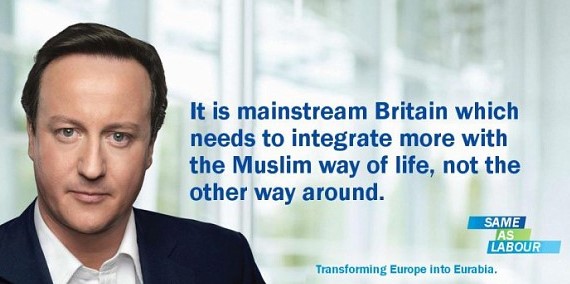
Rather than trying to find who and who are responsible for what and when, time has come to find ways not to repeat the most terrible moments of the nation. One such effective measures and perhaps a must is to identify supporting arms of terrorism that has been geographically dispersed and largely involved in money laundering, propaganda, and more tenderly in large scale brainwash. One such rendezvous is the Europe where ‘sympathizees’ have been a source of nuisance to local governance such as for example David Cameron. Since knowingly financing, planning and inciting terrorist acts have been already declared to be contrary to the purposes and principles of the United Nations, it is important to understand that any individual or entity who acts for, or on behalf of terrorist organizations, in the name of ‘liberation’ is still terrorism. It is therefore an obligation of the member countries to institute actions under the numerous UN conventions on terrorism. Doing so also casts on countries the obligation to implement these provisions equally, to all terrorist entities across the globe.

What is forgotten is that the Europe is advocating a nation that battled and defeated the most horrible ruthless terrorist movement in the World for thirty years when some of the Western nations including the United States plunged Sri Lanka to open dialogues that U.S. never compromised in the process of dealing with terrorism. LTTE terrorism lasted 3 decades with none of the foreign recipes for peace delivering any peace to the nation. 30 years of failure to deliver peace for Sri Lanka is what should haunt the international community. For it was only after going through daily terror deaths, bombs and killings that a Just War was declared and LTTE was militarily defeated after offering them the opportunity to surrender. While more Germans died after World War 2 ended and Germany was occupied for over 10 years after the wars conclusion, close to 300,000 Tamil civilians were saved more than 11,770 LTTE combatants handed themselves in and are all accounted for, many of them were child combatants. None of them died, were tortured, starved, ill treated or killed (as German POWs and German civilians were) but went through an indigenous rehabilitation program and are now leading normal lives.

One final message! Terrorism that takes various shapes is a global challenge that no State can ignore in the misguided notion that it is somebody else’s problem. Also, no one should not be deceived in semantic debates on either the justifications offered by so-called liberal movements which act on behalf of terrorist organizations. If any State to succeed in coping with the terrorist menace, it must necessarily have to stay ahead of the terrorists in terms of intelligence, technology and criminal justice. More than anyone else, the entire Europe must carefully reassess the security levels and take a decision whether to flourish or perish. The biggest lesson the Europe to learn is if a camel gets his nose in a tent, its body will follow.

Everything back to square one –moto of yahapalanaya  ??

June 5th, 2017

Dr Sarath Obeysekera

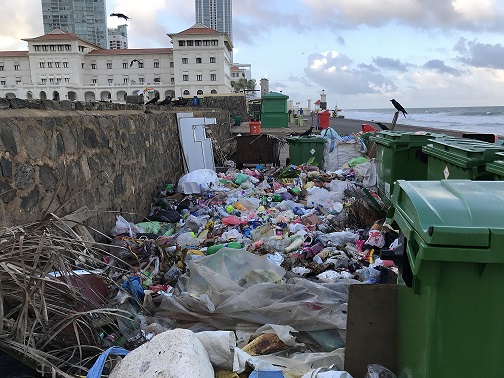
Today I came across the same mess in Galle Face Green, (not green anymore ) where the customary Garbage mound has resurfaced .

Little further away minister of tourism was also on his daily walk and seems ignoring the mess.

After publishing opinion during  Wesak ,garbage mound has disappeared and I was feeling better ,but today I felt disgusted when I saw it again .

But today we are back to square one !

Not only garbage issue but many others are back to square one ….

I was travelling by car today and I was telling my wife that nothing is moving in this country .

Police made announcement few months back that  following  steps will be taken to control traffic

Lane discipline ………..Abandoned,  Bus lanes —forgotten ,Traffic Control Cameras….vanished ,by pass road via diyhatha Uyana to Malabe –Stand still  ,Highway connection via port from  Kelani bridge  —–no signs

Canal Transport Project………no development due to dilly dallying of corporation and ministry.

LRT ( light railway ) ………..not in the near future

Garbage treatment …………forgotten ?

I wonder when we could see some progress in the country .

Yahaplanaya need changing to sara ( tough) Palanaya by installing a tough leadership .Otherwise we will be back to square one .


Dr Sarath Obeysekera


China gets its own Nalanda, shames India

June 5th, 2017

By Yatish Yadav Courtesy newindianexpress.com

Nanhai Buddhist College

NEW DELHI: China has scored a major victory in soft power diplomacy by quietly launching its own Nalanda University while the original Nalanda campus in Bihar, planned almost a decade ago, is still stuck with 455-acre dead space.

China’s education ministry had managed to keep the plan a secret till a few weeks ago when it formally announced the enrolment for Nanhai Buddhist College in Hainan province in May. The first batch is set to take off from September with a strength of 220 students to occupy the vacant Buddhist diplomacy space. Nalanda in 2014 had started with just 14 students and 11 teachers. Sources said the secrecy is baffling since China was part of the global team, which first promoted the idea of reconstructing Nalanda University in the ancient Indian city in 2006.

Nalanda was hit by the careless approach of its mentors, including Nobel laureate Amartya Sen and his team, since the beginning of 2007 when the Manmohan Singh government appointed them to work out the plan for the institution.

In 2011, China had given a million-dollar cheque as donation for reconstruction of Nalanda. It appears now that Chinese were working in parallel to create the Buddhist university. Such sprawling campus cannot be built in one or two years. They must have started construction in 2012,” sources said.

The Chinese Nalanda version is a sea-facing structure located on scenic Nanshan Mountains spread across 618.8 acres. Chinese have rechristened the university’s coastline as Brahma Pure Land”, a concept borrowed from ‘Yoga Vashistha’ and Mahayana Buddhism. The Chinese Nalanda will offer courses in three languages—Pali, Tibetan and Chinese in six departments—Buddhism, Tibetan Buddhism, and the Buddhist Architectural Design and Research Institute.

The Chinese Buddhist university is closely linked to the Buddhist centres in Thailand, Sri Lanka, Nepal and Cambodia, which is seen as an attempt to completely sideline the Indian side in soft power diplomacy. The China has appointed monk Yin Shun as the dean of the university, who is interestingly abbot of Lumbini-based Zhong Hua Buddhist temple. Lumbini is the birthplace of Buddha, and China has been aggressively pushing to promote Nepalese pilgrimage site to counter India’s Sarnath and Bodhgaya, where Gautama Buddha is said to have attained enlightenment. Since early 2010, Yin Shun has been advocating the South China Sea Strategy” and had closely worked with Thailand and Nepal to create Buddhist ‘One Belt and One Road’ (OBOR).

It is a known fact that India recently boycotted China’s high-profile economic design flagging sovereignty concerns over China-Pakistan Economic Corridor (CPEC), which passes through Pakistan-occupied Kashmir (PoK). The plan, according to sources, is to link Lumbini, Wuxi and Hainan through Buddhist OBOR, usurping Buddhist legacy of India. Wuxi, near Shanghai, has been turned into permanent venue of world Buddhist forum by the Chinese government. According to sources, students as far as South American countries are applying to the Chinese university, which, along with knowledge, promises to provide best air and seawater quality in entire South Asia.

http://www.newindianexpress.com/thesundaystandard/2017/jun/04/china-gets-its-own-nalanda-shames-india-1612588.html


Trade Union Undermining One Of Sri Lanka’s Dedicated Sons, A Patriot, A Selfless Leader In The Medical Field and More.

June 5th, 2017

Insight By Sunil Kumar

June7th 2017

The recent  call by a Government trade union that can only been deemed pitiful by virtue of the worthlessness of the call as it is undermining one of Sri Lanka`s dedicated sons recognized by not only the present Administration but many previous  as the record shows. It is a call which needs to be withdrawn with an apology to Dr Kahandaliyanage whose dedications to humanity and the Nation as a leader in the medical field, a top administrator and patriotic Son of Lanka  are endless.

It seems quite appropriate that the  recently appointed Competent Authority to manage Disaster Response Activities of the Health Ministry Dr. Athula Kahandaliyanage has refuted allegations which appear unfounded and baseless made by the Government Medical Officers’ Association (GMOA) last week that he was unfit for the post. A somewhat ridiculous allegation which needs to be trashed on the basis of Dr. Kahandaliyanage`s track record alone which is impeccable for integrity, efficiency and dedication to his Motherland apart from many other personal attributes which portray him as a wonderful human being not given to  selfish motivation or personal ambits unlike some individuals in Sri Lanka`s political interface and spectrum whose actions at times appear dubious  and questionable!!

In a media statement he has indicated surprise and dismay quite justifiably to see the allegations made by the trade union – Government Medical Officers` Association(GMOA) requesting the President to rescind his appointment made by Minister of Health to function as the Competent Authority to manage the Disaster Response activities of the health sector. against a giant of the stature of Dr. Kahandaliyanage which seems at best very questionable.

In his response Dr Kahandaliyanage has said: ( quoting from a media report)

The Hon Health Minister requested me to coordinate and lead the disaster response activities of the Health Ministry giving guidance and support to the Health Ministry Programme considering the vast experience I have gained in my career in Sri Lanka and in the UN in disaster management and response and also considering the valuable service I have rendered as the then Director General of Health Services and Permanent Secretary / Heath.

I was the longest and youngest serving DGHS and I had the rare opportunity of leading the Tsunami response and reconstruction activities in 2005, the worst disaster that has ever struck this country.

Thereafter, as Permanent Secretary of Health I lead the successful campaign conducted by the state to provide health services to a large numbers of internally displaced people during the final stages of the war in the North in 2009.

Both these- disaster management and response efforts -were hailed and commended by the international community and also by the Director General of WHO, who came from Geneva to visit the disaster affected areas in Sri Lanka. I also received a special award for that work by Her Excellency the then President of Sri Lanka.

In recognition of my contributions to the management of these national calamities and also my service to the national health services of Sri Lanka, I was awarded the rare honour by the World Health Organization by appointing me as its Director in charge of the Department of Emergency and Disaster Management, Sustainable Development, Environmental Health, NCDs, Mental Health and Health Systems for the South East Asia Region, which is the largest of the six WHO regions in the world covering 26% of world’s population, based in New Delhi.

I served in these capacities for over four years and gathered a lot of experience in disaster management. I am bold and proud to state that I am therefore, competent and qualified to serve in this capacity above anyone else in Sri Lanka today and I consider it my utmost duty to step forward and offer my services at a time of national crisis.

I am also proud to state that I have done so without any remuneration using my own personal funds and I am proud that I got an opportunity to do so. Since the Ministry Secretary and the DGHS have both retired recently the Hon Minister requested me to help the Ministry to coordinate and manage the disaster response work as a service to the country. I thank the Hon Health Minister for using my services at a time of crisis. I happy to state that I was commended by the Health Ministry officials and the UN and other relevant agencies for conducting this work well.

I also serve as the Chairman of Sri Jayawardenepura Hospital helping the government to improve that hospital which I have done very successfully as shown by the performance indicators, during the past two years. I was appointed to this position by His Excellency and the Hon Minister of Health.

The salary I am entitled as Chairman/SJGH, I have dedicated to a hospital fund which pays bills of those who cannot afford. I consider this work without a pay, as another opportunity to serve my motherland who gave me free education to become a doctor. Never in my tenure at SJGH have I done any marketing and branding of any dairy products in the hospital. The staff would vouch for this.

In my retirement after returning to Sri Lanka I was offered to serve on the Board of Directors of the leading dairy company which provides the much required and recommended dairy nutrition especially liquid milk to our people. It is also investing heavily on the local dairy drive of the government.

I am proud to state that this company does not import or sell infant milk foods that violate the breast feeding code and campaign of the WHO and that of Sri Lanka. It respects and honours the national policy and its efforts to promote breast feeding in Sri Lanka.

On the contrary this company has been supporting and sponsoring the breast feeding campaigns conducted by the government working with all the relevant leading professional bodies, over the last few years. It has spent millions of rupees to promote breast feeding in Sri Lanka.

It is misleading to state that the WHO does not approve anyone working in a dairy industry to get involved with disaster management work. It’s only the infant food advertising that the WHO discourages in its breast feeding code. It is unethical and unprofessional for anyone responsible to mislead the policy makers and the public making such frivolous and baseless statements in an incriminatory manner.

l would appreciate if the authors of this misleading campaign got their facts straight before writing such irresponsible statements I feel sorry for their ignorance and hope they would act in a more professional, responsible, and an ethical manner in the future.” -Dr. Athula Kahandaliyanage, Chairman Sri Jayawardenepura Hospital. end quote.

It needs no further evaluation of Dr. Kahandaliyanage`s competence therefore, based on his glittering track record, humility , dedication to the Hippocratic Oath as a doctor of the highest order  and the respect he has earned from many sources both internally and externally(Globally)  that regarding the call by whoever initiated the call for on behalf of the GMOA  for his removal seems totally uncalled for.

Is it forgotten that Sinhalese were victims too?

June 5th, 2017

BY SHIVANTHI RANASINGHE Courtesy Ceylon Today

Professor Maithree Wickremesinghe, PM Ranil Wickremesinghe’s wife, said, many Sri Lankans still remain deeply conflicted and wounded because of government’s frequent failures to stem xenophobic campaigns – especially against the Tamils, Muslims and Christians in this country. She was speaking at the recent book launch, Testimonies of Silent Pain, compiled by The Social Architects.

This is an extremely problematic statement. She identifies the aforementioned ethnic and religious groups as foreigners of this country. The obvious culprit implied is the Sinhala Buddhists.

Wickremesinghe observed that eight years has passed since we annihilated terrorism. It is widely accepted that the birth of terrorism was after the 1983 riots. This of course ignores the reasons for the riots. The then government’s decisions created a highly volatile situation. Ironically, Wickremesinghe’s husband was a cabinet minister of that government and his uncle was the executive president.

When 13 soldiers were ambushed and killed by the terrorists, the government deliberately allowed the tensions to build. First, they made a big show by bringing the bodies of the slain officers and men to Colombo, than send them with quiet dignity to their respective homes. The inordinate delays as people waited for the bodies made the tensions of the public taut with raw emotions. The situation spiralled out of control at the sight of these 13 coffins.

Second, when public order disintegrated as devastatingly as it did, and Tamils got targeted and their property destroyed, the government refused to act. The riots lasted for a couple of days, during which time people got killed and their homes and businesses were torched. The government remained silent.

In the recent spate of natural disasters, it is the people who swung into action while the government was busy approving monies for luxury vehicles only to decide against it and appointing new deputy ministers. Likewise, during the ’83 riots, it was the people who came to the victims’ rescue while the government watched. The incumbent PM’s indifference to the plight of the current victims who lost loved ones and homes to floods and landslides, and are without food, medicine, clothes and shelter, as he continued with his plans to vacation in the USA was matched by the ’83 government.

It is most unfortunate that the brave efforts of the Sinhalese to protect Tamils are yet to be acknowledged by any quarter. Despite the terror reign of couple of days, the actual number of deaths was around 300. Considering the small Tamil population in predominantly Sinhala neighbourhoods, the number of deaths should have run into thousands, if indeed the Sinhalese were behind the riots or if they did not hide the Tamils in their very homes and premises from the hooligans.

The then government’s inaction, which is the real culprit, is brushed under the carpet, letting the full blame rest on the Sinhalese who neither approves nor excuses the riots. Hardly anyone – from the Sinhala community, religious leader, politician, political analyst, historian or at the very least the Tamils who were rescued by the Sinhalese – has tried to correct this misperception.

Strategy backfired

It is believed that the then government deliberately allowed the situation to disintegrate thus to impress upon India the consequences if they continue to sponsor terrorism. The then administration was trying through various efforts to stop Indira Gandhi’s despicable act of funding and training the terrorists. The full tilt to USA was also one strategy.

However, that administration’s strategies not only failed, but in fact worsened the situation. Its foolish attempt to set our own people against each other backfired. For the next 26 years, terrorists grew in force and we faced many atrocities, but the ’83 riots justified the terrorist’s existence.

During these 26 years, the Sinhala Buddhists were especially targeted by the terrorists. Some of the indelible atrocities committed were,

– Anuradhapura massacre in 1985, killing 145 Buddhist devotees
– Aluth Oya massacre in 1987, killing 127 Sinhala men, women and children
– pogrom against the Sinhalese in the East in 1995, 120 Sinhala villagers hacked to death
– Pettah bus bombing in 1987, killing 113
– Aranthalawa massacre in 1987, 33 Buddhist monks, most of them young novices, and four civilians hacked and shot to death
– Kallarawa massacre in 1995, killing 42 Sinhalese
– Temple of the Tooth attacked in 1998, killing 17
– Gonagala massacre in 1999, 54 Sinhala villagers hacked to death
– Kebathigollawa massacre in 2006, killing 66
Yet, the Tamils continued to live among the Sinhalese throughout this terrible period. Even after the attack on the Temple of the Tooth, a place sacred to Buddhists as the Vatican is for the Catholics and Mecca for Muslims, Tamils lived amongst the Sinhalese without harm or harassment.

In fact, the Tamil population swelled in the South as they escaped from the Liberation Tigers of Tamil Eelam from the North and East. According to 2012 census, the Tamil population in the Colombo District was 258,654, where as in 1981, the Tamil population was 190,414. Conversely, when the last gun fell silent on 18 May 2009, there was not a single Sinhalese living in the North.
In the East, as reported by Irida Divaina, villagers from Mangalagama, Sippimaduwa, Divulapothana and Keviliyamaduwa have tried to highlight the enormous challenges they are faced with trying to rebuild their lives since the end of the war. During the terrorism era, they hid in the jungles at night to escape the LTTE’s ‘blooding’ exercises. When the situation deteriorated beyond hope, they even had to leave their ancestral homes and seek sanctuary elsewhere.

During these forced ‘transitions’ they lost their valuables, including documentation such as their national identity cards and land deeds. In some cases, the original owners have deceased, making it harder for their children to lay claims to their parents’ properties. The relevant officials instead of issuing fresh copies of this lost/damaged documentation are treating them like illegal immigrants.

They have thus taken steps to evict over 50 families in Keviliyamaduwa from their lands through Court orders. Without their land deeds, they are unable to prove ownership. Out of about 85 families in Keviliyamaduwa, only 55 people have voting rights, with officials refusing to register the others eligible. None of the benefits, to rebuild houses or to cultivate are provided to these people. They are not even granted Samurdhi beneficiary status, despite their obvious poverty. Clearly, the Sinhalese were victimized by terrorism. The double whammy though, they are also blamed for it and somehow made out to be the perpetrators too. The fact that violence was largely contained to the LTTE infested areas is because the Sinhalese differentiated between the Tamils and the terrorists. This is largely ignored. When the Tamils were at the receiving end, especially in 1983 and in 2009 when the LTTE held Tamils as a human shield, the valiant part Sinhalese played to safeguard them is unacknowledged.

Displaced & unrecognized Sinhala victims of war
Furthermore, the Sinhala victims of war are unrecognized. Through a concerted effort, the Sinhalese who were living in the North and the East are discouraged from returning to their property and the victory against terrorism is turned into a war crime.
The reasons for discouraging the Sinhalese returning to the East are obvious. This will create mono-ethnic groups in clearly demarcated areas in the Island. Yet, these moves are beyond the so-called international community’s radar, who insists on plurality. Their silence comes not from ignorance of the situation, but their precise understanding of the geopolitics and the convenience of having a destabilized Sri Lanka.

In this game of securing minority rights, the objective is never on minority rights. Different people stand on the same platform for very different agendas. While the extremist politicians seek to be crowned as kings in their ‘homeland’, the international community lends a helping hand. A country in conflict translates into a country laden with debt and confusion, which is as good as being under colonial rule.

Neville Ladduwahetty in his article, “UNHRC and its Resolutions on Sri Lanka” points out how the UN Resolutions grew over the years to what we have to deal with today. The 2012 Resolution contained only three paragraphs, essentially calling on the Government of Sri Lanka to implement an action plan to “implement the constructive recommendations made in the Lessons Learnt and Reconciliation Commission” and address alleged violations of international law.

US and Indian hegemony
The 2013 Resolution is six paragraphs long, which was an expanded version of 2012. The 2014 Resolution was 12 paragraphs long. The first three was a repeat provision in the 2013 Resolution, and the remainder referring mostly to procedural matters. The 2015 resolution on the other hand was completely different to all the previous resolutions.

This Resolution was brought with the backdrop of regime change, which was engineered to serve US and Indian hegemony. Over their worry of China’s One Belt One Road, they sought to destabilize Sri Lanka for the Island was poised to become a strategic partner.

“Without realizing the complexities involved in meeting the commitments in the Resolution, the Sri Lankan beneficiaries of regime change saw the Resolution an opportunity to contain their political opponents,” writes Ladduwahetty.

In the government’s attempts to follow the Resolution, our military intelligence network is exposed and officers who directly contributed to eradicate terrorism are being hauled before various investigations. The peace that prevails in the North and the East would not have been possible if the security forces had not destroyed the LTTE. Yet, the security forces are treated as suspects of a serious crime. Senior officers like Major General Chagi Gallage are denied the Australian visa, even though he is not even implicated over any crime other than serving his division. Still, no one bats an eyelid when provincial councillor M.K. Shivajilingam warns the President of Sri Lanka from visiting the north during their ‘Remembrance Week’. Given the facts and events of recent history, the Sinhala Buddhists are not the problem. For that matter, neither is the ordinary Tamil and Muslim citizen. When Cardinal Malcolm Ranjith takes the stand that Buddhism must continue to be given the foremost place for other religions in Sri Lanka to survive, then Christians are also not the problem. The problem lies with the west-funded civil groups, who see religious invasion in a Vesak decoration and its unquestioning audience.

ranasingheshivanthi@gmail.com

And they are still dropping parippu even 30 years later

June 5th, 2017

Malinda Seneviratne

 Exactly thirty years ago something happened which altered the course of history in Sri Lanka.  Wrong.  ‘Happened’ is a bad word for it implies an agency-less occurrence.  It’s like saying ‘it rained yesterday,’ which of course is different from ‘there was a flood’ since the latter phenomenon at least in the case of Sri Lanka over the past few days can be directly linked to human arrogance, ignorance and rank stupidity.
Something was done, then.   Thirty years ago.    Does anyone remember?  Perhaps not.  I did not remember either; not until Jayasuriya Wijedasa sent me a cryptic email under the following subject line: First invasion of independent Sri Lanka 4th June 1987.  And this is what he wrote: 30th anniversary in 5 days… Hope you are planning to highlight this tragedy and ensuing calamity to us.”   Clicked.  Had to be what has since come to be known as the Parippu Drop”.  
 
We have better recollections of the 29th of July, 1987 because that’s when Rajiv Gandhi and J.R. Jayewardene signed the infamous Indo-Lanka Accord.  We know of the ‘first invasion’ but few would remember the date.  Operation Poomalai, as it was called, is something we should not forget, though.
 
First India dropped dhal (Parippu), then they dropped the IPKF and ensured 22 years more of death, destruction and displacement
The Indian Air Force airdropped 25 tons of food and medicine into areas held by the LTTE at a point when the security forces had essentially corralled the terrorist outfit in Vadamaarachchi.  It could be called the  Nandikadal of 1987 and to ascertain the significance of that lost opportunity all we need to do is to take note of the gains of defeating the LTTE 22 years later.  Let’s first do that.
There will be those who claim that ‘the problem’ is still unresolved.  There’s some truth in this.  The demands made by Tamil nationalists (and chauvinists) are still out there.  ‘Normalcy’ is yet to be obtained.  Then again we are talking of a 30 year war and one which exacerbated mutual mistrust among communities, caution on the part of successive governments given that close friends and indeed former members of the LTTE are using the very same rhetoric of that outfit.  On the other hand, one could argue that things are no better and no worse than they were, say, before 1977 and the Batakotte (Vadukoddai) Resolution of the TULF in the seventies.  However, if we take May 18, 2009 as a point of reference, we have to acknowledge the following: a) no war, b) no abduction of children and forced conscription, c) no terrorist attacks, d) no Tamil politician enslaved by the LTTE, e) no threat of hostage-taking for purposes of creating human shields, f) no major obstacles for people to engage in livelihoods, g) no waylaying of supplies.  
June 4, 1987.  Historic for all the bad reasons.  That nevertheless was a landmark but not necessarily the beginning.  India’s direct and indirect support of the LTTE from arming to funding and training insurgents predates 1987 and is well documented.  
 
The Parippu Drop precipitated the dumping of the Indo-Lanka Accord and with it the conferring of a certain respectability to the myth of a ‘historical homeland’ with well-demarcated boundaries.  Tamil nationalism is still squeezing juice of that particular rotten orange.  
 
The Indo-Lanka Accord allows India (and others) to keep harping about the 13th Amendment as though it was cast in stone when in fact it was obtained through an agreement which was observed in the breach, india being the major transgressor.  
India agreed, for example, to oversee the surrender of arms by all militant groups.  We know what happened.  Quite interestingly (and this I chanced upon only a few minutes ago), the Accord has this: These proposals are conditional to an acceptance of the proposals negotiated from 4.5.1986 to 19.12.1986.”  In other words, ‘July 29, 1987’ was in the making from May 4, 1986!  What these ‘proposals’ are weren’t mentioned in the agreement.
India embarrassed itself in Sri Lanka.  First of all, the reasons offered were ridiculous.  Twenty five tons was just not enough to feed a ‘starving’ population.  The ‘hurt’ of Tamil brethren in India being the prompt was as silly an excuse as any.  There would have been more people starving in Tamil Nadu on June 4, 1987 than in Vadamaarachchi or in the entire Jaffna Peninsula,  I am willing to wager.  In any event, India helped create the conditions for the operation that the Parippu Drop was designed to stop and therefore the moralizing was melodramatic and little else.  
 
The Parippu Drop was followed by the Indo-Lanka Accord and that brought the IPKF to Sri Lanka.  It would be good to recall that less than three months later, on October 21and 22, 1987, the Indian Army entered the premises of the Jaffna Teaching Hospital in Jaffna and killed between 60-70 patients and staff. One can’t draw a straight line from June 4 to October 21 and 22 of course, but there are things we know which force us to conclude that India was bad news back then.   
We know that Rajiv Gandhi described the process as ‘the beginning of the Bhutanization of Sri Lanka’.  We know that for India, it was a coup (and this too has been admitted) to get the LTTE to agree that Trincomalee would be the capital of the merged Northern and Eastern provinces. 
Admittedly, India has helped Sri Lanka on occasion but probably not due to ‘lessons learned’.    India sent three ships filled with relief items for flood victims.  India, according to some, helped the Government by sharing intelligence on the LTTE during the last stages of the war.  Some would argue that India’s interventions cushioned some of the blows aimed at Sri Lanka by the USA and the European Union.  These are initiatives that are not uncommon.  There have been times, we must not forget, when India zipped-up when Sri Lanka needed military help whereas Pakistan responded immediately.
Today, India appears to have dropped the kind of schoolmarmish devolution rhetoric that was a staple for Indian diplomats and foreign ministers for more than two decades.  Nevertheless, India has not called for the scrapping of the 13th Amendment.  It is pertinent to point out here that Col. R. Hariharan, Head of Intelligence, IPKF, openly admitted ‘The Accord retains the potential as an instrument of Indian influence in the region’.  This he said five years ago.  He is correct.  
We have to keep in mind that through it all, i.e. the friendship-claim, largesse-show and other such tokenism, India has insisted that Sri Lanka play within the parameters of ‘Indian Interests’.  Not that it is wrong because that’s what countries do.  However, for all the history associated with June 4, 1987 (and that includes the before and after), Sri Lanka should never drop her guard not least of all because India would not drop her guard either (although she shot herself in the foot with unpardonable incompetence with respect to reading the LTTE between 1987 and 1990).  
There’s a simple reason: Parippu is being dropped even now, except it is being called different names.  And not just by India, of course.
This article was first published by Colombo Telegraph on June 4, 2017.  
Malinda Seneviratne is a freelance writer.  Email: malindasenevi@gmail.com.   Twitter: malindasene.

සිංහල බෞද්ධයනට දිනා ගැනීමට ඇති දේ

June 5th, 2017

නලින් ද සිල්වා

 මා දන්නා කියන එක්තරා ක්‍රිස්තියානි විද්වතකු කියා තිබුණා බෞද්ධයන්ට කොපමණ දුන්නත් මදි කියා. ඔහුට ඔහුගේ සංස්කෘතියෙහි ඔලිවර් ට්විස්ට් අමතක වීම පුදුමයක්. මේ අය ක්‍රිස්තියානි වුණේ කෙසේ ද යන්න ම ප්‍රශ්නයක්. ඔවුන්ට අමතක වුණත් ඔවුන්ගේ මුතුන් මිත්තන් බෞද්ධ. ඔවුන්ගේ පරම්පරාවන් යම් අවධියක දී ක්‍රිස්තියානි වූයේ බුදුදහම වැරදි යැයි ද ක්‍රිස්තියානි ආගම හරි යැයි ද අවබෝධ වීමෙන් ද? අප බොහෝ දෙනා යම් ආගමක් අදහන්නේ පරම්පරාවෙන්. ඔබ රටවැසියකු වන්නේ පරම්පරාවෙන් ද ලියා පදිංචියෙන් ද කියා ඇතැම් විට අහනවා. ඔබ යම් ආගමක් අදහන්නේ පරම්පරාවෙන් ද  අවබෝධයෙන් ද හරවා ගැනීමෙන් ද කියා ඇසුවහොත් බොහේ දෙනකුට දීමට සිදු වන පිළිතුර කුමක් ද?

 මා කුඩා කල බෞද්ධ වූයේ පරම්පරාවෙන්. එහෙත් පසුව අධ්‍යාපනය හා දේශපාලනය නිසා මා බටහිර විද්‍යාව ආගම ලෙස සැලකුවා. ඇතැමකු කියන්න පුළුවන් විද්‍යාව ආගමක් නොවේය කියා. එහෙත් ඔවුන් විද්‍යාව විශ්වාස කරනවා. විද්‍යාඥයන්ටත් නොපෙනෙන දේ ඇතැයි කියා විශ්වාස කරනවා. මා පසු කලක බටහිර විද්‍යාවේ දොස් දැක බුදුදහම වෙත නැඹුරු වී යම් අවබෝධයකින් බෞද්ධයකු වුණා. ඒ දැනට අවුරුදු තිස්පහකට පමණ ඉහත දී. එහෙත් අර විද්වතා ක්‍රිස්තියානි වී ඇත්තේ පරම්පරාවෙන්. ඔහු බටහිර විද්‍යාවත් විශ්වාස කරනව  විශ්වවිද්‍යාලයේ බටහිර විද්‍යාව ඉගැන්නුවා. එහි විසංවාදයක් නැහැ. බටහිර විද්‍යාවත් ක්‍රිස්තියානි. ඒ සියල්ල ග්‍රීක යුදෙව් ක්‍රිස්තියානි චින්තනය මත පදනම් වෙනවා. බෞද්ධයන් විද්‍යාව විශ්වාස කරන්නේ ඇයි ද යන්නට දිය හැකි පිළිතුර ක්‍රිස්තියානි අධ්‍යාපන ආධිපත්‍යය මිස වෙන එකක් නො වේ. ඊනියා බෞද්ධ විද්‍යාඥයන් කියනවා ද බටහිර විද්‍යාව සත්‍යය කියා.  

 අද ඇතැම් දේශපාලනඥයන් බෞද්ධකම අත්හැර ක්‍රිස්තියානි වෙලා. එහෙත් ඔවුන් ඒ බව ප්‍රසිද්ධියේ කියන්නේ නැහැ. පසුගිය කාලයේ ඔවුන් යළි උපන් (බෝන් අගේන්) ක්‍රිස්තියානි වූවන්, යෙහෝවාගේ සාක්‍ෂි කරුවන් වූයේ කෙසේ ද? ඔවුන් එසේ ක්‍රිස්තියානියට හරවා ගනු ලැබුයේ කෙසේ ද? ඔවුන් බුදුදහම වැරදි බවත් ක්‍රිස්තියානිය හරි බවත් කියන්නේ ද? අර විද්වතාගේ පරම්පරාවේ කිසිවකු ඉහත දී බුදුදහම අත්හැර ක්‍රිස්තියානි වූයේ කෙසේ ද? ඒ විද්වතාගේ පරම්පරාවේ අය ක්‍රිස්තියානි වී ඇත්තේ ඉංගිරිසින්ගේ කාලයෙහි. එකල මෙරට රාජ්‍යාගම ඇංග්ලිකන් ක්‍රිසාතියානි. වරප්‍රසාද ලැබීමට ක්‍රිස්තියානි වීම සුදුසුකමක් වුණා. අදත් එහෙමයි. අද කතෝලිකයන්ටත් වෙනත් ක්‍රිස්තියානි ආගම්වලට හරවා ගැනීම ප්‍රශ්නයක් වෙලා. බෞද්ධයනට අවශ්‍ය එක් දෙයක් වනුයේ මෙසේ බෞද්ධයන් වෙනත් ආගම්වලට හරවා ගැනීම නැවැත්වීම. එහෙත් කිසිවකු කියන එකක් නැහැ තමන් මෙකල ක්‍රිස්තියානි වූයේ වරප්‍රසාද හා වෙනත් සදාචාරාත්මක නොවන දේ මත පදනම් ව කියා. එහි නෛතික ප්‍රශ්නයක් ඇති බව අපට වැටහෙනවා. එකල නම් එය ප්‍රශ්නයක් වූයේ නැහැ. ඉංගිරිසි පාලනය යටතේ ඇතැමුන් ක්‍රිස්තියානි වූයේ ඇයි ද කියා කවුරුත් දැන සිටියා.

 කවුරුන් හරි අහන්න පුළුවන් සියවස් ගණනකට පෙර සිංහලයන් බෞද්ධ වුණේත් රාජ්‍ය අනුග්‍රහ යටතේ නොවෙයි ද කියා. යටත්විජිතවාදයට පෙර මිනිසුන් ආගම්වලට හැරුණේ එක්කෝ කඩුවට බියෙන්, නැත්නම් පූජකයන්ගේ වැරදි දැකීමෙන්, එහෙමත් නැත්නම් තම අසරණ බවෙන් ගැලවීමට. ලෝකයේ කවදත් වැඩි පීඩිතයන්, අසරණයන්. යමකු ඔවුන් වෙනුවෙන් පෙනී සිටින්නේ නම් ඒ පීඩිතයන් හා සමාජ පීඩනයට විරුද්ධ අය ඒ තැනැත්තා සරණ යනවා. ඒ බොහෝ විට ඒ භවයෙහි දී ම පීඩිත බවෙන් මිදීමට, නැත්නම් ඊළඟ භවයේ දී මිදීමට. ක්‍රිස්තියානිය ද ඇතුළු බොහෝ ආගම්වල සසරක් නැති වුවත් ඊළඟ භවයක් ගැන කියැවෙනවා. ඒ ස්වර්ගය, අපාය වෙන්න පුළුවන්. ඒත් ඒකත් තවත් භවයක්. ඇතැම් ආගමික ශාස්තෘවරුන් දෙසූ ගැඹුරු දහමක් නැති වුවත් මිනිසුන් ඔවුන්ට කැමති ඔවුන් පීඩිතයන් වෙනුවෙන් පෙනී සිටි නිසා.

 අද ඇතැමුන් චේ ගෙවාරාට කැමති ඇයි. ඔහු පීඩිතයන් අසරණයන් වෙනුවෙන් පෙනී සිටි නිසා. ජ වි පෙ චේගේ නාමයෙන් තමන්ට හා පීඩිතයන්ට විමුක්තිය අත්කර ගැනීමට වෙනත් අය මැරුවා. ඇතැමුන් මාක්ස්ට ලෙනින්ට ස්ටැලින්ට ට්‍රොට්ස්කිට කස්ත්‍රෝට කැමති එකී අය පීඩිතයන්ට යම් විමුක්තියක් අත්කර දීම වෙනුවෙන් පෙනී සිටි නිසා. මේ ඊනියා විමුක්තිය වෙනුවෙන් ආගමික වශයෙන් හරි දේශපාලන වශයෙන් හරි මරා දැමූ සංඛ්‍යාව කෝටි කෝටි ගණනක්. ක්‍රිස්තියානිය (කතෝලික ද ඇතුළුව) ව්‍යාප්ත කිරීම සඳහා මාක්ස්වාදී විමුක්තිය ලබා ගැනීම සඳහා  මෙරට වුවත් 1505 (6) න් පසු කී දෙනකු මරා ඇත් ද?

 එහෙත් මෙරට හෝ පිටරට බුද්ධාගම ව්‍යාප්ත කිරීම සඳහා කිසිවකු මරා දමා ඇත් ද? මිනිසුන් බෞද්ධයන් වී වරප්‍රසාද ලබා ගෙන ඇත් ද? බුදුදහමේ අසරණයන් කියන්නේ වෙනත් ම පිරිසකට. අනේපිඬු සිටාණන් ද බුදුදහමට අනුව අසරණයෙක්. මේ අසරණ බව ඇත්තෙ සසරෙහි අතරමං වීම නිසා. බුදුන් වහන්සේ විසාකාවටත් සෝපාකටත් කොසොල් රජුටත් සුනීතටත් දෙසුවේ එකම දහම. ඔවුන් තම අසරණ කමට බුදුන් සරණ ගියේ සසරින් එතරවීමට. අප තේරුම් ගත යුතු කරුණ නම් ඔවුන් සියල්ලන් ම අසරණයන් බව. බුදුන් වහන්සේ සෝපාක රජ දරුවකු කරන්න ගියේ නැහැ. රහල් කුමරු රජ කමෙන් මුදා ගත්තා. බුදුන් වහන්සේ රජවරු සිටාණන් නැති කර ජනතාවට විමුක්තිය ලබා දෙන්න මුල් රහතන් වහන්සේ හැටඑක් නම පිටත් කර හැරියේ නැහැ.  රජ වීමත් අසරණ වීමක්. රජවරු බුදුදහමට අනුව පාලකයන් නොව භාරකරුවන් පමණයි. රජකම යනු රජවරුන්ගේ රාජකාරිය. අද දේශපාලනඥයන් බෞද්ධ කමෙන් බොහෝ ඈත් වෙලා. බුදුදහමේ අසරණකම යනු ඊනියා පීඩිත පන්තියකට අයත් වීම නො වේ. අප තිසරණ සරණ යන්නේ සසරින් මිදී අපේ අසරණකම නැති කර ගන්නට. අපට නැවත ඉපදීම නැති කර ගැනීමට අවශ්‍යයයි. බ්‍රහ්මන් සමග එක් වී හෝ ස්වර්ගයෙහි ඉපිද හෝ අමරණීයත්වයට පත් වීම අපේ අරමුණ නො වෙයි.

 තිසරණ සරණ ගියත් අපට සසරින් එතෙර විය හැක්කේ අපේ ම වීර්යයෙන්. දෙවියන්ට හෝ බ්‍රහ්මයාට හෝ අප සසරින් එතෙර කරන්න බැහැ. බුදුන් වහන්සේත් කෙළේ මග පෙන්වීම පමණයි. ඒකෙන් කියන්නේ නැහැ ලෞකික අරමුණු වෙනුවෙන් අප අනෙක් අයගෙන් ආධාර ගන්නේ නැහැ කියා. එහි දී වෙනත් මිනිසුන්ට මෙන් ම දෙවියන්ට ද අපට උපකාර විය හැකියි. අන්‍යාගමිකයන්ට මේ ටික තේරෙන්නේ නැහැ. සමහර පඬි බෞද්ධයන්ටත් තේරෙන්නේ නැහැ. 

 සිංහලයන් එක් රැයෙන් බෞද්ධ වූයේ නැහැ. එයට සෑහෙන කාලයක් ගියා. විශේෂයෙන් ම යක්‍ෂ ජනතාව බෞද්ධ වීමට කාලයක් ගත්තා. එහෙත් කවුරුන්වත් යක්‍ෂ ජනතාවට බළ කළේ නැහැ බෞද්ධයන් වීමට. බෞද්ධයන් වූ පසු යක්‍ෂ ජනතාව බෞද්ධකම අත් හැරියේත් නැහැ. අදත් මෙරට සිංහල බෞද්ධකම රැකෙන්නේ කිහිප දෙනකු ළඟවත් මේ යක්‍ෂ ගතිය (සංස්කෘතිය) තිබෙන නිසා. ඉන්දියාවටවත් බටහිරයන්ටවත් නැති කිරීමට බැරි වූයේ මේ යක්‍ෂ ගතිය. චීනුන්ටත් එය නැති කරන්න බැහැ.

 බෞද්ධයන්ට දිනා ගැනීමට ඇති දේ අපමණ බව අර විද්වතාට කිව යුතුයි. රනිල් සිටිනා තෙක් අපමණ අගයක් දීමට බලයට පත් වූ යහපාලන පාලකයන්ගෙන් ඒ කිසිවක් ලැබෙන්නේ නැහැ. ඉතා කෙටියෙන් කිව යුත්තේ 1840 පමණ සිට 1972 දක්වා ක්‍රිස්තියානිය මෙරට රාජ්‍යාගම වූ කාලයේ බෞද්ධයනට නැති වූ දේ අපමණයි. ඉන් පෙරත් 1505(6) සිට බෞද්ධයනට බොහෝ දේ නැති වී තිබෙනවා. බෞද්ධයනට ඒ සියල්ල දිනා ගැනීමට අවශ්‍යයයි. විද්වතාට හෝ වෙනත් අයකුට හෝ ඒ සියල්ල දැන ගැනීමට අවශ්‍ය ද?

 ඉංගිරිසි ආණ්ඩුවත් පිළිගත් කරුණක් තිබෙනවා. මේ රට බුදුන් වහන්සේට කිහිප වරක් පිදූ රටක්. මෙහි වෙනත් ආගමික සිද්ධස්ථාන ඇති කිරීමට නම් අවසර ගත යුතුයි. ඒ බුදුන් වහන්සේ ජේතවනය පිළිබඳ අනුගමනය කළ ප්‍රතිපත්තිය. කොසොල් රජු එය පිළිගත්තා. ඉංගිරිසි ආණ්ඩුවත් ලංකාවේ දී එය පිළිගත්තා. බෞද්ධ නොවන ආගමික සිද්ධස්ථානයක් ඉදි කරන්නේ නම් ඒ සඳහා ආණ්ඩුකාරයාගෙන් අවසර ගත යුතු බවට නීතියක් තිබෙනවා. මා නීතිඥයන්ට මේ ගැන කියා ඇති මුත් ඔවුන් ඒ නීතිය ඇත්තේ කොතනක දැයි සොයා ගැනීමට උනන්දු වන්නේ නැහැ.

 අප අර විද්වතාට කියන්නේ ආණ්ඩුව අඩු තරමෙන් එ නීතියවත් ක්‍රියාත්මක කරන්නේ නම් මෙරට ආගමික ප්‍රශ්න අඩු වන බවයි. ඒ අතර ආගම්වලට හරවා ගැනීම පිළිබඳ පනත චම්පකගේ අවධානය යොමු විය යුතුයි.


නලින් ද සිල්වා

 2017 ජූනි 05

Terror strikes: Why no Reconciliation between Christians & Muslims in Europe?

June 4th, 2017

Shenali D Waduge  

Europe has become the latest theatre for a spate of terror attacks across EU nations. European media goes into panic sensationalism mode claiming assailants shouted ‘Allah Akbar’ and then automatically Muslims and their places of worship are attacked leaving many Muslims to live in fear and subject to blanket discrimination & hate speech. 91 mosques attacked in Germany in 2016 alone and over half of UK’s mosques attacked since 9/11. Of 743million population in Europe, Muslims account for 19million. More than a million migrants and refugees crossed into Europe in 2015 as a result of EU/US illegal bombing of Middle East nations. At the same time there are allegations that the Al Qaeda and ISIS are creations of the US/UK/EU Governments as a geopolitical tool and a means to bring legislations claiming to protect the people but in reality to stifle people’s rights and freedoms. However, while envoys of these countries peddling geopolitical interests are chorusing ‘reconciliation’ ‘peaceful coexistence’ ‘multiculturalism’ blah blah blah, why are the countries that pen these nomenclatures not applying what they preach to themselves. Where is the reconciliation between Christians & Muslims?

When Sri Lanka first experienced terror that was birthed and promoted by the Indian Government, no world leaders condemned India for training, arming and financing Tamil armed militant groups.

When these armed militant groups turned themselves from initially portraying themselves as a freedom fighters into an uniformed command-structure based terrorist group killing civilians irrespective of whether they were Sinhalese, Muslims, Foreigners or even Tamils including their own cadres, all that the West and their bandwagon of representatives in the form of the UN, INGOs, foreign envoys did was to issue a heartless statement condemning the attacks but asking the Sri Lankan Government to return to the negotiating table. Sri Lanka suffered over 300 suicide attacks by the LTTE and it was always ‘talk to the terrorists’.

But, when a supposed attack on American World Trade Centre occurred in 2001, without even investigating who was responsible both Iraq & Afghanistan were bombed. Please explain to us why Sri Lanka had to suffer terror attacks and talk to the terrorists but the West could bomb any country it deemed its enemy?

Hillary Clinton says ‘we created Al Qaeda’, Amnesty International says US supplied arms to ISIS, Wikileaks says CIA created ISIS while Edward Snowden’s 2013 leak of classified NSA documents also reveal the collaboration of western intelligence agencies in creating ISIS.

So when ISIS claims responsibility for a spate of attacks that has killed innocent people, in the backdrop of the accusations being made of their creators and handlers, you have to wonder who are the real ‘terrorists’.

  • Paris shooting which left 1 police officer dead (April 2017)
  • Westminster attack in March 2017
  • Russia’s ambassador to Turkey assassinated December 2016
  • large truck plowed through a Christmas market in central Berlin killing 12 (Dec 2016)
  • A police officer and his wife were killed in the French town of Magnanville in June by a 25-year-old man who had sworn allegiance to the Islamic State of Iraq and Syria (ISIS). (2016)
  • two men stormed a French church and took five people hostage during morning Mass. They murdered an elderly priest, Jacques Hamel, by stabbing him in the chest and slitting his throat. (July 2016)
  • Brussels bombings in March 2016 kills 34

Nevertheless, we cannot ignore the sufferings of minorities across Europe who are becoming victims of violence.

  • Bacon sandwiches are left outside mosques,
  • Pigs blood is being thrown into mosques
  • “When I became identifiably Muslim, I got nasty looks, threats and abuse, and that’s an everyday experience especially because I am a white British Muslim”
  • Attack on Muslims increases in the UK – http://www.suchtv.pk/videos/item/47311-attack-on-muslims-increased-in-uk.html
  • There has been a 300% spike in Islamophobic hate crimes in Britain since ISIS’ horrific Paris attacks with most victims being Muslim women wearing traditional Islamic dress.

We are really shocked at how the UK and Europe are reacting to terrorist attacks by attacking the minorities. We hope that the people understand that after the 1983 attacks there have been no revenge attacks against Sri Lanka’s minorities despite LTTE carrying out over 300 attacks throughout 3 decades. It goes to also raise eyebrows as to who instigated the 1983 riots for it is generally the benefactors and the Sinhalese were definitely not the benefactors!

We seriously think that Jeremy Corbyn’s advice to sit and have tea with terrorists over a good English breakfast would do wonders and appoint a team to immediately roll out a program on peaceful coexistence and enter into ceasefires, peace talks and negotiations and why not get those infamous Norwegian NGOs involved. They have excellent experience in handling terrorists … these Norwegian leaders have even shed tears at funerals of LTTE board members and spoken very vociferously on behalf of them. Please also get inputs from the likes of David Cameron, David Miliband, Kouchner, Keith Vaz etc

When UK banned the LTTE in 2000 under its terrorism act several MPs raised their objections. MPs Robert Evans, Linda Perham, Andrew Dismore, Dr. Jenny Tong, Jeremy Corbyn, John MacDonald, Andy Love. Similarly, Hon Andrew Love (Labour), Hon Simon Hughes (Lib Dem), Hon Jeremy Corbyn (Lab), Hon John McDonnell (Lab), Hon Paul Burstow (Lib Dem), Hon Susan Kramer (Lib Dem), Hon Andrew Dismore (Lab), Hon Andrew Pelling (Independent), Hon Lee Scott (Conservative), Rt. Hon Keith Vaz (Lab) and the Hon Minister Bill Rammell (Lab) who joined to sing hossanahs for the LTTE. Hope they join in to speak on behalf of the terrorists attacking Europe! Maybe one of these MPs can become a CEO of one of the terrorist front ‘human rights’ groups like Joan R or maybe like comrade Sooka write a few reports on the human rights violations, sexual harassment that these terrorists had been subject to!

Why not also invite Gordon Weiss to give estimates of dead or ask Francis Harrison to count the dead! We hope the UK calls for an immediate investigation into why terrorists were killed violating their human rights. This is a good job opportunity for some commission to be appointed and an excellent chance for the UNHRC to do some additional foreign tours. Maybe the UNHRC head can attend the funeral or issue a condolence message to a dead terrorist as Kofi Annan did to a dead LTTE cadre!

If the international community can insist Sri Lanka enter peace talks, negotiations and cease fires with a brutal murdering terrorist group like the LTTE, why should they not do the same with Al Qaeda, ISIS, Boko Haram, Al Nusra or any of the other militant groups now striking terror in the very back yard of the nation’s forcefully delivering democracy, human rights, law & order!

This may also be a good opportunity to change UK’s constitution, maybe the military needs to be pruned a bit and some of their strategic areas closed down lest it is the reason why the terrorists are angry. If the UK authorities quickly take out their notes on how the UK-based LTTE fronts and lobby groups function, the British authorities may be able to make some breakthrough. In Sri Lanka, the LTTE’s mouthpiece is the TNA and it may be good to see who in the UK are speaking for these terrorists and enter into some negotiations with them. TNA leaders are demanding way too much but then UK Government should be able to deal with that aspect without too much of trouble! They are the masters of divide and rule!

Anyway, as a country that has undergone terror for 30 years and was forced to take zero action against the LTTE except talk with the terrorists, we are very concerned that the Muslims are being unfairly targeted as a result of these terror attacks. Please learn from Sri Lanka, the Tamil people were never subject to any of the atrocities that the Muslims are currently facing. Of course there are those infamous c4 edited documentaries which had been paid for by the terrorists themselves and there are outlets in the UK that burns Tamils for a fee and a doctor claims these are done by the Sri Lankan Army, but these are only commercial aspects of the problem, what is now most important is that the Muslim minority in Europe are not harmed.

We are ready to despatch our former lady President and her reconciliation team as they seem to be having the blueprint for reconciliation and everlasting peaceful coexistence. Let’s see if reconciliation works in Europe first!!

Shenali D Waduge

http://www.globalresearch.ca/twenty-six-things-about-the-islamic-state-isil-that-obama-does-not-want-you-to-know-about/5414735

http://www.srilankaguardian.org/2011/10/why-are-uk-mps-supporting-ltte.html

https://pcolman.wordpress.com/2016/09/01/corbyn-and-the-tamil-tigers/

FACTORIES, TRISHAWS AND YAHAPALANA Part 1.

June 4th, 2017

KAMALIKA  PIERIS

Revised 9.9.19

Yahapalana‘s main, if not sole, economic policy is to go for exports. Central Bank Governor Coomaraswamy pointed out that unless we increase exports, we will not get out of our debt problem, and we will not achieve sustained growth. Developing a national strategy for exports is a key component of the development agenda of the Government, Yahapalana said. The export market is the only avenue available to develop the country’s economy.

Yahapalana said, for the last decade or so, the governments of Sri Lanka neglected exports. Exports to GDP fell from 34% of GDP to less than 14% during this period. Yahapalana government plans to increase its export sector. We have set a target of boosting exports to US$ 20 billion by 2020, an increase in exports of nearly 80% during 2016-2020.. We plan to create an export market focused on Europe, China, Japan, USA and the crescent of markets around the Indian Ocean.  A well crafted export oriented service sector will   help to solve youth unemployment as well.

Yahapalana sees a rosy future for the export sector.  Yahapalana says Sri Lanka has completely ignored ‘it major competitive advantage,’ which is exports. The country had already proved its ability to do so in respect of the garment sector. However, Yahapalana is definite that export growth cannot be achieved through traditional export markets. Sri Lanka must go in for new exports and new markets we must diversify.  We must look beyond for new opportunities. Other countries have diligently developed new types of businesses and have successfully diversified its export base, said Yahapalana. However, Yahapalana is not quite sure what kind of exports we should go in for. Rich countries make the complex goods while poor countries produce Sri Lanka is somewhere in the middle.

Yahapalana wishes to make Sri Lanka ‘a notable industrialized country’   despite the fact that Sri Lanka only has a narrow industrial base and that too, at the very low end of the export ladder at present. Yahapalana intends to have three industrial zones in Wayamba, also industrial zones in Hambantota, Wellawaya,  Colombo region and Trincomalee .

Industrialization is to be achieved through Foreign Direct Investment (FDI). FDI is essential for economic development says Yahapalana.  FDI has played a key role in fostering development in countries throughout the world said Yahapalana  Industrialization will also help the creation of new employment   and generation of wealth. However, economists have warned against the heavy dependence on foreign investments and loans particularly from western sources, in view of the crisis in Greece. Sri Lanka was behaving exactly like Greece and heading for a debt crisis, they warned.  One expert  said Sri Lanka was  heading towards a crisis even worse than Greece.

According to Prime Minister Ranil Wickremasinghe, Sri Lanka is going to sign FTAs with every country it can think of. FTAs are going to be signed with Bangladesh, China,  India, Indonesia Japan,  Korea Malaysia, Myanmar, Pakistan, Singapore   Thailand  and USA. Also a single agreement with ASEAN rather than separate agreements.

We are negotiating an ECTA with India and a FTA with Singapore. Singapore already has a Comprehensive Economic Partnership Agreement (CEPA) with India.  The Singapore-India (CEPA), the Indo-Lanka ETCA and the Sri Lanka-Singapore FTA will create a tripartite arrangement for trade and investments said economist Harsha de Silva.  This bunch of FTAs will  give companies located in Sri Lanka preferential access to a large market of three billion or more.

Central Bank governor, Indrajit Coomaraswamy thought the idea of FTAs was good, particularly the formulation of trade agreements with regional economic powers. ‘The  government is looking to make important trade deals with China, India, Pakistan, and Singapore,’ he observed. The country already has a bilateral trade agreement with India, which it hopes to widen, and if it secures a similar deal with China, it would be the second country to have preferential access to both of these markets, he said.  

Yahapalana plans to have free trade zones all  over the island. They are not the usual sort of  FTZs.  Each FTZ will be owned by a foreign country which will install its own industries in it. Sri Lankans will be factory workers in them.

The media  reported that a Thai firm had arrived in May 2017, to build a 1000 acre trade zone in Kalutara, reported the media. This firm is ‘famous for setting up Economic Zones’ It will first obtain land from the government on a long term lease then set up  an international standard infrastructure . They will ‘bring in around 25 investors with them and will create over 5,000 employment opportunities from the day the Zone is opened.’ Said the media. There would be over 20 foreign investors doing projects. The government is ‘ in the process of identifying around 400 acres for this project in the Bandaragama area.’

The Hambantota FTZ  of some 15,000 acres will be owned by China. China will open up at least 300 factories including  an oil refinery, a cement factory, a dockyard, power plant and a steel factory said Yahapalana . Yahapalana was at present identifying land from Hambantota, Moneragala, and Matara  to hand over to this FTZ. Just outside Hambantota, there is another very good block of land, closer to Galle than Hambantota. We want to work on that together with the Andhra Pradesh Industrial Infrastructure Corporation, said Yahapalana .  

Yahapalana  has announced  repeatedly,  that  the Yahapalana  economy will provide thousands  and thousands of jobs. Industrialists wanted to know why  Yahapalana was talking of creating jobs for one million when there were only 400,000 unemployed in Sri Lanka. According to the Labour force Survey conducted by Department of Census and Statistics ,the estimated unemployment rate for the third quarter of 2016 was 4.5 percent. Our unemployment figures are the lowest in developing countries said experts. 

Yahapalana is obsessed with factories. Yahapalana assumes that Sri Lanka youth will be delighted to work in  them.  But analysts point out that there were at present (2017) 58 per cent vacancies in the apparel sector, 20 percent in food, and 33 per cent in other manufacturing sectors. 20,000 jobs are vacant in the garment sector while 700,000 vacancies exist in the private sector. There are huge vacancies in tourism with its increased rooms. Many manufacturing and service businesses already in operation, are hindered by shortages of skilled labor. Factories are operating below 65 per cent efficiency, due to labor shortage. Therefore, Sri Lanka must quickly devise a strategy to increase  the skilled labor group and   get   them employed on export related industries advised experts. 

The Garments industry provides a good case study.   The garments industry has been experiencing a labor shortage over the years, especially in recruiting women for the position of machine operators. Wages paid to machine operators  have increased 300% in the past 10 years from Rs 12,000  to Rs 35,000. But factories cannot find skilled operators.

Young girls eagerly joined garment factories as machine operators in the early stages of the apparel industry,  but  today these positions are  no longer able to attract young women, said researchers. Today most young women have obtained basic educational qualifications such as G.C. E. Ordinary Level. Along with higher level of education, their career aspirations have also changed. They tend to perceive garment factory work as low skilled. Also  machine operators have to work very hard and achieve set targets. Instead, these girls seek  more prestigious ‘computer based jobs’ where they can enjoy more flexibility and social interaction. The issue of labor shortage has become so severe that the garments industry is contemplating automation.

 The construction industry also complains of serous labor shortage. The arduous nature of the work and the poor starting salaries  discourage youth from taking up job in the construction industry, said analysts. Youth prefer to be three-wheeler drivers or security guards, rather than work in the construction industry. Driving a three-wheeler is easier, unlike working as a mason or helper, they said. Nobody is willing to learn a new trade, construction authorities complained. Skilled workers go overseas, while others choose to operate a three-wheeler.

These  trishaw drivers have been targeted by Yahapalana , for capture  as factory workers. As soon as the Yahapalana  government  took office, there were complaints about trishaw drivers. It was pre-planned.  People would jump up   at meetings and say there were  too many trishaw drivers and they were all idling.  The trishaw drivers parked at the top of my road are always  busy. They are never there when I need them.

 There are 1.5 million  trishaws  in Sri Lanka , driven by youths between 18-35,  said Yahapalana . After leaving school they do not take up any training, they choose the easy option of buying a three wheeler on credit. They get only three to four hires a day, said one. They probably only work two hours a day’ said another.

The number of Trishaws in the country is  excessive said Yahapalana , confining  a considerable portion of  youth to a single trade. Yahapalana  will discourage newcomers, the old ones will still continue. There will eventually be a glut of three wheelers, but Yahapalana ,apparently, cannot wait  that long.

The best way to steer youth    to seek employment  elsewhere is to regulate three wheelers, decided Yahapalana .  Yahapalana issued regulations and the media announced, ‘Tuk-tuks which are used for hiring are required to have a fare meter and must issue receipts. They can carry only carry  a maximum of three passengers. Trishaws cannot be used for political propaganda work hereafter. The new regulation bans the distribution of leaflets or any other material from a three-wheeler while it is moving.’

The most important move to strangle  the trishaw trade  however, was  the regulation on leasing. Before Yahapalana came to power,  those intending to purchase a three wheeler had to pay only 10 per cent of the value of the vehicle, the balance was through leasing. From January 2017  the 10% was increased to 25%.

Yahapalana ‘s emphasis on factory work is out of date. Sri Lanka is now  a middle income country   and the workforce has now moved away from factory work. Youth are not willing to  do blue collar jobs in factories. They would like to be self employed, to freelance and have their own business someday.

Human resource officers note that there are other considerations as well, such as the quality of life. Workers  have  left better paying company jobs and  gone to work from home for lesser pay. Many workers had left en masse from jobs which paid Rs 20,000 when the government  created  teaching positions for Rs 10,000. There were hidden benefits in teaching. Teacher-parents had  priviledged information on secondary education which would help their children through exams and of course, there were the school holidays. Factory production  is no longer labor intensive  as Yahapalana seems to imagine. Modern industries use automation, robots, 3D printing and the modern factory needs computer savvy workers.

Appendix

Institute of Policy Studies (2019) did a study of three wheeler drivers. The study found that only 47 percent of the over million registered three-wheelers are used for hiring. This meant that only around half a million tuk-tuk drivers providing a taxi service in the country – much less than the one million figure that is often quoted the report said. “This indicates that around six percent of the national labour force are tuk-tuk taxi drivers.” The youth who are driving three wheelers are attracted by better earnings and attractive working conditions such as flexible hours and less stress.

Labour force survey data show that the largest share of three-wheeler drivers is found among middle-aged (30-40 years) individuals  Middle-aged drivers seem to choose driving a three wheeler after quitting formal jobs, due to low responsibility, not being confined to one space, and more free time for family.  “Some three-wheeler operators have tried other occupational avenues, such as working in factories and as helpers in shops, before becoming tuk-tuk drivers,” the report said.

Middle-aged drivers seem to choose driving a three wheeler after quitting formal jobs, due to low responsibility, not being confined to one space, and more free time for family.  “Some three-wheeler operators have tried other occupational avenues, such as working in factories and as helpers in shops, before becoming tuk-tuk drivers,” the report said.

For 12 percent of them it is a secondary occupation, three wheeler operators are among the top ten secondary occupations in Sri Lanka.” .Three wheeler drivers are some of the highest monthly income earners among low-skilled workers, taking home around 30,000 rupees on average. Only shop managers, masons and heavy vehicle drivers earned higher, the report said.

In August 2019 it was reported that   Yahapalana government was delaying the regulatory system which three-wheeler drives want implemented. There was a Fare Review Committee established in the 2013 but the Transport Ministry dissolved it in 2017, leaving three-wheeler operators without a say in the fare increase. ( continued)

WHO IS RESPONSIBLE FOR THE HIGH NUMBER KILLED BY THE RECENT FLOODS

June 4th, 2017

RANJITH SOYSA

At a discussion I had with a climatologist based in Australia, I was told that not a single death was reported from Bangladesh on account of recent Mora cyclone, even though the density of the population was very high and the land was practically flat when compared to areas affected in Sir Lanka.

He further elaborated that sufficient advance information was made available through meteorological information streams that could have alerted the disaster management systems. It was the efficient management of early warning systems which enabled the people to move away from dangerous areas which prevented any deaths in Bangladesh. In short, the systems delivered and served the people whose benefit was the prime objective of the disaster management structure.

When very high rainfall was expected and recorded in the catchment areas and other landslide prone areas why didn’t the disaster management move as expected? Didn’t we have a system or was it mismanaged to cause over 200 deaths and destruction to tens of thousands of ordinary Sri Lankan citizens?

According to the climatologist the disaster could have been managed and most of the deaths could have been prevented. The mill cannot grind with water that is past.

දීප්ති කුමාර ගුණරත්නගේ අභියෝගය

June 4th, 2017

වෛද් රුවන් එම් ජයතුංග 

ලංකාවේ මනෝ වෛද්‍යවරුන්ට මනෝ විශ්ලේෂණය පිලිබඳව ඇත්තේ මොන්ටිසෝරි දැණුමක් බව දීප්ති කුමාර ගුණරත්න පවසයි. නමුත් ඔහුගේ ප්‍රකාශය සියයට සියයක්ම නිවැරදි නොවන බව මගේ අදහසයි. මනෝ විශ්ලේෂණය ගැන ගැඹුරු දැණුමක් තිබූ මනෝ වෛද්‍ය  නීල් ප්‍රනාන්දු ,  මනෝ වෛද්‍ය දයා සෝමසුන්දරම් වැනි වියතුන් සමග මා අදහස් හුවමාරු කරගෙන තිබේ. එසේම මා විසින් ලියන ලද Between Literature and Psychology  මනෝ විශ්ලේෂණාත්මක කෘතියට ඔවුන් ගෙන් ද මනා අදහස් ලැබුණි. 

එහෙත් මෑතකාලීනව ක්‍ෂේත්‍රයට එකතු වූ තරුණ මනෝ වෛද්‍යවරු තුල මනෝ විශ්ලේෂණය ගැන තිබෙන ඌණ දැණුම මගේ අවධානයට යොමුවී තිබේ. යන්තම් ෆ්‍රොයිඩ් ගේ අවිඥාණය ගැන සඳහන් අයිස් කන්ද සහ ඉඩ්, ඊගෝ , සුපර් ඊගෝ යනව වචන කට්ටලය ඇරුණු කොට මනෝ විශ්ලේෂණය පිලිබඳ ගැඹුරු දැණුමක් ඔවුන් බොහෝ දෙනෙකු සතුව නොමැත​. එසේම මනෝ විශ්ලේෂණ ආකෘතියකින් කිසිම පරියේෂණ පත්‍රිකාවක්වත් මොවුන් එළි දක්වා නොමැත​. මෙය ශ්‍රී ලංකා මනෝ වෛද්‍ය ක්‍ෂේත්‍රයේ තිබෙන බලවත් අඩුපාඩුවකි. මෙම අඩුපාඩුව මඟ හරවා සඳහා පියවර ගැනීම සුදුසු වේ. 

උතුරු ඇමරිකාවේ සහ යුරෝපයේ  (විශේෂයෙන් ප්‍රංශයේ ) පුහුණු කෙරෙන මනෝ වෛද්‍යවරු සඳහා මනෝ විශ්ලේෂණය අනිවාර්‍ය විෂයක් වෙයි. මනෝ චිකිත්සනය සඳහා ඔවුන් ෆ්‍රොයිඩියානු මෙන්ම නියෝ ෆ්‍රොයිඩියානු මනෝ විශ්ලේෂණය හදාරති. වරක් මම ප්‍රංශ ජාතික මනෝ වෛද්‍යවරයෙකු වූ ලෝරන්ට් කරිලා සමග නාරිකා උන්මාදය පිලිබඳව පත්‍රිකාවක්  ලියුවෙමි. එහිදී මනෝ විශ්ලේෂණය ගැන ලෝරන්ට් කරිලා තුල තිබූ දැණුම මා මවිතයට පත් කලේය​. ඔහු ෆ්‍රොයිඩ් මෙන්ම බ්‍රිතාන්‍ය ගුරුකුලයේ ජෝන් බෝල්බි ගැනද ප්‍රංශ ගුරුකුලයේ ඩෙරීඩා සහ ලැකාන් ගැන ගැඹුරින් හදාරා තිබුනේය​. 

භින්නෝන්මාදය රෝගය අවබෝධ කර ගැනීමේදී මොලයේ ස්නායු රසායනිකයන් ගේ ක්‍රියාකාරීත්වය මෙන්ම එම රෝගයේ මනෝ විශ්ලේෂණාත්මක පාර්ශවයද අවබෝධ කර ගැනීම අවශ්‍ය කෙරේ. උදාහරණයක් ලෙස මනෝ වෛද්‍ය / මනෝ විශ්ලේෂක ජැක් මාරී එමිල් ලැකාන් විසින් ඉදිරිපත් කරන ලද භින්නෝන්මාදය පිලිබඳ සිද්දාන්තය වැදගත් කමක් දරයි. ලැකාන්ට අනුව  භිනෝන්මාදය යනු Linguistic නොහොත් භාෂාමය අක්‍රමතාවයකි. මොලයේ භාෂාව පිලිබඳ කොටස් කෙරෙහි භිනෝන්මාදය විශාල බලපෑමක් කොට තිබේ. භිනෝන්මාද රෝගීන් තුල neologisms හෙවත් නව වාක්කරණය බොහෝ සෙයින් දක්නට ඇත​. මේ සම්බන්ධයෙන් මම චෙකස්ලෝවේකියානු / කැනේඩියානු මනෝ වෛද්‍ය පීටර් සෙලීනා සමග සංවාදයේ යෙදී තිබේ. මනෝ වෛද්‍ය පීටර් සෙලීනාද  මනෝ විශ්ලේෂණය ප්‍රගුණ කල විද්වතෙකි. ඔහුද ලැකාන් ගේ මතය අනුමත කරයි.

මනෝ විශ්ලේෂණය පිලිබඳව දීප්ති කුමාර ගුණරත්න  අධිකාරී ලත් තැනැත්තෙකු නොවන බව සැබෑය​. ඔහුගේ ප්‍රකාශය නිසා උරණව ඔහුට මඩ ගැසීමට වඩා ඔහු විසින් පෙන්වා දෙන කරුණ පිලිබඳව අවධානය යොමු කිරීම සුදුසු බව සිතමි.

වෛද්‍ය රුවන් එම් ජයතුංග 

මීට පෙර මා විසින් ලියන ලද ලිපිය …. දීප්ති කුමාර ගුණරත්න සහ මනෝ විශ්ලේෂණය   

මනෝ විශ්ලේෂණ දැණුම මනෝ වෛද්‍යවරුන්ට අවශ්‍ය කෙරේ. එහෙත් ශ්‍රී ලංකාවේ මනෝ වෛද්‍යවරු තුල මනෝ විශ්ලේෂණ පිළිබඳව දැණුම ඉතා අවම බව ශ්‍රී ලංකා පෙරටුගාමී පක්ෂයේ නායක හා සත්හඬ පුවත්පතේ ප්‍රධාන කර්තෘ දීප්ති කුමාර ගුණරත්න පවසයි. එසේම ශ්‍රී ලංකාවේ මනෝ විශ්ලේෂණ හැදෑරීම සඳහා පිළිගත් ආයතනයක් නොමැති බවද ඔහු විසින් පෙන්වා දෙයි. 

දීප්ති විසින් පවසන මෙම කරුණ බරපතල වන අතරම එහි යම් සත්‍යතාවක් තිබේ. මට හමුවූ සහ මා විසින් සංවාද වල යෙදුනු ශ්‍රී ලාංකික මනෝ වෛද්‍යවරු අතර ඉතා සුළුතරයකට පමණක් මනෝ විශ්ලේෂණය සහ මනෝ ප්‍රතිකාරයන් පිළිබඳ ගැඹුරු දැණුමක් ඇති බව මටද ප්‍රත්‍යක්‍ෂවී තිබේ. ශ්‍රී ලාංකික මනෝ වෛද්‍යවරු අතර මනෝ විශ්ලේෂණය සහ මනෝ ප්‍රතිකාරයන් පිළිබඳ ගැඹුරු දැණුමක් ඇති මනෝ වෛද්‍යවරයා ලෙස මම හඳුනාගෙන ඇත්තේ සිග්මන්ඩ් ෆ්‍රොයිඩ්ගේ ඇතුළු කවයේ මනෝ විශ්ලේෂකයෙකුව සිටි කාල් මැනිංගර් ගේ ගෝලයෙකු වූ වෛද්‍ය මහසෙන් ද සිල්වාය . වර්තමානයේ මනෝ වෛද්‍ය මහසෙන් ද සිල්වා කැන්සාස් හි කොල්මරි ඔනීල් රෝහලේ මනෝ වෛද්‍යවරයෙකු ලෙස සේවය කරයි. 

මනෝ වෛද්‍ය ප්‍රතිකාරයේදී මනෝ විශ්ලේෂණ මනෝ ප්‍රතිකාරයේ දැණුම අත්‍යාවශ්‍ය කෙරේ. ප්‍රබල මනෝ චිකිත්සක මාධ්‍යයන් වන CBT (Cognitive Behavior Therapy), DBT ( Dialectical Behavior Therapy ), RET (Rational Emotive Therapy) , EMDR (Eye Movement Desensitization and Reprocessing) යන මනෝ ප්‍රතිකාර වල මූලයන් ආරම්භ වූයේ මනෝ විශ්ලේෂණය හරහාය . එසේම මානසික රෝගියෙකුගේ චර්‍යාව , ඔහුගේ මනෝ භාවයන් , සහ චිත්තය වටහා ගැනීමට මනෝ විශ්ලේෂණය උපකාර වේ. එහෙත් බොහෝ විට ශ්‍රී ලංකාවේ මනෝ විශ්ලේෂණය මෙන්ම අනෙකුත් මනෝ චිකිත්සන භාවිතා කරන මනෝ වෛද්‍යවරු අවම අතර බොහෝ දෙනෙකු ප්‍රති මනෝව්‍යාධික ඖෂධ මගින් පමණක් ප්‍රතිකාර කරති. මේ සත්‍ය මුලින්ම මාධ්‍ය මගින් පෙන්වා දෙන ලද්දේ දීප්ති කුමාර ගුණරත්න විසිනි. මේ තිත්ත ඇත්ත පිළි ගැනීමට බොහෝ වෘත්තිකයෝ මැළි වූවද එය සත්‍ය කරුණකි. ඊට හේතුව බොහෝ ශ්‍රී ලාංකික වෛද්‍ය විද්‍යාල තුල මනෝ විශ්ලේෂණය මෙන්ම මනෝ චිකිත්සනය ඉගැන්වීමට සුදුසුකම් සහ දැණුම තිබෙන ආචාර්‍යවරුන් නොමැති නිසාය .  

බොහෝ කාලයකට ඉහතදී පේරාදෙනිය විශ්ව විද්‍යාලයේ සිටි පද්මාල් ද සිල්වා මහතාට නම් මනෝ විශ්ලේෂණය මෙන්ම මනෝ චිකිත්සනය ඉගැන්වීමට සුදුසුකම් සහ දැණුම තිබුනු නමුදු ඔහු වෛද්‍යවරයෙකු නොවූ නිසා සමහර ශ්‍රී ලාංකික මනෝ වෛද්‍යවරු ඔහුව බැහැර කලෝය . ඔහු පේරාදෙනියේ සිටි කාලයේදී ඔහුට වෘත්තීය ගරුත්වයකින් සලකන ලද්දේ මනෝ වෛද්‍ය රොඩ්රිගු මහතා ඇතුළු ස්වල්ප දෙනෙක් පමණක් බව පද්මාල් මා සමග පවසා තිබේ. 

පසුකාලයක පද්මාල් ද සිල්වා පේරාදෙනිය විශ්ව විද්‍යාලය අතහැර ලන්ඩනයේ කිංස් විද්‍යාලයට ගිය අතර එහි දේශකයෙකු මෙන්ම සායනික මනෝ විද්‍යාඥයෙකු ලෙස සේවය කරන ලදි. මේ මනෝ විශ්ලේෂණය මෙන්ම මනෝ චිකිත්සනය ගැන ගැඹුරු දැණුමක් තිබූ උගතෙකුට අපගේ වෛද්‍ය ඇකඩමියාව සලකන ලද ආකාරයයි. ලංකාවේ වෛද්‍ය ඇකඩමියාවට පද්මාල් වැදගත් නොවූවද බ්‍රිතාන්‍ය මනෝ විද්‍යාඥයන් වූ ස්ටැන්ලි රැක්මන් මෙන්ම විලියම් යූල් පද්මාල්ව අගය කලා පමණක් නොව ඔහු සමග පරියේෂණ පත්‍රිකාද පළ කරන ලදි.  

ඇකඩමියාවට අයත් නොවූවද දීප්ති කුමාර ගුණරත්න විසින් කරන ලද සාමාජයික මැදිහත් වීම ප්‍රබලය . ලංකාවේ සාහිත්‍ය මෙන්ම චිත්‍රපට මනෝ මනෝ විශ්ලේෂණාත්මකව කියවීමද ඒ සඳහා තරුණයන් ගේ සහභාගීත්වය ඇති කිරීමට දීප්ති මූලික වෙයි. එසේම සිංහල පමණක් කියවන පාඨකයන්ට මනෝ විශ්ලේෂණය හඳුන්වා දීමටද ඒ සඳහා උනන්දුවක් ඇති කිරීමටද ඔහුගේ දායකත්වය ඉවහල් විය . ෆ්‍රොයිඩියානු මනෝ විශ්ලේෂණය , ඩෙරිඩාගේ ඩීකන්ස්ට්‍රක්‍ෂන් කල්පිත , ලැකානියානු විශ්ලේෂණය ගැන ක්‍රමවත් සහ විධිමත් දැණුමක් ඔහුට නොතිබුනද අත්පත් කරගත් සීමාකෘත දැණුම හරහා ලාංකික සමාජය ගැන දීප්ති කුමාර ගුණරත්න කරන කියවීම් සහමුනින්ම ඉවත දැමිය නොහැකි බව මගේ අදහසයි.

පරිත්‍යාගශීලීන්ගේ භාණ්ඩ ‘ස්වදේශ කටයුතු බෑග් එකේ බහා රාජ්‍ය සේවකයින්ට ටී ෂර්ට් අදන්වා‘ බෙදයි ගංවතුරෙන් දේශපාලන වාසි සේවීම කැතයි! ලැජ්ජයි!! හිරිකිතයි!!!

June 4th, 2017


Press Statement Rajith Keerthi Tennakoon Executive Director/CaFFE

දිවයින පුරා පරිත්‍යාගශිලීන් විසින් එක් රැස් කර බෙදා හැරීම සදහා දිස්ත්‍රික් ලේකම් කාර්යාල, ප්‍රාදේශීය ලේකම් කාර්යාල වෙත ලබා දෙන භාණ්ඩ ‘ස්වදේශ කටයුතු‘ ලේබලය යටතේ බෙදා හැරීම ලැජ්ජා සහගත අවමන් ක්‍රියාවක් බව කැෆේ සංවිධානය නිවේදනයක් නිකුත් කරමින් පවසයි.

දුප්පත් පොහොසත් ලාංකිකයින් සියළු දෙනා තම හැකි පමණනින් විපතට පත් වූවන්ට ආධාර ලබාදීමට උත්සහ කරයි.  ලංකාවේ සෑම ප්‍රදේශයකම ජනතාව හැකි පමණින් ප්‍රාදේශීය ලේකම් කාර්යාල වෙත භාණ්ඩ ලබා දෙමින් තිබේ.  එම භාණ්ඩ ‘ස්වදේශ කටයුතු‘ යැයි නම ගැසූ බෑග් එකක දමා බෙදා හැරීම පසුගිය දින කිහිපයේම සිදු විය.  දුඹුරු පැහැදි ‘ස්වදේශ සේවා‘ යැයි නම ගැසූ ටී ෂර්ට් සහන බෙදීමට ගිය රාජ්‍ය සේවකයින්ට ඇද ගැනීමට ලබා දී තිබුණි.  ගාල්ල දිස්ත්‍රික්කයේ සහන බෙදීම සදහා මෙවැනි බෑග් සහ ටී ෂර්ට් ඇදීම මුලිකම අවශ්‍යතාවයක් ලෙස සැලකුණි.

එයට අමතරව, විවිධ ප්‍රදේශවලින් ලැබෙන භාණ්ඩ ප්‍රාදේශීය දේශපාලනඥයින් හරහා බෙදාදීමේ උත්සාහයක් බද්දේගම ඇතුලු ප්‍රදේශ කිහිපයකින්ම වාර්තා විය.

ප්‍රාදේශීය ලේකම් කාර්යාල හරහා ග්‍රාම නිලධාරීන් දක්වා සහන සැලසීමේ රාජ්‍ය යාන්ත්‍ර‍ණය හිමිවී ඇති ස්වදේශ කටයුතු අමාත්‍යාංශය ‘රාජ්‍ය සේවයේ වදකාගාරය‘ ලෙසින් රාජ්‍ය සේවකයින් විසින්ම හදුන්වමින් ඇත.   රාජ්‍ය සේවකයින් බහුතරයක් අති මහත් කැපවීමෙන් අවතැන් වූ පිරිස් වෙත සහන සලසන අතර ස්වදේශ කටයුතු අමාත්‍යාංශය තුට්ටු දෙකේ දේශපාලන වාසි ලබා ගැනීම ලැජ්ජා සහගත අවමන් සහගත ක්‍රියාවකි. 

ස්වෙච්ඡා සංවිධාන, පුරවැසි, ආගමික සංවිධාන සරණාගතයින්ට තමන්ගේ ඇදි වත හැර අන් සියල්ල පරිත්‍යාග කරන අයුරු අප දුටුවෙමු.  එවැනි පරිසරයක ස්වදේශ කටයුතු අමාත්‍යාංශය මහජනයාට සහන සැලසීමට ඇති මුදලින් ටී ෂර්ට්, බෑග් සදහා වැය කරමින් සිටී.

රත්නපුර දිස්ත්‍රික්කයේ රාජ්‍ය නිලධාරීන් ඇති විය හැකි ගංවතුර තත්වය පුර්ව කථන කොට තිබුණි.  ඒ සියල්ල නොතකා අවම වශයෙන් සහන බෙදීමේ පූර්ව සුදානමක් හෝ සකස් නොකළ ස්වදේශ කටයුතු අමාත්‍යාංශයේ ලේකම් නීල් ද අල්විස් ඇතුළු පිරිස දැන් ගාල්ල දිස්ත්‍රික්කය ප්‍ර‍මුඛව සිදු කරමින් ඇත්තේ ඔවුන් දිගු කලක් පුරුදු පුහුණුව සිටි අනුන්ගේ බඩු තමන්ගේ නමින් බෙදීමේ පරණ ව්‍යවහාරයමය.  

කැෆේ සංවිධානය

2017 ජූනි 4

Rajith Keerthi Tennakoon
Executive Director/CaFFE
Executive Director/CHR-Sri Lanka

CIVIL SOCIETY RULING COUNTRY DURING NATURAL DISASTERS GOVT is IMPOTENT!-WASANTHA SAMARASINGHE

June 4th, 2017

WITH RAVI LADDUWAHETTY Courtesy Ceylon Today

Convenor of the Anti Corruption Front and President of the Inter-Company Employees’ Union Wasantha Samarasinghe said yesterday the government was totally impotent at a time of natural disasters and it was virtually the civil society which was running the country.

He also said the families of the 300 plus people who died in the floods should take the government to Court for not being able to save their lives.

The government which came to power on a mandate of uprooting corruption has now legalized it with the latest Cabinet reshuffle, Samarasinghe and the anti- corruption watchdog said.

He also said there were overt moves to close the Financial Crimes Investigation Division (FCID), which was brought to muzzle ministers and the others of the previous regime, which has resulted in a classical catch 22 situation where there are more complaints and allegations of corruption from the government than the previous regime! There are some ministers who are making as much as Rs 150 million a day!

Samarasinghe talks to Ceylon Today.

Excerpts:

?: You were one of the most vociferous critics of not only the present government, but also the previous government. What is the latest corruption issue you are digging into?

A: This is a government which rode to power on the promise and the premise of eradicating rampant corruption. It was due to that reason that Maithripala Sirisena became the President and Ranil Wickremesinghe became the Prime Minister.

They both and the other UNP members of the government assured the people and the voters that they will not only legally punish and arrest all the corrupt members of the previous government, but also recover the filthy lucre of the previous government and enrich the State coffers. But now the scenario and the political backdrop are totally different.

Today both of them have drawn close most of the corrupt members of the previous government and they are carrying on regardless. This has become a government which is encouraging rampant corruption.

?: You mentioned all this time that the members of the previous government were corrupt. What about the current ones?

A: There are a large number of allegations of corruption against the ministers of this government. We have made scores of complaints to the Commission to Investigate Allegations of Bribery and Corruption (CIABOC) and also to the Anti Corruption Secretariat. On the face of all these, what did the government do? It reshuffled the ministers so that those allegations could not be acted upon! The primary cause of the Cabinet reshuffle was to make the corrupt ministers not be answerable to the people so that all the allegations could be swept under the carpet. Safeguarding the rogues have been the principle cornerstones of the government.

?: But with all the protests, the government has not punished anyone yet? What are your comments?

A: The alarming aspect of all this is what happened to the cases we filed in the CIABOC and others? With all the proclamations that the government made, has it arrested any member of the previous government? The answer is a resounding no.

Now they have legalized corruption with subtle and overt moves to close down or muzzle the FCID and other apparatuses which have been doing the investigations as the “pet poodles” and “lap dogs” have also been caught with their “hands in the till!” The simple question that we are asking is what is happening to the 80 plus cases that we have filed? Why there is no action or at least a mention of the cases? What does that imply? That simply means that the government is also paying scant respect to the laws of the land, morality and ethics that they promised to deliver when assuming office.

This is a serious development as the government has maintained a deft silence on these matters for reasons best known to it.

?: Do you think that there are moves to close down the FCID which was launched with much fanfare?

A: The government is in the process of closing it down.

?: On what basis do you say that?

A: The government has already taken a decision that it will seriously consider the operations of the FCID, the Anti Corruption Secretariat (ACS) and the Criminal Investigation Department (CID). Now the FCID is getting complaints only from the Anti Corruption Secretariat and the government is planning to close the ACS which is the fastest way of stopping anti- corruption probes! With the passage of time even the CIABOC will also be closed down and the country will reach a stage of anarchy very soon! Most of the cases which have been transferred to other Courts and it is only a matter of time that the FCID and the ACS will be redundant. They will not only close them but also they will die a natural death.

?: What is your latest view on the Central Bank bond scam?

A: The simple question that we are asking the government is, how many people who the government accused of having mega buck stashed away overseas been jailed ? How much of the stashed monies have been recovered, which also includes the funds which were stolen from the Central Bank bond scam? Now they are starting media organizations, investing money in the Colombo Stock Exchange and also in properties overseas? There was a claim that Rs 2 billion has been invested in the equity (shares) of a private bank.

We have told the FCID to provide us with the details of findings. But it appears as if the government is going back on the assurances given to the people of having a totally corruption free society in the country.

?: What will you do? Are you helpless?

A: We will brief the people countrywide of all this. How can a government which came to power on the promise of uprooting corruption openly encourage it? The government is openly encouraging corruption. We will create an environment where people can protest against the corrupt government.

?: On what basis are you going to do it? What will be the modus operandi?

A: We will be holding countrywide meetings and seminars to apprise the people of the actions of this shameful and sinful government.

?: How do you plan to handle it?

A: We will mobilize all the resources at our disposal. We will tell the media and the people through the media. We will mobilize all the MPs who are in Parliament to create a strong public opinion against the government and the former regime.

?: What is happening to the Central Bank bond scam and the Presidential Commission appointed to probe it?

A: We are asking what is happening to the Presidential Commission appointed to probe the Central Bank bond scam. Surely there must be damning evidence. Has the government at least frozen the accounts of the perpetrators? Now the rogues are publishing newspapers to launder stolen money. It is also the same money which is going to make distilleries and to produce spirits and alcohol.

It is also the same crowd of people who hoodwinked the Mahinda Rajapaksa regime and plundered money by manipulating the Stock Market. The government is also aiding and abetting it. Whatever ventures they start, they use stolen money and we take the stand that the funds should be recovered. Otherwise, all the politicians and the businessmen who were involved in the racket will be answerable to a people’s Court.

?: What do you think of the collapse of the Meethotamulla garbage dump?

A: That was a man-made disaster. The floods were a natural disaster. There are over 300 people who have died so far. Roads and slopes have collapsed. But it is also tragic that the government cannot clear at least 15 or 20 of the estuaries where the river water reaches the sea until another major tragedy occurs. The government simply showed that it has no concern for the lives of the people. Today the world is developed and there is access to technology which can predict floods.

?: Are you happy with the way the government handled the flood situation and the Meethotamulla tragedy?

A: There were two major floods within a span of one year. The government has paid scant respect to the people who were affected. However, the government and ministers are more worried about luxury vehicles and foreign trips. They are not sensitive to the people’s needs. It is important to take action after the tragedy, but also to take preventive action. There are much bigger devastations overseas. China’s population is over 1,320 million, but we have only 20 million people. There are volcanoes and earthquakes in those countries, but there had been fewer deaths. Those countries have properly and scientifically managed the disasters. They evacuate people from landslide-prone areas in time and clear the waterways. In Sri Lanka the government is inactive and the people are governing the country. The civil society should be congratulated on its contribution at a time the country is facing disasters. The security forces also deserve praise for their commitment in times of adversity. By the time the government brought lunch packets to flood victims, civilians and the armed forces were busy cleaning the areas and bringing normalcy to the affected areas. Parliamentarians are busy pampering their egos while the country is on fire! The people are ruling the country while government remains impotent. The government is waiting for the people to do everything for it. It has no solutions to natural disasters.

The government tried to ignore the Meethotamulla tragedy through the Cabinet reshuffle and now it cannot escape from the tragedy caused by floods! Over 300 people have died and the government has not done its duty. The civil life has been disrupted due to the inertia of the government.

Families of the people who lost their lives should take the government to Court for its inability to protect their lives.

The government has now started selling the family silver and all the strategic assets. That is what the reshuffled ministers are doing now.

?: What about the SAITM issue?

A: The government has been able to heave a temporary sigh of relief in aspect of the South Asian Institute of Technology and Medicine (SAITM) as the attention has been diverted with the advent of floods. When the floods subside, the government would have a whole lot of problems.

The government should go by the recommendations of the Sri Lanka Medical Council as far as SAITM issue is concerned.

?: With all the criticisms what is your way forward?

A: The government should stop plundering the Employees’ Provident Fund (EPF) and stop selling public assets. It should also find a solution to stop the abrupt disruption of civil life.

If the government cannot pay heed to this advice, we will show in no uncertain terms what we are capable of. The people cannot be held responsible for a government run in an arbitrary manner.

A crying shame!

June 4th, 2017

Editorial Courtesy The Island

The yahapalana government has not only stooped so low as to sell the family silver, unable to keep the economy afloat otherwise, but also driven a world famous athlete to consider selling her Olympic Silver medal. Susanthika Jayasinghe has announced her decision to auction her treasured possession, which has done the country proud, because she, a mother of two, is in dire straits without any help from the state.

The government’s callous disregard for Susanthika’s plight is sickening, to say the least. Sports Minister Dayasiri Jayasekera has faulted his predecessor, Mahindananda Aluthgamage, for paying Susanthika Rs. 80,000 a month from the Sports Fund ‘without following proper procedure’. He says he presented a Cabinet paper proposing that Susanthika be paid Rs. 75,000 and a vehicle allowance monthly. The Cabinet has reduced the proposed amount to Rs. 60,000, he says. One is intrigued.

The Cabinet wastes public funds to the tune of billions of rupees annually to maintain a bunch of bankrupt politicians rejected by the people at the last general election but made ministers by President Maithripala Sirisena and Prime Minister Ranil Wickremesinghe unashamedly. Through one of the four supplementary estimates for vehicles the government has obtained as much as Rs. 70 million for purchasing a car to please a political reject brought into Parliament through the backdoor and appointed to the Cabinet. The supplementary estimates the government has so far presented to Parliament to allocate funds for ministerial vehicles amount to over Rs. 2 billion!

Disaster victims are crying out for relief and an Olympic silver medalist is in penury, but the government is allocating funds with a generous hand to ensure that its politicians and henchmen live in clover. Yahapalana at its best!

This country is full of square pegs in round holes, in addition to ministers, drawing huge salaries for sinecures at the expense of the taxpaying public and the needy. If you kick a wayside bush hundreds of government advisors will get thrown out, as a local saying goes. The JVP, in July last year, making a special statement in Parliament, lashed out at the government for employing as many as 56 consultants in the highway ministry alone. It demanded to know the education qualifications of those consultants, but in vain. The Rajapaksa government helped its lackeys get on board the gravy train by appointing them as consultants and advisors so much so that the then palace seer sans any knowledge of finance got paid as a director of a state bank. It also catapulted to the top post at the Ceylon Petroleum Corporation a former sportsman who had just scraped through the GCE O/L examination. The tradition continues despite the 2015 change of government though the yahapalana leaders promised a clean break therefrom.

Susanthika lacks control over her restless tongue and her mannerisms can be irritating at times, but the fact remains that the Black Mare of Asia is worth her weight in silver, if not gold. Any other country would have ensured that an Olympic Silver medalist like her would never be reduced to penury in this shameful manner.

Let Susanthika be given a substantive post with a decent salary in the Sports Ministry. Or, the Cabinet can create a special position for her because she is in a league of her own. Her talent and experience can be made use of to train young track and field athletes. Besides, she can inspire and motivate sportspersons training for international competitions.

If Susanthika had been running behind the ruling party politicians instead of sprinting for the country at international sports events against numerous odds she would have been able to live off the fat of the land like some sportspersons and artistes who have sold their souls to government grandees.

Susanthika is a national treasure and she must be treated as such. Don’t cry Susie! All grateful Sri Lankans are solidly behind you.

Shame on the government!

Cabinet reshuffle a big farce, say Y’palana activists

June 4th, 2017

By Shamindra Ferdinando Courtesy The Island

Major civil society organisations that campaigned for Maithripala Sirisena and the UNP at presidential and parliamentary polls in 2015, have looked askance at the government’s first cabinet reshuffle.

The National Movement for Social Justice (NMSJ) and Purawesi Balaya said that the cabinet reshuffle was certainly meant to appease some members of the SLFP and the UNP.

Prof. Sarath Wijeyasooriya yesterday told The Island that those who had tirelessly worked for the Rajapaksas’ defeat were deeply disappointed by the Cabinet reshuffle. He said the Cabinet reshuffle was a farce. Calling Yahapalana leaders’ conduct disgraceful, the academic alleged that top UNP and SLFP leadership was only interested in advancing their political agendas.

Prof. Wijesooriya said that the ruling UNP-SLFP coalition had conveniently forgotten that a Cabinet reshuffle had been demanded by the civil society. Prof. Wijesooriya said that they believed the Cabinet reshuffle could pave the way for the removal of those who had been accused of corruption irregularities as well as misuse of their portfolios. Instead of cleaning up the Cabinet, the President and the PM exploited the situation to their advantage at the expense of much touted good governance administration.

“We called for the Cabinet reshuffle about seven months ago. Both the President and the PM were urged to replace five Ministers. Unfortunately, three of those Ministers retained their portfolios. Therefore the Cabinet reshuffle was just cosmetic in nature.

Prof. Wijesooriya flayed the government leaders for rewarding UNPer Ravi Karunanayake with foreign ministry portfolio in spite of a spate of serious allegations against him during his tenure as the Finance Minister. The academic asserted that Foreign Minister Mangala Samaraweera’s removal to accommodate Ravi Karunanayake could cause catastrophic situation on the diplomatic front. A section of the yahapalana administration had forgotten that the country was under obligation to implement Geneva Resolution co-sponsored by the government in Oct 2015. The possibility of the change at the Foreign Ministry could have far reaching consequences, Prof. Wijesooriya said, alleging that the government action would lead to chaos in vital sectors. Recalling Samaraweera’s role as regards Geneva process, the government couldn’t afford to move away from its commitment.

Wijesooriya insisted that contrary to statements issued by President Sirisena and various other government spokesmen, Cabinet reshuffle hadn’t resulted in any positive change.

Co-Convenor of Purawesi Balaya Gamini Viyangoda faulted the media for not giving sufficient coverage to views contrary to those propagated by the government.

The media lacked strategic thinking, Prof. Wijesooriya said, pointing out the failure on the part of the Joint Opposition and the media to highlight the way former Attorney General UNP National List MP Tilak Marapana had been brought back to the Cabinet. PM Wickremesinghe had cleverly used the President’s desire to introduce some changes to the Cabinet to bring back Marapana to the Cabinet. Both leaders had forgotten that Marapana had no option but to quit law and order portfolios in the wake of civil society groups demanding his resignation for backing controversial Avant Garde Maritime Services (AGMS).

Viyangoda said that instead of rectifying mistakes, the yahapalana government had caused another major blunder by bringing in Marapana. Perhaps, the UNP had given up ports and shipping ministry to appease the SLFP and facilitate Marapana’s Cabinet appointment, Viyangoda said. The civil society activist pointed out that Justice Minister Wijeyadasa Rajapakse, PC had stayed put in spite of his overt support to the AGMS. “We wanted the government to remove both Rajapaka and Law and Order and Southern Development Minister Sagala Ratnayake. They retained their portfolios. Sagala should have been removed on the day he directed IGP Pujitha Jayasundera not to arrest one of his associates.”

Viyangoda said Minister Rajapakse had recently thrown his weight behind Ven. Galagodaatte Gnanasara much to the disappointed of those who had stood for real yahapalana values,Viyangoda said.

What Humbug: EU/US are blowing Muslim nations in the Middle East to the stone age but promoting Muslim rights in Sri Lanka!

June 3rd, 2017

Shenali D Waduge

It is hilarious that a group of EU & Non-EU envoys have gone to meet Muslim leaders at the Dewatagaha Mosque in Colombo. These ambassadors must take the people of Sri Lanka for fools or else they are living in a fool’s paradise themselves. We ask these ambassadors to not violate diplomatic protocol by interfering in the internal affairs of nations and if they want to do any favors to Muslims, to stop bombing Muslim nations of the Middle East and destroying their ancient history by hiring trained terrorists. We must thank the EU nations for giving us the opportunity to showcase to the Muslims themselves the hypocrisy of a bunch of countries who are the real trouble makers of world chaos and disorder. To see the scale of anti Islam/anti Muslim, hate speech, discrimination and what attacks on mosques are the European examples are perfect for all Sri Lankans to wake up to the hypocrisies of these Western European Christian nations.

The EU bloc of nations comprise Austria, Belgium, Bulgaria, Croatia, Republic of Cyprus, Czech Republic, Denmark, Estonia, Finland, France, Germany, Greece, Hungary, Ireland, Italy, Latvia, Lithuania, Luxembourg, Malta, Netherlands, Poland, Portugal, Romania, Slovakia, Slovenia, Spain, Sweden and the UK

The European Court of Justice, based in Luxembourg, interprets the law for the 28-nation European Union, and its decisions are binding for member states. European Court of Justice (ECJ) allows employers to ban hijab.

European Islamophobia Report (EIR) declares that level of Islamophobia in the fields of education, employment, the media, politics, the justice system and the internet is on the rise.

According to Foundation for Political, Economic and Social Research (SETA) “Muslims are seen as the enemy ‘within’ Europe.” The report goes on to note that ”there is a wide consensus in Western societies that Muslims are not seen as equal citizens. Treating them as ‘others’ and subjecting them to differential treatment may also overlap with the dehumanization of Muslims.

Of the 137 mosques targeted in Europe in 2016, France saw the most with 60, followed by 54 in Germany, 21 in Sweden and two in Switzerland.

2016 – http://www.independent.co.uk/news/world/europe/thousands-take-part-in-anti-islam-pegida-protests-across-europe-a6857911.html thousands take part in anti-Islam protests across Europe

Vigilante groups across Europe

http://speisa.com/modules/articles/index.php/item.3026/vigilante-groups-are-emerging-in-europe.html

List of Islamic terror attacks

https://www.thereligionofpeace.com/attacks/europe-attacks.aspx

Europe’s Muslims hates the West

http://thefederalistpapers.org/us/the-root-of-terrorism-europes-muslims-hate-the-west

Austria:

Passed legislation in 2015 banning foreign sources of financing and requiring imams to be able to speak German. Muslims make up roughly 560,000 of Austria’s total population of 8.5 million. There were 156 assaults against Muslims in Austria in 2015, with the vast majority of incidents targeting women – 40% verbal attacks, 12% physical attacks on people, 5% discrimination, 3% graffiti. Guess what? As part of the ‘integration law’ Austria proposes to ban all Muslim face veils in public places in 2018. “We believe in an open society that is also based on open communication. Full-body veils in public spaces stand against that and will therefore be prohibited,” The integration law includes mandatory German language lessons and value courses for all refugees and migrants arriving in Austria. Those who refuse to attend the courses, would be ‘fined’ by having their social benefits cut. So everyone’s problem is learning Sinhala!

Belgium

6% of 11 million Belgians ‘are Muslim. Anti-Muslim rallies in Flemish cities Antwerp and Ghent (2016). March 22, 2016, coordinated attacks at the Brussels international airport and a metro station killed 32 people and injured hundreds. ISIS claimed responsibility. Now Amnesty International says US has been supplying arms to ISIS! You can make your own deductions! Belgian Interior Minister Jan Jambon declared a significant” proportion of the Muslim community had been dancing” in the streets following the attacks on March 22; A significant section of the Muslim community danced when attacks took place,”

http://www.express.co.uk/news/world/653818/Molenbeek-terror-raid-Paris-attacks-Salah-Abdeslam-Belgium-riot-police

Belgium bans halal & kosher animal slaughter

http://www.independent.co.uk/news/world/europe/belgian-region-walloon-bans-kosher-halal-meat-islam-jewish-a7723451.html

Belgium was the 2nd country after France to ban full face veils in public in 2011.

Bulgaria

Bulgaria’s Muslim population is one of the highest in the European Union – 7.3million. http://ottawacitizen.com/opinion/bulgarian-anti-mosque-protests-reflect-historical-memory

https://www.youtube.com/watch?v=jHjkrK5iMi8

Bulgarian police detain 120 after mosque attack

http://www.reuters.com/article/us-bulgaria-mosque-attack-idUSBREA1D1O820140214

Hate attacks: Bulgaria’s invisible crime

http://www.aljazeera.com/indepth/features/2015/03/hate-attacks-bulgaria-invisible-crime-150302060433067.html

Croatia

Islam is the second-largest faith in Croatia after Christianity

2013 – Rocks were used to break the windows of the new Islamic center and mosque in the Croatian city of Rijeka.

Why an anti-Islam campaign has taken root in Hungary, a country with few Muslims

Cyprus

Cyprus bans Adhan at several mosques in 2015. http://www.yenisafak.com/en/life/cyprus-bans-adhan-at-several-mosques-2336744

Czech Republic

11,000 Muslims. President Zeman declared no one has invited the refugees,” that the refugees are like a tsunami which will kill me,” 90 percent of refugees are economic migrants,” that the refugees are Islamists who are coming to subjugate Europe,” that they are criminals.” Yet according to a 2015 opinion poll 72.3 percent of Czechs like Zeman for his anti-refugee statements. An anti-Islamic group called We do not want Islam in the Czech Republic” received almost 140,000 likes on Facebook and presented a petition with 145,000 signatures to Czech Parliament, demanding that immigrants should be barred from the Czech Republic http://www.europenowjournal.org/2017/02/09/why-is-the-czech-republic-so-hostile-to-muslims-and-refugees/

Denmark

270,000 Muslims in Denmark

State broadcaster, TV2, found that a third of respondents believed the country was at war with Islam.

5 of the hate-speakers banned in 2017 were Muslims. 6 radical Islamic preachers were banned from entering Denmark.

http://www.euro-islam.info/country-profiles/denmark/

In 2014 Denmark banned halal and kosher animal slaughter

Denmark stops contributions to women who prefer burqa or niqab over job

Estonia

Estonian politician wants Koran banned in public places https://www.rt.com/news/338252-estonia-politician-ban-koran/

Foreign Minister of Estonia says Muslim migrants “invading Europe as part of a war against Christianity”

http://i-supportisrael.blogspot.com.au/2017/03/foreign-minister-of-estonia-says-muslim.html

Finland

Bahrain-backed mosque sparks ‘Wahhabi’ row in Finland

http://www.middleeasteye.net/news/bahrain-backed-mosque-sparks-integration-debate-finland-1930454778

France

France was the first European country to ban Islamic face veils, such as the burka and the niqab, in public places.in 2011. November 13, 2015 coordinated attacks in Paris at sites including a concert hall and sports stadium killed 130 people and injured hundreds. French Prime Minister Manuel Valls called for the banning of foreign funding of Islamic organisations

French authorities shut down 20 mosques and prayer halls they found to be preaching radical Islamic ideology since December 2016.

Anti-Islam in France http://parishightechnews.com/2017/05/anti-islam-in-france/

The anti-islam speech growing in France http://www.prismproject.eu/the-anti-islam-speech-growing-in-france/

France terror laws leaves Muslims in fear

https://www.theverge.com/2016/1/29/10860964/france-state-of-emergency-muslim-paris-attacks

Firebombs – Pigs heads thrown into mosques

http://www.independent.co.uk/news/world/europe/firebombs-and-pigs-heads-thrown-into-mosques-as-anti-muslim-attacks-increase-after-paris-shootings-9977423.html

Germany

91 mosques were attacked in Germany in 2016

http://www.hindustantimes.com/world-news/germany-says-91-mosques-were-attacked-in-2016/story-mXg8bwsNYFYWleFnHMI4SI.html

On 6 December 2016, Chancellor Angela Merkel said the wearing of full-faced veils should be prohibited in Germany “wherever it is legally possible”.

Majority of Germans think Islam does not ‘belong’ in their country

http://www.independent.co.uk/news/world/europe/refugee-crisis-germany-islam-does-not-belong-in-country-a7027361.html

Islam Has No Place in German Culture, Says Two-Thirds of Germans

http://www.mrctv.org/blog/islam-has-no-place-german-culture-says-two-thirds-germans

Greece

Greek archbishop calls for halt in Athens mosque construction

https://www.dailysabah.com/religion/2016/11/03/greek-archbishop-calls-for-halt-in-athens-mosque-construction

Hungary

Bishop: It’s a Muslim invasion of Europe

Hungarian mayor seeks to ban Muslims and gay people from his village http://www.independent.co.uk/news/world/europe/muslims-gay-people-not-welcome-hungary-mayor-asotthalom-laszlo-toroczkai-lgbt-rights-islamophobia-a7566916.html

Hungary’s Muslims fear referendum will fuel Islamophobia

http://www.thenational.ae/world/europe/hungarys-muslims-fear-referendum-will-fuel-islamophobia

Ireland

Under siege: Ireland’s Muslims speak out against violence and misrepresentation

http://www.irishtimes.com/news/social-affairs/religion-and-beliefs/under-siege-ireland-s-muslims-speak-out-against-violence-and-misrepresentation-1.2067675

Muslims flee Northern Ireland to escape anti-Islam violence
Read more at http://www.commdiginews.com/world-news/muslims-flee-northern-ireland-to-escape-anti-islam-violence-18836/#5WujwDmlG4gWUFxI.99

http://www.commdiginews.com/world-news/europe/muslims-flee-northern-ireland-to-escape-anti-islam-violence-18836/#mqHwgjjOQYr0Km9H.01

Italy

The wealthy Italian region of Lombardy has approved a burka ban in hospital and local government buildings.

In 2008 Italy’s interior minister vowed to close a controversial mosque in Milan. Italian region of Liguria passes anti-mosque law.

Several towns in Italy have local bans on face-covering veils. In September 2013, 65% of the electorate in the Italian-speaking region of Ticino voted in favour of a ban on face veils in public areas by any group.

Latvia

Latvia Wants to Ban Face Veils, for All 3 Women Who Wear Them

https://www.nytimes.com/2016/04/20/world/europe/latvia-face-veils-muslims-immigration.html?_r=0

Lithuania

About 3000 Muslims live in Lithuania.

The fear of Islam in Lithuania is growing

https://www.nytimes.com/2016/04/20/world/europe/latvia-face-veils-muslims-immigration.html?_r=0

Luxembourg

Soon there will be no more Luxembourg

http://www.politico.eu/article/luxembourg-migration-crisis-eu-asylum-refugees/

Malta

Patrijotti hold protest over teaching of Islam in Church schools

https://www.timesofmalta.com/articles/view/20170402/local/patrijotti-hold-protest-over-teaching-of-islam-in-church-schools.644249

Cardinal Burke, anti-Muslim crusader Our ancestors gave their lives to save Christianity because they saw that Islam was attacking sacred truth,” he said. Capitulating to Islam would be the death of Christianity.”

http://religionnews.com/2016/09/07/cardinal-burke-anti-muslim-crusader/

Netherlands

Dutch cabinet approved plans to ban the full face Islamic veil in government buildings, schools, hospitals and on public transport (2015)

Party for Freedom (PVV) declares to ban all mosques.

Portugal

Islamaphobia report on Portugal – http://www.islamophobiaeurope.com/wp-content/uploads/2017/03/PORTUGAL.pdf

Romania

Romania: Lawsuit Launched to Stop Bucharest Mega-Mosque

https://www.gatestoneinstitute.org/9122/romania-mega-mosque

Slovakia

Slovakia passes law to BAN Islam from being registered as a religion http://www.express.co.uk/news/world/738462/Slovakia-law-Islam-ban-registered-religion-Eu-migrant-quota-Muslim-sentiment

Slovenia

Muslims in Slovenia: Between Tolerance and Discrimination

https://www.researchgate.net/publication/228682328_Muslims_in_Slovenia_Between_Tolerance_and_Discrimination

Thugs bombard mosque with pig’s heads and jars of blood in sickening attack

http://www.dailystar.co.uk/news/latest-news/487811/thugs-throw-blood-pigs-head-mosque-Ljubljana-Slovenia-Muslim

Spain

Barcelona and parts of Catalonia have introduced a burka ban in some public spaces such as municipal buildings.

Hate crime against Muslims rises tenfold in Spain

http://twistislamophobia.org/en/2016/04/25/islamophobia-in-spain-2015-national-report/

http://www.ihrc.org.uk/publications/briefings/9536-spain-islamophobia-on-the-rise

https://ec.europa.eu/migrant-integration/news/spain-islamophobia-has-become-the-main-hate-crime%20

Sweden

21 attacks on mosques in Sweden (2016)

Sweden’s largest Shia mosque burned down in suspected arson attack

http://www.independent.co.uk/news/world/europe/sweden-mosque-fire-arson-stockholm-police-jakobsberg-imam-ali-islamic-centre-a7711431.html

Sweden has had enough of Islam – https://www.youtube.com/watch?v=ge-N-MiWHIs&feature=share

Sweden protest after three mosque fires in one week

http://www.bbc.com/news/world-europe-30658482

UK

There are about 1700 mosques in the UK. Research reveals half of all Britain’s mosques have been attacked since 9/11 (about 700 mosques have been targeted)

There is no ban on Islamic dress in the UK, but schools are allowed to decide their own dress code after a 2007 directive which followed several high-profile court cases. Some 57% of the British public support a burka ban in the UK, a YouGov poll in August 2016 found.

Immediately after the Manchester attack a mosque was torched in Oldham.

https://www.theguardian.com/society/2016/jun/29/incidents-of-anti-muslim-abuse-up-by-326-in-2015-says-tell-mama

https://www.theguardian.com/society/2016/jun/29/incidents-of-anti-muslim-abuse-up-by-326-in-2015-says-tell-mama

100 hate attacks on mosques since death of Lee Rigby

http://www.asianimage.co.uk/news/14917532.100_hate_attacks_on_mosques_since_death_of_Lee_Rigby/

The Heads of Missions of Australia, Canada, the Netherlands, Norway, South Africa and Switzerland

http://www.dailymirror.lk/article/Ensure-no-impunity-for-hate-crimes-EU-130055.html#sthash.bzohLtvS.dpuf

Australia

Australians oppose Mosque construction – https://www.rt.com/news/318256-mosque-protest-islamophobia-australia/

http://www.aljazeera.com/news/2015/04/hundreds-attend-anti-islam-rallies-australia-150404174512135.html

Mosque attack – http://edition.cnn.com/2016/06/28/asia/western-australian-mosque-attack/

Muslims seek increased security

http://www.abc.net.au/news/2017-01-24/wollongong-islamic-community-calls-for-increased-security/8206798

Canada

http://www.huffingtonpost.ca/2017/02/17/masjid-toronto-anti-islam-rally_n_14829456.html?ncid=fcbklnkcahpmg00000001

Anti-Islam Protesters Rip Qur’an At Ontario School Board Meeting

http://www.huffingtonpost.ca/2017/03/23/ontario-schools-muslim-prayers_n_15568254.html?ncid=fcbklnkcahpmg00000001

https://www.theglobeandmail.com/opinion/in-the-culture-of-hate-toward-muslims-dont-forget-the-made-in-canada-political-contributions/article33847973/

Norway

Norway integration minister faces resignation calls after telling Muslims ‘we eat pork and drink alcohol’

http://www.independent.co.uk/news/world/europe/norway-integration-minister-muslim-eat-pork-drink-alcohol-show-face-sylvi-listhaug-a7372991.html

Norway: No Saudi mosques, as long as there’s no freedom of religion in Saudi-Arabia

Switzerland

Ticino has banned full face veils in public areas.

In 2008 nationwide referendum to ban minarets on mosques

South Africa

In 2008 leaders from 15 European cities met in Antwerp, Belgium and called for a ban on new mosques and a halt to “the Islamization” of European cities.

South Africa’s murder rate climbs 4.9 per cent to 51 people killed every day

http://www.independent.co.uk/news/world/africa/south-africa-murder-rate-51-killed-every-day-rise-49-per-cent-a7224176.html

US/EU/NATO lied and invaded and destroyed Iraq

US/EU/NATO lied and destroyed Afghanistan

US/EU/NATO lied and divided Yugoslavia into pieces

US/EU/NATO lied and destroyed Libya

US/EU/NATO lied and is out to destroy and divide Syria.

Just look at what these human rights angels have done to Yemen.

https://www.facebook.com/StopTheWarOnYemen/?hc_ref=NEWSFEED&fref=nf


Sri Lanka is not a brothel

When Indian leaders want to increase Tamil Nadu votes, they come to Sri Lanka and assure Eelam. When EU leaders want to get votes from minorities, they come to Sri Lanka and do the same.

Muslims of Sri Lanka must surely wake up and realize that the Sinhalese are not their enemy and cease to take part in the drama being rolled out in both Sri Lanka & Myanmar using Muslim card this time now that the Tamil card has served its purpose.

If these EU ambassadors want to help Muslims – please stop bombing the Muslim countries, dropping chemicals that are causing birth defects and millions and millions of refugees and displaced people while nicely taking over their natural resources and pretending to give these people democracy and human rights and freedoms.

Shenali D Waduge

DENGUE AND MANAGEMENT PERSPECTIVES 

June 3rd, 2017

By Dr. Tilak S. Fernando

 2017-06-03     

Dengue was known to mankind for over 200 years and was not considered to be a major public health concern for several decades. A resurgence of interest in this age-old disease arose only after it ravaged mankind with several epidemics. The first pandemic was in 1998. Sri Lanka experienced her first epidemic in 1989 with an exponential increase in incidence ever since with a number of cases rising annually. Consequently Sri Lanka currently holds the ignoble tag of a hyper-endemic country in the Southeast Asian region according to the World Health Organization. Dengue is caused by an arbovirus of which there are four serotypes. The vector transmitting disease is spread by Aedes aegypti and A. Albopictus species of mosquito types. Preventive methods have been primarily addressed for the elimination of adult mosquitoes and its breeding sites.

Dengue fever dominated news throughout Sri Lanka during the last few weeks with warning lights flashing towards an approaching another epidemic with various suggestions to combat the malady including President Maithripala Sirisena’s declaration on war on dengue. From January 2017, up to mid-May, 50,000 cases have been reported with more than 125 deaths so far.

Dengue is considered a killer disease and is sought with much fear by the lay public, but in reality the vast majority of patients recover completely. The onus of reducing the morbidity and mortality of dengue remains not only with physicians attending to patients alone, but also with the patient and relatives of the patients”, says Prof. Kolitha H. Sellahewa, Professor of Medicine / Consultant Physician and Head of Department, Department of Internal medicine at Dr. Neville Fernando Teaching Hospital, Malabe.

Predicament

The writer was privileged to meet up with Prof. Kolitha H. Sellahewa recently and was able to learn that in the absence of an effective vaccine to combat the disease, some of the main reasons that could conceptualize the predicament would be the unplanned town development, urbanization of an unprecedented scale, improper waste disposal, callousness and lack of civic consciousness of the public, compounded by less than optimal government mechanisms for solid waste management.

This will mean by not adhering to a particular ‘Dengue Day’ or ‘Dengue Week’ but awakening of the civic responsibility to be conscientious in the proper garbage disposal on a daily basis, as much as local councils taking the full accountability on drainage of water, disposal of domestic waste and clearing of water logged canals and waterways regularly. Without such practical constraints, the role played by hospitals and medical teams, with a sound understanding and case management of the disease on fluid therapy alone will be non-productive.

Prof. Sellahewa states that the infection of dengue virus produces a gamut of clinical disorders ranging from a completely a symptomatic stage to dengue fever, dengue haemorrhagic fever and more serious but rare and often fatal dengue shock syndrome (DSS). Dengue being a viral infection and not having a specific antiviral drug, the disorder has to run its own course and heal itself by one’s own defences and healing mechanism. In this respect the provision of proper nutrition, physical and mental rest at home or hospital is of crucially important. His advice to both patients and relatives is to bear in mind that there is no magic cure overnight for dengue.

Risk factor

To reduce the risk of an adverse outcome, his paramount advice is the early diagnosis and proper treatment. The common clinical diagnostic symptoms are acute fever, headache, retro-orbital pain, muscle pain, and arthralgia (pain in the joints). In this regard, he believes in the availability of new diagnostic tools and amenities will facilitate early diagnosis with greater accuracy. Normally a full blood test for dengue NSI antigen helps to detect from the initial stages of infection. He says it could remain positive up to 4-5 days of the viraemic phase (The presence of viruses in the bloodstream), but it would not be detectable during convalescence.

Eighty per cent of all dengue cases have detectable IgM antibody. (IgM is by far the physically largest antibody in the human circulatory system). It is the first antibody to appear in response to initial exposure to an antigen by day five of illness, and 93-99 per cent of cases have detectable IgM by day six to 10 of illness, which may then remain detectable for over 90 days. IgM antibody is detectable in most cases after seven days. Kinetics (reaction rate) of the immune responses and the tendency for false positive results limit the utility of serology (diagnostic identification of antibodies in the serum) for early diagnosis.

In Prof. Sellahewa’s assessment, a full blood count (FBC) should be done from two to three days of the patient complaining of any of the symptoms mentioned above to be followed daily or more frequently depending on the case. Taken in conjunction with the clinical features FBC is useful for an early working diagnosis of dengue infection. While NSI antigen test is used for accurate early diagnosis, the results of the FBC are used for treatment decisions. The comparative significance of the different tests, its correlation to the phase of the illness, intelligent interpretation and therapeutic applications become crucial to ensure a satisfactory outcome.

Uniqueness

Prof. Sellahewa believes that each patient is unique and interventional decisions are based on an analysis of all the available information and clinical impressions, and not on isolated blood counts. Such decisions are thus best left to the judgment of the attending physician who will know what is best for that particular patient. He also notes that a reduction in the platelet count referred to as thrombocytopenia causes a lot of anxiety and concern among patients, relations, doctors and nurses alike.

Thrombocytopenia, he explains, is exceedingly common in dengue and conceivably associated with severe disease. But what is very important to remember would be that it is only one of the markers of disease severity, and the majority of patients with thrombocytopenia do not progress to DSS and merely alerts one to manage such patients carefully over the critical period of 24 to 48 hours, after which there is a spontaneous rise in the platelet count. It is exceptional and exceedingly rare for a patient with thrombocytopenia to receive platelet transfusions even with counts as low as 10,000 c.mm, he asserts, and went on to state about a patient he managed recently where the platelet count dropped to 1000 c.mm but did not receive platelet transfusions. 

He advises fluid therapy should be appropriate to the phase of illness and most will require only oral fluids during the febrile phase. The judicious use of intravenous fluids for selected patients during the critical phase of plasma leakage forms the cornerstone of hospital-based management and is designed to prevent progression to DSS. A quantum of fluid calculated for the ideal body weight or actual body weight, whichever is lower, is infused over the critical period of 24-48 hours.

Easily determinable bedside clinical parameters are utilized to base interventional decisions, as well as the ending and optimization of fluid therapy. Sagacious fluid therapy can prevent life threatening complications and ensure a smooth transition to convalescence and recovery. While conceding the importance of sustained efforts in preventing dengue, his advice, to infected patients and relations, is for them to learn to cooperate with the attending physician and remember the important role they too (relations) have to play to reduce morbidity and mortality due to dengue

tilakfernando@gmail.com

Amplified sounds of Azan disrupt proceedings at Maha Bodhi Temple and cause tension at Buddha Gaya

June 3rd, 2017

Courtesy: Buddhist International

Reciprocity is the hallmark of any relationship. No peaceful co-existence can be sustained if incursions are taking place affecting the sensitivities of the majority populace of a country. The magnanimity of wanting peaceful coexistence has attendant obligations in removing that which are stumbling blocks to peace.

Buddhists in Sri Lanka have always welcomed peaceful co-existence between adherents of different religions. It is indisputably etched in history winning the admiration of the rest of the world. However, as indigenous Sinhala Buddhists we must state that co-existence cannot be one-sided. While preaching peaceful co-existence adherents of other religions that entered Sri Lanka much later in time after Buddhism had become firmly established in Sri Lanka as the national religion, cannot expect to transplant their religions by building their churches and mosques in the vicinity of sacred citadels of Buddhists and expect Buddhists to keep silent. Obligations under peaceful coexistence are mutual and not a one-way street for one religious group only. The growing media campaign to designate historical Buddhist sites as multicultural sites e,g. Sri Pada ( later called Adam’s Peak by colonial administrations) with a view to denying Buddhist claims to exclusivity over a place of worship which has had the patronage of only Buddhists over several centuries, and usurp Buddhist rights in respect to worship and upkeep, is grossly unfair and carries the seed of potential conflict.

There are increasing number of examples of mosques being built close to hallowed Buddhist shrines in highly venerated citadels: Anuradhapura, Dambulla, Kandy, Mihintale, Mahiyangana, Polonnaruwa (former Royal capital), Kelaniya and even in Buddhagaya, Lumbini and Kusinara. There is a new mosque built within a stone’s throw (60 metres) away from the Maha Bodhi Temple premises in Buddhagaya where the Bodhisatwa (Prince Siddhartha) attained enlightenment under the Bodhi Tree to become the Buddha, 2600 years ago.

To establish a mosque so close to the most venerated site of the Buddhists and then use loudspeakers for the daily azaan knowing very well that these high pitched sounds would disturb the tranquility and peaceful environment conducive to meditation of the Buddhist monks and worshippers, must be considered as a direct affront to peaceful co-existence. Being a  captive audience forced to listen to the sounds of another religion in the central location of Buddhism, we feel humiliated to say the least. The failure of the Government of India to take steps to remove or re-locate this mosque or take steps to withdraw the loudspeakers is tantamount to a dereliction of duty and guarantees given to the Buddhist world by the Government of India to provide a peaceful and noise-free environment surrounding the Maha Bodhi Temple. It diminishes the claim of the Indian Government to protect Buddhism in its birthplace. The silence of the International Buddhist organisations on this critical issue is deafening and a huge letdown and betrayal of the hopes of the world Buddhist community for effective institutional leadership to take up Buddhist grievances.

It is highly unlikely that other contenders for leadership of the Buddhist world such as China or even Nepal (where Lumbini, the birthplace of Prince Siddhartha is located, and now being projected as the Fountainhead of Buddhism) would allow a mosque or any other enterprise using amplified sounds to interfere with the proceedings of a hallowed Buddhist shrine.

It is also a lesson for Buddhist countries like Sri Lanka to ensure that mosques and even churches are not allowed to be constructed anywhere near an important Buddhist Temple because once permission is given it would be near impossible to prevent the Trustees of the mosque from using loudspeakers under the guise of exercise of religious worship and sheer lack of sensitivity to the feelings and fundamental rights of people of other faiths, disrupt the peaceful atmosphere and proceedings of a Buddhist Temple. If it can happen in Buddha Gaya, it can happen anywhere else, including affecting the proceedings of the Dalada Maligava in Kandy, in the future.

The issue of noise pollution and environmental degradation at historical Buddhist sites must be addressed as a matter of utmost urgency.

http://buddhistinternational.org/2017/06/amplified-sounds-of-azan-disrupt-proceedings-at-maha-bodhi-temple-and-cause-tension-at-buddha-gaya/

ගංවතුරෙන් පාඩම්

June 3rd, 2017

නලින් ද සිල්වා

 ආපදා තත්වය කාලගුණ විද්‍යා දෙපාර්තමේන්තුව කී විධියට නොවූවත් ක්‍රමයෙන් පහව යනවා. දැන් ඇත්තේ සාමාන්‍ය මෝසම. ඒ ගැන කාලගුණ විද්‍යා දෙපාර්තමේන්තුවට යමක් කියන්න පුළුවන්. කාලගුණ විද්‍යා දෙපාර්තමේන්තුවට කියන්න බැරි අසාමාන්‍ය දේ. ඒවාට පදනම්වන කරුණු නිව්ටන්ට හසුවන්නේ නැහැ. තව කොපමණ ඊනියා දියුණු උපකරණ කාලගුණ විද්‍යා දෙපාර්තමේන්තුවට ගෙනත් දුන්නත් ඔවුන්ට නිව්ටන්ට හසු නොවන කරුණු ගැන කියන්න බැහැ. දෙවියන් භූතයන් නිව්ටන්ගේ සමීකරණවලට අහුවෙන්නෙ නැහැ. පංචෙන්ද්‍රිය ගෝචර නොවන කිසිවක් නිව්ටන්ගෙ විද්‍යාවෙ උපකරණවලට හසු වන්නේ නැහැ. ඇතැමුන් හිතන්නෙ මේ කරුණු තවමත් බටහිර විද්‍යාව හොයා ගෙන නැහැ කියලා. ඒ බටහිර විද්‍යාව ගැන විශ්වාසය නිසා කියන දෙයක්. බටහිර විද්‍යාවට කවද හරි නිවන තේරුම් ගන්න පුළුවන් වෙයි ද? එහෙම වුණොත් විද්‍යාඥයන් නිවන් දකීවි ද? 

බටහිර විද්‍යාවට ගුරුත්වාකර්ෂණයවත් හසු වන්නෙ නැහැ. ඊනියා ගුරුත්වකර්ෂණය යොදා ගෙන තේරුම් ගන්නේ යැයි කියන පංචෙන්ද්‍රිිය ගෝචර දේ පමණක් ඒ උපකරණවලට හසු වෙනවා. ඒත් ඒ ගුරුත්වාකර්ෂණය නො වෙයි. ඊනියා ගුරුත්වාකර්ෂණය සෘජුව හසු වන උපකරණයක් ගැන මෙරට සිටින ඊනියා විද්‍යාඥයකුට කියන්න පුළුවන් ද?  අර පිටි මුට්ට කර තියාගෙන යැමට කතා කරන කැනඩාවේ පාසල් ගුරුවරයාට හරි ඔහුගෙ ගුරුවරයාට හරි ගුරුත්වාකර්ෂණය තමන්ගෙ මොකක් හරි ඉන්ද්‍රියකට දැනිලා තියෙනවා ද? ගුරුත්වාකර්ෂණ බලයත් (ක්‍ෂෙත්‍රයත්), අනෙක් ක්‍ෂෙත්‍රත් , වෙනත් ප්‍රවාදත් බටහිර විද්‍යාඥයන්ගෙ යම් තරමකට හරි ගිය හිතළු පමණයි. හරි ගිය කියන එකෙන් කියැවෙන්නෙ නැහැ හරි කියලා. බටහිර විද්‍යාඥයන් මේ හිතළු වෙනස් කරනවා. 

ඒ කොහොම වුණත් ගංවතුර ආපදාවෙන් බොහෝ කරුණු හෙළි වුණා. අපේ රටේ ප්‍රාදේශීය ව හා සාමූහික ව කෙරෙන  කටයුතු යම් ප්‍රමාණයකට කඩා වැටිලා. ඒ කියමන ගැන කාටදෝ බොහොම කේන්ති ගිහිල්ලා තිබුණා. ඔහු අසා තිබුණා හමුදාව කළ වැඩ පෙණුනේ නැද්ද කියලා. හමුදාව පමණක් නොවෙයි විද්‍යුත් මාධ්‍ය ද කළ වැඩ දැක්කා. ඒ සියල්ල මධ්‍යගත ව කෙරුණු දේ. මාධ්‍යට පුළුවන් කම තිබුණෙ බොහෝ විට තමන්ට ජනතාව ගෙනැවිත් දුන් භාණ්ඩ ප්‍රාදේශීය මධ්‍යස්ථාවලට දෙන්න. ඇතැම් තැන්වල කෙළින් ම විපතට පත්වූවන්ටත් භාණ්ඩ ලබා දුන්නා. මාධ්‍ය ඒ සියල්ල කෙළේ මනුෂ්‍යත්වය නිසා පමණක් නො වෙයි. ඔවුනොවුන් අතර තරගයක් ද තිබුණා. ප්‍රසිද්ධියක් ද ලැබුණා. ඒ කොහොම වුණත් කළ දේ හොඳයි. මාධ්‍ය බටහිර විද්‍යාවට දක්වන මානුෂිකත්වය සිංහල වෙදකමට දක්වන්නෙ නැහැ. මහවිලච්චියේ වකුගඩු රෝගීන්ට සිංහල වෙද මහතකු ප්‍රතිකාර කිරීම ගැන ඔවුන් කිසිම ප්‍රසිද්ධියක් දුන්නෙ නැහැ. ඔවුන් ඒ වෙදමහතාගෙන් ඉල්ලා සිටියේ රෝගීන් සුව වූ බවට බටහිර වෛද්‍ය සහතික!

සිංහල වෙදකම රැකීමට විද්‍යුත් මාධ්‍ය කරන සේවය කුමක් ද? ගංවතුර උවදුරට පත් වූවන්ට ප්‍රතිකාර කිරීමට සිංහල වෙදමහතුන්ගේ සහාය ලබා නොගන්නේ ඒ වෙදකම ගැන විශ්වාසයක් නැති කම නිසා නො වේ ද? එහෙත් රජයේ වෛද්‍ය නිලධාරීන්ගේ සංගමයේ ඇතැමුන් පෞද්ගලික ව අදෘශ්‍යමාන ප්‍රාණීන්ගෙන් ප්‍රතිකාර ලබා ගන්නවා. ඔවුන් සමාජයට ඒ බව කියන්නේ නැහැ. පෞද්ගලික ව කුමක් විශ්වාස කළත් සමාජයීය ව බටහිර විද්‍යාවේ හා යුදෙව් ක්‍රිස්තියානි සංස්කෘතික ආධිපත්‍යයට සියල්ලන් ම පාහේ යටවෙනවා. 

හමුදාවට කා සමගවත් කිසිම තරගයක් තිබුණේ නැහැ. හමුදාවට ප්‍රසිද්ධියක් ලැබුණෙත් නැහැ. හමුදාව ප්‍රසිද්ධිය ලබා ගත්තෙත් නැහැ. කොටින්ට එරෙහිව කරන ලද මානුෂීය මෙහෙයුමේ දීත් ප්‍රසිද්ධියක් ලැබුණේ නැහැ. දැන් මේ ආණ්ඩුව යටතේ ගෞරවයක් ලැබෙන්නේත් නැහැ. ඔවුන් සැමරීමටවත් මේ් නිවට ආණ්ඩුවේ ඇමතිවරුන් අවසර දෙන්නේ නැහැ. හමුදාවට දෙමළ ත්‍රස්තවාදය පරාජය කිරීම ගැන අවසානයේ දී ලැබුණේ හා ලැබෙන්නේ සිර දඬුවම්. මෙහි දී හමුදාව කියන්නෙ නාවික, ගුවන් හා සිවිල් ආරක්‍ෂක බලකායත් එක්ක. අවසානයේ දී ගංවතුර උවදුරේ දී බර වැඩ සියල්ල ම පාහේ කෙරුණේ රණවිරුවන් අතින්. ජීවිත ගණනාවක් ම ගලවා ගැනීමට ඔවුන්ට හැකි වුණා. 

ඒ එක පැත්තක්. පීඩාවට පත් ජනයාට රජයේ පාසල්වල නවාතැන් ලැබුණා. එයට අමතර ව පන්සල්වල ද නවාතැන් ලැබුණා. පන්සල්වල ලැගුම් ගත්තේ සිංහල බෞද්ධයන් පමණක් නො වෙයි. ජනවර්ගවලට අයත් උදවියත් පන්සල්වල හිටියා. ආණ්ඩුවේ ඊනියා සංහිඳියාව වෙනුවෙන් බෞද්ධයන්ට පහර දීමට ඔවුනුත් බටහිරයනුත් බටහිරයන්ගෙන් නඩත්තු වන්නවුනුත් එකතු වන නමුත් පන්සල්වල දැක හත හැකි වූ සංහිඳියාව වෙනත් කොහේවත් දැක ගන්න පුළුවන් ද? මේ සිංහල බෞද්ධකමයි. හැමෝගෙන් ම බැට කන සිංහල බෞද්ධකමයි. 

ජනතාව ආධාර ගෙනැවිත් දුන්නේත් සිංහල බෞද්ධ සංස්කෘතික පදනම නිසයි. ප්‍රාදේශිකත්වය හා සාමූහිතකත්වය තරමක් කඩා වැටී ඇති නමුත් සිංහල බෞද්ධ මානුෂිකත්වය නැති වී ගොස් නැහැ. අපට තවමත් ශක්තියක් සපයන්නේ මේ සිංහල බෞද්ධ මානුෂිකත්වය මගිනුයි. ත්‍රස්තවාදයට එරෙහිව කළ සටන්වල දී ද මේ මානුෂිකත්වය දැක ගන්න පුළුවන් වුණා. එය එසේ නො වේ යැයි කියන්නේ බටහිරයන් හා ඔවුන්ගේ ගැත්තන් ඇතුළු නිවටයන්. ඔවුන් තම නිවටකම හා කෘරබව සිංහල බෞද්ධයන් මත පටවන්න හදනවා. මේ අයත් විද්‍යුත් මාධ්‍යත් කියන්නේ මට නම් මානුෂිකත්වයක් නැති බවයි.

දේශපාලනඥයන් ගැන අමුතුවෙන් කියන්න ඕන නැහැ. ඔවුන් ගංවතුරේ බෝට්ටු පදිමින් මනාප එකතු කළා. මට නිච්චියක් නැහැ විපක්‍ෂ නායක සම්බන්ධන් ගංවතුර ආපදා ගැන ප්‍රකාශයක් කළ බවට. ප්‍රකාශයක් කළත් දෙමළ ජාතික සංධානය සක්‍රිය ව යමක් කෙළේ නැහැ. ඒ ඔවුන්ට අදාළ ප්‍රදේශවල මනාප නැති නිසා ද? නැත්නම් වෙනත් කරුණු නිසා ද? කොහොමටත් විපක්‍ෂ නායක රටට ම විපක්‍ෂ නායක බව ඔහුට අමතක වෙනවා. අගමැතිටත් වැඩි යමක් කරන්න බැරි වුණා. ඔහු සෞඛ්‍ය හේතුන් මත නිව්යෝක් ගිය බවයි කියැවෙන්නේ. අගමැති ආපසු පැමිණ ආර්ථිකය ගැන කතාව අරඹාවි. එයින් සිදුවන්නේ අප ඇඹරීම පමණයි. චම්පකට නම් මේ සියල්ලට හේතුව අධිවේගී මාර්ගය. ඔහු අප කී පරිදි ම තම මාර්ගය දිගේ අධිවේගයෙන් එ ජා පෙරමුණට ගිහින්. ඔහුටත් මහින්ද අමතක කරන්න බැහැ. ඒ හොඳට නො වෙයි.

මෙරට තවමත් යම්තම් හරි ගැටගසා ගන්නේ සිංහල බෞද්ධකම නිසයි. සිංහල බුද්ධාගම නිසයි. සිංහල බුද්ධාගම විනාශ කිරීමට  බටහිරයන් හා ඉන්දියාව පමණක් නොව චීනයත් උත්සාහ ගන්නවා. චීන ගැත්තන් මෙරට යක්‍ෂ ජනතාව අමතක කරන්න හදනවා. යක්‍ෂ සංස්කෘතියෙන් රටට වෙච්ච දෙයක් නැති බව කියනවා. අපි පසුව යක්‍ෂයන් ගැන කතා කරමු. සිංහල බුද්ධාගමේ යක්‍ෂ සංස්කෘතික ලක්‍ෂණ තිබෙනවා. ඒ නොවන්නට සිංහල බුද්ධාගමත් නැහැ. ගංවතුර ආධාරත් නැහැ. නිව්ටන්ට තේරුම් ගන්නට බැරි ගංවතුර තේරුම් ගන්නත් බැහැ.  

නලින් ද සිල්වා

2017 ජූනි 03  

Post-deluge: Forget Megapolis. Focus on Relief, Restoration and Rebuilding

June 3rd, 2017

by Rajan Philips Courtesy The Island


The flood havoc has proved to be far worse than anyone could have imagined. The death and missing toll is now past 300. That includes nearly 50 school children. Kids who like to have fun running in the rain have instead perished in the floods. The list goes on, making finger pointing meaningless. The government invariably is getting the flak, as it must, for by its own admission the ministry in charge of disaster relief was not prepared for this disaster. And the minister in charge was out of the country attending an international conference on disaster. How more disastrous can you get in your public relations? Timing never comes right for this government. The Prime Minister’s pre-arranged medical trip to America could not have come in a worse week. And the President too pre-occupied for ceremonies looked glum while swearing in the second-tier of ministers who were all trying hard to appear smiling. That was Part Two of the cabinet reshuffle.

article_image

Disasters are no blessings, in disguise or otherwise. But the period after a disaster provides the opportunity to get right things that went wrong; and to stop going ahead with initiatives with identifiable externalities, whose intended results are uncertain, and whose unintended results could be harmful. The 2004 tsunami disaster presented Sri Lanka the proverbial ‘tabula rasa’ (clean slate) for a fresh start, as the late Fr. Dalton Forbes, the Oblate priest and professor at the Catholic National Seminary in Ampitiya, wrote at that time in a beautiful articulation of the religious understanding of the hand of God and the resourcefulness of humans. The ‘clean slate’, Fr. Forbes had in mind, was for a new political chapter. It was not to be for whatever slate there was, was quickly broken up by the political tom-tom (PTOM) beaters of the day.

Focus on basics, not fantasies

The 2017 flood disaster, to my mind, presents the opportunity for a physical makeover of the country’s landscape and infrastructure, and through the most rational method of doing it to have positive political consequences at the national, provincial and local levels. But it is an opportunity that the present government is not motivated or equipped to seize on its own. Instead, it must be dragged, kicking and screaming, by public opinion and pressure to do what is basic and necessary and not something that is idiosyncratic and farfetched. After the flood affected people are, as far as possible, relieved of their immediate difficulties, the government’s focus must be on basic rebuilding and restoration and not Megapolis fantasies.

It is not necessary to abandon the idea of urbanizing the Western Province. Rather, the idea of state sponsored urbanization must be thought through more thoroughly and its implementation must be systematically broken into phases in terms of time and locations – i.e. spread over manageable time and undertaken in consultation with the different municipalities where developments will occur. Further, against the backdrop of the Meetotamulla garbage mountain and with the experience of the recent drought and current flood crises, urban development in the Western Province and elsewhere must proceed from the ground-up, and not top-down from the deceptively glittering heights of condo-towers.

There is no point building towers for banking or luxury living without checking infrastructure capacities to provide water and sanitary services, address drainage impacts, manage garbage collection and disposal, meet energy requirements, and accommodate traffic and parking. Addressing drainage systematically and consistently could no longer be ignored in the wake of the current disaster. Even the most elaborate drainage system could be overwhelmed by a massive downpour. But at least you will have some control over the runoff instead of having water levels rising everywhere.

There are also economic and social concerns in the rapid development of apartments and condominiums in Colombo and Greater Colombo areas. Remarkably, the Governor of the Central Bank has raised concerns about the over-heating of the apartment building sector, its credit-squeezing effects, and its potential bubble-risks. Remarkably, as well, a major ‘development industry player’ has reportedly ‘rebuffed’ the Governor’s concerns. In mature market societies, market leaders (except the Trumps of the world, who on Thursday brought upon himself universal ridicule, withdrawing America from the Paris Climate Change Accord, along with Syria and Nicaragua) do not usually ‘cross words’ with their Central Banks but take Banks’ opinions for their cautionary worth. Not so in societies, where political connections matter more than market fundamentals for business success. Specific to Sri Lanka, what should be of concern is not only the danger of real estate speculation but also the broader social relevance of an over-heated residential market in Colombo.

Put another way, the Colombo, or greater Colombo, condominium market is out of bounds to the vast majority of people living in Colombo, or the Western Province. The Colombo market is also sustained by a disproportionately large share of national resources to provide the services the new developments will require. The Port City development, or whatever it is fancifully called now, is a case in point, and a huge one at that. As far as resource allocation goes, allocating resources to service Colombo condominiums comes at the expense of the rest of the country. As I have said many times in this column no government worthy has responded to the JVP leader’s very pertinent question, that I paraphrase again: if the government thinks Sri Lanka desperately needs a financial centre, why not build it in the old Fort? That would be economically more responsible and environmentally sustainable than the Port City project.

But WHAT does Sri Lanka desperately need? That is the real question in the wake of the flood disaster and the drought disaster that preceded it, not to mention the huge hangover from the war disaster? How would a financial centre in Colombo help the needs of the country? Bear in mind, Sri Lanka is neither Singapore nor Dubai, socially, culturally, or politically. And there is no economic certainty that, globally or regionally, a third financial centre between Singapore and Dubai is needed or would be viable, and that Sri Lanka is the god-chosen location for it. What the country desperately needs is to heed the warnings of recurring natural disasters and return to addressing its basic infrastructure, hard and soft. That would also make a good deal of economic sense. How is it to be done?

Devolution by validation

It is not only the Western Province that requires urbanization, but also other provinces that need urban services for their cities and towns. More importantly, all the provinces need proactive and preventive measures for dealing with drought, floods and landslides. There is enough information about flood-risk river basins and locations prone to landslides. The NBRA puts out notices of warning about potentially landslide locations. But how is the general public supposed to act on these warnings? And what is the likelihood that everyone gets these warnings, or the weather forecasts announced by the Meteorological Department.

There was some exasperated ministerial musing that the Meteorological Department might as well be closed because no one is heeding its warnings. The answer is not in closing national institutions some of which came into being long before our cabinet ministers were born. The answer is in increasing their effectiveness by establishing institutional connections between the national, provincial and local levels of government.

For example, the national government would take the lead in designing and implementing flood protection measures on flood-risk river basins, while their maintenance and upkeep are best left to provincial officials. All three levels of government will need to be involved in mapping out floodplain and landslide areas, and in regulating and controlling development activities in those locations. It would make rational sense to adopt similarly hierarchical and co-ordinated approaches in providing urban services – from water and sanitary, to drainage, garbage and road building.

This is how things were, albeit in somewhat rudimentary form, during the last years of colonial rule and the first years of independence. What has got derailed since must be put back on track now. The political consequence of involving the three levels government in basic rebuilding and restoration would simply be the experiential validation of the provincial and local levels of government. Such experiential validation may prove to be more successful in silencing the critics of devolution than all the attempts to achieve devolution through constitutional texts. A purely constitutional exercise, without corresponding practical validation, almost always favours its detractors rather than its proponents.

Can Executive Presidency be abolished without a referendum?

June 3rd, 2017

by C.A.Chandraprema Courtesy The Island

* No provision relating to president entrenched under Article 83
*Referendum required not by Constitution but by SC interpretation


The constitution making process has been hamstrung by the insistence of the SLFP faction in the government that any constitutional reform would have to done without a referendum. According to the book ‘Yuga Peraliya’ written about the campaign to defeat the Rajapaksas by JHU activist Asoka Abegunawardene, this proviso was deliberately introduced into Maithripala Sirisena’s manifesto so that it could be used later to prevent the abolition of the executive presidency. That was the extent of the duplicity that was practiced on the people of this country by the people who claimed to be ushering in ‘good governance’. The two key constitutional pledges given by the yahapalana camp was the abolition of the executive presidency and electoral reform. Neither of these have materialized yet. It is said that the draft of a constitution is being prepared, but what legitimacy will a new constitution have if it neither abolishes the executive presidential system nor changes the electoral system?

article_image

It would appear that what stands in the way of abolishing the executive presidency without a referendum is not the letter of the constitution but the interpretation thereof. The original draft of the 19th Amendment did try to invest the prime minister with significant powers which would effectively have transferred executive power to the premier and the cabinet but the Supreme Court determined that a referendum would be necessary if certain provisions in the constitution were to be changed in the manner proposed. The Articles in the constitution that would need to be amended to do away with the executive presidency would be 4, 30, 31, 32, 39, 40, 43, 44, 45, 46 and 94 and so on. None of these Articles are among the entrenched provisions in the constitution which cannot be changed without a two thirds majority in parliament as well as a referendum in terms of Article 83.

It may be pointed out that Article 83(b) does mention article 30(2) among the entrenched provisions and this needs an explanation. Article 30(2) is as follows:

“30(2) The President of the Republic shall be elected by the People, and shall hold office for a term of five years.”

What Article 83(b) says about Article 30(2) is as follows:

“83(b) a Bill for the amendment or for the repeal and replacement of or which is inconsistent with the provisions of paragraph (2) of Article 30 or of, paragraph (2) of Article 62 which would extend the term of office of the President, or the duration of Parliament, as the case may be, to over six years, shall become law if the number of votes cast in favour thereof amounts to not less than two-thirds of the whole number of Members (including those not present), is approved by the People at a Referendum and a certificate is endorsed thereon by the President in accordance with Article 80.”

Thus we see that the constitution itself indicates very clearly that the part of Article 30(2) that is entrenched is only the part that relates to the six year term of office of the President. What Article 83(b) means in relation to Article 30(2) is that the President’s term of office cannot be extended beyond six years without a two thirds majority in parliament as well as a referendum. The entrenched part is only that which restricts the presidential term of office to a maximum of six years. Furthermore, it should be noted that the entrenchment under Article 83(b) will apply to Article 30(2) only if the term of office was going to be extended beyond six years. If the term of office of the President was to be were to be reduced, the entrenchment under Article 83(b) will not apply to Article 30(2).

The trickiest part

This is why it was possible to reduce the term of office of the president from six to five years through the 19th Amendment with just a two thirds majority in parliament, without a referendum. Thus it is clear that the whole of Article 30(2) was not entrenched. It follows logically therefore, that the part of Article 30(2) which says that ‘The President of the Republic shall be elected by the People’ is also not entrenched and can be changed with just a two thirds majority in parliament, without a referendum. The trickiest part in abolishing the executive presidency without a referendum would be Article 4, not because it is an entrenched Article but because certain changes to it has been deemed by the Supreme Court in the past to impinge on Article 3 which is an entrenched Article. The Sections of Article 4 that would need to be amended to abolish the Executive Presidency would be 4(b) and 4(e) which are as follows:

“4. The Sovereignty of the People shall be exercised and enjoyed in the following manner :-

(b) the executive power of the People including the defence of Sri Lanka, shall be exercised by the President of the Republic elected by the People;

(e) the franchise shall be exercisable at the election of the President of the Republic and of the Members of Parliament, and at every Referendum by every citizen who has attained the age of eighteen years, and who being qualified to be an elector as hereinafter provided, has his name entered in the register of electors.”

Of this, what would need to be amended would be firstly 4(b) which says that ‘the executive power of the People including the defence of Sri Lanka, shall be exercised by the President of the Republic elected by the People’ and secondly article 4(e) which says that ‘the franchise shall be exercisable at the election of the President of the Republic’. (Article 30(2) will also have to be changed accordingly.) Speaking of Article 4 of the constitution, Chief Justice S. Sharvananda observed in his 1987 determination on the constitutionality of the 13th Amendment that:

“The Constitution expressly specifies the Articles which are entrenched, Article 4 is not one of those Articles. The legislative history of the 1978 Constitution shows that Article 4 was deliberately omitted from the list of entrenched articles. The report of the Parliamentary Select Committee on the revision of the Constitution published on 22.6.1978 discloses that the Committee recommended the entrenchment of Articles 1-4, 9, 10, 11, 30(2), 62(2) and 83 (para.9 of the Report). The Bill for the repeal and replacement of the 1972 Constitution (published in the Gazette of 14.7.78) included Article 4 in the category of entrenched Articles. However, when the Bill was passed, Parliament omitted Article 4 from the list of entrenched provisions. That omission must be presumed to have been deliberate, especially as Article 6, 7 and 8 were added to the list.”

“In our view, Article 4 sets out the agencies or instruments for the exercise of the sovereignty of the People, referred to in the entrenched Article 3. It is always open to change the agency or instrument by amending Article 4, provided such amendment has no prejudicial impact on the sovereignty of the People. Article 4(a) prescribes that the legislative power of the People shall be exercised by Parliament, consisting of the elected representatives of the People and by the People at a Referendum”. Article 4(a) can be amended to provide for another legislative body consisting of elected representatives, so long as such amendment does not affect Articles 2 and 3.”

“Similarly, an amendment to Article 4(b) can be enacted by providing for the exercise of the executive power of the People by a President and a Vice President elected by the People. However, to the extent that a principle contained in Article 4 is contained or is a necessary corollary or concomitant of Article 3, a constitutional amendment inconsistent with such principle will require a Referendum in terms of Article 83, not because Article 4 is entrenched, but because it may impinge on Article 3. In our view, Article 4 is not independently entrenched but can be amended by a two third majority, since it is only, complementary to Article 3, provided such amendment does not impinge on Article 3. So long as the sovereignty of the People is preserved as required by article 3, the precise manner of the exercise of the sovereignty and the institutions for such exercise are not. Fundamental Article 4 does not define or demarcate the sovereignty of the People. It merely provides one form and manner of exercise of that sovereignty. A change in the institution for the exercise of legislative or executive power incidental to that sovereignty cannot ipso facto impinge on that sovereignty”.

Articles 3 and 4 were discussed in the determination given by Chief Justice K.Sripavan in 2015 with regard to the 19th Amendment where he stated that “It has to be borne in mind that the sovereign people have chosen not to entrench Article 4, therefore it is clear that not all violations of article 4 will result in the violation of Article 3.”

Article 4(b) goes as follows:

“4(b) the executive power of the People, including the defence of Sri Lanka, shall be exercised by the President of the Republic elected by the People”.

The original 19th Amendment Bill did seek to amend article 4(b) as follows so that the President would have to exercise executive power in the manner prescribed by the constitution:

“4(b) the executive power of the People, including the defence of Sri Lanka, shall be exercised, in the manner hereinafter provided, by the President of the Republic elected by the People;”

The part that was added to article 4(b) was ‘in the manner hereinafter provided’. Chief Justice Sripavan’s determination on the 19th Amendment did not say anything about the proposed amendment to Article 4(b). It was with regard to the amendments suggested to Articles 42, 43 and 44 that the Supreme Court decided that a referendum was necessary in addition to a two thirds majority in parliament. The amendments proposed in the original 19th Amendment Bill to Articles 42, 43 and 44 and highlighted by the Supreme Court went as follows:

“42(3) The Prime Minister shall be the head of the Cabinet of Ministers.”

“43.(1) The Prime Minister shall determine the number of Ministers of the Cabinet of Ministers, and the Ministries and the assignment of subjects and functions to such Ministers.”

“43(3) The Prime Minister may at anytime change the assignment of subjects and functions and recommend to the President changes in the composition of the Cabinet of Ministers. Such changes shall not affect the continuity of the Cabinet of Ministers and the continuity of its responsibility to Parliament.”

“44(2) The Prime Minister shall determine the subjects and functions which are to be assigned to Ministers appointed under paragraph (1), and the Ministries, if any, which are to be in charge of, such Ministers.”

“44(3) The Prime Minister may at anytime change any assignment made under paragraph (2) of this Article.”

“44(5) At the request of the Prime Minister, any Minister of the Cabinet of Ministers may, with the concurrence of the Prime Minister, by Notification published in the Gazette, delegate to any Minister who is not a member of the Cabinet of Ministers, any power or duty pertaining to any subject or function assigned to him or her, or any power or duty conferred or imposed on him or her by any written law, and it shall be lawful for such other Minister to exercise and perform any power or duty delegated to him or her under this paragraph notwithstanding anything to the contrary in the written law by which that power or duty is conferred or imposed on such Minister of the Cabinet of Ministers.”

Why the original

19A draft failed

In relation to these proposed changes, Chief Justice Sripavan observed in his determination on the 19th Amendment, that “if the Prime Minister seeks to exercise the powers referred to above, then the Prime Minister would be exercising such powers which are reposed by the people to be exercised by the Executive, namely the President and not the Prime Minister. In reality the executive power would be exercised by the Prime Minister from below and does not in fact constitute a power coming from the above from the President.” And further that; “permitting the Prime Minister to exercise executive power in relation to the six paragraphs referred to above had to be struck down as being in excess of authority and violative of Article 3.”

This reference to the powers sought to be exercised by the Prime Minister being in violation of Article 3 of the constitution obviously refers to the fact that the according to the existing Article 4(b) as well as the amendment thereto proposed in the original 19th Amendment Bill that was examined by the Supreme Court, the President is elected by the people and for the power exercised by an elected President to be given to the Prime Minister would violate  Article 3 which states that the sovereignty of the people includes the franchise. Article 3 goes as follows:

” 3. In the Republic of Sri Lanka sovereignty is in the people and is inalienable. Sovereignty includes the powers of government, fundamental rights and the franchise.”

It will be noticed that the original 19th Amendment Bill did not seek to change the provision in Article 4(b) which says that the President will be elected by the people. If the President is not elected by the people, then the changes sought in the 19th Amendment draft Bill through clauses 42(3), 43 and 44 would not violate article 3. For the people to cease directly electing the President, Article 4(b) and Article 30(2) of the constitution will have to be amended. As pointed out earlier, Article 4 is not an entrenched provision of the constitution and it should be possible to amend 4(b) with a two thirds majority in parliament without a referendum. Furthermore as we pointed out earlier, the part of article 30(2) which says that the President is elected by the people is not entrenched either.

It will be interesting to study in retrospect whether the original 19th Amendment Bill failed to get clearance from the Supreme Court because it did not seek to change constitutional provisions like Article 4(b) and 30(2) so that the President would no longer be elected by the people. Entrenched Article 3 only states that “In the Republic of Sri Lanka sovereignty is in the people and is inalienable. Sovereignty includes the powers of government, fundamental rights and the franchise.” As justice Sharvananda said in his determination on the 13th Amendment, Article 4 sets out the ‘agencies or instruments’ for the exercise of the sovereignty of the People. And ‘It is always open to change the agency or instrument by amending Article 4, provided such amendment has no prejudicial impact on the sovereignty of the people.’ The sovereignty of the people cannot possibly be prejudiced if executive power is transferred to the cabinet of ministers appointed from among the elected representatives in parliament.

It should be noted that from the inception of the 1978 Constitution, Article 42 stated that “The President shall be responsible to Parliament for the due exercise, performance and discharge of his powers, duties and functions under the Constitution and any written law, including the law for the time being relating to public security.” After the 19th Amendment, this very same provision was brought in again as Article 33A of the Constitution without changing a word or a comma from the old Article 42. That was part of the yahapalana sleight of hand to show that it was they who made the President responsible to parliament! In any event the fact is that from the inception of the 1978 Constitution to this day, the President who is elected by the people was required by the Constitution to be responsible to Parliament. Hence any Amendment that seeks to rearrange Article 4 in such a manner that a Parliamentary executive would be given the main role in running the government cannot possibly be construed as violating Article 3 especially if the President ceases to be elected directly by the people.

At this point, the question will arise whether any change in the arrangement whereby the President of the Republic is elected directly by the people will impinge on the franchise which is a part of entrenched Article 3. That however cannot happen because according to Article 3, the franchise is only one component of the sovereignty of the people the other two being ‘the powers of the government’ and ‘fundamental rights’. The constitutional provision that governs the exact manner in which the sovereignty of the people is exercised is Article 4 which is not entrenched and can be amended with just a two thirds majority in Parliament, without a referendum.

There is no entrenched provision in the present constitution which says that the President has to be elected directly by the people. All the provisions that refer to an elected President including Article 30(2) can be changed with a two thirds majority in Parliament. Former Chief Justice S. Sharvananda stated very clearly in his determination on the constitutionality of the 13th Amendment that Article 4 had been deliberately kept out of the list of entrenched provisions. If so the intention of the framers of the constitution was to leave it open for Article 4 to be amended with a two thirds majority without a referendum. However if any amendment made to Article 4 is always deemed to violate Article 3, that would be tantamount to entrenching an Article which was never meant to be entrenched and the intentions of the framers of the constitution would be defeated.

Disaster wake up calls

June 3rd, 2017

Island Editorial

The Rip Van Winkles of our times are now waking up from their long slumber. Megapolis Minister Champika Ranawaka went on record on Friday saying prosecutions will begin this week against owners of unauthorized structures along the Wellawatte canal banks, one of which collapsed recently killing four and injuring more than 20. Disaster Management Minister Anura Priyadarshana Yapa also went on record the same day that anybody building on landslide prone slopes would be prosecuted. Nobody will quarrel with Yapa’s assessment that “if we don’t stop this madness, we are going to end up with a bigger disaster very soon.” All that is well and good. But what is the government going to do about those who permitted such buildings in the first place? Many of them, no doubt for consideration, allowed such construction with scant regard for the rules and regulations governing building. Not only the bribe givers, but also the bribe takers must be punished.

Surely the Colombo Municipal authorities would have been aware that the canal bank reservations have been encroached upon. It may be claimed that many of these buildings have not got the necessary Certificates of Conformity (COC). In that case, how was it possible for them to be occupied? It is common knowledge that not only the Colombo Municipal Council, but also local authorities in large urban centers elsewhere and indeed the lesser local bodies are corrupt and adept at bending rules and regulations that have been devised with good reason for the common weal. Anything can be done if the right palm is oiled, we all know. Despite promises of dealing such rampant corruption, nobody is talking about bringing those responsible for regulatory failures to account. It is time that this aspect of the matter is also examined.

At a news briefing in Colombo on Friday, Ranawaka revealed some telling figures. The UDA had lodged cases against 4,000 illegal buildings presumably in Colombo. Prosecutions will be launched this week against owners of 18 buildings, including high-rise apartments sitting atop canal bank reservations, in Wellawatte and Dehiwela. The owner of the reception hall that collapsed was arrested and is now before court. Quite apart from encroachment into any reservation, the construction also would have been substandard. Otherwise how could it tumble down with scarcely any warning; or were telltale signs ignored? People too often compromise safety for reason of cutting costs. That is true not only of individuals but also of governments too. Ranawaka alleged last week that the much vaunted Southern Expressway was partly responsible for flood havoc in the Galle and Matara districts saying that it effectively acted as a 150 kilometer dam across several rivers in the south-west and the south.

We report in a front page story today that officials are saying that parts of the expressway, which is undoubtedly a huge boon to motorists traveling south, should have been built as an elevated highway to allow rain water to drain from the eastern side to the west. The less costly option of building a bund with insufficient culverts and bridges to deal with exceptional flow was resorted to and we all know what happened. Parts of the expressway were submerged and sections had to be closed. Many exits including the one at Matara went under several feet of water “making the expressway quite useless,” the report said. It is true that the intensity of the rainfall was exceptional. It is also true that ours is not a country able to afford the various protective measures that are necessary to guard against all eventualities. But questions are now being asked about how effective the environmental impact assessment that preceded the building of the southern expressway has been. If something goes wrong, the same questions will be asked about reclaiming the land on which the Colombo Port City will stand. These too are matters that deserve examination. We are a notoriously reactive country. The garbage dump had to collapse before a serious effort of finding a solution to Colombo’s waste disposal began. Whether we are on the way to finding that solution is still not in the public domain. So also the recent floods and landslides that were preceded by previous floods and landslides. Acts of God, no doubt, are unstoppable. But human agency can minimize their impact.

Wisdom always dawns ex post facto. Now that we have been hit by the floods and landslides a lot of wise words are being spoken; added to that there is finger pointing galore. Minister Yapa has been pilloried in the social media for not returning to the country from Mexico where he was talking about disasters. There is no escaping the reality that development schemes like dams, reservoirs, highways, power stations and what have you entail environmental cost. Cost benefit analyses must be carefully worked out before we proceed with grandiose schemes. Columnist Rajan Philips writing in this page says that systems that prevailed during the latter part of the colonial administration and early days of Independence were decidedly superior to what prevails today. This despite the huge expansion, both of officialdom and institutions, which has been this country’s lot in recent decades. Apart from the corruption, we can no longer take pride in the capacity and commitment of our public services. This sadly applies most to the leadership and the bloated political establishment more concerned about its own welfare and benefits than that of the country.

The president has been praised for stopping the import of luxury vehicles for his ministers and officials, obscenely continuing in the teeth of public opinion, at least till the end of this year, after the floods hit. But why were they approved in the first instance? There are enough vehicles in the government pool to serve the needs of both the political and bureaucratic establishments. But profligacy has for too long been the name of the game and the leadership has been sadly incapable of applying the brakes. How could it, when it too is not slow in ladling the gravy to its own plate. Our leaders would do well reading and digesting Philips and Sanjana Hattotuwa who has also commented on the same subject today.

CUSTOMS, INLAND REVENUE, CENTRAL BANK AND YAHAPALANA  

June 2nd, 2017

KAMALIKA PIERIS

Yahapalana is revising several Acts of Parliament which are of critical importance to the economy. It is clear that these Acts were marked out for revision at the start itself, as a part of the Yahapalana regime change. The purpose is to weaken these departments.

The Ministry of Finance is drafting a new Customs Ordinance, under the direction of the Prime Minister, on the flimsy grounds that the existing Act is ‘old’. Customs officers stated that the  Customs Ordinance has worked well all these years. The law had changed periodically, over time, through amendments  and numerous court cases and was perfectly up to date. Any changes should be made every carefully.

Customs trade unions objected to the repeal of the existing Customs Ordinance. The Ministry is trying to amend the Customs Ordinance in secret, to weaken the powers of Customs officials,  they charged. All Ceylon Customs Services Union said the changes were intended to help ‘racketeers’. The existing Act had become a headache for racketeers and smugglers and those who wished to avoid paying taxes.  Fraudsters and racketeers could engage in frauds without any fear if the Act was changed.

Their protests were ignored. The new Act was drafted   by a three member committee, which included a Customs official of  80 years, who had left twenty years ago, and a lawyer who was the UNP organizer for Balapitiya and had appeared in Customs cases often against the Customs officers. This has led to the charge that the new Customs Act is drafted by lawyers who had appeared for customs racketeers and that Customs Ordinance was to be replaced with a new one to accommodate these racketeers. None of the stakeholders, such as importers, exporters, customs unions,  had been consulted.

Customs officers were not shown the new draft  and Finance Minister Ravi Karunanayake  had not given them an appointment to discuss the matter. .Customs officers had made three requests for appointments. Customs officers rarely engage in trade union work. They are well placed and well looked after, noted observers. But in this case, due to the gravity of the matter, Customs officers took trade union action.

They ‘walked out’ in protest in February 2016. Nothing happened. So in September 2016, eight Customs Unions engaged in a two day work to rule. They also staged a protest outside the Customs Headquarters. We have been asking the Minister of Finance for an appointment to discuss the new Customs Ordinance since January 2016 but he has refused to meet us. We have also asked them to give an official document on the new proposals so that we too can discuss them and have our inputs heard, but that too has been refused. We have once again asked for a meeting with Minister Karunanayake to discuss the new bill, they said in September 2016.

The Minister was eventually  compelled to provide a copy of the draft law and schedule a meeting with the Customs officers. The draft initially given to them was ‘only a cut and paste document of bits and pieces from foreign customs laws.’ The real draft must have been shown to them thereafter. We are told that Customs officers vehemently objected to the proposed Customs Act, when they saw it.  They said that it would help business tycoons while reducing the powers of Customs Officers”. Customs officers wanted the Act amended in the manner suggested by the Customs officials. But the Finance Ministry was not willing to do so. Customs officers charged that the government for acting in a dictatorial manner.

Customs officers had three other complaints. They  said the government had set up an illegal unit called ‘Revenue efficiency and investment unit’ at a cost of Rs 10 million . They wanted this removed as there were already mechanisms in place for malpractices. They also protested over the appointment  of Finance Ministry officials to oversee the functions of custom officers.  It was reported that the government had decided to recall retired customs officers as well. Thirdly, they said the government was planning to appoint a regulatory body to control four high income generating government departments, Customs, Excise, Valuation and Inland Revenue. Customs trade unions said in January 2017, that they will intensify their protest campaign against the draft bill and vowed to defeat it by exerting maximum pressure in the  near future.

The Central Bank of Sri Lanka is a semi autonomous body responsible for the conduct of monetary policy in Sri Lanka. It also has wide supervisory powers over the financial system and management of the public debt of Sri Lanka.  As soon as Yahapalana government came in, the Central Bank was taken away from the Finance Ministry and brought under the Prime Minister. There were objections  but the change was made.

In 2017, Yahapalana put forward three proposals relating to functions carried out by the Central Bank . There would be three new units. First, a Consumer Financial Protection Authority (CFPA) which would control non-bank institutions including finance companies.  Secondly, an independent Debt Office, to be set up at the Finance Ministry for transactions in government securities. This could then be extended  to other instruments including corporate debt security. Thirdly, a National Payment Platform (NPP) to be managed and controlled by ICTA  would be set up outside the Central Bank.

These proposals have come under strong criticism from various quarters including the Central Bank’s own officials  as measures intended to dilute the power of the Central Bank. Managing debt is one of the primary functions of the Central Bank. Taking away debt management from Central Bank means taking away most of its function, they said.

Assessing the solvency levels of banking and financial institutions  and overseeing national payments were also functions of the Central Bank. These two functions are preserves of the Monetary Board, assigned to it by law, to be implemented through its operational arm, the Central Bank. Prime Minister Ranil Wickremasinghe however, said the Central Bank’s task is to raise money to pay the loans, settling the debt could be done by a separate office.

The new proposals were intended to take away the powers of the Monetary Board and the Central Bank, said critics. Central Bank authorities warned that this new move would put monetary management into a chaotic situation.  the Finance Minister was trying to interfere with the responsibilities of the Monetary Board of the Central Bank charged critics.  According to the constitution, only Parliament shall have full control of Public Finance.

The government announced in its 2017 Budget that it would set up National Payment Platform (NPP) to be managed and controlled by ICTA. The National Payment Platform is intended to facilitate persons, businesses and government to make peer-to-peer payments, including fund transfers and online payments for goods and services, using computing devices, including mobile devices,” it will facilitate all government and private sector online/electronic transactions.   The government intended to use ICTA to break the monopoly of the Central Bank and hand the national payment system was over to the private sector, said critics.

Around  September 2016,  ICTA    awarded the  contract to develop the new payment platform,   to Transact Lanka ,a mobile payment and fund transfer service, without following due tender procedures. Transact Lanka was granted permission to operate the Lanka Government Payment service Web Portal to enable citizens to make cash  based payments for all government payments.

Central Bank officials  opposed  this. A Central Bank official said ‘this is dangerous stuff. No country allows a payments gateway internally to be managed by private parties. . The payment system is the responsibility of the Monetary Board of the Central Bank”, The NPP must be designed and handled by the Monetary Board of the Central Bank.”The reason is that, when we make an electronic payment we should be satisfied that the payment we make reaches the person or institution we intended to, say an account in Nigeria .

Treasury and private sector experts did not think  ICTA could deliver this project.   ICTA’s implementing and monitoring capacity to oversee the National Payment Platform (NPP) was doubtful, they said.  instead ICTA might jeopardize the National Payment Platform. In November 2016  they observed that ICTA had not yet produced any tangible results.

UPFA’s Bandula Gunawardene  filed a  Fundamental Rights violation petition regarding the ICTA managed National Payment Platform. According to  the constitution it is Parliament that has full control of over public finance, he stated. ‘To steal people’s money, they are eying to privatize this institution,” he said.

The Central Bank already has an advanced digital payment system, known as Real Time Gross Settlement System or RTGS, owned and operated by the Central Bank. This has safeguards to mitigate risks involved in payments. The necessary audit trails to prevent frauds are there. Central Bank   also has its ‘Lanka Clear’ agency for clearing cheques and operating a nationwide payment system. . ‘Lanka Clear’ is operated by banks under the supervision and part ownership of the Central Bank. It has  upgraded and modernized its service and is in the process of introducing a system of sharing the  Automated Teller Machines of  the banks.

‘Lanka Clear’s national payment system, ‘LankaPay’   is fully secured, highly confidential and trustworthy, said Bank sources. There is nothing wrong with it. The Central Bank has invested sufficiently in  its digital infrastructure   and has staff capable of performing these functions effectively and efficiently. LankaClear was the first department  in Sri Lanka to obtain the  certification of Payment Card Industry Data Security Standard (PCI-DSS), version 3.2. This certification is at the ‘zenith of international data security standards in the payment card industry.’

LankaClear is the best-placed agency for operating a national payments system, say experts. Monetary Board on behalf of the Central Bank should be asked to set up a national payment system in collaboration with Lanka Clear. ICTA can provide the necessary technical expertise to  LankaClear.

Yahapalana government also  had other proposals aimed at weakening the Central Bank. The government was  planning to set up new units under the Finance Ministry to oversee  other functions of the Central Bank, including the printing of currency notes. Several departments in the Central Bank, such as Department of exchange control, the EPF,  the Central Bank Staff training college and the public debt department,   will go to independent agencies.

An advisory group to assess the solvency levels of banking and financial institutions would be formed within the Finance Ministry. Finance Minister Ravi Karunanayake had suggested the appointment of an ‘outsider’ as Central Bank Deputy Governor. Traditionally it is a senior bank officer based on seniority and experience. Never before has the functions of the Central Bank been undermined by a Finance Minister in this manner, said critics. Nor has the role of the Central Bank been compromised as much as  now, they said. What is the purpose of a Central Bank when its departments are handed over to private companies, they asked.

Central Bank governor Coomaraswamy  said that an independent Central Bank was necessary in a country. Nimal Sanderatne observed that the independence of a Central Bank is vital for a country’s economic stability. Economies that have performed well are those who have strong, independence Central Banks.  A strong Central Bank can make a sound assessment of the economy, give sound advice and take corrective action to curb inflation. ‘It is of vital importance that all sections of the community protests against any moves to undermine the independence of the Central Bank.’

Yahapalana  made a promise at January 2015 Presidential elections, that it would present a National Audit Bill to Parliament, if elected. The National Audit Bill would help to control public sector corruption. The Bill would be   part of its 100 day programme.  However, the matter is still under discussion and  the final Bill has not yet been drafted. the government is not satisfied with the Bill.

the Finance Ministry wants amendments to the National Audit Bill. The government had initially wanted to do away with or amend about 20 out of 57 sections in the draft Bill. ‘Even at the third round of discussions, they appointed committees, and the Bill is being changed,’  said critics  in May 2017.’ There is no reason for amending the original Bill. It was drafted by a top level committee headed by the Auditor General, they said.

The original National Audit Bill has been greatly diluted, said critics. The amendments  go against the very purpose the Bill. Several key clauses of the Bill have been removed  making it ineffective. It  will not yield the desired results. The   Auditor General’s Department said  that there was no point in making further representations to the government. The subject has gone beyond their control. Everything has been messed up, I don’t think there will be a good Audit Act or Audit Service Commission, now,”  officials said.

The Bill has been repeatedly examined for ways and means of reducing the powers of the Auditor General. The Auditor General’s powers have been curtailed. He does not have  the power to appoint officers or formulate salary structures. Certain amendments bring the Auditor General under the authority of Audit Service Commission( ASC). The Auditor General can order a surcharge to recover losses incurred by bad decisions of public officials but the power to do so has been given to the Audit Service Commission.

Critics said that  the  ASC is expected to assist the Auditor General in administrative work, promotions, recruitment, and financial matters only. Auditor General should not be under the ASC. The draft National Audit Bill  also violates the Constitution. Therefore when it appears as a Gazette notification, people will probably go to Supreme Court against, saying the Bill was a violation of the Constitution.

The next target of the Yahapalana government  was the Inland Revenue, popularly known as ‘Income Tax’. When the IMF granted an USD 1.5 billion Extended Loan Facility to Sri Lanka in 2016, one of the conditions under which the grant was made was that Sri Lanka must revise its tax policy.

The IMF   said the new Act should broaden the tax base by removing excess tax incentives, modernize rules related to cross-border transactions to address base erosion and combat tax avoidance, reduce complexity through an improved principles-based drafting style and strengthen and clarify existing powers of the Inland Revenue Department to improve enforcement”.

Yahapalana was ordered to introduce a new Inland Revenue Act, otherwise IMF will withhold its   loan.  Yahapalana had no choice in the matter. Since there was no real need for a new Act, the government did not ask the Inland Revenue Department to draft a new tax law. They asked the IMF to prepare the new Act.

IMF readily did so. A team of IMF experts collected information on current revenue collection procedure and implementation of existing tax laws from the Inland Revenue Department (IRD).  Senior Inland Revenue Department officers say they were  not informed  but Commissioner-General of Inland Revenue says. The IMF team agreed with us to a certain extent on the proposals we made”.

The draft Inland Revenue Act for Sri Lanka  provided by the IMF was not an original one. It was based on what IMF had prepared for Ghana. Instead of drafting a new law to suit Sri Lanka, IMF has simply taken, word for word, the tax law of Ghana.  The proposed bill is in fact a carbon copy of Ghana’s Act  they said contemptuously. IMF has merely foisted Ghana’s tax law on us. If the objective was to modernize the law, they should have looked at Singapore or Malaysia.

The  IMF income tax included certain new  provisions. A person will be taxed on all income regardless of source and whether or not foreign income earned is brought into Sri Lanka. Chargeable income of a person for a year of assessment includes the total of the assessable income from employment, business or investment less the total amount of deduction allowed. The chargeable income shall be determined from each source separately.

In the case of business income, a gift received in respect of the business and a gain from the realization of capital assets will be taxed. In the case of investment income, a gain from the realization of an investment asset, winnings from lottery and a gift received in respect of the investment would be taxed. Interest paid to an individual is no longer exempted from tax. Interest or dividend paid to a member or a holder of an approved unit trust or mutual fund is taxed at 1 per cent where the holder is an individual otherwise is 8 per cent.

There are some good aspects in the proposed law said the Commissioner-General of Inland Revenue.  Except for this lone statement, the proposed Tax Bill has run into stiff opposition  from tax officials and experts. The move to replace the existing law,  was  a retrograde step that’s bound to create confusion and impinge on the overall revenue collection mechanism,  they said.

The new Act had been prepared without any knowledge of Sri Lankan businesses or the taxation culture which has been in operation for over 75 years, tax officials said. The new law attempts to fundamentally change the sources of income, method of calculating the taxable income, claiming deductions, assessment procedure and the administrative provisions, they charged. The proposed Act ignores the more important sections on tax law imposition and recovery and gives undue emphasis to less important sections, which have little relevance to the economy.  The proposal to separate the functions of the Department to two divisions namely, administration and tax collection will bring ‘dire consequences.’ The terminology used in the draft has no relation to the present Act either.

What was  purpose of replacing the present Inland Revenue Act, they queried. Why makde changes in a sector that generates enormous tax revenue for the government. If the government wishes to increase tax collection,  it should plug the loopholes in the law that leads to tax avoidance or evasion and make the IR department a more efficient tax collection body. The solution is not to abolish the existing Act which was in force for over a century and replace it with a new law , which, in any case, will not guarantee a higher collection of tax revenue,

There is no guarantee that the proposed Act will increase revenue, said  experts. it does not add any new  income sources to the existing revenue sources and instead of plugging the existing loopholes, the new Act  adds new  loopholes due to the brevity of the drafting  The IMF  faced time constraints in drafting the new legislation.  Instead of increasing revenue collection, the new Act would reduce it  since tax payers as well as revenue officers  will  lack an understanding of the law at least in the short to medium term.

The Inland Revenue Commissioners Association  severely criticized the proposed new Act and said its enactment would affect at least 80 percent of the new Revenue Administration and Management Information System (RAMSIS) now in  operation. RAMSIS   was programmed on the current Inland Revenue Act and any changes to the Act would make RAMSIS redundant.

RAMSIS was introduced in 2012  to  develop the automation of the Department of Inland Revenue with the ultimate objective of integrating the automated systems of the Inland Revenue Department, Sri Lanka Customs and Ministry of Planning to optimize revenue and fiscal efficiency and accountability. RAMSIS would also connect with 26 other government agencies in order to make it easier for tax payers to pay their taxes online and for the IRD to monitor and track tax payments. Services such as registration, returns, tax payments, appeals, collections, cancellation, directions, and clearances would go through the system which could collect over 95 percent of the total tax revenue The second and last phase of RAMSIS was expected to be completed by October  2017.

We are now reaping the benefits of RAMSIS, said the tax officers. We have managed to increase revenue collection of the Economic Service Charge by 16 percent, VAT by 187 percent, NBT by 157 percent and the personal and company income tax by 113 percent. To replace RAMSIS at this point would be a colossal waste of money and effort. It will cause many unforeseen consequences, inconvenience the people and confuse tax administration”. We cannot make the structural changes the IMF needs but  we could  instead make revisions to the existing Act, they added.

When drafting an Inland Revenue Act the basic structure and the principles of imposition, payment and recovery must be maintained,   said officials. But the  new IMF law departs from the very foundation and fabric of the existing Act. Further, the proposed Act is not consistent with the existing law and until the transition period ends, two regimes of law will exist side by side.  For example, taxation of finance leasing will change dramatically and until existing leasing agreements expire, two regimes will continue, creating confusion and making administration difficult. Such a  drastic change  in the Inland Revenue law will create problems said tax  experts.

Tax law  is   always difficult and  complicated, said tax experts. There are no uncomplicated tax laws, anywhere in the world,  because taxation itself is inherently complicated, and it’s not everybody who can understand it. Tax officers will  need at least four to five years to study and understand the new IMF tax law.

Any new tax law takes at least 10 years to settle down. ‘Till then people will interpret it the way they want as nobody will know the correct definition of the new law.’  The  judicial precedence, interpretations, practices and principles relating to income tax established over almost a century  will become redundant.   “The wealth of knowledge acquired over the past  decades by the Inland Revenue Department, judicial system, practitioners and tax payers will be lost overnight”.  This could result in heavy revenue loss to the government during the interim period. Who will take care of the loss of revenue during this period, critics asked.

Tax  experts say  the  existing   Inland Revenue Act No 10 of 2006, has more depth, better drafting than the new Act. And most parts of it are consistent with international best practices. Drastic changes  were not necessary  and there was no reason to ‘kick out the whole Act’. If tax reform was needed,  the existing Act could have been revised. Weak provisions can be redrafted, repugnant sections could be removed,  sections that were unclear  could be re-written    and subsequent legislation incorporated into the body of the  Act. Any unnecessary tax incentives  could be removed and the tax base increased. Positive sections in the  IMF Act, especially on transfer pricing, international tax and advance rulings could be added.

The organizations affected by the new Act  have  reacted strongly. Representatives of the Institute of Chartered Accountants of Sri Lanka, Ceylon Chamber of Commerce and industry practitioners met the Prime Minister and Finance Minister Ravi Karunanayake in April 2017. ‘We wanted certain amendments incorporated. It was with great difficulty that we managed to get something in, not everything’ , they said.

Inland Revenue Department trade unions were, in April 2017,  discussing  the action that they would take against the enactment of the new Bill. These unions were critical of the bill being moved too quickly with too little deliberation. It is therefore likely that the new income tax legislation would     paralyze tax collection countrywide, due to likely trade union action .

Sand from the Philippines and Indonesia

June 2nd, 2017

Garvin Karunaratne Former Government Agent, Matara

It is reported in the past Sunday Times  that we are getting sand from overseas as far as the Philippines and Indonesia.(Sunday Times)

I wonder why.

We have ample resources of sand. Having worked in over half the Districts in Sri Lanka and having done islandwide circuits over the entire terrain of the island for over five years, I am of the opinion that we do have enough and more of sand. In attending to endless tasks in rural and agricultural development, fertilizer distribution, minor irrigation and the administration of two districts, I have travelled by car, and trudged on footpaths on all types of terrain. At times I was criticised for drawing travelling claims above my salary.

I am therefore puzzled to realise why we have to get sand from abroad, incurring our borrowed foreign exchange.

A few years ago on my trip to Mahiyangana I met endless lorries hauling sand. I really wondered why. I was certain that it was not necessary because sand is everywhere on the shores of our endless rivers.

We are a country that is blessed with ample rainfall, the problem is that we do not know how to handle the gift of water that Mother Nature has bequeathed to us..

Dealing in sand is also  a lucrative trade. A decade ago I noticed sand packing going on at night in a number of empty lands in Nugegoda. By dusk four lorry loads roll in and two or three specialist workmen get involved in unloading. They unload only four loads and re pack them into five lorries. The workmen had mastered the art of shovelling sand in a manner that  creates an extra lorry load.  They work at least four to five hours a night. They have created an extra load. Having covered and supervised rice milling and paddy handling for long I am aware that  there is a method of packing more rice or paddy into a bushel. It depends on the manner in which the rice or paddy is poured in.. An extra lorry load is a fanciful earning. I am also certain that ferrying sand from Mahiyangana and Manampitiya has created a few millionaires.

To get back to sand from overseas. Our sand is in various places on river beds and river beaches and  nature determines the site. The Kelani Ganga, Maha Oya, the Mahaweli and all rivers are apt at this task and it is up to us to find out the spots and extract the amount of sand that will not create a problem for the environment. The officials the Divisional Secretaries and the Grama Nilasdharis will know the spots.  The Executive Engineers have also to come in. THis is a difficult task but something that can be done.

The foreign debt that will pile up when we have to pay for sand from overseas is also an important aspect. At the moment we are a bankrupt country, where we are unable to service our loans and we have to resort to borrow at high interest.  This has proved an easy task as the IMF though talking tough is ever ready to give us a clean bill of health which enables us to find loans. The fact that we get further into debt is forgotten. This is the rotten economic policy that the IMF foisted on our country in 1978, which we yet follow as detailed in my latest book: How the IMF Sabotaged Third World Development (Kindle). Till 1977 Sri Lanka was developing- managing with our incomes- We were not an indebted country in 1977.

Buying sand from overseas is not necessary. What is required is to put our house in order and find the sand within our country..

Garvin Karunaratne

Former Government Agent, Matara

5 th June 2017

සූරියවැවේ සිංහ කුසලානය

June 2nd, 2017

වරුණ චන්ද්‍රකීර්ති

ජාත්‍යන්තර බෙරවාදන සහ වෙස්මුහුණු උත්සවයක් පැවැත්වීමෙන් අපේ සංස්කෘතික උරුමයන් ඉස්මතු කරවීමටත් ඒ හරහා විශාල ප්‍රමාණයකට ජීවනෝපාය මාර්ග උදාකරගැනීමටත් අවස්ථාවක් සළස්වලා දෙන්න පුළුවන් කියලා මෙයට පෙර ලියූ ලිපියෙන් කිව්වා. ඒක හුදෙක් ම ප්‍රාථමික මට්ටමේ යෝජනාවක් විතරයි. ඒක ඇත්තක් කරගන්න කළ යුතු වැඩ විශාල ප්‍රමාණයක් තියෙනවා. කලින් ලිපියකින් කියපු විදිහට උගතුන් සංවිධානගත වෙන්න ඕන මේ විදිහේ යෝජනා ක්‍රියාවට නැංවීමට උවමනා කරන ප්‍රායෝගික සැලැසුම් හදන්න. ඉතින් මේ වගේ වැඩ වෙනුවෙන් කළ යුතු බිම් මට්ටමේ අධ්‍යයන කටයුතු සෑහෙන ප්‍රමාණයකුත් තියෙනවා. මූලික ව කෙරෙන අධ්‍යයනයකින් මේ කාර්යයට දායක කරගන්න පුළුවන් මිනිස්සු, සංවිධාන, ආයතන මොනවා ද කියලා හොයාගන්න ඕන. දැන් කාට හරි අහන්න පුළුවන් ඒ වගේ වැඩට ඕන සල්ලි දෙන්නේ කවුද කියලා. ඒ ගැන වදවෙන්න ඕනකමක් නෑ. විශ්වවිද්‍යාල ගුරුවරුන්ට පුළුවන් මේ විදිහේ කටයුතු ක්‍ෂේත්‍ර අධ්‍යයන කටයුතු විදිහට තමන් ගේ ශිෂ්‍යයන්ට පවරන්න. විවිධාකාර පැවැරීම් සම්පූර්ණ කරලා දෙන එක ශිෂ්‍යයන් ගේ අධ්‍යාපන කටයුතුවලට ම අදාළ කාර්යයක්.

පළමු උපාධි සඳහා කරන පැවැරීම්වලට අමතරව ශාස්ත්‍රපති උපාධි, ආචාර්ය උපාධි වෙනුවෙන් කරන පර්යේෂණවලටත් මේ වගේ වැඩ පාදක කරගන්න පුළුවන්. පැවැරුම් කරන්න ඕන, පර්යේෂණ කරන්න ඕන වාර්තා ලියලා, නිබන්ධන ලියලා කොහේ හරි මුල්ලකට දාන්න නෙවෙයි. ඒ වැඩවලින් තමන්ට, සමාජයට යමක් ලැබෙන්න ඕන. ඉතින් මෙයට පෙර ලිපියෙන් කරපු යෝජනාවට – ඒ කියන්නේ ජාත්‍යන්තර බෙරවාදන හා වෙස්මුහුණු උත්සවයක් පැවැත්වීම හා සම්බන්ධ යෝජනාවට අදාළ මූලික අධ්‍යයන කටයුතු කරන්න ශිෂ්‍ය ශිෂ්‍යාවන් දහදෙනකුට වුනත් පුළුවන්. විවිධ ක්‍ෂේත්‍ර ආවරණය කෙරෙන විදිහට මේ අයව යොදවන්න ගුරුවරු දැනගන්න ඕන.

මේ ලේඛකයාට හිතෙන විදිහට ප්‍රදේශයේ විහාරස්ථාන, ග්‍රාමීය මට්ටමේ සංවිධාන, ග්‍රාම නිලධාරී හා සංවර්ධන නිලධාරී කාර්යාල, ප්‍රාදේශීය ලේකම් කාර්යාල, ප්‍රාදේශීය හා නගර සභා, ප්‍රදේශයේ පොලිස් ස්ථාන, ව්‍යාපාරික සංගම් වගේ ආයතන මේ වැඩේටට අදාළයි. ඊ ළඟට ප්‍රදේශයේ සිතියම් විධිමත් විදිහට සකසාගන්න ඕන. ප්‍රදේශයේ තිබෙන සම්පත් විධිමත් ව හඳුනාගැනීමත් කරන්න ඕන. වැදගත් ම දේ තමයි ප්‍රශ්න ඇති නොවෙන විදිහට මේ වැඩේ කරන්නේ කොහොම ද කියලා හොයලා බලන එක. අදාළ ප්‍රදේශයේ ඉන්න මිනිස්සුන් ගේ සමාජ සංස්කෘතික ඕන එපාකම් අමතක කරලා මේක කරන්න හැදුවොත් තමයි ප්‍රශ්න ඇතිවෙන්නේ. ඉතින් මේ හැම දෙයක් ගැන ම හොඳින් හොයලා බලන්න ඕන.

කරන්න ඕන මූලික ම දේ තමයි මේ වගේ අරමුණක් වෙනුවෙන් දැන උගත් පිරිස් සංවිධානගත වීම. මේ වගේ වැඩ තනියෙන් කරන්න බෑ. අදාළ ආරම්භක කටයුතු සඳහා යම් මුදලක් අවශ්‍ය වෙනවා නම් මේ විදිහේ වැඩකින් සෘජු ප්‍රතිලාභ ලබන්න පුළුවන් සංචාරක හා හෝටල් ක්‍ෂේත්‍රයේ අයගෙන් උදව් උපකාර ඉල්ලගන්නත් පුළුවන්. ඒත් ඒ මිනිස්සු වුනත් මුදලක් වියදම් කරන්න ඉදිරිපත්වෙන්නේ ප්‍රායෝගික යමක් කරන්න සූදානම් බව ක්‍රියාවෙන් ම පෙන්නුවොත් විතරයි. අනික් වැදගත් ම කාරණේ තමයි තම තමන් ගේ දේශපාලන පක්‍ෂපාතකම් මේ වගේ වැඩකට පටලවා නොගෙන ඉන්න එක. මේ ලේඛකයා ලියන ලිපිවල දී කිසි ම දේශපාලන පක්‍ෂයකට හෝයියා කියලාවත්, තවත් පක්‍ෂයකට බැන වැදිලාවත් නෑ. මේ දේශපාලන කාකොටාගැනිල්ල ඔළුවේ තියාගෙන කරන්න පුළුවන් දෙයක් නෑ.

අනෙක් වැදගත් කාරණය තමයි විවිධ ක්‍ෂේත්‍රවල උගතුන් ගේ එකතුවීමක් අවශ්‍ය බව තේරුම්ගැනීම. සමාජ, ආර්ථික, මූල්‍ය, ව්‍යාපාරික, කළමනාකරණ වගේ ක්‍ෂේත්‍රවල අයට විතරක් නෙවෙයි චිත්‍ර, නැටුම්, සංගීත, සිනමා වගේ ප්‍රසාංගික කලා ක්‍ෂේත්‍රවල අයටත් මේ වෙනුවෙන් කළයුතු වැඩ සෑහෙන ප්‍රමාණයක් තියෙනවා. ඉතින් ඒ හැම ක්‍ෂේත්‍රයක ම දැනුමක් තියෙන අය සංවිධානගත වුනොත් විතරයි මේ වැඩේ කරන්න පුළුවන් වෙන්නේ. කලින් ලිපියකින් කියපු විදිහට මේ ආකාරයෙන් සංවිධානගත වීම අපේ අයට ආගන්තුක දෙයක් නෙවෙයි. අපේ මිනිස්සු කොහොමත් සංවිධාන හදාගන්න දක්‍ෂයි. ඉතින් ඒ හැකියාවෙන් ප්‍රයෝජන ගන්නවා මිසක් ආණ්ඩුව මුල්වෙලා මේවා කරයි කියලා බලාගෙන ඉන්න හොඳ නෑ. ආණ්ඩුව මුල්වුනොත් මේවා කෙරෙන්නේ නිලධාරි තන්ත්‍රයක් හරහා. ඒක ප්‍රායෝගික දෙයක් නොවන බව අපි අත්දැකීමෙන් ම දන්නවා. ඉතින් ආණ්ඩු දිහා බලාගෙන කන්නලව් කරන සෙල්ලමෙන් අපි ඈත්වෙන්න ඕන.

මේ ලිපිය ලියන්නේ ජාත්‍යන්තර බෙරවාදන හා වෙස්මුහුණු උත්සවය සංවිධානය කරගැනීමට කළ යුතු දේ ගැන ම කියන්න නම් නෙවෙයි. මේ කියන්න හදන්නේ තවත් හීනයක් ගැන. හැබැයි මේ වගේ හීන ගැන ම කියා කියා ඉන්න අදහසක් මේ ලේඛකයාට නෑ. සිහින නොදකින ජාතිය ලොවැ නො නඟී” කියලා ලියපු හින්දා තමන් දැකපු, දකින හීනයක් දෙකක් ගැන කියන එක යුතුකමක් කියලා මේ ලේඛකයා හිතනවා. ඉතින් මේ කරන්නෙත් ඒ යුතුකම ඉටුකිරීමක්. ඒ හින්දා වැඩි වැල්වටාරම් කියන්නේ නැතිව කෙළින් ම වැඩේට බහින්නම්.

හම්බන්තොට දිස්ත්‍රික්කයට අයිති සූරියවැවේ පිට්ටනියක් හදලා තියෙනවා. මේක හදලා තියෙන්නේ ක්‍රිකට් ගහන්න. ඒත් දැන් කාලයක් තිස්සේ ඒක අතහැරලා දාලා. ඒකට සුදු අලියෙක් කියලාත් කියනවා. කොළඹත් නුවර, ගාල්ල වගේ ප්‍රධාන නගරවලත් ක්‍රිකට් ගැහුවාට අපේ සමාජයට මේ බෝල සෙල්ලම ඇතුළුවෙලා අවුරුදු 35 ක් 36 ක් විතර ඇති. අපේ රටට ටෙස්ට් ක්‍රිකට් වරම් ලැබෙන්න කලින් අපේ ගම්වල මිනිස්සුන්ට මේ සෙල්ලම ගැන දැනුමක් අවබෝධයක් තිබුණේ නෑ. ටෙස්ට් වරම් ලැබීමත්, රූපවාහිනිය ලැබීමත් සිද්දවුනේ එක කාලෙක. ඉතින් කොහොම කොහොම හරි මේ සෙල්ලම අපේ මිනිස්සු අතර පැතිරුනා. කාලයක් ඇබ්බැහියක් තරමට ම ක්‍රිකට් බැලිල්ල නැගලා ගියත් දැන් ඒ ගැන උනන්දුවෙන අය ටිකක් අඩුයි. කීයක් ගහලා ද, විකට් කීයක් කැඩිලා ද වගේ විස්තර ටිකක් එහෙන් මෙහෙන් දැනගන්නවා ඇරෙන්න රූපවාහින දිහා කට ඇරගෙන බලාගෙන ඉන්න අය, රේඩියෝව කණේ ගහගෙන ඉන්න අය ටිකෙන් ටික අඩුවෙලා ගිහිල්ලා.

ඒත් ඉතින් අපේ මොකක් හරි පිට්ටනියක මොකක් හරි ලොකු තරඟයක් තියෙන වෙලාවට බලන්න යන පිරිසකුත් නැතුවා නෙවෙයි. ඉතින් සූරියවැවේ ක්‍රිකට් ගැහුවොත් බලන්න යන අය නෑ කියන්න බෑ. ඒත් මේ බැලිල්ලෙන් ඒ පැත්තේ මිනිස්සුන්ට, පොදුවේ ගත්තම රටට එච්චර ප්‍රතිලාභයක් – ඒ කියන්නේ ආර්ථික ප්‍රතිලාභයක් අත්වෙයි කියලා හිතන්න අමාරුයි. අපේ කොල්ලෝ සද්දේ දාගෙන සූරියවැවට ගිහිල්ලා රටකජු ගොට්ටක්, බඩ ඉරිඟු කරලක්, වඩයක් කාලා අඩියකුත් ගහලා ආපහු ගෙදර යයි. ඊට පස්සේ ආයෙත් සූරියවැව ආලපාලු වෙලා යයි. ඉතින් මේ සම්පතින් වෙනත් වැඩක් ගන්න බැරි ද? මීට වඩා ආදායමක් මේකෙන් උපද්දවා ගන්න බැරි ද? මේ විස්තරකරන්න හදන්නේ මේ සිතුවිල්ල මුල් කරගෙන දැකපු හීනයක්.

ඒ හීනය තමයි සූරියවැව පිට්ටනිය පාපන්දු ගහන්න යොදාගන්න එක. අපේ පාපන්දු ගැහිල්ල බොහොම පහළ මට්ටමක තියෙන හින්දා මේ වගේ යෝජනාවක් කරන එකේ තේරුම මොකක්ද කියලා බොහෝ දෙනෙක්ට හිතෙන්න පුළුවන්. මේ කියන්නේ සූරියවැවේ අපි පාපන්දු ගහන්න ඕන කියන එක නෙවෙයි. මේ කියන්නේ සූරියවැවේ ජාත්‍යන්තර පාපන්දු තරගාවලියක් සංවිධානය කරන්න පුළුවන් කියන එකයි. මේකට කණ්ඩායමක් විදිහට අපි සහභාගීවෙන්න ඕන නෑ. එහෙම නම් මේකට සහභාගී කරගන්න පුළුවන් කවුද?

මේකට සහභාගීවෙන්න කියලා ආසියානු කලාපයේ පාපන්දු ක්‍රීඩාවේ යෙදෙන කණ්ඩායම් පහකට හයකට ආරාධනාකරන්න පුළුවන්. මේ කියන්නේ ආසියානු පාපන්දු කුසලානයට සහභාගී වෙන සියළුම රටවල් ගැන නෙවෙයි. ඒ වගේ ලොකු තරගාවලියක් සංවිධානය කිරීමේ හයියක් අපිට නෑ. ඒත් කලාපයේ ඉන්න ප්‍රධාන පෙළේ රටවල් කිහිපයක් මේ වැඩේට සම්බන්ධ කරගන්න අපිට පුළුවන් කියලා මේ ලේඛකයාට හිතෙනවා. මොන රටවල් ගැන ද මේ කියන්නේ?

ජපානය, දකුණු කොරියාව, චීනය, සෞදි අරාබිය සහ ඉරානය. මෙන්න මේ රටවල් පහ ගැනයි මේ ලේඛකයා හිතන්නේ. ජපානය අවස්ථා හතරක දී ආසියානු පාපන්දු කුසලානය දිනාගෙන තියෙනවා. සෞදි අරාබියත් ඉරානයත් අවස්ථා තුනක දී ඒ හපන්කම කරලා තියෙනවා. දකුණු කොරියාව අවස්ථා දෙකක දී ආසියානු කුසලානය දිනාගෙන තියෙනවා. අවස්ථා දෙකක දී අනුශූරතාව දිනාගන්න චීනය සමත්වෙලා තියෙනවා. ඓතිහාසික, සමාජ සංස්කෘතික හා දේශපාලනික හේතු හින්දා ජපානය – චීනය අතරත්, ජපානය – දකුණු කොරියාව අතරත්, චීනය – දකුණු කොරියාව අතරත් අරියාදුකම් තියෙනවා. සෞදි අරාබිය හා ඉරානය අතරත් එහෙමයි. ඉතින් මේ අය එකිනෙකාට එරෙහිව පාපන්දුවෙන් තරග කරනවා කියන්නේ ඒවා වටේ ප්‍රේක්‍ෂකයන් විශාල පිරිසක් ආකර්ශනය කරගන්නවා කියන එකයි. මේ අයට අපේ සිංහ කුසලානය වෙනුවෙන් තරග වදින්න අවස්ථාවක් ලබාදෙන්න පුළුවන්. ඒ වගේ වැඩකින් උපයන්න පුළුවන් ආදායම ගැන අමුතුවෙන් විස්තරකරන්න ඕන නෑ.

දැන් ගැටලුව වෙන්නේ මේ වගේ තරගාවලියකට මේ මිනිස්සුන්ව ගෙන්නගන්නේ කොහොම ද කියන එකයි. මේ රටවල් පහත් එක්ක ම අපේ හොඳ සම්බන්ධකම් තියෙනවා. එහෙම තියෙන බව අපේ හැම ආණ්ඩුවක් ම කියනවා. ඉතින් රාජතාන්ත්‍රික මට්ටමින් මේ ගැන සාකච්ඡාකරන්න බැරිකමක් නෑ. රාජ්‍ය නායක මට්ටමින් වුනත් කතාකරලා බලන්න පුළුවන්. ජපානය, දකුණු කොරියාව එකඟවුනොත් චීනයට එකඟ නො වී ඉන්න පුළුවන්කමක් නෑ. ඉරානය එකඟවුනොත් සෞදි අරාබියට එකඟ නො වී ඉන්න පුළුවන්කමක් නෑ. ඒ අය අතර තියෙන අරියාදුවලින් වැඩක්ගැනීමේ හැකියාවක් අපිට තියෙන්න ඕන.

ඉතින් මේ වගේ වැඩකින් සෙත සැලසෙන්නේ සූරියවැව වටේ ඉන්න මිනිස්සුන්ට විතරක් නෙවෙයි. තවත් සුදු අලියෙක් කියලා හංවඩු ගහලා තියෙන මත්තල ගුවන්තොටුපලට වුනත් මේ වැඩෙන් වැඩක් වෙයි. ගුවන්තොටුපල, වරාය හදපු පමණින් ඒවා සල්ලි උපද්දවන්නේ නෑ. ඒ වටා මේ වගේ වැඩ කරන්න අපිට පුළුවන්වෙන්න ඕන. සිංහ කුසලානය පිළිබඳ මේ අදහස ඒකට එක පිළියමක් විතරයි.

මේ ලියපු ලිපි දෙකෙන් හඳුන්වලා දුන්නේ රස්සා උපදවන්න පුළුවන් වැඩ දෙකක්. මේවායින් උපදින්නේ සංචාරක අංශයේ, හෝටල් අංශයේ රැකියා විතරක් නෙවෙයි. ආහාර පාන, ඇඳුම් පැළඳුම් වගේ නිපැයුම් බොහෝමයකට වෙළෙඳපොළක් හොයාගන්නත් ඒ එක්කම පුළුවන් වෙනවා. බෙරවාදන හා වෙස්මුහුණු උත්සවයේත්, සිංහ කුසලානයේත් මාධ්‍ය විකාශන අයිතිය විකිණීමෙන්, වෙළෙඳ දැන්වීම් වගේ දේවල්වලින් උපයන්න පුළුවන් ආදායමත් අතිවිශාලයි. මේ වගේ කටයුතු පවත්වන්න පුළුවන් අවුරුද්දට එක වතාවක් විතරයි තමයි. ඒ වතාවක් සතියකට – වැඩි ම වුනොත් දවස් දහයකට සීමාවෙයි. ඒත් ඒ හරහා උපදවන දේ ඒ දවස් කීපයට සීමාවෙන්නේ නෑ.

විවේචනයට දක්‍ෂ අපේ සමහරු කියන්න පුළුවන් මේවා නිකම් ඇස් බැන්දුම් වැඩ කියලා. ඒත් රටකට, ඒ රටේ මිනිස්සුන්ට ආදායම් උපදවාගන්න පුළුවන් ගොවිකම්, කර්මාන්ත නිමැවුම් ආදියෙන් විතරක් නම් නෙවෙයි. කෙරෙන ගොවිකම්වලට, හදන නිමැවුම්වලට වෙළෙඳපොළක් ඇතිකරන විදිහ ගැනත් අපි හිතන්න ඕන. ඉතින් මේ වගේ වැඩවලින් ඒ අවස්ථා ඇති කරගන්න පුළුවන්. හැබැයි මේකෙන් කියන්නේ නෑ අපි මේ වගේ දේවල් විතරක් කර කර ඉන්න ඕන කියලා. වෙන වෙන දේ කරන අතර මේ වගේ දේ ගැනත් අවධානය යොමු කරලා මේවා කෙරෙන තැනට වැඩයොදන්න පුළුවන් නම් හරි.

ඒත් හීනෙන් අලි දැකපු අය ගැන මිසක් සිංහයෝ දැකපු අය ගැන අහලා තියෙනවා ද?

වරුණ චන්ද්‍රකීර්ති෴

Sri Lanka approves solar-wind hybrid plant

June 2nd, 2017

modernpowersystems.com

The Sri Lankan government has approved a proposal to develop a large-scale wind-solar hybrid power plant in the north of the country.

The plans comprise the construction of 240 MW of wind energy capacity and 800 MW of solar capacity in three phases. The project is in line with government policy to increase the amount of renewable energy capacity operating on the country’s network, the government said in a statement.

The Sri Lanka Sustainable Energy Authority (SLEA), part of the Ministry of Power and Renewable Energy, has identified the Pooneryn area in northern Sri Lanka as being suitable for wind and solar power development.

Sri Lanka’s government last year unveiled proposals to expand its renewable energy capacity to 972 MW by 2020, up from the current level of 442 MW. As part of the Long-term Generation Expansion Plan, installed renewable energy capacity in 2034 is expected to reach 1897 MW, with wind energy being the dominant technology.

SLFP is weakened –Prasanna

June 2nd, 2017

By Denagama Dhammika Ranaweera Courtesy Ceylon Today

Convener of the Joint Opposition, MP Prasanna Ranatunge, in an interview with Ceylon Today says as a member of the SLFP, he sent a letter to the President regarding how he should prepare himself to strengthen the SLFP.

Following are Excerpts:

? Is it true that you sent a letter to the President? What did you expect to accomplish?

A: It has to do with what is happening in the country today. As a member of the SLFP I wanted to inform the President about the situation prevailing in the country. I also pointed out what steps he could take to strengthen the SLFP.

? Did you receive any response from him?

A: Not yet.

? Were the leaders of the Joint Opposition aware that you sent the letter?

A: No. It is a private letter. I wrote it as a member of the SLFP.

? If you do receive a response, what will be your next step?

A: The President of the country is officially the Chairman of the Party. If he informs me that he received the letter I will know that he will read it. He is the one who has to decide what should be done next. As the Joint Opposition, we have an understanding of the situation prevailing in the country. Then, as a member of the SLFP I have great sadness regarding the fate of the SLFP. The Alliance led by the SLFP had 2/3 power in Parliament. Today that situation has changed. The SLFP has weakened. An effort is being made to build up this party with a group of ‘yes men.’ We have to ask whether by trying to do that they are going to give back the administrative power to the UNP.

? Who are these yes men in the SLFP?

A: Everybody knows who they are. It can be understood from those who are around the President.

? If the President breaks up the Unity Government with the UNP, is the Joint Opposition ready to form a government?

A: What is important is what should happen with good intention. Today, the people of this country and members of the SLFP have a big problem. It was Mahinda Rajapaksa who obtained the most number of SLFP votes in 2015. Then it was with the support of the UNP, JVP and the Tamil Alliance that the common candidate was put forward. During the election he said he will not favour any party. However, subsequently, a certain group used scheming strategies and established a separate central committee. Then a person whom we did not vote for was appointed as the leader of this pack. It was injustice done to the voter. Why do members of the SLFP still accept Mahinda? Why do they reject Maithri? As the former General Secretary of the SLFP and the present Chairman, he should understand this fact and with good intention show an interest in the party. Bandaranaike, it should be thought, left the UNP because he could not agree with those policies. Therefore, he should think about respectfully rejecting the UNP and how to build up the SLFP.

? Even now the Joint Opposition is being invited to join the SLFP isnt that so?

A: One day they invite us. Then on another day they go and join the UNP Conference. When it is stated that the UNP will form a government, they applaud that. Therefore, the problem exists as to whether we are being invited with good intentions?

? Is the Joint Opposition inviting them with good intentions?

A: Yes. We have pointed out our facts logically about what has to be done to protect the SLFP.

? It is said the Joint Opposition has deals with the President, and that is how several Electoral Organizer posts have been protected. How true is this?

A: If there were deals, Organizer posts would not have been abolished. In order to gradually destroy the SLFP they are removing popular individuals and appointing a group of ‘yes men.’ It is because we do not engage in deals that we were deprived of our Organizer Posts. We openly criticize this government and the President.

? The Joint Opposition tells the Attorney General, the Secretary General of Parliament and the Speaker that they will submit no-confidence motions. Is this a way of making no-confidence motions worthless?

A: Even though we have 56 Members of Parliament, we were not granted even the Opposition Leader’s post in Parliament. When they allow the JVP, which has six members, one and a half hours to speak in Parliament they permit us only twenty or thirty minutes. The Tamil National Alliance is given two hours. Then we do not have time to speak about the problems of the people.

When such a thing is happening, we can take time and speak about it. At the same time, we can reveal their illegal doings.

? Did the battle to obtain power in provincial councils, launched by the Joint Opposition, become lifeless?

A: What we are asking is that once the tenures of the North Central, East and Sabaragamuwa Provincial Councils end, to have the elections in September, properly. Then the people of the country will determine what to do.

? Do you have a plan to show a majority in the provincial councils and to acquire power?

A: You saw how the Chief Ministers in Uva and North-Central Provinces changed. Now that law no longer exists. However, none of these people can undermine people’s opinion.

? Did the Joint Opposition provide suggestions for the new Constitution?

A: We handed them over to the Constitution Committee in writing. We state our stance very clearly. The country should be unitary.

We are of the view that the clauses on Buddhism cannot be changed. However, those who are attempting to bring in a new Constitution have not yet handed over their suggestions. They say they will bring in a new Constitution but keep postponing it.

? Some members of the Joint Opposition talked about hoisting black flags during Narendra Modis visit. Why could it not be done?

A: It was not a decision made in general by the Joint Opposition. What Wimal Weerawansa suggested was that we should object to Modi coming. Even though he said that, he would not have planned it. According to what we understood, Modi was not a Buddhist. Modi came and spoke to his people in the estates upcountry, because these things were happening that we were against Modi. He expressed his views as if the Central Province was one of their colonies. He said houses will be built for all the estate workers.

? But, Mahinda Rajapaksa too met Modi?

A: It is all politics and diplomacy. We do not want to engage in politics by being angry with India. Meeting Modi was a good trend.

It was India, Europe, America and Canada who worked towards ousting Mahinda. Today India has provided an opportunity for discussions.

? What is the view of the Joint Opposition regarding the statement made by the Prime Minister that discussions should be held once again with party leaders, in order to hold local government elections?

A: What we say is not to engage in tricks to postpone the election but to conduct the election. If there were shortcomings in the previous government, isn’t two and a half years sufficient to correct them?

The government knows that if the election is held they will be defeated. It is an act that is being carried out in Parliament. The JVP is also involved in this.

? The Joint Opposition criticizes this government. What is your view on obtaining the GSP Plus tax relief?

A: If, by receiving GSP this country can be made into a paradise, money will flow into the hands of the people in a few months’ time. Businessmen will be granted concessions. It will be possible to talk at length about how this country would become a paradise in six months time.

? Certain members of the Joint Opposition say that SLFP Ministers are holding discussions with the JO about leaving the government. Is that true?

A: The leadership of the party has not given permission for them to discuss officially with us. If such discussions commence, we have to obtain permission from our Leader Mahinda Rajapaksa. What is talked about when we meet at weddings and funerals are not discussions.

? The government is planning to curb racism. There is an accusation that the Joint Opposition is spreading racism and trying to capture power?

A: Even the government has accepted the fact that the Police are not carrying out their duties lawfully. The Police have become henchmen of the government. There is an Inspector General of Police who bends the law. He betrays the Police. He acted together with Rajitha and Champika then to create differences among the Muslims in order to defeat Mahinda Rajapaksa. Then Champika, Nishantha Warnasinghe and others stood up on behalf of the Bodu Bala Sena. Rajitha stood up on behalf of the Muslim people.

During the Beruwala incident both these persons accused Mahinda. They talk about racism and differences in religion. Then we have the suspicion whether these are the same people who worked towards defeating Mahinda who are providing leadership to these things. In the future, there will be a Referendum. One attempt is to separate Muslims who are gathering around Mahinda now. The other is that emergency will be brought and the election will be postponed. They are allowing these problems to aggravate and say that they are acting against racism. However, there is no room for racism or religious differences within our politics.

? The Joint Opposition must have an opinion on the re-shuffle as well?

A: This is a joke. It was a small change of heads. Institutions were not changed. What should be done is that those who committed wrongs should not commit further wrongs but should be removed. The person who ruined the country’s economy was given a chance to go abroad and ruin the country. The person who betrayed Sri Lanka was given an opportunity to ruin the country.

? Your brothers ministerial post also changed?

A: He was against selling the Port. They thought that he would become a nuisance if they wanted to sell the port. Previously the Port City was removed.

? There are Court cases filed against you. What is the position of those?

A: When legal action was filed I was told there were a number of accusations. However, now what exists is one regarding scolding and threatening and a few other accusations. I trust the judiciary. Justice will be meted out there.

? What are the future plans of the Joint Opposition?

A: I can tell you certain things. Other things I cannot divulge. After the May Day we thought of raising political awareness at village level.

? Will you have to wait for a few more Poya days until the Joint Opposition forms a government?

A: We are in no hurry to form a government. When the opinion of the people in the country is being built up democratically, the people of this country will chase away this government. Even though there is no terrorism, Ministers travel with large security contingents because they are afraid that the people in the South will assault them.

? Is there an attempt to appoint MP Pavithra Wanniarachchi as the Chief Minister of the Sabaragamuwa Province?

A: Several parliamentarians will resign to contest elections. There is room for those who want to go.

? As a former Chief Minister, do you also have such an idea?

A: Let’s wait and see what will happen.

Buddhism Versus Islam: Clash Of Civilisations In South And South-East Asia?

June 2nd, 2017

Ananth Krishna  Courtesy swarajyamag.com

The Buddhist and the Islamic worlds seem to be increasingly in conflict in south and south-east Asia. In Myanmar and Sri Lanka, Buddhist nationalist organisations are in open conflict with Muslims; in Thailand, Islamist insurgency has resurrected itself in the Patani region; In Indonesia, tensions between the Muslim majority and Buddhist minority have surged.

The conflicts between the Muslims and Buddhists in the region represent a clear faultline between two cultures, as theorised in Samuel Huntington’s Clash of Civilizations. As Islamic invasions made their way towards the east, the repression and persecution that came in their wake ransacked Buddhist temples, destroyed the famous Nalanda University, as well as the Mahabodhi temple in Bodhgaya, Bihar. Other regions in this part of Asia like Sri Lanka, Burma and Thailand were spared from this brute force of the Islamist invasions.

In Indonesia, Islam made its entry only in the 13th century through traders. The province of Aceh served as an entry point for Muslim traders, and through them, their religion slowly spread to the rest of the archipelago. By the beginning of the 19th century, there were only a few pockets of Buddhist or Hindu influence left in Indonesia.

From a historical standpoint, the clash between Buddhists and Muslims seems to be a continuing conflict. What is new, however, is the militant response that Theravada Buddhism has had against Islamism.

Myanmar

In Myanmar, for example, a self-styled militant monk, Ashin Wirathu, has given shape to a 969 Movement” to Safeguard the country from Islam”. The figure 969 is meant to be numerological opposite to the Islamic 786 by local Buddhist beliefs . In that country, Buddhist nationalists voice their concerns regarding the fast-changing demography of the Rakhine state, which is also at the centre of the Rohingya refugee crisis. The Buddhist nationalists believe that if not checked, the Rakhine Buddhists of the state would be overrun by Rohingyas.

The current conflict can be traced back to the late 1940s, when Muhammad Ali Jinnah refused to include the Rohingya-dominated Buthidaung and Maungdaw regions in east Pakistan, even when encouraged by Rohingyas themselves. In response, a Mujahideen movement was born against the Burmese government. The insurgency, which faded out by the late 1970s, was replaced by less violent but a more political Rohingya movement starting in the 1990s which was encouraged by the overseas Rohingya community. This aimed at creating a separate Rohang state.

This series of events, combined with the destruction of the Bamiyan Buddhist statues, the anti-Islamist opinions post 9/11, and the 969 Movement have all led up to the conflict reaching a crescendo.

The Buddhist response, however, was repressed in the early 2000s, with Ashin Wirathu being jailed in 2003, only to be released nine years later in 2012, with a host of other political prisoners. Since his release, Wirathu has been able to capture the national and international imagination (TIME magazine featured him on their cover, as the Militant Monk”).

Thailand

Thailand, much like Myanmar, has a long history in dealing with Islamist violence. In South Thailand region, the Malaya inhabitants used to pay tribute to the Siamese kings despite being ethnic Malay Muslims themselves. The region was incorporated into the Thai Siamese Kingdom through the Anglo-Siamese Treaty of 1909. Originally, Patani enjoyed autonomy for itself but this changed after the constitutional reforms of 1932. This was followed by a process of ‘Thaification’ which resulted in repression of the local Jawi language and culture. After the Second World War, influenced by Nasserism, a Patani nationalist movement grew, which recast itself into a militant separatist movement by the beginning of the 21st century.

The insurgents targeted and continue to target local Buddhist businessmen, monks and pork vendors, but avoid a direct conflict with the some 60,000 Thai troops in the region. Buddhist monks are specially on their radar as they are seen as the symbols of the Thai government.

Unlike Myanmar, where Buddhist nationalists are at the forefront of an anti-Islamist campaign, in Thailand the mantle is taken up by the state, with Buddhist monks becoming increasingly reticent.

Mirroring the tension between Buddhists and Muslims in other south-east Asian nations, Islamists in Indonesia too have targeted Buddhist temples, allegedly in retaliation to the treatment of Rohingyas in Myanmar. The values of religious harmony in Indonesia are now increasingly under threat.

In Malaysia, (where Islam is the state religion), the pan-Malaysian Islamic Party has been promoting Islamism. Islamic law is already in force in some conservative parts of the country, and Buddhist religious activities are already restricted.

Sri Lanka

The history of conflict between Buddhism and Islam in Sri Lanka is however unlike that of the countries mentioned above. Having been under the strife of Tamil separatism till recently, Buddhist nationalists in that island nation have entered into a conflict with Muslims only recently. The Sinhalese-Buddhist nationalist Bodu Bela Sena (BBS) has similar aims to that of the 969 Movement in Myanmar, and is led by (the now absconding) Galagoda Aththe Gnanasara. Sectarian strife has increased in Sri Lanka over the course of the last few years, with riots in 2014, and recent incidents of violence against mosques and Muslim-owned businesses. During this period, the BBS was successful in getting the halal certification system abolished in the country.

Gnanasara alleges that Buddhist heritage sites are being destroyed by Muslim settlers, and declares his fight to be against Islamic radicalisation, much like Wirathu in Myanmar.

Thus in a Buddhist and transnational anti-Islamist effort, the 969 and the BBS movements struck up a pact in 2014 during a meeting in Colombo.

While the immediate sources of conflict in south and south-east Asia between Buddhists and Muslims are local and have their own histories, some Buddhists are now adopting a coordinated counter-approach to what they perceive as growing Islamic fundamentalism in their countries.

https://swarajyamag.com/world/buddhism-versus-islam-clash-of-civilisations-in-south-and-south-east-asia

Warfare and Mental Health

June 2nd, 2017

by Dr Ruwan M Jayatunge

The question is not whether PTSD is real and serious. It’s a devastating mental illness. The question is how many veterans have PTSD, and clearly our goal should be to try to address the veterans’ needs and help them deal with their problems and move on in life.

Chet Edwards

War is an institutionalized violence that has intrinsic unique elements. It is a man made disaster, which is multi-dimensional. War can be   individual as well as a collective form of trauma.  Wars represent a mental health emergency. Mental health is the springboard of thinking and communication skills, learning, emotional growth, resilience, and self-esteem. War trauma can change the parameters of mental health towards the negative side.  The circumstances of the armed conflict can produce a range of emotional and behavioural stress reactions among soldiers and civilians.

In a war situation, combat stress is an inevitable factor. Combat stress is a specific stress factor that can affect the mental and physical health. It is a form of psychological pathology that is resulted from traumatic exposure to battle events. Combat in most cases involved with fear, despair, shock and anxiety. Combat stress is the result of internal and external stresses.

Combat stresses do not come from the enemy action alone. Some stresses are generated from the soldiers own unit leaders and mission demands. Combat stress symptoms and reactions interfere with mission performance. Battle stress affects both the combatants as well as civilians especially living in the war zone.  War disrupts the existing social structure. The major impact of war includes disintegration of psychological wellbeing. It create a specific calamity sub-culture and often generates vicious cycles that echo even after the war.

War trauma

War can produce incredible acts of heroism and courage and it can produce intense fear and chaos. War trauma is a horrendous experience. As Hanscom (2001) points out war trauma refers to an experience that meets the definition of trauma as described in the DSM IV under PTSD that results from exposure to war conditions. War trauma may also occur and persist within the affected society in the aftermath of war. War trauma survivors may exhibit substance abuse, mistrust in social institutions, flashbacks, suicidal thoughts, antisocial behaviour, and problem with peers.  Their typical responses include sleep disturbances, somatic complaints, anxiety, withdrawal and isolation. The war trauma gives rise to complicated, sometimes uncanny alterations of consciousness and personality. War trauma can alter one’s view of life permanently.

The long term effects

War is a multi-layered, multi-factorial phenomenon that can have long lasting affects on the physical and mental wellbeing of the soldiers. Soldiers bear disproportionate consequences of armed conflict. Therefore, equal damage is not seen among the combatants. They sustain physical and mental damage   that are not commonly seen in civilian populations. Ailments such as depression, adjustment disorders, somatoform disorders post-traumatic stress disorders, remain under treated legacies of many soldiers.  In-depth interviews with veterans reveal that their experiences have impacted their personal and family life. As a result of combat trauma, mental health problems, alcohol and drug abuse, physical and sexual violence, child abuse and family disharmony are found among the combatants.

Combat- related PTSD

The circumstances of war can produce a range of emotional, psychological and behavioural stress reactions among the soldiers and officers that can lead to a condition known as combat related PTSD. Post-Traumatic Stress Disorder (PTSD) is described in the DSM4 (Diagnostic and Statistical Manual of Mental Disorders) as the development of characteristic symptoms following exposure to an extreme traumatic stressor. PTSD is marked by symptoms of re-experiencing, avoidance and arousal, was officially delineated in 1980 as a clinical diagnosis within the category of mental disorders.

Combat experiences are often traumatic and it can cause catastrophic stressors outside the range of usual human experience. These events include actual or threatened death or serious injury or threat to soldier’s physical integrity or witnessing an event that involves death, injury, or a threat to the physical integrity of another soldier. The person’s response to the event must involve intense fear, defenselessness or horror.

Combat- related PTSD is not restricted to the combat experienced veterans. Those who spent time in war zones and were surrounded by death or were put in to life threatening situations may also suffer from PTSD. In the Kulka et al.(1990) study the prevalence of current PTSD for Vietnam veterans was 15% among all veterans. In Sri Lanka, this figure could be 12% or more than that.

Stress factors experienced by the combatants:

1) Physical Stressors

Environmental

Heat, cold

Vibration, noise, blast

Poison, chemicals, radiation

Infectious agents / disease

Bright light, darkness

Skin irritants

2) Physiological stressors

Strenuous work

Sleep debt

Dehydration

Malnutrition

Illness or injury

3) Cognitive stressors

Uncertainty

Deprivation

Unpredictability

4) Emotional stressors

 Fear and anxiety

 Anger & rage producing frustration

 Boredom

 Homesickness

 Interpersonal feelings

Battle Fatigue

Battle Fatigue is a military term used to categorize a range of behaviours resulting from the stress of battle, which decrease the combatant’s fighting efficiency. The term “Battle Fatigue” was introduced after World War II and the experts point out that 5%-15% of battle fatigue casualties fail to improve sufficiently to return to duty in the combat zone. The most common signs include, slowing of the reaction time, slowness of thought, difficulty prioritizing, difficulty initiating routine tasks, preoccupation with minor issues and familiar tasks, indecision and lack of concentration, loss of initiative with fatigue and exhaustion.

Combat shock

Soldiers can go into a state of traumatic shock after exposure to vigorous stress. Shock is a sudden and often intense disturbance and emotional state that may leave soldiers feeling stunned or dazed. The initial traumatic event must have involved actual or threatened death or serious injury or a threat to the physical integrity of self or another person, and the person must have felt fear, helplessness or horror. During the event or immediately after soldiers usually experience numbing, detachment, derealization, depersonalization or dissociative amnesia. As the initial shock subsides, reactions vary from one soldier to another.

War trauma and civilians  

In a military conflict, the first casualties are always the innocent civilians and it is the naked truth of an armed conflict. Nearly 85% of victims killed in WWI were combatants (Graves, 2003). However, “today, some 90% of all people killed in wars are innocent, civilian women and children” (Ehrenreich, 1997; Kolb-Angelbeck, 2000, cited in Graves, 2003, p. 203). In a war today, heavy artillery shelling and aerial bombings take place and because of high tech warfare, innocent civilians suffer.

The Northern conflict in Sri Lanka has led to tens of thousands of people fleeing their native villages. Some families had left to avoid LTTE child forcible recruitments. Many houses in the conflict zone are now in ruins.  Some civilians perished in cross- fires.

Stanley Krippner and Teresa M. McIntyre highlight the psychological impact of war trauma on civilians. They point out that psychological and emotional injuries may be the most enduring effects of war, yet historically they may be the least addressed in terms of rebuilding a society and preventing future violence.

War dislocates the social fabric affecting livelihoods.  According to Professor Daya Somasundaram disasters have an effect not only on individuals but also on their family, extended family, group, community, village and wider society. The civilians of the North and South faced the disturbing effects of the war.

The civilians exposed to war were traumatized in different ways. The effects have longer-lasting consequences than destruction itself. Sometimes unintentionally, parents inflict their psychological baggage on their children and it leads to a vicious cycle of trauma. On most occasions, the impact of war and extreme stress on civilian populations has caused numerous personality changes in them. Psychological responses to these phenomena were expressed as social aggression, alcoholism, family discord, child abuse, self-harm and suicides.

The psychophysical effects

The psychophysical effects of combat have been recorded since the early days of human civilization. From the time of Homer’s ancient story of the battle between the Trojans and the Greeks (1200 BC), military personnel have been confronted by the trauma of war. According to historians, Saul the King of Israel (11th century BC) had abnormal behaviour with inclination towards violence. On one occasion, he went into a brutal rage and tried to kill his son Jonathan.

Alexander the Great (356 BC – 323 BC), who had conquered a large portion of the known world in that era, suffered from combat fatigue. When his forces came near the Indus river, Alexander’s forces were exhausted and refused to march further.

Emperor Ashoka (304 BC- 232 BC) of India experienced a depressive reaction soon after the Kalinga War, after witnessing deaths and destruction. He felt disheartened for his military actions and completely renounced violence and embraced Buddhism.

The Roman Empire, which lasted from 27 BC to 1453, was filled with battle stress. A countless number of soldiers and civilians experienced a great deal of combat related stresses during this time period. Once archeologists discovered an ancient bunker in the Britannic Islands, which was used by the Roman soldiers. They found frescoes that portrayed the isolation, nostalgia, uncertainty, and fear experienced by the soldiers.

The Great Oriental Conqueror Tamerlane (1336- 1405) was highly affected by war stress and demonstrated aggressive and sadistic behaviour. He was fond of building pyramids of human skulls. Once he made a giant pyramid after a war which contained some 40,000 skulls. The prophet Nostradamus named Napoleon Bonaparte an Anti Christ. Napoleon’s forces invaded many parts in Europe and North Africa.   His Moscow invasion in 1812 caused heavy damage to the French forces. The French army had to face a cold Russian winter, famine and General Kutuzov’s cannon fire. After his disastrous retreat, Napoleon was sent into exile. He escaped from the island of Elba and engaged in the so- called Hundred Day War.  Finally, Napoleon Bonaparte was defeated by the Duke of Wellington – the Leopard of England. Napoleon went into post combat depression and died in the island of St Helena in 1821 while in exile.

During the US Civil War Dr Mendez Da Costa evaluated 300 soldiers referred to him for a syndrome that he called Irritable Heart. This syndrome was characterized by shortness of breath, palpitations, burning chest pain, fatigability, headache, diarrhoea, dizziness and disturbed sleep.  This condition was later called Da Costa Syndrome. (a syndrome is a group of symptoms that occur together and that are characteristic of a disease or condition).

At the beginning of the World War one  the Effort Syndrome was frequently attributed to cardiac hypertrophy caused by heavy marching , packs compressing the chest. The Effort syndrome was considered to be a  psychoneurosis and not a medical disease. In 1938 Soley and Shock claimed that hyperventilation was responsible for the symptoms of Effort Syndrome.

Until the World War 1 (1914-1918), psychological consequences of war trauma  were considered merely manifestations of poor discipline and cowardice and often the victims were severely punished. Some military records of the WW1 indicate that a considerable number of shell shocked soldiers were given the FP -1 or the Field Punishment Number One.  FP -1 involved the offender being attached to a fixed object for up to two hours a day and for a period up to three months, often put in place within range of enemy shellfire. Dr Charles Myer suspected the psychological factors associated with shell shock.

The Nobel Prize Laureate Ernest Hemingway served in the Lincoln Brigade during the Spanish Civil War that erupted in 1936.  Hemingway saw the horrendous war trauma in Spain and that inspired him to write his famous novel ‘Farewell to Arms’.  Anyhow, in later years Ernest Hemingway experienced depression and took his own life. According to the Military Psychiatrist Dr William Pike, half of the Spanish Civil War veterans suffered from severe combat- related stress. At one point, Dr William Pike treated 28 shell-shocked men who were hiding in a wine cellar.

During World War 2 (1939-1945), battle stress was classified as Operational Fatigue or War Neurosis.  Chronic Fatigue Syndrome was evident during World War 2 and most of the symptoms had a somatic nature. It has been estimated that 10% of US servicemen developed combat exhaustion in WW2.  The military authorities were not very empathetic towards war stressed sufferers and on one occasion General George S. Patton slapped and verbally abused Pvt Paul G. Bennet and Pvt Charles H. Kuhl, who experienced battle fatigue.

The term Section Eight was used to identify the victims of psychological effects of war trauma in the Korean War, which continued from 1950 to 1953. Psychiatric evacuations were considerably reduced during the Korean War due to the praiseworthy work of Dr Albert Glass. However in a recent study done by Dr Malcolm Sim and colleagues of Centre for Occupational and Environmental Health, Department of Epidemiology and Preventive Medicine, Monash University, Melbourne, Victoria,they found anxiety, post-traumatic stress disorder and depression in Korean War veterans 50 years after the war.

In 1965, United States sent troops into South Vietnam to help fight communist guerrillas. US troops fought in hostile territory facing sudden ambushes and booby trap mines. US forces faced defeat and were forced to withdraw from Vietnam in 1975. During the Vietnam War, 2.8 million US servicemen served in Southeast Asia, mainly in Vietnam, and almost one million were exposed to active combat. By the end of the war over 50,000 Vietnam veterans were diagnosed with Combat- related Post-Traumatic Stress Disorder. PTSD has been found in 15% of 500,000 men who were in Vietnam.  It is said 20,000 veterans committed suicide in the war’s aftermath.

In 1979 on December 25th, the Soviet Union sent forces to Afghanistan. By 1986, about 118,000 Soviet troops and 50,000 Afghan Government troops were facing perhaps 130,000 Mujahideen guerrillas. Following the conflict over one million Afghans died and the Soviet army lost 14,427 combatants. When Mikhail Gorbachev became the Soviet leader in 1985, he was keen in getting Soviet troops out of Afghanistan. The Soviet withdrawal was completed in February 1989.  Although the Soviet health authorities did not comment on psychological casualties of the Afghan war, there were significant numbers of PTSD victims in the Red Army who fought in Afghanistan. Since PTSD was not recognized in the Soviet Union of that era, the Afghan veterans did not receive proper psychological and psychiatric treatment. Many veterans are still hounded.

The Persian Gulf War (2 August 1990 – 28 February 1991), also known as the First Gulf War was conducted by the Coalition Forces to free Kuwait from Iraqi forces, led by Saddam Hussein. The number of Coalition wounded in combat seems to have been 776, including 458 Americans. Iraq sustained between 20,000 and 35,000 fatalities. The Gulf War Syndrome was evident during the Persian Gulf War and many returning Coalition solders reported illnesses such as headaches, memory loss, fatigue, sleep disorders, intestinal ailments, and unusual loss of hearing. Nearly 150,000 veterans have showed symptoms of Gulf War illness.

According to Toomey R and  Kang HK, Karlinsky  ( “Mental health of US Gulf War Veterans 10 Years After the war”,  British Journal of Psychiatry 2007),  found that deployment in the Gulf War was associated with increased levels of mental disorders, psychological symptoms, and a lower quality of life – beginning during the war and persisting at a lower rate 10 years later. Around 700,000 US military personnel were deployed to the Middle East during the 1991 Persian Gulf War. These veterans reported greater psychological symptoms immediately after the war than veterans who were not sent to the Gulf. Ten years later, these cases of depression and non-PTSD anxiety disorders remained significantly more prevalent among the deployed compared with non-deployed veterans. PTSD was over three times more prevalent among deployed veterans.

The War in Afghanistan is an ongoing armed conflict which began on October 7, 2001 and the Second Gulf War, also known as the Iraq War, is an ongoing military campaign, which began on March 20, 2003, with the invasion of Iraq by a multinational force led by troops from the United States and the United Kingdom. There  are massive military campaigns in the present day. These conflicts have produced a large number of psychological casualties. The researchers say nearly 20 percent of military service members who have returned from Iraq and Afghanistan, 300,000 in all, report symptoms of PTSD or major depression. According to a 2005 VA study of 168,528 Iraqi veterans, 20 percent were diagnosed with psychological disorders, including 1,641 with PTSD.

The Sri Lankan conflict, which lasted for nearly three decades, had generated a large number of combatants, members of the LTTE and civilians affected by war trauma, especially PTSD.  Most of these war stressors were not diagnosed sufficiently, and they are not receiving adequate treatment.  Therefore, war stress can affect Sri Lankan society for a long time. To minimize the psychological damage to society, effective measures must be implemented.

ක්‍රිස්තියානිය රාජ්‍යාගම වීම

June 2nd, 2017

 නලින් ද සිල්වා

බුද්ධාගම රකින බවට ගිවිසුමකින් පොරොන්දු වූයේ ඉංගිරිසින්. ඔවුන් 1815 සිංහල ඉංගිරිසි ගිවිසුමෙන් පොරොන්දු වූ ප්‍රධාන කරුණු දෙක වූයේ බුද්ධාගම හා දේවාගම (සිංහල බුද්ධාගම) රැකීම හා සිංහල නීතියට අනුව රට කරවීම. ගිවිසුමේ තිබුණු වචන නිශ්චිත ව නොකීවත් ඉංගිරිසින් එවැන්නක් සිංහල නායකයන්ට ද භික්‍ෂූන් වහන්සේට ද පොරොන්දු වුණා. එහෙත් 1817 දී ම ඉංගිරිසින් ගිවිසුම කඩා දැම්මා. 1840 වන විට මේ වගන්ති දෙක ම ඉතිහාසයට එක් වී අවසන්. 1848 වන විට ටොරිංටන් ආණ්ඩුකාරයා හාමුදුරුවරුන්ට වෙඩි තියන තත්වයට පැමිණ සිටියා.

1815 ට පෙර එවැනි වගන්ති තිබුණේ නැහැ. එයින් කියැවෙන්නේ 1815ට පෙර සිංහල රජවරුන් බුද්ධාගම නොරැකි බවවත් බුද්ධාගමට ප්‍රමුඛස්ථානය නොදුන් බවවත් නො වෙයි. අලිඛිත ගැමුණු ව්‍යවස්ථාවට අනුව ඒ සියල්ල ඉටු වුණා. එකල මෙරට රජ වීමට නම් බෝධිසත්වයකු විය යුතු ය යන අදහස තිබුණා. මෙරට අග්බෝ රජවරුන් ම ගණනාවක් සිටියා. නායක්කාර රජවරු ද සිංහල බෞද්ධ රජවරු. ඔවුන්ගේ රාජ්‍යය සිංහල රාජ්‍යය. එය වාංශික රාජ්‍යයක් නො වුණා. නායක්කාර රජවරු ද බෞද්ධ වූවා. ඔවුන් සියමෙන් උපසම්පදාව ගෙන ඒමට කටයුතු කළා.

ඉංගිරිසින්ට එකී වගන්ති දෙක ගිවිසුමට ඇතුළත් කිරීමට සිංහල නායකයන් බල කරන්න ඇති. එයට එක් හේතුවක් වන්නට ඇත්තේ ඉංගිරිසින් කෙරෙහි වූ අවිශ්වාසය. ඉංගිරිසින් ඒ වන විටත් සිංහල නායකයන් රවටා තිබුණා. ඇහැළෙපොළ නිළමෙට රජකම දෙන්න පොරොන්දු වී සිටි නමුත් ඉංගිරිසින් පොරොන්දුව ඉටු කෙළේ නැහැ. ඩොයිලි සහ ඔහුගේ නිලධාරීන් විසින් සිංහල නායකයන්, එනම් උඩරට නිළමෙලා රවටනු ලැබුවා. ඒ වගන්ති දෙක ගිවිසුමට ඇතුල් කිරීමට සිංහල නායකයන් වග බලා ගන්න ඇති. එහෙත් එයින් වැඩක් වුණේ නැහැ. ඉංගිරිසින් ඔවුන්ගේ මහාත්මා ගුණ ලක්‍ෂණ අනුව ගිවිසුම කඩා දැම්මා.

1840 පමණ සිට 1972 දක්වා මෙරට රාජ්‍යාගම වූයේ ඇංග්ලිකන් ක්‍රිස්තියානි. එංගලන්ත සභාව (අද ලංකා සභාව) මෙරට බලවත් ම ආගමික ආයතනය වූවා. අප බොහෝ දෙනකුට එය අමතක වෙනවා. 1815 ගිවිසුමෙන් පසු මෙරට රාජ්‍ය නායකයා වූයේ එංගලන්තයේ රජු (රැජන). ඉංගිරිසි රජු ඇංග්ලිකන් ක්‍රිස්තියානි සභාවේ නායකයා හා ඒ ආගමෙහි ආරක්‍ෂකයා. 1815 ගිවිසුමෙන් සිද්ධ වූ එක් කරුණක් වූයේ එකී රාජ්‍යාගමික තත්වය ඇංග්ලිකින් ක්‍රිස්තියානියට හිමි නො වීමයි . ඒ ගිවිසුමට එංගලන්තයේ දැඩි විරුද්ධත්වයක් පැන නැංගා. එහෙත් බ්‍රවුන්රිග් හා ඩොයිලි දැන සිටි කරුණ නම් ඒ වගන්ති දෙක නැතිව ඉංගිරිසින්ට කන්ද උඩරට යටත් කර ගැනීමට නොහැකි බවයි.

බ්‍රවුන්රිග් ගිවිසුමට අත්සන් කළ නමුත් ඉංගිරිසින් සිතා සිටියේ ඒ වගන්ති ඉවත ලා තම නීතිය අනුව ඇංග්ලිකන් ක්‍රිස්තියානිය රටේ රාජ්‍යාගම ලෙස තබා ගනිමින් රට පාලනය කිරීමට. ඔවුන් මෙරට පාසල් පද්ධතිය ඇති කෙළේ ම ඇංග්ලිකන් ක්‍රිස්තියානිය රටේ රාජ්‍යාගම ලෙස පවත්වා ගෙන යෑමට. පාසල් පද්ධතියේ ප්‍රධාන පරීක්‍ෂක (අද නම් අධ්‍යාපන අධ්‍යක්‍ෂ ජෙනරාල්) වූයේ මෙරට ඇංග්ලිකන් සභාවේ ප්‍රධාන පූජක තැන. 1840 පමණ වන විට ඉංගිරිසින්ට හැකි වුණා 1815 ගිවිසුම කඩා ඇංග්ලිකන් ක්‍රිස්තියානිය මෙරට රාජ්‍යාගම බවට පත් කිරීමට. මෙරට කතෝලික සභාවත් ඇංග්ලිකන් සභාවට ආධාර කළා. මෙරට සිංහල හා දෙමළ ප්‍රභූන් ඇංග්ලිකන් ක්‍රිස්තියානි වූවා. සේනනායකලා, බණ්ඩාරනායකලා, ජයවර්ධනලා, වික්‍රමසිංහලා  පමණක් නොව රාමනාදන්ලා ද, චෙල්වනායගම්ලා ද, විග්නේස්වරන්ලා ද ඇංග්ලිකන් ක්‍රිස්තියානි  සම්භවයක් ඇති අය.

 බණ්ඩාරනායක මැතිණිය එක් අතකින් කෙළේ ඇංග්ලිකන් ක්‍රිස්තියානි ආගමේ රාජ්‍යාගමික තත්වය නැති කිරීමයි. 1972 වන තෙක් මෙරට රාජ්‍ය නායකයා ඇංග්ලිකන් ක්‍රිස්තියානි ආගමේ නායකයා ද ආරක්‍ෂකයා ද වූ එංගලන්තයේ රජු. මෙරට අග්‍රාණ්ඩුකාරයා ඉංගිරිසි රජුගේ නියෝජිතයා වූවා පමණයි. සෝල්බරි ජෙනිංග්ස් ව්‍යවස්ථාවෙන් ද එංගලන්තයේ රජු මෙරට රාජ්‍ය නායකයා ලෙස පිළිගැණුනා. ඒ සමග ව්‍යවස්ථාවේ නැති වුවත් 1948න් පසුවත් මෙරට රාජ්‍යාගම වූයේ ඇංග්ලිකන් ක්‍රිස්තියානි ආගම. බණ්ඩාරනායක මැතිණිය 1972 ව්‍යවස්ථාවෙන් ඒ තත්වය නැති කළා. එහෙත් බුද්ධාගම රාජ්‍යාගම කෙළේ නැහැ. දැන් ලංකාවේ රාජ්‍යාගමක් නැහැ. ඒ වෙනුවට බුද්ධාගමට ප්‍රමුඛස්ථානය දෙන බවට වගන්තියක් තියෙනවා.

 ඇංග්ලිකන් ක්‍රිස්තියානිය මෙරට රාජ්‍යාගම ව පවතින කාලයේ පමණක් නොව ඉන් පසුවත් සිංහල බෞද්ධයන් සිංහල බුද්ධාගමෙන් ඈතට ගියා. අද මෙරට බොහෝ විට දක්නට ඇත්තේ ඕල්කට් බෞද්ධයන්. මේ සම්බන්ධයෙන් මා ලියා ඇති ලිපි වටහා නොගෙන ඉංගිරිසියෙන් ලියන ඇතැමුන් ඕල්කට් බුද්ධාගම ගොම්බ්‍රිච් – ගණනාථ ඔබේසේකර අච්චුවේ ප්‍රොතෙස්තන්ත බුද්ධාගමක් බවට පත් කිරීමට වැයම් කරනවා. ඕල්කට් බුද්ධාගම ප්‍රොතෙස්තන්ත බුද්ධාගම නම් මට ඕල්කට් බුද්ධාගම නමින් අලුත් සංකල්පයක් අවශ්‍ය වන්නේ නැහැ. ප්‍රොතෙස්තන්ත බුද්ධාගම යන්න ගණනාථ ඔබේසේකර ඇංග්ලිකන් ක්‍රිස්තියානි ආගමෙන් ගත් තවත් ප්‍රොතෙස්තන්ත සංකල්පයක් පමණයි. එය ඔහුගේ නිර්මාණයක්වත් නො වෙයි. ඔහුට මෙරට අනෙක් ඊනියා බුද්ධිමතුන්ට මෙන් ම සංකල්ප නිර්මාණය කරන්න බැහැ.  අනෙක් අතට ඇතැමුන් කියන ආකාරයට මෙන් නොව ගුණදාස අමරසේකර ඕල්කට් බුද්ධාගමක් ගැන සංකල්පීය ව යමක් ප්‍රකාශ කර නැහැ.

 බුද්ධාගමට ප්‍රමුඛස්ථානය දීම යන්නෙන් අදහස් කළ යුත්තේ සිංහල බුද්ධාගමට ප්‍රමුඛස්ථානය දීමයි. ඕල්කට් බූද්ධාගමේ සිංහල යන්න නැහැ. ඕල්කට් බුද්ධාගම ජාත්‍යන්තර බුද්ධාගමක්. පඬියකු අහන්න පුළුවන් බුද්ධාගමට සිංහල කමක් තියෙන්න පුළුවන් ද කියලා. ඔවුන්ට අනුව බුද්ධාගම ජාත්‍යන්තර ආගමක්. මේ ජාත්‍යන්තර බුද්ධාගම අද වන විට බටහිර (ප්‍රතිචීන) බුද්ධාගමක් බවට පත් වෙලා. ඒ පඬියන්ගේ ද බුද්ධාගම. එය ගැමුණු රජුගේ බුද්ධාගම නො වෙයි.

 අද ඇංග්ලිකන් ක්‍රිස්තියානි සංස්කෘතියේ රනිල් වික්‍රමසිංහ සූදානම් වන්නේ ඕල්කට් බුද්ධාගමටවත් ප්‍රමුඛස්ථානය නො දීමටයි. රනිල් හා මැතෝදිස්ත භක්තියකු වූ සුමන්තිරන්ට අවශ්‍ය වචන හරඹයකින් ඒකීය බව පමණක් නොව බුද්ධාගමට ප්‍රමුඛස්ථානය දීමත් නැති කිරීමට. එවිට ඉබේට ම නැවතත් ඇංග්ලිකන් ක්‍රිස්තියානි ආගම මෙරට නිල වශයෙන් නොවුණත් රාජ්‍යාගම වෙනවා. රනිල් ඉවත් කිරීම අද දවසේ ප්‍රධාන කාර්යය බවට පත්වීමට එයත් හේතුවක්. එහෙත් දේශපාලනඥයන් මෙහි දී අප රවටනවා. ඔවුන් රනිල් ඉවත් කරන්නේ නැහැ.


 නලින් ද සිල්වා

 2017 ජූනි 02  


Copyright © 2026 LankaWeb.com. All Rights Reserved. Powered by Wordpress