The Boston University Global Development Policy (GDP) Center
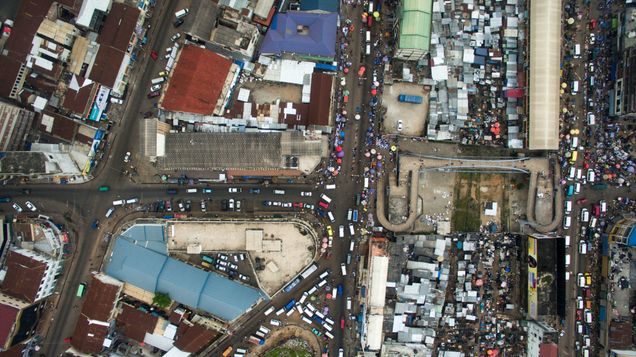
Adum, Kumasi, Ghana. Photo by Reuben Hayfron on Unsplash.
In offering loans to developing countries in exchange for policy reforms, the International Monetary Fund (IMF) typically sets the fiscal parameters within which development occurs. Among the drivers of socio-economic development, a new working paper focuses on an important, yet insufficiently understood, international-level determinant: the spread of austerity policies to the developing world by the IMF.
In a new working paper, Thomas Stubbs, Alexander Kentikelenis, Rebecca Ray and Kevin P. Gallagher use an original dataset of IMF-mandated austerity targets to examine how policy reforms prescribed in IMF programs affect inequality and poverty. Their empirical analyses span a panel of up to 79 countries for the period 2002-2018. Using instrumentation techniques, the authors control for the possibility that these relationships are driven by the IMF imposing harsher austerity measures precisely in countries with more problematic economies.
Their findings show that stricter austerity is associated with greater income inequality for up to two years, and that this effect is driven by concentrating income to the top ten percent of earners, while all other deciles lose out. The authors also found that stricter austerity is associated with higher poverty head-counts and poverty gaps. Taken together, their findings suggest the IMF has neglected the multiple ways its own policy advice contributes to social inequity in the developing world.
In December 2021, this working paper was published as a journal article in the Journal of Globalization and Development.
By Rebecca Ray Courtesy The Boston University Global Development Policy (GDP)
Buenos Aires, Argentina. Photo by Nate Kadlac on Unsplash.
For many years, researchers have debated the International Monetary Fund’s (IMF) use of austerity, or required fiscal budget tightening: how common it is, whichborrowers receive such requirements, whether IMF practice has changed after successivefinancialcrises, and what impactssuchausterityhashad.
Two new working papers from the Boston University Global Development Policy Center (GDP Center) pushes these questions further. Using a new dataset that measures the depth of required fiscal adjustment in each agreement from 2001-2018, these papers reveal four main findings.
IMF-required austerity is commonplace and did not diminish in intensity after the 2008/2009 financial crisis.
Borrowing countries are less likely to face required austerity if they are strongly tied to Western Europe, either through trade or diplomatic channels, or if they receive significant aid from non-OECD countries (mostly China).
Borrowing countries are more likely to face austerity if they are host to significant foreign direct investment (FDI), particularly from Western Europe.
IMF-required austerity is significantly associated with rising inequality, by increasing the income share to the top ten percent at the expense of the bottom 80 percent. Unsurprisingly, the impact can also be seen in significantly rising poverty levels in countries facing tighter austerity requirements.
How does the dataset measure the depth of IMF-required fiscal adjustment?
Over the last year, researchers at the GDP Center have created a new dataset on the depth of fiscal adjustment required in IMF agreements. By incorporating this new variable, the researchers pushed beyond explorations of who receives conditionality, to how lenient or harsh each agreement has been. This new data, which the working papers are based on, will be made public upon journal publication.
This dataset includes all IMF agreements since 2001 with binding fiscal adjustment targets (known as quantitative performance criteria, or QPCs) at the end of calendar years. By limiting the sample to end-of-year QPCs, it allows each fiscal adjustment requirement to be measured as a share of calendar-year GDP. These annual measures are then compared across the length of the agreement to produce cumulative, annualized fiscal adjustment, in percentage points of the borrower’s nominal GDP. Positive numbers indicate government budgets that were required to tighten (or become more positive), while negative numbers indicate agreements that allowed government budgets to loosen (or become more negative).
This dataset takes only the final level of each QPC, after any adjustments or revisions, and it ignores any that were waived because of extenuating circumstances. After all of these factors were taken into account, and after removing a few extreme outliers in unusual circumstances (for example, Iraq shortly after the ouster of Saddam Hussein), it resulted in a dataset of 335 QPCs from 154 IMF arrangements across 18 years.
How much fiscal adjustment did the IMF require from 2001-2018?
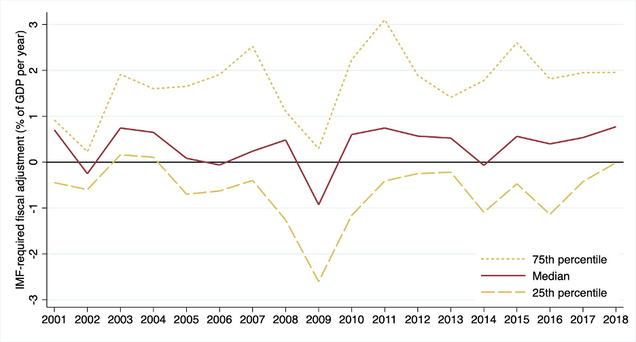
In the first of the two new working papers, IMF Austerity Since the Global Financial Crisis: New Data, Same Trend, and Similar Determinants,” coauthors Rebecca Ray, Kevin P. Gallagher, and William Kring find a remarkable variability in the fiscal tightening (or loosening) required across IMF agreements. While required fiscal adjustments always averaged between one percent of GDP cut or added to borrowers’ budgets for every year in the sample, Figure 1 below shows that the arrangements include a wide variety of experiences, even after removing the outliers mentioned above.
Figure 1: IMF-imposed Fiscal Adjustment in % of Borrower GDP per year, 2001-2018
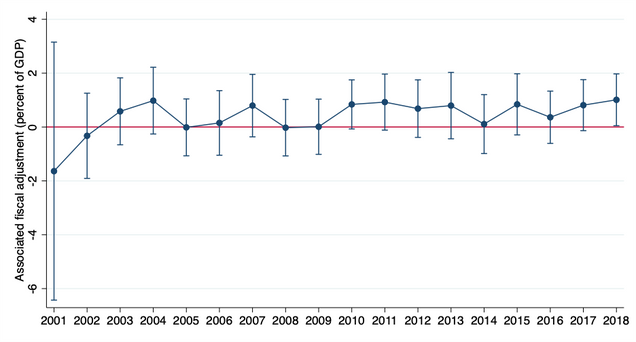
Some of this variation is due to the diversity of economic situations faced by IMF borrowers, like the type of arrangement they entered, or their income levels, economic growth, and inflation rates at the time of their IMF arrangement. When considered together with these factors through an ordinary least squares regession model, the IMF agreements coalesce around a narrower range. Figure 2 below shows the predicted fiscal adjustment levels and 95 percent confidence intervals across the dataset, resulting from that process:
Figure 2: Modeled IMF-Imposed Fiscal Adjustment in % of Borrower GDP per year, 2001-2018
These results run counter to recent research on the IMF rhetoric and the text of agreements, which often find that the agreements grew more lenient after the 2008/2009 financial crisis. In fact, Figure 3 below shows no significant trend at all across this time period, in terms of the fiscal adjustment actually required by the agreements. Average predicted fiscal adjustment appears to have dipped in 2008 and 2009 (though not statistically significantly so) before rebounding to its prior levels. In fact, the only year with predicted fiscal adjustment that is statistically significantly greater than zero is the most recent year in the dataset, 2018.
Which countries gets more austere or lenient IMF arrangements?
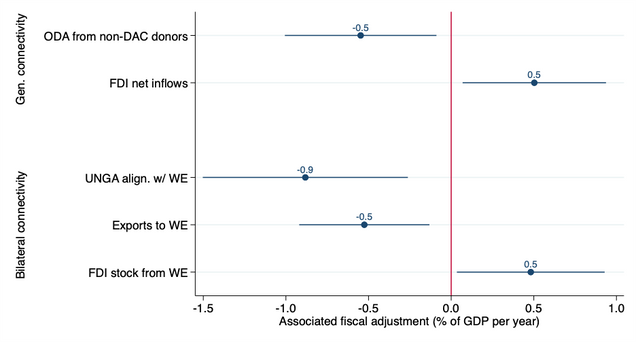
The same working paper also finds that IMF-required austerity wasn’t evenly distributed among all borrowers, or even all borrowers facing similar economic pressures. Even after taking into account each country’s economic situation, the authors find that countries’ foreign economic and diplomatic relationships mattered in setting the stage for the terms of IMF programs. Figure 3 shows the specific relationships that emerged as significant determinants of IMF austerity. For each variable, it shows the difference in IMF-required austerity that is associated with an increase of one standard deviation in each of the significant variables:
Figure 3: Significant Determinants of IMF-Required Fiscal Adjustment, 2001-2018
As Figure 3 above shows, three of these variables were associated with significantly more lenient (less austere) IMF agreements.
The strongest of these impacts is a country’s diplomatic relationship with Western Europe, measured as its average voting alignment with Germany, the UK, and France at the UN General Assembly (UNGA). An increase of one standard deviation in this variable was associated with IMF agreements that were less austere by a whopping 0.9 percent of GDP per year.
Borrowers’ trade relationship with Western Europe was also associated with significantly less austerity: an increase of one standard deviation in a country’s exports to France, Germany, and the UK (from 1.8 percent to 5.6 percent of GDP) was associated with an average of 0.5 percent of GDP less in required fiscal tightening per year.
Finally, aid (official development assistance, or ODA) received from sources outside of the rich countries that make up the Organization for Economic Co-operation and Development’s Development Assistance Committee (DAC) seems to act as a buffer on countries’ willingness to accept harsh IMF conditionality. An increase on one standard deviation in aid from non-DAC countries (from $25 to $54 per capita) is associated with QPCs that are an average of 0.5 percent of GDP less austere per year. It is worth noting that this non-DAC aid is most likely to come from China. This reinforces another recent GDP Center working paper showing that countries may approach China as an alternative to seeking IMF assistance.
In contrast, two additional variables are associated with greater austerity in IMF agreements: a country’s role as a host for foreign investment, generally, and from Western Europe specifically. An increase by one standard deviation in net FDI inflows (from 3.4 percent to 9.3 percent of GDP) is associated with QPCs that require 0.5 percent of GDP tighter fiscal adjustments: the same impact as an increase by one standard deviation in the FDI in-stocks from Western Europe (from 0.3 percent to 2.2 percent of GDP). These findings bolster the growing literature on tight fiscal policy being associated with the influence of foreigninvestors.
What happens after austerity is enacted?
Austerity often falls on the shoulders of the nation’s most vulnerable people.
With this in mind, an additional GDP Center working paper explores the impact of IMF-imposed fiscal adjustment on inequality and poverty, using the same dataset. In this new paper, Poverty, Inequality, and the International Monetary Fund: How Austerity Hurts the Poor and Widens Inequality,” authors Thomas Stubbs, Alexander Kentikelenis, Rebecca Ray, and Kevin P. Gallagher find that greater IMF-imposed austerity is associated with increased inequality and poverty in borrower countries.
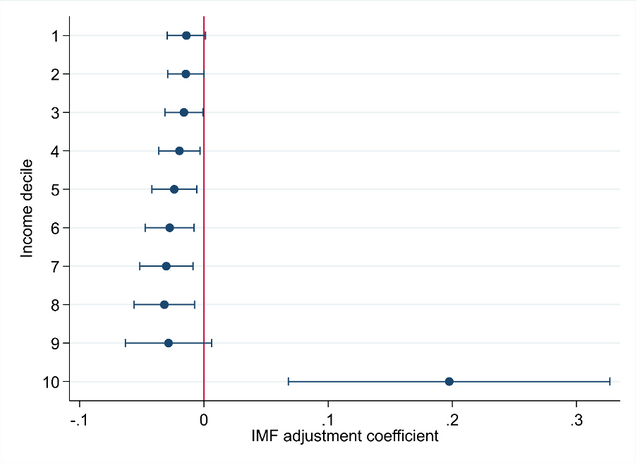
Figure 4 below summarizes the findings of ten separate regression models, showing the impact of IMF austerity on the income share of each income decile (each representing ten percent of the population), from the poorest ten percent (decile one) to the richest ten percent (decile ten).
The results show a statistically significant negative effect of fiscal adjustment on the income share of the bottom 80 percent of the population: income deciles one through eight. For the top ten percent — decile ten — the effect of the IMF adjustment coefficient turns positive and is large relative to the other deciles (coefficient, 0.198).
In other words, IMF-required austerity is significantly associated with the highest earners receiving more at the expense of the bottom 80 percent. The biggest losses are accrued by middle-class earners, in deciles six through eight, plausibly a product of wage, employment, and pension cuts for civil servants.
Figure 4: Impact of IMF-Required Fiscal Adjustment on Income Share to Each Decile, 2001-2018
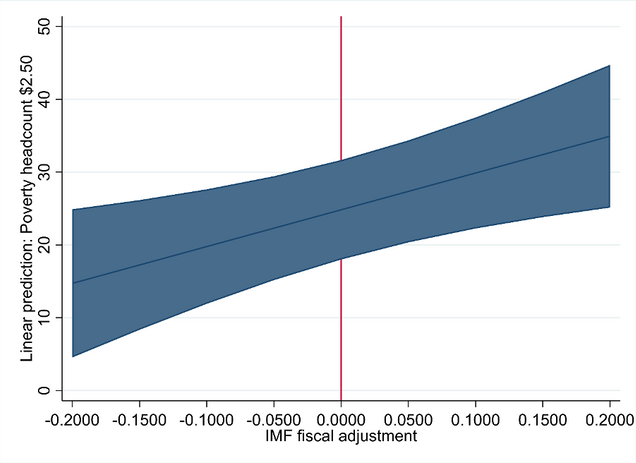
These results have serious implications for families facing poverty. Figure 5 below shows the results of a model of the impact of IMF-required austerity on the poverty rate at $2.50 per person, per day. This model varies IMF fiscal adjustment and averages the remaining covariates in the sample. It finds IMF-mandated austerity to be significantly associated with higher poverty rates.
For example, fixing IMF fiscal adjustment at five percentage points (requiring government budgets be tightened by five percent of GDP per year), our model would predict a poverty headcount at 27.35 percent of the population, compared to 24.83 percent with no adjustment.
Figure 5: Impact of IMF-Required Fiscal Adjustment on Poverty Rates, 2001-2018
As the IMF holds its annual Spring Meetings the first week of April in Washington, D.C., it faces a changed world.
The COVID-19 pandemic has ravaged economies around the globe, with the poorest regions hit hardest: Sub-Saharan Africa and Latin America and the Caribbean each saw their regional economies shrink by over six percent last year, while emerging Asian economies (excluding China) shrank by eight percent.
Amidst the global economic instability, international investors fled developing economies, before returning after vaccines were announced, creating significant exchange rate instability, which can make a country’s dollar-denominated debt obligations unsustainable, even if they were within a normal range before the pandemic. It can also wreak havoc on a country’s balance of payments, creating just the type of international financial instability the IMF was created to address.
As the IMF responds to these crises, encouraging signs have emerged that the Fund may be treating this crisis with special care. The GDP Center’s IMF COVID-19 Recovery Index shows that IMF arrangements in 2020 and 2021 have begun to directly target maintaining or increasing health spending, for example, though rarely in binding ways.
But as these GDP Center working papers show, broader austerity matters as well. The IMF would be well served to take its recent progress and expand it to apply to austerity generally, or at the very least, work to ensure that required austerity does not worsen inequality and poverty in borrowing nations as they work to recover from the COVID-19 crisis.
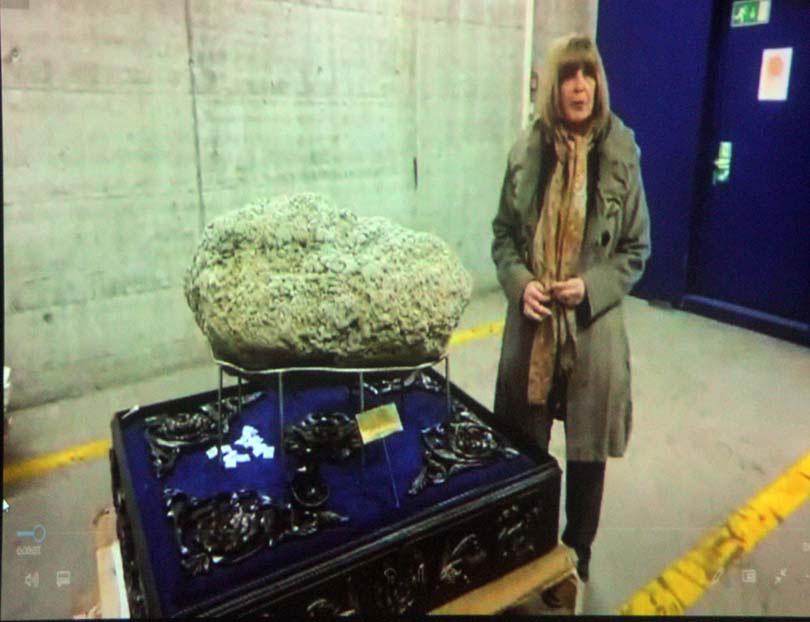
The star sapphire cluster weighing 503.2 kg, which was found in the Ratnapura area last year, today received the Guinness World Record as the world’s largest sapphire aggregate.
The ceremony of handing over the certificate for the world’s largest sapphire aggregate was held at the Cinnamon Lakeside Hotel with the patronage of Gem and Jewellery related Industries State Minister Lohan Ratwatte, National Gem and Jewellery Authority Chairman Tilak Weerasinghe, Adjudicator of the Guinness World Records and Founder Swapnil Dangarikar and other officials.
Addressing the event, the chairman said the cluster was registered in the Guinness Book after it was certified as a star sapphire cluster by the Gübelin Gem Lab in Switzerland.
He said the gemstone belonged to the Coronandum genus and was valued at more than Rs. 2,000 million.
The star sapphire cluster was found by workmen digging a well at a home in Ratnapura last year. The Gem and Jewellery Authority is taking measures to put this sapphire cluster on an auction or in a museum.
Meanwhile, the Guinness World Records adjudicator said Sri Lanka has received the new Guinness World Record title for the largest sapphire aggregate, which has been done for the first time in the world. (Chaturanga Samarawickrama)
The Health Ministry says that another 1,281 persons have tested positive for Covid-19 today, as the daily count of new cases continues to rise in the country.
This brings the tally of Covid-19 cases registered in the country thus far to 640,578.
According to official figures, 607,583 positive cases have recovered.
Following the new development, the number of virus-infected people who are undergoing treatment moved to 16,909. Meanwhile, the death toll stands at 16,086.
The Director-General of Health Services has confirmed another 31 coronavirus-related deaths for February 22, pushing the country’s death toll from the pandemic to 16,086.
The deaths reported today include 14 males and 17 females, according to the figures released by the Department of Govt. Information.
Six of the victims are between the ages of 30-59 years. The remaining 25 are in the age group of 60 years and above.
Sri Lanka’s present crises borne of an ill political wind based on detrimental administration and bad choices as it appears are of a severe socio-economic nature that can end in bankruptcy which seems like an impending disaster looming over the horizon.Despite warning signs the Government seems to be unconcerned and act as though it might blow away in the manner of a proverbial ostrich burying its head in the sand where properly targeted drastic action which is the key to resolving it seems to be the furthest thing from the Rajapaksa administration currently dabbling in issues of lesser priority than one imminently at hand and the nation continues its agitation in apprehension and uncertainty which could result in dire ramifications for all concerned which in all probabilities could include themselves..
It precludes the rationality and reason towards the well being of the Nation that the people appear to be completely unaware of the gravity of the situation where post haste remedial action is needed( if not already too late!) to prevent a downward spiral as Sri Lanka teerers on the edge of economic uncertainty as well as issues relative to Covid 19.
A clear plan of action to address this entire situation invariably rests on the nation’s stability both economic and relative to the Covid 19 situation.The enforcement of the health rules should be given equal or higher priority in the total program as well as bolstering the economy which disastrously seems to be slipping out of control for which the Administration seems totally responsible.
Sri Lanka according to knowledgeable world financial analysts is alarmingly rated as being close to bankruptcy and desperately in need of dollar resources where foreign investors cannot be expected to come to her rescue due to the high risk involved and thereby forced to borrow short term loans at high interest from unscrupulous lenders further compunding Sri Lanka’s woes and consequently being subjected to a foreign debt trap as the lenders invariably demand more than a pound of flesh in return.The foreign exchange reserves to buy essentials like food and medicines from abroad appear to be running out. The lack of dollar reserves will lead to a severe shortage of essentials. The result will be racketeering and high prices – a black market. This will send prices up further and a worse case scenario could plunge the country into dire straits all too frightening to apprehend as well as comprehend!!
One report says, quote “Within the country the economic situation is extremely bad and specially people in the villages and the ‘urban slums’ are suffering terribly. Within Sri Lanka 60% of our population is living in poverty. Hunger is widespread and many live on one meal a day. The malnutrition level has gone up to 18.3% (which means that out of five children who are five years of age one is suffering from malnutrition). Not only will the body and mental development of these malnourished children be badly affected, it can have some adverse impact on the entire future generation.
Quoting further and appropriately,” so how do we prevent or minimize these unfortunate trends? The question asked is how long will this
Covid-19 pandemic last. On the basis of experience with past pandemics and epidemics, which have generally existed in epidemic form for two or three years, they have then become milder routine infections like the common cold, or influenza. The appearance and increase of herd immunity contributes to the above change.Hopefully with Covid -19 too this will be the case.
With regard to the repayment of our loans as a country which has been badly hit by the Covid-19 pandemic as well as the global economic crisis we are entitled to re-negotiate and restructure the repayment of our sovereign debt. Accordingly we should ask for a period (say about five years) where we do not re pay our debt to the creditors.
This is to enable us to bring about the requisite changes of the policies that will result in sustainable development. During this period we can ensure that our people obtain their essential needs and their suffering be minimized.
The welfare state (free health, free education, allowances to the needy etc.) must not only be properly implemented during this period but also be sustained in the future. Our dependence on loans can be minimized by ensuring that the haves also take a significant part of the burden. The tax rate in Sri Lanka, both personal (14%) and corporate (18%) is one of the lowest in the world. This must be increased to well above the upper limit of tax charged in countries of Europe (35-40%).
A significant section of the future generation will be mentally deficient, in addition to being short and thin and may behave abnormally. There may be an increase of crime and misbehavior. This trend has already appeared among a significant section of the present younger generation (who have lost their jobs, and become drug addicts as well as part of the underworld) ” end quote.
It is horrendous prediction for the once beautiful and well balanced nation of a once proud and dignified people which hopefully can be averted with timely intervention and the right measures taken.
Points for the Administration to ponder upon before impending disaster takes over the smooth functioning of Sri Lanka even in some small measure as the vultures of the opposition and disgruntled enemies of the state are ready to pounce on the shortcomings of a faltering and what could be, a failed state if the current trend continues..
The loss of tourism caused by the pandemic, no doubt dealt Sri Lanka a more severe blow than to economies for which it is a less critical foreign-exchange earner. Pre-pandemic tourism amounted to more than 10% of the country’s GDP. But if today the country is struggling to pay for fuel imports, the shortage of which is having a cascading effect, and is on the brink of a sovereign bond default, the government’s ill-calculated policies have as much to do with it as the pandemic.
Before the pandemic, populist tax policy changes by the newly-installed Gotabaya Rajapaksa government (such as slashing the VAT rate) set off a decline in revenue, at a time when public finances were already fragile. Then, in April 2021, even as the pandemic had weakened the economy further, President Rajapaksa declared that import of chemical fertilizers would soon be stopped completely. Whether this was intended to promote organic farming or to save dollars from flowing out of the country, it crushed farmer sentiment. Prices of food and basic items have shot up since.
A big import order of organizer fertilizer from a Chinese company has opened a new can of worms, with its quality, price and payment all having become bitterly contested. China anyway accounts for around 10% of Sri Lanka’s foreign debt, with a notable part of this borrowing sunk into costly white elephant projects. It remains to be seen if Sri Lankan appeals to restructure this debt will be heeded with generosity, better late than never. Meanwhile, India is extending a $1 billion line of credit. For many within Sri Lanka, the writing is on the wall that the country should now turn to the IMF – to put its economy back on track with discipline. This will be a bitter pill for the government but it has largely itself to blame. It’s been a case study of how not to govern.
Sri Lanka’s inflation hit a record high for the fourth consecutive month, official data showed Tuesday as an economic crisis driven by a crippling foreign exchange shortage worsens.
The National Consumer Price Index (NCPI) rose 16.8 percent in January from a year earlier, the fourth consecutive record rise and more than double October’s figure of 8.3 percent.
The record highs came as the South Asian island struggles to find dollars to finance essential imports, including food, fuel and medicines.
The energy ministry announced Monday it was struggling to buy fuel on credit and reported shortages at many pumping stations, leading to queues and forcing some to shut.
The ministry said the main state-owned oil company, the Ceylon Petroleum Corporation, was straddled with outstanding debt of $3.5 billion and was no longer able to raise new commercial loans.
However, the CPC is banking on a proposed credit line of $500 million from the Indian government to procure oil in the coming months, officials said.
The worsening economic crisis has already led to food rationing with supermarkets restricting the quantity of rice, milk powder, sugar, lentils and tinned fish sold to consumers.
Many pumping stations have also rationed fuel issued to motorists in the provinces.
Sri Lanka’s economy has collapsed since the onset of the pandemic, with a nosedive in tourism revenue as well as foreign worker remittances.
International rating agencies have downgraded Sri Lanka over expectations it may not be able to service its $35 billion foreign debt. The government insists it can meet its obligations.
Former Mrs. Sri Lanka for Mrs. World’ Pushpika de Silva has been summoned to the Piliyandala Police to record a statement regarding the investigations into the attack on journalist Chamuditha Samarawickrema’s residence in Piliyandala.
Police said Pushpika had been informed to appear before the police at 10.00 am tomorrow.
They said statement would be recorded from her as she had taken part in an interview conducted by Samarawickrema on his YouTube channel.
Earlier, police also recorded a four-hour long statement from Ape Jana Bala party leader Saman Prasanna Perera who had also taken part in an interview with Samarawickrema on his YouTube channel.
Journalist Chamuditha’s house in Piliyandala was attacked with stones and excrement on February 14.(DarshanaSanjeewaBalasuriya)
All 88 volumes with proceedings, final report and witness records of the Presidential Commission of Inquiry (PCoI) which probed the Easter Sunday terror attacks have been handed over to the Speaker of Parliament.
The complete 88-volume report of the Presidential Commission of Inquiry was presented to Speaker Mahinda Yapa Abeywardena by the President’s Legal Director-General Harigupta Rohanadheera this morning (22).
The final report of the Presidential Commission of Inquiry appointed to investigate and inquire into and report or take necessary action on the Easter Sunday attacks, was tabled in Parliament on April 8, 2021, and due to legal reasons the related witness records and certain evidence had not been released until now.
The relevant files were handed over to Parliament on the instructions of President Gotabaya Rajapaksa as the findings of the Presidential Commission of Inquiry should be communicated to the public and for further perusal by the Members of Parliament, the PMD said.
Sri Lanka is open to having discussions with the International Monetary Fund (IMF) and other multilateral lenders for assistance and advice, says Minister Ramesh Pathirana.
He made this remark addressing the media briefing held earlier today to announce the decision of the Cabinet of Ministers.
According to the co-Cabinet spokesman, Sri Lanka is keeping lines of communication open with the IMF and other multilateral lenders such as the Asian Development Bank and the World Bank.
Sri Lanka has sought financial and loans from the IMF 29 times in the past 50 years, the minister added, noting that the government has not taken a firm stance not to seek IMF assistance.
The Public Utilities Commission of Sri Lanka (PUCSL) has approved the request made by the Ceylon Electricity Board (CEB) for rotational load shedding tomorrow (Feb. 23), due to the shortage of fuel supplies.
PUCSL Chairman Janaka Ratnayake said that power cuts of 04 hours and 40 minutes will be imposed in the areas mentioned under groups A, B and C in the power interruption schedule (see schedule below).
Meanwhile power cuts of 04 hours and 30 minutes will be imposed in the other areas, he said.
The PUCSL chairman said that the power cuts of 4 hours and 40 minutes will be imposed between 8.30 a.m. and 10.30 p.m. in groups A, B and C while it will be divided as 02 hours in the morning and 02 hours 40 minutes in the night.
Meanwhile in the other groups, the power cuts of 04 hours and 30 minutes will be imposed between 8.30 a.m. and 9.30 p.m. while it will be split as 02 hours in the morning and 02 and a half hours in the night.
The PUCSL said that around 4,000 metric tonnes of fuel is required daily to generate electricity in the country and that today (February 22) there had been a shortage of around 2,000 metric tonnes of fuel.
As a result, power plants with a total power generation capacity of 550MW were shut down, it said.
The electricity regulator added that tomorrow’s fuel requirement to generate electricity is 4,000 metric tonnes and that, however only 1,000 metric tonnes have been supplied. Accordingly, the fuel shortage for tomorrow is 3,000 metric tonnes, it said.
If there is such a shortage, 750MW of power will be withdrawn from the national grid, the PUCSL said.
The founding fathers of the Indian Constitution took an unequivocal stand that the Union is not a Federation and ensured the predominance of the Centre over the States of the Union. In introducing the Draft Constitution to the Constituent Assembly, the Chairman of the Drafting Committee, Dr. Ambedkar explained that Though India was to be a federation, the federation was not a result of an agreement, no State has the right to secede from it. Though the country and the people are divided into different States for the convenience of administration, the country is one integral whole, its people a single people living under a single imperium derived from a single source”
But at a recent debate in the Indian Parliament Rahul Gandhi asserted India is an Union of States” The Congress leader added: It is a partnership, not a kingdom. You will never in your entire life, rule over the people of Tamil Nadu.”
This statement was hailed by Tamil Nadu and the Chief Minister MK Stalin praised Rahul Gandhi for his rousing speech,”. The Congress leader replied, I have no doubt that our shared belief in the pluralistic, federal and cooperative idea of India will triumph.”
It is noted that the Federal idea is fast gaining ground in India. The wide discrepancies in socio economici development amongst the States has enhanced this process. States like Tamil Nadu which has a history of extreme demand for independence is likely to lead in such a move. Tamil Nadu has a population of 85 million and the GDP of US$ 78 billion in 2010 has increased to US$ 298 billion in 2020. It is the most industrialised state in the country and is the second wealthiest state in the Indian Union.More than 60% of the state is urbanized, accounting around 10.6% of the urban population in the country, while only comprising 6% of India’s total population. Services contributes to 55% of the economic activity in the state, followed by manufacturing at 34% and agriculture at 11%. In 2018 software exports of Tamil Nadu was US$18 billion.
The defence industry in Tamil Nadu is one of the fastest growing sectors with defence manufacturing undertakings such as Heavy Vehicles, Combat Vehicles, Ordnance and also where the first Indian made Fifth-generation jet fighter plane is to be manufactured.
Coimbatore in Tamil Nadu is known as “Manchester of South India” due to its extensive textile industry and is the home of more than 30,000 small, medium and large industries.
What our leaders must recognize is the rise of a hostile giant with a population of 85 million and an economy of US$ 300 billion in our immediate neighborhood. The size of the population may be compared with those of Germany at 83.9 million, the United Kingdom at 68 million, and France at 65.47 million although there is no comparison with the economies of these countries.
The dream of a Greater Eelam seems to be still lurking in the minds of extreme Tamil nationalists. The sleeping beast may arouse with encouraging calls from the likes of Gandhi. The wide variations of GDP in Tamil Nadu and the States in the North is an incentive to go it along.
A strong Tamil Nadu will make the Central Government accommodate even unfair demands from them. On the other hand, the Central Government will do its utmost to protect the Union. Central Government will not want a new confrontation in the South while resisting heavy hostile pressure in the North and the West. In a situation where the Central Govt gives in to demands antagonistic to Sri Lanka do we have a defense? A Tamil Nadu growing in strength is bound to encourage the separatist movement in Sri Lanka.
Make no mistake, as far as a ‘relation’ we are only a poor relation of India. What are our options to save this nation? The Non-Aligned Movement is dead, SARC is killed, an opportunity to join the ASEAN was missed by a cowardly UNP. Do we have any buffer to defend us from this turmoil which is bound to take place in this miserable decade? Just after the Indo-Sri Lanka accord of 1987 Minister Lalith Athulathmudali led an ESCAP sponsored trade delegation to Pakistan when General Zia invited him to his palace. Zia welcomed Lalith very warmly and said that Pakistan is very sorry that Sri Lanka did not consult them before entering into that Agreement with India. He said, we could not have prevented you from signing that Agreement, but we could have advised you to avoid any trap.” Wise words indeed. The trap was the Exchange of Letters.
The Health Ministry says that another 1,206 persons have tested positive for Covid-19 within today (21).
This brings the tally of coronavirus cases registered in the country thus far to 638,043.
Meanwhile currently approximately 14,900 patients infected with the virus are under medical care and home-based care
Sri Lanka’s coronavirus death toll topped 16,000 as the Director General of Health Services confirmed another 30 Covid-19 related deaths for February 20.
This brings the total number of Covid-19 deaths registered in the country since the start of the pandemic to 16,024 thus far.
The deaths reported today include 20 males and 10 females while 06 of the victims are between the ages 30-59 years. The remaining 24 are in the age group of 60 years and above
The Government of Sri Lanka (GoSL) is most likely to receive a helping hand from the Chinese Government in the upcoming months to overcome the present financial crisis faced by the country, Treasury Secretary S.R. Attygalle revealed.
Speaking to The Sunday Morning Business, Attygalle stated that based on the request made by President Gotabaya Rajapaksa on 9 January, official discussions had begun after the Chinese New Year on finalising the loan amount scheduled to be granted to Sri Lanka.
Discussions are ongoing and the final decision will be made soon,” Attygalle said.
However, when asked about the amount that Sri Lanka was expecting from the Chinese Government to overcome the financial crisis, Attygalle refused to divulge information, stating that it was too early to comment on the amount without any finalisation.
Last month, Attygalle told The Sunday Morning Business that if the Government of China were to extend its support to Sri Lanka, and given the existing supporting ally, the Government of India, other lenders would also be willing to help Sri Lanka restructure its debt repayment.
India has supported us and similarly the Cabinet has requested China to restructure the debt. We will see how it goes; when these two Governments do so, certain others will also follow,” he added.
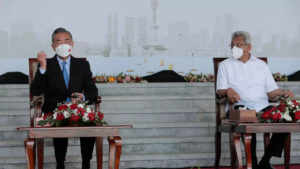
On 9 January, President Gotabaya Rajapaksa put forward this request at a meeting held with Chinese Foreign Minister Wang Yi.
The President pointed out that it would be a great relief to the country if attention could be paid to restructuring debt repayments as a solution to the economic crisis that has arisen in the face of the Covid-19 pandemic,” the President’s Office said.
The statement also said China was asked to provide concessional” terms for its exports to Sri Lanka, which amounted to around $ 3.5 billion last year, without providing further details.
Further, President Rajapaksa also offered to permit Chinese tourists to return to Sri Lanka provided they adhered to strict Covid regulations.
China is Sri Lanka’s fourth biggest lender, behind international financial markets, the Asian Development Bank (ADB), and Japan. According to official data, China has lent Sri Lanka over $ 5 billion (£ 3.7 billion) in the last decade for projects including roads, an airport, and ports.
Now that the only two people who were charged for this historic massacre in courts on 864 separate counts and argued for nearly 1000 days have been finally declared acquitted and discharged of all charges as not proved and no other had been indicted either so far almost for three years, the above query is very timely and relevant in public interest in the name of justice and fair play by the victims.
This classic acquittal raises the most fundamental question in the average man’s mind as to whether there was and there is a government in this country and also whether there is any law and punishment for those who commit mass murder involving serious crimes like this. The two persons were the most important key public officials of the government of that time responsible for maintaining law and order and public security in the country. They rank only next to the Head of the State and the Prime Minister in this respect. Then there are those hundreds who are below these key people who are personally and severally responsible for defending the country against external invasions and for internal security including the protection of the life of people within the country. If none of these men and women are responsible for the most fundamental obligation and function of a State entrusted to them, then who else is responsible for that prime responsibility of the State?
Therefore, If the Head of the State and the Prime Minister who were in charge of the Government at that time and all those people down the line with whom the responsibility and answerability for that noble social obligation lie are freed of their responsibilities and obligations then who is going to be responsible for this type of heinous crimes of this sort against humanity? Is it the 300 people who died and others who were left crippled for life? Had Saharan survived, I think he would have definitely said so, in the name of their God.
Why couldn’t the learned lawyers prove a single charge, say at least criminal; neglect of duty and failure to prevent such a monstrous calamity, out of a list of 864 charges framed by the prosecution against these two accused. Shouldn’t we now charge the prosecutors for their failure to prove even one charge they listed? Is it their weakness or the weakness of the law or the unmatched competency of the defense lawyers or else some invisible extra-judicial mystery working behind it, that is responsible for this appalling situation? the posterity will continue to seek querying forever? Could it also be the inadequacy or the non-applicability of the Roman-Dutch Law that was introduced only in 1852 to this country? According to Roman-Dutch Law, one is deemed to be innocent until he is proved guilty beyond all reasonable doubts. Personally, I think it should have been better if it had been the other way about, that is the burden of proving that an accused is not guilty should be with the accused.
People also ask, is there something wrong with the law or the lawyers or the entire legal system? This may be the reason why one man said that the law is an ass. The current common trend of all politicians in the ruling party accused of various crimes getting acquitted and discharged with impunity at a rate also keep many an eyebrow raised in wild speculations as to how selective has become the country’s legal system
Against this backdrop, it must be clearly stated that the entire government machinery starting from the President and Prime Minister at the top at that time downward including everybody who was in charge of public security in the country, especially in Colombo, should be squarely be held responsible for this massacre. The Secretary to the Ministry of Defense and the IGP cannot be made exceptions to that rule.
Had this type of crime taking place in another country like India or Japan both the President and the Prime Minister should have resigned immediately. In some of those countries, there were Ministers who have resigned even when a train got derailed.
Finally, it is the onerous responsibility of the present Government to initiate immediate and fresh action against all responsible for this massacre in the then Government to clear, its hands and restore the lost confidence of the people in the present Government. before they get on to the street in mass protest against it for lack of any lawful and just governance in the country.
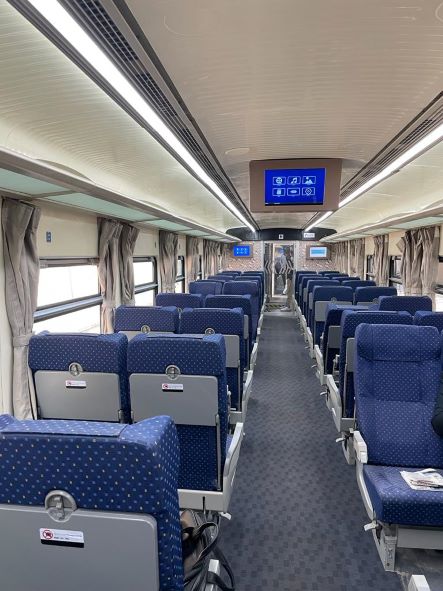
Colombo, February 20 (newsin.asia): Officials from the High Commission of India accompanied by representatives from the Indian railway organization RITES and the Sri Lanka Railways travelled aboard an air-conditioned train [AC Diesel Multiple Unit (DMU)] on its successful trial run in Sri Lanka on 18 February 2022.
This AC DMU had been supplied under a US$ 318 million Line of Credit (LoC) from India. The first AC DMU supplied under this LoC was put into operation on 09 January 2022.
The US$ 318 million LoC was finalized in 2014-15 for the supply of railway rolling stock to Sri Lanka, upgrading railway tracks and other mutually agreed projects in accordance with the request and requirements of the Government of Sri Lanka.
Inside the Indian AC coach
Since then, high-quality railway coaches and AC DMUs supplied from India have helped strengthen the railway infrastructure as well as travel experience in Sri Lanka. Various other projects under this LoC including the upgrading of railway tracks are at different stages of implementation.
Lines of Credit from India have contributed to the upgrading of the railway line from Colombo to Matara, track laying on sectors such as Omanthai-Pallai; Madhu Church-Tallaimannar; Medawachchiya-Madhu; and Pallai-Kankesanthurai, installing signalling systems, and supply of rolling stock to Sri Lanka railways.
India looks forward to continue mutually beneficial cooperation in the transport sector, including in railways where India’s world-class capabilities and assistance have contributed significantly to the development of railway infrastructure and facilities, job creation, economic growth, enhanced connectivity and passenger comfort and safety in Sri Lanka.
The 49th Session of the United Nations Human Rights Council (UNHRC) is scheduled to take place from 28 February to 1 April, 2022 in Geneva, Switzerland.
During the Session the UN High Commissioner for Human Rights Michelle Bachelet will present a written update on Sri Lanka to the Council and there will be an Interactive Dialogue on Sri Lanka on 3 March, 2022.
Foreign Minister Prof G.L. Peiris will lead the Sri Lanka Delegation to the 49th Session of the UN Human Rights Council, the Foreign Ministry said today.
During the visit the Foreign Minister will address the High Level Segment of the 49th Session of the Council and thereafter speak at the Interactive Dialogue on Sri Lanka.
The Foreign Minister is also scheduled to have meetings with the UN High Commissioner for Human Rights and other dignitaries during his visit, the release said.