
The WHITE VAN & THE DISAPPEARANCE OF SIRIYALATHA PERERA!
December 17th, 2019Vajiragnana Warnakulasuriya
This is a re-enactment of the disappearance of Prageeth Eknaligoda the Media Journalist! This latest episode makes one believe The Swiss Embassy could be the silent provider to make VANISH much talked locals to discredit, embarrass Rajapaksas either in Power or not!
This latest episode after worldwide publicity was given damaging the reputation of the new Presidents Government through, Al Jazeera, Times of America and the UK. Now that the case has been proved as purely a fabrication, the Swiss Embassy as a matter of courtesy on the Host Country should respectfully request the above-said Media outlets to publicly apologize for publishing fake news!
Furthermore, it’s of utmost importance to ascertain when this woman’s assumed the name Gania Banister Francis dropping Siriyalatha Perera, is it before or after being employed by the Embassy. This becomes important as that’s the start of the FICTION! Suppose Prageeth Eknaligoda too had fled the Country after assuming an Alien name and happily lives there or some other foreign soil!
Now let’s divert our attention to a possible scenario had this woman managed to flee immediately after the BASTARD, RAJITHA SENARATNE made in that Media interview where she was SEXUALLY MOLESTED and a REVOLVER was RAMED DOWN HER THROAT! Then the WHITE VAN story the torture and subsequently feeding her body to CROCKERDILES becomes true for the Embassy to communicate to his foreign affairs in Switzerland while she and her family HAPPILY live in Switzerland!
Which makes the World Media paint the new President Mr. Gotabhaya in par with Philipines President Rodrigo Duterte alleged to have committed heinous crimes!
So, the whole story fell through the Swiss Ambassadors’ fingers due to poor SCRIPT of the local author! This IDIOT underestimated the investigating s of the present teams!
And finally, we see the drama of the highest order when this seemingly friendly Envoy from the Switzerland who, in my assessment may have made to vanished some locals to discredit Sri Lanka in the past, now admits an error of Judgment (to that effort) been made in this instance and in response, President Mr.Gotabhaya assures no hard feeling (to that effort) between the parties!
But we are no fools to swallow that these two are not CHEATING EACH OTHER! This is what’s called DIPLOMACY!
PS
If the whole saga took place after
she has changed her name after employment in the Swiss Embassy, the motives are
dishonest, Hence I see no reason why The government allows such missions to
exist that are scheming to discredit the Government!
Vajiragnana Warnakulasuriya
Wigneswaran’s doctored history
December 17th, 2019By ; A.A.M.NIZAM – MATARA.
The universally accepted and acknowledged Encyclopaedia Britannica (EB) states that Sri Lanka had a continuous record of human settlement for more than two millennia and Sri Lanka developed a unique identity over the ages that ultimately set it apart from its neighbour mainland India. Cultural traits brought from India necessarily underwent independent growth and change in Sri Lanka, owing in part to the island’s physical separation from the subcontinent. Buddhism, for instance, virtually disappeared from India, but it continued to flourish in Sri Lanka, particularly among the Sinhalese. Moreover, the Sinhalese language, which grew out of Indo-Aryan dialects from the mainland, eventually became indigenous solely to Sri Lanka and developed its own literary tradition.
The EB indicates that the Tamils were later immigrants from areas of Central, eastern and Southern India where Dravidian languages were spoken. As per historical records Tamils have been brought to this country initially as agricultural labourers for cultivation of Tobacco in the North and East as the native Sinhalese refused to work as labourers under the Dutch rulers. This was followed by the British Imperialists as well when the native Sinhalese refused to work in the tea plantations as coolies. A third group of Tamils from the low castes came to Sri Lanka from time to time and they were known as Kallathonis (the boat people) and they settled down in urban areas, and they were small in numbers and they worked in the Municipal Councils and Urban Councils as scavengers and they were called as Sakkiliyas. Another group of them worked as barbers and helpers, and some others lived as Gypsies (Ahikundakayas). The early immigrant Tamils completely ignored these Tamils and never admitted them to their functions despite they too spoke their own language and worshipped their own Gods.
The history we have learnt states that originally several different indigenous clans lived in the country during the pre-Vijaya era (before 505 BCE). These clans of Sri Lanka and the mystical kingdom of Lanka were mentioned in the great epics of Mahabaratha, Mahavamsa, Manimekalai, Ramayana and Sangam. It is believed that four main clans lived in Sri Lanka before king Vijaya explored the island. The four clans are Yaksha , Naga, Deva, and Rakshas. The Nagas were serpent-worshippers, the Yakkas were spirit worshippers, and it is said that even today, the Sri Lankan culture has some elements that originated from the culture of the Yakkas and Nagas. The majority of the native population were farmers and cattle herders. They had knowledge about healing arts (ayurvedic), built irrigation systems and temples. There were trade relations and royal intermarriage between the indigenous people of Sri Lanka and their neighbours in the South India kingdoms.
It was an acknowledged and accepted fact that Prince Vijaya who was deported by his father with his companions upon arrival here with the help of Kuweni conquered all the four clans and unified this country as a Sinhala nation. Accordingly the country remained as Subhale and was ruled by several native Kings and during the time of King Devanam Piyatissa, the son of Emperor Ashoka, Arahat Mahinda brought the religion of Buddhism which was embraced by the King and the people. From then onwards this country became a Sinhala Buddhist nation.
This fact was acknowledged universally and by all Tamil leaders although they resisted the majority Sinhala community on racist grounds. The Tamil racism based on spurious superiority was invented by British Imperialist stooges Ponnambalam Arunachalam and Pommambalam Ramanathan and was comprehensively followed by the generations under G.G.Ponnambalam, S.J.V.Chelvanayagam. Appapillai Amirthalingam, megalomaniac Prabhakaranand the Octogenarian Sambandan and their followers.
As things were such, the utter chauvinist Pottu Papa Wigneswaran who is longing to assume to take over the leadership of the Tamils in the North and East after the imminent demise of Sambandan shortly has invented a hitherto unheard and unknown history of Tamils being the original inhabitants of Sri Lanka, that they were Tamil Buddhists and that they got converted to their original religion of Saivaism later. If Buddhism was their original religion why he when he was functioning as the Chief Minister of the Northern Province made all attempts to chase out the Buddhists from the Northern Province, and banned placing of Buddha statutes and planting of Bo-Trees and establishment of Buddhist temples and monasteries in the North?
In a lengthy article published in the Colombo Telegraph this Pottu Papa chauvinist says the Upcountry Tamils have come to Sri Lanka within the last 200 odd years and they occupy areas outside the North and East and they have had no compunction in learning Sinhala and integrating with the Sinhalese. So too the Colombo Tamils.
the Northern and Eastern Tamils, hesays, are different. This Pottu Papa states that they have always occupied the area now roughly covered by the Northern and Eastern Provinces and there had been continuous occupation of the North and East throughout history by the Tamil people. In fact their occupation extended up to Negombo in the Western Province and up to Kathirgamam in the South East and the Sinhalese have never occupied the North and East in large numbers except after 1833 when the country was bought under one administration by the British. He says that there had been influx of Tamils during different eras first by the Pandians and there after the Cholas, Pallavas, Cheras and Nayaka Kings last. But that only meant they added to the number of indigenous Tamils of this Country and reiterates absurdly the Tamils were the original inhabitants of this Island.
He explains that they could trace their ancestry to the inhabitants of the Continent of Lemuria which covered the greater part of the present Indian Ocean in times gone by and adds that the Lemuria Continent which was gobbled up by the Indian Ocean extended from Western Australia to Eastern Africa joining up with the Indian subcontinent. Therefore the present Tamils of the North and East feel themselves to be the descendants of a long line of Tamil speaking people who have been occupying the Northern and Eastern regions continuously from pre Buddhistic times and recently it has been accepted that Tamil is one of the oldest living language in the world.
Then this Pottu Papa chauvinist misinterprets the history, the universally accepted history and says that Sinhalese came by their Sinhala language only in the 6th or 7th Century AD. That is 1300 or 1400 years ago only and there was no Sinhala Language before that time. Blaming the historians for getting his appetite fulfilled he says Some historians have painted all ancient Buddhists as Sinhalese. That is because since there was Buddhism in Sri Lanka before the Sinhala language came into existence they have identified earlier era Buddhists as Sinhala Buddhists. He impishly states that those who were Buddhists at that time were Tamil Buddhists.
Writing further this Pottu Papa states there are those who refer to Sinhala Prakrit as proof of the presence of the Sinhalese language from pre Buddhistic times. This is like saying my grandfather lived 100 years ago therefore I lived 100 years ago because I came from my grandfather! He claims that there was no Sinhala language until 1300 or 1400 years from now and asks how could you refer to Sinhala Prakrit of a by- gone age 2000 years or more ago? The Sinhala language was not even contemplated at that time. He states that the truth would be that those words of ancient times (Prakrit) may have been Pali or Tamil or other dialects in Sri Lanka which later came to make up the Sinhala Language and says that Sinhala is a conglomeration of languages.
This chauvinist Pottu Papa claims that at least 40% of the Sinhala words are Tamil and its alphabet formation is similar to Tamil and South Indian Languages. He says that lots of Hindi words were imported into Sinhala language as recent as in 1956-1965 when Professor Malalasekara was Ceylonese High Commissioner in India and he brought in lots of Hindi words into the Sinhala Language thus Sinhalacising” the Hindi words and adds that lots of legal terms in Sinhala for example are derived from the Hindi words used in North Indian courts. He says we have a habit of taking over something today and trace its origin to sources centuries ago and saying that that something existed so many centuries ago.
He also states that lots of names of Tamil Villages in the North and East were found appropriate Sinhala names during the past 70 odd years and we have transported those Sinhala equivalents to centuries earlier to say those Sinhala villages existed at that time! Kandarodai for example was Kandarodai always at least for centuries. The Sinhala word for it Kadurugoda was coined very recently. Now it is said Kadurugoda was the original place name! Then he claims that Kandarodai Buddhist remains are Tamil Buddhist remains. There were no Sinhalese at that time contemplated even!
This chauvinist pottu Papa claims that the Northern and Eastern Provinces have never been Sinhala and they were areas of residence of the Tamil people and Tamils were Buddhists for quite some time until they reverted to their original religion Saivaism when the Bakthi cult in South India influenced them. He says the ayanmars have sung hymns to the deities in Thirukoneswaram and Thiruketheswaram before the Sinhala language was born. Further the Tamil literature of 2000 years ago were Buddhistic or Jain religion oriented and there was no Sinhala language then.
Again this Pottu Papa emphasizes that it is wrong to say Sri Lanka is a Buddhist Country. The Tamils who became Buddhist centuries ago jettisoned Buddhism and reverted to Saivaism Tamils at one time being Buddhist and that too long before the Sinhala Language was born, does not give the right to anyone to claim that Sri Lanka is a Buddhist Country. He stresses that the North and East must be separated as being majority non – Buddhist.
He states that the Sinhala people have been given a wrong understanding of history based on the fiction written in Pali by a Buddhist Priest in the 5th Century AD. The author says that at the end of every stanza he was writing the fiction for the glorification of Buddhism. If he was writing history he would not have said so!
He says that the North Eastern Tamil people are conscious of their antiquity. They are conscious of the richness of their language. They have a highly emotional bond towards their traditional homelands. But they feel constrained that the majority Sinhalese are not allowing them to blossom out on their own in their region but want to control them. There are certain rights which the Tamils have. In terms of the International Covenants they have their common language, they have their religions – Islam, Christianity and Hinduism, they have their traditional homelands where their forefathers have lived continuously from pre Buddhistic times. They also have their separate culture and way of life all different from the Sinhalese though there are many commonalities between the two communities due to their common origin as per DNA tests concluded recently. They would therefore like to preserve their individuality. They are entitled to self determination in terms of International Law. Owing to the above said they abhor anyone trying to control them and dominate them on false premises. The Tamils, he says, have always occupied the North and East and they still are the majority in the North and East.
The Sinhalese historians and others, especially the Buddhist clergy, have set up lots of falsities as history saying that this country is theirs. This is false. The original inhabitants of this country were Saivite Tamils he stupidly claims..
They say all Tamils were immigrants into a predominantly Sinhala Country. This is also false according to this Pottu Papa. Though it is true there were several influxes of Tamils at various times in history the existence of the Tamils in the North and East of this Island continuously as the majority community until today cannot be disputed.
They say the North and East were originally Sinhalese. This is also false. Simply because Buddhism existed in the North and East and there are Buddhist historical / archaeological remains in the North and East that does not prove the existence of the Sinhalese at some period in our past history, this fellow states. It only proves there were Tamil Buddhists – Demala Buddhayo! The question that needs to be asked him is where these so-called Demala Bauddhauo now and whether they have perished and how?
Mahavansa, he says, is a fictional work written in Pali before the Sinhala language was born. It is not a historical document though its background particulars could help understand history.
Therefore we Tamils of the North and East are conscious of our antiquity, our history, our rights to self determination and therefore until our intrinsic rights to the right of self determination is recognized and respected we would find it difficult to march together with the other communities, specially the Sinhalese who have usurped our history and antiquity and trying to falsify those fields of study. If the historical facts just mentioned by me here are not accepted by the Sinhalese intelligentsia they are free to set up a Committee of Sinhala, Tamil, Indian and other International Historians and Archaeologists to re-write our history truthfully and affirmatively.
The above is a valid suggestion and early steps should be taken to hold an open debate with the participation of historians and archeologists to disprove Pottu Papa’s stupid and doctored allegations and clear the true historical facts. Otherwise that the vicious Tamil diaspora in the European countries would launch a campaign to accept the canards being said by this chauvinist as they succeeded making the world to blindly believe illusory imaginations in the Darusman report including the so-called killing of 40,000 never existed people.
Muslims and Upcountry Tamils have no such common historical background to stand on. They have not lost anything as we are losing our lands, our language (still the Central Government often sends letters in Sinhala only to the North and East), our religions, our culture and our identity. Until they are restored to the Northern and Eastern Tamils how do you expect us to march together with others?
First recognise our individuality and our history. (Your history was that you were labourers brought from South India similar to those in the hill country and were provided special privileges by the European invaders and made you to dominate over the indigenous Sinhala Buddhist people of this country)
Then we will march hand in hand. When I was young prior to Independence we Sinhalese, Tamils, Burghers, Muslims, Malays and even Chinese were able to look upon this Country as our own. When the Sinhalese claimed this Country as Sinhala Buddhist only, our individuality collapsed, and we have been made fourth class citizens! The Muslims and the Upcountry Tamils enjoy a freedom which the Northern and Eastern Tamils do not enjoy today.
You shed your arrogance, allow the Tamils in the North and East to think freely, act freely and live freely without being slavish to repugnant myopic Vellala politicians. Don’t trample them similar to they were used as human shields by the tiger terrorists.
Do not prosecute them
December 17th, 2019Viraj Kithsiri
The whole country is clamouring for immediate actions against the culprits of yahapalanaya.
From bond scams to the outrageous press conferences there are so many issues to be dealt with and punished.
Chief among the culprits are Mangala,Rajitha,Ravi, Champika,Rishad and Malik.
However on the top of the list is Ranil too.
However I do plead the government not to hurry up these cases until after the general elections.
If we prosecute and bring charges against them they will not get nominations from the UNP.
In fact this will be welcome by Sajith clan to go to the polls with a clean sheet. The government will be doing an immense favour to them by removing them from their nominations.
The Sajith clan or UNP cannot deny nominations to these seniors in their party however much they want to. That is why I noticed some UNP MPs urging the government to prosecute the wrong doers as soon as possible to get their baggage off.
As long as these fraudsters and those humiliate our race and Buddhism remain in the UNP ranks a two third majority is a foregone conclusion to SLPP.
Just start cases slowly until the general election for them to face the tune after elections.
Brexit: long overdue!
December 17th, 2019Malinda Seneviratne
The most asked
question on Google in the year 2019, according to reports, is ‘Where is
Sri Lanka?’ I am not sure who is looking for Sri Lanka or why. Maybe it
has something to do with Sri Lanka being picked as the No 1 island to
visit. Again, I am not sure who concluded this or why.
Sri
Lankans know where Sri Lanka is. Most Sri Lankans know what Sri Lanka
is. Of course there are those who think Colombo is Sri Lanka and vice
versa and who, consequently, don’t think that non-Colombots really count
and therefore are often shocked at how politics unfold. That’s a
different story.
There
are people from other countries who know where Sri Lanka is and have a
rough idea that the island is not only about tea. The more discerning
and aware know the island’s history, its strategic importance in the
Indian Ocean and of course who plundered what and when. Most,
however, have only a cursory knowledge of the island. Arundathi Roy,
for example. Gullible to the core, and yet sufferable in ways Boris
Johnson and Jeremy Corbyn are not.
Boris
and Jeremy, leaders of the Conservative and Labour Parties in the UK
had many things to talk about in the run up to that country’s
parliamentary elections. Usually, Sri Lankans are not really bothered
about by such processes, not least of all because the result, either
way, has little chance of changing the predatory and condescending
attitudes and actions of the UK government(s) with respect to Sri Lanka.
This time, however, both leaders mentioned Sri Lanka in the course of
their respective campaigns.
It’s
not hard to understand. There’s a significant number of Tamils of Sri
Lankan origin living in the UK who have the vote. Elections are about
votes. Politicians woo voters. They are a promising lot. The aim to
please. And so Boris and Corbyn had to say stuff that they believed was
music to the ears of this relatively tiny segment of the voting
population.
A
minor matter and it didn’t really count, but it nevertheless indicates
stuff. Jeremy talked of genocide. That’s a good thing. Britain know all
about genocide, ethnic cleansing, cultural erasure and plunder. Boris
wants to achieve ‘reconciliation, stability and justice.’ Across the
world, he says. In current or former conflict zones, he says. Yeah,
right!
Those
who get high on either Boris or Jeremy should relax. They are no
different. The only good thing is that we have to deal with just one of
them. As things turned out that would be Boris.
Now
Britain may have reconciled itself to forgetting the past and the
present when it comes to horrendous excesses (yes, a mild word, that).
However, if Britain wants justice, that’s good. Here’s stuff that
Britain could do.
First.
Return all the loot. Second. Compensate for genocide, torture,
dispossession and for having flowered up a people via divide-n-rule.
Third. LEAVE US ALONE!
That
country, folks, doesn’t know whether it is coming or going. It preaches
democracy but is just another monarchy. It could never tell East from
West and still believes the sun has not set on collective behind. It
believes that it is a free country when it is in fact a client state of
the United States of America. It is not sure if it is a part of Europe
or if it is not. It pretends to be one country in the United Nations but
when it comes to sports (like Rugby and Football) it ‘breaks’ into its
constituent parts.
And they want to give us direction. Wait. I need to laugh for a good ten minutes over that!
Alright. Done laughing. Seriously, folks, when you dig deep into all this, it is not funny. It’s gruesome. And it is unresolved.
Sri
Lanka is not the UK and not only because we haven’t really robbed other
countries or stockpiled weapons. We don’t do what they do. We don’t
tell others what to do. We don’t insist they inhabit our version of
their reality. We are not telling them to mind their own flowering
business.
Britain
has its own tumors to deal with. That much is clear. Xenophobia.
Terrorism. Chicken coming home to roost. That kind of thing. Perhaps the
likes of Boris and Jeremy feel good about themselves by dissing
countries like Sri Lanka.
And
we here they are fretting over something called ‘Brexit’. Britain +
Exit, that is. The first time I heard that term, I remembered Nanda
Malini’s catchy song in the ‘Pawana’ album, titled ‘Nidahas Baila’. This is how Sunil Ariyaratne saw it: sudda yanna giyeth nae, nogihin hitiyeth nae. (The white man did not stay, and neither did he leave)!
We’ve
been waiting for Brexit for more than two centuries. And it’s not their
fault alone. There are people among us who just don’t want them to
leave. Maybe ‘Brexit’ is a Sri Lankan project. An unfettering. It might
actually give a boost reconciliation, ensure stability and obtain
justice simply because we won’t have rank idiots telling us who we are,
what we are about and what we ought to do.
This article was first published in the ‘Sunday Morning’ [December 15, 2019]
Conservative Victory – What next about Geneva Resolution?
December 17th, 2019S A K Courtesy Island
December 17, 2019, 9:30 pm

Under normal circumstances, most Sri Lankans would have been happy if a Labour Government was elected in England, perhaps because we have a long tradition of being ruled by Left of Centre governments, and we have little faith in those representing the interests of big capital and land owning classes. However, under the present circumstances, all patriotic Sri Lankans should be extremely happy that at the British parliamentary elections the Conservative Party won a resounding victory. We should have celebrated the event with banners, Kiribath and dancing on the streets as we did at the election of Gotabaya Rajapaksa last month.
Why should we be happy? The simple answer is that at present the powerful Tamil diaspora based in England are all aligned with the Labour Party which was defeated. In many British parliamentary constituencies, the LTTE sympathizers can influence the outcome of the election. Thus, many Labour MPs are always ready to do the LTTE bidding. Meanwhile, the LTTE groups have developed the art of deception to a high level and accordingly, they feed Labour MPs with false facts and figures, creating highly unrealistic pictures of the situation in Sri Lanka. This false propaganda is then echoed in the British Parliament, European Parliament and in various UN forums etc. Sadly, our own government has been doing little or nothing to counter such propaganda. If the Labour Party is in office, it will invariably act on such falsehoods, due to pressure exerted by the Tamil Diaspora to bring discredit to our country.
This will not be the end of the story. As we know already, the ultimate outcome would be violation of our country’s sovereignty through international action, thanks to active cooperation of some of our own nationals in authority who have shamelessly co-sponsored resolutions against their own mother country at the UNHRC.
This is why Lord Naseby – a member of the House of Lords and a real friend of Sri Lanka, declared recently (before the British Election) that if Jeremy Corbyn of the Labour Party became the Prime Minister of UK it will be disastrous for Sri Lanka, as Labour will then threaten the country’s sovereignty as an independent nation. (See Island report on December 10). So, we have had a narrow escape this time for which we must be thankful.
It is also noteworthy that Lord Naseby, who is the President of the All Party British Sri Lanka Parliamentary Group in the British Parliament, has also taken up on our behalf, the matter relating to the statement about a ‘two-state’ solution for Sri Lanka. This erroneous statement was like a godsend to the Tamil Tiger Diaspora who probably went to town with it. Fortunately, the SL Government acted quickly this time, and the Conservative Party announced that it was an error and not what was intended. Apparently, this has been mistakenly included in the Conservative Party election manifesto. Nevertheless, this mistake would have cost the Conservative Party many votes of British Citizens, including those of Sri Lankan origin who do not support the LTTE project. However, it will be prudent to let this matter rest for the time being.
I think that all right-thinking Sri Lankans should be grateful to Lord Naseby. It is very clear that the previous government’s response to the offers of help by this great man were largely ignored for some unknown reason. The new government under Mr. Gotabaya Rajapaksa should take immediate action to change the timid and defeatist policies followed hitherto by enlisting the support of Lord Naseby, who has in his hands a wealth of new information which can be used to disprove many of the unsubstantiated conclusions on which the UNHRC Resolutions on Sri Lanka are based. According to news reports, Lord Nasby has already brought up this matter in the House of Lords despite the lukewarm attitude of the Sri Lankan Government. Therefore, we request the authorities follow up and start adopting a more aggressive stance on this issue at the forthcoming Geneva Meeting, by drawing attention of the UNHRC to Lord Naseby’s findings. We may start by inviting Lord Naseby to visit Sri Lanka and provide necessary advice to our officials who handle this matter.
The latest government decision to request the UNHRC to postpone consideration of its Resolution on Sri Lanka is rather disappointing. This suggests the new government is planning to continue the same defeatist policy of the previous regime. However, most Sri Lankans expect a new approach – a major change of strategy under the new administration. We sincerely hope the authorities will wake up to the danger facing the country now, and take some positive steps including those suggested above.
S A K
More Swiss embassy workers involved in ‘fabricated’ abduction plot – CID
December 17th, 2019By Hemantha Randunu Courtesy The Island
The CID has uncovered that several other employees in the Swiss Embassy were involved in a plot hatched by Garnier Bannister Francis, a local staffer of the diplomatic mission in Colombo, arrested and remanded for falsely claiming that she had been abducted and threatened. These persons include several female employees.
The CID has identified these individuals based on the mobile phone records of Francis and the statements she has given. The CID officials say that they have determined that Francis’ allegation that she was abducted and threatened is a total fabrication.
Francis was arrested, on Monday, and produced before Colombo Chief Magistrate Lanka Jayaratne, who remanded her till 30 December.
Earlier, the Attorney General’s Department asked the CID to arrest her.
Senior State Counsel Nishara Jayaratne confirmed that the Attorney General had given the order as Francis was accused of fabricating evidence.
Law must be implemented against all involved in Swiss Embassy ‘drama’ – Dilan
December 17th, 2019Courtesy Ada Derana
The law should be implemented against all those who were involved in the alleged abduction case of the Swiss Embassy employee, says United People’s Freedom Alliance (UPFA) MP Dilan Perera.
Speaking at a press conference, the parliamentarian called the alleged incident a failed ‘drama’ created to sling mud at President Gotabaya Rajapaksa and the new government.
However, the ‘drama’ cannot be ended by just arresting the local staffer of the Swiss Embassy, he stated.
He says that the ‘drama’ was produced by the United National Party (UNP), directed by former Minister Rajitha Senaratne and the actors are the Swiss Embassy employee and the others.
Accordingly, strict legal action should be taken against all involved in this ‘drama’, he added.
Pressure on Lankan government to drastically modify MCC Compact
December 17th, 2019By P.K.Balachandran/Daily Express Courtesy NewsIn.Asia
Colombo, December 13: Nationalist and left wing members of the Sri Lankan parliament are putting pressure on the Gotabaya Rajapaksa government to drastically modify the US-Lanka Millennium Challenge Corporation (MCC) Compact, which had been approved by the cabinet of the preceding Ranil Wickremesinghe government but had not obtained parliamentary approval.
Foreign Minister Dinesh Gunawardena who belongs to the nationalist Mahajana Eksath Peramuna (MEP) has said that the MCC Compact, like other international agreements entered into by the Wickremesinghe government, will be reviewed.
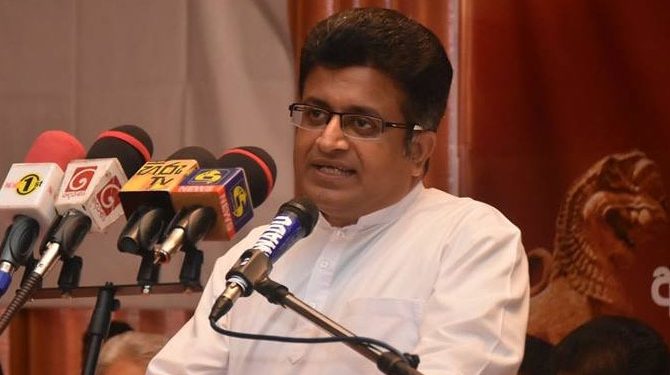
Another nationalist MP, Udaya Gammanpila, who is allied with President Gotabaya’s Sri Lanka Podujana Peramuna (SLPP), said that while the transport and road improvement parts of the US$ 480 million Compact (70% of it) is acceptable, the land registration part of it is not.
He feared that the latter could well be a Trojan Horse enabling Western and allied foreign companies to buy off land along the proposed Colombo-Trincomalee Economic Corridor.
While Sri Lanka is all for giving secure land titles to individuals to enable them to put their land to productive use, any attempt to make them available to foreign buyers as result of a pact like the MCC will not be unaccepted, Gammanpila said.
The MCC Compact, as approved by the previous government, says that one of the aims is to increase availability of information on private land and under-utilized State land in order to increase land market activity.” According to the MCC website, one of the aims of the MCC compact is to identify the root cause of problems in the land sector because of the difficulty in access to land for investment purposes.”
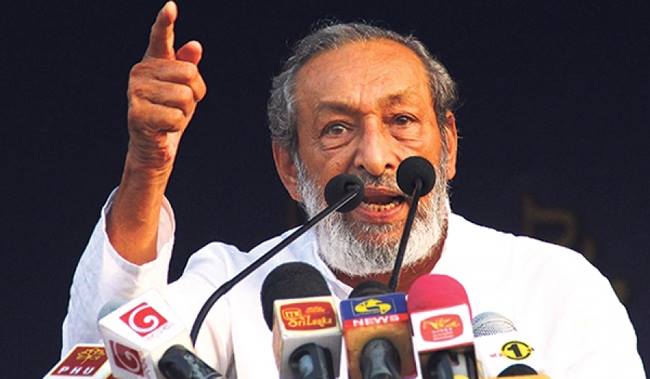
While the US Embassy has denied that the US will buy up any land under the MCC, Vasudeva Nanayakkara, a Leftist and State Minister for Water Supply, claimed that the land covered by the MCC Compact from Colombo to Trincomalee ( a very large tract) will go into hands of the US-Lankan joint company in which the US will use its financial clout to get land released for foreign buyers.
Sri Lanka will be obligated to accept such land transfers, having taken the US$ 480 million MCC as a grant” from the US, Gammanpila said.
We are going to change the law to ban foreigners buying land or taking it on long lease,” Nanayakkara asserted.
Such land transfers will lead to the impoverishment of the rural masses, whose economy is land based.
We want the land project to be dropped and the transport and road connectivity projects retained. But the US wants us to accept the entire package or forego the grant. That is not acceptable,” Gammanpila said.
However, he clarified that Sri Lanka is all for a modernized system to register land which clearly establishes ownership and enables the purchase of land with a clear title. But we should do it ourselves,” he added.
A monograph of the Institute of Policy Studies says that only 30 to 40% of the lands in the rural areas have a clear title. In 1998, the government initiated a land title registration scheme called the Bim Saviya program. But it ran into financial and other problems and had to be abandoned. The MCC will fund its completion. But Sri Lankan nationalists would like it done independently.
African Experience
According to literature on the working of the MCC in Africa where land is being acquired in vast quantities by foreign entities in the guise of promoting economic development, the project has many flaws. Gammanpila mentioned Madagascar in particular as a case Sri Lanka should study.
An article in www.grain.comsays that in the scramble for Africa’s land resources some of the players are turning up the heat to ensure that the corporate interests they defend get their piece of the pie. The MCC is indeed very private sector oriented, and its American and local partners will be predominantly from the private sector which will not come without profit in mind.
As experiences with its land projects in Mali, Ghana, Mozambique and Benin make plain, the MCC is playing a key role in commodifying Africa’s farmlands and opening them up to US agribusiness,” Grain.com says.
On Madagascar, the article says that in December 2008, it became apparent that the government that was using MCC funds to allocate certificates to thousands of rural Malagasy under the National Land Program was also selling off these lands to foreign investors.
The people of Madagascar were shocked to learn, via the international media, that their government had allocated a 1.3 million hectare land concession to the Korean company Daewoo Logistics, and that it was negotiating another agreement with the Indian company Varun, covering several hundred thousand hectares, both for large-scale farming projects.”
The Daewoo deal included lands where certificates had already been allocated through the MCC-funded program while Varun was proposing that the land program be extended to the area it was targeting, so that certificates could be awarded to farmers on condition that they make their lands available to Varun!”
In fact, the government had signed away, or was in the process of signing away, nearly 3 million hectares of agricultural land to foreign investors through a system of long-term leases (up to 99 years) that it established in 2008 as part of a new investment law supported by its donors.”
MCC’s Characteristics
About the MCC’s basic characteristics, the www. grain.com article says: The MCC’s approach is hard-hitting and akin to a structural adjustment program. It has a large budget (which Congress has increased under the Obama administration, by 26 per cent in 2010). This money is disbursed in the form of grants, not loans, to specific countries that the MCC deems eligible for funding. So there is a big carrot dangling to lure countries in.”
But even to become a candidate for funding, a country must first pass an MCC scorecard test, which looks at such criteria as ‘Encouraging Economic Freedom’ and is based on indicators taken from neo-liberal institutions like the World Bank, the Heritage Foundation and the International Monetary Fund (IMF).”
Having passed through these hoops, a country can then move into the process of developing and signing a Compact with the MCC, which will specify four or five projects for MCC funding.”
The way this usually works is that a team of US consultants flies in to guide the government in crafting the Compact proposal, pointing it towards those areas that are most salient to opening the country up to foreign investors.”
Once the Compact is approved, the money starts to flow, although the tap can quickly be turned off if the government changes direction in a manner that does not suit Washington. MCC funding to Nicaragua was cut off when the Sandinistas were elected to power, but was maintained in Honduras after the illegal coup d’état of 2009.”
With the signing of the Compact, the recipient government must set up an institution to administer the funds, often called a Millennium Challenge Account (MCA), which operates autonomously, with its own Board of Directors, yet under the oversight of a designated ministry.”
The Compact lasts typically for five years, with regular evaluations and strict targets that have to be met, each year or so, before new tranches of funding are released. Vincent Basserie, a land specialist with Le Hub Rural in Senegal, who has seen the MCC in action, likens it to a bulldozer – pursuing a strict ideological agenda, without regard for previous experiences.”
(The featured image at the top shows Udaya Gammanpila, pro-goverment MP)
Sri Lanka to ban foreign contractors from state projects
December 17th, 2019Courtesy NewsIn.Asia
Colombo, Dec. 16 – Sri Lanka will ban foreign contractors from competing for state project and give a slew of benefits for domestic construction companies, a government policy for for the next five years said.
Sri Lanka will all state construction work for the domestic construction firms” the policy document said, the EconomyNext reported.
The reduced competition could push up profits of construction firms and raise the cost of state procurement costs overall, analysts say.
Sri Lanka’s new administration had already halved income taxes for construction firms from 28 to 14 percent and also lifted value added tax from aparment and housing projects.
It is not clear how the ban will affect foreign tied funding projects.
Chinese projects in particular are funded with export-import bank financing for China-based contractors.
Some Sri Lankan firms which were sub-contractors to Chinese firms have got involved in joint ventures.
Small and medium subcontracting firms will be provided secure business through legislation, the new policy said.
Building construction approvals will be reduced to 3 weeks, by establishing a system that will enable all approvals to be obtained through one place over the internet, while urban construction will have to follow existing urban development plans.
Past loans taken by construction firms will be given grace periods and space to renegotiate, new policies showed.
A new system will be set up to manage relations between construction firms and banks via the central bank as well.
Existing licensing for procuring raw material for construction will be revised.
The government will set up an advisory committee of engineers and technologists to help construction firms obtain consultancy assistance, while also helping foster collaboration among the industry, architects association, Institute of Engineers and universities.
The government policy document envisions providing houses to those in need through easy payment plans based on household income.
Land for housing will be provided at reasonable prices for construction companies.
The price of land, especially in Colombo, has priced out housing for many, although housing costs also higher due to protectionist import tariffs on construction material such as aluminium, steel and ceramics.
Special housing projects will be initiated islandwide under a public-private partnership program, while housing schemes will be set up in rural agriculture areas where land for housing is limited.
Housing will be provided for those who are serving or have served in armed forces and war widows, police officers, displaced persons and those living in shanties.
Banks and private institutions providing loans exclusively for housing will be merged into one Housing Bank, which will provide low interest loans.
The government will create facilities to train workers to operate machinery in the construction industry, which is facing a labour shortage.
Youth will also be trained to take up technical or technology-related jobs in construction.
Sri Lanka experiments with a genetically altered mosquito to combat dengue
December 17th, 2019Courtesy NewsIn.Asia
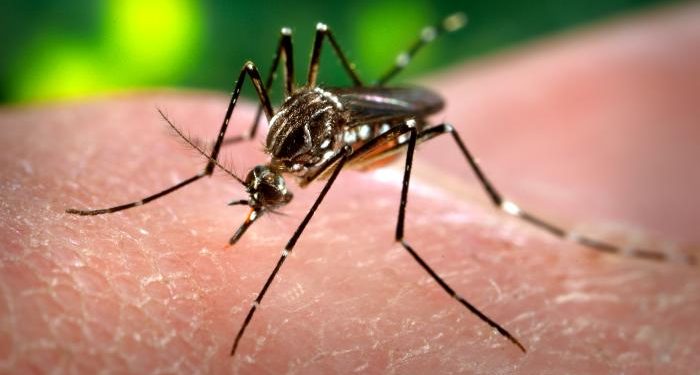
Colombo, December 17 (Xinhua): Sri Lankan President Gotabaya Rajapaksa has said the country will experiment with an imported genetically altered breed of mosquito designed to make female dengue mosquitos sterile in order to combat the rising dengue virus, local media reports said here Tuesday.
Speaking to newspaper editors, President Rajapaksa said that a sample of the mosquito breed had been brought to Sri Lanka on an experimental basis,” and the new experiment is currently underway.
President Rajapaksa further instructed all governors and health department workers to take immediate measures to combat the spread of dengue.
Sri Lanka’s health officials earlier this week warned of a dengue outbreak in the island country, as over 120 deaths have been reported so far this year and over 87,000 people affected from at least 11 districts.
Secretary of the Government Medical Officers Association (GMOA) Haritha Aluthge said that the GMOA had informed Health Minister Pavithra Wanniarachchi and the Secretary to the Ministry of Health of the seriousness of the issue as over 10 districts were affected by the rapidly increasing spread of the disease.
Continuous rains in many parts of the island country are one of the leading reasons for the spread of the virus.
Haritha said that while Colombo, Gampaha, in the outskirts of the capital and Kandy, in the central hills, were the worst affected districts, with 50 percent of the total of over 87,000 number of cases reported, for the first time an outbreak of dengue was also reported from the Jaffna District in the north.
Can’t accept candidacy for PM without party leadership – Sajith
December 17th, 2019Courtesy Hiru News
MP Sajith Premadasa says he will not take up the candidacy for Premiership, without being made the UNP Leader
අගමැති අපේක්ෂකත්වය බාරගැනීමට නම් පක්ෂ නායකත්වය අවශ්යයි – සජිත්
December 17th, 2019Courtesy Hiru News
පක්ෂ නායකත්වය නොමැතිව කුමන ලෙසකින්වත් අගමැති අපේක්ෂකත්වය භාර නොගන්නා බව එක්සත් ජාතික පෙරමුණේ පාර්ලිමේන්තු මන්ත්රී සජිත් ප්රේමදාස මහතා පවසනවා
ඔහු මේ බව ප්රකාශ කළේ කෝට්ටේ ප්රදේශයේ පැවති ජන හමුවකට එක්වෙමින්.
ජනාධිපතිවරණයේදී සජිත් ප්රේමදාස මහතාට සහය පළ කළ ජනතාවට ස්තූතිය පල කිරීම සඳහා දිවයින පුරා පැවැත්වීමට නියමිත රැස්වීම් මාලාවේ පළමුවැන්න අද කොලොන්නාව ප්රදේශයෙන් ආරම්භ වුණා.
එම අවස්ථාවට සජිත් ප්රේමදාස මහතාද එක්වූ අතර, ඔහු ජනාධිපතිවරණ පරාජයෙන් පසුව ප්රසිද්ධ වේදිකාවකට පැමිණි පළමු අවස්ථාවද මෙයයි.
කෙසේවෙතත්, සජිත් ප්රේමදාස මහතාගේ පැමිණීමට විරෝධය පල කරමින් කොලොන්නාව ජනතා පවුර සංවිධානය අද කොලොන්නාව නගරයේදී විරෝධතාවක් පැවැත්වුවා.
සී.වී. විග්නේෂ්වරන්ගේ ප්රකාශය පිළිකුල් සහගතයි – පූජ්ය දිඹුල්කුඹුරේ ශ්රී විමලධම්ම හිමියන්
December 17th, 2019Courtesy Hiru News
උතුරු පළාත් හිටපු ප්රධාන අමාත්ය සී.වී. විග්නේෂ්වරන් මහතා පසුගියදා සිදුකළ ප්රකාශය පිළිකුල් සහගත බව මල්වතු පාර්ශ්වයේ අනුනායක පූජ්ය දිඹුල්කුඹුරේ ශ්රී විමලධම්ම හිමියන් පවසනවා.
උන්වහන්සේ මේ අදහස් පළ කළේ අද පෙරවරුවේ මහනුවර පැවති ප්රවෘත්ති සාකච්ඡාවකට එක්වෙමින්.
පාඨලී ගැන සිංහලයේ ජාතික සංවිධානයෙන් අනාවරණයක්
December 17th, 2019Courtesy Hiru News
පාඨලී චම්පික රණවක හිටපු අමාත්යවරයා සම්බන්ධයෙන් අද පැවැති සිංහලයේ ජාතික සංවිධානයේ ප්රවෘත්ති සාකච්ඡාවේදී ද තවත් අනාවරණයක් සිදුකළා.
චම්පිකගේ රිය අනතුර ගැන පූජ්ය ඕමල්පේ සෝභිත හිමියන් කතා කරයි
December 17th, 2019Courtesy Hiru News
හිටපු අමාත්ය පාඨලී චම්පික රණවක මහතා සම්බන්ධ රිය අනතුර පිළිබදව සිදුවීමේ පරීක්ෂණ ජනාධිපති ගෝඨාභය රාජපක්ෂ මහතාගේ උපදෙස් මත සිදුවන්නක් බවට තමන් කිසිසේත් විශ්වාස නොකරන බව පූජ්ය ඕමල්පේ සෝභිත හිමියන් පවසනවා.
කොළඹදී අද පැවති ප්රවෘත්ති සාකච්ඡාවකදී උන්වහන්සේ මෙම අදහස් පලකළා.
චම්පිකගේ රැස්වීමකදී පහර කෑ තරුණයා සාධාරණයක් ඉල්ලයි
December 17th, 2019Courtesy Hiru News
ජනාධිපතිවරණ සමයේ සජිත් ප්රේමදාස මහතාට සහය පළ කරමින් මාලඹේ ප්රදේශයේ පැවැති මැතිවරණ රැස්වීමකදී පහරදීමකට ලක්වූ තරුණයාට පොලීසියෙන් සාධාරණයක් සිදුවී නොමැති බවට මව්බිම වෙනුවෙන් රණවිරුවෝ සංවිධානය චෝදනා කරනවා.
ඒ, පහරකෑමට ලක්වූ අදාළ තරුණයා ද සමඟ ප්රවෘත්ති සාකච්ඡාවක් පවත්වමින්.
රාජිත ඇතුළු පිරිසට ද නීතිය ක්රියාත්මක කළ යුතුයි – මන්ත්රී ඩිලාන් පෙරේරා –
December 17th, 2019Courtesy Hiru News
ස්විස් තානාපති කාර්යාල නිලධාරිනිය පැහැර ගත් බවට අසත්ය පුවත් නිර්මාණය කළ පාර්ලිමේන්තු මන්ත්රී රාජිත සේනාරත්න මහතා ඇතුළු පිරිසට ද නීතිය ක්රියාත්මක කළ යුතු බව පාර්ලිමේන්තු මන්ත්රී ඩිලාන් පෙරේරා මහතා අද පැවැති ප්රවෘත්ති සාකච්ඡාවකදී සඳහන් කළා.
මෙම සිද්ධිය සම්බන්ධයෙන් තවත් පාර්ශව රැසක් අද විවිධ ස්ථානවලදී අදහස් පළ කළා.
සුදුවෑන් මාධ්ය හමුවට සම්බන්ධ වූ සියලූදෙනා නීතිය ක්රියාත්මක කළ යුතුයි – රාජ්ය ඇමති ලක්ෂ්මන් යාපා
December 17th, 2019Hiru News
හිටපු අමාත්ය රාජිත සේනාරත්න සංවිධාන කළ සුදු වෑන් මාධ්ය හමුවට සම්බන්ධ වූ ඕනෑම පුද්ගලයෙකුට තරාතිරම නොබලා නීතිය ක්රියාත්මක කරන බව තොරතුරු හා සන්නිවේදන තාක්ෂණ රාජ්ය අමාත්ය ලක්ෂ්මන් යාපා අබේවර්ධන ප්රකාශ කළා.
ඒ, කොළඹ අද පැවති මාධ්ය හමුවකදී මාධ්යවේදියෙකු නැගූ ප්රශ්නයකට පිළිතුරු ලබාදෙමින්.
ඩිලන්ත ආරක්ෂාව ඉල්ලයි
December 17th, 2019Hiru News
තමන් ඝාතනය කිරීමට තැත් කළ එක්සත් ජාතික පක්ෂයේ කැළණිය හිටපු සංවිධායක බෙවන් පෙරේරාට නීතිය ක්රියාත්මක කරන්නැයි මෝටර් රථ ධාවන ශූර ඩිලන්ත මාලගමුව අද රජයෙන් ඉල්ලීමක් කළා.
තමන්ට එල්ල වී ඇති මරණ තර්ජන සම්බන්ධයෙන් ඩිලන්ත මාලගමුව 2018 වසරේ ජුලි මස 7 වනදා පොලිස් මූලස්ථානයට පැමිණිලි කර තිබුණා.
එ පාතාල කල්ලි සාමාජිකයෙකු තමන් ඝාතනය කිරීමට සැලසුම් කර ඇති බවට ලද තොරතුරකට අනුවයි.
නාවලපිටියේ පිහිටි තමන්ට අයත් ඉඩමක් සම්බන්ධයෙන් ඇතිවූ ගැටළුවක් මත එවකට එක්සත් ජාතික පක්ෂයේ කැළණිය හිටපු සංවිධායක, ජනතා වතු සංවර්ධන මණ්ඩලයේ ක්රියාකාරි අධ්යක්ෂවරයාව සිටි බෙවන් පෙරේරා මෙම කොන්ත්රාත්තුව ලබාදී ඇති බවටයි ඔහු සිය පැමිණිල්ලෙන් සඳහන් කර තිබුණේ.
කෙසේ වෙතත් කොළඹදී මාධ්ය හමුවක් කැඳවමින් ඔහු කියා සිටියේ තමන්ගේ ජීවිතයට අවදානමක් පැවතුනද කිසිදු ආරක්ෂාවක් තවමත් ලැබී නොමැති බවයි.
EDUCATION REFORMS ESSENTIAL TO SRI LANKA (PART 2)-VERTICAL AND HORIZONTAL MODELS OF DISTRIBUTION AND SOCIAL JUSTICE IN PROVIDING EDUCATION
December 16th, 2019BY EDWARD THEOPHILUS
Part one of this article focused on a basic requirement a Horizontal Model for Education Distribution in the country for education reforms. The structure for the model for a million population irrespective of where the population has networked or distributed, whether in rural or urban area, the proposed model designed to apply in entire country. It is a horizontal distribution of education irrespectively whether population distributed in rural or urban areas or in wealthy suburbs or in poor people’s ghettos. Recent television programs in Sri Lanka disclosed that although the department of education has been operating in the country since State Council era, finding a school for kids has become the most difficult task to parent. They should waste time and money for finding a school for kids despite the education considers a fundamental right of human.
The major reason for this predicament seems that distributing more resources for urban schools in the process of education distribution and neglecting rural and semi urban areas. Current education provision is a vertical distribution which means less than one million population in certain areas, many schools have established and they are based on nationality or religion or wealth, more than the requirement of population while large volume of population in outer Colombo and suburbs have less schools with less resources. A vertical distribution can be defined as giving more schools and resources to small area distributing upward. This situation could be eliminated only if the distribution of education makes horizontally, which forces the government to distribute schools and more resources to larger areas in rural Sri Lanka. Vertical distribution of education in the country is based on colonial attitudes, which has created many issues in education provision to the community and its principle seems against social justice. However, recent statement to press by Mr. Dallas Alahapperuma and Mr. Ramesh Pathirana clearly stated that national schools will be increased to 1000 from current 374, which means the acceptance of a horizontal model of education distribution. It is the social justice expected by people.
For example, if it gets Kotahena or Bambabalapitity or Madadana or Kollupitiya or Borella area, many schools have located in such areas for more than needed to the population actually living in the area whilst it is observable that no schools for kids in rural and semi-urban areas to gain education confirming to social justice. Locating too many schools to urban areas have also created problems such as daily movement of people in urban towns (Including Colombo), where generate motor and human traffic issues and daily movement of too many people incur cost to the government demanding more controls and facilities. The system incurs more expenses to Individuals expenses such as bus fee, pocket money for kids, accompanying persons with kids and many other expenses. It seems that people daily move from outer suburbs to Colombo metro area for schooling purpose than productive or trading purposes. Education must be a service that provides in residential area. It cannot not justify moving from far away to gain educational services and kids have additional pressure to concentrate on activities that are not related education.
I observed that some parent daily sends kids from Dankotuwa to Bambalapitiya for schooling, when I ask why it is happening, parent replied the reason to educate English, kids send far away. English is a communication media like other languages in the world whether it leans in Dankotuwa or in Bambalapitiya it shouldn’t reflect a difference. There may be a difference in accent, but it cannot be changed by teachers in Colombo schools. If a person can communicate in English, he or she must be able understand the message and give messages whether communicator learn English in the UK or in the USA, or in the East European countries or the Middle Eastern countries, or India, South Africa or in China or Japan. This is myth in Sri Lanka about English in Colombo which is different from English in other places. I observed that many kids studied in Colombo so-called superior schools cannot properly communicate in English Language and many policy makers and university educators in Sri Lanka are from regional areas.
Parent can save lots of money if schools located close to homes. This has been a problem for more than seventy years and the policy has not been corrected and now the education authority has a dogma as schools cannot relocate and the possible solution is opening new schools or upgrading schools in rural areas injecting more resources to them while reducing resources in schools of Colombo and suburbs.
Various allegorical acceptance have involved in searching for popular schools although the education is a qualitative substance despite where kids were educated and Sri Lanka’s environment has not changed to disregard points such as the school educated, who were teachers or any other allegorical points when selecting for jobs, for higher education and social acceptance if the person has required level of education and quality. The government needs launching a campaign against mythical views rooted in the society and make equity and justice for the quality of education irrespective of where it was obtained. This is a discrimination related issue and the government needs considering anti-discrimination laws like in Western countries, if any citizen has quality education, he/she must not be subjected to discrimination based on a point from where education was obtained. It is a rubbish if it considers to give priority for stupid points considering from where the education obtained, when selecting for a job.
Current education policy of the country has not organized the way given in the proposed horizontal model and some areas of the country have many educational institutions while rural or regional Sri Lanka is not consist of education institutions to accommodate students in the area or sometimes, there is no enough education institutions and resources to provide basic education to the community. This is a major disparity of existing education policy management and the proposed model indicated in part one could be used to each one million population without differences whether population located in urban or rural area. The model will bring equality in education distribution for people considering equity and justice equal opportunity without differences in gender, religion, regional, ethnic, language or any other such as where people networked in urban or rural areas.
After the acceptance of the proposed model for education distribution, it is necessary to address current major problems, which are associated with the past decision making in the existing system. The issues are varied and a considerable volume of young generation consider that they have difficulties entering to job market or higher education or skill training. The major point raised associated with issues such as wrong choice of study area, field, trade area or any other resulting unemployment. Bridging current unemployed graduates at university or higher education level or in any context of education to develop employable knowledge and skills or go to further education and training is an urgent requirement of education reforms. Kids had to encounter such problems not only because faults of them but also a problem within the education system, which has no guidance at school level to achieve ambitions and compare the ambition with economic environment. For this problem, parent, teachers as well as government policy makers are equally responsible.
Education and training could be widely used to solve the problem without creating any disadvantage to any person. However, the sensitive environment in Sri Lanka provokes attitudes of young generation pointing unrealized effects and the policy makers need to understand this sensitive environment, which is associated with politics. In the past, various steps took to reform curriculum structure in schools since 1960s, but it was failed and the major reason for the failure was politics and creating a wrong mental psychosis on the mind of people by politicians without understanding the timely needs and future requirements.
The report of Prof Dudley Seers in late 1960s (Matching Employment Expectation and Opportunities: A Program Action for Ceylon) clearly indicated the requirement of curriculum reforms and the government effort was bog down by politics. Therefore, when making education reforms, the government must not forget the traditional Sinhala saying if you go with knowing can reach Kataragama, travelling without knowing the way would leave you in the lurch”
The reforms in curriculum, teaching, training and flexibility in education could be used to eliminate the many problems in current environment. Looking at education in many countries Sri Lanka’s education could be expressed or firmly stated the exactly the right way, despite many opinions on educations especially curriculum reforms in schools. It is dependent on the future economic opportunities and trend of the job market and innovative features in other countries. This situation should be worked together with a view to solve problems, which were generated as results of past and continuing decisions.
With the given structure curriculum reforms is a broader aspect that eliminate unnecessarily aligning students to specific area of education such as science, commerce and arts. Many Western countries allow students to learn arts, science and commerce together and sometimes to select other pathways in health, engineering, agriculture, services, sports, and many other areas. In Australia, universities allow students to complete double degrees like Medicine and law or political science and arts, psychology etc. University education policy needs rapid changes and when students selected a study area, they should take the responsibility for selection and the university administration should give wider choices, however, current university management seems that they failed to give wider choices for students.
Curriculum reforms would direct to solve current major problems and it needs including key knowledge and skills education (value, health, environment and language education). Sri Lanka has many religions, but the behaviour of followers is not consistent with the policies of religions. It seems that religion has become a symbol and religion is not working in homes or workplaces or in the society. In this situation curriculum reforms need focus to offer value education in all educational contexts. In Western countries, value education is key in practical knowledge and application. For example, care and compassion are vital values which means care for self and others. In any education context, safety is a value, which broadly apply any subject area and when value education included, the behavioural pattern of students dramatically changed and the quality of knowledge and skills improve with a higher demand for knowledge and skills.
Value, health, environment and language education must be co area from primary education to university education and the university management has failed consider these area and next vital fact is university and TVET system in the country has no proper curriculum evaluation system, which is essential to perform once in two years. It is expensive and expert services demand for successful evaluation. When students learn a subject at school level, or technical or university level, the nature of outcomes achieved after learning neither students, nor parent not teachers nor employers have idea.
Next part will be in curriculum and teaching reforms.
YAHAPALANA VERSUS MAHA SANGHA Part 4
December 16th, 2019KAMALIKA PIERIS
The Maha Sangha worked hard on behalf of Gotabaya Rajapaksa at the Presidential election of November 2019. Ven. Elle Gunawansa said that the Sangha, 20,000 of them, went village by village to canvass for him”.
The Sangha were openly pleased when Gotabaya won. Elle Gunawansa said this is the first election after 1948 where the voters were called on to think of the country. ‘Rata gana, daruwo gana, Sambuddha Sasana gana hitana chande.
Ven. Omalpe Sobitha said that this was a victory for citizens who underwent untold hardships during the previous regime and for those who wish to bring back justice and democracy.
Ven. Devalegama Dammasena said the President’s political campaign would go down as one of the cleanest operations with no posters, banners and cutouts. There was no character assassination or slinging of mud on his stage.
President Gotabaya did not forget the Maha Sangha who had helped him win the election. He made it a point to visit Buddhist temples after his victory. These visits were televised. The chief priest of each temple was there to greet him, accompanied by a team of monks. Ven. Ittepane Dhammalankare met President Gotabaya accompanied by a team of bhikkhus, Dodampaha Nandimithra, Tirikunamale Ananda, Madampagama Assaji and Medawachchiye Dammajothi.
The Sangha gave lengthy speeches rejoicing in Gotabaya ‘s victory , with copious advice on what to do next. They spoke readily into microphones, to address persons seated before them! The microphones were there because these speeches were going to appear in the next day’s television news. The Sangha knew beforehand that they were addressing an island wide audience. This was nothing new for them. Bhikkhus regularly address lay audiences and advise them, during bana and pirit ceremonies. But this time they were talking politics, not religion.
The Sangha said they have great hope in President Gotabaya. They expect much from him. Akmeemana Dayaratana said we needed a leader with a vision . Elle Gunawansa said Gotabaya has vision, also he delivers any project he undertakes. Ven. Kotapitiye Rahula said that the Sangha were ready to work with Gotabaya.
Keppetiyagoda Siri Wimala of Getambe Rajopavanaramaya said ‘this time there is a good momentum. This momentum should be continued ’. Convert ‘Gotabaya bheetiya into Gotabaya neethiya,’.Vendaruwe Upali of Malwatte composed a short kavi then and there, ,which ended Janapathi vasanava me rata hadena thuru
Omalpe Sobitha , addressing a media conference at the Bodhiraja Viharaya, Embilipitiya said President Gotabaya Rajapaksa will usher in an era of prosperity and development in the country, for which he has already started work.
Devalegama Dammasena, Chief priest of the Tissamaharama Raja Maha Viharaya addressing a press conference in Tissamaharama said President Gotabaya has a vision and it was evident from the work he did as the Defence Secretary. ( I think he meant the urban development work). Ven. Dammasena said a period for the betterment of the country would dawn with the assumption of duties by President Gotabaya Rajapaksa.
Keppetiyagoda Siri Wimala voiced something that all Rajapaksa supporters were thinking. ’See to your security,” he said, It may now be under threat. Like what happened to SWRD. We will be destroyed if we lose you both.
The Sangha did not confine their utterances to temple and media. They appeared on other platforms too. A line of bhikkhus were seated in the front row at a Jana hamuwa for President Gotabaya held at Dehiwela.
The Sangha were also there, when the intelligentsia held a seminar on the MCC at the Sri Lanka Foundation Institute, Colombo in November 2019 .Several bhikkhus spoke, including Vaturawila Siri Sujata, Paraduwa Jinaratana and Murungagasyaye Gnathissara from France, Malevana Dhammavijaya said we are not a nation that weeps, ‘andana jatiyak nevei’.
The Maha Sangha, it appears have no intention of abandoning politics. They intend to stay on and supervise the government . The Maha Sangha were on television the day after the election, right after the results were announced.( see Derana news 2019.11. 08)
Elle Gunawansa addressed the media soon after the Presidential election. He asked the media to support the government at this point of time, instead of criticizing, because ‘if we fail this time, that will be final’. There will be weaknesses in this government. We must try to correct them, he said.
At a Yuthukama gathering, Ella Gunawansa said ‘Now pressurize the government to do what you want them to do. Do not sit back and wait.’ ‘Me para hondata balagena inna’ he instructed , ‘however much they may get annoyed we will continue to voice our views.’ Ven. Kotapitiye Rahula said that the Sangha were ready to work with Gotabaya. If this government doesn’t perform well, we will get rid of it too, he concluded.
The Sangha pounced on several current issues. They held a press conference on the Swiss embassy matter. This was a plot to discredit the government and country, they said. We, the Sangha wish to advise these embassies. We may be a small country, but we must be allowed to run our country without interference and with dignity. ( ‘abhimanavat’) . Switzerland should not meddle in our affairs. Bhikkhus also went to the UN Human Rights Organization and made a complaint against the Swiss embassy.
The Sangha spoke before television cameras on the fine given out to Brig. Priyanka Perera in London. Bhikkhus including Kamburugamuwe Vajira spoke of Perera’s bravery in war and praised his patriotism. They spoke of supporting him and having a collection to pay the fine.
Jamburewela Chandraratana representing the People’s Responsibility Centre went to the Indian High Commission and handed over a letter to be given to the Prime Minister Modi asking him to discuss doing away of Provincial Councils during President Rajapaksa’s official visit to India.
Jamburewela Chandraratana thereafter spoke to the media, on the negative aspects of Provincial Councils. The Elections Commission stated that the cost of holding the last provincial council election was Rs. 874 million and the next election will cost Rs. 3, 180 million. Further, the Provincial Councils have not been function for months.
The North Central, Eastern and Sabaragamuwa Provincial Councils were inactive for two years and eight months. The Central, Northern and North Western Provincial Councils were inactive for one year and eight months, while the Western and Southern Provincial Councils were inactive for six months. But although the Provincial Councils were inactive, the country moved forward, he said..”
The Sangha commented on political issues, big and small, as they came up. Pahiyangala Ananda criticized the decision to abolish the permits system in transporting sand, granite and soil. Akmeemana Dayaratana spoke on the 13 points put forward by TNA. Kiri Ibbanare Vijitha said that all involved in the Bond Scam, including ministers must be arrested. Kotapola Amarakiththi said that USA intended to get their MCC passed after the Presidential elections.
Paraduwe Jinaratana spoke of irregularities in the cultural ministry. Bhikkhus commented unfavorably on officials such as Shani Abeysekera. Two bhikkhus were seen at the new demand for an inquiry against Dr. Shafie. Liyanwela Sasanaratana spoke.
Jumburewela Chandaratana said that the head of the Pharmaceutical Corporation had purchased a low grade cancer drug. This official and his Minister, Rajitha Senaratne should be arrested. Ven. Chandraratana also went to the Defence Ministry to ask that this person be stopped from leaving the country. The official concerned said that he was not going anywhere.
Ittakande Saddhatissa said they have evidence of malpractice in Sathosa by Rishard Bathiudeen and he must be arrested. Angulugalle Sri Jinanada, Magalkande Sudatta, Madille Pagnaloka and Akmeemana Dayaratna speaking separately said that there was illegal settlement of Muslims in Puttalam and that Rishard Bathiudeen was responsible.
At Walapane, there were four deaths in one family due to the collapse of a hill and the public were furious. They said this was due to illegal quarrying. Mailagasthenne Dhammananda, chief priest Galpotha temple, intervened and asked the family to please go ahead with the burial. They would agitate about the matter the next day. This was shown on television news.
Media reported that a group of Buddhist monks and supporters of Duminda Silva are planning on appealing to the government to re-commence an investigation into the shooting incident between two groups of Duminda Silva and Bharatha Lakshman Premachandra several years ago. They claim that the CID had allegedly concealed certain information from courts regarding the shooting of Duminda Silva which was unfavourable to him and eventually led to him being sentenced to life imprisonment.
The group appealing on behalf of Duminda Silva claim that while the CID was entrusted with the inquiry in to this incident, they had allegedly concealed information regarding the fact that it was Bharatha Lakshman’s group who had initially opened fire and injured Duminda Silva, and only had pursued investigations regarding Duminda Silva’s group opening fire on Bharatha Lakshman. The petitioners claim that the CID had allegedly concealed certain information from courts. Therefore, they have urged the new government to conduct a fair investigation into this incident, while respecting the verdict of the courts, and ensure that justice is done to both parties without favouring either of them.
The Sangha showed that they were very alert politically. Ittepane Dhammalankare among others, commented very accurately on the political situation. Devalegama Dammasena alerted the people of impending dangers to the nation and its citizens. Bengamuwe Nalaka speaking at a Gotabaya rally ( before the election) referred disparagingly to the ‘NGO karayo’ who were working against Gotabaya. They talked history too. There were several references to 1815 and to Dutugemunu.
Today’s Sangha are media savvy. Derana news 11.12.19 showed a bhikkhu holding his smart phone to the Derana microphone to convey information. They are knowledgeable and well informed. They cited relevant laws and acts. They pointed out that in the Swiss Embassy issue, the employee was not entitled to diplomatic immunity and that the whole incident was in violation of the Vienna convention.
The Sangha took a strong anti –UNP stance. Not other political party has harmed this country more than the UNP, said Elle Gunawansa. Earlier UNP had good people in it, he added. Ranil Wickremesinghe must resign said Medagama Dhammananda of Asgiri. If Ranil Wickremesinghe does not resign, then we will have to force him to resign, said Pahiyangala Ananda Sagara and Ittakande Saddhatissa, speaking separately.
Jamburewela Chandraratana commented on Ranil Wickremesinghe’s statement that UNP must now woo back the Sinhala Buddhist vote. Is this for religion or to gain political power, he asked. Elle Gunawansa said that this shows that up to now they have used the Sinhala Buddhist vote only to win elections.
It is well known that while electioneering was going on, and the Sangha were working for Gotabaya Rajapaksa , Mangala Samaraweera sent a Twitter message, where he omitted the Sangha and spoke of the Blessings of a Double Gem. This was an absurd, laughable utterance, but the Sangha, naturally were furious. This was the last straw.
They came before the public, via television, and specifically named Mangala Samaraweera, Rajita Senaratne, Patali Champika and Ranjan Ramanayake as persons who have criticized the Sangha. They must be removed from politics. Their behavior was shameless, said Alugalle Siri Jinananda of Buddhist information Center . They must apologize to the Sangha, said Jamburewela Chandraratana ,otherwise the UNP will not get votes. Paraduwa Jinaratana. and Vatinapana Somananda also spoke.
The Sangha did not stop at that. They went to Sri Kotha when a UNP was meeting was in progress. They handed over a written request that the UNP not give nominations to those who refused to accept that this was a Sinhala Buddhist country. If not, the Sangha will work against UNP not only at the next election but will also engage in a campaign against UNP, said Kotahene Narada. Mangala, Ranjan and Rajitha were specifically named in the letter.
The Buddhist public including the Maha Sangha had lost confidence in the government led by Prime Minister Ranil Wickremesinghe which had belittled the country’s historical heritage saying that Sri Lanka is not a Buddhist nation. This distrust was amply demonstrated in the Presidential Election results, said Medagama Dhammananda of Asgiri. No ruler can govern Sri Lanka by disrespecting the Maha Sangha.
From the beginning Yahapalana government had insulted the Maha Sangha and nurtured extremist minority groups said Ven Dhammananda. They wanted to remove the monks and do what they want. Saying Sri Lanka is not a Buddhist country showed that they were planning a ‘vena gamanak’. We must understand this .
We have never been insulted like this before, said Elle Gunawansa. ‘They thought we were a spineless nation, that the Sangha had no power. But the Sangha are not the fools they thought we were, he added . The Sangha became very determined. When Mahinda Rajapaksa took office as Prime Minister , three long rows of bhikkhus chanted a lengthy pirit which sounded as though it would never end.
The battle between the fading Yahapalana government and the Maha Sangha is still going on. The Sangha realize that the game is not yet over. The country is still in danger from the west. The Sangha is now looking ahead to the General election and the Prime Minister stakes of 2020.
Kamaburugamuwe Vajira advised ‘rata beraganna nayakayek thora ganna. ‘Think ahead, think of the future generations and vote. Elle Gunawansa said, we need’ ratata jatiyata agamata garu karana ayomya nayakayek. Me rate gaha kola valata adaraya karana, sivurata adaraya karana, kandula handunana nayakayake ona.
Kotapola Amarakiththi said I am not attached to any political party. But having seen the fearful disaster we are facing, I thought that I must address these few words to you. Don’t think the way you thought for the last 70 years(sic) . You must think about the next election in a ‘kavadavat nohitu vidihata’ and vote intelligently.
Not everyone is impressed with the role played by the Sangha. The columnist Nan” has spoken of a ‘Scary Saffron Surge”. She said ‘ thoughts have been surging in my feared mind after seeing so many Buddhist monks in active politics and so much visiting of temples by those who won the recent election’. There was also a statement made by a monk loud and clear that the leaders who won the recent elections took their advice and should continue doing so now they are in power.
‘Nan’ speaks of the ‘dread and menace’ in Buddhist monks entering active politics. Monks increasing in numbers and stridency, monks who do not keep the Vinaya rules, monks who led assaults on minority groups
Political monks are definitely stepping out on the wrong path, said Nan” Their place is the temple and the monastery; their duty to interpret the Buddha Dhamma and lead the people they have influence over to better lives, striving to enter the Path shown by the Buddha as bringing deliverance, but before that enjoying the satisfaction in this life full of dukkha through meditation and improvement of their minds and sila. They get on the Path through renunciation and great effort and then they show us the Path and guide us.
We Buddhists are very fortunate to have had great good monks, continued Nan” and have such monks even now in considerable numbers, who [deliver] bana [having much] relevance to our lives. They lead their lives as prescribed by the Buddha.
‘Nan’ says that Ven. Dhammavihari has said that monks have duties to perform for lay people, as the latter provide them with all necessities to sustain life. Thus their readiness and willingness to advice lay people, visit homes for dana and pirit chanting, and offer solace when that is needed.
I must say that very many monks are true Buddhist monks in this land of ours, following strictly the Vinaya rules set down by the Buddha and wearing the robe he prescribed with solemnity, serenity and dignity. We also have monks in the forest tradition who spend their time in meditation with not much contact with ordinary life and lay people. In some abodes, people do not even see the monks,.; dane is left for them and they appear only to gather their food and return to their kutis and seclusion, said Nan”.
These observations call for a reply. Bhikkhus are citizens of Sri Lanka and they are entitled to all rights of citizens, including the right to vote and participate in political activity. This is now accepted. Island editorial of 7.12.19 said ‘Buddhist monks, no doubt, have political rights and, in fact, they have a history of playing a pivotal role in helping the country in times of crisis.’
Secondly, these ‘menacing, strident’ monks are often the chief priests of highly regarded temples. Finally,, if the monks had supported Sajith Premadasa, instead of Gotabaya Rajapaksa , would Nan” have spoken of a ‘wonderful saffron surge’ and not a ‘scary’ one. [Concluded]
The flooring of ideologies and ideologues
December 16th, 2019Malinda Seneviratne
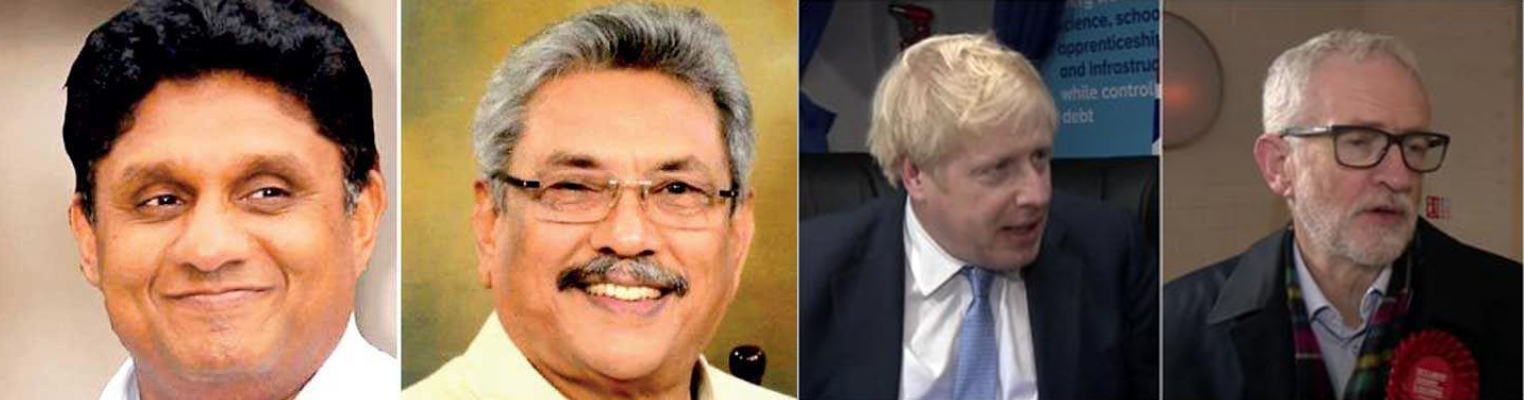
Labour gaining ground. One in ten still undecided. Jeremy Corbyn is much closer to becoming Prime Minister than voters think, according to a Conservative party memo. Hung parliament will see Boris Johnson removed from No 10 Downing Street. Labour minority government likely. Opinion polls tightening — Corbyn might just become Prime Minister.
These were headlined claims in the run up to the British Parliamentary Elections. Change a few names and it is pretty much what did the rounds in Sri Lanka, especially among those who read, speak (and live?) ‘English’ a month ago. Check the following ‘clips’ from the pro-Sajith twitterati masquerading as political commentators and political scientists (crystal gazing quacks if you ask me!).
Sajith has the late starter advantage. Easy win for Sajith in Gota-Sajith race. Sajith is gaining ground. Sajith is bridging the gap fast. A tight race. It’s too close to call. Sajith slowly pulling ahead as Gota fails to gain traction. A poll has shown that Premadasa currently would narrow the margin considerably against Rajapaksa. Second-preference will decide things since no one will get 50%+1.
This is not exactly party propaganda posted by party-run websites and social media teams only to be liked and shared by party loyalists. No, we are not talking about career politicians such as those backing Sajith Premadasa or political activists like Shiral Laktilleka who until the very end maintained that Sajith could come through. Here’s a partial list of prophesy-pushers: Dayan Jayatilleka, Jayadeva Uyangoda, Victor Ivan, Harim Peiris and Paikiasothy Saravanamuttu. Some of them, like Dayan, were openly campaigning for Sajith while others may have done so on the sly. Some, like Kumar David didn’t exactly cheer Sajith, but waxed eloquent about the ‘real possibility’ of second-preferences coming into contention, indicating that he also believed in a close race.
Now their UK Election counterparts weren’t exactly Sumanadasas either. So how does one explain the fact that they got it all wrong? Is it enough to say ‘outcome preferences compromised analytical rigor’? Is it enough to say ‘they started believing their own propaganda?’
Maybe they just had no clue.
Many commentators, first and foremost, seemed to have read everything wrong. In 2015, they believed it was a battle between a clueless authoritarian Sinhala Buddhist nationalist crook and a coalition of good and competent guys who were peaceful, democratic, honest, tolerant and secularist. Come 2019, they believed (hoped, rather) that there would be a repeat. That belief/hope was predicated probably on that flawed reading of the 2015 result.
It can’t be the case that people had been ‘converted’ from revolutionary (‘low-intensity’ as Nirmal Ranjith Dewasiri put it) to counter-revolutionary if you want that kind of terminology in the course of less than five years. It has to be something else. It was not about the electorate suddenly becoming ultra-progressive (as per THEIR understanding of the word) between 2010 and 2015. Simply, people were tired of the regime, they were tired of the arrogance and more so than the perceived corruption. If that was not the case, the above pundits would find it hard to explain how Gota not only won the districts that Mahinda lost or won by margins much slimmer than those of 2010 but won them handsomely.
So they were shocked. Naturally. Perhaps they should try self-reflection and ask themselves if they unconsciously extrapolated personal preferences and convictions to the entire electorate or at least a significant section of it.
In the UK (like in the USA), politics is dominated by the right wing. Yes, just like in Sri Lanka. Sure, the Democrats are ‘left’ but only in relation to the location of the Republicans on the Left-Right political continuum. Labour, in the UK, is ‘left’ but only in relation to the Conservatives. In terms of broader social, economic and political issues, both parties in both countries (yes, just like in Sri Lanka) are ‘right’.
In Sri Lanka, ironically, ‘The Left’ or rather the so-called Left Intellectuals that ‘The Left’ has dwindled down have identified the UNP as the preferred refugee camp. Now if these individuals were serious about taking on capitalism and if ‘class’ was their top political priority, they wouldn’t go anywhere near the UNP. Some of course backed the JVP and painted themselves as supporting program rather than a ‘lesser evil’. But ‘lesser evil’ seems to be the perennial fall-back option for these people, both in Sri Lanka and the UK.
Why is the Sri Lanka Podu Jana Peramuna (SLPP) or the Conservative party the ‘greater evil’? It’s not about capitalism or class struggle. Such things are no longer in their vocabulary. The left pretenders are simply reluctant to acknowledge the truth that such ideological concerns no longer excite them. They simply want to retain the label. So they pick what have been peripheral to traditional left politics: self-determination, minoritarianism, environmental issues, women’s rights, human rights, reconciliation, liberal democracy (as an interim political project), carbon-neutrality etc.
And they must pick a political other. What’s easy? Well, ‘nationalism’ has always been the no-no for the Left. So it’s easy. They painted the Rajapaksas and the SLPP as ‘Sinhala Buddhist racists’ and happily sided with Sajith. But wait, read what Kumar David has to say about Sajith. Sajith’s mind, he paraphrases thus: ‘I will be as tough as Gota; mother Lanka is safe from separatist Tamils and terrorist Muslims in my custody.’ It was easy, one feels. If not wanting to side with a Rajapaksa was not reason enough, all they had to do was to move to where the nationalists were not.
Never mind all that. They needed to stand somewhere and they picked a default option, even though it meant they had to rub shoulders of Tamil racists and Muslim fundamentalists, not to mention of course champions of the ultra-right and out and out slaves of the global thugs led by the USA and UK . Interestingly, the same can be said of the ultra nationalists. It is not that Gotabaya Rajapaksa and the SLPP were in policy statement or rhetoric more nationalist than Sajith. Neither were they parroting the claims and aspirations of the nationalists. And yet, they were the lesser evil for the nationalists. It was easy, one feels. Just check where Mangala Samaraweera, Rauff Hakeem, Rishard Bathiudeen, M.A. Sumanthiran et al stand and pick the person opposed to them.
What comes out of all this is that while there are ideologies and ideologues, they either don’t have a party they expresses the particular ideology or else don’t have the will to build such a political force. And so those who picked the winner have things to say about what and who were defeated while those who backed the loser talk about what and who won.
This is not something that was peculiar to the recently held Presidential Election. It is a theory that can help explain the behavior of ‘ideologues’ of all kinds in every major election since 1965. That makes 54 years of default-option as far as those who are heavy on ideology are concerned.
Interestingly, they make such a tiny minority that their effect is considerably smaller than their profiles (and egos). In other words, had the self-labeled Leftists chosen to spend all their time away from laptops and pocket meetings and instead used armchairs, the results would have not been very different in both 2015 and 2019 (and of course other elections). The same would go for the nationalists.
Of course things are a bit different in Britain, considering Brexit, Johnson and deep-seated xenophobia coming out into the open, but one feels that electorate-temper has been as misread in that country as it was in Sri Lanka. Nevertheless, the commonalities of misreading, mis-extrapolation and missing the bus consequently are hard to deny.
One thing is certain. The November 16, 2019 election showed up many political scientists and political commentators for being utterly inept. Perhaps it was a sobering experience and we might see more informed and perceptive missives from them in the future. I am not betting on it though.
This article was first published in the Sunday Observer [December 15, 2019]
malindasenevi@gmail.com. www.malindawords.blogspot.com
Hela Budhu Saviya pledges support and backing to the Government and people of Myanmar in their hour of crisis.
December 16th, 2019Ven. Budugala Jinawansa Thera President Hela Budhu Saviya
December 16, 2019
His Excellency
U Win Myint
The President of Myanmar
Myanmar
Your Excellency,
We are deeply concerned with the allegations made against Myanmar at the International Court of Justice, and the denigration of Myanmar world – wide by the International Media working hand in glove with sinister NGO groups having a diabolical anti – Buddhist agenda. They are blatantly using the bogey of Human Rights and false and misleading accusations of Genocide to name and shame countries, that are truly independent, assert sovereign rights of free nations, and do not bow down to western diktat.
Today it is Myanmar. Tomorrow it will be Sri Lanka. Having destroyed Iraq, Libya, Syria, Afghanistan without being held to account for their crimes, the very same western countries are now strategically using Muslims to destroy the foundations of Buddhist countries.
Both Myanmar and Sri Lanka have a shared past linked to Theravada Buddhism running for over a thousand years. History shows that both countries had assisted each other in times of crisis when the survival of each country was at stake. An existential threat from a common source intending to displace Buddhism in both countries persists today. This trend is clearly visible in the narrative of the disappearance and replacement of Buddhism in several Asian countries during the last one thousand years.
The Dharmic (Indo – Buddhist) world must take cognizance of these historical developments and ask the question whether the current happenings in Myanmar, Sri Lanka and Thailand (all Theravada Buddhist countries now besieged ) are but a continuation of a tailored process set in motion over a thousand years ago to dislodge and finally replace Buddhism from its traditional primacy in Buddhist Asia.
British colonial rulers must take blame for much of Myanmar’s contemporary troubles, having intentionally stoked tensions between its Bamar Buddhist majority and ethnic minorities through a strategy of divide and rule,” sowing seeds of resentment between the Bamar and minorities like the Rohingya.
Will the British also take responsibility for bringing most Rohingyas from Bengal in the 19th and 20th centuries as cheap labour to work in Burmese paddy fields, in a manner similar to bringing Indian Tamils as indentured labour to Sri Lanka then called Ceylon to work in tea plantations without the consent of the Kandyan Sinhalese people, and whose traditional lands were forcefully grabbed by the British under the draconian Waste Lands Ordinance, 1840 ?
We take the view that the elected Government of Myanmar with a mandate to protect the citizens of Myanmar, had no other choice but to send its armed forces to Rakhine in order to protect Buddhists, Hindus, and various indigenous Tribal Groups, who faced the wrath of ARSA (Arakan Rohingya Salvation Army) and the Bengali Muslims who had infiltrated Rakhine heavily with intent to grab land and dispossess the original inhabitants namely the citizens of Myanmar, from their traditional home land in Rakhine.
We further take the view that what the Government of Myanmar is doing is absolutely right, in protecting Myanmar’s interest in the face of OIC funded propaganda. The So called Rohingyas are illegal immigrants from Bangladesh. Where was ICJ and UN when Bangladesh was ethnic cleansing Buddhist tribes (Chakma, Marma, Tripura etc.) from Chittagong Hill Tracts?”
A propaganda war has been launched against Myanmar by the OIC and the highly prejudiced international media such as Al Jazeera that totally ignores the Bengali Muslim land grab that blights Rakhine, the Chittagong Hill Tracts (Bangladesh), and various parts of India including Assam.
A similar situation of organized and co -ordinated violence arose in Sri Lanka, when on Easter Sunday April 21, 2019, suicide bombers linked to radical Islamic terrorist groups killed 259 people and injured over 500 people. Three churches and three luxury hotels in Colombo were targeted in a series of coordinated terrorist suicide bombings.
The failure to counter aggressive Abrahamic incursions can only lead to the shrinking of Buddhist space and Territory in South Asia, South East Asia and the Far East.
We admire the moral courage of Myanmar in standing up to foreign invaders. Much of Asia was once under European colonial rule for centuries. People in Asian countries fought for their freedom and liberty from Western colonial occupation, and finally obtained independence. But this independence is now again under threat from neo – colonialism.
Organization of Islamic Co – operation (OIC) is in the picture via Gambia. The absence of the equivalent of an OIC in the Buddhist world such as a summit level League of Buddhist Nations, is worrisome. While European Christian heritage nations are protected heavily by the European Union (EU) and NATO, and Islamic countries have the powerful 57 member OIC to take up their cause at the drop of a hat, Buddhist countries unfortunately lack an effective international Buddhist organization with clout to adequately defend them at a time of crisis.
Between Turkey and Indonesia, there are only four non – Muslim countries, namely the pre-dominantly Hindu India, and three predominantly Buddhist countries, Sri Lanka, Myanmar and Thailand. They all face threats to their survival from armed violence and demographic change.
Hela Budhu Saviya wishes to express concern, at these developments which threaten the future of Buddhist nations. The people of Sri Lanka and Myanmar have a long history of friendship and solidarity. We express our continued support and admiration to an Asian Heroine namely the State Counsellor Aung San Suu Kyi for her great courage and perseverance in the face of continued threats and intimidation.
You are not alone.
Hela Budhu Saviya pledges support and backing to the Government and people of Myanmar in their hour of crisis.
May the Triple Gem Bless you
Ven.
Budugala Jinawansa Thera
President Hela Budhu Saviya
Sri Lanka
Training Program 2019 for Sri Lankan Medical Practitioners in Nephrology held in Beijing
December 16th, 2019Press Release of the Embassy of China
Ten Sri Lankan medical practitioners including three doctors and seven
nurses from the Chronic Kidney Disease of Unknown Etiology (CKDu) affected areas
finished a 2-month training program at Peking University First Hospital (PUFH)
in Beijing. The commencement ceremony of the Training Program was held on Dec.
12, 2019. For two months, the trainees got full time training in the
hemodialysis center, the nephrology ward and the peritoneal dialysis center of
the PUFH, one of the best hospitals in China.
As a training program lasting for the third consecutive year, the training
program was sponsored by the Chinese Academy of Sciences (CAS) in an attempt to
help tackle the CKDu issue in Sri Lanka. The program has trained thirty medical
practitioners for Sri Lanka up to now.
Please find the following report
by the Chinese Academy of Sciences (CAS) “Training Program 2019 for Sri
Lankan Medical Practitioners in Nephrology held in Beijing”
Two persons who made “white van” claims remanded
December 16th, 2019Courtesy Ada Derana
The two individuals, who were arrested over controversial statements made at a media briefing conducted by former Health Minister Rajitha Senaratne on the purported incidents regarding white vans”, have been remanded until the 27th of December.
The Colombo Chief Magistrate issued the order when the two individuals were presented before the court today (16).
The CID had commenced an investigation into a media briefing conducted by the former Health Minister in early November along with two other individuals, where they made controversial statements.
On the 10th of November this year, Senaratne had called two persons named Anthony Douglas Fernando and Athula Sanjeewa Madanayake for the said press conference, who made controversial statements and allegations regarding white vans” and purported incidents of certain abductions, assassinations, robberies and forced disappearances during the administration of former President Mahinda Rajapaksa.
One of them had claimed that he was a white van” driver involved in abducting people while the other claimed he once served as a driver to transport a stock of gold in previously LTTE-held areas.
On December 02, the CID presented a submission to the Colombo Chief Magistrate Lanka Jayaratne regarding the said media briefing. Considering a request made by the CID, the chief magistrate had ordered several media institutions to submit the unedited video footage from this press conference to the investigators for onward probes.
The investigations in this regard were launched after a complaint was lodged by an individual named Kumudu Pradeep Sanjeewa Perera.
THE PRESIDENT SAYS THE ALLEGED ABDUCTION INCIDENT TARGETED HIM
December 16th, 2019Courtesy Hiru News
President Gotabaya Rajapaksa said that the local staffer attached to the Swiss Embassy was not abducted and, it has now been revealed that the incident was solely a calculated target on him.
Addressing the heads of media institutions this morning, he further said that CCTV footage, telephone conversations and other independent investigations have already revealed that such an incident had not taken place
The president also said that the behavior of the allegedly abducted Embassy staffer was suspicious as she did not cooperate with investigators.
He said the Swiss Embassy in Colombo has extended its full support towards the investigations, however.
Commenting on the alleged white van phobia that was brought to the election platform by the previous government, President Rajapaksa said such practices are fitting to the individuals such as former minister Rajitha Senarathna.
He further said that the media conferences convened by Senarathna to disseminate make-believe stories helped increase his final vote count.
Addressing the heads of media institutions, President Rajapaksa said that his only challenge in 2020 is to implement his election manifesto.
He said that all ministers and public workers should make full commitments towards his goal and attitudinal changes in the Public sector has to be done in this regard.
The employment task force will begin offering jobs next year and it will give priority to youth from low-income group families.
The President further said that the aim of the government is to inculcate different skills in unskilled youth to enable them to look for jobs locally and internationally.
President Gotabaya Rajapaksa said that no foreign worker will be employed in local jobs and said that his aim is to step forward with local intellectuals.<br /> <br /> Responding to participating heads of media institutions, President Rajapaksa said that a committee has been appointed to do a correct study on the controversial Millennium Challenge Corporation as well.
He also said that his government would never postpone due elections in the future.
At the same time, he said the media can make a big impact to put a government on the correct track, therefore, no form of pressure would be brought on the media.
He also said that an effective media office will be set up in the course of time, enabling it to make direct statements on relevant subjects instead of announcing government opinions.
The Swiss Embassy officer remanded until the 30th
December 16th, 2019Courtesy Hiru News
he Swiss Embassy officer Garnier Banister Francis who was arrested by the CID, has been remanded until the 30
This was after she was produced before Colombo Chief Magistrate Lanka Jayaratne.
චම්පිකගේ රිය අනතුරු සිද්ධියට දුරකථන වාර්තා කැදවයි
December 16th, 2019උපුටා ගැන්ම හිරු නිව්ස්
2016 වසරේ රාජගිරියේදී තරුණයෙකු රිය අනතුරට ලක් කළ බව කියන සිද්ධියට අදාළව හිටපු අමාත්ය පාඨලී චම්පික රණවක නීතීඥයෙකු මාර්ගයෙන් අද අධිකරණය හමුවේ පෙනී සිටියා.
හිරු අධිකරණ වාර්තාකරු සඳහන් කළේ ඒ අනුව ඔහු කොළඹ අතිරේක මහේස්ත්රාත් කාංචනා නෙරංජනා ද සිල්වා හමුවේ පෙනී සිටි බවයි.
එහිදී හිටපු අමාත්යවරයා වෙනුවෙන් පෙනී සිටි නීතීඥවරයා අධිකරණයට දැනුම්දී ඇත්තේ තම සේවාදායකයා සහ ඔහුගේ රියදුරාට අදාළව ලබාගෙන ඇති විදෙස් ගමන් තහනම ඒකපාර්ශවික කරුණු ඉදිරිපත් කිරීමක් මගින් ගත් තීන්දුවක් බවටයි.
එමෙන්ම, කොළඹ අපරාධ කොට්ඨාශයේ නිලධාරින් හිටපු අමාත්යවරයාගේ රියදුරාගේ ගාල්ල – ඉමදූවේ පිහිටි නිවසට ගොස් ඔහුගේ ඥාතීන් බලහත්කාරයෙන් කොළඹට රැගෙනවිත් ඇති බවට ද නීතිඥවරයා අධිකරණයට දැනුම් දුන්නා.
කෙසේ වෙතත්, කොළඹ අපරාධ කොට්ඨාශය කරුණු ඉදිරිපත් කරමින් කියා සිටියේ නිසියාකාරව කරුණු ඉදිරිපත් කිරීමෙන් පසු අදාළ විදෙස් ගමන් තහනම ලබා ගත් බවයි.
බලහත්කාරයකින් තොරව අමාත්යවරයාගේ රියදුරාගේ ඥාතීන් කොළඹට රැගෙන ආවේ ඔහු රැදී සිටින කොළඹ නිවස හදුනා ගැනීම සදහා බව ද කොළඹ අපරාධ කොට්ඨාශය අධිකරණයට දැනුම් දුන්නා.
එසේම පොලීසියේ ඉල්ලීම අනුව අධිකරණය නියෝග කළේ විමර්ශන කටයුතු සඳහා දුරකථන අංක 20ක් සම්බන්ධයෙන් විශ්ලේෂණ වාර්තාවක් කැදවීමටයි.
වැඩිදුර විමර්ශනය සඳහා නඩුව ලබන වසරේ පෙබරවාරි මස 14 වන දා යළි කැදවන අතර, එතෙක් හිටපු අමාත්ය පාඨලී චම්පික රණවකට සහ ඔහුගේ රියදුරාට විදෙස් ගමන් තහනම ක්රියාත්මකයි.
මේ අතර හිටපු අමාත්ය පාඨලී චම්පික රණවක මහතාට එරෙහිව එල්ල වී චෝදනා සම්බන්ධයෙන් ප්රතිචාර දැක්විම සඳහා එක්සත් ජාතික පක්ෂ පාර්ලිමේන්තු මන්ත්රී අකිල විරාජ් කාරියවසම් මහතා ඇතුළු පිරිසක් අද කොළඹදී විශේෂ ප්රවෘත්ති සාකච්ඡාවක් පැවැත්වූවා.
Former Minister Patali Champika before the Colombo Magistrate’s Court
December 16th, 2019Courtesy Hiru News
Former Minister Patali Champika Ranawaka appeared before the Colombo Additional Magistrate Kanchana Neranjana de Silva today in connection with an incident involving a youth in Rajagiriya in 2016.
Former Minister Patali Champika Ranawaka and his driver were imposed an overseas travel ban in connection with the accident by the Colombo Additional Magistrate’s Court.